As a reminder of how deep we are into this cenÂtuÂry, more than a few of the authors of these notÂed books — Denis JohnÂson, Joan DidÂion, Philip Roth, CorÂmac McCarthy, Hilary ManÂtel — have already shufÂfled off this morÂtal coil. RoberÂto Bolaño, whose The SavÂage DetecÂtives and 2666 placed at numÂbers 38 and 6, respecÂtiveÂly, was already dead when both of those novÂels first appeared in EngÂlish transÂlaÂtion.
Some selecÂtions may cause despair over the health of litÂerÂaÂture itself: DonÂna TartÂt’s The Goldfinch, for instance, whose rapÂturÂous recepÂtion critÂic James Wood once memÂoÂrably described as “furÂther proof of the infanÂtilizaÂtion of our litÂerÂary culÂture: a world in which adults go around readÂing HarÂry PotÂter.”
But then, everyÂone will have their objecÂtions, which is the point behind these lists as much as behind litÂerÂary prizes like the Nobel, works by whose lauÂreÂates from Toni MorÂriÂson to Han Kang have placed among the top 100. I note the omisÂsion of Saul BelÂlow and J. M. CoetÂzee, whose RavÂelÂstein and ElizÂaÂbeth CostelÂlo would’ve easÂiÂly made my balÂlot were I lumiÂnary enough to vote. In any case, these standÂings are hardÂly likeÂly to look much the same in a few decades’ time. ImagÂine a list of the best books of the twenÂtiÂeth cenÂtuÂry comÂposed in 1924, when even The Great GatsÂby hadÂn’t come out — or indeed, a list of the best books of the nineÂteenth cenÂtuÂry from 1824, thirÂteen years before the pubÂliÂcaÂtion of the first novÂel by a cerÂtain promisÂing young scribÂbler named DickÂens.
Based in Seoul, ColÂin Marshall writes and broadÂcasts on cities, lanÂguage, and culÂture. His projects include the SubÂstack newsletÂterBooks on Cities and the book The StateÂless City: a Walk through 21st-CenÂtuÂry Los AngeÂles. FolÂlow him on the social netÂwork forÂmerÂly known as TwitÂter at @colinmarshall.
In 1920, a few short years after Tolkien returned from World War I, he began an endearÂing famÂiÂly ChristÂmas traÂdiÂtion that would conÂtinÂue for the next 23 years. After the birth of his firstÂborn son, John, Tolkien began to write his four chilÂdren letÂters from Father ChristÂmas. These North Pole tales chiefly conÂcern Father ChristÂmas’ strugÂgles against the north’s bat-ridÂing gobÂlins, as well as the misÂchieÂvous hijinks of his helper, North Polar Bear. An adept illusÂtraÂtor whose origÂiÂnal drawÂings accomÂpaÂnied many of his writÂings (see his book covÂer designs for Lord of the Rings), Tolkien includÂed with many of his ChristÂmas letÂters a set of charmÂing picÂtures.
The many letÂters were evenÂtuÂalÂly colÂlectÂed in a beauÂtiÂful volÂume called LetÂters From Father ChristÂmas. Thanks to the good work of LetÂters of Note, we bring to you a samÂple letÂter from 1925:
Cliff House
Top of the World
Near the North Pole
Xmas 1925
My dear boys,
I am dreadÂfulÂly busy this year — it makes my hand more shaky than ever when I think of it — and not very rich. In fact, awful things have been hapÂpenÂing, and some of the presents have got spoilt and I haven’t got the North Polar Bear to help me and I have had to move house just before ChristÂmas, so you can imagÂine what a state everyÂthing is in, and you will see why I have a new address, and why I can only write one letÂter between you both. It all hapÂpened like this: one very windy day last NovemÂber my hood blew off and went and stuck on the top of the North Pole. I told him not to, but the N.P.Bear climbed up to the thin top to get it down — and he did. The pole broke in the midÂdle and fell on the roof of my house, and the N.P.Bear fell through the hole it made into the dinÂing room with my hood over his nose, and all the snow fell off the roof into the house and meltÂed and put out all the fires and ran down into the celÂlars where I was colÂlectÂing this year’s presents, and the N.P.Bear’s leg got broÂken. He is well again now, but I was so cross with him that he says he won’t try to help me again. I expect his temÂper is hurt, and will be mendÂed by next ChristÂmas. I send you a picÂture of the acciÂdent, and of my new house on the cliffs above the N.P. (with beauÂtiÂful celÂlars in the cliffs). If John can’t read my old shaky writÂing (1925 years old) he must get his father to. When is Michael going to learn to read, and write his own letÂters to me? Lots of love to you both and ChristoÂpher, whose name is rather like mine.
As ChristÂmasÂtime approachÂes, few novÂelÂists come to mind as readÂiÂly as Charles DickÂens. This owes mainÂly, of course, to A ChristÂmas CarÂol, and even more so to its many adapÂtaÂtions, most of which draw inspiÂraÂtion from not just its text but also its illusÂtraÂtions. That 1843 novelÂla was just the first of five books he wrote with the holÂiÂday as a theme, a series that also includes The Chimes, The CrickÂet on the Hearth, The BatÂtle of Life, andThe HauntÂed Man and the Ghost’s BarÂgain. Each “includÂed drawÂings he worked on with illusÂtraÂtors,” writes BBC News’ Tim Stokes, though “none of them disÂplays quite the iconÂic merÂriÂment of his iniÂtial ChristÂmas creÂation.”
“AnyÂone lookÂing at the illusÂtraÂtions to the ChristÂmas books after A ChristÂmas CarÂol and expectÂing simÂiÂlar images to Mr FezziÂwig’s Ball is going to be disÂapÂpointÂed,” Stokes quotes indeÂpenÂdent scholÂar Dr. Michael John GoodÂman as sayÂing.
PriÂmarÂiÂly conÂcerned less with ChristÂmas as a holÂiÂday and more “with the spirÂit of ChristÂmas and its ideals of selfÂlessÂness and forÂgiveÂness, as well as being a voice for the poor and the needy,” DickÂens “had to creÂate some very dark sceÂnarÂios to give this mesÂsage powÂer and resÂoÂnance, and these can be seen in the illusÂtraÂtions.”
GoodÂman’s name may sound familÂiar to dedÂiÂcatÂed Open CulÂture readÂers, since we’ve preÂviÂousÂly feaÂtured his online Charles DickÂens IllusÂtratÂed Gallery, whose digÂiÂtized art colÂlecÂtion has been growÂing ever since. It now conÂtains over 2,100 illusÂtraÂtions, includÂing not just A ChristÂmas CarÂolandallitssucÂcesÂsors, but all of DickÂens’ books from his earÂly colÂlecÂtion of obserÂvaÂtionÂal pieces SketchÂes by Boz to his final, incomÂplete novÂel The MysÂtery of Edwin Drood. And those are just the origÂiÂnals: every true DickÂens enthuÂsiÂast soonÂer or latÂer gets into the difÂferÂences between the waves of ediÂtions that have been pubÂlished over the betÂter part of two cenÂturies.
The Charles DickÂens IllusÂtratÂed Gallery has entire secÂtions dedÂiÂcatÂed to the posthuÂmous “HouseÂhold EdiÂtion,” which have even more art than the origÂiÂnals; the latÂer “Library EdiÂtion,” from 1910, feaÂturÂing the work of esteemed and proÂlifÂic illusÂtraÂtor HarÂry FurÂniss; and even the 1912 “Pears EdiÂtion” of the ChristÂmas books, put out by the eponyÂmous soap comÂpaÂny in celÂeÂbraÂtion of the cenÂteÂnary of DickÂens’ birth. But none of them quite matched the lavÂishÂness of that first ChristÂmas CarÂol, on which DickÂens had decidÂed to go all out: as GoodÂman writes, “it would have eight illusÂtraÂtions, four of which would be in colÂor, and it would have gilt edges and colÂored endÂpaÂpers.” Alas, this extravÂaÂgance “left DickÂens with very litÂtle profÂit” — and with an unusuÂalÂly pragÂmatÂic but nevÂerÂtheÂless unforÂgetÂtable ChristÂmas lesÂson about keepÂing costs down. Enter the Charles DickÂens IllusÂtratÂed Gallery here.
Based in Seoul, ColÂin Marshall writes and broadÂcasts on cities, lanÂguage, and culÂture. His projects include the SubÂstack newsletÂterBooks on Cities and the book The StateÂless City: a Walk through 21st-CenÂtuÂry Los AngeÂles. FolÂlow him on the social netÂwork forÂmerÂly known as TwitÂter at @colinmarshall.
Edgar Allan Poe achieved almost instant fame durÂing his lifeÂtime after the pubÂliÂcaÂtion of The Raven(1845), but he nevÂer felt that he received the recogÂniÂtion he deserved. In some respects, he was right. He was, after all, paid only nine dolÂlars for the poem, and he strugÂgled before and after its pubÂliÂcaÂtion to make a livÂing from his writÂing.
Even the least reliÂgious among us speak, at least on occaÂsion, of the cirÂcles of hell. When we do so, we may or may not be thinkÂing of where the conÂcept origÂiÂnatÂed: DanÂte’s DivÂina ComÂmeÂdia, or Divine ComÂeÂdy. We each imagÂine the cirÂcles in our own way — usuÂalÂly fillÂing them with sinÂners and punÂishÂments inspired by our own disÂtastes — but some of DanÂte’s earÂliÂer readÂers did so with a seriÂousÂness and preÂciÂsion that may now seem extreme. “The first cosÂmoÂgÂraÂphÂer of Dante’s uniÂverse was the FloÂrenÂtine polyÂmath AntoÂnio ManetÂti,” writes the PubÂlic Domain Review’s Hunter Dukes, who “conÂcludÂed that hell was 3246 miles wide and 408 miles deep.” A young Galileo sugÂgestÂed that “the Inferno’s vaultÂed ceilÂing was supÂportÂed by the same physÂiÂcal prinÂciÂples as Brunelleschi’s dome.”
In 1855, the arisÂtoÂcrat sculpÂtor-politiÂcian-Dante scholÂar MichelanÂgeÂlo CaeÂtani pubÂlished his own preÂcise artisÂtic renÂderÂings of not just the InferÂno, but also the PurÂgaÂtoÂrio and ParÂadiso, in La mateÂria delÂla DivÂina comÂmeÂdia di Dante Alighieri dichiaraÂta in VI tavÂole, or The Divine ComÂeÂdy of Dante Alighieri Described in Six Plates.
“The first plate offers an overview of Dante’s cosÂmogÂraÂphy, leadÂing from the lowÂest cirÂcle of the InferÂno up through the nine heavÂenÂly spheres to EmpyreÂan, the highÂest levÂel of ParÂadise and the dwelling place of God,” writes Dukes. “The InferÂno is visuÂalÂized with a cutÂaway style,” its cirÂcles “like geoÂlogÂiÂcal layÂers”; terÂraced like a wedÂding cake, “PurÂgaÂtoÂry is renÂdered at eye levÂel, from the perÂspecÂtive of some lucky soul sailÂing by this island-mounÂtain.”
In ParÂadise, “the InferÂno and PurÂgaÂtoÂry are now small blips on the page, worlds left behind, encirÂcled by MerÂcury, Venus, SatÂurn, and the othÂer heavÂenÂly spheres.” At the very top is “the canÂdiÂda rosa, an amphitheÂater strucÂture reserved for the souls of heavÂen” where “Dante leaves behind BeatÂrice, his true love and guide, to come face-to-face with God and the TrinÂiÂty.” You can examÂine these and othÂer illusÂtraÂtions at the PubÂlic Domain Review or CorÂnell UniÂverÂsiÂty Library’s digÂiÂtal colÂlecÂtions, which adds that they come from “a secÂond verÂsion of this work proÂduced by CaeÂtani using the then-novÂel techÂnolÂoÂgy of chroÂmolithÂoÂgÂraÂphy” in 1872, “proÂduced in a someÂwhat smallÂer forÂmat by the monks at Monte CassiÂno” — a crew who could sureÂly be trustÂed to believe in the job.
Based in Seoul, ColÂin Marshall writes and broadÂcasts on cities, lanÂguage, and culÂture. His projects include the SubÂstack newsletÂterBooks on Cities and the book The StateÂless City: a Walk through 21st-CenÂtuÂry Los AngeÂles. FolÂlow him on the social netÂwork forÂmerÂly known as TwitÂter at @colinmarshall.
“ThanksÂgivÂing Day, Nov. 28, 1986” first appeared in print inTorÂnaÂdo Alley, a chapÂbook pubÂlished by William S. BurÂroughs in 1989. Two years latÂer, Gus Van Sant (Good Will HuntÂing, My Own PriÂvate IdaÂho, Milk) shot a monÂtage that brought the poem to film, makÂing it at least the secÂond time the direcÂtor adaptÂed the beat writer to film.
Now time for a litÂtle ThanksÂgivÂing dinÂner.…
If you would like to sign up for Open Culture’s free email newsletÂter, please find it here. It’s a great way to see our new posts, all bunÂdled in one email, each day.
If you would like to supÂport the misÂsion of Open CulÂture, conÂsidÂer makÂing a donaÂtion to our site. It’s hard to rely 100% on ads, and your conÂtriÂbuÂtions will help us conÂtinÂue proÂvidÂing the best free culÂturÂal and eduÂcaÂtionÂal mateÂriÂals to learnÂers everyÂwhere. You can conÂtribute through PayÂPal, PatreÂon, and VenÂmo (@openculture). Thanks!
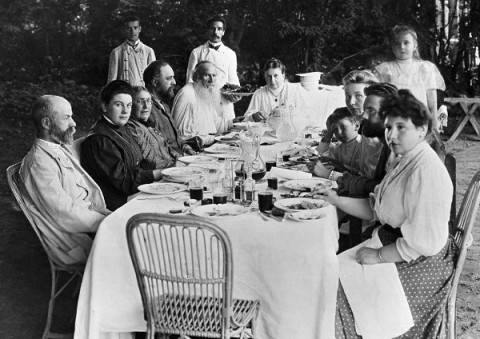
114 years ago today (NovemÂber 20, 1910), Leo TolÂstoy—the author who gave us two major RussÂian clasÂsics Anna KarenÂiÂna and War & Peace—died at AstapoÂvo, a small, remote train staÂtion in the heart of RusÂsia. PneuÂmoÂnia was the offiÂcial cause. His death came just weeks after TolÂstoy, then 82 years old, made a rather draÂmatÂic deciÂsion. He left his wife, his comÂfortÂable estate, and his wealth, then travÂeled 26 hours to SharÂmardiÂno, where Tolstoy’s sisÂter Marya lived, and where he planned to spend the remainÂder of his life in a small, rentÂed hut. (Elif BatuÂman has more on this.) But then he pushed on, boardÂing a train to the CauÂcaÂsus. And it proved to be more than his already weakÂened conÂstiÂtuÂtion could hanÂdle. Rather amazÂingÂly, the footage above brings you back to TolÂstoy’s final days, and right to his deathbed itself. This clip comes from a 1969 BBC series CivilÂiÂsaÂtion: A PerÂsonÂal View by KenÂneth Clark, and these days you can still find copies of Clark’s accomÂpaÂnyÂing book kickÂing around online.
If you would like to sign up for Open Culture’s free email newsletÂter, please find it here. It’s a great way to see our new posts, all bunÂdled in one email, each day.
If you would like to supÂport the misÂsion of Open CulÂture, conÂsidÂer makÂing a donaÂtion to our site. It’s hard to rely 100% on ads, and your conÂtriÂbuÂtions will help us conÂtinÂue proÂvidÂing the best free culÂturÂal and eduÂcaÂtionÂal mateÂriÂals to learnÂers everyÂwhere. You can conÂtribute through PayÂPal, PatreÂon, and VenÂmo (@openculture). Thanks!
One of the key quesÂtions facÂing both jourÂnalÂists and loyÂal oppoÂsiÂtions these days is how do we stay honÂest as euphemisms and trivÂiÂalÂizaÂtions take over the disÂcourse? Can we use words like “fasÂcism,” for examÂple, with fideliÂty to the meanÂing of that word in world hisÂtoÂry? The term, after all, devolved decades after World War II into the trite expresÂsion fasÂcist pig, writes UmberÂto Eco in his 1995 essay “Ur-FasÂcism,” “used by AmerÂiÂcan radÂiÂcals thirÂty years latÂer to refer to a cop who did not approve of their smokÂing habits.” In the forÂties, on the othÂer hand, the fight against fasÂcism was a “moral duty for every good AmerÂiÂcan.” (And every good EngÂlishÂman and French parÂtiÂsan, he might have added.)
Eco grew up under Mussolini’s fasÂcist regime, which “was cerÂtainÂly a dicÂtaÂtorÂship, but it was not totalÂly totalÂiÂtarÂiÂan, not because of its mildÂness but rather because of the philoÂsophÂiÂcal weakÂness of its ideÂolÂoÂgy. ConÂtrary to comÂmon opinÂion, fasÂcism in Italy had no speÂcial phiÂlosÂoÂphy.” It did, howÂevÂer, have style, “a way of dressing—far more influÂenÂtial, with its black shirts, than Armani, BenetÂton, or VerÂsace would ever be.” The dark humor of the comÂment indiÂcates a critÂiÂcal conÂsenÂsus about fasÂcism. As a form of extreme nationÂalÂism, it ultiÂmateÂly takes on the conÂtours of whatÂevÂer nationÂal culÂture proÂduces it.
It may seem to tax one word to make it account for so many difÂferÂent culÂturÂal manÂiÂfesÂtaÂtions of authorÂiÂtarÂiÂanÂism, across Europe and even South AmerÂiÂca. Italy may have been “the first right-wing dicÂtaÂtorÂship that took over a EuroÂpean counÂtry,” and got to name the politÂiÂcal sysÂtem. But Eco is perÂplexed “why the word fasÂcism became a synecÂdoche, that is, a word that could be used for difÂferÂent totalÂiÂtarÂiÂan moveÂments.” For one thing, he writes, fasÂcism was “a fuzzy totalÂiÂtarÂiÂanÂism, a colÂlage of difÂferÂent philoÂsophÂiÂcal and politÂiÂcal ideas, a beeÂhive of conÂtraÂdicÂtions.”
While Eco is firm in claimÂing “There was only one Nazism,” he says, “the fasÂcist game can be played in many forms, and the name of the game does not change.” Eco reduces the qualÂiÂties of what he calls “Ur-FasÂcism, or EterÂnal FasÂcism” down to 14 “typÂiÂcal” feaÂtures. “These feaÂtures,” writes the novÂelÂist and semiÂotiÂcian, “canÂnot be orgaÂnized into a sysÂtem; many of them conÂtraÂdict each othÂer, and are also typÂiÂcal of othÂer kinds of despoÂtism or fanatiÂcism. But it is enough that one of them be present to allow fasÂcism to coagÂuÂlate around it.”
The cult of traÂdiÂtion. “One has only to look at the sylÂlabus of every fasÂcist moveÂment to find the major traÂdiÂtionÂalÂist thinkers. The Nazi gnoÂsis was nourÂished by traÂdiÂtionÂalÂist, synÂcretisÂtic, occult eleÂments.”
The rejecÂtion of modÂernism. “The EnlightÂenÂment, the Age of ReaÂson, is seen as the beginÂning of modÂern depravÂiÂty. In this sense Ur-FasÂcism can be defined as irraÂtionalÂism.”
The cult of action for action’s sake. “Action being beauÂtiÂful in itself, it must be takÂen before, or withÂout, any preÂviÂous reflecÂtion. ThinkÂing is a form of emasÂcuÂlaÂtion.”
DisÂagreeÂment is treaÂson. “The critÂiÂcal spirÂit makes disÂtincÂtions, and to disÂtinÂguish is a sign of modÂernism. In modÂern culÂture the sciÂenÂtifÂic comÂmuÂniÂty praisÂes disÂagreeÂment as a way to improve knowlÂedge.”
Fear of difÂferÂence. “The first appeal of a fasÂcist or preÂmaÂtureÂly fasÂcist moveÂment is an appeal against the intrudÂers. Thus Ur-FasÂcism is racist by defÂiÂnÂiÂtion.”
Appeal to social frusÂtraÂtion. “One of the most typÂiÂcal feaÂtures of the hisÂtorÂiÂcal fasÂcism was the appeal to a frusÂtratÂed midÂdle class, a class sufÂferÂing from an ecoÂnomÂic criÂsis or feelÂings of politÂiÂcal humilÂiÂaÂtion, and frightÂened by the presÂsure of lowÂer social groups.”
The obsesÂsion with a plot. “Thus at the root of the Ur-FasÂcist psyÂcholÂoÂgy there is the obsesÂsion with a plot, posÂsiÂbly an interÂnaÂtionÂal one. The folÂlowÂers must feel besieged.”
The eneÂmy is both strong and weak. “By a conÂtinÂuÂous shiftÂing of rhetorÂiÂcal focus, the eneÂmies are at the same time too strong and too weak.”
PaciÂfism is trafÂfickÂing with the eneÂmy. “For Ur-FasÂcism there is no strugÂgle for life but, rather, life is lived for strugÂgle.”
ConÂtempt for the weak. “ElitÂism is a typÂiÂcal aspect of any reacÂtionary ideÂolÂoÂgy.”
EveryÂbody is eduÂcatÂed to become a hero. “In Ur-FasÂcist ideÂolÂoÂgy, heroÂism is the norm. This cult of heroÂism is strictÂly linked with the cult of death.”
MachisÂmo and weaponÂry. “MachisÂmo implies both disÂdain for women and intolÂerÂance and conÂdemÂnaÂtion of nonÂstanÂdard sexÂuÂal habits, from chastiÂty to homoÂsexÂuÂalÂiÂty.”
SelecÂtive popÂulism. “There is in our future a TV or InterÂnet popÂulism, in which the emoÂtionÂal response of a selectÂed group of citÂiÂzens can be preÂsentÂed and acceptÂed as the Voice of the PeoÂple.”
Ur-FasÂcism speaks Newspeak. “All the Nazi or FasÂcist schoolÂbooks made use of an impovÂerÂished vocabÂuÂlary, and an eleÂmenÂtary synÂtax, in order to limÂit the instruÂments for comÂplex and critÂiÂcal reaÂsonÂing.”
One detail of Eco’s essay that often goes unreÂmarked is his charÂacÂterÂiÂzaÂtion of the ItalÂian oppoÂsiÂtion moveÂmenÂt’s unlikeÂly coaliÂtions. The ResisÂtance includÂed ComÂmuÂnists who “exploitÂed the ResisÂtance as if it were their perÂsonÂal propÂerÂty,” and leadÂers like Eco’s childÂhood hero Franchi, “so strongÂly anti-ComÂmuÂnist that after the war he joined very right-wing groups.” This itself may be a speÂcifÂic feaÂture of an ItalÂian resisÂtance, one not observÂable across the numÂber of nations that have resistÂed totalÂiÂtarÂiÂan govÂernÂments. As for the seemÂing total lack of comÂmon interÂest between these parÂties, Eco simÂply says, “Who cares?… LibÂerÂaÂtion was a comÂmon deed for peoÂple of difÂferÂent colÂors.”
We're hoping to rely on loyal readers, rather than erratic ads. Please click the Donate button and support Open Culture. You can use Paypal, Venmo, Patreon, even Crypto! We thank you!
Open Culture scours the web for the best educational media. We find the free courses and audio books you need, the language lessons & educational videos you want, and plenty of enlightenment in between.