Roberto Bolaño’s 12 Tips on “the Art of Writing Short Stories”

Bolano Advice

For some cer­tain roman­tic rea­sons, a seg­ment of the Eng­lish-lan­guage read­ing pop­u­la­tion fell in love with Rober­to Bolaño in the first few years of this mil­len­ni­um. One invari­ably glimpsed Bolaño’s award-win­ning 1998 nov­el The Sav­age Detec­tives on end­ta­bles and night­stands after its trans­la­tion in 2007, with or with­out book­marks. When 2666—the Chilean writer’s dizzy­ing­ly enor­mous work on the dark­est of events in 1990’s North­ern Mexico—appeared, it did so posthu­mous­ly, fur­ther ele­vat­ing Bolaño’s lit­er­ary out­law mythos. In addi­tion to being a hard-bit­ten Trot­sky­ist nomad, Bolaño—who died of liv­er fail­ure in 2003—was said to have been a hero­in addict and alco­holic. Nei­ther was the case, writes Hec­tor Tobar in the LA Times, quot­ing a Mex­i­co City-based jour­nal­ist on the author: “He had a super bor­ing dai­ly life. It was a life built around his own writ­ing rit­u­als and habits.”

For all his leg­endary exploits as a glo­be­trot­ting jour­nal­ist and poet, Bolaño also seems to have built his life around read­ing. “Read­ing,” Bolaño has said, “is more impor­tant than writ­ing.” He finds much com­pa­ny with this state­ment among fel­low writ­ers. Pat­ti Smith, for exam­ple, who urges read­ing “any­thing by Bolaño,” could also “rec­om­mend a mil­lion” books to any­one who asks. A much short­er but still chal­leng­ing list of hers reveals a deep and broad invest­ment in lit­er­a­ture. William S. Bur­roughs, who prob­a­bly did­n’t read Bolaño but worked in a sim­i­lar­ly hal­lu­ci­na­to­ry vein, taught a class on “Cre­ative Read­ing” that was only sec­on­dar­i­ly a class on writ­ing, filled with exam­ple after exam­ple from writer after trea­sured writer. The best writ­ing advice writ­ers can dis­pense, it seems, is this: Read.

Such is the approach of Bolaño him­self, in a short, pithy essay on how to write short sto­ries. He begins in a per­func­to­ry way, almost with a sigh: “Now that I’m forty-four years old, I’m going to offer some advice on the art of writ­ing short sto­ries.” The advice, found in the graph­ic form above on The Paris Review’s Tum­blr and reprint­ed in a non-fic­tion col­lec­tion titled Between Paren­the­sis, quick­ly becomes exu­ber­ant­ly pedan­tic, per­me­at­ing the bound­aries of its neat­ly ordered list form with tongue mov­ing from cheek to cheek. Does he real­ly mean that we should read “the notable Pseu­do-Long­i­nus” on the sub­lime? Or to suggest—after insis­tent ref­er­ence to sev­er­al essen­tial Latin Amer­i­can writ­ers’ writers—that “with Edgar Allan Poe, we would all have more than enough good mate­r­i­al to read”? Prob­a­bly. But the gist, with more than enough sin­cer­i­ty, is this: Read the greats, who­ev­er they are, and read them often.

See Bolaño’s com­plete text here at Elec­tric Cere­al and an excerpt­ed ver­sion below.


(1) Nev­er approach short sto­ries one at a time. If one approach­es short sto­ries one at a time, one can quite hon­est­ly be writ­ing the same short sto­ry until the day one dies. 

(2) It is best to write short sto­ries three or five at a time. If one has the ener­gy, write them nine or fif­teen at a time.

(4) One must read Hora­cio Quiroga, Felis­ber­to Hernán­dez, and Jorge Luis Borges. One must read Juan Rul­fo and Augus­to Mon­ter­roso. Any short-sto­ry writer who has some appre­ci­a­tion for these authors will nev­er read Cami­lo José Cela or Fran­cis­co Umbral yet will, indeed, read Julio Cortázar and Adol­fo Bioy Casares, but in no way Cela or Umbral. 

(5) I’ll repeat this once more in case it’s still not clear: don’t con­sid­er Cela or Umbral, what­so­ev­er.

(6) A short-sto­ry writer should be brave. It’s a sad fact to acknowl­edge, but that’s the way it is.

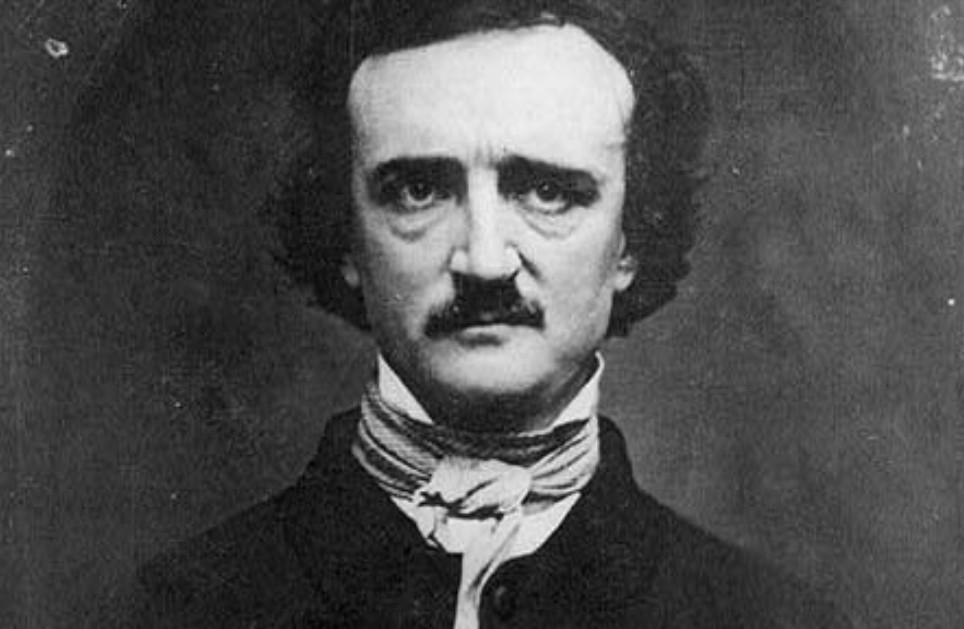
(9) The hon­est truth is that with Edgar Allan Poe, we would all have more than enough good mate­r­i­al to read. 

(10) Give thought to point num­ber 9. Think and reflect on it. You still have time. Think about num­ber 9. To the extent pos­si­ble, do so on bend­ed knees. 

(12) Read these books and also read Anton Chekhov and Ray­mond Carv­er, for one of the two of them is the best writer of the twen­ti­eth cen­tu­ry.

Relat­ed Con­tent:

Pat­ti Smith’s List of Favorite Books: From Rim­baud to Susan Son­tag

Junot Díaz’s Syl­labi for His MIT Writ­ing Class­es, and the Nov­els on His Read­ing List

Pre­dict Which 21st Cen­tu­ry Nov­els Will Enter the Lit­er­ary Canon? And Which Over­rat­ed Ones Won’t?

Josh Jones is a writer and musi­cian based in Durham, NC. Fol­low him at @jdmagness

New Archive Offers Free Access to 22,000 Literary Documents From Great British & American Writers

LF_HardyT_001_582px

Thomas Hardy—archi­tect, poet, and writer (above)—gave us the fierce, stormy romance Far From the Madding Crowd, cur­rent­ly impress­ing crit­ics in a film adap­ta­tion by Thomas Vin­ter­berg. He also gave us Tess of the D’Urbervilles, The Return of the Native, and Jude the Obscure, books whose per­sis­tent­ly grim out­look might make them too depress­ing by far were it not for Hardy’s engross­ing prose, unfor­get­table char­ac­ter­i­za­tion, and, per­haps most impor­tant­ly, unshak­able sense of place. Hardy set most of his nov­els in a region he called Wes­sex, which—much like William Faulkn­er’s Yoknapatawpha—is a thin­ly fic­tion­al­ized recre­ation of his rur­al home­town of Dorch­ester and its sur­round­ing coun­ties.

Hardy Revisions

Now, thanks to the Uni­ver­si­ty of Texas at Austin’s Har­ry Ran­som Cen­ter, we can learn all about this ancient region in South West Eng­land, and Hardy’s trans­mu­ta­tion of it, through Hardy’s own proof copy of a 1905 book by Frank R. Heath called Dorch­ester (Dorset) and its Sur­round­ings, with revi­sions in Hardy’s hand. In the excerpt above, for exam­ple, from page 36 of this schol­ar­ly work, the author dis­cuss­es Hardy’s use of Dorch­ester in The May­or of Cast­er­bridge and the so-called “Wes­sex Poems.” In the mar­gins on the right, we see Hardy’s cor­rec­tions and gloss­es. Though this may not seem the most excit­ing piece of Hardy mem­o­ra­bil­ia, for stu­dents of the author and his invest­ment in a rur­al cor­ner of Eng­land, it is indeed a trea­sure.

St Juliots Hardy

The Hardy archive also con­tains scans of the author’s cor­re­spon­dence, man­u­scripts and signed type­scripts, and archi­tec­tur­al draw­ings, like that of St. Juliot’s Church in Corn­wall, above. This exten­sive dig­i­tal Hardy col­lec­tion is but one of many housed in the Ran­som Cen­ter’s Project Reveal, an acronym for “Read and View Eng­lish & Amer­i­can Lit­er­a­ture.” Read and view you can indeed, through the inti­ma­cy of first drafts, man­u­scripts, per­son­al writ­ing, and oth­er ephemera.

Wilde Salome

See, for exam­ple, a hand­writ­ten draft of Oscar Wilde’s Salome, in French, (excerpt above). Below, we have a hand­writ­ten list of Robert Louis Steven­son’s favorite books, and fur­ther down, a manuscript draft of Kather­ine Mans­field­’s “Now I am a plant, a weed” from her per­son­al poet­ry note­book.

MSS_StevensonRL_2_1_066

Oth­er authors includ­ed in the Project Reveal archive include Char­lotte Perkins Gilman, Hart Crane, Hen­ry James, Joseph Con­rad, and William Thack­er­ay. The project, writes the Ran­som Cen­ter in a press release, gen­er­at­ed more than 22,000 high-res­o­lu­tion images, avail­able for use by any­one for any pur­pose with­out restric­tion or fees” (but with attri­bu­tion). The lit­er­ary store­house on dis­play here only adds to an already essen­tial col­lec­tion of arti­facts the Ran­som Cen­ter hous­es, such as the papers of Gabriel Gar­cia Mar­quez, syl­labi, anno­tat­ed books, and man­u­scripts from David Fos­ter Wal­lace, scrap­books of Har­ry Hou­di­ni, and the first known pho­to­graph ever tak­en. See a com­plete list of con­tents of the Ran­som Cen­ter’s Dig­i­tal Col­lec­tions here, and learn more about this amaz­ing library in the heart of Texas at their main site.

MSS_MansfieldK_1_4_003

Relat­ed Con­tent:

Library of Con­gress Launch­es New Online Poet­ry Archive, Fea­tur­ing 75 Years of Clas­sic Poet­ry Read­ings

Yale Launch­es an Archive of 170,000 Pho­tographs Doc­u­ment­ing the Great Depres­sion

Lit­er­ary Remains of Gabriel Gar­cía Márquez Will Rest in Texas

David Fos­ter Wallace’s Love of Lan­guage Revealed by the Books in His Per­son­al Library

Josh Jones is a writer and musi­cian based in Durham, NC. Fol­low him at @jdmagness

Commuters Can Download Free eBooks of Russian Classics While Riding the Moscow Metro

Dostoyevskaya

Image by Zig­urds Zakis

They say that Mus­solin­i’s brand of fas­cism made Italy’s trains run on time. Mean­while, it looks like Com­mu­nists and Post-Com­mu­nist auto­crats made the morn­ing sub­way ride in Rus­sia some­thing of a cul­tur­al expe­ri­ence.

As you can see below, the Sovi­ets designed the Moscow sub­way sta­tions as under­ground palaces, adorned withhigh ceil­ings, stained glass, mosaics and chan­de­liers.” (Check out a gallery of pho­tos here.) In more recent times, city plan­ners opened the Dos­toyevskaya sub­way sta­tion, a more aus­tere sta­tion where you can see black and white mosaics of scenes from Fyo­dor Dos­to­evsky’s nov­els — Crime and Pun­ish­ment, The Idiot and The Broth­ers Kara­ma­zov. Some­what con­tro­ver­sial­ly, the mosaics depict fair­ly vio­lent scenes. On one wall, The Inde­pen­dent writes, “Raskol­nikov from Crime and Pun­ish­ment bran­dish­es an axe over the elder­ly pawn­bro­ker Aly­ona Ivanov­na and her sis­ter, his mur­der vic­tims in the nov­el. Near by, a char­ac­ter from Demons holds a pis­tol to his tem­ple.” Noth­ing like con­fronting mur­der and sui­cide on the morn­ing com­mute.

If these gloomy scenes don’t sound famil­iar, don’t fret. Late last year, the Moscow sub­way sys­tem launched a pilot where Moscow sub­way com­muters, car­ry­ing smart­phones and tablets, can down­load over 100 clas­sic Russ­ian works, for free. As they shut­tle from one sta­tion to anoth­er, rid­ing on sub­way cars equipped with free wifi, straphang­ers can read texts by Dos­to­evsky, Tol­stoy, Chekhov, Pushkin, Bul­gakov, Ler­mon­tov, Gogol and more. Per­haps that takes the sting out of the soar­ing infla­tion.

Relat­ed Con­tent:

The Dig­i­tal Dos­to­evsky: Down­load Free eBooks & Audio Books of the Russ­ian Novelist’s Major Works

The Com­plete Works of Leo Tol­stoy Online: New Archive Will Present 90 Vol­umes for Free (in Russ­ian)

Stephen Fry Pro­files Six Russ­ian Writ­ers in the New Doc­u­men­tary Russia’s Open Book

by | Permalink | Make a Comment ( 5 ) |

Take a Visual Walking Tour of Franz Kafka’s Prague with Will Self (Then Read His Digital Essay, “Kafka’s Wound”)

“There is noth­ing intrin­si­cal­ly imag­i­na­tive about the idea of ‘gold,’ nor the idea of ‘moun­tain,’” writes Will Self, cit­ing an idea of the philoso­pher David Hume, “but join them togeth­er and you have a fan­tas­ti­cal­ly gleam­ing ‘gold moun­tain.’ And might not that gold moun­tain be the Lau­ren­z­iberg in Prague? After all, it looms over con­tem­po­rary Prague just as it loomed in the con­scious­ness of Franz Kaf­ka, whose ear­li­est sur­viv­ing nar­ra­tive frag­ment, ‘Descrip­tion of a Strug­gle,’ is in part an account of a phan­tas­magor­i­cal ascent of its slopes.”

This asso­ci­a­tion comes from “Kafka’s Wound,” Will Self­’s new essay in the Lon­don Review of Books — or rather, a new “dig­i­tal essay” from the LRB on the BBC and Arts Coun­cil Eng­land’s new site The Space, one which takes full advan­tage of the mul­ti­me­dia future, much enthused over back in the 1990s, in which we now find our­selves. For some read­ers, myself includ­ed, the asso­ci­a­tion of the author of The Meta­mor­pho­sis and The Tri­al with Hume, the author of so many vol­umes fic­tion­al, non­fic­tion­al, and psy­cho­geo­graph­i­cal (find some in our col­lec­tion of Free Phi­los­o­phy eBooks), con­sti­tutes rea­son enough to min­i­mize all oth­er win­dows and get read­ing.

But Self has tak­en on an even more ambi­tious project than that: the mind-map­pish inter­face of “Kafka’s Wound” offers a wealth of audio, video, and oth­er tex­tu­al mate­r­i­al to sup­ple­ment the expe­ri­ence of the main text, all of which con­nects in some way to the essay’s sub­ject: Will Self­’s “per­son­al rela­tion­ship to Kafka’s work through the lens of the short sto­ry ‘A Coun­try Doc­tor’ (1919), and in par­tic­u­lar through the aper­ture of the wound described in that sto­ry.” Self­’s own site describes the essay as “ ‘through com­posed’ with Will’s own thoughts, as he works, being respond­ed to by dig­i­tal-con­tent providers,” with more of that con­tent to come through July.

The envi­ron­ment inter­net, which facil­i­tates our nat­ur­al ten­den­cy to drift from sub­ject to at least semi-relat­ed sub­ject with an addic­tive vengeance, encour­ages asso­ci­a­tion­al think­ing. But so do cities, as a psy­cho­geo­g­ra­ph­er like Will Self knows full well. And so part of this rich lit­er­ary inves­ti­ga­tion takes the form of an hour­long doc­u­men­tary (click here or the image above to view), in which Self takes a walk­ing tour of Kafka’s Prague, seek­ing out the writer’s “genius loci,” the sites that gave set­tings to the mile­stones of his life and shape to his artis­tic and intel­lec­tu­al sen­si­bil­i­ties. He also takes the oppor­tu­ni­ty to do a Kaf­ka read­ing right there in Kafka’s home­town. It’s one thing to read Kaf­ka with the Lau­ren­z­iberg in mind, but still quite anoth­er to do it with the Lau­ren­z­iberg in sight.

Relat­ed Con­tent:

Kafka’s Night­mare Tale, ‘A Coun­try Doc­tor,’ Told in Award-Win­ning Japan­ese Ani­ma­tion

Franz Kafka’s Kafkaesque Love Let­ters

Vladimir Nabokov Makes Edi­to­r­i­al Tweaks to Franz Kafka’s Novel­la The Meta­mor­pho­sis

The Art of Franz Kaf­ka: Draw­ings from 1907–1917

Four Franz Kaf­ka Ani­ma­tions: Enjoy Cre­ative Ani­mat­ed Shorts from Poland, Japan, Rus­sia & Cana­da

Col­in Mar­shall writes on cities, lan­guage, Asia, and men’s style. He’s at work on a book about Los Ange­les, A Los Ange­les Primer, and the video series The City in Cin­e­ma. Fol­low him on Twit­ter at @colinmarshall or on Face­book.

Watch an Animation of Jonathan Safran Foer’s New Story, “Love Is Blind and Deaf”

Briefly not­ed: Jonathan Safran Foer (Extreme­ly Loud and Incred­i­bly Close and Every­thing Is Illu­mi­nat­ed) has a new short sto­ry, “Love Is Blind and Deaf,” in the Sum­mer Fic­tion Issue of The New York­er. And, by short, I mean short. His quirky Adam and Eve sto­ry runs 592 words.

You can read the sto­ry free online here (if you haven’t exceed­ed the month­ly quo­ta of The New York­er’s pay­wall). Or, if you’re more visu­al, you can watch an ani­mat­ed adap­ta­tion of the sto­ry above. Direct­ed by Gur Ben­twich and ani­mat­ed by Ofra Koblin­er, the video was pro­duced by Sto­ryvid, a non­prof­it pro­duc­tion com­pa­ny that aspires to cre­ate “the lit­er­ary equiv­a­lent of a music video.”

For more Foer, lis­ten to him read Amos Oz’s sto­ry, “The King of Oz,” which oth­er­wise appears in our col­lec­tion of 630 Free Audio Books.

If you would like to sign up for Open Culture’s free email newslet­ter, please find it here. It’s a great way to see our new posts, all bun­dled in one email, each day.

If you would like to sup­port the mis­sion of Open Cul­ture, con­sid­er mak­ing a dona­tion to our site. It’s hard to rely 100% on ads, and your con­tri­bu­tions will help us con­tin­ue pro­vid­ing the best free cul­tur­al and edu­ca­tion­al mate­ri­als to learn­ers every­where. You can con­tribute through Pay­Pal, Patre­on, and Ven­mo (@openculture). Thanks!

Relat­ed Con­tent

700 Free eBooks for iPad, Kin­dle & Oth­er Devices

Jonathan Safran Foer, Toni Mor­ri­son & Steven Pinker Cul­ti­vate Thought on Chipotle’s Cups and Bags

The New Yorker’s Fic­tion Pod­cast: Where Great Writ­ers Read Sto­ries by Great Writ­ers

by | Permalink | Make a Comment ( 1 ) |

See Flannery O’Connor’s Story “The Displaced Person” Adapted to a Film Starring a Young Samuel L. Jackson (1977)

There are strong peo­ple qui­et­ly will­ing to do “what needs to be done” for the pub­lic good, and then there are those who enjoy insin­u­at­ing that they are that sort of per­son, usu­al­ly as jus­ti­fi­ca­tion for their self-serv­ing, fre­quent­ly racist or xeno­pho­bic actions. When the lat­ter reach­es for the Bible as back up, look out!

No one ever had more fun with this mon­strous type than the writer Flan­nery O’Connor, a devout Catholic with a knack for wrap­ping her char­ac­ters’ foul pur­pos­es in the “stink­ing mad shad­ow of Jesus.”

In her longest sto­ry “The Dis­placed Per­son,” the boor­ish, Bible-thump­ing Mrs. Short­ley is not the only bad­die. The refined Mrs. McIn­tyre, wid­owed mis­tress of the dairy oper­a­tion that employs the Short­leys and a cou­ple of African-Amer­i­can farmhands, is just as quick to indict those with whom she imag­ines her­self at cross-pur­pos­es.

Trans­fer them to the small screen, and every actress over 40 would be clam­or­ing for the chance to sink her teeth into one or the oth­er.

In 1977, PBS hired play­wright Hor­ton Foote to adapt “The Dis­placed Per­son” for “The Amer­i­can Short Sto­ry,” and the roles of Short­ley and McIn­tyre went to Shirley Stol­er and Irene Worth, both excel­lent.

(See above…it’s always so much more amus­ing to play one of the vil­lains than the hard­work­ing, uncom­plain­ing, tit­u­lar char­ac­ter, here a Pol­ish refugee from WWII.)

The audio qual­i­ty is not the great­est, but stick with it to see Samuel L. Jack­son, not quite 30, as the younger of the two farmhands.

O’Connor buffs will be inter­est­ed to know that Andalu­sia, the writer’s own Geor­gia farm, served as the loca­tion for this hour-long project. (No need to rent a pea­cock!)

Despite the state­ly pro­duc­tion val­ues that were de rigeur for qual­i­ty view­ing of the peri­od, the sto­ry retains the unmis­tak­able tang of O’Connor—it’s a bit­ter, com­ic brew.

via Bib­liok­lept

Relat­ed Con­tent

Flan­nery O’Connor Reads ‘Some Aspects of the Grotesque in South­ern Fic­tion’ (c. 1960)

Rare 1959 Audio: Flan­nery O’Connor Reads ‘A Good Man is Hard to Find’

Flan­nery O’Connor’s Satir­i­cal Car­toons: 1942–1945

Ayun Hal­l­i­day is an author, illus­tra­tor, and Chief Pri­ma­tol­o­gist of the East Vil­lage Inky zine. Fol­low her @AyunHalliday

Ralph Steadman’s Warped Illustrations of Alice’s Adventures in Wonderland on the Story’s 150th Anniversary

alice11

This year, read­ers world­wide cel­e­brate the 150th anniver­sary of the pub­li­ca­tion of Alice’s Adven­tures in Won­der­land. (Click to see the orig­i­nal man­u­script, hand­writ­ten & illus­trat­ed by Lewis Car­roll.) Car­rol­l’s fan­tas­ti­cal, unex­pect­ed­ly psy­cho­log­i­cal and intel­lec­tu­al chil­dren’s tale has inspired writ­ers, artists, and oth­er cre­ators of all ages since it first came out in 1865. New edi­tions and adap­ta­tions have kept appear­ing, each reflect­ing the spir­it of their own time through the askew prism of Alice’s sen­si­bil­i­ty. And which liv­ing illus­tra­tor could pro­vide more askew imagery than Ralph Stead­man?

A Mad Tea Party

We all know that Alice’s dream­like jour­ney begins in earnest when she drinks from a bot­tle labeled “DRINK ME” and eats a cake labeled “EAT ME.” See what metaphors you will, but to my mind, this alone makes the sto­ry obvi­ous Stead­man mate­r­i­al: many of us dis­cov­er his art through its appear­ance in Hunter S. Thomp­son’s Fear and Loathing in Las Vegas, a col­lab­o­ra­tion that qual­i­fies Stead­man as no stranger at all to visu­al­iz­ing unre­al cir­cum­stances height­ened, or induced, by one ingest­ed sub­stance or anoth­er.

alice12

Fear and Loathing in Las Vegas appeared in book form in 1972; Alice in Won­der­land Illus­trat­ed by Ralph Stead­man appeared the next year, and went on to win the Fran­cis Williams Book Illus­tra­tion Award.

His ver­sion, writes io9’s Cyr­i­aque Lamar, “has gone through var­i­ous print runs through­out the decades, and he mod­eled sev­er­al of the char­ac­ters on decid­ed­ly mod­ern per­son­al­i­ties. For exam­ple, the Cheshire Cat is a tele­vi­sion talk­ing head, the Cater­pil­lar is a grass-smok­ing pedant, the Mad Hat­ter is a bark­ing quiz­mas­ter, and the King and Queen of Hearts are a melt­ing mass of polit­i­cal author­i­ty.”

Alice13

See more of Stead­man’s pieces by pick­ing up your own copy of the book, or vis­it Brain Pick­ings, where Maria Popo­va describes them as bring­ing “to Carroll’s clas­sic the per­fect kind of semi-sen­si­cal visu­al genius, blend­ing the irrev­er­ent with the sub­lime.” Though by all avail­able evi­dence thor­ough­ly sane him­self, Stead­man’s illus­tra­tions have, over his fifty-year career, lent just the right notes of Eng­lish insan­i­ty to a vari­ety of sub­jects, from wine to dogs to psy­cho­geog­ra­phy. Only nat­ur­al, then, to see them accom­pa­ny the insan­i­ty — which, sen­tence by sen­tence and page by page, comes to seem like san­i­ty by oth­er means — of a clas­sic Eng­lish tale like Alice’s Adven­tures in Won­der­land.

Relat­ed Con­tent:

See the Orig­i­nal Alice In Won­der­land Man­u­script, Hand­writ­ten & Illus­trat­ed By Lewis Car­roll (1864)

See Sal­vador Dali’s Illus­tra­tions for the 1969 Edi­tion of Alice’s Adven­tures in Won­der­land

Lewis Carroll’s Pho­tographs of Alice Lid­dell, the Inspi­ra­tion for Alice in Won­der­land

When Aldous Hux­ley Wrote a Script for Disney’s Alice in Won­der­land

Col­in Mar­shall writes on cities, lan­guage, Asia, and men’s style. He’s at work on a book about Los Ange­les, A Los Ange­les Primer, and the video series The City in Cin­e­ma. Fol­low him on Twit­ter at @colinmarshall or on Face­book.

Christopher Lee Reads “The Tell-Tale Heart,” Edgar Allan Poe’s 1843 Classic

Last Fri­day, after we marked the pass­ing of Christo­pher Lee by fea­tur­ing his read­ing of Edgar Allan Poe’s 1845 nar­ra­tive poem “The Raven,” we stum­bled, by chance, upon Lee’s read­ing of anoth­er Poe classic–“The Tell-Tale Heart.” Oper­at­ing with the the­o­ry that there’s no such thing as too much Edgar Allan Poe, and cer­tain­ly no such thing as too much Christo­pher Lee read­ing Edgar Allan Poe, we’ve fea­tured that sec­ond read­ing above. It’ll be added to our col­lec­tion of Free Audio Books

via the Edgar Allan Poe Face­book Page

If you would like to sign up for Open Culture’s free email newslet­ter, please find it here. It’s a great way to see our new posts, all bun­dled in one email, each day.

If you would like to sup­port the mis­sion of Open Cul­ture, con­sid­er mak­ing a dona­tion to our site. It’s hard to rely 100% on ads, and your con­tri­bu­tions will help us con­tin­ue pro­vid­ing the best free cul­tur­al and edu­ca­tion­al mate­ri­als to learn­ers every­where. You can con­tribute through Pay­Pal, Patre­on, and Ven­mo (@openculture). Thanks!

« Go BackMore in this category... »
Quantcast