The First Faked Photograph (1840)

The pho­to­graph was invent­ed in the ear­ly 19th cen­tu­ry, but who invent­ed it? His­to­ries of pho­tog­ra­phy point to sev­er­al dif­fer­ent inde­pen­dent inven­tors, most of them French: Nicéphore Niépce, for exam­ple, who in 1826 made the first work rec­og­niz­able as a pho­to­graph, or more famous­ly Louis Daguerre, hon­ored for his inven­tion of the daguerreo­type pho­to­graph­ic process by the French Acad­e­my of Sci­ences and the Académie des Beaux Arts in 1839. But what about Daguer­re’s con­tem­po­rary Hip­poly­te Bayard, who had also been devel­op­ing and refin­ing his own form of pho­tog­ra­phy? After going unac­knowl­edged by the Acad­e­my, he had only one option left: sui­cide.

The Vox Dark­room video above tells the sto­ry of Bayard’s 1840 Self Por­trait as a Drowned Man, which depicts exact­ly what its title sug­gests: Bayard’s corpse, retrieved from the water and propped up unclaimed at the morgue. “The Gov­ern­ment which has been only too gen­er­ous to Mon­sieur Daguerre, has said it can do noth­ing for Mon­sieur Bayard, and the poor wretch has drowned him­self,” reads the note on the back of the pho­to­graph. “Oh the vagaries of human life.…!”

A sor­ry tale, to be sure, and of a kind not unknown in the his­to­ry of inven­tion. But wait: how could a dead man shoot a “self-por­trait”? And if indeed “no-one has rec­og­nized or claimed him,” as the note adds, who would have both­ered to write the note itself?

Bayard, still very much alive, made Self Por­trait as a Drowned Man as a kind of artis­tic stunt, the lat­est in a series of self-por­traits test­ing his pho­to­graph­ic process. The “morgue” shot con­tains some of the arti­facts in its pre­de­ces­sors, includ­ing a gar­den stat­ue, a flo­ral vase, and Bayard’s sig­na­ture broad straw hat. (Even the expres­sion of death was of a piece with his pre­vi­ous self-por­traits: the long expo­sure time meant he’d had to hold absolute­ly still with his eyes closed in all of them as well.) Until his death in 1887 — long after Daguerre had passed — Bayard con­tin­ued exper­i­ment­ing with pho­tog­ra­phy, cre­at­ing real­i­ty-depart­ing images includ­ing “dou­ble self por­traits.” If he could­n’t go down as the inven­tor of the pho­to­graph, at least he could go down as the inven­tor of the fake pho­to­graph — a still-rel­e­vant inven­tion, to say the least, giv­en our increas­ing­ly com­pli­cat­ed rela­tion­ship with the truth in the 21st cen­tu­ry.

Relat­ed Con­tent:

The First Pho­to­graph Ever Tak­en (1826)

See the First Pho­to­graph of a Human Being: A Pho­to Tak­en by Louis Daguerre (1838)

See The First “Self­ie” In His­to­ry Tak­en by Robert Cor­nelius, a Philadel­phia Chemist, in 1839

Arti­fi­cial Intel­li­gence Cre­ates Real­is­tic Pho­tos of Peo­ple, None of Whom Actu­al­ly Exist

Long Before Pho­to­shop, the Sovi­ets Mas­tered the Art of Eras­ing Peo­ple from Pho­tographs — and His­to­ry Too

The His­to­ry of Pho­tog­ra­phy in Five Ani­mat­ed Min­utes: From Cam­era Obscu­ra to Cam­era Phone

Based in Seoul, Col­in Mar­shall writes and broad­casts on cities, lan­guage, and cul­ture. His projects include the book The State­less City: a Walk through 21st-Cen­tu­ry Los Ange­les and the video series The City in Cin­e­ma. Fol­low him on Twit­ter at @colinmarshall or on Face­book.

Cy Kuckenbaker’s Time Collapse Videos Let You See Daily Life As You’ve Never Seen It Before

There are apps to track the num­ber of dai­ly min­utes you habit­u­al­ly frit­ter away on social media, but can your smart­phone help you get a han­dle on the auto­mo­tive col­or pref­er­ences of mid­day San Diego dri­vers?

Or the num­ber of planes land­ing at San Diego Inter­na­tion­al Air­port on the day after Thanks­giv­ing?

Or, for that mat­ter, the traf­fic pat­terns of non-pro­fes­sion­al surfers hop­ing to catch a wave at at Point Loma?

No, but film­mak­er Cy Kuck­en­bak­er can.

His “time col­lapse” videos stemmed from a desire to get to know the city in which he lives with the same vig­or he brought to bear as a Peace Corps vol­un­teer in his 20s, explor­ing Iraq, Africa, and East­ern Europe.

This impulse might lead oth­ers to join a club, take a class, or check out restau­rants in an unfa­mil­iar neigh­bor­hood.

For Kuck­en­bak­er, it means set­ting up his cam­era for a fixed shot, uncer­tain if his exper­i­ment will even work, then spend­ing hours and hours in the edit­ing room, remov­ing the time between events with­out alter­ing the speed of his sub­jects.

It’s a form that requires a lot of patience on the part of its cre­ator.

He esti­mates that he spent 2 hours edit­ing for every sec­ond of Mid­day Traf­fic Time Col­lapsed and Reor­ga­nized by Col­or: San Diego Study #3, above, pro­vid­ing him ample time to lis­ten to the fol­low­ing audio­books (get your free Audi­ble tri­al here):

Rev­o­lu­tion 1989 by Vic­tor Sebestyen

How Music Works by David Byrne

Two Years Before the Mast by Richard Hen­ry Dana

Super Sad True Love Sto­ry by Gary Shteyn­gart

1493 by Charles Mann

1491 by Charles Mann

With the Old Breed by E. Sledge

The Emper­or of Mal­adies by Sid­dhartha Mukher­jee

The Unbear­able Light­ness of Being by Milan Kun­dera

Each car was keyed out of the orig­i­nal shot, then ranked and rein­sert­ed based on col­or. 28 of the raw footage’s 462 didn’t make the cut due to errat­ic shape or move­ment. See if you can spot them in the extreme­ly ordi­nary-look­ing orig­i­nal footage, below. Extra cred­it for spot­ting the emp­ty Gatorade bot­tle that made it into every frame of the com­pres­sion:

His stud­ies may not reveal much about his home city to the aver­age tourist, but Kuck­en­bak­er him­self is able to inter­pret the num­bers in ways that go beyond mere quan­ti­ty and aver­ages, such as San Die­gans’ appar­ent vehic­u­lar col­or pref­er­ence:

Nation­al­ly, red is a more pop­u­lar col­or than blue. But not San Diego. San Diego, there’s more blue than red, so it’s like, you know, an out­lier. And I thought about that for a while and it’s like, per­son­al­ly, the way I under­stand the city, that makes sense to me. The sort of tone of the city, the atti­tude of the city—it’s an ocean city. I can see why peo­ple would think, “Well, I live in San Diego. Why would I have a red… I want a blue car!”

His Point Loma com­pres­sion boiled an hour’s surf­ing down to 2 min­utes and 15 sec­onds that KPBS’ David Wag­n­er her­ald­ed as “a surfer­’s wildest dream come true, a fan­ta­sy break where per­fect waves roll in one after anoth­er like clock­work, no lulls in between.”

The raw footage and Kuckenbaker’s doc­u­men­ta­tion of the After Effects tech­nique used to com­pos­ite the waves speaks to a slight­ly more tedious real­i­ty. No word on what audio books got him through this one, though he goes into the tech­ni­cal specs and quotes Joseph Con­rad on his blog.

The com­pres­sion of the near­ly 70 arriv­ing Black Fri­day flights that kicked off Kuckenbaker’s San Diego-based time col­laps­es in 2012 feels a bit mar­tial, espe­cial­ly if Ride of the Valkyries just hap­pens to be play­ing in the back­ground. It makes me wor­ry for San Diego, and also wish for a Kuck­en­bak­er to come col­lapse time in my town.

See more of Cy Kuckenbaker’s Time Col­lapse videos here.

via Twist­ed Sifter

Relat­ed Con­tent:

53 Years of Nuclear Test­ing in 14 Min­utes: A Time Lapse Film by Japan­ese Artist Isao Hashimo­to

Becom­ing: A Short Time­lapse Film Shows a Sin­gle Cell Mor­ph­ing Into a Com­plete, Com­plex Liv­ing Organ­ism

The Milky Way in Time-Lapse Video

Ayun Hal­l­i­day is an author, illus­tra­tor, the­ater mak­er and Chief Pri­ma­tol­o­gist of the East Vil­lage Inkyzine.  Join her in NYC on Mon­day, Sep­tem­ber 9 for anoth­er sea­son of her book-based vari­ety show, Necro­mancers of the Pub­lic Domain. Fol­low her @AyunHalliday.

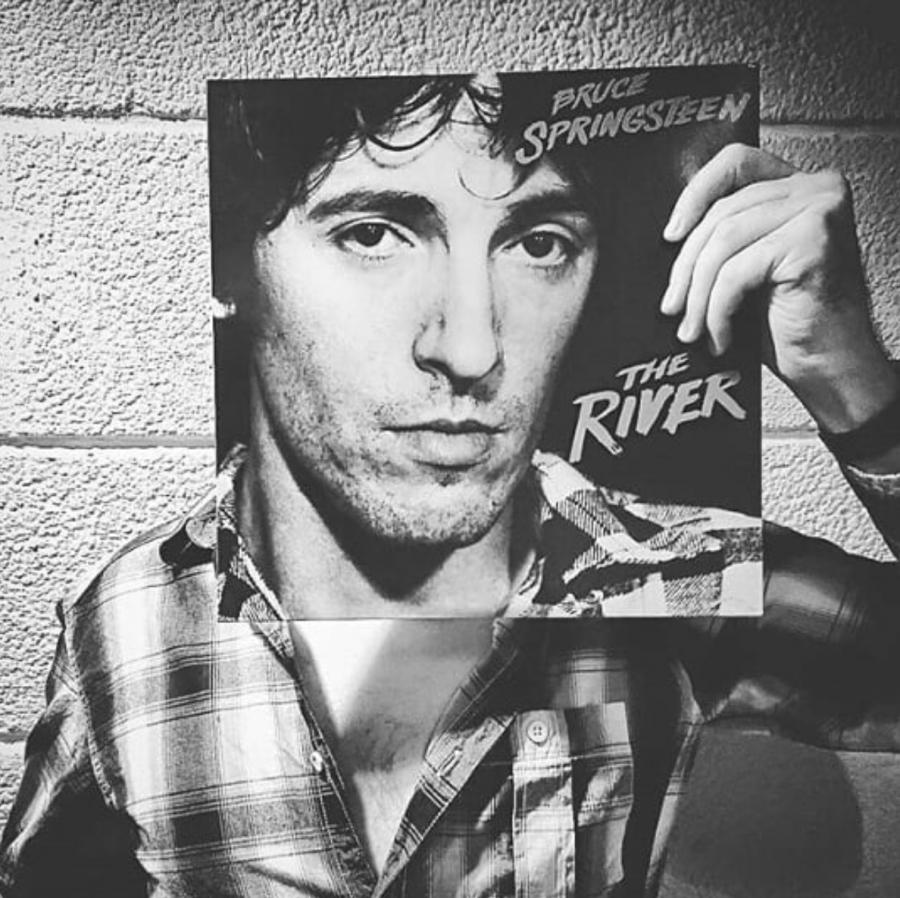
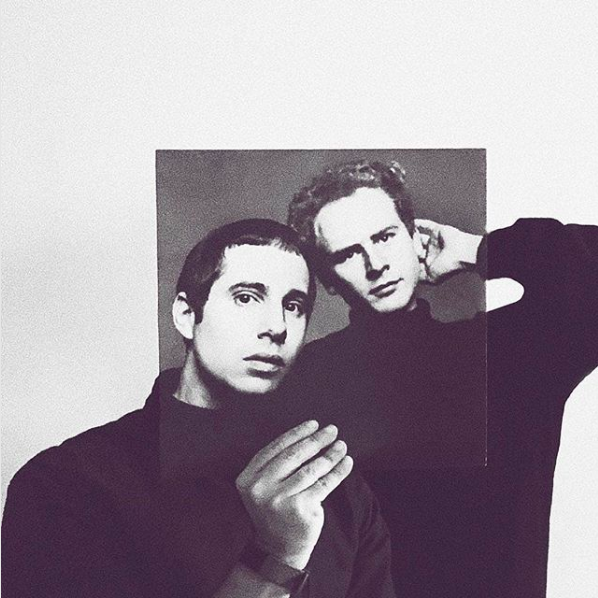
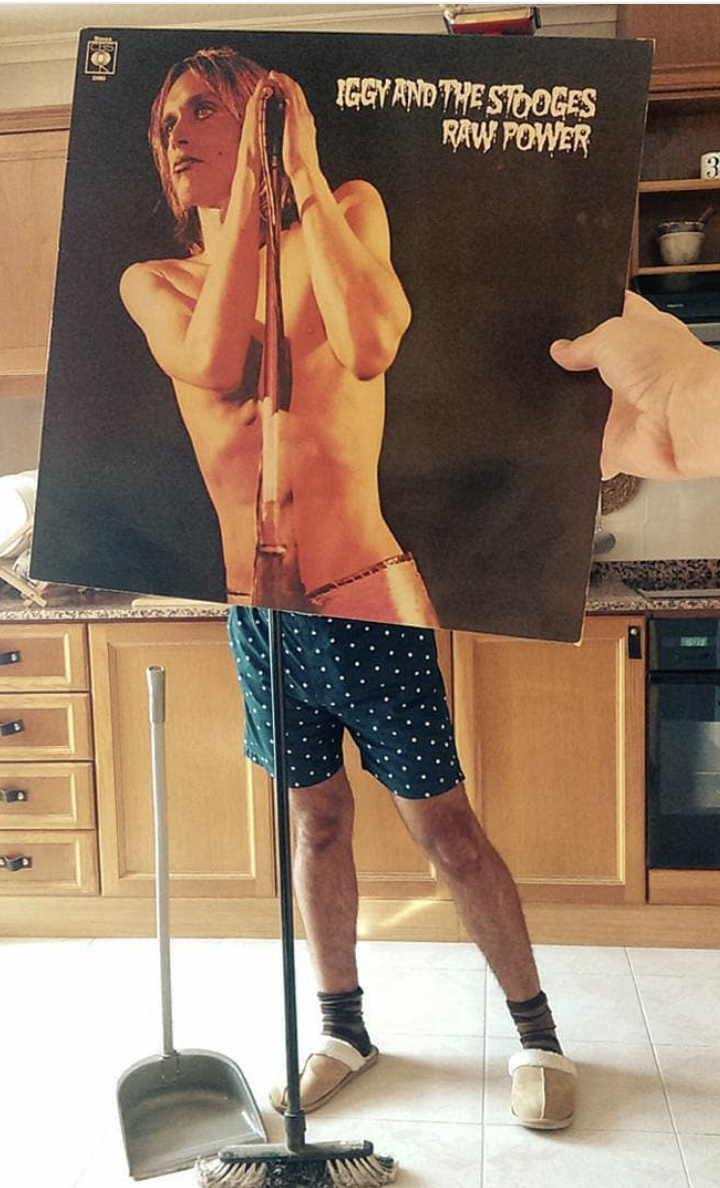
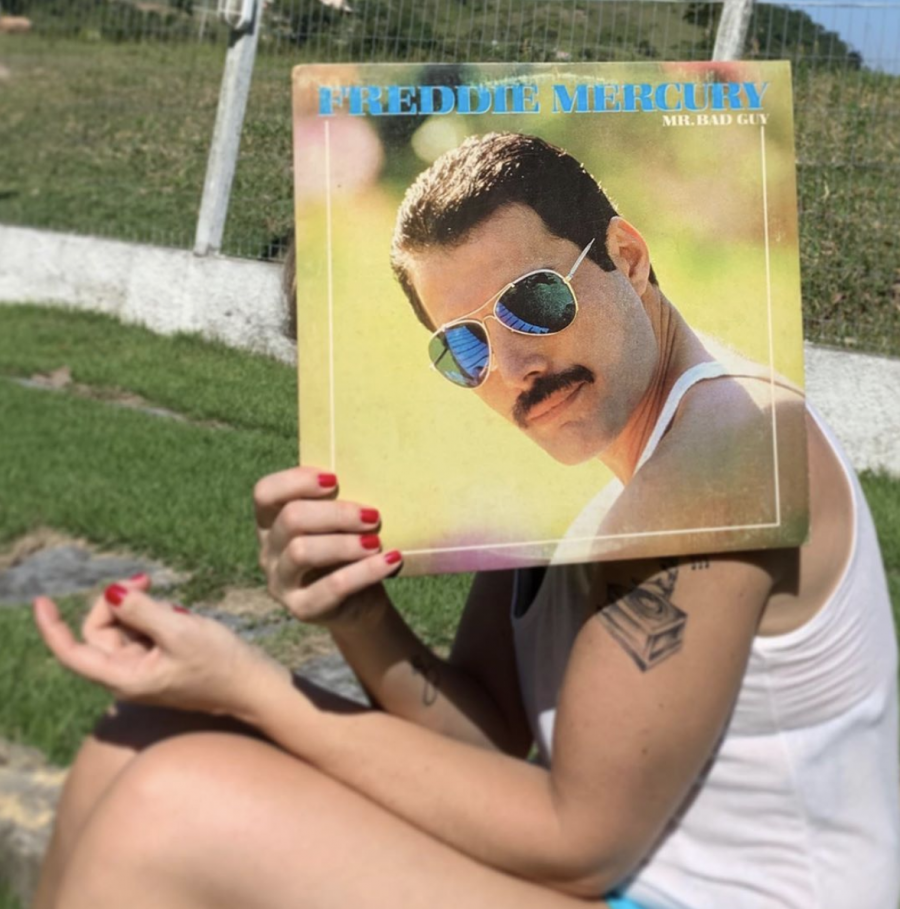
People Pose in Uncanny Alignment with Iconic Album Covers: Discover The Sleeveface Project

We’ve all heard a great deal over the past twen­ty years or so about the death of the album. This talk seems to have begun with the emer­gence of the down­load­able indi­vid­ual song, a tech­nol­o­gy that would final­ly allow us con­sumers to pur­chase only the tracks we want to hear and avoid pay­ing full price for “filler.” But against these odds, the long-play­ing album has per­sist­ed: artists still record them and lis­ten­ers, at least ded­i­cat­ed lis­ten­ers, still buy them, some­times even on vinyl.

Some­how the album has remained cul­tur­al­ly rel­e­vant, and a fair bit of the cred­it must go to its cov­er. It did­n’t take long after the intro­duc­tion of the 12-inch, 33 1/3‑RPM vinyl record in 1948 for the mar­ket­ing pur­pos­es of its large out­er sleeve to become evi­dent, and the past 71 years have pro­duced many a mem­o­rable image in that form. Few plat­forms could be as rep­re­sen­ta­tive of our dig­i­tal age as Insta­gram, but it is on Insta­gram that the album cov­er has recent­ly received homage from across the globe.

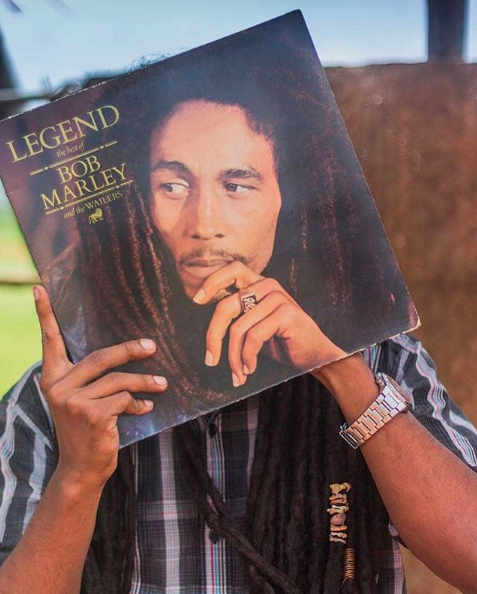
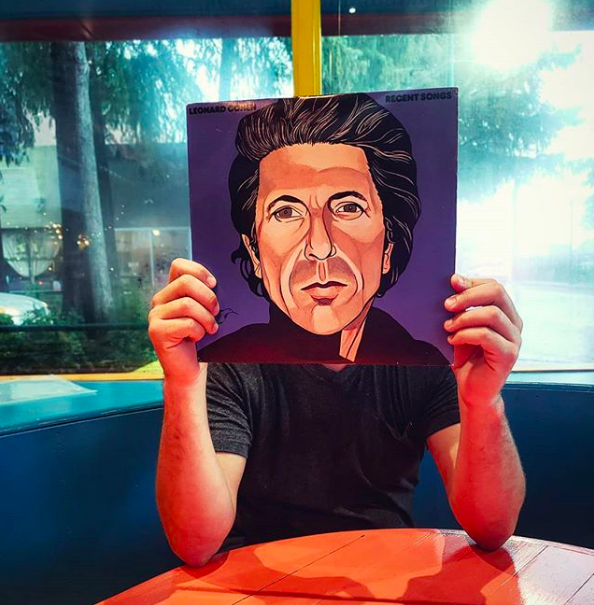
“Sleeve­face is an amus­ing par­tic­i­pa­to­ry pho­to project in which peo­ple from all over the world strate­gi­cal­ly pose with match­ing album cov­ers,” writes Laugh­ing Squid’s Lori Dorn, “cre­at­ing the illu­sion that the orig­i­nal pic­ture is com­plete.”

Browse the tags #sleeve­face and #sleeve­face­sun­day (for every­thing on the inter­net even­tu­al­ly gets its day) on Insta­gram and you’ll see a vari­ety of trib­ute pos­es, some of them uncan­ni­ly well-aligned, to musi­cians whose faces we all know not least because they’ve appeared on icon­ic album cov­ers: Bruce Spring­steen to Bob Mar­ley, Simon and Gar­funkel to Iggy and the Stooges, Leonard Cohen to Fred­die Mer­cury, Janis Joplin to Adele.

All those famous names have under­gone the sleeve­face treat­ment, and quite a few of them have under­gone it more than once. Many of us have grown famil­iar indeed with these albums, and sure­ly even those of us who’ve nev­er lis­tened to them start-to-fin­ish prob­a­bly know at least a cou­ple of their songs. But even if you’ve nev­er heard so much as a mea­sure of any of them, you’ve almost cer­tain­ly seen their cov­ers — and may well, at one time or anoth­er, have been tempt­ed to hold them up in front of your own face to see how they lined up. Pop­u­lar music shows us how much we have in com­mon, but so does its pack­ag­ing.

via Laugh­ing Squid

Relat­ed Con­tent:

Enter the Cov­er Art Archive: A Mas­sive Col­lec­tion of 800,000 Album Cov­ers from the 1950s through 2018

Film­mak­er Michel Gondry Brings Clas­sic Album Cov­ers to Life in a Visu­al­ly-Packed Com­mer­cial: Pur­ple Rain, Beg­gars Ban­quet, Nev­er­mind & More

The Impos­si­bly Cool Album Cov­ers of Blue Note Records: Meet the Cre­ative Team Behind These Icon­ic Designs

Clas­sic Jazz Album Cov­ers Ani­mat­ed & Brought to Life

The Ground­break­ing Art of Alex Stein­weiss, Father of Record Cov­er Design

Based in Seoul, Col­in Mar­shall writes and broad­casts on cities, lan­guage, and cul­ture. His projects include the book The State­less City: a Walk through 21st-Cen­tu­ry Los Ange­les and the video series The City in Cin­e­ma. Fol­low him on Twit­ter at @colinmarshall or on Face­book.

Enjoy Dazzling & Dizzying 360° Virtual Tours of Los Angeles Landmarks

Remem­ber when arm­chair trav­el meant a book, a mag­a­zine, a hand­ful of post­cards, or the occa­sion­al after-din­ner slideshow of the neigh­bors’ vaca­tion pho­tos?

Those were the days.

The throngs of trav­el “influ­encers”—both pro­fes­sion­al and aspirant—have tak­en much of the fun out of liv­ing through oth­ers’ vis­its to far-flung locales. The focus seems to have shift­ed from imag­in­ing our­selves in their shoes to feel­ing oppressed by their high­ly-staged, heav­i­ly-fil­tered Insta­gram-per­fect exis­tence.

Pho­tog­ra­ph­er Jim New­ber­ry’s daz­zling, dizzy­ing 360° pho­tos of Los Ange­les, like the views of Echo Park, Chi­na­town, East L.A., and Down­town, above, offer arm­chair trav­el­ers trans­porta­tion back to those gid­dy pre-influ­encer days.

(Angeli­nos and oth­er LA-versed vis­i­tors will enjoy swoop­ing through City of Angels land­marks as if rotat­ing on the no-par­al­lax point, too.)

The Chica­go trans­plant admits that it took a while for him to find his Los Ange­les groove:

After being dis­abused of my Mid­west­ern, anti‑L.A. views, I’ve found that the city has much more to offer than I had imag­ined, but the gems of Los Ange­les often don’t reveal them­selves read­i­ly; it takes a bit of leg­work to seek out the best spots, and well worth it. Moun­tains, beach­es, vibrant urban life, tons of muse­ums, gor­geous nature.

While easy-to-use “one-shot” 360 cam­eras exist, New­ber­ry prefers the qual­i­ty afford­ed by using a high-res­o­lu­tion non-360 cam­era with a wide angle lens, mount­ed on a panoram­ic tri­pod head that rotates it in such a way as to pre­vent per­spec­tive errors.

With the equip­ment set up in the cen­ter of the room, he shoots four pho­tos, spaced 90° apart. Anoth­er shot is aimed direct­ly down­ward toward the floor.

Panoram­ic soft­ware helps to stitch the images togeth­er for a “spher­i­cal panora­ma,” giv­ing view­ers an expe­ri­ence that’s the dig­i­tal equiv­a­lent of swivel­ing their heads in awe.

Newberry’s rov­ing lens turns Lee Lawrie’s Zodi­ac Chan­de­lierDean Cornwell’s Cal­i­for­nia his­to­ry murals, and the dec­o­ra­tive ceil­ing sten­cils of the Cen­tral Pub­lic Library’s Grand Rotun­da into a gor­geous kalei­do­scope.

The Taoist Thien Hau Tem­ple in Chi­na­town is a more recent attrac­tion, found­ed in the 1980s in a for­mer Chris­t­ian church. Com­mu­ni­ty mem­bers raised funds to build the larg­er tem­ple, above, ded­i­cat­ing it in 2006 as a shrine to Mazu, the god­dess of the sea, pro­tec­tor of fish­er­man and sailors.

The Muse­um of Juras­sic Tech­nol­o­gy, a self-described “edu­ca­tion­al insti­tu­tion ded­i­cat­ed to the advance­ment of knowl­edge and the pub­lic appre­ci­a­tion of the Low­er Juras­sic,” served as Newberry’s point of entry, when man­age­ment okayed his request to shoot 360° pho­tos there:

It’s a very spe­cial place—my panoram­ic pho­tos are no match for an in-per­son vis­it. Unlike many oth­er muse­ums these days, the Muse­um of Juras­sic Tech­nol­o­gy does­n’t nor­mal­ly allow pho­tog­ra­phy, and there’s not many pho­tos of the place to be found. 

(In return for per­mis­sion to shoot the museum’s Fau­na of Mir­rors murals, rooftop court­yard, and Tula Tea Room, New­ber­ry agreed to main­tain its mys­te­ri­ous aura by lim­it­ing the pub­li­ca­tion of those pho­tos to his Panoram­ic Eye site. Feast your eyes here.)

The pho­tog­ra­ph­er is look­ing for­ward to work­ing with more muse­ums, cre­at­ing 3‑dimensional doc­u­men­ta­tion of exhibits.

His inter­est in the ephemer­al has also spurred him to cre­ate vir­tu­al tours of local land­marks on the verge of being torn down. Entries in the ongo­ing Lost Land­marks series include Los Feliz’s Good Luck Bar (RIP), Tom Bergin’s Pub (above, spared at the last minute when the Los Ange­les Con­ser­van­cy declared it an His­toric-Cul­tur­al Mon­u­ment), and the Alpine Vil­lage, cur­rent­ly for sale in neigh­bor­ing Tor­rance.

Begin your explo­rations of Jim Newberry’s Panoram­ic Eye 360° vir­tu­al tours of Los Ange­les, includ­ing the Grif­fith Park Obser­va­to­rythe St. Sophia Cathe­dral, and the Every­thing Is Ter­ri­ble! store here.

Relat­ed Con­tent:

Take a 360° Vir­tu­al Tour of Tal­iesin, Frank Lloyd Wright’s Per­son­al Home & Stu­dio

Take a 360 Degree Tour of Minia­ture Mod­els of Famous Land­marks: From the Taj Mahal to The Great Wall of Chi­na

Five Cul­tur­al Tours of Los Ange­les

Ayun Hal­l­i­day is the author of sev­en books, includ­ing No Touch Mon­key! And Oth­er Trav­el Lessons Learned Too Lateand the Chief Pri­ma­tol­o­gist of the East Vil­lage Inkyzine.  Join her in NYC on Mon­day, Sep­tem­ber 9 for anoth­er sea­son of her book-based vari­ety show, Necro­mancers of the Pub­lic Domain. Fol­low her @AyunHalliday.

How Scientists Colorize Those Beautiful Space Photos Taken By the Hubble Space Telescope

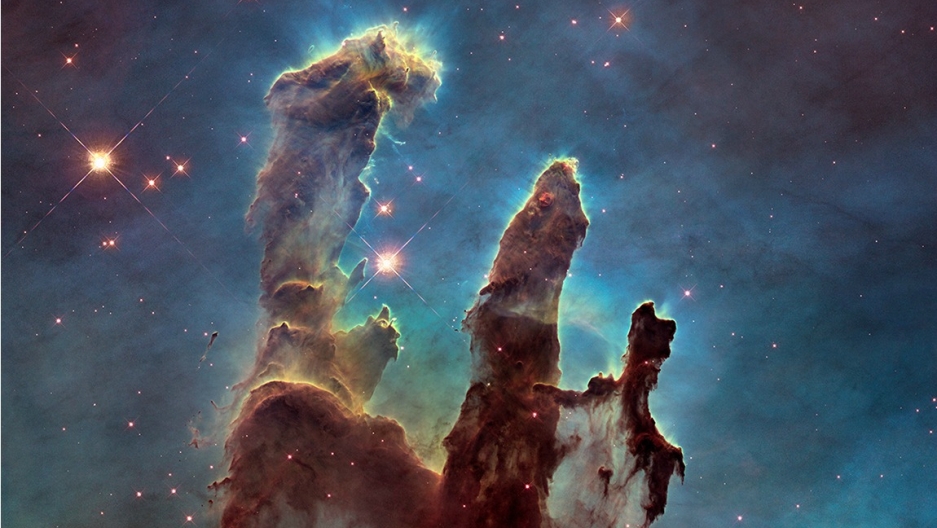
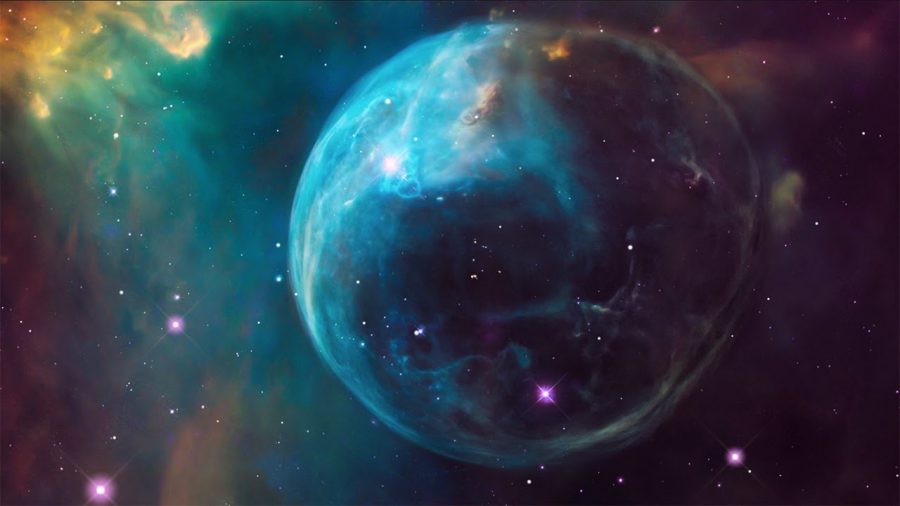
When you pic­ture the giant for­ma­tions of gasses and space dust that make up a neb­u­la, maybe you see the deli­cious­ly gar­ish CGI of Guardians of the Galaxy. The look of the Mar­vel uni­verse is, of course, inspired by eye-pop­ping images of neb­u­lae tak­en by the Hub­ble tele­scope, images that have appeared rou­tine­ly for the past three decades in the pages of Nation­al Geo­graph­ic, Dis­cov­er, and your favorite screen savers.

Whether you’re into sci-fi super­hero flicks or not, you’ve sure­ly stared in awe and dis­be­lief at these pho­tographs: ghost­ly, glow­ing, resem­bling the illus­tra­tions of out­er space by cer­tain pulp sci-fi illus­tra­tors twen­ty years before the Hub­ble was launched into orbit in 1990. If these images seem too painter­ly to be real, it’s because they are, as the Vox video above explains, to a great degree, prod­ucts of pho­to­graph­ic art and imag­i­na­tion.

The Hub­ble tele­scope only takes images in black and white. The images are then col­orized by sci­en­tists. Their work is not pure fan­ta­sy. A process called “broad­band fil­ter­ing” allows them to rea­son­ably esti­mate a range of col­ors in the black and white pho­to. Some imag­i­na­tive license must be tak­en “to show us por­tions of the image that would nev­er have been vis­i­ble to our eyes in the first place,” notes PetaPix­el. “For exam­ple: turn­ing cer­tain gasses into vis­i­ble col­or in a pho­to­graph.”

In an impres­sive few min­utes, the Vox explain­er digs deep into the sci­ence of optics to explain how and why we see col­or as com­bi­na­tions of three wave­lengths. The sci­ence has been “the guid­ing prin­ci­ple in col­or­ing black and white images” since the turn of the 20th cen­tu­ry. We learn above how broad­band filtering—the pho­to­graph­ic tech­nique bring­ing us full-col­or galac­tic fever dreams—originated in the ear­li­est exper­i­ments in col­or pho­tog­ra­phy.

In fact, the very first col­or pho­to­graph ever tak­en, by physi­cist James Clerk Maxwell in 1861, used a very ear­ly ver­sion of the tech­nique Hub­ble sci­en­tists now use to col­orize images of space, com­bin­ing three black and white pho­tos of the same object, tak­en through three dif­fer­ent-col­ored fil­ters. Giv­en the advances in imag­ing tech­nol­o­gy over the past 100+ years, why doesn’t the pow­er­ful space tele­scope just take col­or pic­tures?

It would com­pro­mise the Hubble’s pri­ma­ry pur­pose, to mea­sure the inten­si­ty of light reflect­ing off objects in space, a mea­sure­ment best tak­en in black and white. But the sci­en­tif­ic instru­ment can still be used as cos­mic paint­brush, cre­at­ing jaw-drop­ping images that them­selves serve a sci­en­tif­ic pur­pose. If you were dis­ap­point­ed to learn that the pho­tog­ra­phy fuel­ing our our space imag­i­na­tion has been doc­tored, watch this video and see if a sense of won­der isn’t restored.

Relat­ed Con­tent:

The Beau­ty of Space Pho­tog­ra­phy

NASA Releas­es a Mas­sive Online Archive: 140,000 Pho­tos, Videos & Audio Files Free to Search and Down­load

NASA Dig­i­tizes 20,000 Hours of Audio from the His­toric Apol­lo 11 Mis­sion: Stream Them Free Online

Josh Jones is a writer and musi­cian based in Durham, NC. Fol­low him at @jdmagness

Why a Cat Always Lands on Its Feet: How a French Scientist Used Photography to Solve the Problem in 1894

In the era of the CATS trail­er and #cat­sofin­sta­gram, it’s easy to for­get that sci­en­tif­ic research is what orig­i­nal­ly con­vinced our feline friends to allow their images to be cap­tured and dis­sem­i­nat­ed.

An anony­mous white French pussy took one for the team in 1894, when scientist/inventor Éti­enne-Jules Marey dropped it from an unspec­i­fied height in the Bois de Boulogne, film­ing its descent at 12 frames per sec­ond.

Ulti­mate­ly, this brave and like­ly unsus­pect­ing spec­i­men fur­thered the cause of space explo­ration, though it took over 50 years for NASA-backed researchers T.R. Kane and M.P. Sch­er to pub­lish their find­ings in a paper titled “A Dynam­i­cal Expla­na­tion of the Falling Cat Phe­nom­e­non.”

As the Vox Dark­room episode above makes clear, Marey’s obses­sion was lofti­er than a fond­ness for Stu­pid Pet Tricks and the mis­chie­vous impulse to drop things off of tall build­ings that moti­vat­ed TV host David Let­ter­man once upon a time.

Marey’s pre­oc­cu­pa­tion with the mechan­ics of organ­ic loco­mo­tion extend­ed to hors­es and humans. It prompt­ed him to invent pho­to­graph­ic tech­niques that pre­fig­ured cin­e­matog­ra­phy, and, more dark­ly, to sub­ject oth­er, less-cat­like crea­tures to dead­falls from sim­i­lar heights.

(Chil­dren and ani­mal rights activists, con­sid­er this your trig­ger warn­ing.)

The white cat sur­vived its ordeal by arch­ing its back mid-air, effec­tive­ly split­ting its body in two to har­ness the iner­tia of its body weight, much like a fig­ure skater con­trol­ling the veloc­i­ty of her spin by the posi­tion of her arms.

Why waste a sin­gle one of your nine lives? Physics is your friend, espe­cial­ly when falling from a great height.

See one of Marey’s pio­neer­ing falling cat chronopho­tographs below.

Relat­ed Con­tent:

Thomas Edison’s Box­ing Cats (1894), or Where the LOL­Cats All Began

An Ani­mat­ed His­to­ry of Cats: How Over 10,000 Years the Cat Went from Wild Preda­tor to Sofa Side­kick

Explo­sive Cats Imag­ined in a Strange, 16th Cen­tu­ry Mil­i­tary Man­u­al

Ayun Hal­l­i­day is an author, illus­tra­tor, the­ater mak­er and Chief Pri­ma­tol­o­gist of the East Vil­lage Inkyzine.  Join her in NYC on Mon­day, Sep­tem­ber 9 for anoth­er sea­son of her book-based vari­ety show, Necro­mancers of the Pub­lic Domain. Fol­low her @AyunHalliday.

Mont Saint-Michel Beautifully Viewed from a Drone

This short film was an award win­ner at the 2015 Drone Film fes­ti­val held in Cabourg, France. Enjoy the ride.

If you would like to sup­port the mis­sion of Open Cul­ture, con­sid­er mak­ing a dona­tion to our site. It’s hard to rely 100% on ads, and your con­tri­bu­tions will help us con­tin­ue pro­vid­ing the best free cul­tur­al and edu­ca­tion­al mate­ri­als to learn­ers every­where. You can con­tribute through Pay­Pal, Patre­on, and Ven­mo (@openculture). Thanks!

Behold Color Photographs Taken During the Aftermath of San Francisco’s Devastating 1906 Earthquake

If a city has been around long enough, it will more than like­ly have suf­fered some sort of cat­a­stroph­i­cal­ly destruc­tive event: the Great Fire of Lon­don in 1666, the Great Chica­go Fire of 1871, the Great Kan­tō earth­quake that dev­as­tat­ed Tokyo in 1923. Most of their names, come to think of it, include the word “great,” though not every source refers to San Fran­cis­co’s 1906 earth­quake that way. Not, of course, to min­i­mize its destruc­tive­ness: with a force that would mea­sure 7.8 on the Richter scale, the earth­quake ulti­mate­ly destroyed 80 per­cent of the city — about 25,000 build­ings, with lost prop­er­ty equiv­a­lent to $11.2 bil­lion in today’s dol­lars — and killed 3,000 peo­ple.

Six months after the dis­as­ter, an inven­tor named Fred­er­ick Eugene Ives arrived to doc­u­ment the still-fresh after­math of the dis­as­ter. He had in hand some­thing called a brr, a 3D col­or cam­era he designed him­self. Its “sys­tem of mir­rors and fil­ters behind each lens split and fil­tered the light to cre­ate one pair of slides for each pri­ma­ry col­or of light (red, green, blue).

The slides were bound togeth­er in a spe­cial order with cloth tapes into a pack­age known as a KrĹ‘m­gram,” view­able only with a KrĹ‘m­scĹ‘p, “the appa­ra­tus used to rebuild the image allow­ing the view­er to see in three-dimen­sion­al col­or.”

Antho­ny Brooks dis­cov­ered Ives’ KrĹ‘m­grams of San Fran­cis­co in ruins only in 2009, reports the Tele­graph. Most of its pic­tures were tak­en from a hotel rooftop, and “although hand-col­ored pho­tographs of the quake’s destruc­tion have sur­faced before, Ives’ work is prob­a­bly the only true col­or doc­u­men­tary evi­dence.” Such images would have aston­ished any con­tem­po­rary view­er, not just for the dev­as­ta­tion they showed but the life­like col­or and depth with which they ren­dered it. And yet the Pho­tochro­mo­scope sys­tem nev­er caught on, Brooks writes: “The KrĹ‘m­scĹ‘p view­ers were expen­sive ($50 in 1907 or about $1000 today adjust­ing for infla­tion), required strong sun­light or arc light for view­ing, and were tech­ni­cal­ly com­plex to use, despite Ives’ asser­tions to the con­trary.”

But even though few prob­a­bly saw these pic­tures in the ear­ly 20th cen­tu­ry, Ives was hard­ly for­got­ten in the realm of pho­tog­ra­phy. The recip­i­ent of sev­er­al major sci­en­tif­ic and engi­neer­ing awards in his life­time, he left behind such more wide­ly adopt­ed inven­tions as one of the sev­er­al vari­eties of “halftone process” that allowed pho­tographs to be repro­duced in news­pa­pers — just as news­pa­pers around the coun­try did after the earth­quake struck, com­bin­ing them with head­lines like “WATER FRONT BURNS ALMOST TO THE FERRY,” “3,000 PEOPLE ARE HOMELESS,” and “SAN FRANCISCO ANNIHILATED.” But H.G. Wells, who was on a vis­it to the Unit­ed States at the time, sensed more of a san­guin­i­ty in the Amer­i­cans around him: “There is no doubt any­where that San Fran­cis­co can be rebuilt, larg­er, bet­ter, and soon.”

via Mash­able

Relat­ed Con­tent:

Dra­mat­ic Footage of San Fran­cis­co Right Before & After the Mas­sive­ly Dev­as­tat­ing Earth­quake of 1906

Rome Comes to Life in Pho­tochrom Col­or Pho­tos Tak­en in 1890: The Colos­se­um, Tre­vi Foun­tain & More

Take a Visu­al Jour­ney Through 181 Years of Street Pho­tog­ra­phy (1838–2019)

Beau­ti­ful, Col­or Pho­tographs of Paris Tak­en 100 Years Ago—at the Begin­ning of World War I & the End of La Belle Époque

Behold the Very First Col­or Pho­to­graph (1861): Tak­en by Scot­tish Physi­cist (and Poet!) James Clerk Maxwell

Voltaire & the Lis­bon Earth­quake of 1755

Based in Seoul, Col­in Mar­shall writes and broad­casts on cities, lan­guage, and cul­ture. His projects include the book The State­less City: a Walk through 21st-Cen­tu­ry Los Ange­les and the video series The City in Cin­e­ma. Fol­low him on Twit­ter at @colinmarshall, on Face­book, or on Insta­gram.

« Go BackMore in this category... »
Quantcast