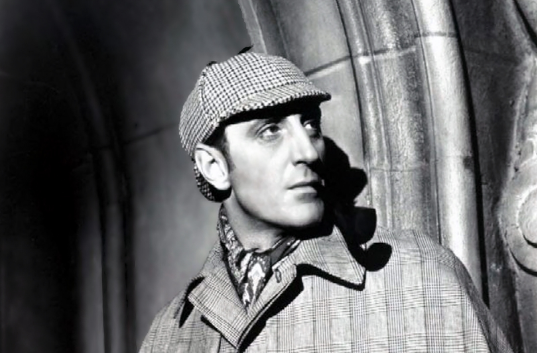
Recalling Albert Camus’ Fashion Advice, Noam Chomsky Pans Glenn Greenwald’s Shiny, Purple Tie

chomsky fashion advice

70 years ago this month, Albert Camus made his first and only trip to the Unit­ed States, briefly vis­it­ing Philadel­phia and Boston, but most­ly stay­ing in New York, the city that cap­ti­vat­ed him most. As Jen­nifer Schuessler writes in The New York Times, Camus did­n’t quite know what to make of the city’s “swarm­ing lights” and “fran­tic streets.” But he had to appre­ci­ate the warmth with which he was greet­ed. Dur­ing his 1946 stay, Camus cel­e­brat­ed the Eng­lish pub­li­ca­tion of The Stranger on the rooftop of the Hotel Astor. He sat down for an inter­view with The New York­er and gave a mem­o­rable speech at Colum­bia Uni­ver­si­ty. He also became a fash­ion crit­ic for a brief moment, offer­ing this thought on Amer­i­can neck­ties: “You have to see it to believe it. So much bad taste hard­ly seems imag­in­able.”

All of this sets up a lit­tle joke deliv­ered this week­end by Noam Chom­sky, as recalled on Face­book by jour­nal­ist Glenn Green­wald. Green­wald writes:

I arrived last night at the Uni­ver­si­ty of Ari­zona for my event with Edward Snow­den and Noam Chom­sky. Chom­sky arrived short­ly after I did and, after I greet­ed him, the fol­low­ing dia­logue ensued:

Chom­sky: You know, there’s this inter­est­ing essay by Albert Camus, writ­ten dur­ing his first vis­it to the Unit­ed States, in which he described his sur­prise at what he regard­ed as the poor cloth­ing taste of Amer­i­cans, par­tic­u­lar­ly men’s choic­es of ties.

Me (slight­ly con­fused): Are you shar­ing that anec­dote because you dis­like my tie?

Chom­sky: Yes.

That’s how you receive a fash­ion cri­tique from the world’s great­est pub­lic intel­lec­tu­al.

Ouch.

Note: The 70th anniver­sary of Camus’s trip to New York is being com­mem­o­rat­ed in “Camus: A Stranger in the City,” a month­long fes­ti­val of per­for­mances, read­ings, film screen­ings and events. If you’re in NYC, check it out. The full pro­gram is here.

via Crit­i­cal The­o­ry

Relat­ed Con­tent:

Albert Camus: The Mad­ness of Sin­cer­i­ty — 1997 Doc­u­men­tary Revis­its the Philosopher’s Life & Work

Sartre Writes a Trib­ute to Camus After His Friend-Turned-Rival Dies in a Trag­ic Car Crash: “There Is an Unbear­able Absur­di­ty in His Death”

Get to Know Socrates, Camus, Kierkegaard & Oth­er Great Philoso­phers with the BBC’s Intel­li­gent Radio Show, In Our Time

by | Permalink | Make a Comment ( 4 ) |

Download the Sublime Anatomy Drawings of Leonardo da Vinci: Available Online, or in a Great iPad App

912597.tif

I’ve always found anatom­i­cal draw­ing fas­ci­nat­ing. At its best, it occu­pies an aes­thet­ic space some­where between mys­ti­cal fine art and cut­ting-edge sci­en­tif­ic observation—a space carved out dur­ing the Ital­ian Renais­sance, when the bound­aries between artis­tic train­ing and sci­en­tif­ic inquiry were per­me­able and often nonex­is­tent.

Famous­ly, the peri­od intro­duced ren­der­ings of the human fig­ure so anatom­i­cal­ly accu­rate that “until about 1500–1510,” writes the Met­ro­pol­i­tan Muse­um of Art, the artists’ “inves­ti­ga­tions sur­passed much of the knowl­edge of anato­my that was taught at the uni­ver­si­ties.”

Recto: Studies of a cranium. Verso: Notes on the nerves and move

Artists like the great Michelan­ge­lo Buon­nar­roti and Leonar­do da Vinci—as well as less­er-known fig­ures like Anto­nio Pol­laiuo­lo and Bac­cio Bandinelli—undertook “detailed anatom­i­cal dis­sec­tions at var­i­ous points in their long careers,” pro­duc­ing hun­dreds of sketch­es and stud­ies along­side and in prepa­ra­tion for the mus­cu­lar paint­ings and sculp­ture for which they’re best known.

Recto: The muscles of the back and arm. Verso: Studies of the in

Most Renais­sance artists “became anatomists by neces­si­ty,” the Met points out, “as they attempt­ed to refine a more life­like, sculp­tur­al por­tray­al of the human fig­ure.” Leonardo’s stud­ies in anato­my, how­ev­er, held a sci­en­tif­ic inter­est all their own, akin to his inves­ti­ga­tions into the physics of flight, weapon and bat­tle­ment design, archi­tec­ture, and oth­er pur­suits.

912375.tif

Many of Leonardo’s anatom­i­cal draw­ings con­tain detailed notes on his obser­va­tions, as you can see in the study of a heav­i­ly-mus­cled tor­so and of a human cra­ni­um, fur­ther up. He wrote these notes using his pro­pri­etary right-to-left “mir­ror-writ­ing” tech­nique, which he reserved for his pri­vate note­books. “Only when he was writ­ing some­thing intend­ed for oth­er peo­ple,” Boston’s Muse­um of Sci­ence informs us, “did he write in the nor­mal direc­tion.”

Recto: Studies of the foetus in the womb. Verso: Notes on reprod

Now we can see sev­er­al dozen of Leonardo’s anatom­i­cal draw­ings of human and ani­mal fig­ures (such as the bear foot above) all in one place, thanks to Buck­ing­ham Palace’s Roy­al Col­lec­tion Trust—who have dig­i­tized their siz­able col­lec­tion. Leonar­do not only stud­ied anatom­i­cal struc­ture, but also per­formed dis­sec­tions in order to under­stand human phys­i­ol­o­gy; he approached the work­ings of the human body as though it were an organ­ic machine, as con­fi­dent in the ratio­nal order­ing of its parts as he was of its priv­i­leged place in the nat­ur­al world. (See just above Leonardo’s well-known draw­ings of a fetus in the womb, with copi­ous notes on human repro­duc­tion on both sides.)

Da Vinci iPad App

In addi­tion to the many intrigu­ing sketch­es, stud­ies, and detailed illus­tra­tions in the Roy­al Col­lec­tion Trust’s online archive, iPad own­ers can also search and view the col­lec­tion on their devices with the free Leonar­do da Vin­ci Anato­my app (screen­shot above). “For the first time,” writes the descrip­tion, “it is pos­si­ble for any­one with an iPad to own and explore this remark­able tes­ta­ment to Leonardo’s sci­en­tif­ic and artis­tic genius…. All 268 pages from Leonardo’s note­books are pre­sent­ed here at the high­est res­o­lu­tion, opti­mized for the pin-sharp reti­na dis­play of the iPad.” The app includes incred­i­bly help­ful fea­tures like Eng­lish trans­la­tions of the notes, as well as essays and inter­views with experts dis­cussing the sig­nif­i­cance of Leonardo’s dis­cov­er­ies.

The head of Judas in the Last Supper

Whether you own an iPad or not, you can ben­e­fit immense­ly from this col­lec­tion. The online ver­sion allows view­ers to down­load high-res­o­lu­tion images like the “Head of Judas” sketch in red chalk above (c. 1495). Once on the page, click the down­load arrow to the bot­tom right of the draw­ing and you’ll be tak­en to a larg­er ver­sion of the image. You can zoom in to exam­ine details, like the very fine lines and sub­tle shad­ing that mark each of Leonardo’s illus­tra­tions, from the most util­i­tar­i­an to the most artis­ti­cal­ly-ren­dered, as the spe­cial cre­ations of an extra­or­di­nary artist with a gift­ed sci­en­tif­ic mind.

Da Vinci Judas Detail

Relat­ed Con­tent:

Orig­i­nal Por­trait of the Mona Lisa Found Beneath the Paint Lay­ers of da Vinci’s Mas­ter­piece

Leonar­do da Vinci’s Hand­writ­ten Resume (1482)

Leonar­do Da Vinci’s To Do List (cir­ca 1490) Is Much Cool­er Than Yours

Josh Jones is a writer and musi­cian based in Durham, NC. Fol­low him at @jdmagness

Florence Nightingale Saved Lives by Creating Revolutionary Visualizations of Statistics (1855)

I’ve long count­ed myself as a fan of Edward Tufte, the pre­em­i­nent liv­ing expert on the visu­al dis­play of quan­ti­ta­tive infor­ma­tion. I like to think this puts me in the com­pa­ny of Flo­rence Nightin­gale, founder of mod­ern nurs­ing as well as a pro­lif­ic writer and still today a house­hold name. Hav­ing lived in the Vic­to­ri­an era, she of course nev­er got to enjoy the work of Tufte him­self, though her own zeal for data and sta­tis­tics, in a time that val­ued such things less than ours, made her, in some sense, a Tufte of her day: the first female mem­ber of the Roy­al Sta­tis­ti­cal Soci­ety and an hon­orary mem­ber of the Amer­i­can Sta­tis­ti­cal Asso­ci­a­tion. The video above, an out­take from Hans Rosling’s The Joy of Stats, offers a brief intro­duc­tion to the sta­tis­ti­cal side of Nightin­gale’s career, and the impor­tant role data visu­al­iza­tion played in her mis­sion to save lives.

“When Flo­rence Nightin­gale arrived at a British hos­pi­tal in Turkey dur­ing the Crimean War, she found a night­mare of mis­ery and chaos,” writes Sci­ence News’ Julie Rehmey­er. “By the time Nightin­gale left Turkey after the war end­ed in July 1856, the hos­pi­tals were well-run and effi­cient, with mor­tal­i­ty rates no greater than civil­ian hos­pi­tals in Eng­land.”

But feel­ing great regret over all the lives lost there to pre­ventable dis­ease, she went on to save even more of them by bring­ing num­bers into play. She specif­i­cal­ly com­piled “vast tables of sta­tis­tics about how many peo­ple had died, where and why. Many of her find­ings shocked her. For exam­ple, she dis­cov­ered that in peace­time, sol­diers in Eng­land died at twice the rate of civil­ians — even though they were young men in their primes.”

1024px-Nightingale-mortality

Nightin­gale’s most influ­en­tial pre­sen­ta­tion of her data, which she called a “cox­comb,” appears just above. This Is Sta­tis­tics describes “Dia­gram of the Caus­es of Mor­tal­i­ty in the Army in the East” as “sim­i­lar to a pie chart, but more intri­cate. In a pie chart the size of the ‘slices’ rep­re­sent a pro­por­tion of data, while in a cox­comb the length, which the slice extends radi­al­ly from the cen­ter-point, rep­re­sents the first lay­er of data.” Her famous chart “was divid­ed even­ly into 12 slices rep­re­sent­ing months of the year, with the shad­ed area of each month’s slice pro­por­tion­al to the death rate that month. Her col­or-cod­ed shad­ing indi­cat­ed the cause of death in each area of the dia­gram.” She stat­ed the goal of her visu­al­iza­tion clear­ly: “to affect thro’ the Eyes what we fail to con­vey to the pub­lic through their word-proof ears.”

We all try to do the very same thing when we present infor­ma­tion today, though few of us—even armed with a degree of num­ber-crunch­ing and graph­ic design pow­ers that would have seemed mag­i­cal to Nightin­gale and her contemporaries—achieve the kind of results she did. She gal­va­nized sys­temic change in hos­pi­tal design and oper­a­tion as well as prompt­ed a rev­o­lu­tion in san­i­ta­tion which increased Britain’s aver­age nation­al life expectan­cy by 20 years—something to bear in mind when we start to get big ideas about how our Pow­er­point slide shows will change the world.

If you would like to sign up for Open Culture’s free email newslet­ter, please find it here. It’s a great way to see our new posts, all bun­dled in one email, each day.

If you would like to sup­port the mis­sion of Open Cul­ture, con­sid­er mak­ing a dona­tion to our site. It’s hard to rely 100% on ads, and your con­tri­bu­tions will help us con­tin­ue pro­vid­ing the best free cul­tur­al and edu­ca­tion­al mate­ri­als to learn­ers every­where. You can con­tribute through Pay­Pal, Patre­on, and Ven­mo (@openculture). Thanks!

via @pourmecoffee

Relat­ed Con­tent:

The Art of Data Visu­al­iza­tion: How to Tell Com­plex Sto­ries Through Smart Design

Slick Data Visu­al­iza­tion Reveals Sci­en­tif­ic Col­lab­o­ra­tions Tak­ing Place Around the Globe

In Under Three Min­utes, Hans Rosling Visu­al­izes the Incred­i­ble Progress of the “Devel­op­ing World”

Watch a Cool and Creepy Visu­al­iza­tion of U.S. Births & Deaths in Real-Time

Sta­tis­tics Explained Through Mod­ern Dance: A New Way of Teach­ing a Tough Sub­ject

Based in Seoul, Col­in Mar­shall writes and broad­casts on cities, lan­guage, and style. He’s at work on a book about Los Ange­les, A Los Ange­les Primer, the video series The City in Cin­e­ma, the crowd­fund­ed jour­nal­ism project Where Is the City of the Future?, and the Los Ange­les Review of Books’ Korea Blog. Fol­low him on Twit­ter at @colinmarshall or on Face­book.

Harvard’s Michael Sandel Launches “The Global Philosopher,” a New Digital Show Exploring Pressing Philosophical Problems

In 2009, Har­vard phi­los­o­phy pro­fes­sor Michael Sandel broke some ground when he made his pop­u­lar course, “Jus­tice: What’s the Right Thing to Do?,” avail­able online. A course tak­en by thou­sands of Har­vard under­grads sud­den­ly became a course tak­en by tens of thou­sands of life­long learn­ers world­wide.

Since then, Sandel has con­tin­ued speak­ing to a broad­er audi­ence, first cre­at­ing a BBC pod­cast called “The Pub­lic Philoso­pher,” where he “exam­ines the think­ing behind a cur­rent con­tro­ver­sy.” (Down­load the episodes here.) And now comes a new pro­gram, The Glob­al Philoso­pher, which grap­ples with philo­soph­i­cal prob­lems using an inno­v­a­tive dig­i­tal for­mat. Accord­ing to the BBC, the show brings togeth­er “60 par­tic­i­pants from over 30 coun­tries using a pio­neer­ing stu­dio devel­oped by [the] Har­vard Busi­ness School, called HBX Live. Each par­tic­i­pant is able to see and speak to every oth­er con­trib­u­tor, as well as to Pro­fes­sor Sandel, repli­cat­ing the expe­ri­ence of a face-to-face debate.” In the first debate, shown above, “con­trib­u­tors from Amer­i­ca, Europe, Africa, Asia and the Mid­dle East dis­cussed the moral jus­ti­fi­ca­tion for nation­al bor­ders. Hun­dreds more watched a live video stream and took part by send­ing in text com­ments and vot­ing in straw polls.” This is just the first of more planned install­ments. Down the road, you can find new episodes of The Glob­al Philoso­pher here.

via Har­vard Gazette

Relat­ed Con­tent

What’s the Right Thing to Do?: Pop­u­lar Har­vard Course Now Online

Michael Sandel on the Par­tial­ly Exam­ined Life Pod­cast Talks About the Lim­its of a Free Mar­ket Soci­ety

140 Free Online Phi­los­o­phy Cours­es

by | Permalink | Make a Comment ( 2 ) |

Watch the Earliest Surviving Filmed Version of The Wizard of Oz (1910)

The Tech­ni­col­or Oz that greet­ed Judy Gar­land in 1939 seems a far less col­or­ful place than the one in 1910’s silent short, The Won­der­ful Wiz­ard of Oz, above. (A ver­sion with music added can be found below.)

Adapt­ed in part from a 1902 stage ver­sion, this Wiz­ard — the ear­li­est to sur­vive on film — feels quite close to the spir­it of author L. Frank Baum and illus­tra­tor William Wal­lace Denslow’s orig­i­nal cre­ation.

Audi­ence mem­bers who had no famil­iar­i­ty with the source mate­r­i­al must’ve been very, very con­fused. There’s a lot of bang for the buck, but title cards aside, not much in the way of con­text.

No mat­ter. There are plen­ty of spe­cial effects and a crowd-pleas­ing cho­rus of gra­tu­itous beau­ties in tights and bloomers, just as in Georges Méliès’ sem­i­nal A Trip to the Moon.

It’s con­ceiv­able that Jack Haley and Burt Lahr, the MGM version’s Tin Woods­man and Cow­ard­ly Lion, might have been tak­en to see the 13 minute short as chil­dren. (Scare­crow Ray Bol­ger was a mere babe at the time of its release.)

Despite the pres­ence of all the well-known char­ac­ters, includ­ing two Totos, for my mon­ey, the project’s true star is Hank, the scene steal­ing mule.

I think the actor in the mule suit like­ly agreed, though Hank’s role in the Oz pan­theon is minor at best.

It’s unclear to me if the Wizard’s dark make­up is meant to be black­face. Accord­ing to Robin Bernstein’s Racial Inno­cence: Per­form­ing Amer­i­can Child­hood from Slav­ery to Civ­il Rights, the stage play that inspired the film fea­tured min­strel songs and pop­u­lar black­face actors Fred A. Stone and David Mont­gomery as the Scare­crow and Tin Woods­man.

The film cast’s iden­ti­ties have been lost to his­to­ry, though a rumor per­sists that the young actress play­ing Dorothy is fre­quent Harold Lloyd co-star, Bebe Daniels. The orig­i­nal piano score is unknown, but like­ly hewed close­ly to Paul Tiet­jens’ music from the play, which is what we hear in the online ver­sion.

Five years lat­er, the movies returned to Oz, with the Baum-pro­duced and ‑script­ed fea­tures, The Patch­work Girl of Oz, His Majesty, the Scare­crow of Oz, and The Mag­ic Cloak of Oz.

The Wiz­ard of Oz (1910) will be added to our col­lec­tion, 4,000+ Free Movies Online: Great Clas­sics, Indies, Noir, West­erns, Doc­u­men­taries & More.

You can also down­load the com­plete Wiz­ard of Oz Series, as free eBooks and free audio books.

Relat­ed Con­tent:

Dark Side of the Rain­bow: Pink Floyd Meets The Wiz­ard of Oz in One of the Ear­li­est Mash-Ups

A Trip to the Moon (1902): Where Sci Fi Movies Began

Ayun Hal­l­i­day is an author, illus­tra­tor, and Chief Pri­ma­tol­o­gist of the East Vil­lage Inky zine. She was shocked to find out how much her child­hood Oz books are worth, but has thus far resist­ed part­ing with them. Fol­low her @AyunHalliday

Software Used by Hayao Miyazaki’s Animation Studio Is Now Officially Ready to Download

miyazaki-gif2

FYI: Ear­ly last week, Col­in Mar­shall gave you a heads up that Stu­dio Ghi­b­li, the ani­ma­tion stu­dio behind Hayao Miyazaki’s My Neigh­bor Totoro, Princess Mononoke, and Spir­it­ed Away, was prepar­ing to release an open source ver­sion of the ani­ma­tion soft­ware used to cre­ate its films. This week­end, the software–called OpenToonz–officially became avail­able for down­load. And we can now tell you where to find it. Open­Toonz is avail­able on Github, in ver­sions made for both Win­dow and OSX. This link will jump you straight to the down­load area.

If you make any­thing great with it, please share it with us.

If you would like to sign up for Open Culture’s free email newslet­ter, please find it here. It’s a great way to see our new posts, all bun­dled in one email, each day.

If you would like to sup­port the mis­sion of Open Cul­ture, con­sid­er mak­ing a dona­tion to our site. It’s hard to rely 100% on ads, and your con­tri­bu­tions will help us con­tin­ue pro­vid­ing the best free cul­tur­al and edu­ca­tion­al mate­ri­als to learn­ers every­where. You can con­tribute through Pay­Pal, Patre­on, and Ven­mo (@openculture). Thanks!

by | Permalink | Make a Comment ( 1 ) |

Google Makes Its $149 Photo Editing Software Now Completely Free to Download

nik software

Google’s Nik Col­lec­tion, a pho­to edit­ing soft­ware pack­age designed for pro­fes­sion­al pho­tog­ra­phers, once retailed for $149. Today it’s absolute­ly free to down­load, for both Win­dows and Mac users.

Here you can read Google’s announce­ment, which includes more infor­ma­tion on the soft­ware pack­age and its capa­bil­i­ties.

Today we’re mak­ing the Nik Col­lec­tion avail­able to every­one, for free.

Pho­to enthu­si­asts all over the world use the Nik Col­lec­tion to get the best out of their images every day. As we con­tin­ue to focus our long-term invest­ments in build­ing incred­i­ble pho­to edit­ing tools for mobile, includ­ing Google Pho­tos and Snapseed, we’ve decid­ed to make the Nik Col­lec­tion desk­top suite avail­able for free, so that now any­one can use it.

The Nik Col­lec­tion is com­prised of sev­en desk­top plug-ins that pro­vide a pow­er­ful range of pho­to edit­ing capa­bil­i­ties — from fil­ter appli­ca­tions that improve col­or cor­rec­tion, to retouch­ing and cre­ative effects, to image sharp­en­ing that brings out all the hid­den details, to the abil­i­ty to make adjust­ments to the col­or and tonal­i­ty of images.

Start­ing March 24, 2016, the lat­est Nik Col­lec­tion will be freely avail­able to down­load: Ana­log Efex Pro, Col­or Efex Pro, Sil­ver Efex Pro, Viveza, HDR Efex Pro, Sharp­en­er Pro and Dfine. If you pur­chased the Nik Col­lec­tion in 2016, you will receive a full refund, which we’ll auto­mat­i­cal­ly issue back to you in the com­ing days.

We’re excit­ed to bring the pow­er­ful pho­to edit­ing tools once only used by pro­fes­sion­als to even more peo­ple now.

Once you’ve down­loaded the soft­ware, head over to the Nik Col­lec­tion chan­nel on YouTube where you’ll find video tuto­ri­als, includ­ing the one below called “Intro­duc­tion to the Nik Com­plete Col­lec­tion.” It’s a good place to start.

PS: Some read­ers have asked whether this soft­ware can work as a stand­alone pro­gram, or whether it needs to run with a pro­gram like Pho­to­shop. Here’s what PC Mag­a­zine has to say about that:  “Though you can run the sev­en dif­fer­ent plu­g­ins in the col­lec­tion as stand­alone prod­ucts, they tend to work bet­ter when you inte­grate them into an exist­ing image edit­ing pro­gram, like Adobe’s Pho­to­Shop. ‘(On Win­dows) You can make short­cuts to the indi­vid­ual .exe files on your desk­top and then just drag stacks of images onto them,’ sug­gest­ed one Google+ user.” In short, you have some options.

If you would like to sign up for Open Culture’s free email newslet­ter, please find it here. It’s a great way to see our new posts, all bun­dled in one email, each day.

If you would like to sup­port the mis­sion of Open Cul­ture, con­sid­er mak­ing a dona­tion to our site. It’s hard to rely 100% on ads, and your con­tri­bu­tions will help us con­tin­ue pro­vid­ing the best free cul­tur­al and edu­ca­tion­al mate­ri­als to learn­ers every­where. You can con­tribute through Pay­Pal, Patre­on, and Ven­mo (@openculture). Thanks!

Relat­ed Con­tent:

Muse­um of Mod­ern Art (MoMA) Launch­es Free Course on Look­ing at Pho­tographs as Art

Soft­ware Used by Hayao Miyazaki’s Ani­ma­tion Stu­dio Becomes Open Source & Free to Down­load

Down­load Free NASA Soft­ware and Help Pro­tect the Earth from Aster­oids!

by | Permalink | Make a Comment ( 48 ) |

Download Beautiful Free Vintage Easter Cards from the New York Public Library

NYPL Easter 3

‘Tis the sea­son when bun­nies tem­porar­i­ly upend cats as rulers of the Inter­net.

There are scores of vin­tage snap­shots in which inno­cent chil­dren are pas­sive­ly men­aced by hideous, full body bun­ny cos­tumes—hope­ful­ly an inac­cu­rate reflec­tion of the adults encased there­in…

“Medieval rab­bits that hate East­er and want to kill you”

Some edi­ble DIY fails

And mer­ci­ful­ly, a bit of sweet nos­tal­gia from the New York Pub­lic Library, who is mak­ing its robust col­lec­tion of East­er greet­ings avail­able for free down­load.

NYPL Easter 2
NYPL Easter 1

Each card comes with pub­li­ca­tion infor­ma­tion. Images of the flip sides reveal that the sender often con­sid­ered the pub­lish­ers’ preprint­ed sen­ti­ments cor­re­spon­dence enough. (It’s some­thing of a relief to real­ize that social media did not invent this kind of short­hand.)

NYPL Easter 4

Bun­nies are not the only fruit here… sea­son­al flo­ra and fau­na abound, in addi­tion to more explic­it­ly reli­gious iconog­ra­phy.

NYPL Easter 5
NYPL Easter 6
NYPL Easter 7
NYPL Easter 8

View the entire col­lec­tion here. Down­load as many as you’d like and do with them as you will.

Relat­ed Con­tent:

The New York Pub­lic Library Lets You Down­load 180,000 Images in High Res­o­lu­tion: His­toric Pho­tographs, Maps, Let­ters & More

New York Pub­lic Library Puts 20,000 Hi-Res Maps Online & Makes Them Free to Down­load and Use

Down­load 2,000 Mag­nif­i­cent Turn-of-the-Cen­tu­ry Art Posters, Cour­tesy of the New York Pub­lic Library

Ayun Hal­l­i­day is an author, illus­tra­tor, and Chief Pri­ma­tol­o­gist of the East Vil­lage Inky zine. Fol­low her @AyunHalliday

Hayao Miyazaki’s Sketches Showing How to Draw Characters Running: From 1980 Edition of Animation Magazine

Miyazaki Running 4

Ear­li­er this week, we let you know about the ani­ma­tion soft­ware used by Hayao Miyaza­k­i’s Stu­dio Ghi­b­li com­ing out in an open source ver­sion free to down­load. While this makes avail­able to you a piece of the tech­nol­o­gy used in the ser­vice of such mas­ter­pieces as Princess MononokeSpir­it­ed Away, and The Tale of Princess Kaguya, it won’t, alas, get you any clos­er to pos­sess­ing the artis­tic skills of the Ghi­b­li team. To attain those, you’ve just got to engage in the same long, cycli­cal process of obser­va­tion, repli­ca­tion, and refine­ment that you would when mas­ter­ing any­thing.

Miyazaki Running 3

Luck­i­ly, Miyaza­ki has pro­vid­ed plen­ty of exam­ples to work with, and even, now and again in his long career, bro­ken down his tech­niques for all to under­stand. Here we have four of his sketch­es, orig­i­nal­ly pub­lished in a 1980 issue of Ani­ma­tion Mag­a­zine (月刊アニメーション), which pro­vide visu­al expla­na­tions of how to ani­mate a char­ac­ter run­ning — not an uncom­mon task, one imag­ines, for the Ghi­b­li ani­ma­tors in charge of what the Cre­ators Project calls “the con­stant run­ning Miyazaki’s films are known for.” If you’ve ever tried to ani­mate run­ning your­self, you’ll know that what might at first seem like a sim­ple, every­day phys­i­cal action requires a great deal of sub­tle­ty to get right.

Miyazaki Running 1

The ear­ly motion pho­tog­ra­ph­er Ead­weard Muy­bridge gave the world a sense of this when he cap­tured the mechan­ics of both men and hors­es run­ning back in the 1880s, but to take those real-world obser­va­tions and ren­der them con­vinc­ing­ly in ani­ma­tion — much less with the char­ac­ter­is­tic Ghi­b­li smooth­ness — takes things to anoth­er lev­el alto­geth­er. “Only Miyaza­ki man,” said ani­ma­tor LeSean Thomas when he tweet­ed these images. “Such effort­less lines and sil­hou­ettes. Years of hard work & learn­ing on dis­play in these sketch­es!”

Miyazaki Running 2

To those who wish to fol­low Miyaza­k­i’s method of ani­mat­ing run­ning in order to go on to mak­ing the kind of lav­ish cin­e­mat­ic sto­ries he and his col­lab­o­ra­tors have, best of luck; to those who’d rather not put in the decades, well, you can still learn his method of mak­ing instant ramen.

via LeSean Thomas

Relat­ed Con­tent:

Soft­ware Used by Hayao Miyazaki’s Ani­ma­tion Stu­dio Becomes Open Source & Free to Down­load

Watch Hayao Miyaza­ki Ani­mate the Final Shot of His Final Fea­ture Film, The Wind Ris­es

The Essence of Hayao Miyaza­ki Films: A Short Doc­u­men­tary About the Human­i­ty at the Heart of His Ani­ma­tion

How to Make Instant Ramen Com­pli­ments of Japan­ese Ani­ma­tion Direc­tor Hayao Miyaza­ki

Ear­ly Japan­ese Ani­ma­tions: The Ori­gins of Ani­me (1917–1931)

Based in Seoul, Col­in Mar­shall writes and broad­casts on cities, lan­guage, and style. He’s at work on a book about Los Ange­les, A Los Ange­les Primer, the video series The City in Cin­e­ma, the crowd­fund­ed jour­nal­ism project Where Is the City of the Future?, and the Los Ange­les Review of Books’ Korea Blog. Fol­low him on Twit­ter at @colinmarshall or on Face­book.

Quentin Tarantino Picks the 12 Best Films of All Time; Watch Two of His Favorites Free Online

Every decade, when the British Film Insti­tute (BFI) announces the out­come of its Sight & Sound Poll of the Great­est Films of All Time, cinephiles lis­ten; no less a seri­ous movie per­son than Roger Ebert called it, among the count­less polls of great movies, “the only one most seri­ous movie peo­ple take seri­ous­ly.” When the BFI con­ducts the poll, it divides those polled into two groups: one for crit­ics like Ebert, and one for direc­tors like, say, Quentin Taran­ti­no, whose thor­ough knowl­edge of cin­e­ma and absolute seri­ous­ness as a movie per­son almost makes him a crit­ic as well, albeit one who does his crit­i­cism in the form of movies.

In the 2002 poll, Taran­ti­no named these as the great­est films of all time:

You can watch two of Taran­ti­no’s 2002 picks, the for­mal­ly exper­i­men­tal caper com­e­dy Hi Did­dle Did­dle as well as His Girl Fri­day, the cap­stone of the screw­ball com­e­dy sub­genre, for free online. Once you’ve enjoyed the both of them, why not have a look at Taran­ti­no’s selec­tions a decade on, for the 2012 Sight & Sound direc­tors poll, to com­pare and con­trast, with the new titles bold­ed:

Taran­ti­no’s 2012 selec­tions reveal a clear increase in appre­ci­a­tion, or at least will­ing­ness to vote his appre­ci­a­tion, for high-pro­file pic­tures of the 1970s — Apoc­a­lypse NowJawsTaxi Dri­verThe Bad News Bears — a decade whose cin­e­ma to which the direc­tor has made no lack of homage. We’ll have to wait six more years, until the 2022 poll, to get a full sense of how Taran­ti­no’s idea of the canon has changed. Will the grim, satir­i­cal, and lurid films of the 70s con­sume most of his list by then? Will he favor a dif­fer­ent era of film his­to­ry entire­ly? I’d only put mon­ey on one thing for sure about the pref­er­ence of this film­mak­er who loves dia­logue even more than vio­lence: His Girl Fri­day isn’t going any­where.

You can find His Girl Fri­day and Hi Did­dle Did­dle on our list, 4,000+ Free Movies Online: Great Clas­sics, Indies, Noir, West­erns, Doc­u­men­taries & More.

Relat­ed Con­tent:

Quentin Tarantino’s 10 Favorite Films of 2013

Quentin Tarantino’s Top 20 Grindhouse/Exploitation Flicks: Night of the Liv­ing Dead, Hal­loween & More

Quentin Taran­ti­no Lists His 20 Favorite Spaghet­ti West­erns, Start­ing with The Good, the Bad, the Ugly

Quentin Taran­ti­no Lists the 12 Great­est Films of All Time: From Taxi Dri­ver to The Bad News Bears

Quentin Tarantino’s Hand­writ­ten List of the 11 “Great­est Movies”

Quentin Taran­ti­no Lists His Favorite Films Since 1992

Watch His Girl Fri­day, Howard Hawks’ Clas­sic Screw­ball Com­e­dy Star­ring Cary Grant, Free Online

Based in Seoul, Col­in Mar­shall writes and broad­casts on cities, lan­guage, and style. He’s at work on a book about Los Ange­les, A Los Ange­les Primer, the video series The City in Cin­e­ma, the crowd­fund­ed jour­nal­ism project Where Is the City of the Future?, and the Los Ange­les Review of Books’ Korea Blog. Fol­low him on Twit­ter at @colinmarshall or on Face­book.

A Hulking 1959 Chevy Bel Air Gets Obliterated by a Mid-Size 2009 Chevy Malibu in a Crash Test

The auto indus­try con­tin­ues to take steps for­ward, some­times big, some­times small. They’re tin­ker­ing with elec­tric and dri­ver­less cars, and they’re find­ing ways to improve the safe­ty of every­day vehi­cles already on the road. How much incre­men­tal progress have we made? Just watch the video pro­duced by the Insur­ance Insti­tute for High­way Safe­ty. A 2009 Chevy Mal­ibu crash­es into a colos­sal 1959 Chevy Bel Air at 40 miles per hour. And despite its “Safe­ty-Gird­er” cru­ci­form frame (a safe­ty inno­va­tion Chevy devel­oped dur­ing the 1950s) the big­ger Bel Air did­n’t fare well at all. The same applies to the dum­my inside.

Here’s how the Insti­tute described what hap­pened to the Bel Air to The New York Times:

This car had no seat belts or air bags. Dum­my move­ment wasn’t well con­trolled, and there was far too much upward and rear­ward move­ment of the steer­ing wheel. The dummy’s head struck the steer­ing wheel rim and hub and then the roof and unpadded met­al instru­ment pan­el to the left of the steer­ing wheel.

Dur­ing rebound, the dummy’s head remained in con­tact with the roof and slid rear­ward and some­what inward. The wind­shield was com­plete­ly dis­lodged from the car and the dri­ver door opened dur­ing the crash, both pre­sent­ing a risk of ejec­tion. In addi­tion, the front bench seat was torn away from the floor on the dri­ver side.

The Bel Air got a “Poor” rat­ing in every safe­ty cat­e­go­ry; the Mal­ibu a “Good.”

Although a lot of Amer­i­ca seems stuck in reverse, car design is one area where we’re mov­ing for­ward, hope­ful­ly with even bet­ter days to come.

via Kot­tke

Relat­ed Con­tent:

178,000 Images Doc­u­ment­ing the His­to­ry of the Car Now Avail­able on a New Stan­ford Web Site

Jack Nichol­son Puts His Star Pow­er Behind “Green” Cars, 1978

Young Robert De Niro Appears in 1969 AMC Car Com­mer­cial

by | Permalink | Make a Comment ( 2 ) |


  • Great Lectures

  • Sign up for Newsletter

  • About Us

    Open Culture scours the web for the best educational media. We find the free courses and audio books you need, the language lessons & educational videos you want, and plenty of enlightenment in between.


    Advertise With Us

  • Archives

  • Search

  • Quantcast