Japanese Researcher Sleeps in the Same Location as Her Cat for 24 Consecutive Nights!


Cross cat nap­ping with bed hop­ping and you might end up hav­ing an “adven­ture in com­fort” sim­i­lar to the one that informs stu­dent Yuri Naka­hashi’s the­sis for Tokyo’s Hosei Uni­ver­si­ty.

For 24 con­sec­u­tive nights, Naka­hashi for­went the com­forts of her own bed in favor of a green sleep­ing bag, unfurled in what­ev­er ran­dom loca­tion one of her five pet cats had cho­sen as its sleep­ing spot that evening.

(The choice of which cat would get the plea­sure of dic­tat­ing each night’s sleep­ing bag coor­di­nates was also ran­dom­ized.)

As the own­er of five cats, Naka­hashi pre­sum­ably knew what she was sign­ing up for…


Cats rack out atop sofa backs, on stairs, and under beds…and so did Naka­hashi.

Her pho­tos sug­gest she logged a lot of time on a bare wood­en floor.

A Fit­Bit mon­i­tored the dura­tion and qual­i­ty of time spent asleep, as well as the fre­quen­cy with which she awak­ened dur­ing the night.

She doc­u­ment­ed the phys­i­cal and psy­cho­log­i­cal effects of this exper­i­ment in an inter­ac­tive pub­lished by the Infor­ma­tion Pro­cess­ing Soci­ety of Japan.

She reports that she eager­ly await­ed the rev­e­la­tion of each night’s coor­di­nates, and that even when her sleep was dis­rupt­ed by her pets’ mid­dle of the night groom­ing rou­tines, bunk­ing next to them had a “relax­ing effect.”

Mean­while, our research sug­gests that the same exper­i­ment would awak­en a vast­ly dif­fer­ent response in a dif­fer­ent human sub­ject, one suf­fer­ing from ail­uro­pho­bia, say, or severe aller­gies to the pro­teins in feline sali­va, urine, and dan­der.

What’s real­ly sur­pris­ing about Nakahashi’s itin­er­ant, and appar­ent­ly plea­sure-filled under­tak­ing is how lit­tle dif­fer­ence there is between her aver­age sleep score dur­ing the exper­i­ment and her aver­age sleep score from the 20 days pre­ced­ing it.

At left, an aver­age sleep score of 84.2 for the 20 days lead­ing up to exper­i­ment. At right, an aver­age sleep score 83.7 dur­ing the exper­i­ment.

Nakahashi’s entry for the YouFab Glob­al Cre­ative Awards, a prize for “work that attempts a dia­logue that tran­scends the bound­aries of species, space, and time” reflects the play­ful spir­it she brought to her slight­ly off-kil­ter exper­i­ment:

 Is it pos­si­ble to add diver­si­ty to the way we enjoy sleep? Let’s think about food. In addi­tion to the taste and nutri­tion of the food, each meal is a spe­cial expe­ri­ence with diver­si­ty depend­ing on the peo­ple you are eat­ing with, the atmos­phere of the restau­rant, the weath­er, and many oth­er fac­tors. In order to bring this kind of enjoy­ment to sleep, we pro­pose an “adven­ture in com­fort” in which the cat decides where to sleep each night, away from the fixed bed­room and bed. This project is sim­i­lar to going out to eat with a good friend at a restau­rant, where the cat guides you to sleep.

She notes that tra­di­tion­al beds have an immo­bil­i­ty owing to “their phys­i­cal weight and cul­tur­al con­cepts such as direc­tion.”

This sug­gests that her work could be of some ben­e­fit to humans in decid­ed­ly less fan­ci­ful, invol­un­tary sit­u­a­tions, whose lack of hous­ing leads them to sleep in unpre­dictable, and inhos­pitable loca­tions.

Naka­hashi’s time in the green sleep­ing bag inspired her to cre­ate the below mod­el of a more flex­i­ble bed, using a polypropy­lene bag, rice and nylon film.

We have cre­at­ed a pro­to­type of a dou­ble-lay­ered inflat­able bed that has a pouch struc­ture that inflates with air and a jam­ming struc­ture that becomes hard when air is com­pressed. The pouch side soft­ly receives the body when inflat­ed. The jam­ming side becomes hard when the air is removed, and can be firm­ly fixed in an even space. The air is designed to move back and forth between the two lay­ers, so that when not in use, the whole thing can be rolled up soft­ly for stor­age. 

It’s hard to imag­ine the pres­ence of a pussy­cat doing much to ame­lio­rate the anx­i­ety of those forced to flee their famil­iar beds with lit­tle warn­ing, but we can see how Nakahashi’s design might bring a degree of phys­i­cal relief when sleep­ing in sub­way sta­tions, base­ment cor­ners, and oth­er har­row­ing loca­tions.

Via Spoon & Toma­go

- Ayun Hal­l­i­day is the Chief Pri­ma­tol­o­gist of the East Vil­lage Inky zine and author, most recent­ly, of Cre­ative, Not Famous: The Small Pota­to Man­i­festo.  Fol­low her @AyunHalliday.

Relat­ed Con­tent 

A 110-Year-Old Book Illus­trat­ed with Pho­tos of Kit­tens & Cats Taught Kids How to Read

An Ani­mat­ed His­to­ry of Cats: How Over 10,000 Years the Cat Went from Wild Preda­tor to Sofa Side­kick

GPS Track­ing Reveals the Secret Lives of Out­door Cats

How Yayoi Kusama, Obsessed with Polka Dots, Became One of the Most Radical Artists of All Time

Yay­oi Kusama turned 93 this past Tues­day, and she remains not just artis­ti­cal­ly pro­duc­tive but glob­al­ly beloved. Her work itself con­tin­ues to appeal to an ever wider range of view­ers of all nation­al­i­ties and ages. “Yay­oi Kusama is a Japan­ese artist who is some­times called ‘the princess of pol­ka dots’,” says the brief intro­duc­tion to her life and work offered at Take Kids. “Although she makes lots of dif­fer­ent types of art – paint­ings, sculp­tures, per­for­mances and instal­la­tions – they have one thing in com­mon, DOTS!” That’s cer­tain­ly one way of describ­ing her, though any­one who’s fol­lowed her 70-year-long career will notice the con­spic­u­ous absence of oth­er, equal­ly impor­tant ele­ments of her art’s devel­op­ment: men­tal ill­ness, for instance, or enor­mous num­bers of phal­lus­es.

Yet even the new video essay on Kusama from Great Art Explained, a Youtube chan­nel very much pitched to an adult view­er­ship, takes as its focus the artist’s rela­tion­ship with var­i­ous­ly sized two-dimen­sion­al sol­id cir­cles. At the age of ten, says the chan­nel’s cre­ator James Payne, she “had her first hal­lu­ci­na­tion, which she described as flash­es of light, auras, or dense fields of dots. The dots would come to life and con­sume her and she would find her­self oblit­er­at­ed.” Since then, and though her art has “crossed from art to fash­ion and from film­mak­ing to per­for­mance art, her con­tin­u­ing explo­ration of the pol­ka dot has remained the one con­sis­tent motif.”

In approach­ing an artist through a sin­gle motif rather than a sin­gle work, this video breaks from the stan­dard Great Art Explained for­mat, but that does­n’t stop Payne from telling Kusama’s sto­ry with his usu­al suc­cinct­ness. He begins with her dis­com­fit­ing upbring­ing in a well-off rur­al Japan­ese house­hold and con­tin­ues to her dis­cov­ery of and sub­se­quent cor­re­spon­dence with Geor­gia O’Ke­effe, who made Kusama the nec­es­sary intro­duc­tions in the New York art world. Through her rig­or­ous work habits and con­tin­u­ous push­ing of aes­thet­ic and polit­i­cal bound­aries, Kusama even­tu­al­ly became a fig­ure of some renown in that city’s avant-garde scene of the nine­teen-six­ties — a milieu that proved recep­tive to the “soft-sculp­ture phal­lus­es” with which many of her cre­ations then bris­tled.

Kusama returned to her home­land in the ear­ly 1970s, and soon there­after only those with the sharpest mem­o­ries of the avant-garde six­ties remem­bered her work. Only a 1989 ret­ro­spec­tive at New York’s Cen­ter for Inter­na­tion­al Con­tem­po­rary Arts returned her to the inter­na­tion­al fame she has enjoyed ever since. Many of us now have vivid mem­o­ries of step­ping into her com­plete­ly mir­rored, dense­ly dot-lit “infin­i­ty rooms” over the years and in dif­fer­ent muse­ums around the world. Though Kusama began mak­ing them in the mid-nine­teen-six­ties, they’ve turned out to be ide­al­ly suit­ed to the social-media era. “Peo­ple queue up for hours for just six­ty sec­onds in one of her infin­i­ty-room instal­la­tions,” says Payne. “Each image they take of infin­i­ty joins mil­lions more on the inter­net — itself infi­nite.” Only now, in Kusama’s tenth decade, has the rest of the world caught up with her.

Relat­ed con­tent:

Down­load Full Issues of MAVO, the Japan­ese Avant-Garde Mag­a­zine That Announced a New Mod­ernist Move­ment (1923–1925)

Ven­er­a­ble Female Artists, Musi­cians & Authors Give Advice to the Young: Pat­ti Smith, Lau­rie Ander­son & More

The MoMA Teach­es You How to Paint Like Pol­lock, Rothko, de Koon­ing & Oth­er Abstract Painters

The Great Wave Off Kana­gawa by Hoku­sai: An Intro­duc­tion to the Icon­ic Japan­ese Wood­block Print in 17 Min­utes

Great Art Explained: Watch 15 Minute Intro­duc­tions to Great Works by Warhol, Rothko, Kahlo, Picas­so & More

Based in Seoul, Col­in Mar­shall writes and broad­casts on cities, lan­guage, and cul­ture. His projects include the Sub­stack newslet­ter Books on Cities, the book The State­less City: a Walk through 21st-Cen­tu­ry Los Ange­les and the video series The City in Cin­e­ma. Fol­low him on Twit­ter at @colinmarshall or on Face­book.

Footage of George Harrison & Bob Dylan Rehearsing “If Not For You” at the Concert for Bangladesh (1971)

“Dylan… was real­ly into the whole idea of it for the refugees.…” says George Har­ri­son over the restored footage above from 1971’s Con­cert for Bangladesh. The qui­et Beat­le’s scouser lilt will sure­ly tug at your heart­strings, as will Har­ri­son and Dylan’s care­ful rehearsal take of “If Not for You,” a song they did not end up play­ing togeth­er dur­ing the con­cert. It’s a sig­nif­i­cant shared moment nonethe­less. As fans know, “If Not for You” became a key­stone song for both artists at the turn of the 70s.

Dylan wrote the song the year pre­vi­ous as the first track on his 1970 New Morn­ing, a record crit­ics her­ald­ed as a return to form after the panned dou­ble album, Self Por­trait. Har­ri­son him­self sat in on a ses­sion for the song and record­ed a “lan­guid ear­ly ver­sion,” notes Bea­t­les Bible, “at Columbi­a’s Stu­dio B in New York.”

The track is “thought to be Har­rison’s first record­ed instance of slide gui­tar,” a tech­nique that would char­ac­ter­ize the sound of his dou­ble debut, All Things Must Pass. His pres­ence arguably helped shape the direc­tion of Dylan’s record­ing, which Dylan him­self would lat­er describe as “sort of Tex-Mex.”

Har­rison’s album, released in the same year as New Morn­ing, fea­tures his — per­haps bet­ter known — ver­sion of “If Not for You,” a song that has been cov­ered dozens of times since. (All Things Must Pass also fea­tures a 1968 col­lab­o­ra­tion between Har­ri­son and Dylan: name­ly, the open­ing track, “I’d Have You Any­time.”) It’s a song that seems to sum up the two musi­cians’ con­tent­ment with their mar­riages and lives at the time. The per­for­mance, though only a sound­check, pro­vides “an inti­mate glimpse,” crit­ic Simon Leng com­ments, “of the warm friend­ship between two major cul­tur­al fig­ures at a point when both were emo­tion­al­ly vul­ner­a­ble.”

On one hand, the Con­cert for Bangladesh was a world-his­tor­i­cal event, pro­vid­ing inspi­ra­tion for Live Aid and oth­er sta­di­um-sized ben­e­fit shows. “In one day,” as Ravi Shankar put it, “the whole world knew the name of Bangladesh.” NME called it “The Great­est Rock Spec­ta­cle of the Decade” and Rolling Stone’s edi­tors described “a brief incan­des­cent revival of all that was best about the Six­ties.”

But on the oth­er hand, in moments like these, we can see the con­cert as a turn into a more mature, sen­si­tive sev­en­ties. “Instead of cry­ing ‘I want you so bad,” wrote Ed Ward in his 1970 New Morn­ing review, Dylan is “cel­e­brat­ing the fact that not only has he found her, but they know each oth­er well, and get strength from each oth­er, depend on each oth­er.” In the take at the top, Jack What­ley observes, Har­ri­son and Dylan “spend the entire song look­ing at each oth­er, as if they’re singing about their own rela­tion­ship.”

via Laugh­ing Squid

Relat­ed Con­tent:

George Har­ri­son “My Sweet Lord” Gets an Offi­cial Music Video, Fea­tur­ing Ringo Starr, Al Yankovic, Pat­ton Oswalt & Many Oth­ers

Bob Dylan’s Famous Tele­vised Press Con­fer­ence After He Went Elec­tric (1965)

How Bob Dylan Cre­at­ed a Musi­cal & Lit­er­ary World All His Own: Four Video Essays

Josh Jones is a writer and musi­cian based in Durham, NC. Fol­low him at @jdmagness

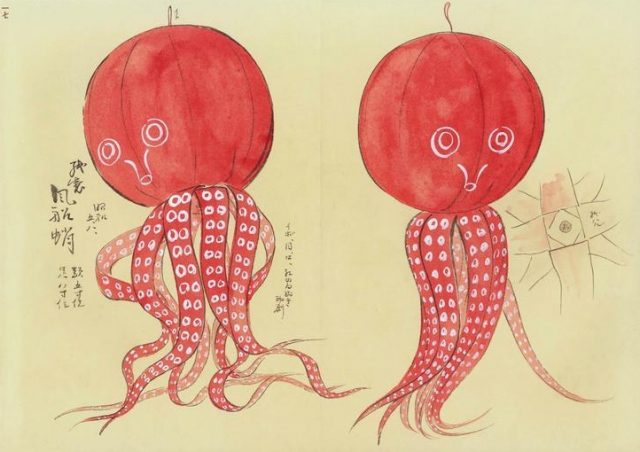
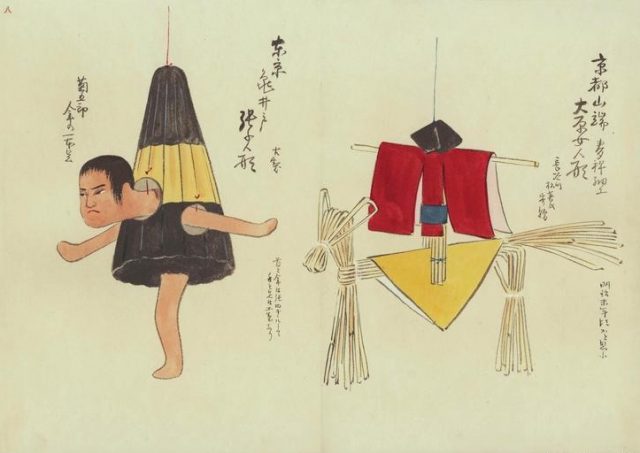
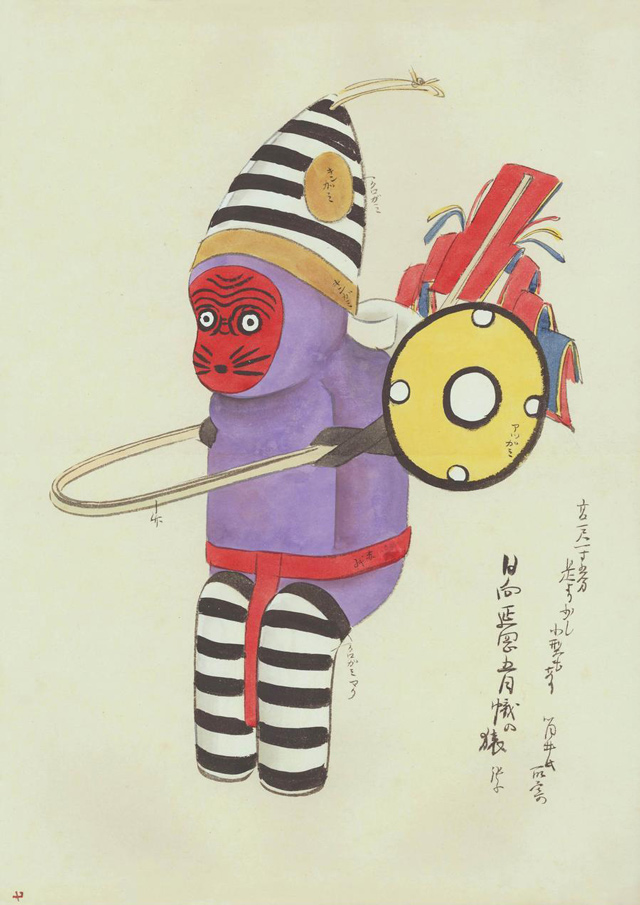
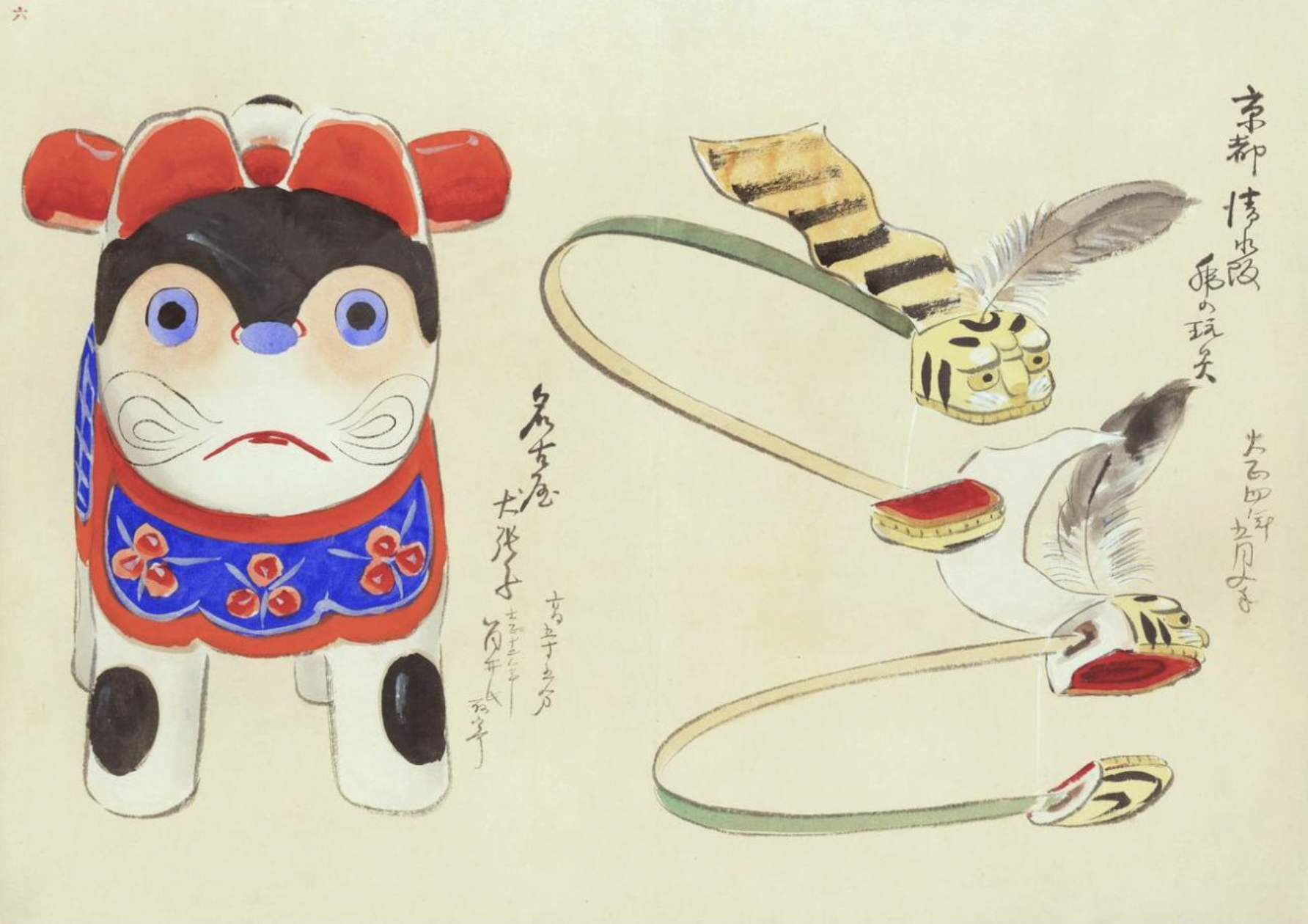
Japanese Toy Designs from the Late 19th & Early 20th Century: Explore an Online Archive

After two cen­turies of iso­la­tion, Japan re-opened to the world in the 1860s, at which point West­ern­ers imme­di­ate­ly became enam­ored with things Japan­ese. It was in that very same decade that Vin­cent Van Gogh began col­lect­ing ukiyo‑e wood­block prints, which inspired him to cre­ate “the art of the future.” But not every West­ern­er was drawn first to such ele­vat­ed fruits of Japan­ese cul­ture. When the American­ educator­ William ­Elliot­ Griff­is went to Japan in 1876 he mar­veled at a coun­try that seemed to be a par­adise of play: “We do not know of any coun­try in the world in which there are so many toy-shops, or so many fairs for the sale of things which delight chil­dren,” he wrote.

That quote comes from Matt Alt’s Pure Inven­tion: How Japan’s Pop Cul­ture Con­quered the World.  “While West­ern tastemak­ers vora­cious­ly con­sumed prints, glass­ware, tex­tiles, and oth­er grown-up delights, it was in fact toys that formed the back­bone of Japan’s bur­geon­ing export indus­try in the late nine­teenth cen­tu­ry,” Alt writes.

You can expe­ri­ence some of the plea­sures of that peri­od’s Japan­ese visu­al art along with some of the plea­sures of that peri­od’s Japan­ese toy cul­ture in the Ningyo-do Bunko data­base. This dig­i­tal archive’s more than 100 albums of water­col­or toy-design ren­der­ings from the late nine­teenth and ear­ly twen­ti­eth cen­turies are, in the words of Bib­liOdyssey’s Paul Ker­ri­g­an, “by turns scary and intrigu­ing.”

These masks, dolls, tops, and oth­er fan­ci­ful works of the toy­mak­er’s craft may not imme­di­ate­ly appeal to a gen­er­a­tion raised with smart­phones. But their designs, root­ed in Japan­ese mythol­o­gy and region­al cul­tures, nev­er­the­less exude both a still-uncom­mon artistry and a still-fas­ci­nat­ing “oth­er­ness.” If this seems like kid’s stuff, bear in mind the caus­es of Japan’s trans­for­ma­tion from a post-World War II sham­bles to per­haps the most advanced coun­try in the world. As Alt tells the sto­ry of this aston­ish­ing devel­op­ment, Japan went from mak­ing sim­ple tin jeeps to tran­sis­tor radios to karaoke machines to Walk­men to vast cul­tur­al indus­tries of comics, film, tele­vi­sion, and relat­ed mer­chan­dise: all toys, broad­ly defined, and we in the rest of the world under­es­ti­mate their pow­er at our per­il. Rum­mage through the designs here.

Relat­ed con­tent:

Wagashi: Peruse a Dig­i­tized, Cen­turies-Old Cat­a­logue of Tra­di­tion­al Japan­ese Can­dies

Hun­dreds of Won­der­ful Japan­ese Fire­work Designs from the Ear­ly-1900s: Dig­i­tized and Free to Down­load

Watch Tee­ny Tiny Japan­ese Meals Get Made in a Minia­ture Kitchen: The Joy of Cook­ing Mini Tem­pu­ra, Sashi­mi, Cur­ry, Okonomiya­ki & More

How Frank Lloyd Wright’s Son Invent­ed Lin­coln Logs, “America’s Nation­al Toy” (1916)

Watch Bat­tered & Bruised Vin­tage Toys Get Mes­mer­iz­ing­ly Restored to Near Mint Con­di­tion

On Christ­mas, Browse A His­tor­i­cal Archive of More Than 50,000 Toys

Based in Seoul, Col­in Mar­shall writes and broad­casts on cities, lan­guage, and cul­ture. His projects include the Sub­stack newslet­ter Books on Cities, the book The State­less City: a Walk through 21st-Cen­tu­ry Los Ange­les and the video series The City in Cin­e­ma. Fol­low him on Twit­ter at @colinmarshall or on Face­book.

Watch David Hockney Paint with Light, Using the Quantel Paintbox Graphics System (1986)

Think of the tele­vi­sion graph­ics you remem­ber from the nine­teen-eight­ies — or, per­haps more like­ly, the nine­teen-eight­ies tele­vi­sion graph­ics you’ve seen late­ly on Youtube. Much of it looks cheesy today, but some exam­ples have become appeal­ing­ly retro over the decades, and cer­tain works remain gen­uine­ly impres­sive as pieces of dig­i­tal art. Nowa­days we can, in the­o­ry, repli­cate and even out­do the finest TV imagery of the eight­ies on our com­put­ers, or even our phones. But in the days before high-pow­ered per­son­al com­put­ing, let alone smart­phones, how did such bril­liant­ly col­ored, ener­get­i­cal­ly ani­mat­ed, and some­times gen­uine­ly artis­tic graph­ics get made? The answer, nine times out of ten, was on the Quan­tel Paint­box.

Intro­duced in 1981, the Paint­box was a cus­tom-designed dig­i­tal graph­ic work­sta­tion that cost about $250,000 USD, or more than $623,000 today. To major tele­vi­sion sta­tions and net­works that mon­ey was well spent, buy­ing as it did the unprece­dent­ed­ly fast pro­duc­tion of images and ani­ma­tions for broad­cast. ”It used to be that we had a staff of artists who drew and drew,” the New York Times quotes ABC’s direc­tor of pro­duc­tion devel­op­ment as say­ing in an arti­cle on graph­ics for the 1984 Olympics.

“But with the Paint­box an artist can come up with a graph­ic in fif­teen min­utes that used to take two days.” Its capa­bil­i­ties did much to influ­ence the look and feel of that decade, for bet­ter or for worse: look­ing back, design­er Steven Heller rues its prop­a­ga­tion of “shad­ow-rid­den, faux-hand­made eight­ies aes­thet­ics.”

As a cut­ting-edge piece of hard­ware, the Paint­box was beyond the reach of most artists, due not just to its cost but also the con­sid­er­able kn0w-how required to use it. (Skilled “oper­a­tors,” as they were called, could in the eight­ies com­mand a wage of $500 per hour.) But for David Hock­ney, who was already famous, suc­cess­ful, and known for his inter­est in bright col­ors as well as new tech­nol­o­gy, the chance came in 1986 when the BBC invit­ed him to par­tic­i­pate in a tele­vi­sion series called Paint­ing with Light.  A show­case for the cre­ative poten­tial of the Paint­box, it also brought on such lumi­nar­ies as col­lage artist Richard Hamil­ton and “grand­fa­ther of Pop Art” Lar­ry Rivers, sit­ting them down at the work­sta­tion and film­ing as they exper­i­ment­ed with its pos­si­bil­i­ties.

“You’re not draw­ing on a piece of paper,” Hock­ney explains in his episode. “You’re draw­ing, actu­al­ly, direct­ly onto this TV screen where you’re see­ing it now.” By now we’ve all done the same in one way or anoth­er, but in the eight­ies the con­cept was nov­el enough to be hard to artic­u­late. Hock­ney empha­sizes that the Paint­box pro­duces “hon­est” images, in that the elec­tron­ic medi­um in which the artist works is the very same medi­um through which the view­er per­ceives that work. The eager­ness with which he takes up its ground­break­ing pres­sure-sen­si­tive sty­lus (“a bit like a kind of old-fash­ioned ball­point pen”), some­times with a cig­a­rette in the oth­er hand, shows that Hock­ney’s pen­chant for draw­ing on the iPhone and iPad over the past decade or so is hard­ly an iso­lat­ed late-career lark. Even in 1986 he under­stood what you could do with dig­i­tal tech­nol­o­gy, and could also sense one of its prime dan­gers: you’re nev­er sure when to stop doing it.

Relat­ed con­tent:

David Hockney’s iPad Art Goes on Dis­play

David Hock­ney Shows Us His Sketch Book, Page by Page

Andy Warhol Dig­i­tal­ly Paints Deb­bie Har­ry with the Ami­ga 1000 Com­put­er (1985)

Time Trav­el Back to 1926 and Watch Wass­i­ly Kandin­sky Make Art in Some Rare Vin­tage Video

Watch Every Episode of Bob Ross’ The Joy Of Paint­ing Free Online: 403 Episodes Span­ning 31 Sea­sons

Based in Seoul, Col­in Mar­shall writes and broad­casts on cities, lan­guage, and cul­ture. His projects include the Sub­stack newslet­ter Books on Cities, the book The State­less City: a Walk through 21st-Cen­tu­ry Los Ange­les and the video series The City in Cin­e­ma. Fol­low him on Twit­ter at @colinmarshall or on Face­book.

Marina Abramović Brings Back Her Iconic Performance Art Piece, The Artist Is Present, to Raise Money for Ukraine

For a cou­ple of months in 2010, Mari­na Abramović spent her days word­less­ly and motion­less­ly sit­ting at a table in the atri­um of the Muse­um of Mod­ern Art. Any vis­i­tor could sit in the chair oppo­site her, for as long as they liked. In response, Abramović said noth­ing and did almost noth­ing (even dur­ing vis­its from Lou Reed, Bjork, or her long-ago lover and col­lab­o­ra­tor, the late Ulay). The whole expe­ri­ence con­sti­tut­ed a piece of per­for­mance art, titled The Artist Is Present. As with many works of that form, to ask why Abramović did it is to miss the point. Noth­ing like it had been done before, and it thus promised to enter unchart­ed artis­tic, social, and emo­tion­al ter­ri­to­ry.

A dozen years lat­er, the artist will be present again, but this time with a high­ly spe­cif­ic motive in mind: to raise mon­ey for the besieged nation of Ukraine. “Abramović has part­nered with New York’s Sean Kel­ly Gallery and Art­sy to offer a per­for­mance art meet-and-greet… or at least meet-and-silent­ly-stare,” writes Hyper­al­ler­gic’s Sarah Rose Sharp.

“Through March 25, inter­est­ed par­ties can bid on one of two oppor­tu­ni­ties for a lim­it­ed restag­ing of Abramović’s epic per­for­mance The Artist Is Present.” These meet-and-silent­ly-stares “will be cap­tured by pho­tog­ra­ph­er Mar­co Anel­li, who doc­u­ment­ed almost all of the 1,500 par­tic­i­pants in the orig­i­nal per­for­mance.”

Pro­ceeds “will go to Direct Relief, which is work­ing with Ukraine’s Min­istry of Health to pro­vide urgent med­ical assis­tance as well as long-term aid to the many lives dev­as­tat­ed by the war.” Last month, when Rus­sia launched its inva­sion, Abramović released the video state­ment above. In it she explains hav­ing done some work in Ukraine last year, which afford­ed her an oppor­tu­ni­ty to get to know some of its peo­ple. “They’re proud, they’re strong, and they’re dig­ni­fied,” she says, and an attack on their coun­try “is an attack to all of us,” an “attack to human­i­ty.” If you feel the same way, have some mon­ey to spend, and missed out on the first The Artist Is Present — and if you think you can hold your own across from the for­mi­da­ble pres­ence glimpsed in the video — con­sid­er mak­ing a bid of your own.

via Hyper­al­ler­gic

Relat­ed con­tent:

In Touch­ing Video, Artist Mari­na Abramović & For­mer Lover Ulay Reunite After 22 Years Apart

Mari­na Abramović and Ulay’s Adven­tur­ous 1970s Per­for­mance Art Pieces

Mari­na Abramović’s Method for Over­com­ing Trau­ma: Go to a Park, Hug a Tree Tight, and Tell It Your Com­plaints for 15 Min­utes

Per­for­mance Artist Mari­na Abramović Describes Her “Real­ly Good Plan” to Lose Her Vir­gin­i­ty

Advice to Young Aspir­ing Artists from Pat­ti Smith, David Byrne & Mari­na Abramović

Sav­ing Ukrain­ian Cul­tur­al Her­itage Online: 1,000+ Librar­i­ans Dig­i­tal­ly Pre­serve Arti­facts of Ukrain­ian Civ­i­liza­tion Before Rus­sia Can Destroy Them

Based in Seoul, Col­in Mar­shall writes and broad­casts on cities, lan­guage, and cul­ture. His projects include the Sub­stack newslet­ter Books on Cities, the book The State­less City: a Walk through 21st-Cen­tu­ry Los Ange­les and the video series The City in Cin­e­ma. Fol­low him on Twit­ter at @colinmarshall or on Face­book.

Hear Aldous Huxley Narrate His Dystopian Masterpiece, Brave New World

The CBS Radio Work­shop was an “exper­i­men­tal dra­mat­ic radio anthol­o­gy series” that aired between 1956 and 1957. And it start­ed with style–with a dra­ma­tized adap­ta­tion of Brave New World, nar­rat­ed by Aldous Hux­ley him­self. The broad­cast aired on Jan­u­ary 27 and Feb­ru­ary 3 1956.  The remain­ing 84 pro­grams in the CBS Radio Work­shop series drew on the work of Antoine de Saint-Exupéry, James Thurber, H.L. Menck­en, Mark Twain, Robert Hein­lein, Eugene O’Neil, Balzac, Carl Sand­burg, and so many more. You can hear many of those episodes online here.

If you would like to sign up for Open Culture’s free email newslet­ter, please find it here. It’s a great way to see our new posts, all bun­dled in one email, each day.

If you would like to sup­port the mis­sion of Open Cul­ture, con­sid­er mak­ing a dona­tion to our site. It’s hard to rely 100% on ads, and your con­tri­bu­tions will help us con­tin­ue pro­vid­ing the best free cul­tur­al and edu­ca­tion­al mate­ri­als to learn­ers every­where. You can con­tribute through Pay­Pal, Patre­on, and Ven­mo (@openculture). Thanks!

Relat­ed Con­tent

Aldous Hux­ley Pre­dicts in 1950 What the World Will Look Like in the Year 2000

When Aldous Hux­ley, Dying of Can­cer, Left This World Trip­ping on LSD, Expe­ri­enc­ing “the Most Serene, the Most Beau­ti­ful Death” (1963)

Aldous Hux­ley Tells Mike Wal­lace What Will Destroy Democ­ra­cy: Over­pop­u­la­tion, Drugs & Insid­i­ous Tech­nol­o­gy (1958)

Aldous Hux­ley to George Orwell: My Hell­ish Vision of the Future is Bet­ter Than Yours (1949)


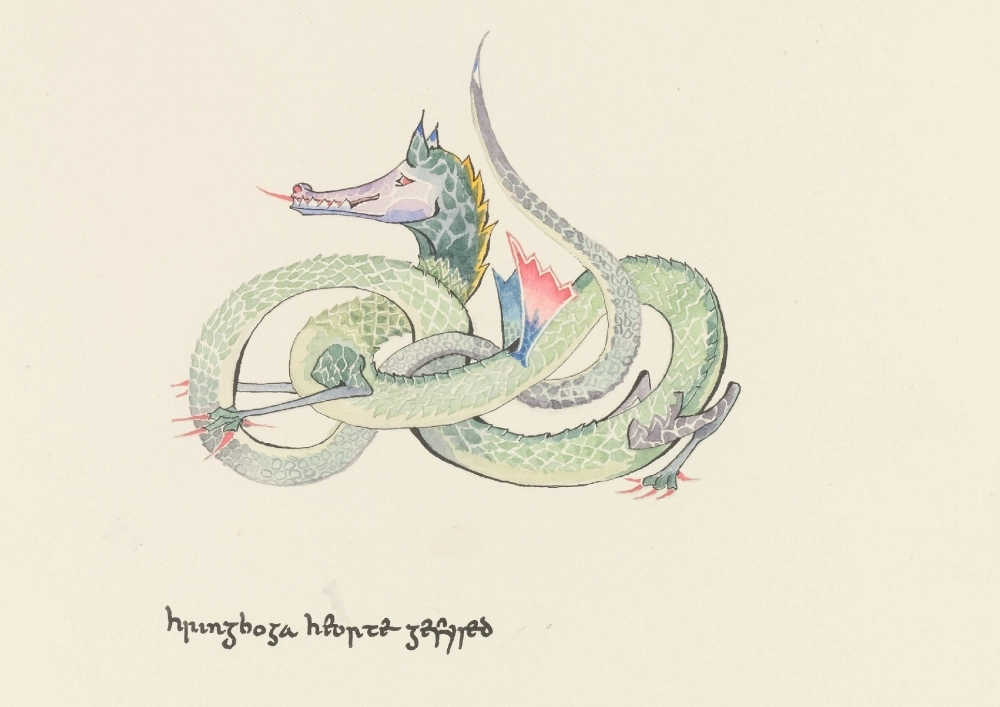
Explore Rarely-Seen Art by J. R. R. Tolkien in a New Web Site Created by the Tolkien Estate

J. R. R. Tolkien man­aged to write the Lord of the Rings tril­o­gy, which ought to be accom­plish­ment enough for one mor­tal. But he also wrote the The Hob­bit, the gate­way for gen­er­a­tions of chil­dren into his major work, as well as a host of oth­er works of fic­tion, poet­ry, and schol­ar­ship, many of them not pub­lished until after his death in 1973. And those are only his writ­ings: a life­long artist, Tolkien also pro­duced a great many draw­ings and paint­ingsbook-cov­er designs, and pic­tures meant to delight his own chil­dren as well as the chil­dren of oth­ers.

Yet some­how more mate­r­i­al has remained in the vault, and only now brought out for prop­er pub­lic con­sid­er­a­tion. As report­ed ear­li­er this month by Art­net’s Sarah Cas­cone, Tolkien’s estate “has released a new web­site fea­tur­ing art­works, some pre­vi­ous­ly unseen,” all cre­at­ed by the man him­self.

“In addi­tion to a num­ber of detailed maps, the estate has released illus­tra­tions Tolkien cre­at­ed for The Hob­bitThe Lord of the Rings, and The Sil­mar­il­lion, as well as draw­ings he made for his chil­dren, land­scapes drawn from real life, and imag­ined abstrac­tions.”

Tolkie­nol­o­gists will also thrill to the new site’s “pre­vi­ous­ly unpub­lished pho­tographs of Tolkien and his fam­i­ly, includ­ing his son Christo­pher, who drew the final ver­sions of the Lord of the Rings maps for pub­li­ca­tion.” (Christo­pher died in 2020, and Tolkien’s last sur­viv­ing child Priscil­la died just last month.) Divid­ed into sec­tions ded­i­cat­ed to his writ­ing, his paint­ing, his schol­ar­ship, his let­ters, his life, and relat­ed audio-visu­al mate­r­i­al, this online exhi­bi­tion presents Tolkien as not just a world-builder but a man in full. In his life and work, he estab­lished the mod­el for the mod­ern fan­ta­sy nov­el­ist, but also — as under­scored by a jour­ney across his full nar­ra­tive, intel­lec­tu­al, and artis­tic range — an ide­al unlike­ly to be equaled any time soon. Vis­it the site here.

via Smith­son­ian Mag­a­zine

Relat­ed con­tent

110 Draw­ings and Paint­ings by J. R. R. Tolkien: Of Mid­dle-Earth and Beyond

Dis­cov­er J. R. R. Tolkien’s Per­son­al Book Cov­er Designs for The Lord of the Rings Tril­o­gy

Map of Mid­dle-Earth Anno­tat­ed by Tolkien Found in a Copy of Lord of the Rings

The Largest J. R. R. Tolkien Exhib­it in Gen­er­a­tions Is Com­ing to the U.S.: Orig­i­nal Draw­ings, Man­u­scripts, Maps & More

Dis­cov­er J. R. R. Tolkien’s Lit­tle-Known and Hand-Illus­trat­ed Children’s Book, Mr. Bliss

J. R. R. Tolkien Sent Illus­trat­ed Let­ters from Father Christ­mas to His Kids Every Year (1920–1943)

Based in Seoul, Col­in Mar­shall writes and broad­casts on cities, lan­guage, and cul­ture. His projects include the Sub­stack newslet­ter Books on Cities, the book The State­less City: a Walk through 21st-Cen­tu­ry Los Ange­les and the video series The City in Cin­e­ma. Fol­low him on Twit­ter at @colinmarshall or on Face­book.

« Go BackMore in this category... »
Quantcast