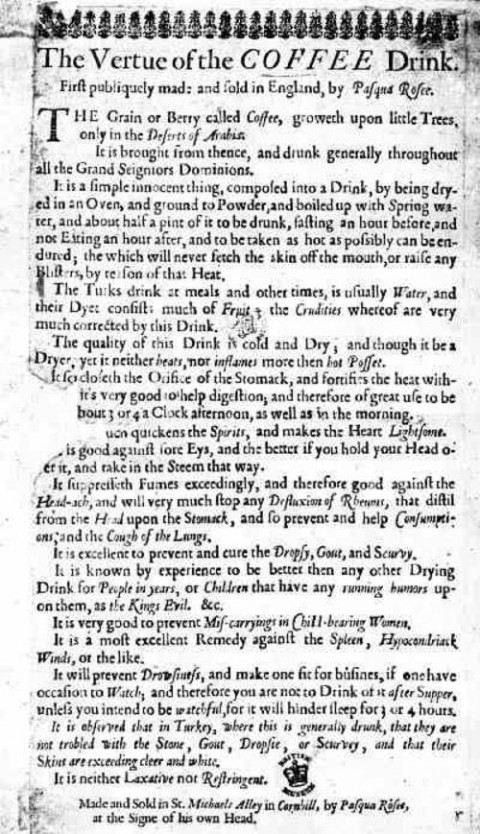
“The Vertue of the COFFEE Drink”: An Ad for London’s First Cafe Printed Circa 1652

The sto­ry of cof­fee goes back to the 13th cen­tu­ry, when it came out of Ethiopia, then spread to Egypt and Yemen. It reached the Mid­dle East, Turkey, and Per­sia dur­ing the 16th cen­tu­ry, and then Europe dur­ing the ear­ly 17th, though not with­out con­tro­ver­sy. In Venice, some called it the ‘bit­ter inven­tion of Satan,’ but the Pope, upon tast­ing it, gave it his bless­ing. By 1652, the first café in Lon­don had opened its doors on St. Michael’s Alley, bring­ing cof­fee to England—all thanks to a Sicil­ian immi­grant, Pasqua Rosée.

Today, the British Muse­um hous­es a hand­bill that may well be the first adver­tise­ment for cof­fee in Eng­land. It proves remark­able for a cou­ple of rea­sons. First, the ad intro­duced Brits to what’s now a sta­ple of the West­ern diet, and even­tu­al­ly they’d bring it to North Amer­i­ca. And, what’s more, you can see anoth­er instance of the adage that the more things change, the more they stay the same. Adver­tis­ing is adver­tis­ing. Then, as now, bev­er­ages were sold on their taste and health prop­er­ties. And, of course, you were encour­aged to con­sume the prod­uct not once, but twice a day. You can find a tran­scrip­tion of the text below.

Text:

THE Grain or Berry called Cof­fee, groweth upon lit­tle Trees, only in the Deserts of Ara­bia.

It is brought from thence, and drunk gen­er­al­ly through­out all the Grand Seigniors Domin­ions.

It is a sim­ple inno­cent thing, com­posed into a drink, by being dryed in an Oven, and ground to Pow­der, and boiled up with Spring water, and about half a pint of it to be drunk, fast­ing an hour before and not Eat­ing an hour after, and to be tak­en as hot as pos­si­bly can be endured; the which will nev­er fetch the skin off the mouth, or raise any Blis­ters, by rea­son of that Heat.

The Turks drink at meals and oth­er times, is usu­al­ly Water, and their Dyet con­sists much of Fruit, the Cru­di­ties where­of are very much cor­rect­ed by this Drink.

The qual­i­ty of this Drink is cold and Dry; and though it be a Dry­er, yet it nei­ther heats, nor inflames more than hot Pos­set.

It for­clos­eth the Ori­fice of the Stom­ack, and for­ti­fies the heat with- [miss­ing text] its very good to help diges­tion, and there­fore of great use to be [miss­ing text] bout 3 or 4 a Clock after­noon, as well as in the morn­ing.

[miss­ing text] quick­ens the Spir­its, and makes the Heart Light­some. 

[miss­ing text]is good against sore Eys, and the bet­ter if you hold your Head o’er it, and take in the Steem that way.

It supres­seth Fumes exceed­ing­ly, and there­fore good against the Head-ach, and will very much stop any Deflux­ion of Rheumas, that dis­til from the Head upon the Stom­ach, and so pre­vent and help Con­sump­tionsand the Cough of the Lungs.

It is excel­lent to pre­vent and cure the Drop­sy, Gout, and Scurvy.
It is known by expe­ri­ence to be bet­ter then any oth­er Dry­ing Drink for Peo­ple in years, or Chil­dren that have any run­ning humors upon them, as the Kings Evil. &c.

It is very good to pre­vent Mis-car­ry­ings in Child-bear­ing Women.

It is a most excel­lent Rem­e­dy against the Spleen, Hypocon­dri­ack Winds, or the like.

It will pre­vent Drowsi­ness, and make one fit for Busines, if one have occa­sion to Watch, and there­fore you are not to drink of it after Sup­per, unless you intend to be watch­ful, for it will hin­der sleep for 3 or 4 hours.

It is observed that in Turkey, where this is gen­er­al­ly drunk, that they are not trou­bled with the Stone, Gout, Drop­sie, or Scurvy, and that their Skins are exceed­ing cleer and white.

It is nei­ther Lax­a­tive nor Restrin­gent.

Made and Sold in St. Michaels Alley in Corn­hill, by Pasqua Rosee, at the Signe of his own Head.

Note: An ear­li­er ver­sion of this post appeared on our site in 2012.

Relat­ed Con­tent 

“The Virtues of Cof­fee” Explained in 1690 Ad: The Cure for Lethar­gy, Scurvy, Drop­sy, Gout & More

Jim Henson’s Com­mer­cials for Wilkins Cof­fee: 15 Twist­ed Min­utes of Mup­pet Cof­fee Ads (1957–1961)

The Birth of Espres­so: The Sto­ry Behind the Cof­fee Shots That Fuel Mod­ern Life

How Human­i­ty Got Hooked on Cof­fee: An Ani­mat­ed His­to­ry

How Art Conservators Restore Old Paintings & Revive Their Original Colors

We tend to imag­ine old paint­ings as hav­ing a mut­ed, yel­low-brown cast, and not with­out rea­son. Many of the exam­ples we’ve seen in life real­ly do look that way, though usu­al­ly not because the artist intend­ed it. As Julian Baum­gart­ner of Chicago’s Baum­gart­ner Fine Art Restora­tion explains in the video above, these paint­ings’ col­ors have changed over the decades, or in any case appeared to change, because of the lay­er of resin on top of them. When that kind of coat­ing is first applied, it actu­al­ly makes the hues under­neath look rich­er. As time pass­es, alas, chem­i­cal changes and the accu­mu­la­tion of dirt and grime can result in a dull, even sick­ly appear­ance.

“A lot of peo­ple say that the var­nish should nev­er be removed, “that that’s a pati­na that is on the sur­face of the paint­ing and that it adds to the paint­ing’s qual­i­ty: it makes the paint­ing look bet­ter, it makes it look more seri­ous,” says Baum­gart­ner.

“Those are all inter­est­ing opin­ions, but they’re all inac­cu­rate. If the artist want­ed to apply a pati­na to their paint­ing, they could apply a pati­na and tone down the col­ors. But most artists, when they apply a var­nish, do not envi­sion that that var­nish will ever become yel­low or brown, or will crack or become cloudy.” The idea is to get the col­ors back to how the artist would have seen them when the work first attained its fin­ished state.

There­in lies the dif­fer­ence between a paint­ing and, say, a cast-iron skil­let. But on some lev­el, the actu­al labor of clean­ing a work of art — as Baum­gart­ner demon­strates, sped-up, in the video — dif­fers less than one might imag­ine from that of clean­ing a kitchen imple­ment. The result, how­ev­er, can cer­tain­ly be more strik­ing, espe­cial­ly with a can­vas like this one, whose twin-sis­ter sub­jects pro­vide an ide­al means of show­ing the con­trast between col­ors long cov­ered by var­nish and those same col­ors new­ly exhumed. Though there now exist for­mu­las that don’t turn yel­low in quite the same way, more than a few artists stick to the clas­sic damar var­nish, which does have advan­tages of its own — not least keep­ing a few more gen­er­a­tions of con­ser­va­tors in busi­ness.

Relat­ed con­tent:

How an Art Con­ser­va­tor Com­plete­ly Restores a Dam­aged Paint­ing: A Short, Med­i­ta­tive Doc­u­men­tary

A Deter­mined Art Con­ser­va­tor Restores a Paint­ing of the Doomed Par­ty Girl Isabel­la de’ Medici: See the Before and After

Watch an Art Con­ser­va­tor Bring Clas­sic Paint­ings Back to Life in Intrigu­ing­ly Nar­rat­ed Videos

The Art of Restor­ing a 400-Year-Old Paint­ing: A Five-Minute Primer

Watch the Tate Mod­ern Restore Mark Rothko’s Van­dal­ized Paint­ing, Black on Maroon: 18 Months of Work Con­densed Into 17 Min­utes

The Joy of Watch­ing Old, Dam­aged Things Get Restored: Why the World is Cap­ti­vat­ed by Restora­tion Videos

Based in Seoul, Col­in Marshall writes and broad­casts on cities, lan­guage, and cul­ture. His projects include the Sub­stack newslet­ter Books on Cities and the book The State­less City: a Walk through 21st-Cen­tu­ry Los Ange­les. Fol­low him on the social net­work for­mer­ly known as Twit­ter at @colinmarshall.

The History of Electronic Music in 476 Tracks (1937–2001)

Pho­to of Karl­heinz Stock­hausen by Kathin­ka Pasveer via Wiki­me­dia Com­mons

You may hear the phrase “elec­tron­ic music” and think of super­star dub­step DJs in fun­ny hel­mets at beach­side celebri­ty par­ties. Alter­na­tive­ly, you may think of the mer­cu­r­ial com­po­si­tions of Karl­heinz Stock­hausen, the musique con­crete of Pierre Hen­ry, or the oth­er­world­ly exper­i­men­tal­ism of François Bayle. If you’re in that lat­ter camp of music nerd, then this post may bring you very glad tid­ings indeed. Ubuweb—that stal­wart repos­i­to­ry of all things 20th-cen­tu­ry avant-garde—now hosts an extra­or­di­nary com­pi­la­tion: the 476-song His­to­ry of Electronic/Electroacoustic Music, orig­i­nal­ly a 62 CD set. (Hear below Stockhausen’s “Kon­tact,” Henry’s “Astrolo­gie,” and Bayle’s spare “The­atre d’Ombres” fur­ther down.)

Span­ning the years 1937–2001, the col­lec­tion should espe­cial­ly appeal to those with an avant-garde or musi­co­log­i­cal bent. In fact, the orig­i­nal uploader of this archive of exper­i­men­tal sound, Caio Bar­ros, put these tracks online in 2009 while a stu­dent of com­po­si­tion at Brazil’s State Uni­ver­si­ty of São Paulo. Bar­ros’ “ini­tia­tive,” as he writes at Ubuweb, “became some sort of leg­end” among musi­cophiles in the know.

And yet, Ubuweb reposts this phe­nom­e­nal col­lec­tion with a dis­claimer: “It’s a clear­ly flawed selec­tion,” they write:

There’s few women and almost no one work­ing out­side of the West­ern tra­di­tion (where are the Japan­ese? Chi­nese? etc.). How­ev­er, as an effort, it’s admirable and con­tains a ton of great stuff.

Take it with a grain of salt, or per­haps use it as a provo­ca­tion to curate a more intel­li­gent, inclu­sive, and com­pre­hen­sive selec­tion

It’s a fair cri­tique, though Bar­ros points out that the exclu­sions most­ly have to do with “the way our soci­ety and the tra­di­tion this music rep­re­sent works” (sic). And yet, as dis­ci­pli­nary bound­aries expand all the time, and his­to­ries broad­en along with them, that descrip­tion no longer holds. It would be a fas­ci­nat­ing exer­cise, for exam­ple, to lis­ten to these tracks along­side the his­to­ry of women in elec­tron­ic music, 1938–2014 that we post­ed recent­ly.

Also, there’s clear­ly much more to elec­tron­ic music than either celebri­ty DJs or obscure avant-garde com­posers. Many hun­dreds of pop­u­lar elec­tron­ic com­posers and musicians—like Bri­an Eno, Kraftwerk, Bruce Haack, or Clara Rock­more—fall some­where in-between the worlds of pop/dance/performance and seri­ous com­po­si­tion, and their con­tri­bu­tions deserve rep­re­sen­ta­tion along­side more exper­i­men­tal or clas­si­cal artists.

All that said, how­ev­er, there’s no rea­son you can’t curate your own playlist of the his­to­ry of elec­tron­ic music as you see it—drawing from the astound­ing wealth of music avail­able free at The His­to­ry of Elec­troa­coustic Music. Or con­sid­er this col­lec­tion a ful­ly immer­sive course in “tra­di­tion­al, west­ern avant-garde elec­tron­ic music” from “the area of Europe-Amer­i­ca,” as Bar­ros puts it. As that, it suc­ceeds admirably.

Note: An ear­li­er ver­sion of this post appeared on our site in 2016.

Relat­ed Con­tent:

Meet Clara Rock­more, the Pio­neer­ing Elec­tron­ic Musi­cian Who First Rocked the Theremin in the Ear­ly 1920s

What is Elec­tron­ic Music?: Pio­neer­ing Elec­tron­ic Musi­cian Daphne Oram Explains (1969)

Hear Sev­en Hours of Women Mak­ing Elec­tron­ic Music (1938- 2014)

The His­to­ry of Elec­tron­ic Music, 1800–2015: Free Web Project Cat­a­logues the Theremin, Fairlight & Oth­er Instru­ments That Rev­o­lu­tion­ized Music

Josh Jones is a writer and musi­cian based in Durham, NC. Fol­low him at @jdmagness

by | Permalink | Make a Comment ( 9 ) |

When the Dutch Tried to Live in Concrete Spheres: An Introduction to the Bolwoningen in the Netherlands

In the decades after the Sec­ond World War, many coun­tries faced the chal­lenge of rebuild­ing their hous­ing and infra­struc­ture while also hav­ing to accom­mo­date a fast-arriv­ing baby boom. The gov­ern­ment of the Nether­lands got more cre­ative than most, putting mon­ey toward exper­i­men­tal hous­ing projects start­ing in the late nine­teen-six­ties. Hop­ing to hap­pen upon the next rev­o­lu­tion­ary form of dwelling, it end­ed up fund­ing designs that, for the most part, strayed none too far from estab­lished pat­terns. Still, there were gen­uine out­liers: by far the most dar­ing pro­pos­al came from artist and sculp­tor Dries Kreijkamp: to build a whole neigh­bor­hood out of Bol­wonin­gen, or “ball hous­es.”

The idea may bring to mind Buck­min­ster Fuller’s geo­des­ic domes, which enjoyed a degree of utopi­an vogue in the nine­teen-six­ties and sev­en­ties. Like Fuller and most oth­er vision­ar­ies, Kreijkamp labored under a cer­tain mono­ma­nia. His had to do with globes, “the most organ­ic and nat­ur­al shape pos­si­ble. After all, round­ness is every­where: we live on a globe, and we’re born from a globe. The globe com­bines the biggest pos­si­ble vol­ume with the small­est pos­si­ble sur­face area, so you need min­i­mum mate­r­i­al for it.” The 50 Bol­wonin­gen built in ‘s‑Hertogenbosch, bet­ter known as Den Bosch, were quick­ly fab­ri­cat­ed on-site out of glass fiber rein­forced con­crete. It was­n’t the poly­ester Kreijkamp had at first spec­i­fied, but then, poly­ester would­n’t have last­ed 40 years.

Since they were put up in 1984, the Bol­wonin­gen have been con­tin­u­ous­ly inhab­it­ed. In the video at the top of the post, Youtu­ber Tom Scott pays a vis­it to one of them, whose occu­pant seems rea­son­ably sat­is­fied. (It seems they’re “cozy” in the win­ter­time.)

Like geo­des­ic domes, their round walls make it dif­fi­cult to use their the­o­ret­i­cal­ly gen­er­ous inte­ri­or space effi­cient­ly, at least with­out com­mis­sion­ing cus­tom-made fur­ni­ture; leak­ing win­dows are also a peren­ni­al prob­lem. While each Bol­won­ing can com­fort­ably house one or even two sim­ple-liv­ing peo­ple, only the most utopia-mind­ed would attempt to raise a fam­i­ly in one of them. As with oth­er round or cir­cu­lar home designs, expan­sion would be phys­i­cal­ly imprac­ti­cal even if it were legal­ly pos­si­ble.

Used as social hous­ing by the local gov­ern­ment, the Bol­wonin­gen now enjoy a pro­tect­ed his­toric sta­tus. (As well they might, giv­en their con­nec­tion with the art and indus­try of Dutch glass­blow­ing: it was while work­ing in a glass fac­to­ry that Kreijkamp first began pros­e­ly­tiz­ing for spheres.) And unlike most aes­thet­i­cal­ly rad­i­cal hous­ing devel­op­ments, they haven’t gone to seed, but rather received the nec­es­sary main­te­nance over the decades. The result is an appeal­ing neigh­bor­hood for those whose lifestyles are suit­ed to its unusu­al struc­tures and its con­tained bucol­ic set­ting, of which you can get an idea in the walk­ing video tour just above. By the time Kreijkamp died in 2014, he per­haps felt a cer­tain degree of regret that mass-pro­duced glob­u­lar homes did­n’t prove to be the next big thing. But he did live to see the emer­gence of the “tiny house” move­ment, which should retroac­tive­ly adopt him as one of its lead­ing lights.

Relat­ed con­tent:

The Life & Times of Buck­min­ster Fuller’s Geo­des­ic Dome: A Doc­u­men­tary

Denmark’s Utopi­an Gar­den City Built Entire­ly in Cir­cles: See Astound­ing Aer­i­al Views of Brønd­by Have­by

Good­bye to the Nak­a­gin Cap­sule Tow­er, Tokyo’s Strangest and Most Utopi­an Apart­ment Build­ing

The Utopi­an, Social­ist Designs of Sovi­et Cities

Watch an Ani­mat­ed Buck­min­ster Fuller Tell Studs Terkel All About “the Geo­des­ic Life”

The Engi­neer­ing of the Strand­beest: How the Mag­nif­i­cent Mechan­i­cal Crea­tures Have Tech­no­log­i­cal­ly Evolved

Based in Seoul, Col­in Marshall writes and broad­casts on cities, lan­guage, and cul­ture. His projects include the Sub­stack newslet­ter Books on Cities and the book The State­less City: a Walk through 21st-Cen­tu­ry Los Ange­les. Fol­low him on the social net­work for­mer­ly known as Twit­ter at @colinmarshall.

Elementary School Kids Sing David Bowie’s “Space Oddity” & Other Rock Hits: A Cult Classic Recorded in 1976

In 1976 and 1977 an inspired music teacher in the small school dis­trict of Lan­g­ley Town­ship, British Colum­bia, a sub­urb of Van­cou­ver, record­ed his ele­men­tary school stu­dents singing pop­u­lar songs in a school gym. Two vinyl records were pro­duced over the two years, and fam­i­lies were invit­ed to pay $7 for a copy. The record­ings were large­ly for­got­ten — just anoth­er per­son­al memen­to stored away in a few homes in West­ern Cana­da — until a record col­lec­tor stum­bled across a copy in a thrift store in 2000.

Enthralled by what he heard, the col­lec­tor sent a sam­ple to a disc jock­ey at WFMU, an eclec­tic, lis­ten­er-sup­port­ed radio sta­tion in New Jer­sey. The sta­tion began play­ing some of the songs over the air­waves. Lis­ten­ers were touched by the haunt­ing, ethe­re­al qual­i­ty of the per­for­mances. In 2001, a small record com­pa­ny released a com­pi­la­tion called The Lan­g­ley Town­ship Music Project: Inno­cence & Despair.

The record became an under­ground hit. The Wash­ing­ton Post called it “an album that seems to cap­ture noth­ing less than the sound of falling in love with music.” Spin said the album “seems to sum up all the rea­sons music is holy.” And Dwight Gamer of The New York Times wrote that the music was “mag­ic: a kind of celes­tial pep ral­ly.” Lis­ten­ers were moved by the ingen­u­ous­ness of the young voic­es, the strange authen­tic­i­ty of per­for­mances by chil­dren too young to under­stand all of the adult themes in the lyrics. As Hans Fenger, the music teacher who made the record­ings, writes in the lin­er notes:

The kids had a grasp of what they liked: emo­tion, dra­ma, and mak­ing music as a group. Whether the results were good, bad, in tune or out was no big deal — they had élan. This was not the way music was tra­di­tion­al­ly taught. But then I nev­er liked con­ven­tion­al “chil­dren’s music,” which is con­de­scend­ing and ignores the real­i­ty of chil­dren’s lives, which can be dark and scary. These chil­dren hat­ed “cute.” They cher­ished songs that evoked lone­li­ness and sad­ness.

You can learn the sto­ry of Fenger’s extra­or­di­nary music project in the 2002 VH1 doc­u­men­tary above, which includes inter­views and a reunion with some of the stu­dents. And lis­ten below for a few sam­ples of that touch­ing qual­i­ty of lone­li­ness and sad­ness Fenger and oth­ers have been talk­ing about.

David Bowie’s ‘Space Odd­i­ty’:

One of the most wide­ly praised songs from Inno­cence & Despair is the 1976 record­ing of David Bowie’s “Space Odd­i­ty.” In a 2001 inter­view with Mike Appel­stein for Scram mag­a­zine, Fenger explained the sound effects in the record­ing. “When I first taught ‘Space Odd­i­ty,’ ” he said, “the first part I taught after the song was the kids count­ing down. They loved that: they’d go ‘TEN!’ They could­n’t say it loud enough; the count­down in the song was the big win­ner. But as soon as they got to zero, noth­ing hap­pened. So I brought this old steel gui­tar. Well, one of the lit­tle guys whose name I’ve for­got, I put him on this thing and said, ‘Now lis­ten, when they get to zero, you’re the rock­et. So make a lot of noise on this. He’s fool­ing around with this steel gui­tar, and I did­n’t even think of this, but he intu­itive­ly took out a Coke bot­tle from his lunch and start­ed doing this (imi­tates a bot­tle run­ning up and down the fret­board). I just cranked up the vol­ume and turned down the mas­ter vol­ume so it was real­ly dis­tort­ed. And that was the ‘Space Odd­i­ty’ sound effect.”

The Beach Boys’ ‘In My Room’:

The chil­dren record­ed “In My Room” by the Beach Boys in 1977. Fenger told Appel­stein it was the ulti­mate chil­dren’s song. “It’s the per­fect intro­spec­tive song for a nine-year-old,” he said, “just as ‘Dust in the Wind’ is the per­fect phi­los­o­phy song for a nine-year-old. Adults may think it’s dumb, but for a child, it’s a very heavy, pro­found thought. To think that there is noth­ing, and it’s expressed in such a sim­ple way.”

The Eagles’ ‘Des­per­a­do’:

Sev­er­al of the record­ings fea­ture soloists. A young girl named Sheila Behman sang the Eagles’ “Des­per­a­do” in 1977. “With ‘Des­per­a­do,’ ” said Fenger, “you can see it as a cow­boy roman­tic sto­ry, but that’s not the way Sheila heard it. She could­n’t artic­u­late metaphor­i­cal­ly what the song was about, but in that sense, I think it was pur­er because it was unaf­fect­ed. It’s not as if the kids were try­ing to be some­body else. They were just try­ing to be who they were, and they’re doing this music and falling in love with it.”

Note: An ear­li­er ver­sion of this post appeared on our site in 2013.

Relat­ed Con­tent 

David Bowie Urges Kids to READ in a 1987 Poster Spon­sored by the Amer­i­can Library Asso­ci­a­tion

David Bowie Pre­dicts the Good & Bad of the Inter­net in 1999: “We’re on the Cusp of Some­thing Exhil­a­rat­ing and Ter­ri­fy­ing”

David Bowie Songs Reimag­ined as Pulp Fic­tion Book Cov­ers: Space Odd­i­ty, Heroes, Life on Mars & More

When David Bowie Launched His Own Inter­net Ser­vice Provider: The Rise and Fall of BowieNet (1998)

How David Bowie Used William S. Bur­roughs’ Cut-Up Method to Write His Unfor­get­table Lyrics

by | Permalink | Make a Comment ( 1 ) |

Enter an Archive of 10,000+ Historical Children’s Books, All Digitized & Free to Read Online

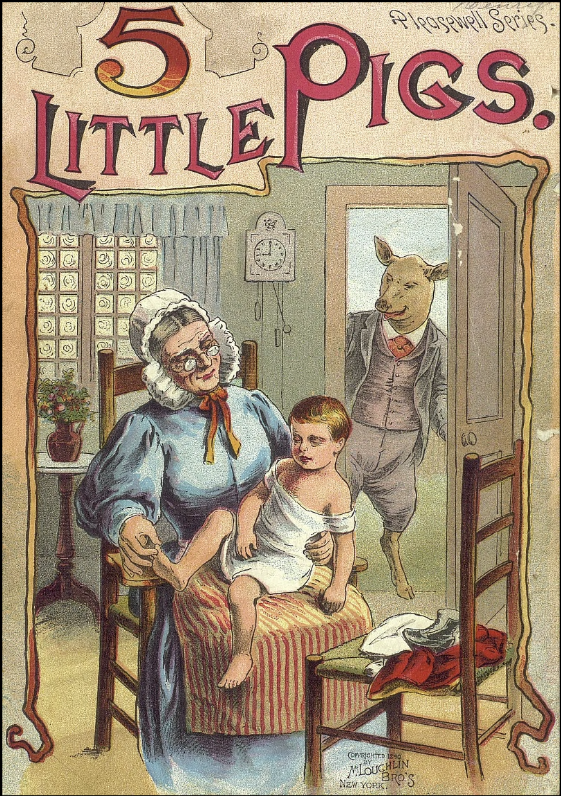
5 Little PIgs

We can learn much about how a his­tor­i­cal peri­od viewed the abil­i­ties of its chil­dren by study­ing its chil­dren’s lit­er­a­ture. Occu­py­ing a space some­where between the pure­ly didac­tic and the non­sen­si­cal, most children’s books pub­lished in the past few hun­dred years have attempt­ed to find a line between the two poles, seek­ing a bal­ance between enter­tain­ment and instruc­tion. How­ev­er, that line seems to move clos­er to one pole or anoth­er depend­ing on the pre­vail­ing cul­tur­al sen­ti­ments of the time. And the very fact that children’s books were hard­ly pub­lished at all before the ear­ly 18th cen­tu­ry tells us a lot about when and how mod­ern ideas of child­hood as a sep­a­rate cat­e­go­ry of exis­tence began.

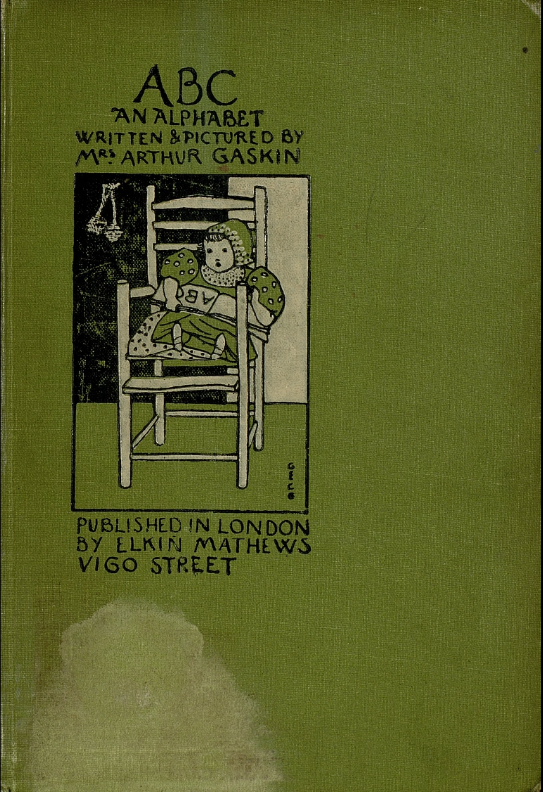
ABCs

“By the end of the 18th cen­tu­ry,” writes New­cas­tle Uni­ver­si­ty pro­fes­sor M.O. Gren­by, “children’s lit­er­a­ture was a flour­ish­ing, sep­a­rate and secure part of the pub­lish­ing indus­try in Britain.” The trend accel­er­at­ed rapid­ly and has nev­er ceased—children’s and young adult books now dri­ve sales in pub­lish­ing (with 80% of YA books bought by grown-ups for them­selves).

Gren­by notes that “the rea­sons for this sud­den rise of children’s lit­er­a­ture” and its rapid expan­sion into a boom­ing mar­ket by the ear­ly 1800s “have nev­er been ful­ly explained.” We are free to spec­u­late about the social and ped­a­gog­i­cal winds that pushed this his­tor­i­cal change.

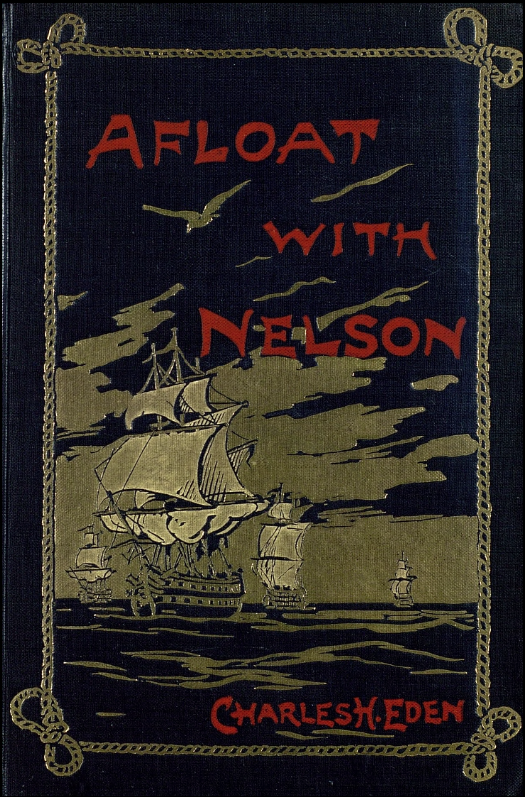
Afloat with Nelson

Or we might do so, at least, by exam­in­ing the children’s lit­er­a­ture of the Vic­to­ri­an era, per­haps the most inno­v­a­tive and diverse peri­od for children’s lit­er­a­ture thus far by the stan­dards of the time. And we can do so most thor­ough­ly by sur­vey­ing the thou­sands of mid- to late 19th cen­tu­ry titles at the Uni­ver­si­ty of Florida’s Bald­win Library of His­tor­i­cal Children’s Lit­er­a­ture. Their dig­i­tized col­lec­tion cur­rent­ly holds over 10,000 books free to read online from cov­er to cov­er, allow­ing you to get a sense of what adults in Britain and the U.S. want­ed chil­dren to know and believe.

Zig Zag

Sev­er­al gen­res flour­ished at the time: reli­gious instruc­tion, nat­u­ral­ly, but also lan­guage and spelling books, fairy tales, codes of con­duct, and, espe­cial­ly, adven­ture stories—pre-Hardy Boys and Nan­cy Drew exam­ples of what we would call young adult fic­tion, these pub­lished prin­ci­pal­ly for boys. Adven­ture sto­ries offered a (very colo­nial­ist) view of the wide world; in series like the Boston-pub­lished Zig Zag and Eng­lish books like Afloat with Nel­son, both from the 1890s, fact min­gled with fic­tion, nat­ur­al his­to­ry and sci­ence with bat­tle and trav­el accounts. But there is anoth­er dis­tinc­tive strain in the children’s lit­er­a­ture of the time, one which to us—but not nec­es­sar­i­ly to the Victorians—would seem con­trary to the impe­ri­al­ist young adult nov­el.

Bible Picture Book

For most Vic­to­ri­an stu­dents and read­ers, poet­ry was a dai­ly part of life, and it was a cen­tral instruc­tion­al and sto­ry­telling form in children’s lit. The A.L.O.E.’s Bible Pic­ture Book from 1871, above, presents “Sto­ries from the Life of Our Lord in Verse,” writ­ten “sim­ply for the Lord’s lambs, rhymes more read­i­ly than prose attract­ing the atten­tion of chil­dren, and fas­ten­ing them­selves on their mem­o­ries.” Chil­dren and adults reg­u­lar­ly mem­o­rized poet­ry, after all. Yet after the explo­sion in children’s pub­lish­ing the for­mer read­ers were often giv­en infe­ri­or exam­ples of it. The author of the Bible Pic­ture Book admits as much, beg­ging the indul­gence of old­er read­ers in the pref­ace for “defects in my work,” giv­en that “the vers­es were made for the pic­tures, not the pic­tures for the vers­es.”

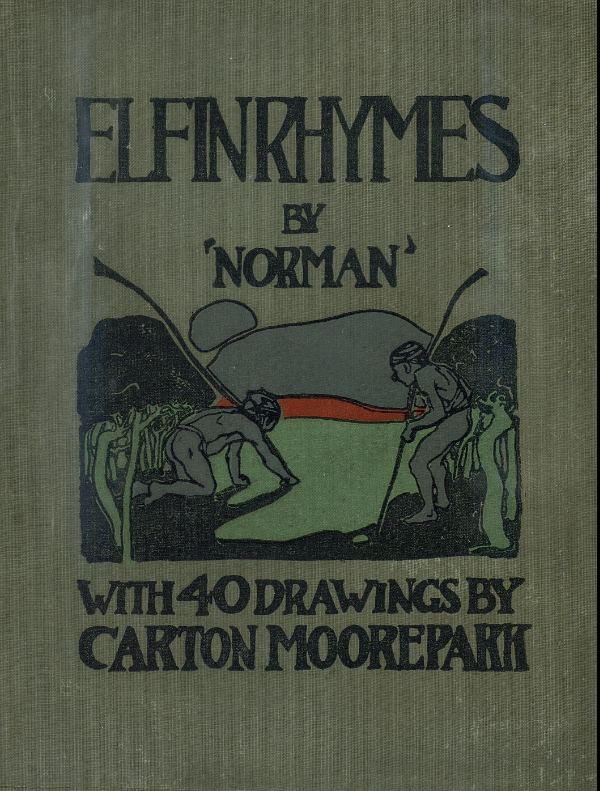
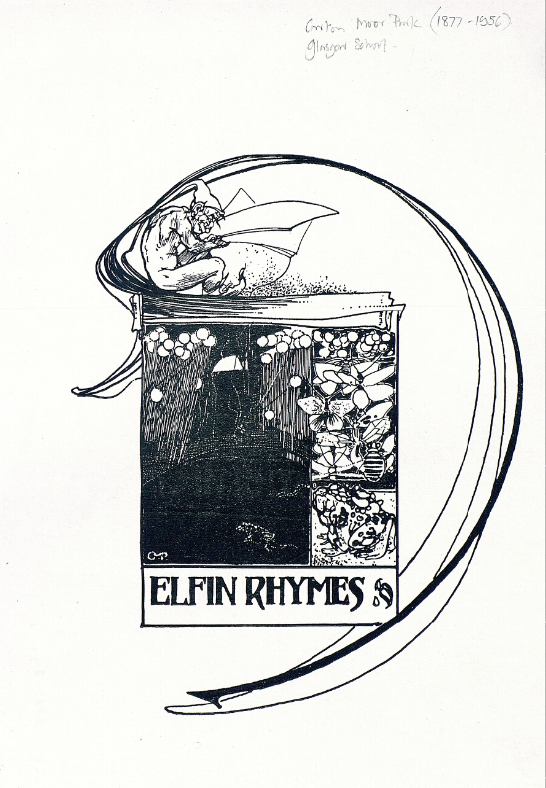
Elfin Rhymes

This is not an author, or per­haps a type of lit­er­a­ture, one might sus­pect, that thinks high­ly of children’s aes­thet­ic sen­si­bil­i­ties.  We find pre­cise­ly the oppo­site to be the case in the won­der­ful Elfin Rhymes from 1900, writ­ten by the mys­te­ri­ous “Nor­man” with “40 draw­ings by Car­ton Moorepark.” Who­ev­er “Nor­man” may be (or why his one-word name appears in quo­ta­tion marks), he gives his read­ers poems that might be mis­tak­en at first glance for unpub­lished Christi­na Ros­set­ti vers­es; and Mr. Moorepark’s illus­tra­tions rival those of the finest book illus­tra­tors of the time, pre­sag­ing the high qual­i­ty of Calde­cott Medal-win­ning books of lat­er decades. Elfin Rhymes seems like a rare odd­i­ty, like­ly pub­lished in a small print run; the care and atten­tion of its lay­out and design shows a very high opin­ion of its read­ers’ imag­i­na­tive capa­bil­i­ties.

Elfin Rhymes 2

This title is rep­re­sen­ta­tive of an emerg­ing genre of late Vic­to­ri­an children’s lit­er­a­ture, which still tend­ed on the whole, as it does now, to fall into the trite and for­mu­la­ic. Elfin Rhymes sits astride the fan­ta­sy boom at the turn of the cen­tu­ry, her­ald­ed by huge­ly pop­u­lar books like Frank L. Baum’s Wiz­ard of Oz series and J.M. Barrie’s Peter Pan. These, the Har­ry Pot­ters of their day, made mil­lions of young peo­ple pas­sion­ate read­ers of mod­ern fairy tales, rep­re­sent­ing a slide even fur­ther away from the once quite nar­row, “remorse­less­ly instruc­tion­al… or deeply pious” cat­e­gories avail­able in ear­ly writ­ing for chil­dren, as Gren­by points out.

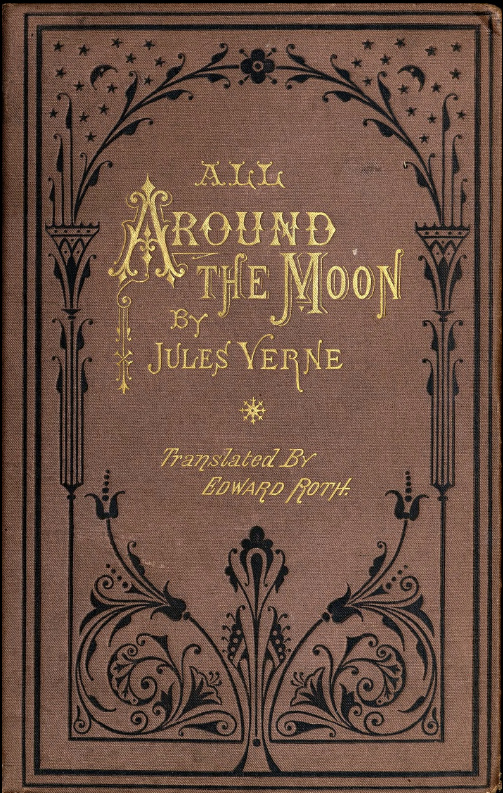
All Around the Moon

Where the bound­aries for kids’ lit­er­a­ture had once been nar­row­ly fixed by Latin gram­mar books and Pilgrim’s Progress, by the end of the 19th cen­tu­ry, the influ­ence of sci­ence fic­tion like Jules Verne’s, and of pop­u­lar super­nat­ur­al tales and poems, pre­pared the ground for com­ic books, YA dystopias, magi­cian fic­tion, and dozens of oth­er children’s lit­er­a­ture gen­res we now take for grant­ed, or—in increas­ing­ly large numbers—we buy to read for our­selves. Enter the Bald­win Library of His­tor­i­cal Children’s Lit­er­a­ture here, where you can browse sev­er­al cat­e­gories, search for sub­jects, authors, titles, etc, see full-screen, zoomable images of book cov­ers, down­load XML ver­sions, and read all of the over 10,000+ books in the col­lec­tion with com­fort­able read­er views.

Note: This is an updat­ed ver­sion of a post that orig­i­nal­ly appeared on our site in 2016.

Relat­ed Con­tent:

The First Children’s Pic­ture Book, 1658’s Orbis Sen­su­al­i­um Pic­tus

Hayao Miyaza­ki Selects His 50 Favorite Children’s Books

The 100 Great­est Children’s Books of All Time, Accord­ing to 177 Books Experts from 56 Coun­tries

A Dig­i­tal Archive of 1,800+ Children’s Books from UCLA

Josh Jones is a writer and musi­cian based in Durham, NC. Fol­low him at @jdmagness

by | Permalink | Make a Comment ( 3 ) |

Hear the Letter of Gratitude That Albert Camus Wrote to His Teacher After Winning the Nobel Prize, as Read by Footballer Ian Wright

When Albert Camus won the Nobel Prize, he wrote a let­ter to one of his old school­teach­ers. “I let the com­mo­tion around me these days sub­side a bit before speak­ing to you from the bot­tom of my heart,” the let­ter begins. “I have just been giv­en far too great an hon­or, one I nei­ther sought nor solicit­ed. But when I heard the news, my first thought, after my moth­er, was of you.” For it was from this teacher, a cer­tain Louis Ger­main, that the young, father­less Camus received the guid­ance he need­ed. “With­out you, with­out the affec­tion­ate hand you extend­ed to the small poor child that I was, with­out your teach­ing and exam­ple, none of all this would have hap­pened.”

Camus ends the let­ter by assur­ing Mon­sieur Ger­main that “your efforts, your work, and the gen­er­ous heart you put into it still live in one of your lit­tle school­boys who, despite the years, has nev­er stopped being your grate­ful pupil.”

In response, Ger­main recalls his mem­o­ries of Camus as an unaf­fect­ed, opti­mistic pupil. “I think I well know the nice lit­tle fel­low you were, and very often the child con­tains the seed of the man he will become,” he writes. What­ev­er the process of intel­lec­tu­al and artis­tic evo­lu­tion over the 30 years or so between leav­ing the class­room and win­ning the Nobel, “it gives me very great sat­is­fac­tion to see that your fame has not gone to your head. You have remained Camus: bra­vo.”

It isn’t hard to under­stand why Camus’ let­ter to his teacher would res­onate with the foot­baller Ian Wright, who reads it aloud in the Let­ters Live video at the top of the post. A 2005 doc­u­men­tary on his life and career pro­duced the ear­ly viral video above, a clip cap­tur­ing the moment of Wright’s unex­pect­ed reunion with his own aca­d­e­m­ic father fig­ure, Syd­ney Pig­den. Com­ing face to face with his old men­tor, who he’d assumed had died, Wright instinc­tive­ly removes his cap and address­es him as “Mr. Pig­den.” In that moment, the stu­dent-teacher rela­tion­ship resumes: “I’m so glad you’ve done so well with your­self,” says Pig­den, a sen­ti­ment not dis­sim­i­lar to the one Mon­sieur Ger­main expressed to Camus. Most of us, no mat­ter how long we’ve been out of school, have a teacher we hope to do proud; some of us, whether we know it or not, have been that teacher.

Relat­ed Con­tent:

Bene­dict Cum­ber­batch Reads Albert Camus’ Touch­ing Thank You Let­ter to His Ele­men­tary School Teacher

An Ani­mat­ed Intro­duc­tion to Albert Camus’ Exis­ten­tial­ism, a Phi­los­o­phy Mak­ing a Come­back in Our Dys­func­tion­al Times

Based in Seoul, Col­in Marshall writes and broad­casts on cities, lan­guage, and cul­ture. His projects include the Sub­stack newslet­ter Books on Cities and the book The State­less City: a Walk through 21st-Cen­tu­ry Los Ange­les. Fol­low him on the social net­work for­mer­ly known as Twit­ter at @colinmarshall.

Watch Bob Dylan Play “Mr. Tambourine Man” in Color at the 1964 Newport Folk Festival

It was at the 1965 New­port Folk Fes­ti­val that Bob Dylan famous­ly “went elec­tric,” alien­at­ing cer­tain adher­ents to the folk scene through which he’d come up, but also set­ting a prece­dent for the kind of quick-change musi­cal adap­ta­tion that he’s kept up into his eight­ies. At the 1964 New­port Folk Fes­ti­val, how­ev­er, all that lay in the future. Yet even then, the young Dylan was­n’t shy of mak­ing con­tro­ver­sial choic­es. Take, for exam­ple, the choice to play “Mr. Tam­bourine Man,” a song that — how­ev­er redo­lent of the mid-nine­teen-six­ties when heard today — would hard­ly have been top­i­cal enough to meet the expec­ta­tions of folk fans who regard­ed the music’s top­i­cal­i­ty as its main strength.

At the top of the post, you can watch col­orized footage of Dylan’s per­for­mance of “Mr. Tam­bourine Man” at the 1964 New­port Folk Fes­ti­val; the orig­i­nal black-and-white clip appears below. Con­sid­er the res­o­nances it could have set off in the minds of his youth­ful, clean-cut audi­ence: Rim­baud? Felli­ni? Lord Buck­ley? Mar­di Gras? Con­fes­sions of an Eng­lish Opi­um-Eater? Dyla­nol­o­gists have sug­gest­ed all these sources of inspi­ra­tion and oth­ers. It is pos­si­ble, of course, that — as Dylan him­self once said — the lyrics’ cen­tral image is that of gui­tarist Bruce Lang­horne, who played on the song as record­ed for Bring­ing It All Back Home, a musi­cian then known for his own­er­ship of a gigan­tic tam­bourine.

Despite its lack of ref­er­ences to the issues of the day, “Mr. Tam­bourine Man” reflects its his­tor­i­cal moment with a clar­i­ty that few songs ever have. (Some would say that’s even truer of The Byrds’ cov­er ver­sion, a radio hit that came out just a month after Dylan’s orig­i­nal.) Dylan him­self must have sensed that it marked not just the peak of an era, but also that of his own com­po­si­tion­al and per­for­ma­tive efforts in this par­tic­u­lar musi­cal style. Though he did attempt to write a fol­low-up to the song, its fail­ure to cohere showed him the way for­ward. Dylan still plays it in con­cert today, and to enthu­si­as­tic recep­tion from his audi­ences, but in such a way as to rein­vent it each time — know­ing that he both is and is not the same man who took the stage at New­port those six­ty years ago, and that “Mr. Tam­bourine Man” both is and is not the same song.

Relat­ed con­tent:

Bob Dylan’s His­toric New­port Folk Fes­ti­val Per­for­mances, 1963–1965

Watch Bob Dylan Make His Debut at the New­port Folk Fes­ti­val in Col­orized 1963 Footage

How Bob Dylan Kept Rein­vent­ing His Song­writ­ing Process, Breath­ing New Life Into His Music

How Bob Dylan Cre­at­ed a Musi­cal & Lit­er­ary World All His Own: Four Video Essays

Com­pare the “It Ain’t Me Babe” Scene from A Com­plete Unknown to the Real Bob Dylan & Joan Baez Per­for­mance at the New­port Folk Fes­ti­val

“Mr. Tam­bourine Man” & Oth­er Bob Dylan Clas­sics, Sung Beau­ti­ful­ly by Kids

Based in Seoul, Col­in Marshall writes and broad­casts on cities, lan­guage, and cul­ture. His projects include the Sub­stack newslet­ter Books on Cities and the book The State­less City: a Walk through 21st-Cen­tu­ry Los Ange­les. Fol­low him on the social net­work for­mer­ly known as Twit­ter at @colinmarshall.

« Go BackMore in this category... »
Quantcast