14 Self-Portraits by Pablo Picasso Show the Evolution of His Style: See Self-Portraits Moving from Ages 15 to 90


15 years old (1896)

It’s pos­si­ble to look at Pablo Picas­so’s many for­mal exper­i­ments and peri­od­ic shifts of style as a kind of self-por­trai­ture, an exer­cise in shift­ing con­scious­ness and try­ing on of new aes­thet­ic iden­ti­ties. The Span­ish mod­ernist made a career of sweep­ing dra­mat­ic ges­tures, announce­ments to the world that he was going to be a dif­fer­ent kind of artist now, and every­one had bet­ter catch up. Even in his most abstract peri­ods, his work radi­at­ed with an emo­tion­al ener­gy as out­sized as the man him­self.


18 years old (1900)

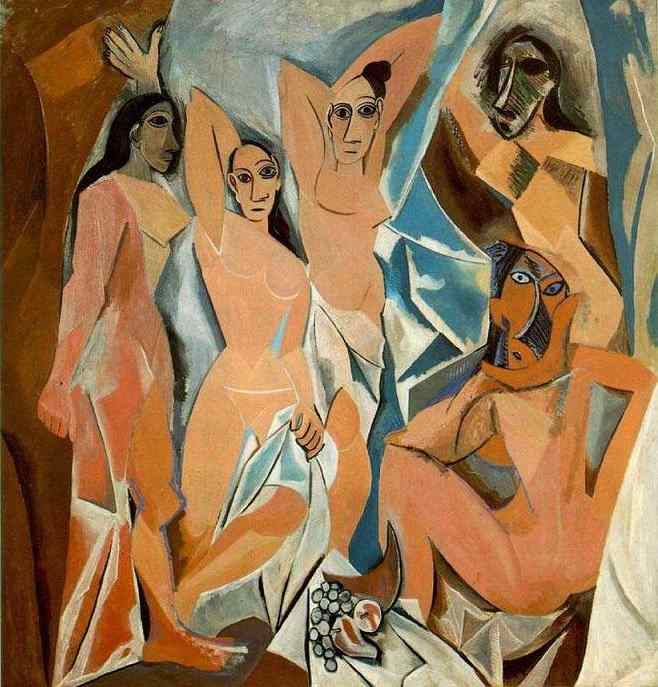
Picasso’s ani­mus and vital­i­ty even per­me­ate his least invit­ing paint­ing, Les Demoi­selles d’Avignon, a broth­el scene with five geo­met­ri­cal women, two with African and Iber­ian masks; “a paint­ing of nudes in which there is scarce­ly a curve to be seen,” writes The Guardian’s Jonathan Jones, “elbows sharp as knives, hips and waists geo­met­ri­cal sil­hou­ettes, tri­an­gle breasts.” The 1907 self-por­trait of Picas­so at age 25 (below) comes from this peri­od, when the artist began his rad­i­cal Cubist break with every­thing that had gone before.


20 years old (1901)

An old­er ver­sion Les Demoi­selles d’Avignon con­tained a male fig­ure, “a stand-in for the painter him­self.” Even when he did not appear, at least not in a final ver­sion, in his own work, Picas­so saw him­self there: his moods, his height­ened per­cep­tions of real­i­ty as he imag­ined it.

The somber Blue Peri­od paint­ings, with their mood­i­ness and “themes of pover­ty, lone­li­ness, and despair,” cor­re­spond with his mourn­ing over the sui­cide of a friend, Cata­lan artist Car­los Casage­mas. The Picas­so in the 1901 por­trait fur­ther up looks gaunt, bro­ken, decades old­er than his 20 years. In the 1917 draw­ing fur­ther down, how­ev­er, the artist at 35 looks out at us with a haughty, smooth-cheeked youth­ful gaze.


24 years old (1906)

Dur­ing this time, as World War I end­ed, he had begun to design sets for Diaghilev’s famed Bal­lets Russ­es, where he met his wife, bal­le­ri­na Olga Khokhlo­va, and moved in com­fort­able cir­cles, though he was him­self des­per­ate for mon­ey. Each por­trait deliv­ers us a dif­fer­ent Picas­so, as he sheds one mask and puts on anoth­er. Trac­ing his cre­ative evo­lu­tion through his por­trai­ture means nev­er mov­ing in a straight line. But we do see his demeanor soft­en and round pro­gres­sive­ly over time in his por­traits. He seems to grow younger as he ages.


25 years old (1907)

The severe youth of 15, fur­ther up, brood­ing, world-weary, and already an accom­plished draughts­man and painter; the grim­ly seri­ous roman­tic at 18, above—these Picas­sos give way to the wide-eyed matu­ri­ty of the artist at 56 in 1938, at 83, 89, and 90, in 1972, the year before his death. That year he pro­duced an intrigu­ing series of eclec­tic self-por­traits unlike any­thing he had done before. See these and many oth­ers through­out his life below.


35 years old (1917)


56 years old (1938)


83 years old (1965)


85 years old (1966)


89 years old (1971)


90 years old (June 28, 1972)


90 years old (June 30, 1972)


90 years old (July 2, 1972)


90 years old (July 3, 1972)

Relat­ed Con­tent:

Thou­sands of Pablo Picasso’s Works Now Avail­able in a New Dig­i­tal Archive

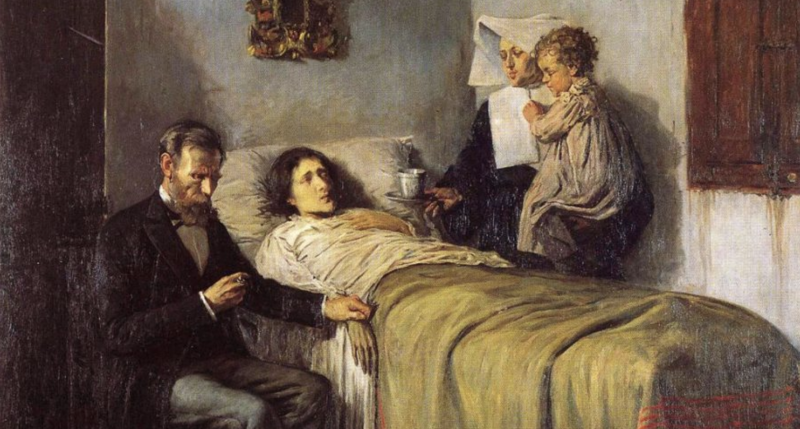
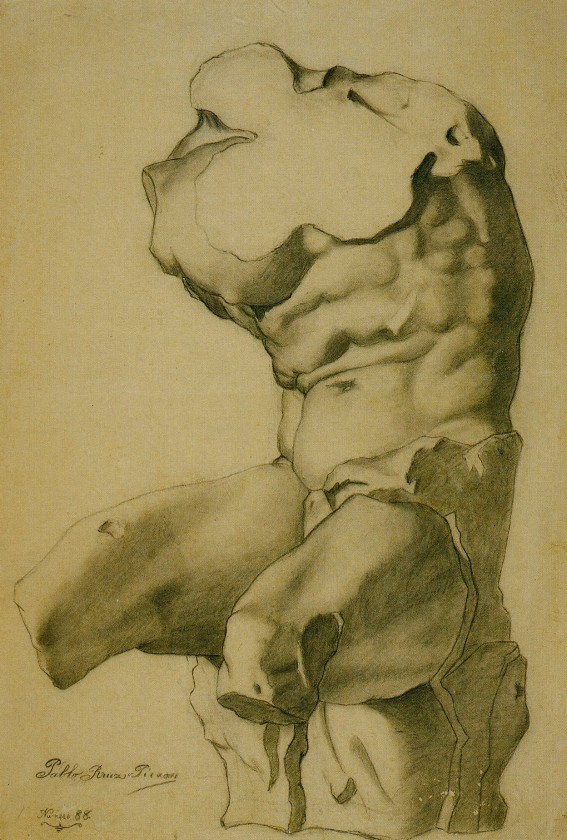
Pablo Picasso’s Mas­ter­ful Child­hood Paint­ings: Pre­co­cious Works Paint­ed Between the Ages of 8 and 15

What Makes Picasso’s Guer­ni­ca a Great Paint­ing?: Explore the Anti-Fas­cist Mur­al That Became a World­wide Anti-War Sym­bol

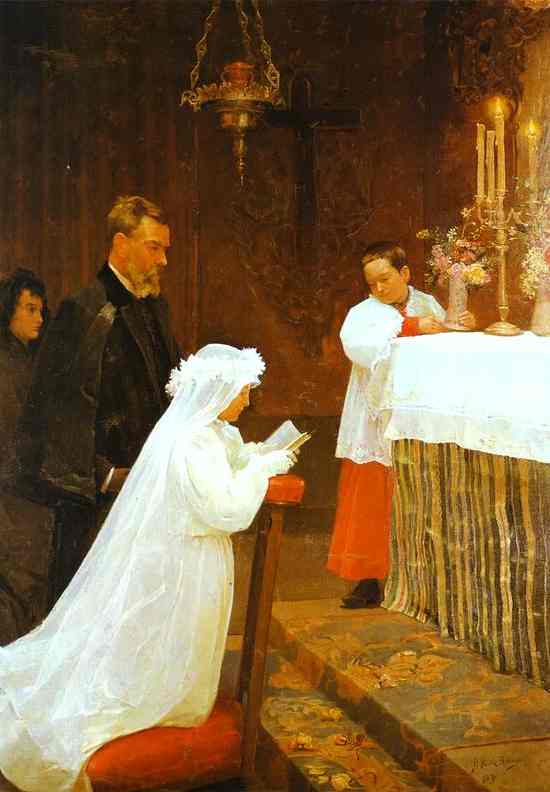
15-Year-Old Picas­so Paints His First Mas­ter­piece, “The First Com­mu­nion”

Josh Jones is a writer and musi­cian based in Durham, NC. Fol­low him at @jdmagness


by | Permalink | Make a Comment ( 1 ) |

Behold a Digital Restoration of 655 Plates of Roses & Lilies by Pierre-Joseph Redouté: The Greatest Botanical Illustrator of All Time

Pierre-Joseph Red­outé made his name by paint­ing flow­ers, an achieve­ment impos­si­ble with­out a metic­u­lous­ness that exceeds all bounds of nor­mal­i­ty. He pub­lished his three-vol­ume col­lec­tion Les Ros­es and his eight-vol­ume col­lec­tion Les Lil­i­acées between 1802 and 1824, and a glance at their pages today vivid­ly sug­gests the painstak­ing nature of both his process for not just ren­der­ing those flow­ers, but also for see­ing them prop­er­ly in the first place. While Red­outé’s works have long been avail­able free online, the dig­i­tal forms in which they’ve been avail­able haven’t quite done them jus­tice — cer­tain­ly not to the mind of design­er and data artist Nicholas Rougeux.

We’ve pre­vi­ous­ly fea­tured Rougeux here on Open Cul­ture for his online restora­tions of a host of ven­er­a­ble artis­tic pub­li­ca­tions that lav­ish­ly cap­ture the nat­ur­al world: Illus­tra­tions of the Nat­ur­al Orders of Plants; British & Exot­ic Min­er­al­o­gy; A Mono­graph of the Trochilidæ, or Fam­i­ly of Hum­ming-Birds; Werner’s Nomen­cla­ture of Colours; and Euclid­’s Ele­ments. Even hav­ing deep expe­ri­ence with those works, Rougeux can declare that, “sim­ply put, Redouté’s illus­tra­tions are stun­ning. His atten­tion to detail in stip­pling and water­col­or has earned him the title ‘the Raphael of Flow­ers’ and is con­sid­ered the great­est botan­i­cal illus­tra­tor of all time.”

Hence Rougeux’s deci­sion to under­take a restora­tion of Les Ros­es and Les Lil­i­acées, an “oppor­tu­ni­ty to become inti­mate­ly famil­iar with his tech­niques and devel­op a deep­er appre­ci­a­tion for his efforts.” The project end­ed up demand­ing eleven months, only some of which were tak­en up by bring­ing the orig­i­nal col­ors back to Red­outé’s paint­ings, which “not only depict the phys­i­cal char­ac­ter­is­tics of the ros­es but also con­vey their del­i­cate beau­ty and fra­grance.” Rougeux also had to dig­i­tal­ly re-cre­ate the read­ing expe­ri­ence of these books for the inter­net, cus­tom-design­ing a dig­i­tal gallery for view­ing their ros­es and lilies as they pop out against their new­ly added dark back­grounds.

Plac­ing all of Red­outé’s flow­ers against those back­grounds entailed the real Pho­to­shop labor, tak­ing each image and “mak­ing the lay­er mask man­u­al­ly by care­ful­ly and slow­ly trac­ing along every edge” — for all 655 plates of Les Ros­es and Les Lil­i­acées, as Rougeux writes in a detailed mak­ing-of blog post. “No mat­ter the com­plex­i­ty, I traced every flower, every leaf, every stem, every root, and every hair to pre­serve all the details and ensure that Redouté’s hard work looked as good on a dark back­ground as it did on a light one.” Trans­lat­ing art from one medi­um to anoth­er can be a supreme­ly effec­tive way to cul­ti­vate a full appre­ci­a­tion of the artist’s skill — and in this case, a no less full appre­ci­a­tion of his patience. See the online restora­tion of  Les Ros­es et Les Lil­i­acées here.

Relat­ed con­tent:

The Bio­di­ver­si­ty Her­itage Library Makes 150,000 High-Res Illus­tra­tions of the Nat­ur­al World Free to Down­load

Behold an Inter­ac­tive Online Edi­tion of Eliz­a­beth Twining’s Illus­tra­tions of the Nat­ur­al Orders of Plants (1868)

Ernst Haeckel’s Sub­lime Draw­ings of Flo­ra and Fau­na: The Beau­ti­ful Sci­en­tif­ic Draw­ings That Influ­enced Europe’s Art Nou­veau Move­ment (1889)

A Lav­ish­ly Illus­trat­ed Cat­a­log of All Hum­ming­bird Species Known in the 19th Cen­tu­ry Gets Restored & Put Online

In 1886, the US Gov­ern­ment Com­mis­sioned 7,500 Water­col­or Paint­ings of Every Known Fruit in the World: Down­load Them in High Res­o­lu­tion

The New Herbal: A Mas­ter­piece of Renais­sance Botan­i­cal Illus­tra­tions Gets Repub­lished in a Beau­ti­ful 900-Page Book

Based in Seoul, Col­in Marshall writes and broad­casts on cities, lan­guage, and cul­ture. His projects include the Sub­stack newslet­ter Books on Cities and the book The State­less City: a Walk through 21st-Cen­tu­ry Los Ange­les. Fol­low him on Twit­ter at @colinmarshall or on Face­book.

The Mushroom Color Atlas: An Interactive Web Site Lets You Explore the Incredible Spectrum of Colors Created from Fungi

Enter the Mush­room Col­or Atlas, and you can dis­cov­er the “beau­ti­ful and sub­tle col­ors derived from dye­ing with mush­rooms.” Fea­tur­ing 825 col­ors, each asso­ci­at­ed with dif­fer­ent types of mush­rooms, the inter­ac­tive atlas lets you appre­ci­ate the broad spec­trum of col­ors latent in the fun­gi king­dom. The shades, tints, and hues will sur­prise you.

Julie Beel­er, a design­er liv­ing in Ore­gon, first launched the inter­ac­tive Mush­room Col­or Atlas back in 2021. Now, she has released a com­pan­ion book, The Mush­room Col­or Atlas: A Guide to Dyes and Pig­ments Made from Fun­gi. Illus­trat­ed by Yuli Gates, the book is “equal parts art book, field guide, and col­or dis­til­la­tion work­shop.” You can order your copy today. The same goes for a Mush­room Col­or Atlas poster.

If you would like to sign up for Open Culture’s free email newslet­ter, please find it here. It’s a great way to see our new posts, all bun­dled in one email, each day.

If you would like to sup­port the mis­sion of Open Cul­ture, con­sid­er mak­ing a dona­tion to our site. It’s hard to rely 100% on ads, and your con­tri­bu­tions will help us con­tin­ue pro­vid­ing the best free cul­tur­al and edu­ca­tion­al mate­ri­als to learn­ers every­where. You can con­tribute through Pay­Pal, Patre­on, and Ven­mo (@openculture). Thanks!

Relat­ed Con­tent 

A Stun­ning, Hand-Illus­trat­ed Book of Mush­rooms Drawn by an Over­looked 19th Cen­tu­ry Female Sci­en­tist

Björk Takes You on a Jour­ney into the Vast King­dom of Mush­rooms with the New Doc­u­men­tary Fun­gi: Web of Life

The Beau­ti­ful­ly Illus­trat­ed Atlas of Mush­rooms: Edi­ble, Sus­pect and Poi­so­nous (1827)

John Cage Had a Sur­pris­ing Mush­room Obses­sion (Which Began with His Pover­ty in the Depres­sion)

by | Permalink | Make a Comment ( 1 ) |

Discover Paul Éluard and Max Ernst’s Still-Bizarre Proto-Surrealist Book Les Malheurs des immortels (1922)

When the names of French poet Paul Élu­ard and Ger­man artist Max Ernst arise, one sub­ject always fol­lows: that of their years-long ménage à trois — or rather, “mar­riage à trois,” as a New York Times arti­cle by Annette Grant once put it. It start­ed in 1921, Grant writes, when the Sur­re­al­ist move­men­t’s co-founder André Bre­ton put on an exhi­bi­tion for Ernst in Paris. “Élu­ard and his Russ­ian wife, Gala, were fas­ci­nat­ed by the show and arranged to meet Ernst in the Aus­tri­an Alps and lat­er in Ger­many. Ernst, Élu­ard and Gala quick­ly became insep­a­ra­ble. The artist and the poet start­ed a life­long series of col­lab­o­ra­tions on books even as Ernst and Gala start­ed an affair.”

This arrange­ment “even­tu­al­ly pro­pelled the trio on a jour­ney from Cologne to Paris to Saigon,” which con­sti­tutes quite a sto­ry in its own right. But on pure artis­tic val­ue, no result of the encounter between Élu­ard and Ernst has remained as fas­ci­nat­ing as Les Mal­heurs des immor­tels, the book on which they col­lab­o­rat­ed in 1922.

“It appears that Ernst, still in Ger­many at that stage, cre­at­ed the images first: twen­ty-one col­lages com­posed of engrav­ings cut out of nine­teenth-cen­tu­ry mag­a­zines and cat­a­logues,” writes Daisy Sains­bury at The Pub­lic Domain Review. Unlike in the Dada works known at the time, “the artist is care­ful to dis­guise the images’ com­pos­ite nature. He blends each sec­tion into a seam­less, coher­ent whole.”

“Ernst and Élu­ard then worked togeth­er on twen­ty prose poems to accom­pa­ny the illus­tra­tions, send­ing frag­ments of text to each oth­er to revise or sup­ple­ment.” The result, which pre­dates by two years Breton’s Man­i­feste du sur­réal­isme, “rep­re­sents a pro­to-Sur­re­al­ist exper­i­ment par excel­lence.” In the text, phras­es like “Le petit est malade, le petit va mourir” recall “children’s nurs­ery rhymes, with a sing-song qual­i­ty stripped of sense”; in the images, “a caged bird, an upturned croc­o­dile, and a webbed foot trans­formed through col­lage into the ulti­mate sym­bol of human friv­o­li­ty, a fan, evoke the clas­si­fi­ca­tion sys­tems of mod­ern sci­ence (and reli­gion before that) as well as their poten­tial mis­use in human hands.”

It’s worth putting all this in its his­tor­i­cal con­text, a Europe after the First World War in which mod­ern life no longer made quite as much sense as it once seemed. The often-inex­plic­a­ble respons­es of cul­tur­al fig­ures involved in move­ments like Sur­re­al­ism — in their work or in their lives — were attempts at hit­ting the reset but­ton, to use an anachro­nis­tic metaphor. Not that, a cen­tu­ry lat­er, human­i­ty has made much progress in com­ing to grips with our place in a world of rapid­ly evolv­ing tech­nol­o­gy and large-scale geopol­i­tics. Or at least we might feel that way while read­ing Les Mal­heurs des immor­tels, avail­able online at the Inter­net Archive and the Uni­ver­si­ty of Iowa’s dig­i­tal Dada col­lec­tion, and regard­ing these tex­tu­al-visu­al con­struc­tions as deeply strange as any­thing designed by our arti­fi­cial-intel­li­gence engines today.

via Pub­lic Domain Review

Relat­ed Con­tent:

An Intro­duc­tion to Sur­re­al­ism: The Big Aes­thet­ic Ideas Pre­sent­ed in Three Videos

Watch Dreams That Mon­ey Can Buy, a Sur­re­al­ist Film by Man Ray, Mar­cel Duchamp, Alexan­der Calder, Fer­nand Léger & Hans Richter

A Brief, Visu­al Intro­duc­tion to Sur­re­al­ism: A Primer by Doc­tor Who Star Peter Capal­di

Europe After the Rain: Watch the Vin­tage Doc­u­men­tary on the Two Great Art Move­ments, Dada & Sur­re­al­ism (1978)

Based in Seoul, Col­in Marshall writes and broad­casts on cities, lan­guage, and cul­ture. His projects include the Sub­stack newslet­ter Books on Cities and the book The State­less City: a Walk through 21st-Cen­tu­ry Los Ange­les. Fol­low him on Twit­ter at @colinmarshall or on Face­book.

The Metropolitan Museum of Art Puts 490,000 High-Res Images Online & Makes Them Free to Use


Update: The Met­ro­pol­i­tan Muse­um of Art has put online 492,000 high-res­o­lu­tion images of artis­tic works. Even bet­ter, the muse­um has placed the vast major­i­ty of these images into the pub­lic domain, mean­ing they can be down­loaded direct­ly from the museum’s web­site for non-com­mer­cial use. When you browse the Met col­lec­tion and find an image that you fan­cy, just look at the low­er left-hand side of the image. If you see an “OA” icon and the words “pub­lic domain” (as shown in the exam­ple below), you’re free to use the image, pro­vid­ed that you abide by the Met’s terms.

In mak­ing this col­lec­tion avail­able online, the Met joined oth­er world-class muse­ums in putting large troves of dig­i­tal art online. Wit­ness the 88,000 images from the Get­ty in L.A., the 125,000 Dutch mas­ter­pieces from the Rijksmu­se­umthe 50,000 artis­tic images from the Nation­al Gallery, and the 1.9 mil­lion images from the British Muse­um.

It takes a lit­tle patience. But once you start surf­ing through the Met’s dig­i­tal col­lec­tions, you can find and down­load images of some won­der­ful mas­ter­pieces. We’ve embed­ded a few of our favorite picks. At the top, you will find the 1874 paint­ing “Boat­ing,” by Édouard Manet. In the mid­dle, Rem­brandt’s “Self-Por­trait” from 1660. At the bot­tom, a 1907 pho­to­graph by Alfred Stieglitz called “The Steer­age.” And that’s just start­ing to scratch the sur­face.

Hap­py rum­mag­ing. And, when you have some free time on your hands, you should also check out anoth­er open ini­tia­tive from the Met. The muse­um has also put 500+ free art books online. You can learn about them here.

Note: An ear­li­er ver­sion of this post appeared on our site in 2014. We have updat­ed it to reflect some of the changes made in the Met col­lec­tion over the past decade.

If you would like to sign up for Open Culture’s free email newslet­ter, please find it here. It’s a great way to see our new posts, all bun­dled in one email, each day.

If you would like to sup­port the mis­sion of Open Cul­ture, con­sid­er mak­ing a dona­tion to our site. It’s hard to rely 100% on ads, and your con­tri­bu­tions will help us con­tin­ue pro­vid­ing the best free cul­tur­al and edu­ca­tion­al mate­ri­als to learn­ers every­where. You can con­tribute through Pay­Pal, Patre­on, and Ven­mo (@openculture). Thanks!

Relat­ed Con­tent:

The British Muse­um Puts 1.9 Mil­lion Works of Art Online

The Rijksmu­se­um in Ams­ter­dam Has Dig­i­tized 818,000 Works of Art, Includ­ing Famous Works by Rem­brandt and Ver­meer

Down­load 50,000 Works of Art from the Nation­al Gallery, Includ­ing Mas­ter­pieces by Van Gogh, Gau­guin, Rem­brandt & More

Down­load 50,000 Art Books & Cat­a­logs from the Met­ro­pol­i­tan Muse­um of Art’s Dig­i­tal Col­lec­tions

by | Permalink | Make a Comment ( 4 ) |

Andy Warhol’s One Minute of Professional Wrestling Fame (1985)

Andy Warhol did for art what the World Wrestling Fed­er­a­tion (WWF) did for wrestling. He made it a spec­ta­cle. He made it some­thing the “every­man” could enjoy. He infused it with celebri­ty. And, some would say, he cheap­ened it too.

Look­ing back, it makes per­fect sense that Warhol fre­quent­ed wrestling shows at Madi­son Square Gar­den dur­ing the 1970s and 80s. And here we have him appear­ing on cam­era at The War to Set­tle the Score, a WWF event that aired on MTV in 1985. Hulk Hogan bat­tled “Row­dy” Rod­dy Piper in the main event. But, the sideshow includ­ed (let’s get in the Hot Tub Time Machine) the likes of Cyn­di Lau­per, Mr. T, and Andy too.

If you’re famil­iar with the 1980s pro­fes­sion­al wrestling script, you know that Mean Gene Oker­lund con­duct­ed back­stage and ring­side inter­views with the wrestlers, giv­ing them the chance to pound their chests and gas off. When Oker­lund turned to Warhol and asked for his hot take on the Hogan/Piper match, Warhol could­n’t muster very much. “I’m speech­less.” “I just don’t know what to say.” And, before you know it, his one minute of pro­fes­sion­al wrestling fame was over. Just like that.…

Relat­ed Con­tent

Andy Warhol Hosts Frank Zap­pa on His Cable TV Show, and Lat­er Recalls, “I Hat­ed Him More Than Ever” After the Show

Andy Warhol’s Art Explained: What Makes His Icon­ic Campbell’s Soup Cans & Mar­i­lyn Mon­roe Dip­tych Art?

When Andy Warhol Guest-Starred on The Love Boat (1985)

Andy Warhol Explains Why He Decid­ed to Give Up Paint­ing & Man­age the Vel­vet Under­ground Instead (1966)

Andy Warhol’s 15 Min­utes: Dis­cov­er the Post­mod­ern MTV Vari­ety Show That Made Warhol a Star in the Tele­vi­sion Age (1985–87)

How Man Ray Reinvented Himself & Created One of the Most Iconic Works of Surrealist Photography

It would sur­prise none of us to encounter a young artist look­ing to cast off his past and make his mark on the cul­ture in a place like Williams­burg. But in the case of Man Ray, Williams­burg was his past. One must remem­ber that the Brook­lyn of today bears lit­tle resem­blance to the Brook­lyn of the ear­ly twen­ti­eth cen­tu­ry in which the famed avant-gardist grew up. Back then, he was known as Emmanuel Rad­nitzky, the son of immi­grant gar­ment work­ers. It was after he took up the art life in Man­hat­tan that he met the gal­lerist Alfred Stieglitz, form­ing an asso­ci­a­tion that would begin his trans­for­ma­tion from aspir­ing painter into form-chang­ing pho­tog­ra­ph­er.

Inspired by Mar­cel Ducham­p’s Nude Descend­ing a Stair­case, No. 2 after see­ing it at the epoch-mak­ing 1913 Armory Show, Ray befriend­ed the artist him­self. Despite its con­sid­er­able lan­guage bar­ri­er, this rela­tion­ship gave him a way into the lib­er­at­ing realms of sur­re­al­ism in gen­er­al and Dada in par­tic­u­lar. “The move­men­t’s refusal to be defined or cod­i­fied gave Ray the ratio­nale to leave his for­mer life and head to Paris, where he could com­plete his rein­ven­tion unfet­tered by his past,” says James Payne in the new Great Art Explained video above. It was this relo­ca­tion — almost as dra­mat­ic, in those days, as going from Brook­lyn to Man­hat­tan — that offered him the chance to become a major artis­tic fig­ure.

Soon after set­tling in Mont­par­nasse, Ray “made an acci­den­tal redis­cov­ery of the cam­era-less pho­togram, which he called ‘Rayo­graphs.’ ” This tech­nique, which involved plac­ing objects on pho­to­sen­si­tive paper and then expos­ing the arrange­ment to light, pro­duced images that were “dubbed pure Dada cre­ations” and “played a sig­nif­i­cant role in redefin­ing pho­tog­ra­phy as a medi­um capa­ble of abstrac­tion and con­cep­tu­al depth.” It was in that same part of town that he entered into an artis­tic and roman­tic part­ner­ship with Alice Prin, more wide­ly known as Kiki de Mont­par­nasse — and even more wide­ly known, a cen­tu­ry lat­er, as Le Vio­lon d’In­gres, which in 2022 became the most expen­sive pho­to­graph ever sold.

The $12.4 mil­lion sale price of Le Vio­lon d’In­gres is rather less inter­est­ing than the sto­ry behind it, which involves not just Ray and Kik­i’s life togeth­er, but also a process of tech­ni­cal exper­i­men­ta­tion whose result “per­fect­ly embod­ies the sur­re­al­ist inter­est in chal­leng­ing tra­di­tion­al rep­re­sen­ta­tions and blend­ing every­day objects with the human form.” Tame though it may look in the era of Pho­to­shop (to say noth­ing of AI-gen­er­at­ed imagery), the pic­ture’s con­vinc­ing place­ment of vio­lin-style sound holes on Kik­i’s clas­si­cal­ly pre­sent­ed body sug­gest­ed to its view­ers that pho­tog­ra­phy had non-doc­u­men­tary pos­si­bil­i­ties nev­er before imag­ined — cer­tain­ly not in Williams­burg, any­way.

Relat­ed con­tent:

Man Ray and the Ciné­ma Pur: Watch Four Ground­break­ing Sur­re­al­ist Films From the 1920s

Man Ray’s Por­traits of Ernest Hem­ing­way, Ezra Pound, Mar­cel Duchamp & Many Oth­er 1920s Icons

The Home Movies of Two Sur­re­al­ists: Look Inside the Lives of Man Ray & René Magritte

Man Ray Cre­ates a “Sur­re­al­ist Chess­board,” Fea­tur­ing Por­traits of Sur­re­al­ist Icons: Dalí, Bre­ton, Picas­so, Magritte, Miró & Oth­ers (1934)

Alfred Stieglitz: The Elo­quent Eye, a Reveal­ing Look at “The Father of Mod­ern Pho­tog­ra­phy”

Based in Seoul, Col­in Marshall writes and broad­casts on cities, lan­guage, and cul­ture. His projects include the Sub­stack newslet­ter Books on Cities and the book The State­less City: a Walk through 21st-Cen­tu­ry Los Ange­les. Fol­low him on Twit­ter at @colinmarshall or on Face­book.

Neuroscience Shows That Viewing Art in Museums Engages the Brain More Than Reproductions

We may appre­ci­ate liv­ing in an era that does­n’t require us to trav­el across the world to know what a par­tic­u­lar work of art looks like. At the same time, we may instinc­tive­ly under­stand that regard­ing a work of art in its orig­i­nal form feels dif­fer­ent than regard­ing even the most faith­ful repro­duc­tion. That includes the ten-bil­lion-pix­el scan, pre­vi­ous­ly fea­tured here on Open Cul­ture, of Johannes Ver­meer’s Girl with a Pearl Ear­ring — which hap­pens to be the very same paint­ing used in a recent sci­en­tif­ic study that inves­ti­gates exact­ly why it feels so much more inter­est­ing to look at art in a muse­um rather than on a screen or a page.

The study was com­mis­sioned by the Mau­rit­shuis, which owns Ver­meer’s most famous paint­ing. “Researchers used elec­troen­cephalo­grams (EEGs) to reveal that real art­works, includ­ing Girl with a Pearl Ear­ring, elic­it a pow­er­ful pos­i­tive response much greater than the response to repro­duc­tions,” says the muse­um’s press release.

“The secret behind the attrac­tion of the ‘Girl’ is also based on a unique neu­ro­log­i­cal phe­nom­e­non. Unlike oth­er paint­ings, she man­ages to ‘cap­ti­vate’ the view­er, in a ‘sus­tained atten­tion­al loop.’ ” This process most clear­ly stim­u­lates a part of the brain called the pre­cuneus, which is “involved in one’s sense of self, self-reflec­tion and episod­ic mem­o­ries.”

Girl with a Pearl Ear­ring was­n’t the only paint­ing used in the study, but it pro­duced by far the great­est mea­sur­able dif­fer­ence in the view­ers’ neu­ro­log­i­cal reac­tion. The oth­ers, which includ­ed Rem­brandt’s Self-Por­trait (1669) and Van Hon­thorst’s Vio­lin Play­er, lack the dis­tinc­tive­ly promi­nent human fea­tures that encour­age addi­tion­al look­ing: “As with most faces, vis­i­tors look first at the Girl’s eyes and mouth, but then their atten­tion shifts to the pearl, which then guides the focus back to the eyes and mouth, then to the pearl, and so on.” Muse­um­go­ers wear­ing elec­troen­cephalo­gram-read­ing head­sets may not be quite what Wal­ter Ben­jamin had in mind when he put his mind to defin­ing the “aura” of an orig­i­nal art­work — but they have, these 90 or so years lat­er, lent some sci­en­tif­ic sup­port to the idea.

via MyMod­ern­Met

Relat­ed con­tent:

Why is Vermeer’s Girl with a Pearl Ear­ring Con­sid­ered a Mas­ter­piece?: An Ani­mat­ed Intro­duc­tion

A 10 Bil­lion Pix­el Scan of Vermeer’s Mas­ter­piece Girl with a Pearl Ear­ring: Explore It Online

See the Com­plete Works of Ver­meer in Aug­ment­ed Real­i­ty: Google Makes Them Avail­able on Your Smart­phone

Inge­nious Impro­vised Recre­ations of Vermeer’s Girl with a Pearl Ear­ring, Using Mate­ri­als Found Around the House

A Guid­ed Tour Through All of Vermeer’s Famous Paint­ings, Nar­rat­ed by Stephen Fry

Artists May Have Dif­fer­ent Brains (More Grey Mat­ter) Than the Rest of Us, Accord­ing to a Recent Sci­en­tif­ic Study

Based in Seoul, Col­in Marshall writes and broad­casts on cities, lan­guage, and cul­ture. His projects include the Sub­stack newslet­ter Books on Cities and the book The State­less City: a Walk through 21st-Cen­tu­ry Los Ange­les. Fol­low him on Twit­ter at @colinmarshall or on Face­book.

« Go BackMore in this category... »
Quantcast