Fonts in Use: Enter a Giant Archive of Typography, Featuring 12,618 Typefaces

Type selec­tion is an inten­sive process that requires inti­mate knowl­edge of a brand’s val­ues, audi­ence, com­pe­ti­tion, voice, and goals.

Fonts in Use, FAQ

Fonts in Use is a typog­ra­phy nerd’s dream come true.

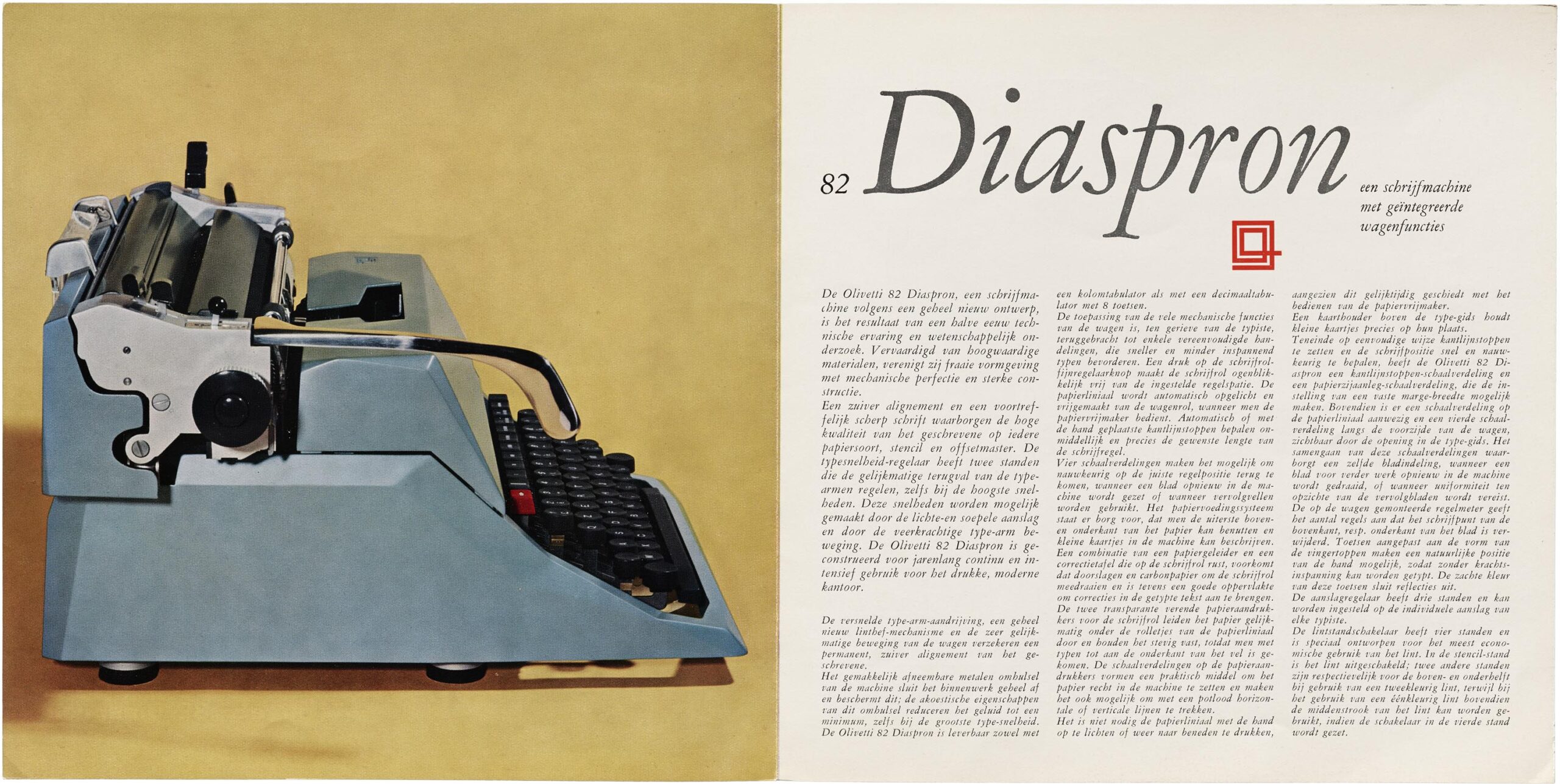
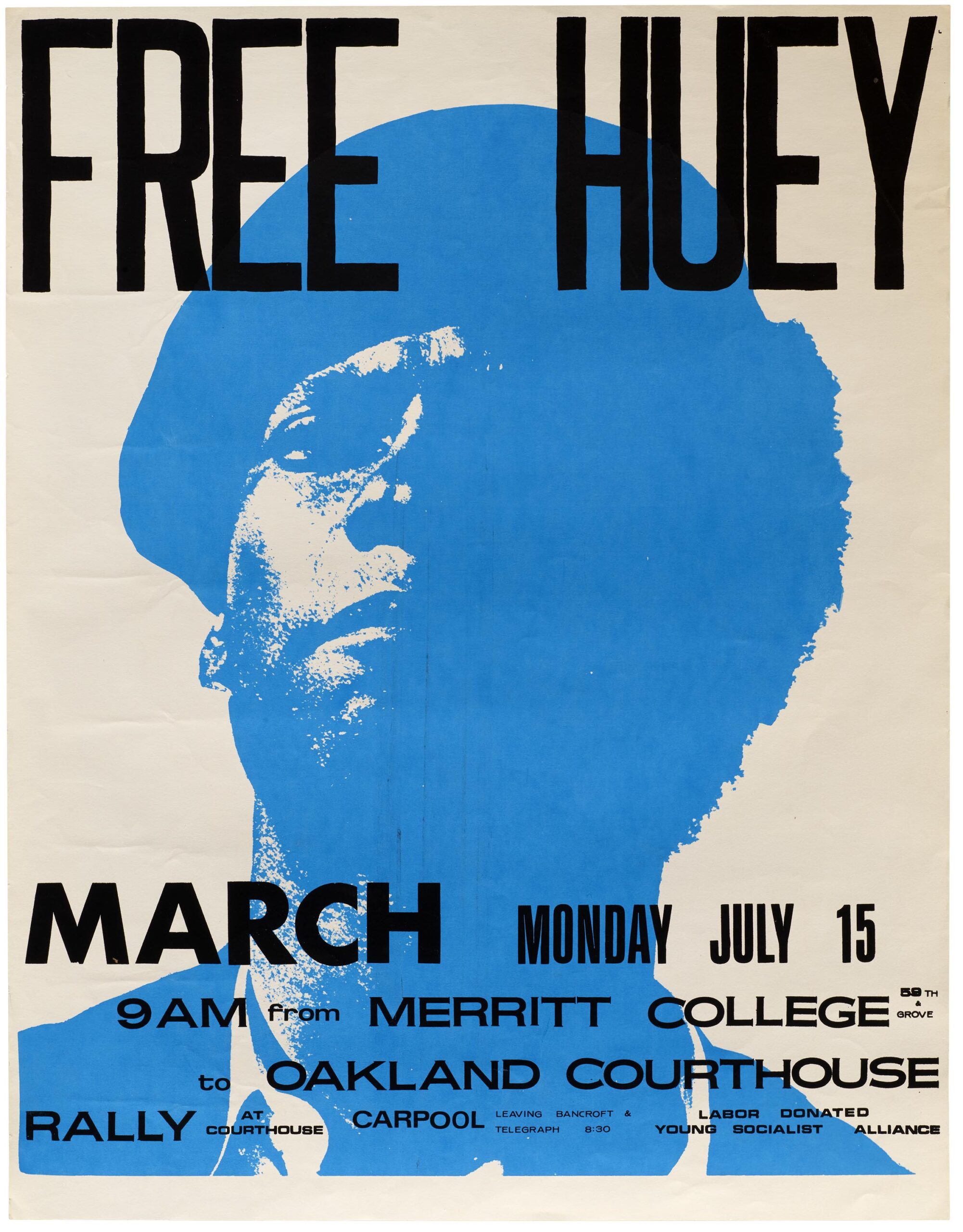
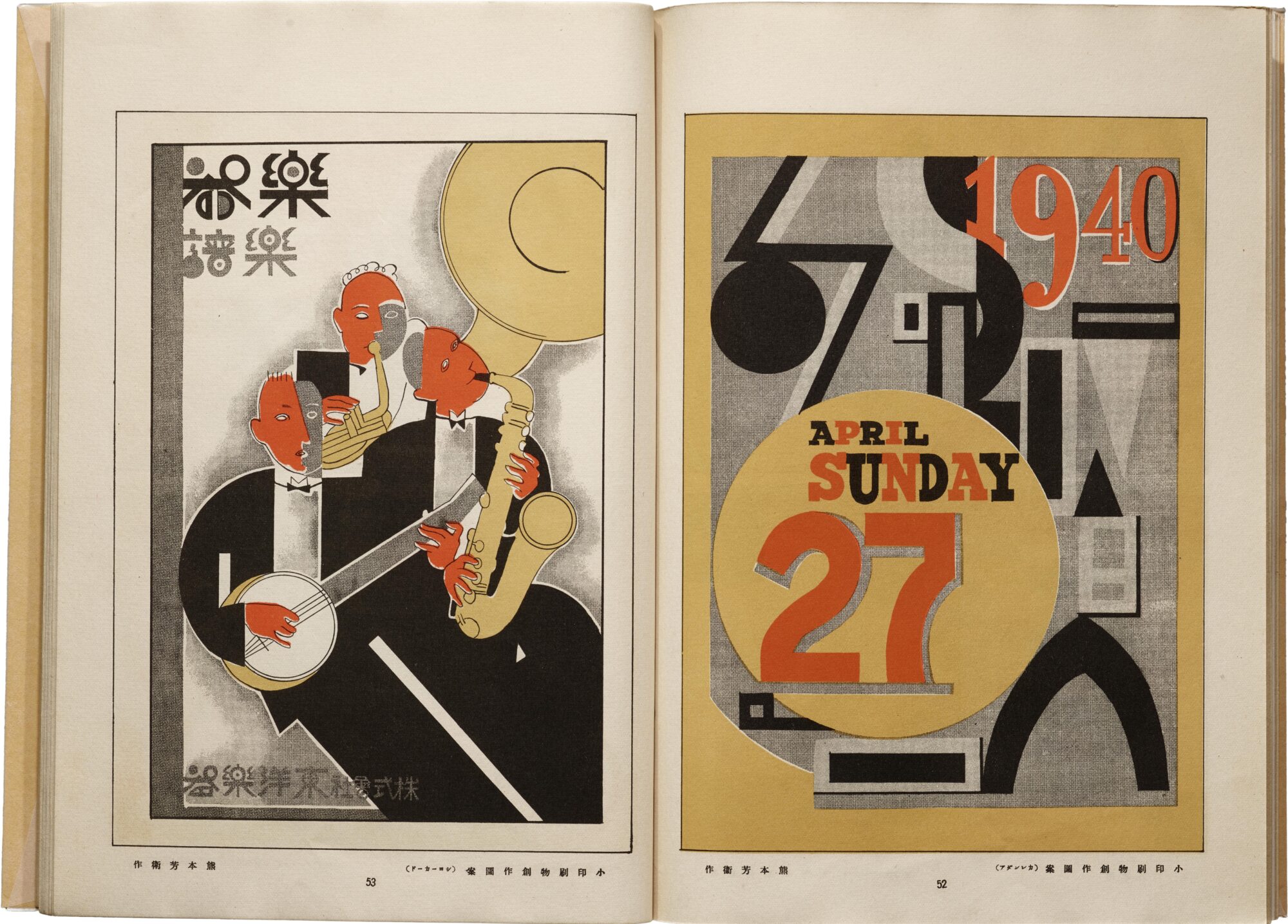
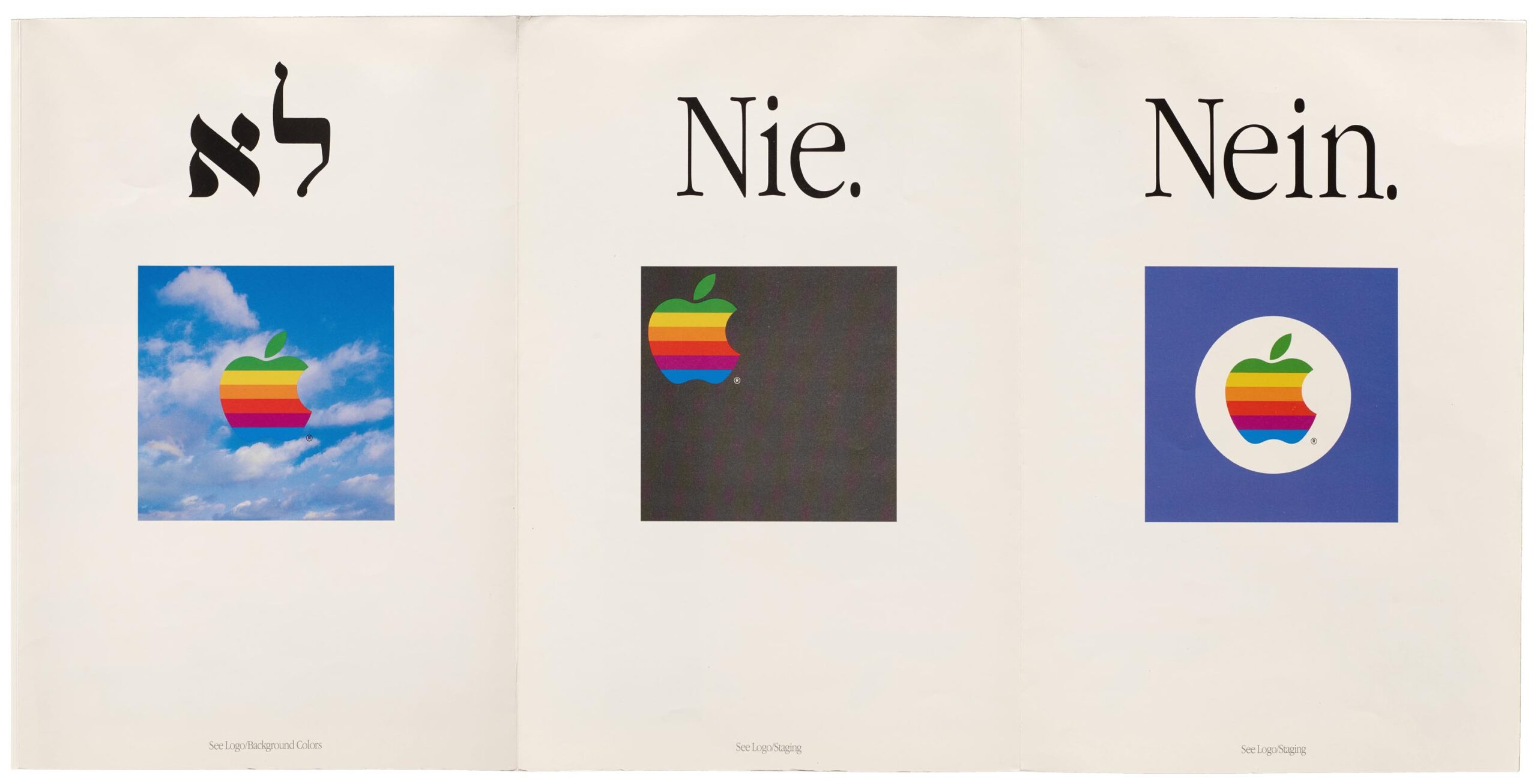
The 10-year-old inde­pen­dent archive of typog­ra­phy has col­lect­ed over 17,000 designs, each using at least one of over 12,000 type­face fam­i­lies from more than 3,500 type com­pa­nies. Each font is con­tex­tu­al­ized with images depict­ing them in the wild, on every­thing from wine labels and store­fronts to book cov­ers, record albums, movie posters and of course, adver­tis­ing of all shapes and sizes.

Fonts can cre­ate unlike­ly bed­fel­lows.

The Ramones’ icon­ic seal achieved its pres­i­den­tial look thanks to ITC Tiffany.

Oth­er mem­o­rable appear­ances include the first edi­tion cov­er of Ita­lo Calvino’s exper­i­men­tal nov­el If On a Winter’s Night a Trav­el­er and the titles for Ham­mer Film’s 1980 anthol­o­gy TV series, Ham­mer House of Hor­ror.

Fonts in Use’s man­ag­ing edi­tor, Flo­ri­an Hard­wig, describes ITC Tiffany as “Ed Ben­guiat’s 1974 revis­i­ta­tion and inter­pre­ta­tion of 19th-cen­tu­ry faces like West Old Style or Old Style Title,” not­ing such “Vic­to­ri­an details” as “large angled ser­ifs and sharply ter­mi­nat­ed diag­o­nals.”

The prin­ci­pal cast of Law & Order under­went sev­er­al changes over the show’s 20-year run, but Friz Quadra­ta remained a con­stant, sup­ply­ing titles and such nec­es­sary details as loca­tion, time, and date.

Friz Quadra­ta should be equal­ly famil­iar to Dun­geons & Drag­ons play­ers of a cer­tain age and fans of Gar­den Wafers, the pack­aged cook­ies from Hong Kong that are a sta­ple of state­side Asian mar­kets.

Artist Bar­bara Kruger’s dis­tinc­tive text-based work places overt com­men­tary in white ital­i­cized Futu­ra on red bands on top of black and white images.

Futu­ra was also the face of a tourist map to Berlin dur­ing the 1936 sum­mer Olympics and author David Rees’ tongue-in-cheek guide How to Sharp­en Pen­cils: A Prac­ti­cal & The­o­ret­i­cal Trea­tise on the Arti­sanal Craft of Pen­cil Sharp­en­ing for Writ­ers, Artists, Con­trac­tors, Flange Turn­ers, Angle­smiths, & Civ­il Ser­vants.

Com­ic Sans may not get much love out in the real world, but it’s well rep­re­sent­ed in the archive’s user sub­mis­sions.

You’ll find grow­ing num­bers of fonts in Cyril­lic, as well as fonts famil­iar to read­ers of Chi­neseJapan­eseKore­anAra­bicGreek and Hebrew

New­bie Net­flix Sans keeps com­pa­ny with 19th-cen­tu­ry sans Bureau Grot, a favorite of Vice Pres­i­dent-Elect Kamala Har­ris

Fat AlbertTin­toret­toBen­guiat CaslonScor­pio, Hoopla and Saphir are your tick­et back to a far groovi­er peri­od in the his­to­ry of graph­ic art.

Spend an hour or two rum­mag­ing through the col­lec­tion and we guar­an­tee you’ll feel an urgent need to upload typo­graph­ic exam­ples pulled from your shelves and cab­i­nets.

Fonts in Use wel­comes such sub­mis­sions, as long as type is clear­ly vis­i­ble in your uploaded image and isor wasin use (as opposed to an exam­ple of let­ter­ing for lettering’s sake). They will also con­sid­er cus­tom type­faces which are his­tor­i­cal­ly sig­nif­i­cant or oth­er­wise out­stand­ing, and those that are avail­able to the gen­er­al pub­lic. Please include a short descrip­tion in your com­men­tary, and when­ev­er pos­si­ble, cred­it any design­ers, pho­tog­ra­phers, or sources of your image.

Typog­ra­phy nerds are stand­ing by to help.

Begin your explo­rations of Fonts in Use here. If you’re feel­ing over­whelmed, the Staff Picks are a great place to start.

via MetaFil­ter

Relat­ed Con­tent:

The His­to­ry of Typog­ra­phy Told in Five Ani­mat­ed Min­utes

Why This Font Is Every­where: How Coop­er Black Became Pop Culture’s Favorite Font

Down­load Hel­l­veti­ca, a Font that Makes the Ele­gant Spac­ing of Hel­veti­ca Look as Ugly as Pos­si­ble

Ayun Hal­l­i­day is an author, illus­tra­tor, the­ater mak­er and Chief Pri­ma­tol­o­gist of the East Vil­lage Inky zine. She most recent­ly appeared as a French Cana­di­an bear who trav­els to New York City in search of food and mean­ing in Greg Kotis’ short film, L’Ourse.  Fol­low her @AyunHalliday.

Hokusai’s Iconic Print, “The Great Wave off Kanagawa,” Recreated with 50,000 LEGO Bricks

For those with the time, skill, and dri­ve, LEGO is the per­fect medi­um for wild­ly impres­sive recre­ations of icon­ic struc­tures, like the Taj MahalEif­fel Tow­er, the Titan­ic and now the Roman Colos­se­um.

But water? A wave?

And not just any wave, but Kat­sushi­ka Hoku­sai’s cel­e­brat­ed 19th-cen­tu­ry wood­block print, The Great Wave off Kana­gawa.

As Open Culture’s Col­in Mar­shall point­ed out ear­li­er, you might not know the title, but the image is instant­ly rec­og­niz­able.

Artist Jumpei Mit­sui, the world’s youngest LEGO Cer­ti­fied Pro­fes­sion­al, was unde­terred by the thought of tack­ling such a dynam­ic and well known sub­ject.

While oth­er LEGO enthu­si­asts have cre­at­ed excel­lent fac­sim­i­les of famous art­works, doing jus­tice to the curves and implied motion of The Great Wave seems a near­ly impos­si­ble feat.

Hav­ing spent his child­hood in a house by the sea, waves are a famil­iar pres­ence to Mit­sui. To get a bet­ter sense of how they work, he read sev­er­al sci­en­tif­ic papers and spent four hours study­ing wave videos on YouTube.

He made only one prepara­to­ry sketch before begin­ning the build, an effort that required 50,000 some LEGO pieces.

His biggest hur­dle was choos­ing which col­or bricks to use in the area indi­cat­ed by the red arrow in the pho­to below. Hoku­sai had tak­en advan­tage of the new­ly afford­able Berlin blue pig­ment in the orig­i­nal.

Mit­sui tweet­ed:

I tried a total of 7 col­ors includ­ing trans­par­ent parts, but in the end, I adopt­ed the same blue col­or as the waves. If you use oth­er col­ors, the lines will be overem­pha­sized and unnat­ur­al, but if you use blue, the shade will be cre­at­ed just by adjust­ing the light, and the nat­ur­al lines will appear nice­ly. It can be said that it was pos­si­ble because it was made three-dimen­sion­al.

Jumpei Mitsui’s wave is now on per­ma­nent view at Osaka’s Han­kyu Brick Muse­um.

via Spoon and Tam­a­go and Colos­sal

Relat­ed Con­tent:

The Frank Lloyd Wright Lego Set

With 9,036 Pieces, the Roman Colos­se­um Is the Largest Lego Set Ever

Why Did LEGO Become a Media Empire? Pret­ty Much Pop: A Cul­ture Pod­cast #37

Ayun Hal­l­i­day is an author, illus­tra­tor, the­ater mak­er and Chief Pri­ma­tol­o­gist of the East Vil­lage Inky zine. She most recent­ly appeared as a French Cana­di­an bear who trav­els to New York City in search of food and mean­ing in Greg Kotis’ short film, L’Ourse.  Fol­low her @AyunHalliday.

Behold the Steampunk Home Exercise Machines from the Victorian Age

The pan­dem­ic has result­ed in a lot of peo­ple rein­vent­ing their fit­ness reg­i­mens, invest­ing in pricey items like Mir­ror and Pelo­ton bikes to turn homes into home gyms.

Per­son­al­ly, we’re sav­ing our pen­nies until some Etsy sell­er repli­cates the mechan­i­cal ther­a­py sys­tems of Dr. Gus­tav Zan­der (1835–1920).

From the mid-19th cen­tu­ry through WWI, these machines were at the fore­front of gym cul­ture. Their func­tion is extreme­ly sim­i­lar to mod­ern strength train­ing equip­ment, but their design exudes a dash­ing steam­punk flair.

If the thing that’s going to help us work off all this sour­dough weight is going to wind up col­o­niz­ing half our apart­ment, we want some­thing that will go with our max­i­mal­ist thrift store aes­thet­ic.

We might even start work­ing out in floor length skirts and three piece suits in homage to Zander’s orig­i­nal devo­tees.

His 27 machines addressed abs, arms, adductors—all the great­est hits—using weights and levers to strength­en mus­cles through pro­gres­sive exer­tion and resis­tance. Spe­cial­ly trained assis­tants were on hand to adjust the weights, a lux­u­ry that our mod­ern world has seen fit to phase out.

Just as 21st-cen­tu­ry fit­ness cen­ters posi­tion them­selves as life­savers of those who spend the bulk of the day hunched in front of a com­put­er, Zander’s inven­tions tar­get­ed seden­tary office work­ers.

The indus­tri­al soci­ety that cre­at­ed this new breed of labor­er also ensured that the Swedish doc­tor’s con­trap­tions would gar­ner acco­lades and atten­tion. They were already a hit in their land of ori­gin when they took a gold medal at Philadelphia’s 1876 Cen­ten­ni­al Exhi­bi­tion.

The flag­ship Ther­a­peu­tic Zan­der Insti­tute in Stock­holm expand­ed, with branch­es in Lon­don and New York City.

The New York Times described the lat­ter as giv­ing the “unini­ti­at­ed observ­er an impres­sion of a care­ful­ly devised tor­ture cham­ber more than of a doc­tor’s office or a gym­na­si­um, both of which func­tions the insti­tute, to a cer­tain degree, fills.”

Sure­ly no more tor­tu­ous than the blood let­tingblis­ter­ing, and purg­ing that were also thought health­ful at the time…

See more of Dr. Gus­tav Zander’s exer­cise machines here.

Relat­ed Con­tent:

The Amaz­ing Franz Kaf­ka Work­out!: Dis­cov­er the 15-Minute Exer­cise Rou­tine That Swept the World in 1904

Walt Whitman’s Unearthed Health Man­u­al, “Man­ly Health & Train­ing,” Urges Read­ers to Stand (Don’t Sit!) and Eat Plen­ty of Meat (1858)

Ayun Hal­l­i­day is an author, illus­tra­tor, the­ater mak­er and Chief Pri­ma­tol­o­gist of the East Vil­lage Inky zine. This month, she appearsas a French Cana­di­an bear who trav­els to New York City in search of food and mean­ing in Greg Kotis’ short film, L’Ourse.  Fol­low her @AyunHalliday.

The Eden Project Built a Rainforest Ecosystem Inside Buckminster Fuller-Inspired Geodesic Domes

Buck­min­ster Fuller had a dif­fi­cult time as an inven­tor in his ear­ly years. “Hav­ing been expelled from Har­vard for irre­spon­si­ble con­duct,” notes The Guardian, “he strug­gled to find a job and pro­vide a liv­ing for his young fam­i­ly in his ear­ly 30s.” Despite lat­er suc­cess­es, and a lat­er rep­u­ta­tion as leg­endary as Niko­la Tesla’s, he was often, like Tes­la, seen by crit­ics as a utopi­an vision­ary, whose visions were too imprac­ti­cal to real­ly change the world.

But his body of work remains a tes­ta­ment to an imag­i­na­tion that ris­es above the trends of indus­tri­al design and engi­neer­ing. After a peri­od of decline, for exam­ple, Fuller’s geo­des­ic domes expe­ri­enced a revival in the ear­ly 2000’s when “aging baby-boomers across Amer­i­ca” began “build­ing dream homes in the shape of geo­des­ic domes.” Mean­while in Corn­wall, Eng­land, a few years ahead of the curve, Dutch-born busi­ness­man and archae­ol­o­gist-turned-suc­cess­ful-music-pro­duc­er Sir Tim­o­thy Smit broke ground on what would become a far more British use of Ful­lerist prin­ci­ples.

In the late 90s, Smit start­ed work on an enor­mous com­plex of geo­des­ic bio­mes called the Eden Project, a facil­i­ty “akin to a quin­tes­sen­tial­ly Vic­to­ri­an cre­ation: the Eng­lish green­house,” which reached its apex in the famed “Crys­tal Palace” built for the Great Exhi­bi­tion in Hyde Park in 1851. These were build­ings “born out of a play­ful, deca­dent imagination—yet in their archi­tec­ture and design they often opened new path­ways for the future.” So too do Fuller’s designs, in an appli­ca­tion meld­ing Vic­to­ri­an and Ful­lerist ideas about cura­tor­ship and sus­tain­abil­i­ty.

Look­ing like “clus­ters of soap bub­bles” the Eden Project slow­ly rose above an exhaust­ed clay pit and opened in 2001 (see a short time-lapse film of the con­struc­tion above). Each of the two huge cen­tral domes recre­ates an ecosys­tem. The Rain­for­est Bio­me allows vis­i­tors to get lost in near­ly 4 acres of trop­i­cal for­est and includes banana, cof­fee, and rub­ber plants. The Mediter­ranean Bio­me hous­es an acre and a half of olives and grape vines. Small­er adjoin­ing domes house thou­sands of addi­tion­al plant species. There is a per­for­mance space and a year­ly music fes­ti­val; sculp­tures and art exhi­bi­tions in both the indoor and out­door gar­dens. The facil­i­ty has host­ed well over a mil­lion vis­i­tors each year.

Pho­to via Wiki­me­dia Com­mons

In 2016, the Eden Project began plant­i­ng red­woods, intro­duc­ing a for­est of the North Amer­i­can trees to Europe for the first time. Next year, it will begin drilling for a geot­her­mal ener­gy project to turn heat from the gran­ite under­ground into pow­er, an under­tak­ing that, unlike frack­ing, will not release con­t­a­m­i­nants into the water sup­ply or addi­tion­al fos­sil fuels into the air and could pow­er and heat the facil­i­ty and 5000 addi­tion­al homes. In 2018, the project began con­struc­tion on Eden Project North, in More­cambe, Lan­cashire, with build­ings designed to look like giant mus­sels and a focus on marine envi­ron­ments.

Eden Project Inter­na­tion­al aims to build unique facil­i­ties all around the world, “to cre­ate new attrac­tions with a mes­sage of envi­ron­men­tal, social and eco­nom­ic regen­er­a­tion” and “to pro­tect and reju­ve­nate nat­ur­al land­scapes.” None of these ambi­tious expan­sions use the geo­des­ic domes of the orig­i­nal Eden Project, but that is not a reflec­tion on the domes’ struc­tur­al sound­ness. Many oth­er trans­par­ent uses of Fuller’s design have encoun­tered dif­fi­cul­ties with water tight­ness and heat flow. The Eden Project’s domes use inno­v­a­tive inflat­able, tri­an­gu­lar pan­els instead of glass to solve those prob­lems. Fuller sure­ly would have approved.

The project also rep­re­sents a poignant per­son­al vin­di­ca­tion for the Fuller fam­i­ly. Fuller “vowed to ded­i­cate his life to improv­ing stan­dards of liv­ing through good design,” The Guardian writes, after his daugh­ter Alexan­dra died in 1922. In 2009, his only sur­viv­ing child, Alle­gra Fuller Sny­der, then 82 and Chair­woman of the Buck­min­ster Fuller Insti­tute, vis­it­ed the Eden Project. “Of all the projects relat­ed to my father’s work,” she remarked after­ward, “I would say that this is the one I am most aware of as being a pow­er­ful, com­pre­hen­sive project…. My father would have been just thrilled. He would feel that it is a mar­vel­lous appli­ca­tion of his think­ing.”

Learn more about the Eden Project, which reopens Decem­ber 3, here. And learn how to “cre­ate Eden wher­ev­er you are” with the project’s free resources for gar­den­ers at home.

Relat­ed Con­tent: 

Buck­min­ster Fuller Rails Against the “Non­sense of Earn­ing a Liv­ing”: Why Work Use­less Jobs When Tech­nol­o­gy & Automa­tion Can Let Us Live More Mean­ing­ful Lives

Buck­min­ster Fuller’s Map of the World: The Inno­va­tion that Rev­o­lu­tion­ized Map Design (1943)

The Life & Times of Buck­min­ster Fuller’s Geo­des­ic Dome: A Doc­u­men­tary

Josh Jones is a writer and musi­cian based in Durham, NC. Fol­low him at @jdmagness
Discover the Cyanometer, the Device Invented in 1789 Just to Measure the Blueness of the Sky

Eng­lish astronomer and physi­cist James Jeans’ 1931 essay “Why the Sky is Blue” has become a clas­sic of con­cise expos­i­to­ry writ­ing since it was first pub­lished in a series of talks. In only four para­graphs and one strik­ing­ly detailed, yet sim­ple anal­o­gy, Jeans gave mil­lions of stu­dents a grasp of celes­tial blue­ness in prose that does not sub­sti­tute nature’s poet­ry for sci­en­tif­ic jar­gon and dia­grams.

Over a hun­dred years ear­li­er, anoth­er sci­en­tist cre­at­ed a sim­i­lar­ly poet­ic device; in this case, one which attempt­ed to depict how the sky is blue. Swiss physi­cist Horace Béné­dict de Saus­sure’s 1789 Cyanome­ter, “a cir­cle of paper swatch­es dyed in increas­ing­ly deep blues, shad­ing from white to black,” Sarah Laskow writes at Atlas Obscu­ra, “includ­ed 52 blues… in its most advanced iter­a­tion,” intend­ed to show “how the col­or of the sky changed with ele­va­tion.”

Saussure’s fas­ci­na­tion with the blue­ness of the sky began when he was a young stu­dent and trav­eled to the base of Mont Blanc. Over­awed by the sum­mit, he dreamt of climb­ing it, but instead used his fam­i­ly’s wealth to offer a reward to the first per­son who could. Twen­ty-sev­en years lat­er, Saus­sure him­self would ascend to the top, in 1786, car­ry­ing with him “pieces of paper col­ored dif­fer­ent shades of blue, to hold up against the sky and match its col­or.”

Saus­sure was tak­en with a phe­nom­e­non report­ed by moun­taineers: as one climbs high­er, the sky turns a deep­er shade of blue. He began to for­mu­late a hypoth­e­sis, the Roy­al Soci­ety of Chem­istry Explains:

Armed with his tools and a small chem­istry set, he trekked round the val­leys and beyond. As his trips car­ried him ever high­er, he puz­zled about the colour of the sky. Local leg­end had it that if one climbed high enough it turned black and one would see, or even fall into, the void — such ter­rors kept ordi­nary men away from the peaks. But to Saus­sure, the blue colour was an opti­cal effect. And because on some days the blue of the sky fad­ed imper­cep­ti­bly into the white of the clouds, Saus­sure con­clud­ed that the colour must indi­cate its mois­ture con­tent. 

At the top of Mont Blanc, the physi­cist mea­sured what he deemed “a blue of the 39th degree.” The num­ber meant lit­tle to any­one but him. “Upon its inven­tion, the cyanome­ter rather quick­ly fell into dis­use,” as Maria Gon­za­lez de Leon points out. “After all, very lit­tle sci­en­tif­ic infor­ma­tion was giv­en.”

The tool did, how­ev­er, accom­pa­ny the famed geo­g­ra­ph­er Alexan­der von Hum­boldt across the Atlantic, “to the Caribbean, the Canary Islands, and South Amer­i­ca,” writes Laskow, where Hum­boldt “set a new record, at the 46th degree of blue, for the dark­est sky ever mea­sured” on the sum­mit of the Andean moun­tain Chimb­o­ra­zo. This would be one of the only notable uses of the poet­ic device. “When the true cause of the sky’s blue­ness, the scat­ter­ing of light, was dis­cov­ered decades lat­er, in the 1860s, Saussure’s cir­cle of blue had already fall­en into obscu­ri­ty.”

via Messy­Nessy/Colos­sal

Relat­ed Con­tent: 

A 900-Page Pre-Pan­tone Guide to Col­or from 1692: A Com­plete Dig­i­tal Scan

The Vibrant Col­or Wheels Designed by Goethe, New­ton & Oth­er The­o­rists of Col­or (1665–1810)

A Vision­ary 115-Year-Old Col­or The­o­ry Man­u­al Returns to Print: Emi­ly Noyes Vanderpoel’s Col­or Prob­lems

Josh Jones is a writer and musi­cian based in Durham, NC. Fol­low him at @jdmagness

Trips on the World’s Oldest Electric Suspension Railway in 1902 & 2015 Show How a City Changes Over a Century

Today we take a ride on the world’s old­est elec­tric sus­pen­sion railway—the Wup­per­tal Schwe­be­bahn in Ger­many.

Actu­al­ly, we’ll take two rides, trav­el­ing back in time to do so, thanks to YouTu­ber pwduze, who had a bit of fun try­ing to match up two videos dis­cov­ered online for comparison’s sake.

The jour­ney on the left was filmed in 1902, when this mir­a­cle of mod­ern engi­neer­ing was but a year old.

The train pass­es over a broad road trav­eled most­ly by pedes­tri­ans.

Note the absence of cars, traf­fic lights, and sig­nage, as well as the pro­lif­er­a­tion of green­ery, ani­mals, and space between hous­es.

The trip on the right was tak­en much more recent­ly, short­ly after the rail­way began upgrad­ing its fleet to cars with cush­ioned seats, air con­di­tion­ing, infor­ma­tion dis­plays, LED light­ing, increased access for peo­ple with dis­abil­i­ties and regen­er­a­tive brakes.

An extend­ed ver­sion at the bot­tom of this page pro­vides a glimpse of the con­trol pan­el inside the driver’s booth.

There are some changes vis­i­ble beyond the wind­shield, too.

Now, cars, bus­es, and trucks dom­i­nate the road.

A large mon­u­ment seems to have dis­ap­peared at the 2:34 mark, along with the plaza it once occu­pied.

Field­stone walls and 19th-cen­tu­ry archi­tec­tur­al flour­ish­es have been replaced with bland cement.

There’s been a lot of building—and rebuild­ing. 40% of Wuppertal’s build­ings were destroyed by Allied bomb­ing in WWII.

Although Wup­per­tal is still the green­est city in Ger­many, with access to pub­lic parks and wood­land paths nev­er more than a ten-minute walk away, the views across the Wup­per riv­er to the right are decid­ed­ly less expan­sive.

As Ben­jamin Schnei­der observes in Bloomberg City­Lab:

For the Schwebebahn’s first rid­ers at the turn of the 20th cen­tu­ry, these vis­tas along the eight-mile route must have been a rev­e­la­tion. Many of them would have rid­den trains and ele­va­tors, but the unob­struct­ed, straight-down views from the sus­pend­ed mono­rail would have been nov­el, if not ter­ri­fy­ing.

The bridge struc­tures appear to have changed lit­tle over the last 120 years, despite sev­er­al safe­ty upgrades.

Those steam­punk sil­hou­ettes are a tes­ta­ment to the planning—and expense—that result­ed in this unique mass tran­sit sys­tem, whose ori­gin sto­ry is sum­ma­rized by Elmar Thyen, head of Schwe­be­bah­n’s Cor­po­rate Com­mu­ni­ca­tions and Strate­gic Mar­ket­ing:

We had a sit­u­a­tion with a very rich city, and very rich cit­i­zens who were eager to be social­ly active. They said, ‘Which space is pub­licly owned so we don’t have to go over pri­vate land?… It might make sense to have an ele­vat­ed rail­way over the riv­er.’

In the end, this is what the mer­chants want­ed. They want­ed the emper­or to come and say, ‘This is cool, this is inno­v­a­tive: high tech, and still Pruss­ian.’

At present, the sus­pen­sion rail­way is only oper­at­ing on the week­ends, with a return to reg­u­lar ser­vice antic­i­pat­ed for August 2021. Face masks are required. Tick­ets are still just a few bucks.

Relat­ed Con­tent: 

The Fly­ing Train: A 1902 Film Cap­tures a Futur­is­tic Ride on a Sus­pend­ed Rail­way in Ger­many

Trains and the Brits Who Love Them: Mon­ty Python’s Michael Palin on Great Rail­way Jour­neys

A New Dig­i­tized Menu Col­lec­tion Lets You Revis­it the Cui­sine from the “Gold­en Age of Rail­road Din­ing”

Ayun Hal­l­i­day is an author, illus­tra­tor, the­ater mak­er and Chief Pri­ma­tol­o­gist of the East Vil­lage Inky zine.  Fol­low her @AyunHalliday.

How the Iconic Colors of the New York City Subway System Were Invented: See the 1930 Color Chart Created by Architect Squire J. Vickers

There may be no more wel­come sight to a New York­er than their own Pan­tone-col­ored cir­cle on an arriv­ing sub­way train. (Pro­vid­ed it’s also the right train num­ber or let­ter; is mak­ing local stops (or express stops); has not been rerout­ed due to track work, death or injury, etc.) The psy­cho­log­i­cal effect is not unlike a preschool­er spot­ting her bright­ly-col­ored cub­by at the end of a long day. There­in lies the com­fort­ing lovey—screen time, cli­mate con­trol, maybe a nap in a win­dow seat on the way home….

But as every New York­er also knows, the col­or-cod­ed sub­way sys­tem didn’t always have such a cheer­ful, Sesame Street-like look. Buried beneath the MTA’s mod­ern exte­ri­or, with those col­ored cir­cles adopt­ed piece­meal over the chaot­ic 1970s, is a much old­er system—three sys­tems, in fact—that had far less nav­i­ga­ble sig­nage. “The cur­rent New York sub­way sys­tem was formed in 1940,” writes Paul Shaw in a com­pre­hen­sive his­to­ry of sub­way sign fonts, “when the IRT (Inter­bor­ough Rapid Tran­sit), the BMT (Brook­lyn-Man­hat­tan Tran­sit) and the IND (Inde­pen­dent) lines were merged.”

The first two lines were built by the city and leased to pri­vate own­ers, with some ele­vat­ed sec­tions dat­ing all the way back to 1885. “The first ‘signs’ in the New York City sub­way sys­tem were cre­at­ed by Heins & LaFarge, archi­tects of the IRT,” who estab­lished the tra­di­tion of mosa­ic tiles on plat­form walls. The BMT “fol­lowed suit under Squire J. Vick­ers, who took over the archi­tec­tur­al duties in 1908.” The let­ter­ing and design of these tiled signs shift­ed, from 19th cen­tu­ry goth­ic styles to 20th cen­tu­ry art deco.

Image by Elvert Barnes, via Wiki­me­dia Com­mons

When con­struc­tion on the IND sys­tem began, Vick­ers, now archi­tect of the entire sys­tem and its lead design­er, cre­at­ed a col­or-cod­ing sys­tem to iden­ti­fy each sta­tion. (See the chart above from 1930.) “The col­or vari­a­tions with­in this sys­tem are sub­tle,” notes 6sqft. “Though they’re grouped by col­or fam­i­ly, i.e. the five pri­ma­ry col­ors, dif­fer­ent shades are used with­in those fam­i­lies. Col­or names are based on paint chips and Berol Pris­ma­col­or pen­cils. Red sta­tions include ‘Scar­let Red’ ‘Carmine Red’ and ‘Tus­can Red,’ just to name a few.” This lev­el of speci­fici­ty con­tin­ues through each of the pri­ma­ry and sec­ondary col­ors.

It’s not entire­ly clear why Vick­ers chose the col­or scheme he did. (See a sub­way map imag­ined with his col­or-cod­ing sys­tem, above, by design­er van­sh­nooken­raggen.) One the­o­ry is that the sys­tem was designed to help non-Eng­lish-speak­ing rid­ers nav­i­gate the trains, but “there isn’t any­thing that we were able to find that says defin­i­tive­ly ‘This is the rea­son why we are doing that,’” says New York Tran­sit Muse­um cura­tor Jodi Shapiro. The col­ors may have been cho­sen to stand out in arti­fi­cial light, she spec­u­lates, and “not look dingy and have some kind of cheer­ful effect…. Yel­low and blue are very nat­ur­al col­ors: yel­low like sun­light, green like grass, blue like water. I don’t think that’s an acci­dent.”

What­ev­er the rea­son­ing, the col­or-cod­ing did not sim­pli­fy sig­nage in the rapid­ly expand­ing sys­tem, which became incom­pre­hen­si­ble to rid­ers when all three sub­ways, and their dif­fer­ent, num­ber­ing, and let­ter­ing sys­tems, com­bined into an “unten­able mess of over­lap­ping sign sys­tems,” Shaw writes. Con­fu­sion reigned into the 1960s, when Bob Noor­da and Mas­si­mo Vignel­li, cre­ator of an icon­ic 1972 sub­way map, com­plet­ed “the Bible” of NYC tran­sit design, the New York City Tran­sit Author­i­ty Graph­ics Stan­dards Man­u­al. The new design­ers used “a rain­bow of 22 dif­fer­ent col­ors to assign to each sub­way line,” Untapped Cities writes, “and gave the routes new names.”

Col­ors were fur­ther sim­pli­fied in 1979 when John Tau­ranac and Michael Hertz designed the maps we know today. To solve the prob­lem of dif­fer­ent routes shar­ing the same col­ors, they assigned col­ors based on “trunk routes,” or the por­tion of the tracks that pass through Man­hat­tan. “All trains that share a trunk route are the same color”—a sys­tem that works beau­ti­ful­ly. And it only took eighty years to get there. The frus­tra­tion design­ers have felt over the decades can be neat­ly summed up in one word offered by Tau­ranac at a recent NYC sub­way map sym­po­sium: “Bas­ta!” Or in a New York Eng­lish, “Enough with all these col­ors already!”

via Untapped Cities/6sqft

Relat­ed Con­tent: 

Design­er Mas­si­mo Vignel­li Revis­its and Defends His Icon­ic 1972 New York City Sub­way Map

A Sub­way Ride Through New York City: Watch Vin­tage Footage from 1905

Under­ci­ty: Explor­ing the Under­bel­ly of New York City

Josh Jones is a writer and musi­cian based in Wash­ing­ton, DC. Fol­low him @jdmagness

Denmark’s Utopian Garden City Built Entirely in Circles: See Astounding Aerial Views of Brøndby Haveby

For decades, urban plan­ners around the world have looked to the Dan­ish cap­i­tal of Copen­hagen, with its low-rise high den­si­ty and unpar­al­leled cul­ture of every­day cycling, as an exam­ple of how to design a city. But what of the Dan­ish track record in design­ing sub­urbs? Recent­ly, a pho­tog­ra­ph­er by the name of Hen­ry Do brought the world’s atten­tion to one such set­tle­ment, Brønd­by Have­by or Gar­den City, with a series of aer­i­al pho­tographs post­ed to Insta­gram. “Unre­al how my recent images from here went crazy viral,” Do writes in the cap­tion of a fol­low-up drone video — “unre­al” being just the word some have used to describe the place itself, com­posed as it is entire­ly out of cir­cles.

Built in 1964 to the design of “genius land­scape archi­tect Erik Mygind,” Brønd­by Have­by mim­ics “the tra­di­tion­al pat­terns of the 18th cen­tu­ry Dan­ish vil­lages, where peo­ple would use the mid­dle as a focal point for hang­ing out, min­gle and social inter­change between neigh­bors.”

This unusu­al form, more of which you can see in Do’s drone pho­tos at Lone­ly Plan­et, suits the long-estab­lished Dan­ish cab­in cul­ture, accord­ing to which every city-dwelling Dane with the means buys a small­er sec­ond home in the coun­try­side as a retreat. (Though the hous­es in Brønd­by Have­by are owned, the gar­dens are rent­ed, and local zon­ing laws pre­vent any­one from occu­py­ing their prop­er­ties for more than six months out of the year.)

Wher­ev­er it is, this cab­in must be made hyggelige, an adjec­tive often trans­lat­ed into Eng­lish as “cozy” and that, in recent years, has become a byword for the love of small-scale con­tent­ment that sets Den­mark apart. (Not every­body is sold on the con­cept: “With its relent­less dri­ve towards the mid­dle ground and its depen­dence on keep­ing things light and breezy,” writes British Den­mark expat Michael Booth, “hygge does get a bit bor­ing some­times.”) As Lenni Mad­sen, a Dan­ish Quo­ra user with a Brønd­by Have­by house in the fam­i­ly, puts it, “Imag­ine your aver­age small-time com­mu­ni­ty, where every­one knows every­one else, you see each oth­er across the hedge, per­haps shar­ing a beer or hav­ing cof­fee at each oth­ers’ hous­es.”

This seems a far cry from the alien­ation and deprav­i­ty of the stan­dard sub­ur­ban cul-de-sac, at least as por­trayed in Amer­i­can pop­u­lar myth. And it isn’t hard to see the appeal for aver­age urban­ites, espe­cial­ly those look­ing to spend their gen­er­ous vaca­tion time in as dif­fer­ent an envi­ron­ment as pos­si­ble with­out hav­ing to go far. (Home­own­ers must already have a pri­ma­ry res­i­dence with­in 20 kilo­me­ters, which includes the city of Copen­hagen.) The aston­ished reac­tions on social media would sug­gest that most of us have nev­er seen a place like this before. But for the Danes, it’s just anoth­er chap­ter in their civ­i­liza­tion­al pur­suit of all that is hyggelige.

via Messy Nessy

Relat­ed Con­tent:

Frank Lloyd Wright Designs an Urban Utopia: See His Hand-Drawn Sketch­es of Broad­acre City (1932)

The Medieval City Plan Gen­er­a­tor: A Fun Way to Cre­ate Your Own Imag­i­nary Medieval Cities

Japan­ese Design­er Cre­ates Incred­i­bly Detailed & Real­is­tic Maps of a City That Doesn’t Exist

IKEA Dig­i­tizes & Puts Online 70 Years of Its Cat­a­logs: Explore the Designs of the Swedish Fur­ni­ture Giant

In Search of Lud­wig Wittgenstein’s Seclud­ed Hut in Nor­way: A Short Trav­el Film

Based in Seoul, Col­in Mar­shall writes and broad­casts on cities, lan­guage, and cul­ture. His projects include the Sub­stack newslet­ter Books on Cities, the book The State­less City: a Walk through 21st-Cen­tu­ry Los Ange­les and the video series The City in Cin­e­ma. Fol­low him on Twit­ter at @colinmarshall, on Face­book, or on Insta­gram.

« Go BackMore in this category... »
Quantcast