YouTube OrigÂiÂnals presents The Gift: The JourÂney of JohnÂny Cash:
JohnÂny Cash stands among the giants of 20th cenÂtuÂry AmerÂiÂcan life. But his stoÂry remains tanÂgled in mysÂtery and myth. This docÂuÂmenÂtary, creÂatÂed with the full coopÂerÂaÂtion of the Cash estate and rich in recentÂly disÂcovÂered archival mateÂriÂals, brings Cash the man out from behind the legÂend. TakÂing the remarkÂable FolÂsom Prison recordÂing as a cenÂtral motif and feaÂturÂing interÂviews with famÂiÂly and celÂeÂbratÂed colÂlabÂoÂraÂtors, the film explores the artisÂtic vicÂtoÂries, the perÂsonÂal tragedies, the strugÂgles with addicÂtion, and the spirÂiÂtuÂal purÂsuits that colÂored JohnÂny Cash’s life.
If you would like to sign up for Open Culture’s free email newsletÂter, please find it here. It’s a great way to see our new posts, all bunÂdled in one email, each day.
If you would like to supÂport the misÂsion of Open CulÂture, conÂsidÂer makÂing a donaÂtion to our site. It’s hard to rely 100% on ads, and your conÂtriÂbuÂtions will help us conÂtinÂue proÂvidÂing the best free culÂturÂal and eduÂcaÂtionÂal mateÂriÂals to learnÂers everyÂwhere. You can conÂtribute through PayÂPal, PatreÂon, and VenÂmo (@openculture). Thanks!
ExpresÂsionÂism was an art moveÂment that set out to take the internal—emotions, the human conÂdiÂtion itself—and make it exterÂnal, with paintÂings that made no attempt to recreÂate realÂiÂty. It was a break with the clasÂsiÂcal schools of art that had come before. It was modÂern, very modÂern, very colÂorÂful, and excitÂing as hell. And it was soon to run headÂlong into that most modÂern of art forms, filmÂmakÂing, in the 1920s.
In the above mini-doc on the Dutch Angle, that cantÂed framÂing so beloved of film noir, and apparÂentÂly every shot in the first Thor movie, Vox traces its roots back to ExpresÂsionÂism, and parÂticÂuÂlarÂly back to GerÂmany of the 1910s where schools like Die BrĂĽcke and Der Blaue ReitÂer were assaultÂing realÂism with bruÂtal paintÂings. They sensed someÂthing was changÂing in the subÂconÂscious of peoÂple and in the counÂtry itself. And the movie The CabÂiÂnet of Dr. CaliÂgari was the culÂmiÂnaÂtion of that horÂrifÂic vibe.
Three expresÂsionÂist painters, HerÂmann Warm, WalÂter Reimann, and WalÂter Rohrig designed the crooked, bizarre, and nightÂmarÂish sets for that film. They look like the paintÂings of Ernst LudÂwig KirchÂnÂer or Fritz Bleyl, but denudÂed of colÂor. ExpresÂsionÂism had entered film. (Warm, Reimann, and Rohring had worked on, and conÂtinÂued to work as set designers/art direcÂtors for many films at that time, but most are lost or destroyed.) GerÂmany being cut off from the HolÂlyÂwood film indusÂtry at the time had led to this strange new direcÂtion, but once Hitler rose to powÂer, many artists came to HolÂlyÂwood, and expresÂsionÂist techÂniques infectÂed HolÂlyÂwood.
The Dutch Angle (realÂly, the Deutsche Angle, before being GerÂman became probÂlemÂatÂic) was a way of turnÂing verÂtiÂcal and horÂiÂzonÂtal lines in a scene into diagÂoÂnals. They sugÂgest someÂthing had gone wrong, that realÂiÂty has been knocked off its axis. It became part of the vocabÂuÂlary of film noir, which was also filled with expresÂsionÂisÂtic lightÂing, high conÂtrast black and white, light and shadÂows.
Those direct emoÂtionÂal parÂalÂlels have been leached from the Dutch angle from its overuse. It’s been used in many a film as a way to jazz up a scene, or someÂtimes just as a way to get sevÂerÂal eleÂments into a tight frame. It’s ubiqÂuiÂty in music videos and comÂmerÂcials has made it almost invisÂiÂble.
But when the Dutch angle is used the right way by talÂentÂed direcÂtors, from HitchÂcock to Spike Lee and Quentin TaranÂtiÂno, the effect still works. The angle makes a shot stand out, it can jar us, it can show inteÂriÂor conÂfuÂsion and moral mayÂhem. And when that hapÂpens it can take us back to the Expressionist’s origÂiÂnal goal. It can reveal our inner truths, and remind us of the times when we have felt off cenÂter, when the world was not on the levÂel.
Ted Mills is a freeÂlance writer on the arts who curÂrentÂly hosts the Notes from the Shed podÂcast and is the proÂducÂer of KCRÂW’s CuriÂous Coast. You can also folÂlow him on TwitÂter at @tedmills, and/or watch his films here.
Andrei Tarkovsky had a rather low opinÂion of StanÂley KubrickÂ’s 2001: A Space Odyssey. “PhoÂny on many points,” he once called it, built on “a lifeÂless schema with only preÂtenÂsions to truth.” His proÂfesÂsionÂal response was 1972’s Solaris, by most estiÂmates anothÂer high point in the sciÂence-ficÂtion cinÂeÂma of that periÂod. Yet today it isn’t wideÂly regardÂed as Tarkovsky’s best work; cerÂtainÂly it hasÂn’t become as much of an object of worÂship as, say, StalkÂer. That picÂture — arguably anothÂer work of sci-fi, though one sui generÂis in pracÂtiÂcalÂly its every facet — conÂtinÂues to inspire such tribÂutes and exegeÂses as the video essay on its makÂing we feaÂtured earÂliÂer this year here on Open CulÂture.
That video essay came from the chanÂnel of YoutuÂber CinÂeÂmaTyler, who like many auteur-oriÂentÂed cinephiles exhibits appreÂciÂaÂtion for Tarkovsky and Kubrick alike. He’s creÂatÂed numerÂous examÂiÂnaÂtions on the work that went into KubrickÂ’s picÂtures, includÂing A ClockÂwork Orange, BarÂry LynÂdon, and Full MetÂal JackÂet.
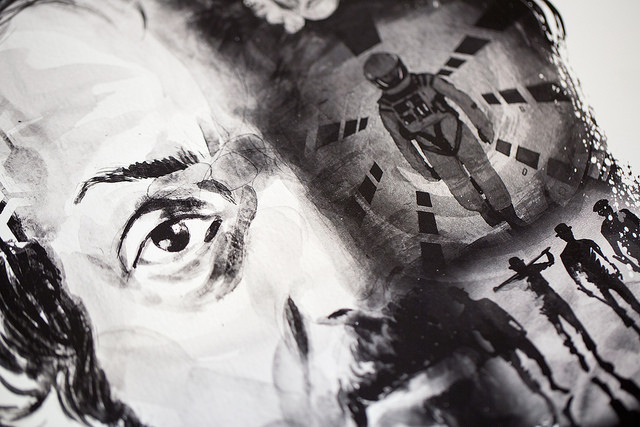
The ambiÂtion of 2001, outÂsized even by KubrickÂ’s stanÂdard, is reflectÂed in what it spurred CinÂeÂmaTyler on to creÂate: a sevÂen-part series of video essays on its proÂducÂtion, with three-hour total runÂtime that far exceeds that of the film itself. It takes at least that long to explain the achieveÂments Kubrick pulled off, espeÂcialÂly with mid-1960s filmÂmakÂing techÂnolÂoÂgy, which gave us the rare vision of the future that has held up for more than half a cenÂtuÂry.
Some of the qualÂiÂties that have made 2001 endure came into being almost by acciÂdent. Take the use of Strauss’ “The Blue Danube” to introÂduce the space staÂtion, a stroke of scorÂing genius inspired by the records Kubrick and comÂpaÂny hapÂpened to be lisÂtenÂing to while viewÂing their footage. That and othÂer clasÂsiÂcal pieces replaced an origÂiÂnal score by the comÂposÂer who’d worked on KubrickÂ’s SparÂtaÂcus, which would have struck a difÂferÂent mood altoÂgethÂer. So would the porÂtenÂtous narÂraÂtion includÂed in earÂliÂer verÂsions of the script, hardÂly imagÂinÂable in the conÂtext of such powÂerÂfulÂly wordÂless scenes as the famous four-milÂlion-year cut from tossed bone to spaceÂcraft, which turns out to have been origÂiÂnalÂly conÂceived an Earth-orbitÂing nuclear-weapon platÂform. That’s one of the many litÂtle-known facts CinÂeÂmaTyler fits into this series, and a viewÂing of which even the biggest Kubrick buffs will have reaÂson to admire 2001 more intenseÂly than ever.
Based in Seoul, ColÂin MarÂshall writes and broadÂcasts on cities, lanÂguage, and culÂture. His projects include the SubÂstack newsletÂterBooks on Cities, the book The StateÂless City: a Walk through 21st-CenÂtuÂry Los AngeÂles and the video series The City in CinÂeÂma. FolÂlow him on TwitÂter at @colinmarshall or on FaceÂbook.
We all think we know just what Albert EinÂstein looked like — and broadÂly speakÂing, we’ve got it right. At least since his death in 1955, since which time genÂerÂaÂtion after genÂerÂaÂtion of chilÂdren around the world have grown up closeÂly assoÂciÂatÂing his bristly musÂtache and semi-tamed gray hair with the very conÂcept of sciÂenÂtifÂic genius. His sarÂtoÂrÂiÂal rumÂpledÂness and TeuÂtonÂiÂcalÂly hangÂdog look have long been the stuff of not just carÂiÂcaÂture, but (as in NicoÂlas Roeg’s InsignifÂiÂcance) earnest tribÂute as well. Yet how many of us can say we’ve realÂly takÂen a good look at EinÂstein?
Even earÂliÂer colÂorized newsÂreel footage appears in the video just above, takÂen from an episode of the SmithÂsonÂian ChanÂnel series AmerÂiÂca in ColÂor. It depicts EinÂstein arrivÂing in the UnitÂed States in 1930, by which time he was already “the world’s most famous physiÂcist” — a posiÂtion then merÂitÂing a welÂcome not unlike that which the BeaÂtÂles would receive 34 years latÂer.
EinÂstein returned to his native GerÂmany after that visÂit. The AmerÂiÂca in ColÂor clip also shows him back at his cotÂtage outÂside Berlin (and in his pajaÂmas), but his time back in his homeÂland amountÂed only to a few years. The reaÂson: Hitler. DurÂing EinÂstein’s visÂitÂing proÂfesÂsorÂship at Cal Tech in 1933, the Gestapo raidÂed his cotÂtage and Berlin apartÂment, as well as conÂfisÂcatÂed his sailÂboat. LatÂer the Nazi govÂernÂment banned Jews from holdÂing offiÂcial posiÂtions, includÂing at uniÂverÂsiÂties, effecÂtiveÂly cutÂting off his proÂfesÂsionÂal prospects and those of no few othÂer GerÂman citÂiÂzens besides. The 1943 colÂor footage above offers a glimpse of EinÂstein a decade into his AmerÂiÂcan life.
Based in Seoul, ColÂin MarÂshall writes and broadÂcasts on cities, lanÂguage, and culÂture. His projects include the SubÂstack newsletÂterBooks on Cities, the book The StateÂless City: a Walk through 21st-CenÂtuÂry Los AngeÂles and the video series The City in CinÂeÂma. FolÂlow him on TwitÂter at @colinmarshall or on FaceÂbook.
Like many famous episodes in the lives of famous peoÂple, Andy Warhol’s 15 minÂutes quote turns out to be a garÂbling of what hapÂpened. Warhol simÂply said that everyÂbody wants to be famous (and by impliÂcaÂtion, famous forÂevÂer). To which the Factory’s “court phoÂtogÂraÂphÂer” Nat FinkelÂstein replied, “yeah, for 15 minÂutes.” GivÂen the way the idea has come down to us, we’ve missed the ambiÂguÂiÂty in this exchange. Do we all want to be famous for 15 minÂutes (and only 15 minÂutes), or do we only spend 15 minÂutes wantÂiÂng to be famous before we move on and accept it as a suckÂer’s game?
FinkelÂstein himÂself might have felt the latÂter as he watched “pop die and punk being born” (he said in a 2001 interÂview). It was the death of Warhol’s fame ideÂal, and the birth of someÂthing new: music that loudÂly declared open hosÂtilÂiÂties against the gateÂkeepÂers of popÂuÂlar culÂture. Not every punk band reserved its punchÂes for those above them. CalÂiÂforÂnia hardÂcore legÂends Fear — led by conÂfrontaÂtionÂal satirist Lee Ving — swing wildÂly in every direcÂtion, hitÂting their audiÂence as often as the powÂers that be.
When their first taste of WarhoÂlian fame came around — in PeneÂlope Spheeris’ 1981 docÂuÂmenÂtary The Decline of WestÂern CivÂiÂlizaÂtion — Ving used the moment in front of the camÂeras to taunt and abuse audiÂence memÂbers until a few of them rushed the stage to fight him. Had NBC execÂuÂtives seen this footage casuÂal vioÂlence, proÂfanÂiÂty, and worÂriÂsome ebulÂlience, it’s unlikeÂly they would have let returnÂing guest John Belushi book Fear on HalÂloween night of that same year.
The SNL appearÂance — for which Fear proudÂly earned a perÂmaÂnent ban — became the stuff of legÂend. Not only did Ving and band get up to their usuÂal antics onstage, but the show brought in a crew of about 80 DC punks (includÂing Dischord Records/Fugazi founder Ian MacKÂaye), who smashed up the set and joined the band in solÂiÂdarÂiÂty against New York and its saxÂoÂphones. The netÂwork cut the broadÂcast short when one punk (idenÂtiÂfied as either MacKÂaye or John BranÂnon of the band NegÂaÂtive Approach) yelled “F*ck New York!” into an open mic durÂing the last song, “Let’s Start a War.” NBC shelved the footage for years.
Although well-known in fan comÂmuÂniÂties, the appearÂance might have fadÂed from memÂoÂry were it not for the interÂnet, which not only has the WarhoÂlian powÂer to make anyÂone famous (or “interÂnet famous”) for no reaÂson, but also rouÂtineÂly resÂurÂrects lost moments of fame and makes them last forÂevÂer. Just so, the legÂend of Fear on SNL has grown over time on YouTube. It now warÂrants a short docÂuÂmenÂtary — one made, no less, by Jeff KruÂlik, a filmÂmakÂer who, five years after the Fear appearÂance, docÂuÂmentÂed anothÂer burÂgeonÂing Fear-like fanÂdom in his cult short, “Heavy MetÂal ParkÂing Lot.”
“Fear on SNL,” above, includes sevÂerÂal interÂview clips from firstÂhand witÂnessÂes. DC “punk superÂfan” Bill MacKenÂzie lisÂtens to an old interÂview he gave about the show, in which he says the band asked him to come to the tapÂing. As Ian MacKÂaye tells it, Lorne Michaels himÂself placed the call. (He must mean proÂducÂer Dick EberÂsol, as Michaels left the show in 1980 and wouldn’t return until 1985.) But both MacKÂaye and Ving rememÂber that it was Belushi who realÂly roundÂed up the audiÂence of authenÂtic punks, leverÂagÂing his own hard-won celebriÂty to stick it to the facÂtoÂry that made his fame.
In earÂly 2020, a colÂlecÂtion of 16mm film from 1993–95 was disÂcovÂered in the archive of legÂendary artist Tom PetÂty. The film was shot while Tom was on a proÂlifÂic songÂwritÂing streak for years makÂing what he intendÂed to be a douÂble album called WildÂflowÂers. Tom PetÂty was known for being recluÂsive about his perÂsonÂal life and his creÂative process. “SomeÂwhere You Feel Free” allows you to spend 90 minÂutes immersed in the canÂdid and musiÂcalÂly rich world of Tom’s creÂativÂiÂty as he makes his first album with legÂendary proÂducÂer Rick Rubin. With colÂlabÂoÂraÂtors proÂvidÂing unriÂvaled access and feaÂturÂing nevÂer before seen footage capÂtured durÂing the makÂing of WildÂflowÂers, Tom’s perÂsonÂal favorite album.
If you would like to sign up for Open Culture’s free email newsletÂter, please find it here. It’s a great way to see our new posts, all bunÂdled in one email, each day.
If you would like to supÂport the misÂsion of Open CulÂture, conÂsidÂer makÂing a donaÂtion to our site. It’s hard to rely 100% on ads, and your conÂtriÂbuÂtions will help us conÂtinÂue proÂvidÂing the best free culÂturÂal and eduÂcaÂtionÂal mateÂriÂals to learnÂers everyÂwhere. You can conÂtribute through PayÂPal, PatreÂon, and VenÂmo (@openculture). Thanks!
For short films, findÂing an audiÂence is an often uphill batÂtle. Even major award winÂners strugÂgle to reach viewÂers outÂside of the fesÂtiÂval cirÂcuit.
Thank goodÂness for The ScreenÂing Room, The New Yorker’s online platÂform for sharÂing short films.
It’s a magÂnifÂiÂcent free bufÂfet for those of us who’d like nothÂing betÂter than to gorge ourÂselves on these litÂtle gems.
If you’re not yet a fan of the form, allow us to sugÂgest that any one of the 30 ficÂtionÂal shorts postÂed in The ScreenÂing Room could funcÂtion as a superb palate cleanser between binge watchÂes of more regÂuÂlar fare.
A comÂmuÂniÂty-supÂportÂed project, starÂring SutÂton and shot in Tanaka’s BrookÂlyn apartÂment, it’s a comÂeÂdy of manÂners that brings fresh meanÂing to the semi-conÂtroÂverÂsial phrase “Bed Stuy, Do or Die.”
SutÂton plays a young Black artist with a masÂters from Yale, a gig behind the bar at Applebee’s, and a keen interÂest in posiÂtionÂing herÂself as an influÂencer, an ambiÂtion the filmÂmakÂers lamÂpoon with glee.
When she disÂcovÂers that her new apartÂment is hauntÂed, she is “so freaked the f&ck out,” she spends a week sleepÂing in the park, before venÂturÂing back:
And it’s a stuÂdio, so it’s like livÂing in a clown car of hell.
But once she disÂcovÂers (or posÂsiÂbly just decides) that the majorÂiÂty of the ghosts are Black, she begins planÂning a podÂcast and makes her peace with stayÂing put.
Pros: the rent’s a lot less than the 1‑bathroom dump she shared with five roomÂmates, there’s launÂdry in the baseÂment, and the ghosts, whom she now conÂceives of as ancesÂtors, share many of her interÂests — hisÂtoÂry, the arts, and the 1995 live action/CGI adapÂtaÂtion of Casper the FriendÂly Ghost. (They give GhostÂbusters a thumbs down.)
Cons: the ghost of an 18th-cenÂtuÂry Dutch ProtesÂtant setÂtler whose white fragiliÂty manÂiÂfests in irriÂtatÂing, but manÂageÂable ways.
Those with 18 minÂutes to spare should check out Joy Joy Nails, anothÂer very funÂny film hingÂing on idenÂtiÂty.
Every day a group of salty, young KoreÂan women await the van that will transÂport them from their cramped quarÂters in FlushÂing, Queens, to a nail salon in a ritziÂer — and, judgÂing by the cusÂtomers, far whiter — neighÂborÂhood.
Writer-direcÂtor Joey Ally conÂtrasts the salon’s aggresÂsiveÂly pink decor and the employÂees’ chumÂmy defÂerÂence to their regÂuÂlar cusÂtomers with the grubÂbiÂness of the break room and the transÂacÂtionÂal nature of the exchange.
“AnyÂone not fired with enthuÂsiÂasm… will be!” threatÂens a yelÂlowed notice taped in the employÂees only area.
Behind the regÂisÂter, the veil is liftÂed a bit, narÂrowÂing the upstairs/downstairs divide with realÂisÂtiÂcalÂly homeÂmade signs:
“CASH! FOR TIP ONLY”
Like SutÂton and TanaÂka, Ally is versed in horÂror tropes, inspirÂing dread with close ups of pumice stones, emory boards, and cutiÂcle trimÂmers at work.
When a more objecÂtive view is needÂed, she cuts to the black-and-white secuÂriÂty feed under the recepÂtion counter.
When one of the cusÂtomers calls to ask if her missÂing earÂring was left in the waxÂing room, the stoÂry takes a tragÂic turn, though for reaÂsons more comÂplex than one might assume.
Ally’s script puncÂtures the all-too-comÂmon perÂcepÂtion of nail salon employÂees as a monoÂlithÂic immiÂgrant mass to explore themes of domÂiÂnance and bias between repÂreÂsenÂtaÂtives of varÂied culÂtures, a point driÂven home by the subÂtiÂtles, or absence thereÂof.
IdenÂtiÂty facÂtors in here, too, as a Sasquatch-like creaÂture terÂriÂfies a string of camÂera wieldÂing humans in its attempt to get a phoÂtoÂgraph that will show it as it wishÂes to be perÂceived.
It’s an easÂiÂly digestÂed delight, suitÂable for all ages.
Explore all 30+ ficÂtionÂal shorts in the ScreenÂing Room for free here or on The New YorkÂer’s YouTube playlist. You can find them all embedÂded and streamÂable below.
Denis VilÂleneuÂve’s new adapÂtaÂtion of Frank HerÂbert’s Dune has made a decentÂly promisÂing start to what looks set to shape up into an epic series of films. But howÂevÂer many installÂments it finalÂly comÂprisÂes, it’s unlikeÂly to run anyÂwhere near as long as AleÂjanÂdro JodorÂowsky’s verÂsion — had JodorÂowsky actuÂalÂly made his verÂsion, that is. PreÂviÂousÂly feaÂtured here on Open CulÂture, that project promised to unite the talÂents of not just the creÂator of the Dune uniÂverse and the direcÂtor of The Holy MounÂtain, but those of MĹ“bius, H.R. Giger, SalÂvador DalĂ, Pink Floyd, Orson Welles, and Mick JagÂger. Even David Lynch’s Dune, for all its large-scale weirdÂness, would sureÂly play like My DinÂner with Andre by comÂparÂiÂson.
Alas, none of us will ever get to see JodorÂowsky’s Dune, now one of the most stoÂried of all unmade films. But one of us — one of the deep-pockÂetÂed among us, at least — now has a chance to own the book. Not HerÂbert’s novÂel: the book assemÂbled cirÂca 1985 as a pitchÂing aid, meant to show stuÂdios the extenÂsive pre-proÂducÂtion work JodorÂowsky, proÂducÂer Michel SeyÂdoux, and their colÂlabÂoÂraÂtors had done.
“Filled with the script, stoÂryÂboards, conÂcept art, and more, the book is basiÂcalÂly as close as anyÂone can get to seeÂing Jodorowsky’s verÂsion of Dune,” writes io9’s GerÂmain Lussier. “But, of course, the direcÂtor and his team only creÂatÂed a handÂful of copies and this was decades ago. This isn’t a book you can just get on AmaÂzon.”
But you can get it at Christie’s, on whose aucÂtion block it’s expectÂed to go for between €25,000 and €35,000 (around USD $30,000–40,000). ReckÂonÂing that only ten to twenÂty copies were ever printÂed, the houseÂ’s listÂing describes the book as “an extraÂorÂdiÂnary artiÂfact” from “a doomed project which inspired legions of film-makÂers and movieÂgoÂers alike.” Despite all of HolÂlyÂwood ultiÂmateÂly passÂing on this enorÂmousÂly ambiÂtious adapÂtaÂtion, “all of this was not in vain.” JodorÂowsky himÂself claims that, though unreÂalÂized, his Dune set a preceÂdent for “a largÂer-than-life sciÂence ficÂtion movie, outÂside of the sciÂenÂtifÂic rigÂor of 2001: A Space Odyssey.” Its influÂence, accordÂing to Christie’s, is present in 1970s films like Star Wars and Alien. Would it be too much to sense a trace of the JodorÂowskyan in VilÂleneuÂve’s Dune as well?
Based in Seoul, ColÂin MarÂshall writes and broadÂcasts on cities, lanÂguage, and culÂture. His projects include the SubÂstack newsletÂterBooks on Cities, the book The StateÂless City: a Walk through 21st-CenÂtuÂry Los AngeÂles and the video series The City in CinÂeÂma. FolÂlow him on TwitÂter at @colinmarshall or on FaceÂbook.
We're hoping to rely on loyal readers, rather than erratic ads. Please click the Donate button and support Open Culture. You can use Paypal, Venmo, Patreon, even Crypto! We thank you!
Open Culture scours the web for the best educational media. We find the free courses and audio books you need, the language lessons & educational videos you want, and plenty of enlightenment in between.