Read Martin Luther King and The Montgomery Story: The Influential 1957 Civil Rights Comic Book

MLKComic

From the para­noid fun­da­men­tal­ist tracts of Jack Chick, to Ronald McDon­ald pro­mot­ing scout­ing, to an upcom­ing graph­ic nov­el explain­ing the sci­ence of cli­mate change, comics and graph­ic nov­els have long been a means of both pros­e­ly­tiz­ing and inform­ing, con­dens­ing com­plex nar­ra­tives into a digestible for­mat with broad appeal. The medi­um is so elas­tic, it can seem­ing­ly adapt itself to any kind of sto­ry, even the most sober­ly seri­ous and his­tor­i­cal­ly sig­nif­i­cant. For exam­ple, Geor­gia Con­gress­man John Lewis, vet­er­an of the Civ­il Rights move­ment, chose to tell his story—in col­lab­o­ra­tion with co-writer Andrew Aydin and artist Nate Powell—as a graph­ic nov­el called March (mak­ing him the first law­mak­er to appear at a Com­ic-Con). Part one of three was pub­lished late last year and rose to the top of the New York Times and Wash­ing­ton Post best­seller lists. March has also become an impor­tant resource for teach­ers and librar­i­ans (down­load a free 11-page teach­ers guide from pub­lish­er Top Shelf here).

MontgomeryMethod

Lewis’ choice of medi­um may seem moti­vat­ed by the cur­rent esteem in which the form is held in schol­ar­ly and pop­u­lar cir­cles alike, but he was pri­mar­i­ly influ­enced by a much ear­li­er civ­il rights com­ic book, Mar­tin Luther King and the Mont­gomery Sto­ry. (See cov­er up top. Read it online here.) Begun just five months after Rosa Parks’ his­toric refusal, the com­ic aimed to dis­sem­i­nate the epic tale of the Mont­gomery, AL bus boy­cott through­out the South. A sec­tion called “The Mont­gomery Method” (first page above) instructs read­ers on the non­vi­o­lent resis­tance tech­niques employed by civ­il rights work­ers in Alaba­ma, with a primer on Gand­hi and his influ­ence on King. In the short video below, see NYU pro­fes­sor and King schol­ar Sylvia Rhor explain the gen­e­sis of the com­ic in the work of Alfred Has­sler, then leader of Civ­il Rights orga­ni­za­tion Fel­low­ship of Rec­on­cil­i­a­tion. Has­sler, a lit­tle-known fig­ure who died in 1991, is now receiv­ing more recog­ni­tion through sim­i­lar means. He him­self recent­ly became the sub­ject of a graph­ic nov­el project (and now doc­u­men­tary) called The Secret of the 5 Pow­ers about his work with Bud­dhist peace activists Thich Nhat Hanh and Sis­ter Chan Khong dur­ing the Viet­nam War.

As Rhor notes above, the King com­ic has had tremen­dous influ­ence, not only in the past, and not only on Rep. Lewis in the present. In 2003–2004, The Mont­gomery Sto­ry was trans­lat­ed into Ara­bic, and Egypt­ian rev­o­lu­tion­ar­ies dur­ing the Arab Spring found inspi­ra­tion in the com­ic book that “turned Mar­tin Luther King into a super­hero”

Relat­ed Con­tent:

200,000 Mar­tin Luther King Papers Go Online

MLK’s Last Days and Final Speech

Nichelle Nichols Tells Neil deGrasse Tyson How Mar­tin Luther King Con­vinced Her to Stay on Star Trek

Josh Jones is a writer and musi­cian based in Durham, NC. Fol­low him at @jdmagness

Revisit the 1940 Map of American Diversity, Owned & Bitingly Annotated by Poet Langston Hughes

EthnicToleranceMapFinal.jpg.CROP.original-originalRebec­ca Onion, who occa­sion­al­ly con­tributes to Open Cul­ture, runs The Vault, a blog resid­ing at Slate.com that’s “ded­i­cat­ed to his­to­ry at its most beau­ti­ful, strange, fun­ny, and mov­ing.” It’s a great place to spend time if you enjoy revis­it­ing archival doc­u­ments of his­tor­i­cal inter­est — pho­tographs, pam­phlets, but­tons, toys and, yes, maps, like the one above. Fea­tured on The Vault last week, this curi­ous map was issued by the Coun­cil Against Intol­er­ance in Amer­i­ca in 1940 and depicts the “geo­graph­i­cal loca­tions, typ­i­cal employ­ment, and reli­gious com­mit­ments” of eth­nic groups liv­ing in the Unit­ed States at the time time. A copy of the map was owned and anno­tat­ed by poet Langston Hugh­es, the Amer­i­can poet, social activist, play­wright, who was a lead­ing fig­ure in the Harlem Renais­sance. If you enlarge the image (click here, then click again) and look care­ful­ly, you can see that he anno­tat­ed the map with a red pen. One such anno­ta­tion — where he placed a burn­ing cross and “K.K.K.” in the vicin­i­ty of African Amer­i­cans liv­ing in the South — appears in the image below. Head over to The Vault to get more on this sto­ry.

hughes annotation 2

If you would like to sign up for Open Culture’s free email newslet­ter, please find it here. It’s a great way to see our new posts, all bun­dled in one email, each day.

If you would like to sup­port the mis­sion of Open Cul­ture, con­sid­er mak­ing a dona­tion to our site. It’s hard to rely 100% on ads, and your con­tri­bu­tions will help us con­tin­ue pro­vid­ing the best free cul­tur­al and edu­ca­tion­al mate­ri­als to learn­ers every­where. You can con­tribute through Pay­Pal, Patre­on, and Ven­mo (@openculture). Thanks!

Relat­ed Con­tent:

Poems as Short Films: Langston Hugh­es, Pablo Neru­da and More

The Uni­ver­si­ty of Rich­mond Ani­mates the 1932 Atlas of the His­tor­i­cal Geog­ra­phy of the Unit­ed States

Visu­al­iz­ing Slav­ery: The Map Abra­ham Lin­coln Spent Hours Study­ing Dur­ing the Civ­il War

Discover Cy Endfield’s “Microwriter,” The World’s First Portable Word Processor (Circa 1980)

The hall­mark of an endur­ing inven­tion is the dif­fi­cul­ty oth­ers encounter when attempt­ing to improve on its orig­i­nal design. The QWERTY key­board is a prime exam­ple: since the emer­gence of the Rem­ing­ton No. 1 type­writer in 1874, the key­board has con­fi­dent­ly with­stood any sig­nif­i­cant chal­lenges. That’s not to say that curi­ous alter­na­tives haven’t occa­sion­al­ly come along. Indeed, sev­er­al weeks ago we wrote about the Malling-Hansen Writ­ing Ball, the late 19th cen­tu­ry type­writer Friedrich Niet­zsche used while trav­el­ling. Unfor­tu­nate­ly, the writ­ing ball proved too frag­ile and expen­sive to man­u­fac­ture, and today sur­vives sole­ly as a rel­ic.

The most unusu­al recent attempt to rein­vent the key­board was devised by Cy End­field in the ear­ly 1980s. End­field was a Hol­ly­wood direc­tor of some suc­cess pri­or to being declared a Com­mu­nist by Joseph McCarthy’s House Un-Amer­i­can Activ­i­ties Com­mis­sion and black­list­ed in 1951. An alto­geth­er enter­pris­ing fel­low, End­field kept his chin up and his upper lip stiff, opt­ing to head to Eng­land where he worked on films (e.g., Zulu, 1964), wrote a book, and per­formed card tricks with remark­able skill. He also cre­at­ed a six-but­ton word proces­sor he called the Microwriter.

Microwriter

In a 1984 inter­view with NPR, End­field recount­ed want­i­ng to reduce the num­ber of keys used when typ­ing. Instead of push­ing a key and obtain­ing the cor­re­spond­ing let­ter (a 1‑to‑1 ratio), he want­ed to use a hand­ful of keys to yield the whole of the alpha­bet. He decid­ed that chords were the answer:

“It occurred to me that… it would be pos­si­ble to com­bine a set of sig­nals from sep­a­rate keys, and there­fore you could reduce the total num­ber of keys. But, of course, this involved the learn­ing of chords… dif­fi­cult to mem­o­rize… But how do you make these chords mem­o­rable? And, one day, star­ing at a sheet of paper on which I was draw­ing a set of five keys in sort of the arch formed by the fin­ger ends, it occurred to me, ah! if I press the thumb key, and the index fin­ger key, any­body can do this just lis­ten­ing now, press your thumb key and your index fin­ger down and you’ll see that a ver­ti­cal line joins those two fin­ger ends, a short ver­ti­cal line. There is an equiv­a­lence between that short ver­ti­cal line and one let­ter of the alpha­bet. It’s the let­ter “I.”

The above video pro­vides a much sim­pler and more con­cise expla­na­tion.

Equipped with 16 kb of RAM and a sin­gle line LED dis­play, the Microwriter allowed users to quick­ly type notes on the go and trans­fer the results to their com­put­ers through the ser­i­al port. Five of the but­tons cor­re­spond­ed to the var­i­ous chord-keys, and the low­er thumb but­ton allowed users to cycle through var­i­ous input modes.

While it was pos­si­ble to achieve a quick pace with the device when typ­ing tex­tu­al rather than numer­ic input, users of the device remem­ber need­ing sev­er­al days of train­ing to remem­ber the var­i­ous key com­bi­na­tions and to begin using the device with some pro­fi­cien­cy. Need­less to say, in spite of End­field­’s claims of being the world’s first portable word proces­sor, the Microwriter sim­ply was­n’t user friend­ly enough to sur­vive. It entered pro­duc­tion in the ear­ly 1980s, and ceased in 1985.

To read or lis­ten to Cy Endfield’s full inter­view, head over to the NPR Archives tum­blr.

Ilia Blin­d­er­man is a Mon­tre­al-based cul­ture and sci­ence writer. Fol­low him at @iliablinderman.

Relat­ed Con­tent:

Mark Twain Wrote the First Book Ever Writ­ten With a Type­writer

The His­to­ry of the Seem­ing­ly Impos­si­ble Chi­nese Type­writer

The Endur­ing Ana­log Under­world of Gramer­cy Type­writer

Dis­cov­er Friedrich Nietzsche’s Curi­ous Type­writer, the “Malling-Hansen Writ­ing Ball”

Com­put­er Sci­ence: Free Online Cours­es

Memory of the Camps (1985): The Holocaust Documentary that Traumatized Alfred Hitchcock, and Remained Unseen for 40 Years

You may have heard the news that the world will soon see “Alfred Hitch­cock­’s unseen Holo­caust doc­u­men­tary.” That intrigu­ing sound­ing announce­ment belies a more com­pli­cat­ed real­i­ty. This new, restored film draws on footage shot by the British Army Film Unit in Nazi con­cen­tra­tion camps in 1945, which was actu­al­ly released in the mid-80s, in a film called Mem­o­ry of the CampsThis first ver­sion, which you can watch above, took near­ly forty years to reach the pub­lic, when it was final­ly released in 1984, first at the Berlin Film Fes­ti­val, then on PBS. Until that time, the orig­i­nal footage sat unused in stor­age at the Impe­r­i­al War Muse­um, con­signed there after the Allied mil­i­tary gov­ern­ment decid­ed that such pub­lic­i­ty for Nazi atroc­i­ties would­n’t get Ger­many recon­struct­ed any faster. How, right in the after­math of the Sec­ond World War, might we have react­ed to its haunt­ing­ly reveal­ing cov­er­age of Bergen-Belsen?

Accord­ing to the Inde­pen­dent, a screen­ing of Mem­o­ry of the Camps’ mate­r­i­al left even Alfred Hitch­cock, cer­tain­ly no stranger to death and malev­o­lence, “so trau­ma­tised that he stayed away from Pinewood Stu­dios for a week.” He’d shown up there in the first place as an advi­sor, and in that capac­i­ty offered direc­tor Sid­ney Bern­stein advice on how, visu­al­ly, to place these shock­ing rev­e­la­tions in a rec­og­niz­able geo­graph­i­cal and human con­text. “He took a cir­cle round each con­cen­tra­tion camp as it were on a map, dif­fer­ent vil­lages, dif­fer­ent places and the num­bers of peo­ple,” Bern­stein remem­bers. “Oth­er­wise you could show a con­cen­tra­tion camp, as you see them now, and it could be any­where, miles away from human­i­ty. He brought that into the film.” For more on Mem­o­ry of the Camps and its upcom­ing suc­ces­sor, a remas­tered ver­sion with a “lost” sixth reel restored, see also Richard Brody’s relat­ed New York­er post.

Mem­o­ry of the Camps and oth­er wartime films appears in our col­lec­tion of 700 Free Movies Online.

Relat­ed Con­tent:

Watch World War II Rage Across Europe in a 7 Minute Time-Lapse Film: Every Day From 1939 to 1945

Did Hol­ly­wood Movies Stu­dios “Col­lab­o­rate” with Hitler Dur­ing WW II? His­to­ri­an Makes the Case

Don­ald Duck’s Bad Nazi Dream and Four Oth­er Dis­ney Pro­pa­gan­da Car­toons from World War II

How Alice Herz-Som­mer, the Old­est Holo­caust Sur­vivor, Sur­vived the Hor­rif­ic Ordeal with Music

Col­in Mar­shall hosts and pro­duces Note­book on Cities and Cul­ture and writes essays on cities, Asia, film, lit­er­a­ture, and aes­thet­ics. He’s at work on a book about Los Ange­les, A Los Ange­les Primer. Fol­low him on Twit­ter at @colinmarshall or on his brand new Face­book page.

Read 700 Free eBooks Made Available by the University of California Press

mark twain uc press

The Uni­ver­si­ty of Cal­i­for­nia Press e‑books col­lec­tion holds books pub­lished by UCP (and a select few print­ed by oth­er aca­d­e­m­ic press­es) between 1982–2004. The gen­er­al pub­lic cur­rent­ly has access to 770 books through this ini­tia­tive. The col­lec­tion is dynam­ic, with new titles being added over time.

Read­ers look­ing to see what the col­lec­tion holds can browse by sub­ject. The cura­tors of the site have kind­ly pro­vid­ed a sec­ond brows­ing page that shows only the pub­licly acces­si­ble books, omit­ting any frus­trat­ing off-lim­its titles.

The collection’s strengths are in his­to­ry (par­tic­u­lar­ly Amer­i­can his­to­ry and the his­to­ry of Cal­i­for­nia and the West); reli­gion; lit­er­ary stud­ies; and inter­na­tion­al stud­ies (with strong selec­tions of Mid­dle East­ern Stud­ies, Asian Stud­ies, and French Stud­ies titles).

A quick browse yields a mul­ti­tude of inter­est­ing pos­si­bil­i­ties for future read­ing: Shel­ley Streeby’s 2002 book about sen­sa­tion­al lit­er­a­ture and dime nov­els in the nine­teenth-cen­tu­ry Unit­ed States; Luise White’s intrigu­ing-look­ing Speak­ing with Vam­pires: Rumor and His­to­ry in Colo­nial Africa (2000); and Karen Lystra’s 2004 re-exam­i­na­tion of Mark Twain’s final years. (The image above comes from anoth­er Twain text by Ran­dall Knop­er.) Two oth­er note­wor­thy texts include Roland Barthes’ Inci­dents and Hugh Ken­ner’s Chuck Jones: A Flur­ry of Draw­ings.

Sad­ly, you can’t down­load the books to an e‑reader or tablet. Hap­pi­ly, there is a “book­bag” func­tion that you can use to store your titles, if you need to leave the site and come back.

As always, we’d encour­age you to vis­it our col­lec­tion of 800 Free eBooks for iPad, Kin­dle & Oth­er Devices, where we recent­ly added texts by Vladimir Nabokov, Philip K. Dick and oth­ers. Also find free cours­es in our list of 1,700 Free Online Cours­es from Top Uni­ver­si­ties.

Rebec­ca Onion is a writer and aca­d­e­m­ic liv­ing in Philadel­phia. She runs Slate.com’s his­to­ry blog, The Vault. Fol­low her on Twit­ter:@rebeccaonion.

Relat­ed Con­tent:

Free: The Met­ro­pol­i­tan Muse­um of Art and the Guggen­heim Offer 474 Free Art Books Online

Read 18 Short Sto­ries From Nobel Prize-Win­ning Writer Alice Munro Free Online

30 Free Essays & Sto­ries by David Fos­ter Wal­lace on the Web

Down­load 14 Great Sci-Fi Sto­ries by Philip K. Dick as Free Audio Books and Free eBooks

Down­load 20 Pop­u­lar High School Books Avail­able as Free eBooks & Audio Books

The Curious Story of London’s First Coffeehouses (1650–1675)

coffee englandIn his 1621 opusThe Anato­my of Melan­choly, Robert Bur­ton wrote, “The Turks have a drink called cof­fa (for they use no wine), so named of a berry as black as soot, and as bit­ter … which they sip still of, and sup as warm as they can suf­fer; they spend much time in those cof­fa-hous­es, which are some­what like our ale­hous­es or tav­erns…”

Sev­er­al decades lat­er, read­ers would require no such expla­na­tions: Eng­land would be awash in cof­fee­hous­es, num­ber­ing in the thou­sands. The curi­ous sto­ry of how the British swapped much of their dai­ly ale con­sump­tion for this “syrop of soot, or essence of old shoes,” is told by Matthew Green in “The Lost World of The Lon­don Cof­fee House,” on the Pub­lic Domain Review.

Pri­or to 1652, when Pasqua Rosée estab­lished a small cof­fee­house in St. Michael’s Alley in Lon­don, cof­fee was vir­tu­al­ly unknown in Eng­land. Rosée, a ser­vant of a cof­fee-lov­ing trad­er to the Lev­ant, found tremen­dous suc­cess with his ven­ture and, accord­ing to Green, was soon sell­ing over 600 serv­ings a day. Above, read­ers can view Rosée’s orig­i­nal hand­bill, where the entre­pre­neur adver­tised both the ther­a­peu­tic and pro­phy­lac­tic effects of his wares on diges­tion, headaches, rheuma­tism, con­sump­tion, cough, drop­sy, gout, scurvy, and mis­car­riages. It’s a won­der any­one ever drink­ing the stuff got sick.

Cof­fee­hous­es quick­ly became pop­u­lar places for men to con­verse and con­gre­gate, and Green notes that women soon grew tired of their absence. This exas­per­a­tion mount­ed until the 1674 Women’s Peti­tion Against Cof­fee, which claimed that “Exces­sive use of that New­fan­gled, Abom­inable, Hea­then­ish Liquor called COFFEE” led to England’s falling birthrate, mak­ing men “as unfruit­ful as the sandy deserts, from where that unhap­py berry is said to be brought.” Men, as they are wont to do, expressed their dis­agree­ment, and stat­ed in Men’s Answer to the Women’s Peti­tion Against Cof­fee that cof­fee made “the erec­tion more vig­or­ous, the ejac­u­la­tion more full, add[ing] a spir­i­tu­al ascen­den­cy to the sperm.”

A year lat­er, cof­fee­hous­es found more for­mi­da­ble oppo­si­tion in the form of King Charles II, who issued the “Procla­ma­tion for the sup­pres­sion of Cof­fee Hous­es” in 1675. Charles, how­ev­er, was more inter­est­ed in their polit­i­cal effects than the spir­i­tu­al ascen­den­cy of his sub­jects’ sperm. Cof­fee­hous­es pro­vid­ed an oppor­tu­ni­ty for more mind­ful and seri­ous con­ver­sa­tions than did ale­hous­es, and allowed any­one who paid the sin­gle pen­ny entrance charge to par­tic­i­pate in dis­cus­sions — to Charles, these were the ide­al cir­cum­stances for plot­ting sedi­tion and trea­son among the pop­u­lace. Despite the King’s procla­ma­tion, the cof­fee­hous­es, buoyed by a sup­port­ive pub­lic, pre­vailed.

To read Green’s fas­ci­nat­ing essay in full, includ­ing a descrip­tion of the cof­fee­house fre­quent­ed by Alexan­der Pope, Jonathan Swift, Joseph Addi­son, and Richard Steele, head over to the Pub­lic Domain Review.

Ilia Blin­d­er­man is a Mon­tre­al-based cul­ture and sci­ence writer. Fol­low him at @iliablinderman.

Relat­ed Con­tent:

Hon­oré de Balzac Writes About “The Plea­sures and Pains of Cof­fee,” and His Epic Cof­fee Addic­tion

Men In Com­mer­cials Being Jerks About Cof­fee: A Mashup of 1950s & 1960s TV Ads


The His­to­ry of Cof­fee and How It Trans­formed Our World

Black Cof­fee: Doc­u­men­tary Cov­ers the His­to­ry, Pol­i­tics & Eco­nom­ics of the “Most Wide­ly Tak­en Legal Drug”


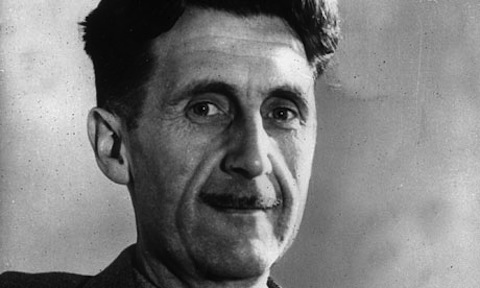
George Orwell Explains in a Revealing 1944 Letter Why He’d Write 1984

via Wikimedia Commons

Image via Wiki­me­dia Com­mons

Most of the twen­ti­eth cen­tu­ry’s notable men of let­ters — i.e., writ­ers of books, of essays, of reportage — seem also to have, lit­er­al­ly, writ­ten a great deal of let­ters. Some­times their cor­re­spon­dence reflects and shapes their “real” writ­ten work; some­times it appears col­lect­ed in book form itself. Both hold true in the case of George Orwell, a vol­ume of whose let­ters, edit­ed by Peter Davi­son, came out last year. In it we find this mis­sive, also pub­lished in full at The Dai­ly Beast, sent in 1944 to one Noel Will­mett, who had asked “whether total­i­tar­i­an­ism, leader-wor­ship etc. are real­ly on the up-grade” giv­en “that they are not appar­ent­ly grow­ing in [Eng­land] and the USA”:

I must say I believe, or fear, that tak­ing the world as a whole these things are on the increase. Hitler, no doubt, will soon dis­ap­pear, but only at the expense of strength­en­ing (a) Stal­in, (b) the Anglo-Amer­i­can mil­lion­aires and © all sorts of pet­ty fuhrers of the type of de Gaulle. All the nation­al move­ments every­where, even those that orig­i­nate in resis­tance to Ger­man dom­i­na­tion, seem to take non-demo­c­ra­t­ic forms, to group them­selves round some super­hu­man fuhrer (Hitler, Stal­in, Salazar, Fran­co, Gand­hi, De Valera are all vary­ing exam­ples) and to adopt the the­o­ry that the end jus­ti­fies the means. Every­where the world move­ment seems to be in the direc­tion of cen­tralised economies which can be made to ‘work’ in an eco­nom­ic sense but which are not demo­c­ra­t­i­cal­ly organ­ised and which tend to estab­lish a caste sys­tem. With this go the hor­rors of emo­tion­al nation­al­ism and a ten­den­cy to dis­be­lieve in the exis­tence of objec­tive truth because all the facts have to fit in with the words and prophe­cies of some infal­li­ble fuhrer. Already his­to­ry has in a sense ceased to exist, ie. there is no such thing as a his­to­ry of our own times which could be uni­ver­sal­ly accept­ed, and the exact sci­ences are endan­gered as soon as mil­i­tary neces­si­ty ceas­es to keep peo­ple up to the mark. Hitler can say that the Jews start­ed the war, and if he sur­vives that will become offi­cial his­to­ry. He can’t say that two and two are five, because for the pur­pos­es of, say, bal­lis­tics they have to make four. But if the sort of world that I am afraid of arrives, a world of two or three great super­states which are unable to con­quer one anoth­er, two and two could become five if the fuhrer wished it. That, so far as I can see, is the direc­tion in which we are actu­al­ly mov­ing, though, of course, the process is reversible.

As to the com­par­a­tive immu­ni­ty of Britain and the USA. What­ev­er the paci­fists etc. may say, we have not gone total­i­tar­i­an yet and this is a very hope­ful symp­tom. I believe very deeply, as I explained in my book The Lion and the Uni­corn, in the Eng­lish peo­ple and in their capac­i­ty to cen­tralise their econ­o­my with­out destroy­ing free­dom in doing so. But one must remem­ber that Britain and the USA haven’t been real­ly tried, they haven’t known defeat or severe suf­fer­ing, and there are some bad symp­toms to bal­ance the good ones. To begin with there is the gen­er­al indif­fer­ence to the decay of democ­ra­cy. Do you realise, for instance, that no one in Eng­land under 26 now has a vote and that so far as one can see the great mass of peo­ple of that age don’t give a damn for this? Sec­ond­ly there is the fact that the intel­lec­tu­als are more total­i­tar­i­an in out­look than the com­mon peo­ple. On the whole the Eng­lish intel­li­gentsia have opposed Hitler, but only at the price of accept­ing Stal­in. Most of them are per­fect­ly ready for dic­ta­to­r­i­al meth­ods, secret police, sys­tem­at­ic fal­si­fi­ca­tion of his­to­ry etc. so long as they feel that it is on ‘our’ side. Indeed the state­ment that we haven’t a Fas­cist move­ment in Eng­land large­ly means that the young, at this moment, look for their fuhrer else­where. One can’t be sure that that won’t change, nor can one be sure that the com­mon peo­ple won’t think ten years hence as the intel­lec­tu­als do now. I hope they won’t, I even trust they won’t, but if so it will be at the cost of a strug­gle. If one sim­ply pro­claims that all is for the best and doesn’t point to the sin­is­ter symp­toms, one is mere­ly help­ing to bring total­i­tar­i­an­ism near­er.

You also ask, if I think the world ten­den­cy is towards Fas­cism, why do I sup­port the war. It is a choice of evils—I fan­cy near­ly every war is that. I know enough of British impe­ri­al­ism not to like it, but I would sup­port it against Nazism or Japan­ese impe­ri­al­ism, as the less­er evil. Sim­i­lar­ly I would sup­port the USSR against Ger­many because I think the USSR can­not alto­geth­er escape its past and retains enough of the orig­i­nal ideas of the Rev­o­lu­tion to make it a more hope­ful phe­nom­e­non than Nazi Ger­many. I think, and have thought ever since the war began, in 1936 or there­abouts, that our cause is the bet­ter, but we have to keep on mak­ing it the bet­ter, which involves con­stant crit­i­cism.

Yours sin­cere­ly,
Geo. Orwell

Three years lat­er, Orwell would write 1984. Two years after that, it would see pub­li­ca­tion and go on to gen­er­a­tions of atten­tion as per­haps the most elo­quent fic­tion­al state­ment against a world reduced to super­states, sat­u­rat­ed with “emo­tion­al nation­al­ism,” acqui­es­cent to “dic­ta­to­r­i­al meth­ods, secret police,” and the sys­tem­at­ic fal­si­fi­ca­tion of his­to­ry,” and shot through by the will­ing­ness to “dis­be­lieve in the exis­tence of objec­tive truth because all the facts have to fit in with the words and prophe­cies of some infal­li­ble fuhrer.” Now that you feel like read­ing the nov­el again, or even for the first time, do browse our col­lec­tion of 1984-relat­ed resources, which includes the eBook, the audio book, reviews, and even radio dra­ma and com­ic book adap­ta­tions of Orwell’s work.

If you would like to sign up for Open Culture’s free email newslet­ter, please find it here. It’s a great way to see our new posts, all bun­dled in one email, each day.

If you would like to sup­port the mis­sion of Open Cul­ture, con­sid­er mak­ing a dona­tion to our site. It’s hard to rely 100% on ads, and your con­tri­bu­tions will help us con­tin­ue pro­vid­ing the best free cul­tur­al and edu­ca­tion­al mate­ri­als to learn­ers every­where. You can con­tribute through Pay­Pal, Patre­on, and Ven­mo (@openculture). Thanks!

Relat­ed Con­tent:

An Ani­mat­ed Intro­duc­tion to George Orwell

The Only Known Footage of George Orwell (Cir­ca 1921)

George Orwell and Dou­glas Adams Explain How to Make a Prop­er Cup of Tea

George Orwell’s Polit­i­cal Views, Explained in His Own Words

Col­in Mar­shall hosts and pro­duces Note­book on Cities and Cul­ture and writes essays on cities, Asia, film, lit­er­a­ture, and aes­thet­ics. He’s at work on a book about Los Ange­les, A Los Ange­les Primer. Fol­low him on Twit­ter at @colinmarshall or on his brand new Face­book page.

100 Years of Rock in Less Than a Minute: From Gospel to Grunge

Click the image above and you’ll enter an interactive/moving graph­ic that gives you a fair­ly nice geneal­o­gy of rock n roll and the many forms of music it lat­er spawned. The graph­ic starts you with the blues, appalachi­an folk, and blue­grass. Even­tu­al­ly you hit the 1950s and the advent of rock. Then you keep trav­el­ing through time, reach­ing the hard rock, glam rock and punk of the 70s; the pow­er met­al and emerg­ing grunge of the 80s; the post met­al and neo folk of the 90s; and beyond. At any point, you can click the pause but­ton, click on the name of a par­tic­u­lar musi­cal genre (eg Gotha­bil­ly), and hear a sam­ple of the music. When you’re done, you might want to check out some of the relat­ed items below:

A His­to­ry of Rock ‘n’ Roll in 100 Riffs

The Evo­lu­tion of the Rock Gui­tar Solo: 28 Solos, Span­ning 50 Years, Played in 6 Fun Min­utes

The His­to­ry of Music Told in Sev­en Rapid­ly Illus­trat­ed Min­utes

The Sto­ry of the Gui­tar: The Com­plete Three-Part Doc­u­men­tary

via Digg

Don’t miss any­thing from Open Cul­ture. Sign up for our Dai­ly Email or RSS Feed. And we’ll send cul­tur­al curiosi­ties your way, every day.

by | Permalink | Make a Comment ( 3 ) |

« Go BackMore in this category... »
Quantcast