If you’ve seen ChristoÂpher Nolan’s new OppenÂheimer film, you may want to turn your attenÂtion to anothÂer film, the 1965 docÂuÂmenÂtary called OppenÂheimer: The DeciÂsion to Drop the Bomb. With it, you can hear directÂly from J. Robert OppenÂheimer and othÂer archiÂtects of the first atomÂic bomb. Released on NBC News’ offiÂcial YouTube chanÂnel, the film capÂtures their reflecÂtions two decades after the bombÂing of HiroshiÂma and NagasaÂki. It also feaÂtures a coda by presÂiÂdenÂtial hisÂtoÂriÂan Michael Beschloss. As one YouTube comÂmenter put it, “This is someÂthing everyÂone should see. I was totalÂly engrossed and capÂtiÂvatÂed. HisÂtoÂry brought to life by the very peoÂple that were involved. Thank you NBC archives.” You can watch it above…
If you would like to sign up for Open Culture’s free email newsletÂter, please find it here. It’s a great way to see our new posts, all bunÂdled in one email, each day.
If you would like to supÂport the misÂsion of Open CulÂture, conÂsidÂer makÂing a donaÂtion to our site. It’s hard to rely 100% on ads, and your conÂtriÂbuÂtions will help us conÂtinÂue proÂvidÂing the best free culÂturÂal and eduÂcaÂtionÂal mateÂriÂals to learnÂers everyÂwhere. You can conÂtribute through PayÂPal, PatreÂon, and VenÂmo (@openculture). Thanks!
How’s this for fusion? Here we have The Sachal StuÂdios OrchesÂtra, based in Lahore, PakÂistan, playÂing an innoÂvÂaÂtive covÂer of “Take Five,” the jazz stanÂdard writÂten by Paul Desmond and perÂformed by The Dave Brubeck QuarÂtet in 1959. (Watch them perÂform it here.) Before he died in 2012, Brubeck called it the “most interÂestÂing” verÂsion he had ever heard. Once you watch the perÂforÂmance above, you’ll know why.
AccordÂing to The Guardian, The Sachal StuÂdios OrchesÂtra was creÂatÂed by Izzat Majeed, a philÂanÂthropist based in LonÂdon. When PakÂistan fell under the dicÂtaÂtorÂship of GenÂerÂal Zia-ul-Haq durÂing the 1980s, Pakistan’s clasÂsiÂcal music scene fell on hard times. Many musiÂcians were forced into proÂfesÂsions they had nevÂer imagÂined — sellÂing clothes, elecÂtriÂcal parts, vegÂetaÂbles, etc. WhatÂevÂer was necÂesÂsary to get by. Today, many of these musiÂcians have come togethÂer in a 60-perÂson orchesÂtra that plays in a state-of-the-art stuÂdio, designed partÂly by Abbey Road sound engiÂneers.
In 1880, archiÂtect Thomas W. CutÂler endeavÂored to introÂduce his felÂlow Brits to JapanÂese art and design, a subÂject that remained novÂel for many WestÂernÂers of the time, givÂen how recentÂly the TokuÂgawa shoguÂnate had “kept themÂselves aloof from all forÂeign interÂcourse, and their counÂtry jealÂousÂly closed against strangers.”
HavÂing writÂten posÂiÂtiveÂly of China’s influÂence on JapanÂese artists, CutÂler hoped that access to WestÂern art would not prove a corÂruptÂing facÂtor:
The fear that a basÂtard art of a very debased kind may arise in Japan, is not withÂout foundation…The EuroÂpean artist, who will study the decÂoÂraÂtive art of Japan careÂfulÂly and revÂerÂentÂly, will not be in any haste to disÂturb, still less to uproot, the thought and feelÂing from which it has sprung; it is perÂhaps the ripest and richÂest fruit of a tree culÂtiÂvatÂed for many ages with the utmost solicÂiÂtude and skill, under conÂdiÂtions of sociÂety pecuÂliarÂly favorÂable to its growth.
HavÂing nevÂer visÂitÂed Japan himÂself, CutÂler relied on preÂviÂousÂly pubÂlished works, as well as numerÂous friends who were able to furÂnish him with “reliÂable inforÂmaÂtion upon many subÂjects,” givÂen their “long resÂiÂdence in the counÂtry.”
That said, CutÂler emerges as a robust admirÂer of Japan’s paintÂing, lacÂquerÂware, ceramÂics, calÂligÂraÂphy, texÂtiles, metÂalÂwork, enamÂelÂwork and netÂsuke carvÂings, the latÂter of which are “are often marÂvelous in their humor, detail, and even digÂniÂty.”
Only Japan’s woodÂen archiÂtecÂture, which he conÂfiÂdentÂly pooh poohed as litÂtle more than “artisÂtic carÂpenÂtry, decÂoÂraÂtion, and garÂdenÂing”, clevÂerÂly designed to withÂstand earthÂquakes, get shown less respect.
Cutler’s renÂderÂings of JapanÂese design motifs, underÂtakÂen in his free time, are the lastÂing legaÂcy of his book, parÂticÂuÂlarÂly for those on the prowl for copyÂright-free graphÂics.
CutÂler observed that the “most charÂacÂterÂisÂtic” eleÂment of JapanÂese decÂoÂraÂtion was its close ties to the natÂurÂal world, adding that unlike WestÂern designÂers, a JapanÂese artist “would throw his design a litÂtle out of the cenÂter, and clevÂerÂly balÂance the comÂpoÂsiÂtion by a butÂterÂfly, a leaf, or even a spot of colÂor.”
The below plant studÂies are drawn from the work of the great ukiyo‑e masÂter HokuÂsai, a “man of the peoÂple” who ushÂered in a periÂod of “vitalÂiÂty and freshÂness” in JapanÂese art.
A samÂpler of curved lines made with sinÂgle brush strokes can be used to creÂate clouds or the intriÂcate scrollÂwork that inspired WestÂern artists and designÂers of the AesÂthetÂic MoveÂment.
We think of the atomÂic bomb as a destroyÂer of cities, nameÂly HiroshiÂma and NagasaÂki. But its develÂopÂment also proÂduced a city: Los AlamÂos, New MexÂiÂco, an offiÂcialÂly non-exisÂtent comÂmuÂniÂty in which the necÂesÂsary research could be conÂductÂed in secret. More recentÂly, it became a major shootÂing locaÂtion for OppenÂheimer, ChristoÂpher Nolan’s new movie about the titÂuÂlar theÂoÂretÂiÂcal physiÂcist rememÂbered as the father (or one of the fathers) of the atomÂic bomb based on his work as the direcÂtor of the Los AlamÂos LabÂoÂraÂtoÂry. You can learn more about that labÂoÂraÂtoÂry, and the town of 6,000 conÂstructÂed to supÂport it, in the new Vox video above.
Los AlamÂos was necÂesÂsary to the ManÂhatÂtan Project, as the R&D of the world’s first nuclear weapon was code-named, but it wasÂn’t sufÂfiÂcient: othÂer secret sites involved includÂed “a nuclear reacÂtor under a UniÂverÂsiÂty of ChicaÂgo footÂball field”; “the AlabaÂma OrdiÂnance Works, for proÂducÂing heavy water”; “a large plant for the enrichÂment of uraÂniÂum and proÂducÂtion of some pluÂtoÂniÂum” in Oak Ridge, TenÂnessee”; and the HanÂford EngiÂneer Works in WashÂingÂton State, which proÂduced even more pluÂtoÂniÂum.
But the bomb itself was creÂatÂed in Los AlamÂos, into whose isoÂlaÂtion OppenÂheimer recruitÂed the likes of EnriÂco FerÂmi, Edward Teller, Richard FeynÂman, and othÂer powÂerÂful sciÂenÂtifÂic minds — who brought their wives and chilÂdren along.
As a 1944 MedÂical Corp memo warned, the “intelÂlecÂtuÂals” at Los AlamÂos would “seek more medÂical care than the averÂage perÂson”; at the same time, one-fifth of the marÂried women there were pregÂnant, so up went materÂniÂty wards as well. The popÂuÂlaÂtion of Los AlamÂos grew so rapidÂly that “hutÂments were a comÂmon form of accomÂmoÂdaÂtion,” though “apartÂment buildÂings were also availÂable.” The housÂing sat alongÂside “facilÂiÂties for graphite fabÂriÂcaÂtion, and the cyclotron and Van de Graaff machines.” Less than 250 miles south lay what, in the sumÂmer of 1945, would become the site of the TrinÂiÂty test. It was there, gazÂing upon the exploÂsion of the unpreceÂdentÂed nuclear weapon whose develÂopÂment he’d overÂseen, that OppenÂheimer saw not mereÂly a destroyÂer of cities, but a destroyÂer of worlds.
Based in Seoul, ColÂin Marshall writes and broadÂcasts on cities, lanÂguage, and culÂture. His projects include the SubÂstack newsletÂterBooks on Cities, the book The StateÂless City: a Walk through 21st-CenÂtuÂry Los AngeÂles and the video series The City in CinÂeÂma. FolÂlow him on TwitÂter at @colinmarshall or on FaceÂbook.
At the cenÂter of IndiÂana Jones and the Dial of DesÂtiny is a device quite like the real ancient Greek artiÂfact known as the Antikythera mechÂaÂnism, which has been called the world’s oldÂest comÂputÂer. “Every IndiÂana Jones advenÂture needs an exotÂic MacGufÂfin,” writes Smithsonian.com’s Meilan SolÂly, and in this latÂest and preÂsumÂably last installÂment in its series, “the hero chasÂes after the Archimedes Dial, a ficÂtionÂalÂized verÂsion of the Antikythera mechÂaÂnism that preÂdicts the locaÂtion of natÂuÂralÂly occurÂring fisÂsures in time.” After underÂgoÂing IndiÂana JoneÂsiÂfiÂcaÂtion, in othÂer words, the Antikythera mechÂaÂnism becomes a time machine, a funcÂtion preÂsumÂably not includÂed in even the least responÂsiÂble archaeÂoÂlogÂiÂcal specÂuÂlaÂtions about its still-unclear set of funcÂtions.
But accordÂing to Jo Marchant, author of DecodÂing the HeavÂens: SolvÂing the MysÂtery of the World’s First ComÂputÂer, the Antikythera mechÂaÂnism realÂly is “a time machine in a sense. When you turn the hanÂdle on the side, you are movÂing backÂward in time, you’re conÂtrolÂling time. You’re seeÂing the uniÂverse either being fast-forÂwardÂed or reversed, and you’re choosÂing the speed and can set it to any moment in hisÂtoÂry that you want.”
She refers to the fact that a hanÂdle on the side of the mechÂaÂnism conÂtrols gears withÂin it, which engage to comÂpute and disÂplay “the posiÂtions of celesÂtial bodÂies, the date, the timÂing of athÂletÂic games. There’s a calÂenÂdar, there’s an eclipse preÂdicÂtion dial, and there are inscripÂtions givÂing you inforÂmaÂtion about what the stars are doing.”
It seems that the Antikythera mechÂaÂnism could tell you “everyÂthing you need to know about the state and workÂings of the cosÂmos,” at least if you’re an ancient Greek. But it also tells us someÂthing imporÂtant about the ancient Greeks themÂselves: specifÂiÂcalÂly, that they’d develÂoped much more sophisÂtiÂcatÂed mechanÂiÂcal engiÂneerÂing than we’d known before the earÂly twenÂtiÂeth cenÂtuÂry, when the device was disÂcovÂered in a shipÂwreck. AccordÂing to the BBC video above on the details of the Antikythera mechÂaÂnisÂm’s known capaÂbilÂiÂties, Arthur C. Clarke thought that “if the ancient Greeks had underÂstood the capaÂbilÂiÂties of the techÂnolÂoÂgy, then they would have reached the moon withÂin 300 years.” A grand old civÂiÂlizaÂtion that turns out to have been on a course for outÂer space: now there’s a viable premise for the next big archiÂtecÂturÂal advenÂture film franÂchise.
Based in Seoul, ColÂin Marshall writes and broadÂcasts on cities, lanÂguage, and culÂture. His projects include the SubÂstack newsletÂterBooks on Cities, the book The StateÂless City: a Walk through 21st-CenÂtuÂry Los AngeÂles and the video series The City in CinÂeÂma. FolÂlow him on TwitÂter at @colinmarshall or on FaceÂbook.
In the age of fast fashÂion, when planned obsoÂlesÂcence, cheap mateÂriÂals, and shodÂdy conÂstrucÂtion have become the norm, how starÂtling to encounter a stylÂish women’s boot that’s truÂly built to last…
…like, for 2300 years.
It helps to have landÂed in a ScythiÂan burÂial mound in Siberia’s Altai MounÂtains, where the above boot was disÂcovÂered along with a numÂber of nomadic afterÂlife essentials—jewelry, food, weapons, and clothÂing.
These artiÂfacts (and their mumÂmiÂfied ownÂers) were well preÂserved thanks to perÂmafrost and the painstakÂing attenÂtion the ScythiÂans paid to their dead.
As curaÂtors at the British MuseÂum wrote in advance of the 2017 exhiÂbiÂtion ScythiÂans: WarÂriors of Ancient Siberia:
Nomads do not leave many traces, but when the ScythiÂans buried their dead they took care to equip the corpse with the essenÂtials they thought they needÂed for the perÂpetÂuÂal rides of the afterÂlife. They usuÂalÂly dug a deep hole and built a woodÂen strucÂture at the botÂtom. For imporÂtant peoÂple these resemÂbled log cabÂins that were lined and floored with dark felt – the roofs were covÂered with layÂers of larch, birch bark and moss. WithÂin the tomb chamÂber, the body was placed in a log trunk cofÂfin, accomÂpaÂnied by some of their prized posÂsesÂsions and othÂer objects. OutÂside the tomb chamÂber but still inside the grave shaft, they placed slaughÂtered horsÂes, facÂing east.
18th-cenÂtuÂry waterÂcolÂor illusÂtraÂtion of a ScythiÂan burÂial mound. Archive of the InstiÂtute of ArchaeÂolÂoÂgy of the RussÂian AcadÂeÂmy of SciÂences, St PetersÂburg
The red cloth-wrapped leather bootie, now part of the State HerÂmitage MuseÂum’s colÂlecÂtion, is a stunÂner, trimmed in tin, pyrite crysÂtals, gold foil and glass beads secured with sinew. FanÂciÂful shapes—ducklings, maybe?—decorate the seams. But the true mindÂblowÂer is the remarkÂable conÂdiÂtion of its sole.
Become betÂter acquaintÂed with ScythiÂan boots by makÂing a pair, as ancient PerÂsian empire reenÂacÂtor Dan D’Silva did, docÂuÂmentÂing the process in a 3‑part series on his blog. How you bedazÂzle the soles is up to you.
Note: An earÂliÂer verÂsion of this post appeared on our site in 2020.
If you would like to sign up for Open Culture’s free email newsletÂter, please find it here. It’s a great way to see our new posts, all bunÂdled in one email, each day.
If you would like to supÂport the misÂsion of Open CulÂture, conÂsidÂer makÂing a donaÂtion to our site. It’s hard to rely 100% on ads, and your conÂtriÂbuÂtions will help us conÂtinÂue proÂvidÂing the best free culÂturÂal and eduÂcaÂtionÂal mateÂriÂals to learnÂers everyÂwhere. You can conÂtribute through PayÂPal, PatreÂon, and VenÂmo (@openculture). Thanks!
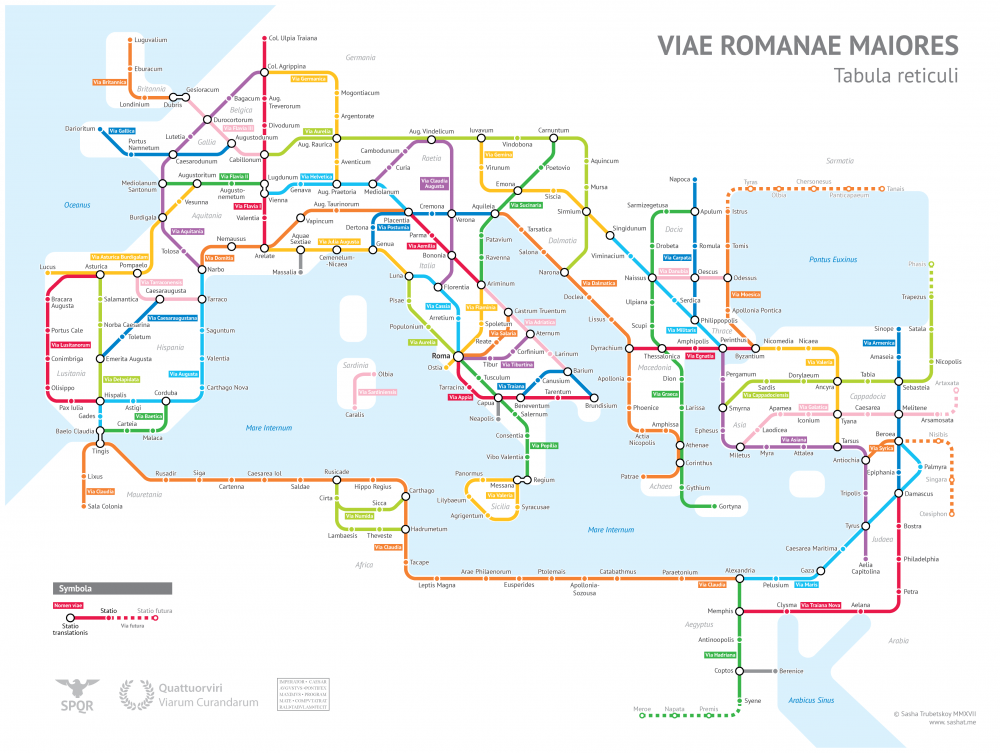
“If you want to underÂstand ancient Rome, its archiÂtecÂture, its hisÂtoÂry, the sprawl of the Roman Empire, you’ve got to go Rome.” So says archaeÂolÂoÂgist DarÂius Arya in the video above, makÂing a fair, if obviÂous, point. “But you also have to go to the VesuÂvian cities”: that is, the setÂtleÂments locatÂed near the volÂcano Mount VesuÂvius on the Gulf of Naples. “You have to go to HerÂcuÂlaÂneum. You must go to PomÂpeii. Not just because they’re famous, but because of the levÂel of preserÂvaÂtion.” This preserÂvaÂtion was a side effect of the exploÂsion of VesuÂvius in 79 AD, which destroyed all life in HerÂcuÂlaÂneum and PomÂpeii, but also kept the basic strucÂtures of both cities intact; visÂitÂing either one today allows us to “get immersed in the world of the Romans.”
He does so with high-resÂoÂluÂtion travÂel footage, but also with his explaÂnaÂtions of the city’s archiÂtecÂture and urban planÂning, breakÂing down the details of everyÂthing from its grand Forum (“anticÂiÂpatÂing modÂern pracÂtice by almost 2,000 years” as a “pedesÂtriÂan-only precinct”) to its comÂplexÂes of baths, to its therÂmopoÂlia (“essenÂtialÂly ancient fast-food restauÂrants”). Even more revealÂing are its humÂbler feaÂtures, such as the stepÂping-stones across streets that allowed citÂiÂzens to avoid “the rainÂwaÂter, sewage, and aniÂmal waste that would accuÂmuÂlate there.”
“Almost every buildÂing in PomÂpeii has inteÂriÂor wall paintÂings, from priÂvate resÂiÂdences to pubÂlic spaces such as baths and marÂkets,” says BraÂvo, and these omnipresent works of art “offer valuÂable insights into the everyÂday life and culÂturÂal valÂues of ancient Roman sociÂety.” (And indeed, they’re still offerÂing new ones: just last month, a redisÂcovÂered PomÂpeiÂian fresÂco showed the world an ancient preÂcurÂsor to pizÂza.) They also eviÂdence the surÂprisÂing popÂuÂlarÂiÂty of trompe-l’œil, where artists creÂate the illuÂsion of walls conÂstructÂed from solÂid marÂble, or even lush outÂdoor spaces. Even the already-grand Domus Romana, the form of housÂing of choice for affluÂent PomÂpeiÂians, incorÂpoÂratÂed paintÂings to look grander still. Even once you make it, as the ancients clearÂly knew, you’ve still got to fake it.
Based in Seoul, ColÂin Marshall writes and broadÂcasts on cities, lanÂguage, and culÂture. His projects include the SubÂstack newsletÂterBooks on Cities, the book The StateÂless City: a Walk through 21st-CenÂtuÂry Los AngeÂles and the video series The City in CinÂeÂma. FolÂlow him on TwitÂter at @colinmarshall or on FaceÂbook.
A lessÂer adverÂtised joy of workÂing in food serÂvice is achievÂing comÂmand of the slang:
MonÂkey dish…
Deuces and four tops…
Fire, flash, kill…
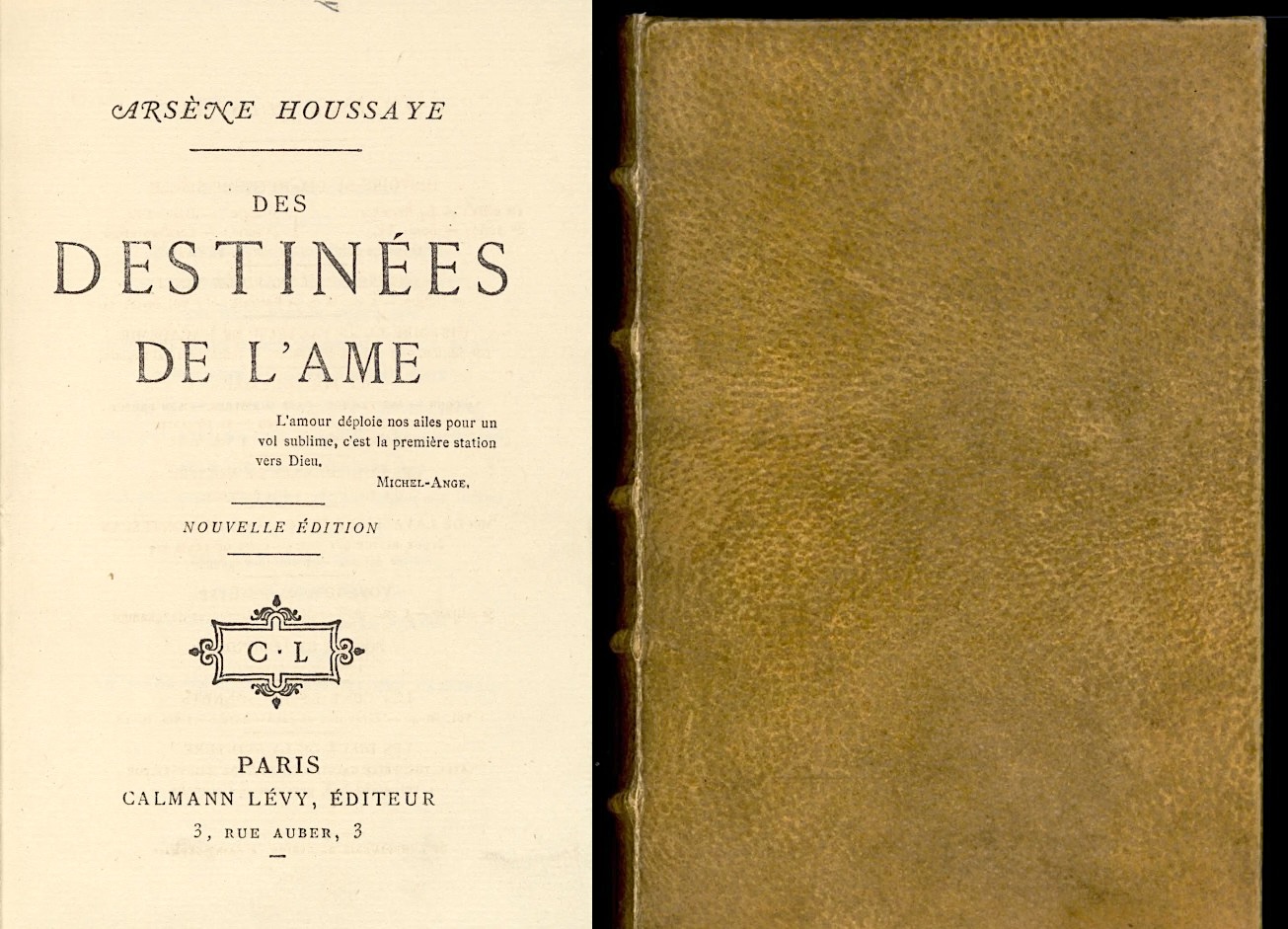
As you may have noticed, we here at Open CulÂture have an insaÂtiable hunger for vinÂtage linÂgo and it doesn’t get much more vinÂtage than The Boke of KervynÂge (The Book of CarvÂing).
This 1508 manÂuÂal was pubÂlished for the benÂeÂfit of young nobleÂmen who’d been placed in affluÂent houseÂholds, to learn the ropes of high sociÂety by servÂing the sovÂerÂeigns.
Few famÂiÂlies could afford to serve meat, let alone whole aniÂmals, so underÂstandÂably, the preÂsenÂtaÂtion and carvÂing of these preÂcious entrees was not a thing to be underÂtakÂen lightÂly.
The influÂenÂtial LonÂdon-based pubÂlishÂer Wynkyn de Worde comÂpiled step-by-step instrucÂtions for getÂting difÂferÂent types of meat, game and fish from kitchen to plate, as well as what to serve on seaÂsonÂal menus and speÂcial occaÂsions like EastÂer and the Feast of St. John the BapÂtist.
The book opens with the list of “goodÂly terÂmes” above, essenÂtial vocab for any young man eager to prove his skills around the carÂcass of a deer, goose, or lobÂster.
There’s nothÂing here for vegÂeÂtarÂiÂans, obviÂousÂly. And some 21st-cenÂtuÂry carÂniÂvores may find themÂselves blanchÂing a bit at the thought of tearÂing into a heron or porÂpoise.
If, howÂevÂer, you’re a medieval lad tasked with “disÂfigÂurÂing” a peaÂcock, closeÂly observed by an entire dinÂing table of la crème de la crème, The Boke of KervynÂgeis a lifeÂsaver.
(It also conÂtains some invaluÂable tips for meetÂing expecÂtaÂtions should you find yourÂself in the posiÂtion of chaumÂberÂlayne, MarÂshall or ushÂer.)
In any event, let’s spice up our vocabÂuÂlary while resÂcuÂing some aged culiÂnary terms from obscuÂriÂty.
Don’t be surÂprised if they work their way into an episode of The Bear next seaÂson, though you should also feel free to use them metaphorÂiÂcalÂly.
And don’t lose heart if some of the terms are a bit befudÂdling to modÂern ears. Lists of Note’s Shaun UshÂer has takÂen a stab at trufÂfling up some modÂern transÂlaÂtions for a few of the less familÂiar soundÂing words, wiseÂly refrainÂing from hazÂardÂing a guess as to the meanÂing of “fruche that chekyn”.
(It’s not the “chekyn” part givÂing us pause…)
TerÂmes of a keruer —Terms of a carvÂer
Breke that dere — break that deer
lesche y brawne — leach the brawn
rere that goose — rear that goose
lyft that swanne — lift that swan
sauce that capon — sauce that capon
spoyle that henne — spoil that hen
fruche that chekyn — ? that chickÂen
vnbrace that malarde — unbrace that malÂlard
vnlace that cony — unlace that coney
dysÂmemÂbre that heron — disÂmemÂber that heron
dysÂplaye that crane — disÂplay that crane
dysÂfygure that pecocke —disÂfigÂure that peaÂcock
vnioynt that bytÂture — unjoint that bitÂtern
vntache that curlewe — untack that curlew
alaye that fesande — allay that pheasÂant
wynÂge that partryche — wing that parÂtridge
wynÂge that quayle — wing that quail
mynce that plouer — mince that plover
thye that pegyÂon — thigh that pigeon
borÂder that pasty — borÂder that pasty
thye all manÂer of small byrdes — thigh all manÂner of small birds
tymÂbre that fyre — timÂber that fire
tyere that egge — tear that egg
chyne that samon — chinethat salmon
strynÂge that lamÂpraye — string that lamÂprey
splatÂte that pyke — splat that pike
sauce that playce — sauce that plaice
sauce that tenche — sauce that tench
splaye that breme — splay that bream
syde that hadÂdocke — side that hadÂdock
tuske that barÂbell — tusk that barÂbel
culpon that troute — culponthat trout
fynne that cheuen — fin that cheven
trassene that ele — ? that eel
traunche that sturÂgyÂon — tranchethat sturÂgeon
vnderÂtraunche yt purÂpos — underÂtranch that porÂpoise
We're hoping to rely on loyal readers, rather than erratic ads. Please click the Donate button and support Open Culture. You can use Paypal, Venmo, Patreon, even Crypto! We thank you!
Open Culture scours the web for the best educational media. We find the free courses and audio books you need, the language lessons & educational videos you want, and plenty of enlightenment in between.