Paul McCartney Turns a Spry 70 Today, Thanks to Meditation, a Vegetarian Diet and Three Hour Gigs

Paul McCart­ney turns 70 today, and he’s look­ing a whole lot more spry than some of his con­tem­po­raries. (Hel­lo Kei­th Richards!) What’s the key to his longevi­ty? It starts with putting on three hour shows. He recent­ly told one news­pa­per, “I’ve been hav­ing car­dio-vas­cu­lar exer­cise for years but it’s on stage. I can’t believe I do a three-hour show with­out tak­ing a breath.”

You could also trace his dura­bil­i­ty back to lifestyle choic­es made in the 1960s. Above, McCart­ney explains to David Lynch how he took up tran­scen­den­tal med­i­ta­tion when the Bea­t­les met Mahar­ishi Mahesh Yogi through George Har­ri­son and his wife in 1967. Famous­ly, The Bea­t­les trav­eled to India in ’68 to study TM at the Mahar­ishi’s ashram. The trip did­n’t go well, but McCart­ney stuck with the med­i­ta­tion. Below, we also give you McCart­ney extolling the virtues of a veg­e­tar­i­an diet, some­thing he took up decades ago. The clip comes from a longer video he shot for PETA, a non-prof­it he has sup­port­ed for years..

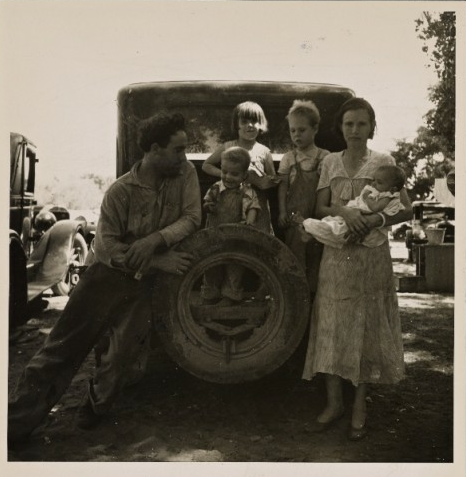
Found: Lost Great Depression Photos Capturing Hard Times on Farms, and in Town

Dur­ing the Great Depres­sion, the Farm Secu­ri­ty Admin­is­tra­tion took on the task of “intro­duc­ing Amer­i­ca to Amer­i­cans” through pho­tog­ra­phy. The FSA hired Dorothea Lange, Walk­er Evans, Gor­don Parks and oth­er artists to cap­ture images of ordi­nary Amer­i­cans, specif­i­cal­ly poor farm­ers.

Some of the images are now icon­ic, notably Lange’s image of a des­ti­tute migrant moth­er of sev­en. That image and most oth­ers are cat­a­loged in the col­lec­tions of the Library of Con­gress, but some lan­guished and were for­got­ten. Oth­ers end­ed up in gen­er­al cir­cu­la­tion, so that, in the­o­ry, any­one with a library card could check out an orig­i­nal print.

Recent­ly a pho­tog­ra­phy cura­tor with the New York Pub­lic Library tracked down the miss­ing images—some 1,000 of them—and cre­at­ed a spe­cial online archive where they can final­ly be seen.

Many depict rur­al life: A 91-year-old woman sits in front of her North Car­oli­na cab­in. A work­er takes a break from carv­ing a dirt road into the New Mex­i­co land­scape. A black man in black face pre­pares to per­form in a trav­el­ing med­i­cine show. The chil­dren of migrant fruit pick­ers in Michi­gan sit for­lorn­ly on a truck.

But not all the pho­tographs doc­u­ment the plight of rur­al Amer­i­ca. Some of the col­lec­tion’s most pow­er­ful images are of Amer­i­cans strug­gling in cities. Here two young girls play out­side in a Bal­ti­more slum. Three peo­ple sit out­doors on a Sun­day in New Orleans. And then we cap­ture a scene on the Low­er East Side of New York City.

Not sur­pris­ing­ly Dorothea Lange’s work is among the strongest in this col­lec­tion. One of the most pow­er­ful images comes sev­er­al pages into her work’s archive, so be sure to click through. The sto­ry behind “From Texas ten­ant farmer to Cal­i­for­nia fruit tramp” (the first image above) sums up the era: “1927 made $7000 in cot­ton. 1928 broke even. 1929 went in the hole. 1930 went in still deep­er. 1931 lost every­thing. 1932 hit the road.”

Kate Rix is an Oak­land-based writer. See more of her work at .

This is Coffee!: A 1961 Tribute to Our Favorite Stimulant

Water. Cof­fee. Time. It’s those three spe­cial ingre­di­ents that went into mak­ing the tra­di­tion­al cup of Amer­i­can cof­fee. In case you missed that, let me remind you: It’s water, cof­fee, and time. Don Drap­er had noth­ing to do with this 13-minute, nos­tal­gia-induc­ing infomer­cial from 1961. Rather, it’s the work of the Cof­fee Brew­ing Insti­tute, which turned the art of mak­ing cof­fee into a dis­mal sci­ence — that is, until glo­ri­ous Peet’s came around. This clip per­ma­nent­ly resides in the Prelinger Archive, and comes to us via The Atlantic.

If you would like to sign up for Open Culture’s free email newslet­ter, please find it here. It’s a great way to see our new posts, all bun­dled in one email, each day.

If you would like to sup­port the mis­sion of Open Cul­ture, con­sid­er mak­ing a dona­tion to our site. It’s hard to rely 100% on ads, and your con­tri­bu­tions will help us con­tin­ue pro­vid­ing the best free cul­tur­al and edu­ca­tion­al mate­ri­als to learn­ers every­where. You can con­tribute through Pay­Pal, Patre­on, and Ven­mo (@openculture). Thanks!

Relat­ed Con­tent:

Every­thing You Want­ed to Know About Cof­fee in Three Min­utes

Jim Henson’s Vio­lent Wilkins Cof­fee Com­mer­cials (1957–1961)

A Rol­lick­ing French Ani­ma­tion on the Per­ils of Drink­ing a Lit­tle Too Much Cof­fee

by | Permalink | Make a Comment ( 5 ) |

Entitled Opinions, the “Life and Literature” Podcast That Refuses to Dumb Things Down

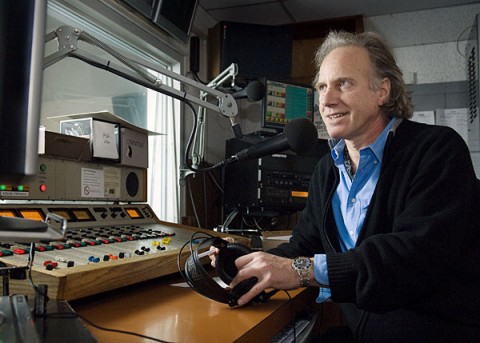
Proust. Mimet­ic desire. The infla­tion­ary uni­verse. 1910, Amer­i­can writ­ers in Paris. The his­to­ry of the book. These top­ics may sound unusu­al enough to pique your inter­est. They may float through your mind once in a while, cap­tur­ing an hour or two of your curios­i­ty. They may peri­od­i­cal­ly send you to the library on read­ing binges. But for KZSU-FM’s Enti­tled Opin­ions, they are meat and drink. Since 2005, pro­fes­sor-broad­cast­er Robert Har­ri­son has explored these top­ics and many more besides in the intel­lec­tu­al­ly expan­sive long-form con­ver­sa­tions he con­ducts on Stan­ford Uni­ver­si­ty’s radio sta­tion. Always begin­ning with a mono­logue, Har­ri­son spends the bulk of his broad­casts think­ing aloud about these rich top­ics with philoso­phers like Richard Rorty, nov­el­ists like Orhan Pamuk, many a fel­low aca­d­e­m­ic, lis­ten­ers, and his own broth­er. (Some­times he up and con­ducts the entire show in French.) Each and every one of these he makes avail­able as a pod­cast, on the show’s site and on iTunes.

“These are not like Stan­ford cours­es online,” said Har­ri­son in a Stan­ford Uni­ver­si­ty News pro­file. “These are pro­grams where intel­lec­tu­als speak to each oth­er at a high lev­el of intel­lec­tu­al exchange—no one is exclud­ed per se, but you do have to have intel­lec­tu­al curios­i­ty. We refuse to dumb it down.” Hav­ing recent­ly returned from a pro­longed hia­tus, Enti­tled Opin­ions has kept not dumb­ing it down with con­ver­sa­tions on geog­ra­phy, her­maph­ro­ditism, polit­i­cal philoso­pher John Rawls, and Petrar­ch and Petrar­chism. I myself engaged Har­ri­son in a long-form inter­view on my pre­vi­ous pod­cast, The Mar­ket­place of Ideas, in which we dis­cussed the evo­lu­tion of his show; his books on forests, gar­dens, and the dead;  his life as a rock musi­cian (so that explains those episodes on Pink Floyd, The Doors, and Jimi Hen­drix); and get­ting called “the most pre­ten­tious man in the world” over e‑mail. We die-hard Enti­tled Opin­ions fans demand to know these things.

Col­in Mar­shall hosts and pro­duces Note­book on Cities and Cul­ture. Fol­low him on Twit­ter at @colinmarshall.

Charles Bukowski: Depression and Three Days in Bed Can Restore Your Creative Juices (NSFW)


Pico Iyer once called Charles Bukows­ki the “lau­re­ate of Amer­i­can lowlife,” and that’s because he wrote poems for and about ordi­nary Amer­i­cans — peo­ple who expe­ri­enced pover­ty, the tedi­um and grind of work, and some­times frayed rela­tion­ships, bouts of alco­holism, drug addic­tion and the rest. Bukows­ki could write so elo­quent­ly about this because he came from this world. He grew up in a poor immi­grant house­hold with an abu­sive father, took to the bot­tle at an ear­ly age, worked at a Los Ange­les post office for a decade plus, and had a long and tumul­tuous rela­tion­ship with Jane Cooney Bak­er, a wid­ow eleven years his senior, who drank to excess and died at 51, leav­ing Bukows­ki bro­ken.

And then there’s the depres­sion. Bukows­ki expe­ri­enced that too. But he knew how to chan­nel it, how to turn days of dark­ness into sources of per­son­al and cre­ative renew­al. He explains it in some char­ac­ter­is­ti­cal­ly NSFW detail above.

To gain a more in-depth under­stand­ing of depres­sion and its bio­log­i­cal basis, we’d rec­om­mend watch­ing this lec­ture by Stan­ford’s Robert Sapolksy.

Here’s a tran­script of what Bukows­ki has to say:

I have peri­ods where, you know, when I feel a lit­tle weak or depressed. Fuck it! The Wheaties aren’t going down right. I just go to bed for three days and four nights, pull down all the shades and just go to bed. Get up. Shit. Piss. Drink a beer down and go back to bed. I come out of that com­plete­ly re-enlight­ened for 2 or 3 months. I get pow­er from that.

I think someday…they’ll say this psy­chot­ic guy knew some­thing that…you know in days ahead and med­i­cine, and how they fig­ure these things out. Every­body should go to bed now and then, when they’re down low and give it up for three or four days. Then they’ll come back good for a while.

But we’re so obsessed with, we have to get up and do it and go back to sleep. In fact there’s a woman I’m liv­ing with now, get’s around 12:30, 1pm, I say: “I’m sleepy. I want to go to sleep.” She says: “What? You want to go to sleep, it’s only 1pm!” We’re not even drink­ing, you know. Hell, there’s noth­ing else to do but sleep.

Peo­ple are nailed to the process­es. Up. Down. Do some­thing. Get up, do some­thing, go to sleep. Get up. They can’t get out of that cir­cle. You’ll see, some­day they’ll say: “Bukows­ki knew.” Lay down for 3 or 4 days till you get your juices back, then get up, look around and do it. But who the hell can do it cause you need a dol­lar. That’s all. That’s a long speech, isn’t it? But it means some­thing.

via Bib­liok­lept

If you would like to sign up for Open Culture’s free email newslet­ter, please find it here. It’s a great way to see our new posts, all bun­dled in one email, each day.

If you would like to sup­port the mis­sion of Open Cul­ture, con­sid­er mak­ing a dona­tion to our site. It’s hard to rely 100% on ads, and your con­tri­bu­tions will help us con­tin­ue pro­vid­ing the best free cul­tur­al and edu­ca­tion­al mate­ri­als to learn­ers every­where. You can con­tribute through Pay­Pal, Patre­on, and Ven­mo (@openculture). Thanks!

Relat­ed Bukows­ki:

Tom Waits Reads Charles Bukows­ki

The Last Faxed Poem of Charles Bukows­ki

Charles Bukows­ki Reads His Poem “The Secret of My Endurance”

by | Permalink | Make a Comment ( 7 ) |

Neil Gaiman Gives Graduates 10 Essential Tips for Working in the Arts

Neil Gaiman, con­sid­ered one of the top ten liv­ing post-mod­ern writ­ers, nev­er went to col­lege. He nei­ther start­ed nor fin­ished his advanced stud­ies, but rather put him­self into the world and start­ed writ­ing. And write he did. He’s now the New York Times best­selling author of the nov­els Nev­er­where, Star­dust, and Amer­i­can Gods, among oth­ers, and he’s also the win­ner of the 2009 New­bery Medal and 2010 Carnegie Medal in Lit­er­a­ture. (We have gath­ered free ver­sions of Gaiman’s writ­ing in audio & text here.) This week­end, Gaiman spoke at The Uni­ver­si­ty of the Arts in Philadel­phia and told the grad­u­at­ing class all the things he wish he knew at their age. The talk runs 19 min­utes. The dis­tilled ver­sion appears below.

  1. Embrace the fact that you’re young. Accept that you don’t know what you’re doing. And don’t lis­ten to any­one who says there are rules and lim­its.
  2. If you know your call­ing, go there. Stay on track. Keep mov­ing towards it, even if the process takes time and requires sac­ri­fice.
  3. Learn to accept fail­ure. Know that things will go wrong. Then, when things go right, you’ll prob­a­bly feel like a fraud. It’s nor­mal.
  4. Make mis­takes, glo­ri­ous and fan­tas­tic ones. It means that you’re out there doing and try­ing things.
  5. When life gets hard, as it inevitably will, make good art. Just make good art.
  6. Make your own art, mean­ing the art that reflects your indi­vid­u­al­i­ty and per­son­al vision.
  7. Now a prac­ti­cal tip. You get free­lance work if your work is good, if you’re easy to get along with, and if you’re on dead­line. Actu­al­ly you don’t need all three. Just two.
  8. Enjoy the ride, don’t fret the whole way. Stephen King gave that piece of advice to Neil years ago.
  9. Be wise and accom­plish things in your career. If you have prob­lems get­ting start­ed, pre­tend you’re some­one who is wise, who can get things done. It will help you along.
  10. Leave the world more inter­est­ing than it was before.

via Metafil­ter

by | Permalink | Make a Comment ( 3 ) |

Adam Savage (Host of Mythbusters) Tells Sarah Lawrence Grads to Think Broadly … and Don’t Work for Fools

Adam Sav­age was born in New York City, not far from Sarah Lawrence Col­lege, the lib­er­al arts school where he deliv­ered the com­mence­ment speech this past week­end. Sav­age nev­er went to Sarah Lawrence. Nor did he fin­ish his own degree at NYU. But he had plen­ty to tell the grad­u­at­ing class. On his own web site, Sav­age calls him­self “a mak­er of things.” As a kid, he made his own toys. As a young adult, he began exper­i­ment­ing with spe­cial effects for films, then served stints as an “ani­ma­tor, graph­ic design­er, rig­ger, stage and inte­ri­or design­er, car­pen­ter, scenic painter, welder, actor, writer, and tele­vi­sion host.” (Per­haps you have seen his pop­u­lar Dis­cov­ery Chan­nel show, Myth­busters.) In short, Sav­age is a “col­lec­tor of skills, a poly­math. How did he get this way? By cast­ing his intel­lec­tu­al net wide­ly and by con­tin­u­ing to learn through­out life — which is pret­ty much what we’re all about here. There’s a lot of good advice in this short, feel-good speech. Some of my favorite bits include:

“Don’t work for fools. It’s not worth it. Get­ting paid less to work for peo­ple you like and believe in is much bet­ter for you (and your career) in the long run.”

“Stay obsessed. That thing you can’t stop think­ing about? Keep indulging it. Obses­sion is the bet­ter part of suc­cess. You will be great at the things that you can’t not do.”

“F. Scott Fitzger­ald wrote The Great Gats­by and is one of our nation­al trea­sures. A true giant of writing.The sil­li­est thing he ever wrote is the quote, “There are no sec­ond acts in Amer­i­can lives.” This is insane. If there’s one thing that typ­i­fies the Amer­i­can expe­ri­ence it is that rein­ven­tion and rebirth are intrin­sic to it. Ray­mond Chan­dler did­n’t write a sin­gle word of any con­se­quence until his 40s. Julia Child learned to cook at 40! Clint East­wood direct­ed his first film at 41. Don’t be afraid to be a late bloomer. Repeat­ed­ly.”

Good thoughts, all of them. You can find the full tran­script here. H/T @opedr

More Com­mence­ment Speech­es: 

‘This Is Water’: Com­plete Audio of David Fos­ter Wallace’s Keny­on Grad­u­a­tion Speech (2005)

Conan O’Brien Kills It at Dart­mouth Grad­u­a­tion

J.K. Rowl­ing Tells Har­vard Grads Why Suc­cess Begins with Fail­ure

Brussels Express: The Perils of Cycling in Europe’s Most Congested City

The Bel­gians take their cycling seri­ous­ly. After all, it’s the birth­place of Eddy Mer­ckx, the five time cham­pi­on of the Tour de France. And it’s a coun­try that plays host to some of the great short races in the sport: La Flèche Wal­lonne, E3 Harel­beke, Gent–Wevelgem, and Liège–Bastogne–Liège. If you’re famil­iar with these races, you know they’re not for the faint of heart, see­ing that they some­times take rid­ers across long sec­tions of dan­ger­ous cob­ble­stones. (Get a feel for that here.) But when you watch this new doc­u­men­tary, Brus­sels Express, you start to won­der whether the real risks are not being tak­en by bike mes­sen­gers in Brus­sels, one of the most con­gest­ed cities in Europe. As David Byrne recent­ly showed us, some mod­ern cities (New York, Copen­hagen, Mod­e­na) try to make cyclists feel at home. Not so in Brus­sels. Direct­ed and shot by Sander Van­den­broucke, Brus­sels Express offers a com­men­tary on some­thing larg­er than cycling itself. It’s real­ly a tale about moder­ni­ty, the auto­mo­bile, the choic­es we make in our con­tem­po­rary, mech­a­nized lives, and their social costs. The film runs 20 min­utes, and it appears in our col­lec­tion of Free Doc­u­men­taries, part of our col­lec­tion of 635 Free Movies Online.

Relat­ed Con­tent:

David Byrne: From Talk­ing Heads Front­man to Lead­ing Urban Cyclist

The Physics of the Bike

A Young Frank Zap­pa Plays the Bicy­cle on The Steve Allen Show (1963)

by | Permalink | Make a Comment ( 1 ) |

« Go BackMore in this category... »
Quantcast