Discover Tokyo’s Museum Dedicated to Parasites: A Unique and Disturbing Institution

Pho­to by Guil­hem Vel­lut

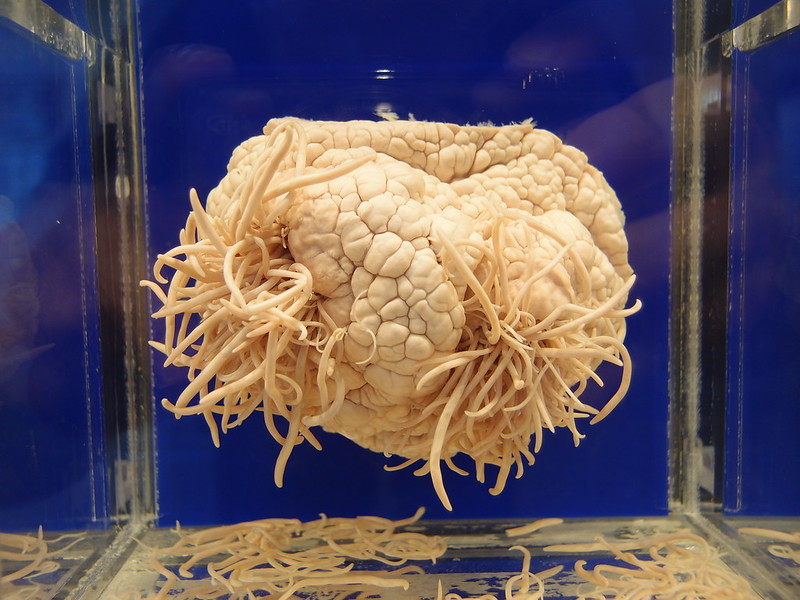
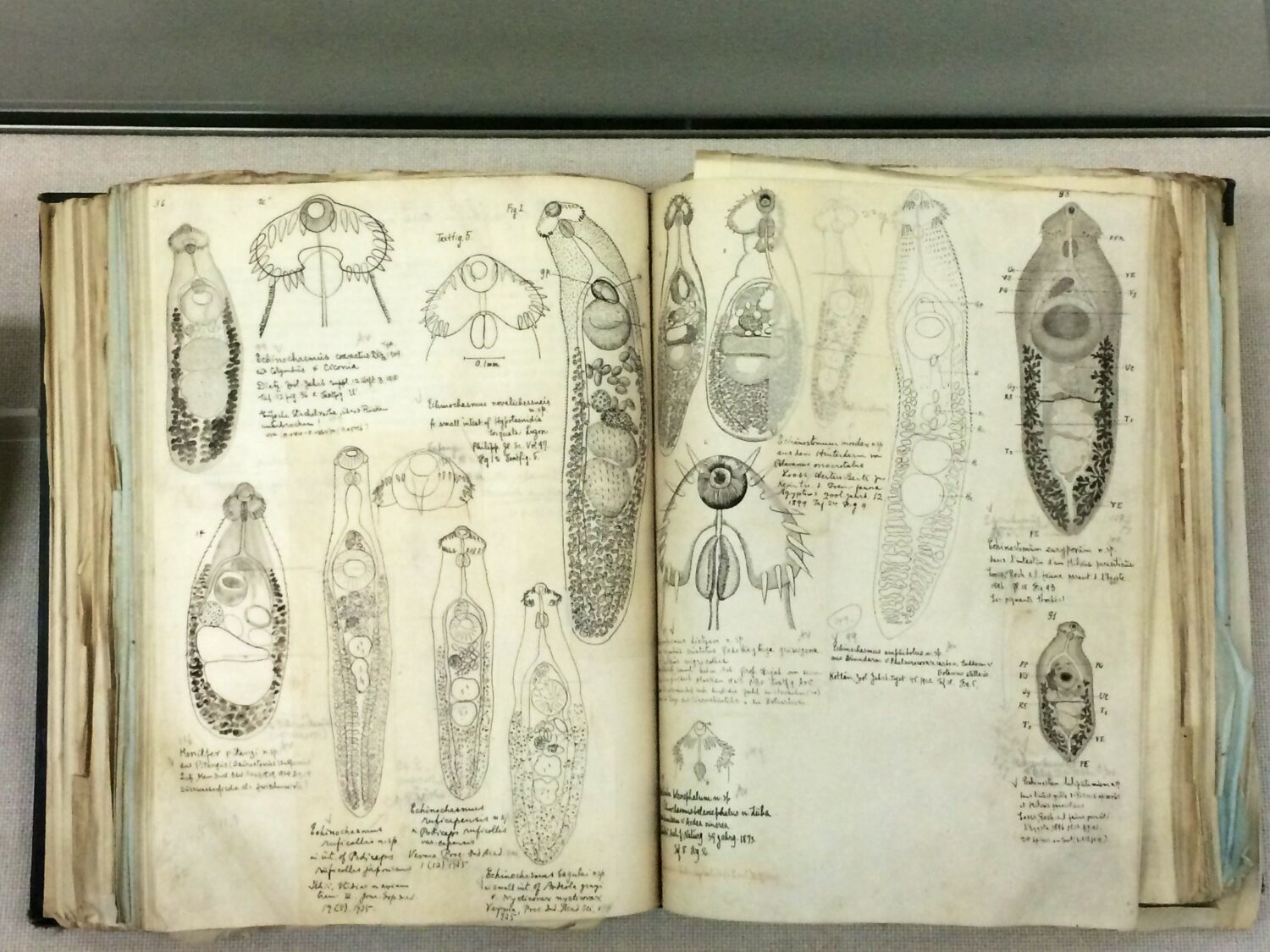
Weary as we are of hear­ing about not just the coro­n­avirus but virus­es in gen­er­al, shall we we turn our atten­tion to par­a­sites instead? The Meguro Par­a­sito­log­i­cal Muse­um has been con­cen­trat­ing its intel­lec­tu­al and edu­ca­tion­al ener­gies in that direc­tion since 1953. Locat­ed in the epony­mous neigh­bor­hood of Tokyo, it hous­es more than 60,000 species of par­a­site, with more than 300 on dis­play at any giv­en time. “On the first floor we present the ‘Diver­si­ty of Par­a­sites’ dis­play­ing var­i­ous types of par­a­site spec­i­mens with accom­pa­ny­ing edu­ca­tion­al movies,” write direc­tors Midori Kamegai and Kazuo Ogawa. “The sec­ond floor exhibits are ‘Human and Zoonot­ic Par­a­sites’ show­ing par­a­site life cycles and the symp­toms they cause dur­ing human infec­tion.”

Pho­to by Guil­hem Vel­lut

We’ve here includ­ed a few choice pic­tures from the muse­um, but as Cul­ture Trip’s India Irv­ing warns, “the real-life spec­i­mens are far worse than the pho­tographs; some of the dis­plays present pre­served par­a­sites actu­al­ly pop­ping out of their ani­mal hosts.”

She names as “the most repul­sive item on view” a tape­worm “rough­ly the size of a Lon­don bus — it is the longest tape­worm in world and is exhib­it­ed along­side a rope of the same length so vis­i­tors can get a phys­i­cal feel for just how enor­mous it actu­al­ly was.” What oth­er par­a­sito­log­i­cal muse­um could hope to com­pete with that? Not that any have tried: the Meguro Par­a­sito­log­i­cal Muse­um proud­ly describes itself as the only such insti­tu­tion in the world.

Pho­to by Guil­hem Vel­lut

“Some of the dis­plays are mere­ly dis­turb­ing, while oth­ers are slight­ly more ghast­ly,” writes Men­tal Floss’ Jake Rossen. “If you’ve ever want­ed to see a pho­to of a trop­i­cal bug prompt­ing a human tes­ti­cle to swell to the size of a gym bag, this is the place for you.” Like many oth­er muse­ums, it did shut down for a time ear­li­er in the pan­dem­ic, but has been open again since June. (If you hap­pen not to be a Japan­ese speak­er, guides in Eng­lish and oth­er lan­guages are avail­able in both text and app form.) If cur­rent con­di­tions have nev­er­the­less kept Japan itself out of your reach, you can have a look at the Meguro Par­a­sito­log­i­cal Muse­um’s unique offer­ings through this Flickr gallery — which gets many of us as close to these organ­isms as we care to be.

Pho­to by Steven L. John­son 

via Men­tal Floss

Relat­ed Con­tent:

Dis­cov­er the Japan­ese Muse­um Ded­i­cat­ed to Col­lect­ing Rocks That Look Like Human Faces

The First Muse­um Ded­i­cat­ed to Japan­ese Folk­lore Mon­sters Is Now Open

Take a Vir­tu­al Tour of the Müt­ter Muse­um and Its Many Anatom­i­cal­ly Pecu­liar Exhibits

Based in Seoul, Col­in Mar­shall writes and broad­casts on cities, lan­guage, and cul­ture. His projects include the Sub­stack newslet­ter Books on Cities, the book The State­less City: a Walk through 21st-Cen­tu­ry Los Ange­les and the video series The City in Cin­e­ma. Fol­low him on Twit­ter at @colinmarshall, on Face­book, or on Insta­gram.

John Waters Gives Art Collection to The Baltimore Museum Of Art in Exchange for Getting Its Bathrooms Named After Him

It’s not unusu­al for an insti­tu­tion to rec­og­nize a major benefactor’s gen­eros­i­ty by nam­ing some­thing in their hon­or — a wing, an atri­um, a library, a gym­na­si­um, a con­cert hall…

But bath­rooms?

It’s a fit­ting trib­ute for the Pope of Trash, film­mak­er John Waters.

So fit­ting that he him­self sug­gest­ed it when donat­ing 372 prints, paint­ings, and pho­tographs from his per­son­al col­lec­tion to the Bal­ti­more Muse­um Of Art.

With Har­vard, the Uni­ver­si­ty of Penn­syl­va­nia, and the Uni­ver­si­ty of Col­orado at Boul­der, New York City’s New Muse­um of Con­tem­po­rary Art and famed down­town per­for­mance venue Dixon Place all boast­ing restrooms that dou­ble as tem­ples to phil­an­thropy, Waters is not the first donor to be lion­ized in latrine form…

But he is sure­ly the most famous, thanks to a career that spans six decades, includes numer­ous books and exhi­bi­tions of his pho­tog­ra­phy and sculp­tures, in addi­tion to his infa­mous cult films.

Waters got his start as an art col­lec­tor at the age of 12: he spent $2 on a Joan Miró poster in the Bal­ti­more Museum’s gift shop:

After tak­ing it home and hang­ing it on my bed­room wall at my par­ents’ house, I real­ized from the hos­tile reac­tion of my neigh­bor­hood play­mates that art could pro­voke, shock, and cause trou­ble. I became a col­lec­tor for life. It’s only fit­ting that the fruits of my 60-year search for new art that could star­tle, antag­o­nize, and infu­ri­ate even me, ends up where it all began—in my home­town muse­um.

Muse­um direc­tor Christo­pher Bed­ford calls Waters a “man of extra­or­di­nary refine­ment” as well as “a local trea­sure.”

Cura­tor Asma Naeem adds that Waters’ dona­tion, in addi­tion to being one of the largest gifts of art in recent his­to­ry, is also one of the “most per­son­al and indi­vid­u­al­ized, show­ing the true stamp of the donor’s taste, eye, and predilec­tions.”

Among the 125 artists rep­re­sent­ed are Mike Kel­ley, Cindy Sher­man, Roy Licht­en­stein, Diane Arbus, Nan Goldin, Cy Twombly, Andy Warhol, and Waters him­self. (The muse­um host­ed a ret­ro­spec­tive of his visu­al art two years ago.)

Waters is per­son­al­ly acquaint­ed with many of the artists in his col­lec­tion, and has a strong pref­er­ence for ear­ly work. “They were nev­er blue-chip artists,” he told The New York Times. “They became that lat­er.”

In an inter­view with the CBC’s Car­ol Off, Waters reflect­ed that he loves art that inspires out­rage:

…because I’m in on it. You final­ly learn to see dif­fer­ent­ly if you like art. And it’s a secret club. It’s like a bik­er gang where you learn a spe­cial lan­guage, you have to dress a cer­tain way. I love all the ridicu­lous elit­ism about the art world. I think it’s hilar­i­ous.

In addi­tion to the two bath­rooms in the East Lob­by, a rotun­da in the Euro­pean art gal­leries will also bear Waters’ name.

The muse­um has pledged to nev­er deac­ces­sion the works in the col­lec­tion, and Waters spec­u­lates that it’s only a mat­ter of time until a gen­der-neu­tral bath­room bear­ing his name will also be made avail­able to patrons.

“I loved going [to the BMA],” he told Bal­ti­more Fish­bowl:

When I was a kid, that was a huge world that I was turned onto. Thank God my par­ents took me.

Relat­ed Con­tent: 

Grow­ing Up John Waters: The Odd­ball Film­mak­er Cat­a­logues His Many For­ma­tive Rebel­lions (1993)

John Waters Designs a Wit­ty Poster for the New York Film Fes­ti­val

John Waters’ RISD Grad­u­a­tion Speech: Real Wealth is Life with­out A*Holes

Ayun Hal­l­i­day is an author, illus­tra­tor, the­ater mak­er and Chief Pri­ma­tol­o­gist of the East Vil­lage Inky zine.  Fol­low her @AyunHalliday.

The Five Minute Museum: A Stop Motion Animation Shows the History of Civilization at Breakneck Speed

Exper­i­men­tal direc­tor and ani­ma­tor Paul Bush’s 2015 short film The Five-Minute Muse­um, above, is the dizzy­ing anti­dote to stand­ing, foot­sore, in front of a vit­rine crowd­ed with Ancient Greek amphoras or exquis­ite­ly craft­ed pock­et watch­es and won­der­ing, not about his­to­ry, cul­ture or the nature of time, but whether you can jus­ti­fy spend­ing $15 for an under­whelm­ing cheese and toma­to sand­wich in the muse­um cafe.

It’s a break­neck stop motion jour­ney through the his­to­ry of civ­i­liza­tion via six muse­um collections—three in Lon­don and three in Switzer­land.

Pre­sent­ed pri­mar­i­ly as stills that flash by at a rate of 24 per sec­ond, Bush groups like objects togeth­er, “there­by allow­ing the tri­umphs of human endeav­or to be seen even in far cor­ners of the land, by the bedrid­den, the infirm and the lazy.”

His sense of humor asserts itself the minute an assort­ment of ancient shards appear to ren­der them­selves into not just a state of whole­ness, but an entire up close soci­ety in close-up. It doesn’t take long for these ves­sels’ clash­ing of war­riors to give way to a com­pos­ite por­trait of idle youth, whose flir­ta­tions are stoked by a num­ber of man­ic pipers in rapid suc­ces­sion, and Andy Cow­ton’s orig­i­nal music and sound design.

It’s a shock when Bush slows down and pulls back to show the source objects in their muse­um cas­es, qui­et as a tomb, the sort of dis­play most vis­i­tors blow past en route to some­thing sex­i­er, like a dinosaur or a block­buster exhib­it requir­ing timed entry tick­ets.

Oth­er high­lights include a live­ly assort­ments of guns, hats, chairs, and plas­tic toys.

If you start feel­ing over­whelmed by the visu­al inten­si­ty, don’t wor­ry. Bush builds in a bit of a breather once you hit the clocks, the bulk of which pre­sum­ably hail from the Bey­er Clock and Watch Muse­um in Zurich.

The inge­nious ani­mat­ed short was 10 years in the mak­ing, a fact the artist mod­est­ly down­plays:

It’s very sim­ple. Sim­ple sto­ry, a sim­ple tech­nique and that’s what I like. Poet­ry should be a lit­tle bit stu­pid. This is what Pushkin says, and I try and make my films a lit­tle bit stu­pid as well.

In addi­tion to the Bey­er Clock and Watch Muse­um, you’ll find the fea­tured arti­facts housed in the British Muse­um, the Vic­to­ria and Albert Muse­um, London’s Muse­um of the Home (for­mer­ly known as the Gef­frye Muse­um) as well as the Lucerne His­tor­i­cal Muse­um and the Bern His­tor­i­cal Muse­um.

Expect a much slow­er expe­ri­ence.

via Aeon

Relat­ed Con­tent: 

A Vir­tu­al Tour Inside the Hayao Miyazaki’s Stu­dio Ghi­b­li Muse­um

Watch Art on Ancient Greek Vas­es Come to Life with 21st Cen­tu­ry Ani­ma­tion

Take a Vir­tu­al Tour of 30 World-Class Muse­ums & Safe­ly Vis­it 2 Mil­lion Works of Fine Art

Take Immer­sive Vir­tu­al Tours of the World’s Great Muse­ums: The Lou­vre, Her­mitage, Van Gogh Muse­um & Much More

Where to Find Free Art Images & Books from Great Muse­ums, and Free Books from Uni­ver­si­ty Press­es

Ayun Hal­l­i­day is an author, illus­tra­tor, the­ater mak­er and Chief Pri­ma­tol­o­gist of the East Vil­lage Inky zine.  Help your­self to her free down­load­able poster series, encour­ag­ing cit­i­zens to wear masks. Fol­low her @AyunHalliday.

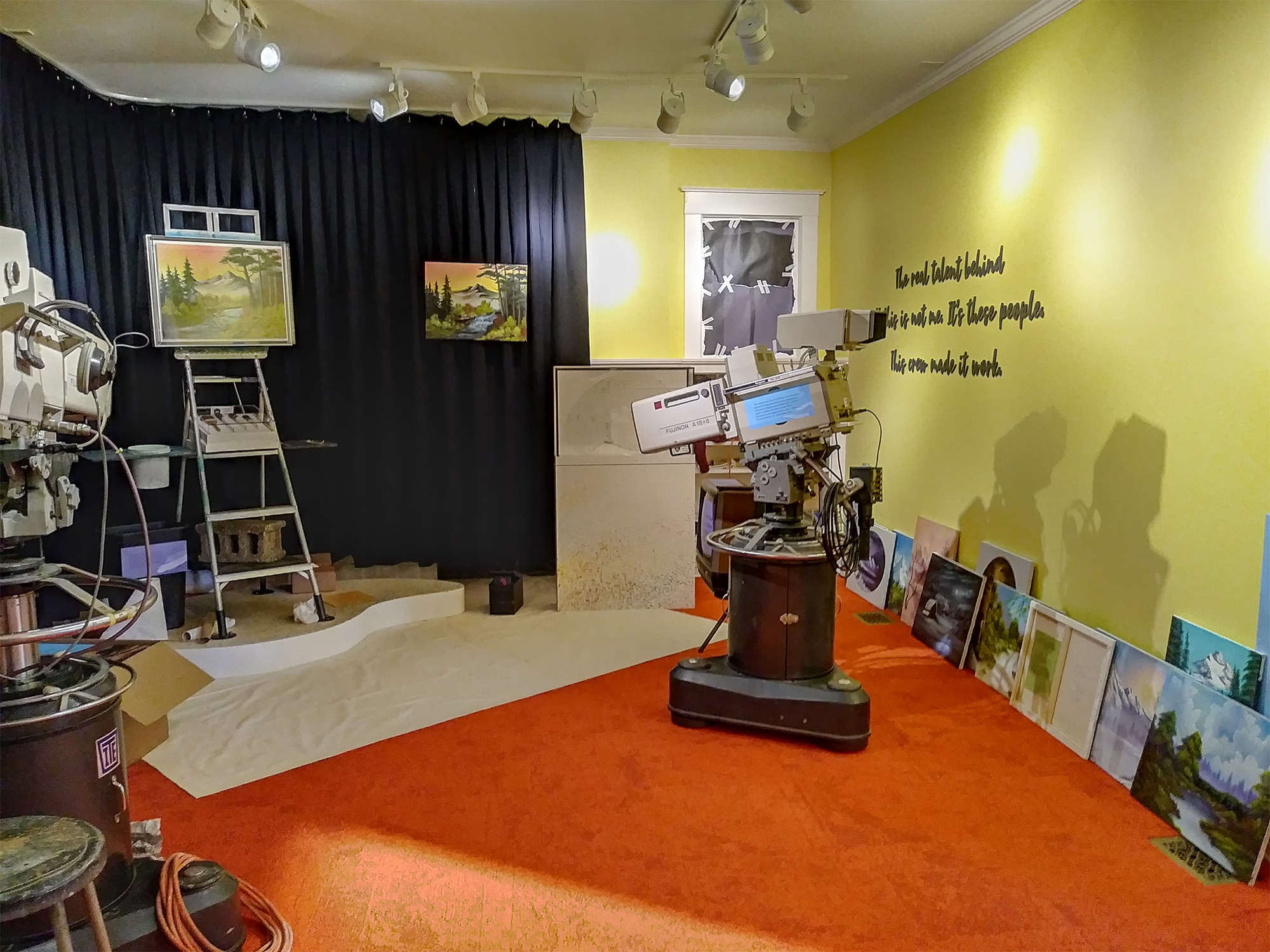
Experience the Bob Ross Experience: A New Museum Open in the TV Painter’s Former Studio Home

Bob Ross is as renowned for the gen­tle encour­age­ment of his voice as for his speedy tech­nique: indeed, these very qual­i­ties are syn­ony­mous with the name “Bob Ross.” His revival in recent years has as much to do with the de-stress­ing effects of his permed onscreen per­sona as with our awe, iron­ic or oth­er­wise, at his kitschy pic­ture-per­fect land­scapes in under an hour. He’s become as much a saint of pub­lic tele­vi­sion as Mr. Rogers and even more of an inter­net icon.

But unlike most oth­er fan­doms, the devot­ed lovers of Bob Ross have had no place to call their own. They might show up in Bob Ross cos­play at com­ic con. Yet no Bob Ross Con has made the scene. Leave it to Ross’s orig­i­nal Joy of Paint­ing stu­dio to fill the gap with a muse­um ded­i­cat­ed to the paint­ing instruc­tor. The Bob Ross Expe­ri­ence is part of a larg­er cam­pus of build­ings called Min­netrista in Muncie, Indi­ana, found­ed by the Ball fam­i­ly of Ball mason jars. It’s an “immer­sive exhib­it,” fea­tur­ing “orig­i­nal paint­ings and arti­facts” and “inspir­ing vis­i­tors with Bob’s mes­sage of fear­less cre­ativ­i­ty.”

What more could you want from a Bob Ross muse­um? Well, maybe a ful­ly-online expe­ri­ence these days. For now, you’ll have to make the trip to Muncie, where locals pay $8 a tick­et (kids $6, 3 & under are free) and non-res­i­dents shell out $15 ($12 per kid, etc). There may be nowhere else you can see Ross’s hap­py lit­tle trees in per­son. As Ayun Hal­l­i­day wrote here recent­ly, “sales of his work hov­er around zero.” Almost all of his paint­ings, save a few owned by the Smith­son­ian and a few pri­vate indi­vid­u­als, reside in stor­age in North­ern Vir­ginia, where an exhib­it came and went last year.

Ross him­self, who honed his method dur­ing short breaks in the Air Force, hard­ly ever exhib­it­ed in his life­time; he was a made-for-TV painter with a small mer­chan­dis­ing empire to match. Now, fans can make the pil­grim­age to his cre­ative TV home at the Lucius L. Ball house. Swoon over per­son­al relics like his keys and hair pick and, of course, “the artist’s palette knife, easel, and brush­es,” writes Colos­sal. “Many of the arti­facts are free to touch.” A cur­rent exhi­bi­tion at the Expe­ri­ence, “Bob Ross at Home” through August 15, 2021, show­cas­es “a few dozen of the artist’s can­vas­es, many on loan from Muncieans who got the works direct­ly from Ross.”

Not only can you hang out on set and view Ross’s paint­ings and per­son­al effects, but you can also, Art­net reports, “sign up for $70 mas­ter class­es with cer­ti­fied Bob Ross instruc­tors.” That’s $70 more than it costs to watch the mas­ter him­self on YouTube, but if you’ve already made the trip…. One only hopes the instruc­tors can chan­nel what George Buss, vice pres­i­dent of the Expe­ri­ence, calls Ross’s best qual­i­ty, his gen­tle fear­less­ness: “He takes what looks like a mis­take and turns it into some­thing beau­ti­ful.” And that, friends, is the true joy of the Bob Ross expe­ri­ence.

via Colos­sal

Relat­ed Con­tent:  

Watch Every Episode of Bob Ross’ The Joy Of Paint­ing Free Online: 403 Episodes Span­ning 31 Sea­sons

What Hap­pened to the 1200 Paint­ings Paint­ed by Bob Ross? The Mys­tery Has Final­ly Been Solved

Watch 13 Come­di­ans Take “The Bob Ross Chal­lenge” & Help Raise Mon­ey for The Leukemia & Lym­phoma Soci­ety

Josh Jones is a writer and musi­cian based in Durham, NC. Fol­low him at @jdmagness

William Blake’s Paintings Come to Life in Two Animations

The poet and painter William Blake toiled in obscu­ri­ty, for the most part, and died in pover­ty.

Twen­ty some years after his death, his rebel­lious spir­it gained trac­tion with the Pre-Raphaelites.

By the dawn­ing of the Age of Aquar­ius, Blake was ripe to be ven­er­at­ed as a counter-cul­tur­al hero, for hav­ing flown in the face of con­ven­tion, while cham­pi­oning gen­der and racial equal­i­ty, nature, and free love.

Reclin­ing half-naked on a “a fab­u­lous couch in Harlem,” poet Allen Gins­burg had a hal­lu­ci­na­to­ry encounter where­in Blake recit­ed to him “in earth­en mea­sure.”

Dit­to poet Michael McClure, though in his case, Bob Dylan’s “Gates of Eden” served as some­thing of a medi­um:

I had the idea that I was hal­lu­ci­nat­ing, that it was William Blake’s voice com­ing out of the walls and I stood up and put my hands on the walls and they were vibrat­ing.

Blake’s work (and world view) con­tin­ues to exert enor­mous influ­ence on graph­ic nov­el­iststhe­ater­mak­ers, and cre­atives of every stripe.

He’s also a dab hand at ani­ma­tion, col­lab­o­rat­ing from beyond the grave.

The short above, a com­mis­sion for a late ‘70s Blake exhi­bi­tion at The Tate, envi­sions a roundtrip jour­ney from Heav­en to Hell. Ani­ma­tor Sheila Graber parked her­self in the Sculp­ture Hall to cre­ate it in pub­lic view, pair­ing Blake’s line “Ener­gy is Eter­nal delight” with a per­son­al obser­va­tion:

Whether we use it to cre­ate or destroy—it’s the same ener­gy. The prac­tice of art can turn a per­son from a van­dal to a builder!

More recent­ly, the Tate gave direc­tor Sam Gains­bor­ough access to super high-res imagery of Blake’s orig­i­nal paint­ings, in order to cre­ate a pro­mo for last year’s block­buster exhi­bi­tion.

Gains­bor­ough and ani­ma­tor Renald­ho Pelle worked togeth­er to bring the cho­sen works to life, frame by frame, against a series of Lon­don build­ings and streets that were well known to Blake him­self.

The film opens with Blake’s Ghost of a Flea emerg­ing from the walls of Broad­wick Street, where its cre­ator was born, then stalk­ing off, bowl in hand, ced­ing the screen to God, The Ancient of Days, whose reach spreads like ink across the grit­ty facade of a white brick edi­fice.

Sey­mour Mil­ton’s orig­i­nal music and Jas­mine Black­borow’s nar­ra­tion of excerpts from Blake’s poem “Auguries of Inno­cence” seem to antic­i­pate the fraught cur­rent moment, as does the entire poem:

Auguries of Inno­cence

To see a World in a Grain of Sand

And a Heav­en in a Wild Flower 

Hold Infin­i­ty in the palm of your hand 

And Eter­ni­ty in an hour

A Robin Red breast in a Cage

Puts all Heav­en in a Rage 

A Dove house filld with Doves & Pigeons

Shud­ders Hell thr’ all its regions 

A dog starvd at his Mas­ters Gate

Pre­dicts the ruin of the State 

A Horse mis­usd upon the Road

Calls to Heav­en for Human blood 

Each out­cry of the hunt­ed Hare

A fibre from the Brain does tear 

A Sky­lark wound­ed in the wing 

A Cheru­bim does cease to sing 

The Game Cock clipd & armd for fight

Does the Ris­ing Sun affright 

Every Wolfs & Lions howl

Rais­es from Hell a Human Soul 

The wild deer, wan­dring here & there 

Keeps the Human Soul from Care 

The Lamb mis­usd breeds Pub­lic Strife

And yet for­gives the Butch­ers knife 

The Bat that flits at close of Eve

Has left the Brain that wont Believe

The Owl that calls upon the Night

Speaks the Unbe­liev­ers fright

He who shall hurt the lit­tle Wren

Shall nev­er be belovd by Men 

He who the Ox to wrath has movd

Shall nev­er be by Woman lovd

The wan­ton Boy that kills the Fly

Shall feel the Spi­ders enmi­ty 

He who tor­ments the Chafers Sprite

Weaves a Bow­er in end­less Night 

The Cat­ter­piller on the Leaf

Repeats to thee thy Moth­ers grief 

Kill not the Moth nor But­ter­fly 

For the Last Judg­ment draweth nigh 

He who shall train the Horse to War

Shall nev­er pass the Polar Bar 

The Beg­gars Dog & Wid­ows Cat 

Feed them & thou wilt grow fat 

The Gnat that sings his Sum­mers Song

Poi­son gets from Slan­ders tongue 

The poi­son of the Snake & Newt

Is the sweat of Envys Foot 

The poi­son of the Hon­ey Bee

Is the Artists Jeal­ousy

The Princes Robes & Beg­gars Rags

Are Toad­stools on the Misers Bags 

A Truth thats told with bad intent

Beats all the Lies you can invent 

It is right it should be so 

Man was made for Joy & Woe 

And when this we right­ly know 

Thro the World we safe­ly go 

Joy & Woe are woven fine 

A Cloth­ing for the soul divine 

Under every grief & pine

Runs a joy with silken twine 

The Babe is more than swadling Bands

Through­out all these Human Lands

Tools were made & Born were hands 

Every Farmer Under­stands

Every Tear from Every Eye

Becomes a Babe in Eter­ni­ty 

This is caught by Females bright

And returnd to its own delight 

The Bleat the Bark Bel­low & Roar 

Are Waves that Beat on Heav­ens Shore 

The Babe that weeps the Rod beneath

Writes Revenge in realms of Death 

The Beg­gars Rags flut­ter­ing in Air

Does to Rags the Heav­ens tear 

The Sol­dier armd with Sword & Gun 

Palsied strikes the Sum­mers Sun

The poor Mans Far­thing is worth more

Than all the Gold on Africs Shore

One Mite wrung from the Labr­ers hands

Shall buy & sell the Misers Lands 

Or if pro­tect­ed from on high 

Does that whole Nation sell & buy 

He who mocks the Infants Faith

Shall be mockd in Age & Death 

He who shall teach the Child to Doubt

The rot­ting Grave shall neer get out 

He who respects the Infants faith

Tri­umphs over Hell & Death 

The Childs Toys & the Old Mans Rea­sons

Are the Fruits of the Two sea­sons 

The Ques­tion­er who sits so sly 

Shall nev­er know how to Reply 

He who replies to words of Doubt

Doth put the Light of Knowl­edge out 

The Strongest Poi­son ever known

Came from Cae­sars Lau­rel Crown 

Nought can Deform the Human Race

Like to the Armours iron brace 

When Gold & Gems adorn the Plow

To peace­ful Arts shall Envy Bow 

A Rid­dle or the Crick­ets Cry

Is to Doubt a fit Reply 

The Emmets Inch & Eagles Mile

Make Lame Phi­los­o­phy to smile 

He who Doubts from what he sees

Will neer Believe do what you Please 

If the Sun & Moon should Doubt 

Theyd imme­di­ate­ly Go out 

To be in a Pas­sion you Good may Do 

But no Good if a Pas­sion is in you 

The Whore & Gam­bler by the State

Licencd build that Nations Fate 

The Har­lots cry from Street to Street 

Shall weave Old Eng­lands wind­ing Sheet 

The Win­ners Shout the Losers Curse 

Dance before dead Eng­lands Hearse 

Every Night & every Morn

Some to Mis­ery are Born 

Every Morn and every Night

Some are Born to sweet delight 

Some are Born to sweet delight 

Some are Born to End­less Night 

We are led to Believe a Lie

When we see not Thro the Eye

Which was Born in a Night to per­ish in a Night 

When the Soul Slept in Beams of Light 

God Appears & God is Light

To those poor Souls who dwell in Night 

But does a Human Form Dis­play

To those who Dwell in Realms of day

Relat­ed Con­tent:

Enter an Archive of William Blake’s Fan­tas­ti­cal “Illu­mi­nat­ed Books”: The Images Are Sub­lime, and in High Res­o­lu­tion

William Blake Illus­trates Mary Wollstonecraft’s Work of Children’s Lit­er­a­ture, Orig­i­nal Sto­ries from Real Life (1791)

William Blake’s Mas­ter­piece Illus­tra­tions of the Book of Job (1793–1827)

Ayun Hal­l­i­day is an author, illus­tra­tor, the­ater mak­er and Chief Pri­ma­tol­o­gist of the East Vil­lage Inky zine. Fol­low her @AyunHalliday.

Take Immersive Virtual Tours of the World’s Great Museums: The Louvre, Hermitage, Van Gogh Museum & Much More

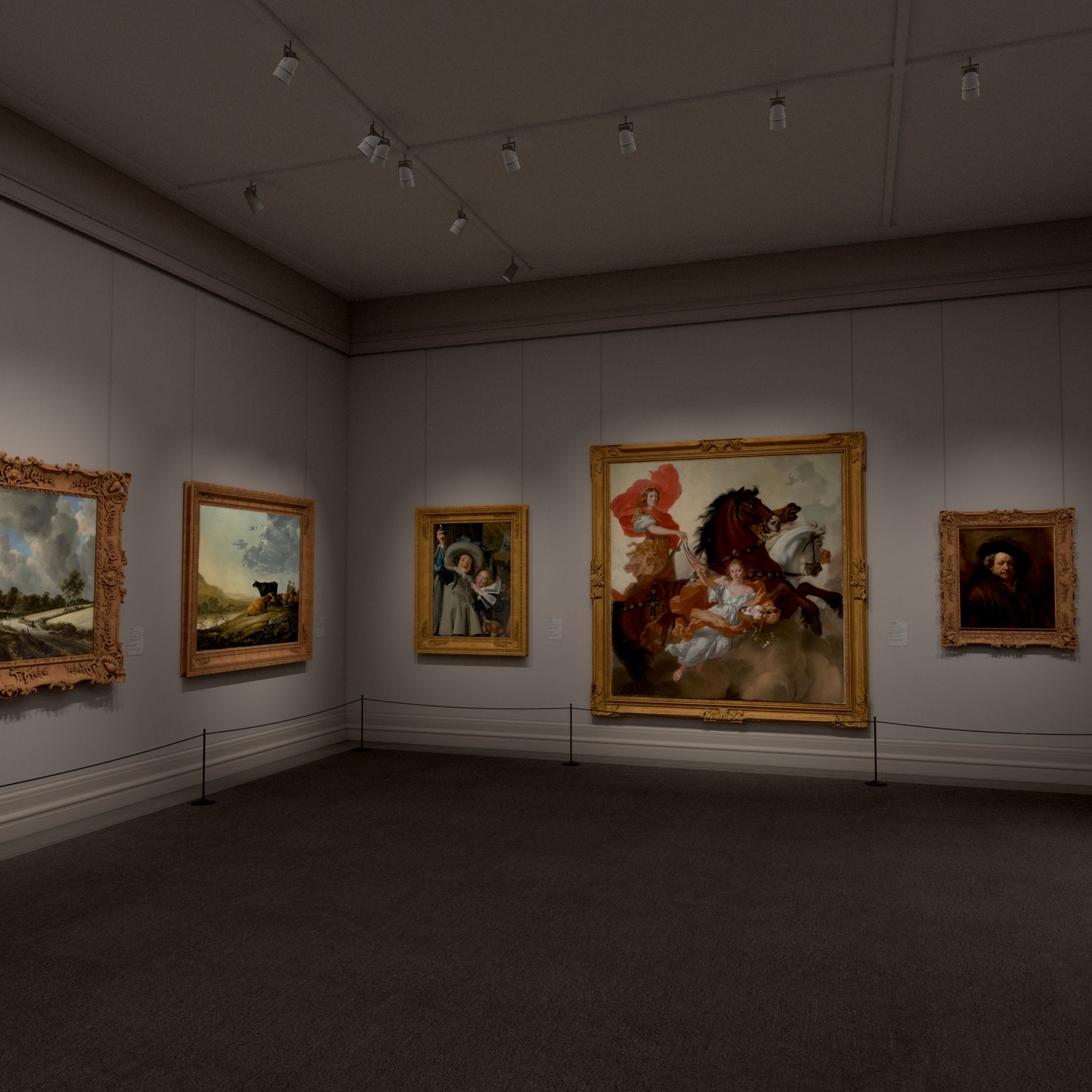
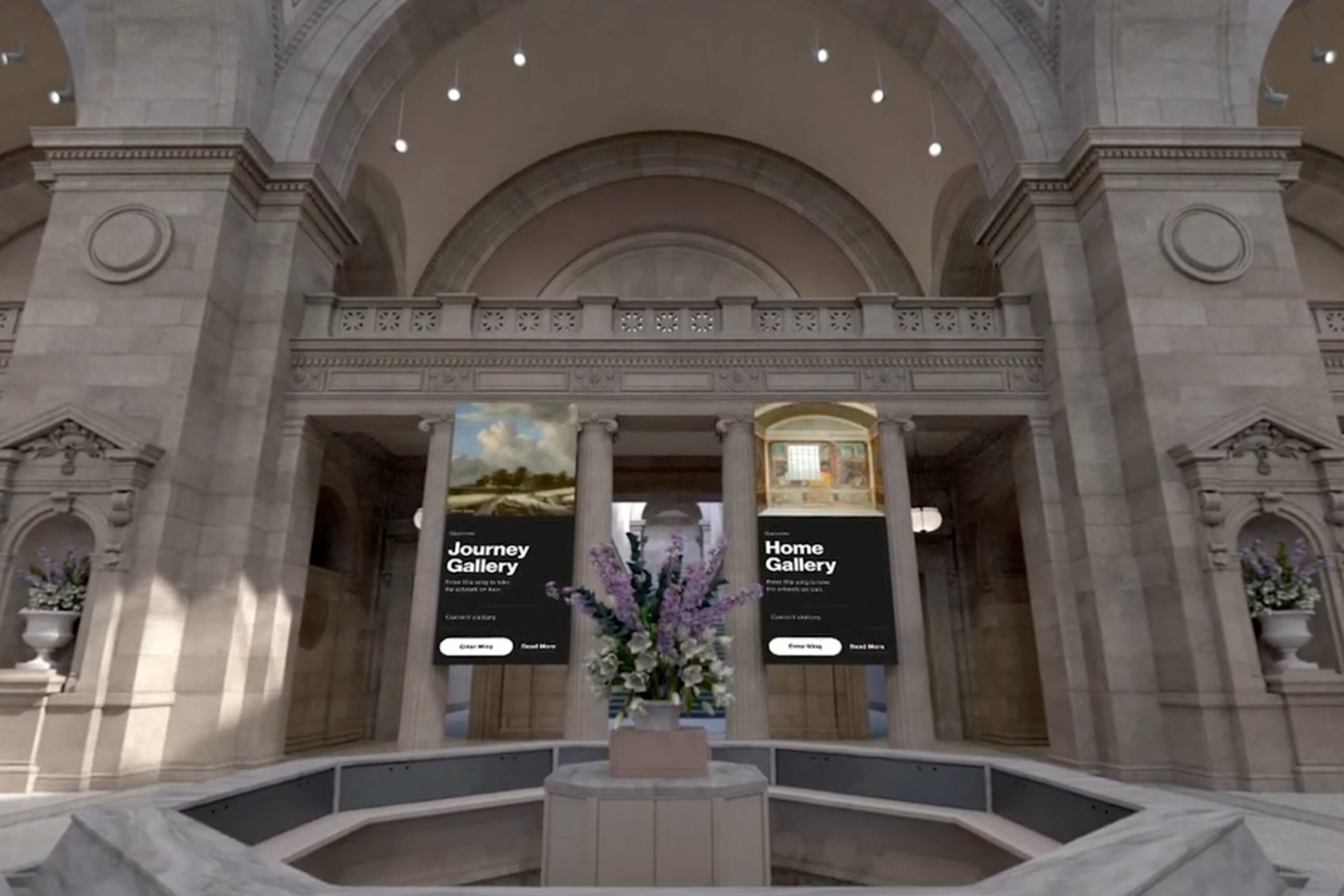
Can you remem­ber when you last vis­it­ed a muse­um? Even if you did­n’t much care for them before the time of the coro­n­avirus, you’re prob­a­bly begin­ning to miss them right about now. At least the inter­net tech­nol­o­gy that has kept our com­mu­ni­ca­tion open and our enter­tain­ment flow­ing — and, regret­tably for some, kept our work meet­ings reg­u­lar — has also made it pos­si­ble to expe­ri­ence art insti­tu­tions through our screens. Here on Open Cul­ture we’ve pre­vi­ous­ly fea­tured many such online art spaces, dig­i­tal gallery expe­ri­ences, and vir­tu­al muse­um tours, and today we’ve round­ed up some of the best for you.

Most every­one who had a trip to France sched­uled for this spring or sum­mer will have can­celed it. But thanks to these three high-def­i­n­i­tion, first-per­son videos, you can still tour the Lou­vre, Lib­er­ty Lead­ing the Peo­ple, the Venus de Milo, the Mona Lisa, and even I.M. Pei’s rooftop pyra­mid and all. Per­haps you’d planned to spend part of 2020 trav­el­ing Europe more wide­ly, in which case you’d almost cer­tain­ly have gone to Italy and seen Forence’s Uffizi Gallery as well. Luck­i­ly, that most famous col­lec­tion of Renais­sance art has gone dig­i­tal with a com­plete “street view” tour as well as an archive of 3D sculp­ture scans.

Of course, no art-ori­ent­ed trip to Italy would be well spent only in gal­leries and muse­ums: it would also have to include St. Peter’s Basil­i­ca, the Sis­tine Chapel, and oth­er sacred spaces of the Vat­i­can, in whose vir­tu­al ver­sions you can now spend as long as you like. And while some tourists in Europe face time or mon­ey con­straints too tight to allow vis­its to small­er coun­tries like the Nether­lands, inter­net trav­el is sub­ject to no such lim­i­ta­tions. So go ahead and take a sev­en-part tour of the Van Gogh Muse­um in 4K, or have a look at Rem­brandt’s The Night Watch down to every last brush­stroke.

You won’t find every Dutch mas­ter­piece in the Nether­lands. Take Hierony­mus Bosch’s The Gar­den of Ear­ly Delights, for instance, cur­rent­ly held by Spain’s Pra­do Muse­um, which has also made a vir­tu­al tour of the grotesque and spec­tac­u­lar paint­ing avail­able online. As for the work of Spain’s own artists, you can go even deep­er into the work of Sal­vador Dalí with this 360-degree vir­tu­al-real­i­ty video of his paint­ing Archae­o­log­i­cal Rem­i­nis­cence of Millet’s ‘Angelus.’  Those who’d like to spend some time off the con­ti­nent and back down on Earth can view an alto­geth­er dif­fer­ent 360-degree video, this one of Shake­peare’s Globe The­atre in Lon­don — and have a look at the trea­sures of the British Muse­um while they’re at it.

The ongo­ing pan­dem­ic hav­ing put a tem­po­rary stop to not just most trav­el to Europe but most inter­na­tion­al trav­el of any kind, hope­ful trav­el­ers to and with­in North Amer­i­ca have also been forced to change their plans. If this describes you, con­sid­er tak­ing a vir­tu­al tour of the Smith­son­ian Nation­al Muse­um of Nat­ur­al His­to­ryFrank Lloyd Wright’s stu­dio Tal­iesin, or the Fri­da Kahlo Muse­um in Mex­i­co City. But while you’re online, why not mount an even more ambi­tious world­wide art jour­ney: to the Her­mitage in Rus­sia, the Ghi­b­li Muse­um in Japan, and street art (as well as stolen art) from all over? It’s a big world of art out there — some­thing we can’t let our­selves for­get before we can see it in per­son again.

Relat­ed Con­tent:

Take a Vir­tu­al Tour of 30 World-Class Muse­ums & Safe­ly Vis­it 2 Mil­lion Works of Fine Art

The Stay At Home Muse­um: Your Pri­vate, Guid­ed Tours of Rubens, Bruegel & Oth­er Flem­ish Mas­ters

14 Paris Muse­ums Put 300,000 Works of Art Online: Down­load Clas­sics by Mon­et, Cézanne & More

The Met­ro­pol­i­tan Muse­um of Art Puts 400,000 High-Res Images Online & Makes Them Free to Use

Free: The Met­ro­pol­i­tan Muse­um of Art and the Guggen­heim Offer 474 Free Art Books Online

Chi­nese Muse­ums, Closed by the Coro­n­avirus, Put Their Exhi­bi­tions Online

Based in Seoul, Col­in Mar­shall writes and broad­casts on cities, lan­guage, and cul­ture. His projects include the book The State­less City: a Walk through 21st-Cen­tu­ry Los Ange­les and the video series The City in Cin­e­ma. Fol­low him on Twit­ter at @colinmarshall, on Face­book, or on Insta­gram.

Watch Home Movies Starring Salvador Dali, Henri Matisse, Igor Stravinsky, Gertrude Stein, Colette & Other Early 20th Century Luminaries

Léonide Mas­sine may not be not the most famous name to grace socialite Eliz­a­beth Fuller Chapman’s home movies.

In terms of 21st cen­tu­ry name brand recog­ni­tion, he def­i­nite­ly lags behind art world heav­ies Sal­vador DaliMar­cel DuchampCon­stan­tin Brân­cușiHen­ri Matisse, com­pos­er Igor Stravin­sky, nov­el­ist Colette, play­wright Thorn­ton Wilder, the ever-for­mi­da­ble poet and col­lec­tor Gertrude Stein, and her long­time com­pan­ion Alice B. Tok­las. Such were the lumi­nar­ies in Mrs. Chapman’s cir­cle.

But in terms of sheer on-cam­era charis­ma, the Bal­lets Russ­es dancer and chore­o­g­ra­ph­er def­i­nite­ly steals the col­lec­tive show, above, cur­rent­ly on exhib­it as part of the Muse­um of Mod­ern Art’s Pri­vate Lives Pub­lic Spaces, an exhib­it explor­ing home movies as an art form.

Massine’s unbri­dled al fres­co hip-twirling, pranc­ing, and side kicks (pre­ced­ed by a slow-motion run at 1:55) exist in stark con­trast with Matisse’s stiff dis­com­fort in the same set­ting (11:11) One need not be a skilled lipread­er to guess the tone of the com­men­tary Mrs. Chapman’s 16mm cam­era was not equipped to cap­ture.

Stein (12:00), whose force­ful per­son­al­i­ty was the stuff of leg­end, appears relaxed at the sum­mer home she and Tok­las shared in Bilignin, but also hap­py to posi­tion their stan­dard poo­dle, Bas­ket, as the cen­ter of atten­tion.

Georges Braque (14:50), the intro­vert­ed Father of Cubism, clings grate­ful­ly to his palette as he stands before a large can­vas in his stu­dio, and appears just as wary in anoth­er clip at 20:10.

The Sur­re­al­ist Dali (21:50), as extro­vert­ed as Braque was retir­ing, takes a dif­fer­ent approach to his palette, engag­ing with it as a sort of com­ic prop. Dit­to his wife-to-be, Gala, and a paint­ed porce­lain bust he once acces­sorized with an inkwell, a baguette, and a zoetrope strip.

Dali serves up some seri­ous Tik-Tok vibes, but we have a hunch Colette’s strug­gles with her friend, pianist Misia Sert’s semi-tame mon­key (4:35), would rack up more likes.

As the cura­tors of the MoMA exhi­bi­tion note:

Chap­man Films is immense­ly pop­u­lar in the Film Study Cen­ter for the rare and inti­mate glimpses of their lives it pro­vides, from a time when the famous were not read­i­ly acces­si­ble. Yes, there were gos­sip columns, fan mag­a­zines, and juicy exposés in the 1930s and ‘40s, but many notable fig­ures care­ful­ly curat­ed their pub­lic per­sonas. We know these fig­ures through their paint­ings, music, or words, not their faces, so to see them at all—let alone in real life, doing every­day things—is remark­able.

Also charm­ing is the fresh­ness of their inter­ac­tions with Chapman’s camera—many of her sub­jects were celebri­ties, but their fame was in no way teth­ered to the ubiq­ui­ty of smart phones. Hard to go viral in 16mm, decades before YouTube.

Though danc­ing, as Mas­sine, and his close sec­ond Serge Lifar (8:50) make plain, is an excel­lent way to hold our atten­tion.

Relat­ed Con­tent:

Sal­vador Dalí Explains Why He Was a “Bad Painter” and Con­tributed “Noth­ing” to Art (1986)

Vin­tage Film: Watch Hen­ri Matisse Sketch and Make His Famous Cut-Outs (1946)

Gertrude Stein Recites ‘If I Told Him: A Com­plet­ed Por­trait of Picas­so’

Ayun Hal­l­i­day is an author, illus­tra­tor, the­ater mak­er and Chief Pri­ma­tol­o­gist of the East Vil­lage Inky zine. Fol­low her @AyunHalliday.

Take a Virtual Tour of Frida Kahlo’s Blue House Free Online

No first trip to Mex­i­co City is com­plete with­out a vis­it to the Fri­da Kahlo Muse­um. Locat­ed in the vil­lage-turned-bor­ough of Coyoacán south of the city’s cen­ter, it requires a short trip-with­in-a-trip to get there. But even for trav­el­ers who know noth­ing of Kahlo’s art, it’s worth the effort — espe­cial­ly since they’ll come away know­ing quite a bit about not just Kahlo’s art and life but the cul­tur­al­ly rich place and time she inhab­it­ed. For the build­ing occu­pied by the Fri­da Kahlo Muse­um was, in fact, the home in which the artist was born and spent most of her life, mak­ing her one of Coyoacán’s many notable res­i­dents. (Oth­ers include writer Octavio Paz, icon­ic com­ic actor Mario “Can­ti­n­flas” Moreno, and actress-singer Dolores del Río.)

Though I’ve long want­ed to return to the Blue House, as the Fri­da Kahlo Muse­um is col­lo­qui­al­ly known, I some­how haven’t made it back again on any of my sub­se­quent trips to Mex­i­co City. And giv­en the state of world trav­el at the moment, I doubt I’ll get the chance to make anoth­er vis­it any time soon.

For­tu­nate­ly, the Muse­um has become vir­tu­al­ly explorable online, with 360-degree views of all its rooms as well as its grounds. Even vir­tu­al­ly, writes Vogue’s Manon Gar­rigues, “Frida’s spir­it can be felt every­where. In her ate­lier are care­ful­ly arranged pig­ments fac­ing her easel, while in the kitchen, which once wel­comed the couple’s friends to the house, includ­ing their renowned neigh­bor, Trot­sky, who lived next door with his wife, are play­ful ceram­ics.”

For those with com­pat­i­ble head­sets, all of this is also view­able in Web­VR mode —  even Kahlo’s bed­room, where “an urn in the form of her face lies on her bed, hold­ing her ash­es. Beside is the mir­ror in which Fri­da, bedrid­den, observed her­self to paint her famous self-por­traits, such as The Two Fridas and Fri­da y la cesarea, now on dis­play in the vil­la.”

The home-turned-muse­um’s ten rooms dis­play a great deal of Kahlo’s art, of course, but also works by her hus­band, the painter Diego Rivera, as well as the cou­ple’s cloth­ing and per­son­al effects. You’ll find paint­ings by oth­er artists of Kahlo’s day like Paul Klee and José María Velas­co, and also hand­craft­ed items from oth­er regions of Mex­i­co. The only thing miss­ing in the vir­tu­al Fri­da Kahlo Muse­um expe­ri­ence is the req­ui­site cafe de olla enjoyed after­ward, back out on the streets of Coyoacán. Enter the vir­tu­al tour here.

via Messy Nessy

Relat­ed Con­tent:

A Brief Ani­mat­ed Intro­duc­tion to the Life and Work of Fri­da Kahlo

Watch Mov­ing Short Films of Fri­da Kahlo and Diego Rivera at the “Blue House”

Artists Fri­da Kahlo & Diego Rivera Vis­it Leon Trot­sky in Mex­i­co: Vin­tage Footage from 1938

Dis­cov­er Fri­da Kahlo’s Wild­ly-Illus­trat­ed Diary: It Chron­i­cled the Last 10 Years of Her Life, and Then Got Locked Away for Decades

Based in Seoul, Col­in Mar­shall writes and broad­casts on cities, lan­guage, and cul­ture. His projects include the book The State­less City: a Walk through 21st-Cen­tu­ry Los Ange­les and the video series The City in Cin­e­ma. Fol­low him on Twit­ter at @colinmarshall, on Face­book, or on Insta­gram.

« Go BackMore in this category... »
Quantcast