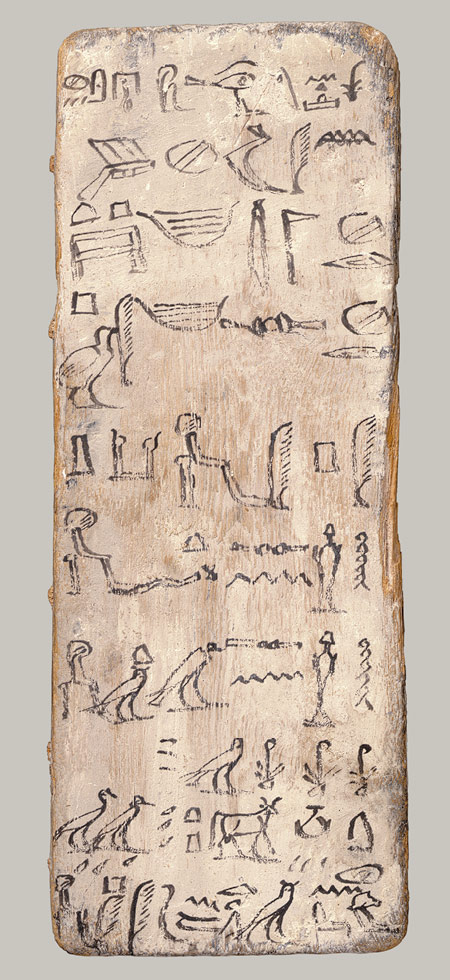
A 4,000-Year-Old Student ‘Writing Board’ from Ancient Egypt (with Teacher’s Corrections in Red)


Amer­i­cans raised on Lau­ra Ingalls Wilder’s Lit­tle House books tend to asso­ciate slates with one room school­hous­es and rote exer­cis­es involv­ing read­ing, writ­ing and ‘rith­metic.

Had we been reared along the banks of the Nile, would our minds go to ancient ges­soed boards like the 4000-year-old Mid­dle King­dom exam­ple above?

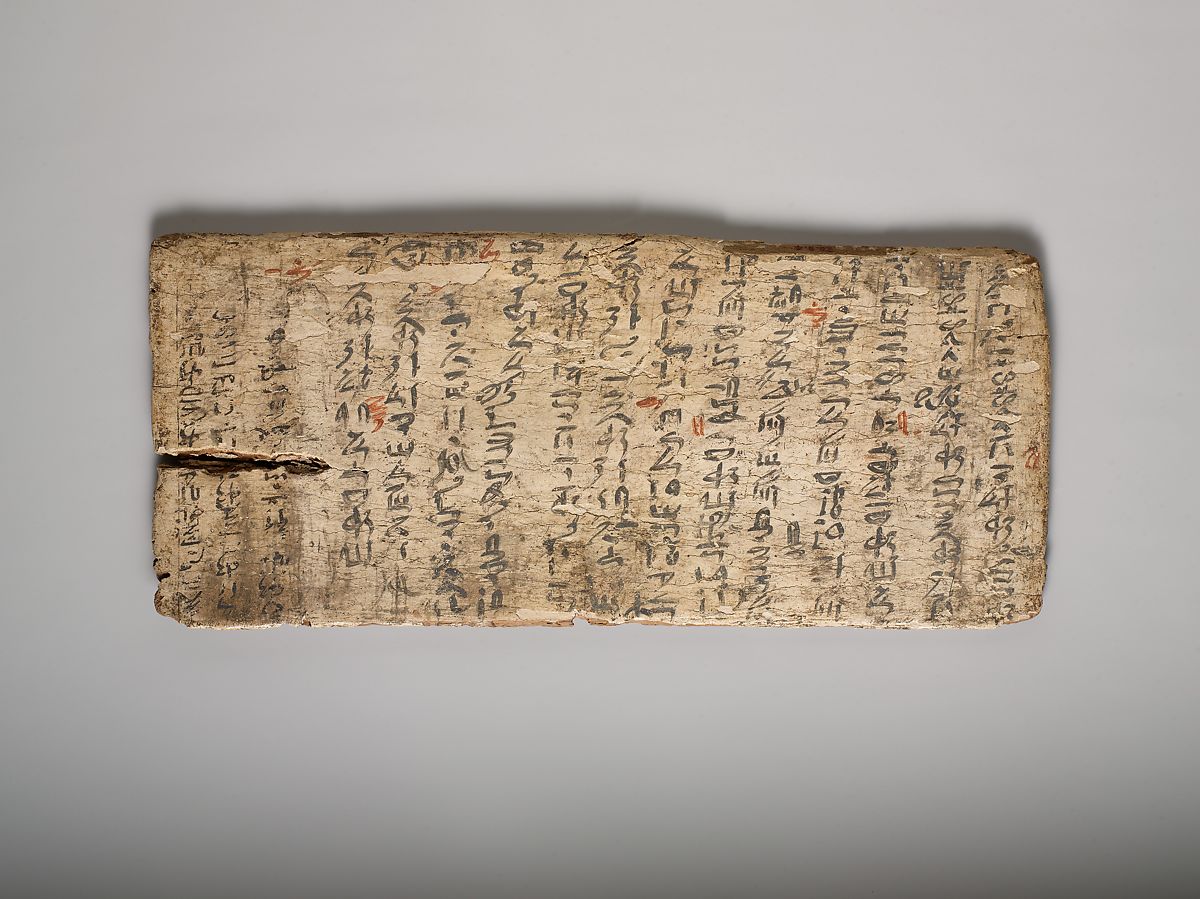
Like our famil­iar tablet-sized black­boards, this paper — or should we say papyrus? — saver was designed to be used again and again, with white­wash serv­ing as a form of eras­er.

As Egyp­tol­o­gist William C. Hayes, for­mer Cura­tor of Egypt­ian Art at the Met­ro­pol­i­tan Muse­um wrote in The Scepter of Egypt: A Back­ground for the Study of the Egypt­ian Antiq­ui­ties in The Met­ro­pol­i­tan Muse­um of Art. Vol. 1, From the Ear­li­est Times to the End of the Mid­dle King­dom, the writ­ing board at the top of the page:

…bears parts of two mod­el let­ters of the very for­mal and ultra-poite vari­ety addressed to a supe­ri­or offi­cial. The writ­ers con­sis­tent­ly refer to them­selves as “this ser­vant” and to their addressees as “the Mas­ter (may he live, pros­per, and be well.)” The longer let­ter was com­posed and writ­ten by a young man named Iny-su, son of Sekhsekh, who calls him­self a “Ser­vant of the Estate” and who, prob­a­bly in jest, has used the name of his own broth­er, Peh-ny-su, as that of the dis­tin­guished addressee. Fol­low­ing a long-wind­ed pre­am­ble, in which the gods of Thebes and adja­cent towns are invoked in behalf of the recip­i­ent, we get down to the text of the let­ter and find that it con­cerns the deliv­ery of var­i­ous parts of a ship, prob­a­bly a sacred bar­que. In spite of its for­mal­i­ty and fine phrase­ol­o­gy, the let­ter is rid­dled with mis­spellings and oth­er mis­takes which have been cor­rect­ed in red ink, prob­a­bly by the mas­ter scribe in charge of the class.

Iny-su would also have been expect­ed to mem­o­rize the text he had copied out, a prac­tice that car­ried for­ward to our one-room-school­hous­es, where chil­dren droned their way through texts from McGuf­fey’s Eclec­tic Read­ers.

Anoth­er ancient Egypt­ian writ­ing board in the Met’s col­lec­tion finds an appren­tice scribe fum­bling with imper­fect­ly formed, uneven­ly spaced hiero­glyphs.

Fetch the white­wash and say it with me, class — prac­tice makes per­fect.

The first tablet inspired some live­ly dis­cus­sion and more than a few punch­lines on Red­dit, where com­menter The-Lord-Moc­casin mused:

I remem­ber read­ing some­where that Egypt­ian stu­dents were taught to write by tran­scrib­ing sto­ries of the awful lives of the aver­age peas­ants, to moti­vate and make them appre­ci­ate their edu­ca­tion. Like “the farmer toils all day in the burn­ing field, and prays he does­n’t feed the lions; the fish­er­man sits in fear on his boat as the croc­o­dile lurks below.”

Always thought it sound­ed effec­tive as hell.

We can’t ver­i­fy it, but we sec­ond that emo­tion.

Note: The red mark­ings on the image up top indi­cate where spelling mis­takes were cor­rect­ed by a teacher.

via @ddoniolvalcroze

Relat­ed Con­tent: 

A 3,000-Year-Old Painter’s Palette from Ancient Egypt, with Traces of the Orig­i­nal Col­ors Still In It

Who Built the Egypt­ian Pyra­mids & How Did They Do It?: New Arche­o­log­i­cal Evi­dence Busts Ancient Myths

What Ancient Egypt­ian Sound­ed Like & How We Know It

Ayun Hal­l­i­day is an author, illus­tra­tor, the­ater mak­er and Chief Pri­ma­tol­o­gist of the East Vil­lage Inky zine.  Fol­low her @AyunHalliday.
Artist Makes Micro-Miniature Sculptures So Small They Fit on the Head of a Pin

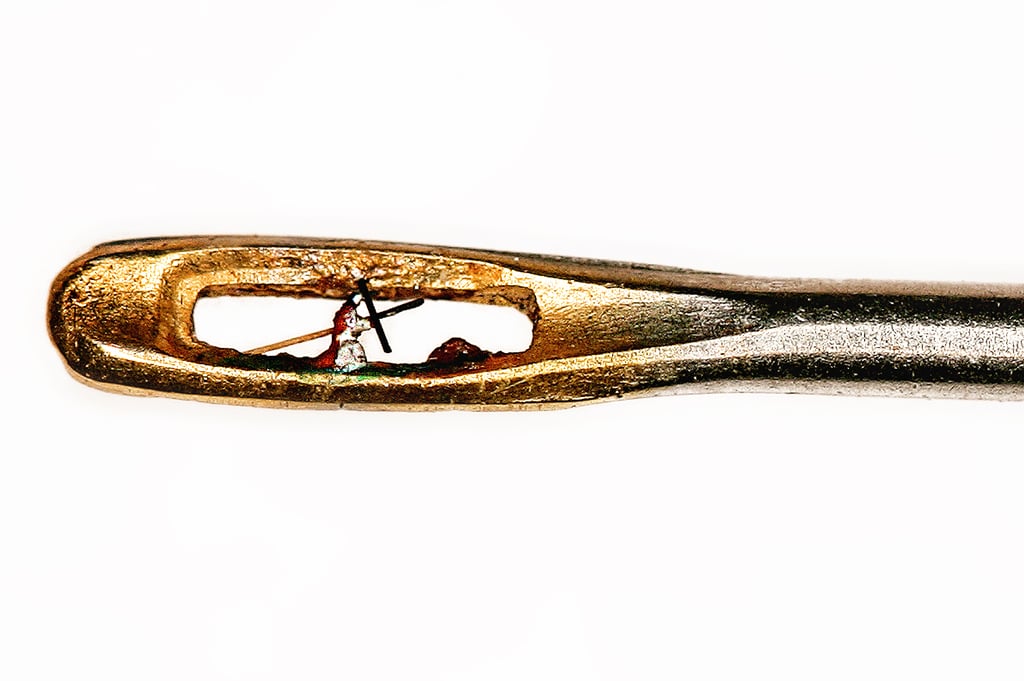
The jury remains out as to the num­ber of angels that can dance on a pin, but self-taught artist Flor Car­va­jal is amass­ing some data regard­ing the num­ber of itty bit­ty sculp­tures that can be installed on the tips of match­sticks, pen­cil points, and — thanks to a rude encounter with a local reporter — in the eye of a nee­dle.

Accord­ing to Tucson’s Mini Time Machine Muse­um of Minia­tures, where her work is on dis­play through June, The Van­guardia Lib­er­al was con­sid­er­ing run­ning an inter­view in con­junc­tion with an exhib­it of her Christ­mas-themed minia­tures. When she wouldn’t go on record as to whether any of the itty-bit­ty nativ­i­ty scenes she’d been craft­ing for over a decade could be described as the world’s small­est, the reporter hung up on her.

Rather than stew, she imme­di­ate­ly start­ed exper­i­ment­ing, switch­ing from Sty­ro­foam to syn­thet­ic resin in the pur­suit of increas­ing­ly minis­cule manger scenes.

By sun­rise, she’d man­aged to place the Holy Fam­i­ly atop a lentil, a grain of rice, the head of a nail, and the head of a pin.

These days, most of her micro-minia­ture sculp­tures require between 2 and 14 days of work, though she has been labor­ing on a mod­el of Apol­lo 11 for over a year, using only a mag­ni­fy­ing glass and a nee­dle, which dou­bles as brush and carv­ing tool.

In a vir­tu­al artist’s chat last month, she empha­sizes that a calm mind, steady hands, and breath con­trol are impor­tant things to bring to her work­bench.

Open win­dows can lead to nat­ur­al dis­as­ter. The odds of recov­er­ing a work-in-progress that’s been knocked to the floor are close to nil, when said piece is ren­dered in 1/4” scale or small­er.

Reli­gious themes pro­vide ongo­ing inspi­ra­tion — a recent achieve­ment is a 26 x 20 mil­lime­ter recre­ation of Leonar­do da Vinci’s Last Sup­per — but she’s also drawn to sub­jects relat­ing to her native Colum­bia, like Goran­chacha, the son the Muis­ca Civ­i­liza­tion’s Sun God, and Juan Valdez, the fic­tion­al rep­re­sen­ta­tive of the nation­al cof­fee grow­ers fed­er­a­tion.

See more of  Flor Carvajal’s micro-minia­tures on her Insta­gram.

Relat­ed Con­tent: 

Cook­ing with Wool: Watch Mouth­wa­ter­ing Tiny Woolen Food Ani­ma­tions

Watch Tee­ny Tiny Japan­ese Meals Get Made in a Minia­ture Kitchen: The Joy of Cook­ing Mini Tem­pu­ra, Sashi­mi, Cur­ry, Okonomiya­ki & More

The Grue­some Doll­house Death Scenes That Rein­vent­ed Mur­der Inves­ti­ga­tions

Ayun Hal­l­i­day is an author, illus­tra­tor, the­ater mak­er and Chief Pri­ma­tol­o­gist of the East Vil­lage Inky zine.  Fol­low her @AyunHalliday.
The Louvre’s Entire Collection Goes Online: View and Download 480,00 Works of Art

If you go to Paris, many will advise you, you must go to the Lou­vre; but then, if you go to Paris, as near­ly as many will advise you, you must not go to the Lou­vre. Both rec­om­men­da­tions, of course, had a great deal more rel­e­vance before the glob­al coro­n­avirus pan­dem­ic — at this point in which art- and trav­el-lovers would glad­ly endure the infa­mous­ly tir­ing crowd­ed­ness and size of France’s most famous muse­um. But now they, and every­one else around the world, can view the Lou­ve’s art­works online, and not just the ones cur­rent­ly on dis­play: through the new por­tal collections.louvre.fr, they can now view access every sin­gle one of the muse­um’s art­works online.

“For the first time ever,” says last week’s press release, “the entire Lou­vre col­lec­tion is avail­able online, whether works are on dis­play in the muse­um, on long-term loan in oth­er French insti­tu­tions, or in stor­age.”

This includes, accord­ing to the about page of the col­lec­tions’ site, not just the “more than 480,000 works of art that are part of the nation­al col­lec­tions,” but the “so-called ‘MNR’ works (Musées Nationaux Récupéra­tion, or Nation­al Muse­ums Recov­ery), recov­ered after WWII,” and “works on long-term loan from oth­er French or for­eign insti­tu­tions such as the Bib­lio­thèque Nationale de France, the Musée des Arts Déco­rat­ifs, the Petit Palais, the Fonds Nation­al d’Art Con­tem­po­rain, the British Muse­um and the archae­o­log­i­cal muse­um of Her­ak­lion.”

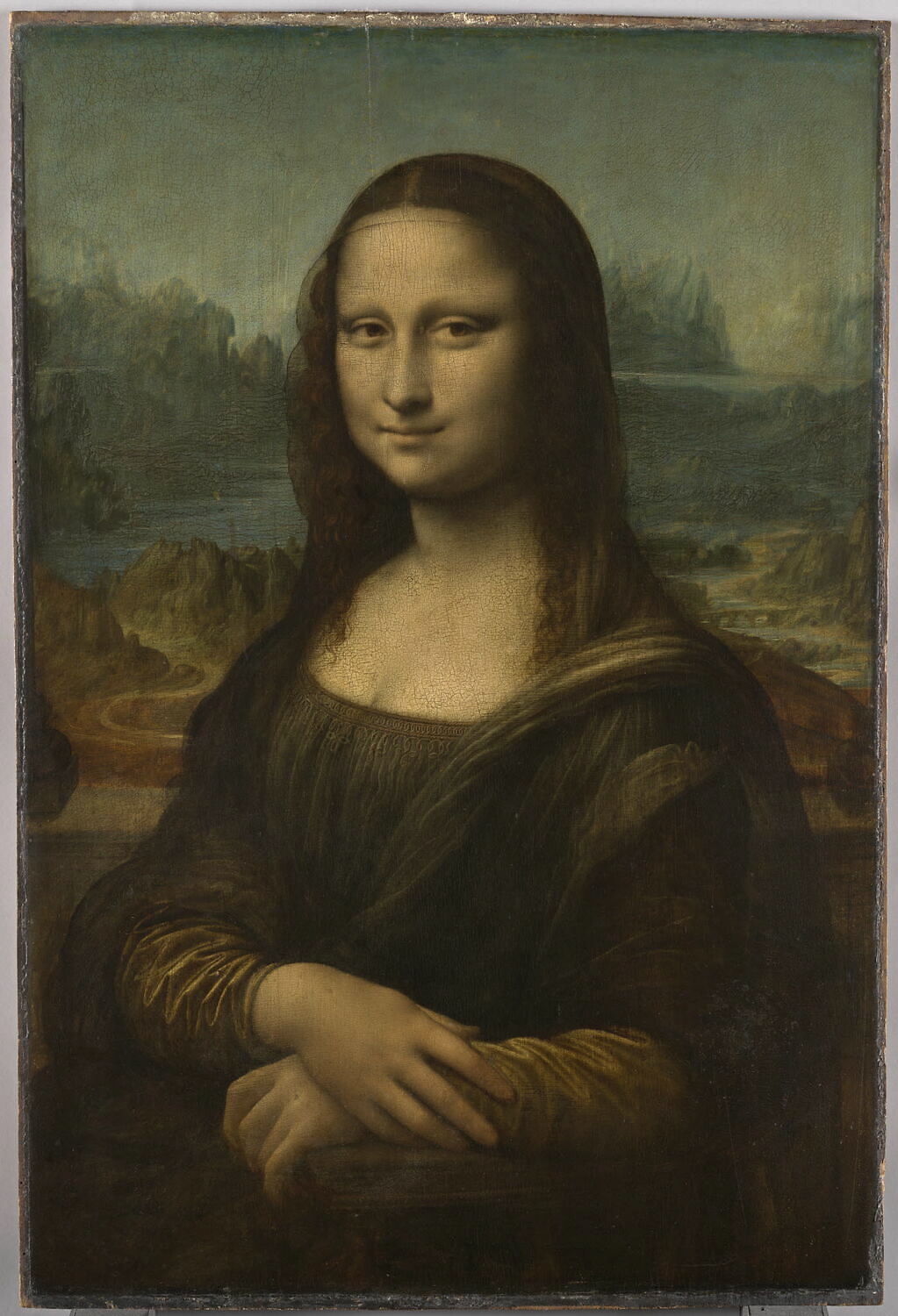
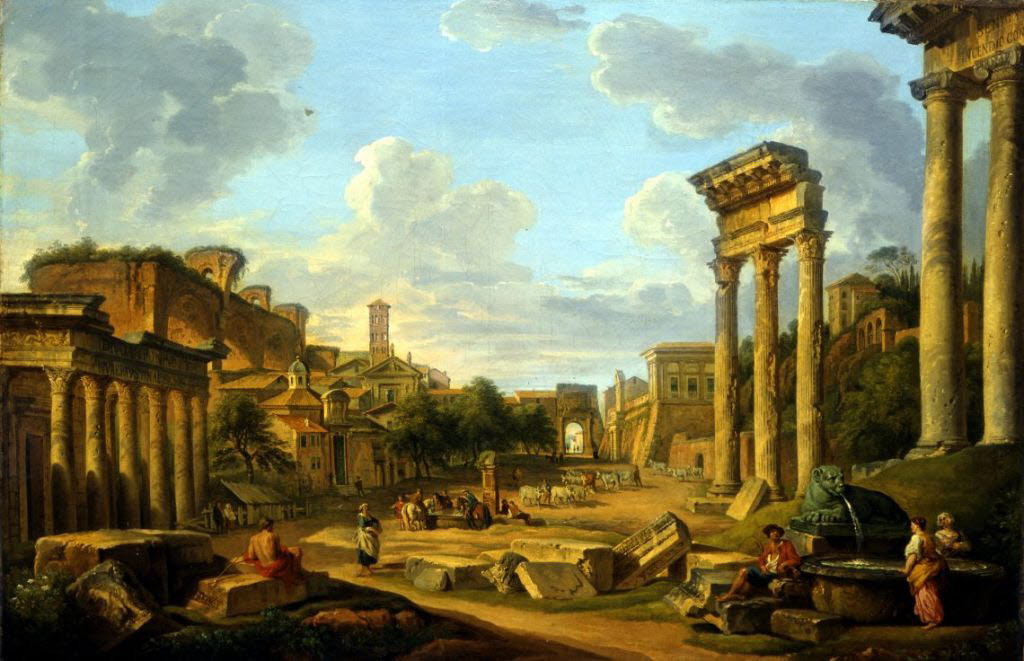
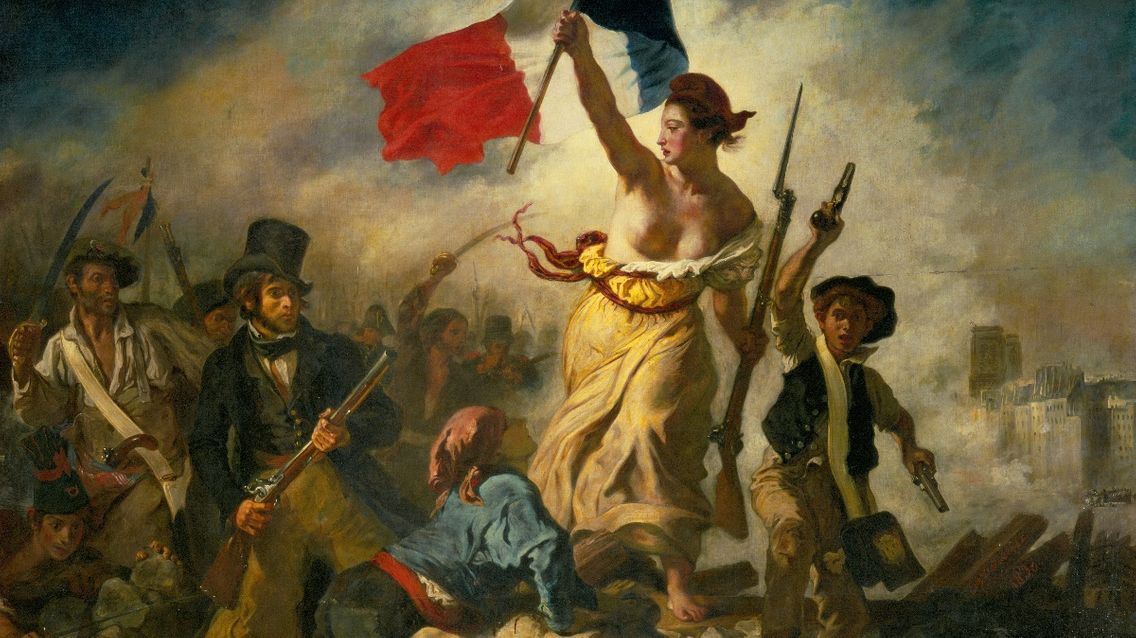
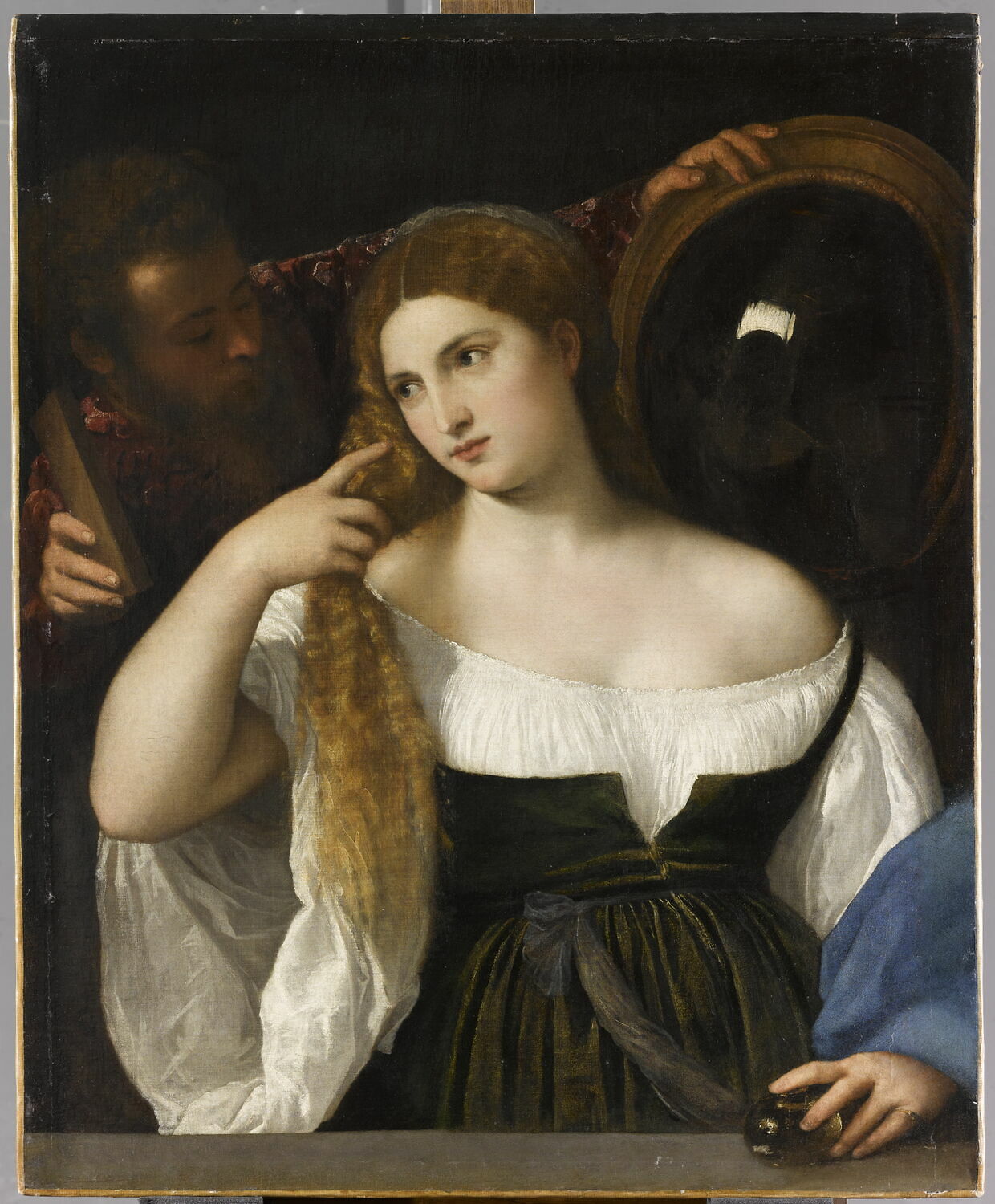
The mas­ter­pieces of the Lou­vre are all there, from Eugène Delacroix’s La Lib­erté guidant le peu­ple and Titian’s La Femme au miroir to the Vénus de Milo and the Great Sphinx of Tanis. But so are an enor­mous num­ber of less­er-known works like a Gio­van­ni Pao­lo Pani­ni view of the Roman forum, an anony­mous 19th-cen­tu­ry Alger­ian land­scape, Hen­drick de Cler­ck­’s Scène de l’his­toire de Psy­ché (among many oth­er Dutch paint­ings), and a pow­der flask amus­ing­ly engraved with human and ani­mal fig­ures, all of them in search of their right­ful own­ers since their retrieval from a defeat­ed Ger­many. You can also explore the Lou­vre’s online col­lec­tions by type of work: draw­ings and engrav­ings, sculp­tures, fur­ni­ture, tex­tiles, jew­el­ry and fin­ery, writ­ing and inscrip­tions, objects, and of course paint­ings. In that last cat­e­go­ry you’ll find the Mona Lisa, view­able more clear­ly than most of us ever have at the phys­i­cal Lou­vre — and down­load­able at that. Enter the col­lec­tion here.

If you would like to sup­port the mis­sion of Open Cul­ture, con­sid­er mak­ing a dona­tion to our site. It’s hard to rely 100% on ads, and your con­tri­bu­tions will help us con­tin­ue pro­vid­ing the best free cul­tur­al and edu­ca­tion­al mate­ri­als to learn­ers every­where. You can con­tribute through Pay­Pal, Patre­on, and Ven­mo (@openculture). Thanks!

Relat­ed Con­tent:

Free Art & Art His­to­ry Cours­es

Take a Long Vir­tu­al Tour of the Lou­vre in Three High-Def­i­n­i­tion Videos

14 Paris Muse­ums Put 300,000 Works of Art Online: Down­load Clas­sics by Mon­et, Cézanne & More

When Pablo Picas­so and Guil­laume Apol­li­naire Were Accused of Steal­ing the Mona Lisa (1911)

Based in Seoul, Col­in Mar­shall writes and broad­casts on cities, lan­guage, and cul­ture. His projects include the Sub­stack newslet­ter Books on Cities, the book The State­less City: a Walk through 21st-Cen­tu­ry Los Ange­les and the video series The City in Cin­e­ma. Fol­low him on Twit­ter at @colinmarshall or on Face­book.

A Short Biography of Keith Haring Told with Comic Book Illustrations & Music

Singer-song­writer-car­toon­ist Jef­frey Lewis is a wor­thy exem­plar of NYC street cred.

Born, raised, and still resid­ing on New York City’s Low­er East Side, he draws comics under the “judg­men­tal” gaze of The Art of Daniel Clowes: Mod­ern Car­toon­ist and writes songs beneath a poster of The Ter­mi­na­tor onto which he graft­ed the face of Lou Reed from a stolen Time Out New York pro­mo.

Billing him­self as “among NYC’s top slingers of folk / garage­rock / antifolk,” Lewis pairs his songs with comics dur­ing live shows, pro­ject­ing orig­i­nal illus­tra­tions or flip­ping the pages of a sketch­book large enough for the audi­ence to see, a prac­tice he refers to as “low bud­get films.”

He’s also an ama­teur his­to­ri­an, as evi­denced by his eight-minute opus The His­to­ry of Punk on the Low­er East Side, 1950–1975 and  a series of extreme­ly “low bud­get films” for the His­to­ry chan­nel, on top­ics such as the French Rev­o­lu­tionMar­co Polo, and the fall of the Sovi­et Union.

His lat­est effort is a 3‑minute biog­ra­phy of artist Kei­th Har­ing, above, for the Muse­um of Mod­ern Art Mag­a­zine’s new Illus­trat­ed Lives series.

While Lewis isn’t a con­tem­po­rary of Haring’s, they def­i­nite­ly breathed the same air:

While Har­ing was spend­ing a cou­ple of for­ma­tive years involved with Club 57 and PS 122, there was lit­tle six-year-old me walk­ing down the street, so I can remem­ber and draw that ear­ly ’80s Low­er East Side/East Vil­lage with­out much stretch. My whole brain is made out of fire escapes and fire hydrants and ten­e­ment cor­nices.

Lewis gives then-ris­ing stars Jean-Michel Basquiat and per­for­mance artist Klaus Nomi cameo appear­ances, before escort­ing Har­ing down into the sub­way for a lit­er­al light­bulb moment.

In Haring’s own words:

…It seemed obvi­ous to me when I saw the first emp­ty sub­way pan­el that this was the per­fect sit­u­a­tion. The adver­tise­ments that fill every sub­way plat­form are changed peri­od­i­cal­ly. When there aren’t enough new ads, a black paper pan­el is sub­sti­tut­ed. I remem­ber notic­ing a pan­el in the Times Square sta­tion and imme­di­ate­ly going above­ground and buy­ing chalk. After the first draw­ing, things just fell into place. I began draw­ing in the sub­ways as a hob­by on my way to work. I had to ride the sub­ways often and would do a draw­ing while wait­ing for a train. In a few weeks, I start­ed to get respons­es from peo­ple who saw me doing it.

After a while, my sub­way draw­ings became more of a respon­si­bil­i­ty than a hob­by. So many peo­ple wished me luck and told me to “keep it up” that it became dif­fi­cult to stop. From the begin­ning, one of the main incen­tives was this con­tact with peo­ple. It became a reward­ing expe­ri­ence to draw and to see the draw­ings being appre­ci­at­ed. The num­ber of peo­ple pass­ing one of these draw­ings in a week was phe­nom­e­nal. Even if the draw­ing only remained up for only one day, enough peo­ple saw it to make it eas­i­ly worth my effort.

Towards the end of his jam-packed, 22-page “low bud­get film,” Lewis wan­ders from his tra­di­tion­al approach to car­toon­ing, reveal­ing him­self to be a keen stu­dent of Haring’s bold graph­ic style.

The final image, to the lyric, “Keith’s explo­sive short life­time and gen­er­ous heart speak like an infi­nite foun­tain from some deep well­spring of art,” is breath­tak­ing.

Spend time with some oth­er New York City icons that have cropped up in Jef­frey Lewis’ music, includ­ing the Chelsea Hotel, the sub­waythe bridges, and St. Mark’s Place.

Watch his low bud­get films for the His­to­ry Chan­nel here.

Relat­ed Con­tent: 

Kei­th Haring’s Eclec­tic Jour­nal Entries Go Online

An Ani­mat­ed His­to­ry of Dogs, Inspired by Kei­th Har­ing

The Sto­ry of Jean-Michel Basquiat’s Rise in the 1980s Art World Gets Told in a New Graph­ic Nov­el

Ayun Hal­l­i­day is an author, illus­tra­tor, the­ater mak­er and Chief Pri­ma­tol­o­gist of the East Vil­lage Inky zine. Fol­low her @AyunHalliday.

The Exquisite, Ephemeral Paper Cuttings of Hans Christian Andersen

Quick, name a melan­choly Dane.

For most of us, the choice comes down to Ham­let or Hans Chris­t­ian Ander­sen, author of such bit­ter­sweet tales as “The Lit­tle Match Girl,” “The Stead­fast Tin Sol­dier,” and “The Lit­tle Mer­maid.”

Ander­sen’s per­son­al life remains a mat­ter of both spec­u­la­tion and fas­ci­na­tion.

Was he gayAsex­u­alA vir­gin with a propen­si­ty for mas­sive crush­es on unat­tain­able women, who engaged pros­ti­tutes sole­ly for con­ver­sa­tion?

No one can say for sure.

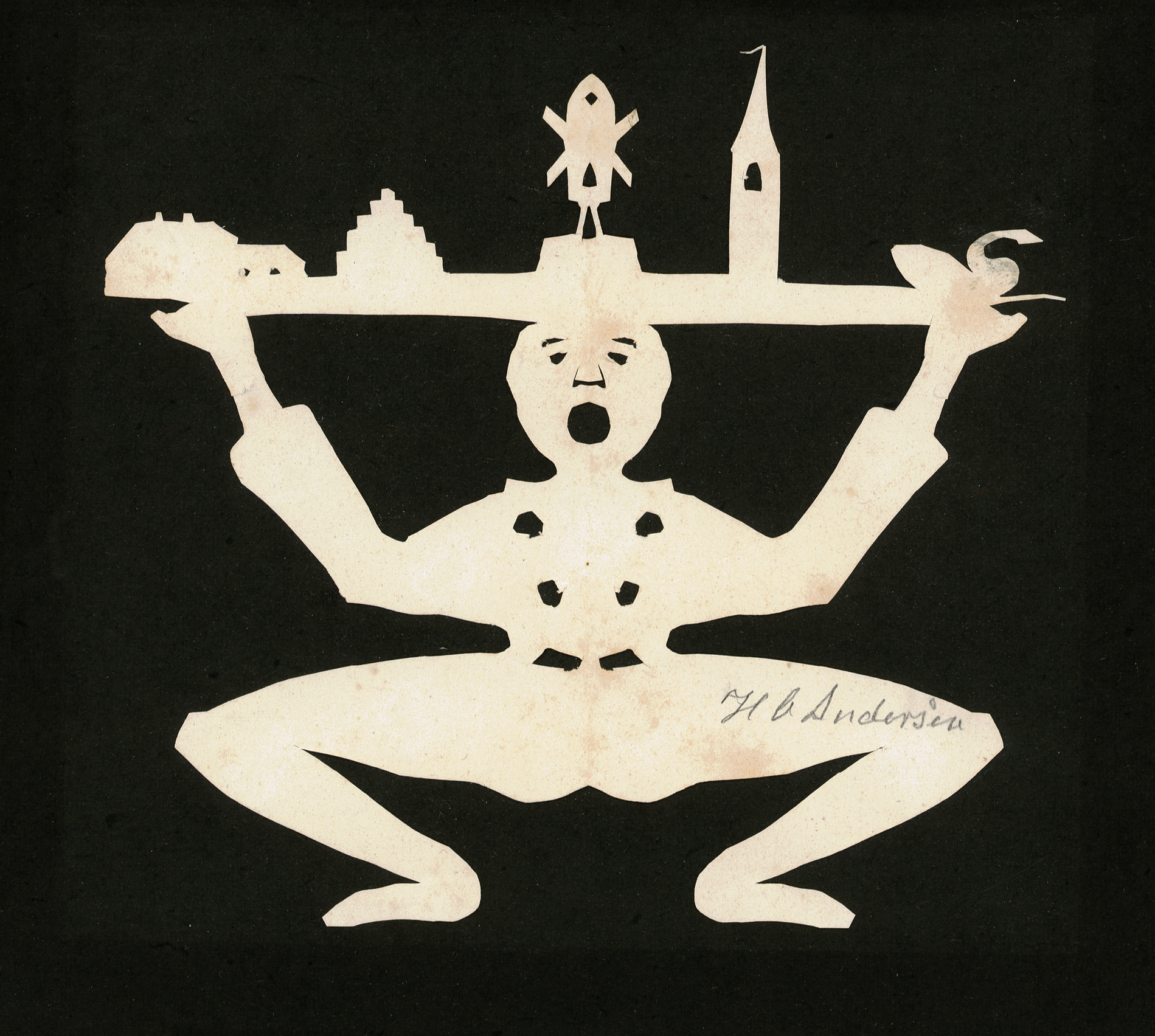
What we know defin­i­tive­ly is that he was a jol­ly and tal­ent­ed paper cut­ter.

He enchant­ed par­ty guests of all ages with impro­vised sto­ries as he snipped away, unfold­ing the sheet at tale’s end, a sou­venir for some lucky young lis­ten­er.

“You can imag­ine how many of them must have got torn or creased,” says art his­to­ri­an Detlef Klein, who co-curat­ed the 2018 exhi­bi­tion Hans Chris­t­ian Ander­sen, Poet with Pen and Scis­sors. “You could often bend the fig­ures a lit­tle, blow at them and then move them across the table­top.”

Amaz­ing­ly, 400 some sur­vive, pri­mar­i­ly in the Odense City Muse­ums’ large col­lec­tion.

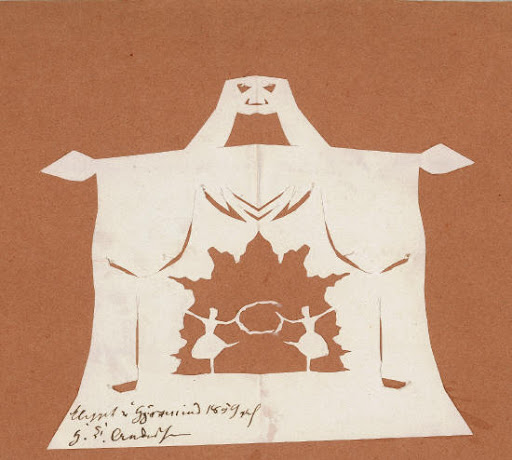
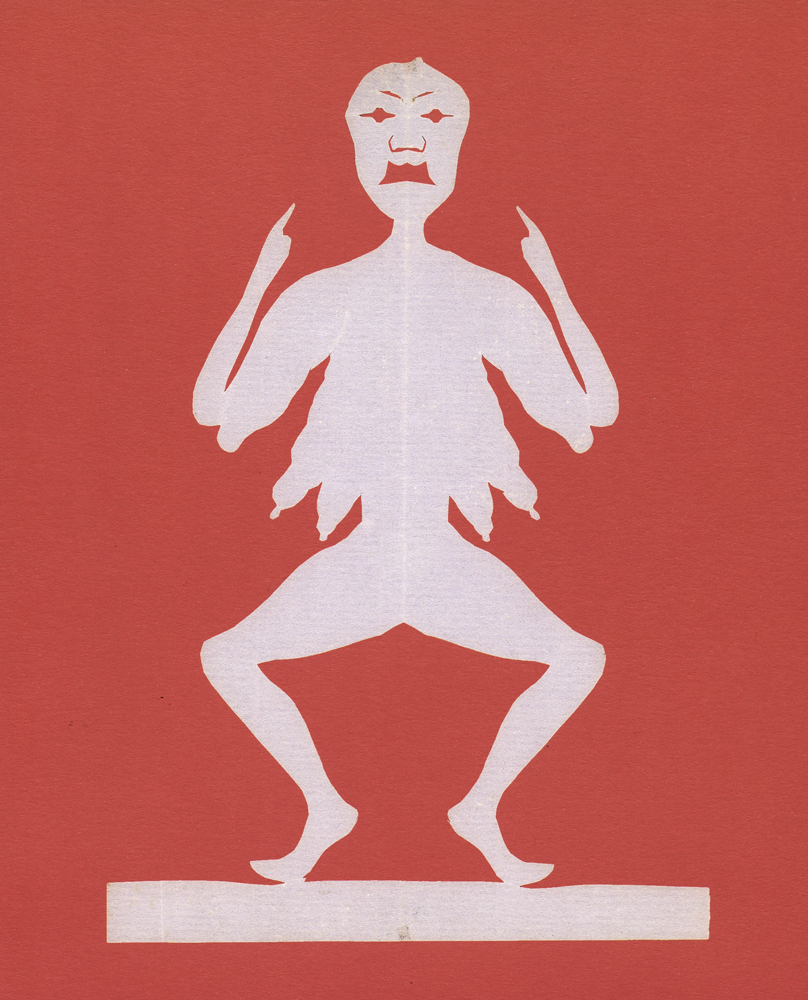
Pier­rots, dancers, and swans were fre­quent sub­jects. Sprad­dle-legged crea­ture’s bel­lies served as prosce­ni­um the­aters. Even the sim­plest fea­ture some tricky, spindly bits—tightropes, umbrel­las, del­i­cate shoes.…

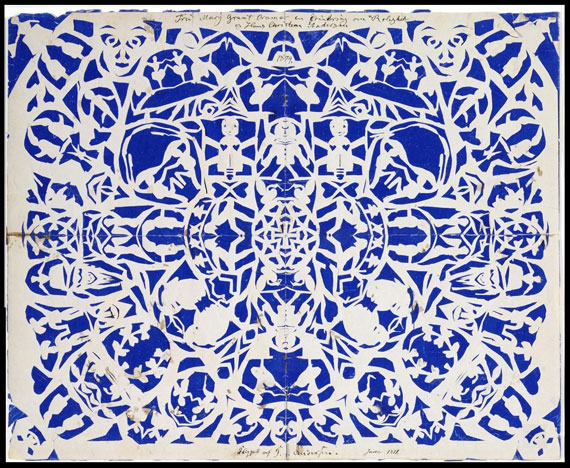
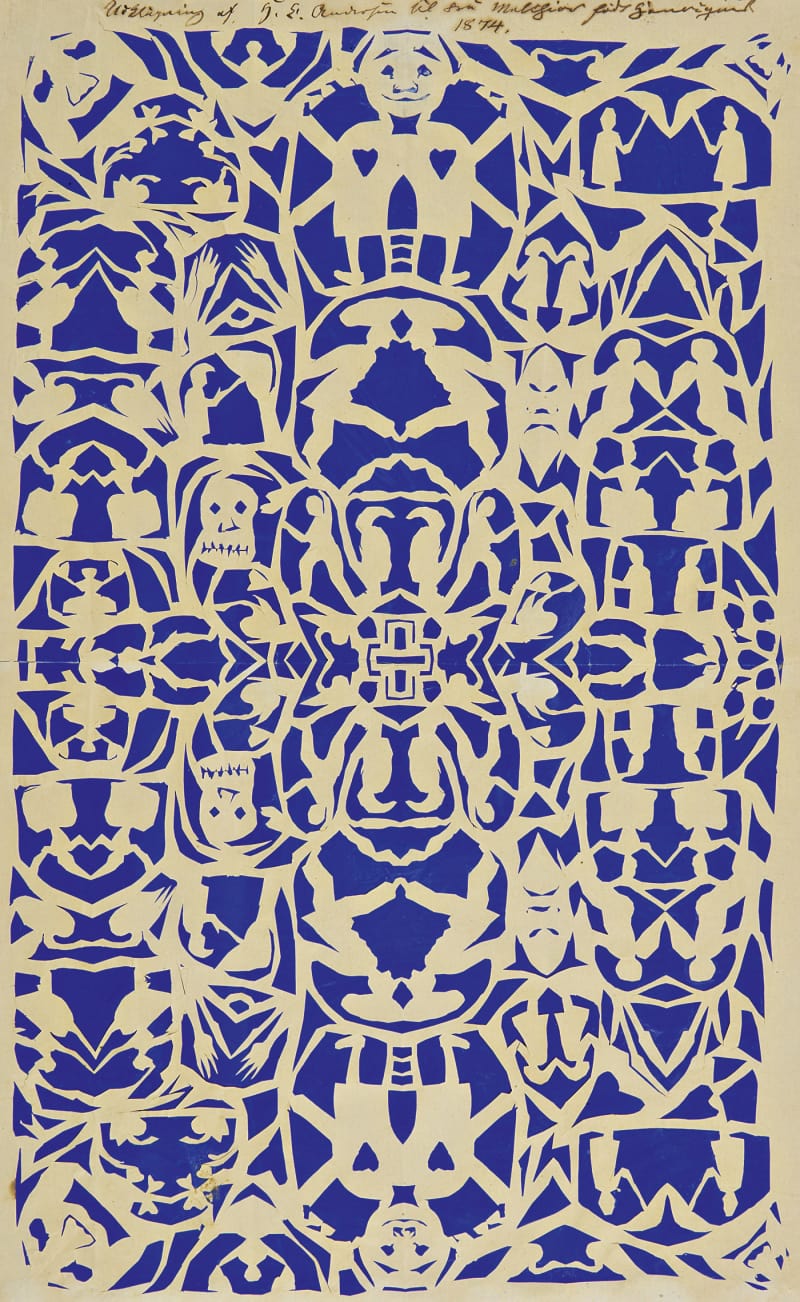
The most intri­cate pieces, like Fan­ta­sy Cut­ting for Dorothea Mel­chior below, were thought­ful home­made presents for close friends. (The Mel­chiors host­ed Andersen’s 70th birth­day par­ty and he died dur­ing an extend­ed vis­it to their coun­try home.)

The cut­tings bring fairy tales to mind, but they are not spe­cif­ic to the pub­lished work of Ander­sen. No Thum­be­li­na. No Ugly Duck­ling. Not a mer­maid in sight.

As Moy McCro­ry, senior lec­tur­er in cre­ative writ­ing at the Uni­ver­si­ty of Der­by, writes:

Ander­sen knew that his writ­ten work would out­last him: he was famous and suc­cess­ful, as were his tales. Yet he con­tin­ued to work in these tran­sient mate­ri­als, their cheap­ness and avail­abil­i­ty mak­ing them of no val­ue apart from their appeal to sentiment…Why work in a form that ought to have left no traces? I sug­gest that this showed how Ander­sen react­ed to his fame, and to his own sense of being for­ev­er on the mar­gins of the lived life. He moved amongst the edu­cat­ed and the famous, was friend­ly with Dick­ens, was patron­ized by nobles, but was out­side those cir­cles. His edu­ca­tion was gained at some pains to him­self, years after the usu­al dates for these activ­i­ties (he would not even pass nowa­days as a “mature stu­dent”, since his com­ple­tion of ele­men­tary school only took place when he was a young adult). He was always placed out­side the nor­mal bounds of the soci­ety he kept.

Read­ers, we chal­lenge you to play Pyg­malion and release a fairy tale based on the images below.

All images, with the excep­tion of The Roy­al Library Copenhagen’s The Botanist, direct­ly above, are used with the per­mis­sion of Odense City Muse­ums, in accor­dance with a Cre­ative Com­mons License.

Explore the Odense City Muse­ums’ col­lec­tion of Hans Chris­t­ian Andersen’s paper­cuts here.

Bonus read­ing for those in need of a laugh: “The Sad­dest End­ings of Hans Chris­t­ian Ander­sen Sto­ries” by the Toast’s Daniel M. Lav­ery.

Relat­ed Con­tent: 

Watch Ani­ma­tions of Oscar Wilde’s Children’s Sto­ries “The Hap­py Prince” and “The Self­ish Giant”

The Japan­ese Fairy Tale Series: The Illus­trat­ed Books That Intro­duced West­ern Read­ers to Japan­ese Tales (1885–1922)

Enter an Archive of 6,000 His­tor­i­cal Children’s Books, All Dig­i­tized and Free to Read Online

Ayun Hal­l­i­day is an author, illus­tra­tor, the­ater mak­er and Chief Pri­ma­tol­o­gist of the East Vil­lage Inky zine.  Fol­low her @AyunHalliday.

Cocktails with a Curator: The Frick Pairs Weekly Art History Lectures with Cocktail Recipes

Once upon a time, not so long ago, First Fri­days at the Frick were a gra­cious way for New York­ers to kick off the week­end. Admis­sion was waived, par­tic­i­pants could take part in open sketch­ing ses­sions or enjoy live per­for­mance, and cura­tors were on hand to give mini lec­tures on the sig­nif­i­cance and his­tor­i­cal con­text of cer­tain prized paint­ings in the col­lec­tion.

Rather than pull the plug entire­ly when the muse­um closed due to the pan­dem­ic, the Frick sought to pre­serve the spir­it of this long­stand­ing tra­di­tion with week­ly episodes of Cock­tails with a Cura­tor, match­ing each selec­tion with recipes for make-at-home themed drinks, with or with­out alco­hol.

Much as we miss these com­mu­nal live events, there’s some­thing to be said for enjoy­ing these wild­ly enter­tain­ing, edu­ca­tion­al mini-lec­tures from the com­fort of one’s own couch, drink in hand, no need to crane past oth­er vis­i­tors for a view, or wor­ry that one might keel over from lock­ing one’s knees too long.

Deputy Direc­tor and Peter Jay Sharp Chief Cura­tor Xavier F. Salomon makes for an espe­cial­ly engag­ing host. His cov­er­age of James McNeill Whistler’s Sym­pho­ny in Flesh Col­or and Pink: Por­trait of Mrs. Frances Ley­land, above, touch­es on the artist’s affin­i­ty for but­ter­flies, music, Japan­ese themes and build­ing his own frames.

But the great­est delight is Salomon’s tal­ent for imbu­ing 19th-cen­tu­ry art world gos­sip with a sense of imme­di­a­cy.

Sip a sake high­ball (or a vir­gin san­gria-style refresh­er of plum juice and mint) and chew on the true nature of the artist’s rela­tion­ship with his ship­ping mag­nate patron’s wife.

Sake High­ball
sake (of your choice)
club soda (as much/little as need­ed)
lots of ice

Alter­na­tive Mock­tail
plum juice

ice
cut orange, lemon and apple (san­gria style)
mint leaves
sug­ar (as need­ed)

Salomon returns to con­sid­er one of the Frick’s most icon­ic hold­ings, François Bouch­er’s roco­co Four Sea­sons.

Com­mis­sioned in 1755 to serve as over-door dec­o­ra­tions for King Louis XV’s mis­tress Madame de Pom­padour, they now reside in the Frick’s ornate Bouch­er Room.

Salomon draws com­par­isons to anoth­er swoon­ing Frick favorite, Jean-Hon­oré Frag­o­nard’s series Progress of Love. While the roman­tic nature of these works is hard­ly a secret, Salomon is able to speak to the erot­ic sig­nif­i­cance of dol­phins, grapes, and tiny 18th-cen­tu­ry shep­herdess bon­nets.

Those who are respect­ing COVID pro­to­cols by court­ing out­doors this win­ter will wel­come Salomon’s thoughts on Winter’s cen­tral fig­ure, a coquette rid­ing in a sleigh dri­ven by a well-bun­dled man in Tar­tar dress:

Her hands may be warmed by a muff, but her upper body is com­plete­ly exposed. It’s a com­bi­na­tion of lux­u­ry and seduc­tion typ­i­cal of Bouch­er, all treat­ed in a fan­ci­ful, even humor­ous man­ner.

Also, is it just us, or is Cura­tor Salomon tak­ing the oppor­tu­ni­ty to enjoy his Proust-inspired Time Regained cock­tail in a kimono? (A perk of the vir­tu­al office…)

Time Regained
2 oz. Scotch whisky
0.75 oz. Dry ver­mouth
0.5 oz. Pis­co
0.25 oz. Jas­mine tea syrup (equal parts of jas­mine tea and sug­ar)

Alter­na­tive Mock­tail
Cold jas­mine tea
One spoon­ful of gold­en syrup
Top with ton­ic water

Salomon hands host­ing duties to col­league Aimee Ng for Ver­meer’s Mis­tress and Maid, one of three works by the Dutch Mas­ter in the Frick­’s col­lec­tion.

Here the dra­ma is less explic­it­ly informed by the boudoir, though there’s a big reveal around the 10 minute mark, thanks to recent advances in infrared reflec­tog­ra­phy and some well-coor­di­nat­ed art sleuthing.

As to the con­tents of the mes­sage the maid prof­fers her ermine trimmed mis­tress, we’ll nev­er know, although those of us with ready access to the Dutch spir­it gen­ev­er can have fun spec­u­lat­ing over a glass of Gen­ev­er Brûlée.

Gen­ev­er Brûlée
2 oz gen­ev­er
1 tea­spoon brown sug­ar
A few dash­es of clas­sic bit­ters
A dash of orange bit­ters
A splash of sparkling water
Gar­nished with a caramelized orange slice

Alter­na­tive Mock­tail

Juice of half an orange
2 dash­es orange blos­som water
A splash of sparkling water
Gar­nished with a caramelized orange slice

To explore a playlist of every Cock­tails with a Cura­tor episode, cov­er­ing such notable works as Velázquez’s King Philip IV of SpainClaude Monet’s Vétheuil in Win­ter, and Hans Holbein’s Sir Thomas More, click here.

To read more in-depth cov­er­age of each episode’s fea­tured art­work, along with its cock­tail and mock­tail recipes, click here.

Relat­ed Con­tent:

Vis­it 2+ Mil­lion Free Works of Art from 20 World-Class Muse­ums Free Online

14 Paris Muse­ums Put 300,000 Works of Art Online: Down­load Clas­sics by Mon­et, Cézanne & More

Where to Find Free Art Images & Books from Great Muse­ums, and Free Books from Uni­ver­si­ty Press­es

Ayun Hal­l­i­day is an author, illus­tra­tor, the­ater mak­er and Chief Pri­ma­tol­o­gist of the East Vil­lage Inky zine. She most recent­ly appeared as a French Cana­di­an bear who trav­els to New York City in search of food and mean­ing in Greg Kotis’ short film, L’Ourse.  Fol­low her @AyunHalliday.

A 3,000-Year-Old Painter’s Palette from Ancient Egypt, with Traces of the Original Colors Still In It

It’s a good bet your first box of crayons or water­col­ors was a sim­ple affair of six or so col­ors… just like the palette belong­ing to Amen­emopet, vizier to Pharaoh Amen­hotep III (c.1391 — c.1354 BC), a plea­sure-lov­ing patron of the arts whose rule coin­cid­ed with a peri­od of great pros­per­i­ty.

Amenemopet’s well-used artist’s palette, above, now resides in the Egypt­ian wing of New York City’s Met­ro­pol­i­tan Muse­um of Art.

Over 3000 years old and carved from a sin­gle piece of ivory, the palette is marked “beloved of Re,” a roy­al ref­er­ence to the sun god dear to both Amen­hotep III and Akhen­aton, his son and suc­ces­sor, whose wor­ship of Re resem­bled monothe­ism.

As cura­tor Catharine H. Roehrig notes in the Met­ro­pol­i­tan’s pub­li­ca­tion, Life along the Nile: Three Egyp­tians of Ancient Thebes, the palette “con­tains the six basic col­ors of the Egypt­ian palette, plus two extras: red­dish brown, a mix­ture of red ocher and car­bon; and orange, a mix­ture of orpi­ment (yel­low) and red ocher. The painter could also vary his col­ors by apply­ing a thick­er or thin­ner lay­er of paint or by adding white or black to achieve a lighter or dark­er shade.”

(Care­ful when mix­ing that orpi­ment into your red ocher, kids. It’s a form of arsenic.)

Oth­er min­er­als that would have been ground and com­bined with a nat­ur­al bind­ing agent include gyp­sum, car­bon, iron oxides, blue and green azu­rite and mala­chite.

The col­ors them­selves would have had strong sym­bol­ism for Amen­hotep and his peo­ple, and the artist would have made very delib­er­atereg­u­lat­ed, evenchoic­es as to which pig­ment to load onto his palm fiber brush when dec­o­rat­ing tombs, tem­ples, pub­lic build­ings, and pot­tery.

As Jen­ny Hill writes in Ancient Egypt Onlineiwn—col­orcan also be trans­lat­ed as “dis­po­si­tion,” “char­ac­ter,” “com­plex­ion” or “nature.” She delves into the specifics of each of the six basic col­ors:

Wadj (green) also means “to flour­ish” or “to be healthy.” The hiero­glyph rep­re­sent­ed the papyrus plant as well as the green stone mala­chite (wadj). The col­or green rep­re­sent­ed veg­e­ta­tion, new life and fer­til­i­ty. In an inter­est­ing par­al­lel with mod­ern ter­mi­nol­o­gy, actions which pre­served the fer­til­i­ty of the land or pro­mot­ed life were described as “green.”

Dshr (red) was a pow­er­ful col­or because of its asso­ci­a­tion with blood, in par­tic­u­lar the pro­tec­tive pow­er of the blood of Isis…red could also rep­re­sent anger, chaos and fire and was close­ly asso­ci­at­ed with Set, the unpre­dictable god of storms. Set had red hair, and peo­ple with red hair were thought to be con­nect­ed to him. As a result, the Egyp­tians described a per­son in a fit of rage as hav­ing a “red heart” or as being “red upon” the thing that made them angry. A per­son was described as hav­ing “red eyes” if they were angry or vio­lent. “To red­den” was to die and “mak­ing red” was a euphemism for killing.

Irtyu (blue) was the col­or of the heav­ens and hence rep­re­sent­ed the uni­verse. Many tem­ples, sar­copha­gi and bur­ial vaults have a deep blue roof speck­led with tiny yel­low stars. Blue is also the col­or of the Nile and the primeval waters of chaos (known as Nun).

Khenet (yel­low) rep­re­sent­ed that which was eter­nal and inde­struc­tible, and was close­ly asso­ci­at­ed with gold (nebu or nebw) and the sun. Gold was thought to be the sub­stance which formed the skin of the gods.

Hdj (white) rep­re­sent­ed puri­ty and omnipo­tence. Many sacred ani­mals (hip­po, oxen and cows) were white. White cloth­ing was worn dur­ing reli­gious rit­u­als and to “wear white san­dals” was to be a priest…White was also seen as the oppo­site of red, because of the latter’s asso­ci­a­tion with rage and chaos, and so the two were often paired to rep­re­sent com­plete­ness.

Kem (black) rep­re­sent­ed death and the after­life to the ancient Egyp­tians. Osiris was giv­en the epi­thet “the black one” because he was the king of the nether­world, and both he and Anu­bis (the god of embalm­ing) were por­trayed with black faces. The Egyp­tians also asso­ci­at­ed black with fer­til­i­ty and res­ur­rec­tion because much of their agri­cul­ture was depen­dent on the rich dark silt deposit­ed on the riv­er banks by the Nile dur­ing the inun­da­tion. When used to rep­re­sent res­ur­rec­tion, black and green were inter­change­able.

via My Mod­ern Met

Relat­ed Con­tent: 

Won­ders of Ancient Egypt: A Free Online Course from the Uni­ver­si­ty of Penn­syl­va­nia

Harvard’s Dig­i­tal Giza Project Lets You Access the Largest Online Archive on the Egypt­ian Pyra­mids (Includ­ing a 3D Giza Tour)

Pyra­mids of Giza: Ancient Egypt­ian Art and Archaeology–a Free Online Course from Har­vard

The Met Dig­i­tal­ly Restores the Col­ors of an Ancient Egypt­ian Tem­ple, Using Pro­jec­tion Map­ping Tech­nol­o­gy

Take a 3D Tour Through Ancient Giza, Includ­ing the Great Pyra­mids, the Sphinx & More

What Ancient Egypt­ian Sound­ed Like & How We Know It

Ayun Hal­l­i­day is an author, illus­tra­tor, the­ater mak­er and Chief Pri­ma­tol­o­gist of the East Vil­lage Inky zine. She most recent­ly appeared as a French Cana­di­an bear who trav­els to New York City in search of food and mean­ing in Greg Kotis’ short film, L’Ourse.  Fol­low her @AyunHalliday.

Take a New Virtual Reality Tour of the Metropolitan Museum of Art

You can go to the Met­ro­pol­i­tan Muse­um of Art today, and in real life at that. This isn’t true of all the world’s great art insti­tu­tions, still shut down as many are by mea­sures in response to the past year’s coro­n­avirus pan­dem­ic. But then, none of them have offered a dig­i­tal vis­it­ing expe­ri­ence quite like The Met Unframed, recent­ly launched in part­ner­ship with cell­phone ser­vice provider Ver­i­zon. For a peri­od of five weeks, any­one can join and freely roam a vir­tu­al recon­struc­tion, or rather reimag­in­ing, of the Met and its gal­leries. There they’ll encounter paint­ings by Pol­lock, Van Gogh, and Rem­brandt, as well as work by cur­rent artists and majes­tic arti­facts from antiq­ui­ty.

“Upon enter­ing the web­site, vis­i­tors are wel­comed to the museum’s Great Hall with a view of Kent Monkman’s dip­tych mist­ikôsi­wak: Wood­en Boat Peo­ple (2019),” writes Hyper­al­ler­gic’s Hakim Bishara. “From there, ban­ners offer broad the­mat­ic con­cepts — Pow­er, Home, Nature, and Jour­ney — through which vis­i­tors can explore the gal­leries.”

Embed­ded in cer­tain pieces of art, you’ll find not just his­tor­i­cal details and audio-tour expla­na­tions but mini-games, which “include triv­ia ques­tions and rid­dles that encour­age close obser­va­tion of the art­works and labels. A game called ‘Analy­sis’ uses the Met’s infrared and X‑ray con­ser­va­tion scans of paint­ings to reveal under­draw­ings and oth­er hid­den details of well-known paint­ings.”

Win enough such games, and you’ll get the chance to “bor­row” the art­work you’ve clicked to dis­play, through aug­ment­ed real­i­ty, in your space of choice — for fif­teen min­utes, at least. At Art­net, crit­ic Ben Davis writes of plac­ing here and there around his apart­ment Fred­er­ic Edwin Church’s Heart of the Andes, Jacob Lawrence’s The Pho­tog­ra­ph­er, and a Baby Yoda-scaled ver­sion of Rem­brandt’s Self-Por­trait. He even makes a seri­ous if ulti­mate­ly frus­trat­ed effort to win dig­i­tal bor­row­ing rights to the ancient Egypt­ian Tem­ple of Den­dur, one of the Met’s pièces de résis­tance since the late 1970s.

To expe­ri­ence The Met Unframed for your­self, just head over to its web site and use your phone to scan the QR code that comes up (if you’re not brows­ing on your phone in the first place). You’ll then be tak­en straight to the vir­tu­al Great Hall, which you can nav­i­gate by swip­ing in any direc­tion — or phys­i­cal­ly mov­ing your phone around, if you’ve enabled gyro­scope mode — and tap­ping the icons glow­ing along the ground or on the walls. The com­bi­na­tion of high tech­nol­o­gy, his­tor­i­cal ref­er­ence, depop­u­lat­ed but ele­gant­ly designed set­tings, puz­zle chal­lenges, and a score in which syn­the­siz­ers meet ambi­ent noise will remind vis­i­tors of a cer­tain age of noth­ing so much as the adven­ture games of the ear­ly 1990s, espe­cial­ly Myst and its clones. But then, what does a muse­um do if not unite the past and the present?

via Hyper­al­ler­gic

Relat­ed Con­tent:

An Unbe­liev­ably Detailed, Hand-Drawn Map Lets You Explore the Rich Col­lec­tions of the Met Muse­um

Down­load 584 Free Art Books from The Met­ro­pol­i­tan Muse­um of Art

The Met­ro­pol­i­tan Muse­um of Art Puts 400,000 High-Res Images Online & Makes Them Free to Use

Down­load 50,000 Art Books & Cat­a­logs from the Met­ro­pol­i­tan Muse­um of Art’s Dig­i­tal Col­lec­tions

Take a Vir­tu­al Tour of 30 World-Class Muse­ums & Safe­ly Vis­it 2 Mil­lion Works of Fine Art

Based in Seoul, Col­in Mar­shall writes and broad­casts on cities, lan­guage, and cul­ture. His projects include the Sub­stack newslet­terBooks on Cities, the book The State­less City: a Walk through 21st-Cen­tu­ry Los Ange­les and the video series The City in Cin­e­ma. Fol­low him on Twit­ter at @colinmarshall, on Face­book, or on Insta­gram.

« Go BackMore in this category... »
Quantcast