Tate Kids Presents Introductions to Art Movements: Cubism, Impressionism, Surrealism & More

Tate Kids has a sol­id grasp on the sort of hands on art-relat­ed con­tent that appeals to chil­dren — Make a mud paint­ing! Make a spaghet­ti sculp­ture! Pho­to fil­ter chal­lenge!

Chil­dren of all ages, grown ups who skipped out on art his­to­ry includ­ed, will ben­e­fit from their break­neck overviews of entire art move­ments.

Take cubism.

The Tate Kids’ ani­ma­tion, above, pro­vides a sol­id if speedy overview, zip­ping through eight can­vas­es, six artists, and expla­na­tions of the move­men­t’s two phas­es — ana­lyt­i­cal and syn­thet­ic. (Three phas­es if you count Orphism, the abstract, cubist influ­enced paint­ing style mar­ried artists Robert and Sonia Delau­nay hatched around 1912.)

Giv­en the intend­ed audi­ence, the fond friend­ship between the fathers of cubism, Georges Braque and Pablo Picas­so looms large, with nary a peep about Picasso’s nar­cis­sism and misog­y­ny. And it must be said that the narrator’s tone grates a bit — a bit too loud, a bit too wowed.

The Impres­sion­ists come off as the real cool kids, with a dif­fer­ent nar­ra­tor, and nifty col­lage ani­ma­tions that find Camille Pis­sar­ro throw­ing horns and a Mohawked Alfred Sis­ley as they reject the Salon’s insis­tence on “myths, bat­tles and paint­ings of impor­tant peo­ple.”

Their defi­ant spir­it is sup­port­ed by crit­i­cism that most def­i­nite­ly has not stood the test of time:

Pure evil! 

Wall­pa­per! 

Like a mon­key has got hold of a box of paints!

Kid pre­sen­ters seize the con­trols for an intro­duc­tion to the mid-cen­tu­ry Japan­ese avant-garde move­ment, Gutai.

Their con­clu­sion?

Smash­ing things up is fun!

As are man­i­festos:

Let’s bid farewell to the hoax­es piled up on the altars and in the palaces, the draw­ing rooms and the antique shops…Lock up these corpses in the grave­yard!

Yay!

Those who are poor­ly equipped to stom­ach the nar­ra­tors’ whizbang enthu­si­asm should take a restora­tive min­utes to vis­it the muse­um oranges in hand, with 12-year-old Jae­da and 9‑year-old Fati­matu. Their calm will­ing­ness to engage with con­cep­tu­al art is a ton­ic:

When I start­ed art, I though art was just about mak­ing it per­fect, but you don’t have to care what oth­er peo­ple say. That could still mean an art to you.

Watch a Tate Kids Art Move­ments playlist on YouTube. Sup­ple­ment what you’ve learned with a host of Tate Kids activ­i­ties, col­or­ing pages, games, quizzes, artist bios and a gallery of crowd­sourced kid art.

Relat­ed Con­tent 

The Tate Dig­i­tizes 70,000 Works of Art: Pho­tos, Sketch­books, Let­ters & More

Watch the Tate Mod­ern Restore Mark Rothko’s Van­dal­ized Paint­ing, Black on Maroon: 18 Months of Work Con­densed Into 17 Min­utes

A 110-Year-Old Book Illus­trat­ed with Pho­tos of Kit­tens & Cats Taught Kids How to Read

- Ayun Hal­l­i­day is the Chief Pri­ma­tol­o­gist of the East Vil­lage Inky zine and author, most recent­ly, of Cre­ative, Not Famous: The Small Pota­to Man­i­festo.  Fol­low her @AyunHalliday.

Discover Khipu, the Ancient Incan Record & Writing System Made Entirely of Knots

Khi­pus, the portable infor­ma­tion archives cre­at­ed by the Inca, may stir up mem­o­ries of 1970s macrame with their long strands of intri­cate­ly knot­ted, earth-toned fibers, but their func­tion more close­ly resem­bled that of a dense­ly plot­ted com­put­er­ized spread­sheet.

As Cecil­ia Par­do-Grau, lead cura­tor of the British Museum’s cur­rent exhi­bi­tion Peru: a jour­ney in time explains in the above Cura­tors Cor­ner episode, khi­pus were used to keep track of every­thing from inven­to­ries and cen­sus to his­tor­i­cal nar­ra­tives, using a sys­tem that assigned mean­ing to the type and posi­tion of knot, spaces between knots, cord length, fiber col­or, etc.

Much of the infor­ma­tion pre­served with­in khi­pus has yet to be deci­phered by mod­ern schol­ars, though the Open Khipu Repos­i­to­ry — com­pu­ta­tion­al anthro­pol­o­gist Jon Clin­daniel’s open-source data­base — makes it pos­si­ble to com­pare the pat­terns of hun­dreds of khi­pus resid­ing in muse­um and uni­ver­si­ty col­lec­tions.

Even in the Incan Empire, few were equipped to make sense of a khipu. This task fell to quipu­ca­may­ocs, high born admin­is­tra­tive offi­cials trained since child­hood in the cre­ation and inter­pre­ta­tion of these organ­ic spread­sheets.

Fleet mes­sen­gers known as chask­is trans­port­ed khipus on foot between admin­is­tra­tive cen­ters, cre­at­ing an infor­ma­tion super­high­way that pre­dates the Inter­net by some five cen­turies. Khi­pus’ stur­dy organ­ic cot­ton or native camelid fibers were well suit­ed to with­stand­ing both the rig­ors of time and the road.

A 500-year-old com­pos­ite khipu that found its way to British Muse­um organ­ics con­ser­va­tor Nicole Rode pri­or to the exhi­bi­tion was intact, but severe­ly tan­gled, with a brit­tle­ness that betrayed its age. Below, she describes falling under the khipu’s spell, dur­ing the painstak­ing process of restor­ing it to a con­di­tion where­by researchers could attempt to glean some of its secrets.

Vis­it Museo Chileno de Arte Precolombino’s web­site to learn more about khipu in a series of fas­ci­nat­ing short arti­cles that accom­pa­nied their ground­break­ing 2003 exhib­it QUIPU: count­ing with knots in the Inka Empire.

via Aeon.

Relat­ed Con­tent: 

How the Inca Used Intri­cate­ly-Knot­ted Cords, Called Khipu, to Write Their His­to­ries, Send Mes­sages & Keep Records

Take a Vir­tu­al Tour of Machu Pic­chu, One of the New 7 Won­ders of the World

Ancient Maps that Changed the World: See World Maps from Ancient Greece, Baby­lon, Rome, and the Islam­ic World

Ayun Hal­l­i­day is the Chief Pri­ma­tol­o­gist of the East Vil­lage Inky zine and author, most recent­ly, of Cre­ative, Not Famous: The Small Pota­to Man­i­festo.  Fol­low her @AyunHalliday.

Download 215,000 Japanese Woodblock Prints by Masters Spanning the Tradition’s 350-Year History

If you enjoy Japan­ese wood­block prints, that appre­ci­a­tion puts you in good com­pa­ny: with Vin­cent van Gogh, for exam­ple, and per­haps even more flat­ter­ing­ly, with many of your fel­low read­ers of Open Cul­ture. So avid is the inter­est in ukiyo‑e, the tra­di­tion­al Japan­ese “pic­tures of the float­ing world,” that you might even have missed one of the large, free online col­lec­tions we’ve fea­tured over the years. Take, for instance, the one made avail­able by the Van Gogh Muse­um itself, which fea­tures the work of such well-known mas­ters as Kat­sushi­ka Hoku­sai, artist of The Great Wave off Kanaza­wa, and Uta­gawa Hiroshige, he of the One Hun­dred Views of Edo.

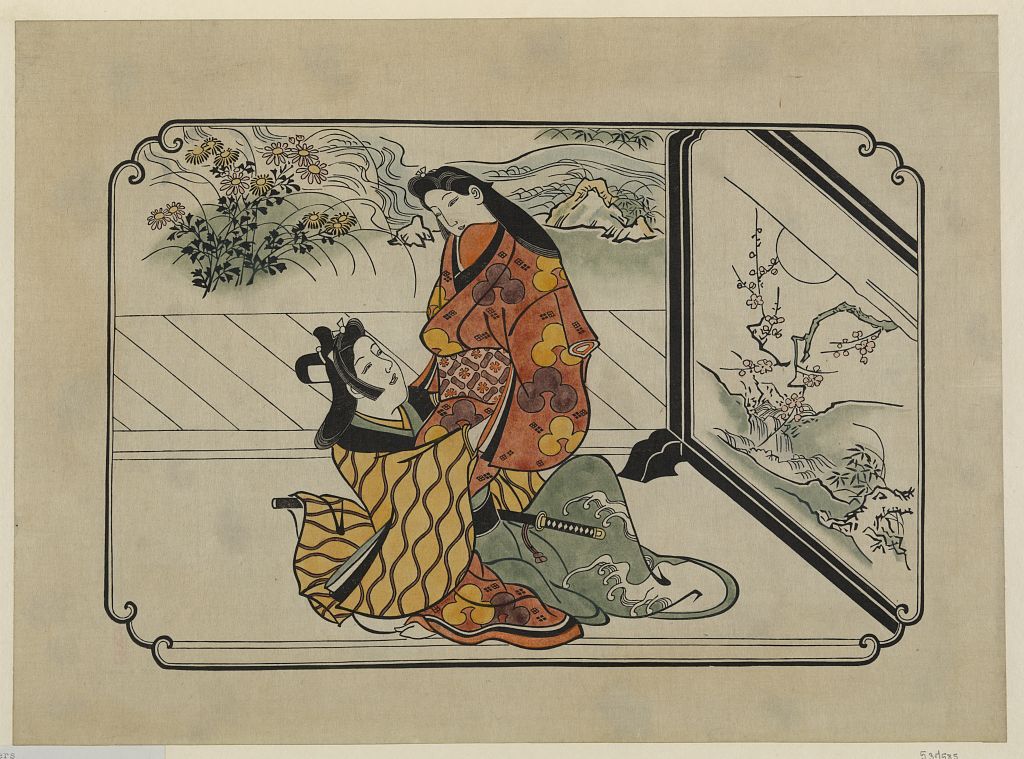
Edo was the name of Tokyo until 1868, a decade after Hiroshige’s death — an event that itself marked the end of an aes­thet­i­cal­ly fruit­ful era for ukiyo‑e. But the his­to­ry of the form itself stretch­es back to the 17th cen­tu­ry, as reflect­ed by the Unit­ed States Library of Con­gress’ online col­lec­tion “Fine Prints: Japan­ese, pre-1915.”

There you’ll find plen­ty of Hoku­sai and Hiroshige, but also oth­ers who took the art form in their own direc­tions like Uta­gawa Yoshi­fu­ji, whose prints include depic­tions of not just his coun­try­men but vis­it­ing West­ern­ers as well. (The results are some­what more real­is­tic than the ukiyo‑e Lon­don imag­ined in 1866 by Uta­gawa Yoshi­to­ra, anoth­er mem­ber of the same artis­tic lin­eage.)

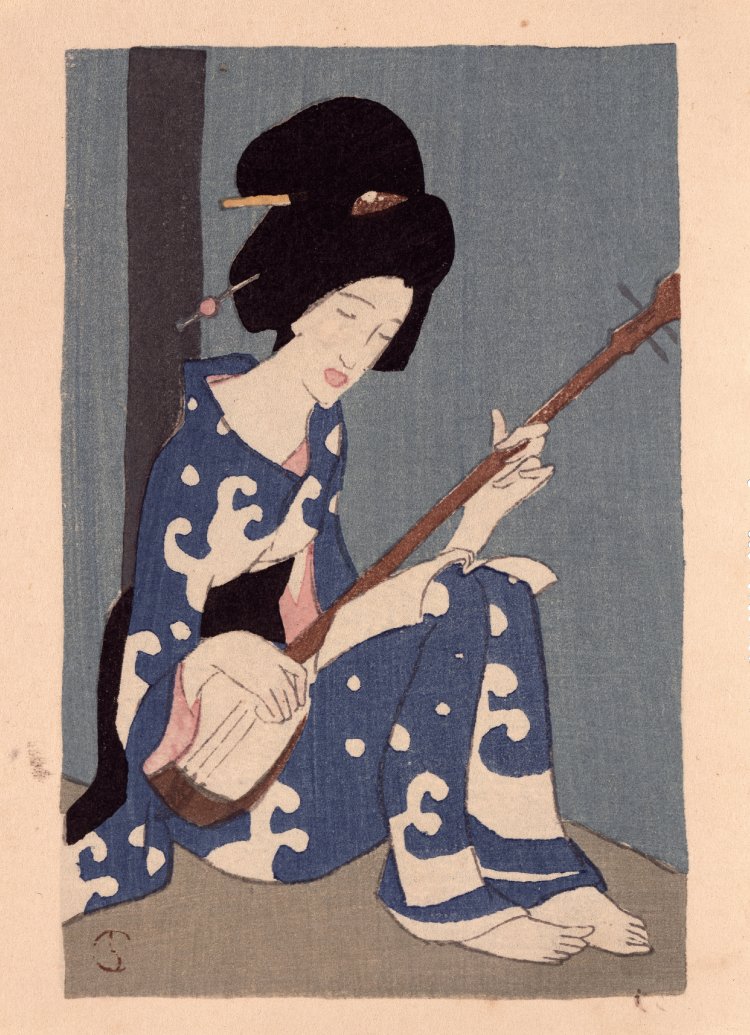
As if all this was­n’t enough, you can also find more than 220,000 Japan­ese wood­block prints at Ukiyo‑e.org. Quite pos­si­bly the most expan­sive such archive yet cre­at­ed, it includes works from Hiroshige and Hoku­sai’s 19th-cen­tu­ry “gold­en age of print­mak­ing” as well as from the devel­op­ment of the art form ear­ly in the cen­tu­ry before. Even after its best-known prac­ti­tion­ers were gone, ukiyo‑e con­tin­ued to evolve: through Japan’s mod­ern­iz­ing Mei­ji peri­od in the late 19th and ear­ly 20th cen­tu­ry, through var­i­ous aes­thet­ic move­ments in the years up to the Sec­ond World War, and even on to our own time, which has seen the emer­gence even of pro­lif­ic non-Japan­ese print­mak­ers.

Of course, these ukiyo‑e prints weren’t orig­i­nal­ly cre­at­ed to be viewed on the inter­net; the works of Hoku­sai and Hiroshige may look good on a tablet, but not by their design. Still, they did often have the indi­vid­ual con­sumer in mind: these are artists “known today for their wood­block prints, but who also excelled at illus­tra­tions for deluxe poet­ry antholo­gies and pop­u­lar lit­er­a­ture,” writes the Met­ro­pol­i­tan Muse­um of Art cura­tor John Car­pen­ter. His words greet the vis­i­tor to the Met’s online col­lec­tion of more than 650 illus­trat­ed Japan­ese books, which presents ukiyo‑e as it would actu­al­ly have been seen by most peo­ple when the form first explod­ed in pop­u­lar­i­ty — not that, even then, its enthu­si­asts could imag­ine how many appre­ci­a­tors it would one day have around the world.

Below you can find a list of pri­or posts fea­tur­ing archives of Japan­ese wood­block prints. Please feel free to explore them at your leisure.

Relat­ed con­tent:

Down­load Hun­dreds of 19th-Cen­tu­ry Japan­ese Wood­block Prints by Mas­ters of the Tra­di­tion

Down­load Vin­cent van Gogh’s Col­lec­tion of 500 Japan­ese Prints, Which Inspired Him to Cre­ate “the Art of the Future”

Down­load 2,500 Beau­ti­ful Wood­block Prints and Draw­ings by Japan­ese Mas­ters (1600–1915)

Enter a Dig­i­tal Archive of 213,000+ Beau­ti­ful Japan­ese Wood­block Prints

The Met Puts 650+ Japan­ese Illus­trat­ed Books Online: Mar­vel at Hokusai’s One Hun­dred Views of Mount Fuji and More

Watch the Mak­ing of Japan­ese Wood­block Prints, from Start to Fin­ish, by a Long­time Tokyo Print­mak­er

Based in Seoul, Col­in Mar­shall writes and broad­casts on cities and cul­ture. His projects include the book The State­less City: a Walk through 21st-Cen­tu­ry Los Ange­les and the video series The City in Cin­e­ma. Fol­low him on Twit­ter at @colinmarshall or on Face­book.

How to Make Comics: A Four-Part Series from the Museum of Modern Art


A paint­ing? “Mov­ing. Spir­i­tu­al­ly enrich­ing. Sub­lime. ‘High’ art.” The com­ic strip? “Vapid. Juve­nile. Com­mer­cial hack work. ‘Low’ art.” A paint­ing of a com­ic strip pan­el? “Sophis­ti­cat­ed irony. Philo­soph­i­cal­ly chal­leng­ing. ‘High’ art.” So says Calvin of Bill Wat­ter­son­’s Calvin and Hobbes, whose ten-year run con­sti­tutes one of the great­est artis­tic achieve­ments in the his­to­ry of the news­pa­per com­ic strip. The larg­er medi­um of comics goes well beyond the fun­ny pages, as any num­ber of trend pieces have told us, but as an art form it remains less than per­fect­ly under­stood.  Per­haps, as else­where, one must learn by doing: hence “How to Make Comics,” a “four-part jour­ney through the art of comics” from the Muse­um of Mod­ern Art.

Cre­at­ed by comics schol­ar and writer Chris Gavaler, this edu­ca­tion­al series begins with the broad­est pos­si­ble ques­tion: “What Are Comics?” That sec­tion offers two answers, the first being that comics are “car­toons in the fun­nies sec­tions of news­pa­pers and the pages of com­ic books” telling sto­ries “about super­heroes or talk­ing ani­mals” — or they’re longer-for­mat “graph­ic nov­els,” which “can be more seri­ous and include per­son­al mem­oirs.”

The sec­ond, broad­er answer con­ceives of comics as noth­ing more spe­cif­ic than “jux­ta­posed images. Any work of art that divides into two or more side-by-side parts is for­mal­ly a com­ic. So if an artist cre­ates two images and places them next to each oth­er, they’re work­ing in the comics form.”

That sec­ond def­i­n­i­tion of comics includes, say, Andy Warhol’s Jacque­line Kennedy III — a work of art that con­ve­nient­ly hap­pens to be owned by MoMA. The muse­um’s visu­al resources fig­ure heav­i­ly into the whole “How to Make Comics,” in which Gavaler explains not just the process of cre­at­ing comics but the rela­tion­ship between comics and oth­er (often longer insti­tu­tion­al­ly approved) forms of art. And to what­ev­er degree they jux­ta­pose images, the works of art in MoMA’s online col­lec­tion — rich as so many of them are with action, char­ac­ter, nar­ra­tive, humor, and even words — offer inspi­ra­tion to com­ic artists bud­ding and expe­ri­enced alike. The bet­ter part of two cen­turies into its devel­op­ment, this thor­ough­ly mod­ern medi­um has the pow­er to incor­po­rate ideas from any oth­er art form; the high-and-low dis­tinc­tions can take care of them­selves. Enter “How to Make Comicshere.

via Kot­tke

Relat­ed Con­tent:

Take a Free Online Course on Mak­ing Com­ic Books, Com­pli­ments of the Cal­i­for­nia Col­lege of the Arts

Fol­low Car­toon­ist Lyn­da Barry’s 2017 “Mak­ing Comics” Class Online, Pre­sent­ed at UW-Wis­con­sin

Watch Car­toon­ist Lyn­da Barry’s Two-Hour Draw­ing Work­shop

Down­load Over 22,000 Gold­en & Sil­ver Age Com­ic Books from the Com­ic Book Plus Archive

Down­load 15,000+ Free Gold­en Age Comics from the Dig­i­tal Com­ic Muse­um

MoMA’s Online Cours­es Let You Study Mod­ern & Con­tem­po­rary Art and Earn a Cer­tifi­cate

Based in Seoul, Col­in Mar­shall writes and broad­casts on cities, lan­guage, and cul­ture. His projects include the Sub­stack newslet­ter Books on Cities, the book The State­less City: a Walk through 21st-Cen­tu­ry Los Ange­les and the video series The City in Cin­e­ma. Fol­low him on Twit­ter at @colinmarshall or on Face­book.

Vintage Public Health Posters That Helped People Take Smart Precautions During Past Crises


We sub­scribe to the the­o­ry that art saves lives even in the best of times.

In the midst of a major pub­lic health cri­sis, art takes a front line posi­tion, com­mu­ni­cat­ing best prac­tices to cit­i­zens with eye catch­ing, easy to under­stand graph­ics and a few well cho­sen words.

In March of 2020, less than 2 weeks after COVID-19 brought New York to its knees, Angeli­na Lip­pert, the Chief Cura­tor of Poster House, one of the city’s new­er muse­ums shared a blog post, con­sid­er­ing the ways in which the CDC’s basic hygiene rec­om­men­da­tions for help­ing stop the spread had been tout­ed to pre­vi­ous gen­er­a­tions.

As she not­ed in a lec­ture on the his­to­ry of the poster as Pub­lic Ser­vice Announce­ment the fol­low­ing month, “mass pub­lic health action… is how we stopped tuber­cu­lo­sis, polio, and oth­er major dis­eases that we don’t even think of today:”

And a major part of erad­i­cat­ing them was edu­cat­ing the pub­lic. That’s real­ly what PSAs are—a means of inform­ing and teach­ing the pub­lic en masse. It goes back to that idea … of not hav­ing to seek out infor­ma­tion, but just being pre­sent­ed with it. Keep­ing the bar­ri­er for entry low means more peo­ple will see and absorb the infor­ma­tion.

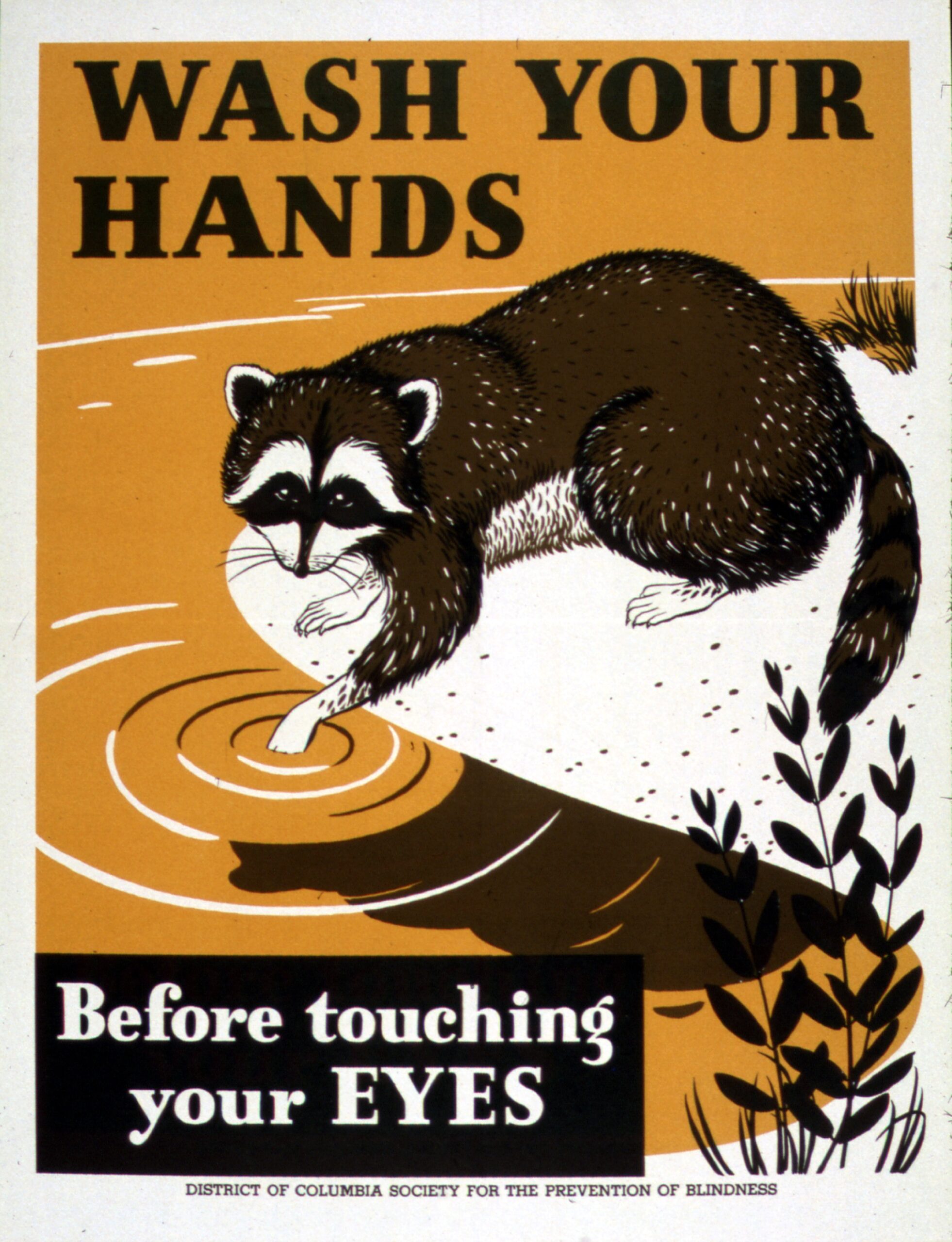
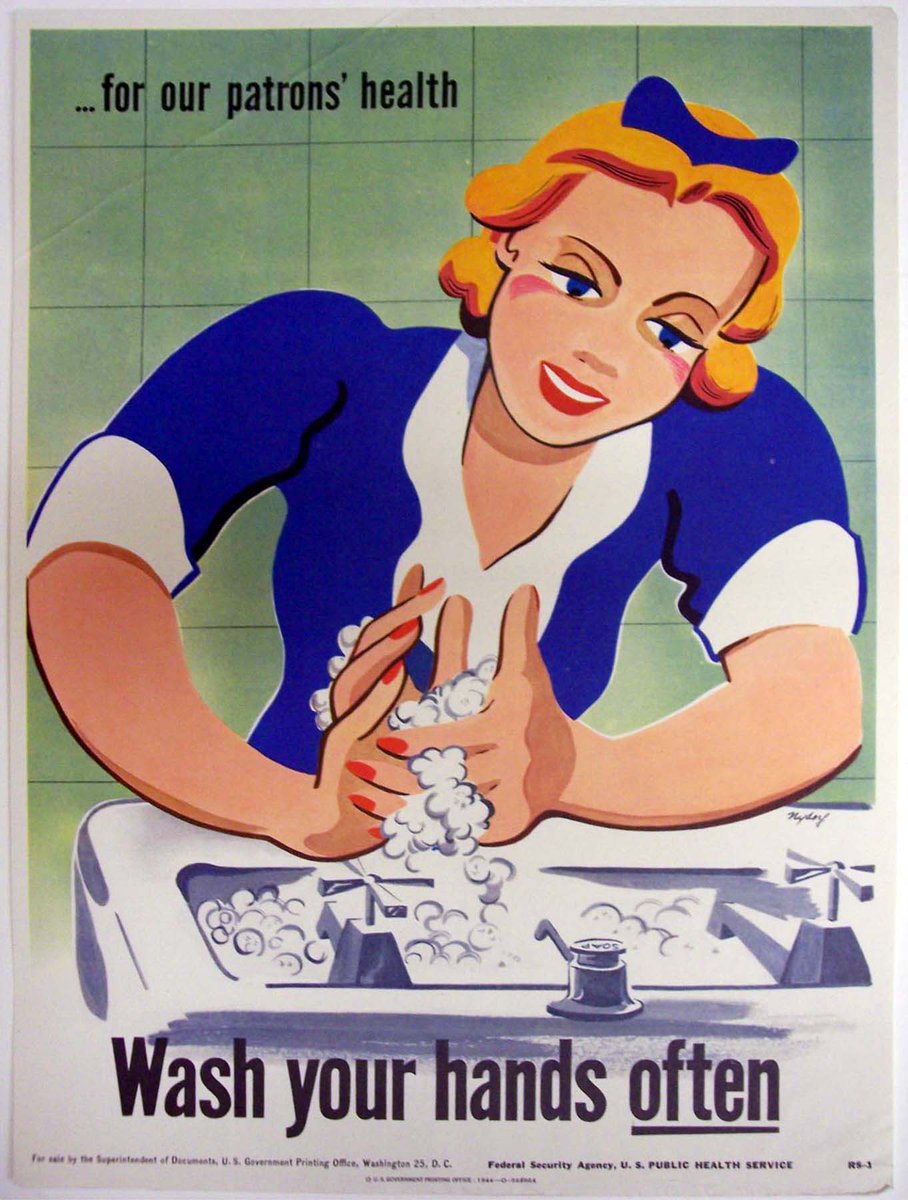
The Office of War Infor­ma­tion and the Dis­trict of Colum­bia Soci­ety for the Pre­ven­tion of Blind­ness used an approach­able look­ing rac­coon to con­vince the pub­lic to wash hands in WWII.

Artist Sey­mour Nydorf swapped the rac­coon for a blonde wait­ress with glam­orous red nails in a series of six posters for the U.S. Pub­lic Health Ser­vice of the Fed­er­al Secu­ri­ty Agency

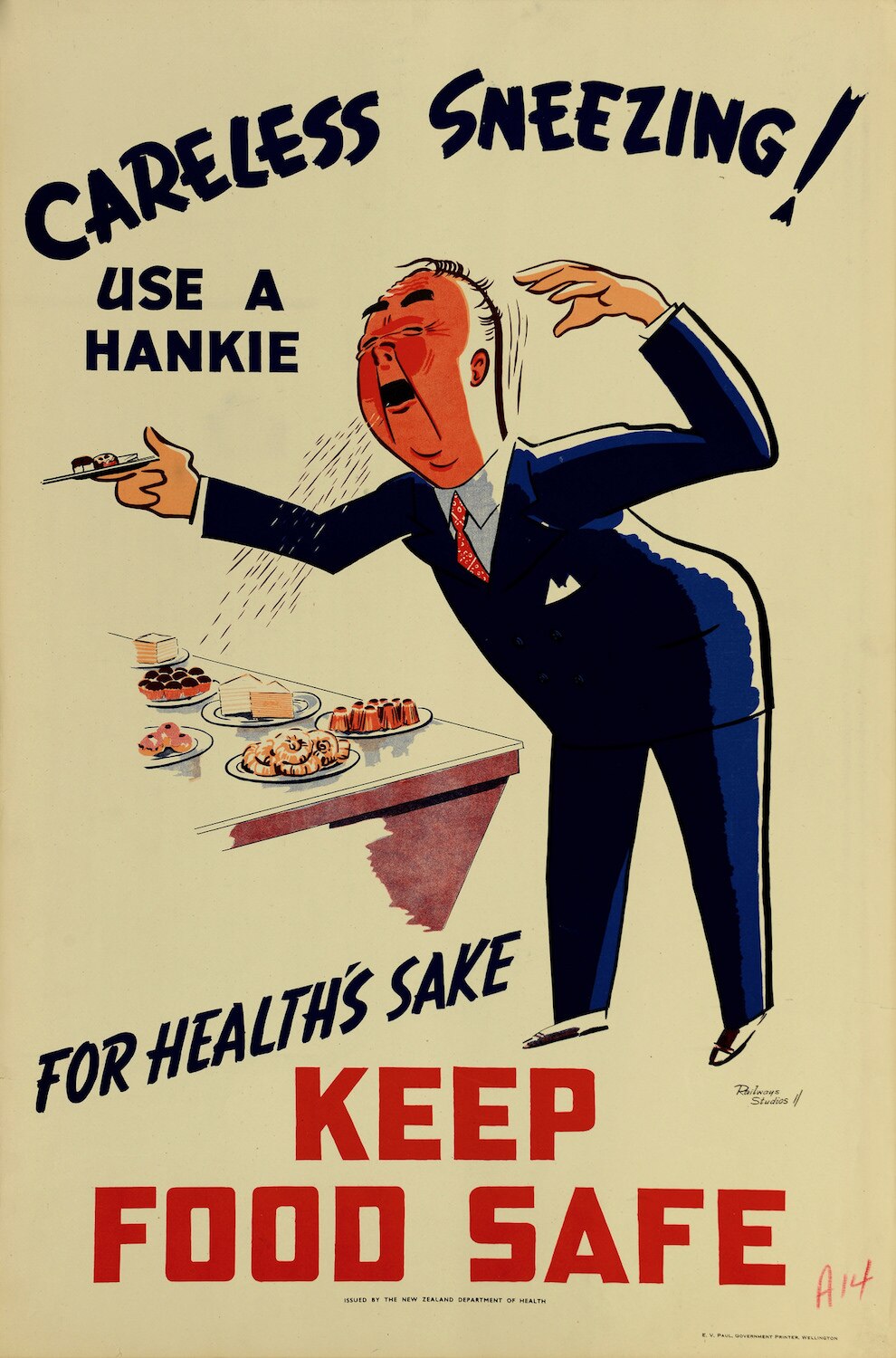
Cough­ing and sneez­ing took posters into some­what gross­er ter­rain.

The New Zealand Depart­ment of Health’s 50s era poster shamed care­less sneez­ers into using a han­kie, and might well have giv­en those in their vicin­i­ty a per­sua­sive rea­son to bypass the buf­fet table.

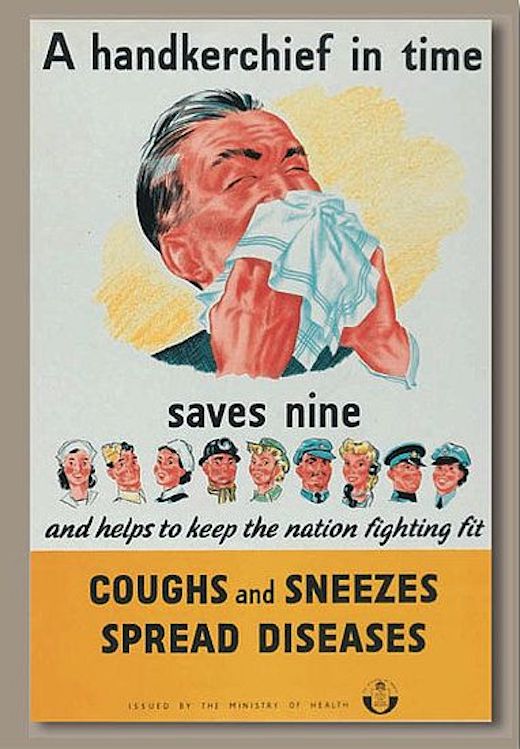
Great Britain’s Cen­tral Coun­cil for Health Edu­ca­tion and Min­istry of Health col­lab­o­rat­ed with

Her Majesty’s Sta­tionery Office to teach the pub­lic some basic infec­tion math in WWII.

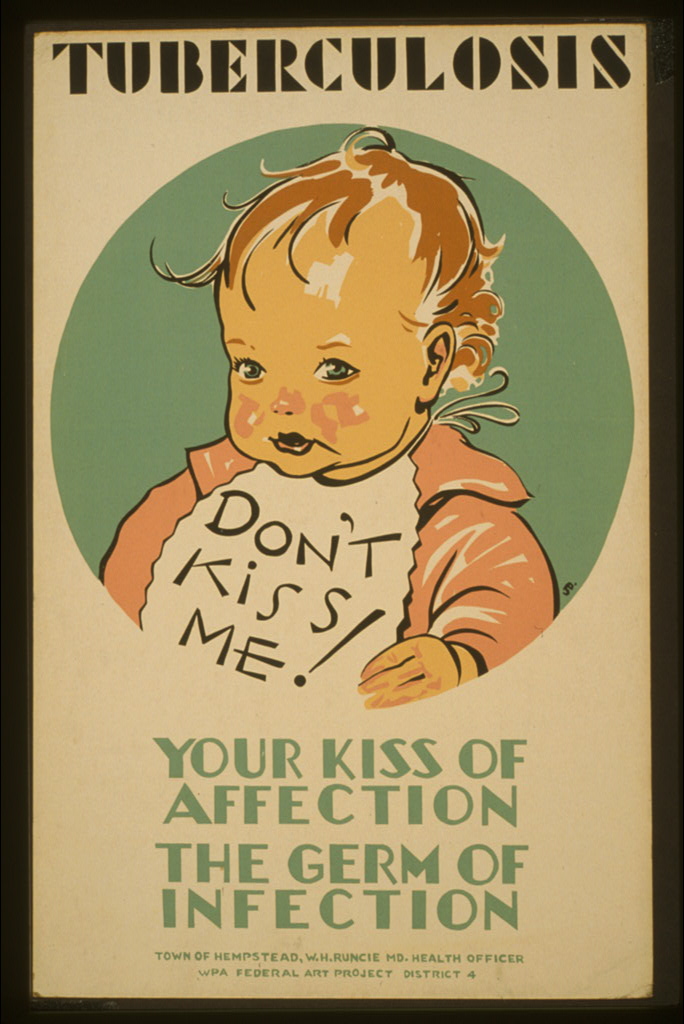
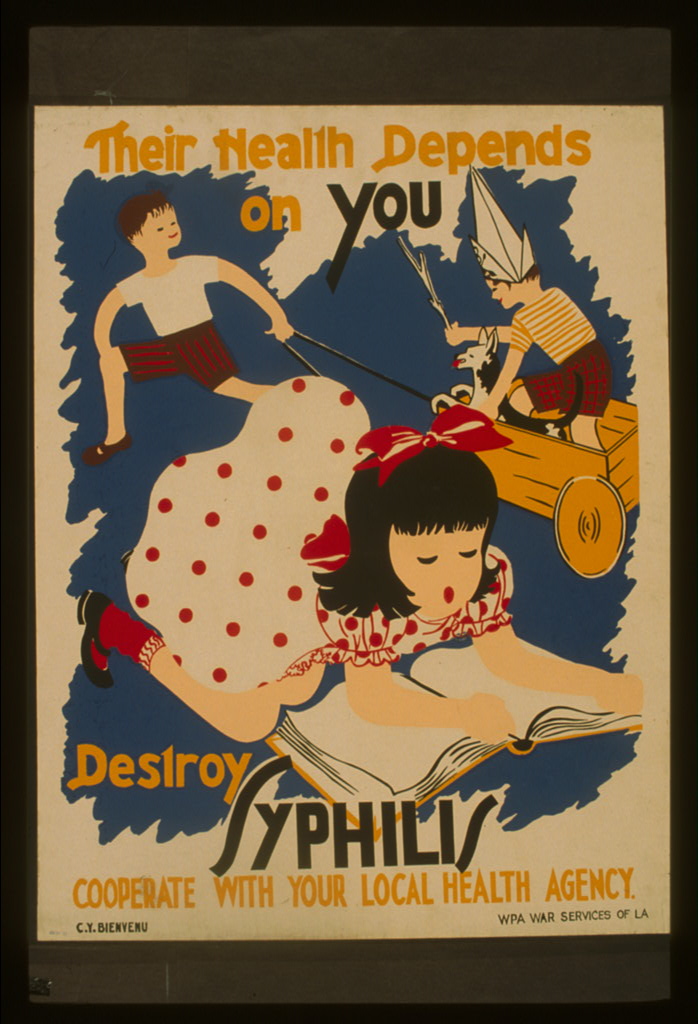
Children’s well­be­ing can be a very per­sua­sive tool. The WPA Fed­er­al Art Project was not play­ing in 1941 when it paired an image of a cheru­bic tot with stern warn­ings to par­ents and oth­er fam­i­ly mem­bers to curb their affec­tion­ate impuls­es, as well as the trans­mis­sion of tuber­cu­lo­sis.

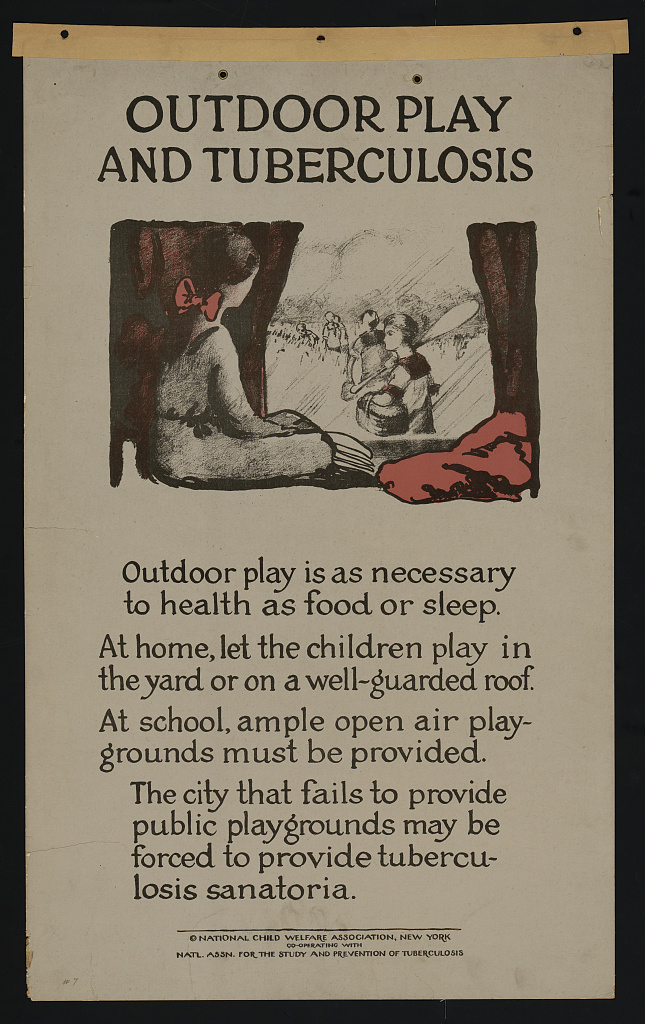
The arrest­ing image packs more of a wal­lop than this earnest and far wordier, ear­ly 20s poster by the Nation­al Child Wel­fare Asso­ci­a­tion and the Nation­al Asso­ci­a­tion for the Study and Pre­ven­tion of Tuber­cu­lo­sis.

Read Poster House Chief Cura­tor Angeli­na Lippert’s Brief His­to­ry of PSA Posters here.

Down­load the free anti-xeno­pho­bia PSAs Poster House com­mis­sioned from design­er Rachel Gin­grich ear­ly in the pan­dem­ic here.

Relat­ed Con­tent: 

Down­load Beau­ti­ful Free Posters Cel­e­brat­ing the Achieve­ments of Liv­ing Female STEM Lead­ers

The First Muse­um Ded­i­cat­ed Exclu­sive­ly to Poster Art Opens Its Doors in the U.S.: Enter the Poster House

Sal­vador Dalí Cre­ates a Chill­ing Anti-Vene­re­al Dis­ease Poster Dur­ing World War II

Down­load 2,000 Mag­nif­i­cent Turn-of-the-Cen­tu­ry Art Posters, Cour­tesy of the New York Pub­lic Library

Ayun Hal­l­i­day is an author, illus­tra­tor, the­ater mak­er and Chief Pri­ma­tol­o­gist of the East Vil­lage Inky zine.  Fol­low her @AyunHalliday.

Take a Trip to the LSD Museum, the Largest Collection of “Blotter Art” in the World

When Ken Kesey and his Mer­ry Pranksters kicked off Haight-Ash­bury’s coun­ter­cul­ture in the 1960s, LSD was the key ingre­di­ent in their potent mix of drugs, the Hell’s Angels, the Beat poets, and their local band The War­locks (soon to become The Grate­ful Dead). Kesey admin­is­tered the drug in “Acid Tests” to find out who could han­dle it (and who couldn’t) after he stole the sub­stance from Army doc­tors, who them­selves admin­is­tered it as part of the CIA’s MKUl­tra exper­i­ments. Not long after­ward, Grate­ful Dead sound­man Owsley “Bear” Stan­ley syn­the­sized “the purest form of LSD ever to hit the street,” writes Rolling Stone, and became the country’s biggest sup­pli­er, the “king of acid.”

What­ev­er uses it might have had in psy­chi­atric set­tings — and there were many known at the time — LSD was made ille­gal in 1968 by the U.S. gov­ern­ment, repress­ing what the gov­ern­ment had itself helped bring into being. But it has since returned with new­found respectabil­i­ty. “Once dis­missed as the dan­ger­ous dal­liances of the coun­ter­cul­ture,” writes Nature, psy­che­del­ic drugs are “gain­ing main­stream accep­tance” in clin­i­cal treat­ment. Psilo­cy­bin, MDMA, and LSD “have been steadi­ly mak­ing their way back into the lab,” notes Sci­en­tif­ic Amer­i­can. “Sci­en­tists are redis­cov­er­ing what many see as the sub­stances’ aston­ish­ing ther­a­peu­tic poten­tial.”

None of this comes as news to San Fran­cis­co fix­ture Mark McCloud. “In the same moral­is­tic man­ner many San Fran­cis­cans pon­tif­i­cate on the health ben­e­fits of mar­i­jua­na,” writes Gre­go­ry Thomas at Mis­sion Local, “McCloud and his friends tout the mer­its of acid.” Next to cur­ing “anx­i­ety, depres­sion and ‘mar­i­tal prob­lems,’” it is also an impor­tant source  of folk art, says McCloud, the own­er and sole pro­pri­etor of the infor­mal­ly-named “LSD Muse­um” housed in his three-sto­ry Vic­to­ri­an home in San Fran­cis­co.

His mis­sion in cre­at­ing and main­tain­ing the muse­um for­mal­ly called the Insti­tute of Ille­gal Images, he says, is to “pre­serve a ‘skele­tal’ rem­nant of San Francisco’s drug-induced 1960s lega­cy, ‘so maybe our chil­dren can bet­ter under­stand us.’”

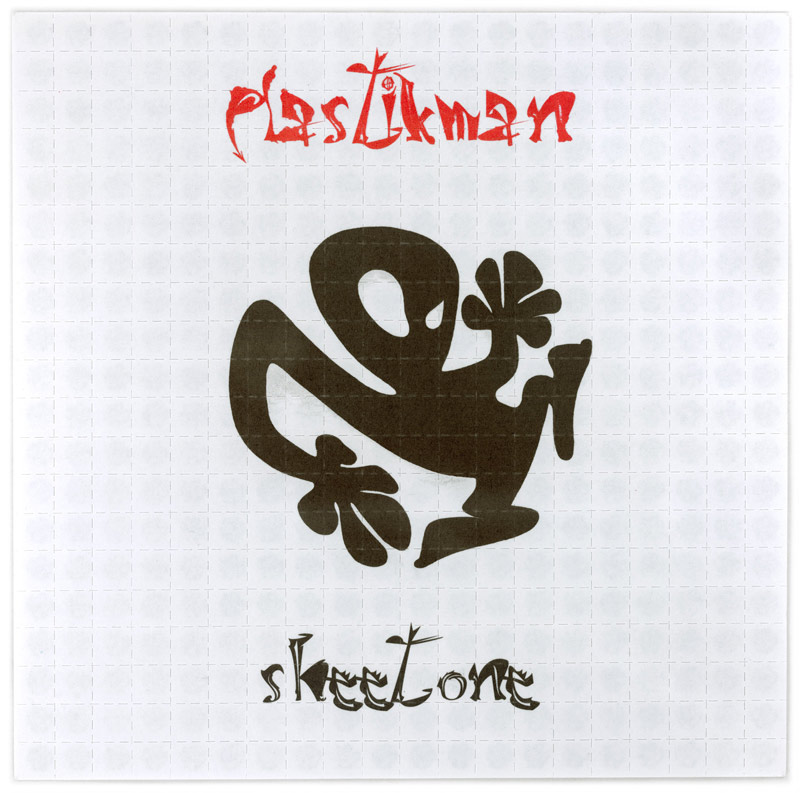
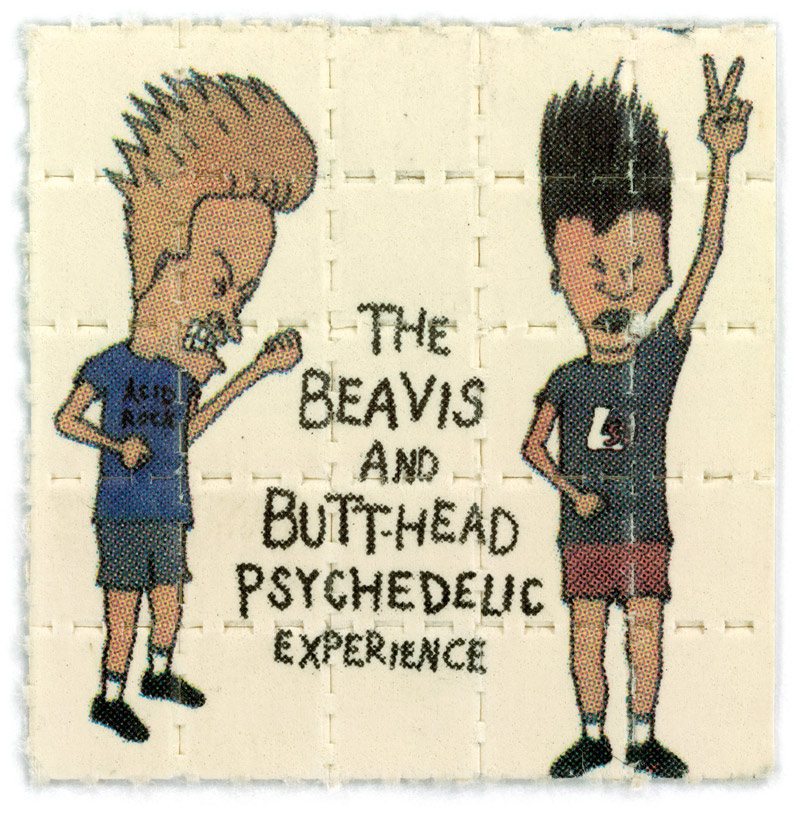
Specif­i­cal­ly, as Cul­ture Trip explains, McCloud pre­serves the art on sheets of blot­ter acid. As is clear from the many pop cul­tur­al ref­er­ences on blot­ter art — like Beav­is and Butthead and tech­no artist Plas­tik­man (who named his debut album Sheet One) — the 60s blot­ter acid lega­cy extend­ed far beyond its founders’ vision in under­ground scenes through­out the 70s, 80s, 90s, and oughts.

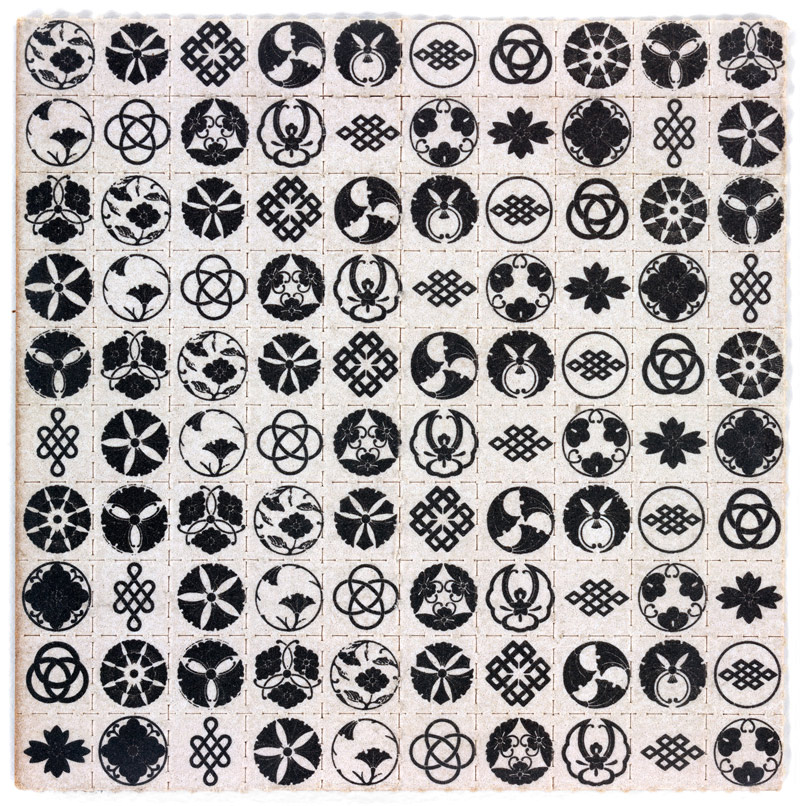
Also known as the Blot­ter Barn or the Insti­tute of Ille­gal Images, McCloud’s house is locat­ed on 20th Street between Mis­sion and Capp. The house pre­serves over 33,000 sheets of LSD blot­ter, treat­ing them like tiny lit­tle works of art. Most of the sheets are framed and hang­ing on McCloud’s walls, dec­o­rat­ing the home with vibrant col­ors and pat­terns, and the rest are kept safe in binders. The house also fea­tures a per­fo­ra­tion board, allow­ing McCloud to turn any work of art sized 7.5 by 7.5 inch­es into 900 pieces, as is typ­i­cal for LSD blot­ter sheets.

McCloud has faced intense scruti­ny from the FBI, and on a cou­ple of occa­sions — in 1992 and again in 2001 — arrest and tri­al by “not very sym­pa­thet­ic” juries, who nonethe­less acquit­ted him both times. Despite the fact that he has a larg­er col­lec­tion of blot­ter acid sheets than the DEA, he and his muse­um have with­stood pros­e­cu­tion and attempts to shut them down, since all the sheets in his pos­ses­sion have either nev­er been dipped in LSD or have become chem­i­cal­ly inac­tive over time. (The museum’s web­site explains the ori­gins of “blot­ter” paper as a means of prepar­ing LSD dos­es after the drug was crim­i­nal­ized in Cal­i­for­nia in 1966.)

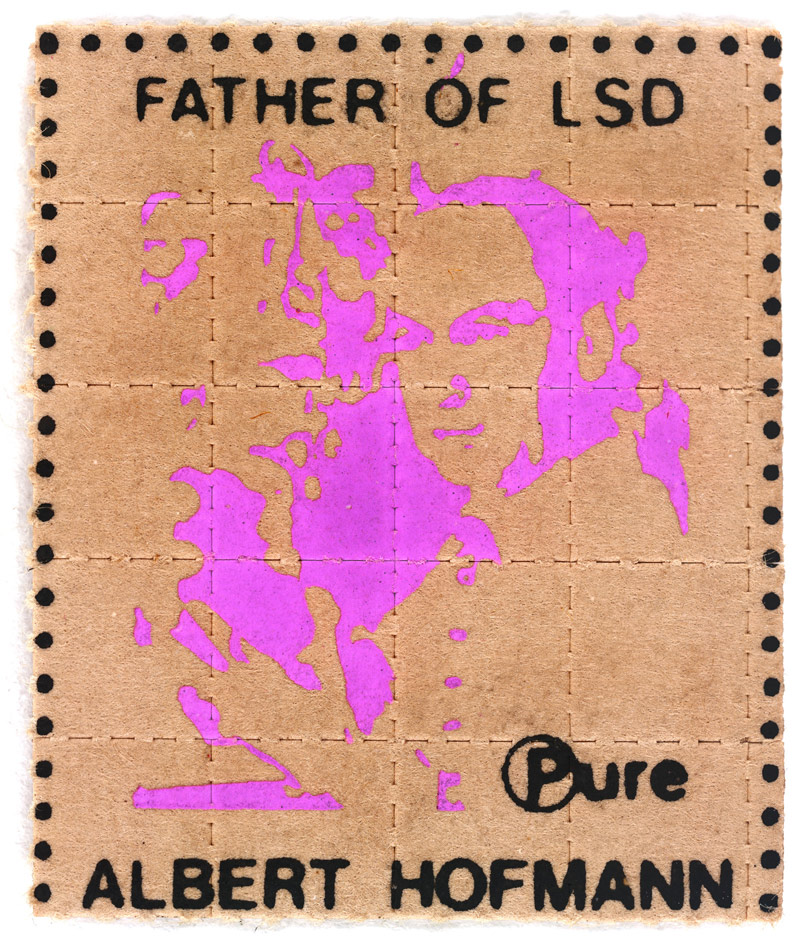
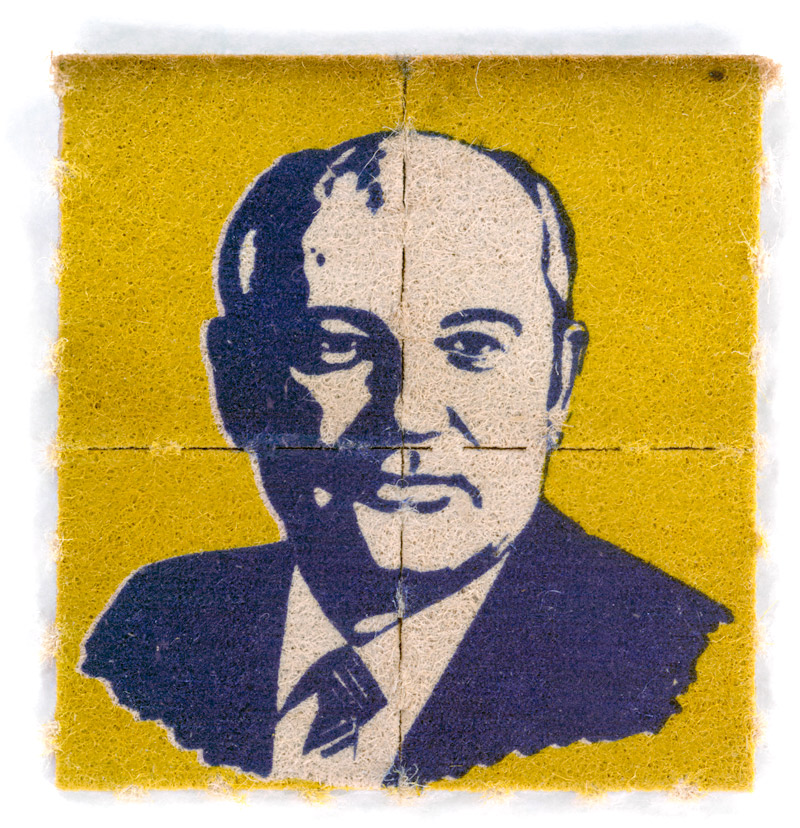
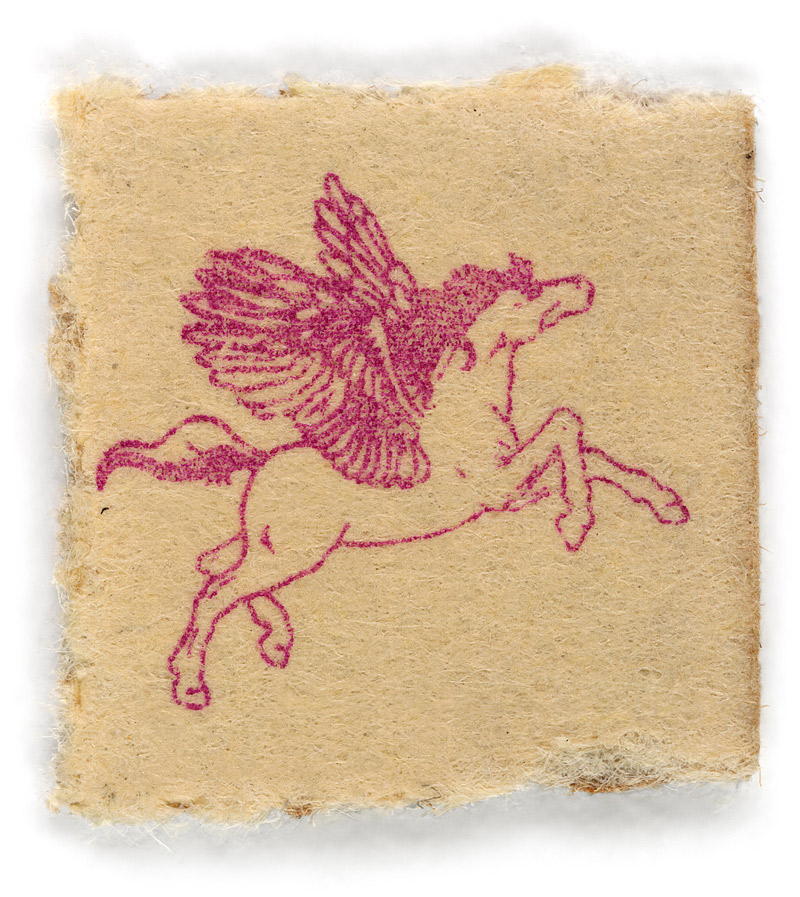
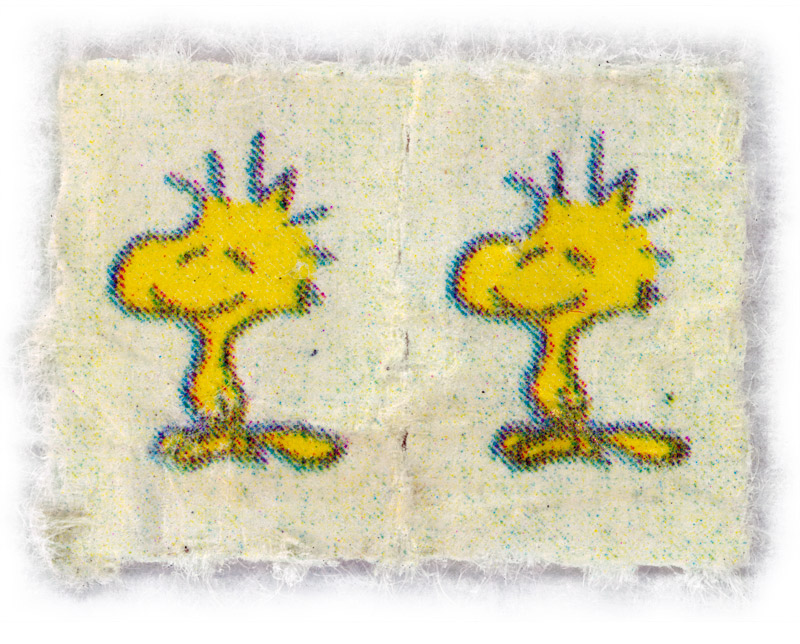
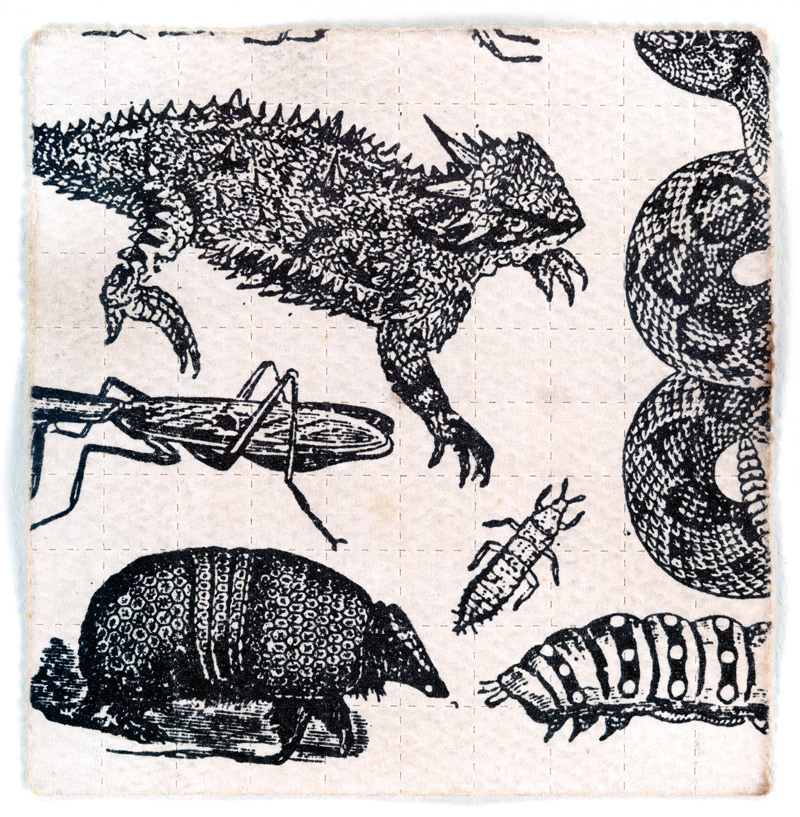
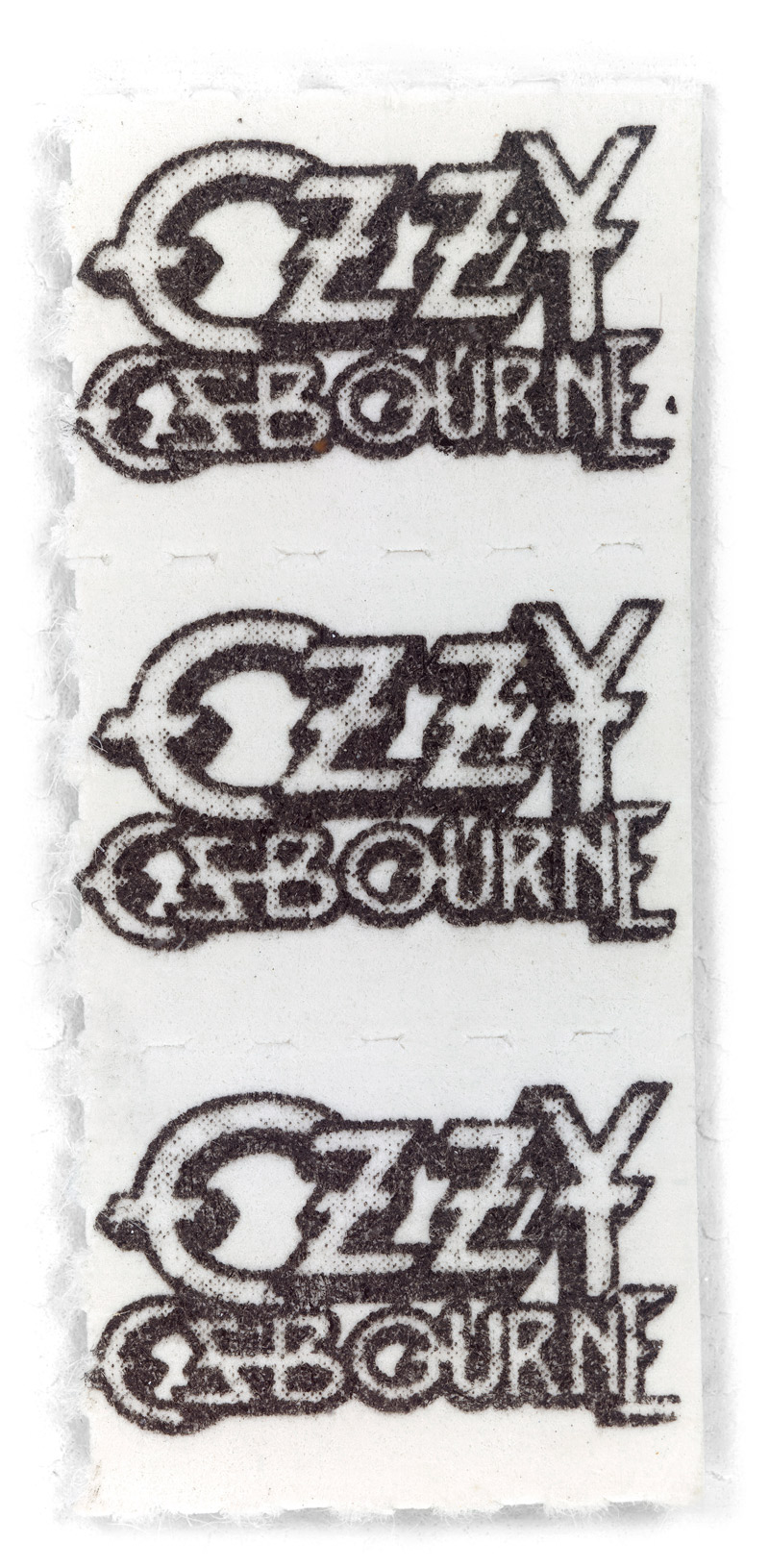
“What fas­ci­nates me about blot­ter is what fas­ci­nates me about all art. It changes your mind,” says McCloud in the Wired video at the top of the post. None of his muse­um’s art­work will change your mind in quite the way it was intend­ed, but the mere asso­ci­a­tion with hal­lu­cino­genic expe­ri­ences is enough to inspire the artists “to build the myr­i­ad of sub­ject mat­ter appear­ing on the blot­ters,” Atlas Obscu­ra writes, “rang­ing from the spir­i­tu­al (Hin­du gods, lotus flow­ers) to whim­si­cal (car­toon char­ac­ters), as well as cul­tur­al com­men­tary (Gor­bachev) and the just plain dement­ed (Ozzy Osbourne).”

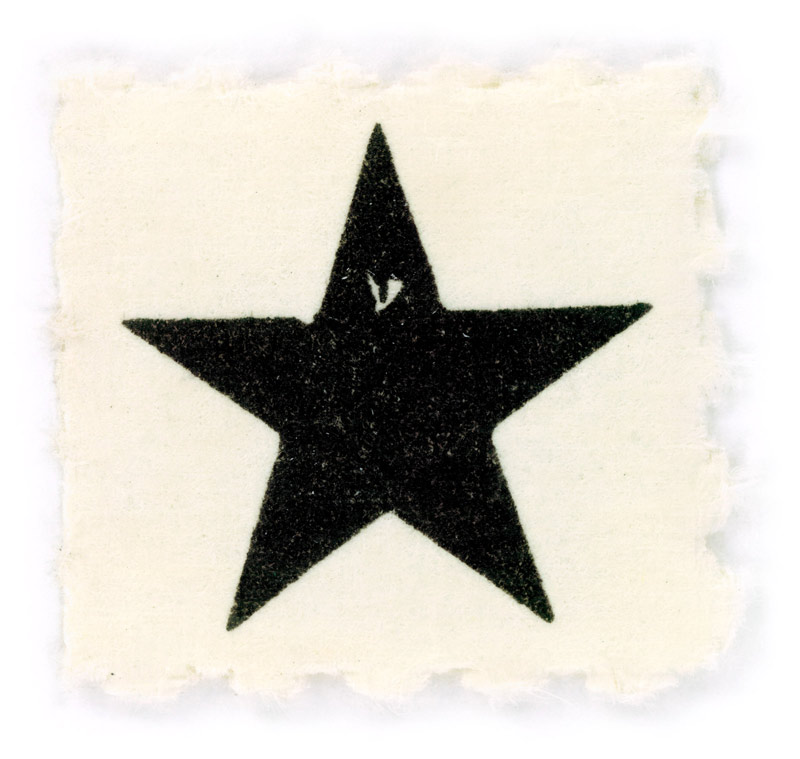
The muse­um does not keep reg­u­lar hours and was only open by appoint­ment before COVID-19. These days, it’s prob­a­bly best to make a vir­tu­al vis­it at blotterbarn.com, where you’ll find dozens of images of acid blot­ter paper like those above and learn much more about the his­to­ry and cul­ture of LSD dur­ing long years of pro­hi­bi­tion — a con­di­tion that seems poised to final­ly end as gov­ern­ments give up the waste­ful, pun­ish­ing War on Drugs and allow sci­en­tists and psy­cho­nauts to study and explore altered states of con­scious­ness again.

Relat­ed Con­tent: 

Artist Draws 9 Por­traits While on LSD: Inside the 1950s Exper­i­ments to Turn LSD into a “Cre­ativ­i­ty Pill”

When Michel Fou­cault Tripped on Acid in Death Val­ley and Called It “The Great­est Expe­ri­ence of My Life” (1975)

New LSD Research Pro­vides the First Images of the Brain on Acid, and Hints at Its Poten­tial to Pro­mote Cre­ativ­i­ty

Josh Jones is a writer and musi­cian based in Durham, NC. Fol­low him at @jdmagness

The First Museum Dedicated to Mary Shelley & Her Literary Creation, Frankenstein, Opens in Bath, England

Hal­loween came ear­ly this year!

Last week, Mary Shelley’s House of Franken­stein opened its doors in Bath, Eng­land, mere steps from the infi­nite­ly more staid Jane Austen Cen­tre.

Both authors had a con­nec­tion to Bath, a pop­u­lar tourist des­ti­na­tion since 43 CE, as evi­denced by the ruins of the Roman ther­mal spa that give the city its name and UNESCO World Her­itage Site sta­tus.

Austen lived there between 1801 and 1806, and used it as a set­ting for both Per­sua­sion and Northang­er Abbey.

The teenaged Shel­ley’s res­i­dence was briefer, but event­ful, and cre­ative­ly fer­tile.

It was here that she wed poet Per­cy Bysshe Shel­ley, learned of the sui­cides of his preg­nant first wife and her own half-sis­ter, attend­ed the birth of her ille­git­i­mate step-niece (daugh­ter of Lord Byron), attend­ed lec­tures on gal­vanism, or rean­i­ma­tion via elec­tri­cal cur­rent… and wrote the major­i­ty of Franken­stein.

Bath has long mined its con­nec­tion to Austen, but in embrac­ing Shel­ley, it stands to diver­si­fy the sort of lit­er­ary pil­grims it appeals to.

Vis­i­tors to the Jane Austen Cen­tre can try on bon­nets, exchange wit­ty repar­tee with one of her char­ac­ters, nib­ble scones with Dorset clot­ted cream in the tea room, and par­tic­i­pate in an annu­al cos­tume prom­e­nade.

Mean­while, over at the House of Franken­stein, expect omi­nous, unset­tling sound­scapes, shock­ing spe­cial effects, ghoul­ish inter­preters in blood-spat­tered aprons, “bespoke scents,” a “dank, fore­bod­ing base­ment expe­ri­ence” and an 8‑foot automa­ton of you-know-who.

(No, not Mary Shel­ley!)

Com­ing soon — Vic­tor Frankenstein’s “mis­er­able attic quar­ters” repack­aged as an escape room “strewn with insane equa­tions, strange arte­facts, and mis­cel­la­neous body parts.”

Co-founder Chris Har­ris explains the cre­ators’ immer­sive phi­los­o­phy:

We are try­ing to play on people’s fears, but we’re not tak­ing our­selves mas­sive­ly seri­ous­ly. With Mary Shelley’s House of Franken­stein, we are cre­at­ing an expe­ri­ence that, hope­ful­ly, peo­ple will real­ly enjoy in a vis­cer­al way. We want them to come out feel­ing that the expe­ri­ence was unnerv­ing, but also feel­ing hap­py. That’s the ulti­mate aim.

The BBC reports that the attrac­tion also promis­es to explore Shel­ley’s “trag­ic per­son­al life, lit­er­ary career and the nov­el­’s con­tin­u­ing rel­e­vance today in regards to pop­u­lar cul­ture, pol­i­tics, and sci­ence.”

May not be suit­able for chil­dren (or tim­o­rous Austen fans) as it con­tains “omi­nous and fore­bod­ing audio and visu­al effects, dark­ened envi­ron­ments and some scenes and depic­tions of a dis­turb­ing nature.”

Lovers of Pride and Prej­u­dice and Zom­bies, how­ev­er, should be sure to exit through the gift shop.

Vis­it the House of Franken­stein on Insta­gram where the week­ly #Franken­ste­in­Fol­low­er­Fri­day should appeal to mon­ster movie buffs of all ages.

Relat­ed Con­tent: 

Read­ing Mary Shelley’s Franken­stein on Its 200th Anniver­sary: An Ani­mat­ed Primer to the Great Mon­ster Sto­ry & Tech­nol­o­gy Cau­tion­ary Tale

Watch the First Film Adap­ta­tion of Mary Shelley’s Franken­stein (1910): It’s New­ly Restored by the Library of Con­gress

Mary Shelley’s Hand­writ­ten Man­u­script of Franken­stein: This Is “Ground Zero of Sci­ence Fic­tion,” Says William Gib­son

Ayun Hal­l­i­day is an author, illus­tra­tor, the­ater mak­er and Chief Pri­ma­tol­o­gist of the East Vil­lage Inky zine.  Fol­low her @AyunHalliday.

Discover the Stettheimer Dollhouse: The 12-Room Dollhouse Featuring Miniature, Original Modernist Art by Marcel Duchamp

The Stet­theimer Doll­house has been wow­ing young New York­ers since it entered the Muse­um of the City of New York’s col­lec­tion in 1944.

The lux­u­ri­ous­ly appoint­ed, two-sto­ry, twelve-room house fea­tures tiny crys­tal chan­de­liers, trompe l’oeil pan­els, an itty bit­ty mah-jongg set, and a deli­cious-look­ing dessert assort­ment that would have dri­ven Beat­rix Potter’s Two Bad Mice wild.

Its most aston­ish­ing fea­ture, how­ev­er, tends to go over its youngest fans’ heads — an art gallery filled with orig­i­nal mod­ernist paint­ings, draw­ings, and sculp­tures by the likes of Mar­cel DuchampGeorge Bel­lowsGas­ton Lachaise, and Mar­guerite Zorach.

The house’s cre­ator, Car­rie Wal­ter Stet­theimer, drew on her family’s close per­son­al ties to the avant-garde art world to secure these con­tri­bu­tions.

The art deal­er Paul Rosen­berg described the affin­i­ty between these artists and the three wealthy Stet­theimer sis­ters, one of whom, Florine, was her­self a mod­ernist painter:

Artists… went there and not at all mere­ly because of the indi­vid­u­al­i­ties of the trio of women and their taste­ful hos­pi­tal­i­ty. They went for the rea­son that they felt them­selves entire­ly at home with the Stetties—so the trio was called—and the Stet­ties seemed to feel them­selves entire­ly at home in their com­pa­ny. Art was an indis­pens­able com­po­nent of the mod­ern, open intel­lec­tu­al life of the place. The sis­ters felt it as a liv­ing issue. Sin­cere­ly they lived it.

Art is def­i­nite­ly part of the dollhouse’s life.

Duchamp recre­at­ed Nude Descend­ing a Stair­case, inscrib­ing the back “Pour la col­lec­tion de la poupée de Car­rie Stet­theimer à l’occasion de sa fête en bon sou­venir. Mar­cel Duchamp 23 juil­let 1918 N.Y.”

Mar­guerite Thomp­son ZorachAlexan­der Archipenko, and Paul Theve­naz also felt no com­punc­tion about fur­nish­ing a doll­house with nudes.

Louis Bouché — the “bad boy of Amer­i­can art” as per the Stet­theimers’ friend, writer and pho­tog­ra­ph­er Carl Van Vecht­en, made a tiny ver­sion of his paint­ing, Mama’s Boy.

Car­rie wrote to Gas­ton Lachaise, to thank him for two minia­ture nude draw­ings and an alabaster Venus:

My dolls and I thank you most sin­cere­ly for the love­ly draw­ings that are to grace their art gallery. I think that the dolls—after they are born, which they are not, yet—ought to be the hap­pi­est and proud­est dolls in the world as own­ers of the draw­ings and the beau­ti­ful stat­ue. I am now hop­ing that they will nev­er be born, so that I can keep them [the art works] for­ev­er in cus­tody, and enjoy them myself, while await­ing their arrival.

Car­rie worked on the doll­house from from 1916 to 1935. Her sis­ter Ettie donat­ed it to the muse­um and took it upon her­self to arrange the art­work. As Johan­na Fate­man writes in 4Columns:

Twen­ty-eight of the artists’ gifts were stored sep­a­rate­ly; Ettie select­ed thir­teen from the col­lec­tion, and her grace­ful arrange­ment became per­ma­nent, though it’s like­ly that the pieces were meant to be shown in rota­tion.

The Muse­um of the City of New York’s cur­rent exhi­bi­tion, The Stet­theimer Doll­house: Up Close, includes pho­tos of the art­works that Ettie did not choose to install.

The works that have always been on view are Mar­cel Duchamp’s Nude Descend­ing a Stair­case, Alexan­der Archipenko’s Nude, Louis Bouche’s Mama’s Boy, Gas­ton Lachaise’s Venus and two nudesCarl Sprinchorn’s Dancers, Albert Gleizes’ Seat­ed Fig­ure and Bermu­da Land­scape, Paul Thevenaz’s L’Ombre and Nude with Flow­ing Hair, Mar­guerite Zorach’s Bather and Bathers, William Zorach’s Moth­er and Child, and a paint­ing of a ship by an unknown artist.

Relat­ed Con­tent:

The Grue­some Doll­house Death Scenes That Rein­vent­ed Mur­der Inves­ti­ga­tions

A Record Store Designed for Mice in Swe­den, Fea­tur­ing Albums by Mouse Davis, Destiny’s Cheese, Dol­ly Pars­ley & More

An Art Gallery for Ger­bils: Two Quar­an­tined Lon­don­ers Cre­ate a Mini Muse­um Com­plete with Ger­bil-Themed Art

Ayun Hal­l­i­day is an author, illus­tra­tor, the­ater mak­er and Chief Pri­ma­tol­o­gist of the East Vil­lage Inky zine.  Fol­low her @AyunHalliday.

« Go BackMore in this category... »
Quantcast