Play “Artle,” an Art History Version of Wordle: A New Game from the National Gallery of Art

Are you one of the hun­dreds of thou­sands who’ve got­ten them­selves hooked on Wor­dle, the free online game that gives play­ers six chances to guess a five-let­ter word of the day?

Its pop­u­lar­i­ty has spawned a host of imi­ta­tors, includ­ing Quor­dle, Cross­wor­dle, Absur­dle and Lew­dle, which has carved itself a niche in the vul­gar and pro­fane.

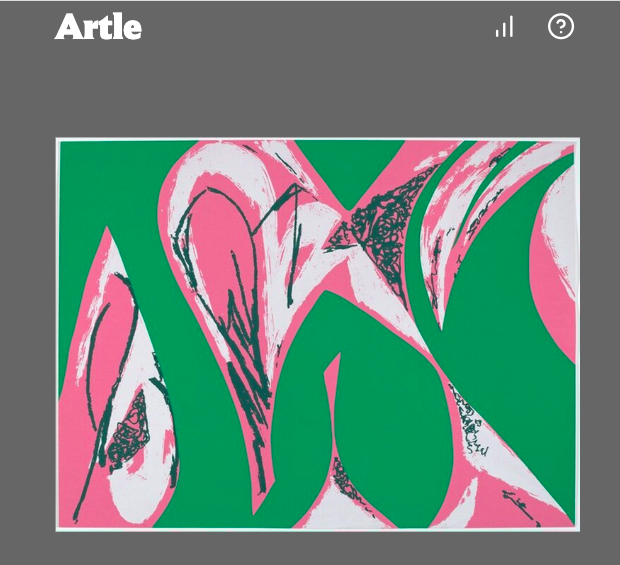
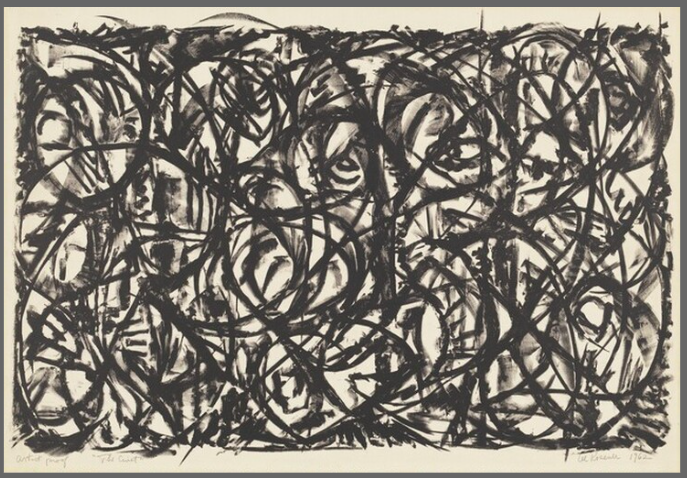
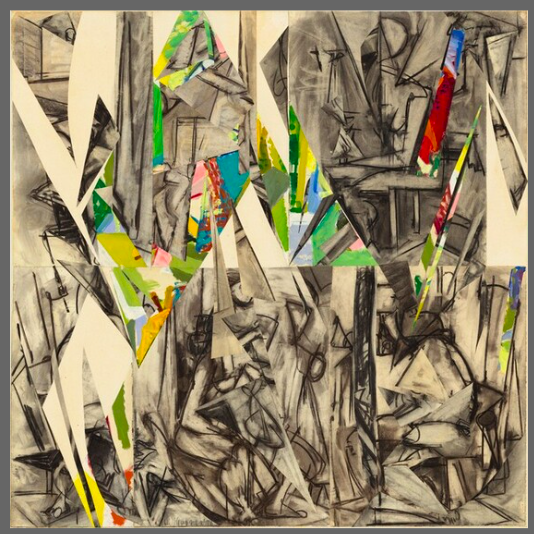
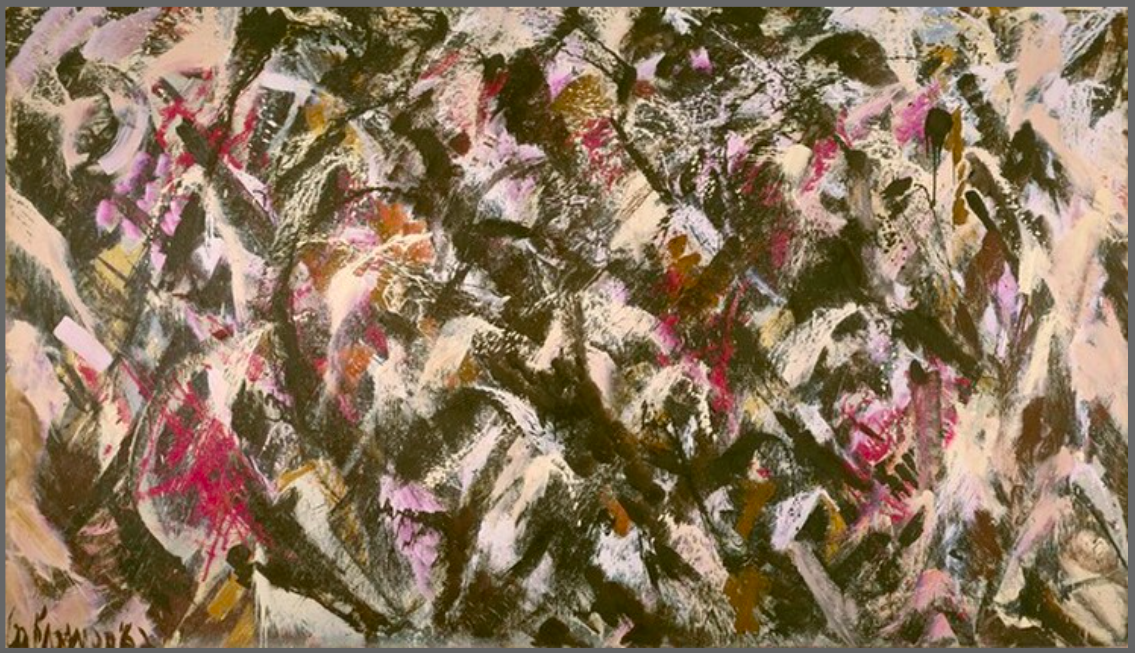
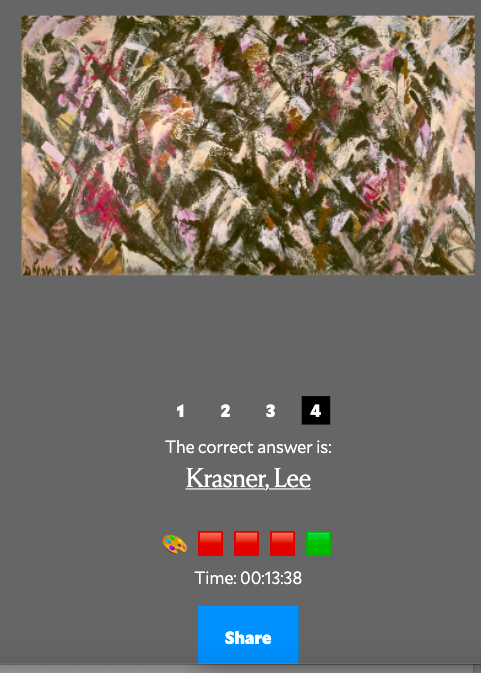
Even the Nation­al Gallery of Art is get­ting in on the action with Artle, where­in play­ers get four attempts to cor­rect­ly iden­ti­fy an artist du jour by exam­in­ing four of their pieces, drawn from its vast col­lec­tion of paint­ings, pho­tographs, sculp­tures and oth­er works.

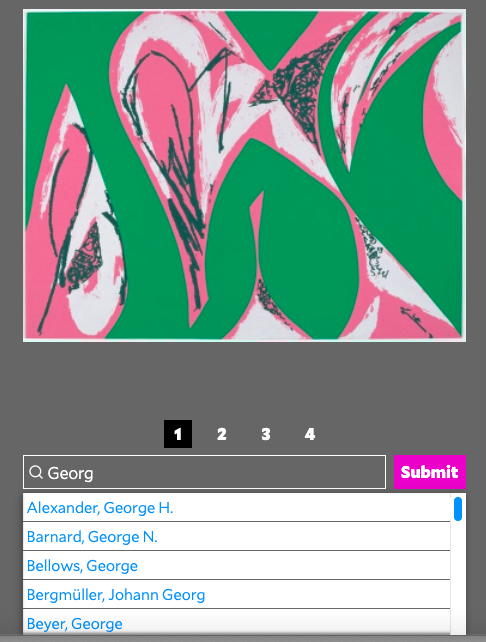
The Gallery pro­vides a bit of an assist a few let­ters into every guess, espe­cial­ly help­ful to those tak­ing wild shots in the dark.

Before you com­mit to Geor­gia O’Keeffe, you may want to con­sid­er some 80 oth­er George and Georges vari­ants who pop up as you type, includ­ing  Georges Braque, George Grosz, Georgine E. Mason, George Joji Miyasa­ki, George Segal, Georges Seu­rat, and Georg Andreas Wolf­gang the Elder.

Hats off if you can read­i­ly iden­ti­fy all of these artists’ work on sight. That’s an impres­sive com­mand of art his­to­ry you’ve got there!

As with Wor­dle, a but­ton pro­vides a stream­lined invi­ta­tion to boast about your prowess on social media after you’ve com­plet­ed your dai­ly Artle. Return vis­i­tors can keep track of their stats in the upper right hand cor­ner.

There’s no shame in fail­ing to iden­ti­fy an artist in four tries, just a free oppor­tu­ni­ty to fur­ther your edu­ca­tion a bit with titles and links to the four works you just spent time view­ing.

The exam­ples we’ve includ­ed from Thurs­day, June 2’s puz­zle are Free Space (Deluxe), pink, The Civet, Imper­a­tive, and Cobalt Night by….

Your guess?

Play Artle here — like Wor­dle and mul­ti­vi­t­a­mins, just one a day.

Relat­ed Con­tent 

Google App Uses Machine Learn­ing to Dis­cov­er Your Pet’s Look Alike in 10,000 Clas­sic Works of Art

Google’s Free App Ana­lyzes Your Self­ie and Then Finds Your Dop­pel­ganger in Muse­um Por­traits

Con­struct Your Own Bayeux Tapes­try with This Free Online App

A Gallery of 1,800 Gigapix­el Images of Clas­sic Paint­ings: See Vermeer’s Girl with the Pearl Ear­ring, Van Gogh’s Star­ry Night & Oth­er Mas­ter­pieces in Close Detail

- Ayun Hal­l­i­day is the Chief Pri­ma­tol­o­gist of the East Vil­lage Inky zine and author, most recent­ly, of Cre­ative, Not Famous: The Small Pota­to Man­i­festo.  Fol­low her @AyunHalliday.
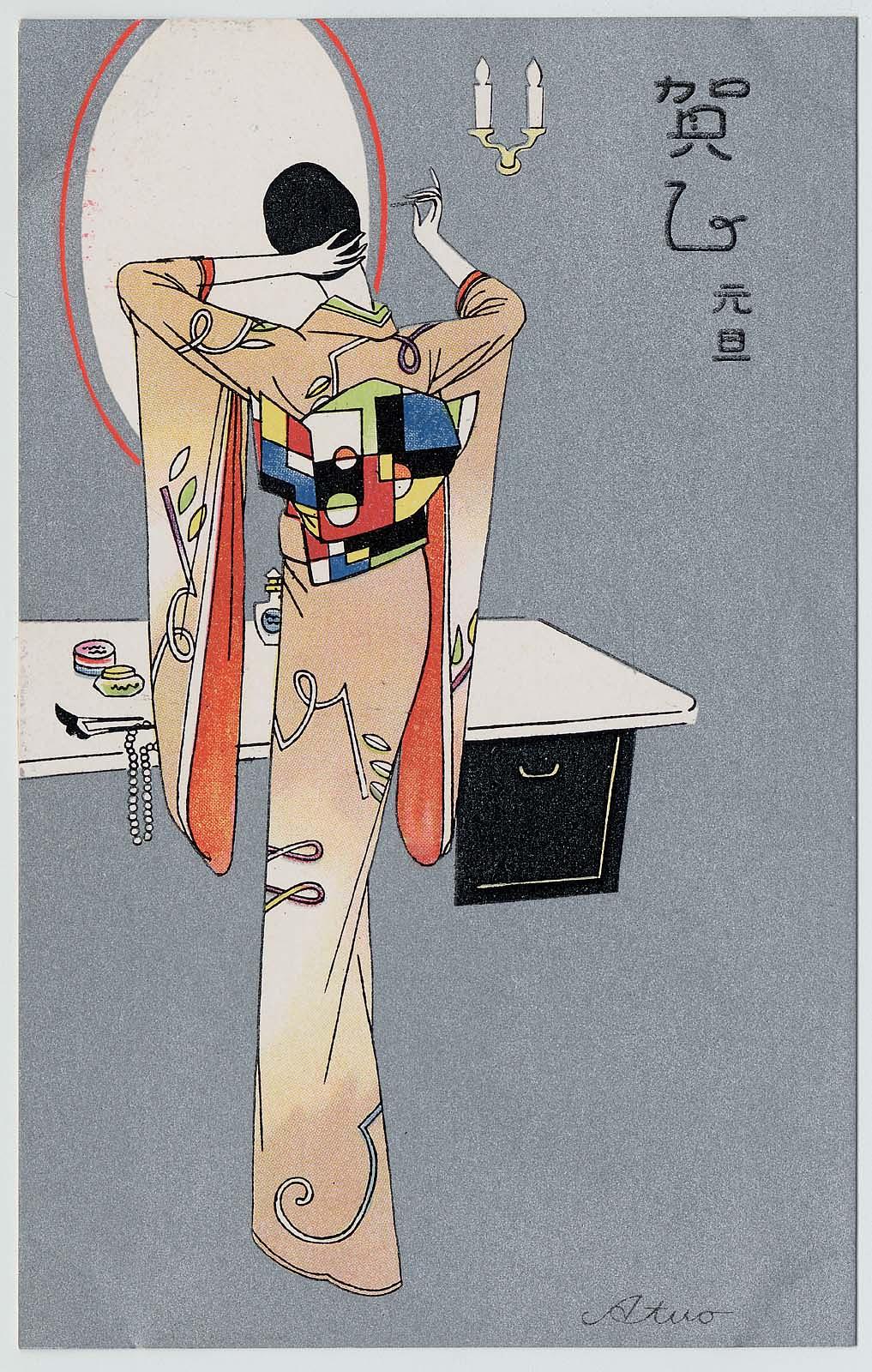
An Online Archive of Beautiful, Early 20th Century Japanese Postcards

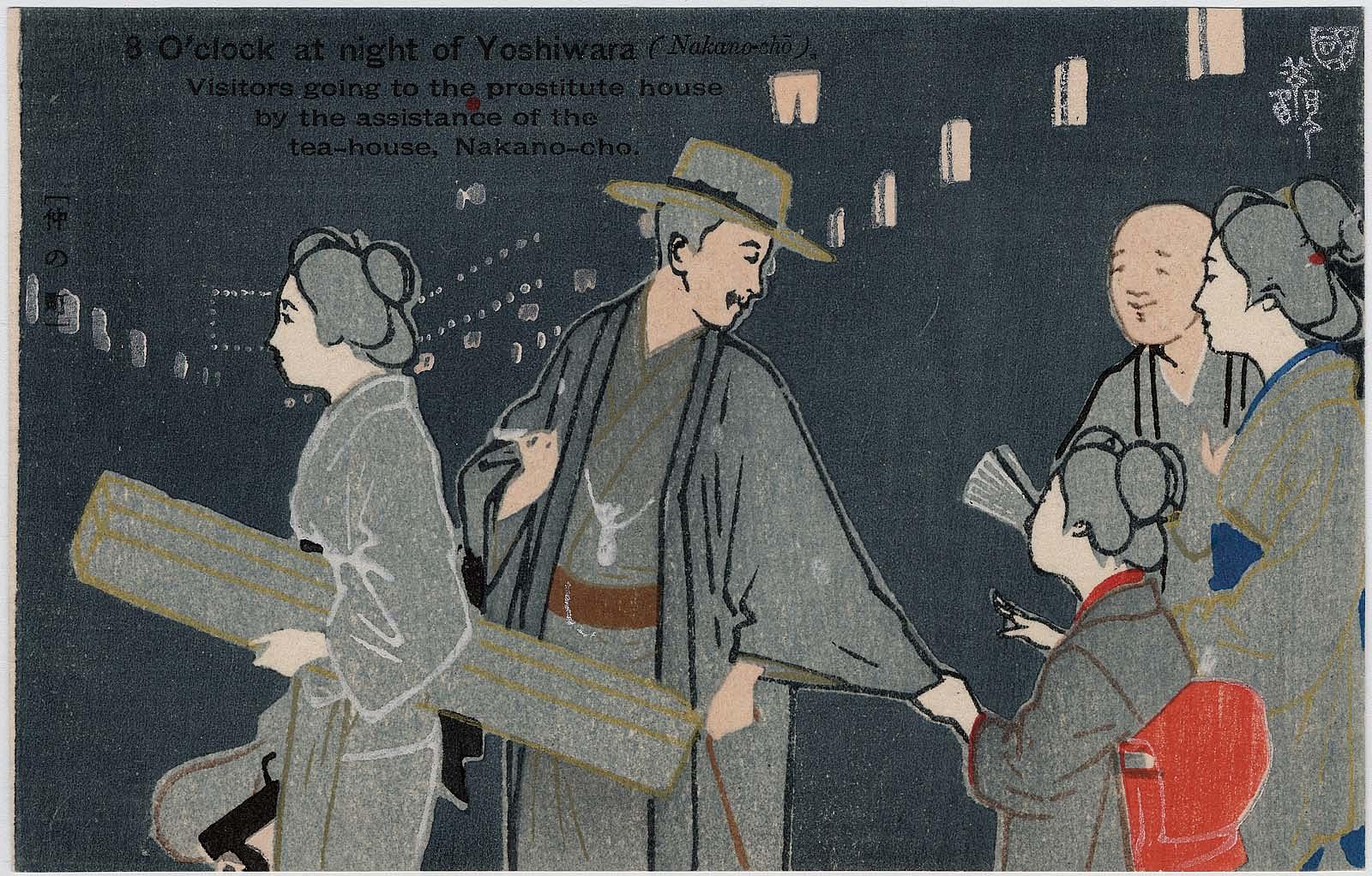
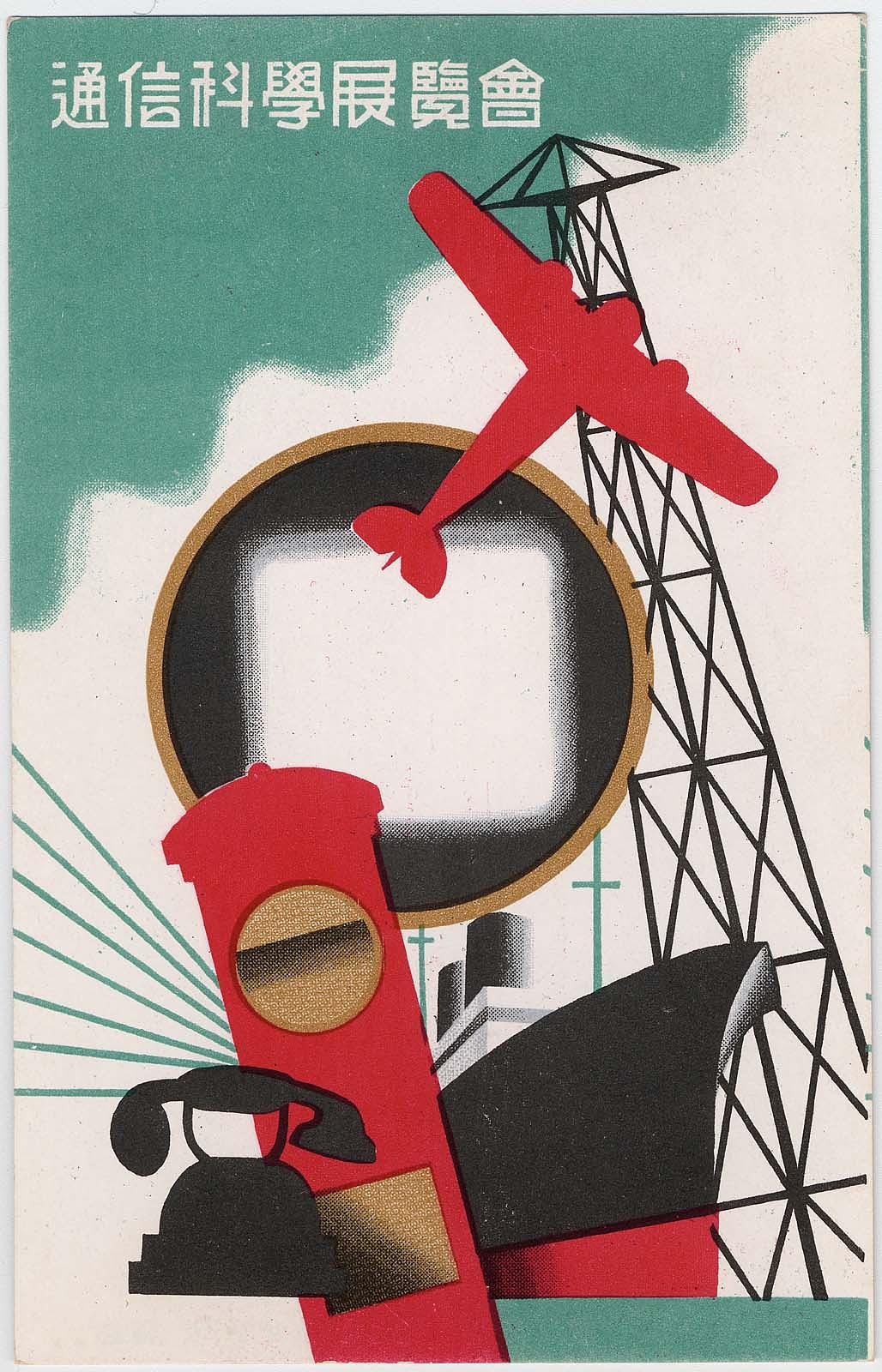
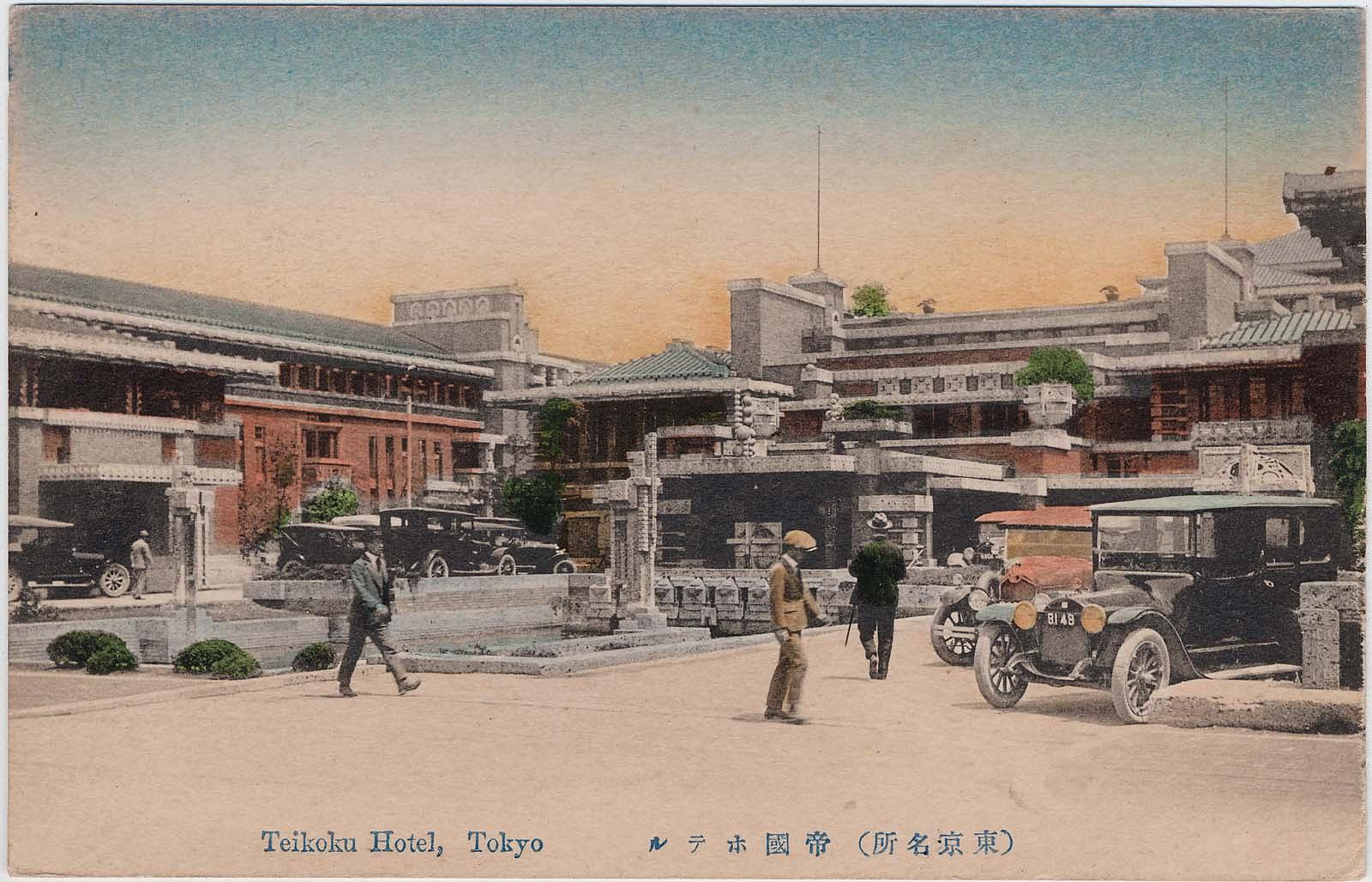
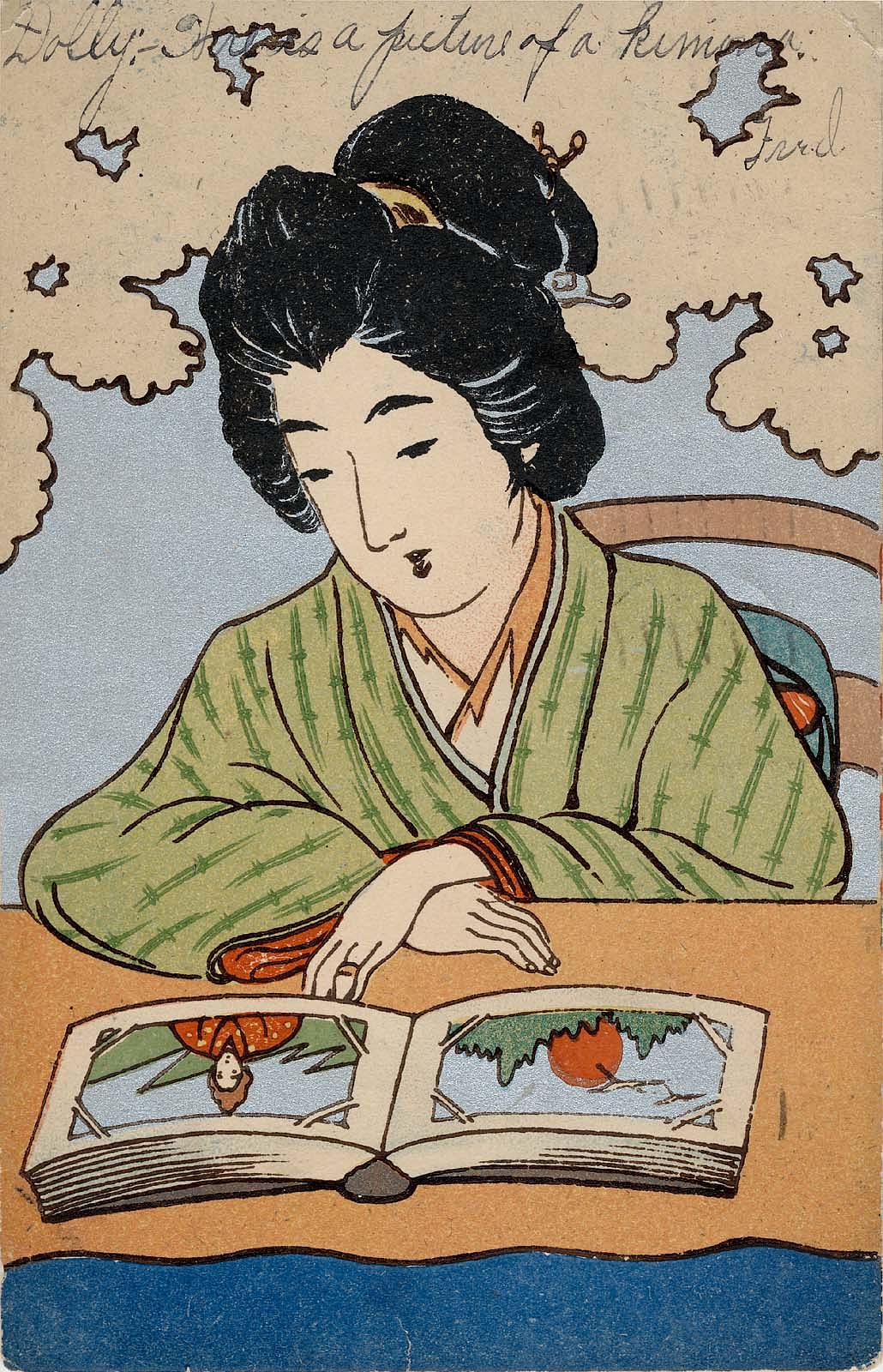
The world thinks of Japan as hav­ing trans­formed itself utter­ly after its defeat in the Sec­ond World War. And indeed it did, into what by the nine­teen-eight­ies looked like a gleam­ing, tech­nol­o­gy-sat­u­rat­ed con­di­tion of ultra-moder­ni­ty. But the stan­dard ver­sion of moder­ni­ty, as con­ceived of in the ear­ly 20th cen­tu­ry with its trains, tele­phones, and elec­tric­i­ty, came to Japan long before the war did. “Between 1900 and 1940, Japan was trans­formed into an inter­na­tion­al, indus­tri­al, and urban soci­ety,” writes Muse­um of Fine Arts Boston cura­tor Anne Nishimu­ra Morse. “Post­cards — both a fresh form of visu­al expres­sion and an impor­tant means of adver­tis­ing — reveal much about the dra­mat­i­cal­ly chang­ing val­ues of Japan­ese soci­ety at the time.”

These words come from the intro­duc­to­ry text to the MFA’s 2004 exhi­bi­tion “Art of the Japan­ese Post­card,” curat­ed from an archive you can vis­it online today. (The MFA has also pub­lished it in book form.) You can browse the vin­tage Japan­ese post­cards in the MFA’s dig­i­tal col­lec­tions in themed sec­tions like archi­tec­ture, women, adver­tis­ing, New Year’s, Art Deco, and Art Nou­veau.

These rep­re­sent only a tiny frac­tion of the post­cards pro­duced in Japan in the first decades of the twen­ti­eth cen­tu­ry, when that new medi­um “quick­ly replaced the tra­di­tion­al wood­block print as the favored tableau for con­tem­po­rary Japan­ese images. Hun­dreds of mil­lions of post­cards were pro­duced to meet the demands of a pub­lic eager to acquire pic­tures of their rapid­ly mod­ern­iz­ing nation.”

The ear­li­est Japan­ese post­cards “were dis­trib­uted by the gov­ern­ment in con­nec­tion with the Rus­so-Japan­ese War (1904–5), to pro­mote the war effort. Almost imme­di­ate­ly, how­ev­er, many of Japan’s lead­ing artists — attract­ed by the infor­mal­i­ty and inti­ma­cy of the post­card medi­um — began to cre­ate stun­ning designs.” The work of these artists is col­lect­ed in a ded­i­cat­ed sec­tion of the online archive, where you’ll find post­cards by the com­mer­cial graph­ic-design pio­neer Sug­uira Hisui; the French-edu­cat­ed, high­ly West­ern-influ­enced Asai Chi; the mul­ti­tal­ent­ed Ota Saburo, known as the illus­tra­tor of Kawa­ba­ta Yasunar­i’s The Scar­let Gang of Asakusa; and Nakaza­wa Hiromit­su, cre­ator of the “div­er girl” long well-known among Japan­ese-art col­lec­tors.

Sur­pris­ing­ly, Nakaza­wa’s div­er girl (also known as the “mer­maid,” but most cor­rect­ly as “Hero­ine Mat­suza­ke” of a pop­u­lar play at the time) seems not to have been among the pos­ses­sions of cos­met­ics bil­lion­aire and art col­lec­tor Leonard A. Laud­er, who donat­ed more than 20,000 Japan­ese selec­tions from his vast post­card col­lec­tion to the MFA. “In 1938 or ’39, a boy of five or six, or maybe sev­en, was so enthralled by the beau­ty of a post­card of the Empire State Build­ing that he took his entire five-cent allowance and bought five of them,” writes the New York­er’s Judith H. Dobrzyn­s­ki. The young­ster thrilling to the paper image of a sky­scraper was, of course, Laud­er — who could­n’t have known how much, in that moment, he had in com­mon with the equal­ly moder­ni­ty-intox­i­cat­ed peo­ple on the oth­er side of the world.

via Flash­bak

Relat­ed con­tent:

Adver­tise­ments from Japan’s Gold­en Age of Art Deco

Vin­tage 1930s Japan­ese Posters Artis­ti­cal­ly Mar­ket the Won­ders of Trav­el

Glo­ri­ous Ear­ly 20th-Cen­tu­ry Japan­ese Ads for Beer, Smokes & Sake (1902–1954)

An Eye-Pop­ping Col­lec­tion of 400+ Japan­ese Match­box Cov­ers: From 1920 through the 1940s

View 103 Dis­cov­ered Draw­ings by Famed Japan­ese Wood­cut Artist Kat­sushi­ka Hoku­sai

Down­load 2,500 Beau­ti­ful Wood­block Prints and Draw­ings by Japan­ese Mas­ters (1600–1915)

Based in Seoul, Col­in Mar­shall writes and broad­casts on cities, lan­guage, and cul­ture. His projects include the Sub­stack newslet­ter Books on Cities, the book The State­less City: a Walk through 21st-Cen­tu­ry Los Ange­les and the video series The City in Cin­e­ma. Fol­low him on Twit­ter at @colinmarshall, on Face­book, or on Insta­gram.

The Rembrandt Book Bracelet: Behold a Functional Bracelet Featuring 1400 Rembrandt Drawings

Admit­ted­ly jew­el­ry is not one of our areas of exper­tise, but when we hear that a bracelet costs €10,000, we kind of expect it to have a smat­ter­ing of dia­monds.

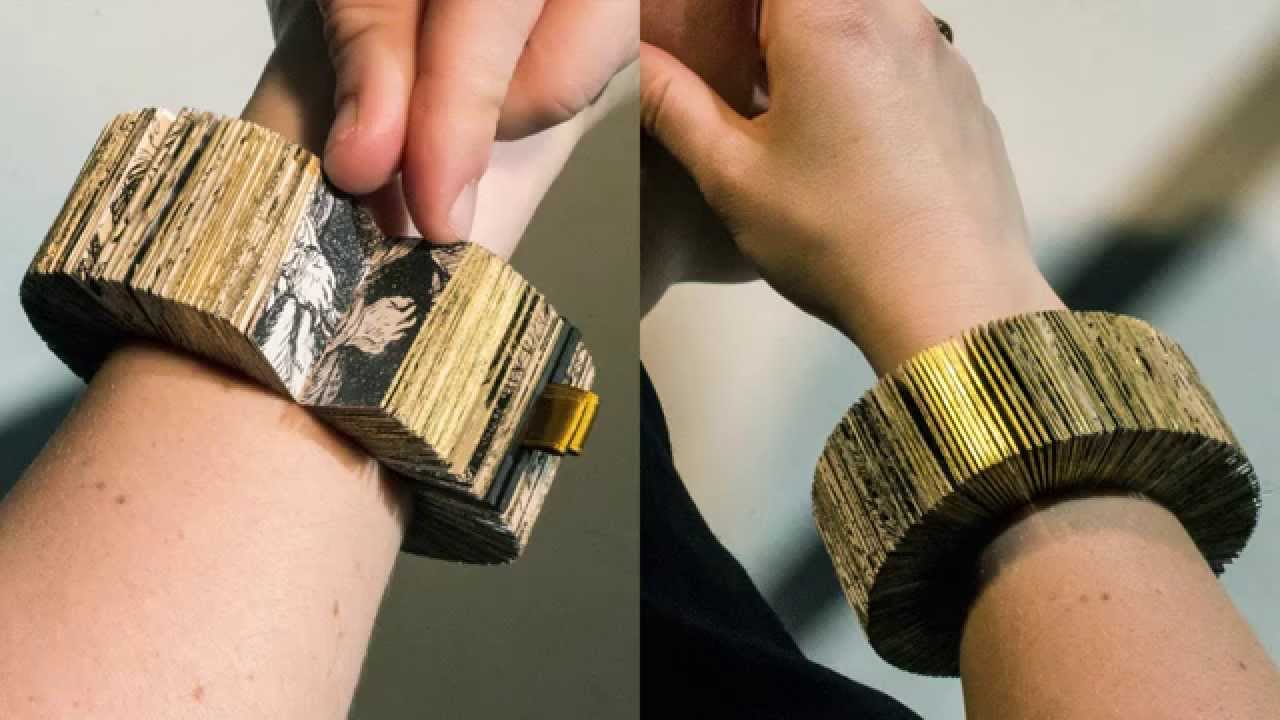
Design­ers Lyske Gais and Lia Duinker are get­ting that amount for a wrist­let com­prised chiefly of five large paper sheets print­ed with high res images down­loaded free from the Rijksmu­se­um’s exten­sive dig­i­tal archive of Rem­brandt draw­ings and etch­ings.

Your aver­age pawn­bro­ker would prob­a­bly con­sid­er its 18-karat gold clasp, or pos­si­bly the cus­tom-made wood­en box in which it can be stored when not in use the most pre­cious thing about this orna­ment.

An ardent bib­lio­phile or art lover is per­haps bet­ter equipped to see the book bracelet’s val­ue.

Each gilt edged page — 1400 in all — fea­tures an image of a hand, sourced from 303 down­loaded Rem­brandt works.

An illus­tra­tion on the design­ers’ Duinker and Dochters web­site details the painstak­ing process where­by the book­bracelet takes shape in 8‑page sec­tions, or sig­na­tures, cross stitched tight­ly along­side each oth­er on a paper band. Put it on, and you can flip through Rem­brandt hands, Rolodex-style. When you want to do the dish­es or take a show­er, just pack it flat into that cus­tom box.

Gais and Duinker also include an index, which is handy for those times when you don’t feel like hunt­ing and peck­ing around your own wrist in search of a hand that appeared in the Flute Play­er or  Christ cru­ci­fied between the two mur­der­ers.

The Rembrandt’s Hands and a Lion’s Paw bracelet, titled like a book and pub­lished in a lim­it­ed edi­tion of 10, nabbed first prize in the 2015 Rijksstu­dio Awards, a com­pe­ti­tion that chal­lenges design­ers to cre­ate work inspired by the Rijksmuseum’s col­lec­tion.

(2015’s sec­ond prize went to an assort­ment of con­serves and condi­ments that harkened to Johannes Hannot’s 1668 Still Life with Fruit. 2014’s win­ner was a palette of eye­shad­ow and some eye­lin­ers inspired by Jan Adam Kruseman’s 1833 Por­trait of Ali­da Christi­na Assink and a Leen­dert van der Cooghen sketch.)

But what about that spe­cial art lov­ing bib­lio­phile who already has every­thing, includ­ing a Rem­brandts Hands and a Lions Paw boekarm­band?

Maybe you could get them Col­lier van hond­jes, Gais and Duinker’s fol­low up to the book bracelet, a rub­ber chok­er with an attached 112-page book pen­dant show­cas­ing Rem­brandt dogs sourced from var­i­ous museum’s dig­i­tal col­lec­tions.

Pur­chase Rem­brandt’s Hands and a Lions Paw lim­it­ed edi­tion book bracelet here.

And embark on mak­ing your own improb­a­ble thing inspired by a high res image in the Rijksmu­se­um’s Rijks Stu­dio here.

via Colos­sal/Neatora­ma

– Ayun Hal­l­i­day is the Chief Pri­ma­tol­o­gist of the East Vil­lage Inky zine and cre­ator, most recent­ly of Cre­ative, Not Famous: The Small Pota­to Man­i­festo.  Fol­low her @AyunHalliday.
3,200-Year-Old Egyptian Tablet Records Excuses for Why People Missed Work: “The Scorpion Bit Him,” “Brewing Beer” & More

Image via The British Muse­um 

We mar­vel today at what we con­sid­er the won­ders of ancient Egypt, but at some point, they all had to have been built by peo­ple more or less like our­selves. (This pre­sumes, of course, that you’ve ruled out all the myr­i­ad the­o­ries involv­ing super­nat­ur­al beings or aliens from out­er space.) Safe to say that, when­ev­er in human his­to­ry work has been done, work has been skipped, espe­cial­ly when that work is per­formed by large groups. It would’ve tak­en great num­bers indeed to build the pyra­mids, but even less colos­sal­ly scaled tombs could­n’t have been built alone. And when a tomb-builder took the day off, he need­ed an excuse suit­able to be writ­ten in stone — on at any rate, on stone.

“Ancient Egypt­ian employ­ers kept track of employ­ee days off in reg­is­ters writ­ten on tablets,” writes Madeleine Muz­dakis at My Mod­ern Met. One such arti­fact “held by the British Muse­um and dat­ing to 1250 BCE is an incred­i­ble win­dow into ancient work-life bal­ance.” Called ostra­ca, these tablets were made of “flakes of lime­stone that were used as ‘notepads’ for pri­vate let­ters, laun­dry lists, records of pur­chas­es, and copies of lit­er­ary works,” accord­ing to Egyp­tol­o­gist Jen­nifer Bab­cock.

Dis­cov­ered along with thou­sands of oth­ers in the tomb builder’s vil­lage of Deir el-Med­i­na, this par­tic­u­lar ostra­con, on view at the British Muse­um’s web site, offers a rich glimpse into the lives of that trade’s prac­ti­tion­ers. Over the 280-day peri­od cov­ered by this 3,200-year-old ostra­con, com­mon excus­es for absence include “brew­ing beer” and “his wife was bleed­ing.”

Beer, Muz­dakis explains, “was a dai­ly for­ti­fy­ing drink in Egypt and was even asso­ci­at­ed with gods such as Hathor. As such, brew­ing beer was a very impor­tant activ­i­ty.” And alarm­ing though that “bleed­ing” may sound, the ref­er­ence is to men­stru­a­tion: “Clear­ly men were need­ed on the home front to pick up some slack dur­ing this time. While one’s wife men­stru­at­ing is not an excuse one hears nowa­days, cer­tain­ly the ancients seem to have had a sim­i­lar work-life jug­gling act to per­form.” Most of us today pre­sum­ably have it eas­i­er than did the aver­age ancient Egypt­ian labor­er, or even arti­san. Depend­ing on where you live, maybe you, too, could call in sick to work with the excuse of hav­ing been bit­ten by a scor­pi­on. But how well would it fly if you were to plead the need to feast, to embalm your broth­er, or to make an offer­ing to a god?

via My Mod­ern Met

Relat­ed con­tent:

A 4,000-Year-Old Stu­dent ‘Writ­ing Board’ from Ancient Egypt (with Teacher’s Cor­rec­tions in Red)

Try the Old­est Known Recipe For Tooth­paste: From Ancient Egypt, Cir­ca the 4th Cen­tu­ry BC

An Ancient Egypt­ian Home­work Assign­ment from 1800 Years Ago: Some Things Are Tru­ly Time­less

A 3,000-Year-Old Painter’s Palette from Ancient Egypt, with Traces of the Orig­i­nal Col­ors Still In It

The Turin Erot­ic Papyrus: The Old­est Known Depic­tion of Human Sex­u­al­i­ty (Cir­ca 1150 B.C.E.)

Won­ders of Ancient Egypt: A Free Online Course from the Uni­ver­si­ty of Penn­syl­va­nia

Based in Seoul, Col­in Mar­shall writes and broad­casts on cities, lan­guage, and cul­ture. His projects include the Sub­stack newslet­ter Books on Cities, the book The State­less City: a Walk through 21st-Cen­tu­ry Los Ange­les and the video series The City in Cin­e­ma. Fol­low him on Twit­ter at @colinmarshall or on Face­book.

Google App Uses Machine Learning to Discover Your Pet’s Look Alike in 10,000 Classic Works of Art


Does your cat fan­cy her­self a 21st-cen­tu­ry incar­na­tion of Bastet, the Egypt­ian God­dess of the Ris­ing Sun, pro­tec­tor of the house­hold, aka The Lady of Slaugh­ter?

If so, you should def­i­nite­ly per­mit her to down­load the Google Arts & Cul­ture app on your phone to take a self­ie using the Pet Por­traits fea­ture.

Remem­ber all the fun you had back in 2018 when the Art Self­ie fea­ture mis­took you for William II, Prince of Orange or the woman in “Jacob Cor­nelisz. van Oost­sa­nen Paint­ing a Por­trait of His Wife”?

Sure­ly your pet will be just as excit­ed to let a machine-learn­ing algo­rithm trawl tens of thou­sands of art­works from Google Arts & Culture’s part­ner­ing muse­ums’ col­lec­tions, look­ing for dop­pel­gängers.

Or maybe it’ll just view it as one more exam­ple of human fol­ly, if a far less­er evil than our predilec­tion for pet cos­tumes.

Should your pet wish to know more about the art­works it resem­bles, you can tap the results to explore them in depth.

Dogs, fish, birds, rep­tiles, hors­es, and rab­bits can play along too, though any­one hail­ing from the rodent fam­i­ly will find them­selves shut out.

Mash­able reports that “upload­ing a stock image of a mouse returned draw­ings of wolves.”

We can’t blame your pet snake for fum­ing.

Dit­to your Viet­namese Pot-bel­lied pig.

Though your pet fer­ret prob­a­bly doesn’t need an app (or a crys­tal ball) to know what its result would be. Bet­ter than an ermine col­lar, any­way…


If your pet is game and falls with­in Pet Por­traits approved species para­me­ters, here are the steps to fol­low:

  1. Launch the Google Arts & Cul­ture app and select the Cam­era but­ton. Scroll to the Pet Por­traits option.
  2. Have your pet take a self­ie. (Or alter­na­tive­ly, upload a saved image.)
  3. Give the app a few sec­onds (or min­utes) to return mul­ti­ple results with sim­i­lar­i­ty per­cent­ages.

Down­load the Google Arts & Cul­ture app here.

- Ayun Hal­l­i­day is the Chief Pri­ma­tol­o­gist of the East Vil­lage Inky zine and author, most recent­ly, of Cre­ative, Not Famous: The Small Pota­to Man­i­festo.  Fol­low her @AyunHalliday.
Relat­ed Con­tent:

Google’s Free App Ana­lyzes Your Self­ie and Then Finds Your Dop­pel­ganger in Muse­um Por­traits

Con­struct Your Own Bayeux Tapes­try with This Free Online App

A Gallery of 1,800 Gigapix­el Images of Clas­sic Paint­ings: See Vermeer’s Girl with the Pearl Ear­ring, Van Gogh’s Star­ry Night & Oth­er Mas­ter­pieces in Close Detail

Tate Kids Presents Introductions to Art Movements: Cubism, Impressionism, Surrealism & More

Tate Kids has a sol­id grasp on the sort of hands on art-relat­ed con­tent that appeals to chil­dren — Make a mud paint­ing! Make a spaghet­ti sculp­ture! Pho­to fil­ter chal­lenge!

Chil­dren of all ages, grown ups who skipped out on art his­to­ry includ­ed, will ben­e­fit from their break­neck overviews of entire art move­ments.

Take cubism.

The Tate Kids’ ani­ma­tion, above, pro­vides a sol­id if speedy overview, zip­ping through eight can­vas­es, six artists, and expla­na­tions of the move­men­t’s two phas­es — ana­lyt­i­cal and syn­thet­ic. (Three phas­es if you count Orphism, the abstract, cubist influ­enced paint­ing style mar­ried artists Robert and Sonia Delau­nay hatched around 1912.)

Giv­en the intend­ed audi­ence, the fond friend­ship between the fathers of cubism, Georges Braque and Pablo Picas­so looms large, with nary a peep about Picasso’s nar­cis­sism and misog­y­ny. And it must be said that the narrator’s tone grates a bit — a bit too loud, a bit too wowed.

The Impres­sion­ists come off as the real cool kids, with a dif­fer­ent nar­ra­tor, and nifty col­lage ani­ma­tions that find Camille Pis­sar­ro throw­ing horns and a Mohawked Alfred Sis­ley as they reject the Salon’s insis­tence on “myths, bat­tles and paint­ings of impor­tant peo­ple.”

Their defi­ant spir­it is sup­port­ed by crit­i­cism that most def­i­nite­ly has not stood the test of time:

Pure evil! 

Wall­pa­per! 

Like a mon­key has got hold of a box of paints!

Kid pre­sen­ters seize the con­trols for an intro­duc­tion to the mid-cen­tu­ry Japan­ese avant-garde move­ment, Gutai.

Their con­clu­sion?

Smash­ing things up is fun!

As are man­i­festos:

Let’s bid farewell to the hoax­es piled up on the altars and in the palaces, the draw­ing rooms and the antique shops…Lock up these corpses in the grave­yard!

Yay!

Those who are poor­ly equipped to stom­ach the nar­ra­tors’ whizbang enthu­si­asm should take a restora­tive min­utes to vis­it the muse­um oranges in hand, with 12-year-old Jae­da and 9‑year-old Fati­matu. Their calm will­ing­ness to engage with con­cep­tu­al art is a ton­ic:

When I start­ed art, I though art was just about mak­ing it per­fect, but you don’t have to care what oth­er peo­ple say. That could still mean an art to you.

Watch a Tate Kids Art Move­ments playlist on YouTube. Sup­ple­ment what you’ve learned with a host of Tate Kids activ­i­ties, col­or­ing pages, games, quizzes, artist bios and a gallery of crowd­sourced kid art.

Relat­ed Con­tent 

The Tate Dig­i­tizes 70,000 Works of Art: Pho­tos, Sketch­books, Let­ters & More

Watch the Tate Mod­ern Restore Mark Rothko’s Van­dal­ized Paint­ing, Black on Maroon: 18 Months of Work Con­densed Into 17 Min­utes

A 110-Year-Old Book Illus­trat­ed with Pho­tos of Kit­tens & Cats Taught Kids How to Read

- Ayun Hal­l­i­day is the Chief Pri­ma­tol­o­gist of the East Vil­lage Inky zine and author, most recent­ly, of Cre­ative, Not Famous: The Small Pota­to Man­i­festo.  Fol­low her @AyunHalliday.

Discover Khipu, the Ancient Incan Record & Writing System Made Entirely of Knots

Khi­pus, the portable infor­ma­tion archives cre­at­ed by the Inca, may stir up mem­o­ries of 1970s macrame with their long strands of intri­cate­ly knot­ted, earth-toned fibers, but their func­tion more close­ly resem­bled that of a dense­ly plot­ted com­put­er­ized spread­sheet.

As Cecil­ia Par­do-Grau, lead cura­tor of the British Museum’s cur­rent exhi­bi­tion Peru: a jour­ney in time explains in the above Cura­tors Cor­ner episode, khi­pus were used to keep track of every­thing from inven­to­ries and cen­sus to his­tor­i­cal nar­ra­tives, using a sys­tem that assigned mean­ing to the type and posi­tion of knot, spaces between knots, cord length, fiber col­or, etc.

Much of the infor­ma­tion pre­served with­in khi­pus has yet to be deci­phered by mod­ern schol­ars, though the Open Khipu Repos­i­to­ry — com­pu­ta­tion­al anthro­pol­o­gist Jon Clin­daniel’s open-source data­base — makes it pos­si­ble to com­pare the pat­terns of hun­dreds of khi­pus resid­ing in muse­um and uni­ver­si­ty col­lec­tions.

Even in the Incan Empire, few were equipped to make sense of a khipu. This task fell to quipu­ca­may­ocs, high born admin­is­tra­tive offi­cials trained since child­hood in the cre­ation and inter­pre­ta­tion of these organ­ic spread­sheets.

Fleet mes­sen­gers known as chask­is trans­port­ed khipus on foot between admin­is­tra­tive cen­ters, cre­at­ing an infor­ma­tion super­high­way that pre­dates the Inter­net by some five cen­turies. Khi­pus’ stur­dy organ­ic cot­ton or native camelid fibers were well suit­ed to with­stand­ing both the rig­ors of time and the road.

A 500-year-old com­pos­ite khipu that found its way to British Muse­um organ­ics con­ser­va­tor Nicole Rode pri­or to the exhi­bi­tion was intact, but severe­ly tan­gled, with a brit­tle­ness that betrayed its age. Below, she describes falling under the khipu’s spell, dur­ing the painstak­ing process of restor­ing it to a con­di­tion where­by researchers could attempt to glean some of its secrets.

Vis­it Museo Chileno de Arte Precolombino’s web­site to learn more about khipu in a series of fas­ci­nat­ing short arti­cles that accom­pa­nied their ground­break­ing 2003 exhib­it QUIPU: count­ing with knots in the Inka Empire.

via Aeon.

Relat­ed Con­tent: 

How the Inca Used Intri­cate­ly-Knot­ted Cords, Called Khipu, to Write Their His­to­ries, Send Mes­sages & Keep Records

Take a Vir­tu­al Tour of Machu Pic­chu, One of the New 7 Won­ders of the World

Ancient Maps that Changed the World: See World Maps from Ancient Greece, Baby­lon, Rome, and the Islam­ic World

Ayun Hal­l­i­day is the Chief Pri­ma­tol­o­gist of the East Vil­lage Inky zine and author, most recent­ly, of Cre­ative, Not Famous: The Small Pota­to Man­i­festo.  Fol­low her @AyunHalliday.

Download 215,000 Japanese Woodblock Prints by Masters Spanning the Tradition’s 350-Year History

If you enjoy Japan­ese wood­block prints, that appre­ci­a­tion puts you in good com­pa­ny: with Vin­cent van Gogh, for exam­ple, and per­haps even more flat­ter­ing­ly, with many of your fel­low read­ers of Open Cul­ture. So avid is the inter­est in ukiyo‑e, the tra­di­tion­al Japan­ese “pic­tures of the float­ing world,” that you might even have missed one of the large, free online col­lec­tions we’ve fea­tured over the years. Take, for instance, the one made avail­able by the Van Gogh Muse­um itself, which fea­tures the work of such well-known mas­ters as Kat­sushi­ka Hoku­sai, artist of The Great Wave off Kanaza­wa, and Uta­gawa Hiroshige, he of the One Hun­dred Views of Edo.

Edo was the name of Tokyo until 1868, a decade after Hiroshige’s death — an event that itself marked the end of an aes­thet­i­cal­ly fruit­ful era for ukiyo‑e. But the his­to­ry of the form itself stretch­es back to the 17th cen­tu­ry, as reflect­ed by the Unit­ed States Library of Con­gress’ online col­lec­tion “Fine Prints: Japan­ese, pre-1915.”

There you’ll find plen­ty of Hoku­sai and Hiroshige, but also oth­ers who took the art form in their own direc­tions like Uta­gawa Yoshi­fu­ji, whose prints include depic­tions of not just his coun­try­men but vis­it­ing West­ern­ers as well. (The results are some­what more real­is­tic than the ukiyo‑e Lon­don imag­ined in 1866 by Uta­gawa Yoshi­to­ra, anoth­er mem­ber of the same artis­tic lin­eage.)

As if all this was­n’t enough, you can also find more than 220,000 Japan­ese wood­block prints at Ukiyo‑e.org. Quite pos­si­bly the most expan­sive such archive yet cre­at­ed, it includes works from Hiroshige and Hoku­sai’s 19th-cen­tu­ry “gold­en age of print­mak­ing” as well as from the devel­op­ment of the art form ear­ly in the cen­tu­ry before. Even after its best-known prac­ti­tion­ers were gone, ukiyo‑e con­tin­ued to evolve: through Japan’s mod­ern­iz­ing Mei­ji peri­od in the late 19th and ear­ly 20th cen­tu­ry, through var­i­ous aes­thet­ic move­ments in the years up to the Sec­ond World War, and even on to our own time, which has seen the emer­gence even of pro­lif­ic non-Japan­ese print­mak­ers.

Of course, these ukiyo‑e prints weren’t orig­i­nal­ly cre­at­ed to be viewed on the inter­net; the works of Hoku­sai and Hiroshige may look good on a tablet, but not by their design. Still, they did often have the indi­vid­ual con­sumer in mind: these are artists “known today for their wood­block prints, but who also excelled at illus­tra­tions for deluxe poet­ry antholo­gies and pop­u­lar lit­er­a­ture,” writes the Met­ro­pol­i­tan Muse­um of Art cura­tor John Car­pen­ter. His words greet the vis­i­tor to the Met’s online col­lec­tion of more than 650 illus­trat­ed Japan­ese books, which presents ukiyo‑e as it would actu­al­ly have been seen by most peo­ple when the form first explod­ed in pop­u­lar­i­ty — not that, even then, its enthu­si­asts could imag­ine how many appre­ci­a­tors it would one day have around the world.

Below you can find a list of pri­or posts fea­tur­ing archives of Japan­ese wood­block prints. Please feel free to explore them at your leisure.

Relat­ed con­tent:

Down­load Hun­dreds of 19th-Cen­tu­ry Japan­ese Wood­block Prints by Mas­ters of the Tra­di­tion

Down­load Vin­cent van Gogh’s Col­lec­tion of 500 Japan­ese Prints, Which Inspired Him to Cre­ate “the Art of the Future”

Down­load 2,500 Beau­ti­ful Wood­block Prints and Draw­ings by Japan­ese Mas­ters (1600–1915)

Enter a Dig­i­tal Archive of 213,000+ Beau­ti­ful Japan­ese Wood­block Prints

The Met Puts 650+ Japan­ese Illus­trat­ed Books Online: Mar­vel at Hokusai’s One Hun­dred Views of Mount Fuji and More

Watch the Mak­ing of Japan­ese Wood­block Prints, from Start to Fin­ish, by a Long­time Tokyo Print­mak­er

Based in Seoul, Col­in Mar­shall writes and broad­casts on cities and cul­ture. His projects include the book The State­less City: a Walk through 21st-Cen­tu­ry Los Ange­les and the video series The City in Cin­e­ma. Fol­low him on Twit­ter at @colinmarshall or on Face­book.

« Go BackMore in this category... »
Quantcast