John Oliver’s Show on World-Class Art Museums & Their Looted Art: Watch It Free Online

From John Oliv­er comes a com­ic take on a seri­ous subject–how West­ern muse­ums have often built their col­lec­tions, espe­cial­ly in antiq­ui­ties, through loot­ing art from col­o­nized nations. In this 34 minute episode, Oliv­er dis­cuss­es “some of the world’s most pres­ti­gious muse­ums, why they con­tain so many stolen goods, [and] the mar­ket that con­tin­ues to ille­gal­ly trade antiq­ui­ties.” It’s one of the lat­est episodes from HBO’s Last Week Tonight with John Oliv­er.

If you would like to sign up for Open Culture’s free email newslet­ter, please find it here. It’s a great way to see our new posts, all bun­dled in one email, each day.

If you would like to sup­port the mis­sion of Open Cul­ture, con­sid­er mak­ing a dona­tion to our site. It’s hard to rely 100% on ads, and your con­tri­bu­tions will help us con­tin­ue pro­vid­ing the best free cul­tur­al and edu­ca­tion­al mate­ri­als to learn­ers every­where. You can con­tribute through Pay­Pal, Patre­on, and Ven­mo (@openculture). Thanks!

Relat­ed Con­tent 

The British Muse­um is Full of Loot­ed Arti­facts

Take a Vir­tu­al Real­i­ty Tour of the World’s Stolen Art

Lis­ten to Last Seen, a True-Crime Pod­cast That Takes You Inside an Unsolved, $500 Mil­lion Art Heist

When Ger­man Per­for­mance Artist Ulay Stole Hitler’s Favorite Paint­ing & Hung it in the Liv­ing Room of a Turk­ish Immi­grant Fam­i­ly (1976)

When Pablo Picas­so and Guil­laume Apol­li­naire Were Accused of Steal­ing the Mona Lisa (1911)

by | Permalink | Make a Comment ( 2 ) |

Doctors in Brussels Can Now Prescribe Museum Visits as Treatments for Stress, Anxiety & Depression

Image by Tomás Fano, via Wiki­me­dia Com­mons

When COVID-19 was fast spread­ing across the world, we fea­tured ways to vis­it a vari­ety of cul­tur­al insti­tu­tions with­out leav­ing home here on Open Cul­ture. Lo those two and a half years ago, online muse­um-going seemed like the health­i­est option. Now, with pan­dem­ic-relat­ed restric­tions being loos­ened and even scrapped all over the world, the time has come to get back out there, or rather in there, spend­ing time at one’s favorite cul­tur­al insti­tu­tions. Indeed, a trip to the muse­um is just what the doc­tor ordered — in Brus­sels, lit­er­al­ly.

“Start­ing this month, doc­tors at the Brug­mann Hos­pi­tal, one of Brus­sels’ largest health cen­ters, are able to pre­scribe their patients vis­its to a num­ber of cul­tur­al insti­tu­tions man­aged by the city” as part of treat­ments for “stress, anx­i­ety and depres­sion.” So reports Smithsonian.com’s Mol­ly Enk­ing, adding that “those with a pre­scrip­tion for free entrance can tour ancient under­ground path­ways in the Sew­er Muse­um, check out tex­tiles from the 1500s at the Fash­ion and Lace Muse­um, or stroll through the gal­leries at the CENTRALE con­tem­po­rary art cen­ter, among oth­er activ­i­ties.”

They can also enjoy the Man­neken Pis Wardrobe, a muse­um show­cas­ing the thou­sand dif­fer­ent out­fits of the epony­mous uri­nat­ing stat­ue, a sym­bol of Brus­sels for cen­turies now. See­ing as Man­neken Pis “has brought a smile to the face of count­less tourists from around the world,” writes Politi­co’s Ana Fota, it makes sense to see if he can do the same for those most in need of it. As Fota quotes Brug­mann Uni­ver­si­ty Hos­pi­tal psy­chi­a­trist Vin­cent Lusty­gi­er as say­ing when asked how a place like the Sew­er Muse­um can help the depressed, “Why not try? We are going to test it and see.”

The eval­u­a­tion should come in six months, the declared peri­od of this “pilot pro­gram” that has grant­ed muse­um vis­its the sta­tus of psy­cho­log­i­cal treat­ments. Inspired by a sim­i­lar pol­i­cy imple­ment­ed in Mon­tre­al back in 2018, it does have a fair bit of research behind it. As the Guardian’s Jen­nifer Rankin reports, “a review by the World Health Orga­ni­za­tion in 2019 con­clud­ed that arts could help peo­ple expe­ri­enc­ing men­tal ill­ness­es and urged greater col­lab­o­ra­tion between cul­ture and pub­lic health pro­fes­sion­als.” The def­i­n­i­tion of cul­ture here could expand well beyond muse­ums: sure­ly there’s also research to do on, say, the unde­ni­able ther­a­peu­tic val­ue of a good plate of moules-frites.

Relat­ed con­tent:

British Doc­tors To Pre­scribe Arts & Cul­ture to Patients: “The Arts Are Essen­tial to our Health and Well­be­ing”

New Study: Immers­ing Your­self in Art, Music & Nature Might Reduce Inflam­ma­tion & Increase Life Expectan­cy

Why Med Schools Are Requir­ing Stu­dents to Take Art Class­es, and How It Makes Med Stu­dents Bet­ter Doc­tors

Your Brain on Art: The Emerg­ing Sci­ence of Neu­roaes­thet­ics Probes What Art Does to Our Brains

Alain de Bot­ton Shows How Art Can Answer Life’s Big Ques­tions in Art as Ther­a­py

Based in Seoul, Col­in Mar­shall writes and broad­casts on cities, lan­guage, and cul­ture. His projects include the Sub­stack newslet­ter Books on Cities, the book The State­less City: a Walk through 21st-Cen­tu­ry Los Ange­les and the video series The City in Cin­e­ma. Fol­low him on Twit­ter at @colinmarshall, on Face­book, or on Insta­gram.

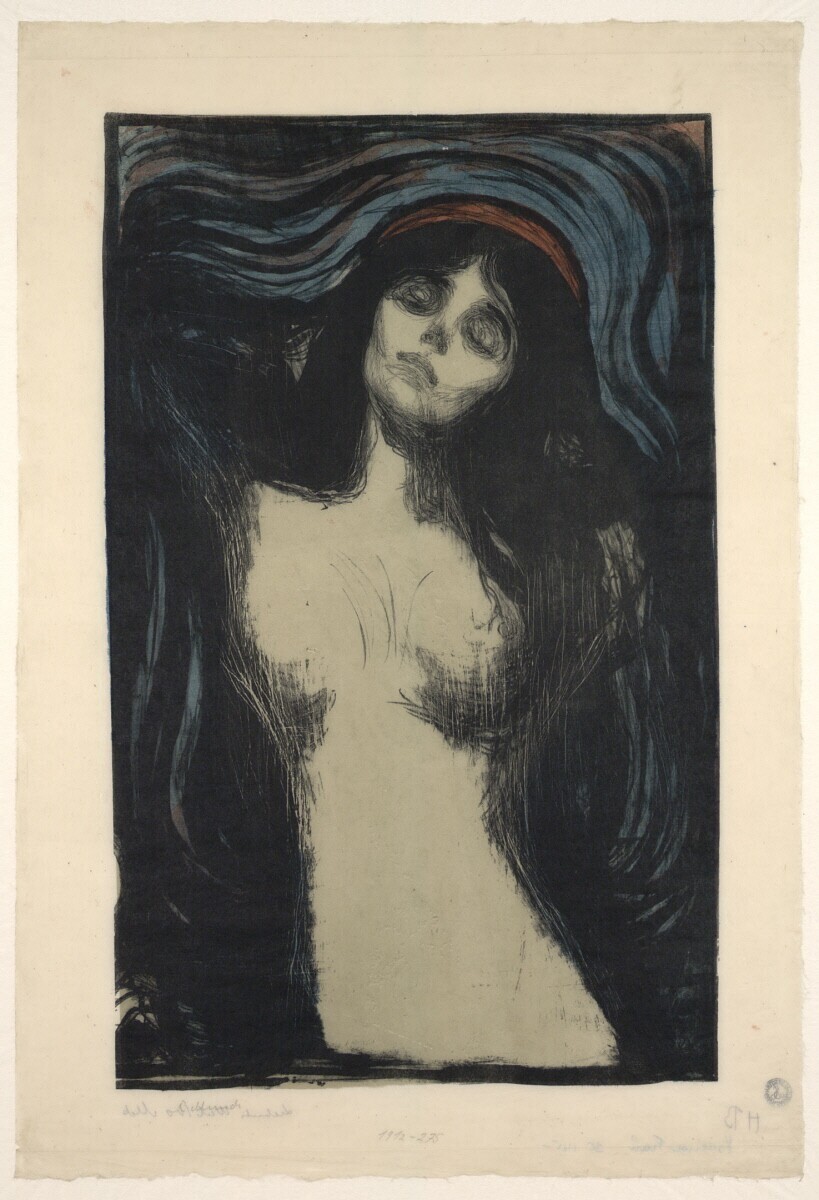
Vienna’s Albertina Museum Puts 150,000 Digitized Artworks Into the Public Domain: Klimt, Munch, Dürer, and More

Though it may not fig­ure promi­nent­ly into the aver­age whirl­wind Eurail trip across the con­ti­nent, Vien­na’s role in the devel­op­ment of Euro­pean cul­ture as we know it can hard­ly be over­stat­ed. Grant­ed, the names of none of its cul­tur­al insti­tu­tions come mind as read­i­ly as those of the Pra­do, the Uffizi Gallery, or the Lou­vre. But as muse­ums go, Vien­na more than holds its own, both inside and out­side the neigh­bor­hood apt­ly named the Muse­um­squarti­er — and not just in the phys­i­cal world, but online as well. Recent­ly, the Alberti­na Muse­um in Vien­na put into the pub­lic domain 150,000 of its dig­i­tized works, all of which you can browse on its web site.

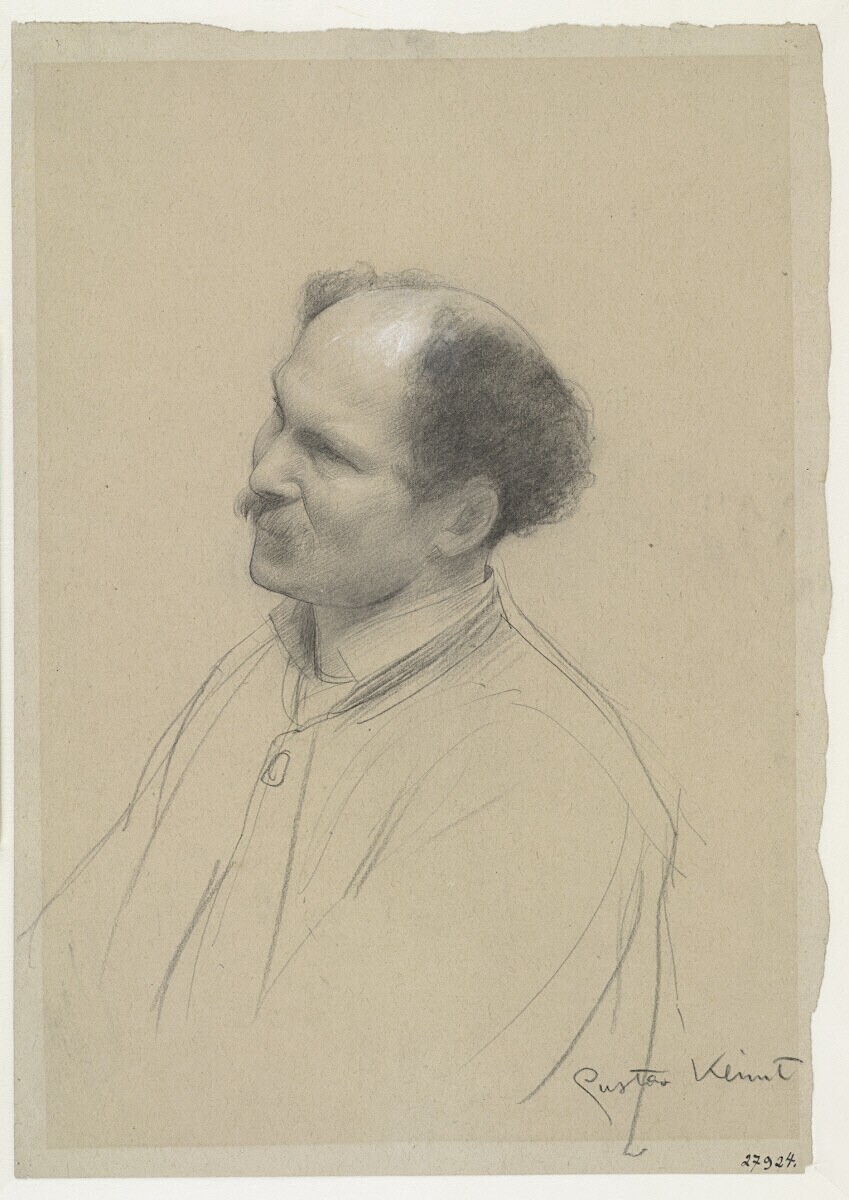
“Con­sid­ered to have one of the best col­lec­tions of draw­ings and prints in the world,” says Medievalists.net, the Alberti­na boasts “a large col­lec­tion of works by Albrecht Dür­er (1471–1528), a Ger­man artist who was famous for his wood­cut prints and a vari­ety of oth­er works.” Here on Open Cul­ture we’ve pre­vi­ous­ly fea­tured the genius of Dür­er as revealed by his famed self-por­traits. We’ve also fea­tured visu­al exege­ses of the art of Vien­na’s own Gus­tav Klimt as well as Edvard Munch, two more recent Euro­pean artists of great (and indeed still-grow­ing) repute, works from both of whom you’ll find avail­able to down­load in the Alberti­na’s online archive.

Those inter­est­ed in the devel­op­ment of Dür­er, Klimt, Munch, and oth­er Euro­pean mas­ters will espe­cial­ly appre­ci­ate the Alberti­na’s online offer­ings. As an insti­tu­tion renowned for its large print room and col­lec­tions of draw­ings, the muse­um has made avail­able a great many sketch­es and stud­ies, some of which clear­ly informed the icon­ic works we all rec­og­nize today. But there are also com­plete works as well, on which you can focus by click­ing the “High­lights” check­box above your search results. To under­stand Europe, you’d do well to begin in Vien­na; to under­stand Europe’s art — includ­ing its pho­tog­ra­phy, its posters, and its archi­tec­ture, each of which gets its own sec­tion of the archive — you’d do well to begin at the Alberti­na online.

via Medievalists.net

Relat­ed con­tent:

The Genius of Albrecht Dür­er Revealed in Four Self-Por­traits

136 Paint­ings by Gus­tav Klimt Now Online (Includ­ing 63 Paint­ings in an Immer­sive Aug­ment­ed Real­i­ty Gallery)

Explore 7,600 Works of Art by Edvard Munch: They’re Now Dig­i­tized and Free Online

30,000 Works of Art by Edvard Munch & Oth­er Artists Put Online by Norway’s Nation­al Muse­um of Art

Take Immer­sive Vir­tu­al Tours of the World’s Great Muse­ums: The Lou­vre, Her­mitage, Van Gogh Muse­um & Much More

Based in Seoul, Col­in Mar­shall writes and broad­casts on cities, lan­guage, and cul­ture. His projects include the Sub­stack newslet­ter Books on Cities, the book The State­less City: a Walk through 21st-Cen­tu­ry Los Ange­les and the video series The City in Cin­e­ma. Fol­low him on Twit­ter at @colinmarshall, on Face­book, or on Insta­gram.

Behold! A Medieval Graphic Novel Carved on an 14th Century Ivory Box

The Châte­laine de Ver­gy, a court­ly romance that was wild­ly pop­u­lar in the mid-13th cen­tu­ry, would’ve made a crowd pleas­ing graph­ic nov­el adap­ta­tion. It’s got sex, treach­ery, a trio of vio­lent deaths, and a cute pup in a sup­port­ing role.

See­ing as how the form had yet to be invent­ed, medieval audi­ences got the next best thing — a Goth­ic ivory cas­ket on which the sto­ry is ren­dered as a series of carved pic­tures that start on the lid and wrap around the sides.

In an ear­li­er video for the British Museum’s Curator’s Cor­ner series, Late Medieval Col­lec­tions Cura­tor Nao­mi Speak­man admit­ted that the pur­pose of such deluxe cas­kets is dif­fi­cult to pin down. Were they tokens from one lover to anoth­er? Wed­ding gifts? Jew­el­ry box­es? Doc­u­ment cas­es?

Unclear, but the intri­cate carv­ings’ nar­ra­tive has def­i­nite­ly been iden­ti­fied as that of The Châte­laine de Ver­gy, a steamy sec­u­lar alter­na­tive to the reli­gious scenes whose depic­tion con­sumed a fair num­ber of medieval ele­phant tusks.

In addi­tion to the ear­ly-14th cen­tu­ry exam­ple in the British Museum’s col­lec­tion, the Cour­tauld Insti­tute of Art’s Goth­ic Ivories data­base cat­a­logues a num­ber of oth­er medieval cas­kets and cas­ket frag­ments depict­ing The Châte­laine de Ver­gi, cur­rent­ly housed in muse­ums in Milan, Flo­rence, Paris, Vien­na, New York City and Kansas.

A very graph­ic nov­e­l­esque con­ceit Speak­man points to in the British Museum’s cas­ket finds the Duke of Bur­gundy break­ing the frame (to use comics ter­mi­nol­o­gy), reach­ing behind the gut­ter to help him­self to the sword the Châtelaine’s knight­ly lover has just plunged into his own breast.

Peer around to the far side of the cas­ket to find out what the Duke intends to do with that sword. It’s a shock­er that silences the trum­pets, qui­ets the danc­ing ladies, and might even have laid ground for a sequel: Chate­laine: The Duke’s Wrath.

Read Eugene Mason’s ear­ly 20th cen­tu­ry trans­la­tion of The Chate­laine of Ver­gi here.

Watch more episodes of the British Museum’s Curator’s Cor­ner here.

Relat­ed Con­tent 

The Book of St Albans, One of the Finest Medieval Man­u­scripts, Gets Dig­i­tized and Put Online

A Medieval Book That Opens Six Dif­fer­ent Ways, Reveal­ing Six Dif­fer­ent Books in One

Behold Medieval Snow­ball Fights: A Time­less Way of Hav­ing Fun

- Ayun Hal­l­i­day is the Chief Pri­ma­tol­o­gist of the East Vil­lage Inky zine and author, most recent­ly, of Cre­ative, Not Famous: The Small Pota­to Man­i­festo.  Fol­low her @AyunHalliday.

Behold a Book of Color Shades Depicted with Feathers (Circa 1915)

Per­haps the 143 col­ors show­cased in The Bay­er Company’s ear­ly 20th-cen­tu­ry sam­ple book, Shades on Feath­ers, could be col­lect­ed in the field, but it would involve a lot of trav­el and patience, and the stalk­ing of sev­er­al endan­gered if not down­right extinct avian species.

Far eas­i­er, and much less expen­sive, for milliners, design­ers and dec­o­ra­tors to dye plain white feath­ers  exot­ic shades, fol­low­ing the instruc­tions in the sam­ple book.

Such arti­fi­cial­ly obtained rain­bows owe a lot to William Hen­ry Perkin, a teenage stu­dent of Ger­man chemist August Wil­helm von Hof­mann, who spent East­er vaca­tion of 1856 exper­i­ment­ing with ani­line, an organ­ic base his teacher had ear­li­er dis­cov­ered in coal tar.  Hop­ing to hit on a syn­thet­ic form of qui­nine, he acci­den­tal­ly hit on a solu­tion that col­ored silk a love­ly pur­ple shade — an inad­ver­tent eure­ka moment that ranks right up there with peni­cillin and the pret­zel.

A Sci­ence Muse­um Group pro­file details what hap­pened next:

Perkin named the colour mauve and the dye mau­veine. He decid­ed to try to mar­ket his dis­cov­ery instead of return­ing to col­lege.

On 26 August 1856, the Patent Office grant­ed Perkin a patent for ‘a new colour­ing mat­ter for dye­ing with a lilac or pur­ple colour stuffs of silk, cot­ton, wool, or oth­er mate­ri­als’.

Perk­in’s next step was to inter­est cloth dyers and print­ers in his dis­cov­ery. He had no expe­ri­ence of the tex­tile trade and lit­tle knowl­edge of large-scale chem­i­cal man­u­fac­ture. He cor­re­spond­ed with Robert and John Pullar in Glas­gow, who offered him sup­port. Perk­in’s luck changed towards the end of 1857 when the Empress Eugénie, wife of Napoleon III, decid­ed that mauve was the colour to wear. In Jan­u­ary 1858, Queen Vic­to­ria fol­lowed suit, wear­ing mauve to her daughter’s wed­ding.

Cue an explo­sion of dye man­u­fac­tur­ers across Great Britain and Europe, includ­ing Bay­er, pro­duc­er of the feath­er sam­ple book. The sur­vival of this arti­fact is some­what mirac­u­lous giv­en how vul­ner­a­ble antique feath­ers are to envi­ron­men­tal fac­tors, pests, and improp­er stor­age.

(The sam­ple book rec­om­mends clean­ing the feath­ers pri­or to dying in a luke­warm solu­tion of small amounts of olive oil soap and ammo­nia.)

The Sci­ence His­to­ry Insti­tute, own­er of this unusu­al object, esti­mates that the undat­ed book was pro­duced between 1913 and 1918, the year the Migra­to­ry Bird Act Treaty out­lawed the hunt­ing of birds whose feath­ers humans deemed par­tic­u­lar­ly fash­ion­able.

Peruse the Sci­ence His­to­ry Insti­tute of Philadel­phi­a’s dig­i­tized copy of the Shades on Feath­ers sam­ple book here.

via Messy Nessy

Relat­ed Con­tent 

Down­load 435 High Res­o­lu­tion Images from John J. Audubon’s The Birds of Amer­i­ca

The Bird­song Project Fea­tures 220 Musi­cians, Actors, Artists & Writ­ers Pay­ing Trib­ute to Birds: Watch Per­for­mances by Yo-Yo Ma, Elvis Costel­lo and Beck

The Bird Library: A Library Built Espe­cial­ly for Our Fine Feath­ered Friends

- Ayun Hal­l­i­day is the Chief Pri­ma­tol­o­gist of the East Vil­lage Inky zine and author, most recent­ly, of Cre­ative, Not Famous: The Small Pota­to Man­i­festo.  Fol­low her @AyunHalliday.
Why 99% Of Smithsonian’s Specimens Are Hidden In High-Security

Muse­ums are the mem­o­ry of our cul­ture and they’re the mem­o­ry of our plan­et. — Dr. Kirk John­son, Direc­tor, Smith­son­ian Nation­al Muse­um of Nat­ur­al His­to­ry

For many of us nat­ur­al his­to­ry muse­ums are emblem­at­ic of school field trips, or rainy day out­ings with (or as) chil­dren.

There’s always some­thing to be gleaned from the recon­struct­ed dinosaur skele­tons, daz­zling min­er­als, and 100-year-old spec­i­mens on dis­play.

The edu­ca­tion­al prospects are even greater for research sci­en­tists.

The above entry in Busi­ness Insid­er’s Big Busi­ness series takes us behind the scenes of the Smith­son­ian Nat­ur­al His­to­ry Muse­um, a fed­er­al­ly-fund­ed insti­tu­tion where more than 99% of its vast col­lec­tion is housed in the base­ment, on upper floors and employ­ees-only wings of exhi­bi­tion floors, or at an off­site facil­i­ty in neigh­bor­ing Mary­land.

The lat­ter is poised to pro­vide safe space for more of these trea­sures as cli­mate change-relat­ed flood­ing pos­es an increas­ing­ly dire threat. The museum’s Nation­al Mall loca­tion, which draws more than 6 mil­lion vis­i­tors annu­al­ly, is now vir­tu­al­ly at sea lev­el, and Con­gress is mov­ing at a pace for­mer­ly known as glacial to approve the expen­sive but nec­es­sary struc­tur­al improve­ments that would safe­guard these pre­cious col­lec­tions.

The muse­um cur­rent­ly boasts some 147 mil­lion spec­i­mens, and is con­tin­u­al­ly adding more, by means of field col­lec­tions, dona­tions, and pur­chas­es made with endow­ments, though as a non-prof­it insti­tu­tion, it’s rarely able to out­bid deep-pock­et­ed pri­vate col­lec­tors at auc­tions of hot-tick­et items like large dinosaur bones.

The Divi­sion of Birds’ dai­ly mail brings sam­ples of “snarge” — whatever’s left over when a bird makes impact with an air­craft.

Upon arrival at the Smith­son­ian, what­ev­er its size or mar­ket val­ue, every item is sub­ject­ed to a process of inspec­tion known as “acces­sion­ing”.

After that, it is metic­u­lous­ly cleaned.

Bee­tles in an off­site Osteo Prep Lab get to work on resid­ual organ­ic mate­ri­als like skin and tis­sue.

Human experts use a hand­held air scrape tool to incre­men­tal­ly sep­a­rate fos­sils from the rocky matrix in which they were dis­cov­ered

The goal is per­ma­nent stor­age state.

Geo­log­i­cal spec­i­mens are clas­si­fied accord­ing to Dana’s Sys­tem of Min­er­al­o­gy and stored in draw­ers. High-val­ue items are assigned to the Blue Room or the Gem Vault.

Bones that are look­ing to spend the bet­ter part of eter­ni­ty on a shelf are fit­ted for cus­tom fiber­glass and plas­tic cra­dles to pro­tect against pests, mois­ture, and grav­i­ty-relat­ed stress frac­tures.

The Depart­ment of Ento­mol­o­gy dries and pins incom­ing insects, arach­nids, and myr­i­apods, and stores them in hydraulic car­riages.

Mam­mals, rep­tiles, fish and birds are stuffed or pick­led in alco­hol.

Many items in the museum’s col­lec­tion date back to the ear­ly 20th cen­tu­ry.

These days, staff strive to pre­serve as much as they can, using every tool and sci­en­tif­ic advance­ment at their dis­pos­al. As ornithol­o­gist and feath­er iden­ti­fi­ca­tion spe­cial­ist Car­la Dove, states, “It’s our respon­si­bil­i­ty to do as much as we can with the spec­i­men if we’re going to take it from the wild for research.”

These care­ful prepa­ra­tions ensure that the world’s largest nat­ur­al his­to­ry col­lec­tion can con­tin­ue to serve as a liv­ing library for thou­sands of vis­it­ing scientists…climate change per­mit­ting.

Access to the Muse­um of Nat­ur­al History’s col­lec­tions and data­bas­es result in the pub­li­ca­tion of hun­dreds of research papers and the iden­ti­fi­ca­tion of hun­dreds of new species every year.

In addi­tion to pro­vid­ing valu­able intel­li­gence for research ini­tia­tives on such top­ics as dis­ease trans­mis­sion, vol­canic activ­i­ty, and of course, the effects of bird strikes on air­planes, muse­um staff is work­ing toward a goal of pre­serv­ing each item with a dig­i­tal scan — 9 mil­lion and count­ing…

Relat­ed Con­tent 

The Smith­son­ian Design Muse­um Dig­i­tizes 200,000 Objects, Giv­ing You Access to 3,000 Years of Design Inno­va­tion & His­to­ry

The Smith­son­ian Puts 2.8 Mil­lion High-Res Images Online and Into the Pub­lic Domain

Smith­son­ian Dig­i­tizes & Lets You Down­load 40,000 Works of Asian and Amer­i­can Art

The Smith­son­ian Picks “101 Objects That Made Amer­i­ca”

- Ayun Hal­l­i­day is the Chief Pri­ma­tol­o­gist of the East Vil­lage Inky zine and author, most recent­ly, of Cre­ative, Not Famous: The Small Pota­to Man­i­festo.  Fol­low her @AyunHalliday.
The Oldest House in New York City: Meet the Wyckoff House (1652)

Most 21st-cen­tu­ry Brook­lyn pub­lic ele­men­tary school­ers have tak­en or will take a field trip to the Wyck­off House, a mod­est wood­en cab­in sur­round­ed by tire shops and fast food out­lets.

The old­est build­ing in NYC by a long­shot, it was also the first struc­ture in the five bor­oughs to achieve his­toric land­mark sta­tus.

Pri­ma­ry sources place the orig­i­nal occu­pants, Pieter Clae­sen Wyck­off and his wife, Gri­et­je Van Ness-Wyck­off, in the orig­i­nal part of the house around 1652. A sin­gle room with a packed earth floor, unglazed win­dows, a large open hearth, and doors at either end, it would have been pret­ty tight quar­ters for a fam­i­ly of 13, as host Thi­js Roes of the his­to­ry series New Nether­land Now notes, dur­ing his above tour of the premis­es.

Two par­lors were added in the 18th-cen­tu­ry, and three bed­rooms in the ear­ly 19th. Typ­i­cal Dutch Colo­nial fea­tures include an H frame struc­ture, shin­gled walls, split Dutch doors, and deep, flared “spring” eaves.

Its sur­vival is a mir­a­cle in a metrop­o­lis known for its con­stant flux.

In the ear­ly 20th-cen­tu­ry, descen­dants of Pieter and Gri­et­je part­nered with com­mu­ni­ty activists to save the home from demo­li­tion, even­tu­al­ly donat­ing it to the New York City Parks Depart­ment.

A late 70s fire (pos­si­bly not the first) neces­si­tat­ed major ren­o­va­tions. (And last year, flood­ing from Hur­ri­cane Ida clob­bered its HVAC and elec­tri­cal sys­tem, putting a tem­po­rary kibosh on pub­lic vis­its to the inte­ri­or.)

Back in 2015, Roes’ com­pan­ion, archi­tec­tur­al his­to­ri­an Heleen West­er­hui­js, was invit­ed to inspect the attic, where she dis­cov­ered impres­sive orig­i­nal beams along­side 20th-cen­tu­ry rein­force­ments.

While the direc­tors of the home­stead active­ly rec­og­nize the com­mu­ni­ty that now sur­rounds it with events like an upcom­ing cel­e­bra­tion of Hait­ian cul­ture and Vodou, and hands on activ­i­ties include urban farm­ing and com­post­ing, the orig­i­nal set­tlers of New Nether­land (aka New Ams­ter­dam, aka New York City) remain a major focus.

Any Amer­i­can or Cana­di­an with the sur­name Wyck­off (or one of its more than 50 vari­ants) can and should con­sid­er it their ances­tral home, as they are almost cer­tain­ly descend­ed from Pieter and Gri­et­je. While many thou­sands now bear the name, Pieter was the first. Vol­un­teer geneal­o­gist Lynn Wyck­off explains:

After the Eng­lish assumed con­trol of New Nether­land, res­i­dents prac­tic­ing patronymics (a nam­ing sys­tem that uti­lized one’s father’s name in place of a sur­name) were required to adopt, or freeze, sur­names that could be passed down each gen­er­a­tion. Pieter Clae­sen chose the name Wykhof, which most of his descen­dants have spelled Wyck­off. Despite many unfound­ed claims over the years regard­ing both Pieter’s ances­try and choice of sur­name, there is no record of Pieter’s parent­age; but there is sub­stan­tial evi­dence that he chose the name Wykhof in recog­ni­tion of a farm by the same name out­side of Marien­hafe, Ger­many where his fam­i­ly were like­ly ten­ants.

A hand­ful of Wyck­off fam­i­ly mem­bers left com­ments on the New Nether­land Now video, includ­ing Don­ald, who wrote of his vis­it:

It was an odd  feel­ing to touch the hand-hewn sur­face of a sup­port­ing beam cut and installed by my ances­tor, hun­dreds of years ago.  Since I am a Wyck­off, I was allowed to see some of the “off tour” bits of the house.  I live over 3k miles away, so my feet will prob­a­bly nev­er touch the ground there again.  But I’m glad NY and a lot of won­der­ful peo­ple have main­tained my ances­tral home so well and for so many years.  Hope­ful­ly it has many hun­dreds of years of life remain­ing so that peo­ple can recall a time when Flat­bush was more of a farm than a city.

If you are a Wyck­off (or one of its vari­ants), you’re invit­ed to keep the Wyck­off Association’s fam­i­ly tree up to date by send­ing word of births, deaths, mar­riages, and any per­ti­nent genealog­i­cal details such as edu­ca­tion, mil­i­tary ser­vice, pro­fes­sion, places of res­i­dence and the like.

Explore a col­lec­tion of edu­ca­tion­al activ­i­ties, lessons, and col­or pages relat­ed to the Wyck­off House here.

Relat­ed Con­tent 

Immac­u­late­ly Restored Film Lets You Revis­it Life in New York City in 1911

New York City: A Social His­to­ry (A Free Online Course from N.Y.U

Ani­ma­tions Visu­al­ize the Evo­lu­tion of Lon­don and New York: From Their Cre­ation to the Present Day

- Ayun Hal­l­i­day is the author, most recent­ly, of Cre­ative, Not Famous: The Small Pota­to Man­i­festo.  Her family’s trips to the Wyck­off House were includ­ed in the lat­est, NYC muse­um-themed issue of her zine, the East Vil­lage Inky. Fol­low her @AyunHalliday.
The Vincent van Gogh “Starry Night” LEGO Set Is Now Available: It’s Created in Collaboration with MoMA

Vin­cent Van Gogh’s The Star­ry Night is one of the most pop­u­lar and eas­i­ly rec­og­nized paint­ings on earth. If you haven’t seen it per­son, you’ve prob­a­bly seen it repro­duced on a post­card, a tote bag, or a t‑shirt.

Musi­cian Shel­don Clarke was a Star­ry Night vir­gin when he start­ed work­ing as a secu­ri­ty offi­cer at the Muse­um of Mod­ern Art:

I knew noth­ing about Vin­cent or Star­ry Night before I start­ed work­ing here. And I remem­ber the first time I stood at that painting…first of all, I was so amazed at the reac­tion of the pub­lic. There was always a group of peo­ple just fight­ing to look at it or take pic­tures or take self­ies and I was just curi­ous to know like, who is this painter and why is every­one so excit­ed to see this piece?

Now, Clarke is suf­fi­cient­ly well versed to hold forth on both the nature of the art­work and cir­cum­stances in which the artist cre­at­ed it. He is, with Senior Paint­ings Con­ser­va­tor Anny Avi­ram,  Asso­ciate Cura­tor Cara Manes, and Robert Kastler, direc­tor of Imag­ing and Visu­al Resources, one of four MoMA staffers to give some con­text, while try­ing their hands at the new Star­ry Night LEGO set.

A col­lab­o­ra­tion between MoMA and LEGO, the set rein­ter­prets Van Gogh’s thick impas­to brush­work in 2316 tiny plas­tic bricks, includ­ing a mini fig­ure of the artist, equipped with paint­brush, palette, easel, and an adjustable arm for posi­tion­ing him at suf­fi­cient dis­tance to gain per­spec­tive on his world famous work.

The set is the win­ning entry in a LEGO Ideas com­pe­ti­tion. Design­er Tru­man Cheng, a 25-year-old LEGO fan and PhD can­di­date focus­ing on  med­ical robot­ics and mag­net­ic con­trolled sur­gi­cal endo­scopes. He had long want­ed to ren­der The Star­ry Night in LEGO, bu its exe­cu­tion required a light­bulb moment:

One day, I was just play­ing with LEGO parts, and I real­ized that stack­ing LEGO plates togeth­er at ran­dom inter­vals looks a lot like van Gogh’s icon­ic brush strokes. I couldn’t help but won­der what the full paint­ing would look like with this build style.

As Avi­ram and Kastler point out, the set cleaves faith­ful­ly to Van Gogh’s lim­it­ed palette. Some LEGO fans report that build­ing up the blue back­ground lay­ers is the most chal­leng­ing aspect of assem­bling the 11”x14.5” kit:

I’m 54 and the col­ors, being kind of close, were play­ing games with my eyes. LOL This is my favorite LEGO of all time! In clos­ing, if you haven’t heard the song, Vin­cent  by Don McLean, I sug­gest you take a lis­ten to this song as you stare at this LEGO mas­ter­piece.

Order LEGO’s Vin­cent van Gogh - The Star­ry Night set from Ama­zon.

Relat­ed Con­tent 

Vin­cent Van Gogh’s “The Star­ry Night”: Why It’s a Great Paint­ing in 15 Min­utes

The Unex­pect­ed Math Behind Van Gogh’s “Star­ry Night”

Zoom Into a Super High Res­o­lu­tion Pho­to of Van Gogh’s “The Star­ry Night”

1,000+ Art­works by Vin­cent Van Gogh Dig­i­tized & Put Online by Dutch Muse­ums: Enter Van Gogh World­wide

Down­load Vin­cent van Gogh’s Col­lec­tion of 500 Japan­ese Prints, Which Inspired Him to Cre­ate “the Art of the Future”

- Ayun Hal­l­i­day is the Chief Pri­ma­tol­o­gist of the East Vil­lage Inky zine and author, most recent­ly, of Cre­ative, Not Famous: The Small Pota­to Man­i­festo.  Fol­low her @AyunHalliday.
« Go BackMore in this category... »
Quantcast