Watch a New Animation of Richard Feynman’s Ode to the Wonder of Life, with Music by Yo-Yo Ma

…I would like not to under­es­ti­mate the val­ue of the world view which is the result of sci­en­tif­ic effort. We have been led to imag­ine all sorts of things infi­nite­ly more mar­velous than the imag­in­ings of poets and dream­ers of the past.

- Richard Feyn­man

In 1955, the­o­ret­i­cal physi­cist Richard Feyn­man gave a talk on the val­ue of sci­ence to mem­bers of the Nation­al Acad­e­my of Sci­ences at at Cal­tech Uni­ver­si­ty.

In the wake of the destruc­tion of Hiroshi­ma and Nagasa­ki, his involve­ment with the Man­hat­tan Project had been cause for seri­ous depres­sion and soul search­ing.

He con­clud­ed that the pur­suit of sci­en­tif­ic knowl­edge remained valu­able to soci­ety, even though such knowl­edge comes with­out oper­at­ing instruc­tions, and thus can be put to evil pur­pos­es.

In the Cal­tech speech, he cit­ed the life improv­ing tech­no­log­i­cal and med­ical break­throughs that are the result of sci­en­tif­ic explo­rations, as well as the sci­en­tif­ic field­’s alle­giance to the con­cept that we must be free to dis­sent, ques­tion, and dis­cuss:

If we sup­press all dis­cus­sion, all crit­i­cism, pro­claim­ing “This is the answer, my friends; man is saved!” we will doom human­i­ty for a long time to the chains of author­i­ty, con­fined to the lim­its of our present imag­i­na­tion.

(This strikes a pro­found chord in 2022, remem­ber­ing how some extreme­ly vocal politi­cians and cit­i­zens took chang­ing pub­lic health man­dates as evi­dence of con­spir­a­cy, rather than an ever-deep­en­ing sci­en­tif­ic under­stand­ing of how an unfa­mil­iar virus was oper­at­ing.)

Any child with an inter­est in STEM will be grat­i­fied to learn that Feyn­man also found much to admire in “the fun …which some peo­ple get from read­ing and learn­ing and think­ing about (sci­ence), and which oth­ers get from work­ing in it.

Through­out his speech, he refrained from tech­ni­cal jar­gon, using lan­guage that those whose pas­sions skew more toward the arts can under­stand to invoke the expe­ri­ence of sci­en­tif­ic dis­cov­ery.

His med­i­ta­tions con­cern­ing the inter­con­nect­ed­ness between every mol­e­cule “stu­pid­ly mind­ing its own busi­ness” and every­thing else in the known uni­verse, includ­ing him­self, a human stand­ing beside the sea, try­ing to make sense of it all, is of a piece with Shake­speare and Walt Whit­man.

Unti­tled Ode to the Won­der of Life

by Richard Feyn­man

I stand at the seashore, alone, and start to think.

There are the rush­ing waves

moun­tains of mol­e­cules

each stu­pid­ly mind­ing its own busi­ness

tril­lions apart

yet form­ing white surf in uni­son.

Ages on ages before any eyes could see

year after year

thun­der­ous­ly pound­ing the shore as now.

For whom, for what?

On a dead plan­et

with no life to enter­tain.

Nev­er at rest

tor­tured by ener­gy

wast­ed prodi­gious­ly by the sun

poured into space.

A mite makes the sea roar.

Deep in the sea

all mol­e­cules repeat

the pat­terns of one anoth­er

till com­plex new ones are formed.

They make oth­ers like them­selves

and a new dance starts.

Grow­ing in size and com­plex­i­ty

liv­ing things

mass­es of atoms

DNA, pro­tein

danc­ing a pat­tern ever more intri­cate.

Out of the cra­dle

onto dry land

here it is

stand­ing: atoms with con­scious­ness;

mat­ter with curios­i­ty.

Stands at the sea,

won­ders at won­der­ing: I

a uni­verse of atoms

an atom in the uni­verse

The Mar­gin­a­lian’s (for­mer­ly Brain Pick­ings) Maria Popo­va seizes on this inter­lude for the final install­ment of her video series, The Uni­verse in Verse, above, col­lab­o­rat­ing with ani­ma­tor Kel­li Ander­son on a “per­spec­tive-broad­en­ing, mind-deep­en­ing” visu­al inter­pre­ta­tion of Feynman’s excerpt­ed remarks.

Flow­ing under and around Feynman’s nar­ra­tion is an orig­i­nal com­po­si­tion by cel­list Yo-Yo Ma, whose renown in the field of music is on par with Feynman’s in physics, and who notes in the intro­duc­tion to The Quotable Feyn­man:

While he paid close atten­tion to prob­lems we face and gen­er­ate, he also knew that humans are a sub­set of nature, and nature held for him the great­est fas­ci­na­tion — for the imag­i­na­tion of nature is far, far greater than the imag­i­na­tion of man, and nature guards her secrets jeal­ous­ly.

Read Feynman’s com­plete speech to the Nation­al Acad­e­my of Sci­ences at at Cal­tech Uni­ver­si­ty here.

Watch all nine chap­ters of The Uni­verse in Verse here.

via The Mar­gin­a­lian

Relat­ed Con­tent 

The “Feyn­man Tech­nique” for Study­ing Effec­tive­ly: An Ani­mat­ed Primer

Richard Feynman’s “Lost Lec­ture:” An Ani­mat­ed Retelling

Richard Feynman’s “Note­book Tech­nique” Will Help You Learn Any Subject–at School, at Work, or in Life

Richard Feynman’s Tech­nique for Learn­ing Some­thing New: An Ani­mat­ed Intro­duc­tion

The Feyn­man Lec­tures on Physics, The Most Pop­u­lar Physics Book Ever Writ­ten, Is Now Com­plete­ly Online

What Ignit­ed Richard Feynman’s Love of Sci­ence Revealed in an Ani­mat­ed Video

- Ayun Hal­l­i­day is the Chief Pri­ma­tol­o­gist of the East Vil­lage Inky zine and author, most recent­ly, of Cre­ative, Not Famous: The Small Pota­to Man­i­festo.  Fol­low her @AyunHalliday.

Watch Awesome Human Choreography That Reproduces the Murmurations of Starling Flocks

A num­ber of chore­o­g­ra­phers have tak­en inspi­ra­tion from the move­ment of birds.

Sadek Waff, cre­ator of thrilling­ly pre­cise “mur­mu­ra­tions” such as the one above, is also inspired by street dance — par­tic­u­lar­ly the pop­ping hip hop moves known as Tut­ting and Toy­Man.

The nature lover and founder of the dance troupe Géométrie Vari­able uses both to excel­lent effect, chan­nel­ing a star­ling flock­’s hive mind with human dancers, whose low­er halves remain firm­ly root­ed. It’s all about the hands and arms, punc­tu­at­ed with the occa­sion­al neck flex.

As he observes on his Insta­gram pro­file:

There is mag­ic every­where, the key is know­ing how to look and lis­ten in silence. Like a cloud of birds form­ing waves in the sky, each indi­vid­ual has their own iden­ti­ty but also has an irre­place­able place in the whole.

To achieve these kalei­do­scop­ic mur­mu­ra­tions, Waff’s dancers drill for hours, count­ing aloud in uni­son, refin­ing their ges­tures to the point where the indi­vid­ual is sub­sumed by the group.

The use of mir­rors can height­en the illu­sion:

The reflec­tion brings a sym­met­ri­cal dimen­sion, like a calm body of water con­tem­plat­ing the spec­ta­cle from anoth­er point of view, adding an addi­tion­al dimen­sion, an exten­sion of the image.

The larg­er the group, the more daz­zling the effect, though a video fea­tur­ing a small­er than usu­al group of dancers — 20 in total — is help­ful for iso­lat­ing the com­po­nents Waff brings to bear in his avian-inspired work.

We’re par­tic­u­lar­ly enthralled by the mur­mu­ra­tion Waff cre­at­ed for the 2020 Par­a­lympic Games’ clos­ing cer­e­mo­ny in Tokyo, using both pro­fes­sion­als and ama­teurs in match­ing black COVID-pre­cau­tion masks to embody the event’s themes of “har­mo­nious cacoph­o­ny” and “mov­ing for­ward.” (Notice that the front row of dancers are wheel­chair users.)

See more of Sadek Waff’s mur­mu­ra­tions on his YouTube chan­nel and on Insta­gram.

Relat­ed Con­tent:

A Dancer Pays a Grav­i­ty-Defy­ing Trib­ute to Claude Debussy

The Evo­lu­tion of Dance from 1950 to 2019: A 7‑Decade Joy Ride in 6 Min­utes

The Icon­ic Dance Scene from Hel­lza­pop­pin’ Pre­sent­ed in Liv­ing Col­or with Arti­fi­cial Intel­li­gence (1941)

Ayun Hal­l­i­day is the Chief Pri­maol­o­gist of the East Vil­lage Inky zine and author, most recent­ly, of Cre­ative, Not Famous: The Small Pota­to Man­i­festo.  Fol­low her @AyunHalliday.

Albertus Seba’s Cabinet of Natural Curiosities: Discover One of the Most Prized Natural History Books of All Time (1734–1765)

In the eigh­teenth cen­tu­ry, a Euro­pean could know the world in great detail with­out ever leav­ing his home­land. Or he could, at least, if he got into the right indus­try. So it was with Alber­tus Seba, a Dutch phar­ma­cist who opened up shop in Ams­ter­dam just as the eigh­teenth cen­tu­ry began. Giv­en the city’s promi­nence as a hub of inter­na­tion­al trade, which in those days was most­ly con­duct­ed over water, Seba could acquire from the crew mem­bers of arriv­ing ships all man­ner of plant and ani­mal spec­i­mens from dis­tant lands. In this man­ner he amassed a ver­i­ta­ble pri­vate muse­um of the nat­ur­al world.

The “cab­i­nets of curiosi­ties” Seba put togeth­er — as col­lec­tors of won­ders did in those days — ranked among the largest on the con­ti­nent. But when he died in 1736, his mag­nif­i­cent col­lec­tion did not sur­vive him. He’d already sold much of it twen­ty years ear­li­er to Peter the Great, who used it as the basis for Rus­si­a’s first muse­um, the Kun­stkam­mer in St. Peters­burg.

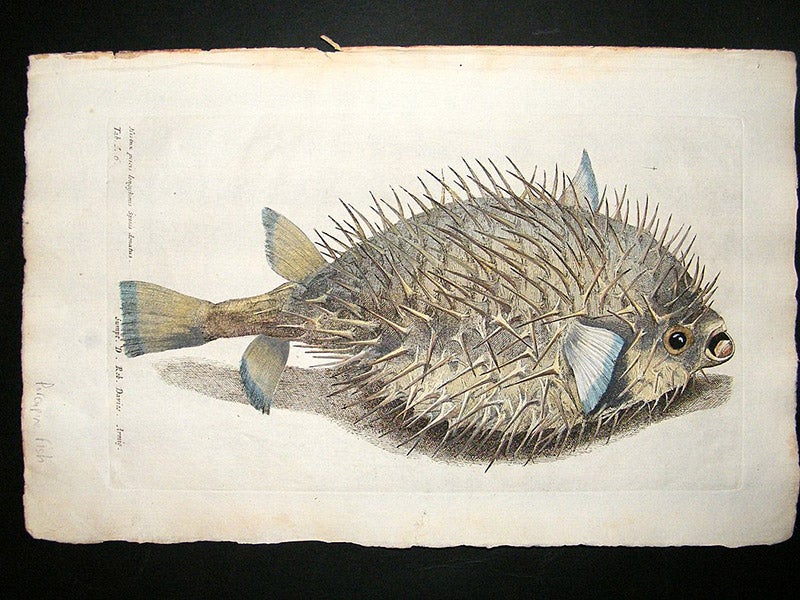
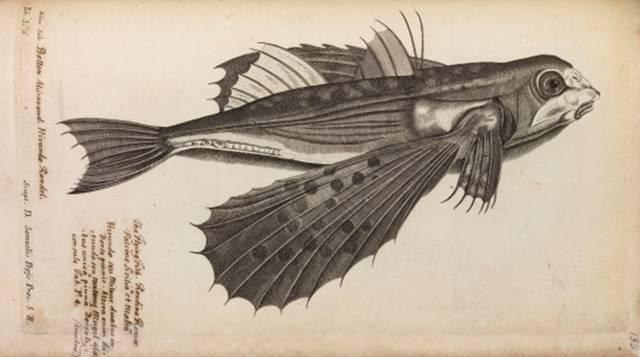
What remained had to be auc­tioned off in order to fund one of Seba’s own projects: the Locu­pletis­si­mi rerum nat­u­ral­i­um the­sauri accu­ra­ta descrip­tio, or “Accu­rate descrip­tion of the very rich the­saurus of the prin­ci­pal and rarest nat­ur­al objects,” pages of which you can view at the Pub­lic Domain Review and the Met­ro­pol­i­tan Muse­um of Art.

This four-vol­ume set of books con­sti­tut­ed an attempt to cat­a­log the vari­ety of liv­ing things on Earth, a for­mi­da­ble endeav­or that Seba was nev­er­the­less well-placed to under­take, ren­der­ing each one in engrav­ings made life­like by their depth of col­or and detail. The lav­ish pro­duc­tion of the The­saurus (more recent­ly repli­cat­ed in the con­densed form of Taschen’s Cab­i­net of Nat­ur­al Curiosi­ties) pre­sent­ed a host of chal­lenges both phys­i­cal and eco­nom­ic. But there was also the intel­lec­tu­al prob­lem of how, exact­ly, to orga­nize all its tex­tu­al and visu­al infor­ma­tion. As orig­i­nal­ly pub­lished, it groups its spec­i­mens by phys­i­cal sim­i­lar­i­ties, in a man­ner vague­ly sim­i­lar to the much more influ­en­tial sys­tem pub­lished by Swedish sci­en­tist Carl Lin­naeus in 1735.

Lin­naeus, as it hap­pens, twice vis­it­ed Seba to exam­ine the lat­ter’s famous col­lec­tion. It sure­ly had an influ­ence on his think­ing on how to name every­thing in the bio­log­i­cal realm: not just the likes of trees, owls, snakes, and jel­ly­fish, but also the “parax­o­da,” crea­tures whose exis­tence was sus­pect­ed but not con­firmed. These includ­ed not only the hydra and the phoenix, but also the rhi­noc­er­os and the pel­i­can.

Eigh­teenth-cen­tu­ry Euro­peans pos­sessed much more infor­ma­tion about the world than did their ances­tors, but facts were still more than occa­sion­al­ly inter­mixed with fan­ta­sy. Giv­en the strange­ness of what had recent­ly been doc­u­ment­ed, no one dared put lim­its on the strange­ness of what had­n’t.

Note: A num­ber of the vibrant images on this page come from the Taschen edi­tion.

Relat­ed Con­tent:

The Bio­di­ver­si­ty Her­itage Library Makes 150,000 High-Res Illus­tra­tions of the Nat­ur­al World Free to Down­load

Ernst Haeckel’s Sub­lime Draw­ings of Flo­ra and Fau­na: The Beau­ti­ful Sci­en­tif­ic Draw­ings That Influ­enced Europe’s Art Nou­veau Move­ment (1889)

Behold an Inter­ac­tive Online Edi­tion of Eliz­a­beth Twining’s Illus­tra­tions of the Nat­ur­al Orders of Plants (1868)

A Curi­ous Herbal: 500 Beau­ti­ful Illus­tra­tions of Med­i­c­i­nal Plants Drawn by Eliz­a­beth Black­well in 1737 (to Save Her Fam­i­ly from Finan­cial Ruin)

Explore a New Archive of 2,200 His­tor­i­cal Wildlife Illus­tra­tions (1916–1965): Cour­tesy of The Wildlife Con­ser­va­tion Soci­ety

Based in Seoul, Col­in Mar­shall writes and broad­casts on cities and cul­ture. His projects include the book The State­less City: a Walk through 21st-Cen­tu­ry Los Ange­les and the video series The City in Cin­e­ma. Fol­low him on Twit­ter at @colinmarshall or on Face­book.

Carl Sagan Warns Congress about Climate Change (1985)

With­out cli­mate change, we could­n’t inhab­it the Earth as we do today. The green­house effect, by which gas­es in a plan­et’s atmos­phere increase the heat of that plan­et’s sur­face, “makes life on Earth pos­si­ble.” So says Carl Sagan in the video above. He adds that with­out it, the tem­per­a­ture would be about 30 degrees centi­grade cool­er: “That’s well below the freez­ing point of water every­where on the plan­et. The oceans would be sol­id.” A lit­tle of the cli­mate change induced by the green­house effect, then, is a good thing, but “here we are pour­ing enor­mous quan­ti­ties of CO2 and these oth­er gas­es into the atmos­phere every year, with hard­ly any con­cern about its long-term and glob­al con­se­quences.”

It’s fair to say that the lev­el of con­cern has increased since Sagan spoke these words in 1985, when “cli­mate change” was­n’t yet a house­hold term. But even then, his audi­ence was Con­gress, and his fif­teen-minute address, pre­served by C‑SPAN, remains a suc­cinct and per­sua­sive case for more research into the phe­nom­e­non as well as strate­gies and action to mit­i­gate it.

What audi­ence would expect less from Sagan, who just five years ear­li­er had host­ed the hit PBS tele­vi­sion series Cos­mos, based on his book of the same name. Its broad­cast made con­ta­gious his enthu­si­asm for sci­en­tif­ic inquiry in gen­er­al and the nature of the plan­ets in par­tic­u­lar. Who could for­get, for exam­ple, his intro­duc­tion to the “thor­ough­ly nasty place” that is Venus, research into whose atmos­phere Sagan had con­duct­ed in the ear­ly 1960s?

Venus is “the near­est plan­et — a plan­et of about the same mass, radius, den­si­ty, as the Earth,” Sagan tells Con­gress, but it has a “sur­face tem­per­a­ture about 470 degrees centi­grade, 900 Fahren­heit.” The rea­son? “A mas­sive green­house effect in which car­bon diox­ide plays the major role.” As for our plan­et, esti­mates then held that, with­out changes in the rates of fos­sil fuel-burn­ing and “infrared-absorb­ing” gas­es released into the atmos­phere, there will be “a sev­er­al-centi­grade-degree tem­per­a­ture increase” on aver­age “by the mid­dle to the end of the next cen­tu­ry.” Giv­en the poten­tial effects of such a rise, “if we don’t do the right thing now, there are very seri­ous prob­lems that our chil­dren and grand­chil­dren will have to face.” It’s impos­si­ble to know how many lis­ten­ers these words con­vinced at the time, though they cer­tain­ly seem to have stuck with a young sen­a­tor in the room by the name of Al Gore.

Relat­ed Con­tent:

A Cen­tu­ry of Glob­al Warm­ing Visu­al­ized in a 35 Sec­ond Video

Watch “Degrees of Uncer­tain­ty,” an Ani­mat­ed Doc­u­men­tary about Cli­mate Sci­ence, Uncer­tain­ty & Know­ing When to Trust the Experts

Bill Gates Lets Col­lege Stu­dents Down­load a Free Dig­i­tal Copy of His Book, How to Avoid a Cli­mate Dis­as­ter

Carl Sagan Pre­dicts the Decline of Amer­i­ca: Unable to Know “What’s True,” We Will Slide, “With­out Notic­ing, Back into Super­sti­tion & Dark­ness” (1995)

Based in Seoul, Col­in Mar­shall writes and broad­casts on cities, lan­guage, and cul­ture. His projects include the Sub­stack newslet­ter Books on Cities, the book The State­less City: a Walk through 21st-Cen­tu­ry Los Ange­les and the video series The City in Cin­e­ma. Fol­low him on Twit­ter at @colinmarshall or on Face­book.

A Fascinating 3D Animation Shows the Depths of the Ocean

Deep sea explo­ration and the sci­ence of oceanog­ra­phy began 150 years ago when British sur­vey ship HMS Chal­lenger set off from Portsmouth with 181 miles of rope. The Roy­al Soci­ety tasked the expe­di­tion, among oth­er things, with “investigat[ing] the phys­i­cal con­di­tions of the deep sea… in regard to depth, tem­per­a­ture cir­cu­la­tion, spe­cif­ic grav­i­ty and pen­e­tra­tion of light.” It was the first such voy­age of its kind.

To accom­plish its objec­tives, Chal­lenger swapped all but two of its guns for spe­cial­ized equip­ment, includ­ing — as assis­tant ship’s stew­ard Joseph Matkin described in a let­ter home — “thou­sands of small air tight bot­tles and lit­tle box­es about the size of Valen­tine box­es packed in Iron Tanks for keep­ing spec­i­mens in, insects, but­ter­flies, moss­es, plants, etc… a pho­to­graph­ic room on the main deck, also a dis­sect­ing room for carv­ing up Bears, Whales, etc.”

Find­ings from the four-year voy­age totaled almost thir­ty-thou­sand pages when pub­lished in a report. But the Chal­lenger’s most famous lega­cy may be its dis­cov­ery of the Mar­i­ana Trench. The ship record­ed a sound­ing of 4,475 fath­oms (26,850 ft.) in a south­ern part of the trench sub­se­quent­ly called Chal­lenger Deep, and now known as the deep­est part of the ocean and the “low­est point on Earth.” The most recent sound­ings using advanced sonar have mea­sured its depth at some­where between 35,768 to 36,037 feet, or almost 7 miles (11 kilo­me­ters).

Chal­lenger Deep is so deep that if Ever­est were sub­merged into its depths, the moun­tain’s peak would still be rough­ly a mile and a half under­wa­ter. In 1960, a manned crew of two descend­ed into the trench. Dozens of remote oper­at­ed vehi­cles (ROVs) have explored its depths since, but it would­n’t be until 2012 that anoth­er human made the 2.5 hour descent, when Avatar and The Abyss direc­tor James Cameron financed his own expe­di­tion. Then in 2019, explor­er Vic­tor Vescoso made the jour­ney, set­ting the Guin­ness world record for deep­est manned sub­ma­rine dive when he reached the East­ern Pool, a depres­sion with­in Chal­lenger Deep. Just last year, he best­ed the record with his mis­sion spe­cial­ist John Rost, explor­ing the East­ern Pool for over four hours.

Last year’s descent brings the total num­ber of peo­ple to vis­it Chal­lenger Deep to five. How can the rest of us wrap our heads around a point so deep beneath us it can swal­low up Mount Ever­est? The beau­ti­ful­ly detailed, 3D ani­ma­tion at the top of the post does a great job of con­vey­ing the rel­a­tive depths of oceans, seas, and major lakes, show­ing under­sea tun­nels and ship­wrecks along the way, with man­made objects like the Eif­fel Tow­er (which marks, with­in a few meters, the deep­est scu­ba dive) and Burj Khal­i­fa placed at inter­vals for scale.

By the time the ani­ma­tion — cre­at­ed by Meta­Ball­Stu­dios’ Alvaro Gra­cia Mon­toya– sub­merges us ful­ly (with boom­ing, echo­ing musi­cal accom­pa­ni­ment) in the Mar­i­ana Trench, we may feel that we have had a lit­tle taste of the awe that lies at the deep­est ocean depths.

Relat­ed Con­tent: 

A Rad­i­cal Map Puts the Oceans–Not Land–at the Cen­ter of Plan­et Earth (1942)

What the Earth Would Look Like If We Drained the Water from the Oceans

Cli­mate Change Gets Strik­ing­ly Visu­al­ized by a Scot­tish Art Instal­la­tion

Film­mak­er James Cameron Going 36,000 Feet Under the Sea

Josh Jones is a writer and musi­cian based in Durham, NC. Fol­low him at @jdmagness

Footage of the Last Known Tasmanian Tiger Restored in Color (1933)

Last month, the U.S. Fish and Wildlife Ser­vice announced that near­ly two dozen wildlife species would be removed from the endan­gered species list, as CNN report­ed, includ­ing the ivory-billed wood­peck­er, “the Bachman’s war­bler, two species of fresh­wa­ter fish­es, eight species of South­east­ern fresh­wa­ter mus­sels and 11 species from Hawaii and the Pacif­ic Islands.” This is not good news. The ani­mals have been delist­ed because they’ve been added to a list of extinct crea­tures, one that grows longer each year.

Most of us have seen few, if any, of these ani­mals and can­not grasp the scope of their loss. What does it mean to say there are no more Bachman’s war­blers left on Earth? Species wiped out by cli­mate change, over­farm­ing, over­fish­ing, or the encroach­ment of humans and inva­sive species can feel far away from us, their loss a dis­tant tragedy; or extinc­tion can seem inevitable, like that of the Dodo or Sicil­ian wolf, crea­tures that seem too fan­tas­tic for the world we now inhab­it. So too, the dog-like mar­su­pi­al Tas­man­ian tiger — or thy­lacine — an ani­mal that lived as recent­ly as 1936 when the last rep­re­sen­ta­tive of its species, named Ben­jamin, died in cap­tiv­i­ty in Aus­tralia.

The thy­lacine looks like an evo­lu­tion­ary odd­i­ty, too weird to sur­vive. But this judg­ment is a mis­ap­pli­ca­tion of Dar­win­ism as egre­gious as the idea that only the “fittest,” i.e. those who can take good beat­ing, sur­vive. The day Ben­jamin died, Sep­tem­ber 7, has been com­mem­o­rat­ed in Aus­tralia as Nation­al Threat­ened Species Day, which rais­es aware­ness about the hun­dreds of plant and ani­mal species close to extinc­tion. The day also cel­e­brates the hun­dreds of species found nowhere else in the world, ani­mals that could come to seem to us in the near future as strange and exot­ic as the thy­lacine — a fas­ci­nat­ing exam­ple of con­ver­gent evo­lu­tion: a mar­su­pi­al canid that evolved com­plete­ly inde­pen­dent­ly of wolves, dogs, and oth­er canine species with which it had no con­tact what­so­ev­er until the British arrived.

Found only on the island of Tas­ma­nia by the time of Euro­pean set­tle­ment, thy­lacine pop­u­la­tions were destroyed by dis­ease, dogs, and, pri­mar­i­ly, human hunters. Before the final mem­ber of the species died, they were kept in zoos and cap­tured on silent film by nat­u­ral­ists like David Fleay, who shot the black-and-white footage just above of Ben­jamin at Beau­maris Zoo in Hobart, Tas­ma­nia. In the video at the top, we can see the same footage in vivid col­or — and full dig­i­tal restora­tion — thanks to Samuel François-Steininger and his Paris-based com­pa­ny Com­pos­ite Films.

Sent an HDR (High Dynam­ic Range) scan of the film by the Nation­al Film and Sound Archive of Aus­tralia (NFSA), François-Steininger had to make a lot of inter­pre­tive choic­es. Next to “orig­i­nal skins pre­served in muse­ums,” the NFSA notes, his team “had to rely on sketch­es and paint­ings because of the lack of orig­i­nal col­or pic­tures or footage that could be used for research.” While there are 9 short film clips of the ani­mals from the Lon­don and Hobart zoos, these are all, of course, in black and white. “Writ­ten descrip­tions of the thy­lacine’s coat gave them a gen­er­al idea of the tints and shades present in the fur, infor­ma­tion they sup­ple­ment­ed with sci­en­tif­ic draw­ings and recent 3D col­or ren­der­ings of the ani­mal.” The results are incred­i­bly nat­ur­al-look­ing and star­tling­ly imme­di­ate.

Are the thy­lacine, Bach­man’s war­bler, and oth­er extinct species vic­tims of the Anthro­pocene? Will our chil­dren’s chil­dren chil­dren watch films of polar bears and koalas and won­der how our plan­et could have con­tained such won­ders? Geo­log­i­cal epochs deal with “mile-thick pack­ages of rock stacked up over tens of mil­lions of years,” Peter Bran­nen writes at The Atlantic, and thus it over­states the case to call the last four cen­turies of cli­mate change and mass extinc­tion an “Anthro­pocene.” The word names “a thought exper­i­ment” rather than a span of deep time in Earth’s his­to­ry. But from the per­spec­tive of crit­i­cal­ly endan­gered species — maybe to include, even­tu­al­ly, humans them­selves — the trans­for­ma­tions of the present seem square­ly focused on our reck­less behav­ior and its effects on habi­tats we nev­er see.

We are far less impor­tant to geo­log­i­cal time than we think, Bran­nen argues, but it does, indeed, seem up to us at the moment whether there is a future on Earth filled with plant, ani­mal, and yes, human, life:

We haven’t earned an Anthro­pocene epoch yet. If some­day in the dis­tant future we have, it will be an astound­ing tes­ta­ment to a species that, after a col­icky, globe-threat­en­ing infan­cy, learned that it was not sep­a­rate from Earth his­to­ry, but a con­tigu­ous part of the sys­tems that have kept this mirac­u­lous mar­ble world hab­it­able for bil­lions of years.

Relat­ed Con­tent: 

Two Mil­lion Won­drous Nature Illus­tra­tions Put Online by The Bio­di­ver­si­ty Her­itage Library

Are You Ready for the Return of Lost Species?: Stew­art Brand on the Dawn of De-Extinc­tion

The Pra­do Muse­um Dig­i­tal­ly Alters Four Mas­ter­pieces to Strik­ing­ly Illus­trate the Impact of Cli­mate Change

Josh Jones is a writer and musi­cian based in Durham, NC. Fol­low him at @jdmagness

How Mushroom Time-Lapses Are Filmed: A Glimpse Into the Pioneering Time-Lapse Cinematography Behind the Netflix Documentary Fantastic Fungi

Mush­rooms are hav­ing a moment, thanks in part to pio­neer­ing time-lapse cin­e­matog­ra­ph­er Louie Schwartzberg’s doc­u­men­tary Fan­tas­tic Fun­gi.

Now stream­ing on Net­flix, the film has giv­en rise to a bumper crop of funghi fantat­ics, who sprang up like, well, mush­rooms, to join the exist­ing ranks of cit­i­zen sci­en­tistsculi­nary fansweek­end for­agersama­teur grow­ers, and spir­i­tu­al seek­ers.

Schwartzberg, who ear­li­er visu­al­ized pol­li­na­tion from the flower’s point of view in the Meryl Streep-nar­rat­ed Wings of Life, is a true believ­er in the pow­er of mush­rooms, cit­ing funghi’s role in soil cre­ation and health, and their poten­tial for rem­e­dy­ing a num­ber of press­ing glob­al prob­lems, as well as a host of human ail­ments.

Fan­tas­tic Funghi focus­es on sev­en pil­lars of ben­e­fits brought to the table by the fun­gal king­dom and its Inter­net-like under­ground net­work of myceli­um:

  1. Bio­di­ver­si­ty

A num­ber of projects are explor­ing the ways in which the myceli­um world can pull us back from the bring of  deser­ti­za­tion, water short­age, food short­age, bee colony col­lapsetox­ic con­t­a­m­i­nants, nuclear dis­as­ters, oil spills, plas­tic pol­lu­tion, and glob­al warm­ing.

  1. Inno­va­tion

Mush­room-relat­ed indus­tries are eager to press funghi into ser­vice as envi­ron­men­tal­ly sus­tain­able faux leatherbuild­ing mate­ri­als, pack­ag­ing, and meat alter­na­tives.

  1. Food

From fine din­ing to for­ag­ing off-the-grid, mush­rooms are prized for their culi­nary and nutri­tion­al ben­e­fits.

  1. Phys­i­cal Health and Well­ness

Will the hum­ble mush­room prove mighty enough to do an end run around pow­er­ful drug com­pa­nies as a source of inte­gra­tive med­i­cine to help com­bat dia­betes, liv­er dis­ease, inflam­ma­tion, insom­nia and cog­ni­tive decline?

  1. Men­tal Health

Researchers at Johns Hop­kinsUCLA, and NYU are run­ning clin­i­cal tri­als on the ben­e­fits of psy­che­del­ic psilo­cy­bin mush­rooms as a tool for treat­ing addic­tion, depres­sion, anx­i­ety, PTSD and sui­ci­dal ideation.

  1. Spir­i­tu­al­i­ty

Of course, there’s also a rich tra­di­tion of reli­gions and indi­vid­ual seek­ers deploy­ing mind alter­ing psy­choac­tive mush­rooms as a form of sacra­ment or a tool for plumb­ing the mys­ter­ies of life.

  1. The Arts

Direc­tor Schwartzberg under­stand­ably views mush­rooms as muse, a fit­ting sub­ject for pho­tog­ra­phy, music, film, poet­ry, art and oth­er cre­ative endeav­ors.


With regard to this final pil­lar, many view­ers may be sur­prised to learn how much of the 15 years Schwartzberg ded­i­cat­ed to cap­tur­ing the exquis­ite cycle of fun­gal regen­er­a­tion and decom­po­si­tion took place indoors.

As he explains in the Wired video above, his pre­ci­sion equip­ment excels at cap­tur­ing devel­op­ment that’s invis­i­ble to the human eye, but is no match for such nat­ur­al world dis­rup­tions as insects and wind.

Instead, he and his team built con­trolled grow­ing envi­ron­ments, where high­ly sen­si­tive time lapse cam­eras, dol­lies, timed grow lights, and more cin­e­mat­ic light­ing instru­ments could be left in place.

Set dress­ings of moss and logs, cou­pled with a very short depth of field helped to bring the Great Out­doors onscreen, with occa­sion­al chro­makeyed panora­mas of the nat­ur­al world fill­ing in the gaps.

Even in such lab-like con­di­tions, cer­tain ele­ments were nec­es­sar­i­ly left to chance. Mush­rooms grow noto­ri­ous­ly quick­ly, and even with con­stant mon­i­tor­ing and cal­cu­la­tions, there was plen­ty of poten­tial for one of his stars to miss their mark, shoot­ing out of frame.

Just one of the ways that mush­rooms and humans oper­ate on rad­i­cal­ly dif­fer­ent time­lines. The direc­tor bowed to the shrooms, return­ing to square one on the fre­quent occa­sions when a sequence got away from him.

Pro­vid­ing view­ers an immer­sive expe­ri­ence of the under­ground myceli­um net­work required high pow­ered micro­scopes, a sol­id cement floor, and a bit of movie mag­ic to finesse. What you see in the final cut is the work of CGI ani­ma­tors, who used Schwartzberg’s footage as their blue­print.

Net­flix sub­scribers can stream Fan­tas­tic Fun­gi for free.

From Octo­ber 15 — 17, film­mak­er Louie Schwartzberg is host­ing a free, vir­tu­al Fan­tas­tic Fun­gi Glob­al Sum­mit. Reg­is­ter here.

You can also browse his col­lec­tion of com­mu­ni­ty mush­room recipes and sub­mit your own, down­load Fan­tas­tic Fungi’s Stoned Ape poster, or have a ram­ble through a trove of relat­ed videos and arti­cles in the Mush Room.

Relat­ed Con­tent: 

John Cage Had a Sur­pris­ing Mush­room Obses­sion (Which Began with His Pover­ty in the Depres­sion)

Alger­ian Cave Paint­ings Sug­gest Humans Did Mag­ic Mush­rooms 9,000 Years Ago

The Gold­en Guide to Hal­lu­cino­genic Plants: Dis­cov­er the 1977 Illus­trat­ed Guide Cre­at­ed by Harvard’s Ground­break­ing Eth­nob­otanist Richard Evan Schultes

Ayun Hal­l­i­day is an author, illus­tra­tor, the­ater mak­er and Chief Pri­ma­tol­o­gist of the East Vil­lage Inky zine. Brood X Cicadas are her mush­rooms. Fol­low her @AyunHalliday.

Watch Venice’s New $7 Billion Flood Defense System in Action

There are cap­i­tals unlike­ly to be much afflict­ed by ris­ing sea lev­els — Indi­anapo­lis, say, or La Paz — but Venice looks set for a much more dire fate. Still, there is hope for the Float­ing City, a hope held out by large-scale engi­neer­ing projects like the one pro­filed in the Tomor­row’s Build video above. Called MOSE (an acronym stand­ing for MOd­u­lo Sper­i­men­tale Elet­tromec­ca­ni­co), the sys­tem con­sists of “78 gates, each 20 meters wide, that rise up out of the water when flood­ing is immi­nent.” This sounds like just the tick­et for a city that, “built in the mid­dle of a lagoon,” has “been sus­cep­ti­ble to a nat­ur­al phe­nom­e­non known as acqua alta, or ‘high water,’ since its found­ing in the fifth cen­tu­ry.”

MOSE is now “final­ly up and run­ning, eigh­teen years after con­struc­tion began” — and a decade after its orig­i­nal com­ple­tion dead­line. This was too late, unfor­tu­nate­ly, to spare Venice from the 2019 flood that ranked as its worst in 50 years, leav­ing 80 per­cent of the city under­wa­ter.

“The good news is, it passed the first major test,” suc­cess­ful­ly pro­tect­ing the city in Octo­ber of last year “from a 1.3‑meter high tide, and it’s per­formed mul­ti­ple times since. But this does­n’t mean that flood­ing’s been stopped entire­ly. In Decem­ber, it was unable to pre­vent an unex­pect­ed­ly high tide from sweep­ing in and drench­ing the city once again.” Tech­ni­cal­ly, that inci­dent was­n’t MOSE’s fault: “Weath­er fore­cast­ers under­es­ti­mat­ed how high the water would get, so author­i­ties kind of did­n’t think to switch it on.”

This speaks to the dif­fi­cul­ty of not just design­ing and installing a com­plex mechan­i­cal defense mech­a­nism, but also of get­ting it to work in con­cert with the oth­er sys­tems already per­form­ing func­tions of their own (and at var­i­ous lev­els of reli­a­bil­i­ty). At a cost of over €6 bil­lion (or $7 bil­lion), MOSE has become “far more expen­sive than first pre­dict­ed,” and thus faces that much high­er a bur­den of self-jus­ti­fi­ca­tion, espe­cial­ly giv­en the cloud of “cor­rup­tion, envi­ron­men­tal oppo­si­tion, and ques­tions about its long-term effec­tive­ness” hang­ing over it. Seen in action, MOSE remains an unques­tion­ably impres­sive work of engi­neer­ing, but its asso­ci­at­ed headaches have sure­ly con­vert­ed some to the posi­tion on Venice once advanced by no less a schol­ar and lover of that sto­ried city than Jan Mor­ris: “Let her sink.”

via Kot­tke

Relat­ed Con­tent:

How Venice Works: 124 Islands, 183 Canals & 438 Bridges

Huge Hands Rise Out of Venice’s Waters to Sup­port the City Threat­ened by Cli­mate Change: A Poignant New Sculp­ture

The Venice Time Machine: 1,000 Years of Venice’s His­to­ry Gets Dig­i­tal­ly Pre­served with Arti­fi­cial Intel­li­gence and Big Data

Watch City Out of Time, a Short Trib­ute to Venice, Nar­rat­ed by William Shat­ner in 1959

Venice in a Day: From Day­break to Sun­set in Time­lapse

Venice is Way Under Water…

Based in Seoul, Col­in Mar­shall writes and broad­casts on cities, lan­guage, and cul­ture. His projects include the Sub­stack newslet­ter Books on Cities, the book The State­less City: a Walk through 21st-Cen­tu­ry Los Ange­les and the video series The City in Cin­e­ma. Fol­low him on Twit­ter at @colinmarshall or on Face­book.

« Go BackMore in this category... »
Quantcast