The Earliest Surviving Photos of Iran: Photos from 1850s-60s Capture Everything from Grand Palaces to the Ruins of Persepolis

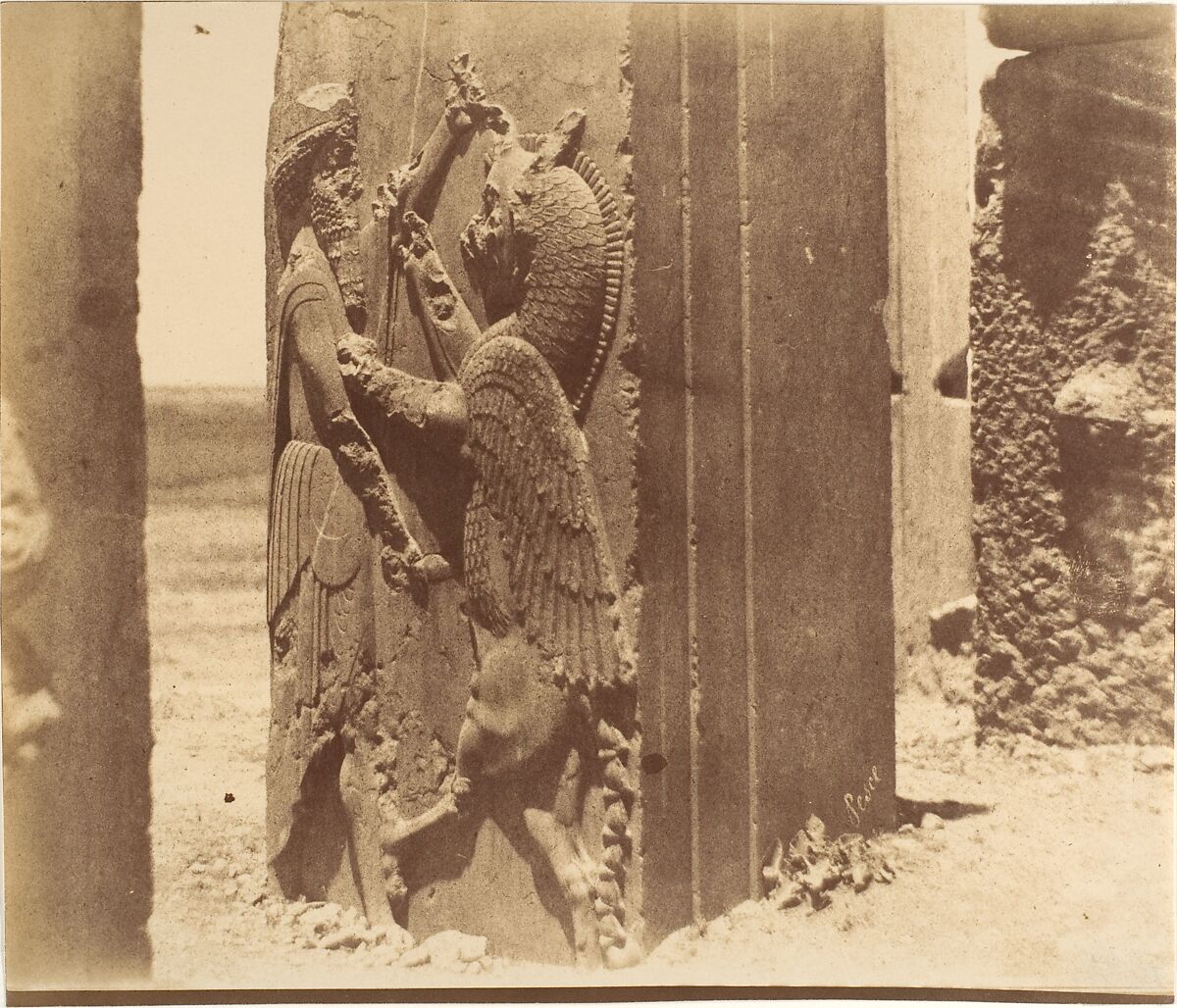
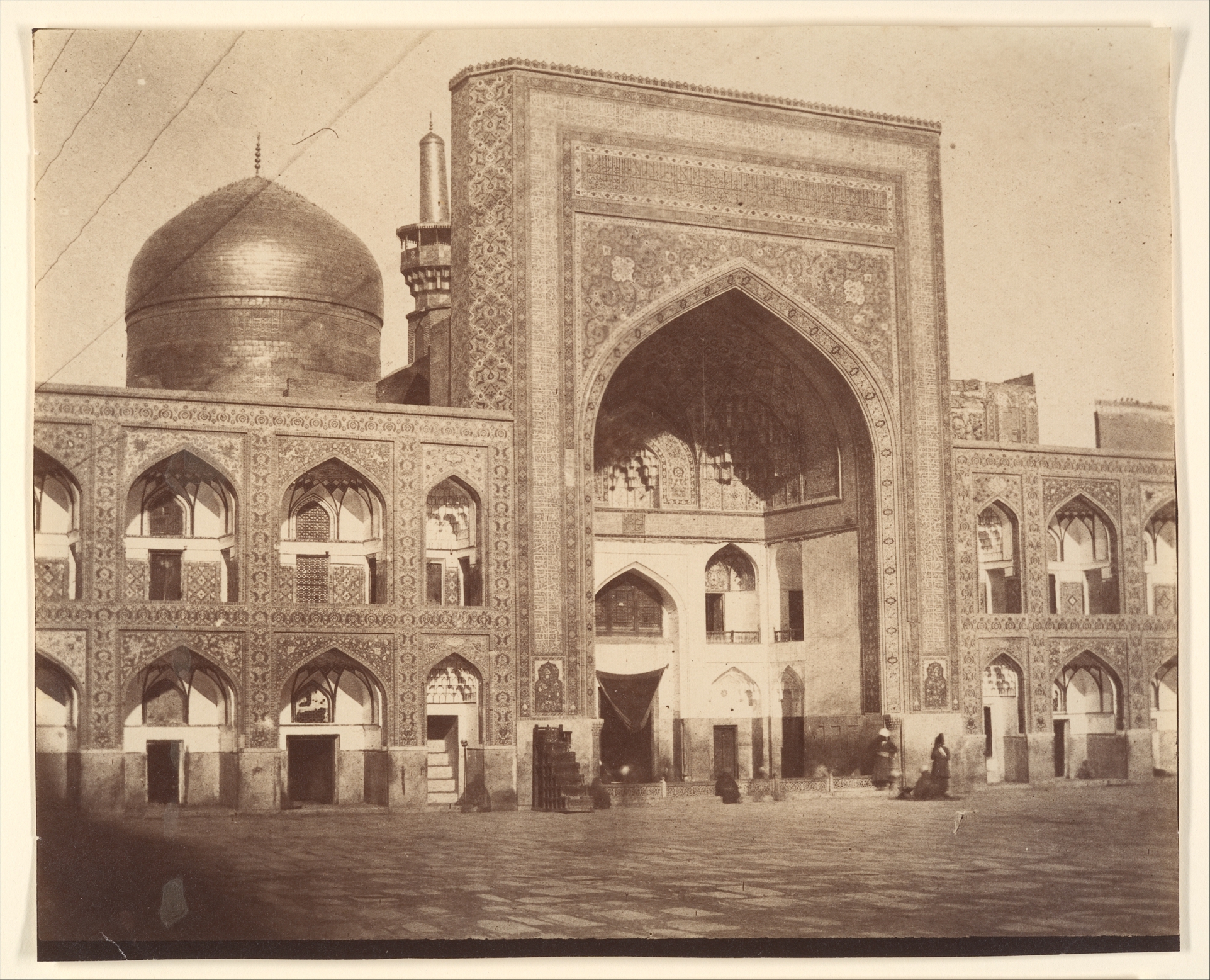
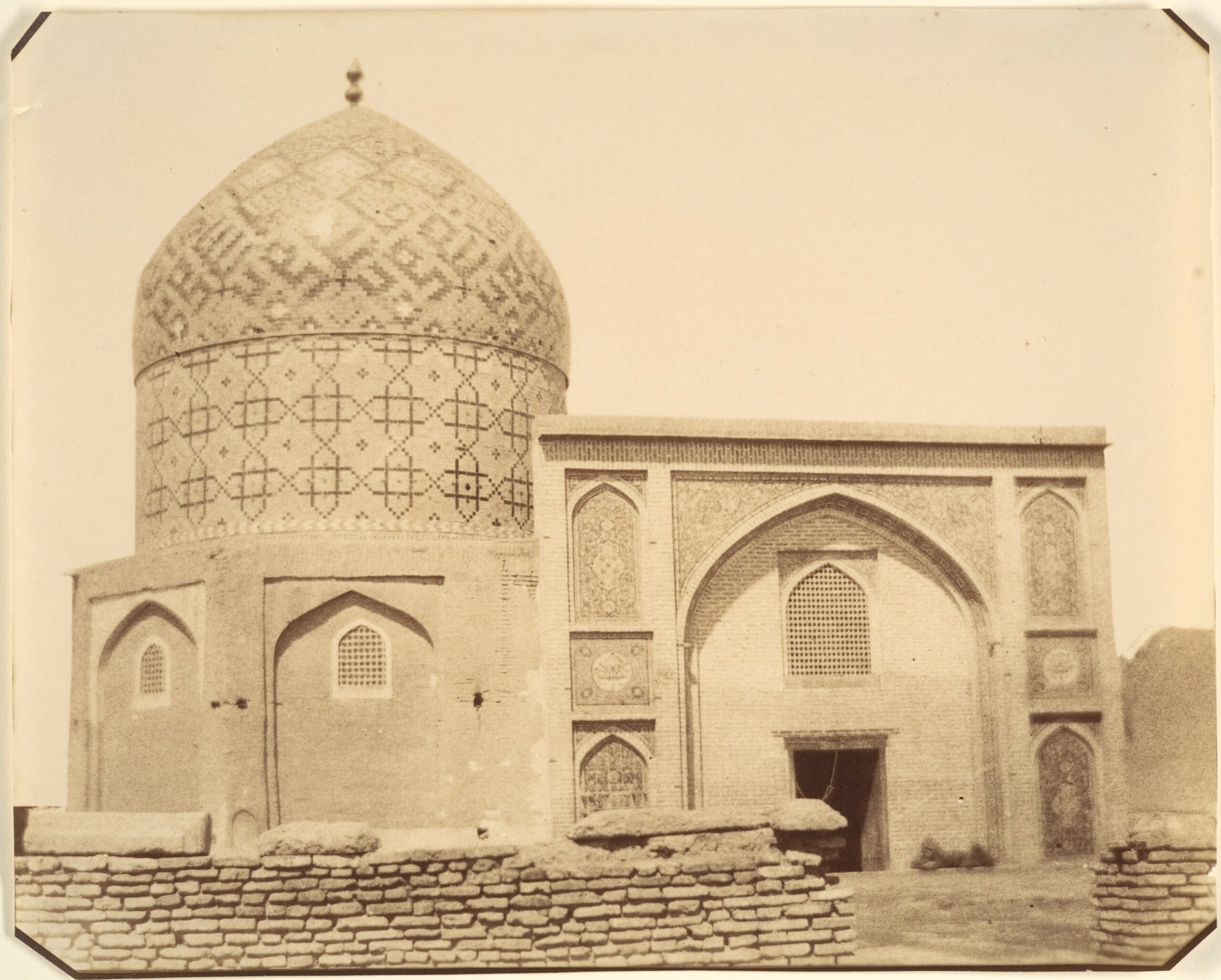
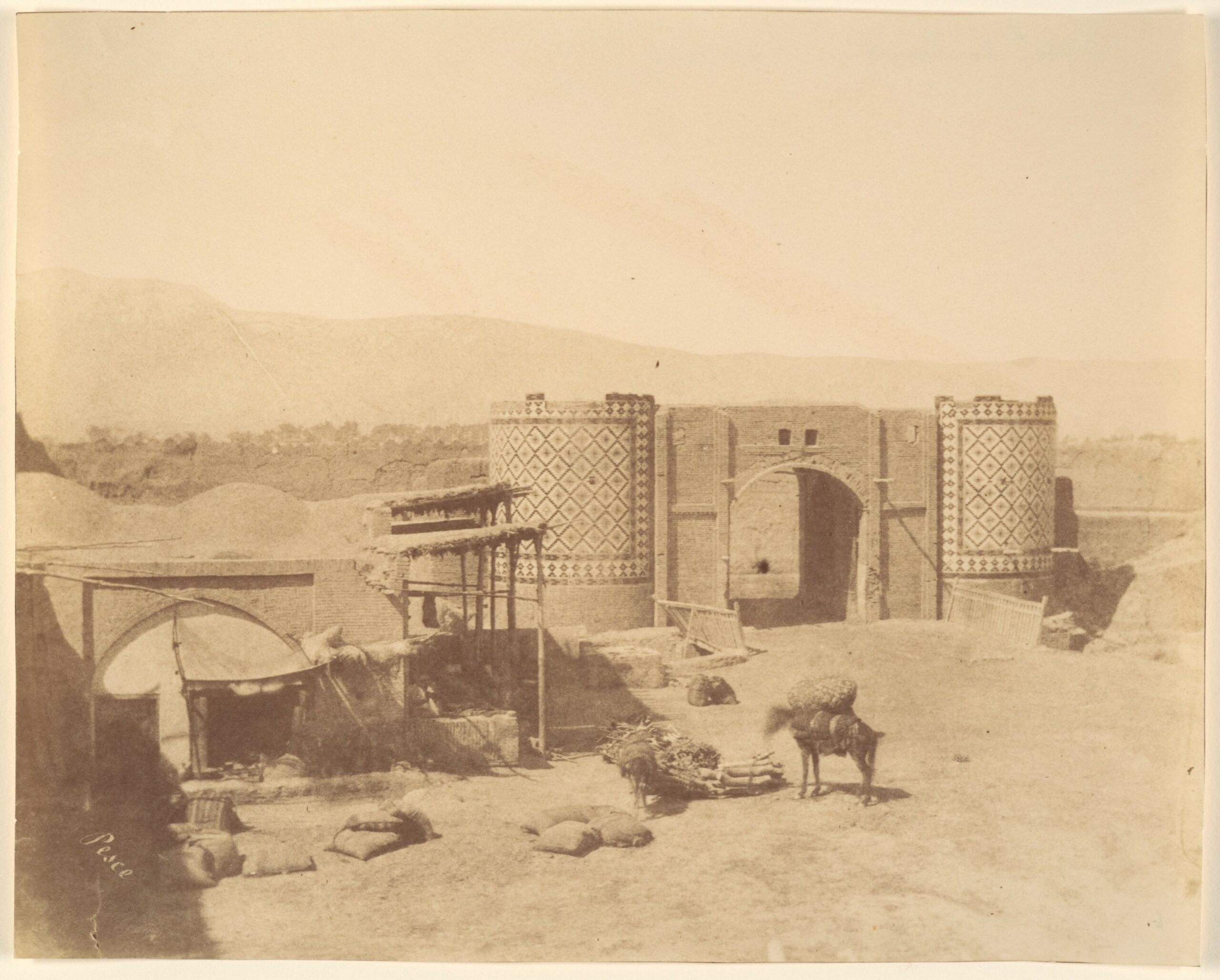
The tech­nol­o­gy and art of pho­tog­ra­phy emerged in nine­teenth-cen­tu­ry Europe. And so, when a part of the world out­side Europe was well-pho­tographed in those days, it tend­ed to be a trav­el­ing Euro­pean behind the cam­era. Take John Thom­son, pre­vi­ous­ly fea­tured here on Open Cul­ture, for his pho­tos of Chi­na in the eigh­teen-sev­en­ties. Even before that, an Ital­ian colonel and pho­tog­ra­ph­er named Lui­gi Pesce was hard at work doc­u­ment­ing a land geo­graph­i­cal­ly clos­er to Europe, but hard­ly less exot­ic in the Euro­pean world­view of the time: Per­sia, or what we would today call Iran.

“Accord­ing to schol­ars and his­to­ri­ans, the first pho­tog­ra­ph­er in Iran was Jules Richard, a French­man who, as stat­ed in his diaries, arrived in Tehran in 1844,” says the web site of the Nation­al Muse­um of Asian Art.

“He served as the French lan­guage tutor of the Gul­saz fam­i­ly and took daguerreo­types of Moham­mad Shah (reigned 1834–48) and his son, the crown prince, Nasir al-Din Mirza.” Alas, these pho­tographs seem to be lost, much like most oth­ers tak­en before Pesce’s arrival in the coun­try in 1848, “dur­ing the reign of Nas­er al-Din Shah Qajar, to train Iran­ian infantry units.”

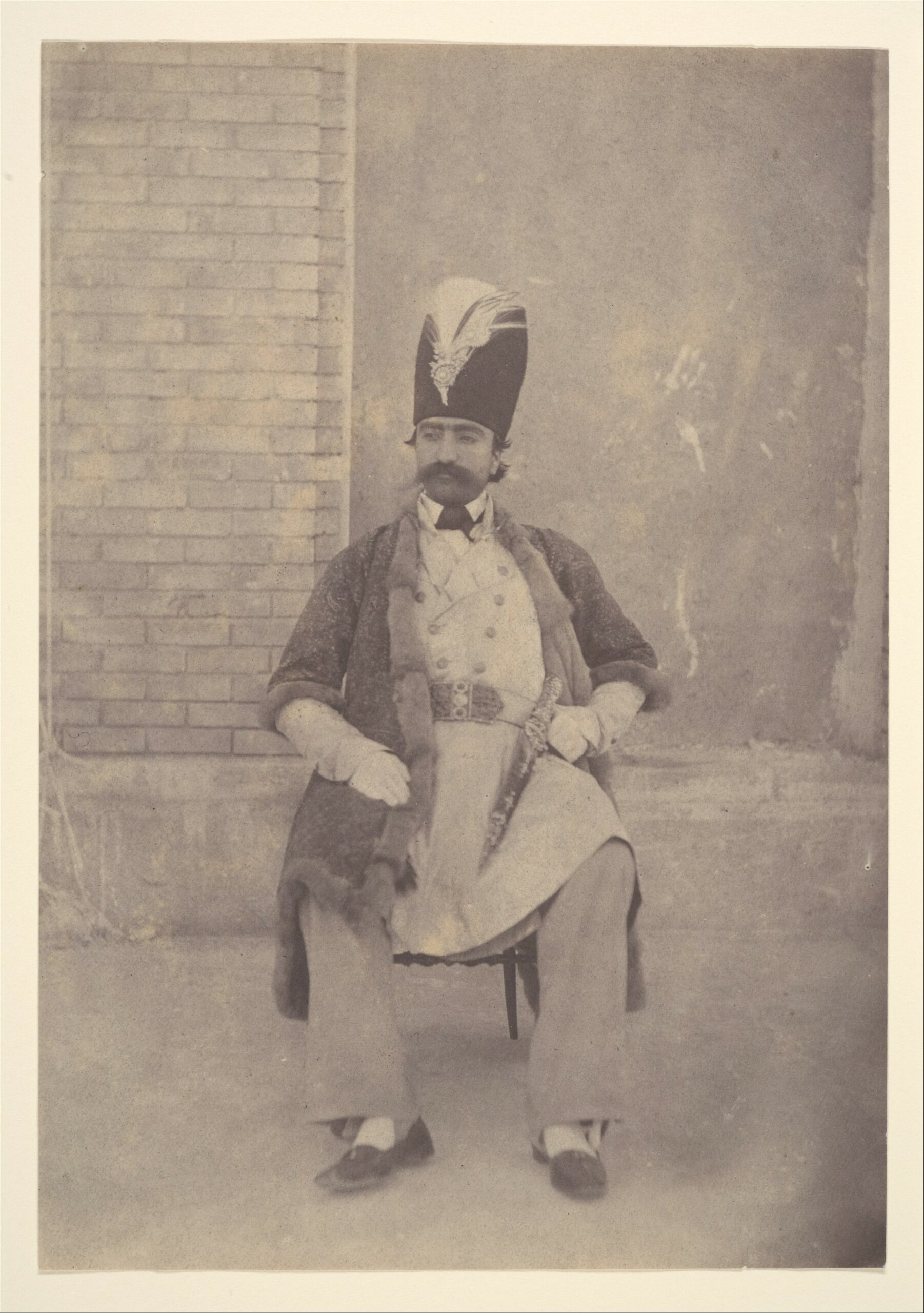
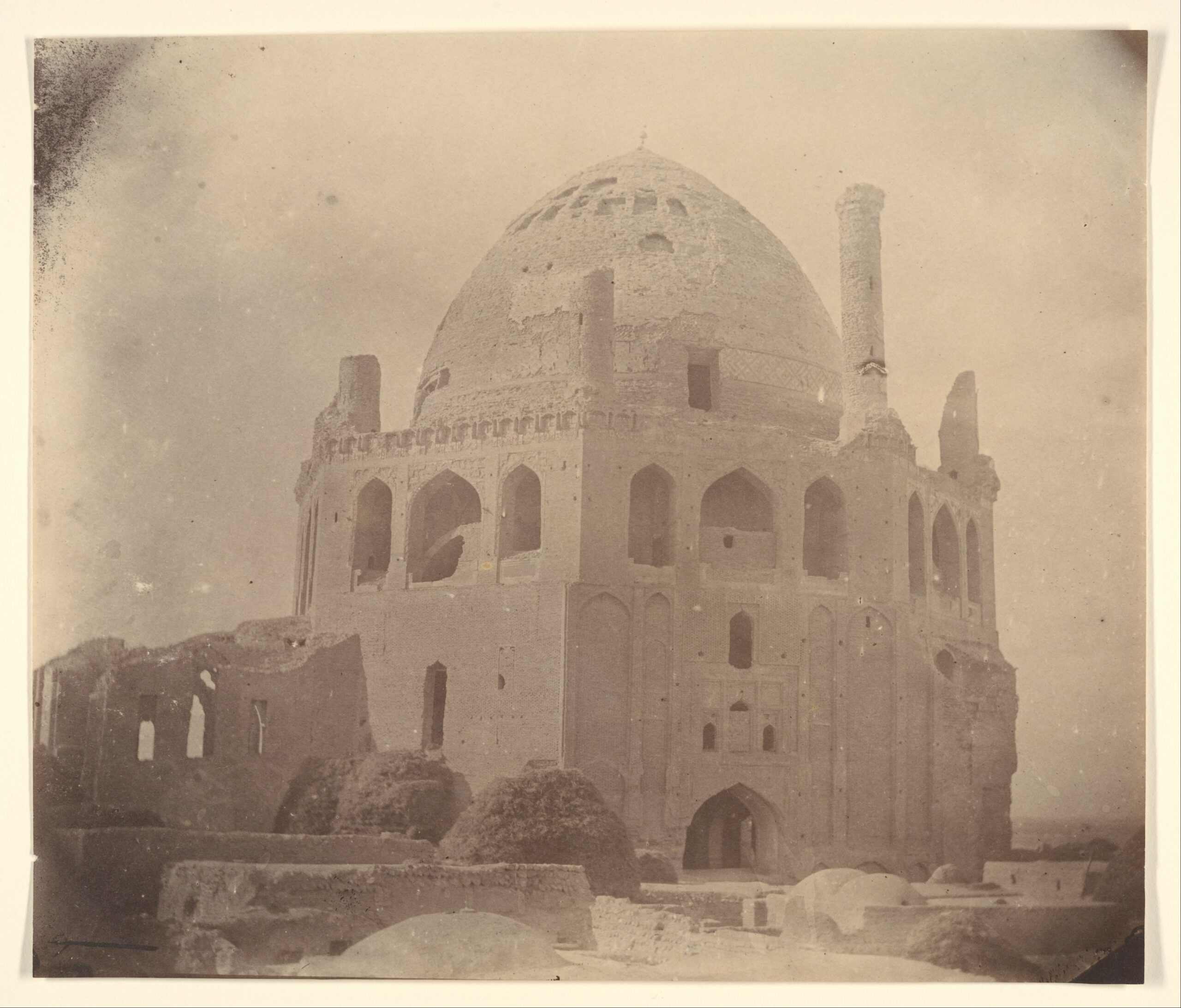
Pesce’s pho­to­graph­ic sub­jects includ­ed Nas­er al-Din him­self, pic­tures of whom appear in the online col­lec­tion of Pesce’s work at the Met­ro­pol­i­tan Muse­um of Art. It was the Met that received a copy of the pho­to col­lec­tion Pesce pro­duced of Iran’s ancient mon­u­ments — prob­a­bly the very same copy that the pho­tog­ra­ph­er had orig­i­nal­ly sent to Prince William I, King of Prus­sia.

In those days, even such exalt­ed fig­ures had a great deal of curios­i­ty about far-flung realms, and before pho­tog­ra­phy, they had no eas­i­er way of see­ing what those realms real­ly looked like than mak­ing the ardu­ous jour­ney them­selves.

The sites cap­tured in this col­lec­tion include Toghrol Tow­er, the Tomb of Seeh‑i Mumin, and the Mosque of Nass­er-eddin Shah — as well as Pasar­gadae, Naqsh‑e Rus­tam, and Perse­po­lis, the famed cer­e­mo­ni­al cap­i­tal com­plex of the ancient Achaemenid Empire, which Pesce was the first to pho­to­graph. Or at least he was the first to suc­ceed in doing so, Nas­er al-Din hav­ing pre­vi­ous­ly sent Richard off to make some daguerreo­types of Perse­po­lis that nev­er came out.

But even Pesce’s pho­tographs, ful­ly exe­cut­ed using just about the height of the tech­nol­o­gy at the time, no longer have the imme­di­a­cy they would have when Prince William gazed upon them; more than a cen­tu­ry and a half lat­er, they have a pati­na of his­tor­i­cal dis­tance that shades into unre­al­i­ty, mak­ing them feel not unlike ruins them­selves. You can also view more pho­tos on Google Arts and Cul­ture.

Relat­ed con­tent:

New Archive of Mid­dle East­ern Pho­tog­ra­phy Fea­tures 9,000 Dig­i­tized Images

Some of the Old­est Pho­tos You Will Ever See: Dis­cov­er Pho­tographs of Greece, Egypt, Turkey & Oth­er Mediter­ranean Lands (1840s)

Behold the World’s Old­est Ani­ma­tion Made on a Vase in Iran 5,200 Years Ago

The Old­est Known Pho­tographs of Rome (1841–1871)

700 Years of Per­sian Man­u­scripts Now Dig­i­tized & Free Online

Behold the Pho­tographs of John Thom­son, the First West­ern Pho­tog­ra­ph­er to Trav­el Wide­ly Through Chi­na (1870s)

Based in Seoul, Col­in Marshall writes and broad­casts on cities, lan­guage, and cul­ture. His projects include the Sub­stack newslet­ter Books on Cities, the book The State­less City: a Walk through 21st-Cen­tu­ry Los Ange­les and the video series The City in Cin­e­ma. Fol­low him on Twit­ter at @colinmarshall or on Face­book.

The Romanovs’ Last Ball Brought to Life in Color Photographs (1903)

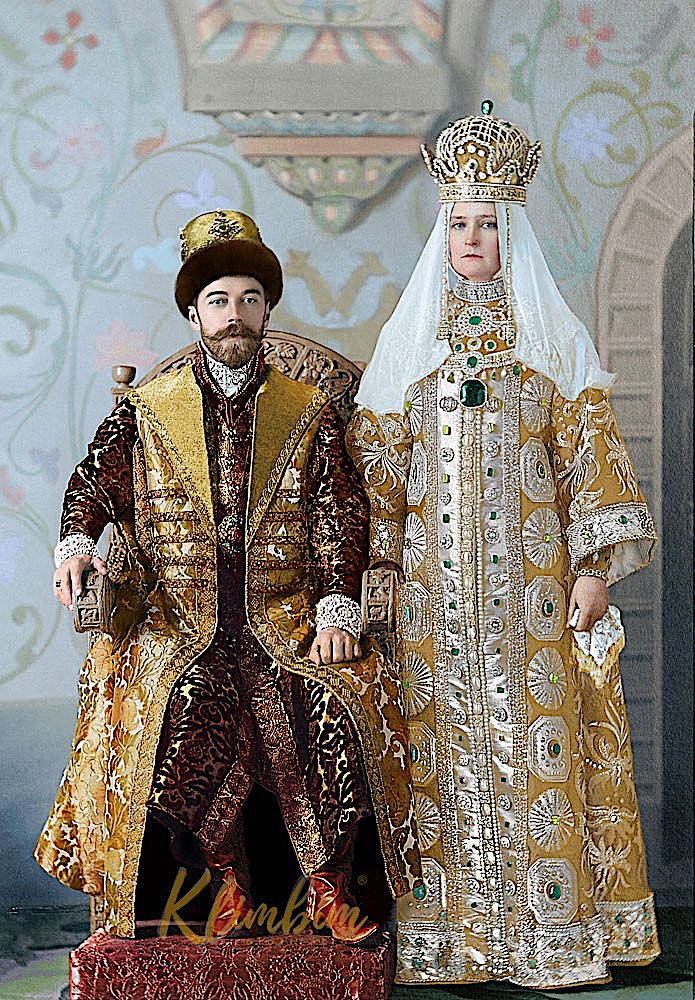
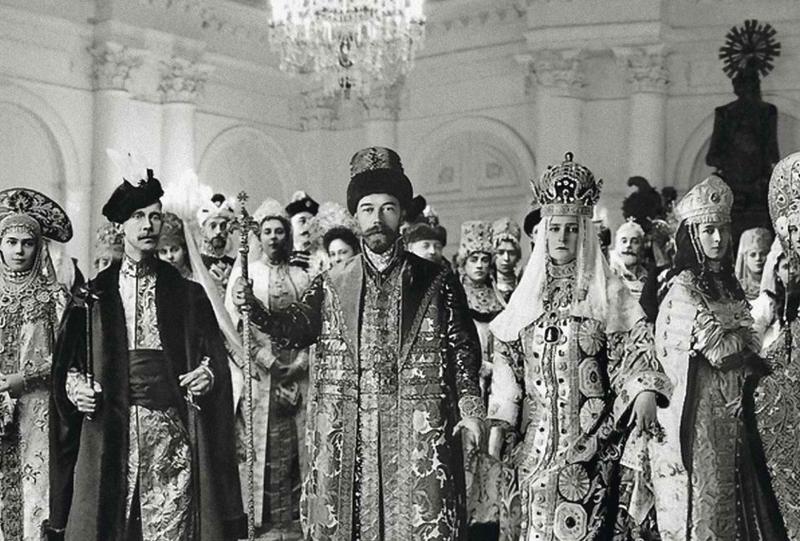
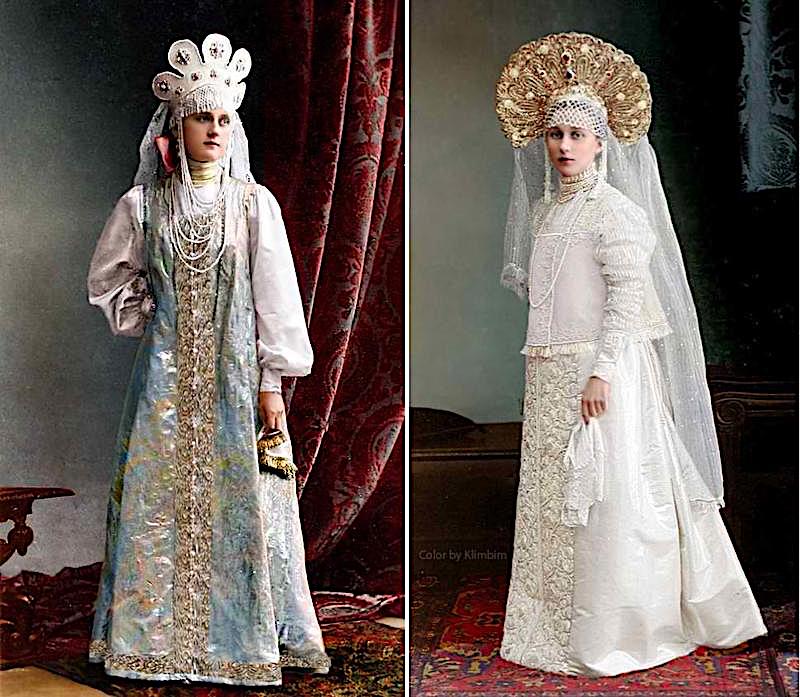
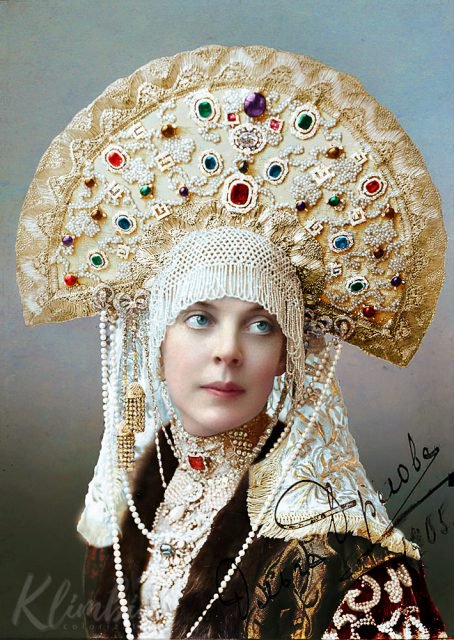
In 1903, the Romanovs, Russia’s last and longest-reign­ing roy­al fam­i­ly, held a lav­ish cos­tume ball. It was to be their final blowout, and per­haps also the “last great roy­al ball” in Europe, writes the Vin­tage News. The par­ty took place at the Win­ter Palace in St. Peters­burg, 14 years before Czar Nicholas II’s abdi­ca­tion, on the 290th anniver­sary of Romanov rule. The Czar invit­ed 390 guests and the ball ranged over two days of fes­tiv­i­ties, with elab­o­rate 17th-cen­tu­ry boyar cos­tumes, includ­ing “38 orig­i­nal roy­al items of the 17th cen­tu­ry from the armory in Moscow.”

“The first day fea­tured feast­ing and danc­ing,” notes Rus­sia Beyond, “and a masked ball was held on the sec­ond. Every­thing was cap­tured in a pho­to album that con­tin­ues to inspire artists to this day.” The entire Romanov fam­i­ly gath­ered for a pho­to­graph on the stair­case of the Her­mitage the­ater, the last time they would all be pho­tographed togeth­er.

It is like see­ing two dif­fer­ent dead worlds super­im­posed on each other—the Romanovs’ play­act­ing their begin­ning while stand­ing on the thresh­old of their last days.

With the irony of hind­sight, we will always look upon these poised aris­to­crats as doomed to vio­lent death and exile. In a mor­bid turn of mind, I can’t help think­ing of the baroque goth­ic of “The Masque of the Red Death,” Edgar Allan Poe’s sto­ry about a doomed aris­toc­ra­cy who seal them­selves inside a cos­tume ball while a con­ta­gion rav­ages the world out­side: “The exter­nal world could take care of itself,” Poe’s nar­ra­tor says. “In the mean­time it was fol­ly to grieve or to think. The prince had pro­vid­ed all the appli­ances of plea­sure…. It was a volup­tuous scene, that mas­quer­ade.”

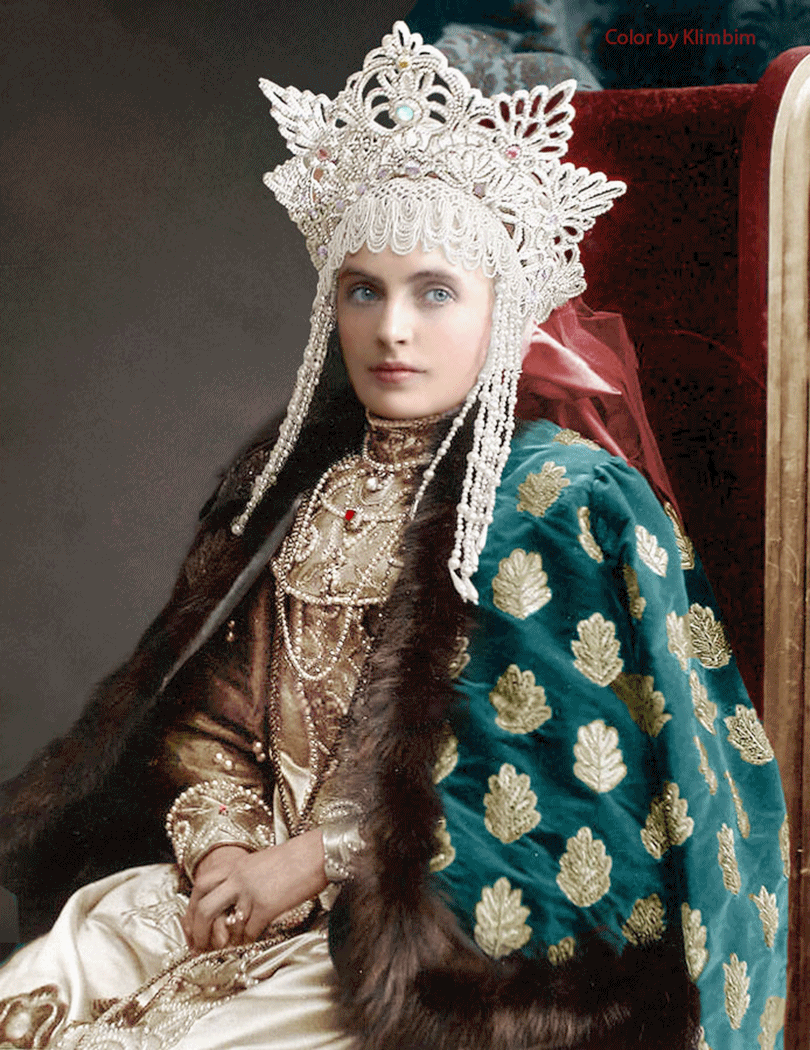
Maybe in our imag­i­na­tion, the Romanovs and their friends seem haunt­ed by the weight of suf­fer­ing out­side their palace walls, in both their coun­try and around Europe as the old order fell apart. Or per­haps they just look haunt­ed the way every­one does in pho­tographs from over 100 years ago. Does the col­oriz­ing of these pho­tos by Russ­ian artist Klimbim—who has done sim­i­lar work with images of WW2 sol­diers and por­traits of Russ­ian poets and writ­ers—make them less ghost­ly?

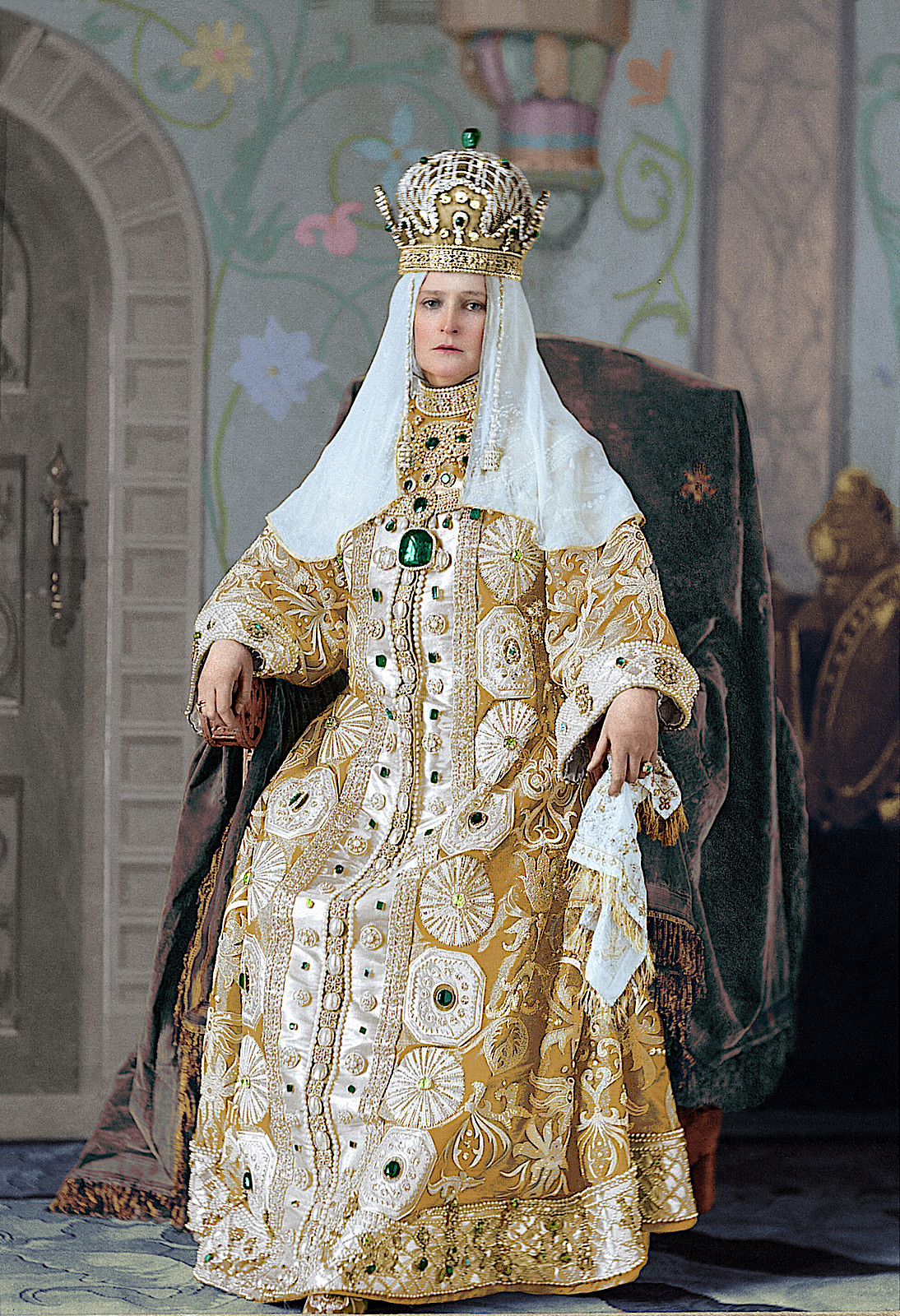
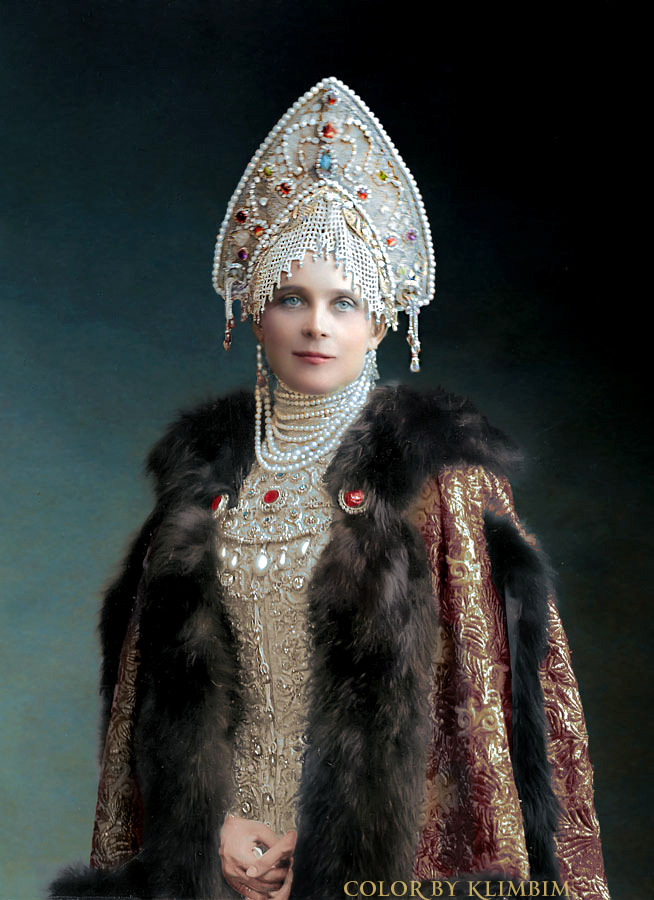
It puts flesh on the pale mono­chro­mat­ic faces, and gives the lav­ish cos­tum­ing and fur­ni­ture tex­ture and dimen­sion. Some of the images almost look like art nou­veau illus­tra­tions (and resem­ble those of some of the finest illus­tra­tors of Poe’s work) and the work of con­tem­po­rary painters like Gus­tav Klimt. Maybe it’s just me, but it seems that unease lingers in the eyes of some subjects—Empress Alexan­dra Fedorov­na among them—a cer­tain vague and trou­bled appre­hen­sion.

In their book A Life­long Pas­sion, authors Andrei May­lu­nas and Sergei Miro­nenko quote the Grand Duke Alexan­der Mikhailovitch who remem­bered the event as “the last spec­tac­u­lar ball in the his­to­ry of the empire.” The Grand Duke also recalled that “a new and hos­tile Rus­sia glared through the large win­dows of the palace… while we danced, the work­ers were strik­ing and the clouds in the Far East were hang­ing dan­ger­ous­ly low.” As Rus­sia Beyond notes, soon after this cel­e­bra­tion, “The glob­al eco­nom­ic cri­sis marked the begin­ning of the end for the Russ­ian Empire, and the court ceased to hold balls.”

In 1904, the Rus­so-Japan­ese War began, a war Rus­sia was to lose the fol­low­ing year. Then the aristocracy’s pow­er was fur­ther weak­ened by the Rev­o­lu­tion of 1905, which Lenin would lat­er call the “Great Dress Rehearsal” for the Rev­o­lu­tion­ary takeover of 1917. While the aris­toc­ra­cy cos­tumed itself in the trap­pings of past glo­ry, armies amassed to force their reck­on­ing with the 20th cen­tu­ry.

Who knows what thoughts went through the mind of the tzar, tza­ri­na, and their heirs dur­ing those two days, and the minds of the almost 400 noble­men and women dressed in cos­tumes spe­cial­ly designed by artist Sergey Solomko, who drew from the work of sev­er­al his­to­ri­ans to make accu­rate 17th-cen­tu­ry recre­ations, while Peter Carl Fabergé chose the jew­el­ry, includ­ing, writes the Vin­tage News, the tzarina’s “pearls topped by a dia­mond and emer­ald-stud­ded crown” and an “enor­mous emer­ald” on her bro­cad­ed dress?

If the Romanovs had any inkling their almost 300-year dynasty was com­ing to its end and would take all of the Russ­ian aris­toc­ra­cy with it, they were, at least, deter­mined to go out with the high­est style; the fam­i­ly with “almost cer­tain­ly… the most abso­lutist pow­ers” would spare no expense to live in their past, no mat­ter what the future held for them. See the orig­i­nal, black and white pho­tos, includ­ing that last fam­i­ly por­trait, at His­to­ry Dai­ly, and see sev­er­al more col­orized images at the Vin­tage News.

Note: An ear­li­er ver­sion of this post appeared on our site in 2019.

Relat­ed Con­tent 

Watch Scenes from Czarist Moscow Vivid­ly Restored with Arti­fi­cial Intel­li­gence (May 1896)

Dos­toyevsky Got a Reprieve from the Czar’s Fir­ing Squad and Then Saved Charles Bukowski’s Life

Tsarist Rus­sia Comes to Life in Vivid Col­or Pho­tographs Tak­en Cir­ca 1905–1915


by | Permalink | Make a Comment ( 43 ) |

The Oldest Known Photographs of Rome (1841–1871)

The rav­ages of COVID-19 have been fol­lowed by the rav­ages of the post-pan­dem­ic tourism boom. If you’ve been read­ing recent cov­er­age of aggres­sive trav­el and its dis­con­tents, you may well assume that it’s too late to have a gen­uine expe­ri­ence of, say, the great cities of Europe. Paris, Vien­na, Barcelona: none are as they used to be, we’re told, and the same may even be true of the Eter­nal City. Lovers of such places were com­plain­ing about tourists decades and decades ago, of course, but how far back in time would one have to trav­el in order to take in the glo­ries of a Rome that had­n’t yet fall­en to the invad­ing T‑shirt-and-flip-flopped hordes?

One would have to trav­el back about 150 years, at least accord­ing to the pic­to­r­i­al evi­dence pro­vid­ed in the video above from Youtu­ber Jarid Boost­ers, who appears to have a strong inter­est in his­tor­i­cal pho­tog­ra­phy.

His most pop­u­lar videos include gath­er­ings-up of pic­tures of old Los Ange­les, of the lost archi­tec­ture of the Ger­man Empire, of nine­teenth-cen­tu­ry Iran. In this new episode, he presents the ear­li­est known pho­tographs tak­en in Rome, which date from the ear­ly eigh­teen-for­ties to the ear­ly eigh­teen-sev­en­ties. Most were tak­en by an ear­ly Ital­ian adopter of pho­tog­ra­phy named Gioacchi­no Alto­bel­li.

Soon after pick­ing up a cam­era in the eigh­teen-thir­ties, Alto­bel­li ded­i­cat­ed his career to “pho­tograph­ing some of the most ancient and most infa­mous sites through­out Rome,” says Boost­ers. “From 1841 through 1871, Alto­bel­li, along with a team of oth­er pho­tog­ra­phers, includ­ing Richard Jones, took it upon them­selves to doc­u­ment the most famous and ancient city of Rome as com­plete­ly as pos­si­ble.” Their sub­jects includ­ed the still-rec­og­niz­able likes of the Colos­se­um and Hadri­an’s tomb, nat­u­ral­ly, as well as the Arch of Drusus, the Tem­ple of Venus and Roma, and the Por­to di Ripet­ta. Hav­ing been demol­ished by the ear­ly twen­ti­eth cen­tu­ry, the Por­to di Ripet­ta stands out as one of the fea­tures that sets the Rome of Alto­bel­li’s day apart from the Rome of today — well, that and the absence of self­ie-tak­ers.

Relat­ed con­tent:

Rome Comes to Life in Pho­tochrom Col­or Pho­tos Tak­en in 1890: The Colos­se­um, Tre­vi Foun­tain & More

New Dig­i­tal Archive Puts Online 4,000 His­toric Images of Rome: The Eter­nal City from the 16th to 20th Cen­turies

Some of the Old­est Pho­tos You Will Ever See: Dis­cov­er Pho­tographs of Greece, Egypt, Turkey & Oth­er Mediter­ranean Lands (1840s)

Behold the Pho­tographs of John Thom­son, the First West­ern Pho­tog­ra­ph­er to Trav­el Wide­ly Through Chi­na (1870s)

A Vir­tu­al Tour of Ancient Rome, Cir­ca 320 CE: Explore Stun­ning Recre­ations of The Forum, Colos­se­um and Oth­er Mon­u­ments

High-Res­o­lu­tion Walk­ing Tours of Italy’s Most His­toric Places: The Colos­se­um, Pom­peii, St. Peter’s Basil­i­ca & More

Based in Seoul, Col­in Marshall writes and broad­casts on cities, lan­guage, and cul­ture. His projects include the Sub­stack newslet­ter Books on Cities, the book The State­less City: a Walk through 21st-Cen­tu­ry Los Ange­les and the video series The City in Cin­e­ma. Fol­low him on Twit­ter at @colinmarshall or on Face­book.

Exquisite 2300-Year-Old Scythian Woman’s Boot Preserved in the Frozen Ground of Siberia

Shoes and boots, show where your feet have gone. —Guy Sebeus, 10 New Scythi­an Tales 

In the age of fast fash­ion, when planned obso­les­cence, cheap mate­ri­als, and shod­dy con­struc­tion have become the norm, how star­tling to encounter a styl­ish women’s boot that’s tru­ly built to last…

…like, for 2300 years.

It helps to have land­ed in a Scythi­an bur­ial mound in Siberia’s Altai Moun­tains, where the above boot was dis­cov­ered along with a num­ber of nomadic after­life essentials—jewelry, food, weapons, and cloth­ing.

These arti­facts (and their mum­mi­fied own­ers) were well pre­served thanks to per­mafrost and the painstak­ing atten­tion the Scythi­ans paid to their dead.

As cura­tors at the British Muse­um wrote in advance of the 2017 exhi­bi­tion Scythi­ans: War­riors of Ancient Siberia:

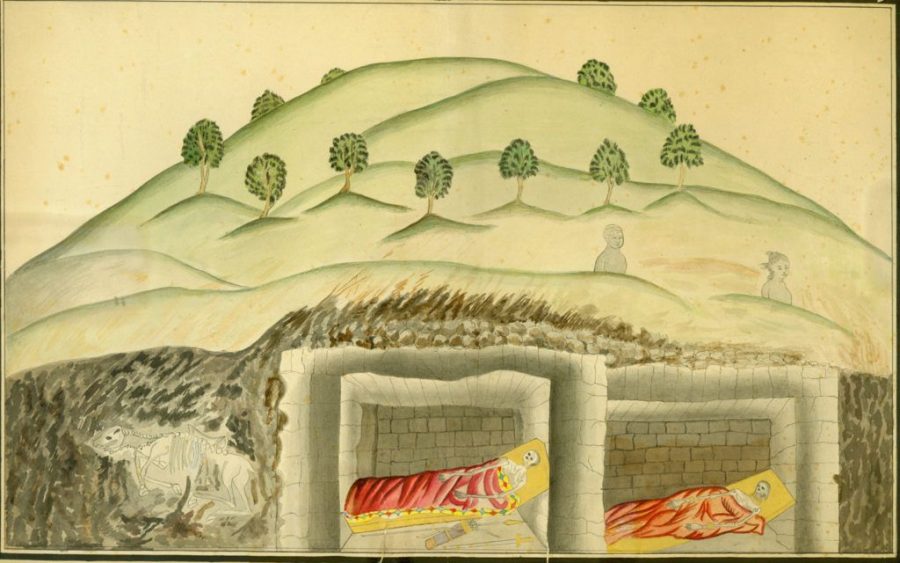
Nomads do not leave many traces, but when the Scythi­ans buried their dead they took care to equip the corpse with the essen­tials they thought they need­ed for the per­pet­u­al rides of the after­life. They usu­al­ly dug a deep hole and built a wood­en struc­ture at the bot­tom. For impor­tant peo­ple these resem­bled log cab­ins that were lined and floored with dark felt – the roofs were cov­ered with lay­ers of larch, birch bark and moss. With­in the tomb cham­ber, the body was placed in a log trunk cof­fin, accom­pa­nied by some of their prized pos­ses­sions and oth­er objects. Out­side the tomb cham­ber but still inside the grave shaft, they placed slaugh­tered hors­es, fac­ing east.

18th-cen­tu­ry water­col­or illus­tra­tion of a Scythi­an bur­ial mound. Archive of the Insti­tute of Archae­ol­o­gy of the Russ­ian Acad­e­my of Sci­ences, St Peters­burg

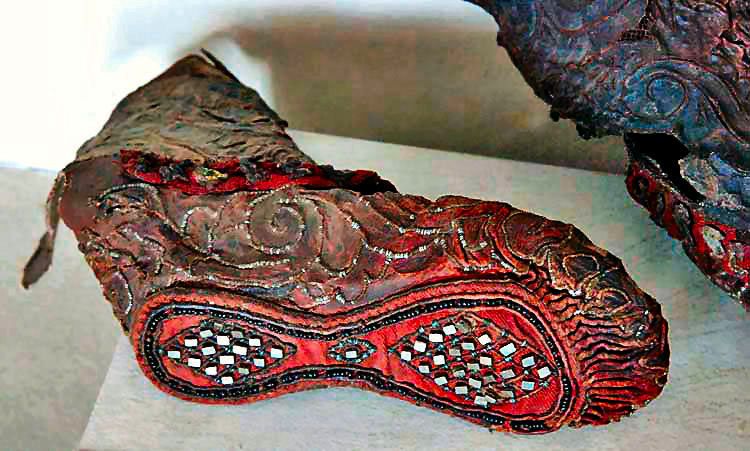
The red cloth-wrapped leather bootie, now part of the State Her­mitage Muse­um’s col­lec­tion, is a stun­ner, trimmed in tin, pyrite crys­tals, gold foil and glass beads secured with sinew. Fan­ci­ful shapes—ducklings, maybe?—decorate the seams. But the true mind­blow­er is the remark­able con­di­tion of its sole.


Spec­u­la­tion is ram­pant on Red­dit, as to this bot­tom layer’s pris­tine con­di­tion:

Maybe the boot belonged to a high-rank­ing woman who wouldn’t have walked much…

Or Scythi­ans spent so much time on horse­back, their shoe leather was spared…

Or per­haps it’s a high qual­i­ty funer­al gar­ment, reserved for exclu­sive­ly post-mortem use…

The British Muse­um cura­tors’ expla­na­tion is that Scythi­ans seat­ed them­selves on the ground around a com­mu­nal fire, sub­ject­ing their soles to their neigh­bors’ scruti­ny.

Become bet­ter acquaint­ed with Scythi­an boots by mak­ing a pair, as ancient Per­sian empire reen­ac­tor Dan D’Silva did, doc­u­ment­ing the process in a 3‑part series on his blog. How you bedaz­zle the soles is up to you.

Note: An ear­li­er ver­sion of this post appeared on our site in 2020.

If you would like to sup­port the mis­sion of Open Cul­ture, con­sid­er mak­ing a dona­tion to our site. It’s hard to rely 100% on ads, and your con­tri­bu­tions will help us con­tin­ue pro­vid­ing the best free cul­tur­al and edu­ca­tion­al mate­ri­als to learn­ers every­where. You can con­tribute through Pay­Pal, Patre­on, and Ven­mo (@openculture). Thanks!

Relat­ed Con­tent:

Styl­ish 2,000-Year-Old Roman Shoe Found in a Well

The Ancient Egyp­tians Wore Fash­ion­able Striped Socks, New Pio­neer­ing Imag­ing Tech­nol­o­gy Imag­ing Reveals

The Ancient Romans First Com­mit­ted the Sar­to­r­i­al Crime of Wear­ing Socks with San­dals, Archae­o­log­i­cal Evi­dence Sug­gests

Ayun Hal­l­i­day is an author, illus­tra­tor, the­ater mak­er and Chief Pri­ma­tol­o­gist of the East Vil­lage Inky zine. Fol­low her @AyunHalliday.

by | Permalink | Make a Comment ( 3 ) |

The First Known Photograph of People Having a Beer (1843)

It should go with­out say­ing that one should drink respon­si­bly, for rea­sons per­tain­ing to life and limb as well as rep­u­ta­tion. The ubiq­ui­ty of still and video cam­eras means poten­tial­ly embar­rass­ing moments can end up on mil­lions of screens in an instant, copied, down­loaded, and saved for pos­ter­i­ty. Not so dur­ing the infan­cy of pho­tog­ra­phy, when it was a painstak­ing process with min­utes-long expo­sure times and arcane chem­i­cal devel­op­ment meth­ods. Pho­tograph­ing peo­ple gen­er­al­ly meant keep­ing them as still as pos­si­ble for sev­er­al min­utes, a require­ment that ren­dered can­did shots next to impos­si­ble.

We know the results of these ear­ly pho­to­graph­ic por­trai­ture from many a famous Daguerreo­type, named for its French inven­tor, Louis-Jacques-Mandé Daguerre. At the same time, dur­ing the 1830s and 40s, anoth­er process gained pop­u­lar­i­ty in Eng­land, called the Calo­type—or “Tal­bo­type,” for its inven­tor William Hen­ry Fox Tal­bot. “Upon hear­ing of the advent of the Daguerreo­type in 1839,” writes Linz Welch at the Unit­ed Pho­to­graph­ic Artists Gallery site, Tal­bot “felt moved to action to ful­ly refine the process that he had begun work on. He was able to short­en his expo­sure times great­ly and start­ed using a sim­i­lar form of cam­era for expo­sure on to his pre­pared paper neg­a­tives.”

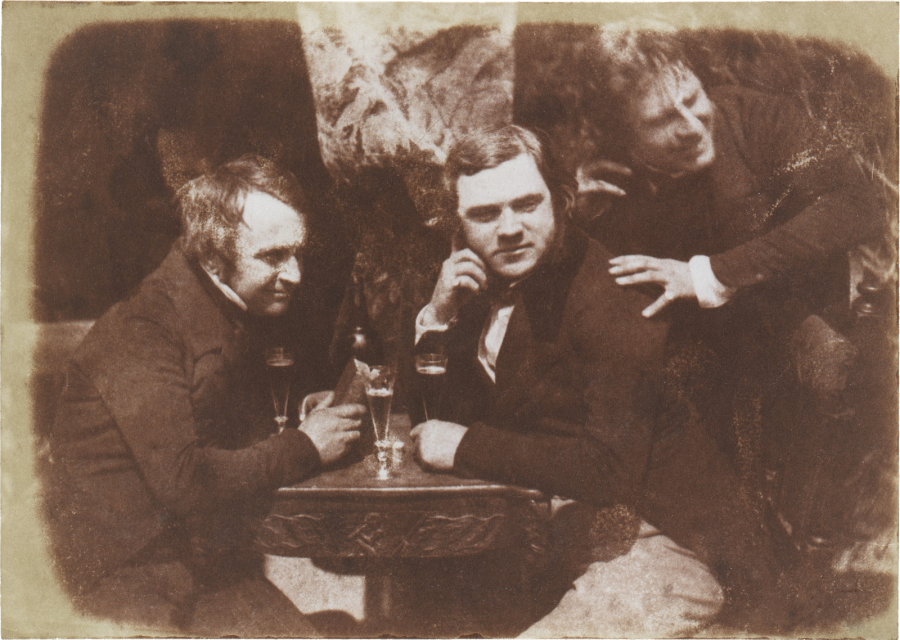
This last fea­ture made the Calo­type more ver­sa­tile and mechan­i­cal­ly repro­ducible. And the short­ened expo­sure times seemed to enable some greater flex­i­bil­i­ty in the kinds of pho­tographs one could take. In the 1843 pho­to above, we have what appears to be an entire­ly unplanned group­ing of rev­el­ers, caught in a moment of cheer at the pub. Cre­at­ed by Scot­tish painter-pho­tog­ra­phers Robert Adam­son and David Octavius Hill—who grins, half-stand­ing, on the right—the image looks like almost no oth­er por­trait from the time. Rather than sit­ting rigid­ly, the fig­ures slouch casu­al­ly; rather than look­ing grim and mourn­ful, they smile and smirk, appar­ent­ly shar­ing a joke. The pho­to­graph is believed to be the first image of alco­holic con­sump­tion, and it does its sub­ject jus­tice.

Though Tal­bot patent­ed his Calo­type process in Eng­land in 1841, the restric­tions did not apply in Scot­land. “In fact,” the Met­ro­pol­i­tan Muse­um of Art writes, “Tal­bot encour­aged its use there.” He main­tained a cor­re­spon­dence with inter­est­ed sci­en­tists, includ­ing Adamson’s old­er broth­er John, a pro­fes­sor of chem­istry. But the Calo­type was more of an artists’ medi­um. Where Daguerreo­types pro­duced, Welch writes, “a star­tling resem­blance of real­i­ty,” with clean lines and even tones, the Calo­type, with its salt print, “tend­ed to have high con­trast between lights and darks…. Addi­tion­al­ly, because of the paper fibers, the image would present with a grain that would dif­fuse the details.” We see this espe­cial­ly in the cap­tur­ing of Octavius Hill, who appears both life­like in motion and ren­dered artis­ti­cal­ly with char­coal or brush.

The oth­er two figures—James Bal­lan­tine, writer, stained-glass artist, and son of an Edin­burgh brew­er, and Dr. George Bell, in the center—have the rak­ish air of char­ac­ters in a William Hog­a­rth scene. The Nation­al Gal­leries of Scot­land attrib­ut­es the nat­u­ral­ness of these pos­es to “Hill’s socia­bil­i­ty, humour and his capac­i­ty to gauge the sit­ters’ char­ac­ters.” Sure­ly the booze did its part in loos­en­ing every­one up. The three men are said to be drink­ing Edin­burgh Ale, “accord­ing to a con­tem­po­rary account… ‘a potent flu­id, which almost glued the lips of the drinker togeth­er.’ ” Such a side effect would, at least, make it extreme­ly dif­fi­cult to over-imbibe.

Note: An ear­li­er ver­sion of this post appeared on our site in 2017.

If you would like to sup­port the mis­sion of Open Cul­ture, con­sid­er mak­ing a dona­tion to our site. It’s hard to rely 100% on ads, and your con­tri­bu­tions will help us con­tin­ue pro­vid­ing the best free cul­tur­al and edu­ca­tion­al mate­ri­als to learn­ers every­where. You can con­tribute through Pay­Pal, Patre­on, and Ven­mo (@openculture). Thanks!

Relat­ed Con­tent

The First Pho­to­graph Ever Tak­en (1826)

See The First “Self­ie” In His­to­ry Tak­en by Robert Cor­nelius, a Philadel­phia Chemist, in 1839

See the First Pho­to­graph of a Human Being: A Pho­to Tak­en by Louis Daguerre (1838)

The First Faked Pho­to­graph (1840)

Behold the Very First Col­or Pho­to­graph (1861): Tak­en by Scot­tish Physi­cist (and Poet!) James Clerk Maxwell

Josh Jones is a writer and musi­cian based in Durham, NC. Fol­low him at @jdmagness

Some of the Oldest Photos You Will Ever See: Discover Photographs of Greece, Egypt, Turkey & Other Mediterranean Lands (1840s)

Begin­ning in the late sev­en­teenth cen­tu­ry, aris­to­crat­ic Eng­lish­men or con­ti­nen­tal Euro­peans came of age and went on a Grand Tour. Last­ing any­thing from few a months to a few years, such trips were meant direct­ly to expose their young tak­ers to the lega­cy of the Renais­sance and antiq­ui­ty. Nat­u­ral­ly, most Grand Tour itin­er­aries placed the utmost impor­tance on Italy and Greece; some even went to the Holy Land, as sat­i­rized by Mark Twain in The Inno­cents Abroad. By the time that book was pub­lished in 1869, the Grand Tour was out of high fash­ion — but a cou­ple of decades ear­li­er, Joseph-Philib­ert Girault de Prangey had pre­served many of its des­ti­na­tions with a piece of cut­ting-edge tech­nol­o­gy known as the cam­era.

Girault de Prangey went on his first pho­to­graph­ic “Grand Tour” in 1841, when he was in his late thir­ties. Hav­ing already trav­eled exten­sive­ly and received an edu­ca­tion in both art and law, he was hard­ly a cal­low youth in need of refine­ment. But he was an aris­to­crat, the sole inher­i­tor of his fam­i­ly for­tune, and thus able to “devote his life to his pas­sions: trav­el, arts, and pub­lish­ing.”

So says the nar­ra­tor of the Kings and Things video above, which tells the sto­ry of how Girault de Prange man­aged to leave us the ear­li­est known pho­tographs of a large swath of the world. This project “took him from Italy to Greece, Egypt, Turkey, and the Lev­ant, he cap­tured over 1,000 pho­tographs, with sub­jects rang­ing from streetscapes and archi­tec­tur­al details to nature and land­scapes and por­traits of local peo­ple.”

Not that pho­tog­ra­phy per se was Girault de Prangey’s goal; for him, tak­ing a pic­ture con­sti­tut­ed mere­ly an ear­ly step in the cre­ation of a draw­ing or paint­ing. “Although he only intend­ed to use them as a sort of sketch to refer to back home in his stu­dio,” he “arranged his pic­tures so as to pro­duce a sense of dra­ma or mys­tery, and this artis­tic sen­si­bil­i­ty sets him apart from many oth­er pio­neers of pho­tog­ra­phy, who were pri­mar­i­ly tech­ni­cians or inven­tors.” The age of the Grand Tour was end­ing even in Girault de Prangey’s day, but 180 years lat­er (and about a cen­tu­ry after their redis­cov­ery in one of his estate’s store­rooms), his pho­tographs send us on a very dif­fer­ent kind of trip: not just across the world, but — much more thrilling­ly — deep back in time as well.

via Aeon

Relat­ed con­tent:

The First Pho­to­graph Ever Tak­en (1826)

See the First Pho­to­graph of a Human Being: A Pho­to Tak­en by Louis Daguerre (1838)

Take a Visu­al Jour­ney Through 181 Years of Street Pho­tog­ra­phy (1838–2019)

Behold the Pho­tographs of John Thom­son, the First West­ern Pho­tog­ra­ph­er to Trav­el Wide­ly Through Chi­na (1870s)

Rome Comes to Life in Pho­tochrom Col­or Pho­tos Tak­en in 1890: The Colos­se­um, Tre­vi Foun­tain & More

The First Sur­viv­ing Pho­to­graph of the Moon (1840)

Based in Seoul, Col­in Marshall writes and broad­casts on cities, lan­guage, and cul­ture. His projects include the Sub­stack newslet­ter Books on Cities, the book The State­less City: a Walk through 21st-Cen­tu­ry Los Ange­les and the video series The City in Cin­e­ma. Fol­low him on Twit­ter at @colinmarshall or on Face­book.

How to Develop Photographs with Coffee

James Hoff­mann knows some­thing about cof­fee. He’s authored The World Atlas of Cof­fee and runs a pro­lif­ic YouTube chan­nel, where he cov­ers every­thing from mak­ing cof­fee with the Aero­Press and MokaPot, to brew­ing the per­fect espres­so and also pro­vid­ing basic cof­fee mak­ing tips & tricks. Pret­ty bread and but­ter stuff, if you can use that expres­sion when talk­ing about cof­fee. But he also cov­ers some sub­jects at the mar­gins of the cof­fee world–like how to devel­op pho­tographs with cof­fee. Above, Hoff­mann intro­duces you to Caf­fenol, a process where­by pho­tographs can be devel­oped with cof­fee and some­times Vit­a­min C. To take a deep­er dive into the sub­ject, you’ll want to explore PetaPix­el’s primer, Caf­fenol: A Guide to Devel­op­ing B&W Film with Cof­fee.

If you would like to sup­port the mis­sion of Open Cul­ture, con­sid­er mak­ing a dona­tion to our site. It’s hard to rely 100% on ads, and your con­tri­bu­tions will help us con­tin­ue pro­vid­ing the best free cul­tur­al and edu­ca­tion­al mate­ri­als to learn­ers every­where. You can con­tribute through Pay­Pal, Patre­on, and Ven­mo (@openculture). Thanks!

Relat­ed Con­tent 

Every­thing You Ever Want­ed to Know about the Bialet­ti Moka Express: A Deep Dive Into Italy’s Most Pop­u­lar Cof­fee Mak­er

The Birth of Espres­so: The Sto­ry Behind the Cof­fee Shots That Fuel Mod­ern Life

Deep Fried Cof­fee: A Very Dis­turb­ing Dis­cov­ery

by | Permalink | Make a Comment ( 1 ) |

How to Solve the Prisoner’s Dilemma: A Gloriously Animated Explanation of the Classic Game-Theory Problem

Imag­ine two pris­on­ers, each one placed in soli­tary con­fine­ment. The police offer a deal: if each betrays the oth­er, they’ll both get five years in prison. If one betrays the oth­er but the oth­er keeps qui­et, the betray­er will walk free and the betrayed will serve ten years. If nei­ther say any­thing, they’ll both be locked up, but only for two years. Unable coor­di­nate, both pris­on­ers will like­ly betray each oth­er in order to secure the best indi­vid­ual out­come, despite the fact that it would be bet­ter on the whole for both to keep their mouths shut. This is the “pris­on­er’s dilem­ma,” a thought exper­i­ment much-cit­ed in game the­o­ry and eco­nom­ics since the mid­dle of the twen­ti­eth cen­tu­ry.

Though the sit­u­a­tion the pris­on­er’s dilem­ma describes may sound quite spe­cif­ic, its gen­er­al form actu­al­ly con­forms to that of a vari­ety of prob­lems that arise through­out the mod­ern world, in pol­i­tics, trade, inter­per­son­al rela­tions, and a great many oth­ers besides.

Blog­ger Scott Alexan­der describes the pris­on­er’s dilem­mas as one man­i­fes­ta­tion of what Allen Gins­berg called Moloch, the relent­less unseen force that dri­ves soci­eties toward mis­ery. Moloch “always and every­where offers the same deal: throw what you love most into the flames, and I can grant you pow­er.” Or, as he’d put it to Chewy the gin­ger­bread man, “Betray your friend Crispy, and I’ll make a fox eat only three of your limbs.”

Such is the sit­u­a­tion ani­mat­ed in glo­ri­ous­ly wool­ly stop-motion by Ivana Bošn­jak and Thomas John­son in the TED-Ed video at the top of the post, which replaces the pris­on­ers with “sen­tient baked goods,” the jail­er with a hun­gry wood­land preda­tor, and years of impris­on­ment with bit­ten-off arms and legs. After explain­ing the pris­on­er’s dilem­ma in a whim­si­cal man­ner, it presents one pro­posed solu­tion: the “infi­nite pris­on­er’s dilem­ma,” in which the par­tic­i­pants decide not just once but over and over again. Such a set­up would allow them to “use their future deci­sions as bar­gain­ing chips for the present one,” and even­tu­al­ly (depend­ing upon how heav­i­ly they val­ue future out­comes in the present) to set­tle upon repeat­ing the out­come that would let both of them walk free — as free as they can walk on one gin­ger­bread leg, at any rate.

via Aeon

Relat­ed con­tent:

An Intro­duc­tion to Game The­o­ry & Strate­gic Think­ing: A Free Course from Yale Uni­ver­si­ty

An Ani­mat­ed Intro­duc­tion to the Famous Thought Exper­i­ment, the “Trol­ley Prob­lem,” Nar­rat­ed by Har­ry Shear­er

The Famous Schrödinger’s Cat Thought Exper­i­ment Comes Back to Life in an Off-Kil­ter Ani­ma­tion

Watch a 2‑Year-Old Solve Philosophy’s Famous Eth­i­cal “Trol­ley Prob­lem” (It Doesn’t End Well)

Based in Seoul, Col­in Marshall writes and broad­casts on cities, lan­guage, and cul­ture. His projects include the Sub­stack newslet­ter Books on Cities, the book The State­less City: a Walk through 21st-Cen­tu­ry Los Ange­les and the video series The City in Cin­e­ma. Fol­low him on Twit­ter at @colinmarshall or on Face­book.

« Go BackMore in this category... »
Quantcast