Hear the Classic Winnie-the-Pooh Read by Author A.A. Milne in 1929

christopher-robinHere’s a rare record­ing from 1929 of the British author A.A. Milne read­ing a chap­ter of his beloved chil­dren’s book, Win­nie-the-Pooh. Milne was a pro­lif­ic writer of plays, nov­els and essays, but he was most wide­ly known–much to his chagrin–as the cre­ator of a sim­ple and good-natured lit­tle bear.

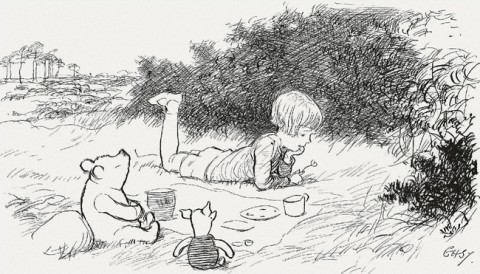
Pooh was inspired by his son Christo­pher Robin’s favorite ted­dy bear. In Mil­ne’s imag­i­na­tion, the stuffed bear comes alive and enters into lit­tle adven­tures (or one might say mis­ad­ven­tures) with Christo­pher Robin and his oth­er stuffed ani­mals. The name “Win­nie” was bor­rowed from a famous res­i­dent of the Lon­don Zoo: a black bear from Cana­da named for the city of Win­nipeg. The young Christo­pher Robin liked vis­it­ing Win­nie at the zoo. He also liked a grace­ful swan he saw swim­ming in a pond at Kens­ing­ton Gar­dens, who he named “Pooh.” His father com­bined the two names to cre­ate one of the most pop­u­lar char­ac­ters in chil­dren’s lit­er­a­ture.

Win­nie-the-Pooh first appeared in sto­ries and poems in pop­u­lar mag­a­zines. In 1926 Milne col­lect­ed them in a book, Win­nie-the-Pooh, with illus­tra­tions by E.H. Shep­ard. Each chap­ter in the book is a self-con­tained episode or sto­ry. In the record­ing below, Milne reads Chap­ter Three (click here to open the text in new a win­dow) “In Which Pooh and Piglet Go Hunt­ing and Near­ly Catch a Woo­zle.”

Look­ing for free, pro­fes­sion­al­ly-read audio books from Audible.com? Here’s a great, no-strings-attached deal. If you start a 30 day free tri­al with Audible.com, you can down­load two free audio books of your choice. Get more details on the offer here.

And note this: Audiobooks.com also has a free tri­al offer where you can down­load a free audio­book. Details.

Relat­ed Con­tent:

200 Free Kids Edu­ca­tion­al Resources: Video Lessons, Apps, Books, Web­sites & More

The Epis­te­mol­o­gy of Dr. Seuss & More Phi­los­o­phy Lessons from Great Children’s Sto­ries

Mor­gan Free­man Teach­es Kids to Read in Vin­tage Elec­tric Com­pa­ny Footage from 1971

Black Coffee: Documentary Covers the History, Politics & Economics of the “Most Widely Taken Legal Drug”

“It’s not hard to brew a great cup of cof­fee,” writes Kele­fa San­neh in a recent New York­er post on the Mel­bourne Inter­na­tion­al Cof­fee Expo. “At least, it shouldn’t be.” He adds that “there’s no such thing as a fool­proof process though: even cof­fee pro­fes­sion­als are for­ev­er tweak­ing and rethink­ing their brew meth­ods, as they get bet­ter at iden­ti­fy­ing, in each cup, what went wrong and what went right.” Even casu­al cof­fee drinkers, includ­ing those who have nev­er made a cup for them­selves, know how com­pli­cat­ed the prepa­ra­tion process can become when one real­ly starts to think about it. But the field of cof­fee stud­ies boasts even more infor­ma­tion to mas­ter when it comes to the his­to­ry of the cul­ti­va­tion and usage of the beans them­selves. You can begin your own cof­fee edu­ca­tion with this tri­par­tite tele­vi­sion doc­u­men­tary, Black Cof­fee.

A Cana­di­an pro­duc­tion aired on PBS, Black Cof­fee (pur­chase on DVD here) exam­ines “the world’s most wide­ly tak­en legal drug,” a bev­er­age whose intel­lec­tu­al­ly intense die-hard enthu­si­asts give wine’s a run for their mon­ey, from his­tor­i­cal, polit­i­cal, social, and eco­nom­ic angles.

Part one, “The Irre­sistible Bean,” fol­lows cof­fee’s spread from Ethiopa out across the entire world. Part two, “Gold in Your Cup,” looks at the “cof­fee barons” of the nine­teenth cen­tu­ry and the rise of cof­fee-house cul­ture.

Part three, “The Per­fect Cup,” brings us up to date with the mod­ern “roman­tic age of cof­fee” and what entre­pre­neurs (such as Star­bucks’ Howard Schultz, who appears in the doc­u­men­tary) have done to, depend­ing on your incli­na­tion, either democ­ra­tize or cheap­en the pur­suit of a worth­while sip. While a bit of knowl­edge always enrich­es the enjoy­ment of even some­thing as com­mon as cof­fee — and, in this case, also rais­es occa­sion­al thorny moral and agri­cul­tur­al ques­tions — let us nev­er lose sight of the sim­ple sen­ti­ment expressed in expressed in Bach’s Cof­fee Can­ta­ta:

Love­li­er than a thou­sand kiss­es,
smoother than mus­ca­tel wine.
Cof­fee, I must have cof­fee,
and if any­one wants to give me a treat,
ah!, just give me some cof­fee!

Relat­ed Con­tent:

Every­thing You Want­ed to Know About Cof­fee in Three Min­utes

“The Vertue of the COFFEE Drink”: London’s First Cafe Cre­ates Ad for Cof­fee in the 1650s

The His­to­ry of Cof­fee and How It Trans­formed Our World

This is Cof­fee!: A 1961 Trib­ute to Our Favorite Stim­u­lant

The Fine Art of Paint­ing Por­traits on Cof­fee Foam

Col­in Mar­shall hosts and pro­duces Note­book on Cities and Cul­ture and writes essays on lit­er­a­ture, film, cities, Asia, and aes­thet­ics. He’s at work on a book about Los Ange­lesA Los Ange­les PrimerFol­low him on Twit­ter at @colinmarshall.

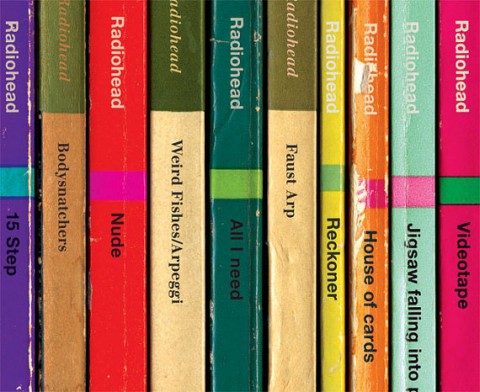
Eight Radiohead Albums Reimagined as Vintage Paperback Books

in rainbooks

Simon James, an artist liv­ing and work­ing in Lon­don, has a pen­chant for tak­ing albums and envi­sion­ing them as vin­tage Pen­guin & Pel­i­can-style books. So far, he has cov­ered The SmithsJoy Divi­sionNew OrderThe Cure and Kraftwerk. And now comes his favorite band, Radio­head. Here, he takes Pablo Hon­ey, The Bends, OK Com­put­er, Kid A, Amne­si­ac, Hail to the Thief, In Rain­bows and The King of Limbs and then turns each track, on each album, into its own nov­el. You can find the images on Etsy. Just fol­low the links above. Indi­vid­ual prints can also be pur­chased for $19.38.

If you would like to sup­port the mis­sion of Open Cul­ture, con­sid­er mak­ing a dona­tion to our site. It’s hard to rely 100% on ads, and your con­tri­bu­tions will help us con­tin­ue pro­vid­ing the best free cul­tur­al and edu­ca­tion­al mate­ri­als to learn­ers every­where. You can con­tribute through Pay­Pal, Patre­on, and Ven­mo (@openculture). Thanks!

Relat­ed Con­tent:

Radiohead’s Thom Yorke Gives Teenage Girls Endear­ing Advice About Boys (And Much More)

A Mid­dle-East­ern Ver­sion of Radiohead’s 1997 Hit “Kar­ma Police”

Radio­head-Approved, Fan-Made Film of the Band at Rose­land for 2011′s The King of Limbs Tour

Leonard Cohen and U2 Perform ‘Tower of Song,’ a Meditation on Aging, Loss & Survival

Here’s a rare col­lab­o­ra­tion between the Cana­di­an singer and poet Leonard Cohen and the Irish super­group U2. It was staged for the 2005 Lian Lun­son doc­u­men­tary, Leonard Cohen: I’m Your Man. The musi­cians are per­form­ing “Tow­er of Song,” a spir­i­tu­al med­i­ta­tion on aging, loss, and sur­vival, orig­i­nal­ly released on Cohen’s 1988 album I’m Your Man. Like Jorge Luis Borges’s Library of Babel, Cohen’s Tow­er of Song is some­thing unfath­omable.

Well my friends are gone and my hair is grey
I ache in the places where I used to play
And I’m crazy for love but I’m not com­ing on
I’m just pay­ing my rent every day
Oh in the Tow­er of Song

I said to Hank Williams: how lone­ly does it get?
Hank Williams has­n’t answered yet
But I hear him cough­ing all night long
A hun­dred floors above me
In the Tow­er of Song

In addi­tion to the U2 col­lab­o­ra­tion, Leonard Cohen: I’m Your Man includes inter­views with Cohen and trib­ute per­for­mances of some of his great­est songs by Martha and Rufus Wain­wright, Nick Cave, Beth Orton and oth­ers. You can watch the com­plete film here.

Relat­ed Con­tent:

Street Artist Plays Leonard Cohen’s “Hal­lelu­jah” With Crys­tal Glass­es

Leonard Cohen Recounts “How I Got My Song,” or When His Love Affair with Music Began

Ladies and Gen­tle­men… Mr. Leonard Cohen, a 1965 Doc­u­men­tary

Leonard Cohen Reads “The Future” (Not Safe for Work)

Hear the Little-Known Version of the Talking Heads’ “Psycho Killer,” With Experimental Cellist Arthur Russell


Giv­en his ever-grow­ing posthu­mous pop­u­lar­i­ty, fueled by mate­r­i­al new­ly dis­cov­ered, released, and re-released, we might call Arthur Rus­sell the 2Pac of exper­i­men­tal dis­co cel­lo.  Dur­ing his short life, he man­aged to col­lab­o­rate with the likes of Philip Glass, Nicky Siano, Wal­ter Gib­bons, and even David Byrne. A lit­tle-heard ver­sion of the Talk­ing Heads’ “Psy­cho Killer” fea­tur­ing Rus­sel­l’s cel­lo has recent­ly resur­faced (above), to the delight of both Heads fans intrigued to hear one more slant on a favorite song and lis­ten­ers new­ly intrigued by Rus­sell look­ing to hear how his sound inter­faced with the inno­v­a­tive pop music of his day.

In the clip just above, you can hear Byrne dis­cuss the col­lab­o­ra­tive devel­op­ment of “Psy­cho Killer” (albeit well before the record­ing of this B‑side with Rus­sell) at a Q&A ses­sion on his How Music Works book tour. Unbe­liev­ably, the song first emerged as a bal­lad. “I can see the song as being soft­er,” he says. “I’m mak­ing it aggres­sive-sound­ing and thought, ‘That’s like say­ing the same thing twice.’ Which the singer of the song says you should­n’t do. I thought it would be creepi­er, actu­al­ly scari­er, if you down­play it. But, you know, we had a rock band at the time; we got togeth­er, start­ed play­ing it, and that’s not how it came out. Audi­ences liked the big cho­rus every­one could sing along with.” I imag­ine they also would’ve liked the big string instru­ment Rus­sell would have brought up on stage, had he ever had the chance to join the Heads for a live per­for­mance.

via Twen­ty­Four­Bit

Relat­ed Con­tent:

The Talk­ing Heads Play CBGB, the New York Club that Shaped Their Sound (1975)

How David Byrne and Bri­an Eno Make Music Togeth­er: A Short Doc­u­men­tary

David Byrne Gives Us the Low­down on How Music Works (with Neu­ro­sci­en­tist Daniel Lev­itin)

David Byrne: How Archi­tec­ture Helped Music Evolve

Col­in Mar­shall hosts and pro­duces Note­book on Cities and Cul­ture and writes essays on lit­er­a­ture, film, cities, Asia, and aes­thet­ics. He’s at work on a book about Los Ange­lesA Los Ange­les PrimerFol­low him on Twit­ter at @colinmarshall.

Piotr Dumala’s Artful Animations of Literary Works by Kafka & Dostoevsky

There’s a cer­tain irony to Pol­ish ani­ma­tor Piotr Dumala’s inno­v­a­tive style, a stop-motion tech­nique in which he scratch­es an image into paint­ed plas­ter, then paints it over again imme­di­ate­ly and scratch­es the next. Called “destruc­tive ani­ma­tion,” Dumala devised the method while study­ing art con­ser­va­tion at the War­saw Acad­e­my of Fine Arts.

Trained as a sculp­tor as well as an ani­ma­tor, Dumala’s award-win­ning films present strik­ing­ly expres­sion­is­tic tex­tures emerg­ing from pitch black and reced­ing again. The 1991 film Kaf­ka (top) begins with the reclu­sive writer shroud­ed in dark­ness and iso­la­tion. He coughs once, and we are trans­port­ed to Prague, 1883. Each frame of Kaf­ka resem­bles a wood­cut, and the sound design is as spare as the extreme­ly high-con­trast ani­ma­tion.

In Sciany (Walls), an ear­li­er short film from 1988, Dumala uses light and shad­ow, and even more min­i­mal music and sound effects to cre­ate a haunt­ing, sur­re­al­is­tic piece that con­jures the atmos­phere of an inter­ro­ga­tion room or soli­tary con­fine­ment cell. Like the strange, emp­ty cityscapes of Gior­gio de Chiri­co, Dumala’s art unset­tles, with its skewed per­spec­tives, shad­owy, mys­te­ri­ous fig­ures, and unex­pect­ed shifts in tone and scale.


Crime and Pun­ish­ment, Dumala’s idio­syn­crat­ic half-hour Dos­to­evsky adap­ta­tion (which we’ve fea­tured pre­vi­ous­ly), uses “destruc­tive ani­ma­tion” to sim­i­lar effect as in Kaf­ka and Walls, cre­at­ing shad­owy, min­i­mal­ist set pieces that emerge slow­ly from dark­ness and return to it. But this time, Dumala incor­po­rates color—greens, reds, and browns—and the images are much more detailed, almost painter­ly.

Strip­ping the Russ­ian mas­ter­work down to just two scenes—the mur­der and Raskolnikov’s meet­ing of Sonia—Dumala inter­prets the nov­el­’s themes with the light-and-shad­ow inten­si­ty with which he ren­ders all of his artis­tic visions, say­ing, “This is about love and how obses­sion can destroy love. In our life we are under two oppo­site influ­ences to be good or bad and to love or hate.” In Dumala’s almost claus­troph­ic worlds, the lines between light and dark­ness are stark, even if they’re also ever shift­ing and ephemer­al.

Relat­ed Con­tent:

Kafka’s Night­mare Tale, ‘A Coun­try Doc­tor,’ Told in Award-Win­ning Japan­ese Ani­ma­tion

John Tur­tur­ro Reads Ita­lo Calvino’s Ani­mat­ed Fairy Tale

Orson Welles Nar­rates Ani­ma­tion of Plato’s Cave Alle­go­ry

Josh Jones is a writer and musi­cian based in Wash­ing­ton, DC. Fol­low him at @jdmagness

Pakistani Orchestra Plays Eastern-Flavored Version of REM’s “Everybody Hurts”

A lit­tle while back, we gave you  The Sachal Stu­dios Orches­tra, based in Lahore, Pak­istan, play­ing an inno­v­a­tive cov­er of “Take Five,” the jazz stan­dard writ­ten by Paul Desmond and per­formed by The Dave Brubeck Quar­tet in 1959. While he was still alive, Brubeck called it the “most inter­est­ing” ver­sion of “Take Five” he had ever heard. Now, the Pak­istani Orches­tra is back with an inter­pre­ta­tion of “Every­body Hurts,” the melan­cholic song from the 1992 REM album Auto­mat­ic for the Peo­ple. It will appear on the forth­com­ing album Jazz and All That, sched­uled for release this sum­mer.

For more great moments in musi­cal fusion, don’t miss these per­for­mances:

Watch Jimi Hendrix’s ‘Voodoo Chile’ Per­formed on a Gayageum, a Tra­di­tion­al Kore­an Instru­ment

Talk­ing Heads’ “This Must Be the Place (Naive Melody)” Per­formed on Tra­di­tion­al Chi­nese Instru­ments

Pak­istani Musi­cians Play Amaz­ing Ver­sion of Dave Brubeck’s Jazz Clas­sic, “Take Five”

If you’re an REM fan, catch these:

R.E.M.’s Final Encore (and an Ear­ly Con­cert from Ger­many)

R.E.M.’s “Los­ing My Reli­gion” Reworked from Minor to Major Scale

by | Permalink | Make a Comment ( 16 ) |

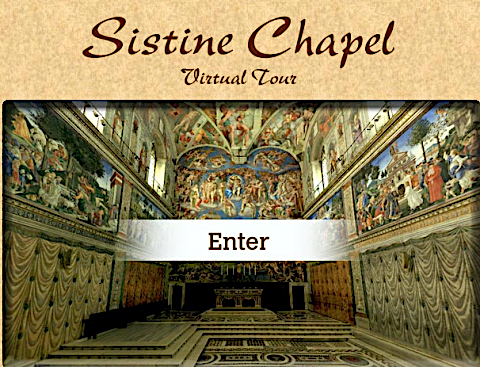
Take a 3D Virtual Tour of the Sistine Chapel, St. Peter’s Basilica and Other Art-Adorned Vatican Spaces

For­get the air­ports, the tick­et lines, and the crowds. Now you can step right into the Vat­i­can’s most sacred spaces and inspect the won­ders of Renais­sance art and archi­tec­ture with just a click of a mouse. The Vat­i­can has post­ed a series of vir­tu­al tours cre­at­ed by stu­dents and fac­ul­ty in the com­mu­ni­ca­tion and com­put­ing sci­ence depart­ments at Penn­syl­va­ni­a’s Vil­lano­va Uni­ver­si­ty. The four Papal Basil­i­cas are includ­ed, along with the small­er Sis­tine and Pauline chapels. Here are six links to six amaz­ing vir­tu­al tours:

Basil­i­ca of St. Peter: Designed by Michelan­ge­lo and oth­ers, St. Peter’s is the focal point of the Vat­i­can, and per­haps the most famous exam­ple of Renais­sance archi­tec­ture. You can scroll up and down to inspect the walls and ceilings–including the famous dome–and zoom in for a close look at Michelan­gelo’s mas­ter­piece the Pietà or Bernini’s ornate canopy, or bal­dachin, over the Papal Altar.

The Sis­tine Chapel: The most famous build­ing in the Vat­i­can, after St. Peter’s, is the Sis­tine Chapel, a part of the Pope’s offi­cial res­i­dence, the Apos­tolic Palace. Fres­coes by Raphael, Berni­ni, Bot­ti­cel­li and oth­ers adorn the walls–and on the ceil­ing, one of the great mas­ter­pieces in the his­to­ry of art: Michelan­gelo’s ear­ly 16th cen­tu­ry depic­tion of scenes from the Book of Gen­e­sis, cov­er­ing some 12,000 square feet. On a walk­ing tour you would bare­ly have enough time to rec­og­nize some of the major scenes. With this vir­tu­al tour you can spend all the time you want scan­ning around and zoom­ing in to study the details.

Arch­basil­i­ca of St. John Lat­er­an: The Pope’s offi­cial eccle­si­as­ti­cal seat, St. John Lat­er­an is the old­est Papal Basil­i­ca. But many of its most famous fea­tures are rel­a­tive­ly recent.  The basil­i­ca is per­haps best known for its neo­clas­si­cal façade by Alessan­dro Galilei, com­plet­ed in 1735.

Basil­i­ca of Paul Out­side-the-Walls: Built out­side the old city walls, this basil­i­ca con­tains the tomb of St. Paul. You can see the tomb and oth­er fea­tures of the grace­ful church (which was rebuilt in the 19th cen­tu­ry after a dev­as­tat­ing fire) on the tour.

Basil­i­ca of St. Mary Major: This basil­i­ca is actu­al­ly locat­ed out­side the Vat­i­can City com­pound, in Rome, but has extrater­ri­to­r­i­al sta­tus sim­i­lar to that of a for­eign embassy. Built in the fifth cen­tu­ry, with some lat­er addi­tions, the basil­i­ca is a beau­ti­ful exam­ple of clas­si­cal Roman archi­tec­ture.

The Pauline Chapel: Anoth­er chapel in the Apos­tolic Palace, the Pauline Chapel is sep­a­rat­ed from the Sis­tine Chapel by the Sala Regia, or “Regal Room.” Although less well-known than the Sis­tine Chapel, the Pauline Chapel hous­es two great fres­coes by Michelan­ge­lo: “The Con­ver­sion of Saul” and “The Cru­ci­fix­ion of St. Peter.”

If you would like to sup­port the mis­sion of Open Cul­ture, con­sid­er mak­ing a dona­tion to our site. It’s hard to rely 100% on ads, and your con­tri­bu­tions will help us con­tin­ue pro­vid­ing the best free cul­tur­al and edu­ca­tion­al mate­ri­als to learn­ers every­where. You can con­tribute through Pay­Pal, Patre­on, and Ven­mo (@openculture). Thanks!

Blackie Pagano Shows Off Vintage Guitar Amps, Including One That Belonged to Django Reinhardt

A long time ago, in a New York that seems a galaxy away, I found myself stum­bling out into Times Square in the rain-drenched, pre-dawn hours from a friend’s record­ing stu­dio, and stum­bling into a dis­card­ed Ampeg Jet J12, a vin­tage gui­tar amp pow­ered by tubes (or as the Brits say, valves). Some­one had aban­doned this beau­ti­ful rel­ic on the curb. I dragged the filthy thing into a cab home to Brook­lyn, cleaned it up as best I could, and went to sleep. The next day, I pow­ered it up (it worked!), plugged in my gui­tar, and entered the world of vin­tage tube amps. I would nev­er be the same again.

The gui­tar amplifier—perfected, some would say in the 1950s by Leo Fend­er—ini­tial­ly pro­vid­ed jazz gui­tarists a way to project over horn sec­tions in the big-band era. They even­tu­al­ly became instru­ments in their own right with the rise of Dick Dale’s surf rock sound and the advent of elec­tric blues and rock and roll. But, in the ’80s, vac­u­um tubes gave way to sol­id-state tran­sis­tors, then dig­i­tal, and tubes fell by the way­side. How­ev­er, since grunge and the garage rock revival, tube amp tones have once again become the stan­dard for most rock gui­tarists, even if they’re now often dig­i­tal copies.

But some die-hards nev­er gave up on tubes, and one of those, fea­tured above, is Black­ie Pagano, who has spent his days repair­ing and main­tain­ing vin­tage vac­u­um tube gui­tar amps and “all man­ner of audio mad­ness.” In the short doc above—part of a series of pro­files of New York­ers—Black­ie shows us Djan­go Reinhardt’s orig­i­nal amp and quotes Lux Inte­ri­or, singer of psy­chobil­ly punk band The Cramps, who once said that tube amps “turn music into fire and then back into music.” In just under three min­utes, the soli­tary, tat­tooed Pagano may con­vince you that vin­tage tube gui­tar amps are tru­ly mag­i­cal things, whether you find one on eBay, at Gui­tar Cen­ter, or on an NYC street­corner at four in the morn­ing.

Relat­ed Con­tent:

Jazz ‘Hot’: The Rare 1938 Short Film With Jazz Leg­end Djan­go Rein­hardt

The Sto­ry of the Gui­tar: The Com­plete Three-Part Doc­u­men­tary

A Young Eric Clap­ton Demon­strates the Ele­ments of His Gui­tar Sound

Adri­an Belew Presents the Fine Art of Mak­ing Gui­tar Noise — Past, Present, and Future

Josh Jones is a writer and musi­cian based in Wash­ing­ton, DC. Fol­low him at @jdmagness

Amanda Palmer’s Tips for Being an Artist in the Rough-and-Tumble Digital Age

Aman­da Palmer is an artist who total­ly gets the pow­er of the Inter­net. Encour­ag­ing fans to freely share pay-what-you-wish down­loads of her music has endeared her to a cer­tain per­cent­age of the 99%, while anoth­er per­cent­age (there may be some over­lap here, folks) drubs her for lever­ag­ing her fame to crowd­source back­ing musi­cians will­ing to work for hugs, merch, and beer.

Her appetite for dig­i­tal dia­logue with admir­ers and accusers alike calls to mind fel­low shrink­ing vio­let Court­ney Love. Her refusal to let any­one but Aman­da Palmer speak for Aman­da Fuck­ing Palmer has giv­en rise to an army of trolls, who glee­ful­ly find proof of mon­strous ego in her most innocu­ous of moves. It’s the price of allow­ing the pub­lic com­plete access to “Do It With a Rock­star,” if you will.

As not­ed in her keynote speech (above) at the recent Muse and the Mar­ket­place lit­er­ary con­fer­ence, “with the inter­net you do not get to choose.” This applies whether one is gen­er­at­ing con­tent or leav­ing nasty com­ments. Her remarks touch upon her most recent firestorm, a direct trail lead­ing back to “A Poem for Dzhokar,” a hasti­ly com­posed and post­ed attempt to put her­self in the shoes of the sus­pect­ed Boston Marathon bomber as he lay in a boat, await­ing cap­ture.

Clear­ly, some­one with her expe­ri­ence does not slap such a hot pota­to online inno­cent of the con­se­quences. She got plen­ty of lumps, and whether or not the major­i­ty of them were deserved is a mat­ter of per­son­al opin­ion. More than 2300 peo­ple quick­ly logged on to voice these afore­men­tioned opin­ions, some sup­port­ive, some tak­ing the form of mock­ing haikus, which Palmer appre­ci­at­ed, espe­cial­ly since it was, at the time, Nation­al Poet­ry Month.

It seems to me that any time her ass is hang­ing out her giant heart’s not far behind. Lis­ten to her speech, and see if you don’t find her atti­tude ulti­mate­ly inspir­ing, espe­cial­ly for those artists inter­est­ed in con­nect­ing with a larg­er audi­ence. (The pre­sen­ta­tion’s so restrained, you can turn your back on the screen, turn your atten­tion to some pedes­tri­an task, and enjoy her thoughts pod­cast-style. )

Relat­ed Con­tent:

Neil Gaiman Launch­es New Crowd­sourced Sto­ry­telling Project (Spon­sored by the New Black­Ber­ry)

The Black Cab Ses­sions: One Song, One Take, One Cab

Ayun Hal­l­i­day will glad­ly wrap her­self in Aman­da Palmer’s “Ukelele Anthem”

Watch Another Green World, a Hypnotic Portrait of Brian Eno (2010)

In Sep­tem­ber 1975, Bri­an Eno released his album Anoth­er Green World. The fol­low­ing month, the BBC’s acclaimed doc­u­men­tary series Are­na first aired, using Anoth­er Green World’s title track as its theme music. 35 years lat­er, the show final­ly got around to doc­u­ment­ing Eno him­self. This 2010 episode, also called Anoth­er Green World, cap­tures the “intel­lec­tu­al guru of the rock world” (as a Desert Island Discs DJ calls him) at work in his stu­dio, in con­ver­sa­tion with a vari­ety of interlocutors—including jour­nal­ist Mal­colm Glad­well, record pro­duc­er Steve Lil­ly­white, and evo­lu­tion­ary biol­o­gist Richard Dawkins—and cycling around the green hills that roll around his neigh­bor­hood. Bono from U2, sev­er­al of whose records Eno pro­duced, calls the man “a mind-expand­ing drug,” and lis­ten­ing to Eno expound here upon his var­i­ous ideas about and expe­ri­ences with art, music, tech­nol­o­gy, jour­nal­ing, and his native Eng­land, I’d have to agree.

The faint­ly hyp­not­ic tone and pace of the episode — a sen­si­bil­i­ty not far removed from Eno’s famous “ambi­ent” records like Dis­creet Music and Music for Air­ports — might also have some­thing to do with that. We learn about Eno’s school days, his love of singing, his descent from a long line of “post­men with pas­sion,” his get­ting more girls than Bryan Fer­ry in their days with Roxy Music, his pref­er­ence for incon­sis­tent instru­ments, his his­to­ry with Catholi­cism, his enthu­si­asm for Stafford Beer’s man­age­ment book Brain of the Firm, his work with audio­vi­su­al instal­la­tions, and his ever-present inter­est in how com­plex­i­ty aris­es from sim­plic­i­ty. But we also feel like we’ve seen some­thing not just about Eno, but Eno-like, where form meets func­tion as close­ly as in all of Are­na’s most mem­o­rable episodes and all of Eno’s most mem­o­rable projects. Or maybe I just like the sound of the rain out­side dur­ing the stu­dio seg­ments — a sound which had a lot to do with Eno’s devel­op­ment of ambi­ent music in the first place.

Relat­ed Con­tent:

The Genius of Bri­an Eno On Dis­play in 80 Minute Q&A: Talks Art, iPad Apps, ABBA, & More

Bri­an Eno Once Com­posed Music for Win­dows 95; Now He Lets You Cre­ate Music with an iPad App

Bri­an Eno on Cre­at­ing Music and Art As Imag­i­nary Land­scapes (1989)

Col­in Mar­shall hosts and pro­duces Note­book on Cities and Cul­ture and writes essays on lit­er­a­ture, film, cities, Asia, and aes­thet­ics. He’s at work on a book about Los Ange­lesA Los Ange­les PrimerFol­low him on Twit­ter at @colinmarshall.


  • Great Lectures

  • About Us

    Open Culture scours the web for the best educational media. We find the free courses and audio books you need, the language lessons & educational videos you want, and plenty of enlightenment in between.


    Advertise With Us

  • Archives

  • Search

  • Quantcast