Behold the Very First Color Photograph (1861): Taken by Scottish Physicist & Poet James Clerk Maxwell

Since its ancient ori­gins as the cam­era obscu­ra, the pho­to­graph­ic cam­era has always mim­ic­ked the human eye, allow­ing light to enter an aper­ture, then pro­ject­ing an image upside down. Renais­sance artists relied on the cam­era obscu­ra to sharp­en their own visu­al per­spec­tives. But it wasn’t until photography—the abil­i­ty to repro­duce the obscu­ra’s images—that the rudi­men­ta­ry arti­fi­cial eye began evolv­ing the same com­plex struc­tures we rely on for our own visu­al acu­ity: lens­es for sharp­ness, vari­able aper­tures, shut­ter speeds, focus con­trols…. Only when it began to seem that pho­tog­ra­phy might vie with the oth­er fine arts did the devel­op­ment of cam­era tech­nol­o­gy take off. And it moved quick­ly.

Between the time of the first pho­to­graph in 1826 by Joseph Nicéphore Niépce and 1861, pho­tog­ra­phy had advanced suf­fi­cient­ly that physi­cist James Clerk Maxwell—known for his “Maxwell’s Demon” thought experiment—produced the first col­or pho­to­graph that did not imme­di­ate­ly fade or require hand paint­ing (above).

The Scot­tish sci­en­tist chose to take a pic­ture of a tar­tan rib­bon, “cre­at­ed,” writes Nation­al Geo­graph­ic, “by pho­tograph­ing it three times through red, blue, and yel­low fil­ters, then recom­bin­ing the images into one col­or com­pos­ite.” Maxwell’s three-col­or method was intend­ed to mim­ic the way the eye process­es col­or, based on the­o­ries he had elab­o­rat­ed in an 1855 paper.


Maxwell’s many oth­er accom­plish­ments tend to over­shad­ow his col­or pho­tog­ra­phy (and his poet­ry!). Nonethe­less, the poly­math thinker ush­ered in a rev­o­lu­tion in pho­to­graph­ic repro­duc­tion, almost as an aside. “It’s easy to for­get,“ writes BBC pic­ture edi­tor, Phil Coomes, “that not long ago news agen­cies were trans­mit­ting their wire pho­tographs as colour sep­a­ra­tions, usu­al­ly cyan, magen­ta, and yellow—a process that relied on Clerk Maxwell’s dis­cov­ery. Indeed, even the lat­est dig­i­tal cam­era relies on the sep­a­ra­tion method to cap­ture light.” And yet, com­pared to the usu­al speed of pho­to­graph­ic advance­ment, the process took some time to ful­ly refine.

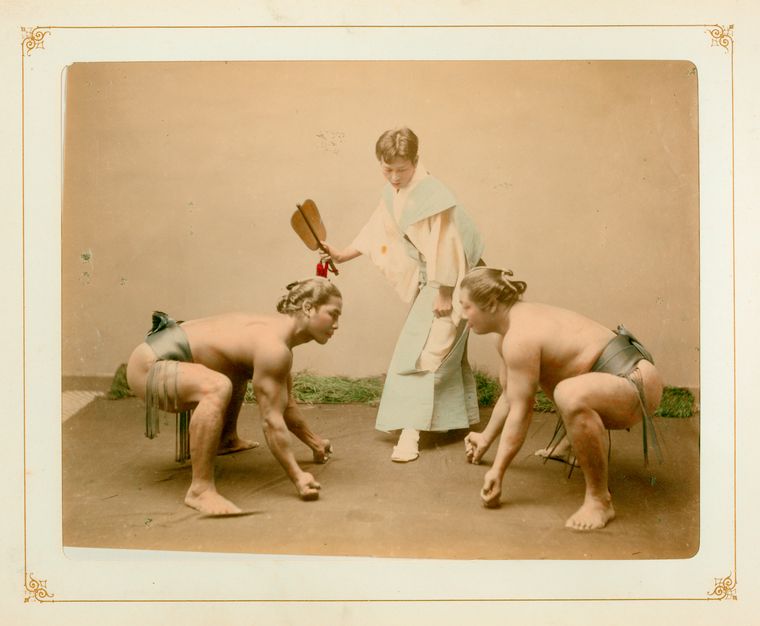
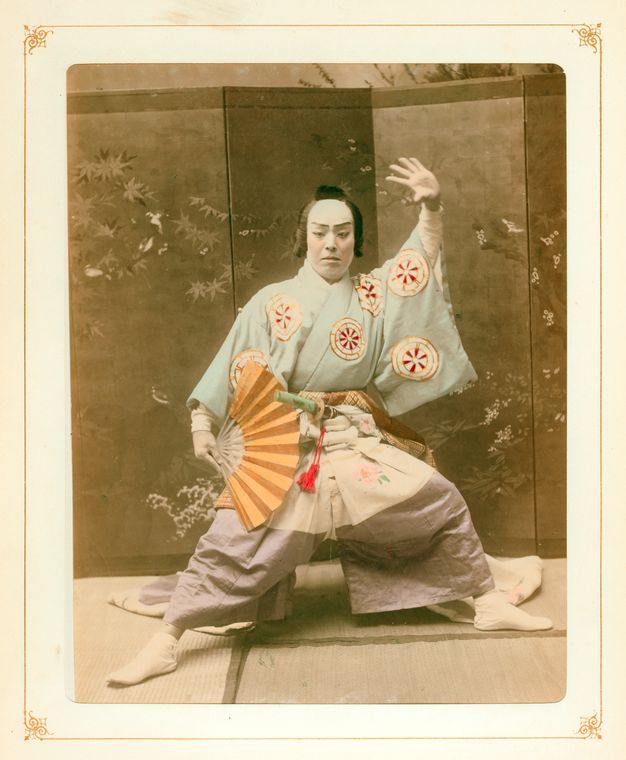
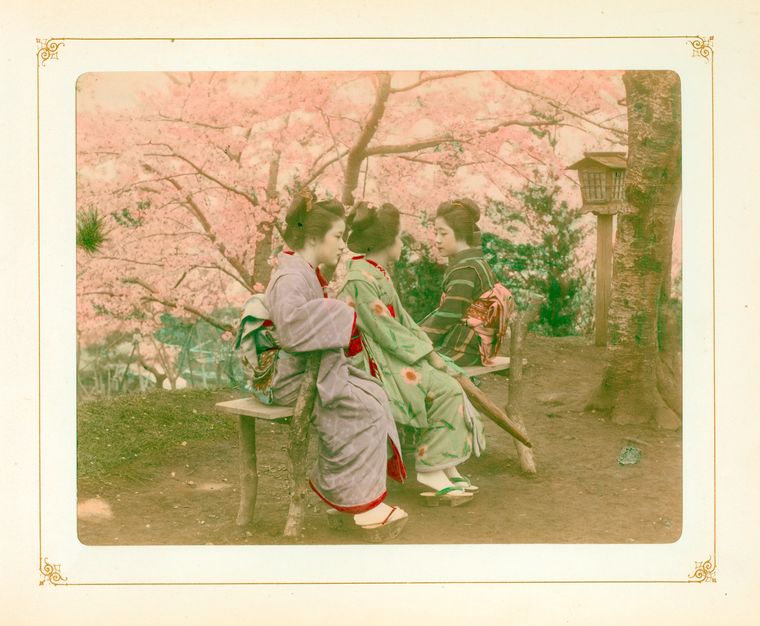
Maxwell cre­at­ed the image with the help of pho­tog­ra­ph­er Thomas Sut­ton, inven­tor of the sin­gle lens reflex cam­era, but his inter­est lay prin­ci­pal­ly in its demon­stra­tion of his col­or the­o­ry, not its appli­ca­tion to pho­tog­ra­phy in gen­er­al. Six­teen years lat­er, the repro­duc­tion of col­or had not advanced sig­nif­i­cant­ly, though a sub­trac­tive method allowed more sub­tle­ty of light and shade, as you can see in the 1877 exam­ple above by Louis Ducos du Hau­ron. Even so, these nine­teenth-cen­tu­ry images still can­not com­pete for vibran­cy and life­like­ness with hand-col­ored pho­tos from the peri­od. Despite appear­ing arti­fi­cial, hand-tint­ed images like these of 1860s Samu­rai Japan brought a star­tling imme­di­a­cy to their sub­jects in a way that ear­ly col­or pho­tog­ra­phy did not.


It wasn’t until the ear­ly 20th century—with the devel­op­ment of col­or process­es by Gabriel Lipp­man and the Sanger Shep­herd company—that col­or came into its own. Leo Tol­stoy appeared ear­ly in the cen­tu­ry in bril­liant full col­or pho­tos. Paris came alive in col­or images dur­ing WWI. And Sarah Angeli­na Acland, a pio­neer­ing Eng­lish pho­tog­ra­ph­er, took the image above in 1900 using the Sanger Shep­herd method. That process—patented, mar­ket­ed, and sold—thoroughly improved upon Maxwell’s results, but its basic oper­a­tion was near­ly the same: three images, red, green, and blue, com­bined into one.

Note: An ear­li­er ver­sion of this post appeared on our site in 2016.

Relat­ed Con­tent:

The First Pho­to­graph Ever Tak­en (1826)

Hand-Col­ored 1860s Pho­tographs Reveal the Last Days of Samu­rai Japan

The First Col­or Por­trait of Leo Tol­stoy, and Oth­er Amaz­ing Col­or Pho­tos of Czarist Rus­sia (1908)

Venice in Beau­ti­ful Col­or Images 125 Years Ago: The Rial­to Bridge, St. Mark’s Basil­i­ca, Doge’s Palace & More

Josh Jones is a writer and musi­cian based in Durham, NC. Fol­low him at @jdmagness

The Only Time Prince & Miles Davis Jammed Together Onstage: Watch the New Year’s Eve, 1987 Concert

A too-pre­cious genre of inter­net meme depicts depart­ed pub­lic fig­ures who did not know each oth­er in life meet­ing in heav­en with hugs, high-fives, and winc­ing­ly earnest exchanges. These sen­ti­men­tal vignettes are almost too easy to par­o­dy, a kitschy ver­sion of the “what if” game, as in: what if two cre­ative genius­es could col­lab­o­rate in ways they nev­er did before they died?

What if John Lennon had formed a band with Eric Clap­ton—as Lennon him­self had once pro­posed? Or what if a Jimi Hendrix/Miles Davis col­lab­o­ra­tion had come off, as Hen­drix envi­sioned the year before his death? More than just fan­ta­sy base­ball, the exer­cise lets us spec­u­late about how musi­cians who influ­enced each oth­er might evolve if giv­en the chance to jam indef­i­nite­ly.

When it comes to Miles, there are few who haven’t been influ­enced by the jazz great, whether they know it or not. Prince Rogers Nel­son knew it well. The son of a jazz pianist, Prince grew up with Miles’ music. Although he “grav­i­tat­ed to the worlds of rock, pop, and R&B,” writes pianist Ron Dro­tos, Prince “seems to have seen jazz as a way to express him­self in a broad­er way than he could through more com­mer­cial styles alone.”

Prince was so inter­est­ed in explor­ing jazz—and Davis’ par­tic­u­lar form of jazz—in the 80s that he formed a band anony­mous­ly, called Mad­house (actu­al­ly just him and horn play­er Eric Leeds), and released two albums of fusion instru­men­tals. The influ­ence went both ways. “Miles con­sid­ered Prince to have the poten­tial to become anoth­er Duke Elling­ton and even mod­eled his own 1980s music part­ly on Prince’s style,” with 1986’s Tutu stand­ing out as an exam­ple. What if the two musi­cians had worked togeth­er? Can you imag­ine it?

They did not—to our knowl­edge, although Prince’s vault is vast—collaborate on an album, but they did cre­ate one stu­dio track togeth­er, “Can I Play With U?” And the two vir­tu­oso com­posers and musi­cians jammed togeth­er onstage, once, at Pais­ley Park, on New Year’s Eve, 1987. The con­cert was a ben­e­fit for the Min­neso­ta Coali­tion for the Home­less and the last time Prince per­formed the Sign O’ the Times stage show. At the tail end of the con­cert, Davis steps onstage for “an ice-cold appear­ance,” Okay­play­er notes. “As a com­pan­ion to the release of a deluxe edi­tion” of the album, “the late icon’s estate has relin­quished the full two-hour-plus set.”

Watch the con­cert at the top (trust me, don’t just skip ahead to see Davis at 1:43:50). Just above, you can see an hour­long “pre-show” taped with Maya Rudolph, “life­long Prince devo­tee,” Emmy-win­ning come­di­an, and daugh­ter of Min­nie Riper­ton. Oth­er guests include Prince’s long­time side­man and col­lab­o­ra­tor on his jazz project, Eric Leeds. “If you’re here, then you’re cool, like me,” Rudolph jokes, “and you know a lot about Prince.” Or maybe you don’t. Let Rudolph and her guests fill you in, and imag­ine Prince and Davis mak­ing celes­tial jazz-funk for­ev­er, between high-fives, in the Great Beyond.

If you would like to sign up for Open Culture’s free email newslet­ter, please find it here. It’s a great way to see our new posts, all bun­dled in one email, each day.

If you would like to sup­port the mis­sion of Open Cul­ture, con­sid­er mak­ing a dona­tion to our site. It’s hard to rely 100% on ads, and your con­tri­bu­tions will help us con­tin­ue pro­vid­ing the best free cul­tur­al and edu­ca­tion­al mate­ri­als to learn­ers every­where. You can con­tribute through Pay­Pal, Patre­on, and Ven­mo (@openculture). Thanks!

Relat­ed Con­tent:

In 1969 Telegram, Jimi Hen­drix Invites Paul McCart­ney to Join a Super Group with Miles Davis

John Lennon Writes Eric Clap­ton an 8‑Page Let­ter Ask­ing Him to Join the Plas­tic Ono Band for a World Tour on a Cruise Ship

When Miles Davis Dis­cov­ered and Then Chan­neled the Musi­cal Spir­it of Jimi Hen­drix

The Night When Miles Davis Opened for the Grate­ful Dead (1970)

Josh Jones is a writer and musi­cian based in Durham, NC. Fol­low him at @jdmagness

How Ancient Greek Technology Was Used to Sculpt Mount Rushmore

Design­ing their new repub­lic, the Found­ing Fathers of the Unit­ed States of Amer­i­ca looked back to ref­er­ence points in clas­si­cal antiq­ui­ty. That instinct con­tin­ued to shape Amer­i­can endeav­ors long there­after, and not just polit­i­cal ones. Take the exam­ple of Mount Rush­more, one of the coun­try’s most pop­u­lar tourist attrac­tions. Orig­i­nal­ly con­ceived in the ear­ly nine­teen-twen­ties as a moun­tain sculp­ture of Amer­i­ca’s wild-west heroes, a means of rais­ing the sta­tus of the fledg­ling state of South Dako­ta, it was soon changed into a stone trib­ute to four pres­i­dents: Found­ing Fathers George Wash­ing­ton and Thomas Jef­fer­son as well as Abra­ham Lin­coln and Theodore Roo­sevelt.

Mount Rush­more’s sculp­tor Gut­zon Bor­glum sug­gest­ed the switch from region­al fig­ures to nation­al ones, and it would­n’t be the last good idea he would bring to the table. As explained in the Pri­mal Space video above, he also fig­ured out how to repli­cate his ini­tial sculp­ture of the four pres­i­dents, made at one-twelfth-scale, on a 500-foot-tall cliff edge.

Build­ing all the nec­es­sary infra­struc­ture on and around the moun­tain con­sti­tut­ed a major project in and of itself. But when the work­ers got into their har­ness­es, how would they know where to direct their jack­ham­mers into the rock? To guide them, Bor­glum adapt­ed a mechan­i­cal tech­nique used by ancient Greeks to copy stat­ues, a “point­ing machine” that could “mea­sure spe­cif­ic points on a sculp­ture rel­a­tive to a ref­er­ence point,” mak­ing a three-dimen­sion­al shape trans­fer­able from one sculp­ture to anoth­er.

Bor­glum designed a large-scale point­ing machine that could be installed atop the moun­tain and posi­tioned to show work­ers where and how deep to drill. Though the sys­tem worked well, the team could only make progress so fast: after four­teen years, Mount Rush­more remained incom­plete when Bor­glum’s death and World War II put a stop to it alto­geth­er. Yet enough had been fin­ished to give it the icon­ic appear­ance that has made it rec­og­niz­able the world over, if not always by name. When I recent­ly gave a talk about Amer­i­can his­to­ry to some young stu­dents in South Korea, where I live, one of them iden­ti­fied a pho­to of Mount Rush­more as Mount Olym­pus — and, in a civ­i­liza­tion­al sense, maybe she was on to some­thing.

Relat­ed Con­tent:

Behold Ancient Egypt­ian, Greek & Roman Sculp­tures in Their Orig­i­nal Col­or

The Met­ro­pol­i­tan Muse­um of Art Restores the Orig­i­nal Col­ors to Ancient Stat­ues

How Ancient Greek Stat­ues Real­ly Looked: Research Reveals Their Bold, Bright Col­ors and Pat­terns

3D Scans of 7,500 Famous Sculp­tures, Stat­ues & Art­works: Down­load & 3D Print Rodin’s Thinker, Michelangelo’s David & More

How Mon­u­ment Val­ley Became the Most Icon­ic Land­scape of the Amer­i­can West

Based in Seoul, Col­in Marshall writes and broad­casts on cities, lan­guage, and cul­ture. His projects include the Sub­stack newslet­ter Books on Cities and the book The State­less City: a Walk through 21st-Cen­tu­ry Los Ange­les. Fol­low him on the social net­work for­mer­ly known as Twit­ter at @colinmarshall.

Why Ancient Romans Paid a Fortune for the Color Purple — More Than Even Silver

Pur­ple may not be one of the most pop­u­lar col­ors in the appar­el of our age, but if you want it — as cer­tain cul­tur­al fig­ures have amply demon­strat­ed — you can get as much of it as you like, even if you don’t belong to the aris­toc­ra­cy. That was­n’t the case in antiq­ui­ty, as explained by ancient-his­to­ry YouTu­ber Gar­rett Ryan in the new video from his chan­nel Told in Stone above. Back then, long before the inven­tion of syn­thet­ic dyes, human­i­ty had to get all its col­ors from nature, and some of those nat­ur­al sources were more abun­dant and acces­si­ble than oth­ers. To pro­duce splen­did “Tyr­i­an pur­ple” required the mucus of sea snails, and not just any sea snails: only three species, col­lec­tive­ly referred to as murex, would do.

This par­tic­u­lar pur­ple, as Ryan explains, “was vir­tu­al­ly immune to wash­ing and weath­er­ing,” unlike the veg­etable dyes com­mon­ly used in antiq­ui­ty, and per­haps that strength inspired the leg­end that it was dis­cov­ered by Her­cules him­self.

Though its recipe has nev­er quite been repli­cat­ed in moder­ni­ty, it seems to have required a near­ly Her­culean labor to exe­cute, with each batch of ten thou­sand snails pro­duc­ing a sin­gle gram of dye. Even ancient Roman sen­a­tors got just one pur­ple stripe each on their togas; full pur­ple was reserved for tri­umph­ing gen­er­als and emper­ors. In some ages, under emper­ors like Nero, pur­ple — at least in its most lux­u­ri­ant shades — was for­bid­den to the com­mon peo­ple.

Not that most of them could have afford­ed it any­way, in Rome or oth­er ancient civ­i­liza­tions. “In clas­si­cal Athens, a pur­ple cloak cost three minas, or 300 drach­mas, when a fam­i­ly of four could live com­fort­ably for a year on 200,” Ryan explains. “The finest pur­ple cloth was worth its weight in sil­ver, and an espe­cial­ly rich gar­ment could cost two tal­ents: 12,000 drach­mas.” Dur­ing the reign of Augus­tus, when impe­r­i­al legionar­ies earned 900 ses­ter­tii a year, “a cloak of sec­ond-rate pur­ple” might sell for 10,000. Cal­cu­lat­ing from Dio­cle­tian’s Price Edict, you could the­o­ret­i­cal­ly trade a few pounds of pur­ple silk for 75,000 pints of beer, 7,500 “suc­cu­lent sow udders,” 750 pheas­ants, “a sin­gle first-class male lion,” and 150 law­suits: the mak­ings of quite a high time in Ancient Rome.

Relat­ed con­tent:

How the Ancient Greeks & Romans Made Beau­ti­ful Pur­ple Dye from Snail Glands

Behold Ancient Egypt­ian, Greek & Roman Sculp­tures in Their Orig­i­nal Col­or

Dis­cov­er Harvard’s Col­lec­tion of 2,500 Pig­ments: Pre­serv­ing the World’s Rare, Won­der­ful Col­ors

Why Most Ancient Civ­i­liza­tions Had No Word for the Col­or Blue

Prince Gets an Offi­cial Pur­ple Pan­tone Col­or

Based in Seoul, Col­in Marshall writes and broad­casts on cities, lan­guage, and cul­ture. His projects include the Sub­stack newslet­ter Books on Cities and the book The State­less City: a Walk through 21st-Cen­tu­ry Los Ange­les. Fol­low him on the social net­work for­mer­ly known as Twit­ter at @colinmarshall.

David Lynch’s Weird Espresso Maker Gets Taken for a Test Drive

David Lynch loved his cof­fee. For decades, the film­mak­er let cof­fee fuel his cre­ativ­i­ty, drink­ing five, six, even sev­en cups per day at Bob’s Big Boy. Famous­ly, Lynch cel­e­brat­ed cof­fee in Twin Peaks (remem­ber the line, “That’s a damn fine cup of cof­fee!”), and lat­er direct­ed a whole mini-sea­son of Twin Peaks in the form of Japan­ese cof­fee com­mer­cials. Then, in 2006, the direc­tor launched his own line of organ­ic cof­fee, sold at Whole Foods.

When the film­mak­er died this past Jan­u­ary, he left behind no short­age of cof­fee paraphernalia—ranging from a high-end La Mar­zoc­co espres­so machine to some run-of-the-mill devices. Take, for exam­ple, a fair­ly ordi­nary “Mr. Cof­fee” cof­fee mak­er that sold at auc­tion for $4,550. Or a 1970s elec­tric espres­so mak­er made of met­al and orange plas­tic. Above, the cof­fee con­nois­seur James Hoff­mann takes the orange machine for a test dri­ve. (He paid near­ly $2,000 for it, after all.) As for the ver­dict — no spoil­ers here. You’ll have to see for your­self.

If you would like to sign up for Open Culture’s free email newslet­ter, please find it here. It’s a great way to see our new posts, all bun­dled in one email, each day.

If you would like to sup­port the mis­sion of Open Cul­ture, con­sid­er mak­ing a dona­tion to our site. It’s hard to rely 100% on ads, and your con­tri­bu­tions will help us con­tin­ue pro­vid­ing the best free cul­tur­al and edu­ca­tion­al mate­ri­als to learn­ers every­where. You can con­tribute through Pay­Pal, Patre­on, and Ven­mo (@openculture). Thanks!

Relat­ed Con­tent 

When David Lynch Direct­ed a Mini-Sea­son of Twin Peaks in the Form of Japan­ese Cof­fee Com­mer­cials

How to Make Cof­fee in the Bialet­ti Moka Pot: The “Ulti­mate Techique”

The Birth of Espres­so: How the Cof­fee Shots The Fuel Our Mod­ern Life Were Invent­ed

An Espres­so Mak­er Made in Le Corbusier’s Bru­tal­ist Archi­tec­tur­al Style: Raw Con­crete on the Out­side, High-End Parts on the Inside

One-in-70-Trillion: An Evolutionary Biologist Explains the Mind-Bending Probability of Our Existence

At a 1998 con­fer­ence on tech­nol­o­gy and life, The Hitch­hik­er’s Guide to the Galaxy author Dou­glas Adams once pro­posed the notion of a sen­tient pud­dle. Imag­ine it “wak­ing up one morn­ing and think­ing, ‘This is an inter­est­ing world I find myself in — an inter­est­ing hole I find myself in — fits me rather neat­ly, does­n’t it? In fact, it fits me stag­ger­ing­ly well, must have been made to have me in it!’ ” No mat­ter how much intel­li­gence it may some­how have attained, this pud­dle does­n’t real­ize that its shape was dic­tat­ed by its envi­ron­ment, not the oth­er way around. Nor does it seem to real­ize on just how many fac­tors its very exis­tence is con­tin­gent; to its mind, this is a pud­dle’s world, and the rest of us are just liv­ing in it.

Of course, the rest of us are in just the same sit­u­a­tion. In the 70-minute Big Think video above, evo­lu­tion­ary devel­op­men­tal biol­o­gist Sean B. Car­roll puts our pres­ence on Earth in per­spec­tive, begin­ning with the var­i­ous fac­tors that hap­pened to con­verge to make com­plex life pos­si­ble on this plan­et at all. “A huge num­ber of things had to go right for our species to exist, and for each of us indi­vid­u­al­ly to exist,” he says, and that’s true on “the cos­mo­log­i­cal scale, the geo­log­i­cal scale, and the bio­log­i­cal scale.”

One impor­tant event is the aster­oid impact that “reset” life on Earth 66 mil­lion years ago, which trig­gered a grad­ual cool­ing of the plan­et, and anoth­er was the tec­ton­ic move­ment that pushed togeth­er what we now know as Asia and the Indi­an sub­con­ti­nent. A result of these and oth­er unlike­ly occur­rences was the “bios­phere” in which we and all oth­er extant species live today.

What about you and me in par­tic­u­lar? Nei­ther of us, as Car­roll tells it here and in his book A Series of For­tu­nate Events: Chance and the Mak­ing of the Plan­et, Life, and You, should feel that our place was guar­an­teed. In human repro­duc­tion, when two par­ents get togeth­er and “that one lucky sperm makes it and com­bines with that one egg at that moment, that’s about a one-in-70-tril­lion event, genet­i­cal­ly speak­ing.” This can be dif­fi­cult to inter­nal­ize, since our own exis­tence is all we’ve ever known, in the man­ner of Adams’ sen­tient pud­dle. Even “as the sun ris­es in the sky and the air heats up and as, grad­u­al­ly, the pud­dle gets small­er and small­er,” it con­tin­ues “fran­ti­cal­ly hang­ing on to the notion that every­thing’s going to be alright, because this world was meant to have him in it, was built to have him in it.” There’s a les­son for human­i­ty in that sto­ry, and one that has­n’t become any less urgent in the past 27 years.

Relat­ed Con­tent:

Dis­cov­er “Jour­ney of the Uni­verse,” a Mul­ti­me­dia Project That Explores Humanity’s Place in the Epic His­to­ry of the Cos­mos

The His­to­ry of the Earth (All 4.5 Bil­lion Years) in 1 Hour: A Mil­lion Years Cov­ered Every Sec­ond

Big His­to­ry: David Chris­t­ian Cov­ers 13.7 Bil­lion Years of His­to­ry in 18 Min­utes

An Astronaut’s Guide to Life on Earth by Com­man­der Chris Had­field: The Viral Book Trail­er

Who’s Out There?: Orson Welles Nar­rates a Doc­u­men­tary Ask­ing Whether There’s Extrater­res­tri­al Life in the Uni­verse (1975)

Carl Sagan Presents a Mini-Course on Earth, Mars & What’s Beyond Our Solar Sys­tem: For Kids and Adults (1977)

Based in Seoul, Col­in Marshall writes and broad­casts on cities, lan­guage, and cul­ture. His projects include the Sub­stack newslet­ter Books on Cities and the book The State­less City: a Walk through 21st-Cen­tu­ry Los Ange­les. Fol­low him on the social net­work for­mer­ly known as Twit­ter at @colinmarshall.


Memento Mori: How Smiling Skeletons Have Reminded Us to Live Fully Since Ancient Times

The expres­sion “YOLO” may now be just passé enough to require expla­na­tion. It stands, as only some of us would try to deny remem­ber­ing, for “You only live once,” a sen­ti­ment that reflects an eter­nal truth. Some bod­ies of reli­gious belief don’t strict­ly agree with it, of course, but that was also true 24 cen­turies ago, when an unknown artist cre­at­ed the so-called “YOLO mosa­ic” that was unearthed in South­ern Turkey in the twen­ty-tens. That arti­fact, whose depic­tion of a wine-drink­ing skele­ton liv­ing it up even in death has delight­ed thou­sands upon thou­sands of view­ers on the inter­net, is at the cen­ter of the new Hochela­ga video above.

To the side of that mer­ry set of bones is the Greek text “ΕΥΦΡΟΣΥΝΟΣ,” often trans­lat­ed as “Be cheer­ful and live your life.” As Hochela­ga cre­ator Tom­mie Trelawny points out, that’s a some­what loose inter­pre­ta­tion, since the word “rough­ly means ‘joy­ful-mind­ed,’ or sim­ply ‘cheer­ful.’ ” A more impor­tant ele­ment not often tak­en into con­sid­er­a­tion is the mosaic’s con­text.

It was dis­cov­ered dur­ing the exca­va­tion of a third-cen­tu­ry BC Gre­co-Roman vil­la, where it con­sti­tut­ed one end of a din­ing-room trip­tych. In the mid­dle was a scene, a trope in come­dies of the time, of a toga-clad young “gate­crash­er” run­ning in hopes of a free din­ner. On the oth­er end is a most­ly destroyed image of a type of fig­ure known as “the African fish­er­man.”

Tak­en togeth­er, this domes­tic art­work could reflect the Epi­cure­an teach­ing that “life should be about pur­su­ing hap­pi­ness and enjoy­ing the sim­ple plea­sures while you still can.” But if the “cheer­ful skele­ton,” as Trelawny calls it, draws atten­tion from the rest of the trip­tych, that speaks to its sym­bol­ic pow­er across the ages. Com­mon not only in ancient Rome, the sym­bol­ic fig­ure also makes vivid appear­ances in medieval art (espe­cial­ly dur­ing the time of the Black Death), Renais­sance por­trai­ture, the Día de Muer­tos-ready draw­ings of José Guadalupe Posa­da, and even Dis­ney car­toons like The Skele­ton Dance. As long as death remains unde­feat­ed, each era needs its own memen­to mori, and the cheer­ful skele­ton, in all its para­dox­i­cal appeal, will no doubt keep turn­ing up to the job — some­times with a drink in hand.

Relat­ed Con­tent:

19th-Cen­tu­ry Skele­ton Alarm Clock Remind­ed Peo­ple Dai­ly of the Short­ness of Life: An Intro­duc­tion to the Memen­to Mori

An Ani­mat­ed Intro­duc­tion to Epi­cu­rus and His Answer to the Ancient Ques­tion: What Makes Us Hap­py?

Cel­e­brate The Day of the Dead with The Clas­sic Skele­ton Art of José Guadalupe Posa­da

The Skele­ton Dance, Vot­ed the 18th Best Car­toon of All Time, Is Now in the Pub­lic Domain (1929)

Based in Seoul, Col­in Marshall writes and broad­casts on cities, lan­guage, and cul­ture. His projects include the Sub­stack newslet­ter Books on Cities and the book The State­less City: a Walk through 21st-Cen­tu­ry Los Ange­les. Fol­low him on the social net­work for­mer­ly known as Twit­ter at @colinmarshall.

A Page of Madness: The Lost, Avant Garde Masterpiece from Early Japanese Cinema (1926)

It’s a sad fact that the vast major­i­ty of silent movies in Japan have been lost thanks to human care­less­ness, earth­quakes and the grim effi­cien­cy of the Unit­ed States Air Force. The first films of huge­ly impor­tant fig­ures like Ken­ji Mizoguchi, Yasu­jiro Ozu, and Hiroshi Shimizu have sim­ply van­ished. So we should con­sid­er our­selves for­tu­nate that Teinosuke Kin­u­gasa’s Kuret­ta Ippei — a 1926 film known in the States as A Page of Mad­ness – has some­how man­aged to sur­vive the vagaries of fate. Kin­u­gasa sought to make a Euro­pean-style exper­i­men­tal movie in Japan and, in the process, he made one of the great land­marks of silent cin­e­ma. You can watch it above.

Born in 1896, Kin­u­gasa start­ed his adult life work­ing as an onna­ga­ta, an actor who spe­cial­izes in play­ing female roles. In 1926, after work­ing for a few years behind the cam­era under pio­neer­ing direc­tor Shozo Maki­no, Kin­u­gasa bought a film cam­era and set up a lab in his house in order to cre­ate his own inde­pen­dent­ly financed movies. He then approached mem­bers of the Shinkankaku (new impres­sion­ists) lit­er­ary group to help him come up with a sto­ry. Author Yasunari Kawa­ba­ta wrote a treat­ment that would even­tu­al­ly become the basis for A Page of Mad­ness.

Though the syn­op­sis of the plot doesn’t real­ly do jus­tice to the movie — a retired sailor who works at an insane asy­lum to care for his wife who tried to kill their child — the visu­al audac­i­ty of Page is still star­tling today. The open­ing sequence rhyth­mi­cal­ly cuts between shots of a tor­ren­tial down­pour and gush­ing water before dis­solv­ing into a hal­lu­ci­na­to­ri­ly odd scene of a young woman in a rhom­boid head­dress danc­ing in front of a mas­sive spin­ning ball. The woman is, of course, an inmate at the asy­lum dressed in rags. As her dance becomes more and more fren­zied, the film cuts faster and faster, using super­im­po­si­tions, spin­ning cam­eras and just about every oth­er trick in the book.

While Kin­u­gasa was clear­ly influ­enced by The Cab­i­net of Dr. Cali­gari, which also visu­al­izes the inner world of the insane, the movie is also rem­i­nis­cent of the works of French avant-garde film­mak­ers like Abel Gance, Russ­ian mon­tage mas­ters like Sergei Eisen­stein and, in par­tic­u­lar, the sub­jec­tive cam­er­a­work of F. W. Mur­nau in Der Let­zte Mann. Kin­u­gasa incor­po­rat­ed all of these influ­ences seam­less­ly, cre­at­ing an exhil­a­rat­ing, dis­turb­ing and ulti­mate­ly sad tour de force of film­mak­ing. The great Japan­ese film crit­ic Aki­ra Iwasa­ki called the movie “the first film-like film born in Japan.”

When A Page of Mad­ness was released, it played at a the­ater in Tokyo that spe­cial­ized in for­eign movies. Page was indeed pret­ty for­eign com­pared to most oth­er Japan­ese films at the time. The movie was regard­ed, film schol­ar Aaron Gerow notes, as “one of the few Japan­ese works to be treat­ed as the ‘equal’ of for­eign motion pic­tures in a cul­ture that still looked down on domes­tic pro­duc­tions.” Yet it didn’t change the course of Japan­ese cin­e­ma, and it was thought of as a curios­i­ty at a time when most films in Japan were kabu­ki adap­ta­tions and samu­rai sto­ries.

Page dis­ap­peared not long after its release and, for over 50 years, was thought lost until Kin­u­gasa found it in his own store­house in 1971. Dur­ing that time Kin­u­gasa received a Palme d’Or and an Oscar for his splashy samu­rai spec­ta­cle The Gate of Hell (1953) and Kawa­ba­ta, who wrote the treat­ment, got a Nobel Prize in Lit­er­a­ture for writ­ing books like Snow Coun­try about a lovelorn geisha.

You can find A Page of Mad­ness on our list of Free Silent Films, which is part of our col­lec­tion,  4,000+ Free Movies Online: Great Clas­sics, Indies, Noir, West­erns, Doc­u­men­taries & More.

Note: An ear­li­er ver­sion of this post appeared on our site in 2014.

Relat­ed Con­tent: 

The Gold­en Age of Japan­ese Cin­e­ma: Kuro­sawa, Ozu, Mizoguchi & Beyond

Essen­tial Japan­ese Cin­e­ma: A Jour­ney Through 50 of Japan’s Beau­ti­ful, Often Bizarre Films

Aki­ra Kurosawa’s List of His 100 Favorite Movies

The Ori­gins of Ani­me: Watch Free Online 64 Ani­ma­tions That Launched the Japan­ese Ani­me Tra­di­tion

Jonathan Crow is a writer and film­mak­er whose work has appeared in Yahoo!, The Hol­ly­wood Reporter, and oth­er pub­li­ca­tions. 

The Spinal Tap Sequel Arrives Next Month: Watch the Trailer and a Scene with Elton John & Paul McCartney

This Is Spinal Tap came out more than 40 years ago. At the time, says direc­tor Rob Rein­er in a recent inter­view at San Diego Com­ic-Con, “nobody got it. I mean, they thought I’d made a movie about a real band that was­n’t very good, and why would­n’t I make a movie about the Bea­t­les or the Rolling Stones?” Indeed, sto­ries cir­cu­lat­ed of peo­ple in the music indus­try (includ­ing the late Ozzy Osbourne) not real­iz­ing it was sup­posed to be a com­e­dy, so close was its satire to their actu­al pro­fes­sion­al lives. Even­tu­al­ly, “the real word start­ed creep­ing in”: the fic­tion­al band “played Glas­ton­bury, they played Roy­al Albert Hall and Wem­b­ley Sta­di­um.” Real-life rock and pop musi­cians also became fans of the film. “Every time I see it,” Rein­er quotes Sting as say­ing, “I don’t know whether to laugh or cry.”

The bound­aries between Spinal Tap’s world and the real one have remained porous enough that the pro­duc­tion of the film’s upcom­ing sequel Spinal Tap II: The End Con­tin­ues has involved a great many celebri­ties play­ing them­selves, or at least ver­sions there­of.

Take, for exam­ple, the new­ly released ver­sion of “Stone­henge,” whose music video fea­tures not just Elton John, but — to the delight of some fans, and per­haps the dis­ap­point­ment of oth­ers — a cor­rect­ly scaled stage prop. The song will be includ­ed on the album of The End Con­tin­ues, sched­uled for release along with the film on Sep­tem­ber 12th, whose thir­teen tracks bring in guest stars like Paul McCart­ney, Garth Brooks, and Trisha Year­wood.

It’s been about fif­teen years since the last Spinal Tap album, a fac­tor the sequel incor­po­rates into its premise. “We cre­at­ed this whole idea that there’s bad blood, they’re not speak­ing to each oth­er,” says Rein­er, “but they now are forced togeth­er because of a con­tract” dic­tat­ing that they must give one last per­for­mance, a prospect sud­den­ly made viable when their song “Big Bot­tom” goes viral. As unrec­og­niz­able as both pop cul­ture in gen­er­al and the music indus­try in par­tic­u­lar have become over the past four decades, Rein­er assures us that David St. Hub­bins, Nigel Tufnel, and Derek Smalls “have not grown emo­tion­al­ly, musi­cal­ly, or artis­ti­cal­ly. They are stuck in that heavy-met­al world.” In a Hol­ly­wood movie, such a fla­grant lack of char­ac­ter devel­op­ment would con­sti­tute a vio­la­tion of sto­ry­telling laws; in rock, it’s unflinch­ing real­ism.

Relat­ed con­tent:

The Ori­gins of Spinal Tap: Watch the 20 Minute Short Film Cre­at­ed to Pitch the Clas­sic Mock­u­men­tary

Ian Rub­bish (aka Fred Armisen) Inter­views the Clash in Spinal Tap-Inspired Mock­u­men­tary

The Spinal Tap Stone­henge Deba­cle

Watch The Nine Lives of Ozzy Osbourne: A Free Doc­u­men­tary on the Heavy Met­al Pio­neer (RIP)

Based in Seoul, Col­in Marshall writes and broad­casts on cities, lan­guage, and cul­ture. His projects include the Sub­stack newslet­ter Books on Cities and the book The State­less City: a Walk through 21st-Cen­tu­ry Los Ange­les. Fol­low him on the social net­work for­mer­ly known as Twit­ter at @colinmarshall.

Watch Meshes of the Afternoon, the Experimental Short Voted the 16th Best Film of All Time

It seems not to be doc­u­ment­ed whether the San­ta Ana winds were blow­ing when Maya Deren and Alexan­der Hack­en­schmied shot Mesh­es of the After­noon. But every­thing about the film itself sug­gests that they must have been, so vivid does its atmos­phere of lux­u­ri­ant­ly arid para­noia remain these 62 years lat­er. Despite its run­time of less than fif­teen min­utes and the obvi­ous­ly mod­est means of its pro­duc­tion, it’s long been can­on­ized as not just a stan­dard intro­duc­tion to exper­i­men­tal­ism in film stud­ies class­es, but also a crit­i­cal favorite. In fact, it placed in the last Sight and Sound crit­ics poll of the best films of all time at a respectable #16, above Abbas Kiarostami’s Close‑Up and below John Ford’s The Searchers.

Mesh­es of the After­noon ranks at #62 on the direc­tors poll, a spot that sounds low until you con­sid­er that it’s shared with the likes of Late Spring, Some Like It Hot, Sátán­tangóBlade Run­ner, and Lawrence of Ara­bia. Still, it’s a bit sur­pris­ing that it did­n’t come in high­er, giv­en the obvi­ous influ­ence both direct and indi­rect of its ear­ly Los Ange­les-noir sur­re­al­ism on so many sub­se­quent major motion pic­tures.

“Had Cal­i­forn­ian sun­light ever looked as sug­ges­tive or sin­is­ter before the sharply etched dream world of Mesh­es of the After­noon?” asks Ian Christie in his short accom­pa­ny­ing essay at the British Film Insti­tute’s site. “Cer­tain­ly, it soon would, in Bil­ly Wilder’s Dou­ble Indem­ni­ty and many lat­er films noirs” — not to men­tion the “many tra­di­tions over eight decades” it has inspired since.

Those include the oeu­vre of the late David Lynch, which con­sti­tutes a tra­di­tion unto itself, but even the most casu­al film­go­er could hard­ly watch Mesh­es of the After­noon with­out feel­ing deep res­o­nances between it and a great many of the non-exper­i­men­tal movies they’ve seen since. The sto­ry, such as one can deci­pher it, has to do with a woman alone at home, haunt­ed by a glimpse of a hood­ed fig­ure with a mir­ror for a face and unable to tell whether she’s on the inside or out­side of a dream. By the end, she is dead, but on which plane of real­i­ty? There are, of course, no answers, just as there is no dia­logue, explana­to­ry or oth­er­wise. But Deren and Hack­en­schmied knew they did­n’t need it, being ful­ly aware that they were work­ing in a medi­um where every­thing impor­tant can be con­veyed visu­al­ly — and, ide­al­ly, expe­ri­enced by view­ers just as if they were dream­ing it them­selves.

The film will be added to our col­lec­tion, 4,000+ Free Movies Online: Great Clas­sics, Indies, Noir, West­erns, Doc­u­men­taries & More.

Relat­ed Con­tent:

The 100 Great­est Films of All Time Accord­ing to 1,639 Film Crit­ics & 480 Direc­tors: See the Results of the Once-a-Decade Sight and Sound Poll

Based in Seoul, Col­in Marshall writes and broad­casts on cities, lan­guage, and cul­ture. His projects include the Sub­stack newslet­ter Books on Cities and the book The State­less City: a Walk through 21st-Cen­tu­ry Los Ange­les. Fol­low him on the social net­work for­mer­ly known as Twit­ter at @colinmarshall.

Emma Willard, the First Female Mapmaker in America, Creates Pioneering Maps of Time to Teach Students about Democracy (Circa 1851)

We all know Mar­shall McLuhan’s pithy, end­less­ly quotable line “the medi­um is the mes­sage,” but rarely do we stop to ask which one comes first. The devel­op­ment of com­mu­ni­ca­tion tech­nolo­gies may gen­uine­ly present us with a chick­en or egg sce­nario. After all, only a cul­ture that already prized con­stant visu­al stim­uli but gross­ly under­val­ued phys­i­cal move­ment would have invent­ed and adopt­ed tele­vi­sion.

In Soci­ety of the Spec­ta­cle, Guy Debord ties the ten­den­cy toward pas­sive visu­al con­sump­tion to “com­mod­i­ty fetishism, the dom­i­na­tion of soci­ety by ‘intan­gi­ble as well as tan­gi­ble things,’ which reach­es its absolute ful­fill­ment in the spec­ta­cle, where the tan­gi­ble world is replaced by a selec­tion of images which exist above it, and which simul­ta­ne­ous­ly impose them­selves as the tan­gi­ble par excel­lence.” It seems an apt descrip­tion of a screen-addict­ed cul­ture.

What can we say, then, of a cul­ture addict­ed to charts and graphs? Ear­li­est exam­ples of the form were often more elab­o­rate than we’re used to see­ing, hand-drawn with care and atten­tion. They were also not coy about their ambi­tions: to con­dense the vast dimen­sions of space and time into a two-dimen­sion­al, col­or-cod­ed for­mat. To tidi­ly sum up all human and nat­ur­al his­to­ry in easy-to-read visu­al metaphors.

This was as much a reli­gious project as it was a philo­soph­i­cal, sci­en­tif­ic, his­tor­i­cal, polit­i­cal, and ped­a­gog­i­cal one. The domains are hope­less­ly entwined in the 18th and 19th cen­turies. We should not be sur­prised to see them freely min­gle in the ear­li­est info­graph­ics. The cre­ators of such images were poly­maths, and deeply devout. Joseph Priest­ley, Eng­lish chemist, philoso­pher, the­olo­gian, polit­i­cal the­o­rist and gram­mar­i­an, made sev­er­al visu­al chronolo­gies rep­re­sent­ing “the lives of two thou­sand men between 1200 BC and 1750 AD” (con­vey­ing a clear mes­sage about the sole impor­tance of men).

“After Priest­ley,” writes the Pub­lic Domain Review, “time­lines flour­ished, but they gen­er­al­ly lacked any sense of the dimen­sion­al­i­ty of time, rep­re­sent­ing the past as a uni­form march from left to right.” Emma Willard, “one of the century’s most influ­en­tial edu­ca­tors” set out to update the tech­nol­o­gy, “to invest chronol­o­gy with a sense of per­spec­tive.” In her 1836 Pic­ture of Nations; or Per­spec­tive Sketch of the Course of Empire, above (view and down­load high res­o­lu­tion images here), she presents “the bib­li­cal Cre­ation as the apex of a tri­an­gle that then flowed for­ward in time and space toward the view­er.”

The per­spec­tive is also a forced point of view about ori­gins and his­to­ry. But that was exact­ly the point: these are didac­tic tools meant for text­books and class­rooms. Willard, “America’s first pro­fes­sion­al female map­mak­er,” writes Maria Popo­va, was also a “pio­neer­ing edu­ca­tor,” who found­ed “the first women’s high­er edu­ca­tion insti­tu­tion in the Unit­ed States when she was still in her thir­ties…. In her ear­ly for­ties, she set about com­pos­ing and pub­lish­ing a series of his­to­ry text­books that raised the stan­dards and sen­si­bil­i­ties of schol­ar­ship.”

Willard rec­og­nized that lin­ear graphs of time did not accu­rate­ly do jus­tice to a three-dimen­sion­al expe­ri­ence of the world. Humans are “embod­ied crea­tures who yearn to locate them­selves in space and time.” The illu­sion of space and time on the flat page was an essen­tial fea­ture of Willard’s under­ly­ing pur­pose: “lay­ing out the ground-plan of the intel­lect, so far as the whole range of his­to­ry is con­cerned.” A prop­er under­stand­ing of a Great Man (and at least one Great Woman, Hypa­tia) ver­sion of history—easily con­densed, since there were only around 6,000 years from the cre­ation of the universe—would lead to “enlight­ened and judi­cious sup­port­ers” of democ­ra­cy.

His­to­ry is rep­re­sent­ed lit­er­al­ly as a sacred space in Willard’s 1846 Tem­ple of Time, its prov­i­den­tial begin­nings for­mal­ly bal­anced in equal pro­por­tion to its every mon­u­men­tal stage. Willard’s intent was express­ly patri­ot­ic, her trap­pings self-con­scious­ly clas­si­cal. Her maps of time were ways of sit­u­at­ing the nation as a nat­ur­al suc­ces­sor to the empires of old, which flowed from the divine act of cre­ation. They show a pro­gres­sive widen­ing of the world.

“Half a cen­tu­ry before W.E.B. Du Bois… cre­at­ed his mod­ernist data visu­al­iza­tions for the 1900 World’s Fair,” Popo­va writes, The Tem­ple of Time “won a medal at the 1851 World’s Fair in Lon­don.” Willard accom­pa­nied the info­graph­ic with a state­ment of intent, artic­u­lat­ing a media the­o­ry, over a hun­dred years before McLuhan, that sounds strange­ly antic­i­pa­to­ry of his famous dic­tum.

The poet­ic idea of “the vista of depart­ed years” is made an object of sight; and when the eye is the medi­um, the pic­ture will, by fre­quent inspec­tion, be formed with­in, and for­ev­er remain, wrought into the liv­ing tex­ture of the mind.

Learn more about Emma Willard’s info­graph­ic rev­o­lu­tion at the Pub­lic Domain Review and The Mar­gin­a­lian.

Note: An ear­li­er ver­sion of this post appeared on our site in 2020.

Relat­ed Con­tent:

Joseph Priest­ley Visu­al­izes His­to­ry & Great His­tor­i­cal Fig­ures with Two of the Most Influ­en­tial Info­graph­ics Ever (1769)

The His­to­ry of the World in One Beau­ti­ful, 5‑Foot-Long Chart (1931)

180,000 Years of Reli­gion Chart­ed on a “His­tom­ap” in 1943

19th Cen­tu­ry Atlas Cre­ative­ly Visu­al­izes the Expan­sion of Geo­graph­i­cal Knowl­edge Over 4000 Years of World His­to­ry: From the Bib­li­cal flood to the Indus­tri­al Rev­o­lu­tion

Josh Jones is a writer and musi­cian based in Durham, NC. 


  • Great Lectures

  • Sign up for Newsletter

  • About Us

    Open Culture scours the web for the best educational media. We find the free courses and audio books you need, the language lessons & educational videos you want, and plenty of enlightenment in between.


    Advertise With Us

  • Archives

  • Search

  • Quantcast