The Incubator Babies of Coney Island: How an Early 1900s Boardwalk Attraction Saved Thousands of Premature Babies Lives

Step right up, folks!

Shoot the Chutes!

Thrill to the Fire and Flames show!

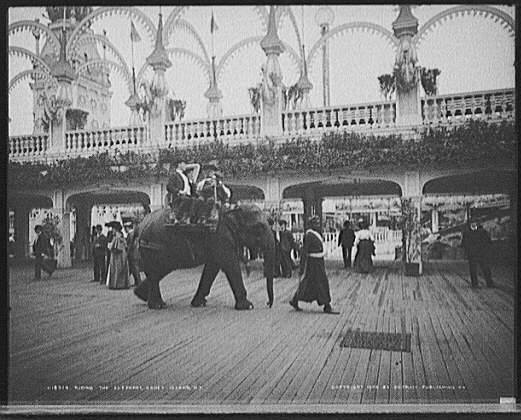
Ride an ele­phant!

See the Beard­ed Lady!

Ear­ly in the 20th cen­tu­ry, crowds flocked to New York City’s Coney Island, where won­ders await­ed at every turn.

In 1902, the Brook­lyn Dai­ly Eagle pub­lished a few of the high­lights in store for vis­i­tors at Coney Island’s soon-to-open “elec­tric Eden,” Luna Park:

…the most impor­tant will be an illus­tra­tion of Jules Verne’s ‘Twen­ty Thou­sand Leagues Under the Sea’, which will cov­er 55,000 square feet of ground, and a naval spec­ta­to­ri­um, which will have a water area of 60,000 square feet. Beside these we will have many nov­el­ties, includ­ing the Riv­er Styx, the Whirl of the Town, Shoot­ing the White Horse Rapids, the Grand Canyon, the ’49 Min­ing Camp, Drag­on Rouge, over­land and incline rail­ways, Japan­ese, Philip­pine, Irish, Eski­mo and Ger­man vil­lages, the infant incu­ba­tor, water show and car­ni­val, cir­cus and hip­po­drome, Yel­low­stone Park, zoo­log­i­cal gar­dens, per­form­ing wild beasts, sea lions and seals, caves of Capri, the Flori­da Ever­glades and Mont Pelee, an elec­tric rep­re­sen­ta­tion of the vol­canic destruc­tion of St. Pierre.

Hold up a sec…what’s this about an infant incu­ba­tor? What kind of name is that for a roller coast­er!?

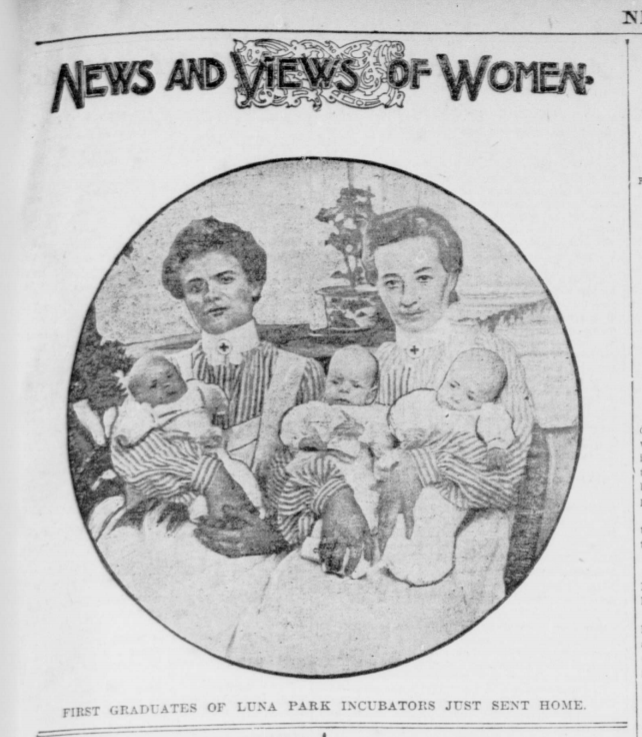
As it turns out, amid all the exot­i­ca and bedaz­zle­ments, a build­ing fur­nished with steel and glass cribs, heat­ed from below by tem­per­a­ture-con­trolled hot water pipes, was one of the boardwalk’s lead­ing attrac­tions.

Anti­sep­tic-soaked wool act­ed as a rudi­men­ta­ry air fil­ter, while an exhaust fan kept things prop­er­ly ven­ti­lat­ed.

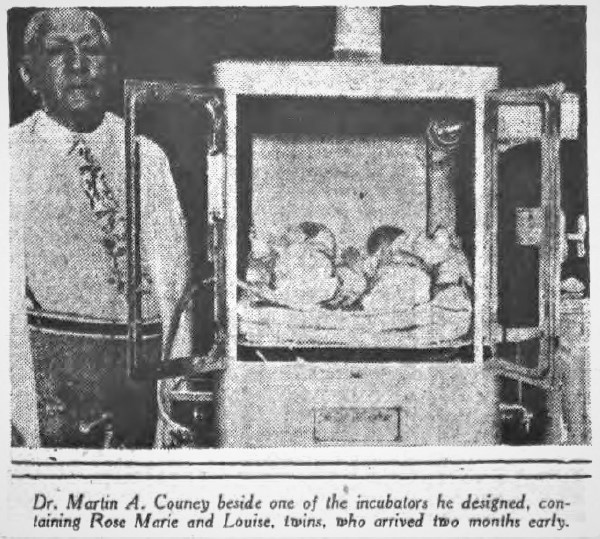
The real draw were the pre­ma­ture babies who inhab­it­ed these cribs every sum­mer, tend­ed to round the clock by a capa­ble staff of white clad nurs­es, wet nurs­es and Dr. Mar­tin Couney, the man who had the ideas to put these tiny new­borns on display…and in so doing, saved thou­sands of lives.

Couney, a breast feed­ing advo­cate who once appren­ticed under the founder of mod­ern peri­na­tal med­i­cine, obste­tri­cian Pierre-Con­stant Budin, had no license to prac­tice.

Nor did he have an md.

Ini­tial­ly paint­ed as a child-exploit­ing char­la­tan by many in the med­ical com­mu­ni­ty, he was as vague about his back­ground as he was pas­sion­ate about his advo­ca­cy for pre­emies whose sur­vival depend­ed on robust inter­ven­tion.

Hav­ing pre­sent­ed Bud­in’s Kinder­bru­tanstalt — child hatch­ery —  to spec­ta­tors at 1896’s Great Indus­tri­al Expo­si­tion of Berlin, and anoth­er infant incu­ba­tor show as part of Queen Vic­to­ria Dia­mond Jubilee Cel­e­bra­tion, he knew first­hand the pub­lic’s capac­i­ty to become invest­ed in the pre­emies’ wel­fare, despite a gen­er­al lack of inter­est on the part of the Amer­i­can med­ical estab­lish­ment.

Thus­ly was the idea for the board­walk Infan­to­ri­ums hatched.

Claire Pren­tice, author of Mir­a­cle at Coney Island: How a Sideshow Doc­tor Saved Thou­sands of Babies and Trans­formed Amer­i­can Med­i­cine, writes that “many doc­tors at the time held the view that pre­ma­ture babies were genet­i­cal­ly infe­ri­or ‘weak­lings’ whose fate was a mat­ter for God.”

As word of Couney’s Infan­to­ri­um spread, par­ents brought their pre­ma­ture new­borns to Coney Island, know­ing that their chances of find­ing a life­sav­ing incu­ba­tor there was far greater than it would be in the hos­pi­tal. And the care there would be both high­ly skilled and free, under­writ­ten by pay­ing spec­ta­tors who observed the oper­a­tion through a glass win­dow. Pren­tice notes that “Couney took in babies from all back­grounds, regard­less of race or social class:”

… a remark­ably pro­gres­sive pol­i­cy, espe­cial­ly when he start­ed out. He did not take a pen­ny from the par­ents of the babies. In 1903 it cost around $15 (equiv­a­lent to around $405 today) a day to care for each baby; Couney cov­ered all the costs through the entrance fees.

The New York­er’s A. J. Liebling observed Couney at the 1939 World’s Fair in Flush­ing, Queens, where he had set up in a pink-and-blue build­ing that beck­oned vis­i­tors with a sign declar­ing “All the World Loves a Baby:”

The back­bone of Dr. Couney’s busi­ness is sup­plied by the repeaters. A repeater becomes inter­est­ed in one baby and returns at inter­vals of a week or less to note its growth. Repeaters attend more assid­u­ous­ly than most of the patients’ par­ents, even though the par­ents get in on pass­es. After a pre­emie grad­u­ates, a chron­ic repeater picks out anoth­er one and starts watch­ing it. Dr. Couney’s prize repeater, a Coney Island woman named Cas­satt, vis­it­ed his exhib­it there once a week for thir­ty-six sea­sons. Repeaters, as one might expect, are often child­less mar­ried peo­ple, but just as often they are inter­est­ed in babies because they have so many chil­dren of their own. “It works both ways,” says Dr. Couney, with qui­et plea­sure.

It’s esti­mat­ed that Couney’s incu­ba­tors spared the lives of more than 6,500 pre­ma­ture babies in the Unit­ed States, Lon­don, Paris, Mex­i­co and Brazil.

Despite his lack of bonafides, a num­ber of pedi­a­tri­cians who toured Couney’s infan­to­ri­ums were impressed by what they saw, and began refer­ring patients whose fam­i­lies could not afford to pay for med­ical care. Many, as Liebling report­ed in 1939, wished his board­walk attrac­tion could stay open year round, “for the ben­e­fit of win­ter pre­emies:”

In the ear­ly years of the cen­tu­ry no Amer­i­can hos­pi­tal had good facil­i­ties for han­dling pre­ma­tures, and there is no doubt that every win­ter many babies whom Dr. Couney could have saved died. Even today it is dif­fi­cult to get ade­quate care for pre­ma­ture infants in a clin­ic. Few New York hos­pi­tals have set up spe­cial depart­ments for their ben­e­fit, because they do not get enough pre­ma­ture babies to war­rant it; there are not enough doc­tors and nurs­es expe­ri­enced in this field to go around. Care of pre­ma­tures as pri­vate patients is hideous­ly expen­sive. One item it involves is six dol­lars a day for moth­er’s milk, and oth­ers are rental of an incu­ba­tor and hos­pi­tal room, oxy­gen, sev­er­al vis­its a day by a physi­cian, and fif­teen dol­lars a day for three shifts of nurs­es. The New York hos­pi­tals are mak­ing plans now to cen­tral­ize their work with pre­ma­tures at Cor­nell Med­ical Cen­ter, and prob­a­bly will have things orga­nized with­in a year. When they do, Dr. Couney says, he will retire. He will feel he has “made enough pro­pa­gan­da for pre­emies.”


Lis­ten to a Sto­ryCorps inter­view with Lucille Horn, a 1920 grad­u­ate of Couney’s Coney Island incu­ba­tors below.

Relat­ed Con­tent 

The Lit­tle Albert Exper­i­ment: The Per­verse 1920 Study That Made a Baby Afraid of San­ta Claus & Bun­nies

Why Babies in Medieval Paint­ings Look Like Mid­dle-Aged Men: An Inves­tiga­tive Video

– Ayun Hal­l­i­day is the Chief Pri­ma­tol­o­gist of the East Vil­lage Inky zine and author, most recent­ly, of Cre­ative, Not Famous: The Small Pota­to Man­i­festo and Cre­ative, Not Famous Activ­i­ty Book. She greet­ed 2024 with thou­sands of oth­er New York­ers, tak­ing a polar bear plunge at Coney Island. Fol­low her @AyunHalliday.

Watch a 106-Year-Old Wizard of Oz Book Get Magically Restored … By Cutting the Book’s Spine, Washing Pages & Recoloring Illustrations

Author, edu­ca­tor and book restora­tion expert Sophia Bogle is in a con­stant race against time. Her mis­sion: to res­cue and restore ill-treat­ed books before their lam­en­ta­ble con­di­tions can con­sign them to the land­fill.

To the untrained eye, many of these vol­umes appear beyond repair, but Bogle has nerves of steel, preter­nat­ur­al patience, sur­gi­cal pre­ci­sion, and over thir­ty years of expe­ri­ence.

In the Wired video above, she uses a 106-year-old first edi­tion of Frank L. Baum’s The Lost Princess of Oz to demon­strate some of the steps of her craft — from cut­ting open an old book’s spine and wash­ing dirty pages to repair­ing tears and recol­or­ing illus­tra­tions.

Pri­or to tak­ing the final step, she scrawls a hid­den mes­sage on the back­ing mate­r­i­al of the spine:

I do love the fact that there’s the sto­ry in the book, there’s the sto­ry of the restora­tion of the book, there’s the sto­ry of who has owned the book and now, I’m just in there just a lit­tle bit more.

This play­ful bit of hard-won license is a far cry from some shady restora­tion prac­tices she men­tions in an inter­view on the Wel­come to Lit­er­ary Ash­land blog, in an attempt to arm the gen­er­al pub­lic with tools for spot­ting poten­tial fraud:

I am not sure that there is any­thing in the world that can­not be twist­ed with evil intent…Swapping out pages with pub­lish­ers infor­ma­tion in order to make the book appear to be a more valu­able edi­tion. Scratch­ing out/removing num­bers or words for the same pur­pose. And last­ly, swap­ping out pages to insert the author’s sig­na­ture. None of those things can be done with­out intent to defraud and it is the intent that mat­ters most. 

Bogle plies her trade using all sorts of spe­cial­ized pro­fes­sion­al equip­ment — two sewing frames, a job backer, a gold fin­ish­ing stove, a nip­ping press, a Kwikprint stamp­ing machine and draw­ers full of stamps and dies — but she also offers free and low-cost vir­tu­al book repair cours­es to those whose binderies have yet to be estab­lished.

One reward for Kick­starter back­ers who helped her pub­lish Book Restora­tion Unveiled: An Essen­tial Guide for Bib­lio­philes was a bind-it-your­self print­able pdf of the book.

Reat­tach­ing a paperback’s cov­er or deodor­iz­ing a musty old book may rep­re­sent the extent of your hands on impulse.

Book lovers who have both the time and the tem­pera­ment for book­bind­ing, as well as Bogle’s pas­sion for pre­serv­ing cul­ture one book at a time, might con­sid­er apply­ing for a Save Your Books schol­ar­ship.

See more of Sophia Bogle’s book restora­tions on her Save Your Books YouTube chan­nel.

Relat­ed Con­tent 

How to Res­cue a Wet, Dam­aged Book: A Handy Visu­al Primer

How Obses­sive Artists Col­orize Old Pho­tographs & Restore the True Col­ors of the Past

The Art of Restor­ing a 400-Year-Old Paint­ing: A Five-Minute Primer

Watch the Painstak­ing and Nerve-Rack­ing Process of Restor­ing a Draw­ing by Michelan­ge­lo

– Ayun Hal­l­i­day is the Chief Pri­ma­tol­o­gist of the East Vil­lage Inky zine and author, most recent­ly, of Cre­ative, Not Famous: The Small Pota­to Man­i­festo and Cre­ative, Not Famous Activ­i­ty Book. Fol­low her @AyunHalliday.

Why Caspar David Friedrich’s Painting Wanderer Above the Sea of Fog (1818) Is a Romantic Masterpiece, Evoking the Power of the Sublime

When Cas­par David Friedrich com­plet­ed Der Wan­der­er über dem Nebelmeer, or Wan­der­er Above the Sea of Fog, in 1818, it “was not well received.” So says gal­lerist-Youtu­ber James Payne in his new Great Art Explained video above, which focus­es on Friedrich’s most famous paint­ing. In the artist’s life­time, the Wan­der­er in fact “marked the grad­ual decline of Friedrich’s for­tunes.” He with­drew from soci­ety, and in 1835, “he suf­fered a stroke that left the left side of his body effec­tive­ly par­a­lyzed, effec­tive­ly end­ing his career.” How, over the cen­turies since, did this once-ill-fat­ed paint­ing become so icon­ic that many of us now see it ref­er­enced every few weeks?

Friedrich had known pop­u­lar and crit­i­cal scorn before. His first major com­mis­sion, paint­ed in 1808, was “an altar­piece which shows a cross in pro­file at the top of a moun­tain, alone and sur­round­ed by pine trees. Hard for us to under­stand now, but it caused a huge scan­dal.” This owed in part to the lack of tra­di­tion­al per­spec­tive in its com­po­si­tion, which pre­saged the feel­ing of bound­less­ness — over­laid with “rolling mists and fogs” — that would char­ac­ter­ize his lat­er work. But more to the point, “land­scape had nev­er been con­sid­ered a suit­able genre for overt­ly reli­gious themes. And of course, nor­mal­ly the cru­ci­fix­ion is shown as a human nar­ra­tive pop­u­lat­ed by human fig­ures, not Christ dying alone.”

It’s fair to say that Friedrich did not do things nor­mal­ly, both philo­soph­i­cal­ly — break­ing away, with his fel­low Roman­ti­cists, from the mech­a­nis­tic Enlight­en­ment con­sen­sus about the world — and aes­thet­i­cal­ly. The Wan­der­er (fur­ther ana­lyzed in the Nerd­writer video just below) presents a Weltan­schau­ung in which “land­scape was a rep­re­sen­ta­tion of a divine world order, and man was an indi­vid­ual who watch­es, con­tem­plates, and feels much more than he cal­cu­lates and thinks.” To achieve his desired effect, Friedrich assem­bles an imag­ined vista out of var­i­ous ele­ments seen around Dres­den, pre­sent­ing it in a man­ner that com­bines char­ac­ter­is­tics of both land­scapes and por­traits to “cre­ate a pow­er­ful sense of space” while direct­ing our atten­tion to the lone uniden­ti­fied fig­ure right in the cen­ter.

The “curi­ous com­bi­na­tion of lone­li­ness and empow­er­ment” that results is key to under­stand­ing not just the pri­or­i­ties of the Roman­tics, but the very nature of the aes­thet­ic sub­lime they rev­er­ent­ly expressed. To be sub­lime is not just to be beau­ti­ful or plea­sur­able, but also to exude a kind of intim­i­dat­ing, even fear­some vast­ness; how it feels to enter the pres­ence of the sub­lime can nev­er be ful­ly repli­cat­ed, let alone explained, but as Friedrich demon­strates, it can effec­tive­ly be evoked. Hence, as Payne points out, the ten­den­cy of cur­rent media like movie posters to crib from the Wan­der­er, in ser­vice of the likes of Dunkirk, Obliv­ion, Into Dark­ness, and After Earth. Deter­min­ing whether those pic­tures live up to the ambi­tions evi­dent in Friedrich’s artis­tic lega­cy is an exer­cise left to the read­er.

Relat­ed con­tent:

An Intro­duc­tion to the Paint­ing of Cas­par David Friedrich, Roman­ti­cism & the Sub­lime

The Oth­er­world­ly Art of William Blake: An Intro­duc­tion to the Vision­ary Poet and Painter

How the Avant-Garde Art of Gus­tav Klimt Got Per­verse­ly Appro­pri­at­ed by the Nazis

Bri­an Eno on Cre­at­ing Music and Art As Imag­i­nary Land­scapes (1989)

Great Art Explained: Watch 15 Minute Intro­duc­tions to Great Works by Warhol, Rothko, Kahlo, Picas­so & More

Based in Seoul, Col­in Marshall writes and broad­casts on cities, lan­guage, and cul­ture. His projects include the Sub­stack newslet­ter Books on Cities, the book The State­less City: a Walk through 21st-Cen­tu­ry Los Ange­les and the video series The City in Cin­e­ma. Fol­low him on Twit­ter at @colinmarshall or on Face­book.

Hortus Eystettensis: The Beautifully Illustrated Book of Plants That Changed Botanical Art Overnight (1613)

If you made it big in sev­en­teenth-cen­tu­ry Bavaria, you showed it by cre­at­ing a gar­den with all the plants in the known world. That’s what Johann Kon­rad von Gem­min­gen, Prince-Bish­op of Eich­stätt did, any­way, and he was­n’t about to let his botan­i­cal won­der­land die with him. To that end, he engaged a spe­cial­ist by the name of Basil­ius Besler to doc­u­ment the whole thing, and with a lav­ish­ness nev­er before seen in books in its cat­e­go­ry.

The medieval and Renais­sance world had its “herbals” (as pre­vi­ous­ly fea­tured here on Open Cul­ture), many of which tend­ed toward the util­i­tar­i­an, focus­ing on the culi­nary or med­ical prop­er­ties of plants; Hor­tus Eystet­ten­sis would take the form at once to new artis­tic and sci­en­tif­ic heights.

When the book came out in 1613, after six­teen years of research and pro­duc­tion, von Gem­min­gen was already dead. But it proved suc­cess­ful enough as a prod­uct that Besler made suf­fi­cient mon­ey to set him­self up with a house in a fash­ion­able part of Nurem­berg for the price of just five copies — five copies of the extrav­a­gant (and extrav­a­gant­ly expen­sive) hand-col­ored edi­tion, at least.

Hor­tus Eystet­ten­sis “changed botan­i­cal art almost overnight,” writes David Marsh in a detailed blog post on the book’s cre­ation and lega­cy at The Gar­dens Trust. “Now, sud­den­ly plants were being por­trayed as beau­ti­ful objects in their own right,” with depic­tions that could attain life size, all cat­e­go­rized in a sys­tem­at­ic man­ner antic­i­pat­ing clas­si­fi­ca­tion sys­tems to come. Marsh sees the project as exem­pli­fy­ing a cou­ple major cul­tur­al ideas of its time: one was “the collector’s cab­i­net of curiosi­ties or wun­derkam­mer, which helped reveal a gentleman’s inter­est and knowl­edge of the world around him.” Anoth­er was the con­cept of the per­fect gar­den, which “should, if at all pos­si­ble, rep­re­sent Eden and con­tain as wide a range of plants and oth­er fea­tures as pos­si­ble.”

This lev­el of ambi­tion has always had its costs, to the con­sumer as well as the pro­duc­er: Marsh notes that a 2006 repli­ca of Hor­tus Eystet­ten­sis had a price tag of $10,000, though a more afford­able edi­tion has since been made avail­able from Taschen, the major pub­lish­er most like­ly to under­stand Besler’s uncom­pro­mis­ing aes­thet­ic sen­si­bil­i­ty in the craft of books. But you can also read it for free online at an edi­tion dig­i­tized by Teylers Muse­um in the Nether­lands, which, in a sense, brings von Gem­min­gen’s project full-cir­cle: he sought to encom­pass the whole world in his gar­den, and now his gar­den — in Besler’s rich­ly detailed ren­der­ing — is open to the whole world.

Relat­ed con­tent:

The New Herbal: A Mas­ter­piece of Renais­sance Botan­i­cal Illus­tra­tions Gets Repub­lished in a Beau­ti­ful 900-Page Book

Behold 900+ Mag­nif­i­cent Botan­i­cal Col­lages Cre­at­ed by a 72-Year-Old Wid­ow, Start­ing in 1772

Based in Seoul, Col­in Marshall writes and broad­casts on cities, lan­guage, and cul­ture. His projects include the Sub­stack newslet­ter Books on Cities, the book The State­less City: a Walk through 21st-Cen­tu­ry Los Ange­les and the video series The City in Cin­e­ma. Fol­low him on Twit­ter at @colinmarshall or on Face­book.

My Neighbor Totoro Inspires a Line of Traditional Japanese Handicrafts

We sup­pose it’s con­ceiv­able that a gift of a wood­en Totoro fig­urine, hand-carved from a sin­gle block using 50 dif­fer­ent kinds of chis­els, might spark a rev­er­ence for tra­di­tion­al Japan­ese craft and nature in the next gen­er­a­tion…

Or, they may be left wish­ing you’d giv­en them a vast­ly more hug­gable machine-made plushie ver­sion, espe­cial­ly if you can’t help suck­ing in your breath every time they start fum­bling with that exquis­ite­ly craft­ed ¥330,000 yen heir­loom-to-be. (That’s $2341.81 in US dol­lars.)

Of course, direc­tor Hayao Miyaza­ki’s 1988 ani­mat­ed fea­ture My Neigh­bor Totoro has legions of fans of all ages, and some will con­sid­er them­selves quite lucky if they win the lot­tery that grants them the abil­i­ty to pur­chase such a trea­sure.

They’re not only carved by skilled arti­sans in Ina­mi, the city of wood­carv­ing, but the wood is also that of a cam­phor tree — the nat­ur­al habi­tat of the mys­te­ri­ous, mag­i­cal Totoro! (It’s also con­sid­ered holy by prac­ti­tion­ers of the Shin­to reli­gion.)

Still, if it’s unclear that the recip­i­ent will tru­ly appre­ci­ate such thought­ful­ness, you’re prob­a­bly bet­ter off going with anoth­er offer­ing from Stu­dio Ghibli’s Totoro-themed col­lab­o­ra­tion with Nak­a­gawa Masashichi Shoten, a pur­vey­or of tra­di­tion­al Japan­ese crafts.

Per­haps a¥4180 bud vase fired in Ure­shi­no City’s Edo-peri­od Yozan Kiln, fea­tur­ing Totoro or a clus­ter of susuwatari, the pom pom-like soot sprites infest­ing the Kusak­abe fam­i­ly’s new home, who also play a part in Spir­it­ed Away.

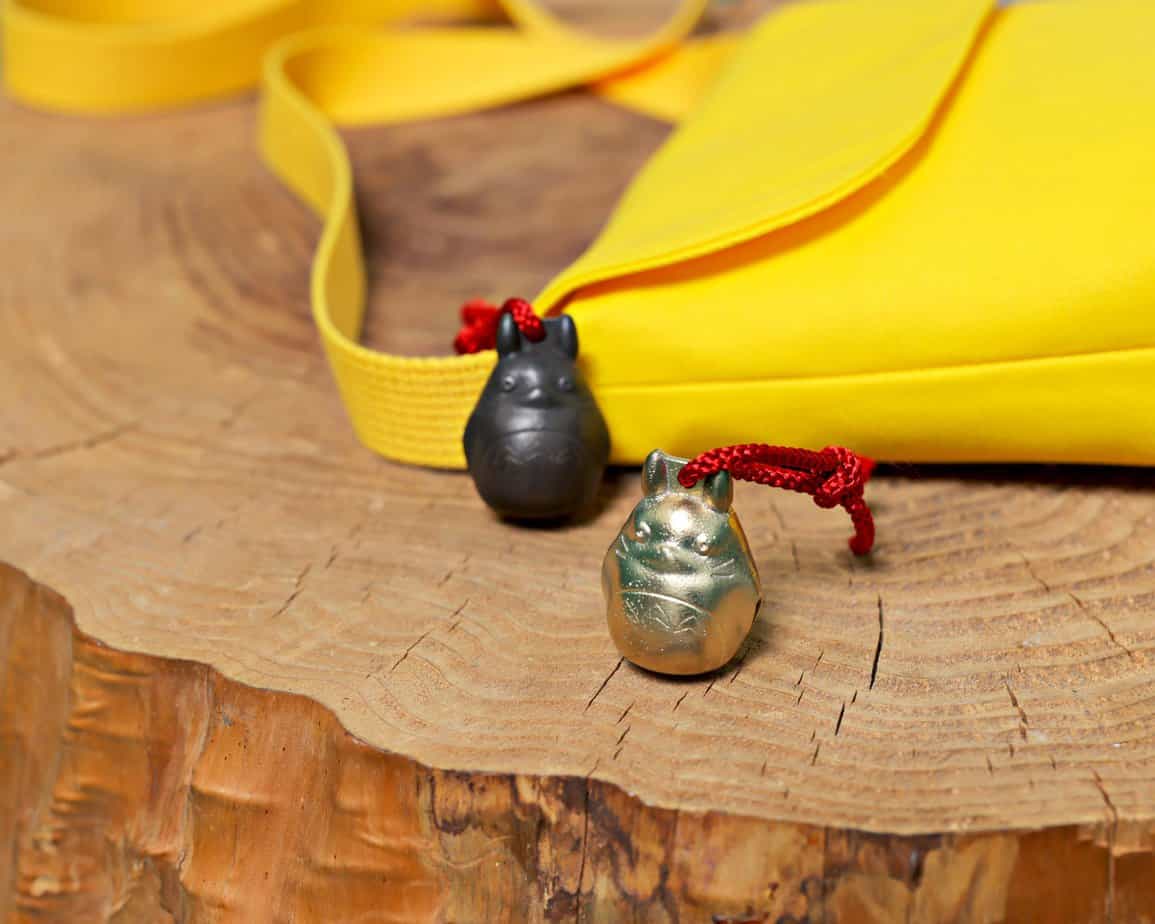
Maybe a tiny Totoro bell amulet, mold­ed by crafts­men in Odawara, cel­e­brat­ed for the qual­i­ty of their met­al­work since the ear­ly 1500s, when they out­fit­ted samu­rai with weapons, armor and hel­mets?

What about a Totoro-embla­zoned trea­sure box from Yat­suo, made of sten­cil-dyed hand­made washi paper? There’s noth­ing inher­ent­ly wrong with stash­ing your acorn col­lec­tion in an old Altoid’s tin, but this ves­sel comes with his­toric pedi­gree:

As one of the lead­ing towns along the trunk road, Yatu­so flour­ished through … pro­duc­tion of wrap­ping paper for the nation-wide famous “Toya­ma Med­i­cine”. At its gold­en age, from the Edo Era to the begin­ning of the Mei­ji Era in the 19th cen­tu­ry, many peo­ple were engaged in paper­mak­ing by hand­work in their homes. Yat­suo Japan­ese paper was expect­ed to be unbreak­able because it was used as pack­age for expen­sive med­i­cine and at the same time it should look bril­liant. It had to be thick and stout so that it could be imper­vi­ous to water and the label print­ed on the sur­face would not be smeared.

The list of Totoro-inspired tra­di­tion­al crafts is impres­sive. A rep­re­sen­ta­tive sam­pling:

Chusen-dyed tenugui hand­ker­chiefs and t‑shirts…

Dish­tow­els made from five lay­ers of Kayaori fab­ric that “was intro­duced to Japan dur­ing the Nara peri­od and is said to allow wind to pass through but keep mos­qui­toes out”…

Tiny Ari­ta ware acorn plates that reward mem­bers of the clean plate club with a view of the Cat­bus 

View the col­lec­tion and learn more about February’s lot­tery for a chance to pur­chase a Cam­phor wood Totoro here.

Hands-on fans may pre­fer to cul­ti­vate an appre­ci­a­tion for tra­di­tion­al Japan­ese hand­i­crafts by attempt­ing a DIY Totoro.

Via Spoon & Tam­a­go/Colos­sal

Relat­ed Con­tent 

Stream Hun­dreds of Hours of Stu­dio Ghi­b­li Movie Music That Will Help You Study, Work, or Sim­ply Relax: My Neigh­bor Totoro, Spir­it­ed Away & More

A Tour of Stu­dio Ghibli’s Brand New Theme Park in Japan, Which Re-Cre­ates the Worlds of Spir­it­ed Away, My Neigh­bor Totoro, and Oth­er Clas­sics

Build Your Own Minia­ture Sets from Hayao Miyazaki’s Beloved Films: My Neigh­bor Totoro, Kiki’s Deliv­ery Ser­vice & More

– Ayun Hal­l­i­day is the Chief Pri­ma­tol­o­gist of the East Vil­lage Inky zine and author, most recent­ly, of Cre­ative, Not Famous: The Small Pota­to Man­i­festo and Cre­ative, Not Famous Activ­i­ty Book. Fol­low her @AyunHalliday.

How Londinium Became London, Lutetia Became Paris, and Other Roman Cities Got Their Modern Names

They Might Be Giants achieved pop-cul­tur­al immor­tal­i­ty when they cov­ered Jim­my Kennedy and music by Nat Simon’s nov­el­ty song “Istan­bul (Not Con­stan­tino­ple)” in 1990. Key to the the lyrics’ humor is their simul­ta­ne­ous fix­a­tion on and appar­ent dis­in­ter­est in the rea­son for the re-nam­ing of the Turk­ish metrop­o­lis. As often as you hear the song — and we’ve all heard it count­less times over the past few decades — you’ll learn only that Con­stan­tino­ple became Istan­bul, not why. In his new video above, on how the cities of the Roman Empire got their mod­ern names, ancient his­to­ry YouTu­ber Gar­rett Ryan, cre­ator of Youtube chan­nel Told in Stone, pro­vides a lit­tle more detail.

“Istan­bul seems to be a Turk­ish ren­der­ing of the Greek phrase eis ten polin, ‘into the city,” Ryan says. Oth­er of that coun­try’s urban set­tle­ments have names that would be more rec­og­niz­able to an ancient Roman cit­i­zen: “Bur­sa is Prusa, Smyr­na is Izmir, Attaleia is Antalya, Ico­ni­um is Konya, and Ancyra is Ankara.”

Iznik was orig­i­nal­ly called Nicaea, but so was Nice, France (though only the for­mer has the his­tor­i­cal dis­tinc­tion of hav­ing pro­duced the Nicene Creed). “The French towns Aix and Dax are descen­dants of the Latin aquae, springs. The same word, lit­er­al­ly trans­lat­ed, is behind Baden Baden, Ger­many, and Bath, Eng­land.”

For some cities, the tran­si­tion from a Roman to post-Roman name did­n’t hap­pen in one sim­ple step. It’s well known that, in the days of the Roman Empire, Lon­don was called Lon­dini­um; what’s less well known is that it also took on the names Lun­den­wic and Lun­den­burg in the eras between. And “although the clas­si­cal name of Paris was Lute­tia” — as pre­vi­ous­ly fea­tured here on Open Cul­ture — “the city was already known by the name of a local tribe, the Parisii, by late antiq­ui­ty.” If you can guess the cur­rent names of Forum Tra­iani, Igilgili, or, Bor­be­toma­gus, you’ve got a keen­er sense of ancient his­to­ry than most. Mod­ern West­ern civ­i­liza­tion may descend from the Roman Empire, but that lega­cy comes through much more clear­ly in some places than oth­ers.

Relat­ed con­tent:

A Vir­tu­al Tour of Ancient Rome, Cir­ca 320 CE: Explore Stun­ning Recre­ations of The Forum, Colos­se­um and Oth­er Mon­u­ments

A 3D Ani­ma­tion Reveals What Paris Looked Like When It Was a Roman Town

A Data Visu­al­iza­tion of Every Ital­ian City & Town Found­ed in the BC Era

The Roads of Ancient Rome Visu­al­ized in the Style of Mod­ern Sub­way Maps

Every Roman Emper­or: A Video Time­line Mov­ing from Augus­tus to the Byzan­tine Empire’s Last Ruler, Con­stan­tine XI

Do You Think About Ancient Rome Every Day? Then Browse a Wealth of Videos, Maps & Pho­tos That Explore the Roman Empire

Based in Seoul, Col­in Marshall writes and broad­casts on cities, lan­guage, and cul­ture. His projects include the Sub­stack newslet­ter Books on Cities, the book The State­less City: a Walk through 21st-Cen­tu­ry Los Ange­les and the video series The City in Cin­e­ma. Fol­low him on Twit­ter at @colinmarshall or on Face­book.


How Toilets Worked in Ancient Rome and Medieval England

How­ev­er detailed they may be in oth­er respects, many accounts of dai­ly life cen­turies and cen­turies ago pass over the use of the toi­let in silence. Even if they did­n’t, they would­n’t involve the kind of toi­lets we would rec­og­nize today, but rather cham­ber pots, out­hous­es, and oth­er kinds of spe­cial­ized rooms with chutes emp­ty­ing straight out into rivers and onto back gar­dens. And that was just the res­i­dences. What would pub­lic facil­i­ties have been like? We have one answer in the Told in Stone video above, which describes “pub­lic latrines in ancient Rome,” the facil­i­ties con­struct­ed in almost every Roman town “where cit­i­zens could relieve them­selves en masse.”

These usu­al­ly had at least a dozen seats, Told in Stone cre­ator Gar­rett Ryan explains, though some were grander in scale than oth­ers: the Roman ago­ra of Athens, for exam­ple, boast­ed a 68-seater. A facil­i­ty in Tim­gad, the “African Pom­peii” pre­vi­ous­ly fea­tured here on Open Cul­ture, had “fan­cy arm­rests in the shape of leap­ing dol­phins.”

Judged by their ruins, these pub­lic “restrooms” may seem unex­pect­ed­ly impres­sive in their engi­neer­ing and ele­gant in their design. But we may feel some­what less inclined toward time-trav­el fan­tasies when Ryan gets into such details as “the sponge on a stick that served as toi­let paper” that remains “one of the more noto­ri­ous aspects of dai­ly life in ancient Rome.”

These weren’t tech­ni­cal­ly latrines, as Lina Zel­dovich notes at Smithsonian.com. “The word ‘latrine,’ or lat­ri­na in Latin, was used to describe a pri­vate toi­let in someone’s home, usu­al­ly con­struct­ed over a cesspit. Pub­lic toi­lets were called fori­cae,” and their con­struc­tion tend­ed to rely on deep-pock­et­ed orga­ni­za­tions or indi­vid­u­als. “Upper-class Romans, who some­times paid for the fori­cae to be erect­ed, gen­er­al­ly wouldn’t set foot in these places. They con­struct­ed them for the poor and the enslaved — but not because they took pity on the low­er class­es. They built these pub­lic toi­lets so they wouldn’t have to walk knee-deep in excre­ment on the streets.”

The prob­lem of large-scale human waste dis­pos­al is as old as urban civ­i­liza­tion, and Rome hard­ly solved it once and for all. The Absolute His­to­ry short above shows how the cas­tles of medieval Eng­land han­dled it, using lava­to­ries with holes over the moat (and piles of “moss, grass, or hay” in lieu of yet-to-be-invent­ed toi­let paper). At Medievalists.net, Lucie Lau­monier writes that the urban equiv­a­lent of Roman fori­cae were “often built over bridges and on quays to facil­i­tate the evac­u­a­tion of human waste that went direct­ly into run­ning water.” Inno­v­a­tive as this was, it must have posed dif­fi­cul­ties for boaters pass­ing below, to say noth­ing of the users unfor­tu­nate enough to sit on a wood­en seat just rot­ten enough to give out — the prospect of which, for all the defi­cien­cies of Mod­ern West­ern civ­i­liza­tion’s pub­lic restrooms, at least no longer wor­ries us quite so much today.

Relat­ed con­tent:

How Did Roman Aque­ducts Work?: The Most Impres­sive Achieve­ment of Ancient Rome’s Infra­struc­ture, Explained

Peo­ple in the Mid­dle Ages Slept Not Once But Twice Each Night: How This Lost Prac­tice Was Redis­cov­ered

Urine Wheels in Medieval Man­u­scripts: Dis­cov­er the Curi­ous Diag­nos­tic Tool Used by Medieval Doc­tors

Hermeneu­tics of Toi­lets by Slavoj Žižek: An Ani­ma­tion About Find­ing Ide­ol­o­gy in Unlike­ly Places

Every­thing You Want­ed to Know About Going to the Bath­room in Space But Were Afraid to Ask

Based in Seoul, Col­in Marshall writes and broad­casts on cities, lan­guage, and cul­ture. His projects include the Sub­stack newslet­ter Books on Cities, the book The State­less City: a Walk through 21st-Cen­tu­ry Los Ange­les and the video series The City in Cin­e­ma. Fol­low him on Twit­ter at @colinmarshall or on Face­book.

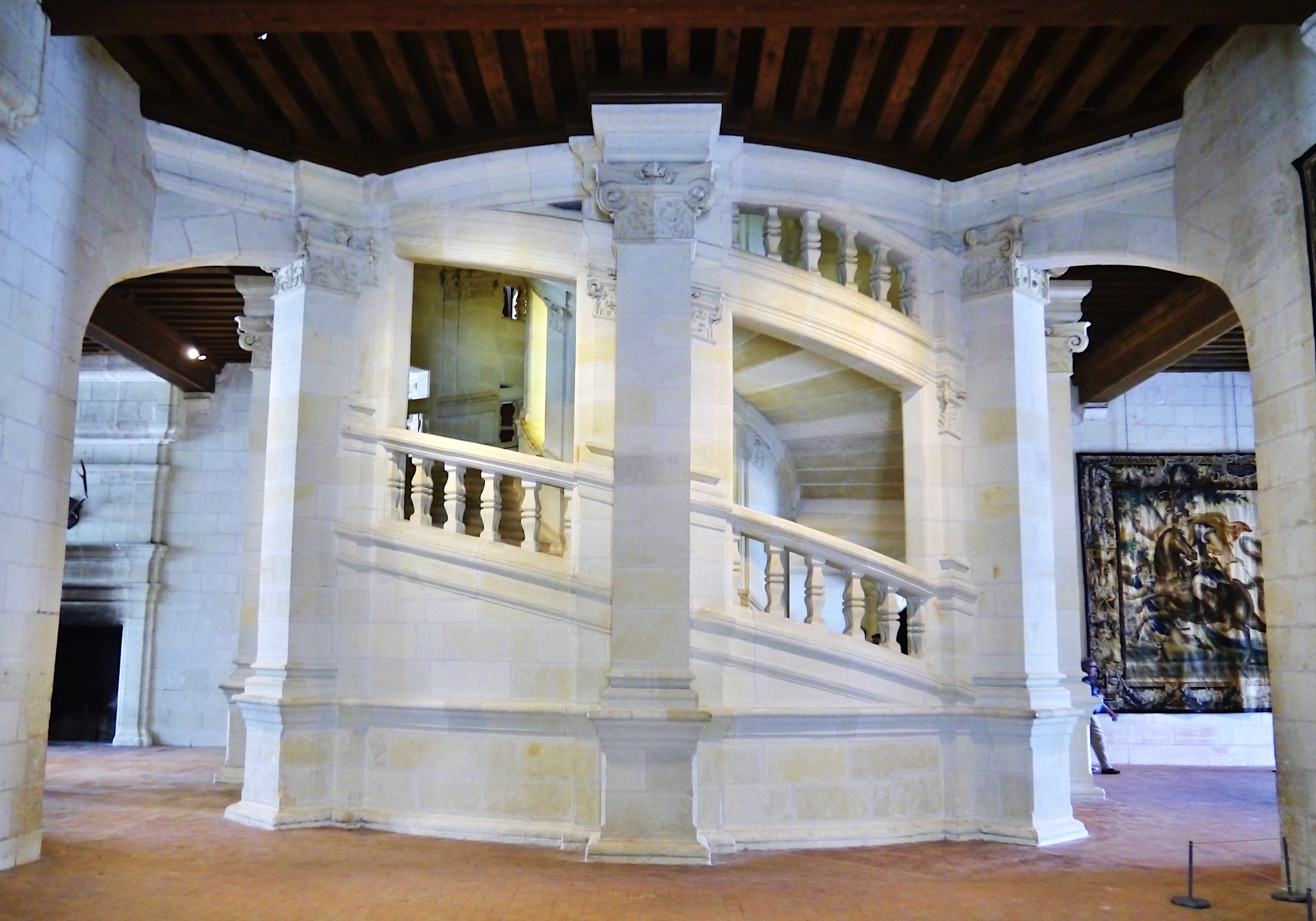
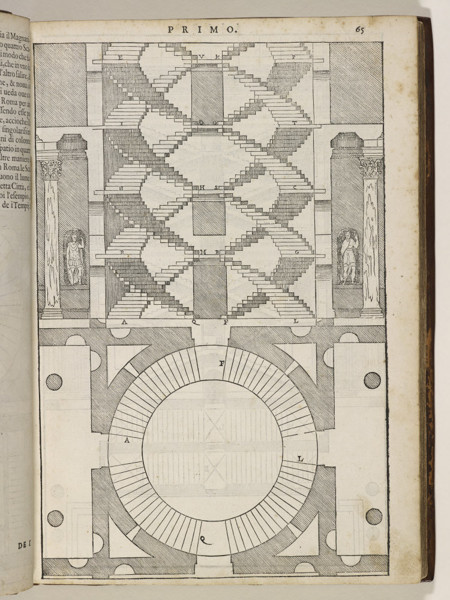
Behold the “Double Helix” Staircase Often Attributed to Leonardo da Vinci: It Features Two Intertwined Spiral Staircases That Let People Ascend & Descend Without Obstructing Each Other

Image by Zairon, via Wiki­me­dia Com­mons

Among the non-wine-relat­ed points of inter­est in the Loire Val­ley, the Château de Cham­bord stands tall — or rather, both tall and wide, being eas­i­ly the largest château in the region. “A Unesco World Her­itage site with more than 400 rooms, includ­ing recep­tion halls, kitchens, lap­idary rooms and roy­al apart­ments,” writes Adri­enne Bern­hard at BBC Trav­el, it “boasts a fire­place for every day of the year.” No less vast and elab­o­rate a hunt­ing lodge would do for King Fran­cis I, who had it built between 1519 and 1547, though the iden­ti­ty of the archi­tect from whom he com­mis­sioned the plans has been lost to his­to­ry. But the unusu­al design of its cen­tral stair­case — and cen­tral tourist attrac­tion — sug­gests an intrigu­ing name indeed: Leonar­do da Vin­ci.

“In 1516, Leonar­do left his stu­dio in Rome to join the court of King Fran­cis I as ‘pre­mier pein­tre et ingénieur et archi­tecte du Roi,’ ” Bern­hard writes. “Fran­cis I enthu­si­as­ti­cal­ly embraced the cul­tur­al Renais­sance that had swept Italy, eager to put his impri­matur on the arts, and in 1516 com­mis­sioned plans for his dream cas­tle at the site of Romoran­tin. For Leonar­do, it was an ide­al assign­ment – the cul­mi­na­tion of an illus­tri­ous career, allow­ing the artist to express many of his pas­sions: archi­tec­ture, urban plan­ning, hydraulics and engi­neer­ing.” But not long after its con­struc­tion began, the Romoran­tin project was aban­doned, and by the time Fran­cis got start­ed on what would become Château de Cham­bord, Leonar­do was already dead.

Leonar­do’s influ­ence nev­er­the­less seems present in the fin­ished cas­tle: in its Greek cross-shaped floor plan, in its large cop­u­la, and most of all in its “dou­ble helix” stair­case, which resem­bles cer­tain designs con­tained in his Codex Atlanti­cus. “The cel­e­brat­ed stair­case con­sists in a hol­lowed cen­tral core and, twist­ing and turn­ing one above the oth­er, twinned heli­cal ramps ser­vic­ing the main floors of the build­ing,” says the Château de Cham­bor­d’s offi­cial site. “Mag­i­cal­ly enough, when two per­sons use the dif­fer­ent sets of stair­cas­es at the same time, they can see each oth­er going up or down, yet nev­er meet.” (Blog­ger Gretchen M. Greer writes that “one woman I trav­eled with found the stair­case so strik­ing­ly sym­bol­ic of the mar­i­tal dishar­mo­ny and dis­con­nect that result­ed in her divorce that she declared the beau­ti­ful archi­tec­tur­al fea­ture the ugli­est place in the Loire.”)

Some schol­ars, like Hidemichi Tana­ka, iden­ti­fy the hand of Leonar­do in prac­ti­cal­ly every detail of the château. “Seen from afar, the roof ter­race, with its mul­ti­tude of archi­tec­tur­al embell­ish­ments, is sug­ges­tive of a soar­ing city sky­line,” he writes in a 1992 arti­cle in the jour­nal Art­ibus et His­to­ri­ae. “It may be worth com­par­ing the ‘city in stone’ with the town­scape in the back­ground of Leonar­do’s Annun­ci­a­tion in the Uffizi Gallery, Flo­rence, as well as with the struc­tures in the draw­ings of floods which the artist made in his lat­er years.” Though per­haps a chrono­log­i­cal­ly implau­si­ble achieve­ment, the design of the Château de Cham­bord would have been nei­ther tech­ni­cal­ly nor aes­thet­i­cal­ly beyond him. And indeed, who would­n’t be pleased to see medieval cas­tle archi­tec­ture paid such extrav­a­gant and still-impres­sive trib­ute by the quin­tes­sen­tial Renais­sance man?

Relat­ed con­tent:

Leonar­do da Vin­ci Designs the Ide­al City: See 3D Mod­els of His Rad­i­cal Design

Explore the Largest Online Archive Explor­ing the Genius of Leonar­do da Vin­ci

Leonar­do da Vinci’s Ele­gant Design for a Per­pet­u­al Motion Machine

Leonar­do da Vinci’s Note­books Get Dig­i­tized: Where to Read the Renais­sance Man’s Man­u­scripts Online

An Ani­mat­ed His­to­ry of Ver­sailles: Six Min­utes of Ani­ma­tion Show the Con­struc­tion of the Grand Palace Over 400 Years

Based in Seoul, Col­in Marshall writes and broad­casts on cities, lan­guage, and cul­ture. His projects include the Sub­stack newslet­ter Books on Cities, the book The State­less City: a Walk through 21st-Cen­tu­ry Los Ange­les and the video series The City in Cin­e­ma. Fol­low him on Twit­ter at @colinmarshall or on Face­book.

« Go BackMore in this category... »
Quantcast