Jack Kerouac Reads from On the Road: The Only Known Footage of the Beat Icon Reading His Work (1959)

The video above shows us Jack Ker­ouac giv­ing a read­ing, accom­pa­nied by the jazz piano stylings of evening tele­vi­sion vari­ety-show host Steve Allen. In oth­er words, if you’ve been look­ing for the most late-nine­teen-fifties clip in exis­tence, your jour­ney may have come to an end. Ear­li­er in that decade, Allen says (sprin­kling his mono­logue with a few notes here and there), “the nation rec­og­nized in its midst a social move­ment called the Beat Gen­er­a­tion. A nov­el titled On the Road became a best­seller, and its author, Jack Ker­ouac, became a celebri­ty: part­ly because he’d writ­ten a pow­er­ful and suc­cess­ful book, but part­ly because he seemed to be the embod­i­ment of this new gen­er­a­tion.”

As the nov­el­ists and poets of the Beat Gen­er­a­tion were grad­u­al­ly gain­ing renown, Allen was fast becom­ing a nation­al celebri­ty. In 1954, his co-cre­ation The Tonight Show made him the first late-night tele­vi­sion talk show host, and con­se­quent­ly applied pres­sure to stay atop the cul­tur­al cur­rents of the day. Not only did he know of the Beats, he joined them, at least for one col­lab­o­ra­tion: “Jack and I made an album togeth­er a few months back in which I played back­ground piano for his poet­ry read­ing.” That was Poet­ry for the Beat Gen­er­a­tion, the first of Ker­ouac’s tril­o­gy of spo­ken-word albums that we pre­vi­ous­ly fea­tured here on Open Cul­ture back in 2015.

“At that time I made a note to book him on this show,” Allen says, “because I thought you would enjoy meet­ing him.” After answer­ing a few “square ques­tions” by way of intro­duc­tion — it took him three weeks to write On the Road, he spent sev­en years on the road itself, he did indeed type on a con­tin­u­ous “scroll’ of paper, and he would define “Beat” as “sym­pa­thet­ic” — Ker­ouac reads from the nov­el that made his name, accom­pa­nied by Allen’s piano. “A lot of peo­ple have asked me, why did I write that book, or any book,” he begins. “All the sto­ries I wrote were true, because I believed in what I saw.” This is, of course, not poet­ry but prose, and prac­ti­cal­ly essay­is­tic prose at that, but here it sounds like a lit­er­ary form all its own.

If you’d like to hear the music of Ker­ouac’s prose with­out actu­al musi­cal accom­pa­ni­ment, have a lis­ten to his acetate record­ing of a half-hour selec­tion from On the Road that we post­ed last week­end. The occa­sion was the 100th anniver­sary of his birth, which else­where brought forth all man­ner of trib­utes and re-eval­u­a­tions of his work and lega­cy. 65 years after On the Road’s pub­li­ca­tion, how much resem­blance does today’s Amer­i­ca bear to the one criss­crossed by Sal Par­adise and Dean Mori­ar­ty? It’s worth con­sid­er­ing why the coun­try no longer inspires writ­ers quite like Jack Ker­ouac — or for that mat­ter, giv­en the pas­sage of his own lit­tle-not­ed cen­te­nary last Decem­ber, tele­vi­sion hosts like Steve Allen.

Relat­ed con­tent:

Jack Kerouac’s Hand-Drawn Map of the Hitch­hik­ing Trip Nar­rat­ed in On the Road

Hear All Three of Jack Kerouac’s Spo­ken-World Albums: A Sub­lime Union of Beat Lit­er­a­ture and 1950s Jazz

Jack Ker­ouac Reads Amer­i­can Haikus, Backed by Jazz Sax­o­phon­ists Al Cohn & Zoot Sims (1958)

Free: Hours of Jack Ker­ouac Read­ing Beat Poems & Verse

Jack Kerouac’s Poet­ry & Prose Read/Performed by 20 Icons: Hunter S. Thomp­son, Pat­ti Smith, William S. Bur­roughs, John­ny Depp & More

Young Frank Zap­pa Plays the Bicy­cle on The Steven Allen Show (1963)

Based in Seoul, Col­in Mar­shall writes and broad­casts on cities, lan­guage, and cul­ture. His projects include the Sub­stack newslet­ter Books on Cities, the book The State­less City: a Walk through 21st-Cen­tu­ry Los Ange­les and the video series The City in Cin­e­ma. Fol­low him on Twit­ter at @colinmarshall or on Face­book.

Franz Kafka Says the Insect in The Metamorphosis Should Never Be Drawn; and Vladimir Nabokov Draws It Anyway

Metamorphosis

If you’ve read Franz Kafka’s The Meta­mor­pho­sis in Eng­lish, it’s like­ly that your trans­la­tion referred to the trans­formed Gre­gor Sam­sa as a “cock­roach,” “bee­tle,” or, more gen­er­al­ly, a “gigan­tic insect.” These ren­der­ings of the author’s orig­i­nal Ger­man don’t nec­es­sar­i­ly miss the mark—Gregor scut­tles, waves mul­ti­ple legs about, and has some kind of an exoskele­ton. His char­woman calls him a “dung bee­tle”… the evi­dence abounds. But the Ger­man words used in the first sen­tence of the sto­ry to describe Gregor’s new incar­na­tion are much more mys­te­ri­ous, and per­haps strange­ly laden with meta­phys­i­cal sig­nif­i­cance.

Trans­la­tor Susan Bernof­sky writes, “both the adjec­tive unge­heuer (mean­ing “mon­strous” or “huge”) and the noun Ungeziefer are negations—virtual nonentities—prefixed by un.” Ungeziefer, a term from Mid­dle High Ger­man, describes some­thing like “an unclean ani­mal unfit for sac­ri­fice,” belong­ing to “the class of nasty creepy-crawly things.” It sug­gests many types of vermin—insects, yes, but also rodents. “Kaf­ka,” writes Bernof­sky, “want­ed us to see Gregor’s new body and con­di­tion with the same hazy focus with which Gre­gor him­self dis­cov­ers them.”

It’s like­ly for that very rea­son that Kaf­ka pro­hib­it­ed images of Gre­gor. In a 1915 let­ter to his pub­lish­er, he stip­u­lat­ed, “the insect is not to be drawn. It is not even to be seen from a dis­tance.” The slim book’s orig­i­nal cov­er, above, instead fea­tures a per­fect­ly nor­mal-look­ing man, dis­traught as though he might be imag­in­ing a ter­ri­ble trans­for­ma­tion, but not actu­al­ly phys­i­cal­ly expe­ri­enc­ing one.

Yet it seems obvi­ous that Kaf­ka meant Gre­gor to have become some kind of insect. Kafka’s let­ter uses the Ger­man Insekt, and when casu­al­ly refer­ring to the sto­ry-in-progress, Kaf­ka used the word Wanze, or “bug.” Mak­ing this too clear in the prose dilutes the grotesque body hor­ror Gre­gor suf­fers, and the sto­ry is told from his point of view—one that “mutates as the sto­ry pro­ceeds.” So writes Dutch read­er Fred­die Oomkins, who fur­ther observes, “at the phys­i­cal lev­el Gre­gor, at dif­fer­ent points in the sto­ry, starts to talk with a squeak­ing, ani­mal-like voice, los­es con­trol of his legs, hangs from the ceil­ing, starts to lose his eye­sight, and wants to bite his sister—not real­ly help­ful in deter­min­ing his tax­on­o­my.”

nabokov_on_kafka

Dif­fi­cul­ties of trans­la­tion and clas­si­fi­ca­tion aside, Russ­ian lit­er­ary mas­ter­mind and lep­i­dopter­ist Vladimir Nabokov decid­ed that he knew exact­ly what Gre­gor Sam­sa had turned into. And, against the author’s wish­es, Nabokov even drew a pic­ture in his teach­ing copy of the novel­la. Nabokov also heav­i­ly edit­ed his edi­tion, as you can see in the many cor­rec­tions and revi­sions above. In a lec­ture on The Meta­mor­pho­sis, he con­cludes that Gre­gor is “mere­ly a big bee­tle” (notice he strikes the word “gigan­tic” from the text above and writes at the top “just over 3 feet long”), and fur­ther­more one who is capa­ble of flight, which would explain how he ends up on the ceil­ing.

All of this may seem high­ly dis­re­spect­ful of The Meta­mor­pho­sis’ author. Cer­tain­ly Nabokov has nev­er been a respecter of lit­er­ary per­sons, refer­ring to Faulkner’s work, for exam­ple, as “corn­cob­by chron­i­cles,” and Joyce’s Finnegans Wake as a “pet­ri­fied super­pun.” Yet in his lec­ture Nabokov calls Kaf­ka “the great­est Ger­man writer of our time. Such poets as Rilke or such nov­el­ists as Thomas Mann are dwarfs or plas­tic saints in com­par­i­son with him.” Though a saint he may be, Kaf­ka is “first of all an artist,” and Nabokov does not believe that “any reli­gious impli­ca­tions can be read into Kafka’s genius.” (“I am inter­est­ed here in bugs, not hum­bugs,” he says dis­mis­sive­ly.)

Reject­ing Kafka’s ten­den­cies toward mys­ti­cism runs against most inter­pre­ta­tions of his fic­tion. One might sus­pect Nabokov of see­ing too much of him­self in the author when he com­pares Kaf­ka to Flaubert and asserts, “Kaf­ka liked to draw his terms from the lan­guage of law and sci­ence, giv­ing them a kind of iron­ic pre­ci­sion, with no intru­sion of the author’s pri­vate sen­ti­ments.” Unge­heueres Ungeziefer, how­ev­er, is not a sci­en­tif­ic term, and its Mid­dle Ger­man lit­er­ary origins—which Kaf­ka would have been famil­iar with from his stud­ies—clear­ly con­note reli­gious ideas of impu­ri­ty and sac­ri­fice.

With due respect to Nabokov’s for­mi­da­ble eru­di­tion, it seems in this instance at least that Kaf­ka ful­ly intend­ed impre­ci­sion, what Bernof­sky calls “blurred per­cep­tions of bewil­der­ment,” in lan­guage “care­ful­ly cho­sen to avoid speci­fici­ty.” Kafka’s art con­sists of this abil­i­ty to exploit the ancient strat­i­fi­ca­tions of lan­guage. His almost Kab­bal­is­tic treat­ment of signs and his aver­sion to graven images may con­ster­nate and bedev­il trans­la­tors and cer­tain nov­el­ists, but it is also the great source of his uncan­ny genius.

Note: An ear­li­er ver­sion of this post appeared on our site in 2015.

Relat­ed Con­tent:

Hear Bene­dict Cum­ber­batch Read Kafka’s The Meta­mor­pho­sis

The Art of Franz Kaf­ka: Draw­ings from 1907–1917

How Insom­nia Shaped Franz Kafka’s Cre­ative Process and the Writ­ing of The Meta­mor­pho­sis: A New Study Pub­lished in The Lancet

The Meta­mor­pho­sis of Mr. Sam­sa: A Won­der­ful Sand Ani­ma­tion of the Clas­sic Kaf­ka Sto­ry (1977)

Vladimir Nabokov (Chan­nelled by Christo­pher Plum­mer) Teach­es Kaf­ka at Cor­nell

Josh Jones is a writer and musi­cian based in Durham, NC. Fol­low him at @jdmagness

by | Permalink | Make a Comment ( 1 ) |

Hear Jack Kerouac Read from On The Road on the 100th Anniversary of His Birth

Jack Ker­ouac was born 100 years ago today (March 12, 1922). And to mark the occa­sion, you can hear him read from his 1957 Beat clas­sic, On the Road. This 28-minute recita­tion was appar­ent­ly record­ed on an acetate disc in the 1950s but thought lost for decades. It re-sur­faced dur­ing the late 1990s. Enjoy.

If you would like to sign up for Open Culture’s free email newslet­ter, please find it here. It’s a great way to see our new posts, all bun­dled in one email, each day.

If you would like to sup­port the mis­sion of Open Cul­ture, con­sid­er mak­ing a dona­tion to our site. It’s hard to rely 100% on ads, and your con­tri­bu­tions will help us con­tin­ue pro­vid­ing the best free cul­tur­al and edu­ca­tion­al mate­ri­als to learn­ers every­where. You can con­tribute through Pay­Pal, Patre­on, and Ven­mo (@openculture). Thanks!

Relat­ed Con­tent

Jack Kerouac’s On the Road Turned Into an Illus­trat­ed Scroll: One Draw­ing for Every Page of the Nov­el

Jack Kerouac’s 30 Beliefs and Tech­niques For Writ­ing Mod­ern Prose

Four Inter­ac­tive Maps Immor­tal­ize the Road Trips That Inspired Jack Kerouac’s On the Road

The Amer­i­can Nov­el Since 1945: A Free Yale Course on Nov­els by Nabokov, Ker­ouac, Mor­ri­son, Pyn­chon & More

The First Work of Science Fiction: Read Lucian’s 2nd-Century Space Travelogue A True Story

Late in life, Kings­ley Amis declared that he would hence­forth read only nov­els open­ing with the sen­tence “A shot rang out.” On one lev­el, this would have sound­ed bizarre com­ing from one of Britain’s most promi­nent men of let­ters. But on anoth­er it aligned with his long-demon­strat­ed appre­ci­a­tion of genre fic­tion, includ­ing not just sto­ries of crime but also of high tech­nol­o­gy and space explo­ration. His life­long inter­est in the lat­ter inspired the Chris­t­ian Gauss Lec­tures he deliv­ered at Prince­ton in 1958, pub­lished soon there­after as New Maps of Hell: A Sur­vey of Sci­ence Fic­tion, a book that sees him trace the his­to­ry of the genre well back beyond his own boy­hood — about eigh­teen cen­turies beyond it.

“His­to­ries of sci­ence fic­tion, as opposed to ‘imag­i­na­tive lit­er­a­ture,’ usu­al­ly begin, not with Pla­to or The Birds of Aristo­phanes or the Odyssey, but with a work of the late Greek prose romancer Lucian of Samosa­ta,” Amis writes. He refers to what schol­ars now know as A True Sto­ry (Ἀληθῆ διηγήματα), a novel­la-length fic­tion of the sec­ond cen­tu­ry that has every­thing from space trav­el to inter­plan­e­tary war to tech­nol­o­gy so advanced — as no less a sci-fi lumi­nary than Arthur C. Clarke would put it much lat­er — as to be indis­tin­guish­able from mag­ic. At its core a work of fan­tas­ti­cal satire, A True Sto­ry “delib­er­ate­ly piles extrav­a­gance upon extrav­a­gance for com­ic effect” in a rather un-sci­ence-fic­tion-like man­ner.

“Leav­ing aside the ques­tion whether there was enough sci­ence around in the sec­ond cen­tu­ry to make sci­ence fic­tion fea­si­ble,” Amis writes, “I will mere­ly remark that the spright­li­ness and sophis­ti­ca­tion of the True His­to­ry” — as he knew the work — “make it read like a joke at the expense of near­ly all ear­ly-mod­ern sci­ence fic­tion, that writ­ten between, say, 1910 and 1940,” which he him­self would have grown up read­ing.

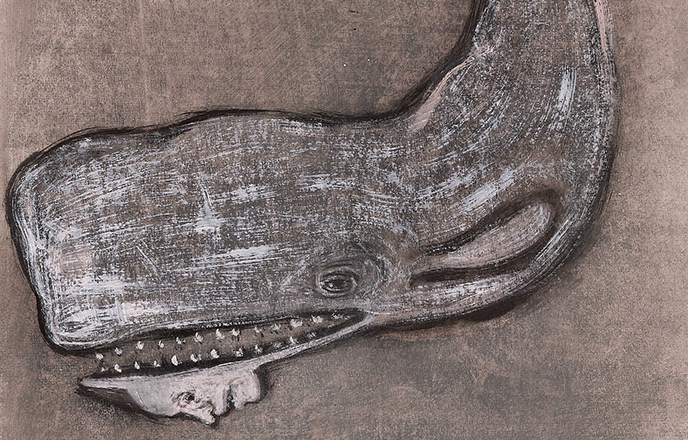
In the video by at the top of the post, film­mak­er Gre­go­ry Austin McConnell sum­ma­rizes Lucian’s entire trav­el­ogue, not neglect­ing to men­tion the riv­er of wine, the tree-shaped women, the cities on the moon, the army of the sun, the bat­tle­field-spin­ning space spi­ders, the dogs who ride on winged acorns, the float­ing sen­tient lamps, and the 187 and ½ mile-long whale.

This clear­ly isn’t what we’d now call “hard” sci­ence fic­tion. So how, exact­ly, to label it? Such argu­ments erupt over every major work of genre fic­tion, even from antiq­ui­ty. A True Sto­ry con­tains ele­ments of what would become com­e­dy sci-fi, mil­i­tary sci-fi, and even the fan­ta­sy-and-sci-fi-hybridiz­ing “space opera” most pop­u­lar­ly exem­pli­fied by Star Wars and its many sequels. Cat­e­go­riza­tion quib­bles aside, what mat­ters about any work in the broad­er tra­di­tion of “spec­u­la­tive fic­tion” is whether it fires up the read­er’s imag­i­na­tion, and Lucian’s work has done it for not just ancients but mod­erns like the 19th-cen­tu­ry artists William Strang and Aubrey Beard­s­ley, whose illus­tra­tions from 1894 edi­tions of A True Sto­ry appear above. Now that “sci­ence fic­tion rules the cin­e­mat­ic land­scape,” as McConnell puts it, who will adapt it for us post­mod­erns?

Relat­ed con­tent:

When Astronomer Johannes Kepler Wrote the First Work of Sci­ence Fic­tion, The Dream (1609)

Mythos: An Ani­ma­tion Retells Time­less Greek Myths with Abstract Mod­ern Designs

The Ency­clo­pe­dia of Sci­ence Fic­tion: 17,500 Entries on All Things Sci-Fi Are Now Free Online

Every Pos­si­ble Kind of Sci­ence Fic­tion Sto­ry: An Exhaus­tive List Cre­at­ed by Pio­neer­ing 1920s Sci­Fi Writer Clare Winger Har­ris (1931)

Isaac Asi­mov Recalls the Gold­en Age of Sci­ence Fic­tion (1937–1950)

Free Sci­ence Fic­tion Clas­sics Avail­able on the Web

Based in Seoul, Col­in Mar­shall writes and broad­casts on cities, lan­guage, and cul­ture. His projects include the Sub­stack newslet­ter Books on Cities, the book The State­less City: a Walk through 21st-Cen­tu­ry Los Ange­les and the video series The City in Cin­e­ma. Fol­low him on Twit­ter at @colinmarshall or on Face­book.

The Dune Encyclopedia: The Controversial, Definitive Guide to the World of Frank Herbert’s Sci-Fi Masterpiece (1984)


When David Lynch’s Hol­ly­wood ver­sion of Dune opened in the­aters in 1984, Uni­ver­sal Stu­dios dis­trib­uted a print­ed a glos­sary to keep its audi­ences from get­ting con­fused. They got con­fused any­way, in part because of the film’s hav­ing been hol­lowed out in edit­ing, and in part because the sheer elab­o­rate­ness of Frank Her­bert’s alter­nate real­i­ty pos­es poten­tial­ly insur­mount­able chal­lenges to faith­ful adap­ta­tion. Even many of the orig­i­nal Dune nov­els’ read­ers need­ed more help than a cou­ple pages of def­i­n­i­tions could offer. Luck­i­ly for them, the same year that saw the release of Lynch’s Dune also saw the pub­li­ca­tion of The Dune Ency­clo­pe­dia, autho­rized by Her­bert him­self.

“Here is a rich back­ground (and fore­ground) for the Dune Chron­i­cles, includ­ing schol­ar­ly bypaths and amus­ing side­lights,” Her­bert writes in the book’s intro­duc­tion. “Some of the con­tri­bu­tions are sure to arouse con­tro­ver­sy, based as they are on ques­tion­able sources.” He could­n’t have known how right he was. Today The Dune Ency­clo­pe­dia stands as what Inverse’s Ryan Britt calls “the most con­tro­ver­sial Dune book ever”; long out of print, it may well also be the most expen­sive, with a cur­rent Ama­zon price of $1,300 in hard­cov­er and $833 in paper­back. (You can also find it online, at the Inter­net Archive.)

Still, The Dune Ency­clo­pe­dia has its appre­ci­a­tors, not least the direc­tor of the lat­est (and most suc­cess­ful) cin­e­mat­ic attempt to real­ize Her­bert’s vision. As Brit tells it, “an anony­mous (though pre­vi­ous­ly reli­able) source stat­ed that Denis Vil­leneuve is a big fan of The Dune Ency­clo­pe­dia. But when he tried to plant ref­er­ences to the book in the new film, his ‘hand was slapped by the estate.’ ” The rea­son seems to involve the Ency­clo­pe­dia’s con­flicts with the nov­els: not those writ­ten by Her­bert him­self but, accord­ing to the Dune Wiki, “the lat­er two pre­quel trilo­gies and sequel duol­o­gy writ­ten after Frank Her­bert’s death by Bri­an Her­bert (Frank Her­bert’s son) and Kevin J. Ander­son, which they state com­plete the orig­i­nal series.”

Though co-signed by the The Dune Ency­clo­pe­dia’s main author, lit­er­ary schol­ar Willis E. McNel­ly, Bri­an Her­bert and Kevin J. Ander­son­’s let­ter declar­ing the work’s de-can­on­iza­tion omits the fact “that the Ency­clo­pe­dia is and always was a fal­li­ble in-uni­verse doc­u­ment that open­ly mis­rep­re­sents known his­to­ry and adds his­tor­i­cal embell­ish­ments.” It is, in oth­er words, a book about Dune as well as a part of Dune. Not every book in our real­i­ty offers a per­fect­ly true account of his­to­ry, of course, and the same holds for the real­i­ty Frank Her­bert cre­at­ed. This form implies the con­tin­u­ing pos­si­bil­i­ty of expand­ing Dune’s lit­er­ary uni­verse by writ­ing the books that exist with­in it, not just ency­clo­pe­dias and scrip­ture but, say epic sci-fi nov­els as well. What fan, after all, would­n’t want to read the Dune of Dune?

Relat­ed con­tent:

Why You Should Read Dune: An Ani­mat­ed Intro­duc­tion to Frank Herbert’s Eco­log­i­cal, Psy­cho­log­i­cal Sci-Fi Epic

Rare Book Fea­tur­ing the Con­cept Art for Jodorowsky’s Dune Goes Up for Auc­tion (1975)

The Dune Graph­ic Nov­el: Expe­ri­ence Frank Herbert’s Epic Sci-fi Saga as You’ve Nev­er Seen It Before

The Glos­sary Uni­ver­sal Stu­dios Gave Out to the First Audi­ences of David Lynch’s Dune (1984)

The Dune Col­or­ing & Activ­i­ty Books: When David Lynch’s 1984 Film Cre­at­ed Count­less Hours of Pecu­liar Fun for Kids

The Ency­clo­pe­dia of Sci­ence Fic­tion: 17,500 Entries on All Things Sci-Fi Are Now Free Online

Based in Seoul, Col­in Mar­shall writes and broad­casts on cities, lan­guage, and cul­ture. His projects include the Sub­stack newslet­ter Books on Cities, the book The State­less City: a Walk through 21st-Cen­tu­ry Los Ange­les and the video series The City in Cin­e­ma. Fol­low him on Twit­ter at @colinmarshall or on Face­book.

The First Illustrated Edition of James Joyce’s Ulysses Gets Published, Featuring the Work of Spanish Artist Eduardo Arroyo

This year will see the long-delayed pub­li­ca­tion of a ver­sion of Ulysses that Joyce did­n’t want you to read — not James Joyce, mind you, but the author’s grand­son Stephen Joyce. Up until his death in 2020, Stephen Joyce opposed the pub­li­ca­tion of his grand­fa­ther’s best-known book in an illus­trat­ed edi­tion. But he only retained the pow­er actu­al­ly to pre­vent it until Ulysses’ 2012 entry into the pub­lic domain, which made the work freely usable to every­one who want­ed to. In this case, “every­one” includes such nota­bles as neo-fig­u­ra­tive artist Eduar­do Arroyo, described by the New York Times’ Raphael Min­der as “as one of the great­est Span­ish painters of his gen­er­a­tion.”

At the time of Ulysses’ copy­right expi­ra­tion, Arroyo had long since fin­ished his own set of more than 300 illus­tra­tions for Joyce’s cel­e­brat­ed and famous­ly intim­i­dat­ing nov­el. Arroyo not­ed in a 1991 essay, writes Min­der, that “imag­in­ing the illus­tra­tions kept him alive when he was hos­pi­tal­ized in the late 1980s for peri­toni­tis, an inflam­ma­tion of the abdom­i­nal lin­ing.”

The ini­tial hope was for an Arroyo-illus­trat­ed edi­tion to mark the 50th anniver­sary of Joyce’s death in 1991, but with­out the per­mis­sion of the author’s estate, the project had to be put on hold for a cou­ple of decades. When that time came, it was tak­en up again by two pub­lish­ers, Barcelon­a’s Galax­ia Guten­berg and New York’s Oth­er Press.

“Some of Arroyo’s black-and-white illus­tra­tions are print­ed in the mar­gins of the book’s pages, while oth­ers are dou­ble-page paint­ings whose vivid col­ors are rem­i­nis­cent of the Pop Art that inspired him.” His draw­ings, water­col­ors and col­lages include “eclec­tic images of shoes and hats, bulls and bats, as well as some sex­u­al­ly explic­it rep­re­sen­ta­tions of scenes that drew the wrath of cen­sors a cen­tu­ry ago.” For Ulysses’ “710 pages of inner mono­logue and dia­logue, stream of con­scious­ness, blank verse, Greek clas­sics, and the venues and byways of Dublin, 1904,” as the Los Ange­les Times’ Jor­dan Riefe puts it, are as well known for their for­mi­da­ble com­plex­i­ty as it is for the pow­er they once had to scan­dal­ize polite soci­ety.

Arroyo, who died in 2018, stayed faith­ful to Ulysses’ con­tent. (“Of course there are graph­ic nudes,” Riefe adds, “espe­cial­ly in lat­er chap­ters.”) He also suc­ceed­ed in com­plet­ing an ardu­ous project that the most notable artists of Joyce’s day refused even to attempt. “Joyce him­self had asked Picas­so and Matisse to illus­trate it,” writes Galax­ia Guten­berg’s Joan Tar­ri­da, “but nei­ther took on the task. Matisse pre­ferred to illus­trate The Odyssey,” Ulysses’ own struc­tur­al inspi­ra­tion, “which deeply offend­ed Joyce.” What Joyce would make of Arroy­o’s vital and mul­ti­far­i­ous illus­tra­tions, more of which you can sam­ple at Lit­er­ary Hub, is any schol­ar’s guess — but then, did­n’t he say some­thing about want­i­ng to keep the schol­ars guess­ing for cen­turies?

You can now pur­chase a copy of Ulysses: An Illus­trat­ed Edi­tion.

Relat­ed con­tent:

Hen­ri Matisse Illus­trates James Joyce’s Ulysses (1935)

Read Ulysses Seen, A Graph­ic Nov­el Adap­ta­tion of James Joyce’s Clas­sic

Hen­ri Matisse Illus­trates Baudelaire’s Cen­sored Poet­ry Col­lec­tion, Les Fleurs du Mal

Read the Orig­i­nal Seri­al­ized Edi­tion of James Joyce’s Ulysses (1918)

Every Word of Joyce’s Ulysses Print­ed on a Sin­gle Poster

Why Should You Read James Joyce’s Ulysses?: A New TED-ED Ani­ma­tion Makes the Case

Based in Seoul, Col­in Mar­shall writes and broad­casts on cities, lan­guage, and cul­ture. His projects include the Sub­stack newslet­ter Books on Cities, the book The State­less City: a Walk through 21st-Cen­tu­ry Los Ange­les and the video series The City in Cin­e­ma. Fol­low him on Twit­ter at @colinmarshall or on Face­book.

The Code of Charles Dickens’ Shorthand Has Been Cracked by Computer Programmers, Solving a 160-Year-Old Mystery


We can describe the writ­ing of Charles Dick­ens in many ways, but nev­er as impen­e­tra­ble. The most pop­u­lar nov­el­ist of his day, he wrote for the broad­est pos­si­ble audi­ence, seri­al­iz­ing his sto­ries in news­pa­pers before putting them between cov­ers. This hard­ly pre­vent­ed him from demon­strat­ing a mas­tery of the Eng­lish lan­guage whose mark remains detectable in our own rhetoric and lit­er­ary prose more than 150 years after his death. But Dick­ens wrote both pub­licly and pri­vate­ly, and in the case of the lat­ter he could write quite pri­vate­ly indeed: in doc­u­ments for his own eyes only, he made use of a short­hand that he called it “the devil’s hand­writ­ing,” and which has long been dev­il­ish­ly impen­e­tra­ble to schol­ars.

Dick­ens “learned a dif­fi­cult short­hand sys­tem called Brachyg­ra­phy and wrote about the expe­ri­ence in his semi-auto­bi­o­graph­i­cal nov­el, David Cop­per­field, call­ing it a ‘sav­age steno­graph­ic mys­tery,’ ” says The Dick­ens Code, a web site ded­i­cat­ed to solv­ing that mys­tery.

A for­mer court reporter, “Dick­ens used short­hand through­out his life but while he was using the sys­tem, he was also chang­ing it. So the hooks, lines, cir­cles and squig­gles on the page are very hard to deci­pher.” The Dick­ens Code project thus offered up t0 any­one who could tran­scribe his short­hand a sum of 300 British pounds — which might not sound like much, but imag­ine how grand a sum it would have been in Dick­ens’ day.

Besides, the inter­net’s cryp­tog­ra­phy enthu­si­asts hard­ly require much of an incen­tive to get to work on such a long-uncracked code as this. “The win­ner of the com­pe­ti­tion, Shane Bag­gs, a com­put­er tech­ni­cal sup­port spe­cial­ist from San Jose, Calif., had nev­er read a Dick­ens nov­el before,” writes the New York Times’ Jen­ny Gross. “Mr. Bag­gs, who spent about six months work­ing on the text, most­ly after work, said that he first heard about the com­pe­ti­tion through a group on Red­dit ded­i­cat­ed to crack­ing codes and find­ing hid­den mes­sages.”

The doc­u­ment being decod­ed is a copy of a let­ter from 1859, the year Dick­ens was seri­al­iz­ing A Tale of Two Cities. Writ­ing to Times of Lon­don edi­tor John Thad­deus Delane, “Dick­ens says that a clerk at the news­pa­per was wrong to reject an adver­tise­ment he want­ed in the paper, pro­mot­ing a new lit­er­ary pub­li­ca­tion, and asks again for it to run,” report Gross. This seem­ing­ly triv­ial inci­dent inspires the kind of “strong, direct lan­guage in the 19th cen­tu­ry that showed the writer was angry.” Though 70 per­cent of this deco­rous­ly bad-tem­pered let­ter has now been deci­phered, The Dick­ens Code still has work to do and con­tin­ues to enlist help from vol­un­teers to do it, albeit with­out the prize mon­ey that is now pre­sum­ably in Bag­gs’ pos­ses­sion. Let’s hope he uses it on the hand­somest pos­si­ble set of Dick­ens’ col­lect­ed works.

Relat­ed con­tent:

An Ani­mat­ed Intro­duc­tion to Charles Dick­ens’ Life & Lit­er­ary Works

The Writ­ing Sys­tem of the Cryp­tic Voyn­ich Man­u­script Explained: British Researcher May Have Final­ly Cracked the Code

Stream a 24 Hour Playlist of Charles Dick­ens Sto­ries, Fea­tur­ing Clas­sic Record­ings by Lau­rence Olivi­er, Orson Welles & More

Why Did Leonar­do da Vin­ci Write Back­wards? A Look Into the Ulti­mate Renais­sance Man’s “Mir­ror Writ­ing”

Alice in Won­der­land, Ham­let, and A Christ­mas Car­ol Writ­ten in Short­hand (Cir­ca 1919)

Charles Dick­ens (Chan­nel­ing Jorge Luis Borges) Cre­at­ed a Fake Library, with 37 Wit­ty Invent­ed Book Titles

Based in Seoul, Col­in Mar­shall writes and broad­casts on cities, lan­guage, and cul­ture. His projects include the Sub­stack newslet­ter Books on Cities, the book The State­less City: a Walk through 21st-Cen­tu­ry Los Ange­les and the video series The City in Cin­e­ma. Fol­low him on Twit­ter at @colinmarshall or on Face­book.

Read the Original Serialized Edition of James Joyce’s Ulysses (1918)

In the sec­ond decade of the 20th cen­tu­ry, Amer­i­can edi­tor Mar­garet C. Ander­son pub­lished The Lit­tle Review, a month­ly lit­er­ary jour­nal of mod­ernist and exper­i­men­tal prose, poet­ry, and art. Four years into its exis­tence, at the begin­ning of 1918, Ander­son announced to her read­ers this:

“I have just received the first three instal­ments [sic] of James Joyce’s new nov­el which is to run seri­al­ly in The Lit­tle Review, begin­ning with the March num­ber.
It is called “Ulysses”.
It car­ries on the sto­ry of Stephen Dedalus, the cen­tral fig­ure in ‘A Por­trait of the Artist as a Young Man”.
It is, I believe, even bet­ter than the “Por­trait”.
So far it has been read by only one crit­ic of inter­na­tion­al rep­u­ta­tion. He says: “It is cer­tain­ly worth run­ning a mag­a­zine if one can get stuff like this to put in it. Com­pres­sion, inten­si­ty. It looks to me rather bet­ter than Flaubert”.
This announce­ment means that we are about to pub­lish a prose mas­ter­piece.”

Feb­ru­ary 2, 2022 marked the 100th anniver­sary of Ulysses, the day on which the full nov­el, first seri­al­ized in The Lit­tle Review, was pub­lished. Joyce, like many of The Lit­tle Review’s British and Euro­pean writ­ers, came to Ander­son through her fel­low edi­tor Ezra Pound. Ander­son might have sensed the great­ness that was to come and she knew the dan­ger in that great­ness. In the end, pub­lish­ing Ulysses would make her an ene­my of the state.

Over at the Mod­ernist Jour­nals Project, you can read every sin­gle issue of The Lit­tle Review (and oth­er such mag­a­zines) to place this rev­o­lu­tion­ary nov­el in con­text. The March 1918 issue which begins the jour­ney of Dedalus and Leopold Bloom also fea­tures works by Wyn­d­ham Lewis and Ezra Pound, Ford Madox Ford, Jes­si­ca Dis­morr, and Arthur Symons; let­ters (and some hate mail) from read­ers; adver­tise­ments for oth­er lit­er­ary mag­a­zines like The Quill, The Pagan, and The Ego­ist; ads for restau­rants in Green­wich Vil­lage, and one for the Berlitz School of Lan­guages; and a final appeal for more read­ers.

The most inter­est­ing of these sec­tions is Pound’s screed against Amer­i­can obscen­i­ty laws. The Lit­tle Review had already had an issue con­fis­cat­ed by the US Post Office. In 1917, a Wyn­d­ham Lewis sto­ry about a sol­dier who gets a girl preg­nant and aban­dons her was declared obscene, both for “lewd­ness” and its anti-war stance. Pound sus­pect­ed the gov­ern­ment was tar­get­ing Ander­son and her co-edi­tor (and lover) Jane Heap for their sup­port of anar­chists Emma Gold­man and Alexan­der Berk­man, along with their anti-war stances.

The Wyn­d­ham Lewis inci­dent had made it dif­fi­cult for Ander­son and Heap to find a pub­lish­er, so they knew some of the risks in begin­ning the ser­i­al. Soon enough they ran into trou­ble. Ulysses con­sists of 18 chap­ters or “Episodes”. The US gov­ern­ment seized the issues fea­tur­ing Episode 8 (“Lestry­go­ni­ans”), Episode 9 (“Scyl­la and Charyb­dis”), and Episode 12 (“Cyclops”) and burned them. But it was Episode 13, “Nau­si­caa,” that led to charges being filed against the pub­lish­ers. The chap­ter, which fea­tures a girl expos­ing her­self and Leopold Bloom mas­tur­bat­ing to orgasm (but writ­ten in such a, well, Joycean way that most would just miss it), was too much for some.

The tri­al that fol­lowed was a trav­es­ty, includ­ing a judge rul­ing that the offen­sive sec­tions of “Nau­si­caa” not be read out loud because a woman was present. When it was point­ed out that the woman was the pub­lish­er Ander­son her­self, he declared  “she did­n’t know the sig­nif­i­cance of what she was pub­lish­ing”. Ander­son and Heap were found guilty, forced to dis­con­tin­ue pub­lish­ing “Ulysses” and fined one hun­dred dol­lars.

The Lit­tle Review print­ed a sec­tion of Episode 14 (“Oxen of the Sun”) and then stopped. Ander­son thought of giv­ing up the mag­a­zine, but turned over con­trol to Heap. The mag­a­zine con­tin­ued pub­lish­ing until 1929, but removed their mot­to: “Mak­ing No Com­pro­mise with the Pub­lic Taste.”

James Joyce did not stop, how­ev­er, and Sylvia Beach—an ex-pat liv­ing in Paris and run­ning the book­store Shake­speare and Co.—pub­lished the full nov­el in 1922. Amer­i­cans would have to wait one more year, 1923, to read this “obscene” nov­el.

Ander­son was cor­rect however—-she had a major role in pro­mot­ing this “prose mas­ter­piece.” And one hun­dred years lat­er, Puri­tan­i­cal Amer­i­cans are still ban­ning and burn­ing books, which is only result­ing, like it did for Joyce’s nov­el, in send­ing the works into the Best Sell­er lists.

Relat­ed con­tent:

Sylvia Beach Tells the Sto­ry of Found­ing Shake­speare and Com­pa­ny, Pub­lish­ing Joyce’s Ulysses, Sell­ing Copies of Hemingway’s First Book & More (1962)

James Joyce’s Ulysses: Down­load as a Free Audio Book & Free eBook

Vir­ginia Woolf on James Joyce’s Ulysses, “Nev­er Did Any Book So Bore Me.” Shen Then Quit at Page 200

James Joyce’s Cray­on Cov­ered Man­u­script Pages for Ulysses and Finnegans Wake

Ted Mills is a free­lance writer on the arts who cur­rent­ly hosts the Notes from the Shed pod­cast and is the pro­duc­er of KCR­W’s Curi­ous Coast. You can also fol­low him on Twit­ter at @tedmills, and/or watch his films here.

« Go BackMore in this category... »
Quantcast