A Brief History of Soccer and the World Cup

Every four years, human­i­ty under­goes a great increase in its num­ber of soc­cer fans — or rather, foot­ball fans, depend­ing on what part of the world we’re talk­ing about. That’s not to imply that the world oth­er­wise suf­fers from a dearth of enthu­si­asts of that par­tic­u­lar sport. Nor is foot­ball an obscure sec­ondary term: the lan­guage of most every coun­try obsessed with the thing itself has local­ized that name for it, result­ing in a vari­ety of words from fút­bol to fut­bol to fute­bol to Fußball. There remains the mat­ter of cal­cio, but then, Ital­ians have always done things their own way. So do Amer­i­cans, as this year’s World Cup has empha­sized, but you’ll find that soc­cer actu­al­ly turns out not to have orig­i­nat­ed as yet anoth­er awk­ward cus­tom exclu­sive to the Unit­ed States.

In fact, it derives from a few let­ters of the full British name of the game, “asso­ci­a­tion foot­ball.” Com­mon­ly heard in the U.K. up until the nine­teen-sev­en­ties, soc­cer even­tu­al­ly came in handy on the oth­er side of the pond to dif­fer­en­ti­ate it from what most of the world calls “Amer­i­can foot­ball.”

As explained in about 20 min­utes in the Geo His­to­ry video at the top of the post, the his­to­ry of soc­cer, foot­ball, fút­bol, or what­ev­er you may call it is full of facts that will sure­ly sur­prise those of who only pay it any atten­tion when the World Cup comes around — and may occa­sion­al­ly sur­prise the die-hards who live and breathe the game even dur­ing the off years. For a much deep­er (and more humor­ous) dive into a nar­row­er slice of the past, we also have this two-hour his­to­ry of the World Cup from foot­ball YouTu­ber Vizeh.

If you want to avoid a name spe­cif­ic to any one nation­al lan­guage, you can always refer to “the beau­ti­ful game,” but even if that adjec­tive applies to the action on the field, at least on a good day, it sits less eas­i­ly with the pol­i­tick­ing, back­bit­ing, and not-always-above-board deal­mak­ing char­ac­ter­is­tic of its busi­ness and admin­is­tra­tion at a glob­al scale. The whole enter­prise has come to rep­re­sent all the glo­ries and ugli­ness of moder­ni­ty, reduced to a rigid­ly stan­dard­ized bat­tle­field on which increas­ing­ly many nations of the world aspire to achieve first pres­ence, then dom­i­na­tion. For exam­ple, South Korea, where I live, has made its seri­ous­ness on the pitch suf­fi­cient­ly known over four straight decades of World Cup par­tic­i­pa­tion that you might want to learn the Kore­an word chukgu — at least if the com­ing match with South Africa goes its way.

Relat­ed con­tent:

Restored Footage from the First World Cup: Uruguay, 1930

Pelé’s Great World Cup Goals (RIP)

Albert Camus’ Lessons Learned from Play­ing Goalie: “What I Know Most Sure­ly about Moral­i­ty and Oblig­a­tions, I Owe to Foot­ball”

The Mon­ty Python Phi­los­o­phy Soc­cer Match: The Ancient Greeks Ver­sus the Ger­mans

Why Jorge Luis Borges Hat­ed Soc­cer: “Soc­cer is Pop­u­lar Because Stu­pid­i­ty is Pop­u­lar”

The Rules of 100 Sports Clear­ly Explained in Short Videos: Base­ball, Foot­ball, Jai Alai, Sumo Wrestling, Crick­et, Pétanque & Much More

Based in Seoul, Col­in Marshall writes and broad­casts on cities, lan­guage, and cul­ture. He’s the author of the newslet­ter Books on Cities as well as the books 한국 요약 금지 (No Sum­ma­riz­ing Korea) and Kore­an Newtro. Fol­low him on the social net­work for­mer­ly known as Twit­ter at @colinmarshall.

The Encyclopedia of Women Philosophers: A New Web Site Presents the Contributions of Women Philosophers, from Ancient to Modern

In a con­ver­sa­tion with Julian Bag­gi­ni on why there are so few women in aca­d­e­m­ic phi­los­o­phy, Mary Warnock once not­ed that “of all the human­i­ties depart­ments in British uni­ver­si­ties, only phi­los­o­phy depart­ments have a mere 25% women mem­bers.” That num­ber is even low­er in the US. “Why should this be?” Warnock asked. She assert­ed that the prob­lem may lie with the dis­ci­pline itself. “I think that aca­d­e­m­ic phi­los­o­phy has become an extra­or­di­nar­i­ly inward-look­ing sub­ject,” she said, “If you pick up a pro­fes­sion­al jour­nal now, you find lit­tle nit­pick­ing respons­es to pre­vi­ous arti­cles. Women tend to get more eas­i­ly bored with this than men. Phi­los­o­phy seems to stop being inter­est­ing just when it starts to be pro­fes­sion­al.”

It’s a provoca­tive claim, one I’m sure many women in phi­los­o­phy would con­test, though the more gen­er­al idea that aca­d­e­m­ic phi­los­o­phy has become an arid prac­tice divorced from real life con­cerns might have wider sup­port. The data on women in aca­d­e­m­ic phi­los­o­phy presents a very com­plex pic­ture. “No sin­gle inter­ven­tion is like­ly to change the cli­mate,” as Tania Lom­bro­zo writes at NPR. Explic­it and implic­it bias­es do play a role, as do instances of sex­u­al harass­ment and coer­cion by those in posi­tions of pow­er. But anoth­er sig­nif­i­cant issue Warnock seemed to ignore is the way that phi­los­o­phy is gen­er­al­ly taught at the under­grad­u­ate lev­el.

In the research on which Lom­bro­zo reports, stud­ies found that “the biggest drop in the pro­por­tion of women in the phi­los­o­phy pipeline seems to be from enroll­ment in an intro­duc­to­ry phi­los­o­phy class to becom­ing a phi­los­o­phy major. At Geor­gia State, for exam­ple, women make up about 55 per­cent of Intro­duc­tion to Phi­los­o­phy stu­dents but only around 33 per­cent of phi­los­o­phy majors.” This may have to do with the fact that “read­ings on the syl­labus were over­whelm­ing­ly by men (over 89 per­cent).” As Geor­gia State grad­u­ate stu­dent Mor­gan Thomp­son explained at a con­fer­ence in 2013:

This prob­lem is com­pound­ed by the fact that intro­duc­to­ry phi­los­o­phy text­books have an even worse gen­der bal­ance; women account for only 6 per­cent of authors in a num­ber of intro­duc­to­ry phi­los­o­phy text­books.

Does this dis­par­i­ty reflect an unal­ter­able truth about the his­to­ry of phi­los­o­phy? No, and it can very well be reme­died. The Cen­ter for the His­to­ry of Women Philoso­phers and Sci­en­tists is work­ing to do that with a new site, the Ency­clo­pe­dia of Con­cise Con­cepts by Women Philoso­phers. The joint project of Pader­born University’s Ruth Hagen­gru­ber and Cleve­land State’s Mary Ellen Wait­he, this resource aims to intro­duce “women philoso­phers who most­ly have been omit­ted from the philo­soph­i­cal canon despite their his­tor­i­cal and philo­soph­i­cal influ­ence.” So far, reports Dai­ly Nous, “there are around 100 entries… with more to be added every few months.”

Each entry is writ­ten by a rec­og­nized schol­ar. The easy-to-nav­i­gate site has four main sec­tions: Con­cepts, Key­words, Philoso­phers, and Con­trib­u­tors. There are a few names most peo­ple will rec­og­nize, like Mary Woll­stonecraft, Ayn Rand, and Simone de Beau­voir. But most of these thinkers will seem obscure, despite their mean­ing­ful con­tri­bu­tions to var­i­ous fields of thought. Inte­grat­ing these philoso­phers into syl­labi and text­books could go a long way toward retain­ing women in phi­los­o­phy depart­ments. As impor­tant­ly, it will broad­en the tra­di­tion, giv­ing all stu­dents a wider range of per­spec­tives.

For exam­ple, much of the aca­d­e­m­ic work on social ethics in democ­ra­cy might ref­er­ence Adam Smith’s “The­o­ry of Moral Sen­ti­ments” or the pro­lif­ic 20th cen­tu­ry work of John Dewey. But it might over­look the work of Dewey’s con­tem­po­rary Jane Addams (top), who also wrote crit­i­cal stud­ies on democ­ra­cy and edu­ca­tion and who “sees a con­nec­tion,” writes Mau­rice Ham­ing­ton in a short entry about her, “between sym­pa­thet­ic under­stand­ing and a robust democ­ra­cy.… For Addams, it is cru­cial that cit­i­zens in a democ­ra­cy engage with one anoth­er to reach across dif­fer­ence to care and find com­mon cause.”

Addams brought her philo­soph­i­cal con­cerns into real world prac­tice. She made impor­tant inter­ven­tions in the treat­ment of immi­grants and African-Amer­i­cans in Chica­go, sup­port­ed work­ing moth­ers, and helped pass child pro­tec­tion laws and end child labor. But while she has long been renowned as a social reformer and Nobel Peace Prize win­ner, “the dynam­ics of canon for­ma­tion,” notes the Stan­ford Ency­clo­pe­dia of Phi­los­o­phy, “result­ed in her philo­soph­i­cal work being large­ly ignored until the 1990s.” Now, many philoso­phers rec­og­nize that works like Democ­ra­cy and Social Ethics antic­i­pat­ed key con­tem­po­rary issues in polit­i­cal phi­los­o­phy a cen­tu­ry ago.

Oth­er thinkers in the Ency­clo­pe­dia of Con­cise Con­cepts by Women Philoso­phers like Dio­ti­ma of Man­ti­nea (whom Socrates revered) and ear­ly Amer­i­can thinker Mer­cy Otis War­ren made impor­tant con­tri­bu­tions to the the­o­ries of beau­ty and gov­ern­ment, respec­tive­ly. Yet they may receive no more than a foot­note in most under­grad­u­ate phi­los­o­phy cours­es. This may have less to do with explic­it bias than with the way pro­fes­sors them­selves have been edu­cat­ed. But the his­to­ry, and cur­rent prac­tice, of phi­los­o­phy needs the inclu­sion of these views. Learn more about many his­tor­i­cal­ly over­looked women in phi­los­o­phy at the Ency­clo­pe­dia here.

Note: An ear­li­er ver­sion of this post appeared on our site in 2018.

Relat­ed Con­tent:

Meet Héloïse, the Medieval Woman Philoso­pher Who Turned a Doomed Love Affair into a Med­i­ta­tion on Ethics

The Con­tri­bu­tions of Women Philoso­phers Recov­ered by the New Project Vox Web­site

An Ani­mat­ed Intro­duc­tion to the Fem­i­nist Phi­los­o­phy of Simone de Beau­voir

The Map of Phi­los­o­phy: See All of the Dis­ci­plines, Areas & Sub­di­vi­sions of Phi­los­o­phy Mapped in a Com­pre­hen­sive Video

An Ani­mat­ed Intro­duc­tion to the Fem­i­nist Phi­los­o­phy of Simone de Beau­voir

Josh Jones is a writer and musi­cian based in Durham, NC. 

Before Bill Nye, There Was Julius Sumner Miller: Watch Complete Episodes of His Classic Science Show, Why Is It So?, Free Online (1962–73)

“We are approach­ing a dark­ness in the land. Boys and girls are emerg­ing from every lev­el of school with cer­tifi­cates and degrees, but they can’t read, write or cal­cu­late. We don’t have aca­d­e­m­ic hon­esty or intel­lec­tu­al rig­or.” That quote may sound like a famil­iar lament today, but it’s actu­al­ly drawn from an inter­view con­duct­ed about half a cen­tu­ry ago with the physi­cist and tele­vi­sion host Julius Sum­n­er Miller. If that name sounds famil­iar to you, there’s a fair chance you’re an Aus­tralian who grew up between the six­ties and the eight­ies — and it’s hard­ly impos­si­ble that, thanks to his pro­gram Why Is It So?, you went on to pur­sue a career in sci­ence or engi­neer­ing.

Gen­er­a­tions of young view­ers down under and else­where learned from Why Is It So? that physics and its prin­ci­ples could be fun. Even if you weren’t among them at the time, you can now watch full episodes of the show uploaded to YouTube by ABC, the Aus­tralian Broad­cast­ing Cor­po­ra­tion.

As you may notice after just a few sec­onds of lis­ten­ing to him, Miller him­self was Amer­i­can. The Mass­a­chu­setts-born son of immi­grants from Latvia and Lithua­nia, he stud­ied physics at Boston Uni­ver­si­ty and there­after taught and per­formed research at var­i­ous insti­tu­tions (befriend­ing Albert Ein­stein along the way) before tak­ing a long-term posi­tion at El Camino Col­lege in Tor­rance, Cal­i­for­nia in 1952.


Miller’s pop­u­lar­i­ty at El Camino, the school’s prox­im­i­ty to Hol­ly­wood, and tele­vi­sion’s rapid expan­sion into a mass medi­um led to his launch­ing Why Is It So? on KNXT in Los Ange­les in 1959. By the mid-six­ties, he was also explain­ing sci­en­tif­ic phe­nom­e­na on Dis­ney’s Mick­ey Mouse Club, Great Moments in Sci­ence, and Sci­ence and Its Mag­ic, as well as on Steve Allen’s late-night talk show. He made his debut on Aus­tralian tele­vi­sion when the Uni­ver­si­ty of Syd­ney brought him out as a vis­it­ing lec­tur­er. The appear­ance went wrong when he could­n’t per­form his stan­dard trick of dri­ving a drink­ing straw through a pota­to, but what it nev­er­the­less got him — apart from an office filled with the domes­tic straws he’d jok­ing­ly crit­i­cized on-air — was a new home for Why Is It So? on ABC.

ABC has so far made avail­able sev­en full broad­casts orig­i­nal­ly aired between the ear­ly six­ties and the ear­ly sev­en­ties. Despite their black-and-white pro­duc­tion and lack of visu­al effects, they hold up well today in both edu­ca­tion­al and enter­tain­ment val­ue. How­ev­er engag­ing his per­son­al­i­ty as what we would now call a sci­ence com­mu­ni­ca­tor, it seems that “Miller could be a ter­ror in the class­room,” accord­ing to his Los Ange­les Times obit­u­ary from 1987, “intol­er­ant of mis­spelled words or mis­placed punc­tu­a­tion” and insis­tent that “most fac­ul­ty were not rigid enough and that stu­dents were not learn­ing enough.” He’d hard­ly be pleased with what’s hap­pened to intel­lec­tu­al stan­dards in the near­ly four decades since his death, but he’d sure­ly appre­ci­ate that his teach­ing con­tin­ues to reach “every­body ages four to 94,” as he liked to describe his audi­ence. Age, nation­al­i­ty, and even cre­den­tials did­n’t mat­ter; what count­ed was gen­uine curios­i­ty and the will­ing­ness to pur­sue it, whether in the class­room or the liv­ing room.

Relat­ed Con­tent:

The Pio­neer­ing Physics TV Show The Mechan­i­cal Uni­verse Is Now on YouTube: 52 Com­plete Episodes from Cal­tech

Watch a Young Carl Sagan Appear in His First TV Doc­u­men­tary, The Vio­lent Uni­verse (1969)

Richard Feyn­man Enthu­si­as­ti­cal­ly Explains How to Think Like a Physi­cist in His Series Fun to Imag­ine (1983)

The Great­est Shot in Tele­vi­sion: Sci­ence His­to­ri­an James Burke Had One Chance to Nail This Scene … and Nailed It

The Offi­cial Mis­ter Rogers’ Neigh­bor­hood YouTube Chan­nel Goes Live: Watch Com­plete Episodes, Includ­ing the Very First

Based in Seoul, Col­in Marshall writes and broad­casts on cities, lan­guage, and cul­ture. He’s the author of the newslet­ter Books on Cities as well as the books 한국 요약 금지 (No Sum­ma­riz­ing Korea) and Kore­an Newtro. Fol­low him on the social net­work for­mer­ly known as Twit­ter at @colinmarshall.
Meet Héloïse, the Medieval Woman Philosopher Who Turned a Doomed Love Affair into a Meditation on Ethics

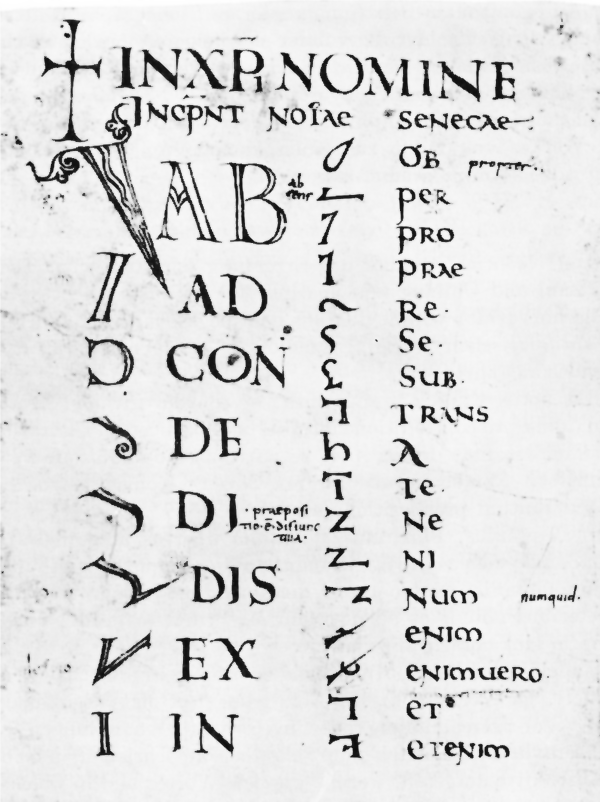
The ill-fat­ed romance of Abelard and Héloïse may be a per­ma­nent cul­tur­al fix­ture, but it’s worth ask­ing what any of us under­stand about Abelard or Héloïse them­selves. Before the two ever crossed paths, Peter Abelard was already a cel­e­brat­ed philoso­pher in France whose class­es drew large and enthu­si­as­tic crowds. This was, bear in mind, a time and place where argu­ing real­ism ver­sus con­cep­tu­al­ism amount­ed to a spec­ta­tor sport. A mod­ern fram­ing might analo­gize him to a cross between an intel­lec­tu­al ath­lete and a pub­lic intel­lec­tu­al. That he would attract admir­ing pupils is a giv­en, but none seems to have exud­ed the sheer allure of Héloïse d’Ar­gen­teuil.

That allure, more­over, was of the mind at least as much as of the body. “A prodi­gy from a young age, Héloïse was flu­ent in sev­er­al lan­guages and renowned for her poet­ry, musi­cal prowess, and fiery wit,” explains the nar­ra­tor of the new video from Aeon above. ”

As women could­n’t attend uni­ver­si­ty, her uncle and guardian arranged for her to con­tin­ue her edu­ca­tion with a renowned young schol­ar.” That, of course, was Abelard, who did­n’t need too much one-on-one time with his new pupil before decid­ing to cast off his famous­ly ascetic ways and roll the dice on love. Alas, we all know at least the more dra­mat­ic points of how it turned out: cas­tra­tion for Abelard, self-imposed clois­ter­ing for the both of them. Yet even that did­n’t mark the end of their asso­ci­a­tion.

In her nun­hood, Héloïse “came to pos­sess a let­ter Abelard intend­ed to send to a friend, eulo­giz­ing their time togeth­er. In response, she ini­ti­at­ed a years-long cor­re­spon­dence.” The let­ters “are steeped in long­ing, yet they tran­scend the sighs of star-crossed lovers, weav­ing heart-wrench­ing per­son­al sen­ti­ment with trail­blaz­ing the­ol­o­gy and phi­los­o­phy.” At one point, Héloïse brings her philo­soph­i­cal mind to bear on the prob­lem of their own rela­tion­ship, arriv­ing at her simul­ta­ne­ous guilt and inno­cence on the premise that “it is not the deed, but the inten­tion of the doer, which makes the crime.” Here we have an ear­ly exam­ple of what philoso­phers today call “inten­tion­al­ist,” as opposed to “con­se­quen­tial­ist,” ethics. How much com­fort her argu­ment that “there can be no sin in an action done out of love” pro­vid­ed Abelard is unclear. But sure­ly he appre­ci­at­ed its intel­lec­tu­al mer­its, giv­en that his mind, at least, was left whol­ly intact.

Relat­ed Con­tent:

The Ency­clo­pe­dia of Women Philoso­phers: A New Web Site Presents the Con­tri­bu­tions of Women Philoso­phers, from Ancient to Mod­ern

The Con­tri­bu­tions of Women Philoso­phers Recov­ered by the New Project Vox Web­site

A Short Ani­mat­ed Intro­duc­tion to Hypa­tia, Ancient Alexandria’s Great Female Philoso­pher

An Ani­mat­ed Intro­duc­tion to the Fem­i­nist Phi­los­o­phy of Simone de Beau­voir

Kierkegaard on Why We All Mis­un­der­stand the True Mean­ing of Love: An Ani­mat­ed Expla­na­tion

Based in Seoul, Col­in Marshall writes and broad­casts on cities, lan­guage, and cul­ture. He’s the author of the newslet­ter Books on Cities as well as the books 한국 요약 금지 (No Sum­ma­riz­ing Korea) and Kore­an Newtro. Fol­low him on the social net­work for­mer­ly known as Twit­ter at @colinmarshall.
The Map of Physics: Animation Shows How All the Different Fields in Physics Fit Together

From Newton’s mechan­i­cal cal­cu­la­tions to Einstein’s gen­er­al and spe­cial rel­a­tiv­i­ty to the baf­fling inde­ter­mi­na­cy of quan­tum mechan­ics, the dis­ci­pline of physics has become increas­ing­ly arcane and com­plex, and less and less gov­erned by order­ly laws. This presents a prob­lem for the layper­son, who strug­gles to under­stand how New­ton­ian physics, with its pre­dictable obser­va­tions of phys­i­cal forces, relates to the par­al­lax and para­dox of lat­er dis­cov­er­ies. “If you don’t already know physics,” says physi­cist Dominic Wal­li­man in the video above, it’s dif­fi­cult some­times to see how all of these dif­fer­ent sub­jects are relat­ed to each oth­er.” So Wal­li­man has pro­vid­ed a help­ful visu­al aid: an ani­mat­ed video map show­ing the con­nec­tions between clas­si­cal physics, quan­tum physics, and rel­a­tiv­i­ty.

Newton’s laws of motion and grav­i­ta­tion and his inven­tion of cal­cu­lus best rep­re­sent the first domain. Here we see the insep­a­ra­ble rela­tion­ship between physics and math, “the bedrock that the world of physics is built from.” When we come to one of Newton’s less well-known pur­suits, optics, we see how his inter­est in light waves antic­i­pat­ed James Clerk Maxwell’s work on elec­tro­mag­net­ic fields. After this ini­tial con­nec­tion, the pro­lif­er­a­tion of sub­dis­ci­plines inten­si­fies: flu­id mechan­ics, chaos the­o­ry, ther­mo­dy­nam­ics… the guid­ing force of them all is the study of ener­gy in var­i­ous states. The heuris­tics of clas­si­cal physics pre­vailed, and worked per­fect­ly well, until about 1900, when the clock­work uni­verse of New­ton­ian mechan­ics explod­ed with new prob­lems, both at very large and very small lev­els of descrip­tion.

It is here that physics branch­es into rel­a­tiv­i­ty and quan­tum mechan­ics, which Wal­li­man explains in brief. While we are like­ly famil­iar with the very basics of Einstein’s rel­a­tiv­i­ty, quan­tum physics tends to get a lit­tle less cov­er­age in the typ­i­cal course of a gen­er­al edu­ca­tion, due to its com­plex­i­ty, per­haps, as well as the fact that at their edges, quan­tum expla­na­tions fail. While quan­tum field the­o­ry, says Wal­li­man, is “the best descrip­tion of the uni­verse we have,” once we come to quan­tum grav­i­ta­tion, we reach “the giant Chasm of Igno­rance” that spec­u­la­tive and con­tro­ver­sial ideas like string the­o­ry and loop quan­tum grav­i­ty attempt to bridge.

map-of-physics

At the “Chasm of Igno­rance,” our jour­ney through the domains of physics ends, and we end up back in the airy realm where it all began, phi­los­o­phy. Those of us with a typ­i­cal gen­er­al edu­ca­tion in the sci­ences may find that we have a much bet­ter under­stand­ing of the field’s intel­lec­tu­al geog­ra­phy. As a handy reminder, you might even wish to pur­chase a poster copy of Walliman’s Map of Physics, which you can see en minia­ture above. (It’s also avail­able as a dig­i­tal down­load here.) Just below, the charm­ing, laid-back physi­cist takes the stage in a TEDx talk to demon­strate effec­tive sci­ence com­mu­ni­ca­tion, explain­ing “quan­tum physics for 7 year olds,” or, as it were, 37, 57, or 77-year olds.

Note: An ear­li­er ver­sion of this post appeared on our site in 2016.

Relat­ed Con­tent:

The Sto­ry of Physics Ani­mat­ed in 4 Min­utes: From Galileo and New­ton, to Ein­stein

The Feyn­man Lec­tures on Physics, The Most Pop­u­lar Physics Book Ever Writ­ten, Now Com­plete­ly Online

The Big Ideas of Stephen Hawk­ing Explained with Sim­ple Ani­ma­tion

An Ani­mat­ed Intro­duc­tion to the Life & Work of Marie Curie, the First Female Nobel Lau­re­ate

Josh Jones is a writer and musi­cian based in Durham, NC. 

Every Stanley Kubrick Film Ranked from Worst to Best

If you had to pick a sin­gle fig­ure to rep­re­sent the con­cept of the film auteur, you could do much worse than Stan­ley Kubrick. That’s not to call him the great­est direc­tor who ever lived, nor even to call his body of work the great­est in cin­e­ma. But no fil­mog­ra­phy more clear­ly bears the stamp of a sin­gle pre­sid­ing intel­li­gence across var­i­ous eras, gen­res, and styles. On one lev­el, Kubrick nev­er made the same movie twice. On anoth­er, each is but a facet of the larg­er project of ren­der­ing on film his ever more aes­thet­i­cal­ly immac­u­late, ever less com­fort­ing world­view, one that encom­pass­es both Dr. Strangelove and The Shin­ing, both Loli­ta and 2001: A Space Odyssey.

For that and oth­er rea­sons, Kubrick­’s fil­mog­ra­phy has long occu­pied a pecu­liar posi­tion in cin­e­ma cul­ture. Despite hav­ing pro­vid­ed gen­er­a­tions of movie­go­ers their intro­duc­tion to the “art house,” it also repays the most seri­ous degrees of engage­ment and scruti­ny. Some­how, as Lewis Bond puts it in the record­ed Twitch stream above, Kubrick has remained both cin­e­ma’s gate­way drug and its “final boss.”

You may know Bond’s name — or more like­ly, rec­og­nize his voice — from the many film-relat­ed video essays of his (under the ban­ners of Chan­nel Criswell, The Cin­e­ma Car­tog­ra­phy, and now The House of Tab­u­la) we’ve pre­vi­ous­ly fea­tured here on Open Cul­ture, includ­ing an exe­ge­sis of Kubrick he made near­ly a decade ago. It says some­thing that even some­one as auteur-obsessed for as long as he’s been can’t resist anoth­er trip to the well.

Over the two-hour course of his stream, Bond dis­cuss­es each and every one of Kubrick­’s films while rank­ing them against each oth­er. It will hard­ly pro­voke much con­tro­ver­sy that he starts at the bot­tom with the ram­shackle thriller Fear and Desire, the debut fea­ture that even Kubrick him­self attempt­ed to strike from the record. What real­ly gets cinephiles talk­ing are the rel­a­tive mer­its of the pic­tures high­er up the list: Does The Shin­ing tran­scend hor­ror, or Dr. Strangelove tran­scend com­e­dy? Is the sen­sa­tion­al­ism of A Clock­work Orange or the state­li­ness of Bar­ry Lyn­don to be count­ed for or against those films? Is Eyes Wide Shut a late mas­ter­piece or, as some thought in 1999, a late mess? Bond jokes that his is the objec­tive­ly cor­rect rank­ing of Kubrick­’s fil­mog­ra­phy, and per­haps it does align with crit­i­cal con­sen­sus on many points. But few film-lovers will be entire­ly free of the temp­ta­tion to watch through it and judge again for them­selves.

Relat­ed con­tent:

How Stan­ley Kubrick Made His Mas­ter­pieces: An Intro­duc­tion to His Obses­sive Approach to Film­mak­ing

How 2001: A Space Odyssey Became “the Hard­est Film Kubrick Ever Made”

The Invis­i­ble Hor­ror of The Shin­ing: How Music Makes Stan­ley Kubrick’s Icon­ic Film Even More Ter­ri­fy­ing

Sig­na­ture Shots from the Films of Stan­ley Kubrick: One-Point Per­spec­tive

“Kubrick/Tarkovsky”: A Video Essay Explores the Visu­al Sim­i­lar­i­ties Between the Two “Cin­e­mat­ic Giants”

Stan­ley Kubrick’s List of Top 10 Films: The First and Only List He Ever Cre­at­ed

Based in Seoul, Col­in Marshall writes and broad­casts on cities, lan­guage, and cul­ture. He’s the author of the newslet­ter Books on Cities as well as the books 한국 요약 금지 (No Sum­ma­riz­ing Korea) and Kore­an Newtro. Fol­low him on the social net­work for­mer­ly known as Twit­ter at @colinmarshall.
Time Travel Back to 1926 and Watch Wassily Kandinsky Make Art in Some Rare Vintage Video

Have you ever won­dered what it would be like to trav­el back in time and look over the shoul­der of one of the ear­ly 20th cen­tu­ry’s great­est artists to watch him work? In this brief film from 1926, we get to see the Russ­ian painter Wass­i­ly Kandin­sky as he turns a blank can­vas into one of his dis­tinc­tive abstract com­po­si­tions.

The film was made at the Galerie Neu­mann-Nieren­dorf in Berlin by Hans Cürlis, a pio­neer in the mak­ing of art doc­u­men­taries. At the time, Kandin­sky was teach­ing at the Bauhaus. It was the same year he pub­lished his sec­ond major trea­tise, On Point and Line to Plane. The con­trast­ing straight lines and curves that Kandin­sky paints in the movie are typ­i­cal of this peri­od, when his approach was becom­ing less intu­itive and more con­scious­ly geo­met­ric.

Kandin­sky believed that an artist could reach deep­er truths by dis­pens­ing with the depic­tion of exter­nal objects and by look­ing with­in, and despite his ana­lyt­ic turn at the Bauhaus he con­tin­ued to speak of art in deeply mys­ti­cal terms. In On Point and Line to Plane, Kandin­sky writes:

The work of Art mir­rors itself upon the sur­face of our con­scious­ness. How­ev­er, its image extends beyond, to van­ish from the sur­face with­out a trace when the sen­sa­tion has sub­sided. A cer­tain trans­par­ent, but defini­nite glass-like par­ti­tion, abol­ish­ing direct con­tact from with­in, seems to exist here as well. Here, too, exists the pos­si­bil­i­ty of enter­ing art’s mes­sage, to par­tic­i­pate active­ly, and to expe­ri­ence its pul­sat­ing life with all one’s sens­es.

kandinsky 1926

Note: An ear­li­er ver­sion of this post appeared on our site in 2012.

Relat­ed con­tent:

Helen Mir­ren Tells Us Why Wass­i­ly Kandin­sky Is Her Favorite Artist (And What Act­ing & Mod­ern Art Have in Com­mon)

Watch Footage of Claude Mon­et Paint­ing in His Famous Gar­den at Giverny (1915)

The Evo­lu­tion of Kandinsky’s Paint­ing: A Jour­ney from Real­ism to Vibrant Abstrac­tion Over 46 Years

Wass­i­ly Kandin­sky Syncs His Abstract Art to Mussorgsky’s Music in a His­toric Bauhaus The­atre Pro­duc­tion (1928)

Vin­tage Film: Watch Hen­ri Matisse Sketch and Make His Famous Cut-Outs (1946)

The Bible’s Deleted Scenes: A Guide to the Strange Biblical Stories Known as the Apocrypha

The term apoc­ryphal may sound anti­quat­ed, but any rea­son­ably seri­ous read­er encoun­ters it fair­ly often, even in recent­ly pub­lished texts. In the mod­ern usage, it usu­al­ly describes words or events that, despite prob­a­bly nev­er hav­ing been spo­ken or tak­en place, tend to be cit­ed as if they had. Hochela­ga cre­ator Tom­mie Trelawny says that the word comes from a Greek term mean­ing “hid­den,” and was used to refer to dis­put­ed texts not includ­ed in the main­stream Bible. Some church­es acknowl­edge these apoc­rypha, and oth­ers reject them. As for what the unpre­dictable and often bizarre mate­r­i­al, even by bib­li­cal stan­dards, in these “hid­den books,” that’s what Trelawny explains in his new video above.

In the book of Tobit, a high­ly unfor­tu­nate man and woman receive sal­va­tion from the angel Raphael, who uses fish guts to cure their phys­i­cal and demon­ic afflic­tions. In the book of Judith, the tit­u­lar Israelite wid­ow deceives and slays the Assyr­i­an gen­er­al Holofernes, a scene immor­tal­ized by Car­avag­gio (and ren­dered even more vis­cer­al­ly, as pre­vi­ous­ly fea­tured here on Open Cul­ture, by Artemisia Gen­tileschi).

In one chap­ter of the book of Daniel, the tit­u­lar prophet plays the lawyer in a kind of court­room dra­ma that has a cou­ple of men get­ting their come­up­pance for false­ly accus­ing a woman of adul­tery; in anoth­er, he turns detec­tive, inves­ti­gat­ing the mat­ters of a stat­ue said to come alive at night and a drag­on being wor­shipped as a god.

There’s quite a bit more, all of it event­ful, none of it uni­ver­sal­ly accept­ed among the holy texts of Chris­tian­i­ty. The pecu­liar sta­tus of the apoc­rypha dates back to the fourth cen­tu­ry, when the schol­ar Jerome embarked upon a trans­la­tion of the Bible into Latin. This first required gath­er­ing up all extant ver­sions of the book, which did­n’t nec­es­sar­i­ly agree with each oth­er: one, writ­ten in Greek, includ­ed quite a few more books than the Bible in Hebrew. It was Jerome who, unable to con­firm these extra books’ authen­tic­i­ty, labeled them “apoc­rypha,” plac­ing them in a sec­tion that even­tu­al­ly got them regard­ed as a kind of sec­ond canon: “delet­ed scenes,” as Trelawny puts it, accom­pa­ny­ing the fea­ture that is the Bible. As for the extent to which they reflect the auteur’s true vision, that can only be — and remain — a mat­ter of debate.

Relat­ed con­tent:

Chris­tian­i­ty Through Its Scrip­tures: A Free Course from Har­vard Uni­ver­si­ty

Every Book of the Bible Explained in One Video

The Gnos­tic Gospels: An Intro­duc­tion to the For­bid­den Teach­ings of Jesus

The Dead Sea Scrolls: Dis­cov­er the Secrets of the Bible’s Old­est and Strangest Texts

How Many Lives Does God Take in the Bible: An Inves­ti­ga­tion into a Sur­pris­ing­ly High Body Count

Based in Seoul, Col­in Marshall writes and broad­casts on cities, lan­guage, and cul­ture. He’s the author of the newslet­ter Books on Cities as well as the books 한국 요약 금지 (No Sum­ma­riz­ing Korea) and Kore­an Newtro. Fol­low him on the social net­work for­mer­ly known as Twit­ter at @colinmarshall.

Clare Torry’s Rare Live Performances of “Great Gig in the Sky” with Pink Floyd

When Clare Tor­ry went into the stu­dio to record her now-leg­endary vocals for Pink Floyd’s “Great Gig in the Sky,” the cen­ter­piece of 1973’s Dark Side of the Moon, nei­ther the singer nor the band was par­tic­u­lar­ly impressed with each oth­er. David Gilmour remem­bered the moment in an inter­view on the album’s 30th anniver­sary:

Clare Tor­ry did­n’t real­ly look the part. She was Alan Par­sons’ idea. We want­ed to put a girl on there, scream­ing orgas­mi­cal­ly. Alan had worked with her pre­vi­ous­ly, so we gave her a try. And she was fan­tas­tic. We had to encour­age her a lit­tle bit. We gave her some dynam­ic hints: “Maybe you’d like to do this piece qui­et­ly, and this piece loud­er.” She did maybe half a dozen takes, and then after­wards we com­piled the final per­for­mance out of all the bits. It was­n’t done in one sin­gle take.

Asked the fol­low-up ques­tion “what did she look like?,” Gilmour replied, “like a nice Eng­lish house­wife.”

Tor­ry, for her part, was hard­ly starstruck. “If it had been the Kinks,” she lat­er said, “I’d have been over the moon.” She also remem­bers the ses­sion very dif­fer­ent­ly. “They had no idea what they want­ed,” she says. Told only “we don’t want any words,” she decid­ed to “pre­tend to be an instru­ment.” She remem­bers “hav­ing a lit­tle go” and knock­ing out the ses­sion in a cou­ple takes.

This Rashomon sce­nario involves not only faulty mem­o­ry but also the legal ques­tion as to who com­posed the song’s melody and vocal concept—a ques­tion even­tu­al­ly decid­ed, in 2004, in Torry’s favor, enti­tling her to roy­al­ties.

She clear­ly wasn’t about to become a tour­ing mem­ber of the band, even after the album’s mas­sive suc­cess and two sub­se­quent tours. Still, while Tor­ry may not have suit­ed Gilmour’s phys­i­cal pref­er­ences for female singers, and while she may not have thought much of Pink Floyd, she has appeared live with their dif­fer­ent iter­a­tions over the years, includ­ing a show at the Rain­bow The­atre in Lon­don just months after the album’s release (fur­ther up). Lat­er, in 1987, Tor­ry appeared again, this time with Roger Waters at Wem­b­ley Sta­di­um on his K.A.O.S. on the Road Tour.

Tor­ry would then join the David Gilmour-led Pink Floyd in 1990 for “Great Gig in the Sky” at Kneb­worth. I do not think she resem­bles an Eng­lish house­wife in the con­cert film at the top—or at least no more than the rest of the band look like mid­dle-aged Eng­lish hus­bands. But she still pulls off the soar­ing vocal, more or less, sev­en­teen years after she first stepped into the stu­dio, hav­ing lit­tle idea who Pink Floyd was or what would become of that fate­ful ses­sion.

Note: An ear­li­er ver­sion of this post appeared on our site in 2020.

Relat­ed Con­tent:

Hear How Clare Torry’s Vocals on Pink Floyd’s “The Great Gig in the Sky” Made the Song Go from Pret­ty Good to Down­right Great

How Con­flict Helped Cre­ate Pink Floyd’s “Com­fort­ably Numb” and Its Leg­endary Gui­tar Solos

Hear Pink Floyd’s “Great Gig in the Sky” Played on the Theremin

Hear Lost Record­ing of Pink Floyd Play­ing with Jazz Vio­lin­ist Stéphane Grap­pel­li on “Wish You Were Here”

Josh Jones is a writer and musi­cian based in Durham, NC. 

David Hockney, RIP: See the Evolution of His Pop-Art Swimming-Pool Masterpiece A Bigger Splash (1967)

In a way, it always made sense that one of the most mem­o­rable visu­al dis­til­la­tions of South­ern Cal­i­for­nia life would have been paint­ed by an Eng­lish­man. The purest appre­ci­a­tion for the wide-open lifestyle choic­es, freestyle built envi­ron­ment, unre­pen­tant pri­vate wealth, and high-wattage sun­shine of Los Ange­les — espe­cial­ly as it was exag­ger­at­ed, and indeed mythol­o­gized, in mid-twen­ti­eth cen­tu­ry pop­u­lar cul­ture — could only be felt by some­one from an infi­nite­ly more tra­di­tion­al, strait­ened, and damp part of the world. David Hock­ney, who died last week, was­n’t just an Eng­lish­man but a north­ern Eng­lish­man, who would have grown up sur­round­ed by the kind of atti­tudes sat­i­rized in the “Four York­shire­men” sketch made famous by Mon­ty Python. Lit­tle won­der he fell in love with the newest city of the New World.

Hock­ney gave that many artis­tic forms over decades of his long life and career. Prac­ti­cal­ly any­one who knows his name can rec­og­nize A Big­ger Splash, from 1967, a both idyl­lic and faint­ly eerie depic­tion of some­one hav­ing just plunged into the swim­ming pool behind what now looks like a clas­sic “mid­cen­tu­ry mod­ern” home accent­ed with palm trees.

But few­er can call to mind the works from which it evolved, A Lit­tle Splash and The Splash, both of which Hock­ney paint­ed the pre­vi­ous year; all togeth­er, they con­sti­tute a series orig­i­nal­ly inspired by a pho­to­graph on the cov­er of a swim­ming-pool main­te­nance guide from the late fifties. You can see the three paint­ings put in con­text in the Sothe­by’s video at the top of the post, which reveals how Hock­ney’s image grew more abstract­ed, and more Los Ange­lized, with each iter­a­tion.

When it came time to paint the third ver­sion, Hock­ney first built up its arrange­ment of house, pool, div­ing board, and sky with blocks of flat (if char­ac­ter­is­ti­cal­ly bright) col­or. He then grad­u­al­ly nudged these shapes toward rep­re­sen­ta­tion by adding detail. Dis­cussing the mak­ing of the paint­ing lat­er in life, he liked to men­tion how much time he spent on the splash alone: a full week, at least, to ren­der an event that lasts no longer than a sec­ond or two. There would be more Hock­ney swim­ming pools, each evoca­tive in its own way, none more expen­sive than the near­ly pho­to­re­al­is­tic Por­trait of an Artist (Pool with Two Fig­ures), from 1971, which went for $90.3 mil­lion at Christie’s in 2018. But it was only A Big­ger Splash that went on to adorn the cov­er of Reyn­er Ban­ham’s Los Ange­les: The Archi­tec­ture of Four Ecolo­gies, still one of the most per­cep­tive books about that city — and one writ­ten, nat­u­ral­ly, by anoth­er besot­ted Brit.

Relat­ed Con­tent:

David Hock­ney Shows Us His Sketch Book, Page by Page

Watch David Hock­ney Paint with Light, Using the Quan­tel Paint­box Graph­ics Sys­tem (1986)

29 Sketch­books by Renowned Artist Richard Diebenko­rn, Con­tain­ing 1,045 Draw­ings, Now Freely View­able Online

How West Mag­a­zine Cre­at­ed a South­ern-Cal­i­for­nia Pop-Cul­ture Aes­thet­ic with the Help of Mil­ton Glaser, Gahan Wil­son, and Oth­ers (1967–1972)

Art Trips: Vis­it the Art of Cities Around the World, from Los Ange­les & Lon­don, to Venice and New York

When Hen­ri Matisse Was 83 Years Old, He Couldn’t Go to His Favorite Swim­ming Pool, So He Cre­at­ed a Swim­ming Pool as a Work of Art

Based in Seoul, Col­in Marshall writes and broad­casts on cities, lan­guage, and cul­ture. He’s the author of the newslet­ter Books on Cities as well as the books 한국 요약 금지 (No Sum­ma­riz­ing Korea) and Kore­an Newtro. Fol­low him on the social net­work for­mer­ly known as Twit­ter at @colinmarshall.

The Splendid Book Design of the 1946 Edition of Gibbon’s Decline and Fall of the Roman Empire

In 1929, the book pub­lish­er George Macy found­ed The Lim­it­ed Edi­tions Club (LEC), an imprint tasked with pub­lish­ing fine­ly illus­trat­ed lim­it­ed edi­tions of clas­sic books. In the years to come, Macy worked with artists like Matisse and Picas­so, and pho­tog­ra­phers like Edward West­on, to pro­duce books with artis­tic illus­tra­tions on their inner pages. And some­times The Lim­it­ed Edi­tions Club even turned its design focus to oth­er parts of the book. Take for exam­ple this 1946 edi­tion of Edward Gib­bon’s The Decline and Fall of the Roman Empire and its pret­ty amaz­ing spine design.

Cre­at­ed by Clarence P. Hor­nung, the design cap­tures the essence of Gib­bon’s clas­sic, show­ing Roman pil­lars pro­gres­sive­ly crum­bling as your eyes move from Vol­ume 1 to Vol­ume 7. George Macy lat­er called the col­lec­tion, which also fea­tures illus­tra­tions by the great 18th-cen­tu­ry print­mak­er Gio­van­ni Bat­tista Pirane­si, “the most her­culean labor of our career.”

Find more infor­ma­tion about this 1946 edi­tion here. Or, if you have deep pock­ets, pur­chase a copy here.

Note: an ear­li­er ver­sion of this post appeared on our site in June 2015.

If you would like to sup­port the mis­sion of Open Cul­ture, con­sid­er mak­ing a dona­tion to our site. It’s hard to rely 100% on ads, and your con­tri­bu­tions will help us con­tin­ue pro­vid­ing the best free cul­tur­al and edu­ca­tion­al mate­ri­als to learn­ers every­where. You can con­tribute through Pay­Pal, Patre­on, and Ven­mo (@openculture). Thanks!

Relat­ed Con­tent:

55 Cov­ers of Vin­tage Phi­los­o­phy, Psy­chol­o­gy & Sci­ence Books Come to Life in a Short Ani­ma­tion

How Rome Began: The His­to­ry As Told by Ancient His­to­ri­ans

157 Ani­mat­ed Min­i­mal­ist Mid-Cen­tu­ry Book Cov­ers


  • Great Lectures

  • About Us

    Open Culture scours the web for the best educational media. We find the free courses and audio books you need, the language lessons & educational videos you want, and plenty of enlightenment in between.


    Advertise With Us

  • Archives

  • Search

  • Quantcast