A Choir with 1,000 Singers Pays Tribute to Sinéad O’Connor & Performs “Nothing Compares 2 U”
The building that houses Dublin’s 3Olympia Theatre began life as Dan Lowrey’s Star of Erin Music Hall.
It has undergone several name changes over the course of its 145 years, and played host to drama, opera, ballet, films, oratorio, pantomime, variety shows, and world-famous popular musicians like David Bowie, REM, Foo Fighters… and Dublin native Sinéad O’Connor, who arrived at the venue in 2011, unceremoniously toting her aluminum foil-wrapped lunch.
Her fifteen-year-old daughter, Róisín Waters, sang back up.
Reviewer Nicola Byrne wrote in Golden Plec that “a single spotlight illuminated O’Connor on the middle of the stage, as she launched into “I Am Stretched On Your Grave,” a song she ‘Usually dedicates to any dead people that may be present:’”
With no instrumental, all attention was on that spotlight. If a pin had’ve been dropped in the Olympia, I would’ve known about it.
O’Connor dedicated that evening’s performance of “Nothing Compares To You” to her 7‑year-old son, Shane Lunny, who died by suicide in January 2022, a year and a half before his mother also took her leave.
A few weeks ago, Nobu Adilman and Daveed Goldman, founders of Choir! Choir! Choir!, swung by 3Olympia Theatre, to lead a 1000-member strong spontaneous choir of ticket holders in a moving cover of “Nothing Compares 2 You,” at the top of the page.
It was a meaningful way for fans to connect to an artist who spoke to them.
Choir! Choir! Choir! previously paid tribute to David Bowie with “Space Oddity,” and Prince (composer of “Nothing Compares 2 You)” with “When Doves Cry” not long after their deaths.
Prior to Dublin, Choir! Choir! Choir! honored O’Connor with a singalong of “Nothing Compares 2 You” at the Toronto Opera House, in the town where their movement got its start.
Ticket purchases benefited CAMH: The Centre for Addiction and Mental Health. Adilman and Goldman were joined onstage by the producer of “Nothing Compares 2 U,” Chris Birkett, and Toronto-based singer-songwriter Feist, whose first album purchase was O’Connor’s debut, The Lion and the Cobra.
“I remember so clearly the first time I heard her at a friend’s house after school,” she told Index Magazine in 2005:
She blew my mind. Her voice sounded like it was from another universe. She redefined everything for me.
Turning the clock back to 2016, we find Choir! Choir! Choir! participants tackling “Nothing Compares 2” as a way of getting the jump on February’s most fraught holiday:
Valentine’s Day kinda sucks so last night, in anticipation, we celebrated EPIC HEARTBREAKS with the one and only Sinéad O’Connor. Props to Prince (yes, we know he wrote this amazing tune!) for not taking this video down in 7 hours and 15 days.
Related Content
Watch David Byrne Lead a Massive Choir in Singing David Bowie’s “Heroes”
Sinéad O’Connor’s Raw Isolated Vocals for “Nothing Compares 2 U”
– Ayun Halliday is the Chief Primatologist of the East Village Inky zine and author, most recently, of Creative, Not Famous: The Small Potato Manifesto and Creative, Not Famous Activity Book. Follow her @AyunHalliday.
Read More...A Free Digital Archive of Graphic Design: A Curated Collection of Design Treasures from the Internet Archive
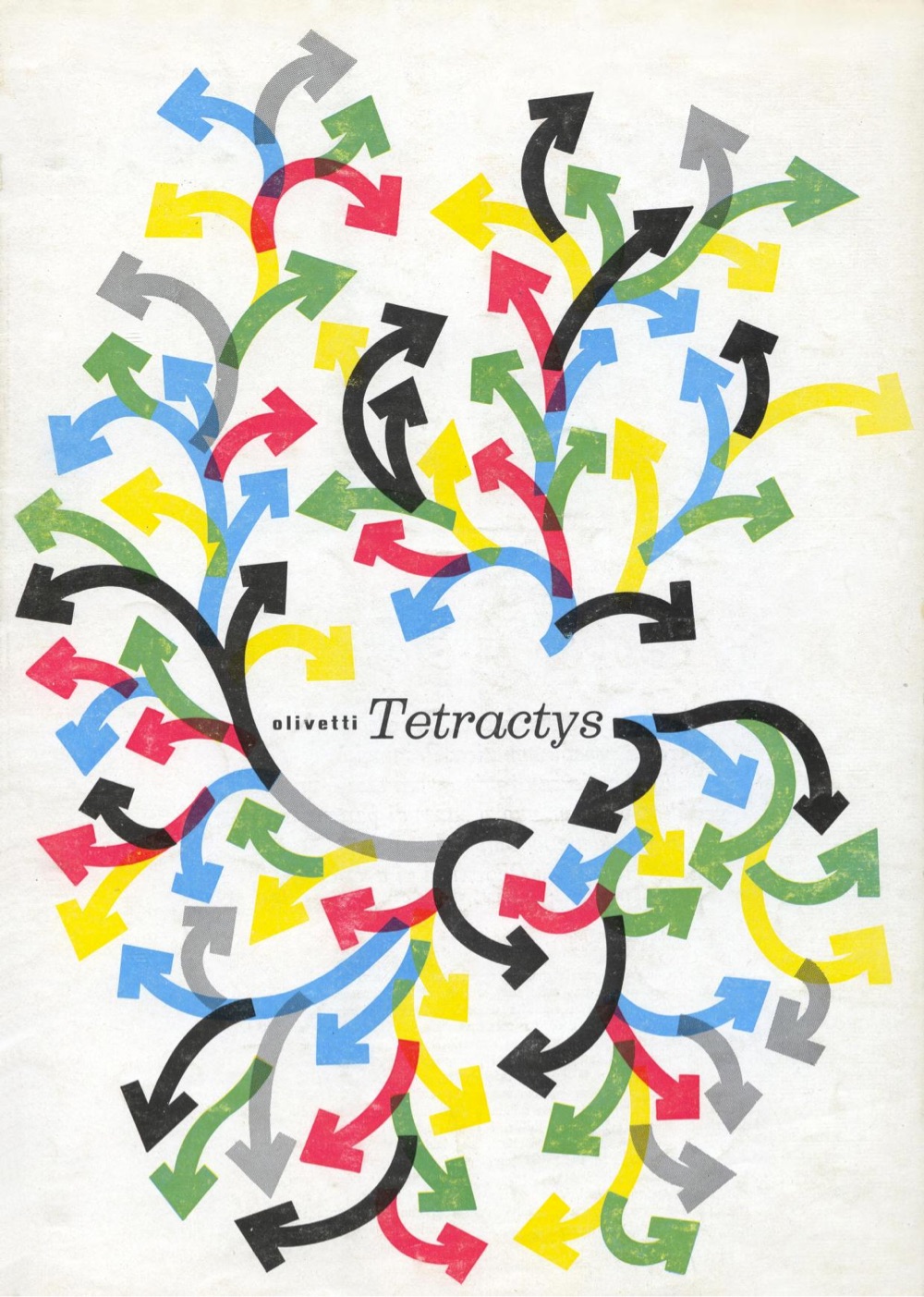
We’ve got a thing for creative problem solvers here at Open Culture.
We also love a good community-spirited project.
Graphic designer Valery Marier ticks both boxes with archives.design, a free graphic design archive that was born of her frustrations with online research at a time when Covid restrictions shuttered libraries and archives.

The non-profit digital library Internet Archive is rich in interesting material, but its lack of curation can often leave the user feeling like they’re sorting through the world’s most disorganized junk shop, rooting for hidden treasure.
Marier was also discouraged by “a combination of confusing boolean operators and an absolute hodgepodge of different metadata tags and category names:
I figured that if I was having these problems, then there were likely other folks who were as well. So I decided to put my design skills to good use and work on a solution. The biggest issues that I felt needed to be solved were the user experience, and the content curation. For the archive’s curation, I opted to curate each item manually. While I could have likely figured out a way to curate these items using an automated script, I feel that there is an inherent value to human curation. When a collection is curated by a computer it can seem confusing and arbitrary. Whereas with human curation there is often a deliberate connection between each object in the collection. For the navigation I wanted to ensure that it was simple enough that anyone could understand it and operate it. So instead of having a ton of complex operators, I instead decided to organize them by their aspect in design.
Graphic design nerds, rejoice!
Marier determines which of the finds should make the cut by considering relevance and image quality.
A quick peek suggests graphic designers are not the only ones who stand to benefit from this labor of love.
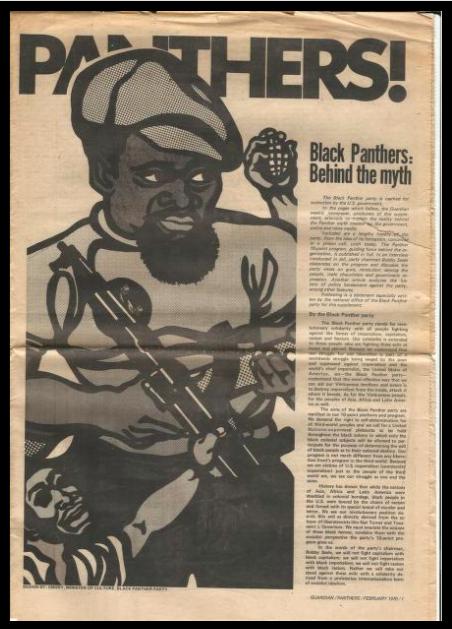
Educators, historians, and activists will be rewarded with a supplement to the Guardian from February 1970, which provided an overview of the Black Panther Party in their own words. There’s a ton of information and history packed into these 8 pages, from its formation and its 10-point program, to an interview with then-incarcerated party chairman Bobby Seale.
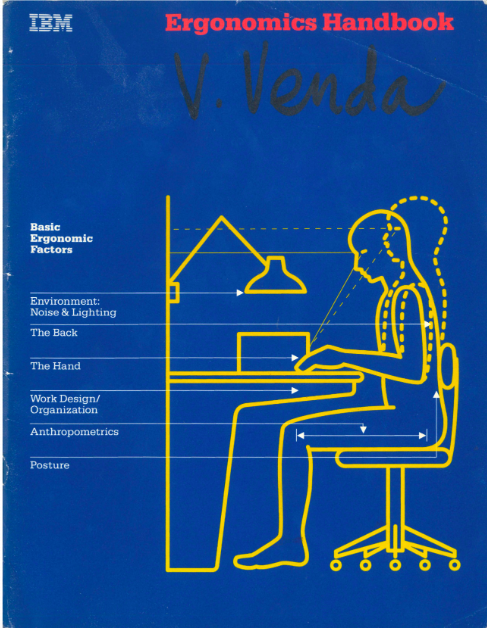
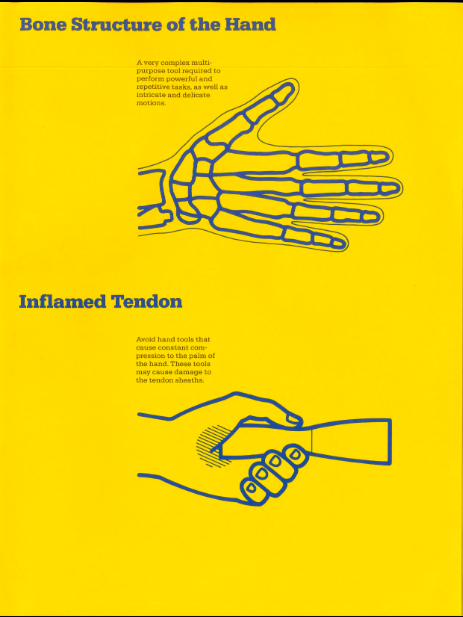
The IBM Ergonomics Handbook from 1989 addresses an evergreen topic. Office managers, physical therapists, and digital nomads should take note. Its recommendations on configuring the work space for maximum efficiency, productivity and employee comfort are solid. It’s not this handsome little yellow and blue employee manual’s fault that references to now-obsolete technology render it a bit quaint:
Think of two fairly recent innovations in our lives — the push button telephone and the pocket calculator. Both have a standard key set layout, but not the same layout.

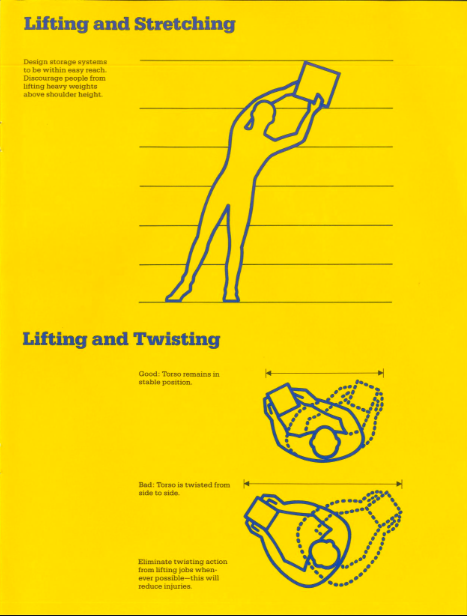
Marier elected to let each pick be represented by its covers, figuring “what better way to browse designed objects than by how they look.”
We agree, though we’re worried about where this might leave 1924’s Posters & Their Designers. How can its staid blue cover compete against its sexy neighbors in the posters category?



Small business owners, set dressers and public domain fans should give Posters & Their Designers a chance. Behind that discreet blue cover are a wide assortment of stunning early 20th century posters, including some full color reproductions.
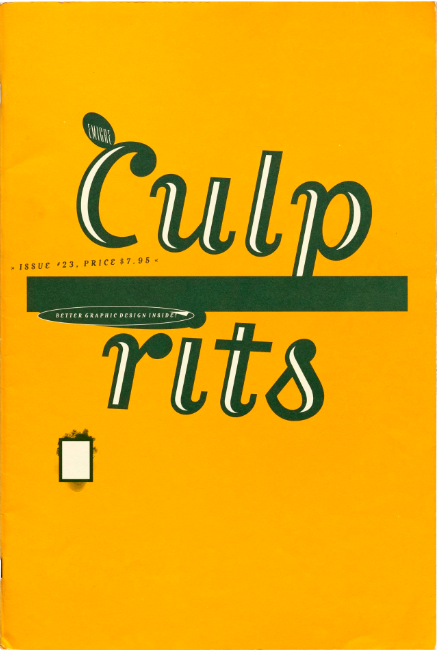
While not specifically typography related, Marier wisely gives this resource a typography tag. Hand lettering loyalists and font fanatics will find much to admire.

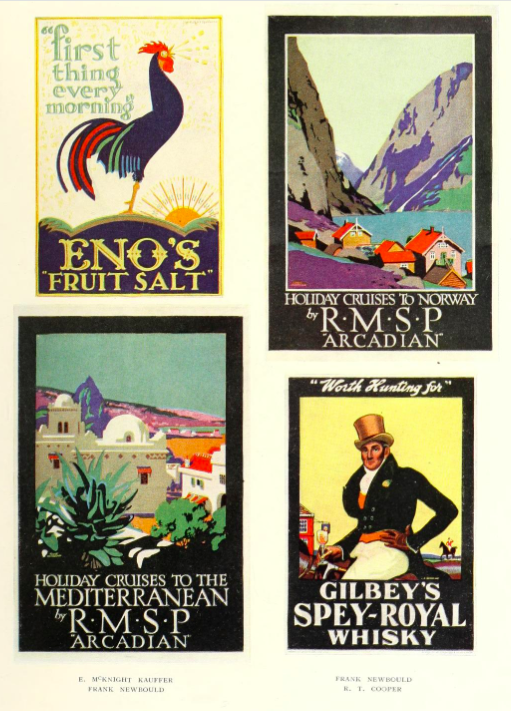
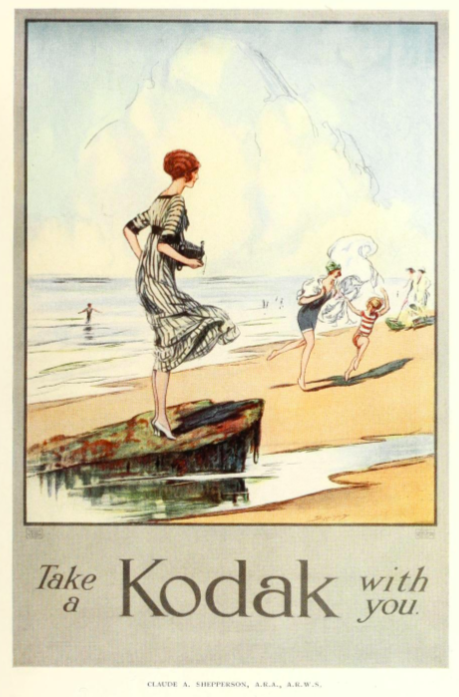
We hope to pique your interest with a few more of our favorite covers, below. Begin your explorations of archives.design here.

Related Content
40 Years of Saul Bass’ Groundbreaking Title Sequences in One Compilation
– Ayun Halliday is the Chief Primatologist of the East Village Inky zine and author, most recently, of Creative, Not Famous: The Small Potato Manifesto and Creative, Not Famous Activity Book. Follow her @AyunHalliday.
Read More...
The History of the Electric Guitar Solo: A Seven-Part Series
?si=cPPdX0lEFTgicTQV
No instrument is more closely identified with rock and roll music than the electric guitar, and no form of performance is more closely associated with the electric guitar than the solo. You can hardly discuss any of those three without discussing the others. Hence the broad sweep of Axe to Grind, the new seven-part video series from Youtube music channel Polyphonic on the electric guitar solo, a cultural phenomenon that can’t be explained without telling the story of a vast swath of popular music through practically the entire twentieth century and continuing on into the twenty-first.
Like any proper full-scope rock history, this one begins with the blues, tracing the stylistic developments that emerged among guitarists on the Mississippi Delta with the advent of new technologies like electricity.
Axe to Grind’s first episode covers such early electric guitar players as Charlie Christian (previously featured here on Open Culture), Fay “Smitty” Smith, Muddy Waters, and Junior Bernard, who was “one of the first to realize that if you cranked vacuum-tube amplifiers up to maximum volume and played as loud as you could through them, the vacuum tubes would compress the signal so they didn’t explode. The result was a new sort of gritty tone that came to be known as overdrive.”
?si=A6uLXp7XL79UAEci
The second episode covers the nineteen-fifties and the rise of rock and roll itself, a broad musical church that came to encompass musicians from Chuck Berry, Junior Walker, and B. B. King to Johnny Watson, Link Wray (who recorded the only instrumental song ever banned from the radio), and Buddy Holly. Then comes the nineteen-sixties, the power of whose transatlantic pop-cultural explosion still comes through loud and clear in the electric guitar solos on the records by the Rolling Stones, the Beatles, Led Zeppelin, the Byrds, Cream, Jimi Hendrix, and many other acts besides. The fourth episode, still to come on Youtube, is already available on the subscription streaming platform Nebula. However you watch Axe to Grind, rest assured that it will leave you not just with a deeper understanding of the electric guitar solo’s evolution, but a much deeper appreciation of the “Johnny B. Goode” scene from Back to the Future.
Related content:
How Fender Guitars Are Made, Then (1959) and Nowadays (2012)
The Story of the Guitar: The Complete Three-Part Documentary
Behold the First Electric Guitar: The 1931 “Frying Pan”
Based in Seoul, Colin Marshall writes and broadcasts on cities, language, and culture. His projects include the Substack newsletter Books on Cities, the book The Stateless City: a Walk through 21st-Century Los Angeles and the video series The City in Cinema. Follow him on Twitter at @colinmarshall or on Facebook.
Read More...Watch David Byrne Practice His Dance Moves for Stop Making Sense in Newly Released Behind-the-Scenes Footage
A new 4K restoration of Stop Making Sense debuted last month at the Toronto International Film Festival, then opened in theaters around the world. The promotional push for this cultural event started early (as featured here on Open Culture), and has involved the release of rarely-seen supplementary materials chosen to delight Talking Heads fans. Take the short video above, a compilation of video clips in which David Byrne rehearses his dance moves in advance of the band’s 1983 Speaking in Tongues tour, four of whose shows would be combined, with the help of many collaborators including director Jonathan Demme, into a seamless, still-beloved musical-cinematic experience.
In a film full of memorable elements, from the Pablo Ferro titles to the lamp to the big suit, Byrne’s distinctive way of carrying himself stands out. “His wide-eyed stare, jerky movements and onstage cool reminded many commentators of Anthony Perkins, star of Hitchcock’s movie Psycho,” Colin Larkin writes of earlier Heads shows in The Encyclopedia of Popular Music.
This elaborate awkwardness, so thoroughly deliberate-looking that it comes around the other side to suavity, may seem like a natural expression of his artistic personality. But as revealed by the video he shot of himself trying out different choreographic ideas — and even more so by the full 25-minute version, which features not just numerous VHS glitches but also the band’s backup singers — it took trial and error to develop.
“The film’s peak moments come through Byrne’s simple physical presence,” Roger Ebert wrote of Stop Making Sense upon its initial release in 1984. “He jogs in place with his sidemen; he runs around the stage; he seems so happy to be alive and making music,” and even “serves as a reminder of how sour and weary and strung-out many rock bands have become.” Though, when rock bands may be less strung-out but are certainly no less weary, his restored performance is reminding countless Heads enthusiasts why they got into the band in the first place — and no doubt giving heretofore uninitiated new generations a few paranoically exuberant, rigidly uninhibited, and smoothly un-smooth moves to try out on the dance floor themselves.
Related content:
David Byrne Plays Seven Characters & Interviews Himself in Funny Promo for Stop Making Sense
Talking Heads Live in Rome, 1980: The Concert Film You Haven’t Seen
Based in Seoul, Colin Marshall writes and broadcasts on cities, language, and culture. His projects include the Substack newsletter Books on Cities, the book The Stateless City: a Walk through 21st-Century Los Angeles and the video series The City in Cinema. Follow him on Twitter at @colinmarshall or on Facebook.
Read More...What Makes James Joyce’s Ulysses a Masterpiece: Great Books Explained
Here on Open Culture, we’ve often featured the work of gallerist-Youtuber James Payne, creator of the channel Great Art Explained. Not long ago we wrote up his examination of the work of René Magritte, the Belgian surrealist painter responsible for such enduring images as Le fils de l’homme, or The Son of Man. Payne uses that famous image of a bowler-hatted everyman whose face is covered by a green apple again in the video above, but this time to represent a literary character: Leopold Bloom, the protagonist of James Joyce’s Ulysses. It is that much-scrutinized literary masterwork Payne has taken as his subject for his new channel, Great Books Explained.
Indeed, few great books are regarded as needing as much explanation as Ulysses. It was once described, Payne reminds us, as “spiritually offensive, anarchic, and obscene,” yet “in the hundred years since, the book has triumphed over criticism and censorship to become one of the most highly regarded works of art in the twentieth century.”
The strength of both this acclaim and this condemnation still today inspires a mixture of curiosity and trepidation. But as Payne sees it, Ulysses is ultimately “a novel about wandering, and we as readers should feel free to wander around the book, dip in and out of episodes, read it out aloud, and let the words wash over us like music.” It’s also “an experimental work, often strange and sometimes shocking, but it is consistently witty, and packed with a tremendous sense of fun.”
That latter quality belies the seven years of literary labor Joyce put into the book, all of it distilled into the events of a single day in Dublin, June 16, 1904, as experienced by Bloom, an “ordinary advertising agent” and a Jew among Catholics; the “rebellious and misanthropic intellectual” Stephen Dedalus, Joyce’s alter-ego and the hero of his previous novel A Portrait of the Artist as a Young Man; and Leopold’s “passionate, amorous, frank-speaking” wife Molly. (Payne represents Dedalus with Raoul Haussman’s The Art Critic and Molly with Hannah Höch’s Indian Dancer.) In this framework, Joyce delivers kaleidoscopic detail, from the quotidian to the mythological and the sexual to the scatological, all with a formal and linguistic bravado that has kept the reading experience of Ulysses fresh for 101 years and counting.
Related content:
James Joyce’s Ulysses: Download as a Free Audio Book & Free eBook
Why Should You Read James Joyce’s Ulysses?: A New TED-ED Animation Makes the Case
Everything You Need to Enjoy Reading James Joyce’s Ulysses on Bloomsday
The Very First Reviews of James Joyce’s Ulysses: “A Work of High Genius” (1922)
Read the Original Serialized Edition of James Joyce’s Ulysses (1918)
Based in Seoul, Colin Marshall writes and broadcasts on cities, language, and culture. His projects include the Substack newsletter Books on Cities, the book The Stateless City: a Walk through 21st-Century Los Angeles and the video series The City in Cinema. Follow him on Twitter at @colinmarshall or on Facebook.
Read More...A New Online Archive Lets You Read the Whole Earth Catalog and Other Whole Earth Publications, Taking You from 1970 to 2002
Today, if you want to get started in home brewing, shop for a synthesizer, find out what cybernetics is, order non-genetically-modified seeds, start your own mushroom farm, learn how to repair a Volkswagen, subscribe to libertarian publications, purchase the work of Marshall McLuhan, sign up for an outdoor excursion, read an essay on zen Buddhism, compare home-birth setups, gather homeschooling materials, build a geodesic dome, you go to one place first: the internet. Half a century ago, when the personal computer had only just come into existence, that wouldn’t have been an option. But provided you were sufficiently tapped into the counterculture, you could open up the nineteen-seventies equivalent of the internet: The Whole Earth Catalog.
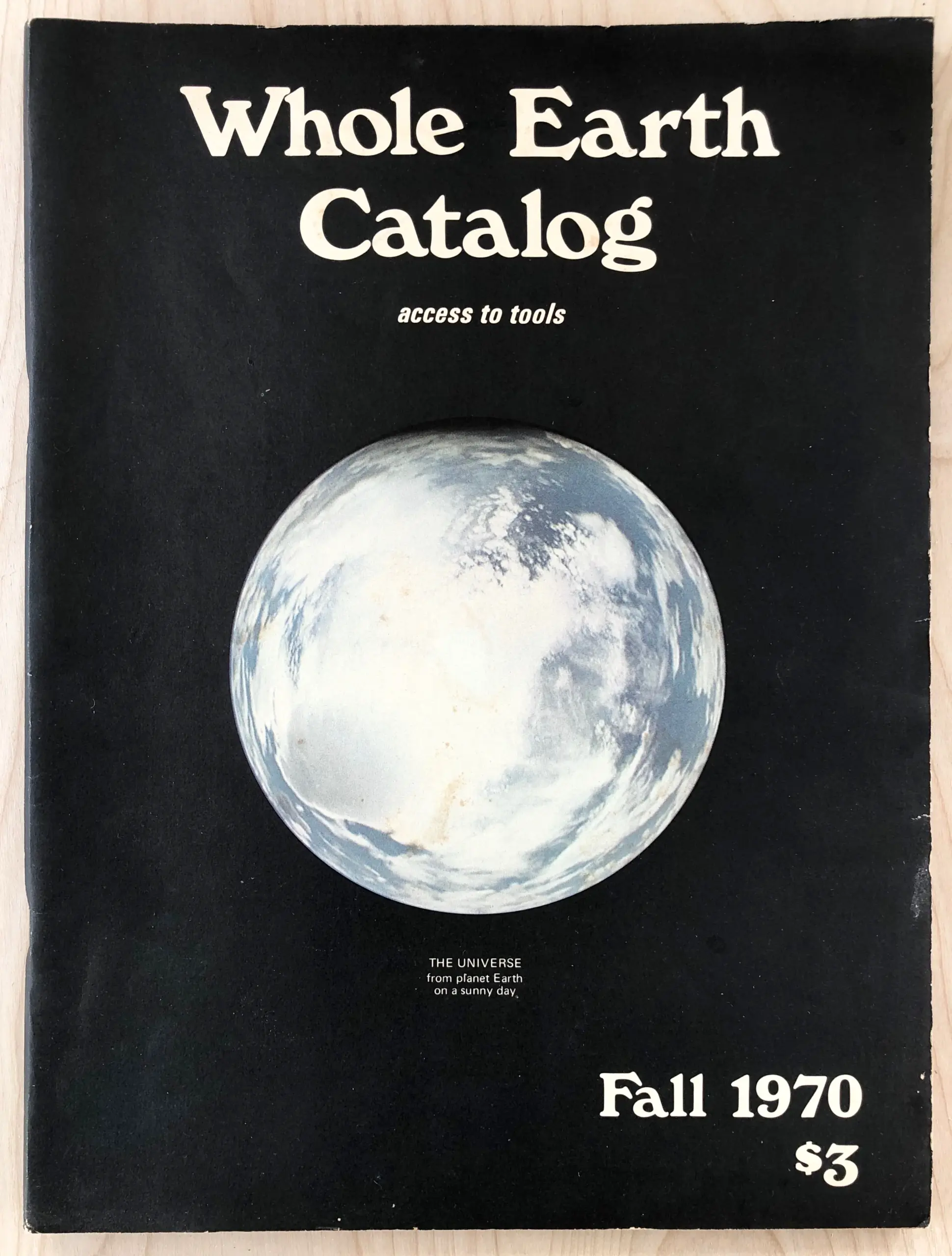
Launched by Stewart Brand in 1968, the Whole Earth Catalog curated and presented the products and services of a wide variety of businesses all between the covers of one increasingly weighty printed volume offering what its slogan called “access to tools.”
While certain of its sections reflected the most literal meaning of the term “tools” — you could’ve kept a pretty robust farm going with all the implements on offer, and no doubt more than a few readers tried to do so — the larger enterprise seemed to run on the goal of expanding the definition of what a tool could be, as well as the range of possibilities it could open to its user. Even subscribers who never bought a product could receive an education from the catalog’s often eccentric but always informative descriptions of those products.
“Behind the information, the advice, the hints, and the facts, this book is about coming to see things as they are, through your own eyes, instead of the hired eyes of some expert or other. It’s about training yourself to trust yourself, and trusting yourself to train yourself, until you‘re able to claim your right as a human to be competent with your hands.” These words come from writer and documentarian Gurney Norman’s capsule review, in the spring 1970 Whole Earth Catalog, of Joan Ranson Shortney’s book, How to Live on Nothing (described therein as “our best-selling book”). But Norman could just as well have been describing the Whole Earth Catalog itself, which was all about the ability of individuals and small groups, equipped with not just technology new and old but also deep reserves of optimism and humor, to determine their own destiny.
“The Whole Earth Catalog offered a vision for a new social order,” writes the New Yorker’s Anna Wiener, “one that eschewed institutions in favor of individual empowerment, achieved through the acquisition of skills and tools. The latter category included agricultural equipment, weaving kits, mechanical devices, books like Kibbutz: Venture in Utopia, and digital technologies and related theoretical texts, such as Norbert Wiener’s Cybernetics and the Hewlett-Packard 9100A, a programmable calculator.” Other sections might offer Gravity’s Rainbow; an Apple II home computer; something called “self-therapeutic rubber”; and even a hot tub. “Many a newcomer to California remembers forever the trauma of first being invited — at a perfectly ordinary party — to strip and enter a steaming tub full of strangers,” writes Brand in the Next Whole Earth Catalog of fall 1980, which may sound a bit late in the game for that sort of thing.
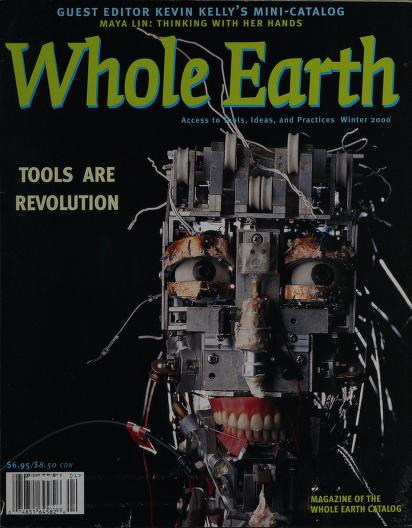
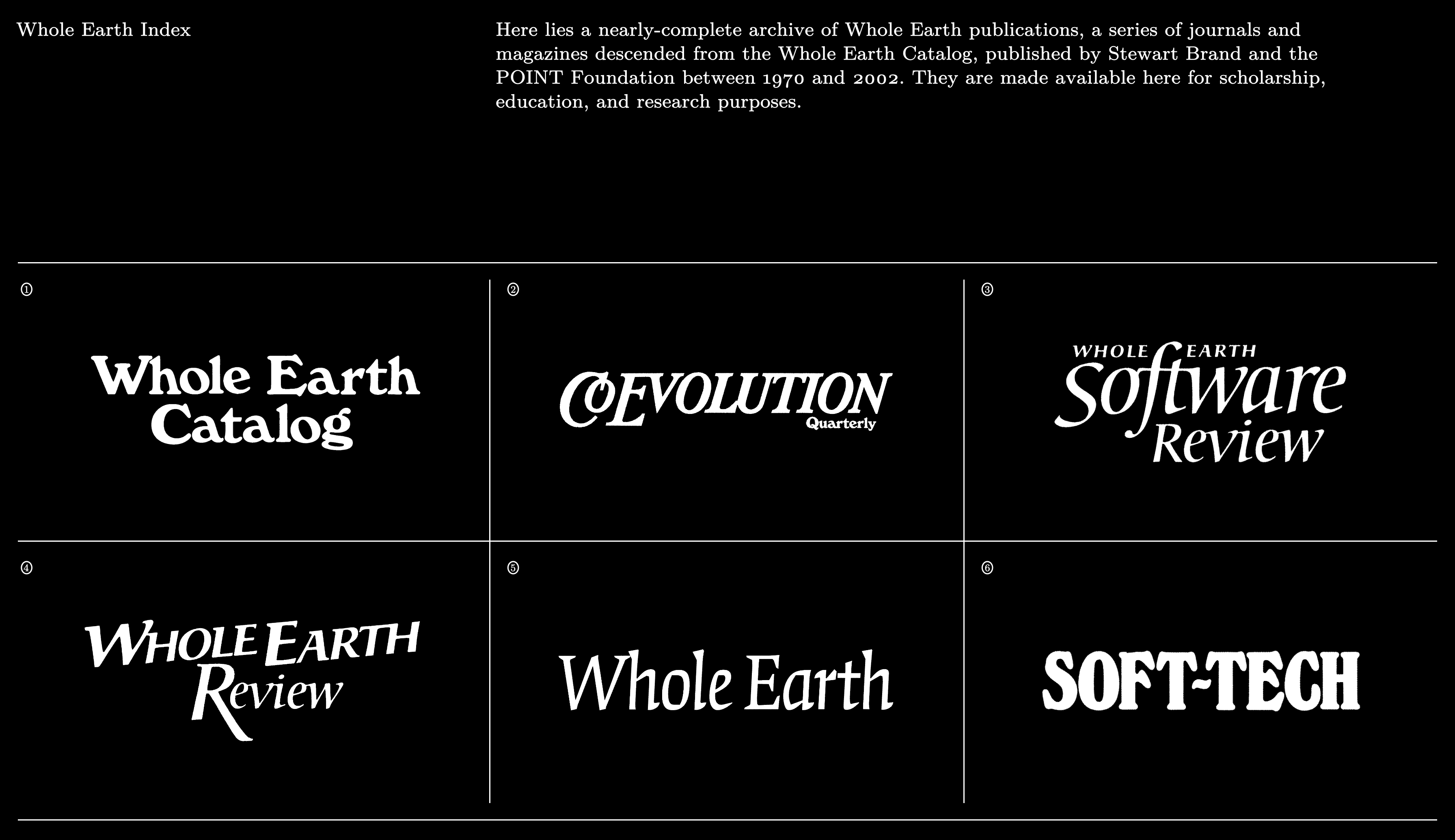
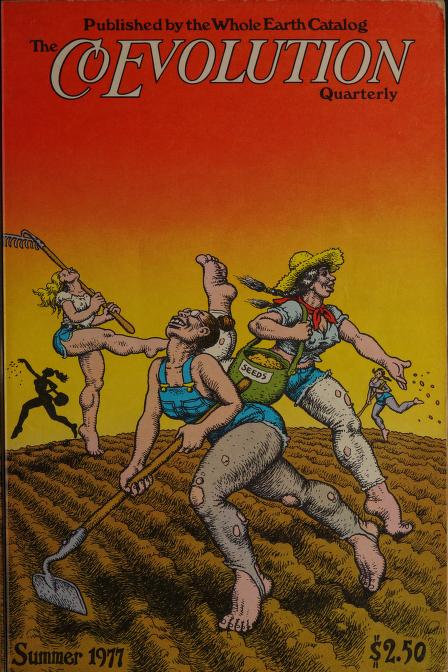
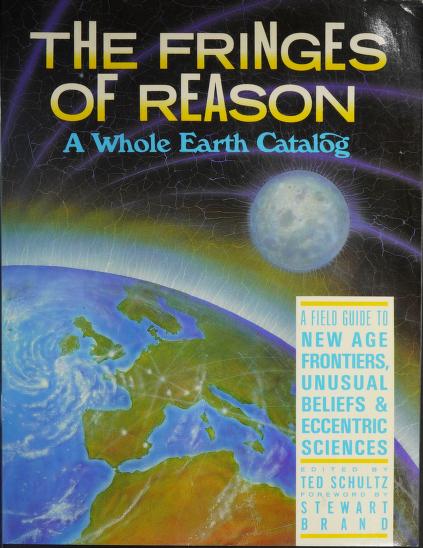
But then, the spirit of the Whole Earth Catalog, first animated by the free-enterprise-and-free-love nineteen-sixties and seventies, has long outlasted its original cultural moment — and indeed the catalog itself, which ceased publication in 1998. But now, thanks to Gray Area and the Internet Archive, you can read and download many issues of not just the Whole Earth Catalog but also its successor publications, from CoEvolution Quarterly to Whole Earth Magazine, in a new online collection spanning the years 1970 to 2002. To browse it is to enter a countercultural time machine, experiencing both the preposterousness and the prescience of the counterculture as if for the first time. But then, for the vast majority of its visitors here in the twenty-first century — who know that counterculture only indirectly, through its wide but diffuse influence on everything up to and including the internet — it will be the first time. Enter the collection here.
Related content:
Watch Stewart Brand’s 6‑Part Series How Buildings Learn, With Music by Brian Eno
Brian Eno Creates a List of 20 Books That Could Rebuild Civilization
Buckminster Fuller Tells the World “Everything He Knows” in a 42-Hour Lecture Series (1975)
Based in Seoul, Colin Marshall writes and broadcasts on cities, language, and culture. His projects include the Substack newsletter Books on Cities, the book The Stateless City: a Walk through 21st-Century Los Angeles and the video series The City in Cinema. Follow him on Twitter at @colinmarshall or on Facebook.
Read More...Ian Bremmer on The Israel-Hamas War, and What It Means for the World
In the wake of Hamas’ gruesome attack on Israeli civilians, political scientist Ian Bremmer explains “the historical context of the conflict, how Israel might respond and what it means for Jews, Palestinians and the world at large.” The conversation also covers “how the US may factor into the global response and how to find reliable information amid the breathless media coverage and the fog of war.” Hosted by TED’s head of curation Helen Walters, this conversation was recorded on October 9, 2023.
Read More...When the US Government Commissioned 7,497 Watercolor Paintings of Every Known Fruit in the World (1886)
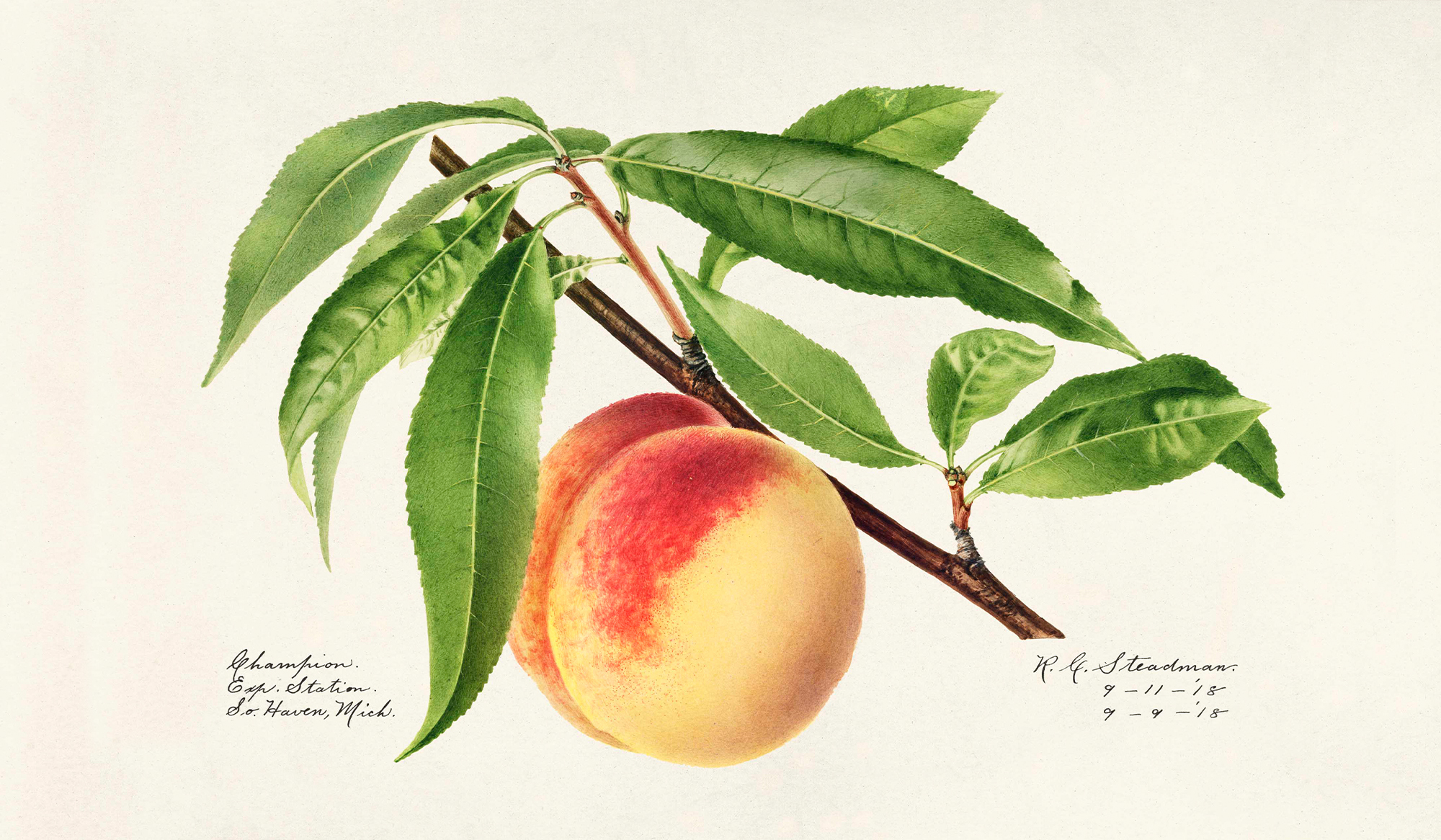
A picture is worth 1000 words, especially when you are a late-19th or early-20th century horticulturist eager to protect intellectual property rights to newly cultivated varieties of fruit.
Or an artistically gifted woman of the same era, looking for a steady, respectable source of income.
In 1886, long before color photography was a viable option, the US Department of Agriculture engaged approximately 21, mostly female illustrators to create realistic renderings of hundreds of fruit varieties for lithographic reproduction in USDA articles, reports, and bulletins.
According to the Division of Pomology’s first chief, Henry E. Van Deman, the artists’ mandate was to capture “the natural size, shape, and color of both the exterior and interior of the fruit, with the leaves and twigs characteristic of each.”
If a specimen was going bad, the artist was under strict orders to represent the damage faithfully — no prettying things up.

As Alice Tangerini, staff illustrator and curator for botanical art in the Smithsonian’s National Museum of Natural History writes, “botanical illustrators and their works serve the scientist, depict(ing) what a botanist describes, acting as the proofreader for the scientific description:”
Digital photography, although increasingly used, cannot make judgements about the intricacies of portraying the plant parts a scientist may wish to emphasize and a camera cannot reconstruct a lifelike botanical specimen from dried, pressed material… the thought process mediating that decision of every aspect of the illustration lives in the head of the illustrator.
…the illustrator also has an eye for the aesthetics of botanical illustration, knowing that a drawing must capture the interest of the viewer to be a viable form of communication. Attention to accuracy is important, but excellence of style and technique used is also primary for an illustration to endure as a work of art and science.
Primary contributors Deborah Griscom Passmore, Mary Daisy Arnold, Amanda Almira Newton and their colleagues established norms for botanical illustration with their paintings for the USDA’s Pomological Watercolor Collection, simultaneously providing much-needed visual evidence for cultivators wishing to establish claims to their varietals.
(Fruit breeders’ rights were formally protected with the establishment of the Plant Patent Act of 1930, which decreed that anyone who “invented or discovered and asexually reproduced any distinct and new variety of plant” could receive a patent.)
The collection’s 7,497 watercolors of realistically-rendered fruits capture both the commonplace and the exotic in mouthwatering detail.
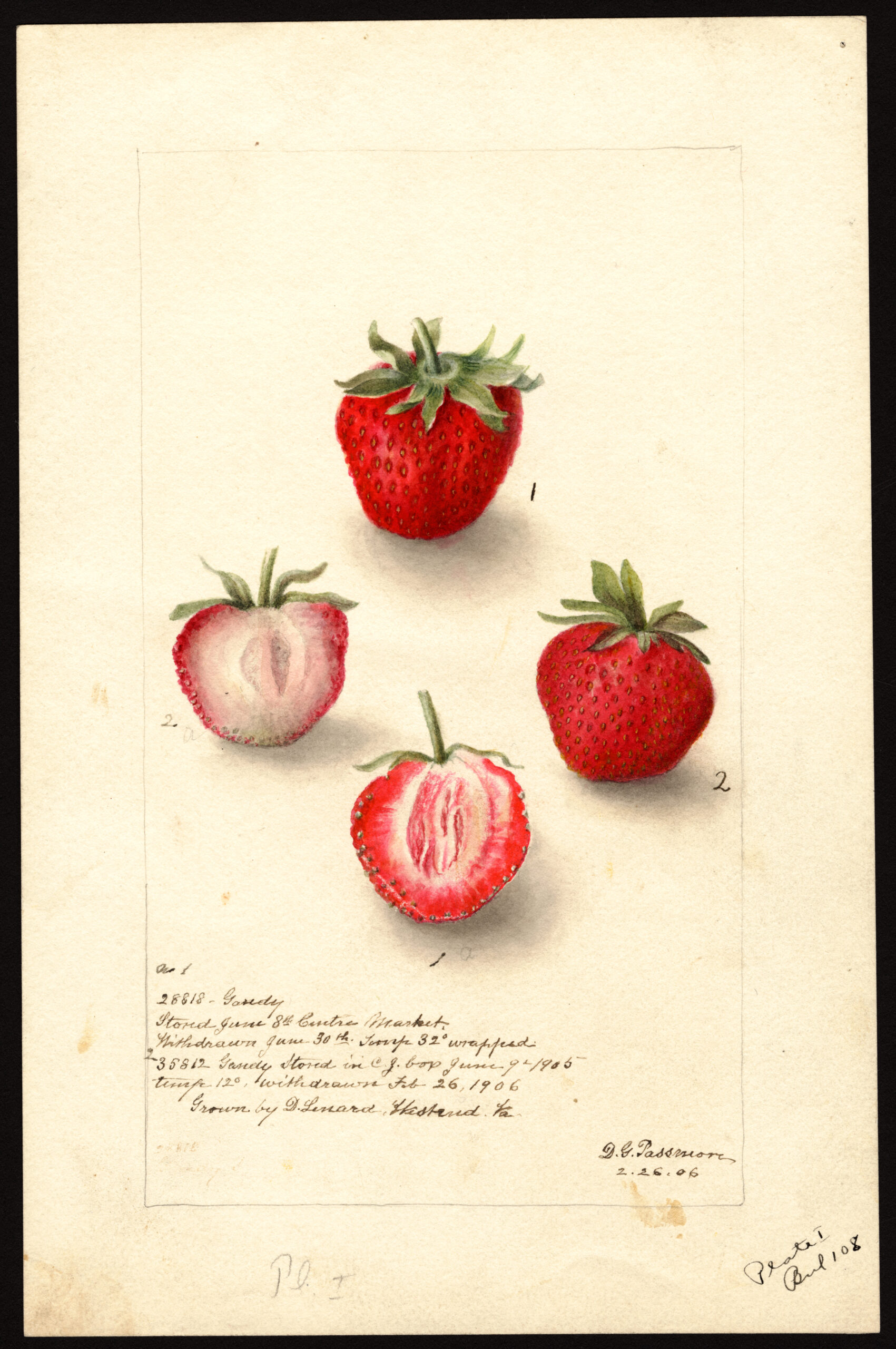
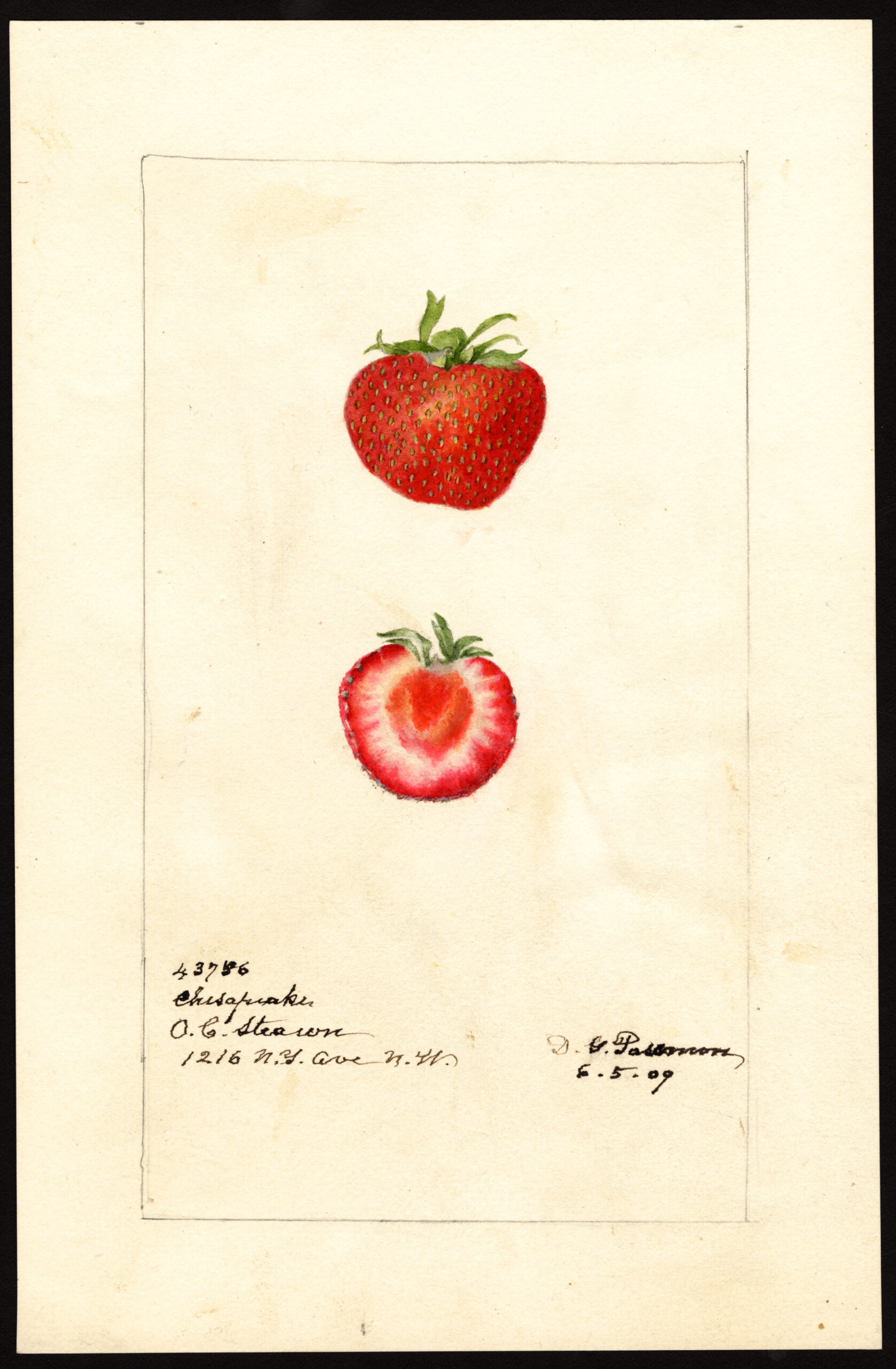
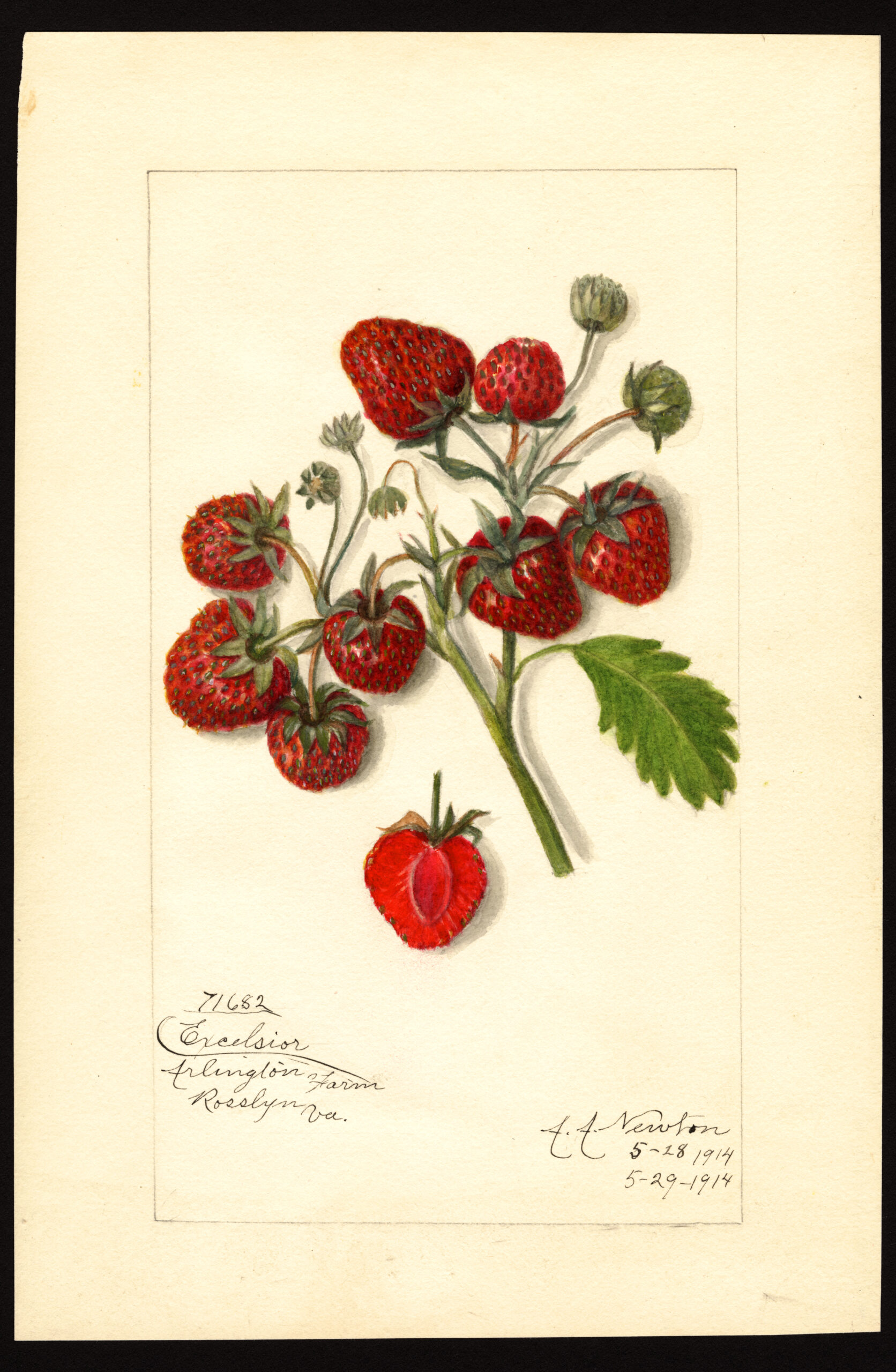
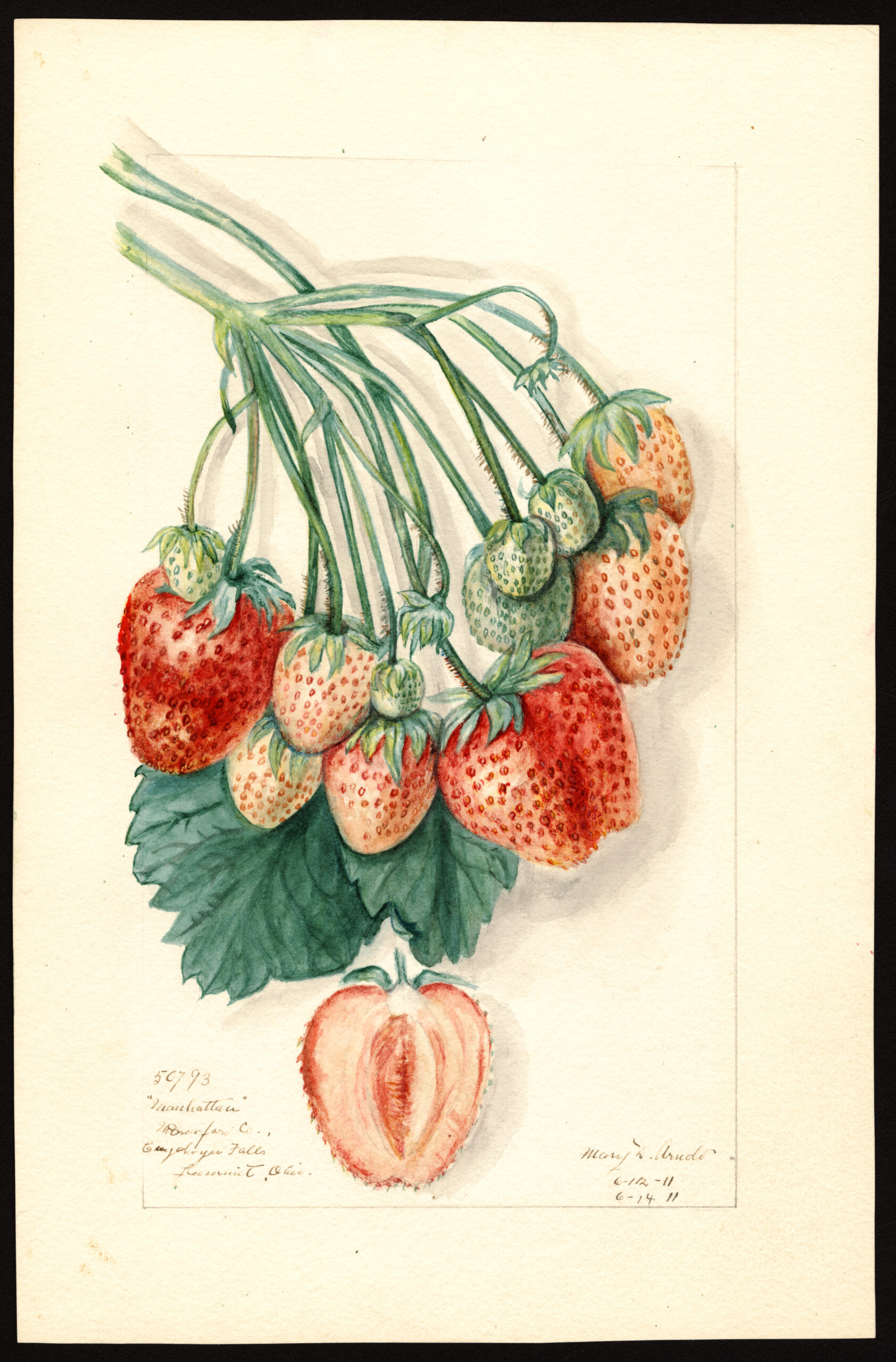
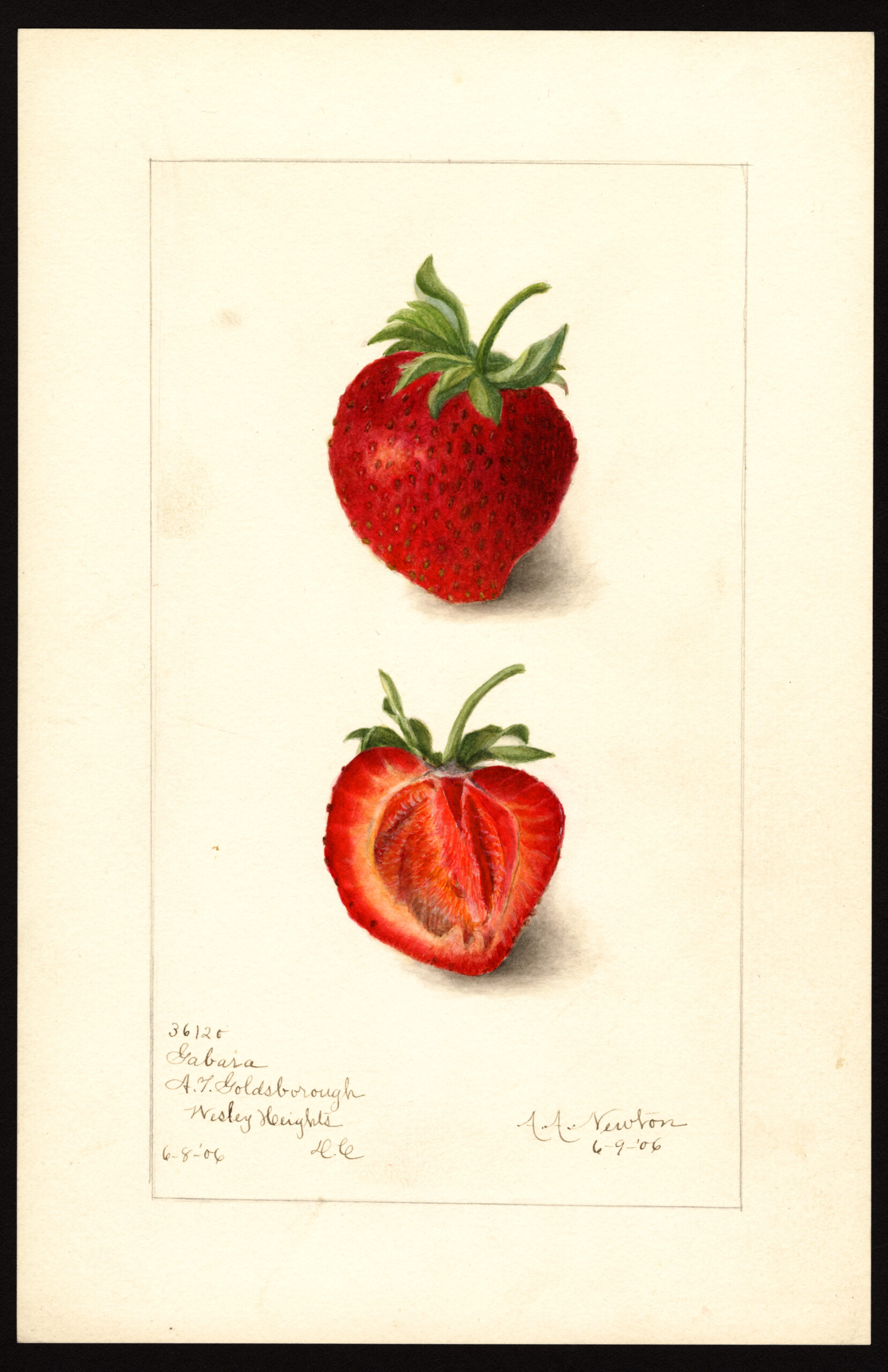
Both aesthetically and as a scientific database, the Pomological Watercolor Collection is the berries — specifically, Gandy, Chesapeake, Excelsior, Manhattan, and Gabara to namecheck but a few types of Fragaria, aka strawberries, preserved therein.
Other fruits remain lesser known on our shores. The USDA sponsored global expeditions specifically to gather specimens such as the ones below.
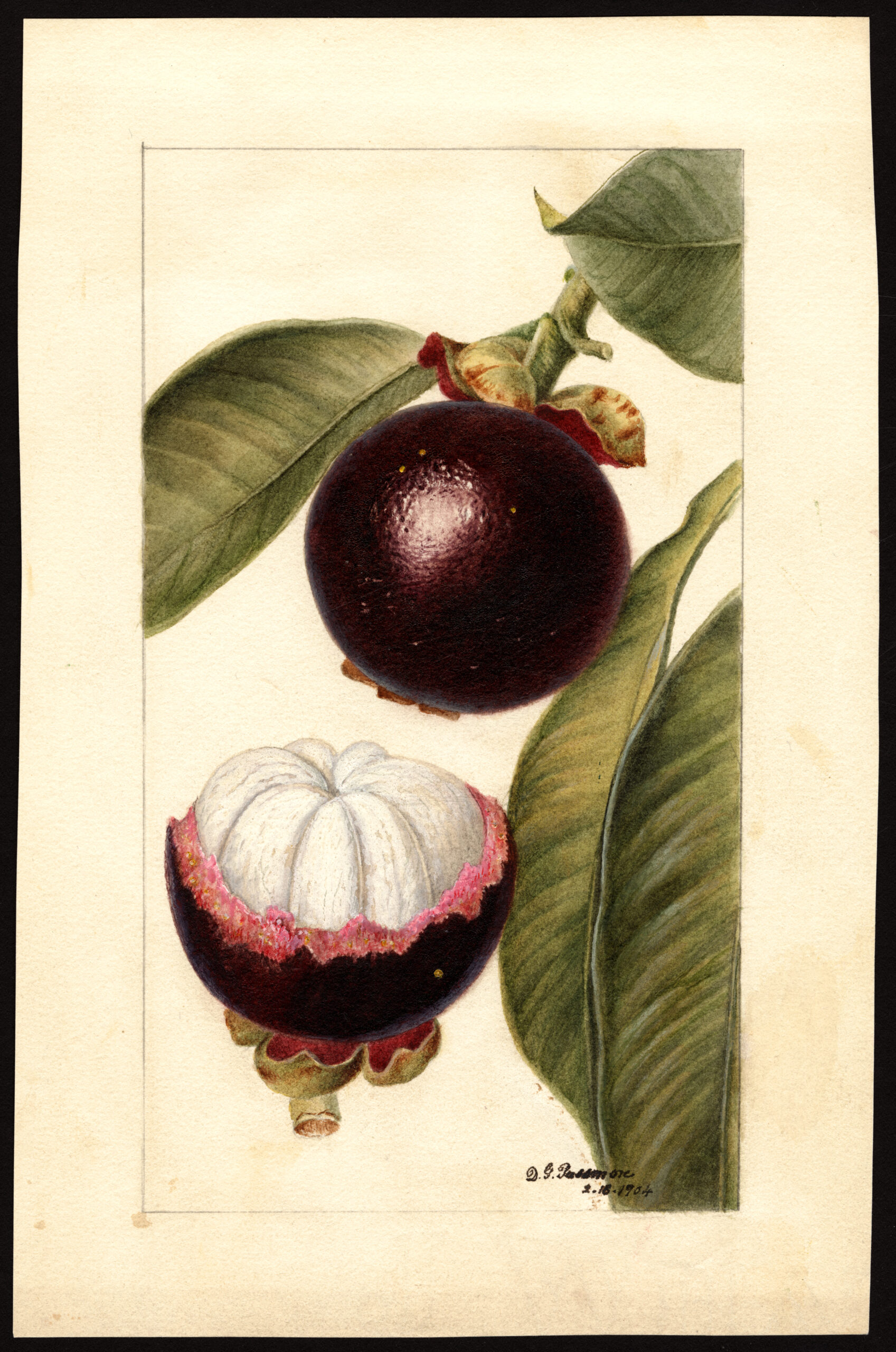
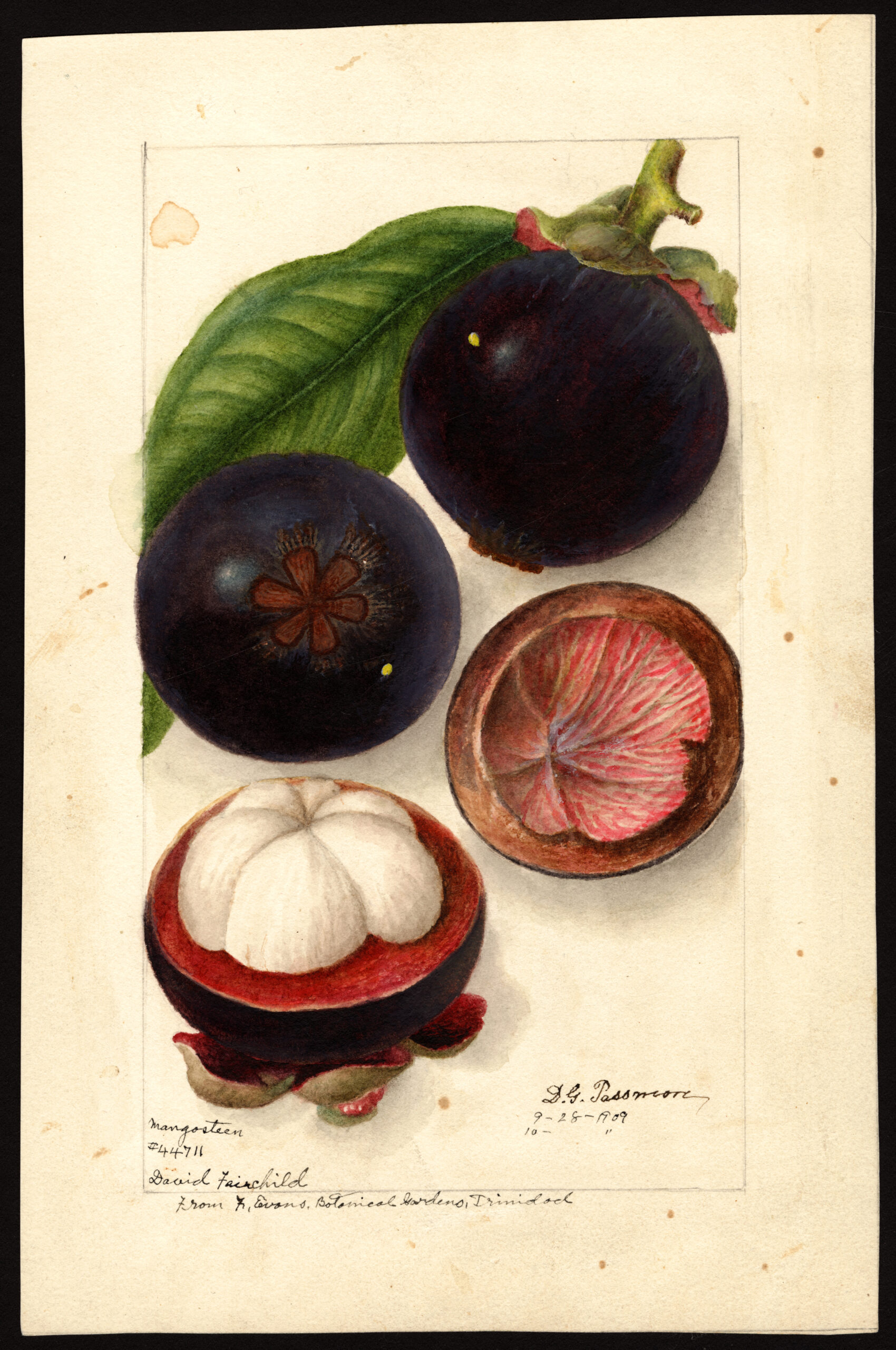
Queen Victoria reportedly offered knighthood to any traveler presenting her a mangosteen — still a rare treat in the west. They were banned in the U.S. until 2007 in the interest of protecting local agriculture from the threat of stowaway Asian fruit flies.
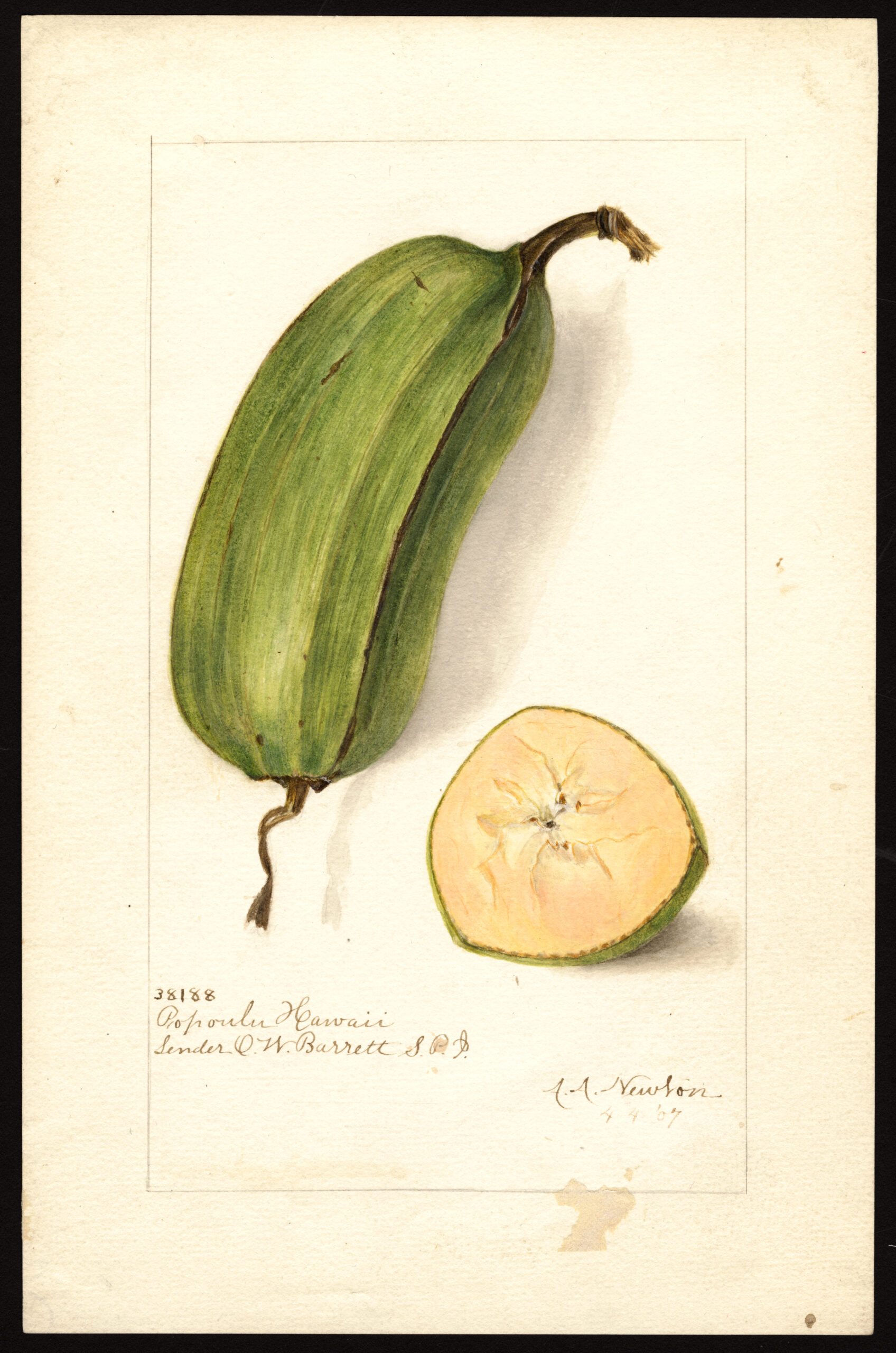
The thick, square-ended Popoulu banana would never be mistaken for a Chiquita from the outside. According to The World of Bananas in Hawai’i: Then and Now, its lineage dates back tens of thousands of years to the Vanuatu archipelago.
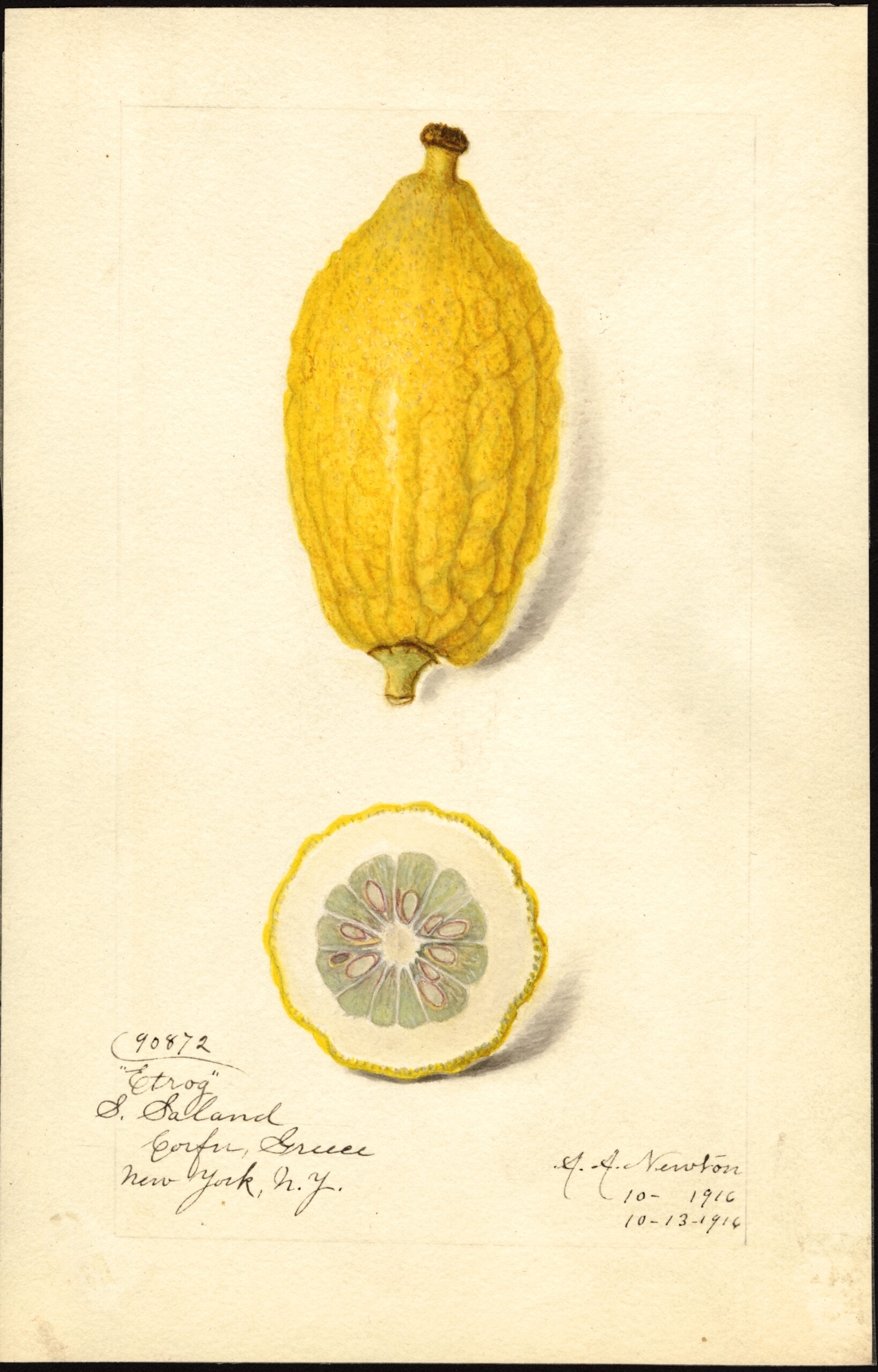
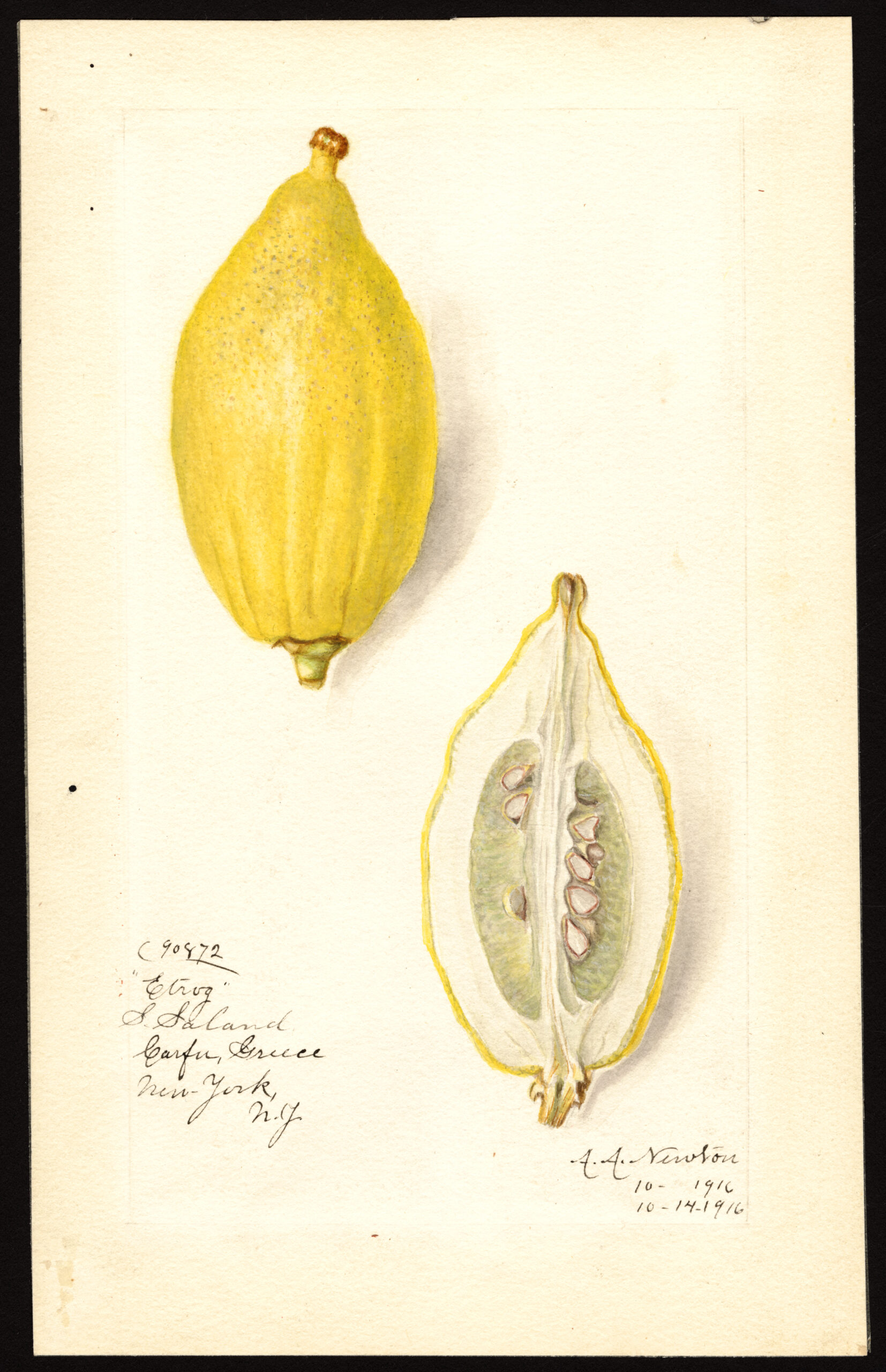
If you celebrate the harvest festival Sukkot, you likely encountered an etrog within the last month. The notoriously fiddly crop has been cultivated domestically since 1980, when a yeshiva student in Brooklyn, seeking to keep costs down and ensure that kosher protocols were maintained, convinced a third-generation California citrus grower by the name of Fitzgerald to give it a go.
Explore and download hi-res images from the Pomological Watercolor Collection here.
Related Content
A Collection of Vintage Fruit Crate Labels Offers a Voluptuous Vision of the Sunshine State
Via Aeon
– Ayun Halliday is the Chief Primatologist of the East Village Inky zine and author, most recently, of Creative, Not Famous: The Small Potato Manifesto and Creative, Not Famous Activity Book. Follow her @AyunHalliday.
Read More...The Physics of Playing a Guitar Visualized: Metallica’s “Nothing Else Matters” Seen from the Inside of a Guitar
Give it a chance, you won’t be disappointed. While the first 30 seconds of the video above may resemble an amateur iPhone prank, it soon becomes something unexpectedly enchanting—a visualization of the physics of music in real-time. The Youtuber places his phone inside an acoustic guitar, then plays Metallica’s “Nothing Else Matters” against a backdrop of clouds and blue sky. Due to what Twisted Sifter identifies as the phone camera’s rolling shutter effect, the actual waves of the vibrating guitar strings are as clearly visible as if they were on an oscilloscope.
The comparison is an apt one, since we might use exactly such a device to measure and visualize the acoustic properties of stringed instruments. “A guitar string”—writes physicist and musician Sam Hokin in his short explanation—is a common example of a string fixed at both ends which is elastic and can vibrate.
The vibrations of such a string are called standing waves, and they satisfy the relationship between wavelength and frequency that comes from the definition of waves.”
Those with a physics background might appreciate The Physics Classroom’s technical description of guitar string vibration, with several technical diagrams. For others, the video above by Youtube physics teacher Doc Shuster may be a better format. Shuster explains such entities as nodes and antinodes (you’ll have to tell me if you get any of his jokes). And at about 2:25, he digresses from his musings on these phenomena to talk about guitar strings specifically, which “make one note for a given tightness of the string, a given weight of the string, and a given length of the string.”
This is, of course, why changing the length of the string by pressing down on it changes the note the string produces, and it applies to all stringed instruments and the piano. Other factors, says Shuster, like the body of the guitar, use of pickups, etc., have a much smaller effect on the frequency of a guitar string than tightness, weight, and length. We see how the complexity of different standing wave forms relates to harmonics (or overtones). And when we return to the Metallica video at the top, we’ll have a better understanding of how the strings vibrate differently as they produce different frequencies at different harmonics.
Shuster’s video quickly lapses into calculus, and you may or may not be lost by his explanations. The Physics Classroom has some excellent, free tutorials on various types of waves, pitch frequency, vibration, and resonance. Perhaps all we need to keep in mind to understand the very basics of the science is this, from their introduction: “As a guitar string vibrates, it sets surrounding air molecules into vibrational motion. The frequency at which these air molecules vibrate is equal to the frequency of vibration of the guitar string.” The action of the string produces an equal and opposite reaction in the air, which then creates “a pressure wave which travels outward from its source.” The pressure waves strike our eardrums, our brains interpret sound, and there you have it.
If you would like to support the mission of Open Culture, consider making a donation to our site. It’s hard to rely 100% on ads, and your contributions will help us continue providing the best free cultural and educational materials to learners everywhere. You can contribute through PayPal, Patreon, and Venmo (@openculture). Thanks!
Note: An earlier version of this post appeared on our site in 2015.
Related Content:
Josh Jones is a writer and musician based in Durham, NC. Follow him at @jdmagness
Read More...How to Read Five Books Per Month & Become a Serious Reader: Tips from Deep Work Author Cal Newport
If those who have read Cal Newport’s Deep Work: Rules for Focused Success in a Distracted World — and even more so, those who’ve been meaning to read it — share any one desire, it’s surely the desire to read more books. And for those who have reading habits similar to Newport’s, it wouldn’t actually have been a Herculean task to read more than 400 books over the past seven years since Deep Work’s publication in 2016. Formidable though that total number may sound, it would only require reading about five books per month, and in the video above, a clip from his podcast Deep Questions, Newport explains his strategies for doing just that.
First, Newport recommends choosing “more interesting books”: that is to say, follow your own interests instead of asking, “What book is going to impress other people if they heard I read it?” Read a wide variety of books, changing up the genre, subject, and even format — paper versus audio, for example — every time. (For my part, I’d also recommend reading across several languages, matching the ambitions of your selected books to your skill level in each one.)
Then, schedule regular reading sessions: “Very few people tackle physical exercise with the mindset of, ‘If I have time and I’m in the mood, I’ll do it.’ As we know from long experience, that means you will do exactly zero hours of exercise. The same is true for reading.”
This hardly means you just have to grit your teeth and read. You can “put rituals around reading that make it more enjoyable”: Newport spends his Friday nights in his study with a book and a glass of bourbon, and in the summertime reads on his outdoor couch with a cup of coffee. Also satisfying is making the “closing push,” the final binge when “you’re at that last hundred pages, you have some momentum, you’ve been working on this book for a while, you can see the finish line.” But none of these strategies can have much of an effect if you don’t “take everything interesting off your phone.” Unlike most millennials, Newport has never participated in social media, with the positive side effect that reading books has become “my default activity when I don’t have something else to do.”
If you’d like to know more about how Newport, who’s also a father and a professor of computer science, fits reading into his life, have a look at his discussion of how to become a serious reader. This involves building a “training regime,” beginning with short spurts of whichever books you happen to find most exciting and working your way up to longer sessions with more complex reading material. He also has a video of advice for becoming a disciplined person in general, in which he employs his own specialized concepts, like identifying “deep life buckets” and, from them, drawing “keystone habits.” But as with so much in life, being disciplined in practice is a matter of identity. If you first “convince yourself that you are a disciplined person,” you’ll feel a constant, motivating need to live up to that label. In order to read more, then, declare yourself a reader: not just one who reads a lot, ideally, but one who reads well.
Related content:
Carl Sagan on the Importance of Choosing Wisely What You Read (Even If You Read a Book a Week)
Joseph Brodsky’s List of 83 Books You Should Read to Have an Intelligent Conversation
7 Tips for Reading More Books in a Year
800 Free eBooks for iPad, Kindle & Other Devices
Based in Seoul, Colin Marshall writes and broadcasts on cities, language, and culture. His projects include the Substack newsletter Books on Cities, the book The Stateless City: a Walk through 21st-Century Los Angeles and the video series The City in Cinema. Follow him on Twitter at @colinmarshall or on Facebook.
Read More...Support Us
We're hoping to rely on loyal readers, rather than erratic ads. Please click the Donate button and support Open Culture. You can use Paypal, Venmo, Patreon, even Crypto! We thank you!

About Us

Open Culture scours the web for the best educational media. We find the free courses and audio books you need, the language lessons & educational videos you want, and plenty of enlightenment in between.
Advertise With Us
FREE UPDATES!
GET OUR DAILY EMAIL
Get the best cultural and educational resources on the web curated for you in a daily email. We never spam. Unsubscribe at any time.
FOLLOW ON SOCIAL MEDIA
Open Culture editor Dan Colman scours the web for the best educational media. He finds the free courses and audio books you need, the language lessons & movies you want, and plenty of enlightenment in between.
Advertise With Us

