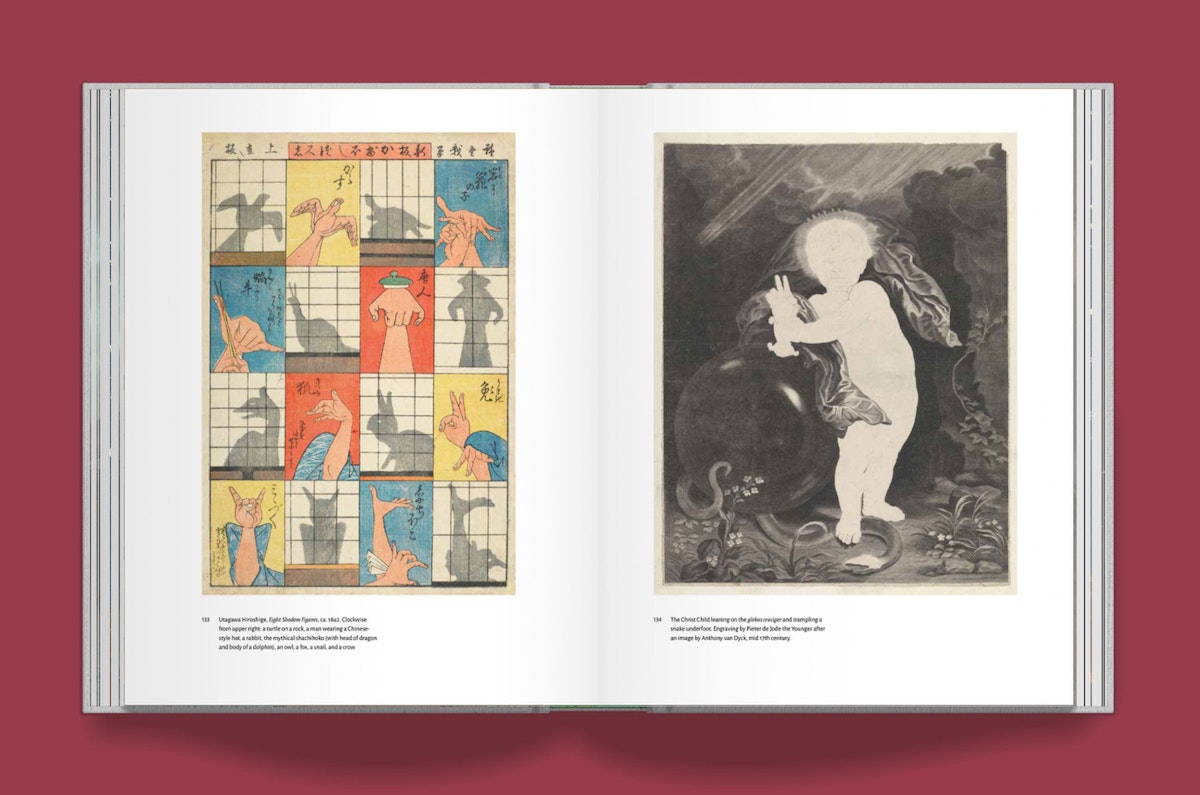
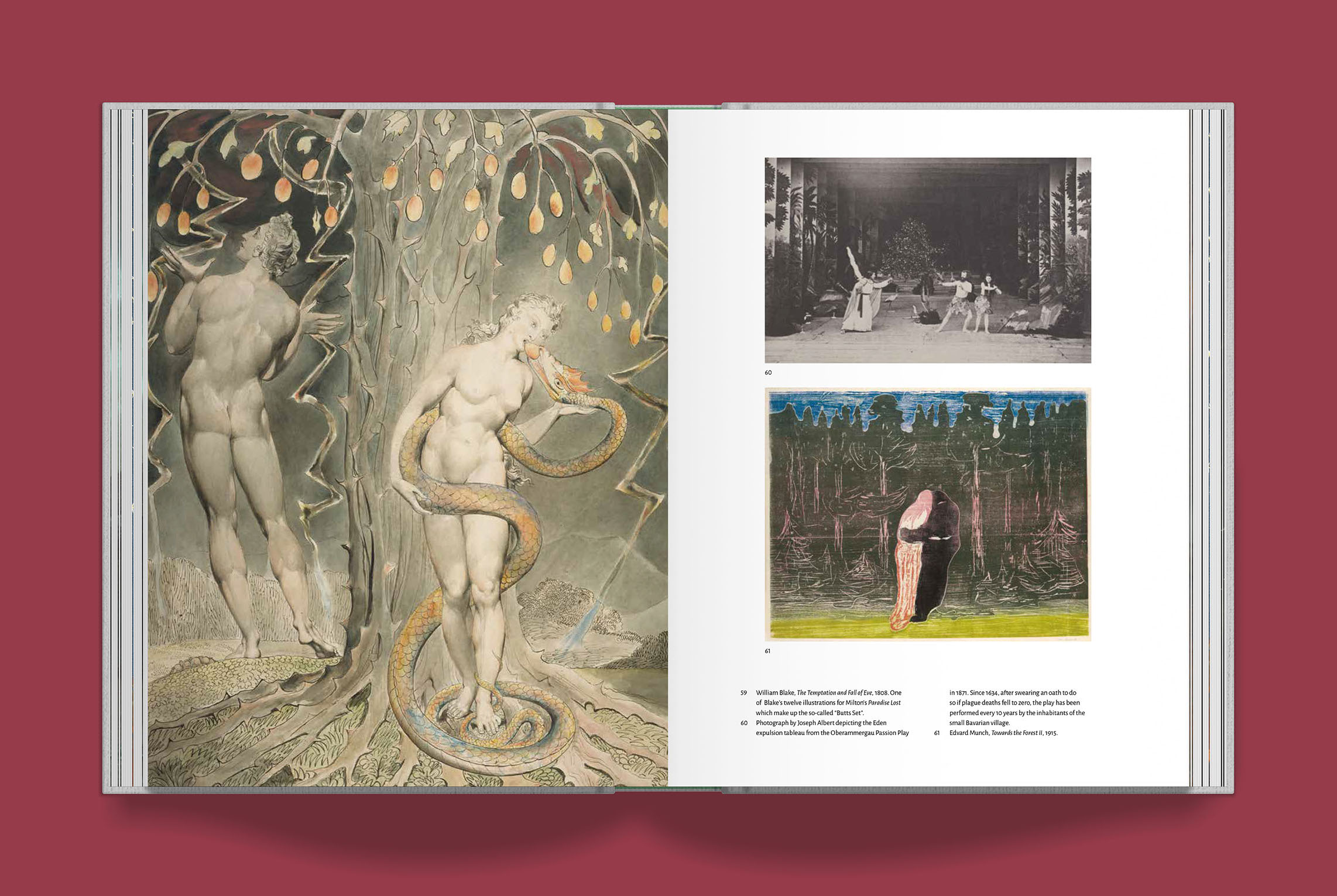
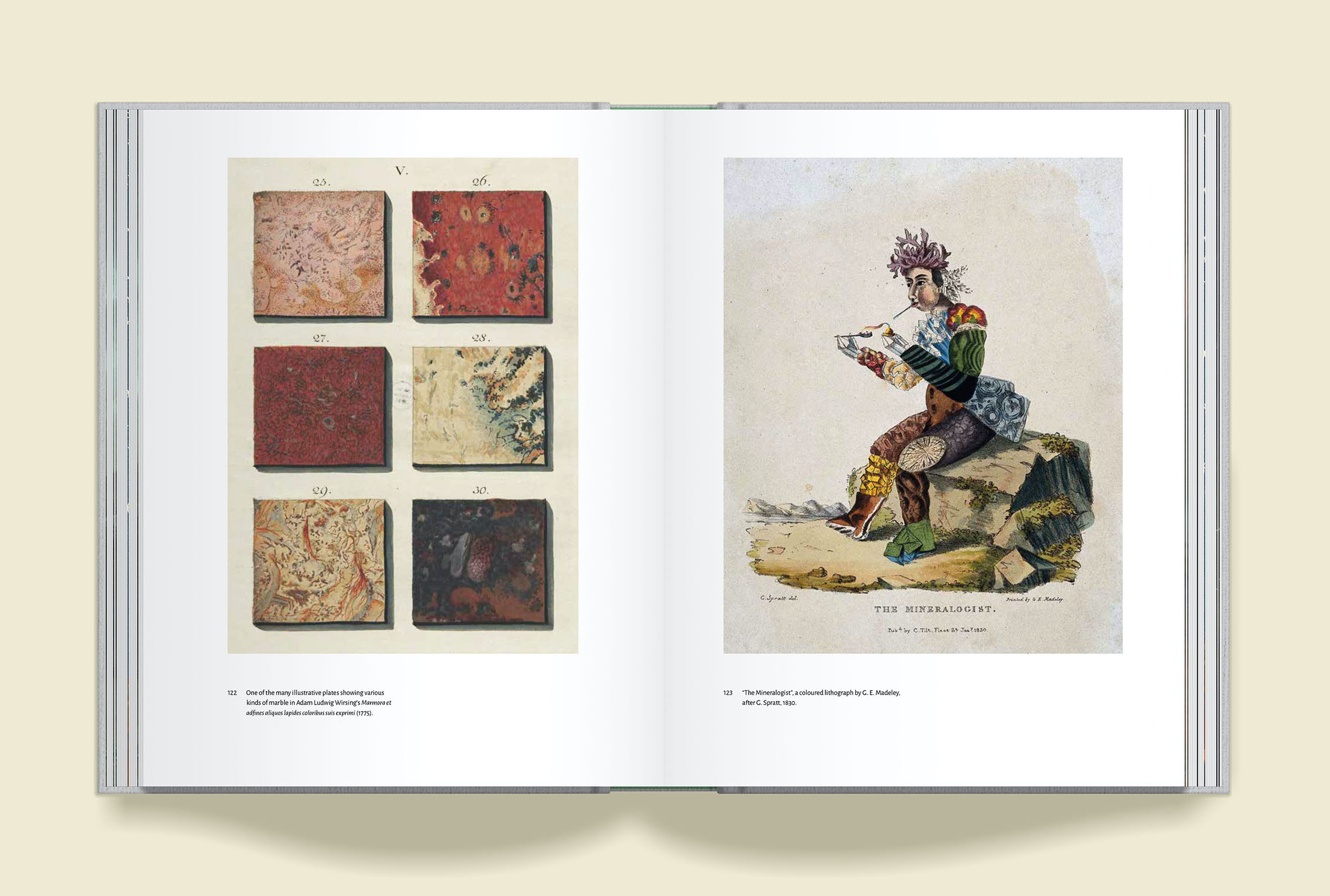
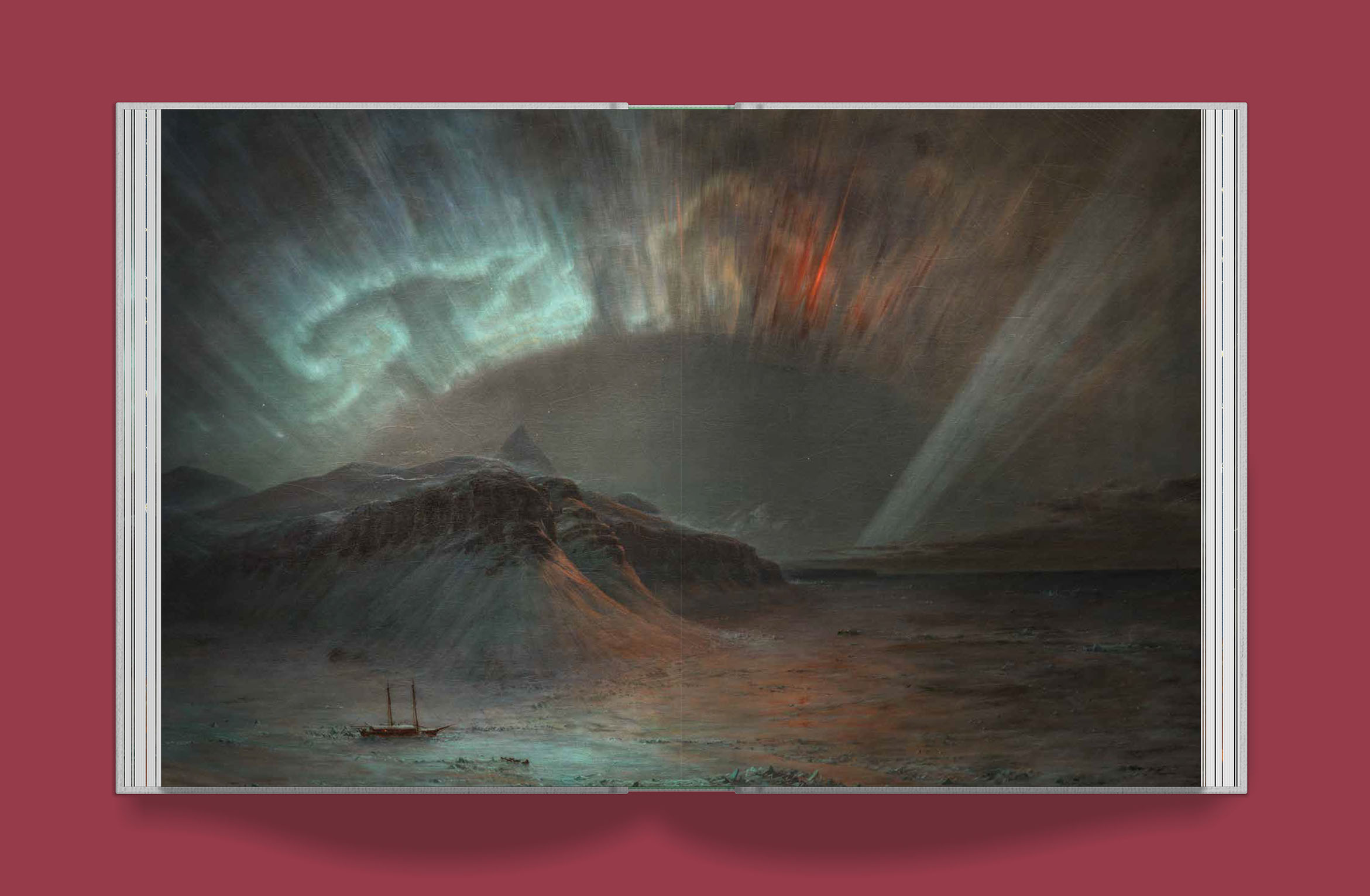
Flair Magazine: The Short-Lived, Highly-Influential Magazine That Still Inspires Designers Today (1950)

All mag­a­zines are their edi­tors, but Flair was more its edi­tor than any mag­a­zine had been before — or, for that mat­ter, than any mag­a­zine has been since. Though she came to the end of her long life in Eng­land, a coun­try to which she had expa­tri­at­ed with her fourth hus­band, a Briton, Fleur Cowles was as Amer­i­can a cul­tur­al fig­ure as they come. Born Flo­rence Frei­d­man in 1908, she had per­formed on her­self an unknow­able num­ber of Gats­byesque acts of rein­ven­tion by 1950, when she found her­self in a posi­tion to launch Flair. Her taste in hus­bands helped, mar­ried as she then was to Gard­ner “Mike” Cowles Jr., pub­lish­er of Look, a pop­u­lar pho­to jour­nal that Fleur had helped to lift from its low­brow ori­gins and make respectable among that all-pow­er­ful con­sumer demo­graph­ic, post­war Amer­i­can women.

The suc­cess of the rein­vent­ed Look “allowed Cowles to ask her hus­band for what she real­ly want­ed: the cap­i­tal to start her own pub­li­ca­tion, which she called ‘a class mag­a­zine,’ ” writes Eye on Design’s Rachel Syme. “She was tired of spreads about the best linoleum; she want­ed to do an entire issue on Paris, or hire Ernest Hem­ing­way to write a trav­el essay, or com­mis­sion Colette to gos­sip about her love affairs.”

Dur­ing Flair’s run she did all that and more, with a ros­ter of con­trib­u­tors also includ­ing Sal­vador Dalí, Simone de Beau­voir, W. H. Auden, Glo­ria Swan­son, Win­ston Churchill, Eleanor Roo­sevelt, and Jean Cocteau. In Flair’s debut issue, pub­lished in Feb­ru­ary 1950, “an arti­cle on the 28-year-old Lucian Freud came lib­er­al­ly accom­pa­nied with repro­duc­tions of his art—the first ever to appear in Amer­i­ca.”

So writes Van­i­ty Fair’s Amy Fine Collins in a pro­file of Clowes. “Angus Wil­son and Ten­nessee Williams con­tributed short sto­ries, Wilson’s print­ed on paper tex­tured to resem­ble slubbed silk.” What’s more, “The Duke and Duchess of Wind­sor opened their home to Flair’s read­ers, treat­ing them to their recon­dite and enter­tain­ing tips. A more futur­is­tic approach to liv­ing was set forth in a two-page spread on Richard Kelly’s light­ing design for Philip Johnson’s glass house in Con­necti­cut.” Fea­ture though it may have the work of an aston­ish­ing­ly var­ied group of lumi­nar­ies — pulled in by Cowles’ vast and delib­er­ate­ly woven social net — Flair is even more respect­ed today for each issue’s lav­ish, elab­o­rate, and dis­tinc­tive design.

“If a fea­ture would be bet­ter in dimen­sion than on flat pages, why not fold half-pages inside dou­ble-page spreads?” asks Cowles in her mem­oirs, quot­ed in Print mag­a­zine. “Why not bind it as ‘a lit­tle book’ … giv­ing it a spe­cial focus? If a fea­ture was bet­ter ‘trans­lat­ed’ on tex­tured paper, why use shiny paper?” And “if a paint­ing was good enough to frame, why not print it on prop­er­ly heavy stock? Why not bind lit­tle accor­dion fold­ers into each issue to give the feel­ing of some­thing more per­son­al to the con­tent?” One rea­son is the $2.5 mil­lion (1950 dol­lars) that Mike Cowles esti­mat­ed Flair to have cost in the year it ran before he pulled its plug.

But then, by the ear­ly 1970s even the high­ly prof­itable Look had to fold — and of the two mag­a­zines, only one has become ever more sought-after, has books pub­lished in its trib­ute, and still inspires design­ers today. To take a clos­er look at the mag­a­zine, see The Best of Flaira  com­pi­la­tion of the magazine’s best con­tent as cho­sen by Fleur Cowles her­self. (See a video pre­view of the book above.)

Relat­ed Con­tent:

A Com­plete Dig­i­ti­za­tion of the 1960s Mag­a­zine Avant Garde: From John Lennon’s Erot­ic Lith­o­graphs to Mar­i­lyn Monroe’s Last Pho­tos

How Mag­a­zine Pages Were Cre­at­ed Before Com­put­ers: A Vet­er­an of the Lon­don Review of Books Demon­strates the Metic­u­lous, Man­u­al Process

A Com­plete Dig­i­ti­za­tion of Eros Mag­a­zine: The Con­tro­ver­sial 1960s Mag­a­zine on the Sex­u­al Rev­o­lu­tion

The Provoca­tive Art of Mod­ern Sketch, the Mag­a­zine That Cap­tured the Cul­tur­al Explo­sion of 1930s Shang­hai

Vogue Edi­tor-in-Chief Anna Win­tour Teach­es a Course on Cre­ativ­i­ty & Lead­er­ship

Based in Seoul, Col­in Mar­shall writes and broad­casts on cities, lan­guage, and cul­ture. His projects include the Sub­stack newslet­ter Books on Cities, the book The State­less City: a Walk through 21st-Cen­tu­ry Los Ange­les and the video series The City in Cin­e­ma. Fol­low him on Twit­ter at @colinmarshall, on Face­book, or on Insta­gram.

Fonts in Use: Enter a Giant Archive of Typography, Featuring 12,618 Typefaces

Type selec­tion is an inten­sive process that requires inti­mate knowl­edge of a brand’s val­ues, audi­ence, com­pe­ti­tion, voice, and goals.

Fonts in Use, FAQ

Fonts in Use is a typog­ra­phy nerd’s dream come true.

The 10-year-old inde­pen­dent archive of typog­ra­phy has col­lect­ed over 17,000 designs, each using at least one of over 12,000 type­face fam­i­lies from more than 3,500 type com­pa­nies. Each font is con­tex­tu­al­ized with images depict­ing them in the wild, on every­thing from wine labels and store­fronts to book cov­ers, record albums, movie posters and of course, adver­tis­ing of all shapes and sizes.

Fonts can cre­ate unlike­ly bed­fel­lows.

The Ramones’ icon­ic seal achieved its pres­i­den­tial look thanks to ITC Tiffany.

Oth­er mem­o­rable appear­ances include the first edi­tion cov­er of Ita­lo Calvino’s exper­i­men­tal nov­el If On a Winter’s Night a Trav­el­er and the titles for Ham­mer Film’s 1980 anthol­o­gy TV series, Ham­mer House of Hor­ror.

Fonts in Use’s man­ag­ing edi­tor, Flo­ri­an Hard­wig, describes ITC Tiffany as “Ed Ben­guiat’s 1974 revis­i­ta­tion and inter­pre­ta­tion of 19th-cen­tu­ry faces like West Old Style or Old Style Title,” not­ing such “Vic­to­ri­an details” as “large angled ser­ifs and sharply ter­mi­nat­ed diag­o­nals.”

The prin­ci­pal cast of Law & Order under­went sev­er­al changes over the show’s 20-year run, but Friz Quadra­ta remained a con­stant, sup­ply­ing titles and such nec­es­sary details as loca­tion, time, and date.

Friz Quadra­ta should be equal­ly famil­iar to Dun­geons & Drag­ons play­ers of a cer­tain age and fans of Gar­den Wafers, the pack­aged cook­ies from Hong Kong that are a sta­ple of state­side Asian mar­kets.

Artist Bar­bara Kruger’s dis­tinc­tive text-based work places overt com­men­tary in white ital­i­cized Futu­ra on red bands on top of black and white images.

Futu­ra was also the face of a tourist map to Berlin dur­ing the 1936 sum­mer Olympics and author David Rees’ tongue-in-cheek guide How to Sharp­en Pen­cils: A Prac­ti­cal & The­o­ret­i­cal Trea­tise on the Arti­sanal Craft of Pen­cil Sharp­en­ing for Writ­ers, Artists, Con­trac­tors, Flange Turn­ers, Angle­smiths, & Civ­il Ser­vants.

Com­ic Sans may not get much love out in the real world, but it’s well rep­re­sent­ed in the archive’s user sub­mis­sions.

You’ll find grow­ing num­bers of fonts in Cyril­lic, as well as fonts famil­iar to read­ers of Chi­neseJapan­eseKore­anAra­bicGreek and Hebrew

New­bie Net­flix Sans keeps com­pa­ny with 19th-cen­tu­ry sans Bureau Grot, a favorite of Vice Pres­i­dent-Elect Kamala Har­ris

Fat AlbertTin­toret­toBen­guiat CaslonScor­pio, Hoopla and Saphir are your tick­et back to a far groovi­er peri­od in the his­to­ry of graph­ic art.

Spend an hour or two rum­mag­ing through the col­lec­tion and we guar­an­tee you’ll feel an urgent need to upload typo­graph­ic exam­ples pulled from your shelves and cab­i­nets.

Fonts in Use wel­comes such sub­mis­sions, as long as type is clear­ly vis­i­ble in your uploaded image and isor wasin use (as opposed to an exam­ple of let­ter­ing for lettering’s sake). They will also con­sid­er cus­tom type­faces which are his­tor­i­cal­ly sig­nif­i­cant or oth­er­wise out­stand­ing, and those that are avail­able to the gen­er­al pub­lic. Please include a short descrip­tion in your com­men­tary, and when­ev­er pos­si­ble, cred­it any design­ers, pho­tog­ra­phers, or sources of your image.

Typog­ra­phy nerds are stand­ing by to help.

Begin your explo­rations of Fonts in Use here. If you’re feel­ing over­whelmed, the Staff Picks are a great place to start.

via MetaFil­ter

Relat­ed Con­tent:

The His­to­ry of Typog­ra­phy Told in Five Ani­mat­ed Min­utes

Why This Font Is Every­where: How Coop­er Black Became Pop Culture’s Favorite Font

Down­load Hel­l­veti­ca, a Font that Makes the Ele­gant Spac­ing of Hel­veti­ca Look as Ugly as Pos­si­ble

Ayun Hal­l­i­day is an author, illus­tra­tor, the­ater mak­er and Chief Pri­ma­tol­o­gist of the East Vil­lage Inky zine. She most recent­ly appeared as a French Cana­di­an bear who trav­els to New York City in search of food and mean­ing in Greg Kotis’ short film, L’Ourse.  Fol­low her @AyunHalliday.

Thelonious Monk’s List of 25 Tips for Musicians


Let’s pro­vide the con­text, just like host Adam Neely and guest Bri­an Krock do in this video: in 1960 Steve Lacy, a young, white sopra­no sax play­er, briefly joined Thelo­nious Monk’s band. Two years pre­vi­ous, Lacy had  been the first jazz musi­cian to release an album of Monk’s com­po­si­tions oth­er than the man him­self. Even so, Lacy was young, excit­ed, and starstruck at play­ing along­side not just Monk but John Coltrane (who shared the bill on the 16 week tour), just absorb­ing every­thing.

At some point, Monk took Lacy aside and gave his some advice which Lacy wrote down, 25 pieces of advice to be exact.

In the video below, from Neely’s always inter­est­ing chan­nel (we’ve pre­vi­ous­ly writ­ten about him here), he and Krock go through the 25 points and com­ment on each one. For those who love to hear musi­cians (or any artist) talk shop, this is won­der­ful stuff.

Some of the advice is such as befits a live musician—“Pat your foot & sing the melody in your head, when you play”, “Don’t play the piano part, I’m play­ing that”, “When you’re swing­ing, swing some more!,” and “A note can be small as a pin or as big as the world, it depends on your imag­i­na­tion.”

Oth­ers are more cru­cial to the busi­ness, espe­cial­ly “Don’t sound any­body for a gig, just be on the scene.” That is: if you around the scene enough, and show your worth, you will get asked to play. But just cold ask­ing won’t get you any­where. Also, when asked what to wear to a gig, Monk advis­es: “Sharp as pos­si­ble!” which you could indeed say of Monk.

Oth­er advice is more mys­ti­cal: “You’ve got to dig it to dig it, you dig?” “What you don’t play can be more impor­tant than what you do.”

And the one that gets quot­ed the most, “A genius is the one most like him­self.” That’s true when it comes to Monk or any of the giants of jazz. To hear Monk, or Coltrane, or Miles Davis play is to hear the artist, the genius, and the per­son, not just the melody or the instru­ment. It reminds me of the great Har­ry Partch quote: “The cre­ative per­son shows him­self naked. And the more vig­or­ous his cre­ative act, the more naked he appears — some­times total­ly vul­ner­a­ble, yet always invul­ner­a­ble in the sense of his own integri­ty.”

And maybe that’s why we keep com­ing back to them, long after their phys­i­cal bod­ies have left this plane of exis­tence.

The full list is as fol­lows:

  1. Just because you’re not a drum­mer, doesn’t mean you don’t have to keep time.
  2. Pat your foot & sing the melody in your head, when you play.
  3. Stop play­ing all that bull­shit, those weird notes, play the melody!
  4. Make the drum­mer sound good.
  5. Dis­crim­i­na­tion is impor­tant.
  6. You’ve got to dig it to dig it, you dig?
  7. All reet!
  8. Always know… (monk )
  9. It must be always night, oth­er­wise they wouldn’t need the lights.
  10. Let’s lift the band stand!!
  11. I want to avoid the heck­lers.
  12. Don’t play the piano part, I’m play­ing that.
  13.  Don’t lis­ten to me. I’m sup­posed to be accom­pa­ny­ing you!
  14. The inside of the tune (the bridge) is the part that makes the out­side sound good.
  15. Don’t play every­thing (or every time); let some things go by. Some music just imag­ined. What you don’t play can be more impor­tant than what you do.
  16. Always leave them want­i­ng more.
  17. A note can be small as a pin or as big as the world, it depends on your imag­i­na­tion.
  18. Stay in shape! Some­times a musi­cian waits for a gig, & when it comes, he’s out of shape & can’t make it.
  19. When you’re swing­ing, swing some more!
  20. (What should we wear tonight?) Sharp as pos­si­ble!
  21. Don’t sound any­body for a gig, just be on the scene.
  22. These pieces were writ­ten so as to have some­thing to play, & to get cats inter­est­ed enough to come to rehearsal.
  23. You’ve got it! If you don’t want to play, tell a joke or dance, but in any case, you got it! (to a drum­mer who didn’t want to solo).
  24. What­ev­er you think can’t be done, some­body will come along & do it. A genius is the one most like him­self.
  25. They tried to get me to hate white peo­ple, but some­one would always come along & spoil it.

Relat­ed Con­tent:

Thelo­nious Monk Bombs in Paris in 1954, Then Makes a Tri­umphant Return in 1969

Andy Warhol Cre­ates Album Cov­ers for Jazz Leg­ends Thelo­nious Monk, Count Basie & Ken­ny Bur­rell

A Child’s Intro­duc­tion to Jazz by Can­non­ball Adder­ley (with Louis Arm­strong & Thelo­nious Monk)

Ted Mills is a free­lance writer on the arts who cur­rent­ly hosts the Notes from the Shed pod­cast and is the pro­duc­er of KCR­W’s Curi­ous Coast. You can also fol­low him on Twit­ter at @tedmills, and/or watch his films here.

An Animated Introduction to Baruch Spinoza: The “Philosopher’s Philosopher”

The so-called Enlight­en­ment peri­od encom­pass­es a sur­pris­ing­ly diverse col­lec­tion of thinkers, if not always in eth­nic or nation­al ori­gin, at least in intel­lec­tu­al dis­po­si­tion, includ­ing per­haps the age’s most influ­en­tial philoso­pher, the “philosopher’s philoso­pher,” writes Assad Mey­man­di. Baruch Spin­oza did not fit the image of the bewigged philoso­pher-gen­tle­man of means we tend to pop­u­lar­ly asso­ciate with Enlight­en­ment thought.

He was born to a fam­i­ly of Sephardic Por­tuguese Mar­ra­nos, Jews who were forced to con­vert to Catholi­cism but who reclaimed their Judaism when they relo­cat­ed to Calvin­ist Ams­ter­dam. Spin­oza him­self was “excom­mu­ni­cat­ed by Ams­ter­dam Jew­ry in 1656,” writes Harold Bloom in a review of Rebec­ca Goldstein’s Betray­ing Spin­oza: “The not deeply cha­grined 23-year-old Spin­oza did not become a Calvin­ist, and instead con­sort­ed with more lib­er­al Chris­tians, par­tic­u­lar­ly Men­non­ites.”

Spin­oza read “Hebrew, paleo-Hebrew, Aara­ma­ic, Greek, Latin, and to some degree Ara­bic,” writes Mey­man­di. “He was not a Mus­lim, but behaved like a Sufi in that he gave away all his pos­ses­sions to his step sis­ter. He was heav­i­ly influ­enced by Al Ghaz­a­li, Baba Taher Oryan, and Al Fara­bi.” He is also “usu­al­ly count­ed, along with Descartes and Leib­niz, as one of the three major Ratio­nal­ists,” Loy­ola pro­fes­sor Blake D. Dut­ton notes at the Inter­net Ency­clo­pe­dia of Phi­los­o­phy, a thinker who “made sig­nif­i­cant con­tri­bu­tions in vir­tu­al­ly every area of phi­los­o­phy.”

One might say with­out exag­ger­a­tion that it is impos­si­ble to under­stand Enlight­en­ment think­ing with­out read­ing this most het­ero­dox of thinkers, and in par­tic­u­lar read­ing his Ethics, which is itself no easy task. In this work, as Alain de Bot­ton puts it in his School of Life intro­duc­tion to Spin­oza above, the philoso­pher tried “to rein­vent reli­gion, mov­ing it away from some­thing based on super­sti­tion and direct divine inter­ven­tion to some­thing that is far more imper­son­al, qua­si-sci­en­tif­ic, and yet also, at times, serene­ly con­sol­ing.”

One might draw sev­er­al lines from Spin­oza to Sagan and also to Wittgen­stein and oth­er mod­ern skep­tics. His cri­tiques of such cher­ished con­cepts as prayer and a per­son­al rela­tion­ship with a deity did not qual­i­fy him as a reli­gious thinker in any ortho­dox sense, and he was derid­ed as an “athe­ist Jew” in his time. But he took reli­gion, and reli­gious awe, very seri­ous­ly, even if Spinoza’s God is indis­tin­guish­able from nature. To imag­ine that this great, mys­te­ri­ous enti­ty should bend the rules to suit our indi­vid­ual needs and desires con­sti­tutes a “deeply dis­tort­ed, infan­tile nar­cis­sism” in Spinoza’s esti­ma­tion, says de Bot­ton.

For Spin­oza, a mature ethics instead con­sists in find­ing out how the uni­verse works and accept­ing it, rather in the way of the Sto­ics or Nietzsche’s use of the Sto­ic idea of amor fati. It is with­in such accep­tance, what Bloom calls Spinoza’s “icy sub­lim­i­ty,” that true enlight­en­ment is found, accord­ing to Spin­oza. Or as the de Bot­ton video suc­cinct­ly puts it: “The free per­son is the one who is con­scious of the neces­si­ties that com­pel us all,” and who—instead of rail­ing against them—finds cre­ative ways to live with­in their lim­i­ta­tions peace­ful­ly.

Relat­ed Con­tent: 

An Ani­mat­ed Intro­duc­tion to Voltaire: Enlight­en­ment Philoso­pher of Plu­ral­ism & Tol­er­ance

The Diderot Effect: Enlight­en­ment Philoso­pher Denis Diderot Explains the Psy­chol­o­gy of Con­sumerism & Our Waste­ful Spend­ing

How to Teach and Learn Phi­los­o­phy Dur­ing the Pan­dem­ic: A Col­lec­tion of 450+ Phi­los­o­phy Videos Free Online

Josh Jones is a writer and musi­cian based in Durham, NC. Fol­low him at @jdmagness

How to Draw the Buddha: Explore an Elegant Tibetan Manual from the 18th-Century

Some reli­gions pro­hib­it the depic­tion of their sacred per­son­ages. Tibetan Bud­dhism isn’t quite so strict, but it does ask that, if you’re going to depict the Bud­dha, you do it right. Hence aids like the Tibetan Book of Pro­por­tions, which pro­vides “36 ink draw­ings show­ing pre­cise icono­met­ric guide­lines for depict­ing the Bud­dha and Bod­hisatt­va fig­ures.” That descrip­tion comes from the Pub­lic Domain Review, where you can behold many of those pages. Print­ed in the 18th cen­tu­ry, “the book is like­ly to have been pro­duced in Nepal for use in Tibet.” Now you’ll find it at the Get­ty Cen­ter in Los Ange­les, which had made the book free to read at its dig­i­tal col­lec­tions.

To read it prop­er­ly, of course, you’ll have to know your Newari script and Tibetan numer­als. But even with­out them, any­one can appre­ci­ate the ele­gance of not just the book’s rec­om­mend­ed pro­por­tions — all pre­sent­ed on a stan­dard­ized and notat­ed grid — but of the book itself as well.

By the time this vol­ume appeared, the print­ing used for texts relat­ed to Tibetan Bud­dhism had long since shown itself to be a cut above: take the 15th-cen­tu­ry col­lec­tion of recita­tion texts, pre­vi­ous­ly fea­tured here on Open Cul­ture, print­ed forty years before the Guten­berg Bible. Only a print­ing cul­ture that had mas­tered this lev­el of detail could pro­duce a book like the Tibetan Book of Pro­por­tions, visu­al exac­ti­tude being its entire rai­son d’être.

“The con­cept of the ‘ide­al image’ of the Bud­dha emerged dur­ing the Gold­en Age of Gup­ta rule, from the 4th to 6th cen­tu­ry,” says the Pub­lic Domain Review. Dur­ing that Indi­an empire’s dom­i­nance, the impor­tance of such depic­tions extend­ed even beyond pro­por­tions to details like “num­ber of teeth, col­or of eyes, direc­tion of hairs.” Sure­ly when it comes to show­ing one who has attained nir­vana — or a bod­hisatt­va, the des­ig­na­tion for those on their way to nir­vana — one can’t be too care­ful. Nev­er­the­less, art­works in the form of the Bud­dha (of which the Vic­to­ria and Albert Muse­um offer a small sam­pling on their web site) have tak­en dif­fer­ent shapes in dif­fer­ent times and places. No mat­ter how well-defined the ide­al, the earth­ly realm always finds a way to intro­duce some vari­ety.

via Pub­lic Domain Review

Relat­ed Con­tent:

The Ele­gant Math­e­mat­ics of Vit­ru­vian Man, Leonar­do da Vinci’s Most Famous Draw­ing: An Ani­mat­ed Intro­duc­tion

Breath­tak­ing­ly Detailed Tibetan Book Print­ed 40 Years Before the Guten­berg Bible

The World’s Largest Col­lec­tion of Tibetan Bud­dhist Lit­er­a­ture Now Online

Leonard Cohen Nar­rates Film on The Tibetan Book of the Dead, Fea­tur­ing the Dalai Lama (1994)

Tibetan Musi­cal Nota­tion Is Beau­ti­ful

Based in Seoul, Col­in Mar­shall writes and broad­casts on cities, lan­guage, and cul­ture. His projects include the Sub­stack newslet­ter Books on Cities, the book The State­less City: a Walk through 21st-Cen­tu­ry Los Ange­les and the video series The City in Cin­e­ma. Fol­low him on Twit­ter at @colinmarshall, on Face­book, or on Insta­gram.

Wonder Woman 1984 in Context — Pretty Much Pop: A Culture Podcast #76

The hol­i­day film release sea­son has now passed, hav­ing issued only one real block­buster, which is the return of Won­der Woman. This week’s Pret­ty Much Pop like­wise offers a return­ing hero:  Our col­lege-going guest from ep. 33 on hero­ine jour­neys has now grown into a grad stu­dent in comics his­to­ry, and she brings her deep WW knowl­edge to con­sid­er with your hosts Eri­ca Spyres, Mark Lin­sen­may­er, and Bri­an Hirt.

Part of the rel­e­vant con­text is the 2017 biopic Pro­fes­sor Marston and the Won­der Women, which revealed the unortho­dox views of WW’s cre­ator, and so of course this shows up in how WW judges us: She’s not just a Cap­tain Amer­i­ca-style patri­ot, but a for­eign­er who in the new film com­pas­sion­ate­ly con­demns our 80s greed and dis­hon­esty. But do the themes actu­al­ly make sense? And what’s with hav­ing her love inter­est return from the dead, hijack­ing anoth­er man’s body with no acknowl­edg­ment that that’s very skeevy?

Also, how does the depic­tion of WW’s home­land com­pare to oth­er fem­i­nist utopias like Her­land and “Sul­tana’s Dream”? Does it mat­ter that WW was cre­at­ed by and ini­tial­ly aimed pri­mar­i­ly at males? We learn a lit­tle about the post-Marston WW (who could­n’t join the Jus­tice League, which was for boys only!) and talk about the ’70s TV show, the out­fits, the vil­lains, and WW in love.

Here are a few sup­ple­men­tary arti­cles:

Hear more of this pod­cast at prettymuchpop.com. This episode includes bonus dis­cus­sion you can access by sup­port­ing the pod­cast at patreon.com/prettymuchpop. This pod­cast is part of the Par­tial­ly Exam­ined Life pod­cast net­work.

Pret­ty Much Pop: A Cul­ture Pod­cast is the first pod­cast curat­ed by Open Cul­ture. Browse all Pret­ty Much Pop posts.


The 25th Amendment: An Introduction

Read along with the text of the 25th Amend­ment online here. And get some back­ground from the Con­sti­tu­tion Cen­ter here, and Vox’s explain­er here.

by | Permalink | Make a Comment ( 1 ) |

The Rijksmuseum in Amsterdam Has Digitized 818,000 Works of Art, Including Famous Works by Rembrandt and Vermeer

Art may seem inessen­tial to those who make the big deci­sions in times of cri­sis. But it has nev­er seemed more nec­es­sary to artists work­ing in the time of COVID. So it was 360 years ago when Rem­brandt paint­ed a por­trait of his son, Titus, in a monk’s robe in 1660. Eight years lat­er, Titus was dead from plague, which had only a few years ear­li­er killed Hen­drick­je Stof­fels, Rembrandt’s for­mer house­keep­er and sec­ond wife, who helped raise Titus, Rembrandt’s only child to sur­vive into adult­hood.

These unimag­in­able loss­es “con­tributed to the tragedy and anguish we see in Rembrandt’s late self-por­traits,” writes The Guardian’s Jonathan Jones. Dur­ing the plague, Rem­brandt also used his work as social cri­tique.

His paint­ing The Rat-Poi­son Ped­dler, shows, “in a sense,” the Min­neapo­lis Insti­tute of Art’s Tom Rassieur tells the Star Tri­bune, “the guy who pur­ports to be helping—the exterminator—is prob­a­bly doing as much to spread the dis­ease as any­one else. That relates to [crit­i­cism] of our lead­er­ship today.” In his last years, Rem­brandt paint­ed self-por­traits of his iso­la­tion and grief that still res­onate with our iso­la­tion and grief today.

Else­where in the Nether­lands, Rembrandt’s con­tem­po­rary Jan Ver­meer “was no stranger to the kind of social­ly iso­lat­ed world we now find our­selves in,” Breeze Bar­ring­ton writes at CNN. “His home­town of Delft was strick­en with plague sev­er­al times in the artist’s life­time. In 1635 and 1636 over 2,000 peo­ple died, and in the mid-1650s and mid-1660s hun­dreds more.” The qual­i­ties we most asso­ciate with Vermeer’s work, the soli­tude and atten­tive pres­ence, were devel­oped dur­ing time spent in iso­la­tion. 

“In this time of forced iso­la­tion,” says Friso Lam­mertse, cura­tor of 17th-cen­tu­ry Dutch paint­ing at the Rijksmu­se­um in Ams­ter­dam, Vermeer’s work “can point us at the fact that extreme beau­ty can be found just in our room.” The Rijksmu­se­um hasn’t just rec­om­mend­ed art in our cur­rent state of alone­ness, but the muse­um has also dou­bled its col­lec­tion of free, high res­o­lu­tion works online, by Rem­brandt, Ver­meer, and a host of oth­er artists who used art to cope with loss and lone­li­ness dur­ing the plagues of their times. The muse­um now offers 818,000 dig­i­tized images in total.

The muse­um has promised to “bring the muse­um to you,” and they have deliv­ered not only with their exten­sive dig­i­tal col­lec­tion, free for down­load­ing, shar­ing and edit­ing with a free Rijksmu­se­um account, but also with infor­ma­tive series on their web­site. Art is essen­tial in the best and worst of times, and espe­cial­ly now, when it shows us how to look close­ly at our­selves, our loved ones, and our sur­round­ings, and treat life with more care and atten­tion. Enter the Rijksmu­se­um online col­lec­tions here

Relat­ed Con­tent: 

Rijksmu­se­um Dig­i­tizes & Makes Free Online 361,000 Works of Art, Mas­ter­pieces by Rem­brandt Includ­ed!

The Largest & Most Detailed Pho­to­graph of Rembrandt’s The Night Watch Is Now Online: Zoom In & See Every Brush Stroke

See the Com­plete Works of Ver­meer in Aug­ment­ed Real­i­ty: Google Makes Them Avail­able on Your Smart­phone

Josh Jones is a writer and musi­cian based in Durham, NC. Fol­low him at @jdmagness

How Tibetan Monks Use Meditation to Raise Their Peripheral Body Temperature 16–17 Degrees

Tibetan monks in remote regions of the Himalayas have long claimed near mirac­u­lous pow­ers through yog­ic prac­tices that resem­ble noth­ing you’ll find offered at your local gym, though they may derive from some sim­i­lar Indi­an sources. One such med­i­ta­tive prac­tice, a breath­ing exer­cise known as tum­mo, tum-mo, or g‑tummo, sup­pos­ed­ly gen­er­ates body heat and can raise one’s periph­er­al body tem­per­a­ture 16–17 degrees—a dis­tinct­ly advan­ta­geous abil­i­ty when sit­ting out­side in the snow-capped moun­tains.

Per­haps a cer­tain amount of skep­ti­cism is war­rant­ed, but in 1981, Har­vard car­di­ol­o­gist Her­bert Ben­son was deter­mined to take these ancient prac­tices seri­ous­ly, even though his first encoun­ters with west­ern prac­ti­tion­ers of tum­mo pro­duced results he deemed “fraud­u­lent.” Not ready to toss cen­turies of wis­dom, Ben­son decid­ed instead to trav­el to the source after meet­ing the Dalai Lama and receiv­ing per­mis­sion to study tum­mo prac­ti­tion­ers in North­ern India.

Benson’s research became a 20-year project of study­ing tum­mo and oth­er advanced tech­niques while he also taught at the Har­vard Med­ical School and served as pres­i­dent of the Mind/Body Med­ical Insti­tute in Boston, where he believes the study of med­i­ta­tion can “uncov­er capac­i­ties that will help us to bet­ter treat stress-relat­ed ill­ness­es.” The claims of monks who prac­tice tum­mo have been sub­stan­ti­at­ed in Benson’s work, show­ing, he says, “what advanced forms of med­i­ta­tion can do to help the mind con­trol phys­i­cal process­es once thought to be uncon­trol­lable.”

In his own exper­i­men­tal set­tings, “Ben­son found that [Tibetan] monks pos­sessed remark­able capac­i­ties for con­trol­ling their oxy­gen intake, body tem­per­a­tures and even brain­waves,” notes Aeon. Anoth­er study under­tak­en in 2013 by Maria Kozhevnikov, cog­ni­tive neu­ro­sci­en­tist at the Nation­al Uni­ver­si­ty of Sin­ga­pore, “cor­rob­o­rat­ed much of what Ben­son had observed, includ­ing prac­ti­tion­ers’ abil­i­ty to raise their body tem­per­a­tures to fever­ish lev­els by com­bin­ing visu­al­iza­tion and spe­cial­ized breath­ing.”

In the short doc­u­men­tary film above—actually a 7‑minute trail­er for Russ Pariseau’s fea­ture-length film Advanced Tibetan Med­i­ta­tion: The Inves­ti­ga­tions of Her­bert Ben­son MD—we get a brief intro­duc­tion to tum­mo, a word that trans­lates to “inner fire” and relates to the feroc­i­ty of a female deity. Ben­son explains the ideas behind the prac­tice in con­cise terms that sum up a cen­tral premise of Tibetan Bud­dhism in gen­er­al:

Bud­dhists feel the real­i­ty we live in is not the ulti­mate one. There’s anoth­er real­i­ty we can tap into that’s unaf­fect­ed by our emo­tions, by our every­day world. Bud­dhists believe this state of mind can be achieved by doing good for oth­ers and by med­i­ta­tion. The heat they gen­er­ate dur­ing the process is just a by-prod­uct of g Tum-mo med­i­ta­tion

Per­haps cen­turies-old non-Euro­pean prac­tices do not par­tic­u­lar­ly need to be debunked, demys­ti­fied, or val­i­dat­ed by mod­ern sci­en­tif­ic med­i­cine to keep work­ing for their prac­ti­tion­ers; but doc­tors have sig­nif­i­cant­ly ben­e­fit­ed those in their care through an accep­tance of the heal­ing prop­er­ties of, say, psilo­cy­bin or mind­ful­ness, now seri­ous sub­jects of study and clin­i­cal treat­ment in top Euro-Amer­i­can insti­tu­tions. Just as this research is being pop­u­lar­ized among both the med­ical estab­lish­ment and gen­er­al pub­lic, we may some­day see a surge of inter­est in advanced tantric prac­tices like tum­mo.

via Aeon

Relat­ed Con­tent:

How Bud­dhism & Neu­ro­science Can Help You Change How Your Mind Works: A New Course by Best­selling Author Robert Wright

How Med­i­ta­tion Can Change Your Brain: The Neu­ro­science of Bud­dhist Prac­tice

How Yoga Changes the Brain and May Guard Against Alzheimer’s and Demen­tia

Josh Jones is a writer and musi­cian based in Durham, NC. Fol­low him at @jdmagness

Animation Pioneer Lotte Reiniger Adapts Mozart’s The Magic Flute into an All-Silhouette Short Film (1935)

When Lotte Reiniger began mak­ing ani­ma­tion in the late 1910s, her work looked like noth­ing that had ever been shot on film. In fact, it also resem­bles noth­ing else achieved in the realm of cin­e­ma in the cen­tu­ry since. Even the enor­mous­ly bud­get­ed and staffed pro­duc­tions of major stu­dios have yet to repli­cate the stark, qua­ver­ing charm of her sil­hou­ette ani­ma­tions. Those stu­dios do know full well, how­ev­er, what Reiniger real­ized long before: that no oth­er medi­um can more vivid­ly real­ize the visions of fairy tales. To believe that, one needs only watch her 1922 Cin­derel­la or 1955 Hansel and Gre­tel, pre­vi­ous­ly fea­tured here on Open Cul­ture.

It was between those pro­duc­tions that Reiniger made the work for which she’s now best remem­bered: the 1926 One Thou­sand and One Nights pas­tiche The Adven­tures of Prince Achmed, the very first fea­ture in ani­ma­tion his­to­ry. Nine years lat­er, she turned to source mate­r­i­al clos­er at hand, cul­tur­al­ly speak­ing, and adapt­ed a sec­tion of Wolf­gang Amadeus Mozart’s opera The Mag­ic Flute.

You can watch the result, the ten-minute Papa­geno, at the top of the post. A bird-catch­er, the title char­ac­ter finds one day that all the avians around him have become tiny human females. Though none of them stick around, an ostrich lat­er deliv­ers him a full-size maid­en, only for a giant snake to dri­ve her away. Will Papageno defeat the ser­pent and reclaim his beloved, or sub­mit to despair?

“The mag­ic of the fairy tale has always been her great­est fas­ci­na­tion, yet her own inter­pre­ta­tions attain a unique qual­i­ty,” says the nar­ra­tor of the 1970 doc­u­men­tary short just above, in which Reiniger re-enacts the thor­ough­ly ana­log and high­ly labor-inten­sive mak­ing of Papageno. “The fig­ures she cuts out and con­structs were orig­i­nal­ly inspired by the pup­pets used in tra­di­tion­al East­ern shad­ow the­aters, of which the sil­hou­ette form is the log­i­cal con­clu­sion.” This hybridiza­tion of ven­er­a­ble nar­ra­tive mate­r­i­al from West­ern lands like Ger­many with an even more ven­er­a­ble aes­thet­ic from East­ern lands like Indone­sia has assured only part of her work’s endur­ing appeal. “Ms. Reiniger will con­tin­ue to have a strange affec­tion for each of her fig­ures,” the nar­ra­tor notes. This is “an under­stand­able affec­tion, for in their flex­i­bil­i­ty they have almost human char­ac­ter­is­tics of move­ment.” It’s an affec­tion any­one with an inter­est in ani­ma­tion, fairy tales, or Mozart will share.

Relat­ed Con­tent:

The Ground­break­ing Sil­hou­ette Ani­ma­tions of Lotte Reiniger: Cin­derel­la, Hansel and Gre­tel, and More

The First Ani­mat­ed Fea­ture Film: The Adven­tures of Prince Achmed by Lotte Reiniger (1926)

Mozart’s Diary Where He Com­posed His Final Mas­ter­pieces Is Now Dig­i­tized and Avail­able Online

See Mozart Played on Mozart’s Own Fortepi­ano, the Instru­ment That Most Authen­ti­cal­ly Cap­tures the Sound of His Music

Hear All of Mozart in a Free 127-Hour Playlist

Based in Seoul, Col­in Mar­shall writes and broad­casts on cities, lan­guage, and cul­ture. His projects include the Sub­stack newslet­ter Books on Cities, the book The State­less City: a Walk through 21st-Cen­tu­ry Los Ange­les and the video series The City in Cin­e­ma. Fol­low him on Twit­ter at @colinmarshall, on Face­book, or on Insta­gram.

When Iggy Pop Published an Essay, “Caesar Lives,” in an Academic Journal about His Love for Edward Gibbon’s The Decline and Fall of the Roman Empire (1995)

Pur­vey­ors of the shock­ing, pri­mal idio­cy of pure rock and roll can in many cas­es be some of the most intel­li­gent peo­ple in pop. Or at least that’s the case with the king of shock­ing, pri­mal idio­cy, Iggy Pop. He has inter­pret­ed Whit­man’s “bar­bar­ic yawp” and deliv­ered the John Peel Lec­ture for BBC Music, becom­ing “a vis­it­ing pro­fes­sor from the School of Punk Rock Hard Knocks,” writes Rolling Stone and bring­ing an elder statesman’s per­spec­tive informed not only by his years in the bow­els of the music indus­try but also by his avo­ca­tion as a schol­ar of the Roman Empire….

Yes, that’s right, Iggy Pop is not only an adroit styl­ist of some of the most bril­liant­ly stu­pid garage rock ever made, but he’s also a seri­ous read­er and thinker who once pub­lished a brief reflec­tion on his rela­tion­ship with Edward Gibbon’s The Decline and Fall of the Roman Empire in the aca­d­e­m­ic jour­nal Ire­land Clas­sics.

“Iggy Pop, like Bob Dylan,” writes E.J. Hutchin­son, “has an avid inter­est in Roman antiq­ui­ty and its genet­ic con­nec­tion to con­tem­po­rary life.” He may also be the sharpest, wil­i­est embod­i­ment of post-indus­tri­al Amer­i­can decline—his entire musi­cal per­son­al­i­ty a punch in the col­lec­tive face of the nation’s delu­sions.

In 1982, hor­ri­fied by the mean­ness, tedi­um and deprav­i­ty of my exis­tence as I toured the Amer­i­can South play­ing rock and roll music and going crazy in pub­lic, I pur­chased an abridged copy of The Decline and Fall of the Roman Empire (Dero Saun­ders, Pen­guin). 

The grandeur of the sub­ject appealed to me, as did the cameo illus­tra­tion of Edward Gib­bon, the author, on the front cov­er. He looked like a heavy dude.

Hutchin­son gives us a fine­ly wrought analy­sis of Pop’s “tour de force of clas­si­cal Gib­bon­ian Eng­lish prose, a scrap of Ciceron­ian peri­od­ic­i­ty.” (Gib­bon did, indeed, look like a heavy dude.) Pop’s read­ing of Gib­bon, “with plea­sure around 4 am, with my drugs and whisky in cheap motels,” absorbed him in its “clash of beliefs, per­son­al­i­ties and val­ues,” he writes, “played out on antiquity’s stage by crowds of the vul­gar, led by huge arche­typ­al char­ac­ters.” All of this appealed to him, he writes, giv­en his own role in “a polit­i­cal busi­ness… the music busi­ness, which is not about music at all, but is a kind of reli­gion-rental.”

Gibbon’s mas­sive saga, a mon­u­men­tal exam­ple of sweep­ing Enlight­en­ment his­to­ri­og­ra­phy, so cap­ti­vat­ed Pop that a decade lat­er, it inspired “an extem­po­ra­ne­ous solil­o­quy” he called “Cae­sar,” the clos­ing track on 1993’s “over­looked mas­ter­piece” Amer­i­can Cae­sar. The spo­ken word piece “made me laugh my ass off,” he writes, “because it was so true. Amer­i­ca is Rome. Of course, why shouldn’t it be? All of West­ern life and insti­tu­tions today are trace­able to the Romans and their world. We are all Roman chil­dren for bet­ter or worse.”

But there was much more to Pop’s read­ing of Gibbon—which he even­tu­al­ly enjoyed in a “beau­ti­ful edi­tion in three vol­umes of the mag­nif­i­cent orig­i­nal unabridged”—than a pos­si­bly facile com­par­i­son between one fail­ing empire and anoth­er. Much more, indeed. Read­ing Gib­bon, he writes (sound­ing very much like anoth­er pro­po­nent of the clas­sics, Ita­lo Calvi­no), taught him how to think about the present, and how to think, humbly, about him­self. He ends his essay with a num­bered list of “just some of the ways I ben­e­fit”:

  1. I feel a great com­fort and relief know­ing that there were oth­ers who lived and died and thought and fought so long ago; I feel less tyr­an­nized by the present day.
  2. I learn much about the way our soci­ety real­ly works, because the sys­tem-ori­gins — mil­i­tary, reli­gious, polit­i­cal, colo­nial, agri­cul­tur­al, finan­cial — are all there to be scru­ti­nized in their infan­cy. I have gained per­spec­tive.
  3. The lan­guage in which the book is writ­ten is rich and com­plete, as the lan­guage of today is not.
  4. I find out how lit­tle I know.
  5. I am inspired by the will and eru­di­tion which enabled Gib­bon to com­plete a work of twen­ty-odd years. The guy stuck with things. I urge any­one who wants life on earth to real­ly come alive for them to enjoy the beau­ti­ful ances­tral ancient world.

Read Pop’s full 1995 Ire­land Clas­sics essay on Jstor or Medi­um.

via Han­nah Rose Woods

Relat­ed Con­tent:

Prof. Iggy Pop Deliv­ers the BBC’s 2014 John Peel Lec­ture on “Free Music in a Cap­i­tal­ist Soci­ety”

The Splen­did Book Design of the 1946 Edi­tion of Gibbon’s Decline and Fall of the Roman Empire

Iggy Pop Reads Walt Whit­man in Col­lab­o­ra­tions With Elec­tron­ic Artists Alva Noto and Tar­wa­ter

Iggy Pop Reads Edgar Allan Poe’s Clas­sic Hor­ror Sto­ry, “The Tell-Tale Heart”

Stream Iggy Pop’s Two-Hour Radio Trib­ute to David Bowie

Josh Jones is a writer and musi­cian based in Durham, NC. Fol­low him at @jdmagness


  • Great Lectures

  • Sign up for Newsletter

  • About Us

    Open Culture scours the web for the best educational media. We find the free courses and audio books you need, the language lessons & educational videos you want, and plenty of enlightenment in between.


    Advertise With Us

  • Archives

  • Search

  • Quantcast