Why Hiroshima, Despite Being Hit with the Atomic Bomb, Isn’t a Nuclear Wasteland Today

Jan Mor­ris vis­it­ed Hiroshi­ma in 1959, four­teen years after its dev­as­ta­tion by the Unit­ed States’ atom­ic bomb. “The city has long been rebuilt, and a new pop­u­la­tion has flood­ed in to replace the vic­tims of the holo­caust,” she wrote, “but for all the bright new build­ings and the broad boule­vards, no Pom­peii is more sure­ly frozen in its atti­tude of dis­as­ter, and no Mont Pelée more per­ma­nent­ly scarred.” Despite the robust urban form and activ­i­ty around her, she felt “for all the world as though the tall new build­ings are not there at all, and the islands of the Ota delta are still black­ened and smok­ing. Assured indeed must be the vis­i­tor who has not, just for a fleet­ing fool­ish moment, won­dered if the stones of Hiroshi­ma were still radioac­tive, or eyed the run­ning water thought­ful­ly.”

Today, the very name of Hiroshi­ma still evokes one thing and one thing only, at least to most for­eign­ers. But if those for­eign­ers actu­al­ly make the trip to that once-destroyed city, it will prob­a­bly strike them as even more incon­gru­ous­ly alive than it did Mor­ris those six decades ago.

Some would imag­ine that, giv­en that the drop­ping of the bomb known as “Lit­tle Boy” remains just with­in liv­ing mem­o­ry — its 78th anniver­sary passed just last Sun­day — Hiroshi­ma would be an aban­doned nuclear waste­land. Here to explain why it flour­ish­es instead is Youtu­ber Kyle Hill, whose new video above explains the dif­fer­ence between the long-term effects of nuclear dev­as­ta­tion on Hiroshi­ma and those on a place like the region of the Cher­nobyl nuclear pow­er plant.

“For all the destruc­tion it caused, the Lit­tle Boy bomb was ter­ri­bly inef­fi­cient,” Hill says. “Of the bom­b’s 64 kilo­grams of ura­ni­um, less than one kilo­gram under­went fis­sion. This means that “every joule of ener­gy that dev­as­tat­ed Hiroshi­ma, a fire­ball so hot it etched ‘neg­a­tives’ of peo­ple into con­crete, a blast wave so intense, it shat­tered win­dows 200 kilo­me­ters away, came from less than a gram of mat­ter con­vert­ed direct­ly into ener­gy.” To the much more pow­er­ful nuclear weapons devel­oped since there can be no com­par­i­son, even con­sid­er­ing that Lit­tle Boy (like “Fat Man,” which hit Nagasa­ki) was det­o­nat­ed high in the air, not on the ground, thus caus­ing rel­a­tive­ly lit­tle last­ing con­t­a­m­i­na­tion. As a result, there’s no need to feel radi­a­tion-relat­ed hes­i­ta­tion about vis­it­ing Hiroshi­ma. If you go, by all means vis­it the Hiroshi­ma Peace Memo­r­i­al Muse­um, but don’t for­get to enjoy an okonomiya­ki or two as well.

If you would like to sup­port the mis­sion of Open Cul­ture, con­sid­er mak­ing a dona­tion to our site. It’s hard to rely 100% on ads, and your con­tri­bu­tions will help us con­tin­ue pro­vid­ing the best free cul­tur­al and edu­ca­tion­al mate­ri­als to learn­ers every­where. You can con­tribute through Pay­Pal, Patre­on, and Ven­mo (@openculture). Thanks!

Relat­ed Con­tent:

Watch Chill­ing Footage of the Hiroshi­ma & Nagasa­ki Bomb­ings in Restored Col­or

The Sto­ry of Akiko Takaku­ra, One of the Last Sur­vivors of the Hiroshi­ma Bomb­ing, Told in a Short Ani­mat­ed Doc­u­men­tary

This 392-Year-Old Bon­sai Tree Sur­vived the Hiroshi­ma Atom­ic Blast & Still Flour­ish­es Today: The Pow­er of Resilience

The “Shad­ow” of a Hiroshi­ma Vic­tim, Etched into Stone, Is All That Remains After 1945 Atom­ic Blast

A Look Into the Won­drous Life & Expan­sive Work of the Late Jan Mor­ris, Who Wrote the Entire World

Based in Seoul, Col­in Marshall writes and broad­casts on cities, lan­guage, and cul­ture. His projects include the Sub­stack newslet­ter Books on Cities, the book The State­less City: a Walk through 21st-Cen­tu­ry Los Ange­les and the video series The City in Cin­e­ma. Fol­low him on Twit­ter at @colinmarshall or on Face­book.

Behold A Grammar of Japanese Ornament and Design: The 19th Century Book That Introduced Western Audiences to Japanese Art (1880)

In 1880, archi­tect Thomas W. Cut­ler endeav­ored to intro­duce his fel­low Brits to Japan­ese art and design, a sub­ject that remained nov­el for many West­ern­ers of the time, giv­en how recent­ly the Toku­gawa shogu­nate had “kept them­selves aloof from all for­eign inter­course, and their coun­try jeal­ous­ly closed against strangers.”

Hav­ing writ­ten pos­i­tive­ly of China’s influ­ence on Japan­ese artists, Cut­ler hoped that access to West­ern art would not prove a cor­rupt­ing fac­tor:

The fear that a bas­tard art of a very debased kind may arise in Japan, is not with­out foundation…The Euro­pean artist, who will study the dec­o­ra­tive art of Japan care­ful­ly and rev­er­ent­ly, will not be in any haste to dis­turb, still less to uproot, the thought and feel­ing from which it has sprung; it is per­haps the ripest and rich­est fruit of a tree cul­ti­vat­ed for many ages with the utmost solic­i­tude and skill, under con­di­tions of soci­ety pecu­liar­ly favor­able to its growth.

Hav­ing nev­er vis­it­ed Japan him­self, Cut­ler relied on pre­vi­ous­ly pub­lished works, as well as numer­ous friends who were able to fur­nish him with “reli­able infor­ma­tion upon many sub­jects,” giv­en their “long res­i­dence in the coun­try.”

Accord­ing­ly, expect a bit of bias in A Gram­mar of Japan­ese Orna­ment and Design (1880).

That said, Cut­ler emerges as a robust admir­er of Japan’s paint­ing, lac­quer­ware, ceram­ics, cal­lig­ra­phy, tex­tiles, met­al­work, enam­el­work and net­suke carv­ings, the lat­ter of which are “are often mar­velous in their humor, detail, and even dig­ni­ty.”

Only Japan’s wood­en archi­tec­ture, which he con­fi­dent­ly pooh poohed as lit­tle more than “artis­tic car­pen­try, dec­o­ra­tion, and gar­den­ing”, clev­er­ly designed to with­stand earth­quakes, get shown less respect.

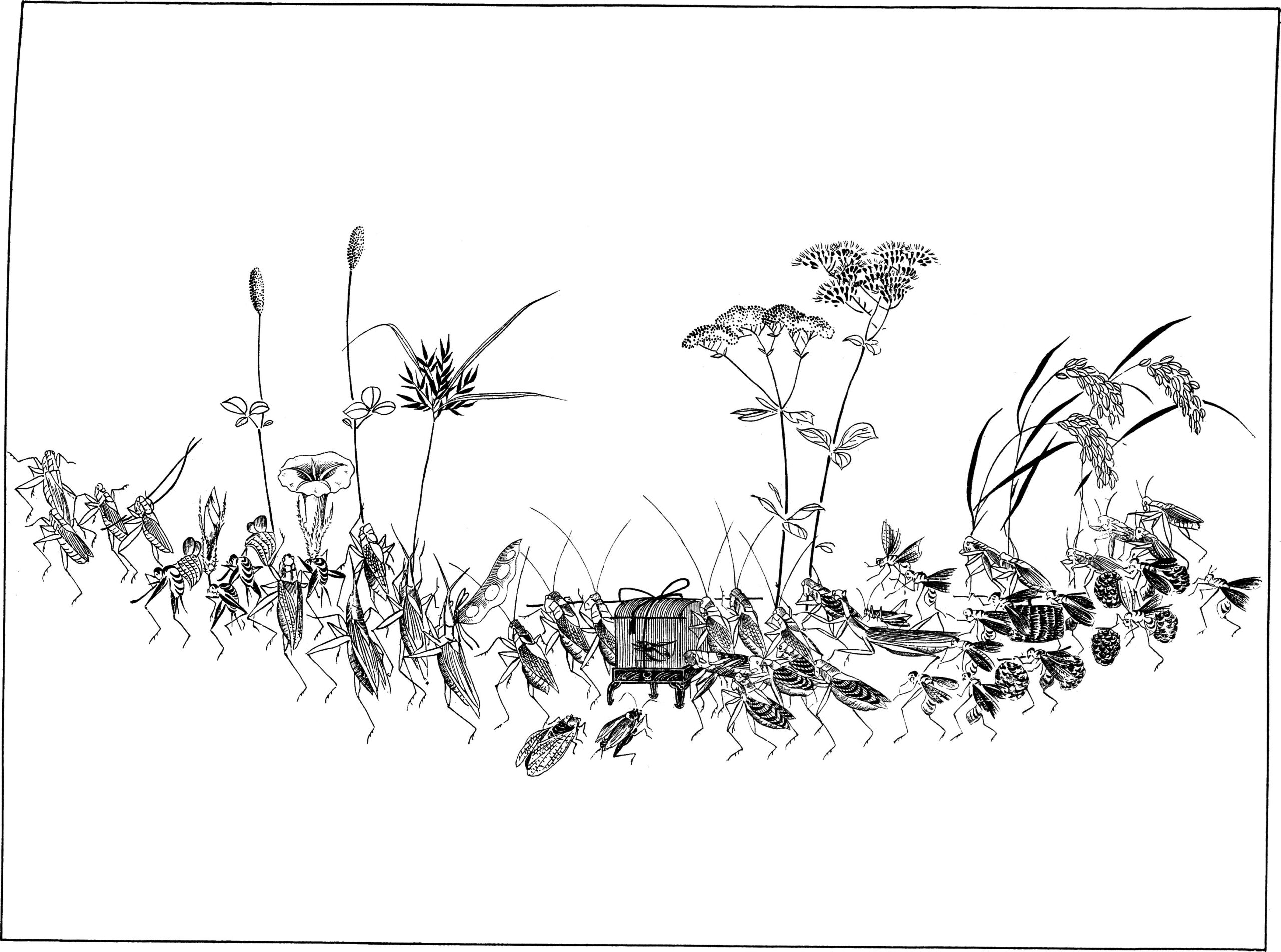
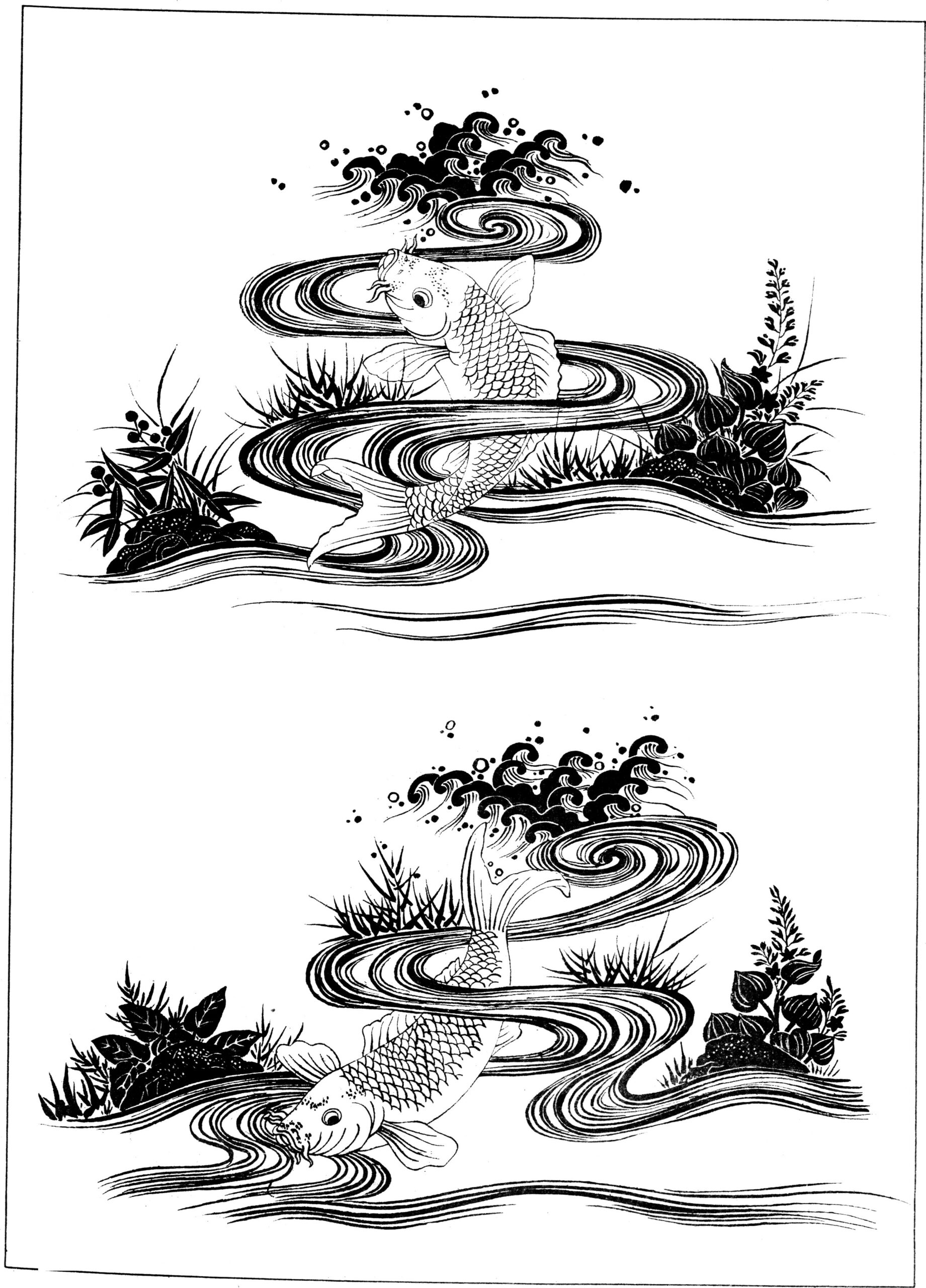
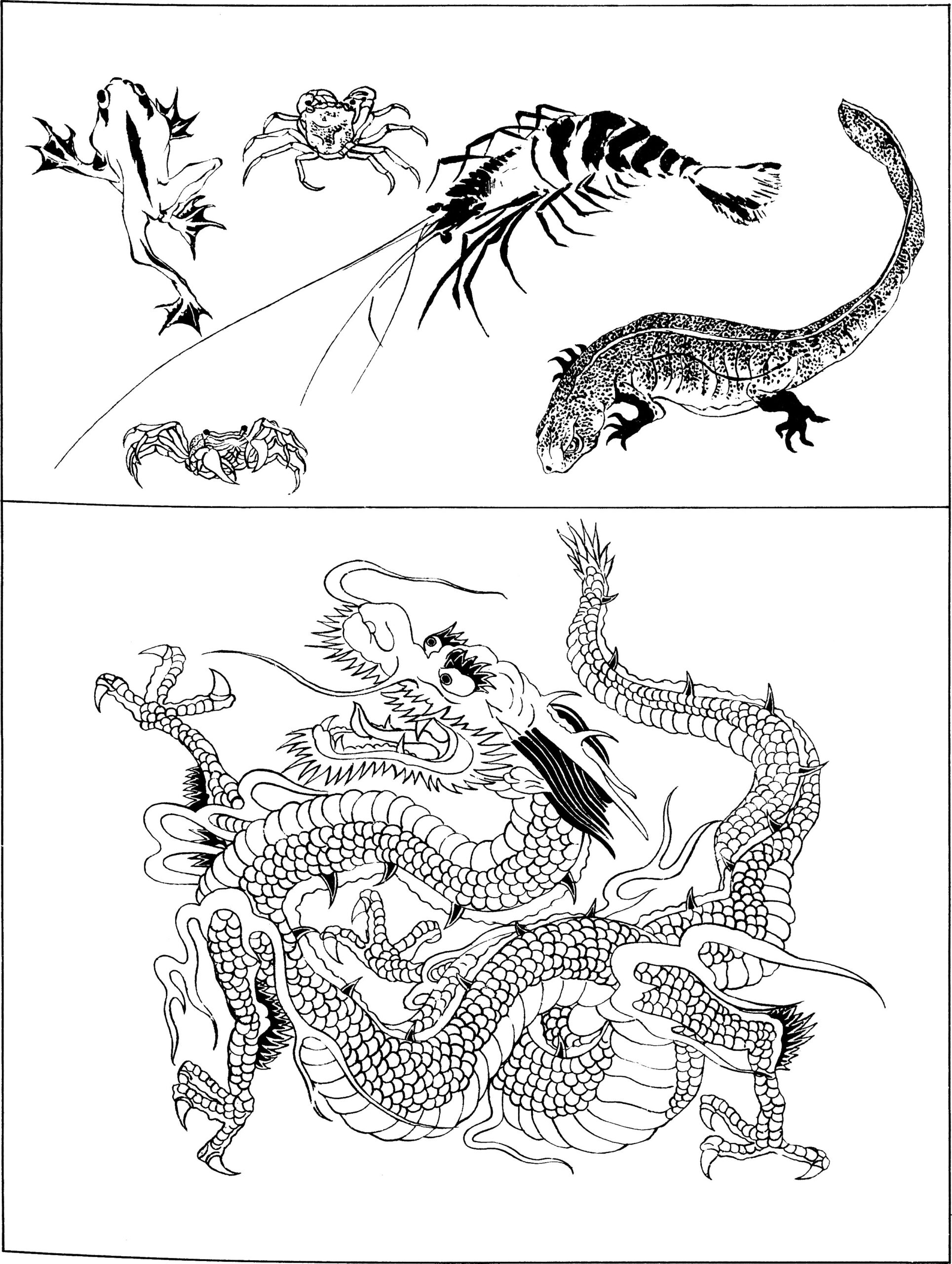
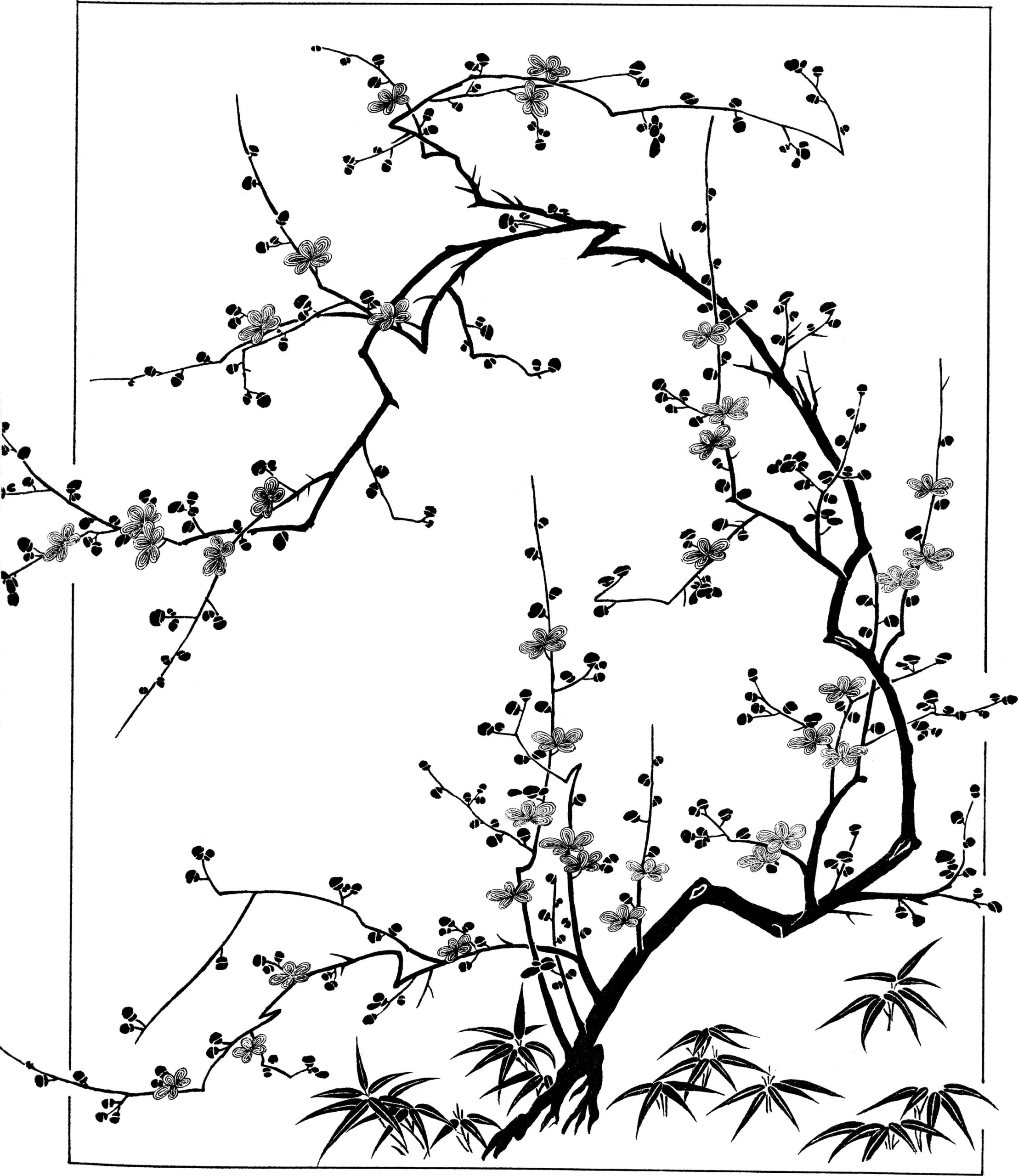
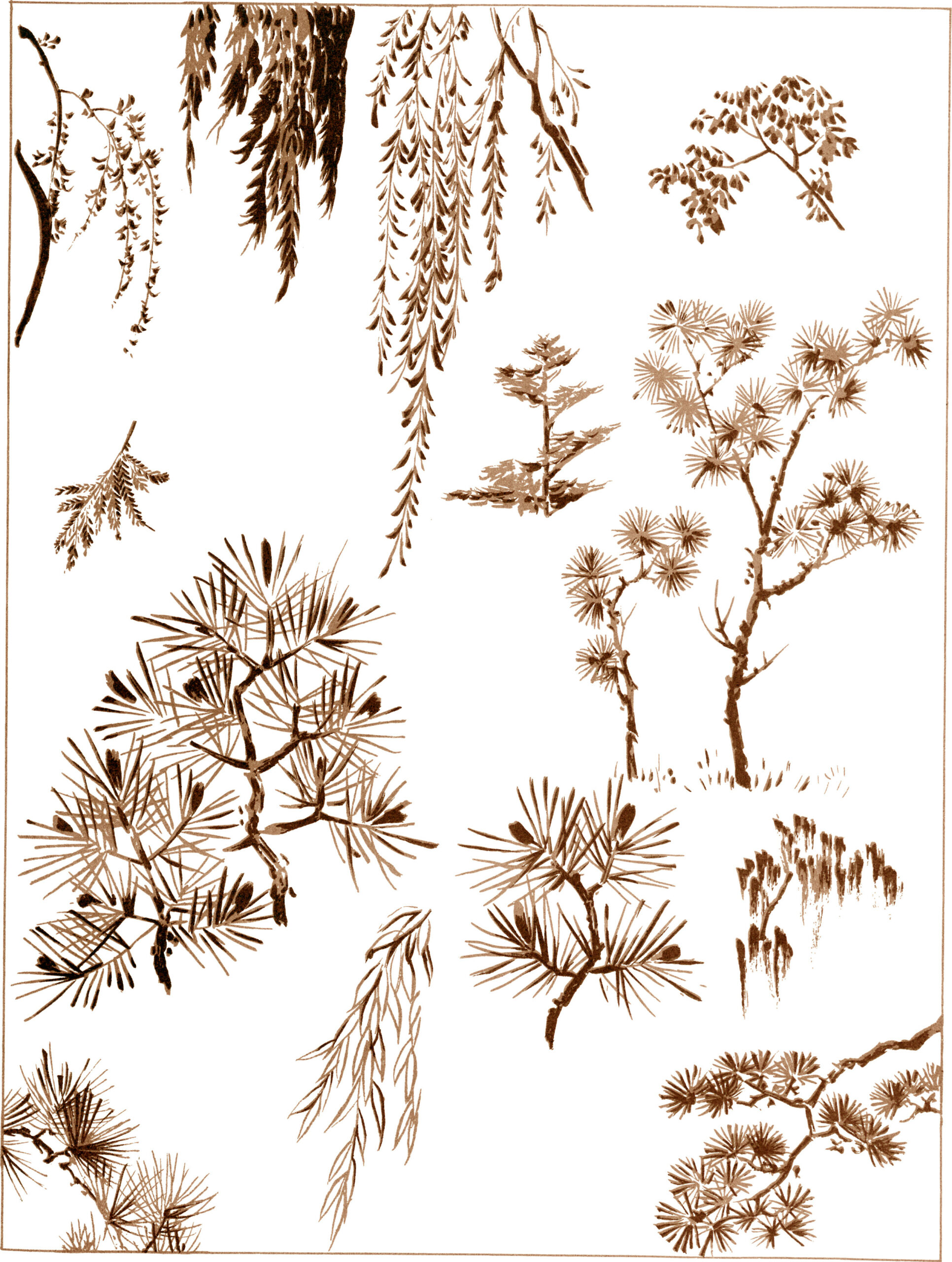
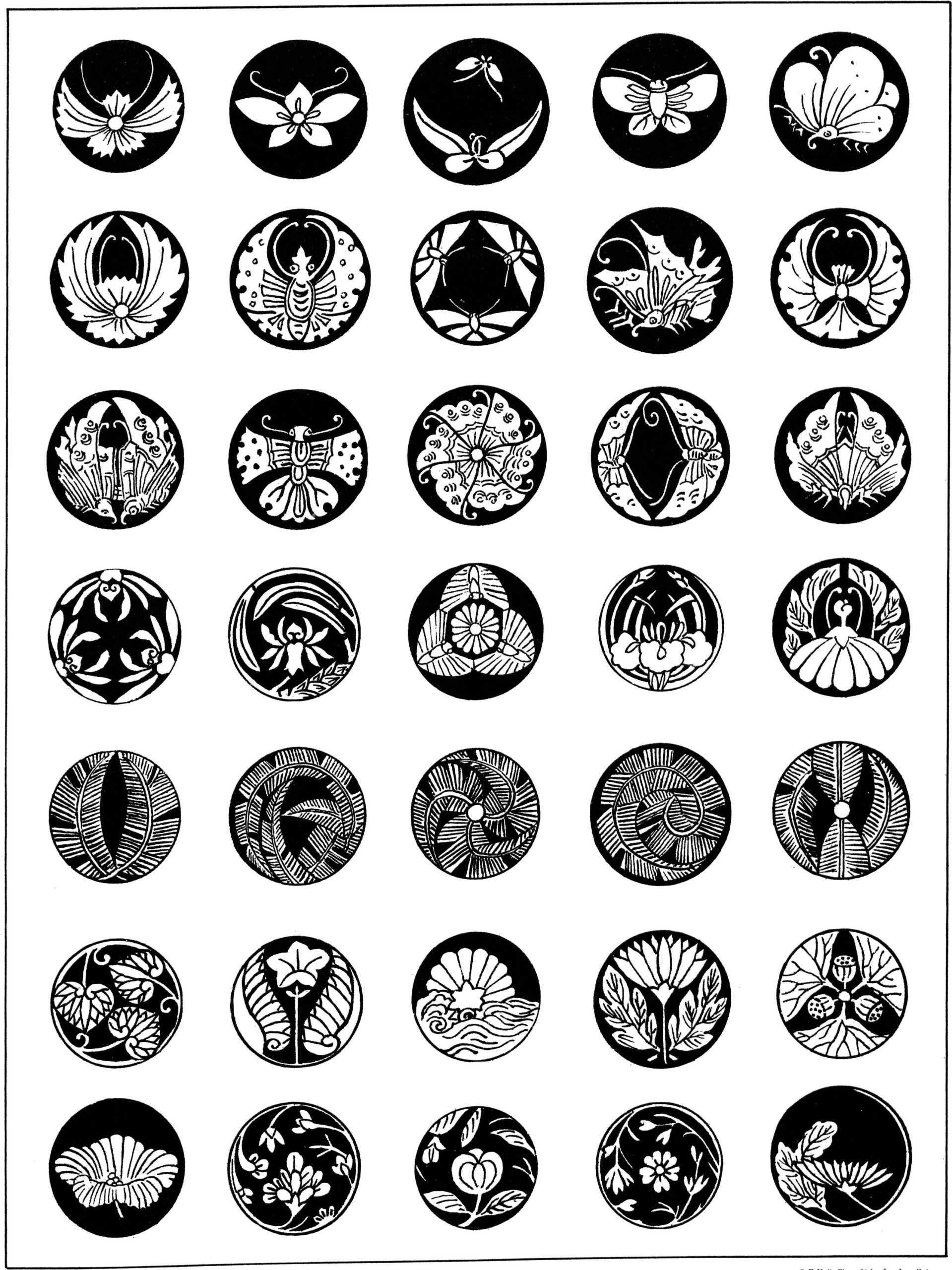
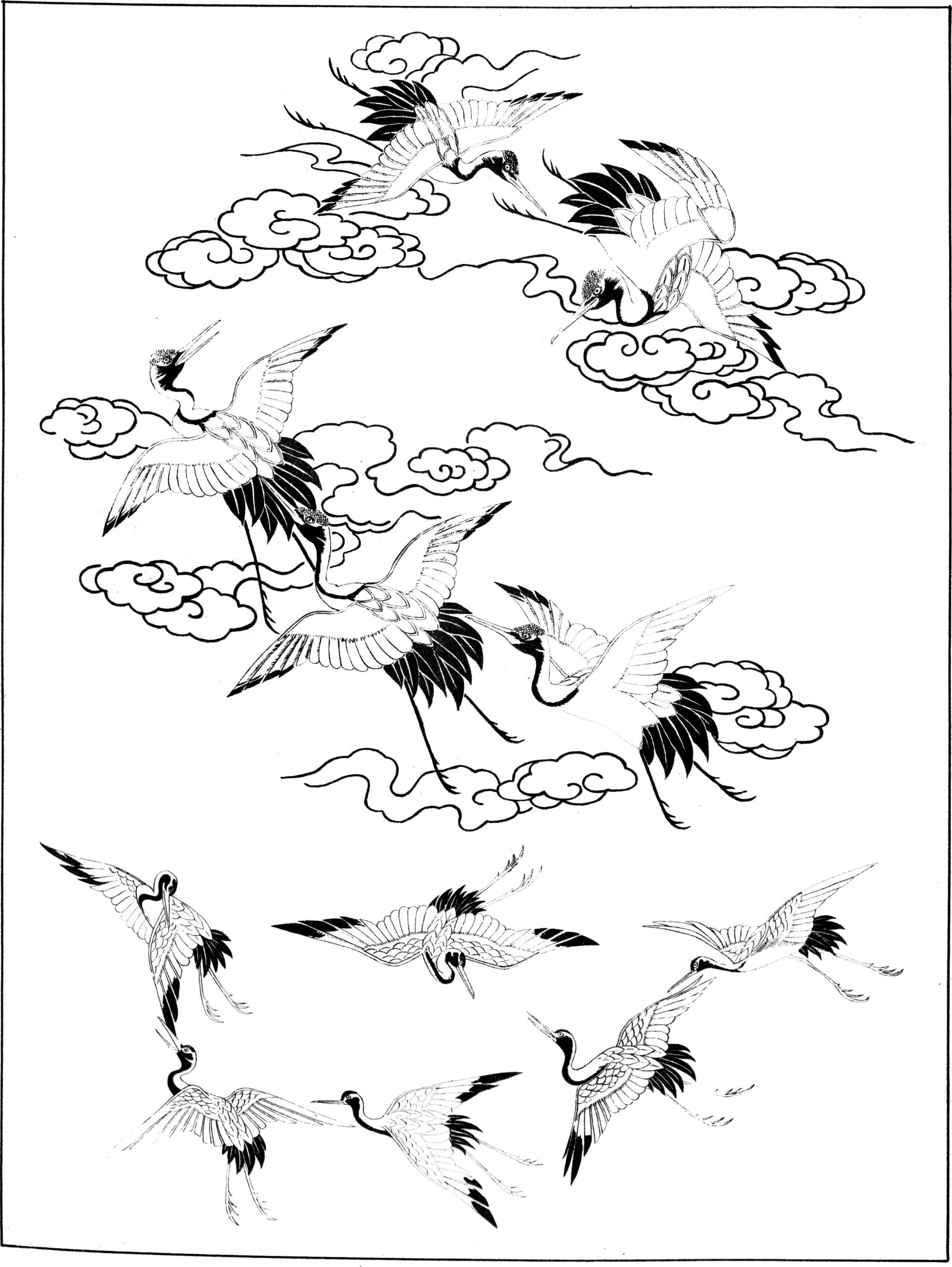
Cutler’s ren­der­ings of Japan­ese design motifs, under­tak­en in his free time, are the last­ing lega­cy of his book, par­tic­u­lar­ly for those on the prowl for copy­right-free graph­ics.


Cut­ler observed that the “most char­ac­ter­is­tic” ele­ment of Japan­ese dec­o­ra­tion was its close ties to the nat­ur­al world, adding that unlike West­ern design­ers, a Japan­ese artist “would throw his design a lit­tle out of the cen­ter, and clev­er­ly bal­ance the com­po­si­tion by a but­ter­fly, a leaf, or even a spot of col­or.”

The below plant stud­ies are drawn from the work  of the great ukiyo‑e mas­ter Hoku­sai, a “man of the peo­ple” who ush­ered in a peri­od of “vital­i­ty and fresh­ness” in Japan­ese art.

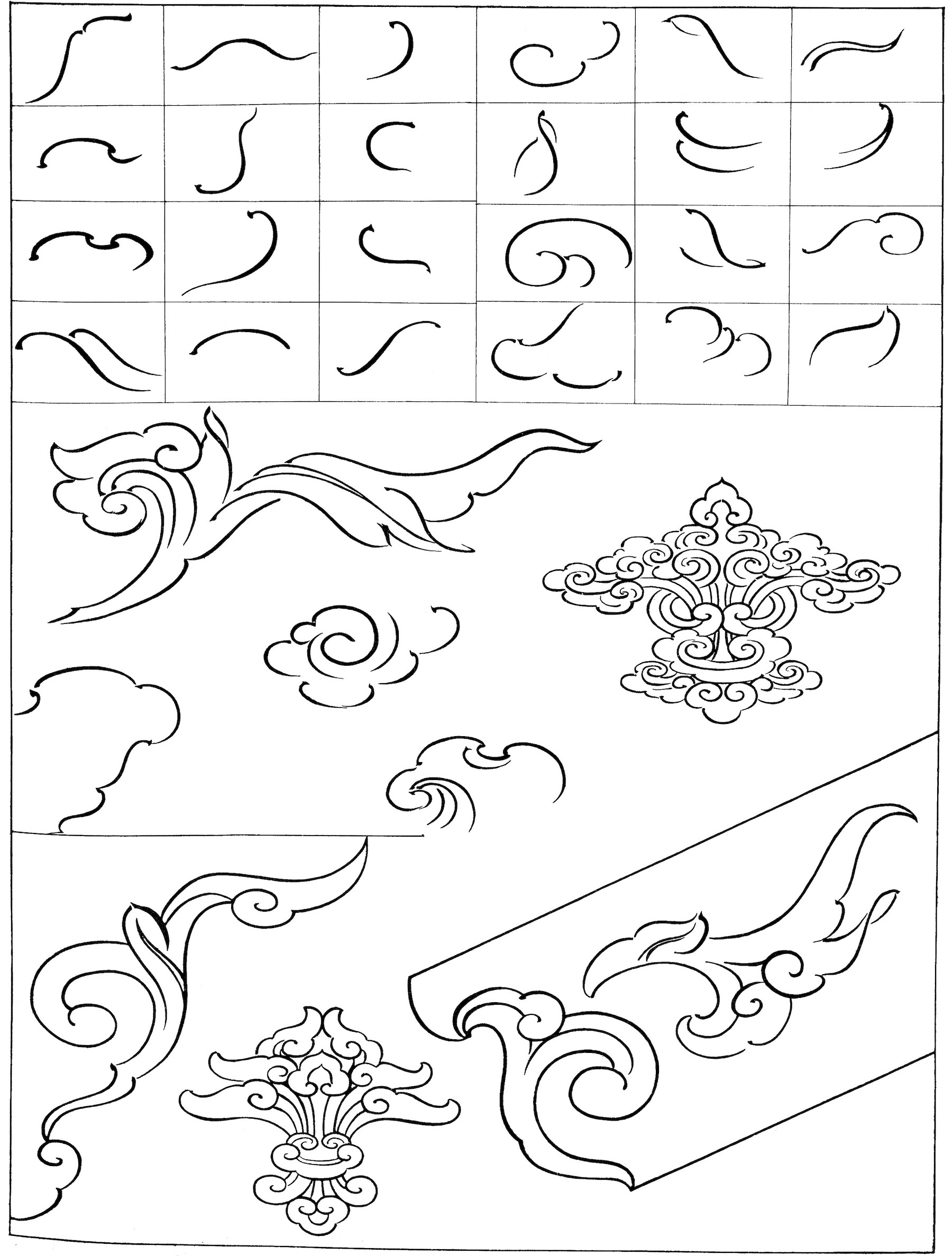
A sam­pler of curved lines made with sin­gle brush strokes can be used to cre­ate clouds or the intri­cate scroll­work that inspired West­ern artists and design­ers of the Aes­thet­ic Move­ment.

While Cut­ler might not have thought much of Japan­ese archi­tec­ture, it’s worth not­ing that his book shows up in the foot­notes of Frank Lloyd Wright and Japan: The Role of Tra­di­tion­al Japan­ese Art and Archi­tec­ture in the Work of Frank Lloyd Wright.

Take a peek at some Japan­ese-inspired wall­pa­per of Cut­ler’s own design, then explore A Gram­mar of Japan­ese Orna­ment and Design by Thomas W. Cut­ler here.

Relat­ed Con­tent 

Explore the Beau­ti­ful Pages of the 1902 Japan­ese Design Mag­a­zine Shin-Bijut­sukai: Euro­pean Mod­ernism Meets Tra­di­tion­al Japan­ese Design

Down­load Clas­sic Japan­ese Wave and Rip­ple Designs: A Go-to Guide for Japan­ese Artists from 1903

Hun­dreds of Won­der­ful Japan­ese Fire­work Designs from the Ear­ly-1900s: Dig­i­tized and Free to Down­load

– Ayun Hal­l­i­day is the Chief Pri­ma­tol­o­gist of the East Vil­lage Inky zine and author, most recent­ly, of Cre­ative, Not Famous: The Small Pota­to Man­i­festo and Cre­ative, Not Famous Activ­i­ty Book. Fol­low her @AyunHalliday.

Behold the Unique Beauty of Japan’s Artistic Manhole Covers

Vis­i­tors to Japan can’t help but be struck by the beau­ty of its tem­ples, its scenic views, its zen gar­dens, its man­hole cov­ers

You read that right.

What start­ed as a scheme to get tax­pay­ers on board with pricey rur­al sew­er projects in the 1980s has grown into a coun­try­wide tourist attrac­tion and a mat­ter of civic pride.

Each munic­i­pal­i­ty boasts its own unique man­hole cov­er designs, inspired by spe­cif­ic region­al ele­ments.

A com­mu­ni­ty might opt to rep its local flo­ral or fau­na, a famous local land­mark or fes­ti­val, an his­toric event or bit of folk­lore.

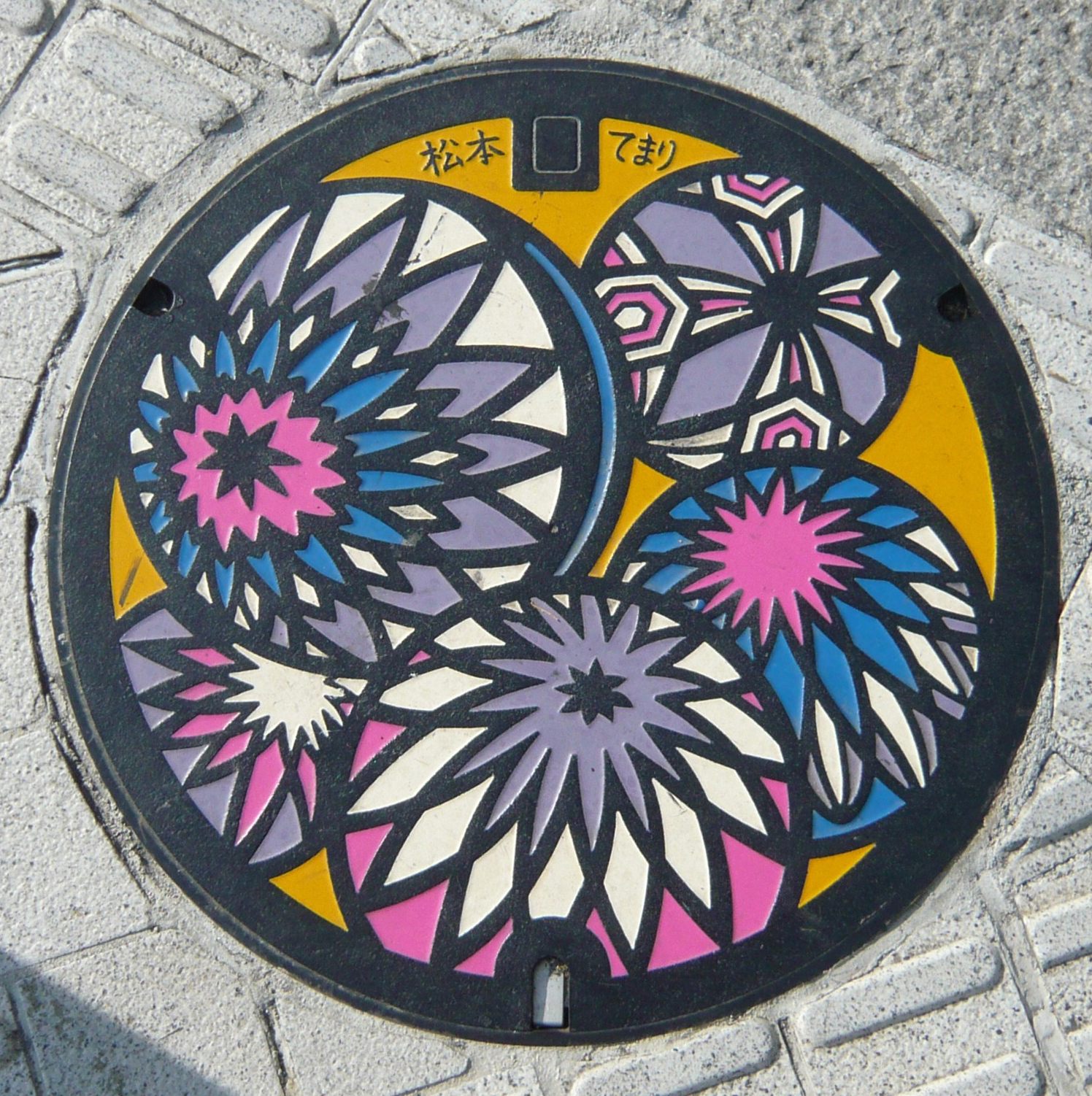
Mat­sumo­to City high­lights one of its pop­u­lar folk craft sou­venirs, the col­or­ful silk temari balls that once served as toys for female chil­dren and bridal gifts.

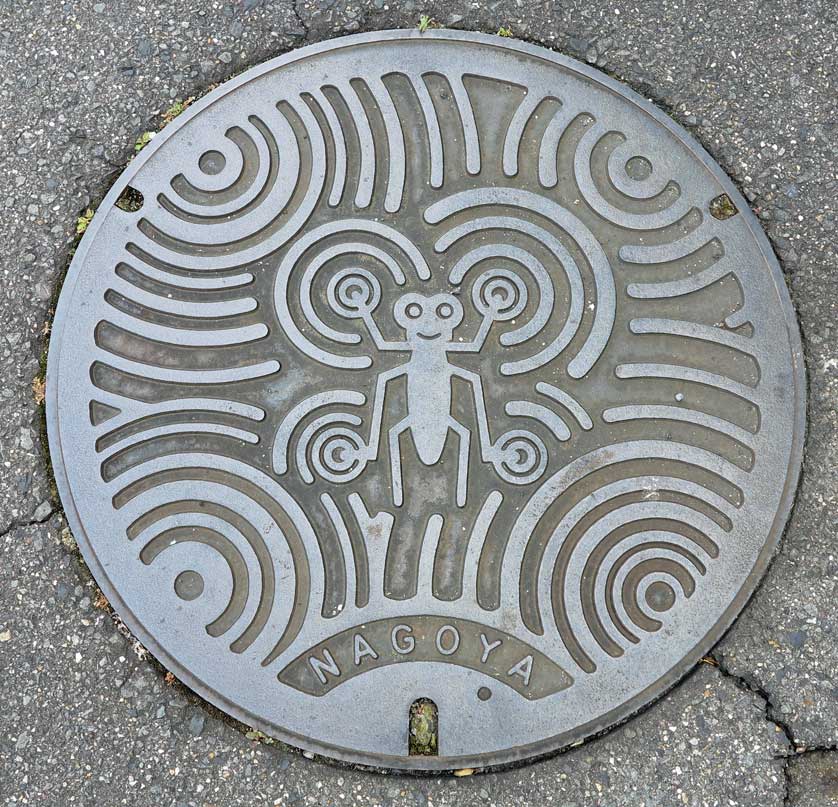
Nagoya touts the puri­ty of its water with a water strid­er — an insect that requires the most pris­tine con­di­tions to sur­vive.

Hiroshi­ma pays trib­ute to its base­ball team.

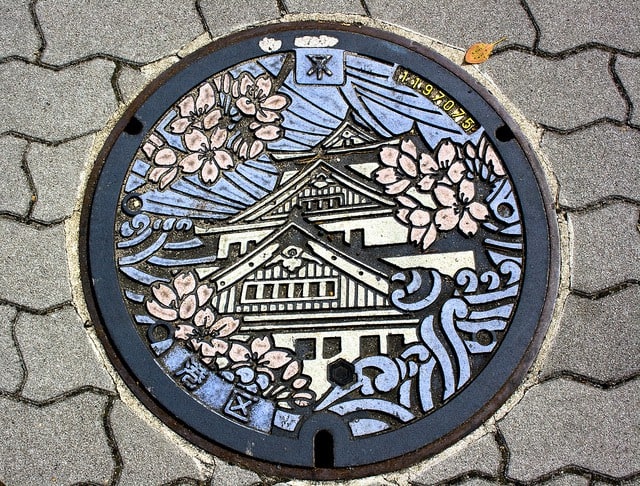
Osa­ka offers a view of its cas­tle sur­round­ed by cher­ry blos­soms.

The prox­im­i­ty of the San­rio Puroland theme park allows Tama City to lay claim to Hel­lo Kit­ty and Poké­mon-themed lids have sprung up like mush­rooms from Tokyo to Oki­nawa.

Most of Japan’s 15 mil­lion artis­tic man­hole cov­ers are mono­chro­mat­ic steel which makes spot­ting one of the vibrant­ly col­ored mod­els even more excit­ing.

In the fifty some years since their intro­duc­tion, an entire sub­cul­ture has emerged. Vet­er­an enthu­si­ast Sho­ji Mori­mo­to coined the term “man­holer” to describe hob­by­ists par­tic­i­pat­ing in this “trea­sure hunt for adults.”

Remo Camero­ta doc­u­ments his obses­sion in Drainspot­ting: Japan­ese Man­hole Cov­ers and Amer­i­can trav­el­er Car­rie McN­inch shares the joy of stum­bling across pre­vi­ous­ly unspot­ted ones in her auto­bi­o­graph­i­cal com­ic series You Don’t Get There From Here.

The ongo­ing pop­u­lar­i­ty of this offi­cial­ly sanc­tioned street art is evi­denced by the Japan­ese Soci­ety of Man­hole Lovers, an annu­al man­hole sum­mit, and tons of col­lectible trad­ing cards.

Explore a crowd­sourced gallery of Japan­ese man­hole cov­ers here.

via Colos­sal

Relat­ed Con­tent 

Dis­cov­er Edo, the His­toric Green/Sustainable City of Japan

The Mak­ing of Japan­ese Hand­made Paper: A Short Film Doc­u­ments an 800-Year-Old Tra­di­tion

Down­load Clas­sic Japan­ese Wave and Rip­ple Designs: A Go-to Guide for Japan­ese Artists from 1903

Ayun Hal­l­i­day is the Chief Pri­ma­tol­o­gist of The East Vil­lage Inky zine and nine books, includ­ing, most recent­ly Cre­ative, Not Famous. Fol­low her @Ayun-Halliday

How Olive Oil Was Made in Ancient Rome in the Middle Ages (Plus in Modern Times)

If you think cannabis pos­sess­es a broad range of appli­ca­tions, olive oil is going to blow your mind!

Humans have been hip to this mir­a­cle elixir since approx­i­mate­ly 2500 BCE, when Mediter­ranean dwellers used it as lamp fuel and to anoint roy­al­ty, war­riors, and oth­er VIPs. (Not for noth­ing does “mes­si­ah” trans­late to “the anoint­ed one”…)

Its culi­nary appli­ca­tions entered the mix between the 5th and 4th cen­turies BCE.

Even amur­ca, the bit­ter tast­ing, foul smelling liq­uid byprod­uct of the oil press­ing process had numer­ous things to rec­om­mend it, as least as far as the ancient Romans were con­cerned. They used it as a fer­til­iz­er, a pes­ti­cide, a floor plas­ter, a sealant for jars, a fire accel­er­ant, moth repel­lent, axel grease, a sur­face var­nish, a nutri­tion­al sup­ple­ment for live­stock, and a rem­e­dy for skin dis­eases and infec­tions.

It’s also a seri­ous pol­lu­tant, so good on them for divert­ing it from the land­fill.

Meth­ods for extract­ing this prac­ti­cal, nutri­tion­al pow­er­house from the olive fruit have evolved over time.

Bronze Age fres­coes and ancient papyri doc­u­ment the ear­li­est approach.

The Romans and Greeks took things up a notch with mechan­i­cal press­es, such as the repli­ca at the Bib­li­cal His­to­ry Cen­ter, above.

In an episode of his Nation­al Geo­graph­ic Unchart­ed series, chef Gor­don Ram­say trav­eled to Moroc­co to take a turn at one of the man­u­al­ly-turned stone grind­ing wheels that were the Mid­dle Ages’ con­tri­bu­tion to the his­to­ry of olive oil, dis­cov­er­ing in the process that such “bloody hard work” is bet­ter accom­plished by an ass.

His labors were reward­ed with a taste of olive oil straight from the press - oh my lord, that is beau­ti­ful! I’ve heard of extra vir­gin but this is gonna be extra-extra vir­gin!

Insid­er Food tracks olive oil to the 21st cen­tu­ry, where pro­duc­tion is under­way at a mill in Monop­o­li in the south­ern Ital­ian region of Puglia, an area where olive trees out­num­ber humans, 15 to 1.

Puglia’s 1,000-plus mills sup­ply 40% of the country’s olive oil pro­duc­tion, and 12% world­wide.

Con­tem­po­rary olive oil mak­ers obtain a tra­di­tion­al qual­i­ty prod­uct by split­ting the dif­fer­ence between the ancient and the mod­ern, with con­vey­or belts fer­ry­ing the fruit to a vat where machine-dri­ven gran­ite wheels crush them to a pulp.

It’s less pic­turesque, but also more effi­cient and hygien­ic than pre-Indus­tri­al meth­ods, thanks, in part, to rub­ber gloves and stain­less steel.

Grad­ing oil accord­ing to its puri­ty is also a mod­ern inno­va­tion, pro­vid­ing con­sumers a han­dle qual­i­ty, taste and health attrib­ut­es.

Learn more about the his­to­ry of olive oil here, then get cookin’!

Relat­ed Con­tent

Vis­it Monte Tes­tac­cio, the Ancient Roman Hill Made of 50 Mil­lion Crushed Olive Oil Jugs

3,000-Year-Old Olive Tree on the Greek Island of Crete Still Pro­duces Olives Today

Cook Real Recipes from Ancient Rome: Ostrich Ragoût, Roast Wild Boar, Nut Tarts & More

– Ayun Hal­l­i­day is the Chief Pri­ma­tol­o­gist of the East Vil­lage Inky zine and author, most recent­ly, of Cre­ative, Not Famous: The Small Pota­to Man­i­festo and Cre­ative, Not Famous Activ­i­ty Book. Fol­low her @AyunHalliday.

Some of the Oldest Photos You Will Ever See: Discover Photographs of Greece, Egypt, Turkey & Other Mediterranean Lands (1840s)

Begin­ning in the late sev­en­teenth cen­tu­ry, aris­to­crat­ic Eng­lish­men or con­ti­nen­tal Euro­peans came of age and went on a Grand Tour. Last­ing any­thing from few a months to a few years, such trips were meant direct­ly to expose their young tak­ers to the lega­cy of the Renais­sance and antiq­ui­ty. Nat­u­ral­ly, most Grand Tour itin­er­aries placed the utmost impor­tance on Italy and Greece; some even went to the Holy Land, as sat­i­rized by Mark Twain in The Inno­cents Abroad. By the time that book was pub­lished in 1869, the Grand Tour was out of high fash­ion — but a cou­ple of decades ear­li­er, Joseph-Philib­ert Girault de Prangey had pre­served many of its des­ti­na­tions with a piece of cut­ting-edge tech­nol­o­gy known as the cam­era.

Girault de Prangey went on his first pho­to­graph­ic “Grand Tour” in 1841, when he was in his late thir­ties. Hav­ing already trav­eled exten­sive­ly and received an edu­ca­tion in both art and law, he was hard­ly a cal­low youth in need of refine­ment. But he was an aris­to­crat, the sole inher­i­tor of his fam­i­ly for­tune, and thus able to “devote his life to his pas­sions: trav­el, arts, and pub­lish­ing.”

So says the nar­ra­tor of the Kings and Things video above, which tells the sto­ry of how Girault de Prange man­aged to leave us the ear­li­est known pho­tographs of a large swath of the world. This project “took him from Italy to Greece, Egypt, Turkey, and the Lev­ant, he cap­tured over 1,000 pho­tographs, with sub­jects rang­ing from streetscapes and archi­tec­tur­al details to nature and land­scapes and por­traits of local peo­ple.”

Not that pho­tog­ra­phy per se was Girault de Prangey’s goal; for him, tak­ing a pic­ture con­sti­tut­ed mere­ly an ear­ly step in the cre­ation of a draw­ing or paint­ing. “Although he only intend­ed to use them as a sort of sketch to refer to back home in his stu­dio,” he “arranged his pic­tures so as to pro­duce a sense of dra­ma or mys­tery, and this artis­tic sen­si­bil­i­ty sets him apart from many oth­er pio­neers of pho­tog­ra­phy, who were pri­mar­i­ly tech­ni­cians or inven­tors.” The age of the Grand Tour was end­ing even in Girault de Prangey’s day, but 180 years lat­er (and about a cen­tu­ry after their redis­cov­ery in one of his estate’s store­rooms), his pho­tographs send us on a very dif­fer­ent kind of trip: not just across the world, but — much more thrilling­ly — deep back in time as well.

via Aeon

Relat­ed con­tent:

The First Pho­to­graph Ever Tak­en (1826)

See the First Pho­to­graph of a Human Being: A Pho­to Tak­en by Louis Daguerre (1838)

Take a Visu­al Jour­ney Through 181 Years of Street Pho­tog­ra­phy (1838–2019)

Behold the Pho­tographs of John Thom­son, the First West­ern Pho­tog­ra­ph­er to Trav­el Wide­ly Through Chi­na (1870s)

Rome Comes to Life in Pho­tochrom Col­or Pho­tos Tak­en in 1890: The Colos­se­um, Tre­vi Foun­tain & More

The First Sur­viv­ing Pho­to­graph of the Moon (1840)

Based in Seoul, Col­in Marshall writes and broad­casts on cities, lan­guage, and cul­ture. His projects include the Sub­stack newslet­ter Books on Cities, the book The State­less City: a Walk through 21st-Cen­tu­ry Los Ange­les and the video series The City in Cin­e­ma. Fol­low him on Twit­ter at @colinmarshall or on Face­book.

Watch a Japanese Artisan Make a Noh Mask, Creating an Astonishing Character From a Single Block of Wood

Noh actors under­go years of rig­or­ous train­ing to per­fect their per­for­mance tech­nique.

The ancient clas­si­cal art requires actors’ faces to be obscured by rigid masks carved from sin­gle blocks of hino­ki wood. A thor­ough com­mand of pos­ture, phys­i­cal ges­ture, and voice is essen­tial for con­vey­ing the char­ac­ters’ emo­tions.

The qual­i­ty of the mask is of utmost impor­tance, too.

Naka­mu­ra Mit­sue, a mak­er of tra­di­tion­al Noh masks, whose inter­est in human faces and por­trai­ture orig­i­nal­ly led her to study west­ern art, notes that the cre­ator must pos­sess a high degree of skill if the mask is to func­tion prop­er­ly. The best masks will sug­gest dif­fer­ent atti­tudes from dif­fer­ent angles.

Tera­su, or an upwards tilt con­veys hap­py emo­tions, while the down­ward tilt of kumora­su express­es dark­er feel­ings and tears.

The most expert­ly carved masks’ eyes will appear to shift as the actor changes posi­tion.

The full range of human expres­sion is the most dif­fi­cult to achieve with del­i­cate-fea­tured female Noh masks.

“I used to change its direc­tion and stare at it in the mir­ror all night,” Ms. Naka­mu­ra writes on her web­site, recall­ing how her men­tor, the cel­e­brat­ed crafts­man Yasue­mon Hori, taught her how to carve Ko-Omote, a mask rep­re­sent­ing the youngest woman in the Noh canon.

When cre­at­ing a mask of a beau­ti­ful girl or child I feel very hap­py but when cre­at­ing an onryo (ghost spir­it) I can feel sor­row or anger.

Ms. Nakamura’s ded­i­ca­tion, exper­tise and patience are on abun­dant dis­play in the word­less Process X video, above.

She is, as the New York Times notes, one of a grow­ing num­ber of female prac­ti­tion­ers:

When she began, she knew of only one oth­er woman in the field, but this year, all four of her cur­rent appren­tices, some of whom study for as long as 10 years, are female. Some adhere to the tra­di­tion­al arche­types and tech­niques, while oth­ers rad­i­cal­ly rein­ter­pret them.

Like many oth­er Japan­ese women of her gen­er­a­tion, she did as expect­ed, mar­ry­ing and hav­ing chil­dren short­ly after com­plet­ing her edu­ca­tion. She began study­ing mask mak­ing when her chil­dren began school, wait­ing until they were 18 to leave her mar­riage. By then, she was well posi­tioned to sup­port her­self as a pro­fes­sion­al nō-men-shi (Noh mask mak­er.)

A sin­gle mask by a respect­ed nō-men-shi can take a month to com­plete, but can fetch a price in the neigh­bor­hood of ¥500,000.

Ms. Naka­mu­ra labors in a work­shop in her tra­di­tion­al-style home in Kyoto.

Her tools and sup­plies are equal­ly old-fash­ioned — a mix­ture of seashell pow­der and rice glue, a mor­tar and pes­tle, a chis­el that she wields per­ilous­ly close to her knees and slip­per-clad feet…

As Jason Haidar writes in Kan­sai Scene:

It may be no coin­ci­dence that Ms. Naka­mu­ra wields a chis­el so nat­u­ral­ly and with such skill, One of the main chis­els used for carv­ing Noh masks is called a tou, which is anoth­er word mean­ing samu­rai sword. Ms. Naka­mu­ra always cred­it­ed her par­ents for encour­ag­ing her to learn a skill that could allow her to sup­port her­self with­out a hus­band, and this mod­ern think­ing could be attrib­uted to her fam­i­ly being of samu­rai lin­eage. After the reforms of the Mei­ji Restora­tion (1868–1912) that saw the ush­er­ing in of mod­ern Japan, her ances­tors learned the impor­tance of being self-suf­fi­cient, inde­pen­dent, and hav­ing a diverse range of skills – val­ues which were passed down to her.

Explore a gallery of Mit­sue Nakamura’s Noh masks here. Click on spe­cif­ic images to learn about each mask’s pur­pose in Noh, rec­og­nized by UNESCO as hav­ing “Intan­gi­ble Cul­tur­al Her­itage”.

via Aeon

Relat­ed Con­tent 

A Hyp­not­ic Look at How Japan­ese Samu­rai Swords Are Made

Watch a Tra­di­tion­al Japan­ese Car­pen­ter Make 190+ Dif­fer­ent Joints, All With­out Nails, Screws, or Glue

Japan­ese Restau­rants Show You How to Make Tra­di­tion­al Dish­es in Med­i­ta­tive Videos: Soba, Tem­pu­ra, Udon & More

20 Mes­mer­iz­ing Videos of Japan­ese Arti­sans Cre­at­ing Tra­di­tion­al Hand­i­crafts

– Ayun Hal­l­i­day is the Chief Pri­ma­tol­o­gist of the East Vil­lage Inky zine and author, most recent­ly, of Cre­ative, Not Famous: The Small Pota­to Man­i­festo and Cre­ative, Not Famous Activ­i­ty Book. Fol­low her @AyunHalliday.
Behold the Bridges in India Made of Living Tree Roots

Liv­ing green walls and upcy­cled build­ing mate­ri­als are wel­come envi­ron­men­tal­ly-con­scious design trends, but when it comes to sus­tain­able archi­tec­ture, the liv­ing root bridges made by indige­nous Khasi and Jain­tia peo­ple in the north-east­ern Indi­an state of Megha­laya have them beat by cen­turies.

These tra­di­tion­al plant-based sus­pen­sion bridges make it much eas­i­er for vil­lagers to trav­el to neigh­bor­ing com­mu­ni­ties, mar­kets and out­ly­ing farms by span­ning the dense trop­i­cal rainforest’s many gorges and rivers.

Their con­struc­tion requires patience, as builders train the aer­i­al roots of well-sit­u­at­ed, mature rub­ber fig trees into posi­tion using bam­boo, old tree trunks, and wire for sup­port, weav­ing more roots in as they become avail­able.

This mul­ti-gen­er­a­tional con­struc­tion project can take up to 30 years to com­plete. The care­ful­ly-tend­ed bridges become stur­dier with age, as the roots that form the deck and handrails thick­en.

The vil­lage of Non­gri­at has one bridge that has been in place for 200-some years. An upper bridge, sus­pend­ed direct­ly over­head, is a hun­dred years younger.

As vil­lage head and life­long res­i­dent Wis­ton Miwa told Great Big Sto­ry, above, when he was a child, peo­ple were leery of using the new­er bridge, wor­ried that it was not yet strong enough to be safe. Six decades lat­er, vil­lagers (and tourists) tra­verse it reg­u­lar­ly.

Archi­tect San­jeev Shankar, in a study of 11 liv­ing root bridges, learned that new struc­tures are loaded with stones, planks, and soil to test their weight bear­ing capac­i­ty. Some of the old­est can han­dle 50 pedes­tri­ans at once.

Humans are not the only crea­tures mak­ing the cross­ing. Bark deer and cloud­ed leop­ards are also known trav­el­ers. Squir­rels, birds, and insects set­tle in for per­ma­nent stays.

The Khasi peo­ple fol­low an oral tra­di­tion, and have lit­tle writ­ten doc­u­men­ta­tion regard­ing their his­to­ry and cus­toms, includ­ing the con­struc­tion of liv­ing root bridges.

Archi­tect Fer­di­nand Lud­wig, a cham­pi­on of Baub­otanik — or liv­ing plant con­struc­tion — notes that there is no set design being fol­lowed. Both nature and the vil­lagers tend­ing to the grow­ing struc­tures can be con­sid­ered the archi­tects here:

When we con­struct a bridge or a build­ing, we have a plan – we know what it’s going to look like. But this isn’t pos­si­ble with liv­ing archi­tec­ture. Khasi peo­ple know this; they are extreme­ly clever in how they con­stant­ly ana­lyze and inter­act with tree growth, and accord­ing­ly adapt to the conditions…How these roots are pulled, tied and woven togeth­er dif­fer from builder to builder. None of the bridges looks sim­i­lar.

The bridges, while remote, are becom­ing a buck­et list des­ti­na­tion for adven­tur­ers and eco­tourists, Nongriat’s dou­ble bridge in par­tic­u­lar.

The BBC’s Zinara Rath­nayake reports that such out­side inter­est has pro­vid­ed vil­lagers with an addi­tion­al source of income, as well as some pre­dictable headaches — lit­ter, inap­pro­pri­ate behav­ior, and over­crowd­ing:

Some root bridges see crowds of hun­dreds at a time as tourists clam­ber for self­ies, poten­tial­ly over­bur­den­ing the trees.

The Liv­ing Bridge Foun­da­tion, which works to pre­serve the liv­ing root bridges while pro­mot­ing respon­si­ble eco­tourism is seek­ing to have the area des­ig­nat­ed as a UNESCO World Her­itage Site.


Relat­ed Con­tent 

1,100 Del­i­cate Draw­ings of Root Sys­tems Reveals the Hid­den World of Plants

The Secret Lan­guage of Trees: A Charm­ing Ani­mat­ed Les­son Explains How Trees Share Infor­ma­tion with Each Oth­er

Daisu­gi, the 600-Year-Old Japan­ese Tech­nique of Grow­ing Trees Out of Oth­er Trees, Cre­at­ing Per­fect­ly Straight Lum­ber

The Tree of Lan­guages Illus­trat­ed in a Big, Beau­ti­ful Info­graph­ic

– Ayun Hal­l­i­day is the Chief Pri­ma­tol­o­gist of the East Vil­lage Inky zine and author, most recent­ly, of Cre­ative, Not Famous: The Small Pota­to Man­i­festo and Cre­ative, Not Famous Activ­i­ty Book. Fol­low her @AyunHalliday.
Cats Migrated to Europe 7,000 Years Earlier Than Once Thought

The ani­mals were imper­fect,

long-tailed,

unfor­tu­nate in their heads.

Lit­tle by lit­tle they

put them­selves togeth­er,

mak­ing them­selves a land­scape,

acquir­ing spots, grace, flight.

The cat,

only the cat

appeared com­plete and proud:

he was born com­plete­ly fin­ished,

walk­ing alone and know­ing what he want­ed.

- Pablo Neru­da, excerpt from Ode to the Cat

We find our­selves in agree­ment with Nobel Prize-win­ning poet, and cat lover, Pablo Neru­da:

Those of us who pro­vide for felines choose to believe we are “the own­er, pro­pri­etor, uncle of a cat, com­pan­ion, col­league, dis­ci­ple or friend of (our) cat”, when in fact they are mys­te­ri­ous beasts, far more self-con­tained than the com­pan­ion­able, inquis­i­tive canine Neru­da immor­tal­ized in Ode to the Dog.

We can bestow names and social media accounts on cats of our acquain­tance, chan­nel them on the steps of the Met Gala, attach GPS track­ers to their col­lars, give them pride of place­ment in books for chil­dren and adults, and try our best to get inside their heads, but what do we know about them, real­ly?

We even got their his­to­ry wrong.

Com­mon knowl­edge once held that cats made their way to north­ern Europe from the Mediter­ranean aboard Roman — and even­tu­al­ly Viking — ships some­time between the 3rd to 7th cen­tu­ry CE, but it turns out we were off by mil­len­nia.

In 2016, a team of researchers col­lab­o­rat­ing on the Five Thou­sand Years of His­to­ry of Domes­tic Cats in Cen­tral Europe project con­firmed the pres­ence of domes­tic cats dur­ing the Roman peri­od in the area that is now north­ern Poland, using a com­bi­na­tion of zooar­chae­ol­o­gy, genet­ics and absolute dat­ing.

More recent­ly, the team turned their atten­tion to Felis bones found in south­ern Poland and Ser­bia, deter­min­ing the ones found in the Jas­na Strze­gows­ka Cave to be Pre-Neolith­ic (5990–5760 BC), while the Ser­bian kit­ties hail from the Mesolith­ic-Neolitic era (6220–5730 BC).

In addi­tion to clar­i­fy­ing our under­stand­ing of how our pet cats’ ances­tors arrived in Cen­tral Europe from Egypt and the Fer­tile Cres­cent, the project seeks to “iden­ti­fy phe­no­typ­ic fea­tures relat­ed to domes­ti­ca­tion, such as phys­i­cal appear­ance, includ­ing body size and coat col­or; behav­ior, for exam­ple, reduced aggres­sion; and pos­si­ble phys­i­o­log­i­cal adap­ta­tions to digest anthro­pogenic food.”

Regard­ing non-anthro­pogenic food, a spike in the Late Neolith­ic East­ern Euro­pean house mouse pop­u­la­tion exhibits some nifty over­lap with these ancient cat bones’ new­ly attached dates, though Dr. Dani­jela Popović, who super­vised the pro­jec­t’s pale­o­ge­neti­cians, reports that the cats’ arrival in Europe pre­ced­ed that of the first farm­ers:

These cats prob­a­bly were still wild ani­mals that nat­u­ral­ly col­o­nized Cen­tral Europe.

We’re will­ing to believe they estab­lished a bulk­head, then hung around, wait­ing until the humans showed up before imple­ment­ing the next phase of their plan — self-domes­ti­ca­tion.

Read the research team’s “his­to­ry of the domes­tic cat in Cen­tral Europe” here.

Relat­ed Con­tent 

An Ani­mat­ed His­to­ry of Cats: How Over 10,000 Years the Cat Went from Wild Preda­tor to Sofa Side­kick

A 110-Year-Old Book Illus­trat­ed with Pho­tos of Kit­tens & Cats Taught Kids How to Read

Cats in Medieval Man­u­scripts & Paint­ings

via Big Think

– Ayun Hal­l­i­day, human ser­vant of two feline Mail­room Böyz, is the Chief Pri­ma­tol­o­gist of the East Vil­lage Inky zine and author, most recent­ly, of Cre­ative, Not Famous: The Small Pota­to Man­i­festo and Cre­ative, Not Famous Activ­i­ty Book. Fol­low her @AyunHalliday.

« Go BackMore in this category... »
Quantcast