Free Coloring Books from 101 World-Class Libraries & Museums: Download and Color Hundreds of Free Images
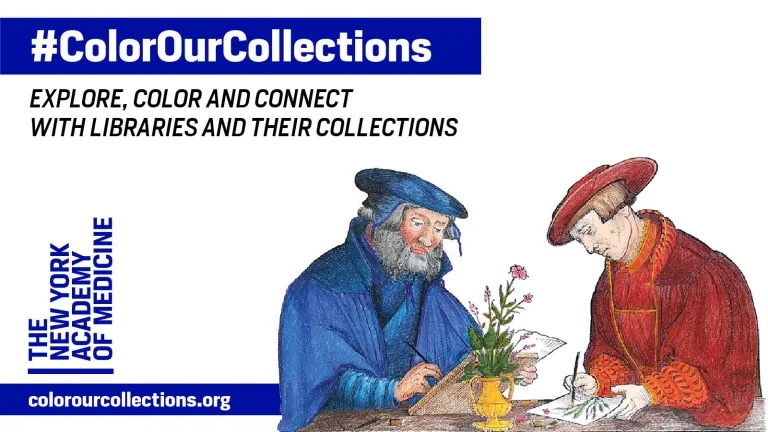
The free, downloadable adult coloring books that the New York Academy of Medicine solicits from museums and university and state libraries for its #ColorOurCollections celebration each February enliven our month far more than any Valentine or Presidents Day sale.
They’re not just a great way to while away winter’s last gasp. They’re also a wonderful portal for discovering cultural institutions that have thusfar flown beneath our radar, owing to size, geography, and/or field of study.
It’s up to each institution to determine what — and how much — to include.
Some color inside the lines by sticking to the subject for which they’re best known. Most take more of a mixed bag approach, flinging a variety of fascinating, unrelated images at the wall and seeing what sticks.
Some offerings are but a single page. Others will have you wearing your crayons to nubs.
With 101 participating organizations, it can be difficult to know where to start.
Maybe we can help…
Is medicine your thing?
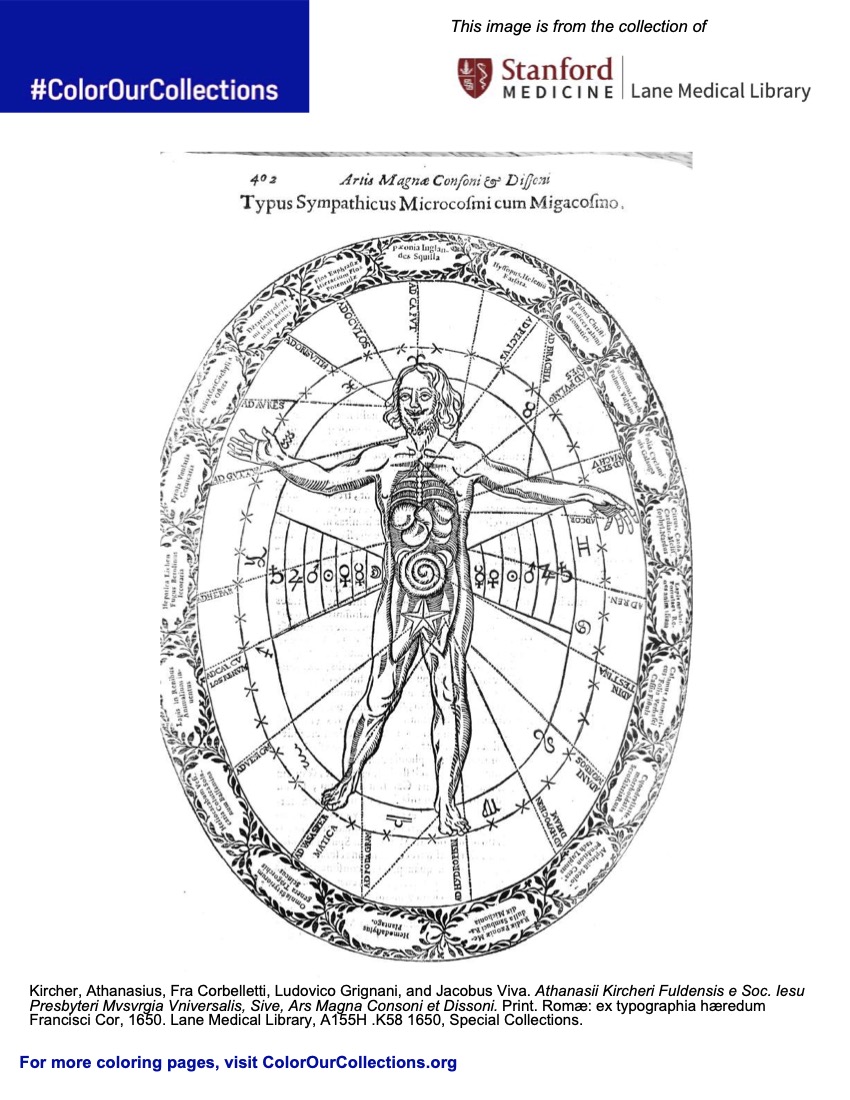
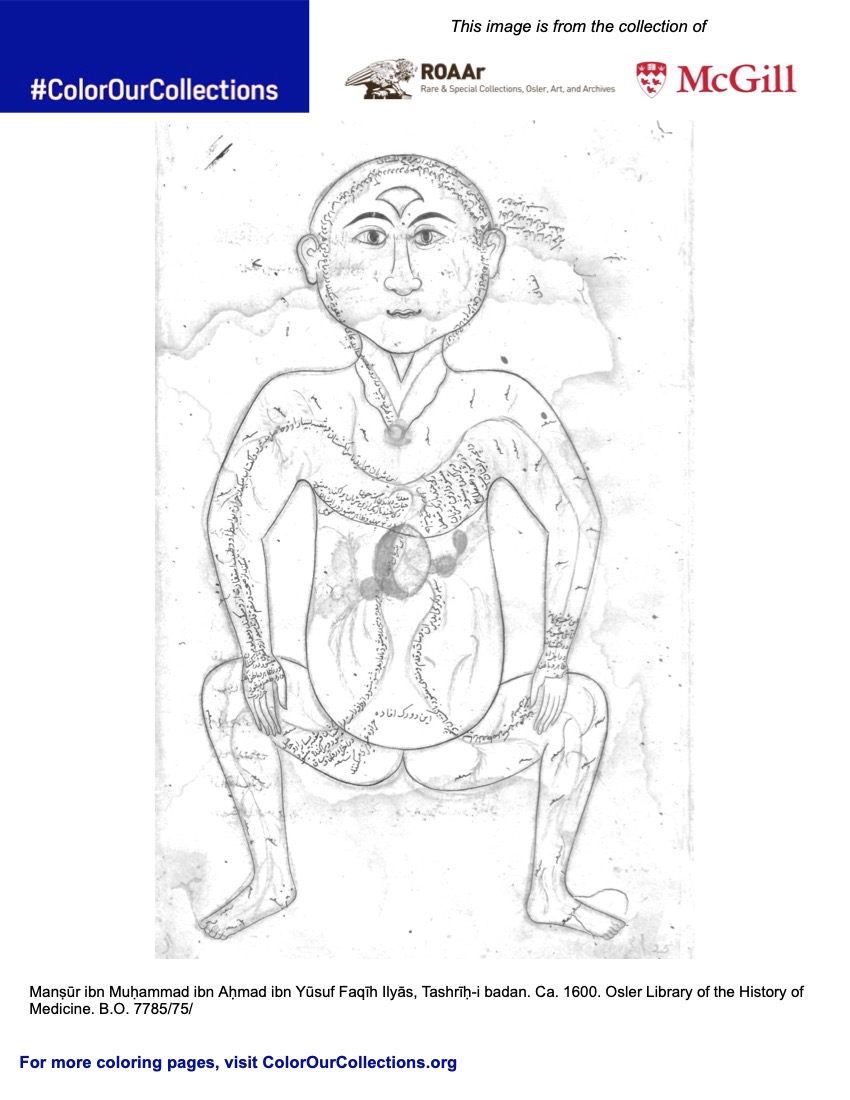
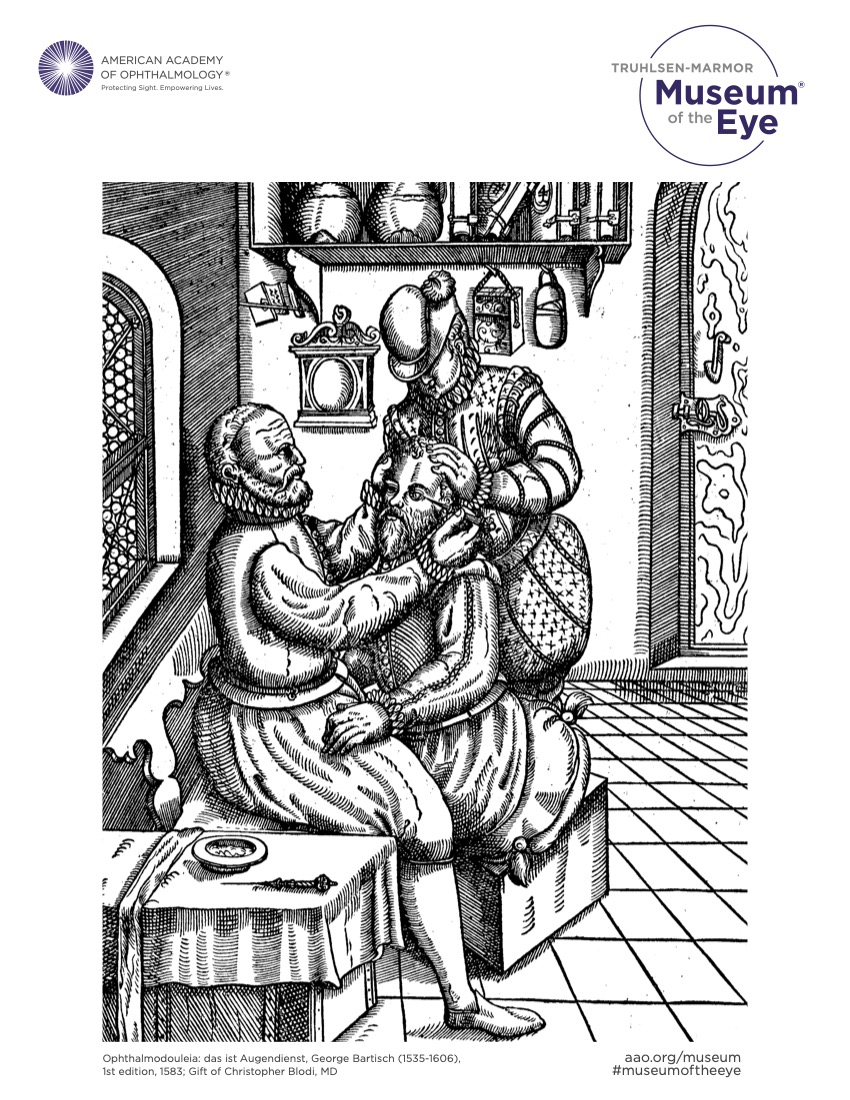
If so, you’re in luck. By our reckoning, that’s the most popular subject, though it spans a broad range, from line drawings of flowering medicinal plants and a reproduction of a 1998 American Society of Anesthesiologists coloring book for pediatric patients, to flayed cadavers and harrowing surgical vignettes from centuries gone by.
The pages below come compliments of Stanford Medical History Center’s Lane Library, McGill University’s Osler Library of the History of Medicine, and Truhlsen-Marmor Museum of the Eye, the only free, public museum dedicated to the fascinating science of sight.
Is architecture more your area of interest?
Glessner House, Western University, and the University of Barcelona have plans for you!


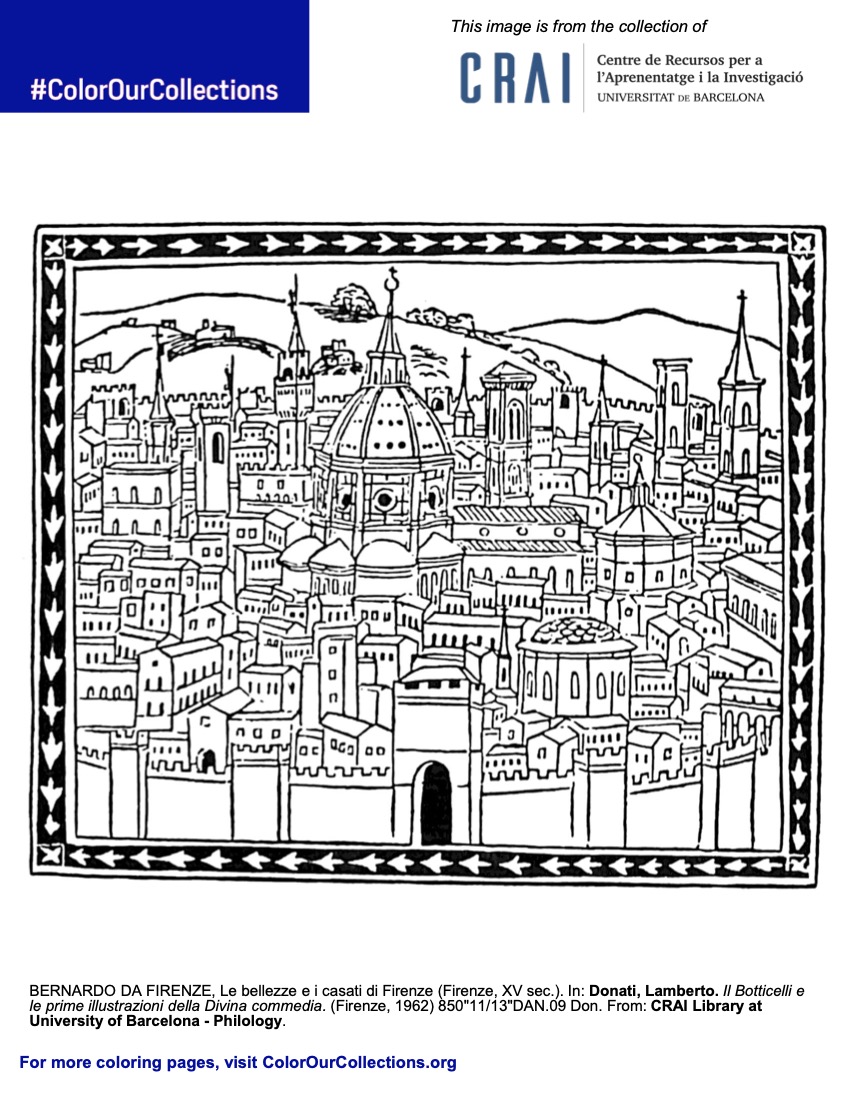
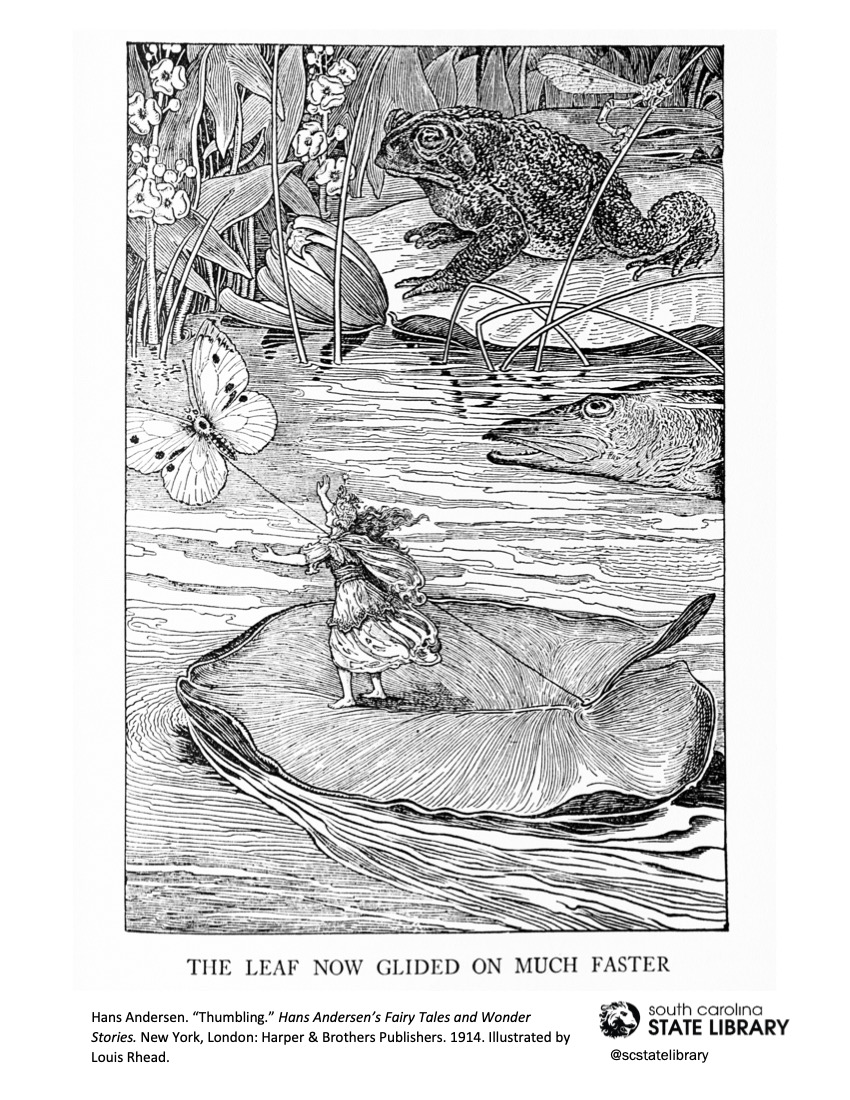
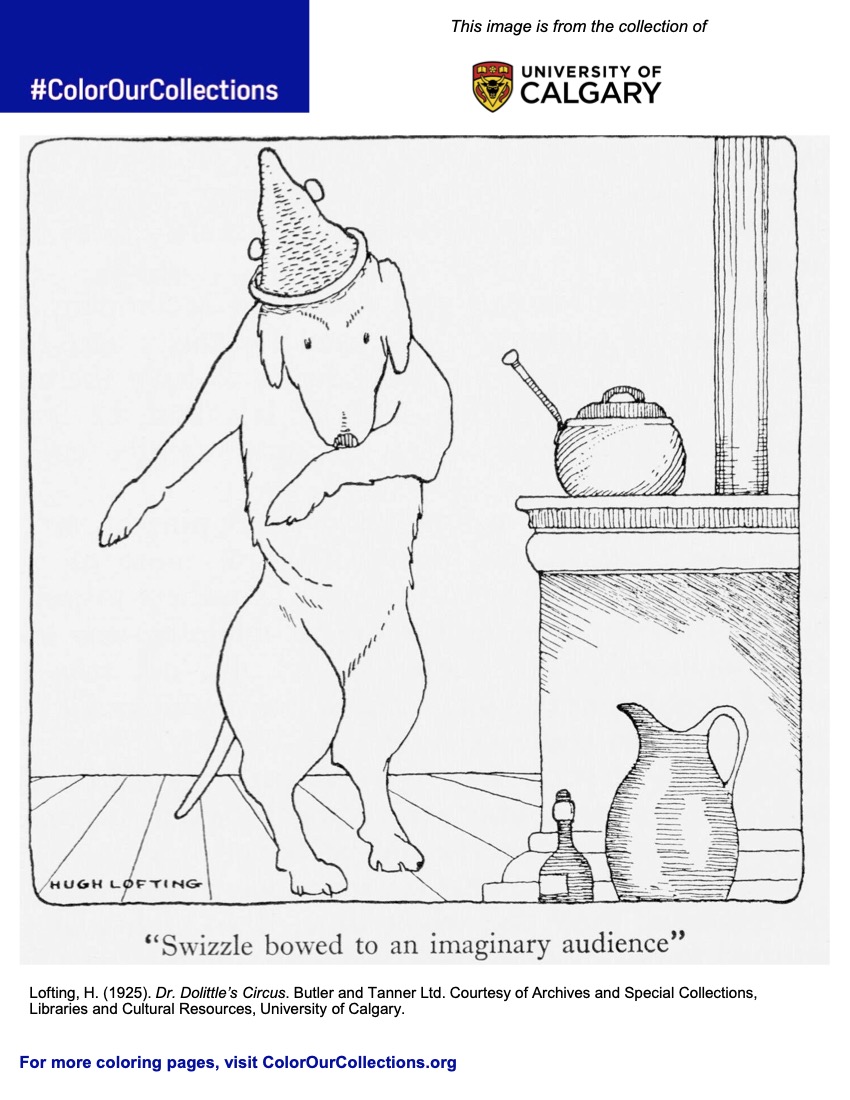
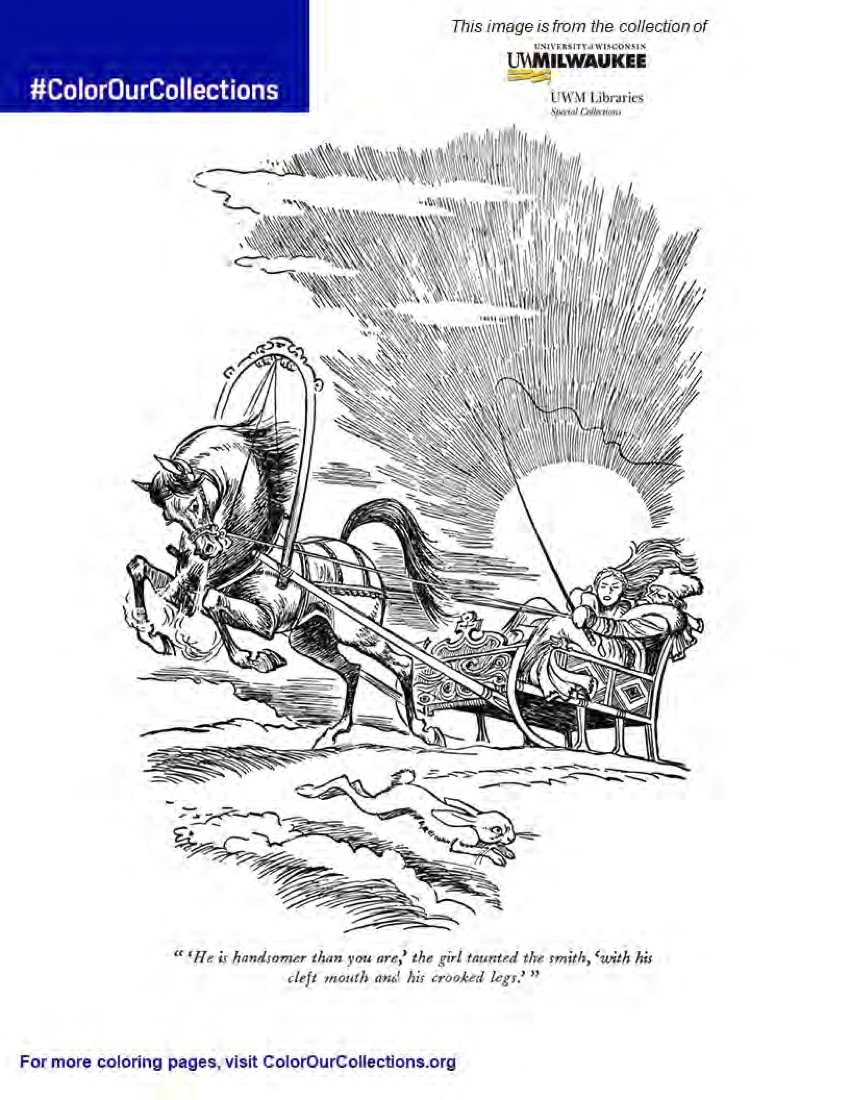
Does coloring make your nostalgic for childhood?
The South Carolina State Library, the University of Calgary, and the University of Wisconsin-Milwaukee have you covered with charming illustrations from Hans Andersen’s Fairy Tales and Wonder Stories, Dr. Dolittle’s Circus, and Heroes of the Kalevala
Do you have only a few minutes to spare…or a preschooler in need of simpler graphics?
We get it, and so do the Université Toulouse Jean Jaurès, the Bibliothèque municipale de Soissons, and the Harvard Art Museums.
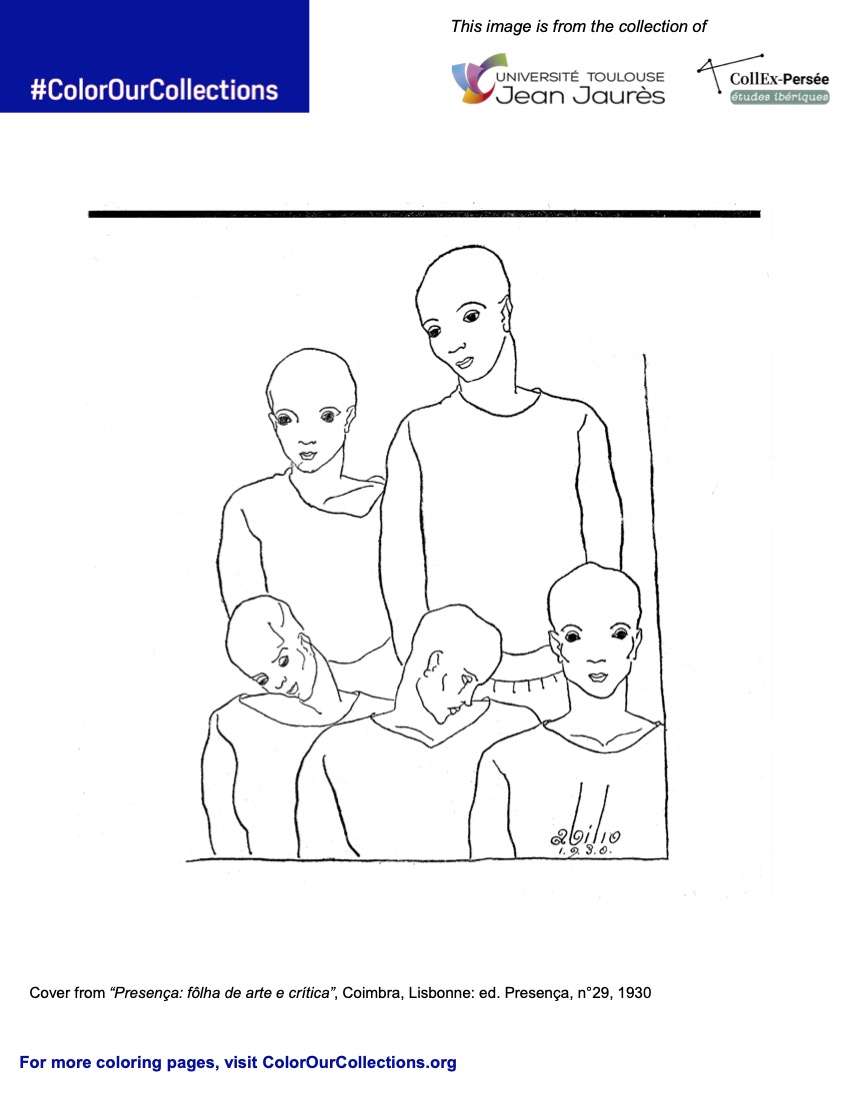
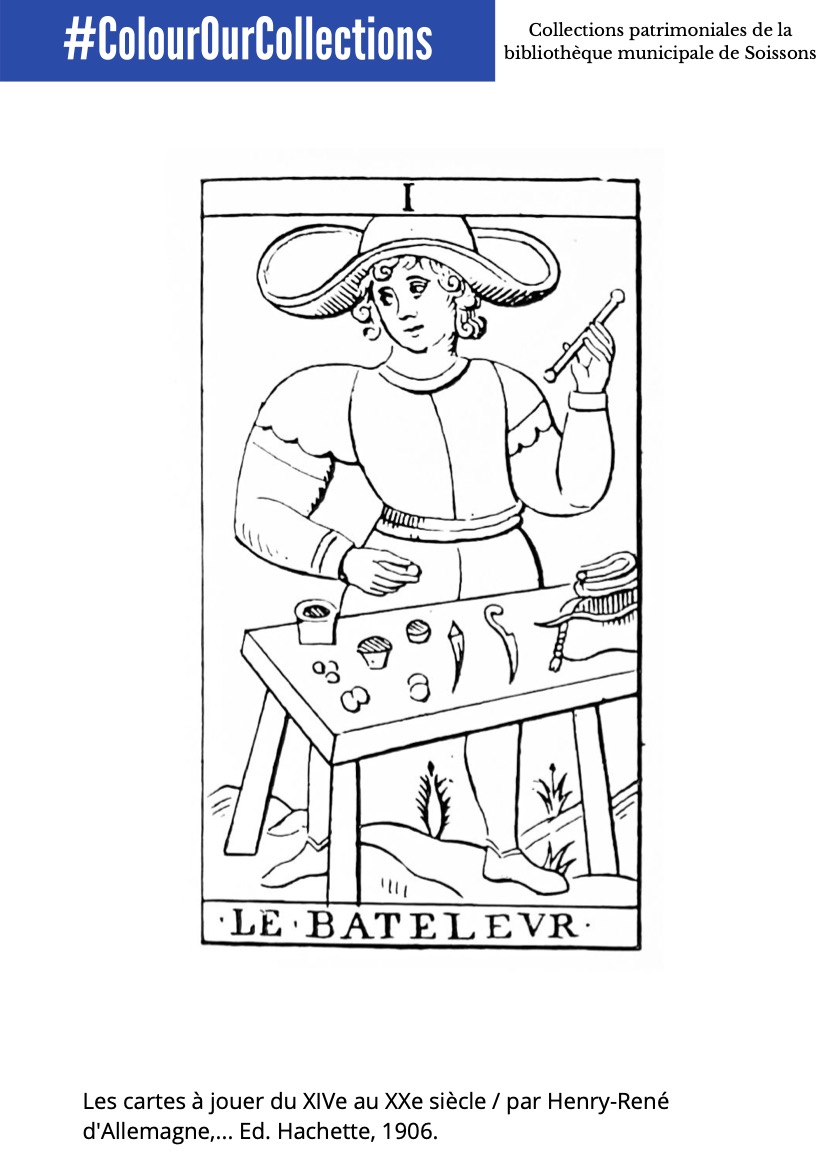

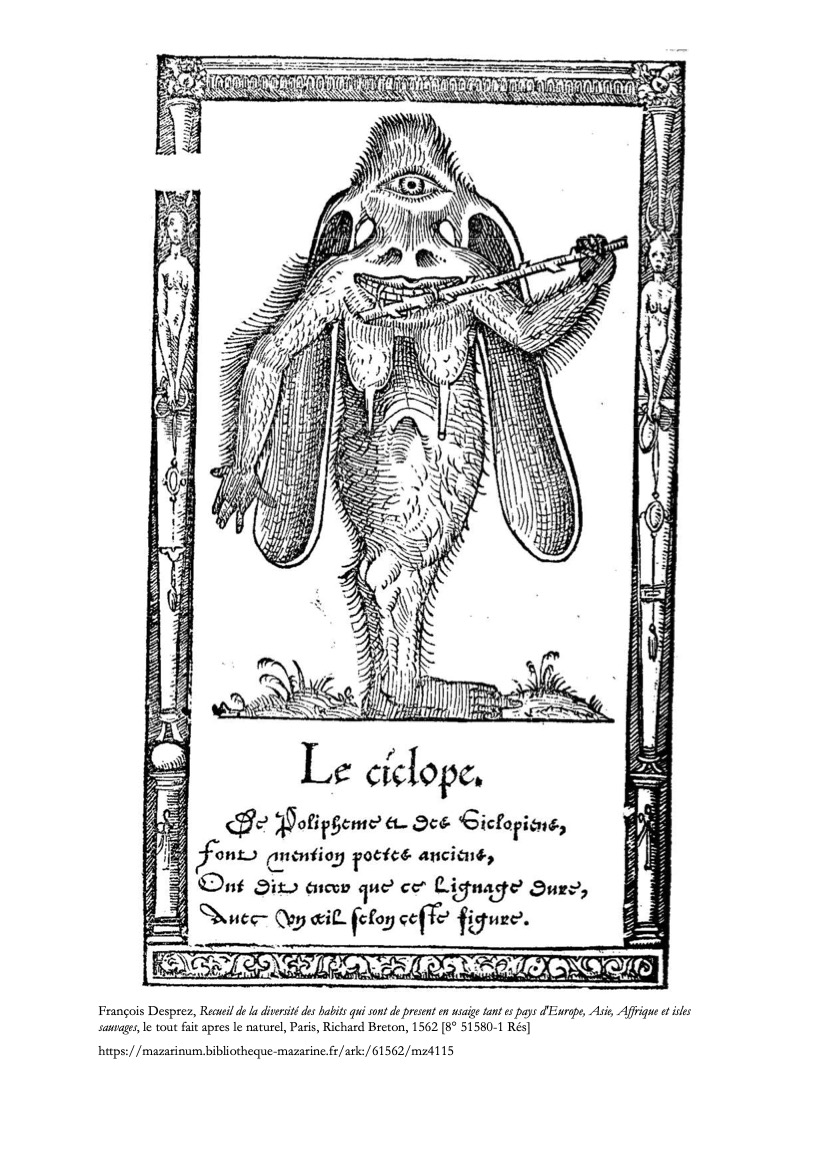
It’s always a joy to see who’s behind the year’s freakiest image.
This year, our vote goes to the Bibliothèque Mazarine, France’s oldest public library, but feel free to put forth other candidates in the comments section
Begin your explorations of 2022’s coloring books here. See how others have colored these pages by exploring the hashtag #ColorOurCollections on social media.
- Ayun Halliday is the Chief Primatologist of the East Village Inky zine and author, most recently, of Creative, Not Famous: The Small Potato Manifesto. Follow her @AyunHalliday.
Read More...Howard Zinn’s Recommended Reading List for Activists Who Want to Change the World

Image by via Wikimedia Commons
Back in college, I spotted A People’s History of the United States in the bags and on the bookshelves of many a fellow undergraduate. By that time, Howard Zinn’s alternative telling of the American story had been popular reading material for a couple of decades, just as it presumably remains a couple more decades on. Even now, a dozen years after Zinn’s death, his ideas about how to approach U.S. history through non-standard points of view remain widely influential. Just last month, Radical Reads featured the reading list he originally drew up for the Socialist Worker, pitched at “activists interested in making their own history.”
Zinn’s recommendations naturally include the work of other historians, from Gary Nash’s Red, White and Black: The Peoples of Early America (“a pioneering work of ‘multiculturalism’ dealing with racial interactions in the colonial period”) to Vincent Harding’s There Is a River: The Black Struggle for Freedom in America (an “excellent start on Black history”) to Samuel Yellen’s American Labor Struggles (which “brings to life the great labor conflicts of American history”).
His suggested books cover not just the 20th century but eras like the Civil War, and even, extensively, the time of Christopher Columbus. For those who take their analyses of the past in comically illustrated form, Zinn also highlights Larry Gonick’s The Cartoon History of the United States as “funny and remarkably rich in its content.”
Certain Zinn picks stand out as being of special interest to Open Culture readers. These include Noam Chomsky’s Year 501, in which “the nation’s most distinguished intellectual rebel gives us huge amounts of information about recent American foreign policy”; Richard Hofstadter’s The American Political Tradition, with its “iconoclastic view of American political leaders, including Jefferson, Jackson, Lincoln, Wilson and the two Roosevelts, suggesting more consensus than difference at the top of the political hierarchy”; and W.E.B. DuBois’ Black Reconstruction, “a direct counter to the traditional racist accounts of Reconstruction, presenting the narrative from the Black point of view.” Zinn also praises The Sixties, “a vivid history, well-written, thoughtful, by one of the activists of that era”: Todd Gitlin, who died earlier this month.
Despite its understandable inclination toward nonfiction, Zinn’s list also has room for several classic American novels like John Steinbeck’s The Grapes of Wrath, Richard Wright’s Black Boy, and Zora Neale Hurston’s Their Eyes Were Watching God. You may remember some of these books from your own high-school and university days, but whatever you got out of them back then, you’ll experience them more richly by revisiting them now, deeper into your own intellectual journey. As Zinn’s own life and work demonstrated, you can always find more angles from which to view the political, social, and cultural history of your county — the farther removed from those you were shown in school, the better.
via Radical Reads
Related content:
African-American History: Modern Freedom Struggle (A Free Course from Stanford)
American Literature, From the Beginnings to the Civil War: A Free Online Course from NYU
Noam Chomsky Defines What It Means to Be a Truly Educated Person
Adorn Your Garden with Howard the Zinn Monk
Based in Seoul, Colin Marshall writes and broadcasts on cities, language, and culture. His projects include the Substack newsletter Books on Cities, the book The Stateless City: a Walk through 21st-Century Los Angeles and the video series The City in Cinema. Follow him on Twitter at @colinmarshall or on Facebook.
Read More...How the Riot Grrrl Movement Created a Revolution in Rock & Punk
The Riot Grrrl movement feels like one of the last real revolutions in rock and punk, and not just because of its feminist, anti-capitalist politics. As Polyphonic outlines in his short music history video, Riot Grrrl was one of the last times anything major happened in rock music before the internet. And it’s especially thrilling because it all started with *zines*.
Women in the punk scene had a right to complain. Bands and their fans were very male, and sexual harassment was chronic at shows, leaving most women standing at the back of the crowd. Some zines even spelled it out: “Punks Are Not Girls,” says one.
Alienated from the scene but still fans at heart, Tobi Vail and Kathleen Hanna, already producing their own feminist zines, joined forces to release “Bikini Kill” a gathering of lyrics, essays, confessionals, appropriated quotes, plugs for Vail’s other zine “Jigsaw”, and a sense that something was happening. Something was changing in rock culture. Kim Deal of the Pixies and Kim Gordon of Sonic Youth were heroes, Poly Styrene of X‑Ray Spex was a legend, and Yoko Ono “paved the way in more ways than one for us angry grrl rockers.” Another zine, “Girl Germs,” was created by Allison Wolfe and Molly Neuman.
Bikini Kill the zine led to Bikini Kill the band in 1990, and their song “Rebel Girl” became an anthem of a new feminist rock movement focused mainly in the Pacific Northwest, around the same time as grunge.
Wolfe and Neuman, joined by Erin Smith, formed Bratmobile in 1991. K Records founder Calvin Johnson had asked them to play support for Bikini Kill, and out of necessity—Wolfe first admitted they were a “fake band”—they grabbed rehearsal space and became a “real” band on the spot. “Something in me clicked,” Wolfe said. “Like, okay, if most boy punk rock bands just listen to the Ramones and that’s how they write their songs, then we’ll do the opposite and I won’t listen to any Ramones and that way we’ll sound different.”
The burgeoning scene needed a manifesto, and it got one in “Bikini Kill” issue #2. The Riot Grrrl Manifesto staked out a space that was against “racism, able-bodieism, ageism, speciesism, classism, thinism, sexism, anti-semitism and heterosexism” as well as “capitalism in all its forms.” It ends with: “BECAUSE I believe with my wholeheartmindbody that girls constitute a revolutionary soul force that can, and will change the world for real.”
The manifesto (and the very healthy Pacific Northwest live scene) spawned a movement, even bringing with it bands that had been around previously, like L7. Riot Grrrl set out to elevate women’s voices and music, without capitulating to male standards, and return to the DIY and collective energy of the early punk scene. It also brought feminist theory out of the colleges and onto the stage, and with it queer theory and dialog about trauma, rape, and abuse—everything mainstream culture would rather not talk about. Like the original punk scene in the 1970s, it burned brightly and flamed out. But it inspired generations of bands, from Sleater-Kinney to White Lung, as well as non-rock music like the Electroclash movement.
Read a zine from the time, or listen to the lyrics of Riot Grrrl bands and you will hear the same discourse, and recognize the same tactics, as today. In some ways it feels even more radical now-—that humble, photocopied zines could affect a whole scene and not be atomized by social media.
To delve deeper, check out the New York Times’ Riot Grrl Essential Listening Guide.
Related Content:
Ted Mills is a freelance writer on the arts who currently hosts the Notes from the Shed podcast and is the producer of KCRW’s Curious Coast. You can also follow him on Twitter at @tedmills, and/or watch his films here.
Read More...Google’s UX Design Professional Certificate: 7 Courses Helps Prepare Students for an Entry-Level Job in 6 Months
During the pandemic, Google launched a series of Career Certificates that will “prepare learners for an entry-level role in under six months.” One such certificate focuses on User Experience Design, or what’s called UX Design, the process design teams use to create products that provide meaningful experiences to users.
Offered on the Coursera platform, the User Experience (UX) Design Professional Certificate features seven courses, including the Foundations of User Experience, Start the UX Design Process, Build Wireframes and Low-Fidelity Prototypes, and Conduct UX Research and Test Early Concepts. In total, this program “includes over 200 hours of instruction and hundreds of practice-based activities and assessments that simulate real-world UX design scenarios and are critical for success in the workplace. The content is highly interactive and developed by Google employees with decades of experience in UX design.” Upon completion, students can directly apply for jobs with Google and over 130 U.S. employers, including Walmart, Best Buy, and Astreya. You can start a 7‑day free trial and explore the courses. If you continue beyond that, Google/Coursera will charge $39 USD per month. That translates to about $235 after 6 months.
Explore the User Experience (UX) Design Professional Certificate by watching the video above. Learn more about the overall Google career certificate initiative here. And find other Google professional certificates here.
Note: Open Culture has a partnership with Coursera. If readers enroll in certain Coursera courses and programs, it helps support Open Culture.
Related Content:
Read More...In 1922, a Novelist Predicts What the World Will Look Like in 2022: Wireless Telephones, 8‑Hour Flights to Europe & More
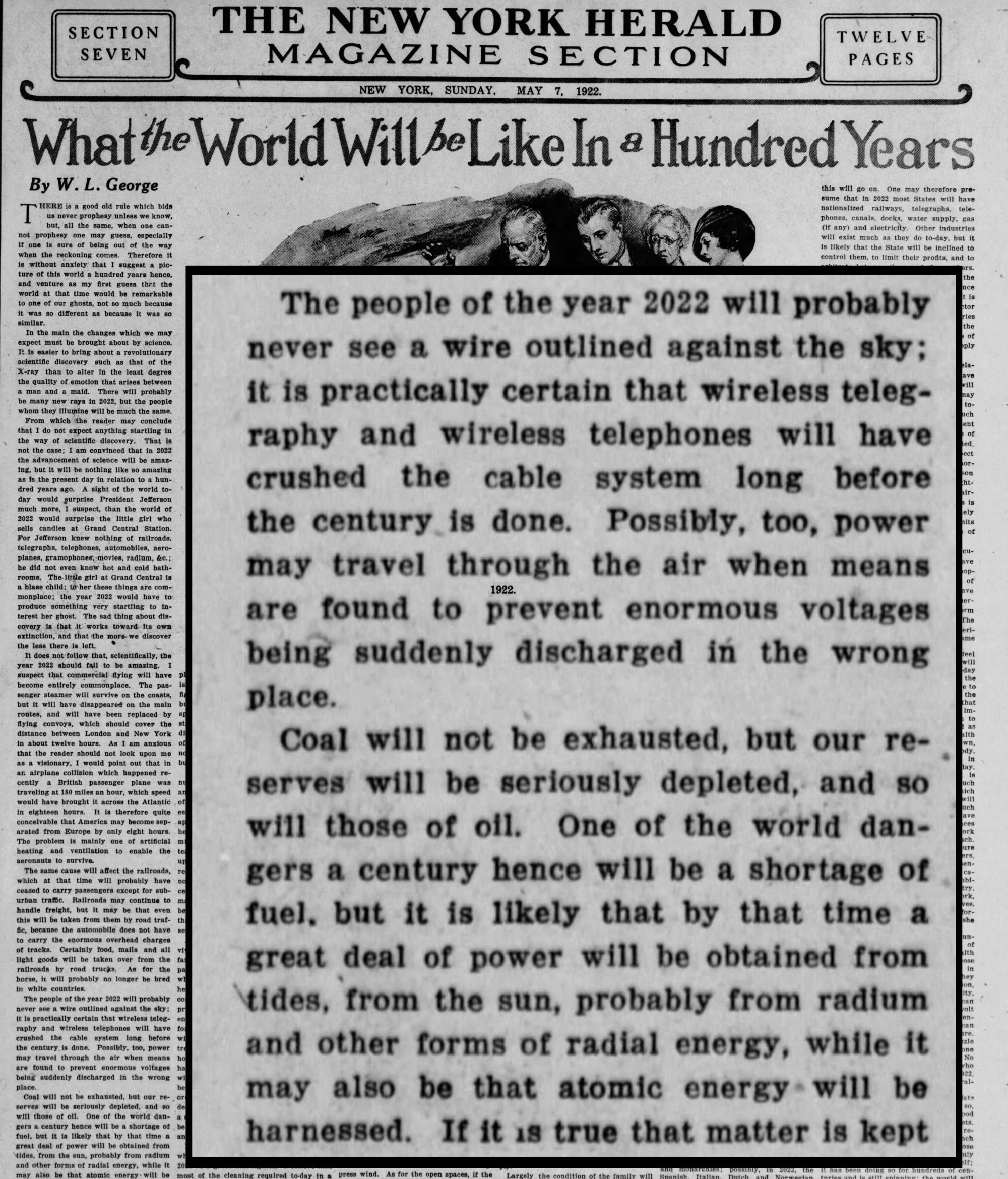
A century ago, the popular English novelist W.L. George sat down and put his mind to envisioning the world we live in today. That world has not, alas, turned out to be one in which his books are much read, but in his day a great many readers were moved by his social cause-driven fiction and reportage. One might compare him to Upton Sinclair, his contemporary on the other side of the Atlantic. In the Paris-born-and-raised George’s ancestral homeland, George Orwell described him as an author of what G.K. Chesterton called “good bad books,” singling out for praise his 1920 novel Caliban amid the “shoddy rubbish” of his wider oeuvre.
Still even authors of rubbish — and perhaps especially authors of rubbish — can sense the shape of things to come. For its edition of May 7, 1922, the New York Herald commissioned George to share that sense with their readers. In response he described a world in which “commercial flying will have become entirely commonplace,” reducing the separation of America and Europe to eight hours, and whose passenger steamers and railroads will have consequently fallen into obsolescence. “Wireless telegraphy and wireless telephones will have crushed the cable system,” resulting in generations who’ll never have seen “a wire outlined against the sky.”

That goes for the transmission of electricity as well, since George credits (a bit hastily, it seems) the possibility of wireless power systems of the kind researched by Nikola Tesla. In 2022, coal will take a distant backseat to the tides, the sun, and radium, and “it may also be that atomic energy will be harnessed.” As for the cinema, “the figures on the screen will not only move, but they will have their natural colors and speak with ordinary voices. Thus, the stage as we know it to-day may entirely disappear, which does not mean the doom of art, since the movie actress of 2022 will not only need to know how to smile but also how to talk.”
Other women, however, have proven just as capable as George had imagined: “All positions will be open to them and a great many women will have risen high. The year 2022 will probably see a large number of women in Congress, a great many on the judicial bench, many in civil service posts, and perhaps some in the President’s Cabinet.” Georges foresees the birth-control pill, but also the “pill lunch.” Unlike some reformers, he hesitates to declare the abolition of the family, but he does imagine the “majority of mankind” occupying modular homes in high-rise communal dwellings (“I have a vision of walls, furniture, and hangings made of more or less compressed papier-mâché”), all gathered in climate-controlled cities set under glass.
On the whole, in 2022, “the advancement of science will be amazing, but it will be nothing like so amazing as is the present day in relation to a hundred years ago.” Indeed, he suspects that a glimpse of our reality wouldn’t much surprise “the little girl who sells candies at Grand Central Station.” It could even be dull, what with complete settlement and development leaving “no more opportunity in America than there is in England to-day.” In 1922, George could write that “in fiction, America leads the world by sincerity, faith and fearlessness,” and believe that “in 2022 American literature will be a literature of culture. The battle will be over and the muzzle off. There will be no more things one can’t say, and things one can’t think.” Whatever the inspirations of his prophecy, they must not have told him about social media.
You can find a copy of George’s original article over at the Library of Congress.
If you would like to support the mission of Open Culture, consider making a donation to our site. It’s hard to rely 100% on ads, and your contributions will help us continue providing the best free cultural and educational materials to learners everywhere. You can contribute through PayPal, Patreon, and Venmo (@openculture). Thanks!
Related Content:
In 1900, Ladies’ Home Journal Publishes 28 Predictions for the Year 2000
In 1926, Nikola Tesla Predicts the World of 2026
Based in Seoul, Colin Marshall writes and broadcasts on cities and culture. His projects include the book The Stateless City: a Walk through 21st-Century Los Angeles and the video series The City in Cinema. Follow him on Twitter at @colinmarshall or on Facebook.
Read More...The Anti-Vaxxer Who Waged War Against Jonas Salk & His Polio Vaccine: When History Keeps Repeating
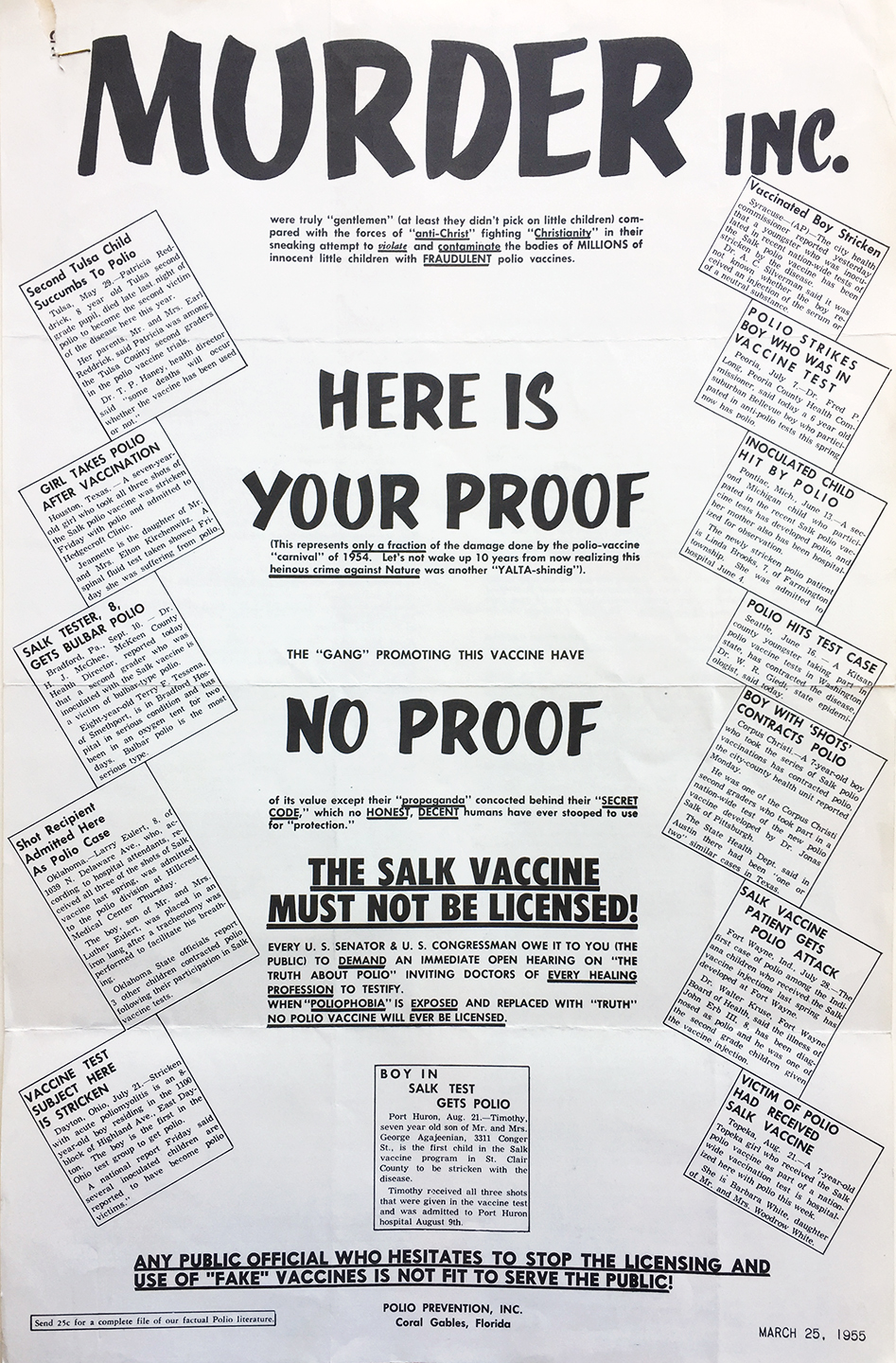
Almost immediately after Scottish doctor Edward Jenner learned how to inoculate humans against smallpox in 1796, mass movements sprang up in England and the U.S. to oppose the measure. The rejection of inoculation and vaccination generally made its stand on “political grounds,” says Yale historian Frank Snowden. For over two hundred years, people have “widely considered [vaccines to be] another form of tyranny.” In the 19th century, fears of government control mutated into pseudoscientific conspiracy theories claiming the smallpox vaccine might cause, for example, the growth of hooves and horns or the birth of human/cow hybrid babies.
The pushback against the smallpox vaccine, writes Slate’s Nick Keppler, occurred during a time “when arguments about bodily integrity and religious objection carried as much weight as scientific evidence.” But vaccine science progressed nonetheless, and scientific institutions – very much in league with government by the mid-20th century – shared their largesse in the form of medical breakthroughs and consumer conveniences. “The postwar era was a very trust-in-science-era,” says researcher scientist Jonathan M. Berman, author of Anti-Vaxxers: How to Challenge a Misinformed Movement. “The public not just accepted, but cheered, the headline-making work of guys in white lab coats,” Keppler remarks.
Not everyone was cheering for Jonas Salk, the March of Dimes, and the polio vaccine, however. While celebrities like Elvis Presley legitimized the vaccine in the eyes of a previously skeptical public, a few fervent anti-vaxxers rose to prominence, some using the same combination of fear mongering, pseudoscientific speculation, and conspiratorial thinking common to the smallpox era – and common, once again, in the time of COVID-19.
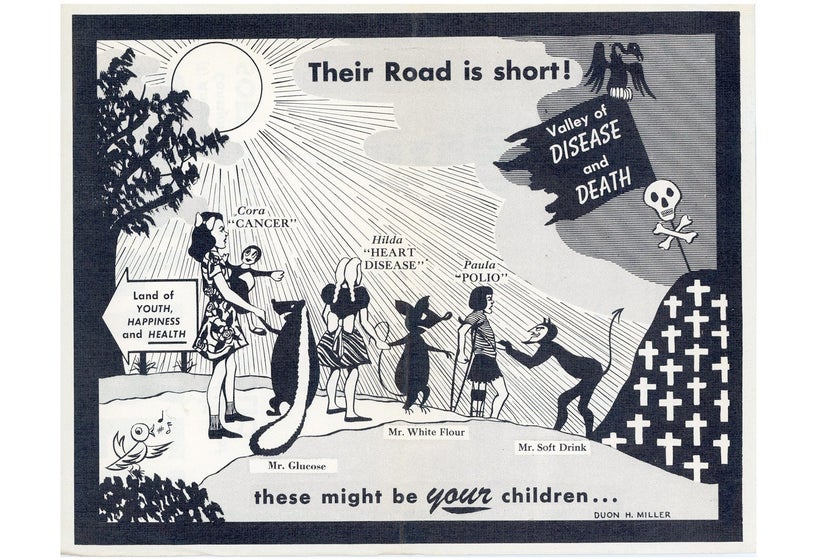
One of these figures, Florida businessman Duon Miller, founded a cosmetics company, then invested his own money and that of others into an organization called Polio Prevention Inc., a one-man operation that purported to fight polio with information about nutrition. Miller’s organization actually served to undermine the vaccine with a host of outrageous, logically fallacious claims about the causes of polio and the dangers of vaccination. As Keppler notes:
Like today’s COVID skeptics, Miller cherry-picked physicians who were skeptical of polio as a virus and misrepresented facts. One mailer was a rapid fire of out-of-context information: Salk “isn’t entirely satisfied with the vaccine.” Some children still got polio after being vaccinated. And just as the “real” number of COVID-19 deaths pales in comparison to vaccine deaths in some dark corners of the internet, so it was with polio in Miller’s world: “Polio ‘CRIPPLES’ and Polio ‘DEATHS’ are merely ‘Statistics’ to the ‘Charity-Brokers,’ whose record to date of ‘Cripples’ and ‘Deaths’ is TRULY DISGRACEFUL.”
Like many conspiracy theorists today, Miller’s claims contained several kernels of truth, misplaced in the service of a bizarre crusade. Research now ties excess consumption of soft drinks, white flour, and refined sugar to an increase in cancers and heart disease. In this, Miller was prescient, given that these are the some of the biggest killers in the country. But this had nothing to do with the polio virus. Miller’s uncritical thinking, mistaking large-scale correlations for causation, typifies conspiracy theories. His appeal to the welfare of children also strikes a familiar chord, but it’s unsurprising in this case, given that “polio was a disease of children,” says René F. Najera, editor of the College of Physicians of Philadelphia’s History of Vaccines project, “so people were already afraid for their children.” Comparatively, COVID-19 “has largely left children alone … so we don’t mobilize as much.”

Keppler draws many other parallels between Miller’s personal anti-polio vaccine project and the efforts today to resist the COVID-19 vaccine, all representative of American anti-intellectualism and the well-funded will to disbelieve what the science clearly demonstrates. Miller distributed mailers in schools around Florida, accepted hundreds in donations, and printed thousands of pamphlets for distribution. He even offered to get injected with the polio virus to show that it was harmless. However, “federal charges ended Miller’s crusade,” when he was charged with “sending ‘libellous, scurrilous and defamatory’ statements through the mail” in 1954, the year Salk readied nationwide trials of the vaccine. Five years later, “U.S. polio cases were about 14 percent of what they were in 1952, thanks to vaccination,” not, as Miller would have the public believe, a change in diet. “Give us proper diets,” he continued to write to newspapers, “and we’ll solve the physical imperfections of Americans young and old.” He might have been on to a good argument about nutrition just by chance, but the public had no reason to listen to his opinions about polio simply because he could afford to circulate them.
Related Content:
How Do Vaccines (Including the COVID-19 Vaccines) Work?: Watch Animated Introductions
Dying in the Name of Vaccine Freedom
Josh Jones is a writer and musician based in Durham, NC. Follow him at @jdmagness
Read More...An Opera Singer & Cabaret Artist Record an Astonishing Version of David Bowie & Queen’s “Under Pressure”
On the surface of things, Anthony Roth Costanzo, the internationally-recognized countertenor and Justin Vivian Bond, the subversive performance artist best known for their creation Kiki DuRane, “an alcoholic battle-axe with a throat full of razor-blades,” would have little reason to share a mic, let alone inhabit the same stage.
Leave surfaces behind!
Their genre-defying, just released album, Only An Octave Apart, explores the depths that lurk beneath them, finding common cause between their chosen art forms and then some. The album’s title, a nod to the opening number of a Metropolitan Opera television special starring comedian Carol Burnett and operatic soprano Beverly Sills, is just the tip of the iceberg.
As they state in the program notes for a recent appearance with the New York Philharmonic at Jazz at Lincoln Center:
We each sound different from what you would expect when you look at us. The juxtaposition of our voices, personalities, and repertoire subverts notions of high and low, be it in terms of pitch, cultural echelon, or degrees of camp — not to mention the difference in height.
If you thought David Bowie and Freddie Mercury sent things into the stratosphere when they joined forces on “Under Pressure,” listen to Costanzo and Bond’s take, above.
Their Dido’s Lament / White Flag Medley smashes the musical binary with a delicacy that is given room to grow.
Costanzo begins with two and a half soaring minutes from Henry Purcell’s Dido & Aeneas.
Introducing the number at Jazz at Lincoln Center, he recalled how Dido & Aeneas was one of his first professional opera gigs at 19. No, he wasn’t cast as the fatally distraught Queen of Carthage, a diva role he’s eyed for years, but rather the Second Woman and First Witch.
(“Second Woman / First Witch…sounds like the story of my life,” Bond marveled. “I own it! Can you imagine if you were First Woman and Second Witch?”)
Costanzo got his chance at Dido in the summer of 2020 when, with performance venues still closed due to the pandemic, he hatched an idea to cart Philharmonic musicians and guest singers around the city’s five Boroughs in a rented pickup dubbed the NY Phil Bandwagon. 80-some free performances later, he felt ready to record.
When Bond joins in, it’s with English singer-songwriter Dido’s 2003 chart topper, White Flag, which also speaks to the pains of love. The sincerity of the performers causes a gorgeous alchemical reaction to soften the positions of more than a few staunch opera-phobes and pop-deniers.
(“The wonderful thing about the opera,” Bond cracks, “is when you wake up, you’re at the opera!”)
Their Egyptian Sun mash up is born of an even cannier pairing — The Bangles’ mid-80s hit, Walk Like An Egyptian and Philip Glass’ ancient Egypt-themed minimalist modern opera, Akhnaten, in which Costanza recently starred, making his first entrance nude and flecked with gold.
Other treasures from this fruitful collaboration include skillful intertwinings of Tom Jobim’s Bossa nova favorite Águas de Março (Waters of March) with Gioachino Rossini’s Cinderella-themed confection La Cenerentola, and Gluck’s 18th-century masterpiece, Orfeo ed Euridice with Don’t Give Up, a “message of hope in the bleakest of moments” and a hit for Peter Gabriel and Kate Bush when Bond was a year out of college…and Costanzo was four.
Listen to Only an Octave Apart in its entirety on YouTube or Spotify.
Anthony Ross Costanzo will reprise his role as the revolutionary pharaoh, Akhnaten, at the Metropolitan Opera later this spring.
- Ayun Halliday is the Chief Primatologist of the East Village Inky zine and author, most recently, of Creative, Not Famous: The Small Potato Manifesto. Follow her @AyunHalliday.
Read More...Tennessee School Board Bans Maus, the Pulitzer-Prize Winning Graphic Novel on the Holocaust; the Book Becomes #1 Bestseller on Amazon
Last week, a Tennessee school board voted unanimously to ban Maus, the Pulitzer-winning graphic novel about the Holocaust, citing instances of profanity and nudity. Specifically, the McMinn County school board objected to utterances of the words “God damn” and a small, barely-perceptible breast. (Look closely, and you may eventually find it.) Rather uncomfortably, the banning came on the eve of International Holocaust Remembrance Day, and it figures into a larger right-leaning effort to ban books countrywide.
Happily, bad decisions can have good unintended consequences. In recent days, Art Spiegelman’s Maus has soared to #1 on Amazon’s bestseller list. (Another edition of the book sits at #3 on the list.) Elsewhere, a college professor has created a free online course on Maus designed solely for students from McMinn County. And within Tennessee itself, bookstores are giving away free copies of Spiegelman’s classic, while a church has decided to convene conversations on the groundbreaking book.
Above, you can watch Spiegelman respond to the ban and wonder whether it’s “a harbinger of things to come,” a step in a larger effort to efface the memory of the Holocaust.
Related Content
How Art Spiegelman Designs Comic Books: A Breakdown of His Masterpiece, Maus
The 850 Books a Texas Lawmaker Wants to Ban Because They Could Make Students Feel Uncomfortable
America’s First Banned Book: Discover the 1637 Book That Mocked the Puritans
Read More...How Pulp Fiction Uses the Socratic Method, the Philosophical Method from Ancient Greece
No sooner did Pulp Fiction open in theaters than its director, a young former video-store clerk named Quentin Tarantino, became the new auteur to beat. Drawing from a variety of cinematic traditions both high and low, Tarantino’s breakout film showed mainstream audiences things they’d never seen before, or at least in combinations they’d never seen before. Its dialogue in particular was often cited as an example of Tarantino’s sheer filmmaking vitality. And so it remains: recall how many times, over the past few decades, you’ve heard lines quoted just from the conversation early in Pulp Fiction between John Travolta and Samuel L. Jackson’s black-suited hit men Vincent Vega and Jules Winnfield.
It’s thanks to this passage of Tarantino’s script that even Americans know the name of the French equivalent of McDonald’s Quarter Pounder. But a bit later, and with a bit more subtlety, it also demonstrated to viewers what’s known as the Socratic method. Such is the premise, anyway, of the Practicable video at the top of the post.
Named for its first practitioner, the peripatetic Greek of the fifth-century B.C. who has since lived in on dialogues composed by his student Plato, the Socratic method has come to be regarded as an effective means of getting to the truth through conversation, either with others or with oneself — or rather, as an effective means of getting away with falsehoods: false opinions, false convictions, false beliefs.
Socrates, says Practicable’s narrator, “would start off asking people for a definition of a term like wisdom, courage, or justice, and through repeatedly pointing out contradictions in their definition, and then the contradictions in their adjustments to their original definition, they would eventually reach a state of admitted ignorance.” Such a process occurs in Pulp Fiction when Vincent and Jules discuss their gangster boss Marsellus Wallace’s recent killing of a man who dared to give his wife a foot massage. “Jules believes Marsellus overreacted, and Vincent believes that Antoine Roccamora got what was coming to him. At this point, we see Vincent try to get to the root of why Jules thinks it was an overreaction.”
Consciously or unconsciously, Vincent does so using the Socratic method, which requires first establishing an argument, then raising an exception or contradiction, then re-formulating the argument, and repeating those steps as truth is approached or falsehood escaped. At issue is the inherently sexual nature of foot massages. By bringing out contradictions in Jules’ own beliefs about them — he gives them to his mother, he argues, though he also takes pride in his advanced technique, which he’s never applied to the feet of a man — Vincent “can finally establish that Marsellus’ use of violence was, in fact, justified.” The dialogue could continue, but Tarantino leaves it there, with Jules in the state of internal contradiction Socrates called aporia. After all, like most of Tarantino’s talkative characters, they’ve got a a job to do.
Related Content:
Allan Bloom’s Lectures on Socrates (Boston College, 1983)
Socrates on TV, Courtesy of Alain de Botton (2000)
44 Essential Movies for the Student of Philosophy
Based in Seoul, Colin Marshall writes and broadcasts on cities and culture. His projects include the book The Stateless City: a Walk through 21st-Century Los Angeles and the video series The City in Cinema. Follow him on Twitter at @colinmarshall or on Facebook.
Read More...The 850 Books a Texas Lawmaker Wants to Ban Because They Could Make Students Feel Uncomfortable
“Who’s afraid of critical race theory?” asked lawyer, legal scholar and Harvard professor Derrick Bell in a 1995 essay. Bell helped pioneer the discipline in the 70s, and until recently, it remained mostly confined to academic journals, grad school seminars and the pages of progressive magazines. Now the phrase is everywhere. What happened? Did radical scholars force third graders to read footnotes? Or did conservatives show up fifty years late to a conversation, skip the reading, and decide the best way to respond was to lash out indiscriminately at every identity and civil rights issue that makes them uncomfortable, starting with kindergarten and working their way up? Maybe Bell’s question has answered itself.
In the recent moral panic over CRT, the term has become a denunciation, a shibboleth that can apply to any history, civics, or literature lesson broadly construed, whether taught through current events, fiction, poetry, memoir, nonfiction, or any material — to use the language of the “anti-CRT” Texas House Bill 3979 — that might make a student “feel discomfort, guilt, anguish, or any other form of psychological distress on account of the individual’s race or sex.” Connections to Bell’s critical race theory are tenuous, at best. As Allyson Waller notes at the Texas Tribune, that academic discipline “is not being taught in K‑12 schools.”
This fact means little to right wing legislators, school board members and parents’ groups, who have found a convenient boogeyman on which to project their anxieties. What the Texas bill means in practice has been impossible to parse. American Civil Liberties Union lawyer Emerson Sykes filed a federal suit over a similar law in Oklahoma, arguing that it’s “so vague,” as Michael Powell reports at The New York Times, “that it fails to provide reasonable legal guidance to teachers and could put jobs in danger.” A Black principal near Dallas has already been forced to resign in the anti-CRT panic, for writing a public letter after George Floyd’s death that declared, “Education is the key to stomping out ignorance, hate, and systemic racism.”
In another part of the state, a district-level executive director of curriculum has recommended teaching “other perspectives” on the Holocaust to meet the bill’s mandates. Teachers and administrators are not the only ones targeted by the bill and its supporters. “One minute they’re talking critical race theory,” says middle school librarian Carrie Damon. “Suddenly I’m hearing librarians are indoctrinating students. One library in Llano County, about 80 miles northwest of Austin, shut down for three days for a “thorough review” of every children’s book. At the statewide level, Texas Republican State Representative Matt Krause launched an anti-CRT witch-hunt, in advance of a run for State Attorney General, by emailing a list 850 books to state superintendents, asking if any of them appeared in their libraries.
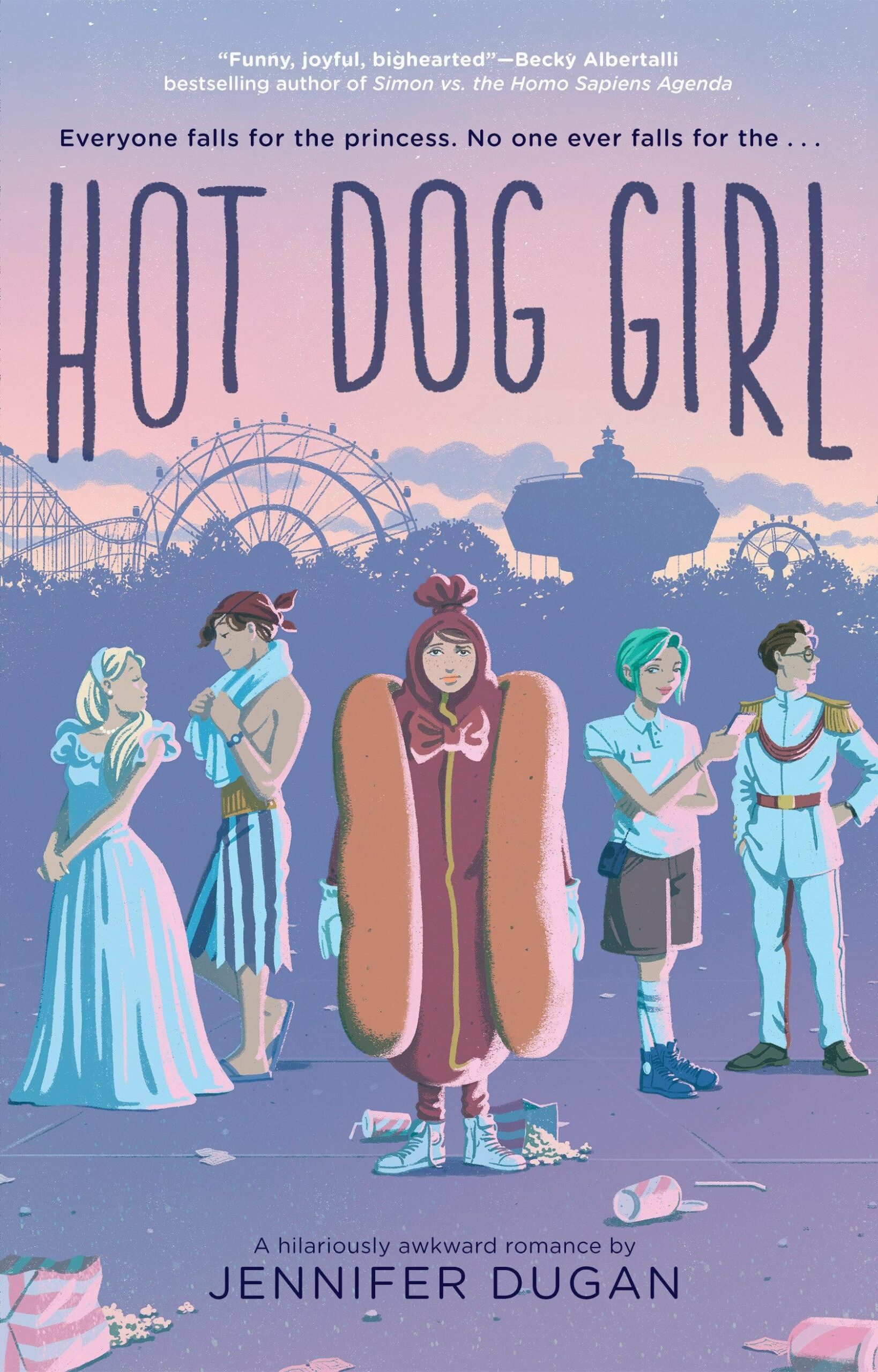
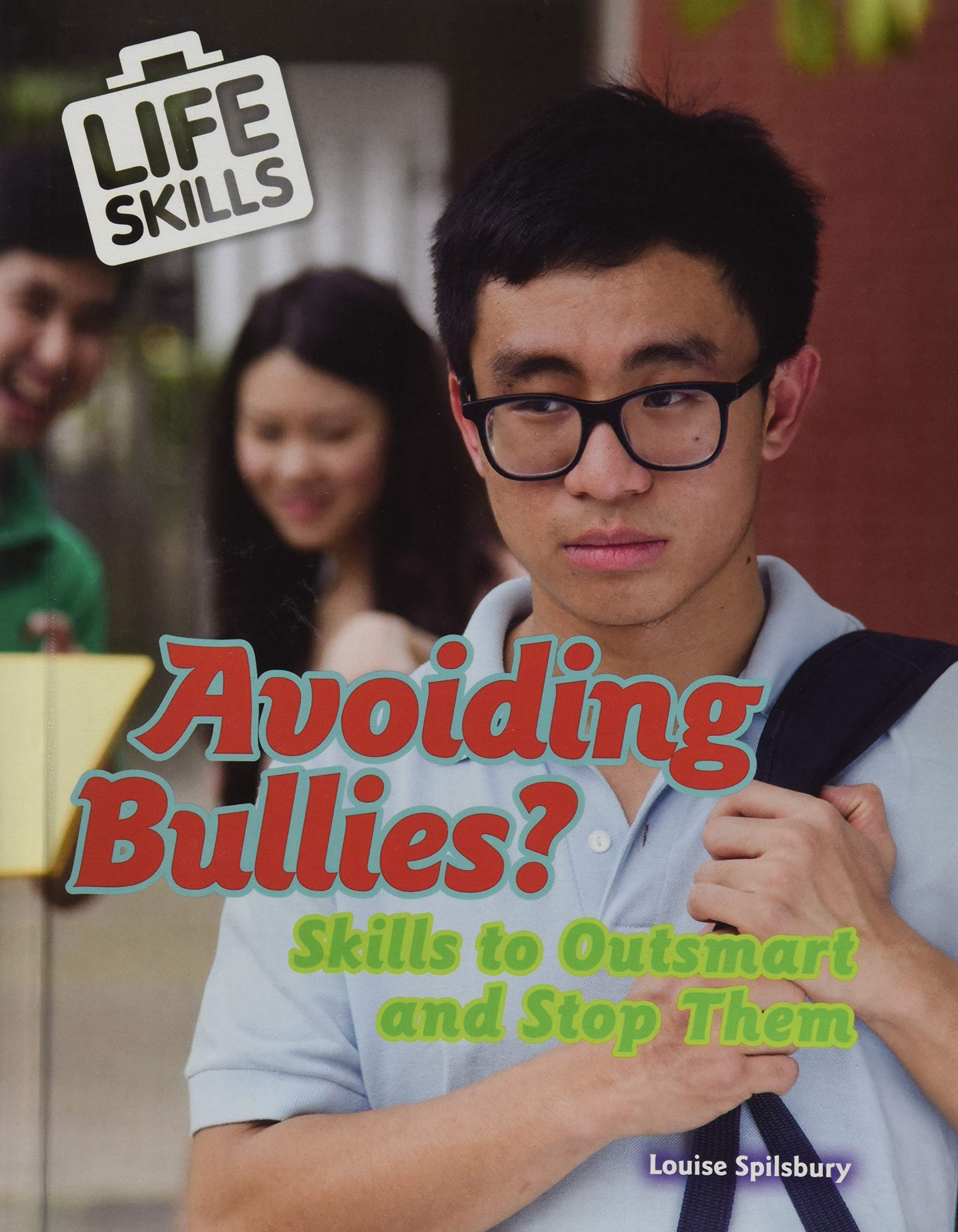
The list, writes Danika Ellis at Book Riot, is “a bizarre assortment of titles, formatted in a way that suggests it’s copy-and-pasted from library listings.” It includes books about human rights, sex education, any and every LGBTQ topic, race, American history, and policing. Ironically, it also includes books about burning books and bullying (a problem causing student walkouts around the country). The books range from those for young children to middle and high school students and college-aged young adults. Most of them “were written by women, people of color and LGBTQ writers.” It also includes “a particularly puzzling choice,” writes Powell (probably a mistake?): Cynical Theories by Helen Pluckrose and James Lindsay, two authors who have made careers out of exposing what they allege are illegitimate “grievances” in academia.
You can see Krause’s full list here. The state rep’s “motive was unclear,” Powell writes, but it seems clear enough he wished to flag these books for possible removal. Given that critical race theory is not, in fact, a phrase that means “anything that makes conservatives feel guilty and/or uncomfortable” but is foremost a legal theory, we might ask legal questions like cui bono? – “who benefits” from banning the books on Krause’s list? Who feels uncomfortable and guilty when they read about racist policing, healthy gay relationships, or the civil rights movement– and why? Should that discomfort provide just cause for censorship and the violation of other students’ rights to quality educational material? How can the subjective standard of “comfort” be used to evaluate the educational value of a book?
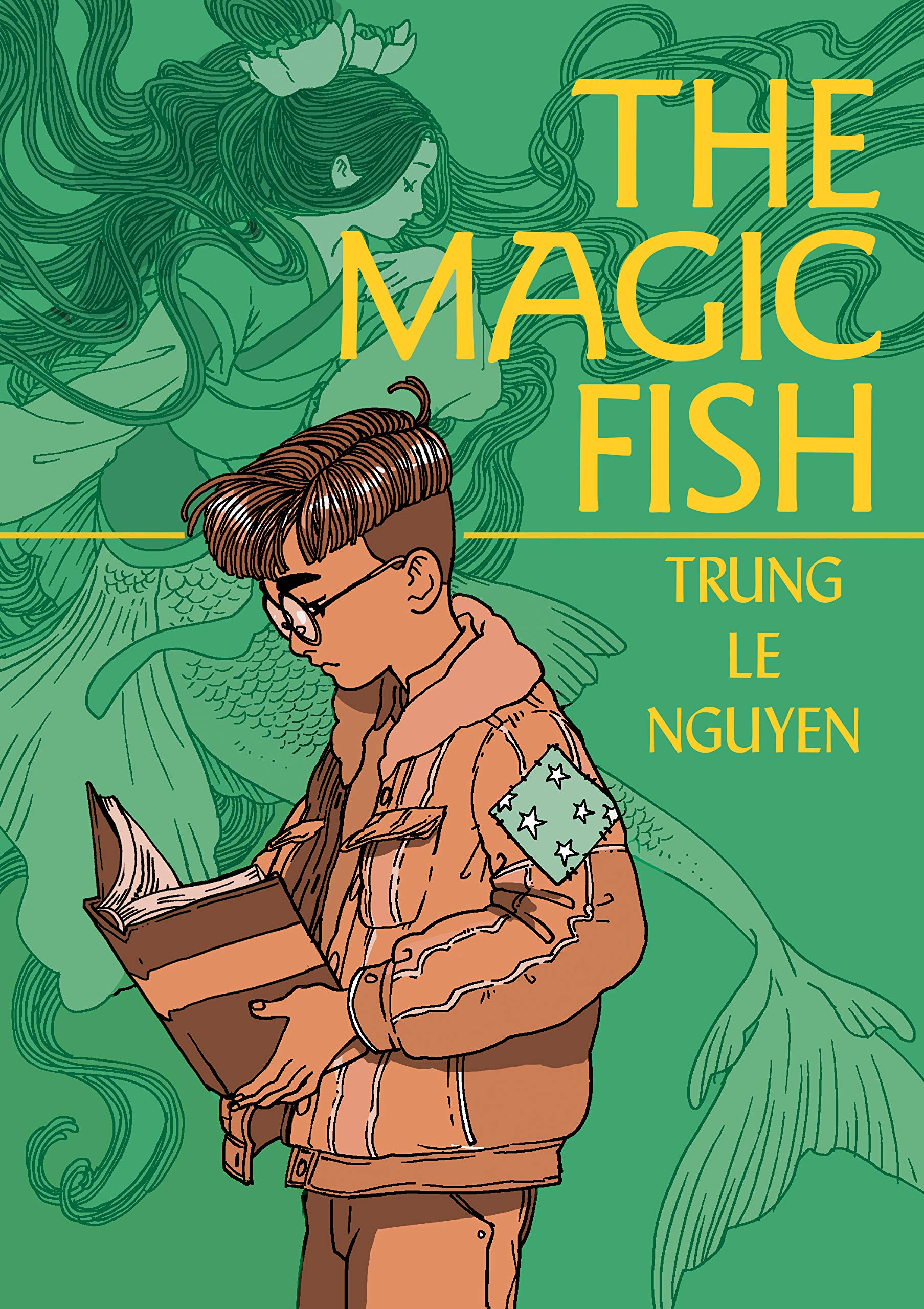
Debates over free inquiry in education seem never to end. (Consider that the first book banned in Colonial North America mocked the Puritans, who themselves loved nothing more than banning things.) As we approach the question this time around, it seems we might have learned not to ban books under vague laws that empower bigots to hunt down an amorphous enemy so insidious it can lurk anywhere and everywhere. Such laws have their own history, too, in the U.S. and elsewhere. Nowhere have they led to a state of affairs most of us want, one free from violence, bigotry, discrimination and state repression — that is, unless we need such things to make us comfortable.
Related Content:
America’s First Banned Book: Discover the 1637 Book That Mocked the Puritans
Read 14 Great Banned & Censored Novels Free Online: For Banned Books Week 2014
Josh Jones is a writer and musician based in Durham, NC. Follow him at @jdmagness
Read More...Support Us
We're hoping to rely on loyal readers, rather than erratic ads. Please click the Donate button and support Open Culture. You can use Paypal, Venmo, Patreon, even Crypto! We thank you!

About Us

Open Culture scours the web for the best educational media. We find the free courses and audio books you need, the language lessons & educational videos you want, and plenty of enlightenment in between.
Advertise With Us
FREE UPDATES!
GET OUR DAILY EMAIL
Get the best cultural and educational resources on the web curated for you in a daily email. We never spam. Unsubscribe at any time.
FOLLOW ON SOCIAL MEDIA
Open Culture editor Dan Colman scours the web for the best educational media. He finds the free courses and audio books you need, the language lessons & movies you want, and plenty of enlightenment in between.
Advertise With Us



