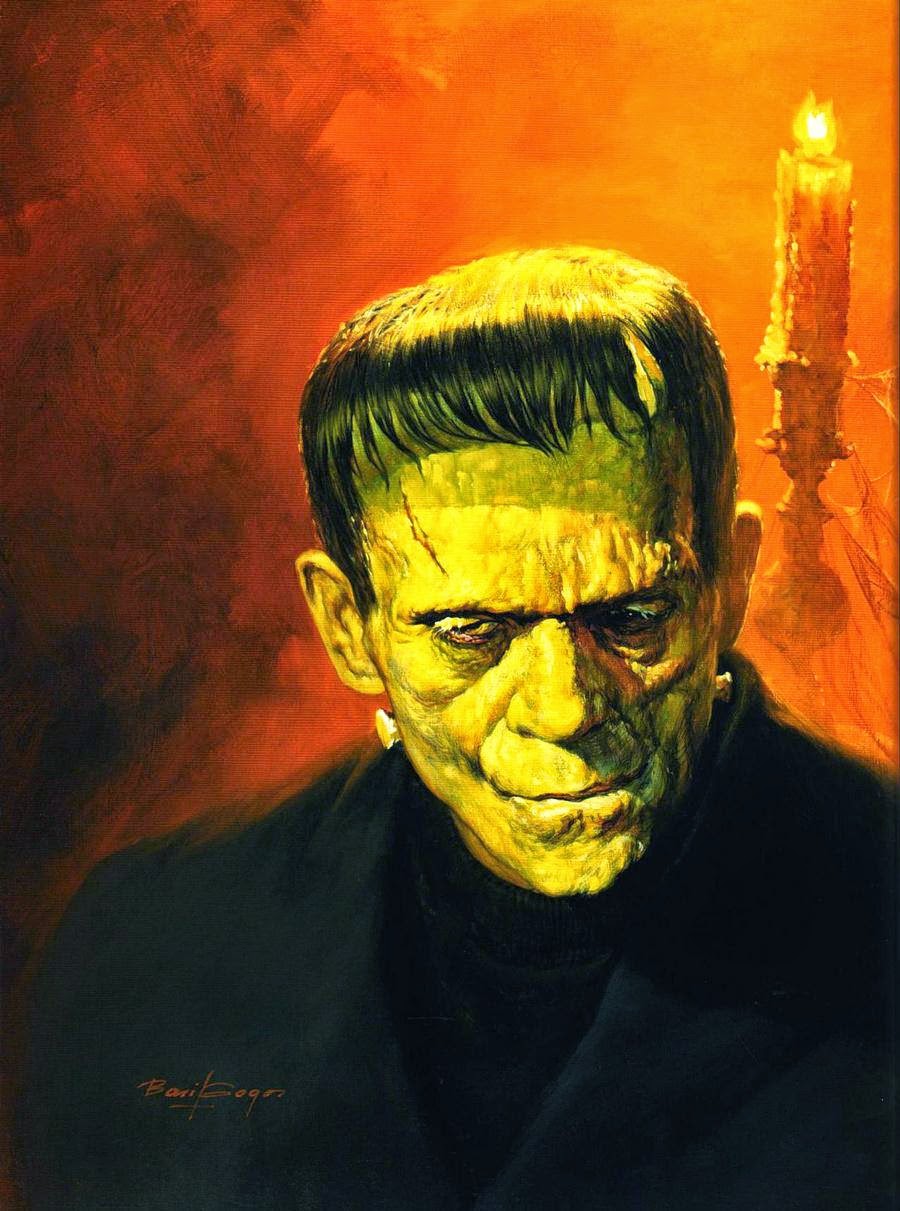
Stephen King’s 22 Favorite Movies, Packed with Horror & Suspense
In 1999, Stephen King found himself confined to a hospital room “after a careless driver in a minivan smashed the shit out of me on a country road.” There, “roaring with pain from top to bottom, high on painkillers,” and surely more than a little bored, he popped a movie into the room’s VCR. But it didn’t take long before its cinematic power got the better of him: “I asked my son, who was watching with me, to turn the damn thing off. It may be the only time in my life when I quit a horror movie in the middle because I was too scared to go on.”
The movie on King’s bootleg tape (“How did I get the bootleg? Never mind how I got it”) was The Blair Witch Project, Daniel Myrick and Eduardo Sánchez’s ultra-low-budget horror picture that sent shockwaves through the independent film world at the end of the millennium.
Though nobody seems to talk much about it anymore, let alone watch it, King’s appreciation has endured: he wrote the essay about it quoted here in 2010, and you can read it in full at Bloody Disgusting. That same site has also published a list of fifteen horror movies King has personally recommended, Blair Witch and beyond.
The list below combines King’s picks at Bloody Disgusting, which lean toward recent films, with a different selection of favorites, with a stronger focus on classics, published at the British Film Institute. “I am especially partial – this will not surprise you – to suspense films,” the author of Carrie, Cujo, and It writes by way of introduction,” but “my favorite film of all time – this may surprise you — is Sorcerer, William Friedkin’s remake of the great Henri-Georges Clouzot’s The Wages of Fear. Some may argue that the Clouzot film is better; I beg to disagree.”
- The Autopsy of Jane Doe (André Øvredal, 2016) “Visceral horror to rival Alien and early Cronenberg”
- The Blair Witch Project (Daniel Myrick and Eduardo Sánchez, 1999)
- The Changeling (Peter Medak, 1980)
- Crimson Peak (Guillermo del Toro, 2015)
- Dawn of the Dead (Zack Snyder, 2004) “Snyder’s zombies are, it seems to me: fast-moving terrorists who never quit.”
- Deep Blue Sea (Renny Harlin, 1999)
- The Descent (Neil Marshall, 2005)
- Duel (Steven Spielberg, 1971) “His most inventive film, and stripped to the very core.”
- Les Diaboliques (Henri-Georges Clouzot, 1955) “He out-Hitchcocked Hitchcock.”
- Final Destination (James Wong, 2000)
- Event Horizon (Paul W.S. Anderson, 1997) “Basically a Lovecraftian terror tale in outer space with a The Quatermass Experiment vibe, done by the Brits.”
- The Hitcher (Robert Harmon, 1986 and Dave Meyers, 2007) “Rutger Hauer in the original will never be topped, but this is that rarity, a reimagining that actually works.”
- The Last House on the Left (Dennis Iliadis, 2009)
- The Mist (Frank Darabont, 2007)
- Night of the Demon (Jacques Tourneur, 1957) “The horror here is pretty understated, until the very end.”
- The Ruins (Carter Smith, 2008)
- Sorcerer (William Friedkin, 1977)
- Stepfather (Joseph Ruben, 1986)
- Stir of Echoes (David Koepp 1999) “An unsettling exploration of what happens when an ordinary blue-collar guy (Kevin Bacon) starts to see ghosts.”
- The Strangers (Bryan Bertino, 2008)
- Village of the Damned (Wolf Rilla, 1960) As far as “British horror (wrapped in an SF bow), you can’t do much better.”
- The Witch (Robert Eggers, 2015)
Though clearly a movie fan, King also shows a willingness to advocate where many a cineaste fears to tread, for instance in his selection of not just Sorcerer but several other remakes besides (and in the case of The Hitcher, both the remake and the original). He even chooses the 2004 Dawn of the Dead — directed by no less an object of critical scorn than Zack Snyder — over the 1978 George A. Romero original.
But then, King has always seemed to pride himself in his understanding of and rootedness in unpretentious, working-class America, which you can see in his novels, the various film adaptations of his novels that have come out over the years, and the sole movie he wrote and directed himself: 1986’s Maximum Overdrive, about machines turning against their human masters at a North Carolina truck stop. King now describes that project as a “moron movie,” but as he clearly understands, even a moron movie can make a powerful impact.
If you would like to support the mission of Open Culture, consider making a donation to our site. It’s hard to rely 100% on ads, and your contributions will help us continue providing the best free cultural and educational materials to learners everywhere. You can contribute through PayPal, Patreon, and Venmo (@openculture). Thanks!
Note: An earlier version of this post appeared on our site in 2017.
Related Content:
Stephen King Recommends 96 Books for Aspiring Writers to Read
Stephen King’s 20 Rules for Writers
Martin Scorsese Names the 11 Scariest Horror Films
Watch the Cult Classic Horror Film Carnival of Souls (1962)
Read More...How the CIA Secretly Used Jackson Pollock & Other Abstract Expressionists to Fight the Cold War
What’s the difference between the United States of America and a cup of yogurt? If you leave the cup of yogurt alone for 200 years, it develops a culture. So goes one of many jokes long in circulation about the supposed American tendency toward low-minded, expedient philistinism. I grant, as an American myself, that such humor surrounds at least a grain of truth. But there was a time when the federal government of the U.S., an organization not often accused of excessive high-mindedness, took an active role in promoting the country’s home-grown avant-garde — an appropriate term, notes Lucie Levine at JSTOR Daily, since it “began as a French military term to describe vanguard troops advancing into battle,” and American modern art had become a continuation of politics by other means.
“Up until World War II, America had never produced large, influential art movements like in Europe,” says the narrator of the Conspiracy of Art video above. After the war, “something unexpected happened: a brood of radical American painters helped make New York City the center of the art world.”
Mark Rothko, Willem de Kooning, and Jackson Pollock: they and other artists “captured the world’s attention with large-scale works of pure color and form.” This movement came to be known as abstract expressionism, and in the eyes of the newly established Central Intelligence Agency, it came to show promise as propaganda. If shown abroad, it could function as propaganda, highlighting “the differences between American and Soviet politics” — and more specifically, “the appeal of American culture over Soviet Culture.”
“Was Jackson Pollock a weapon in the Cold War?” asks the New Yorker’s Louis Menand. While Pollock was indeed promoted abroad with CIA money (usually provided through layers of organizational misdirection), you don’t look at a painting like Lavender Mist and “think about ‘artistic free enterprise’ or the CIA, or the cultural politics of Partisan Review. You think about how a painter could have taken all he had experienced across a creative threshold that no one had crossed before, and produced this particular thing.” But its “importance for a certain strand of Cold War cultural politics is part of the story of how it got to us, a generation or more later, and that history is worth knowing.” It’s also worth asking, should the United States once again find itself face-to-face with a formidable political and cultural adversary, whether it will be prepared to draft a few Pollocks back into service.
Related content:
How the CIA Secretly Funded Abstract Expressionism During the Cold War
Watch Portrait of an Artist: Jackson Pollock, the 1987 Documentary Narrated by Melvyn Bragg
How the CIA Helped Shape the Creative Writing Scene in America
Based in Seoul, Colin Marshall writes and broadcasts on cities, language, and culture. His projects include the Substack newsletter Books on Cities, the book The Stateless City: a Walk through 21st-Century Los Angeles and the video series The City in Cinema. Follow him on Twitter at @colinmarshall or on Facebook.
Read More...The Talking Heads Reunite on The Late Show With Stephen Colbert and Revisit Their Early Days as a Band
Late this summer, the Talking Heads released a remastered version of their concert film, Stop Making Sense. Although the film has already left some theaters, the band hasn’t stopped promoting it. Above, David Byrne, Jerry Harrison, Chris Frantz and Tina Weymouth join Stephen Colbert and reminisce about their adventures at RISD, CBGBs, and touring with The Ramones. It’s great seeing the band sharing a stage (and a laugh) again, even if there are no instruments in sight. Find Part 1 above, and parts 2 and 3 below…
If you would like to support the mission of Open Culture, consider making a donation to our site. It’s hard to rely 100% on ads, and your contributions will help us continue providing the best free cultural and educational materials to learners everywhere. You can contribute through PayPal, Patreon, and Venmo (@openculture). Thanks!
Related Content
Read More...Behold Gustave Doré’s Illustrations for Rabelais’ Grotesque Satirical Masterpiece Gargantua and Pantagruel
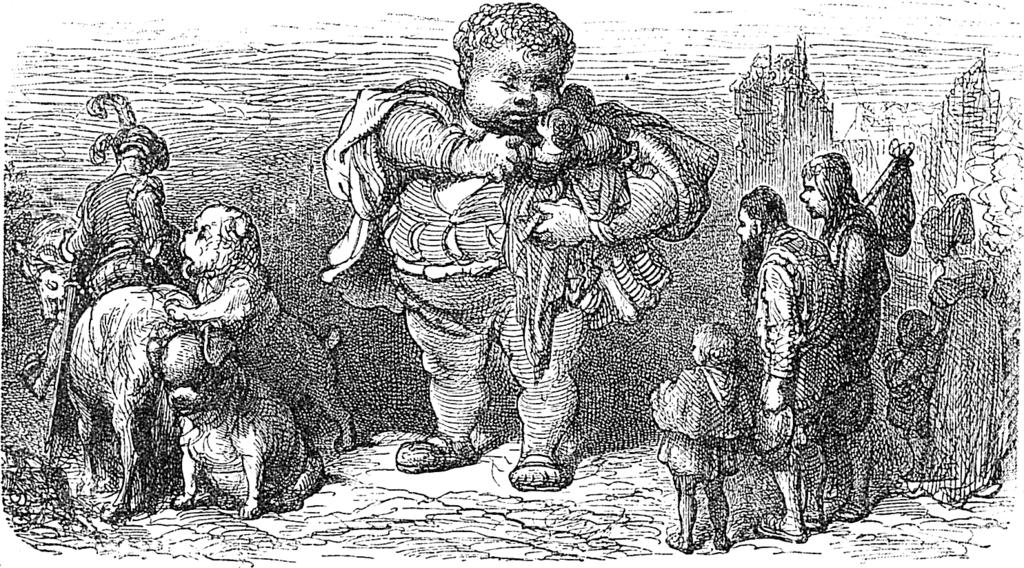
When François Rabelais came up with a couple of giants to put at the center of a series of inventive and ribald works of satirical fiction, he named one of them Gargantua. That may not sound particularly clever today, gargantuan being a fairly common adjective to describe anything quite large. But we actually owe the word itself to Rabelais, or more specifically, to the nearly half-millennium-long legacy of the character into whom he breathed life. But there’s so much more to Les Cinq livres des faits et dits de Gargantua et Pantagruel, or The Five Books of the Lives and Deeds of Gargantua and Pantagruel, whose enduring status as a masterpiece of the grotesque owes much to its author’s wit, linguistic virtuosity, and sheer brazenness.
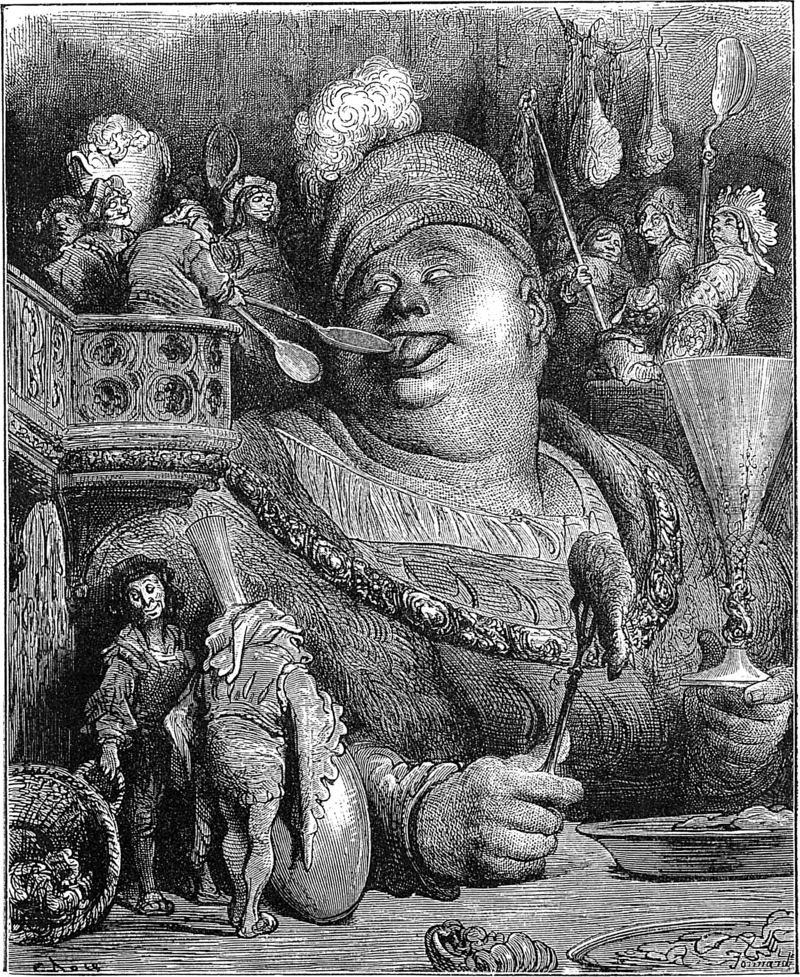
Nor has it hurt that the books have inspired vivid illustrations from a host of artists, one of whom in particular stands out: Gustave Doré, whom Richard Smyth calls “one of the most prolific — and most successful — book illustrators of the nineteenth century.”
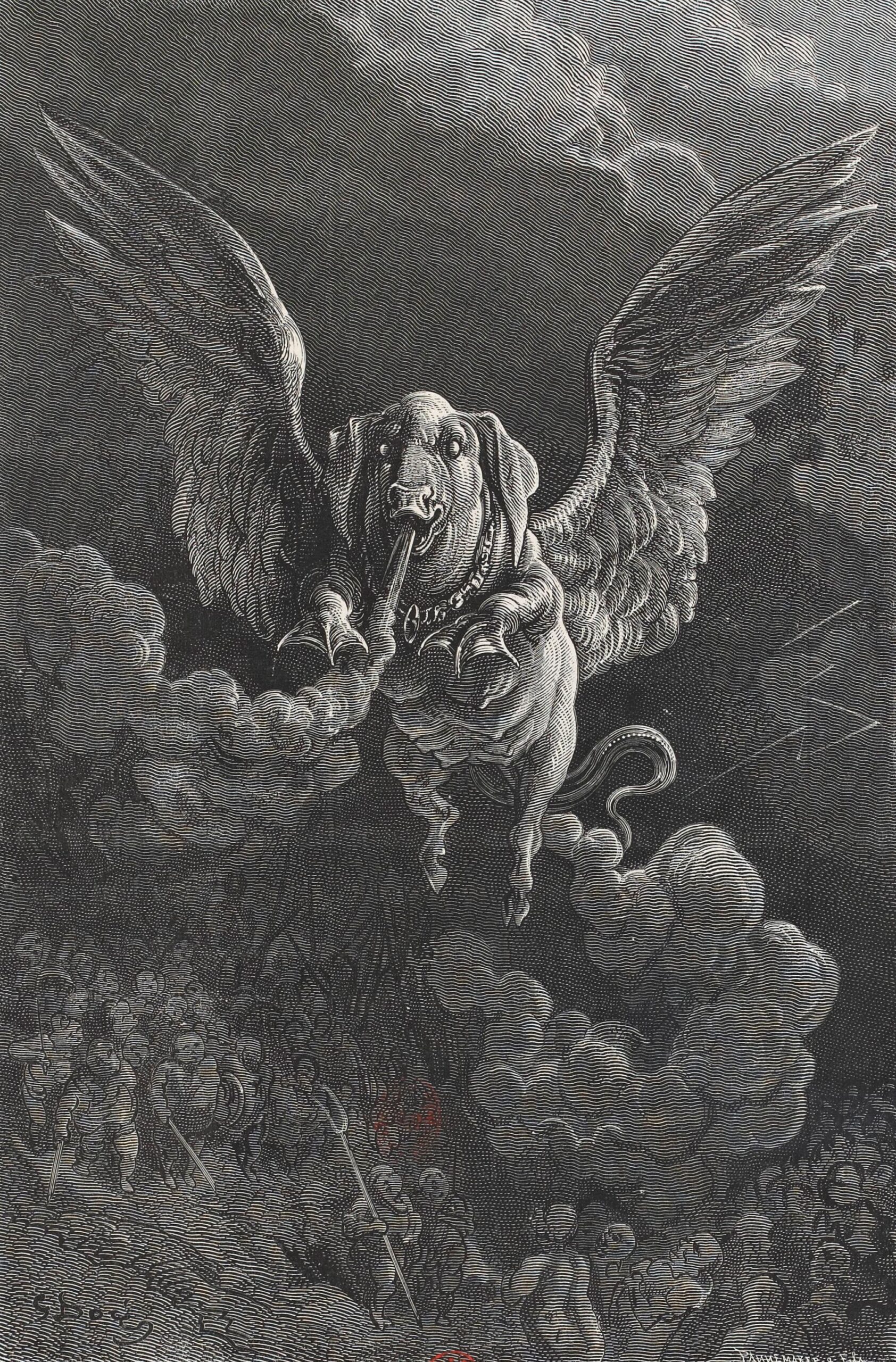
Here at Open Culture, we’ve previously featured the art he created to accompany the work of Dante, Cervantes, and Poe, each a writer possessed of a highly distinctive set of literary powers, and each of whom thus received a different but equally lavish and evocative treatment from Doré.
For Rabelais, says the site of book dealer Heribert Tenschert, the 22-year-old artist produced (in 1854) “100 images that oscillate between the whimsical and the uncanny, between realism and fantasy,” a count he would expand to 700 in another edition two decades later.
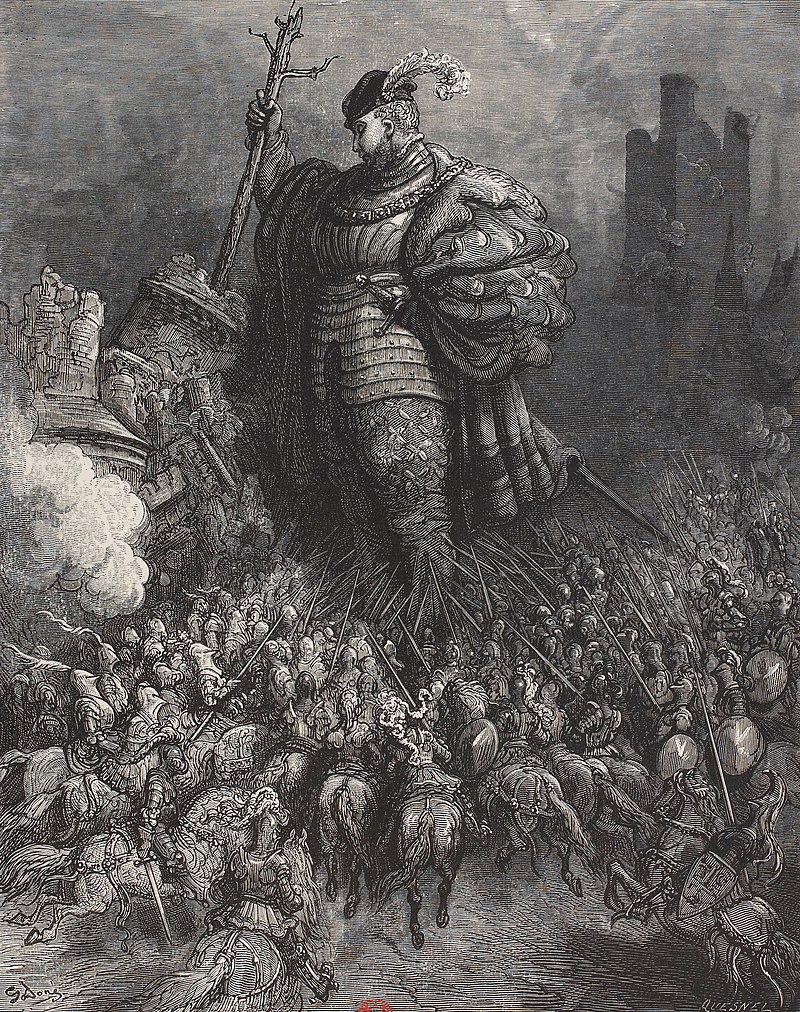
You can see a great many of Doré’s illustrations for Gargantua and Pantagruel at Wikimedia Commons. The simultaneous extravagance and repugnance of the series’ medieval France may seem impossibly distant to us, but it can hardly have felt like yesterday to Doré either, given that he was working three centuries after Rabelais.
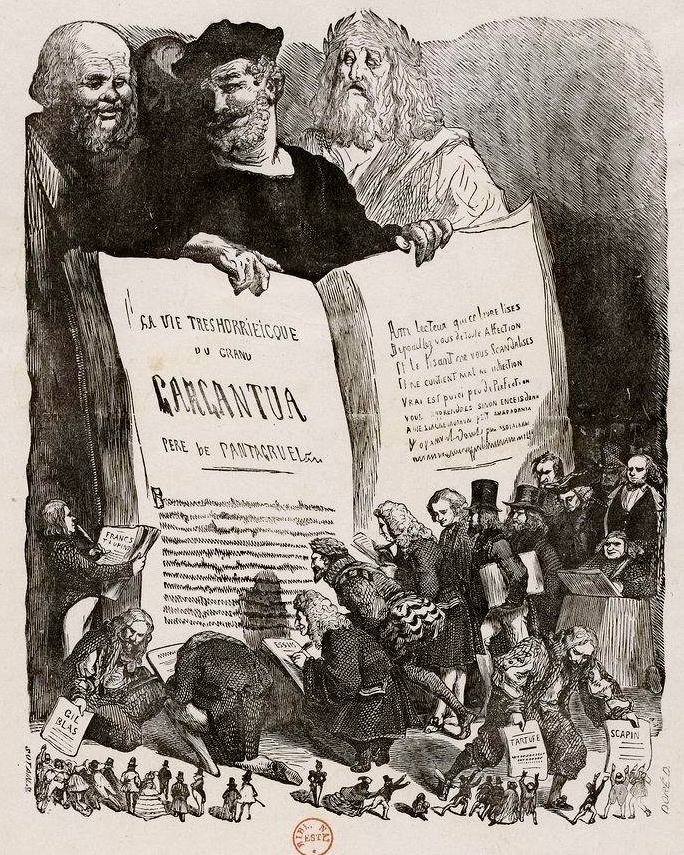
As suggested by Heribert Tenschert, perhaps these imaginative visions of the Middle Ages — like Balzac’s Rabelaisian Les contes drolatiques, which he also illustrated — “resonated with Doré because they reminded him of the mysterious atmosphere of his childhood, which he had spent in the middle of the medieval city of Strasbourg.” Whatever his connection, Doré created images that still bring to mind a whole range of descriptors: somberly jocular, rigorously voluptuous, compellingly repellent, and above all pantagruelist. (Look it up.)
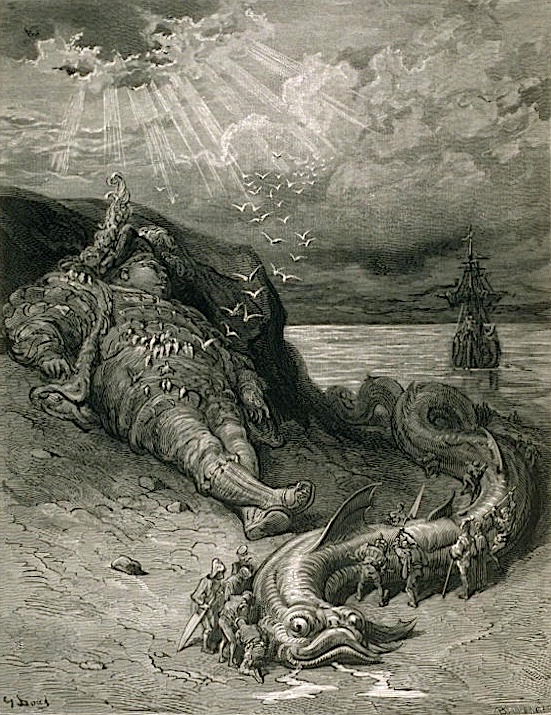
Related Content:
Gustave Doré’s Exquisite Engravings of Cervantes’ Don Quixote
Gustave Doré’s Dramatic Illustrations of Dante’s Divine Comedy
Based in Seoul, Colin Marshall writes and broadcasts on cities, language, and culture. His projects include the Substack newsletter Books on Cities, the book The Stateless City: a Walk through 21st-Century Los Angeles and the video series The City in Cinema. Follow him on Twitter at @colinmarshall or on Facebook.
Read More...A Choir with 1,000 Singers Pays Tribute to Sinéad O’Connor & Performs “Nothing Compares 2 U”
The building that houses Dublin’s 3Olympia Theatre began life as Dan Lowrey’s Star of Erin Music Hall.
It has undergone several name changes over the course of its 145 years, and played host to drama, opera, ballet, films, oratorio, pantomime, variety shows, and world-famous popular musicians like David Bowie, REM, Foo Fighters… and Dublin native Sinéad O’Connor, who arrived at the venue in 2011, unceremoniously toting her aluminum foil-wrapped lunch.
Her fifteen-year-old daughter, Róisín Waters, sang back up.
Reviewer Nicola Byrne wrote in Golden Plec that “a single spotlight illuminated O’Connor on the middle of the stage, as she launched into “I Am Stretched On Your Grave,” a song she ‘Usually dedicates to any dead people that may be present:’”
With no instrumental, all attention was on that spotlight. If a pin had’ve been dropped in the Olympia, I would’ve known about it.
O’Connor dedicated that evening’s performance of “Nothing Compares To You” to her 7‑year-old son, Shane Lunny, who died by suicide in January 2022, a year and a half before his mother also took her leave.
A few weeks ago, Nobu Adilman and Daveed Goldman, founders of Choir! Choir! Choir!, swung by 3Olympia Theatre, to lead a 1000-member strong spontaneous choir of ticket holders in a moving cover of “Nothing Compares 2 You,” at the top of the page.
It was a meaningful way for fans to connect to an artist who spoke to them.
Choir! Choir! Choir! previously paid tribute to David Bowie with “Space Oddity,” and Prince (composer of “Nothing Compares 2 You)” with “When Doves Cry” not long after their deaths.
Prior to Dublin, Choir! Choir! Choir! honored O’Connor with a singalong of “Nothing Compares 2 You” at the Toronto Opera House, in the town where their movement got its start.
Ticket purchases benefited CAMH: The Centre for Addiction and Mental Health. Adilman and Goldman were joined onstage by the producer of “Nothing Compares 2 U,” Chris Birkett, and Toronto-based singer-songwriter Feist, whose first album purchase was O’Connor’s debut, The Lion and the Cobra.
“I remember so clearly the first time I heard her at a friend’s house after school,” she told Index Magazine in 2005:
She blew my mind. Her voice sounded like it was from another universe. She redefined everything for me.
Turning the clock back to 2016, we find Choir! Choir! Choir! participants tackling “Nothing Compares 2” as a way of getting the jump on February’s most fraught holiday:
Valentine’s Day kinda sucks so last night, in anticipation, we celebrated EPIC HEARTBREAKS with the one and only Sinéad O’Connor. Props to Prince (yes, we know he wrote this amazing tune!) for not taking this video down in 7 hours and 15 days.
Related Content
Watch David Byrne Lead a Massive Choir in Singing David Bowie’s “Heroes”
Sinéad O’Connor’s Raw Isolated Vocals for “Nothing Compares 2 U”
– Ayun Halliday is the Chief Primatologist of the East Village Inky zine and author, most recently, of Creative, Not Famous: The Small Potato Manifesto and Creative, Not Famous Activity Book. Follow her @AyunHalliday.
Read More...A Free Digital Archive of Graphic Design: A Curated Collection of Design Treasures from the Internet Archive
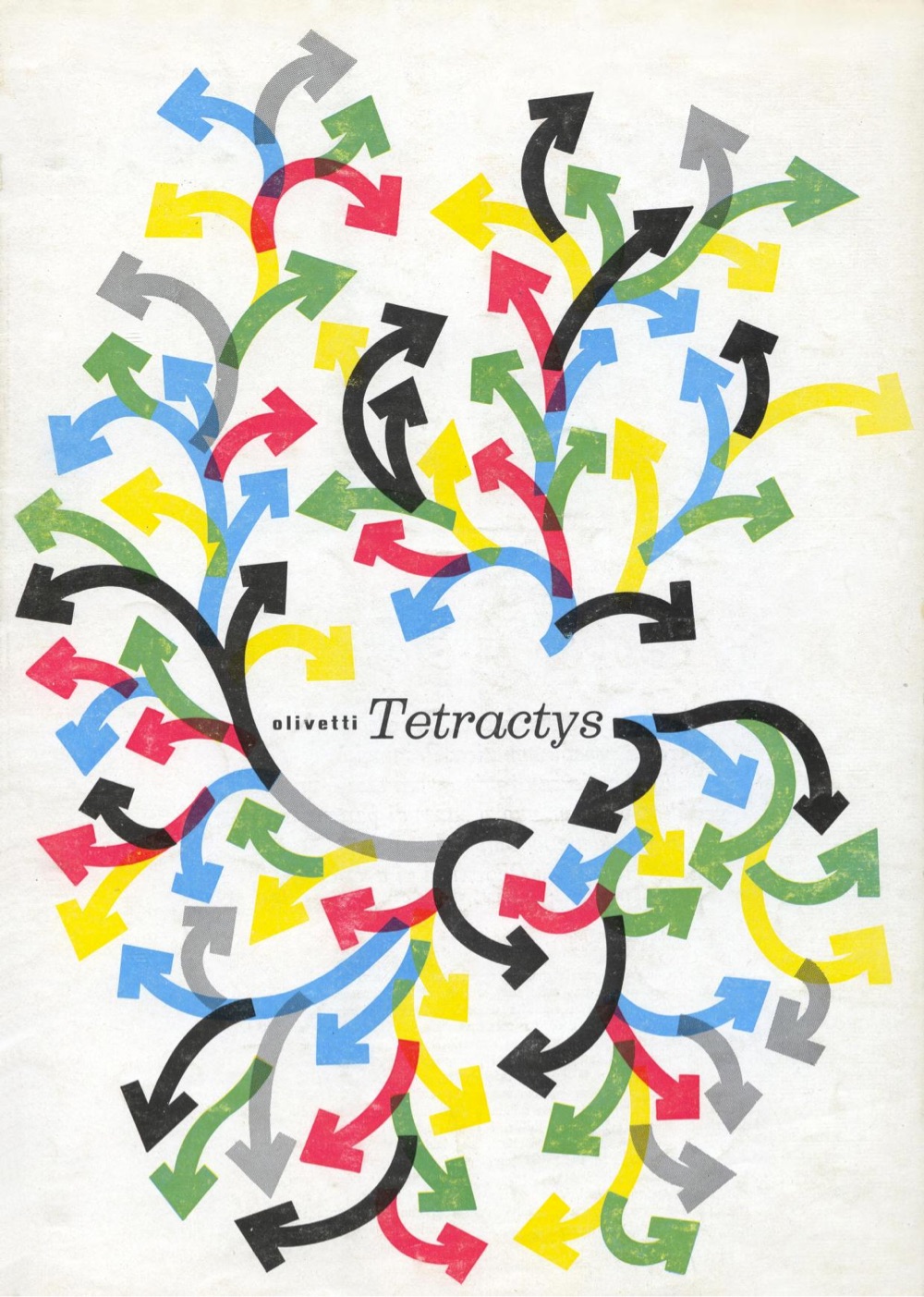
We’ve got a thing for creative problem solvers here at Open Culture.
We also love a good community-spirited project.
Graphic designer Valery Marier ticks both boxes with archives.design, a free graphic design archive that was born of her frustrations with online research at a time when Covid restrictions shuttered libraries and archives.
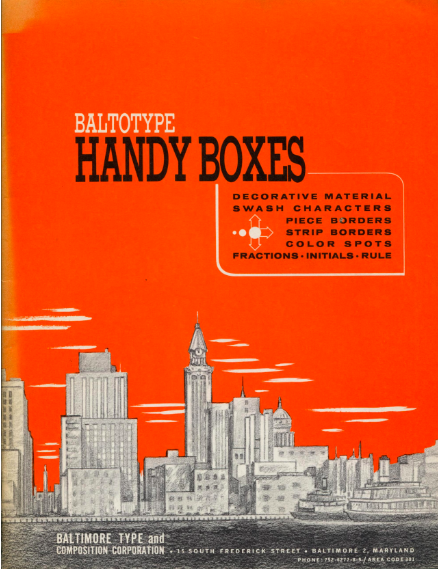
The non-profit digital library Internet Archive is rich in interesting material, but its lack of curation can often leave the user feeling like they’re sorting through the world’s most disorganized junk shop, rooting for hidden treasure.
Marier was also discouraged by “a combination of confusing boolean operators and an absolute hodgepodge of different metadata tags and category names:
I figured that if I was having these problems, then there were likely other folks who were as well. So I decided to put my design skills to good use and work on a solution. The biggest issues that I felt needed to be solved were the user experience, and the content curation. For the archive’s curation, I opted to curate each item manually. While I could have likely figured out a way to curate these items using an automated script, I feel that there is an inherent value to human curation. When a collection is curated by a computer it can seem confusing and arbitrary. Whereas with human curation there is often a deliberate connection between each object in the collection. For the navigation I wanted to ensure that it was simple enough that anyone could understand it and operate it. So instead of having a ton of complex operators, I instead decided to organize them by their aspect in design.
Graphic design nerds, rejoice!
Marier determines which of the finds should make the cut by considering relevance and image quality.
A quick peek suggests graphic designers are not the only ones who stand to benefit from this labor of love.
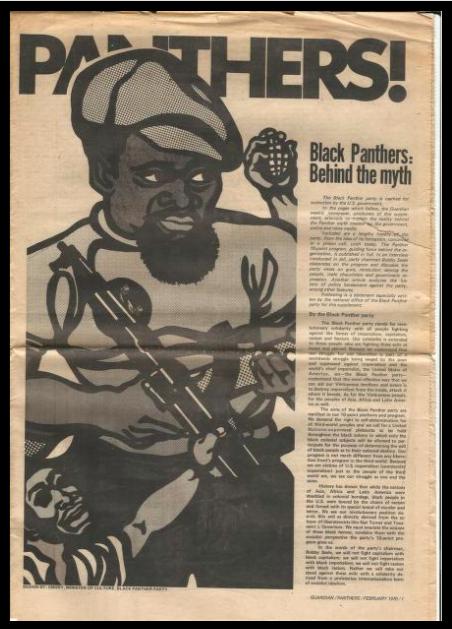
Educators, historians, and activists will be rewarded with a supplement to the Guardian from February 1970, which provided an overview of the Black Panther Party in their own words. There’s a ton of information and history packed into these 8 pages, from its formation and its 10-point program, to an interview with then-incarcerated party chairman Bobby Seale.
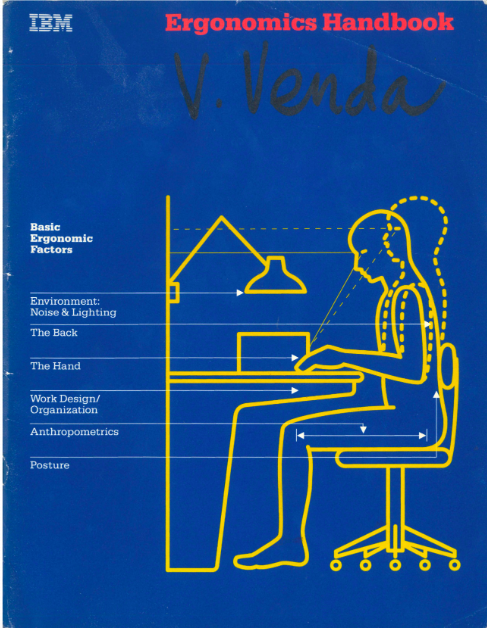
The IBM Ergonomics Handbook from 1989 addresses an evergreen topic. Office managers, physical therapists, and digital nomads should take note. Its recommendations on configuring the work space for maximum efficiency, productivity and employee comfort are solid. It’s not this handsome little yellow and blue employee manual’s fault that references to now-obsolete technology render it a bit quaint:
Think of two fairly recent innovations in our lives — the push button telephone and the pocket calculator. Both have a standard key set layout, but not the same layout.

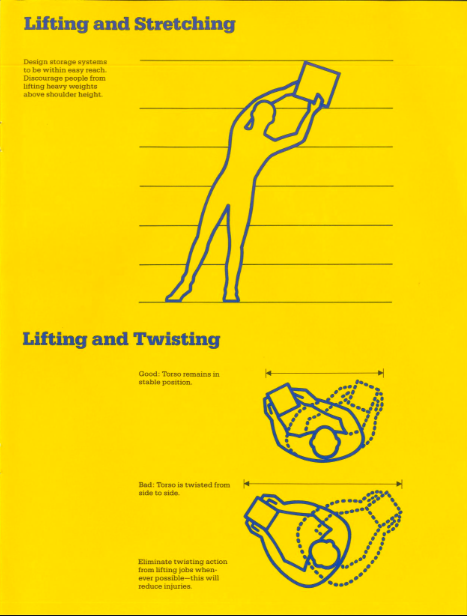
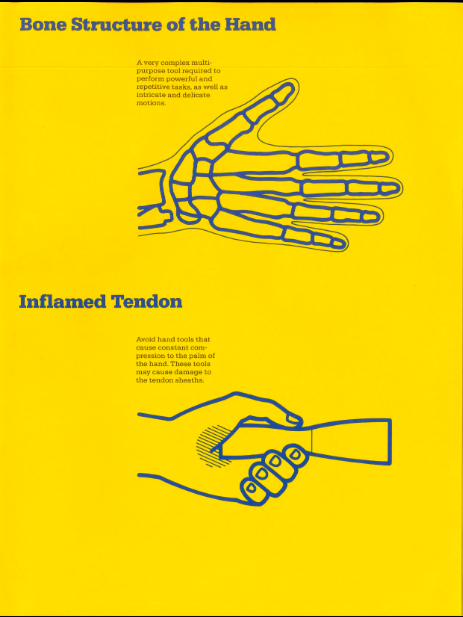
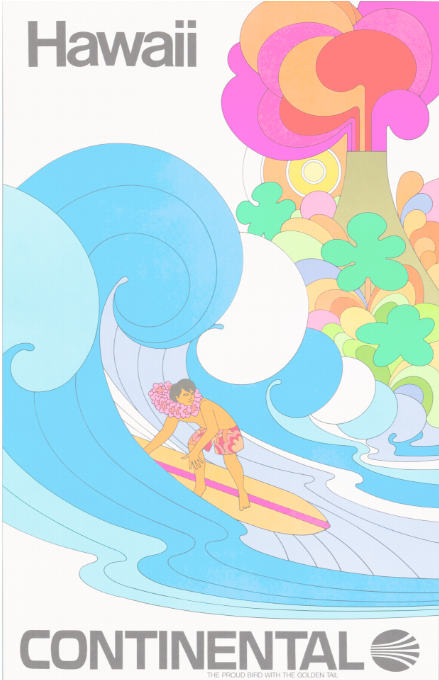
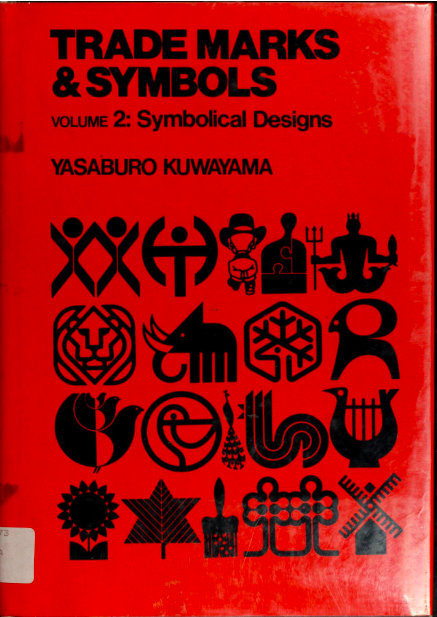
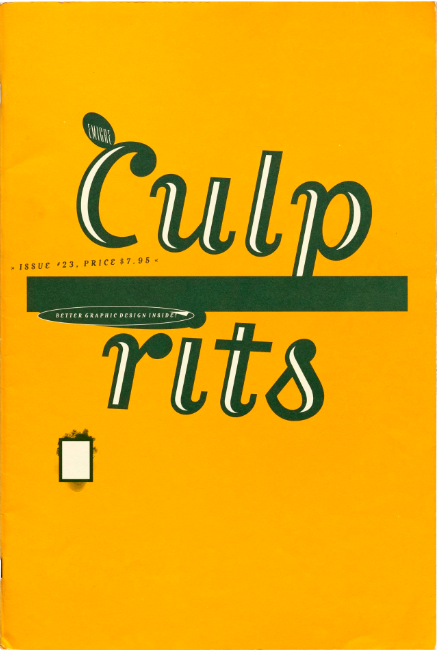
Marier elected to let each pick be represented by its covers, figuring “what better way to browse designed objects than by how they look.”
We agree, though we’re worried about where this might leave 1924’s Posters & Their Designers. How can its staid blue cover compete against its sexy neighbors in the posters category?

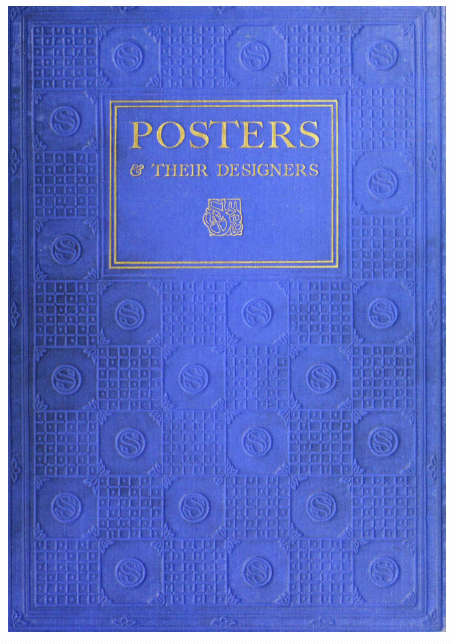
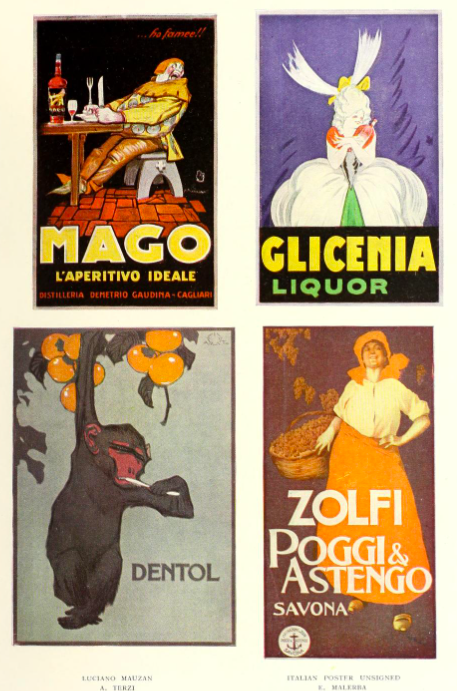
Small business owners, set dressers and public domain fans should give Posters & Their Designers a chance. Behind that discreet blue cover are a wide assortment of stunning early 20th century posters, including some full color reproductions.
While not specifically typography related, Marier wisely gives this resource a typography tag. Hand lettering loyalists and font fanatics will find much to admire.
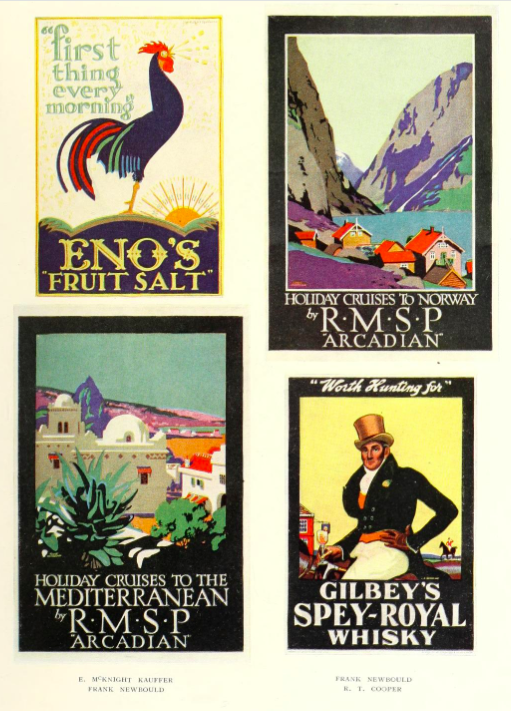
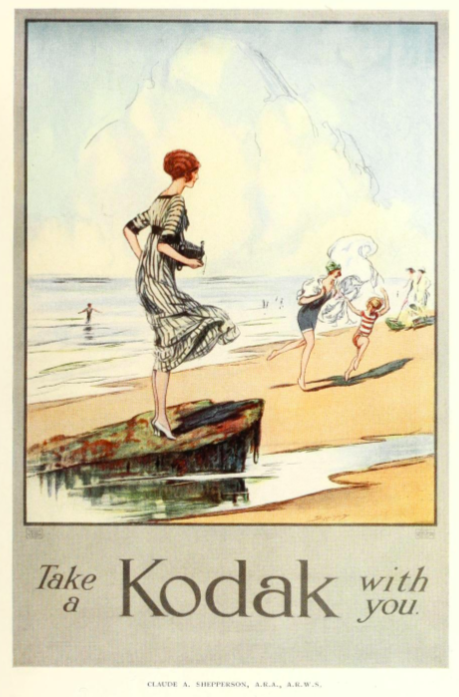
We hope to pique your interest with a few more of our favorite covers, below. Begin your explorations of archives.design here.
Related Content
40 Years of Saul Bass’ Groundbreaking Title Sequences in One Compilation
– Ayun Halliday is the Chief Primatologist of the East Village Inky zine and author, most recently, of Creative, Not Famous: The Small Potato Manifesto and Creative, Not Famous Activity Book. Follow her @AyunHalliday.
Read More...
The History of the Electric Guitar Solo: A Seven-Part Series
?si=cPPdX0lEFTgicTQV
No instrument is more closely identified with rock and roll music than the electric guitar, and no form of performance is more closely associated with the electric guitar than the solo. You can hardly discuss any of those three without discussing the others. Hence the broad sweep of Axe to Grind, the new seven-part video series from Youtube music channel Polyphonic on the electric guitar solo, a cultural phenomenon that can’t be explained without telling the story of a vast swath of popular music through practically the entire twentieth century and continuing on into the twenty-first.
Like any proper full-scope rock history, this one begins with the blues, tracing the stylistic developments that emerged among guitarists on the Mississippi Delta with the advent of new technologies like electricity.
Axe to Grind’s first episode covers such early electric guitar players as Charlie Christian (previously featured here on Open Culture), Fay “Smitty” Smith, Muddy Waters, and Junior Bernard, who was “one of the first to realize that if you cranked vacuum-tube amplifiers up to maximum volume and played as loud as you could through them, the vacuum tubes would compress the signal so they didn’t explode. The result was a new sort of gritty tone that came to be known as overdrive.”
?si=A6uLXp7XL79UAEci
The second episode covers the nineteen-fifties and the rise of rock and roll itself, a broad musical church that came to encompass musicians from Chuck Berry, Junior Walker, and B. B. King to Johnny Watson, Link Wray (who recorded the only instrumental song ever banned from the radio), and Buddy Holly. Then comes the nineteen-sixties, the power of whose transatlantic pop-cultural explosion still comes through loud and clear in the electric guitar solos on the records by the Rolling Stones, the Beatles, Led Zeppelin, the Byrds, Cream, Jimi Hendrix, and many other acts besides. The fourth episode, still to come on Youtube, is already available on the subscription streaming platform Nebula. However you watch Axe to Grind, rest assured that it will leave you not just with a deeper understanding of the electric guitar solo’s evolution, but a much deeper appreciation of the “Johnny B. Goode” scene from Back to the Future.
Related content:
How Fender Guitars Are Made, Then (1959) and Nowadays (2012)
The Story of the Guitar: The Complete Three-Part Documentary
Behold the First Electric Guitar: The 1931 “Frying Pan”
Based in Seoul, Colin Marshall writes and broadcasts on cities, language, and culture. His projects include the Substack newsletter Books on Cities, the book The Stateless City: a Walk through 21st-Century Los Angeles and the video series The City in Cinema. Follow him on Twitter at @colinmarshall or on Facebook.
Read More...David Lynch Teaches You to Cook His Quinoa Recipe in a Strange, Surrealist Video
A staple of Andean diets for thousands of years, quinoa (KEEN-wah) has been touted as a superfood recently for its high protein content and potential to solve hunger crises. It’s represented by the usual celebrities: Kate Moss, Gwyneth Paltrow, Jennifer Aniston … and David Lynch. Oh yes, have you not tried David Lynch’s quinoa recipe? Well, you must. If you’ve remained unswayed by the glitterati, perhaps this very Lynchian of pitches will turn you on to the grain. Watch the first part of Lynch’s video recipe above, part two below. It opens at peak Lynch: pulsing ominous music, garish lighting, and the obsessive kind of patience for the slow build that may be David Lynch’s alone.
By Part Two of Lynch’s video recipe, we are fully immersed in a place seemingly far away from quinoa, a place of the portentous topography of David Lynch’s inner life. Everyday objects take on a mysterious glowing resonance. Small ritualistic exchanges stand in for global shifts of consciousness.
So in a way, maybe we’re still close to the magic of quinoa. Lynch made the short video as an extra for the 2006 Inland Empire DVD. As Dangerous Minds points out, its current YouTube iteration “looks like crap” and “there’s at least a couple of minutes missing… it’s still worth a look.”
If you don’t have David Lynch’s patience but do have his taste for quinoa, read the full recipe below. It’s likewise full of delightful asides and digressions.
Yield: 1 bowl
Cooking Time: 17 minutes
Ingredients:
1/2 cup quinoa
1 1/2 cups organic broccoli (chilled, from bag)
1 cube vegetable bullion
Braggs Liquid Aminos
Extra virgin olive oil
Sea salt
Preparation:
* Fill medium saucepan with about an inch of fresh water.
* Set pan on stove, light a nice hot flame add several dashes of sea salt.
* Look at the quinoa. It’s like sand, this quinoa. It’s real real tight little grains, but it’s going to puff up.
* Unwrap bullion cube, bust it up with a small knife, and let it wait there. It’ll be happy waiting right there.
* When water comes to a boil, add quinoa and cover pan with lid. Reduce heat and simmer for 8 minutes.
* Meanwhile, retrieve broccoli from refrigerator and set aside, then fill a fine crystal wine glass—one given to you by Agnes and Maya from Lódz, Poland—with red wine, ‘cause this is what you do when you’re making quinoa. Go outside, sit, take a smoke and think about all the little quinoas bubbling away in the pan.
* Add broccoli, cover and let cook for an additional 7 minutes.
* Meanwhile, go back outside and tell the story about the train with the coal-burning engine that stopped in a barren, dust-filled landscape on a moonless Yugoslavian night in 1965. The story about the frog moths and the small copper coin that became one room-temperature bottle of violet sugar water, six ice-cold Coca-colas, and handfuls and handfuls of silver coins.
* Turn off heat, add bullion to quinoa and stir with the tip of the small knife you used to bust up the bullion.
* Scoop quinoa into bowl using a spoon. Drizzle with liquid amino acids and olive oil. Serve and enjoy.
If you would like to support the mission of Open Culture, consider making a donation to our site. It’s hard to rely 100% on ads, and your contributions will help us continue providing the best free cultural and educational materials to learners everywhere. You can contribute through PayPal, Patreon, and Venmo (@openculture). Thanks!
Related Content:
Salvador Dalí’s 1973 Cookbook Gets Reissued: Surrealist Art Meets Haute Cuisine
Josh Jones is a writer and musician based in Durham, NC. Follow him at @jdmagness
Read More...Watch the Sesame Street Episode Banned for Being Too Scary, Featuring The Wizard of Oz’s Wicked Witch of the West (1976)
In 1939, Margaret Hamilton made cinema history as the Wicked Witch of the West in The Wizard of Oz. In 1976, she made television history by reprising the role on a Sesame Street episode that was pulled from the show’s rotation immediately after it aired. It seems to have drawn Sesame Workshop, then known as the Children’s Television Workshop, a fair few complaints from the parents of disturbed children. As a result, writes Mental Floss’ Michele Debczak, “the episode was banned for being ‘too scary’ for kids, and for decades it was difficult to find,” seen only on low-quality video tapes and in the troubled minds of certain Generation Xers.
Now Hamilton’s Sesame Street appearance has become available on Youtube, ready for you to watch with the braver children in your life this Halloween. But then, it’s hard to imagine any twenty-first-century viewer being truly frightened by it, no matter how young. (This in contrast to the Wicked Witch’s army of flying monkeys in the original film, which continues to give kids the creeps generation after generation.)
Some may even be delighted by the evident relish with which Hamilton plays her part, even 37 years after the first time; as William Hughes writes at The AV Club, she “was always game to reprise the role of the Witch on behalf of educational programming; she also appeared, around that same period, on several episodes of Mr. Rogers’ Neighborhood.”
In Big Bird’s neighborhood, the Wicked Witch accidentally loses her broom to David, whom readers of a certain age may remember as the spirited law student who once dated the iconic Maria Rodriguez. Only when the Witch shows him some respect, David insists, will he return that precious possession. Thus begins the Witch’s campaign of terror and trickery on Sesame Street, which continues until David finds a way to outsmart her into a wholly uncharacteristic show of courtesy. This story within the episode deals with the timeless theme of overcoming fears; and as the long unavailability of the episode itself shows us, giving in to fears — especially those of public backlash — can have real consequences.
Related content:
When Mississippi Tried to Ban Sesame Street for Showing a “Highly Integrated Cast” (1970)
Alfred Hitchcock Presents Ghost Stories for Kids (1962)
Watch Twin Beaks, Sesame Street’s Parody of David Lynch’s Iconic TV Show (1990)
Watch Vincent Price Turn Into Edgar Allan Poe & Read Four Classic Poe Stories (1970)
Based in Seoul, Colin Marshall writes and broadcasts on cities, language, and culture. His projects include the Substack newsletter Books on Cities, the book The Stateless City: a Walk through 21st-Century Los Angeles and the video series The City in Cinema. Follow him on Twitter at @colinmarshall or on Facebook.
Read More...A New Horror-Themed Tarot Deck Draws on a Century’s Worth of Scary Movies, Comics & Magazines
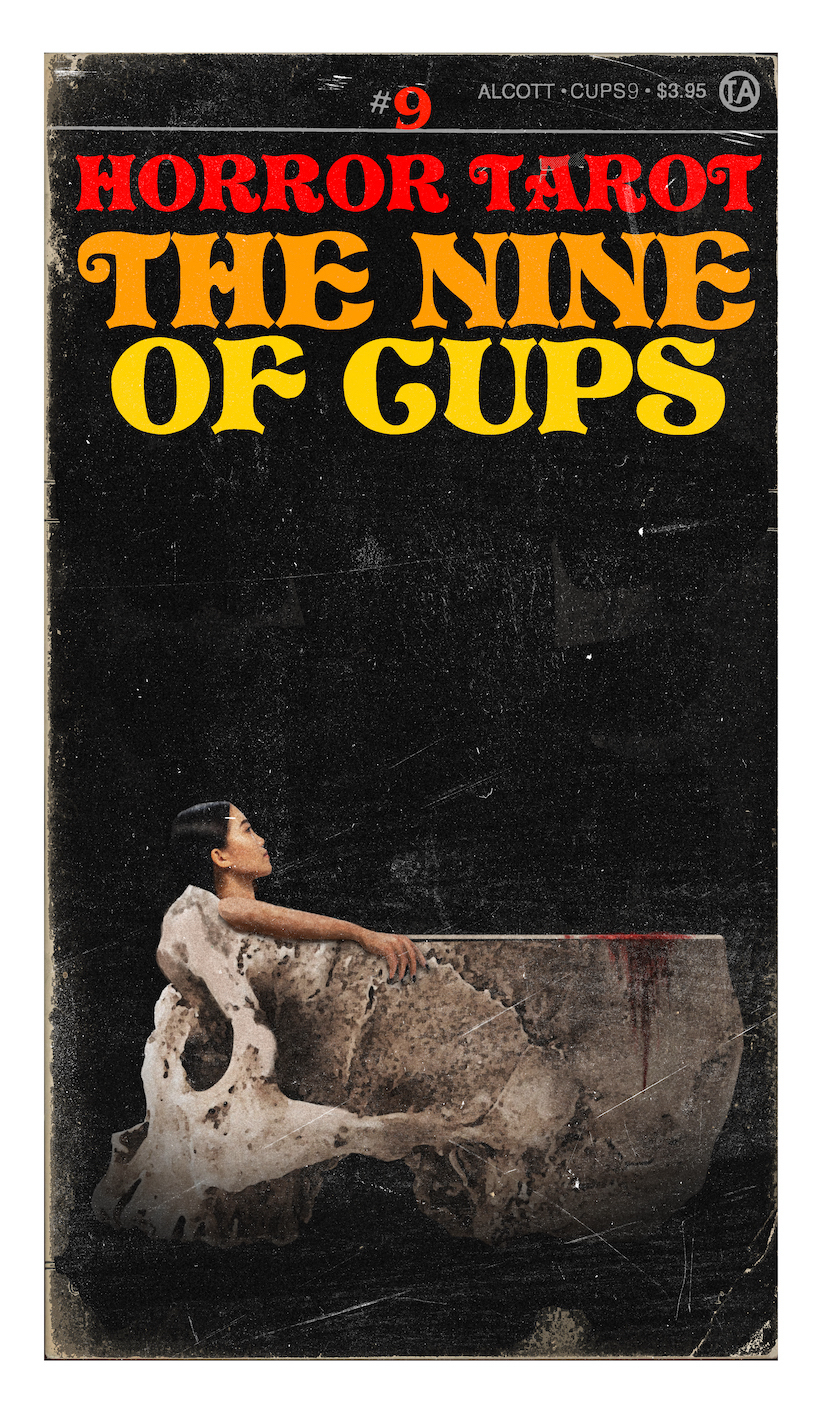
Halloween looms.
Have we got a tarot deck for you!
Todd Alcott, the mad scientist responsible for Open Culture’s favorite midcentury graphic mashups, infuses his Horror Tarot with a century’s worth of hair-raising, spine-tingling imagery.
The artist admires the genre’s capacity for conveying subversive messages, explaining that “horror is where we think about the unthinkable and revel in the things that are bad for us:”
Drama can exalt the finest in humanity, but horror shows us who we really are. From The Golem to Frankenstein to The Shining to The Silence of the Lambs, horror uses metaphor to explore the darkest and most unforgivable aspects of human nature.
As he did with his Pulp Tarot deck, Alcott put in hundreds of research hours, studying movie posters, pulp magazines, fan mags, paperback books, and classic comics to get a feel for period design trends and execution:
I love seeing the different developments in printing, from etching to lithography to silkscreens to offset printing. All those different methods of creating images, all ridiculously complicated back then, are now taken care of easily with a few mouse clicks. In my own perverse way, I want to bring those days back. I want to see the flaws in the process, I want to see the limitations of reproduction, and, most of all, I want to be able to feel the paper the images are printed on.
The cards of the Major Arcana are inspired by film posters spanning the silent era to the present day. Each card has close ties to Horror Tarot Studios, a fictional production company that purports to have been in business since the dawn of the motion picture.
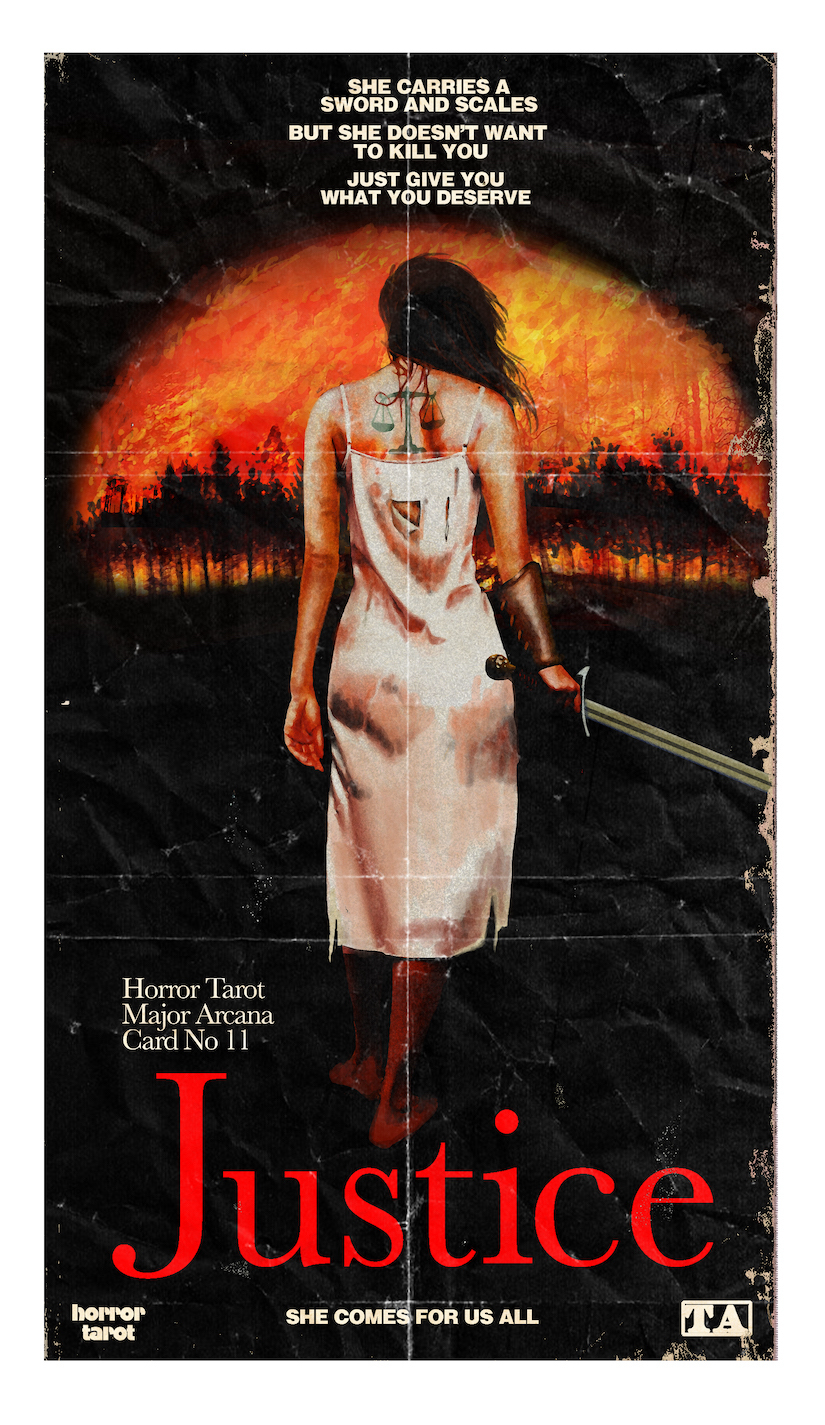
The Justice card references marketing tactics for gritty 70s drive-in staples like Last House on the Left and I Spit on Your Grave. The deck’s instruction booklet contains a few anecdotes about the production of these movies, a helpful bit of context for those who might have missed (or skipped) that fertile era of women’s revenge pictures:
I wanted the Horror Tarot Justice to be someone the reader can root for, even if they’re horrified by what Justice promises: not death, but “what you deserve.”
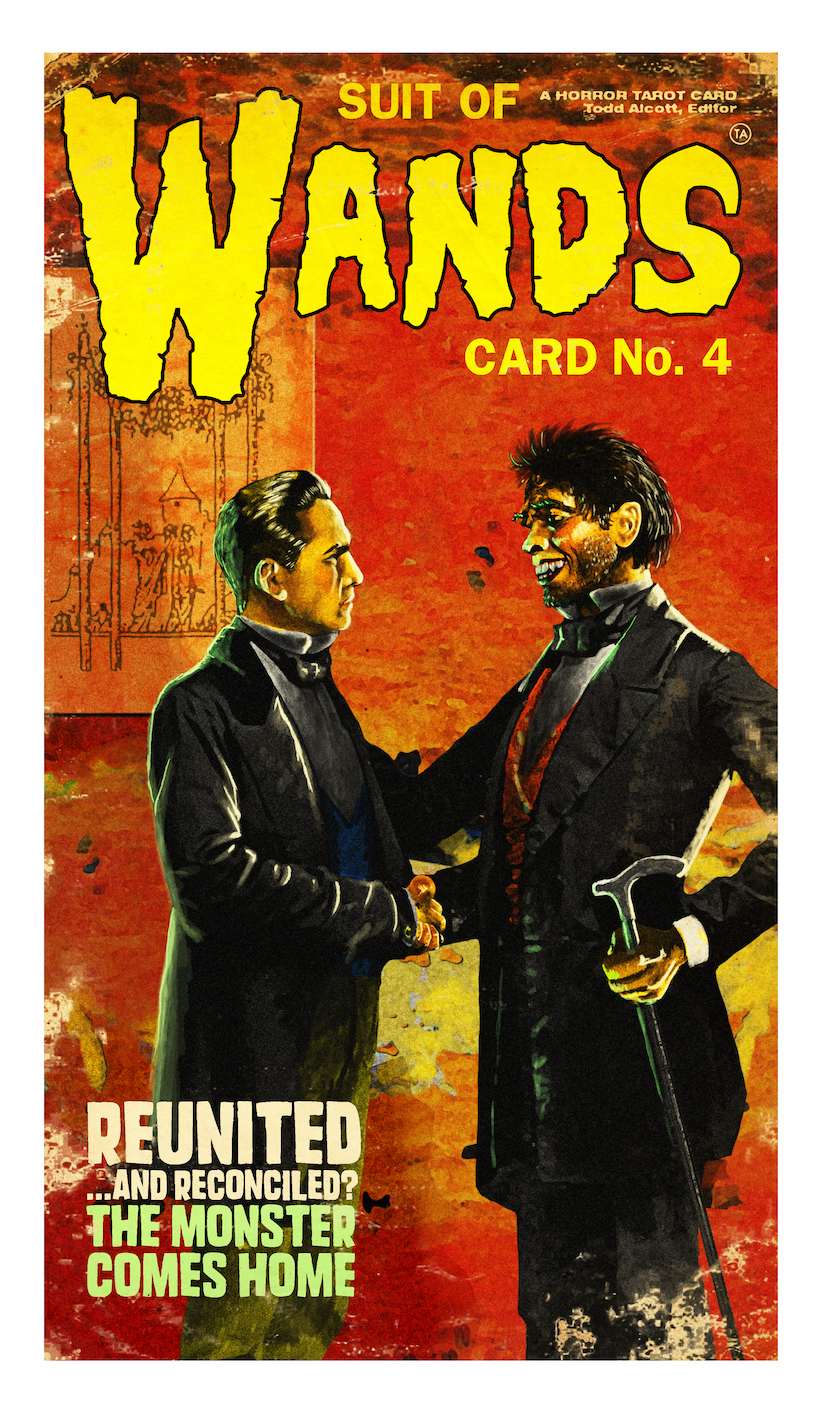
Famous Monsters of Filmland, a prime pre-internet resource for horror fans, was Alcott’s jumping off place for the Minor Arcana’s Suit of Wands.
You may have no knowledge of that seminal publication, but you’d probably recognize some of the cover artwork by painter Basil Gogos, featuring such MVPs as Frankenstein’s monster, the Creature from the Black Lagoon, the Phantom of the Opera and Dracula. Alcott says that many of Gogos’ iconic monster portraits are more deeply ingrained in the public memory than the art the studios chose to promote their movies:
…for the Suit of Wands I wanted to create a series of portraits done in his style, featuring characters he never got around to painting. The Four of Wands is a card about homecoming and reconciliation, and I had the idea to paint Frederick March’s Dr. Jekyll and Mr. Hyde as two separate men, meeting for the first time in a back alley in Victorian London.
A homecoming doesn’t necessarily require a physical return to a physical home — it can be completely internal. I wanted to show Dr. Jekyll coming to terms with his inner struggle.
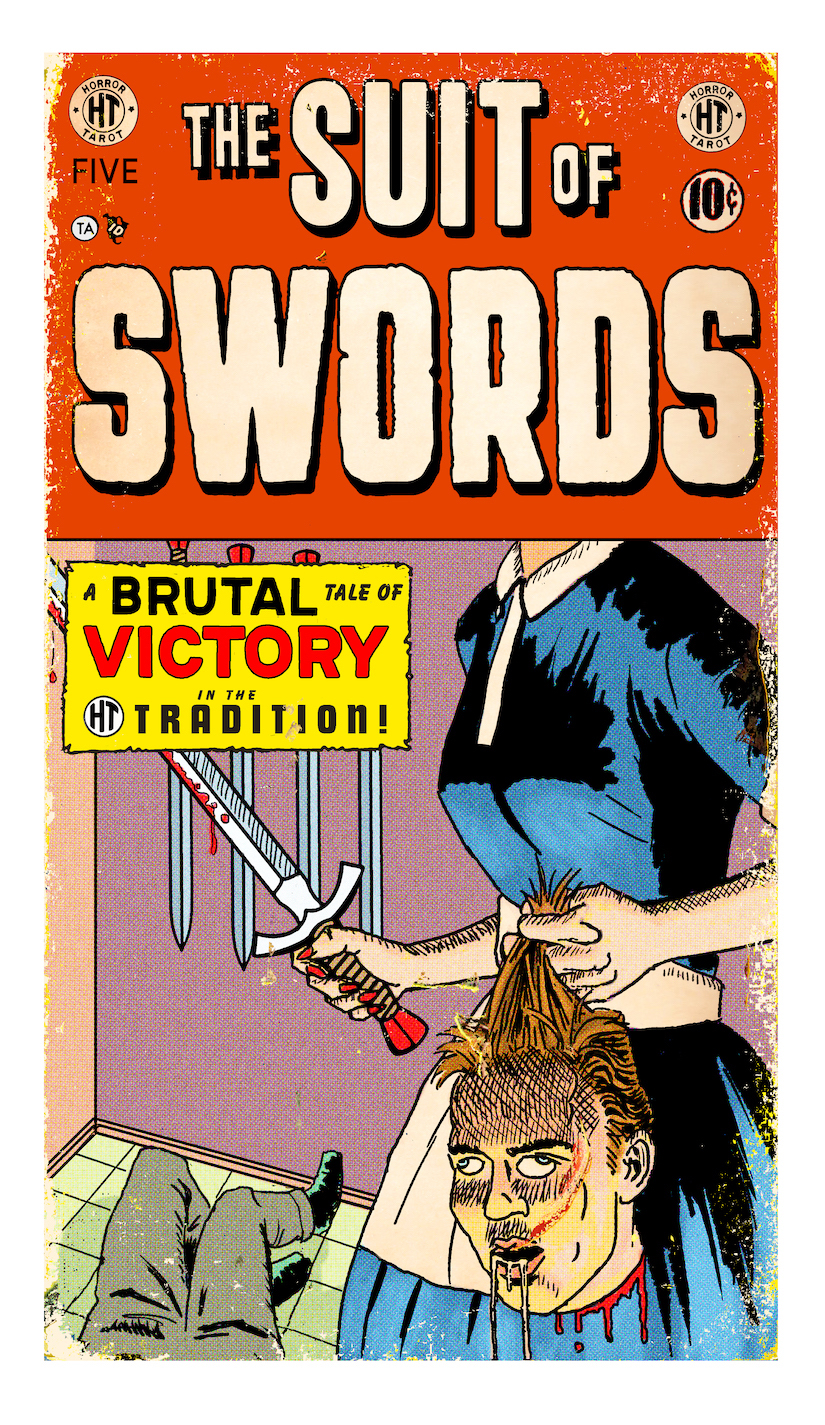
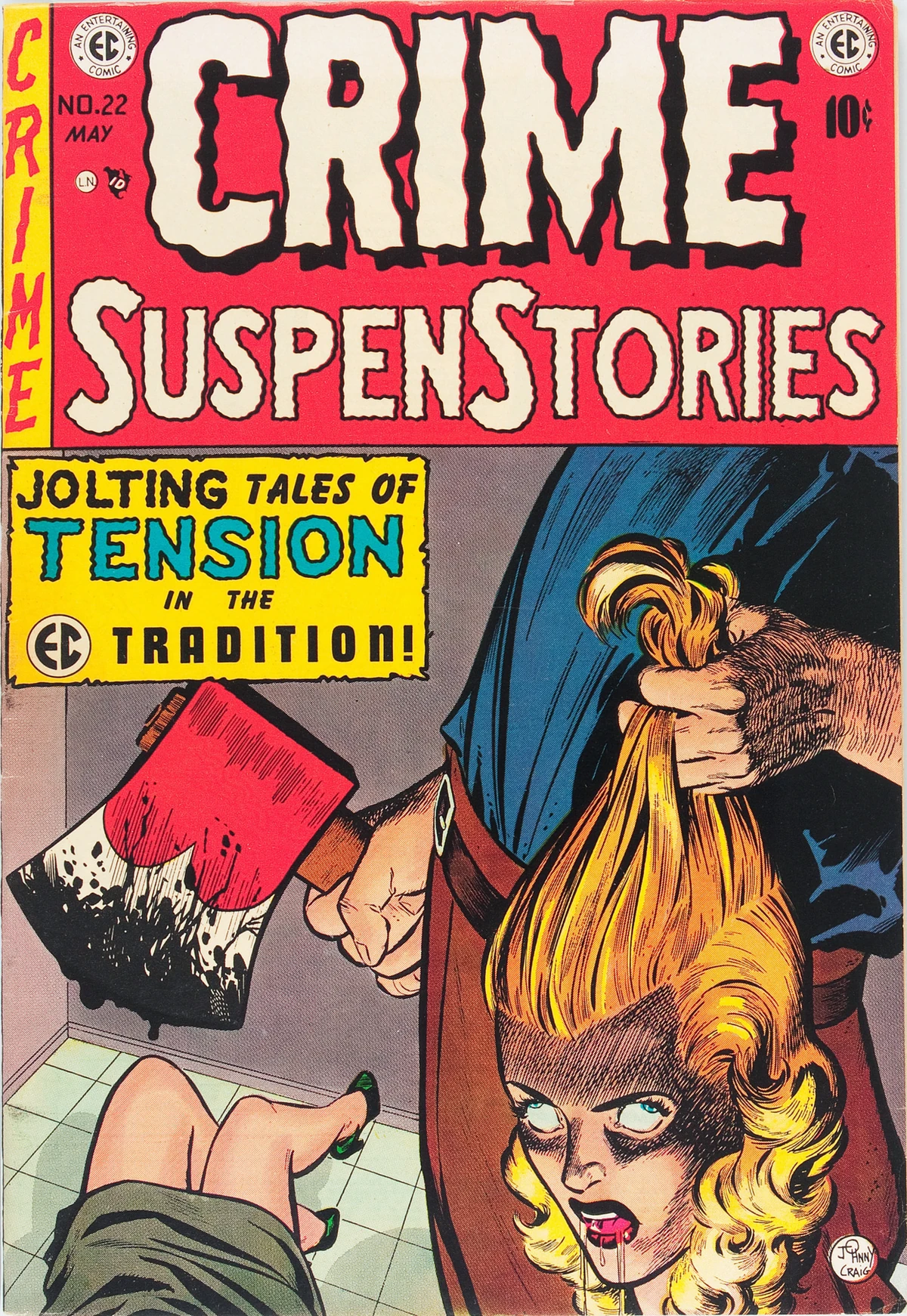
The Suit of Swords recreates the look of another indelible horror trope — the EC comics of the 1950s:
These comics were so lurid and perverse that they actually sparked a congressional investigation, which ended up putting them out of business. Again, before the internet, this is what horror fans had available to them, and comics publishers had to keep pushing the limits of what was acceptable in order to stay ahead of the competition.
For the Five of Swords, I parodied and gender-swapped the infamous cover of Crime SuspenStories #22. The Five of Swords is a card about being a bad winner, about gloating at your opponent’s defeat, about overkill. I figured that a housewife murdering her husband and then beheading him with a sword counted as overkill.
Todd Alcott’s Horror Tarot is available here.
Related Content
Watch the German Expressionist Film, The Golem, with a Soundtrack by The Pixies’ Black Francis
Behold the Sola-Busca Tarot Deck, the Earliest Complete Set of Tarot Cards (1490)
– Ayun Halliday is the Chief Primatologist of the East Village Inky zine and author, most recently, of Creative, Not Famous: The Small Potato Manifesto and Creative, Not Famous Activity Book. Follow her @AyunHalliday.
Read More...Support Us
We're hoping to rely on loyal readers, rather than erratic ads. Please click the Donate button and support Open Culture. You can use Paypal, Venmo, Patreon, even Crypto! We thank you!

About Us

Open Culture scours the web for the best educational media. We find the free courses and audio books you need, the language lessons & educational videos you want, and plenty of enlightenment in between.
Advertise With Us
FREE UPDATES!
GET OUR DAILY EMAIL
Get the best cultural and educational resources on the web curated for you in a daily email. We never spam. Unsubscribe at any time.
FOLLOW ON SOCIAL MEDIA
Open Culture editor Dan Colman scours the web for the best educational media. He finds the free courses and audio books you need, the language lessons & movies you want, and plenty of enlightenment in between.
Advertise With Us