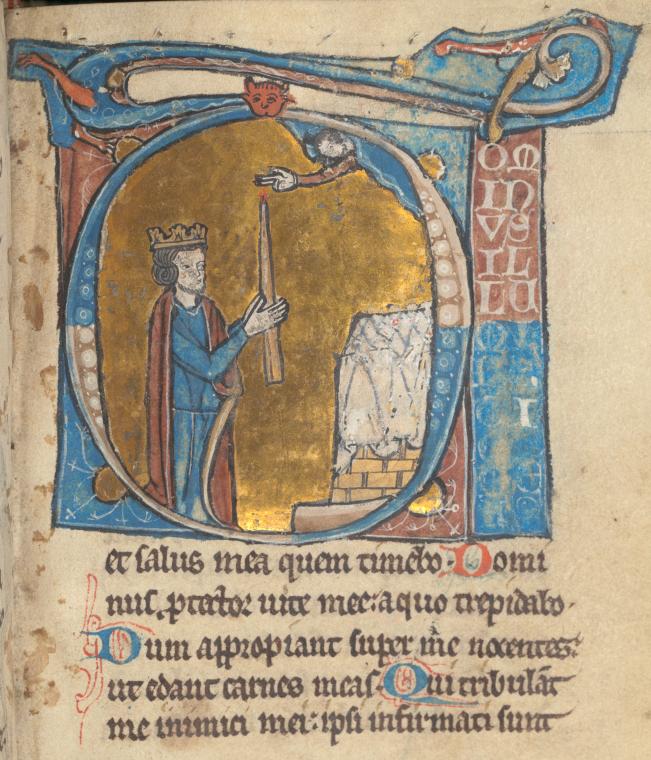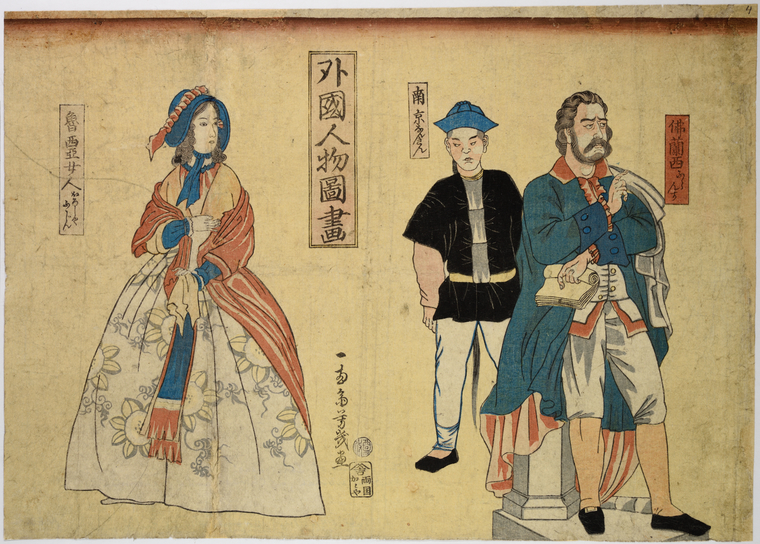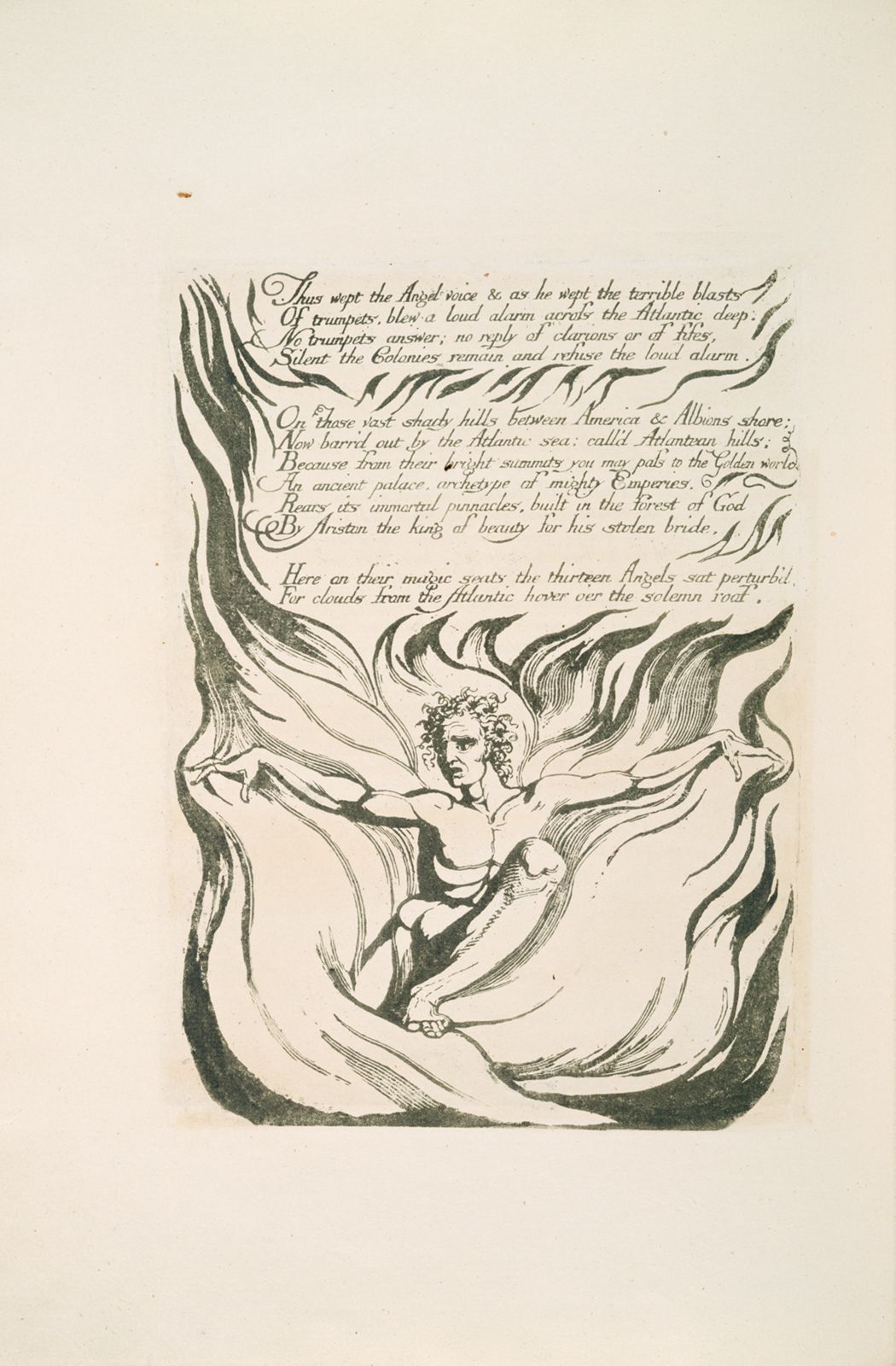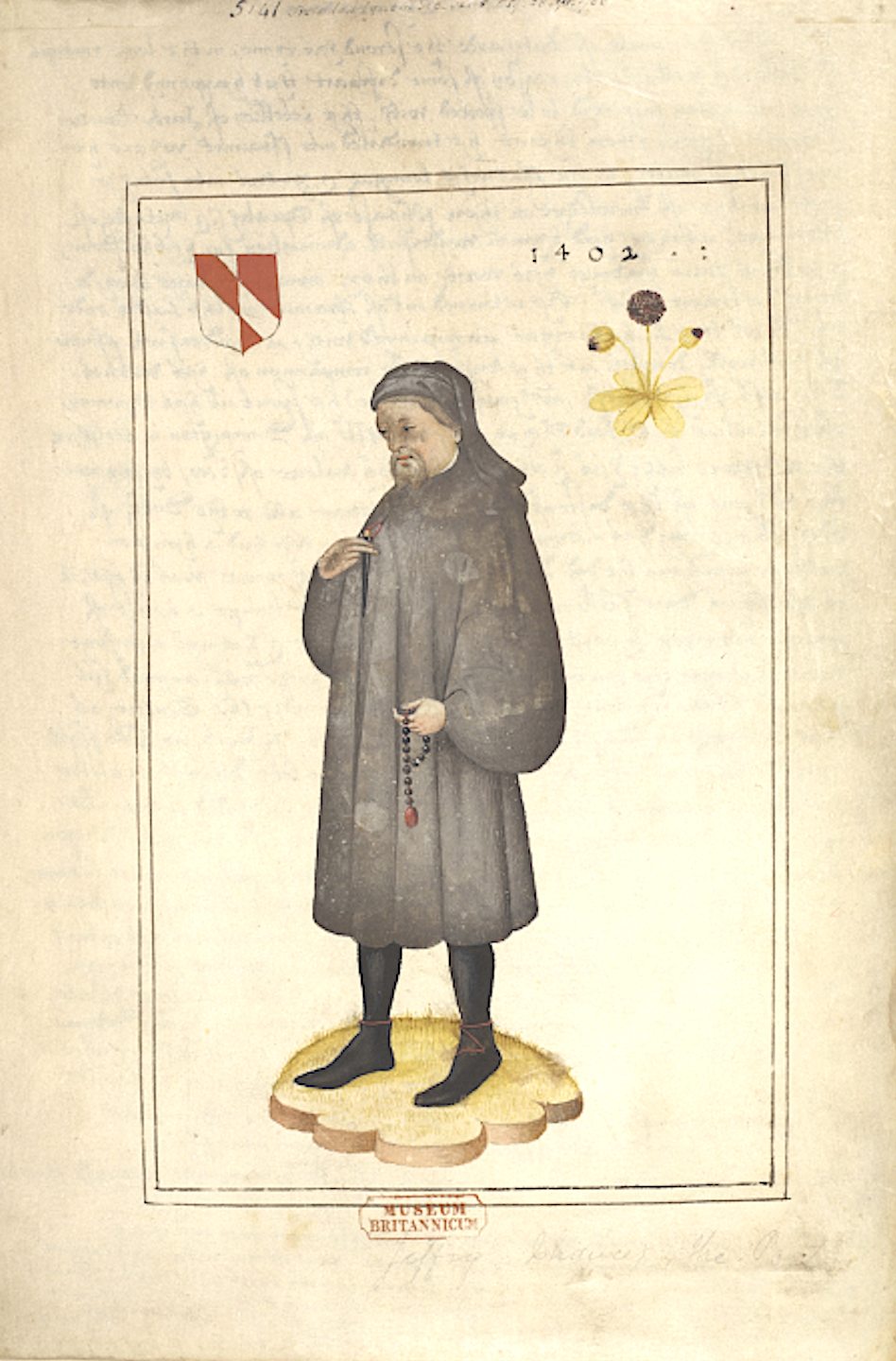
The Entire Manuscript Collection of Geoffrey Chaucer Gets Digitized: A New Archive Features 25,000 Images of The Canterbury Tales & Other Illustrated Medieval Manuscripts

Ear­li­er this year, Oxford pro­fes­sor of Eng­lish lit­er­a­ture Mar­i­on Turn­er pub­lished The Wife of Bath: A Biog­ra­phy. Even if you don’t know any­thing about that book’s sub­ject, you’ve almost cer­tain­ly heard of her, and per­haps also of her trav­el­ing com­pan­ions like the Knight, the Sum­mon­er, the Nun’s Priest, and the Canon’s Yeo­man. These are just a few of the pil­grims whose sto­ry­telling con­test struc­tures Geof­frey Chaucer’s four­teenth-cen­tu­ry mag­num opus The Can­ter­bury Tales, whose influ­ence con­tin­ues to rever­ber­ate through Eng­lish lit­er­a­ture, even all these cen­turies after the author’s death. In com­mem­o­ra­tion of the 623rd anniver­sary of that work, the British Library has opened a vast online Chaucer archive.


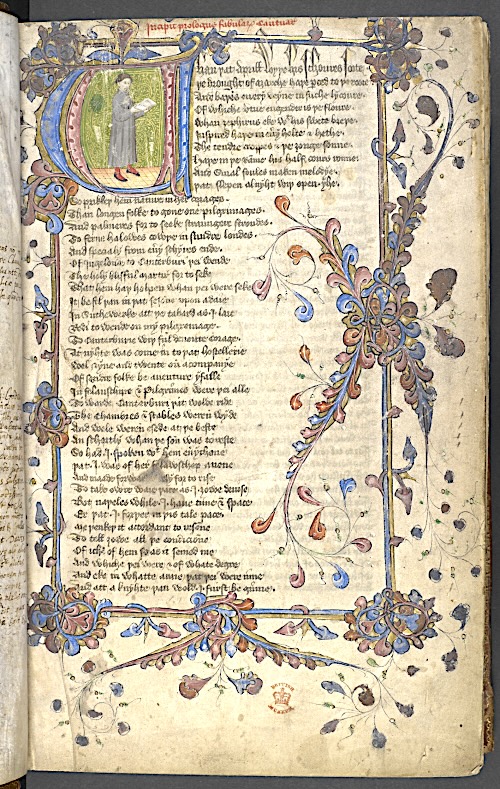
This archive comes as a cul­mi­na­tion of what the Guardian’s Car­o­line Davies describes as “a two and a half year project to upload 25,000 images of the often elab­o­rate­ly illus­trat­ed medieval man­u­scripts.” Among these arti­facts are “com­plete copies of Chaucer’s poems but also unique sur­vivals, includ­ing frag­men­tary texts found in Mid­dle Eng­lish antholo­gies or inscribed in print­ed edi­tions and incunab­u­la (books print­ed before 1501).”

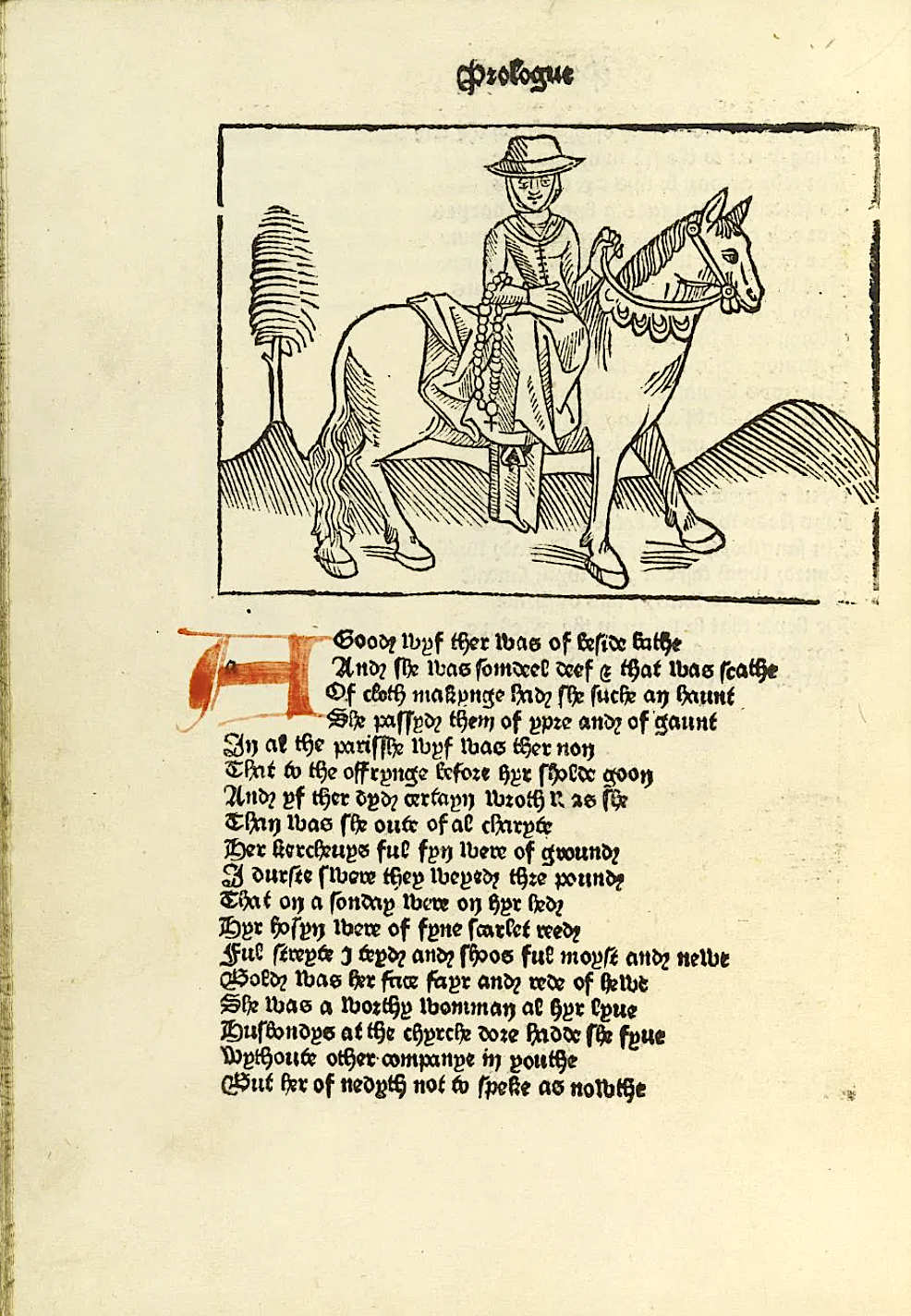
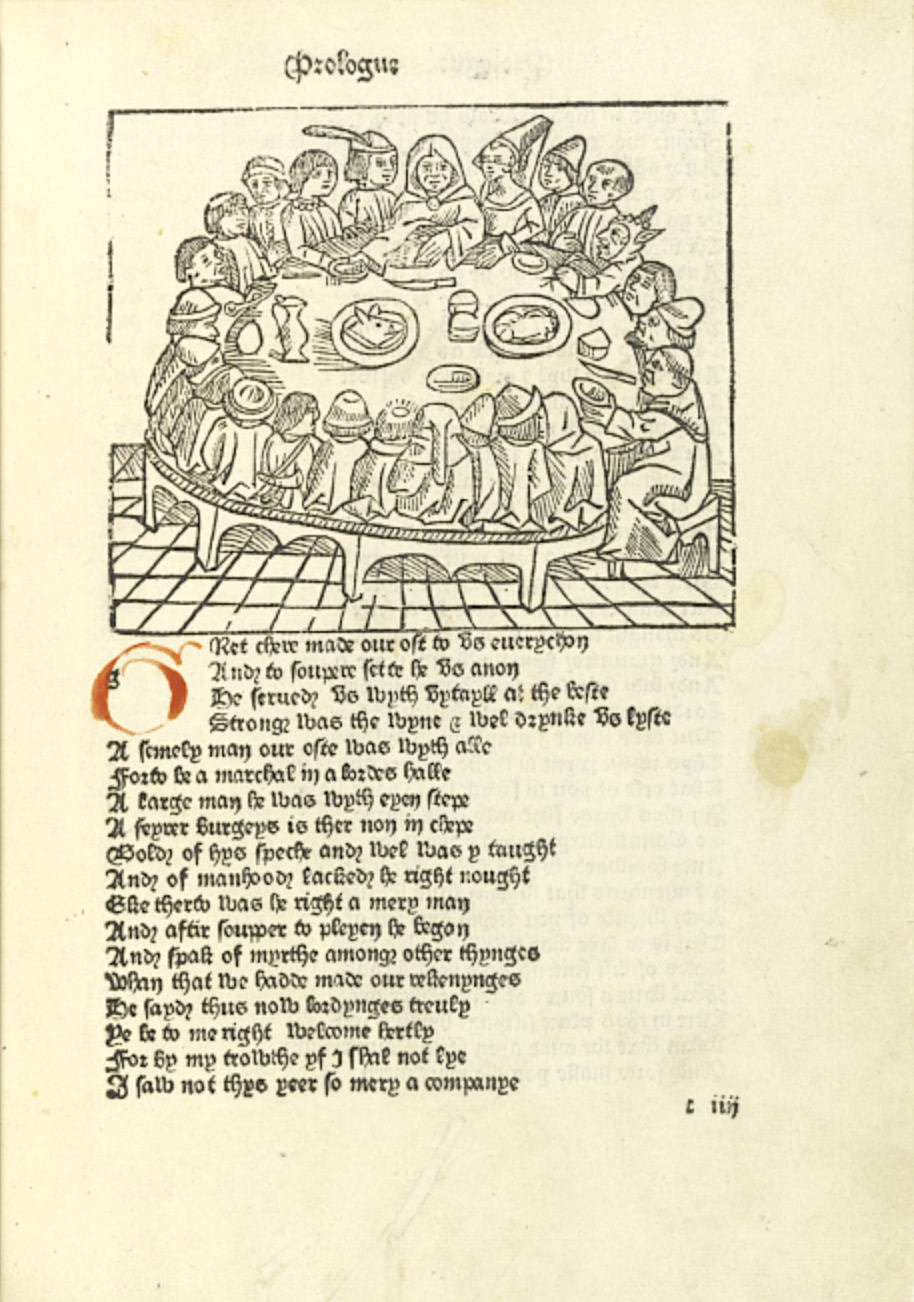
If you’re look­ing for The Can­ter­bury Tales, you’ll find no few­er than 23 ver­sions of it, the ear­li­est of which “was writ­ten only a few years after Chaucer’s death in rough­ly 1400.” Also dig­i­tized are “rare copies of the 1476 and 1483 edi­tions of the text made by William Cax­ton,” now con­sid­ered “the first sig­nif­i­cant text to be print­ed in Eng­land.”

Four cen­turies lat­er, design­er-writer-social reformer William Mor­ris col­lab­o­rat­ed with cel­e­brat­ed painter Edward Burne-Jones to cre­ate an edi­tion W. B. Yeats once called “the most beau­ti­ful of all print­ed books”: the Kelm­scott Chaucer, pre­vi­ous­ly fea­tured here on Open Cul­ture, which you can also explore in the British Library’s new archive (as least as soon as its ongo­ing cyber attack-relat­ed issues are resolved). As its wider con­tents reveal, Chaucer was the author of not just The Can­ter­bury Tales but also a vari­ety of oth­er poems, the clas­si­cal-dream-vision sto­ry col­lec­tion The Leg­end of Good Women, an instruc­tion man­u­al for an astro­labe, and trans­la­tions of The Romance of the Rose and The Con­so­la­tion of Phi­los­o­phy. And his Tro­jan epic Troilus and Criseyde may sound famil­iar, thanks to the inspi­ra­tion it gave, more than 200 years lat­er, to a coun­try­man by the name of William Shake­speare.

Relat­ed con­tent:

Behold a Dig­i­ti­za­tion of “The Most Beau­ti­ful of All Print­ed Books,” The Kelm­scott Chaucer

Ter­ry Jones, the Late Mon­ty Python Actor, Helped Turn Chaucer’s Can­ter­bury Tales Into a Free App: Explore It Online

Dis­cov­er the First Illus­trat­ed Book Print­ed in Eng­lish, William Caxton’s Mir­ror of the World (1481)

40,000 Ear­ly Mod­ern Maps Are Now Freely Avail­able Online (Cour­tesy of the British Library)

The British Library Puts Over 1,000,000 Images in the Pub­lic Domain: A Deep­er Dive Into the Col­lec­tion

Based in Seoul, Col­in Marshall writes and broad­casts on cities, lan­guage, and cul­ture. His projects include the Sub­stack newslet­ter Books on Cities, the book The State­less City: a Walk through 21st-Cen­tu­ry Los Ange­les and the video series The City in Cin­e­ma. Fol­low him on Twit­ter at @colinmarshall or on Face­book.

A New Online Archive Lets You Read the Whole Earth Catalog and Other Whole Earth Publications, Taking You from 1970 to 2002


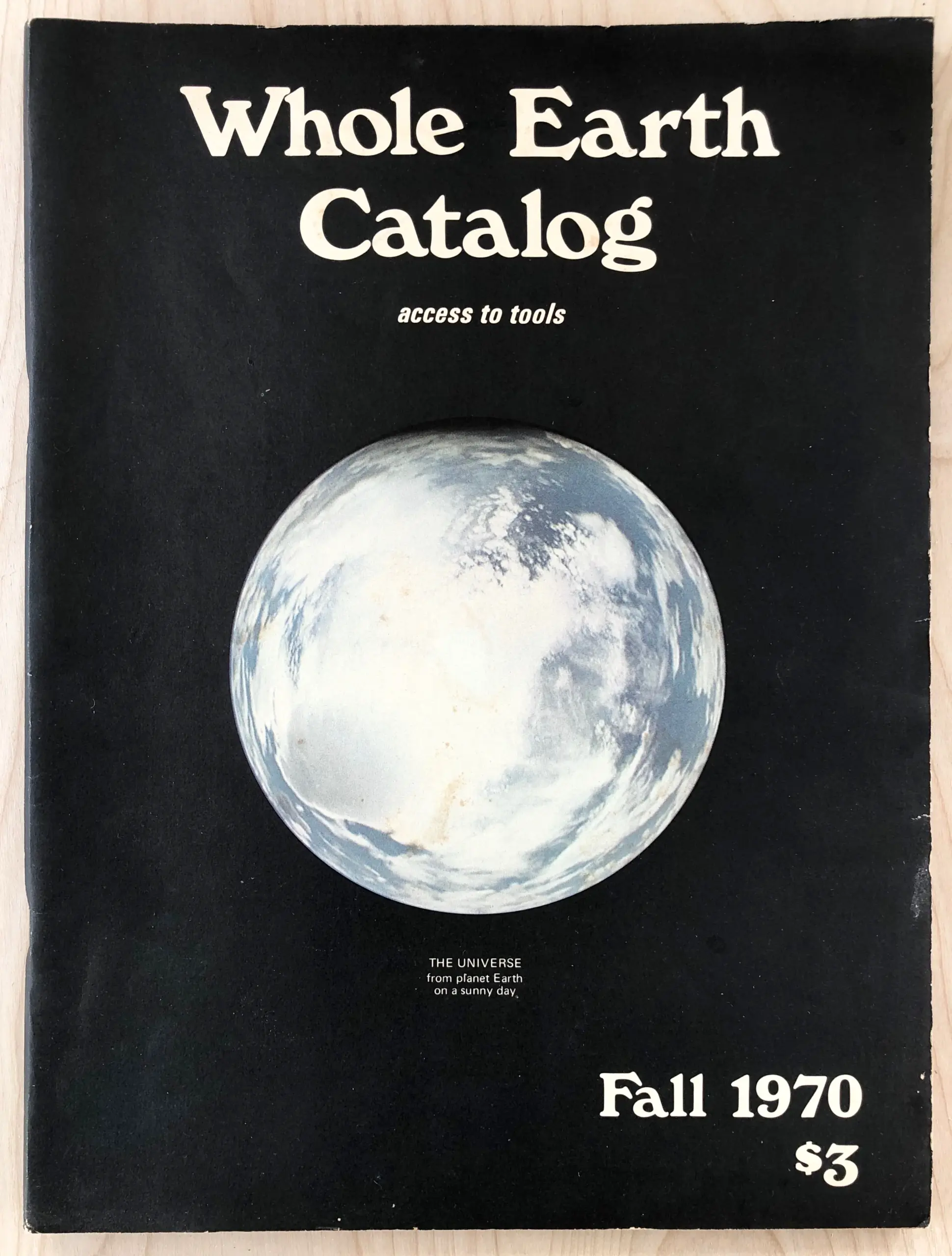
Today, if you want to get start­ed in home brew­ing, shop for a syn­the­siz­er, find out what cyber­net­ics is, order non-genet­i­cal­ly-mod­i­fied seeds, start your own mush­room farm, learn how to repair a Volk­swa­gen, sub­scribe to lib­er­tar­i­an pub­li­ca­tions, pur­chase the work of Mar­shall McLuhan, sign up for an out­door excur­sion, read an essay on zen Bud­dhism, com­pare home-birth setups, gath­er home­school­ing mate­ri­als, build a geo­des­ic dome, you go to one place first: the inter­net. Half a cen­tu­ry ago, when the per­son­al com­put­er had only just come into exis­tence, that would­n’t have been an option. But pro­vid­ed you were suf­fi­cient­ly tapped into the coun­ter­cul­ture, you could open up the nine­teen-sev­en­ties equiv­a­lent of the inter­net: The Whole Earth Cat­a­log.

Launched by Stew­art Brand in 1968, the Whole Earth Cat­a­log curat­ed and pre­sent­ed the prod­ucts and ser­vices of a wide vari­ety of busi­ness­es all between the cov­ers of one increas­ing­ly weighty print­ed vol­ume offer­ing what its slo­gan called “access to tools.”

While cer­tain of its sec­tions reflect­ed the most lit­er­al mean­ing of the term “tools” — you could’ve kept a pret­ty robust farm going with all the imple­ments on offer, and no doubt more than a few read­ers tried to do so — the larg­er enter­prise seemed to run on the goal of expand­ing the def­i­n­i­tion of what a tool could be, as well as the range of pos­si­bil­i­ties it could open to its user. Even sub­scribers who nev­er bought a prod­uct could receive an edu­ca­tion from the cat­a­log’s often eccen­tric but always infor­ma­tive descrip­tions of those prod­ucts.

“Behind the infor­ma­tion, the advice, the hints, and the facts, this book is about com­ing to see things as they are, through your own eyes, instead of the hired eyes of some expert or oth­er. It’s about train­ing your­self to trust your­self, and trust­ing your­self to train your­self, until you‘re able to claim your right as a human to be com­pe­tent with your hands.” These words come from writer and doc­u­men­tar­i­an Gur­ney Nor­man’s cap­sule review, in the spring 1970 Whole Earth Cat­a­log, of Joan Ran­son Short­ney’s book, How to Live on Noth­ing (described there­in as “our best-sell­ing book”). But Nor­man could just as well have been describ­ing the Whole Earth Cat­a­log itself, which was all about the abil­i­ty of indi­vid­u­als and small groups, equipped with not just tech­nol­o­gy new and old but also deep reserves of opti­mism and humor, to deter­mine their own des­tiny.

“The Whole Earth Cat­a­log offered a vision for a new social order,” writes the New York­er’s Anna Wiener, “one that eschewed insti­tu­tions in favor of indi­vid­ual empow­er­ment, achieved through the acqui­si­tion of skills and tools. The lat­ter cat­e­go­ry includ­ed agri­cul­tur­al equip­ment, weav­ing kits, mechan­i­cal devices, books like Kib­butz: Ven­ture in Utopia, and dig­i­tal tech­nolo­gies and relat­ed the­o­ret­i­cal texts, such as Nor­bert Wiener’s Cyber­net­ics and the Hewlett-Packard 9100A, a pro­gram­ma­ble cal­cu­la­tor.” Oth­er sec­tions might offer Grav­i­ty’s Rain­bow; an Apple II home com­put­er; some­thing called “self-ther­a­peu­tic rub­ber”; and even a hot tub. “Many a new­com­er to Cal­i­for­nia remem­bers for­ev­er the trau­ma of first being invit­ed — at a per­fect­ly ordi­nary par­ty — to strip and enter a steam­ing tub full of strangers,” writes Brand in the Next Whole Earth Cat­a­log of fall 1980, which may sound a bit late in the game for that sort of thing.

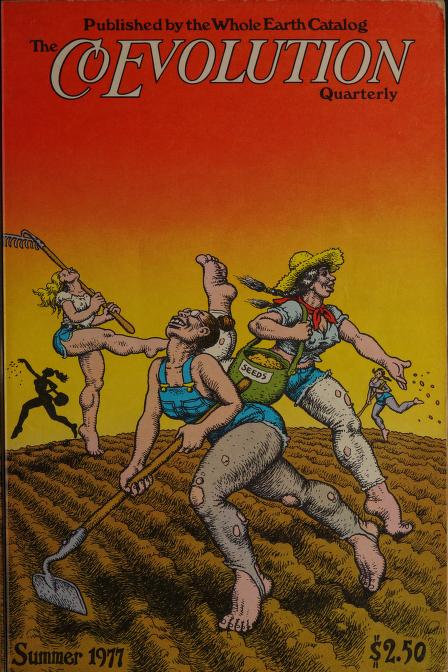
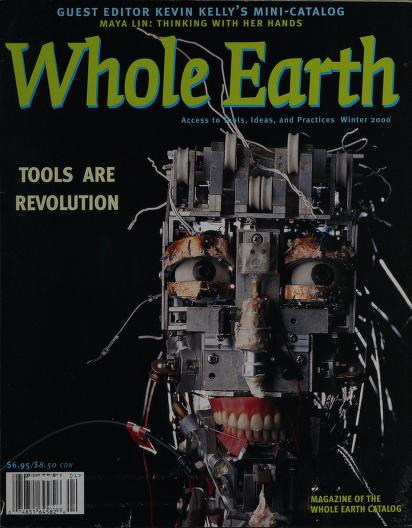
But then, the spir­it of the Whole Earth Cat­a­log, first ani­mat­ed by the free-enter­prise-and-free-love nine­teen-six­ties and sev­en­ties, has long out­last­ed its orig­i­nal cul­tur­al moment — and indeed the cat­a­log itself, which ceased pub­li­ca­tion in 1998. But now, thanks to Gray Area and the Inter­net Archive, you can read and down­load many issues of not just the Whole Earth Cat­a­log but also its suc­ces­sor pub­li­ca­tions, from CoEvo­lu­tion Quar­ter­ly to Whole Earth Mag­a­zine, in a new online col­lec­tion span­ning the years 1970 to 2002. To browse it is to enter a coun­ter­cul­tur­al time machine, expe­ri­enc­ing both the pre­pos­ter­ous­ness and the pre­science of the coun­ter­cul­ture as if for the first time. But then, for the vast major­i­ty of its vis­i­tors here in the twen­ty-first cen­tu­ry — who know that coun­ter­cul­ture only indi­rect­ly, through its wide but dif­fuse influ­ence on every­thing up to and includ­ing the inter­net — it will be the first time. Enter the col­lec­tion here.

Relat­ed con­tent:

Watch Stew­art Brand’s 6‑Part Series How Build­ings Learn, With Music by Bri­an Eno

Earth­rise, Apol­lo 8’s Pho­to of Earth from Space, Turns 50: Down­load the Icon­ic Pho­to­graph from NASA

Bri­an Eno Cre­ates a List of 20 Books That Could Rebuild Civ­i­liza­tion

Down­load the Com­plete Archive of Oz, “the Most Con­tro­ver­sial Mag­a­zine of the 60s,” Fea­tur­ing R. Crumb, Ger­maine Greer & More

Buck­min­ster Fuller Tells the World “Every­thing He Knows” in a 42-Hour Lec­ture Series (1975)

Based in Seoul, Col­in Marshall writes and broad­casts on cities, lan­guage, and cul­ture. His projects include the Sub­stack newslet­ter Books on Cities, the book The State­less City: a Walk through 21st-Cen­tu­ry Los Ange­les and the video series The City in Cin­e­ma. Fol­low him on Twit­ter at @colinmarshall or on Face­book.

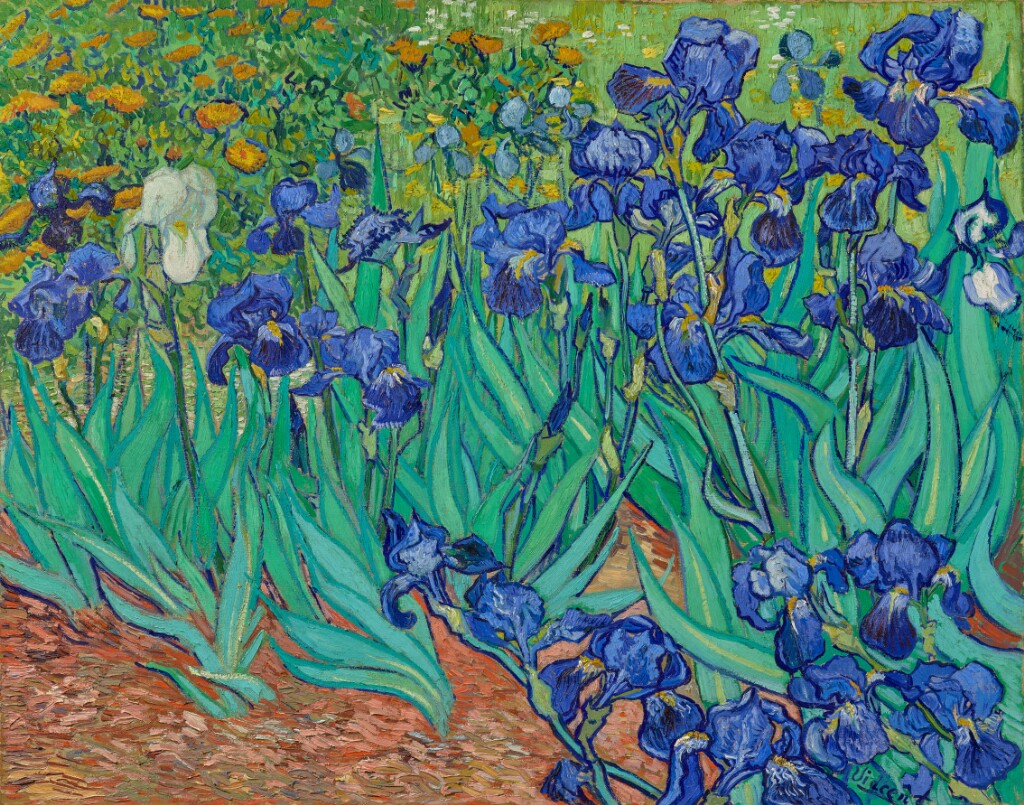
1,500 Paintings & Drawings by Vincent van Gogh Have Been Digitized & Put Online

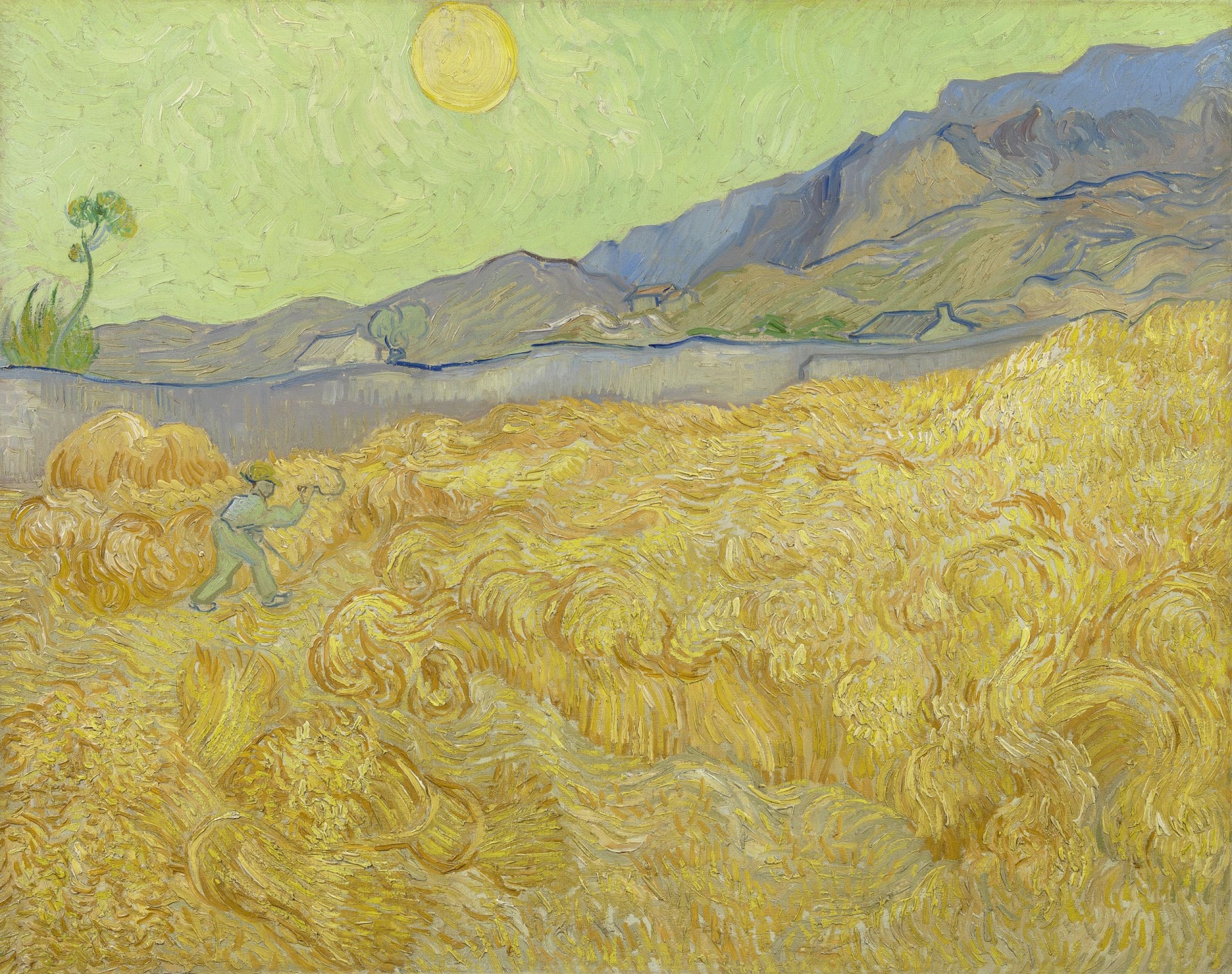
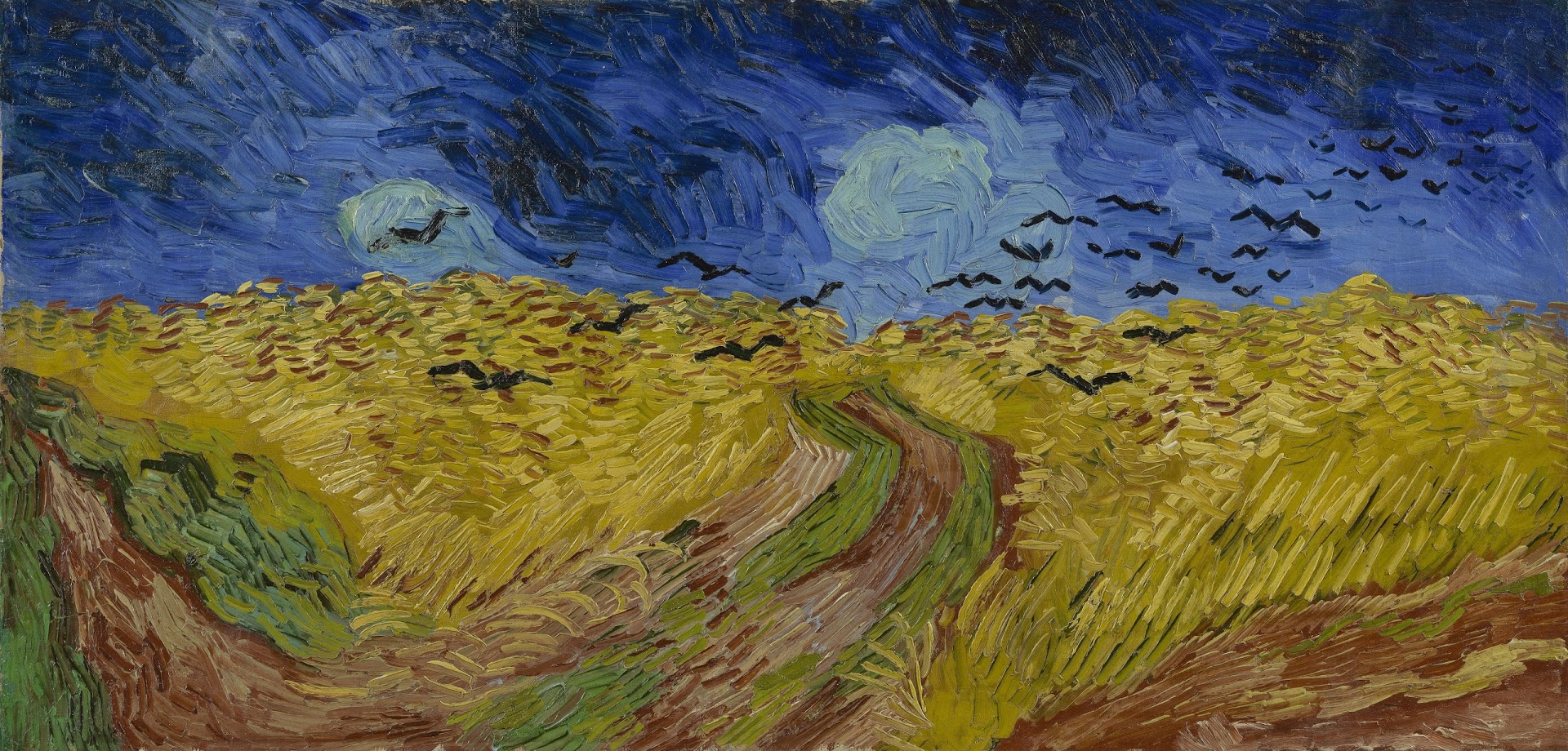
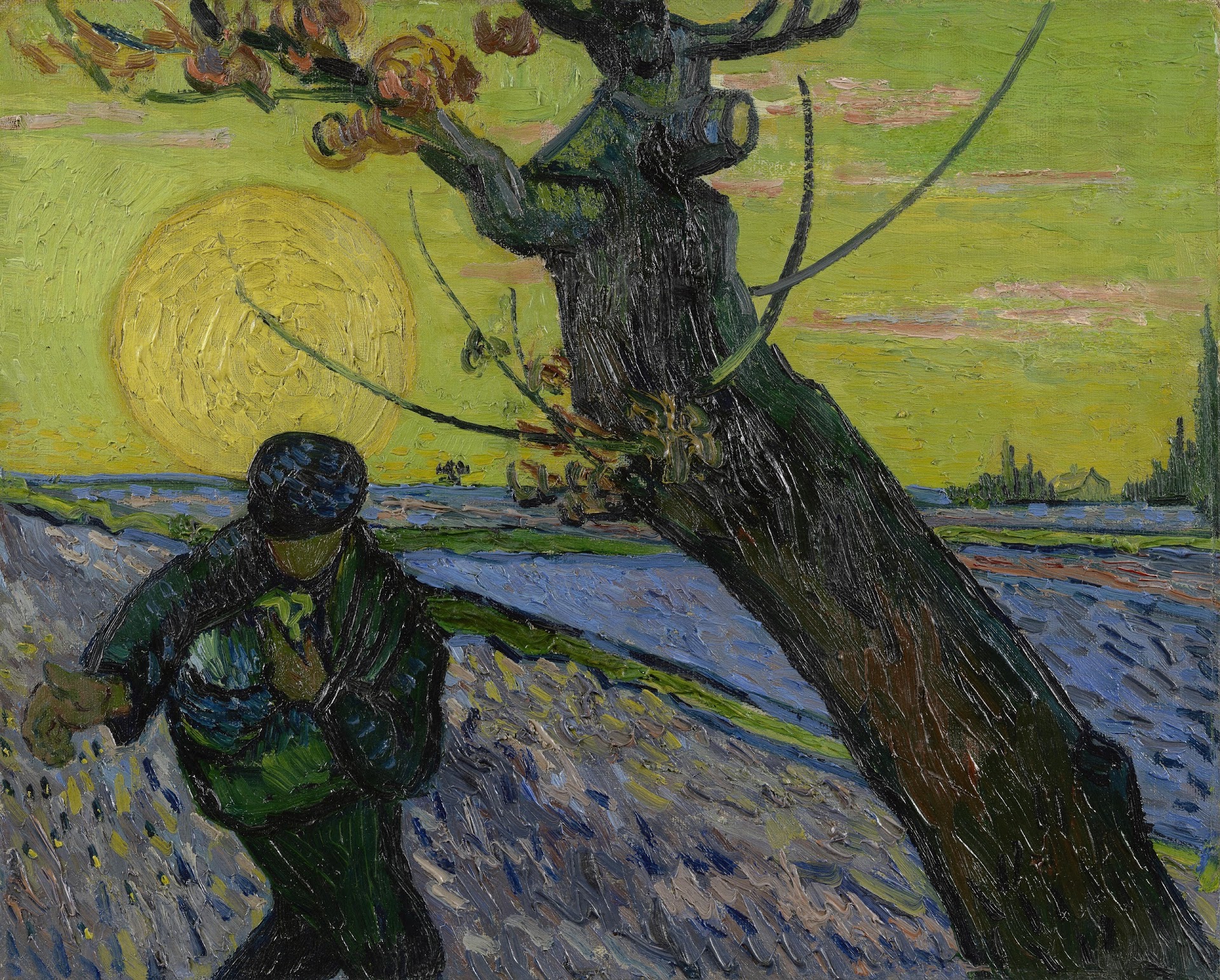
Every artist explores dimen­sions of space and place, ori­ent­ing them­selves and their works in the world, and ori­ent­ing their audi­ences. Then there are artists like Vin­cent van Gogh, who make space and place a pri­ma­ry sub­ject. In his ear­ly paint­ings of peas­ant homes and fields, his fig­ures’ mus­cu­lar shoul­ders and hands inter­act with stur­dy walls and gnarled trees. Lat­er coun­try scenes—whether curl­ing and del­i­cate, like Wheat­field with a Reaper, or heavy and omi­nous, like Wheat­field with Crows (both below)—give us the sense of the land­scape as a sin­gle liv­ing enti­ty, pul­sat­ing, writhing, blaz­ing in bril­liant yel­lows, reds, greens, and blues.

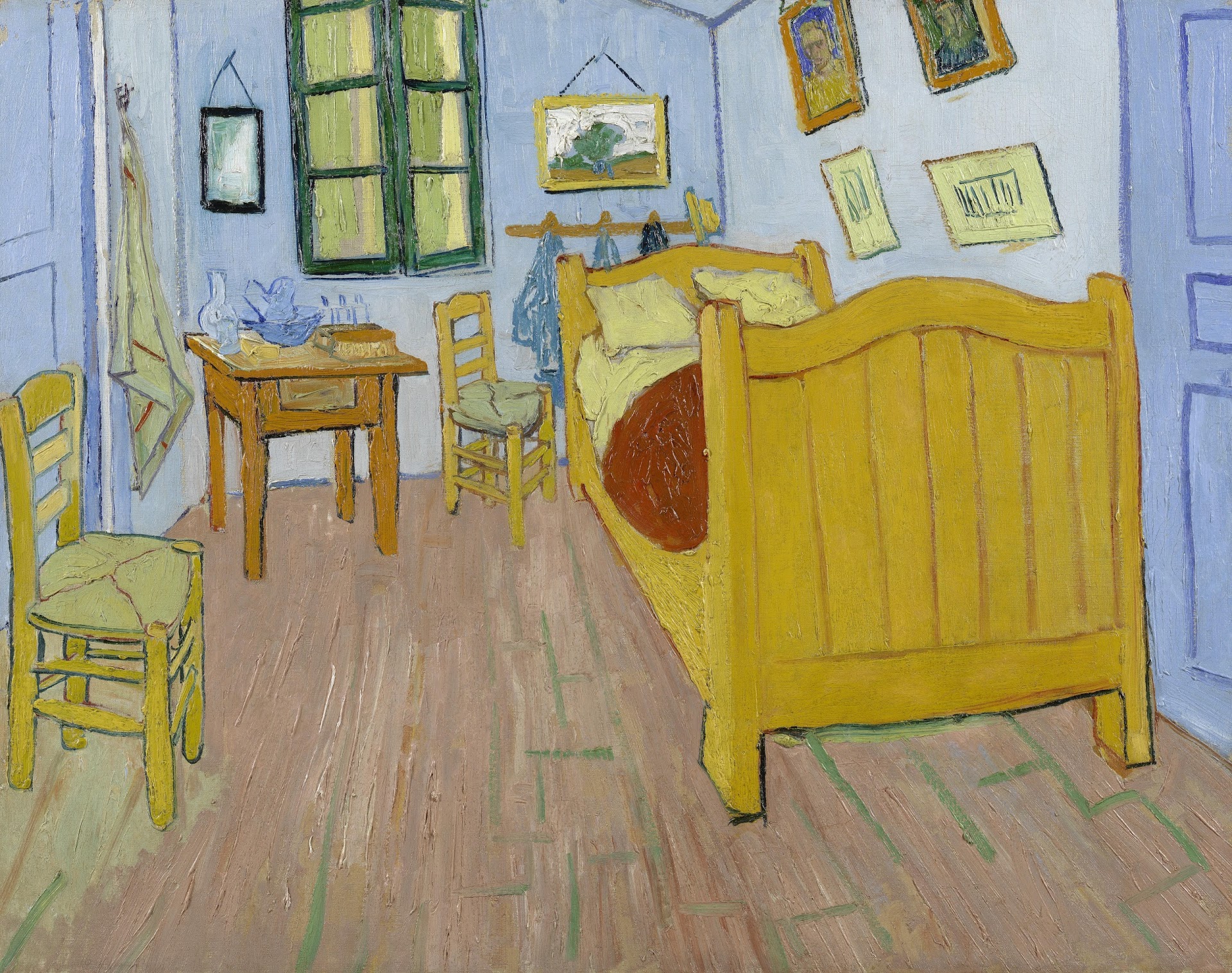
Van Gogh paint­ed inte­ri­or scenes, such as his famous The Bed­room, at the top (the first of three ver­sions), with an eye toward using col­or as the means of mak­ing space pur­pose­ful: “It’s just sim­ply my bed­room,” he wrote to Paul Gau­guin of the 1888 paint­ing, “only here col­or is to do every­thing… to be sug­ges­tive here of rest or of sleep in gen­er­al. In a word, look­ing at the pic­ture ought to rest the brain, or rather the imag­i­na­tion.”

So tak­en was the painter with the con­cept of using col­or to induce “rest or sleep” in his view­ers’ imag­i­na­tions that when water dam­age threat­ened the “sta­bil­i­ty” of the first paint­ing, Chicago’s Art Insti­tute notes, “he became deter­mined to pre­serve the com­po­si­tion by paint­ing a sec­ond ver­sion while at an asy­lum in Saint-Rémy in 1889,” then demon­strat­ed the deep emo­tion­al res­o­nance this scene had for him by paint­ing a third, small­er ver­sion for his moth­er and sis­ter.

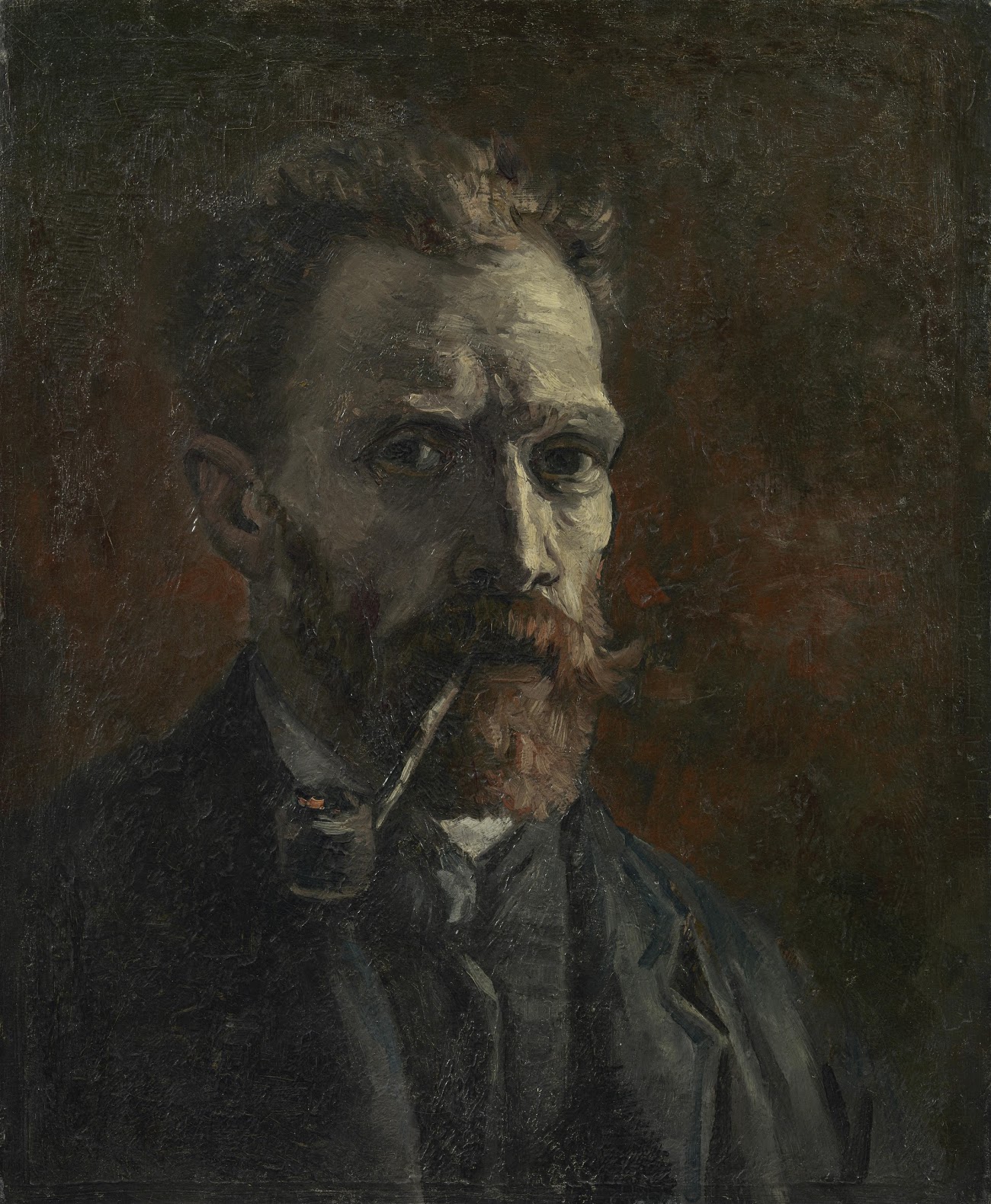
The oppor­tu­ni­ty to see all of Van Gogh’s bed­room paint­ings in one place may have passed us by for now—an exhib­it in Chica­go brought them togeth­er in 2016. But we can see the orig­i­nal bed­room at the yel­low house in Arles in a vir­tu­al space, along with 1,500 more Van Gogh paint­ings and draw­ings, at the Van Gogh Muse­um in Ams­ter­dam’s site. The dig­i­tized col­lec­tion show­cas­es a vast amount of Van Gogh’s work—including not only land­scapes, but also his many por­traits, self-por­traits, draw­ings, city scenes, and still-lifes.

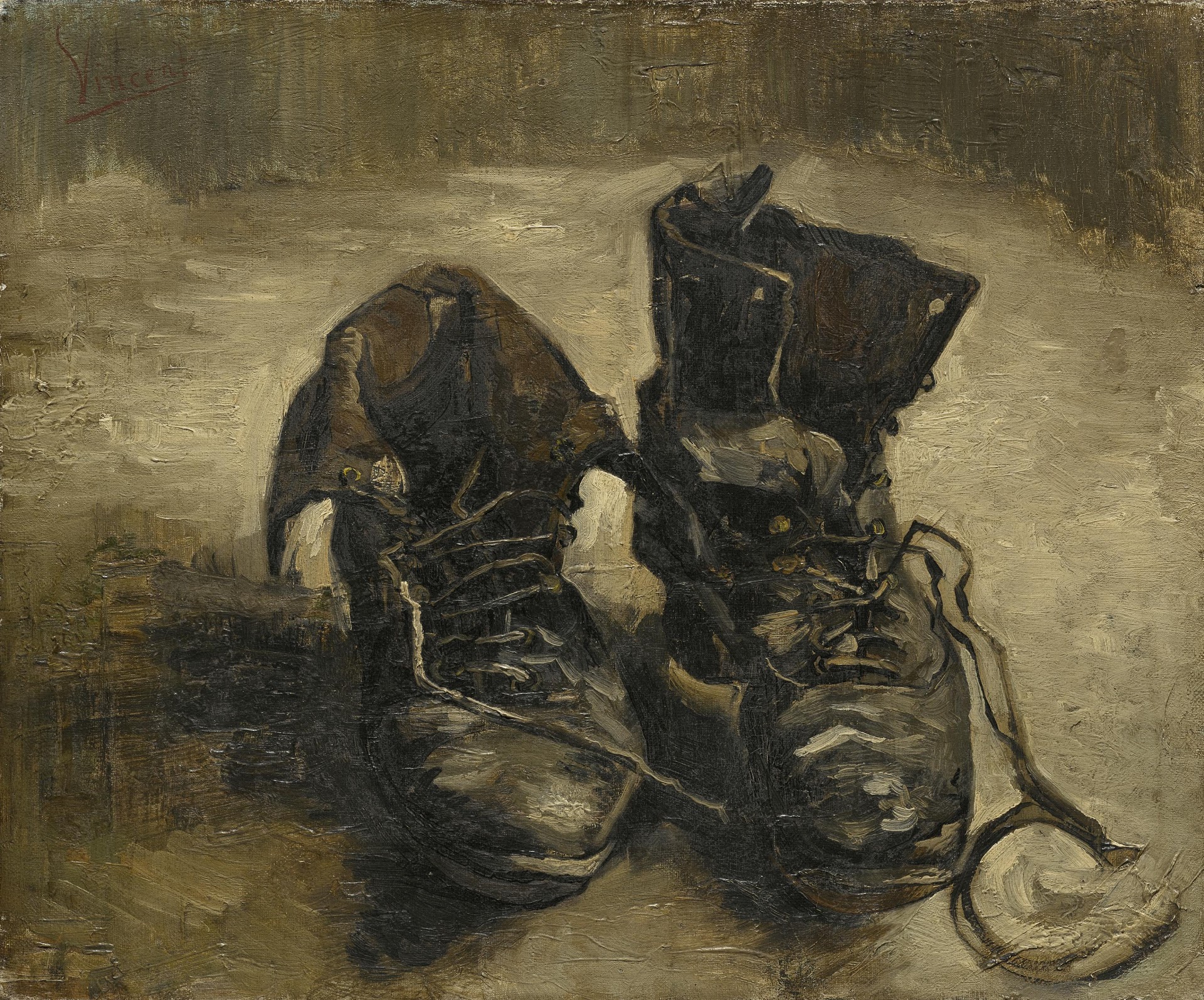
One way to approach these works is through the uni­fy­ing themes above: how does van Gogh use col­or to com­mu­ni­cate space and place, and to what effect? Even in por­traits and still-lifes, his fig­ures com­pete with the ground. The scored and scal­loped paint­ings of walls, floors, and wall­pa­per force our atten­tion past the star­ing eyes of the painter or the fine­ly-ren­dered fruits and shoes, and into the depths and tex­tures of shad­ow and light. We begin to see peo­ple and objects as insep­a­ra­ble from their sur­round­ings.

“Paint­ing is a faith,” Van Gogh once wrote, and it is as if his paint­ings ask us to con­tem­plate the spir­i­tu­al uni­ty of all things; the same ani­mat­ing flame brings every object in his blaz­ing worlds to life. The Van Gogh Muse­um hous­es the largest col­lec­tion of the artist’s work in the world. On their web­site you can read essays about his life and work, plan a vis­it, or shop at the online store. But most impor­tant­ly, you can expe­ri­ence the stun­ning breadth of his art through your screen—no replace­ment for the phys­i­cal spaces of gal­leries, but a wor­thy means nonethe­less of com­muning with Van Gogh’s vision.

Note: An ear­li­er ver­sion of this post appeared on our site in 2018.

Relat­ed Con­tent:

Vin­cent van Gogh Vis­its a Mod­ern Art Gallery & Gets to See His Artis­tic Lega­cy: A Touch­ing Scene from Doc­tor Who

Expe­ri­ence the Van Gogh Muse­um in 4K Res­o­lu­tion: A Video Tour in Sev­en Parts

Vin­cent Van Gogh’s Self Por­traits: Explore & Down­load a Col­lec­tion of 17 Paint­ings Free Online

Vin­cent Van Gogh’s “The Star­ry Night”: Why It’s a Great Paint­ing in 15 Min­utes

Josh Jones is a writer and musi­cian based in Durham, NC. Fol­low him at @jdmagness

by | Permalink | Make a Comment ( 5 ) |

The Smithsonian Puts 4.5 Million High-Res Images Online and Into the Public Domain, Making Them Free to Use

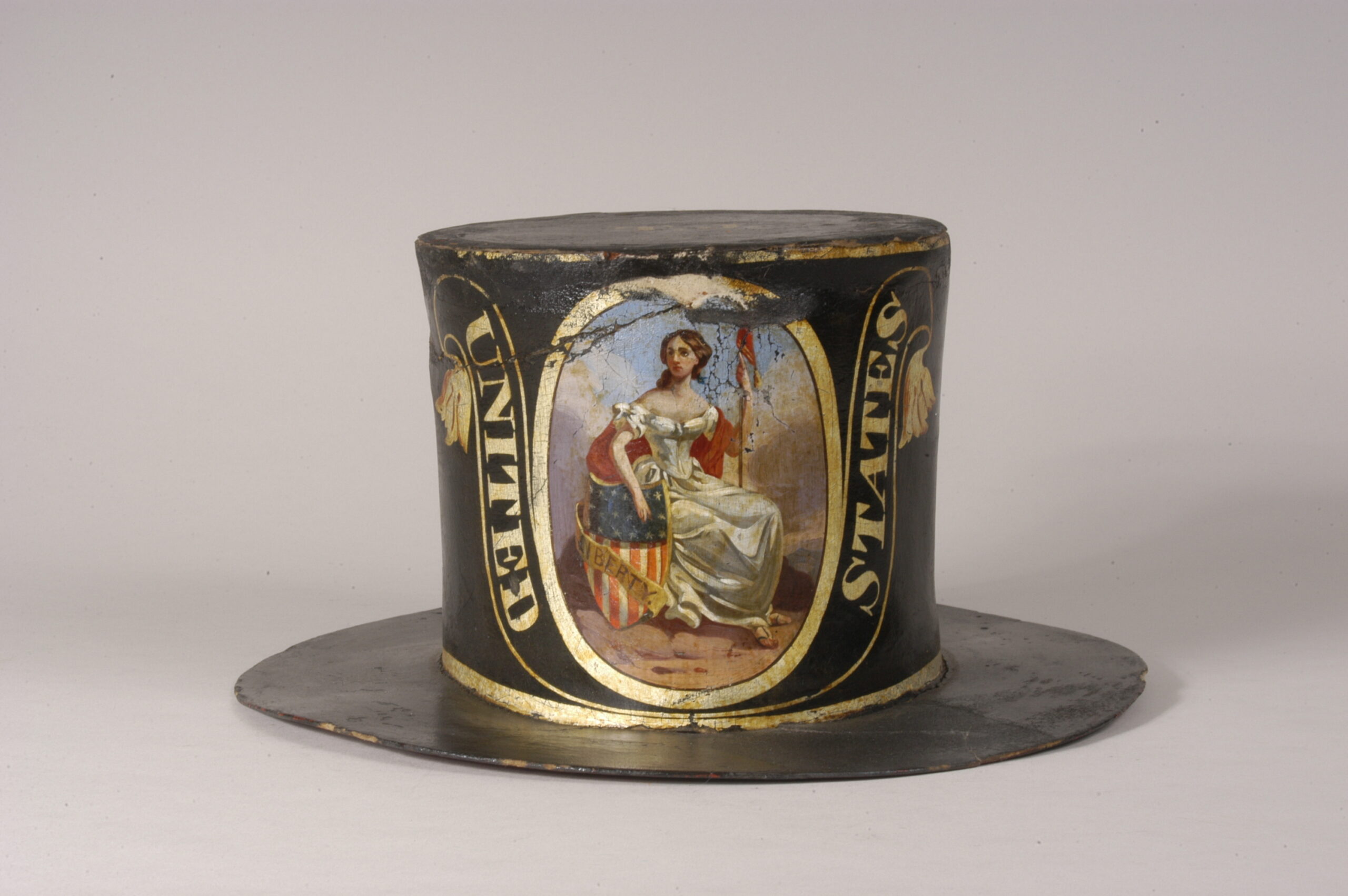
That vast repos­i­to­ry of Amer­i­can his­to­ry that is the Smith­son­ian Insti­tu­tion evolved from an orga­ni­za­tion found­ed in 1816 called the Columbian Insti­tute for the Pro­mo­tion of Arts and Sci­ences. Its man­date, the col­lec­tion and dis­sem­i­na­tion of use­ful knowl­edge, now sounds very much of the nine­teenth cen­tu­ry — but then, so does its name. Colum­bia, the god­dess-like sym­bol­ic per­son­i­fi­ca­tion of the Unit­ed States of Amer­i­ca, is sel­dom direct­ly ref­er­enced today, hav­ing been super­seded by Lady Lib­er­ty. Traits of both fig­ures appear in the depic­tion on the nine­teenth-cen­tu­ry fire­man’s hat above, about which you can learn more at Smith­son­ian Open Access, a dig­i­tal archive that now con­tains some 4.5 mil­lion images.

“Any­one can down­load, reuse, and remix these images at any time — for free under the Cre­ative Com­mons Zero (CC0) license,” write My Mod­ern Met’s Jes­si­ca Stew­art and Madeleine Muz­dakis. “A dive into the 3D records shows every­thing from CAD mod­els of the Apol­lo 11 com­mand mod­ule to Hor­a­tio Gree­nough’s 1840 sculp­ture of George Wash­ing­ton.”

The 2D arti­facts of inter­est include “a por­trait of Poc­a­hon­tas in the Nation­al Por­trait Gallery, an image of the 1903 Wright Fly­er from the Nation­al Air and Space Muse­um, and box­ing head­gear worn by Muham­mad Ali from the Nation­al Muse­um of African Amer­i­can His­to­ry and Cul­ture.”

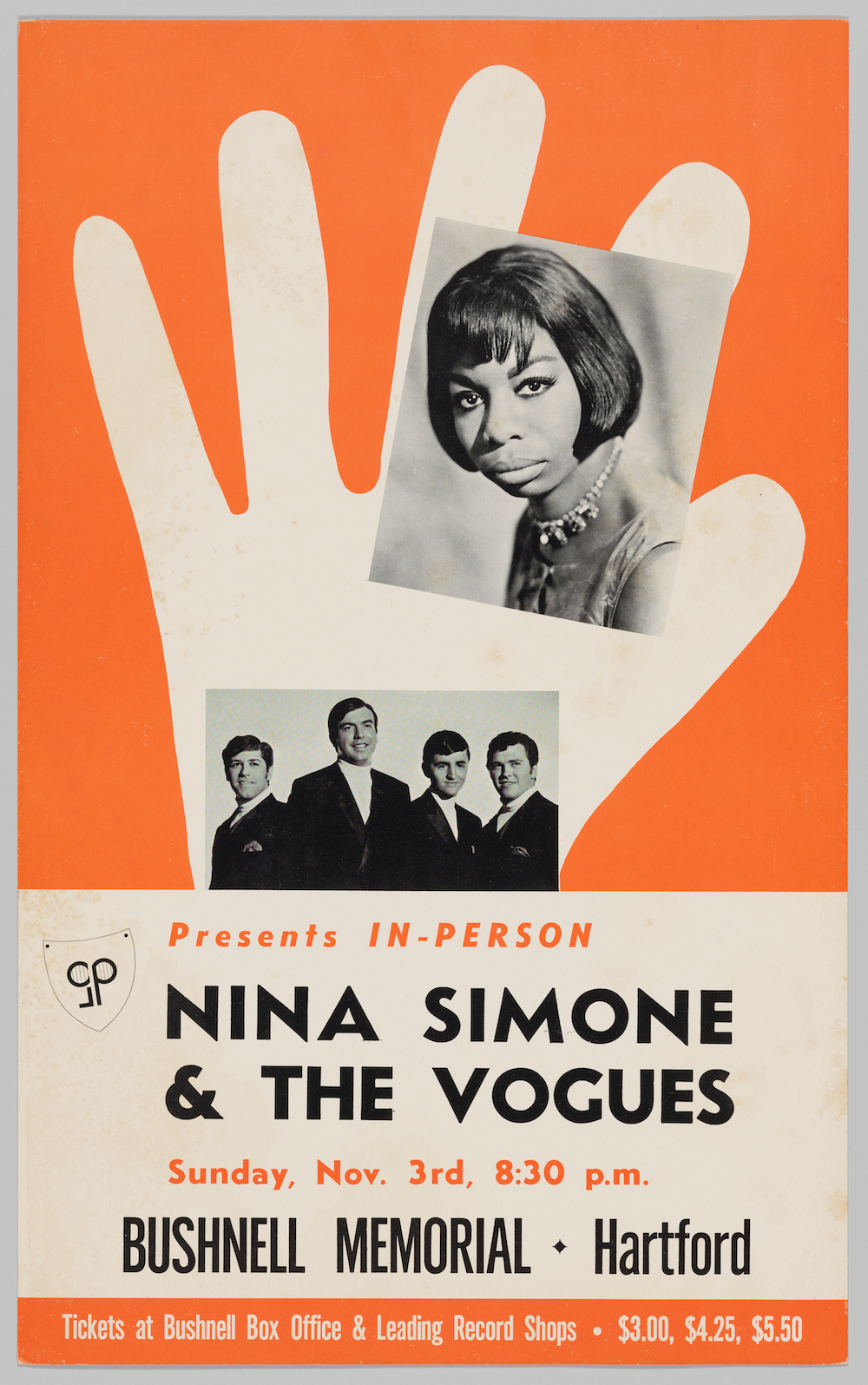
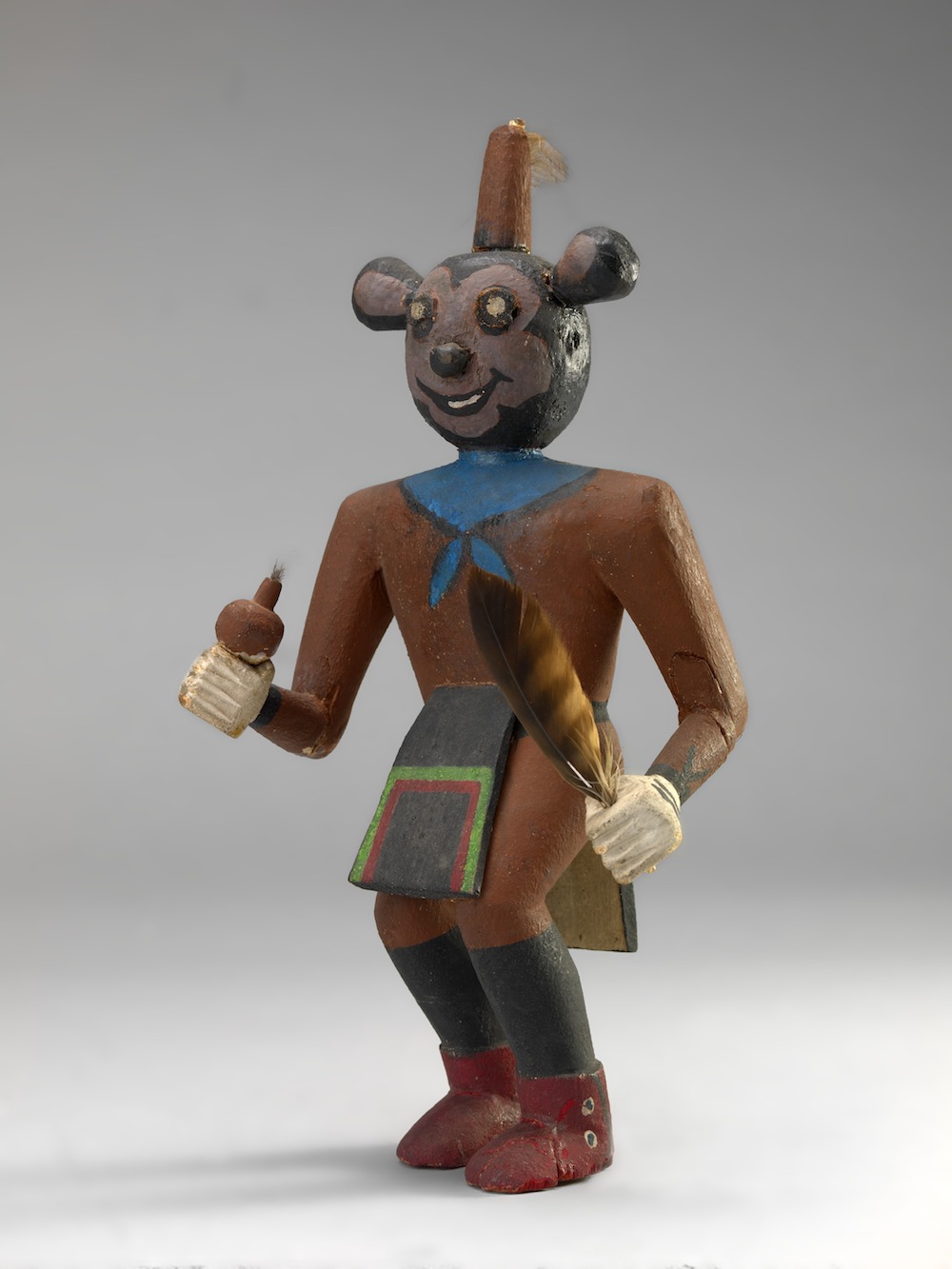
The NMAAHC in par­tic­u­lar has pro­vid­ed a great many items rel­e­vant to twen­ti­eth-cen­tu­ry Amer­i­can cul­ture, like James Bald­win’s inkwell, Chuck Berry’s gui­tar May­bel­lene, Pub­lic Ene­my’s boom­box, and the poster for a 1968 Nina Simone con­cert. The more obscure object just above, a Native Amer­i­can kachi­na fig­ure with the head of Mick­ey Mouse, comes from the Smith­son­ian Amer­i­can Art Muse­um. “When Dis­ney Stu­dios put a mouse hero on the sil­ver screen in the 1930s,” explain the accom­pa­ny­ing notes, “Hopi artists saw in Mick­ey Mouse a cel­e­bra­tion of Tusan Homichi, the leg­endary mouse war­rior who defeat­ed a chick­en-steal­ing hawk” — and were thus them­selves inspired, it seems, to sum up a wide swath of Amer­i­can his­to­ry in a sin­gle object.

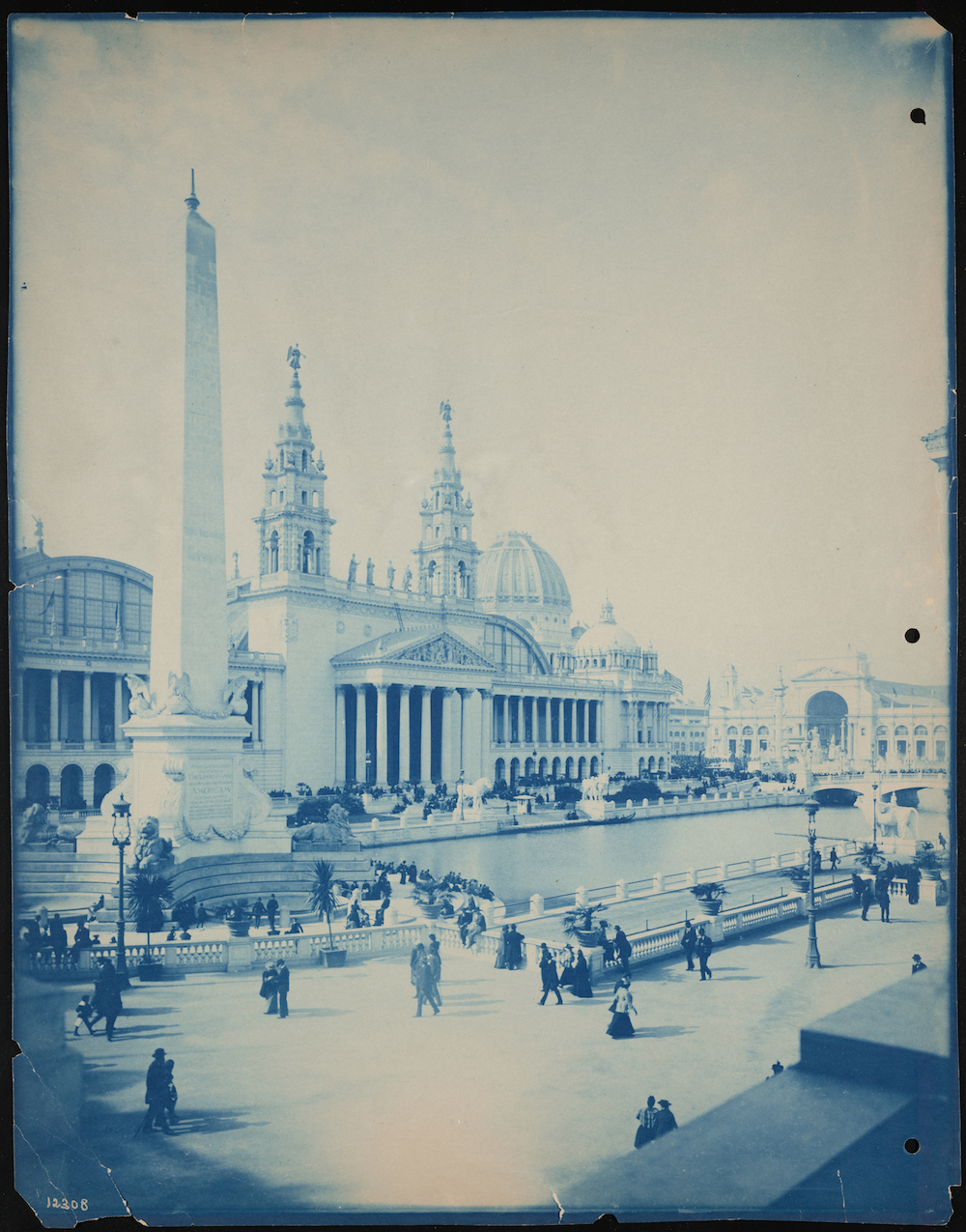
More items are being added to Smith­son­ian Open Access all the time, each with its own sto­ry to tell — and all acces­si­ble not just to Amer­i­cans, but inter­net users the world over. In that sense it feels a bit like the Chica­go World’s Fair of 1893, bet­ter known as the World’s Columbian Expo­si­tion, with its mis­sion of reveal­ing Amer­i­ca’s sci­en­tif­ic, tech­no­log­i­cal, and artis­tic genius to the whole of human civ­i­liza­tion. You can see a great many pho­tos and oth­er arti­facts of this land­mark event at Smith­son­ian Open Access, or, if you pre­fer, you can click the “just brows­ing” link and behold all the his­tor­i­cal, cul­tur­al, and for­mal vari­ety avail­able in the Smith­so­ni­an’s dig­i­tal col­lec­tions, where the spir­it of Colum­bia lives on.

via Kot­tke/My Mod­ern Met

Relat­ed con­tent:

The Library of Con­gress Launch­es the Nation­al Screen­ing Room, Putting Online Hun­dreds of His­toric Films

The Smith­son­ian Design Muse­um Dig­i­tizes 200,000 Objects, Giv­ing You Access to 3,000 Years of Design Inno­va­tion & His­to­ry

The Smith­son­ian Presents a Gallery of 6,000+ Rare Rock ‘n Roll Pho­tos on a Crowd­sourced Web Site, and Now a New Book

Why 99% Of Smithsonian’s Spec­i­mens Are Hid­den In High Secu­ri­ty

John Green’s Crash Course in U.S. His­to­ry: From Colo­nial­ism to Oba­ma in 47 Videos

Based in Seoul, Col­in Marshall writes and broad­casts on cities, lan­guage, and cul­ture. His projects include the Sub­stack newslet­ter Books on Cities, the book The State­less City: a Walk through 21st-Cen­tu­ry Los Ange­les and the video series The City in Cin­e­ma. Fol­low him on Twit­ter at @colinmarshall or on Face­book.

The Internet Archive Launches Democracy’s Library, a Free Online Library of 500,000 Documents Supporting Democracy

“Democ­ra­cy is the worst form of gov­ern­ment except all those oth­er forms that have been tried from time to time.” So said Win­ston Churchill, per­haps not sus­pect­ing how fre­quent­ly the remark would be quot­ed in the decades there­after. Time and expe­ri­ence con­tin­ue to reveal to us democ­ra­cy’s lia­bil­i­ties, but also — at least in cer­tain soci­eties — the nature of its sur­pris­ing stay­ing pow­er. Since well before Churchill’s time, democ­ra­cy and its work­ings have been objects of fas­ci­na­tion the world over. So have its cen­tral ques­tions, not least the one of just how to main­tain the “informed cit­i­zen­ry” on which its oper­a­tion sup­pos­ed­ly depends.

The Inter­net Archive has just launched its own kind of answer in the form of Democ­ra­cy’s Library. “A free, open, online com­pendi­um of gov­ern­ment research and pub­li­ca­tions from around the world,” the site offers cit­i­zens a way to “lever­age use­ful research, learn about the work­ings of their gov­ern­ment, hold offi­cials account­able, and be more informed vot­ers.”

Col­lect­ed from a vari­ety of gov­ern­men­tal bod­ies like the Unit­ed States’ Nation­al Agri­cul­tur­al LibraryFor­eign Broad­cast Infor­ma­tion Ser­vice, and Nation­al Insti­tute of Stan­dards and Tech­nol­o­gy Research Library — as well as Sta­tis­tics Cana­da and Pub­lic Accounts of Cana­da — its mate­ri­als were osten­si­bly pro­duced for the pub­lic, but haven’t always been easy to find. It total, there are more than 500,000 doc­u­ments in the col­lec­tion.

“Gov­ern­ments have cre­at­ed an abun­dance of infor­ma­tion and put it in the pub­lic domain, but it turns out the pub­lic can’t eas­i­ly access it,” says Brew­ster Kahle, founder of the Inter­net Archive. He gives one of the series of talks that com­prise “Build­ing Democ­ra­cy’s Library,” the launch cel­e­bra­tion that took place last week and that you can still watch in the video above. Its pro­ceed­ings go into quite a bit of detail about the efforts of acqui­si­tion and orga­ni­za­tion that went into this project, as well as the nature of its mis­sion. For this isn’t just an effort to doc­u­ment democ­ra­cy, but to strength­en it by mak­ing the infor­ma­tion it pro­duces avail­able as con­ve­nient­ly as pos­si­ble to as many cit­i­zens as pos­si­ble. And no mat­ter the coun­try of which you count your­self a cit­i­zen, you can start brows­ing Democ­ra­cy’s Library here.

Relat­ed con­tent:

His­to­ri­an Tim­o­thy Sny­der Presents 20 Lessons for Defend­ing Democ­ra­cy Against Tyran­ny in a New Video Series

Why Socrates Hat­ed Democ­ra­cies: An Ani­mat­ed Case for Why Self-Gov­ern­ment Requires Wis­dom & Edu­ca­tion

Han­nah Arendt Explains Why Democ­ra­cies Need to Safe­guard the Free Press & Truth … to Defend Them­selves Against Dic­ta­tors and Their Lies

Does Democ­ra­cy Demand the Tol­er­ance of the Intol­er­ant? Karl Popper’s Para­dox

Based in Seoul, Col­in Mar­shall writes and broad­casts on cities, lan­guage, and cul­ture. His projects include the Sub­stack newslet­ter Books on Cities, the book The State­less City: a Walk through 21st-Cen­tu­ry Los Ange­les and the video series The City in Cin­e­ma. Fol­low him on Twit­ter at @colinmarshall or on Face­book.

Vienna’s Albertina Museum Puts 150,000 Digitized Artworks Into the Public Domain: Klimt, Munch, Dürer, and More

Though it may not fig­ure promi­nent­ly into the aver­age whirl­wind Eurail trip across the con­ti­nent, Vien­na’s role in the devel­op­ment of Euro­pean cul­ture as we know it can hard­ly be over­stat­ed. Grant­ed, the names of none of its cul­tur­al insti­tu­tions come mind as read­i­ly as those of the Pra­do, the Uffizi Gallery, or the Lou­vre. But as muse­ums go, Vien­na more than holds its own, both inside and out­side the neigh­bor­hood apt­ly named the Muse­um­squarti­er — and not just in the phys­i­cal world, but online as well. Recent­ly, the Alberti­na Muse­um in Vien­na put into the pub­lic domain 150,000 of its dig­i­tized works, all of which you can browse on its web site.

“Con­sid­ered to have one of the best col­lec­tions of draw­ings and prints in the world,” says Medievalists.net, the Alberti­na boasts “a large col­lec­tion of works by Albrecht Dür­er (1471–1528), a Ger­man artist who was famous for his wood­cut prints and a vari­ety of oth­er works.” Here on Open Cul­ture we’ve pre­vi­ous­ly fea­tured the genius of Dür­er as revealed by his famed self-por­traits. We’ve also fea­tured visu­al exege­ses of the art of Vien­na’s own Gus­tav Klimt as well as Edvard Munch, two more recent Euro­pean artists of great (and indeed still-grow­ing) repute, works from both of whom you’ll find avail­able to down­load in the Alberti­na’s online archive.

Those inter­est­ed in the devel­op­ment of Dür­er, Klimt, Munch, and oth­er Euro­pean mas­ters will espe­cial­ly appre­ci­ate the Alberti­na’s online offer­ings. As an insti­tu­tion renowned for its large print room and col­lec­tions of draw­ings, the muse­um has made avail­able a great many sketch­es and stud­ies, some of which clear­ly informed the icon­ic works we all rec­og­nize today. But there are also com­plete works as well, on which you can focus by click­ing the “High­lights” check­box above your search results. To under­stand Europe, you’d do well to begin in Vien­na; to under­stand Europe’s art — includ­ing its pho­tog­ra­phy, its posters, and its archi­tec­ture, each of which gets its own sec­tion of the archive — you’d do well to begin at the Alberti­na online.

via Medievalists.net

Relat­ed con­tent:

The Genius of Albrecht Dür­er Revealed in Four Self-Por­traits

136 Paint­ings by Gus­tav Klimt Now Online (Includ­ing 63 Paint­ings in an Immer­sive Aug­ment­ed Real­i­ty Gallery)

Explore 7,600 Works of Art by Edvard Munch: They’re Now Dig­i­tized and Free Online

30,000 Works of Art by Edvard Munch & Oth­er Artists Put Online by Norway’s Nation­al Muse­um of Art

Take Immer­sive Vir­tu­al Tours of the World’s Great Muse­ums: The Lou­vre, Her­mitage, Van Gogh Muse­um & Much More

Based in Seoul, Col­in Mar­shall writes and broad­casts on cities, lan­guage, and cul­ture. His projects include the Sub­stack newslet­ter Books on Cities, the book The State­less City: a Walk through 21st-Cen­tu­ry Los Ange­les and the video series The City in Cin­e­ma. Fol­low him on Twit­ter at @colinmarshall, on Face­book, or on Insta­gram.

The Oakland Public Library Puts Online a Collection of Items Forgotten in Library Books: Love Notes, Doodles & More

Librar­i­ans are cham­pi­ons of orga­ni­za­tion, and among its best prac­ti­tion­ers.

Books are shelved accord­ing to the Dewey Dec­i­mal sys­tem.

Cat­e­gories are assigned using Library of Con­gress Rule Inter­pre­ta­tions, Library of Con­gress Sub­ject Head­ings, and Library of Con­gress Clas­si­fi­ca­tion.

And Sharon McKel­lar, the Teen Ser­vices Depart­ment Head at the Oak­land Pub­lic Library, col­lects ephemera she and oth­er staffers find in books returned to the OPL’s 18 loca­tions.

It’s an impulse many share. 

Even­tu­al­ly, she began scan­ning them to share on her employ­er’s web­site, inspired by Found Mag­a­zine, a crowd­sourced col­lec­tion of found let­ters, birth­day cards, kids’ home­work, to-do lists, hand­writ­ten poems, doo­dles, dirty pic­tures, etc.

As Found’s cre­ators, Davy Roth­bart and Jason Bit­ner, write on the magazine’s web­site:

We cer­tain­ly didn’t invent the idea of found stuff being cool. Every time we vis­it our friends in oth­er towns, someone’s always got some kind of unbe­liev­able dis­cov­ered note or pho­to on their fridge. We decid­ed to make a bunch of projects so that every­one can check out all the strange, hilar­i­ous and heart­break­ing things peo­ple have picked up and passed our way.

McKel­lar told NPR that her project “lets us be a lit­tle bit nosy. In a very anony­mous way, it’s like read­ing peo­ple’s secret diaries a lit­tle bit but with­out know­ing who they are.”

The finds, which she stores in a box under her desk pri­or to scan­ning and post­ing, are push­ing 600, with more arriv­ing all the time.

Search­able cat­e­gories include notes, cre­ative writ­ing, art, and pho­tos.

One arti­fact, the scat­o­log­i­cal one-of-a-kind zine Mr Men #48, excerpt­ed above, spans four cat­e­gories, includ­ing kids, a high­ly fer­tile source of both humor and heart­break.

There’s a dis­tinct­ly dif­fer­ent vibe to the items that chil­dren forge for them­selves or each oth­er, as opposed to work cre­at­ed for school, or as presents for the adults in their lives.

McKel­lar admits to hav­ing a sweet spot for their inad­ver­tent con­tri­bu­tions, which com­prise the bulk of the col­lec­tion.

She also cat­a­logues the throw­away fly­ers, tick­et stubs and lists that adult read­ers use to mark their place in a book, but when it comes to place­hold­ers with more obvi­ous poten­tial for sen­ti­men­tal val­ue, she finds her­self won­der­ing if a library patron has acci­den­tal­ly lost track of a pre­cious object:

Does the per­son miss that item? Do they regret hav­ing lost it or were they care­less with it because they actu­al­ly did­n’t share those deep and pro­found feel­ings with the per­son who wrote [it]?

Actu­al book­marks are not exempt…

Future plans include a pos­si­ble writ­ing con­test for short sto­ries inspired by items in the col­lec­tion.

Browse the Found in a Library Book col­lec­tion here.

Relat­ed Con­tent 

Pub­lic Library Receipt Shows How Much Mon­ey You’ve Saved by Bor­row­ing Books, Instead of Buy­ing Them

Free Col­or­ing Books from World-Class Libraries & Muse­ums: Down­load & Col­or Hun­dreds of Free Images

The New York Pub­lic Library Cre­ates a List of 125 Books That They Love

- Ayun Hal­l­i­day is the Chief Pri­ma­tol­o­gist of the East Vil­lage Inky zine and author, most recent­ly, of Cre­ative, Not Famous: The Small Pota­to Man­i­festo.  Fol­low her @AyunHalliday.

30,000 Photographs of Black History & Culture Are Available Online in a New Getty Images Archive


Image of Charles S.L. Bak­er with his Super­heat­ing Demon­stra­tion

Black His­to­ry Month is Feb­ru­ary in the Unit­ed States and Cana­da, and Octo­ber in the Unit­ed King­dom and Europe. It may be July right now, but if you’re inter­est­ed in a sub­ject, there’s no rea­son not to get more deeply into it all year round. This is under­scored by the open­ing, this month, of Get­ty Images’ Black His­to­ry and Cul­ture Col­lec­tion. As Petapix­el’s Matt Grow­coot writes, it con­tains “30,000 rarely seen images of the Black dias­po­ra in the Unit­ed King­dom and the Unit­ed States that date back to the 19th cen­tu­ry,” draw­ing from the domains of “pol­i­tics, sport, music, cul­ture, mil­i­tary, and celebri­ty.”

In the Black His­to­ry and Cul­ture Col­lec­tion you’ll find pic­tures of cul­tur­al fig­ures like Duke Elling­ton and Jay‑Z, Jack John­son, Venus and Ser­e­na Williams, Sojourn­er Truth, and Bernar­dine Evaris­to. These names only hint at the range of the archive, which you can also browse by cat­e­go­ry tags: “civ­il rights,” “gov­er­nance,” and “sports,” to name a few exam­ples, but also “fam­i­lies,” “fash­ion,” and “hair.”

There are, of course, an enor­mous num­ber of pho­tos filed under “Amer­i­can Cul­ture,” which would itself be unimag­in­able with­out the con­tri­bu­tions of the peo­ple doc­u­ment­ed. But the same could be said of the oth­er side of the pond; hence the inclu­sion of a “Black British Cul­ture” label as well.

Cre­at­ing the Black His­to­ry and Cul­ture Col­lec­tion involved more than just tag­ging pho­tos. You can learn more about what went into it in the short video above, which includes the voic­es of col­lab­o­ra­tors like NYU Tisch School of the Arts’ Deb­o­rah Willis and the Uni­ver­si­ty of Penn­syl­va­ni­a’s Tuku­fu Zuberi. The artist Rena­ta Cherlise speaks of the val­ue of the images of famous peo­ple, but also those of every­day life as it was lived in places and times like Harlem’s Savoy Ball­room in the nine­teen-for­ties. Whether or not your own her­itage is tied into this his­to­ry, you stand to learn a great deal from it. As Zuberi put sit, “Black cul­ture is the orig­i­nal human cul­ture, so there is no cul­ture that is alien to black cul­ture. The future of black cul­ture is the future of human cul­ture. Let’s go.”

via Petapix­el/Colossal

Relat­ed con­tent:

Take Free Online Cours­es on African-Amer­i­can His­to­ry from Yale and Stan­ford: From Eman­ci­pa­tion, to the Civ­il Rights Move­ment, and Beyond

The Names of 1.8 Mil­lion Eman­ci­pat­ed Slaves Are Now Search­able in the World’s Largest Genealog­i­cal Data­base, Help­ing African Amer­i­cans Find Lost Ances­tors

The Black Film Archive: A New Site High­lights 200+ Note­wor­thy Black Films Made Between 1915–1979

Hear the Voic­es of Amer­i­cans Born in Slav­ery: The Library of Con­gress Fea­tures 23 Audio Inter­views with For­mer­ly Enslaved Peo­ple (1932–75)

Pho­tos of 19th-Cen­tu­ry Black Women Activists Dig­i­tized and Put Online by The Library of Con­gress

Based in Seoul, Col­in Mar­shall writes and broad­casts on cities, lan­guage, and cul­ture. His projects include the Sub­stack newslet­ter Books on Cities, the book The State­less City: a Walk through 21st-Cen­tu­ry Los Ange­les and the video series The City in Cin­e­ma. Fol­low him on Twit­ter at @colinmarshall, on Face­book, or on Insta­gram.

« Go BackMore in this category... »
Quantcast