The Marcel Duchamp Research Portal Opens, Making Available 18,000 Documents and 50,000 Images Related to the Revolutionary Artist

Mar­cel Duchamp made films, com­posed music, paint­ed Nude Descend­ing a Stair­case, No. 2, designed an art deco chess set, and of course — the first thing most of us learn about him, as well as the last thing many of us learn about him — he put a uri­nal in an art gal­ley. But as you might expect of an artist who spent the ear­ly 20th cen­tu­ry at the heart of the avant-garde, there’s more to him than that. This notion is backed up by the more than 18,000 doc­u­ments and 50,000 images made avail­able at the Duchamp Research Por­tal, a new­ly opened archive ded­i­cat­ed to the life and work of the rev­o­lu­tion­ary con­cep­tu­al artist.

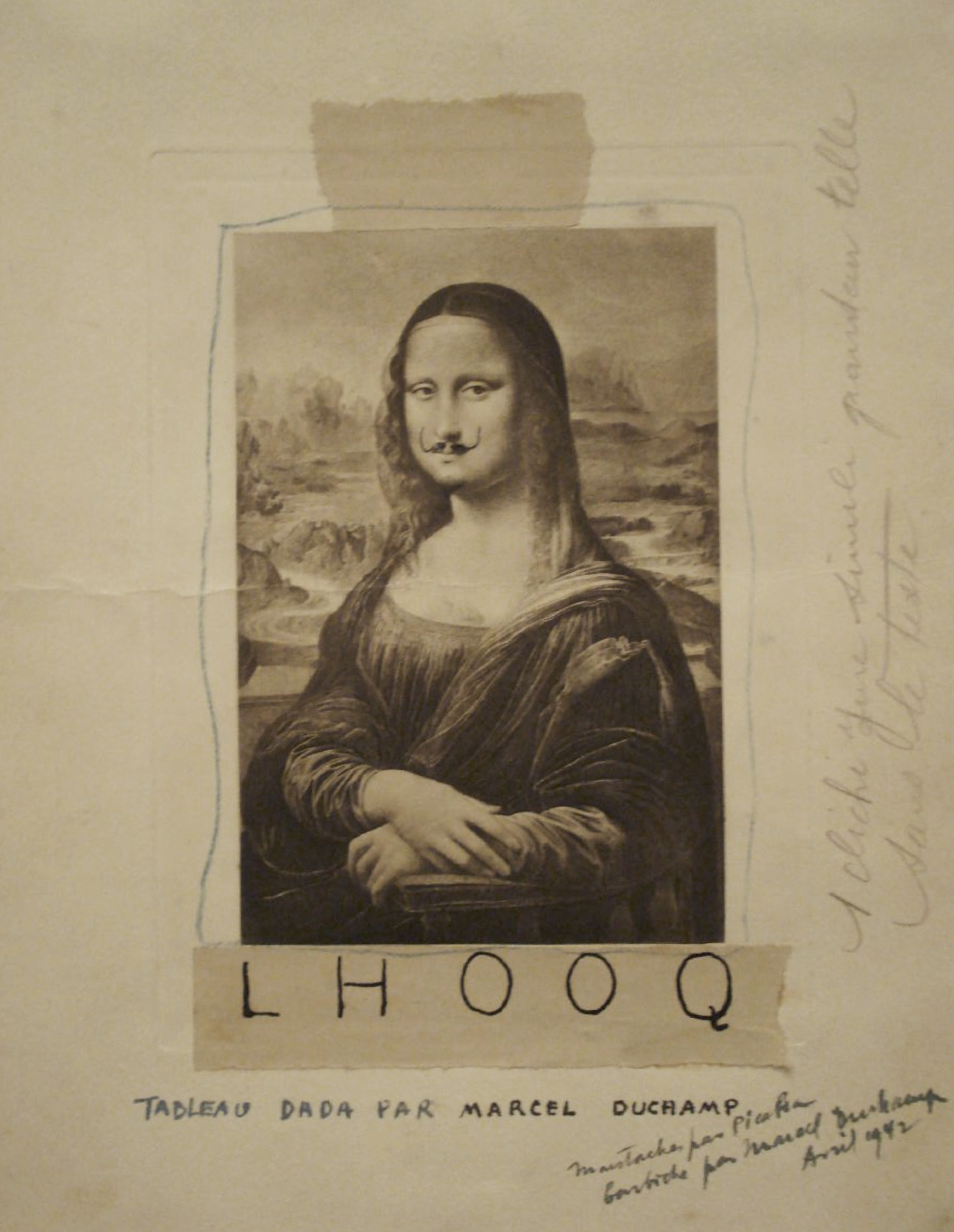
The fruit of a sev­en-year col­lab­o­ra­tion between the Philadel­phia Muse­um of Art, the Asso­ci­a­tion Mar­cel Duchamp, and the Cen­tre Pom­pi­dou, this for­mi­da­ble dig­i­tal col­lec­tion includes many arti­facts relat­ed to the artist’s best-known work: the “large glass” of The Bride Stripped Bare by Her Bach­e­lors, Even; the mus­ta­chioed Mona Lisa; the shock­ing attempts to com­mit phys­i­cal motion to can­vas; and that uri­nal, Foun­tain.

But its “most inter­est­ing items,” writes The Art News­pa­per’s Daniel Cas­sady, “are often the most inti­mate and involve oth­er major play­ers in the evo­lu­tion of 20th-cen­tu­ry art. A 1950 let­ter — with enig­mat­ic mar­gin­a­lia — from Bre­ton. A 1933 post­card to Con­stan­tin Brân­cuși. Many can­did pho­tographs by Duchamp’s friend and fel­low giant of the era, Man Ray.”

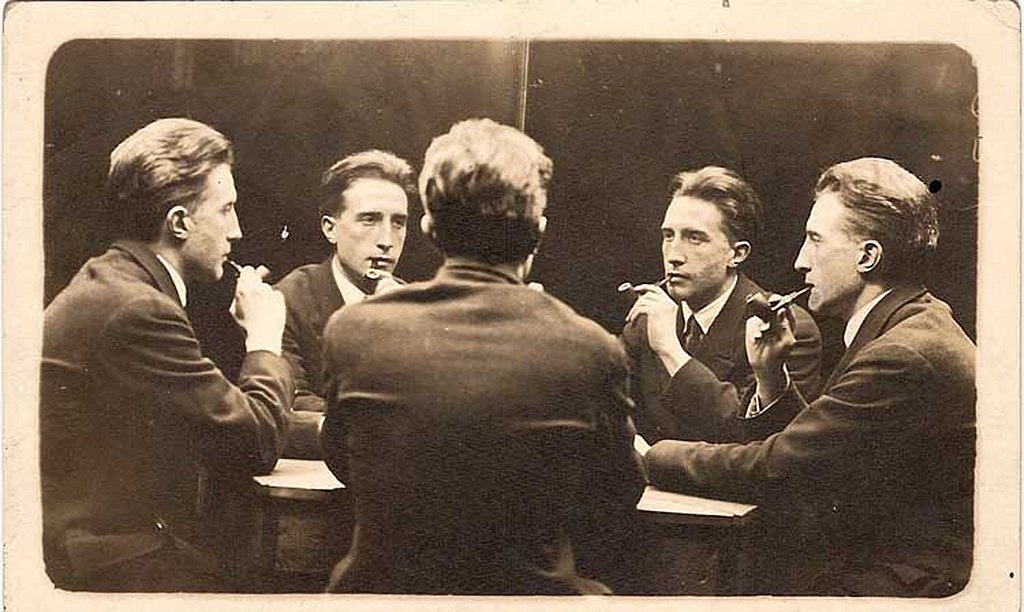
These names will be famil­iar to read­ers of Open Cul­ture, where we’ve pre­vi­ous­ly fea­tured Brân­cuși on film and por­traits of 1920s cul­tur­al icons by Man Ray — who, as we can see from the above snap­shot of Duchamp at his Span­ish home, did­n’t always work so for­mal­ly. But then, no artist can ful­ly be under­stood through what makes it into the art-his­to­ry text­books alone. Browse the Duchamp Research Por­tal (or click “show me more” to change up the images on its front page) and you’ll see pieces of an artis­tic life ful­ly lived: the floor plan of his West 67th Street stu­dio; a 1940 telegram to Amer­i­can patron Wal­ter Con­rad Arens­berg (“HOLDING SHIPMENT OF MASK AWAITING CONFIRMATION OF INSURANCE AND ADDRESS”); a 1954 French news­pa­per pro­file; and a series of images jux­ta­pos­ing Duchamp with an unclothed Eve Bab­itz, the late Los Ange­les “it-girl” — not just the famous one of them play­ing chess.

via Kot­tke

Relat­ed Con­tent:

Hear Mar­cel Duchamp Read “The Cre­ative Act,” A Short Lec­ture on What Makes Great Art, Great

Mar­cel Duchamp, Chess Enthu­si­ast, Cre­at­ed an Art Deco Chess Set That’s Now Avail­able via 3D Print­er

Anémic Ciné­ma: Mar­cel Duchamp’s Whirling Avant-Garde Film (1926)

Hear the Rad­i­cal Musi­cal Com­po­si­tions of Mar­cel Duchamp (1912–1915)

What Made Mar­cel Duchamp’s Famous Uri­nal Art — and an Inven­tive Prank

Based in Seoul, Col­in Mar­shall writes and broad­casts on cities and cul­ture. His projects include the book The State­less City: a Walk through 21st-Cen­tu­ry Los Ange­les and the video series The City in Cin­e­ma. Fol­low him on Twit­ter at @colinmarshall or on Face­book.

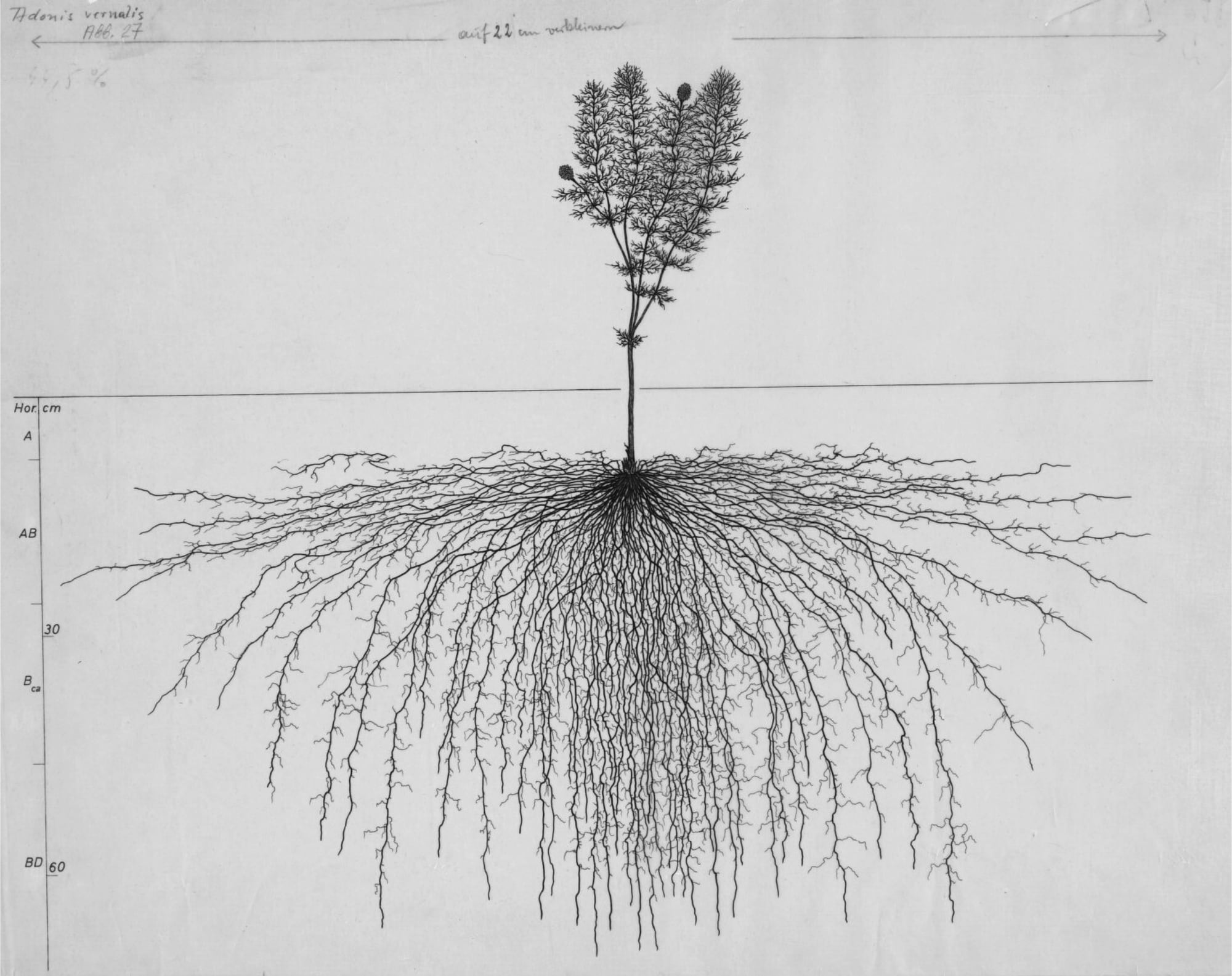
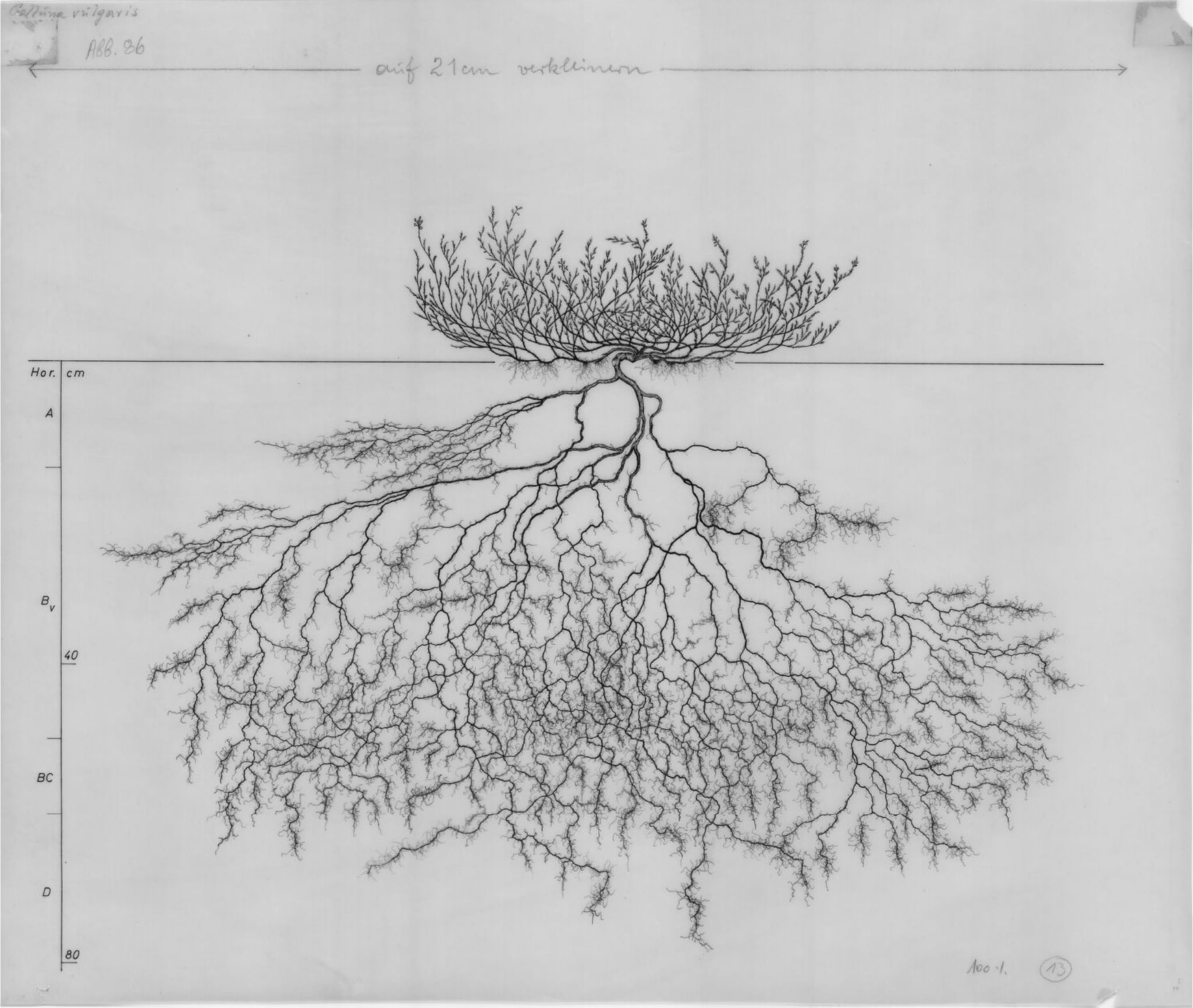
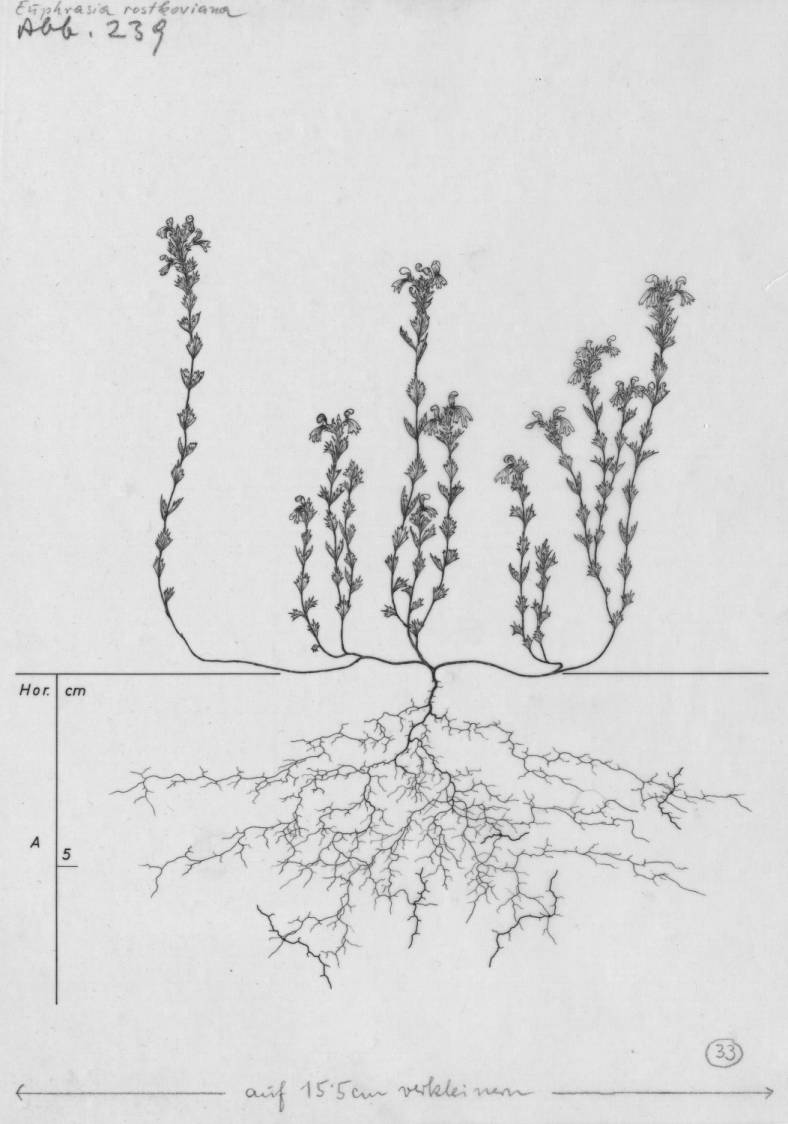
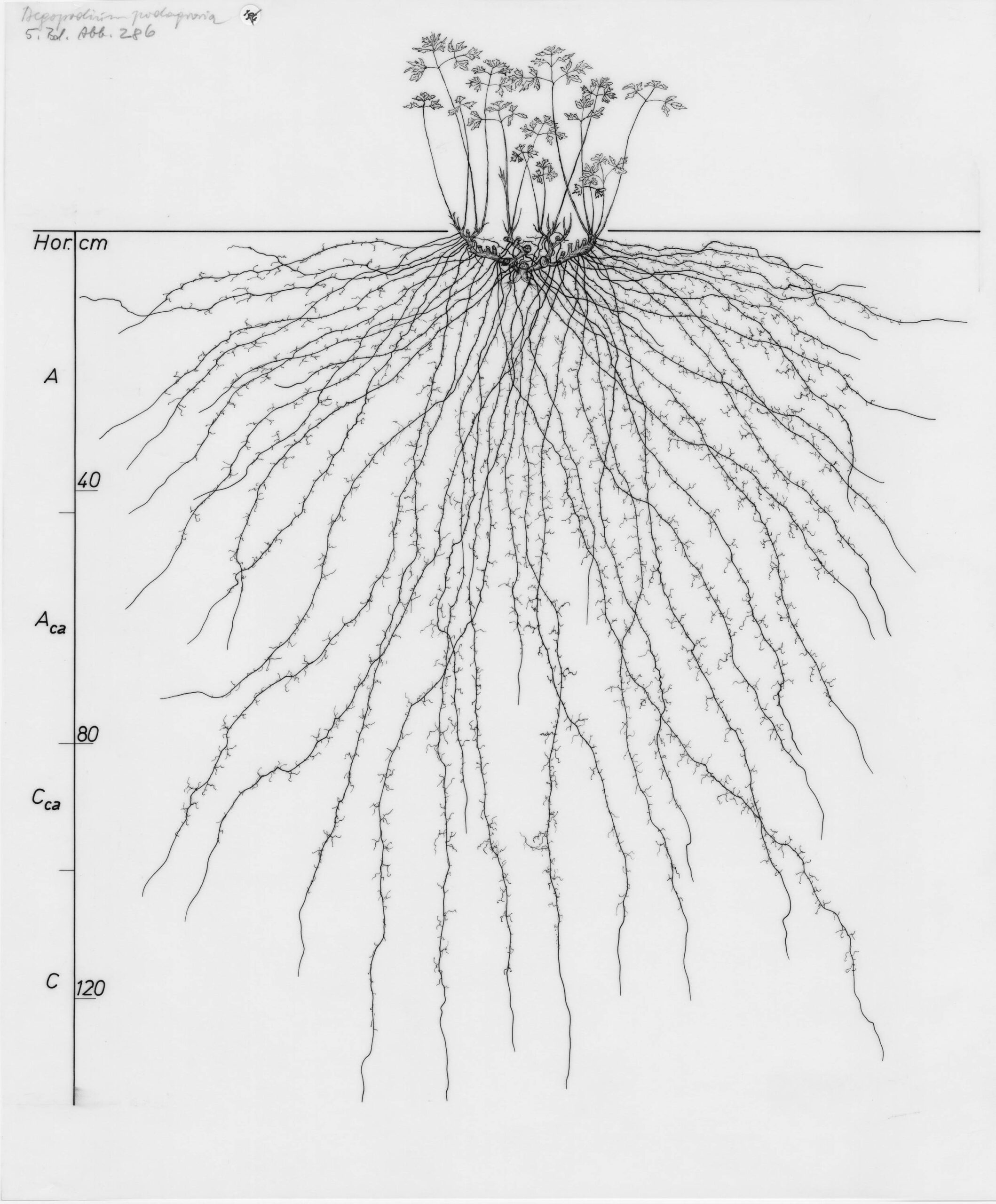
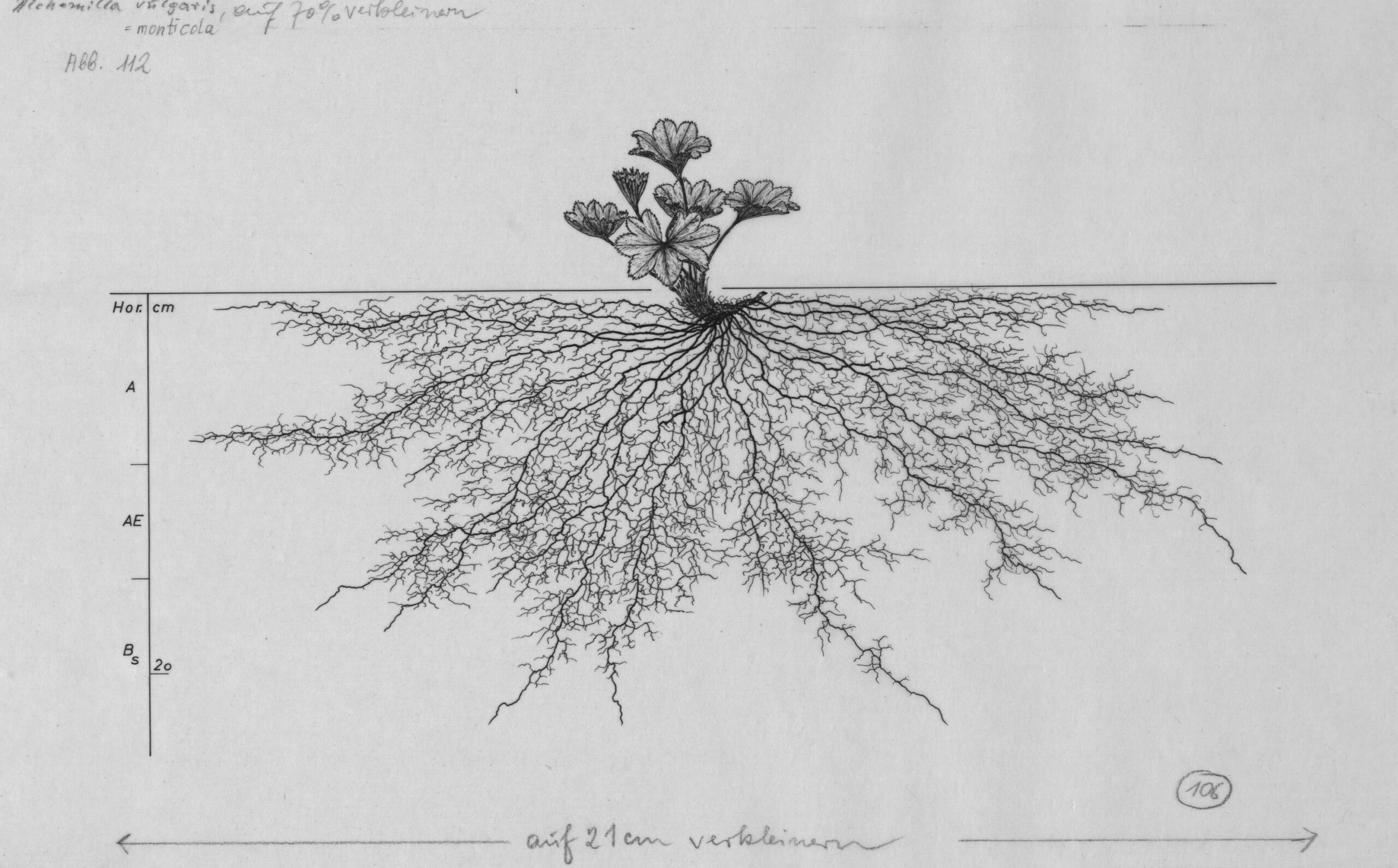
1,100 Delicate Drawings of Root Systems Reveals the Hidden World of Plants

We know that plants can inspire art. If you, per­son­al­ly, still require con­vinc­ing on that point, just have a look at Eliz­a­beth Twining’s Illus­tra­tions of the Nat­ur­al Orders of Plants, the draw­ings of Ernst Hein­rich Haeck­el, Eliz­a­beth Black­well’s A Curi­ous Herbal, and Nan­cy Anne Kings­bury Woll­stonecraft’s Spec­i­mens of the Plants and Fruits of the Island of Cuba — not to men­tion the paint­ings of Geor­gia O’ Keeffe — all pre­vi­ous­ly fea­tured here on Open Cul­ture. But those works con­cern them­selves only with plant life as it exists above ground.

What goes on down below, under­neath the soil? That you can see for your­self — and with­out hav­ing to pull up one of our fine flow­er­ing (or non-flow­er­ing) friends to do so — at Wagenin­gen Uni­ver­si­ty’s online archive of root sys­tem draw­ings. “The out­come of 40 years of  root sys­tem exca­va­tions in Europe,” says that site, the col­lec­tion con­tains 1,180 dia­grams of species from Abies alba (best known today as a kind of Christ­mas tree) to Zygo­phyl­lum xan­thoxy­lon (a faint­ly scrub­by-look­ing native of the arid and semi-arid regions of con­ti­nents like Africa and Aus­tralia).

The site explains that “the draw­ings, their analy­sis and descrip­tion were done by Univ. Prof. Dr. Erwin Licht­eneg­ger (1928–2004) and Univ. Prof. Dr. Lore Kutschera (1917–2008), leader of Pflanzen­sozi­ol­o­gis­ches Insti­tut, Kla­gen­furt, (now in Bad Gois­ern, Aus­tria).”

Over the course of 40 years, writes The Wash­ing­ton Post’s Erin Blake­more, Licht­eneg­ger and Kustchera “col­lab­o­rat­ed on an enor­mous ‘root atlas’ that maps the under­ground tra­jec­to­ries of com­mon Euro­pean plants.” Cre­at­ed through “a labo­ri­ous sys­tem of dig­ging up and doc­u­ment­ing the intri­cate sys­tems,” these draw­ings are “also art in their own right, hon­or­ing the beau­ty of a part of plants most nev­er give that much thought.”

Even the least botan­i­cal­ly aware among us knows that plants have roots, but how many of us are aware of the scale and com­plex­i­ty those roots can attain? “Root sys­tems allow plants to gath­er the water and min­er­als they use to grow,” writes Blake­more. “As the root sys­tem grows, it cre­ates more and more path­ways that allow water to get into the deep sub­soil, and fos­ter­ing the growth of microbes that ben­e­fit oth­er life. Strong root sys­tems can pre­vent ero­sion, pro­tect­ing the land on which they grow. And the struc­tures allow the soil to cap­ture car­bon.” Thus root sys­tems, nev­er a par­tic­u­lar locus of cool­ness, have the dis­tinc­tion of doing their part to fight cli­mate change. And thanks to Licht­eneg­ger and Kustcher­a’s draw­ings, they under­score the capac­i­ty of art to reveal worlds hid­den to most of us. View all of the images here.

via Colos­sal

Relat­ed Con­tent:

Behold an Inter­ac­tive Online Edi­tion of Eliz­a­beth Twining’s Illus­tra­tions of the Nat­ur­al Orders of Plants (1868)

His­toric Man­u­script Filled with Beau­ti­ful Illus­tra­tions of Cuban Flow­ers & Plants Is Now Online (1826)

Ernst Haeckel’s Sub­lime Draw­ings of Flo­ra and Fau­na: The Beau­ti­ful Sci­en­tif­ic Draw­ings That Influ­enced Europe’s Art Nou­veau Move­ment (1889)

A Curi­ous Herbal: 500 Beau­ti­ful Illus­tra­tions of Med­i­c­i­nal Plants Drawn by Eliz­a­beth Black­well in 1737 (to Save Her Fam­i­ly from Finan­cial Ruin)

Two Mil­lion Won­drous Nature Illus­tra­tions Put Online by The Bio­di­ver­si­ty Her­itage Library

The Social Lives of Trees: Sci­ence Reveals How Trees Mys­te­ri­ous­ly Talk to Each Oth­er, Work Togeth­er & Form Nur­tur­ing Fam­i­lies

Based in Seoul, Col­in Mar­shall writes and broad­casts on cities and cul­ture. His projects include the book The State­less City: a Walk through 21st-Cen­tu­ry Los Ange­les and the video series The City in Cin­e­ma. Fol­low him on Twit­ter at @colinmarshall or on Face­book.

400,000+ Sound Recordings Made Before 1923 Have Entered the Public Domain

A cen­tu­ry ago, the Unit­ed States was deep into the Jazz Age. No writer is more close­ly asso­ci­at­ed with that heady era than F. Scott Fitzger­ald, who (in addi­tion to coin­ing the verb to cock­tail) took it upon him­self to pop­u­lar­ize its name. In 1922 he even titled a short sto­ry col­lec­tion Tales from the Jazz Age, which entered the pub­lic domain not long ago. You may be more famil­iar with anoth­er work of Fitzger­ald’s that fol­lowed Tales from the Jazz Age into free­dom just last year: a nov­el called The Great Gats­by. But only this year have the actu­al sounds of the Jazz Age come into the pub­lic domain as well, thanks to the Music Mod­ern­iza­tion Act passed by U.S. Con­gress in 2018.

“Accord­ing to the act, all sound record­ings pri­or to 1923 will have their copy­rights expire in the US on Jan­u­ary 1, 2022,” says the Pub­lic Domain Review. This straight­ens out a tan­gled legal frame­work that pre­vi­ous­ly would­n’t have allowed the release of pre-1923 sound record­ings until the dis­tant year of 2067.

And so all of us now have free use of every sound record­ing from a more than 60-year peri­od  that “com­pris­es a rich and var­ied playlist: exper­i­men­tal first dab­blings, vaude­ville, Broad­way hits, rag­time, and the begin­nings of pop­u­lar jazz. Includ­ed will be the works of Scott Joplin, Thomas Edison’s exper­i­ments, the emo­tive war­blings of Adeli­na Pat­ti and the first record­ing of Swing Low, Sweet Char­i­ot.”

If you’d like to have a lis­ten to all this, the Pub­lic Domain Review rec­om­mends start­ing with its own audio col­lec­tion, a search for all pre-1923 record­ings on Inter­net Archive, and two projects from the Library of Con­gress: the Nation­al Juke­box and the Cit­i­zen DJ project, the lat­ter of which “has plans to do some­thing spe­cial with the pre-1923 record­ings once they enter the pub­lic domain.” You might also have a look at the Asso­ci­a­tion for Record­ed Sound Col­lec­tions’ list of ten notable pre-1923 record­ings, which high­lights such pro­to-jazz records as “Crazy Blues” and “Dix­ieland Jass Band One-Step” (along with the whol­ly non-jazz work of Enri­co Caru­so and Pablo Casals).

Accord­ing to Alex­is Rossi at the Inter­net Archive Blog, the sound record­ings just lib­er­at­ed by the Music Mod­ern­iza­tion act come to about 400,000 in total. Among them you’ll find “ear­ly jazz clas­sics like ‘Don’t Care Blues’ by Mamie Smith and her Jazz Hounds, ‘Ory’s Cre­ole Trom­bone’ by Kid Ory’s Sun­shine Orches­tra, and ‘Jazz­in’ Babies Blues’ by Ethel Waters.” Rossi also high­lights the nov­el­ty songs such as Bil­ly Mur­ray’s 1914 ren­di­tion of “Fido is a Hot Dog Now,” “which seems to be about a dog who is def­i­nite­ly going to hell.” The Jazz Age soon to come would exhib­it a more rau­cous but also more refined sen­si­bil­i­ty: as Fitzger­ald wrote in 1931, with the era he defined (and that defined him) already past, “It was an age of mir­a­cles, it was an age of art, it was an age of excess, and it was an age of satire.”

via Mefi

Relat­ed con­tent:

Free: The Great Gats­by & Oth­er Major Works by F. Scott Fitzger­ald

What’s Enter­ing the Pub­lic Domain in 2022: The Sun Also Ris­es, Win­nie-the-Pooh, Buster Keaton Come­dies & More

Hear the First Jazz Record, Which Launched the Jazz Age: “Liv­ery Sta­ble Blues” (1917)

The Clean­est Record­ings of 1920s Louis Arm­strong Songs You’ll Ever Hear

Great New Archive Lets You Hear the Sounds of New York City Dur­ing the Roar­ing 20s

How the Inter­net Archive Has Dig­i­tized More than 250,000 78 R.P.M. Records: See the Painstak­ing Process Up-Close

Based in Seoul, Col­in Mar­shall writes and broad­casts on cities and cul­ture. His projects include the book The State­less City: a Walk through 21st-Cen­tu­ry Los Ange­les and the video series The City in Cin­e­ma. Fol­low him on Twit­ter at @colinmarshall or on Face­book.

Download 215,000 Japanese Woodblock Prints by Masters Spanning the Tradition’s 350-Year History

If you enjoy Japan­ese wood­block prints, that appre­ci­a­tion puts you in good com­pa­ny: with Vin­cent van Gogh, for exam­ple, and per­haps even more flat­ter­ing­ly, with many of your fel­low read­ers of Open Cul­ture. So avid is the inter­est in ukiyo‑e, the tra­di­tion­al Japan­ese “pic­tures of the float­ing world,” that you might even have missed one of the large, free online col­lec­tions we’ve fea­tured over the years. Take, for instance, the one made avail­able by the Van Gogh Muse­um itself, which fea­tures the work of such well-known mas­ters as Kat­sushi­ka Hoku­sai, artist of The Great Wave off Kanaza­wa, and Uta­gawa Hiroshige, he of the One Hun­dred Views of Edo.

Edo was the name of Tokyo until 1868, a decade after Hiroshige’s death — an event that itself marked the end of an aes­thet­i­cal­ly fruit­ful era for ukiyo‑e. But the his­to­ry of the form itself stretch­es back to the 17th cen­tu­ry, as reflect­ed by the Unit­ed States Library of Con­gress’ online col­lec­tion “Fine Prints: Japan­ese, pre-1915.”

There you’ll find plen­ty of Hoku­sai and Hiroshige, but also oth­ers who took the art form in their own direc­tions like Uta­gawa Yoshi­fu­ji, whose prints include depic­tions of not just his coun­try­men but vis­it­ing West­ern­ers as well. (The results are some­what more real­is­tic than the ukiyo‑e Lon­don imag­ined in 1866 by Uta­gawa Yoshi­to­ra, anoth­er mem­ber of the same artis­tic lin­eage.)

As if all this was­n’t enough, you can also find more than 220,000 Japan­ese wood­block prints at Ukiyo‑e.org. Quite pos­si­bly the most expan­sive such archive yet cre­at­ed, it includes works from Hiroshige and Hoku­sai’s 19th-cen­tu­ry “gold­en age of print­mak­ing” as well as from the devel­op­ment of the art form ear­ly in the cen­tu­ry before. Even after its best-known prac­ti­tion­ers were gone, ukiyo‑e con­tin­ued to evolve: through Japan’s mod­ern­iz­ing Mei­ji peri­od in the late 19th and ear­ly 20th cen­tu­ry, through var­i­ous aes­thet­ic move­ments in the years up to the Sec­ond World War, and even on to our own time, which has seen the emer­gence even of pro­lif­ic non-Japan­ese print­mak­ers.

Of course, these ukiyo‑e prints weren’t orig­i­nal­ly cre­at­ed to be viewed on the inter­net; the works of Hoku­sai and Hiroshige may look good on a tablet, but not by their design. Still, they did often have the indi­vid­ual con­sumer in mind: these are artists “known today for their wood­block prints, but who also excelled at illus­tra­tions for deluxe poet­ry antholo­gies and pop­u­lar lit­er­a­ture,” writes the Met­ro­pol­i­tan Muse­um of Art cura­tor John Car­pen­ter. His words greet the vis­i­tor to the Met’s online col­lec­tion of more than 650 illus­trat­ed Japan­ese books, which presents ukiyo‑e as it would actu­al­ly have been seen by most peo­ple when the form first explod­ed in pop­u­lar­i­ty — not that, even then, its enthu­si­asts could imag­ine how many appre­ci­a­tors it would one day have around the world.

Below you can find a list of pri­or posts fea­tur­ing archives of Japan­ese wood­block prints. Please feel free to explore them at your leisure.

Relat­ed con­tent:

Down­load Hun­dreds of 19th-Cen­tu­ry Japan­ese Wood­block Prints by Mas­ters of the Tra­di­tion

Down­load Vin­cent van Gogh’s Col­lec­tion of 500 Japan­ese Prints, Which Inspired Him to Cre­ate “the Art of the Future”

Down­load 2,500 Beau­ti­ful Wood­block Prints and Draw­ings by Japan­ese Mas­ters (1600–1915)

Enter a Dig­i­tal Archive of 213,000+ Beau­ti­ful Japan­ese Wood­block Prints

The Met Puts 650+ Japan­ese Illus­trat­ed Books Online: Mar­vel at Hokusai’s One Hun­dred Views of Mount Fuji and More

Watch the Mak­ing of Japan­ese Wood­block Prints, from Start to Fin­ish, by a Long­time Tokyo Print­mak­er

Based in Seoul, Col­in Mar­shall writes and broad­casts on cities and cul­ture. His projects include the book The State­less City: a Walk through 21st-Cen­tu­ry Los Ange­les and the video series The City in Cin­e­ma. Fol­low him on Twit­ter at @colinmarshall or on Face­book.

The Black Film Archive: A New Site Highlights 200+ Noteworthy Black Films Made Between 1915–1979

The just launched Black Film Archive is a labor of love for the Cri­te­ri­on Col­lec­tion, thanks to audi­ence strate­gist, Maya Cade.

Begin­ning in June 2020, she began research­ing films pro­duced between 1915 to 1979 that are avail­able for stream­ing, and “have some­thing sig­nif­i­cant to say about the Black expe­ri­ence; speak to Black audi­ences; and/or have a Black star, writer, pro­duc­er, or direc­tor.”

Thus far, she’s col­lect­ed over 200 films, span­ning the peri­od between 1915’s Black-pro­duced silent slap­stick short, Two Knights of Vaude­ville and 1978’s star­ry big bud­get musi­cal, The Wiz, a com­mer­cial flop that “major Hol­ly­wood stu­dios used … as a rea­son to stop invest­ing in Black cin­e­ma.”

Cade rea­sons that the rise of Black inde­pen­dent film in the 80s makes 1979 “feel like a nat­ur­al stop­ping point” for the archive. She’s also push­ing back against the notion of Black Films as trau­ma porn:

As debates about Black film’s asso­ci­a­tion with trau­ma rage on, I hope Black Film Archive can offer a dif­fer­ent lens through which to under­stand Black cin­e­mat­ic his­to­ry, one that takes into con­sid­er­a­tion the full weight of the past. Through this lens, it is easy to see that the notion that “Black films are only trau­mat­ic” is based on gen­er­al­iza­tions and impres­sions of recent times (often pinned to the suc­cess of films like 12 Years a Slave) rather than a deep­er engage­ment with his­to­ry, which reveals that “slave films” con­sti­tute only a small per­cent­age of the Black films that have been made. I hope con­ver­sa­tions evolve to con­sid­er the expan­sive archive of rad­i­cal ideas and expres­sion found in Black films’ past.

The col­lec­tion, which Cade will be updat­ing month­ly, has some­thing for every­one — com­e­dy, dra­ma, doc­u­men­taries, musi­cals, silent films, for­eign films, and yes, Blax­ploita­tion.

Some of the titles — To Sir with LoveA Raisin in the SunShaft — are far from obscure, and you’ll find appear­ances by many Black per­form­ers and doc­u­men­tary sub­jects whose lega­cies endure: Paul Robe­sonCice­ly TysonSid­ney Poiti­erJosephine Bak­erDorothy Dan­dridgeBil­ly Dee Williams and Richard Pry­orMuham­mad AliMal­colm XLight­nin’ Hop­kins.…

But the archive is also a won­der­ful oppor­tu­ni­ty to dis­cov­er direc­tors, per­form­ers, and films with which you may be utter­ly unfa­mil­iar.

Black Girl, 1966, was the first fea­ture of Ous­mane Sem­bène, the father of African cin­e­ma, and the first fea­ture made in Africa by a sub-Saha­ran African to attract inter­na­tion­al notice. It fol­lows a Sene­galese domes­tic work­er serv­ing a wealthy white fam­i­ly on the Côte d’Azur. Ear­ly on Dioua­na is seen work­ing in the kitchen, naive­ly dream­ing of adven­tures that sure­ly await once she’s fin­ished prepar­ing “a real African dish” for her employer’s din­ner guests:

Maybe we’ll go to Cannes, Nice, Monte Car­lo. We’ll look in all the pret­ty stores and when the mis­tress pays me, I’ll buy pret­ty dress­es, shoes, silk undies, and pret­ty wigs. And I’ll get my pic­ture tak­en on the beach, and I’ll send it back to Dakar, and they’ll all die of jeal­ousy!

One of sev­er­al adap­ta­tions of Tim­o­thy Shay Arthur’s pop­u­lar 1854 tem­per­ance nov­el, The Col­ored Play­ers Film Cor­po­ra­tion of Philadelphia’s 1926 melo­dra­ma, Ten Nights in a Bar Room, fea­tures a star turn by the mul­ti-tal­ent­ed Charles Gilpin, the most suc­cess­ful Black stage per­former of the ear­ly 20th Cen­tu­ry.

The Emper­or Jones may have pro­vid­ed Paul Robe­son with his icon­ic, break­through role, but the part was first played onstage by Gilpin, who was fired by play­wright Eugene O’Neill after it was dis­cov­ered he was repeat­ed­ly swap­ping out the script’s many instances of the N‑word for gen­tler terms like “Black boy.”

As Indy Week’s Byron Woods notes in a pre­view of N, Adri­enne Ear­le Pender’s play about O’Neill and Gilpin:

A 1921 review in Negro World con­clud­ed, “We imag­ine if Mr. Gilpin is an intel­li­gent and loy­al Negro, his heart must ache and rebel with­in him as he is forced to belie his race.” When the work was staged in Harlem, Langston Hugh­es recalled that the audi­ence “howled with laugh­ter.”

The Oscar nom­i­nat­ed The Qui­et One, from 1948, was the first major Amer­i­can film to posi­tion a Black child — 10-year old non-actor Don­ald Thomp­son — front and cen­ter.

Osten­si­bly a doc­u­men­tary, it took an unflinch­ing look at the emo­tion­al­ly tur­bu­lent exis­tence of a neglect­ed Harlem boy, and offered no easy solu­tions, even as he begins to come out of his shell at the Wiltwyck School for Boys.

The cast, includ­ing a num­ber of stu­dents from the Wiltwyck School, is almost entire­ly Black, with Ulysses Kay’s jazz score pro­vid­ing an urgent pulse to real life scenes of mid-cen­tu­ry Harlem.

The white pro­duc­tion team fea­tured sev­er­al high pro­file, social­ly con­scious names — nov­el­ist and film crit­ic James Agee con­tributed poet­ic com­men­tary and pho­tog­ra­ph­er Helen Levitt was one of two prin­ci­pal cam­era peo­ple.

Cur­rent­ly, the Black Film Archive is orga­nized by decade, though we hope one day this might be expand­ed to encom­pass gen­res, as well as a search option that would allow view­ers to dis­cov­er work by direc­tor and per­form­ers.

For now, Cade’s cura­tor picks are an excel­lent place to begin your explo­rations.

This mam­moth under­tak­ing is a self-fund­ed one-woman oper­a­tion. Dona­tions are wel­come, as are paid sub­scrip­tions to the Black Film Archive Sub­stack.

Relat­ed Con­tent: 

Watch Free Films by African Amer­i­can Film­mak­ers in the Cri­te­ri­on Col­lec­tion … and the New Civ­il Rights Film, Just Mer­cy

Watch the First-Ever Kiss on Film Between Two Black Actors, Just Hon­ored by the Library of Con­gress (1898)

Watch the Pio­neer­ing Films of Oscar Micheaux, America’s First Great African-Amer­i­can Film­mak­er

Watch Lime Kiln Club Field Day, One of the Ear­li­est Sur­viv­ing Fea­ture Films with an All Black Cast (1913)

Ayun Hal­l­i­day is an author, illus­tra­tor, the­ater mak­er and Chief Pri­ma­tol­o­gist of the East Vil­lage Inky zine.  Fol­low her @AyunHalliday.

Stream 160 In-Depth Radio Interviews with Clive James, Pico Iyer, Greil Marcus & Other Luminaries from the Marketplace of Ideas Archive

Would you like to to hear a long-form con­ver­sa­tion about the his­to­ry of the vinyl LP? Or about the his­to­ry of human rights? About the plight of book review­ing in Amer­i­ca? The wild excess­es of the art mar­ket? The nature of bore­dom? The true mean­ing of North Kore­an pro­pa­gan­da? What it’s like to live in Bangkok? What it’s like to go on a road trip with David Fos­ter Wal­lace? The answer to all of the above: of course you do. And now you can hear these con­ver­sa­tions and many more besides in the com­plete archive of the pub­lic radio show The Mar­ket­place of Ideas, which has just now come avail­able to stream on Youtube.

How, you may won­der, did I get such ear­ly word of this inter­view tro­ve’s avail­abil­i­ty? Because, in the years before I began writ­ing here on Open Cul­ture, I cre­at­ed, pro­duced, and host­ed the show myself. The project grew, in a sense, out of my dis­sat­is­fac­tion with the radio inter­views I’d been hear­ing, the vast bulk of which struck me as too brief, frag­men­tary, and pro­gram­mat­ic to be of any real val­ue.

What’s more, it was often painful­ly obvi­ous how lit­tle inter­est in the sub­ject under dis­cus­sion the inter­view­ers had them­selves. With The Mar­ket­place of Ideas, I set out to do the oppo­site of prac­ti­cal­ly every­thing I’d heard done on the radio before.

Like all worth­while goals, mine was para­dox­i­cal: to con­duct inter­views of the deep­est pos­si­ble depth as well as the widest pos­si­ble breadth. On one week the top­ic might be evo­lu­tion­ary eco­nom­ics, on anoth­er the philo­soph­i­cal quar­rel between David Hume and Jean-Jacques Rousseau, on anoth­er the his­to­ry of Amer­i­can film com­e­dy, on anoth­er the lega­cy of Robert Pir­sig’s Zen and the Art of Motor­cy­cle Main­te­nance, and on anoth­er still the ascent of Cal­i­forn­ian wine over French. (This prin­ci­ple also applied to the polit­i­cal spec­trum: I delight­ed in bring­ing on, say, the grand­daugh­ter of Bar­ry Gold­wa­ter as well as a for­mer mem­ber of the Weath­er Under­ground.) An inter­est­ing per­son is, as they say, an inter­est­ed per­son, and through­out the show’s run I trust­ed my lis­ten­ers to be inter­est­ing peo­ple.

The same went for my inter­vie­wees, what­ev­er their cul­tur­al domain: nov­el­ists like Alexan­der Ther­oux, Tom McCarthy, Joshua Cohen, and Geoff Dyer; sci­en­tists like David P. Barash, Alan Sokal (he of the “Sokal Hoax”), and Sean Car­roll; crit­ics like James Wood, Greil Mar­cus, Jonathan Rosen­baum, Dave Kehr, and J. Hober­man; econ­o­mists like Tyler Cowen (twice), Robin Han­son, Steven E. Lands­burg, and Tim Har­ford (twice); biog­ra­phers of Bri­an Eno, Nick Drake, and Michel de Mon­taigne;  trans­la­tors of Jorge Luis Borges, César Aira, and Robert Walser; broad­cast­ers like Peter Sagal, Robert Pogue Har­ri­son (of Enti­tled Opin­ions), Jesse Thorn, and Michael Sil­verblatt; philoso­phers like Kwame Antho­ny Appi­ah and Simon Black­burn; tech­nol­o­gists like Steve Woz­ni­ak and Kevin Kel­ly; film­mak­ers like Ramin Bahrani (direc­tor of the exis­ten­tial Wern­er Her­zog-nar­rat­ed plas­tic-bag short pre­vi­ous­ly fea­tured here on Open Cul­ture), So Yong Kim, Andrew Bujal­s­ki, Aaron Katz; and musi­cians like Nick Cur­rie, a.k.a Momus (twice), Jack Hues of Wang Chung, and Chaz Bundick of Toro y Moi.

The Mar­ket­place of Ideas aired between 2007 and 2011, and the pas­sage of a decade since the show’s end prompt­ed me to take a look — or rather a lis­ten — back at it. So  did the fact that a fair few of its guests have since shuf­fled off this mor­tal coil: Arts & Let­ters Dai­ly founder Denis Dut­ton, film crit­ic Peter Brunette, lit­er­ary schol­ar Angus Fletch­er, doc­u­men­tar­i­an Pepi­ta Fer­rari, writer and edi­tor Daniel Menaker, cul­tur­al poly­math Clive James. That inter­view with James was a dream ful­filled, due not just to my per­son­al enthu­si­asm for his writ­ing but the ide­al of intel­lec­tu­al omniv­o­rous­ness he rep­re­sent­ed — an ide­al toward which I strove on the show, and con­tin­ue to strive in my pur­suits today.  Even more than our con­ver­sa­tion itself, I fond­ly remem­ber an exchange after we fin­ished record­ing but before we hung up the phone. He thanked me for actu­al­ly read­ing his book, and I told him I’d thought all inter­view­ers did the same. His response: “That’s the first naïve thing you’ve said all hour.”

Relat­ed Con­tent:

The New Studs Terkel Radio Archive Will Let You Hear 5,000+ Record­ings Fea­tur­ing the Great Amer­i­can Broad­cast­er & Inter­view­er

Enti­tled Opin­ions, the “Life and Lit­er­a­ture” Pod­cast That Refus­es to Dumb Things Down

An Archive of 1,000 “Peel Ses­sions” Avail­able Online: Hear David Bowie, Bob Mar­ley, Elvis Costel­lo & Oth­ers Play in the Stu­dio of Leg­endary BBC DJ John Peel

The 135 Best Pod­casts to Enrich Your Mind: An Intro­duc­tion to Our New List

Based in Seoul, Col­in Mar­shall writes and broad­casts on cities, lan­guage, and cul­ture. His projects include the Sub­stack newslet­ter Books on Cities, the book The State­less City: a Walk through 21st-Cen­tu­ry Los Ange­les and the video series The City in Cin­e­ma. Fol­low him on Twit­ter at @colinmarshall or on Face­book.

Leonardo da Vinci’s Notebooks Get Digitized: Where to Read the Renaissance Man’s Manuscripts Online

From the hand of Leonar­do da Vin­ci came the Mona Lisa and The Last Sup­per, among oth­er art objects of intense rev­er­ence and even wor­ship. But to under­stand the mind of Leonar­do da Vin­ci, one must immerse one­self in his note­books. Total­ing some 13,000 pages of notes and draw­ings, they record some­thing of every aspect of the Renais­sance man’s intel­lec­tu­al and dai­ly life: stud­ies for art­works, designs for ele­gant build­ings and fan­tas­ti­cal machines, obser­va­tions of the world around him, lists of his gro­ceries and his debtors. Intend­ing their even­tu­al pub­li­ca­tion, Leonar­do left his note­books to his pupil Francesco Melzi, by the time of whose own death half a cen­tu­ry lat­er lit­tle had been done with them.

Absent a prop­er stew­ard, Leonar­do’s note­books scat­tered across the world. Six cen­turies lat­er, their sur­viv­ing pages con­sti­tute a series of codices in the pos­ses­sion of such enti­ties as the Bib­liote­ca Ambrosiana, the British Muse­um, the Insti­tut de France, and Bill Gates.

In recent years, they and their col­lab­o­rat­ing orga­ni­za­tions have made efforts to open Leonar­do’s note­books to the world, dig­i­tiz­ing them, trans­lat­ing them, and orga­niz­ing them for con­ve­nient brows­ing on the web. Here on Open Cul­ture, we’ve pre­vi­ous­ly fea­tured the Codex Arun­del as made avail­able to the pub­lic by the British Library, Codex Atlanti­cus by the Visu­al Agency, and the three-part Codex Forster by the Vic­to­ria & Albert Muse­um.

Oth­er col­lec­tions of Leonar­do’s note­books made avail­able to view online include the Madrid Codices at the Bib­liote­ca Nacional de España, the Codex Trivulzianus at the Archi­vo Stori­co Civi­co e Bib­liote­ca Trivulziana, and the Codex on the Flight of Birds at the Smith­son­ian Nation­al Air and Space Muse­um. (Pub­lished as a stand­alone book, his Trea­tise on Paint­ing is avail­able to down­load at Project Guten­berg.) Even so, many of the pages Leonar­do wrote haven’t yet made it to the inter­net, and even when they do, gen­er­a­tions of inter­pre­tive work — well beyond revers­ing his “mir­ror writ­ing” — will sure­ly remain. Much as human­i­ty is only now putting some of his inven­tions to the test, the full pub­li­ca­tion of his note­books remains a work in progress. Leonar­do him­self would sure­ly under­stand: after all, one can’t cul­ti­vate a mind like his with­out patience.

Relat­ed Con­tent:

The Ele­gant Math­e­mat­ics of Vit­ru­vian Man, Leonar­do da Vinci’s Most Famous Draw­ing: An Ani­mat­ed Intro­duc­tion

Down­load the Sub­lime Anato­my Draw­ings of Leonar­do da Vin­ci: Avail­able Online, or in a Great iPad App

Leonar­do da Vinci’s Bizarre Car­i­ca­tures & Mon­ster Draw­ings

Leonar­do da Vinci’s Hand­writ­ten Resume (1482)

Leonar­do Da Vinci’s To Do List (Cir­ca 1490) Is Much Cool­er Than Yours

Why Did Leonar­do da Vin­ci Write Back­wards? A Look Into the Ulti­mate Renais­sance Man’s “Mir­ror Writ­ing”

Based in Seoul, Col­in Mar­shall writes and broad­casts on cities, lan­guage, and cul­ture. His projects include the Sub­stack newslet­ter Books on Cities, the book The State­less City: a Walk through 21st-Cen­tu­ry Los Ange­les and the video series The City in Cin­e­ma. Fol­low him on Twit­ter at @colinmarshall or on Face­book.

The Letterform Archive Launches a New Online Archive of Graphic Design, Featuring 9,000 Hi-Fi Images

An online design muse­um made by and for design­ers? The con­cept seems obvi­ous, but has tak­en decades in inter­net years for the real­i­ty to ful­ly emerge in the Let­ter­form Archive. Now that it has, we can see why. Good design may look sim­ple, but no one should be fooled into think­ing it’s easy. “After years of devel­op­ment and months of feed­back,” write the cre­ators of the Let­ter­form Archive online design muse­um, “we’re open­ing up the Online Archive to every­one. This project is a labor of love from every­one on our staff, and many gen­er­ous vol­un­teers, and we hope it pro­vides a source of beau­ti­ful dis­trac­tion and inspi­ra­tion to all who love let­ters.”

That’s let­ters as in fonts, not epis­tles, and there are thou­sands of them in the archive. But there are also thou­sands of pho­tographs, lith­o­graphs, silkscreens, etc. rep­re­sent­ing the height of mod­ern sim­plic­i­ty. This and oth­er uni­fy­ing threads run through the col­lec­tion of the Let­ter­form Archive, which offers “unprece­dent­ed access… with near­ly 1,500 objects and 9,000 hi-fi images.”

You’ll find in the Archive the sleek ele­gance of 1960s Olivet­ti cat­a­logs, the icon­ic mil­i­tan­cy of Emory Dou­glas’ designs for The Black Pan­ther news­pa­per, and the eeri­ly stark mil­i­tan­cy of the “SILENCE=DEATH” t‑shirt from the 1980s AIDS cri­sis.

The site was built around the ide­al of “rad­i­cal acces­si­bil­i­ty,” with the aim of cap­tur­ing “a sense of what it’s like to vis­it the Archive” (which lives per­ma­nent­ly in San Fran­cis­co). But the focus is not on the casu­al onlook­er — Let­ter­form Archive online caters specif­i­cal­ly to graph­ic design­ers, which makes its inter­face even sim­pler, more ele­gant, and eas­i­er to use for every­one, coin­ci­den­tal­ly (or not).

The graph­ic design focus also means there are func­tions spe­cif­ic to the dis­ci­pline that design­ers won’t find in oth­er online image libraries: “we encour­age you to use the search fil­ters: click on each cat­e­go­ry to explore dis­ci­plines like let­ter­ing, and for­mats like type spec­i­mens, or com­bine fil­ters like decades and coun­tries to nar­row your view to a spe­cif­ic time and place.”

From the rad­i­cal typog­ra­phy of Dada to the rad­i­cal 60s zine scene to the sleek designs (and Neins) found in a 1987 Apple Logo Stan­dards pam­phlet, the muse­um has some­thing for every­one inter­est­ed in recent graph­ic design his­to­ry and typol­o­gy. But it’s not all sleek sim­plic­i­ty. There are also rare arti­facts of elab­o­rate­ly intri­cate design, like the Per­sian Yusef and Zulaikha man­u­script, below, dat­ing from between 1880 and 1910. You’ll find dozens more such trea­sures in the Let­ter­form Archive here.

Relat­ed Con­tent: 

Where to Find Free Art Images & Books from Great Muse­ums, and Free Books from Uni­ver­si­ty Press­es

The First Muse­um Ded­i­cat­ed Exclu­sive­ly to Poster Art Opens Its Doors in the U.S.: Enter the Poster House

Dis­cov­er Iso­type, the 1920s Attempt to Cre­ate a Uni­ver­sal Lan­guage with Styl­ish Icons & Graph­ic Design

Josh Jones is a writer and musi­cian based in Durham, NC. Fol­low him at @jdmagness

« Go BackMore in this category... »
Quantcast