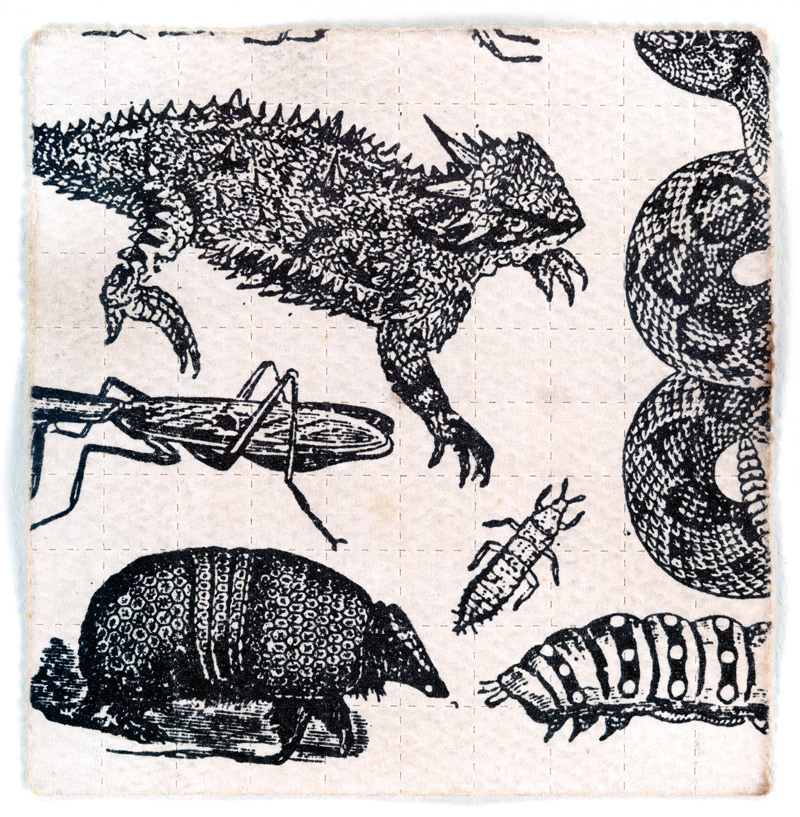
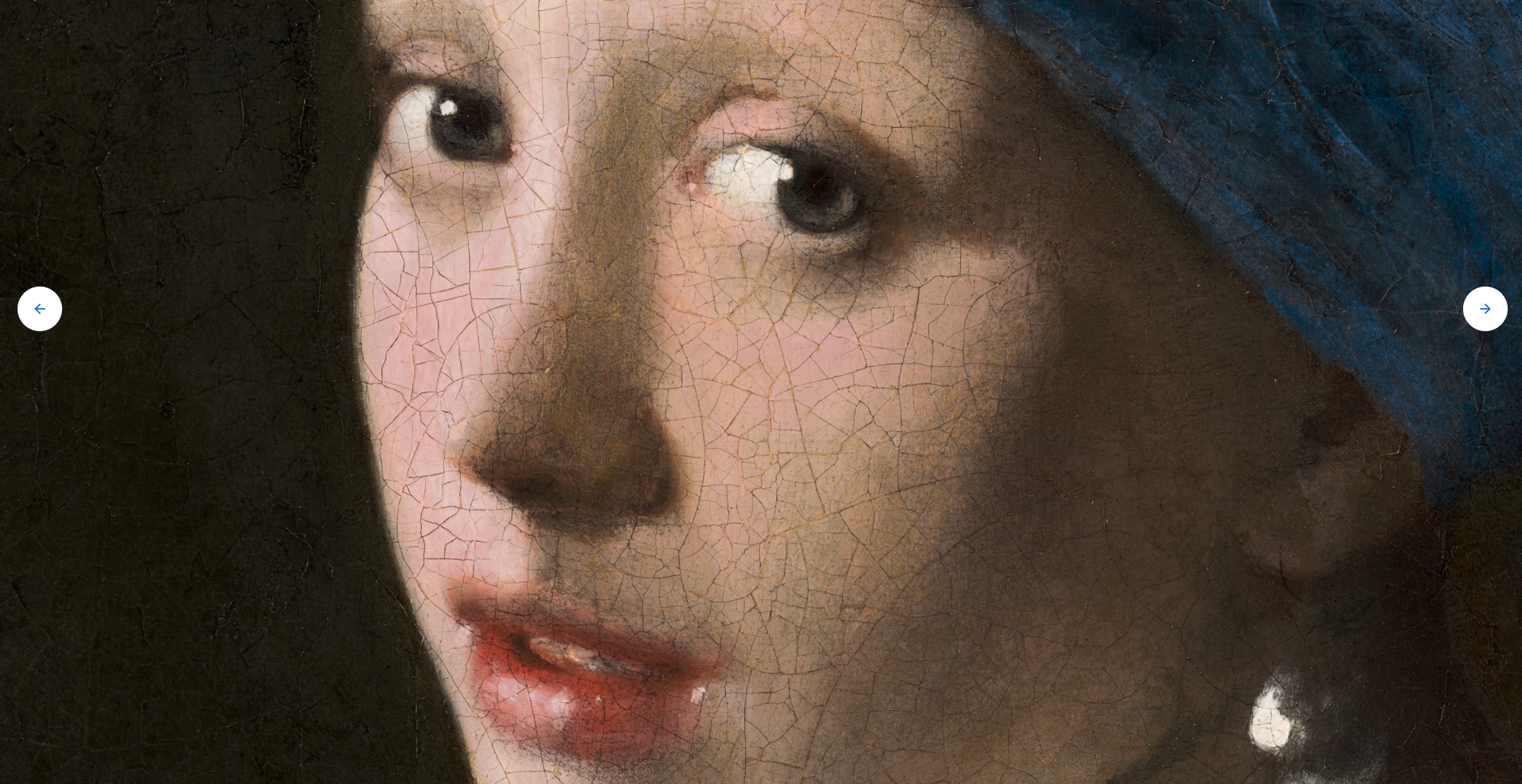
Download Great Works of Art from 40+ Museums Worldwide: Explore Artvee, the New Art Search Engine

Dil­bert cre­ator Scott Adams once wrote of his ear­ly expe­ri­ences intro­duc­ing the World Wide Web to oth­ers. “In 1993, there were only a hand­ful of Web sites you could access, such as the Smith­so­ni­an’s exhib­it of gems. Those pages were slow to load and crashed as often as they worked.” But those who wit­nessed this tech­nol­o­gy in action would invari­ably “get out of their chairs their eyes like saucers, and they would approach the key­board. They had to touch it them­selves. There was some­thing about the inter­net that was like cat­nip.” In the inter­ven­ing decades, the tech­nol­o­gy pow­er­ing the inter­net has only improved, and we’ve all felt how great­ly that cat­nip-like effect has inten­si­fied. And the Smith­son­ian, as we’ve fea­tured here on Open Cul­ture, is still there — now with much more online than gems.

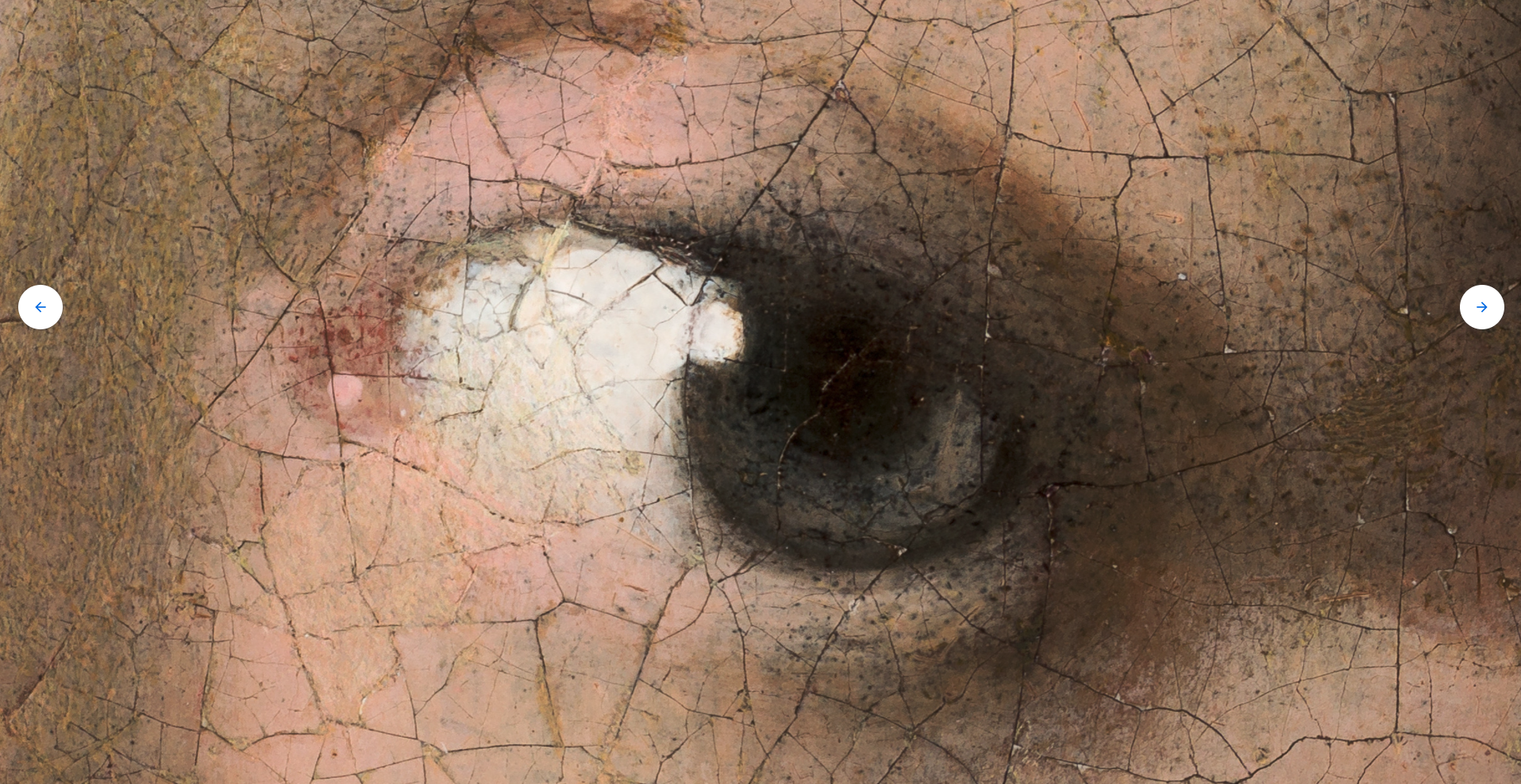
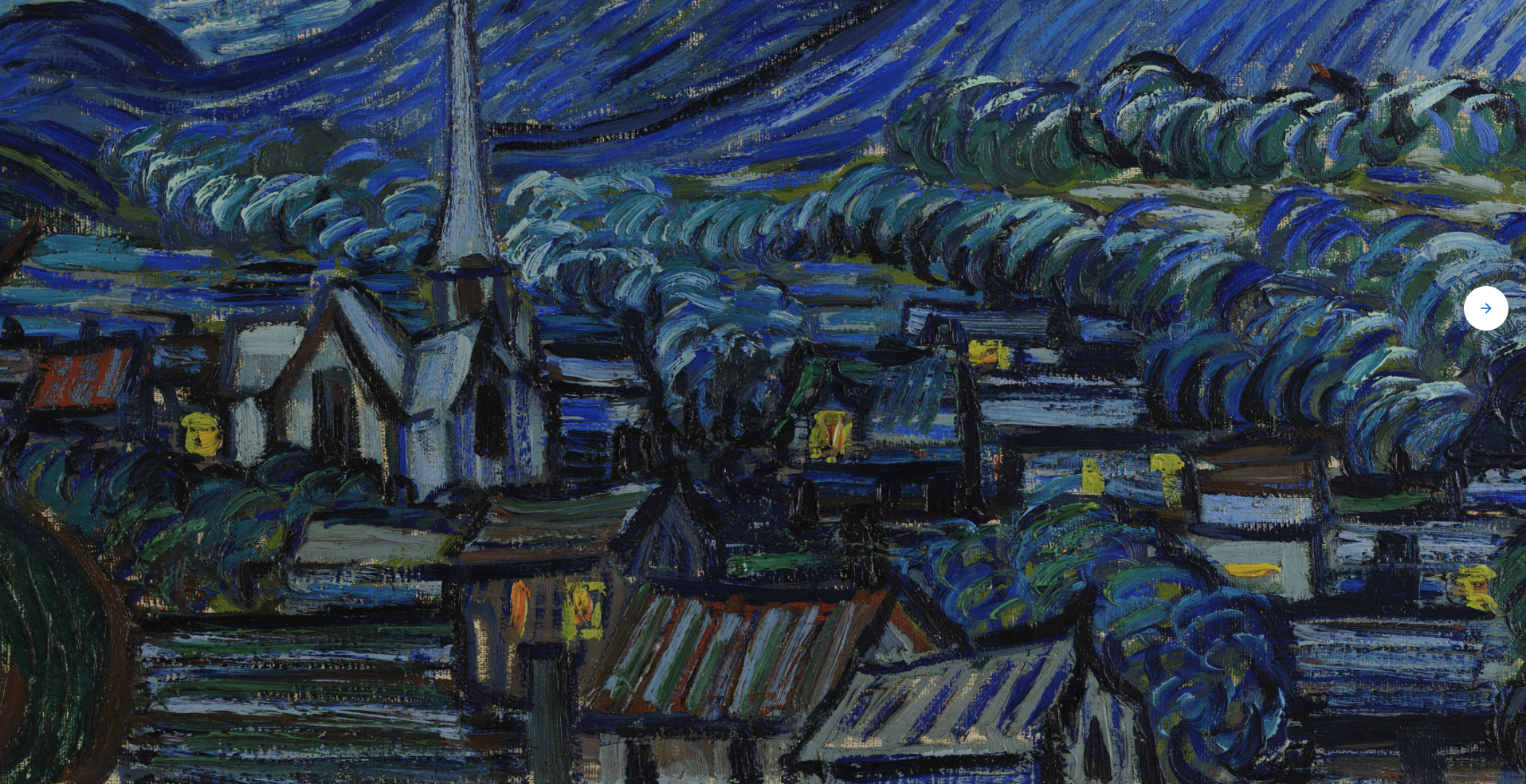
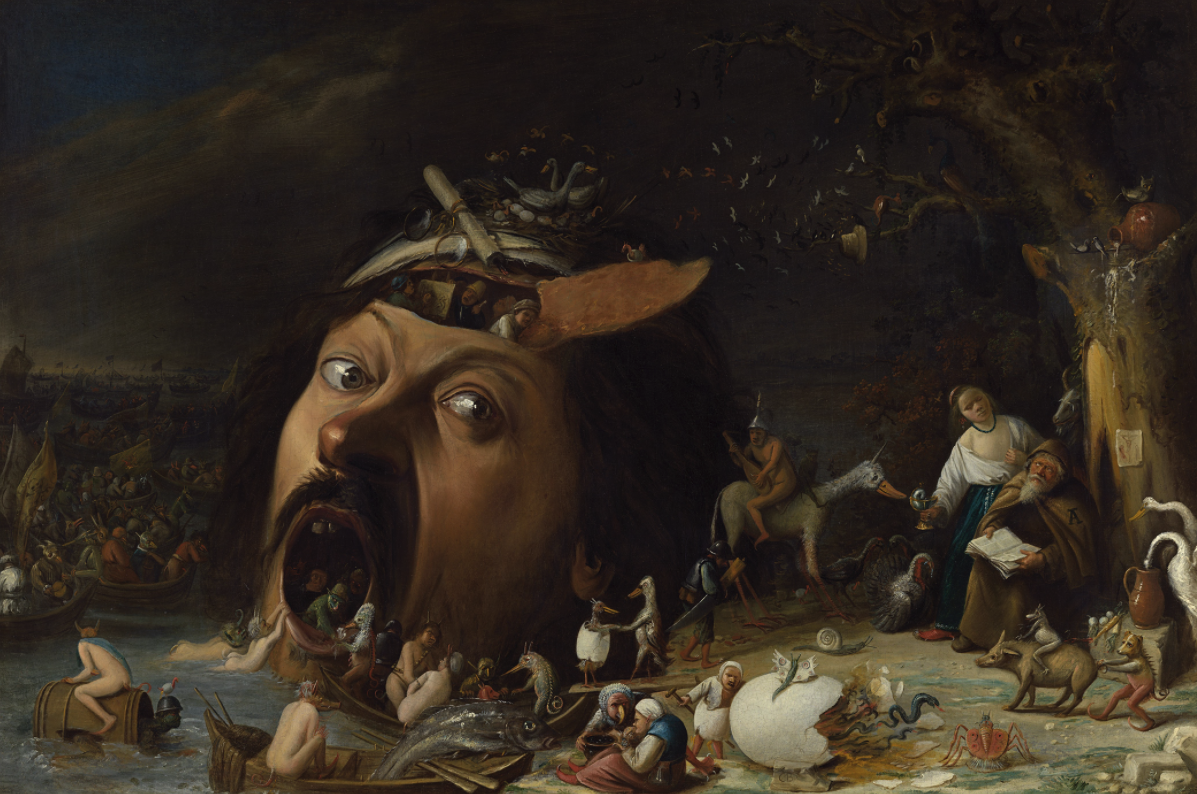
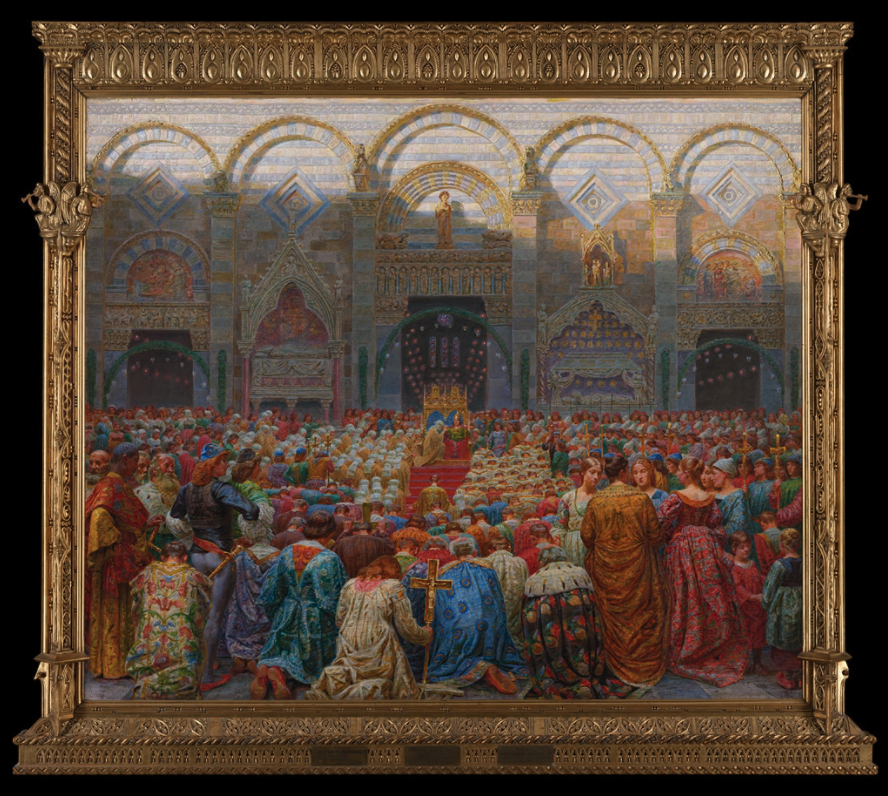
Today, the Smith­so­ni­an’s impres­sive online col­lec­tions are acces­si­ble through Artvee, a new search engine for down­load­able high-res­o­lu­tion, pub­lic domain art­works. So are the col­lec­tions of more than 40 oth­er inter­na­tion­al insti­tu­tions, from the New York Pub­lic Library and the Art Insti­tute of Chica­go to the Rijksmu­se­um and Paris Musées, many of which had lit­tle or no online pres­ence back in the ear­ly 1990s.

In recent years, they’ve got­ten quite seri­ous indeed about dig­i­tiz­ing their hold­ings and mak­ing those dig­i­ti­za­tions freely avail­able to the world, upload­ing them by the thou­sand, even by the mil­lion. With so many art­works and arti­facts already up, and sure­ly much more to come, the ques­tion becomes how best to nav­i­gate not just one of these col­lec­tions, but all of them.

Artvee con­sti­tutes one answer to this ques­tion. Using its search engine, writes Denise Tem­pone at Domesti­ka, “you can fil­ter cat­e­gories such as abstract art, land­scape, mythol­o­gy, draw­ings, illus­tra­tions, botany, fash­ion, fig­u­ra­tive art, reli­gion, ani­mal, desserts, his­to­ry, Japan­ese art, and still life. The site also gives you the option to search by artist. You will find works by Rem­brandt van Rijn, Claude Mon­et, Raphael, and San­dro Bot­ti­cel­li in this amaz­ing gallery.” Oth­er col­lec­tions, cre­at­ed by Artvee itself as well as by its users, include “illus­tra­tions from fairy tales; cov­ers of pop­u­lar Amer­i­can songs; and some even more pecu­liar ones, such as adverts sell­ing bicy­cles that are over a hun­dred years old.”

The vari­ety of artists brows­able on Artvee also includes Alphonse Mucha, Edvard Munch, and Hilma af Kint; oth­er col­lec­tions offer the won­ders of polit­i­cal illus­tra­tions, book pro­mo posters, and NASA’s visions of the future. All of the items with­in, it bears repeat­ing, are in the pub­lic domain or dis­trib­uted under a Cre­ative Com­mons license, mean­ing you can use them not just as sources of inspi­ra­tion but as ingre­di­ents in your own work as well, a pos­si­bil­i­ty few us could have imag­ined at the dawn of the Web. Back then, you’ll recall, we all used a vari­ety of dif­fer­ent tools and por­tals to nav­i­gate the inter­net, accord­ing to per­son­al pref­er­ence. The emerg­ing field of art search engines, which includes not just Artvee but oth­er options like Museo, may remind us of those days — and how far the inter­net has come since.

Relat­ed Con­tent:

A Search Engine for Find­ing Free, Pub­lic Domain Images from World-Class Muse­ums

Vis­it 2+ Mil­lion Free Works of Art from 20 World-Class Muse­ums Free Online

The Smith­son­ian Puts 2.8 Mil­lion High-Res Images Online and Into the Pub­lic Domain

14 Paris Muse­ums Put 300,000 Works of Art Online: Down­load Clas­sics by Mon­et, Cézanne & More

Cre­ative Com­mons Offi­cial­ly Launch­es a Search Engine That Index­es 300+ Mil­lion Pub­lic Domain Images

Flim: a New AI-Pow­ered Movie-Screen­shot Search Engine

Based in Seoul, Col­in Mar­shall writes and broad­casts on cities, lan­guage, and cul­ture. His projects include the Sub­stack newslet­ter Books on Cities, the book The State­less City: a Walk through 21st-Cen­tu­ry Los Ange­les and the video series The City in Cin­e­ma. Fol­low him on Twit­ter at @colinmarshall or on Face­book.

The Age of Cathedrals: A Free Online Course from Yale University

Image by Rafes­mar, via Wiki­me­dia Com­mons

From Yale pro­fes­sor Howard Bloch comes Age of Cathe­drals, an online course that offers “an intro­duc­tion to some of the most aston­ish­ing archi­tec­tur­al mon­u­ments the world has ever known—Gothic cathe­drals,” includ­ing Notre Dame, Chartres, and Saint-Denis. The course descrip­tion adds: “We shall study the art, lit­er­a­ture, intel­lec­tu­al life, eco­nom­ics, and new social arrange­ments that arose in the shad­ow of the cathe­drals and that were such an impor­tant part of the revival of cities in the twelfth and thir­teenth cen­turies. The goal of the course is a bet­ter appre­ci­a­tion of the High Mid­dle Ages, a world that is still rec­og­niz­ably our own.”

You can take Age of Cathe­drals for free by select­ing the audit option upon enrolling. If you want to take the course for a cer­tifi­cate, you will need to pay a fee.

Age of Cathe­drals has been added to our list of Free His­to­ry Cours­es, a sub­set of our col­lec­tion, 1,700 Free Online Cours­es from Top Uni­ver­si­ties.

If you would like to sign up for Open Culture’s free email newslet­ter, please find it here. It’s a great way to see our new posts, all bun­dled in one email, each day.

If you would like to sup­port the mis­sion of Open Cul­ture, con­sid­er mak­ing a dona­tion to our site. It’s hard to rely 100% on ads, and your con­tri­bu­tions will help us con­tin­ue pro­vid­ing the best free cul­tur­al and edu­ca­tion­al mate­ri­als to learn­ers every­where. You can con­tribute through Pay­Pal, Patre­on, and Ven­mo (@openculture). Thanks!

Relat­ed Con­tent:

Enroll in Harvard’s Free Online Archi­tec­ture Course: An Intro­duc­tion to the His­to­ry & The­o­ry of Archi­tec­ture

Mak­ing Archi­tec­ture: A Free Online Course from the IE School of Archi­tec­ture and Design

Euro­pean Paint­ings: From Leonar­do to Rem­brandt to Goya–A Free Online Course from the Uni­ver­si­dad Car­los III de Madrid (UC3M

Free Course: An Intro­duc­tion to the Art of the Ital­ian Renais­sance

by | Permalink | Make a Comment ( 1 ) |

A Side Splitting Medieval TikTok Account: Get a Laugh at Medieval Yoga Poses & Much More

@greedypeasant🧘‍♀️ Medieval Yoga 🧘 #medievaltik­tok #yoga #yogalover #peace­with­in #fyp #fory­ou #fory­oupage♬ orig­i­nal sound — Tyler Gun­ther

Tik­Tok, the short-form video-shar­ing plat­form, is an are­na where the young dom­i­nate — last sum­mer, The New York Times report­ed that over a third of its 49 mil­lion dai­ly users in the US were aged 14 or younger.

Yet some­how, a ful­ly grown medieval peas­ant has become one of its most com­pelling pres­ences, breezi­ly shar­ing his yoga reg­i­men, above, his obses­sion with tas­sels and ornate sleeves, and the Met­ro­pol­i­tan Tran­sit Authority’s plans to upcy­cle his era’s tor­ture devices as New York City sub­way exit gates.

30-year-old Brook­lyn-based artist Tyler Gun­ther views his cre­ation, Greedy Peas­ant, as “the man­i­fes­ta­tion of all the strange medieval art we now enjoy in meme form”:

Often times medieval his­to­ry focus­es on roy­als, wars, popes and plagues. With this peas­ant guide, we get to expe­ri­ence the world through the lens of a queer artist who is just try­ing to make sure every­one is on time for their cos­tume fit­tings for the East­er pageant. 

Ear­li­er, Gunther’s medieval fix­a­tion found an out­let in comics that he post­ed to Insta­gram.

Then last Feb­ru­ary, he found him­self quar­an­ti­ning in an Aus­tralian hotel room for 2 weeks pri­or to per­form­ing in the Ade­laide Fes­ti­val as part of The Plas­tic Bag Store, artist Robin Fro­hardt’s alter­nate­ly hilar­i­ous and sober­ing immer­sive super­mar­ket instal­la­tion:

My quar­an­tine plans had been to work on a mas­sive set of illus­tra­tions and teach myself the entire Adobe Cre­ative Suite. Instead I just wan­dered from one cor­ner of the hotel room to the next and stared at the office build­ing direct­ly out­side my win­dow. About 4 days in, Robin texted, “Now is your time to make a Tik­Tok.” I had avoid­ed it for so long. I always had an excuse and I was gen­uine­ly con­fused about how the app worked. But with no alter­na­tives left I made a few videos “just to test out some of the fil­ters” and I was instant­ly hooked. 

Now, a green screen and a set of box lights are per­ma­nent­ly installed in his Brook­lyn stu­dio so he can film when­ev­er inspi­ra­tion strikes, pro­vid­ed it’s not too steamy to don the tights, cowls, wigs and woolens that are an inte­gral part of Greedy Peasant’s look.

@greedypeasant🕷🕷🕷 (to be con­tin­ued) #medievaltik­tok #fyp #fory­oupage #fory­ou #spi­der­man♬ orig­i­nal sound — Tyler Gun­ther

One of Gunther’s most eye pop­ping cre­ations came about when Greedy Peas­ant answered an ad post in the town square seek­ing a Spi­der Man (i.e., a man with spi­ders) to com­bat a bug infes­ta­tion:

As a for­mer cos­tume design stu­dent, I’m intrigued by how super­hero uni­forms fit with­in the very con­ser­v­a­tive world of West­ern men’s fash­ion. We’re sup­posed to believe these col­or blocked body­suits are ath­let­ic and high tech. These man­ly men don’t wear them just because they look great in them, they wear them for our pro­tec­tion and the greater good.  But what if one super­hero did val­ue style over sub­stance? Would he still retain his author­i­ta­tive qual­i­ties if his super suit was embroi­dered and bead­ed and drip­ping with tas­sels? This medieval­ist believes so. 

About that tas­sel obses­sion

To me tas­sels rep­re­sent orna­men­ta­tion for ornamentation’s sake at its peak. This dec­o­ra­tive con­cept is so maligned in our cur­rent age. 21st cen­tu­ry design trends are so sleek and smooth, which does make our lives prac­ti­cal and effi­cient. But soon we’ll all be dead. Medieval arti­sans seemed to under­stand this on some lev­el. I think if iPhones were sold in the mid­dle ages they would have 4 tas­sels on each cor­ner. Why? Because it would look very nice. A tas­sel looks beau­ti­ful as a piece of sta­t­ic sculp­ture. It adds an air of author­i­ty and pol­ish to what­ev­er object it is attached to. If that were all they pro­vid­ed us it would be enough. But then sud­den­ly you give your elbow a lit­tle flick and before you know it your sleeve tas­sels are in flight! They are per­form­ing a per­son­al bal­let with their lit­tle strings going wher­ev­er the chore­og­ra­phy may take them. It’s a gift.

@greedypeasant(not) FACTS. ##medievaltik­tok ##nyc ##newyorkc­i­ty ##nychis­to­ry ##fyp ##fory­ou ##fory­oupage♬ orig­i­nal sound — Tyler Gun­ther

Gunther’s keen eye extends to his green screen back­grounds, many of which are drawn from the Met­ro­pol­i­tan Muse­um of Art’s online image col­lec­tion.

He also shoots on loca­tion when the sit­u­a­tion war­rants:

Espe­cial­ly in New York City, where it seems like every neigh­bor­hood has at least one build­ing dressed up to look as if it sur­vived the Black Plague. I love this bla­tant­ly false illu­sion of a hero­ic past. We American’s know it’s a façade. We know the build­ing was built in 1910, not 1410, but some­how it still pleas­es us. Even when I went home to Arkansas to vis­it fam­i­ly, we were con­stant­ly scout­ing film­ing loca­tions which looked con­vinc­ing­ly medieval. Our great­est find were the back rooms and the choir loft of a beau­ti­ful goth­ic revival church in our town.

While Gun­ther is obvi­ous­ly his own star attrac­tion, he alter­nates screen time with a group of “reli­quary ladies,” whose main trio, Brid­getteAman­da and Susan are the queen bees of the side aisle. Even before he used a green screen fil­ter to ani­mate them with his eyes, lips, and a hint of mus­tache, he was drawn to their hair­dos and indi­vid­ual per­son­al­i­ties dur­ing repeat vis­its to the Met Clois­ters.

“As reli­quar­ies, they embody such a spe­cif­ic medieval sen­si­bil­i­ty,” he enthus­es. “Each housed a small body part of a deceased saint, which peo­ple would make a pil­grim­age to see. This com­bi­na­tion of the sacred, macabre and beau­ti­ful includes all my favorite medieval ele­ments.”

@greedypeasantWill the real St. Catherine’s low­er jaw please stand up. ##medievaltik­tok ##his­to­ry­tok ##fyp ##fory­ou ##fory­oupage ##reli­quary ##peas­ant ##arthis­to­ry♬ orig­i­nal sound — Tyler Gun­ther

Get to know Tyler Gunther’s Greedy Peas­ant here.

Relat­ed Con­tent:

160,000 Pages of Glo­ri­ous Medieval Man­u­scripts Dig­i­tized: Vis­it the Bib­lio­the­ca Philadel­phien­sis

A Free Yale Course on Medieval His­to­ry: 700 Years in 22 Lec­tures

Killer Rab­bits in Medieval Man­u­scripts: Why So Many Draw­ings in the Mar­gins Depict Bun­nies Going Bad

Ayun Hal­l­i­day is an author, illus­tra­tor, the­ater mak­er and Chief Pri­ma­tol­o­gist of the East Vil­lage Inky zine. Fol­low her @AyunHalliday.

Ethan Hawke Explains How to Give Yourself Permission to Be Creative

The most cre­ative peo­ple, you’ll notice, throw them­selves into what they do with absurd, even reck­less aban­don. They com­mit, no mat­ter their doubts about their tal­ents, edu­ca­tion, finances, etc. They have to. They are gen­er­al­ly fight­ing not only their own mis­giv­ings, but also those of friends, fam­i­ly, crit­ics, financiers, and land­lords. Artists who work to real­ize their own vision, rather than some­one else’s, face a with­er­ing­ly high prob­a­bil­i­ty of fail­ure, or the kind of suc­cess that comes with few mate­r­i­al rewards. One must be will­ing to take the odds, and to renounce, says Ethan Hawke in the short TED talk above, the need for val­i­da­tion or approval.

This is hard news for peo­ple pleasers and seek­ers after fame and rep­u­ta­tion, but in order to over­come the inevitable social obsta­cles, artists must be will­ing, says Hawke, to play the fool. He takes as his exam­ple Allen Gins­berg, who appeared on William F. Buckley’s Fir­ing Line in May of 1968 and, rather than answer Buckley’s charge that his polit­i­cal posi­tions were “naive,” pulled out a har­mo­ni­um and pro­ceed­ed to sing the Hare Krish­na chant (“the most unhar­ried Krish­na I’ve ever heard,” Buck­ley remarked). Upon arriv­ing home to New York, says Hawke, Gins­berg was met by peo­ple who were aghast at what he’d done, feel­ing that he made him­self a clown for mid­dle Amer­i­ca.

Gins­berg was unboth­ered. He was will­ing to be “America’s holy fool,” as Vivian Gor­nick called him, if it meant inter­rupt­ing the con­stant stream of adver­tis­ing and pro­pa­gan­da and mak­ing Amer­i­cans stop to won­der “who is this stu­pid poet?”

Who is this per­son so will­ing to chant at William F. Buck­ley for “the preser­va­tion of the uni­verse, instead of its destruc­tion”? What might he have to say to my secret wish­es? This is what artists do, says Hawke, take risks to express emo­tions, by what­ev­er means are at hand. It is the essence of Ginsberg’s view of cre­ativ­i­ty, to let go of judg­ment, as he once told a writ­ing stu­dent:

Judge it lat­er. You’ll have plen­ty of time to judge it. You have all your life to judge it and revise it! You don’t have to judge it on the spot there. What ris­es, respect it. Respect what ris­es….

Judge your own work lat­er, if you must, but what­ev­er you do, Hawke advis­es above, don’t stake your worth on the judg­ments of oth­ers. The cre­ative life requires com­mit­ting instead to the val­ue of human cre­ativ­i­ty for its own sake, with a child­like inten­si­ty that doesn’t apol­o­gize for itself or ask per­mis­sion to come to the sur­face.

Relat­ed Con­tent: 

Allen Gins­berg Talks About Com­ing Out to His Fam­i­ly & Fel­low Poets on 1978 Radio Show (NSFW)

The Long Game of Cre­ativ­i­ty: If You Haven’t Cre­at­ed a Mas­ter­piece at 30, You’re Not a Fail­ure

David Lynch Explains How Sim­ple Dai­ly Habits Enhance His Cre­ativ­i­ty

Josh Jones is a writer and musi­cian based in Durham, NC. Fol­low him at @jdmagness

Sci-Fi “Portal” Connects Citizens of Lublin & Vilnius, Allowing Passersby Separated by 376 Miles to Interact in Real Time

Can we ever tran­scend our ten­den­cy to divide up the world into us and them? The his­to­ry of Europe, which polit­i­cal the­o­rist Ken­neth Minogue once called “plau­si­bly summed up as prepar­ing for war, wag­ing war, or recov­er­ing from war,” offers few con­sol­ing answers. But per­haps it isn’t for his­to­ry, much less for the­o­ry or pol­i­tics, to dic­tate the future prospects for the uni­ty of mankind. Art and tech­nol­o­gy offer anoth­er set of views on the mat­ter, and it’s art and tech­nol­o­gy that come togeth­er in Por­tal, a recent­ly launched project that has con­nect­ed Vil­nius, Lithua­nia and Lublin, Poland with twin instal­la­tions. More than just a sculp­tur­al state­ment, each city’s por­tal offers a real-time, round-the-clock view of the oth­er.

“In both Vil­nius and Lublin,” writes My Mod­ern Met’s Sara Barnes, “the por­tals are with­in the urban land­scape; they are next to a train sta­tion and in the city cen­tral square, respec­tive­ly. This allows for plen­ty of engage­ment, on either end, with the peo­ple of a city 376 miles apart. And, in a larg­er sense, the por­tals help to human­ize cit­i­zens from anoth­er place.”

Images released of the inter­ac­tion between passer­by and their local por­tal show, among oth­er actions, wav­ing, cam­era phone-shoot­ing, syn­chro­nized jump­ing, and just plain star­ing. Though more than one com­par­i­son has been made to the Star­gate, the image also comes to mind of the apes around the mono­lith in 2001: A Space Odyssey, react­ing as best they can to a pre­vi­ous­ly unimag­ined pres­ence in their every­day envi­ron­ment.

Iron­i­cal­ly, the basic tech­nol­o­gy employed by the Por­tal project is noth­ing new. At this point we’ve all looked into our phone and com­put­er screens and seen a view from per­haps much far­ther than 376 miles away, and been seen from that dis­tance as well. But the coro­n­avirus-induced world­wide expan­sion of tele­con­fer­enc­ing has, for many, made the under­ly­ing mechan­ics seem some­what less than mirac­u­lous. Con­ceived years before trav­el restric­tions ren­dered next to impos­si­ble the actu­al vis­it­ing of human beings else­where on the con­ti­nent, let alone on the oth­er side of the world, Por­tal has set up its first instal­la­tions at a time when they’ve come to feel like some­thing the world needs. “Res­i­dents in Reyk­javik, Ice­land, and Lon­don, Eng­land can expect a por­tal in their city in the future,” notes Barnes — and if those two can feel tru­ly con­nect­ed with Europe, there may be hope for the one­ness of the human race yet.

via Colos­sal/MyMod­ern­Met

Relat­ed Con­tent:

Street Artist Cre­ates an Opti­cal Illu­sion That Lets Peo­ple See the Art Inside a Shut­tered Muse­um in Flo­rence

This Huge Crash­ing Wave in a Seoul Aquar­i­um Is Actu­al­ly a Gigan­tic Opti­cal Illu­sion

See Web Cams of Sur­re­al­ly Emp­ty City Streets in Venice, New York, Lon­don & Beyond

Dis­cov­er Euro­peana Col­lec­tions, a Por­tal of 48 Mil­lion Free Art­works, Books, Videos, Arti­facts & Sounds from Across Europe

The His­to­ry of Europe from 400 BC to the Present, Ani­mat­ed in 12 Min­utes

Haru­ki Muraka­mi Nov­els Sold in Pol­ish Vend­ing Machines

Based in Seoul, Col­in Mar­shall writes and broad­casts on cities, lan­guage, and cul­ture. His projects include the Sub­stack newslet­ter Books on Cities, the book The State­less City: a Walk through 21st-Cen­tu­ry Los Ange­les and the video series The City in Cin­e­ma. Fol­low him on Twit­ter at @colinmarshall or on Face­book.

How Egyptian Papyrus Is Made: Watch Artisans Keep a 5,000-Year-Old Art Alive

In 2013, French Egyp­tol­o­gist Pierre Tal­let dis­cov­ered in an exca­va­tion site near the Red Sea “entire rolls of papyrus, some a few feet long and still rel­a­tive­ly intact, writ­ten in hiero­glyph­ics as well as hier­at­ic, the cur­sive script the ancient Egyp­tians used for every­day com­mu­ni­ca­tion,” Alexan­der Stille writes at Smith­son­ian. The scrolls con­tained the “Diary of Mer­er,” the jour­nals of an offi­cial who led a trans­porta­tion crew, and who observed the build­ing of the largest of the pyra­mids. It has been called “the great­est dis­cov­ery in Egypt in the 21st cen­tu­ry.”

The dis­cov­ery of the diary entries and oth­er papyri at the site “pro­vide a nev­er-before-seen snap­shot of the ancients putting fin­ish­ing touch­es on the Great Pyra­mid.” It is also sig­nif­i­cant since Tal­let found “the old­est known papyri in the world” and has helped give researchers greater insight into how papyrus was used by ancient Egyp­tians for care­ful record-keep­ing — in both the lan­guage of priests and scribes and that of ordi­nary mer­chants — since around 3000 BC.

Papyrus was “pro­duced exclu­sive­ly in Egypt, where the papyrus plant grew” notes Uni­ver­si­ty of Michi­gan Libraries, but “papyrus (the writ­ing mate­r­i­al) was export­ed through­out the clas­si­cal world, and it was the most pop­u­lar writ­ing mate­r­i­al for the ancient Greeks and Romans,” becom­ing the most used plat­form for writ­ing by the first cen­tu­ry AD. That changed with the intro­duc­tion of parch­ment and, lat­er, paper; “the large plan­ta­tions in Egypt which used to cul­ti­vate high-grade papyrus for man­u­fac­ture dis­ap­peared,” as did the knowl­edge of papyrus-mak­ing for around 1000 years.

But papyrus (the paper) has come back, even if wild papyri plants are dis­ap­pear­ing as Egypt’s cli­mate changes. While schol­ars in the 20th cen­tu­ry tried, unsuc­cess­ful­ly, to recon­struct papyrus-mak­ing using ancient sources like Pliny’s Nat­ur­al His­to­ry, Egypt­ian crafts­peo­ple in the 1970s rein­vent­ed the process using their own meth­ods, as you can see in the Busi­ness Insid­er video above. “The indus­try thrived, sell­ing papyrus art to tourists,” the video notes, but it has fall­en on hard times as the plants go extinct and demand falls away.

Learn above how mod­ern Egypt­ian papyrus-mak­ers, scribes, and illus­tra­tors ply their trade — a fair­ly good indi­ca­tor of how the ancients must have done it. There may be lit­tle demand for papyrus, or for parch­ment, for that mat­ter, and maybe paper will final­ly go the way of these obso­lete com­mu­ni­ca­tions tech­nolo­gies before long. But as long as there are those who retain the knowl­edge of these arts, we’ll have an inti­mate phys­i­cal con­nec­tion to the writ­ers, artists, and bureau­crats of empires past.

Relat­ed Con­tent: 

A 3,000-Year-Old Painter’s Palette from Ancient Egypt, with Traces of the Orig­i­nal Col­ors Still In It

Harvard’s Dig­i­tal Giza Project Lets You Access the Largest Online Archive on the Egypt­ian Pyra­mids (Includ­ing a 3D Giza Tour)

Who Built the Egypt­ian Pyra­mids & How Did They Do It?: New Arche­o­log­i­cal Evi­dence Busts Ancient Myths

Learn to Play Senet, the 5,000-Year Old Ancient Egypt­ian Game Beloved by Queens & Pharaohs

Josh Jones is a writer and musi­cian based in Durham, NC. Fol­low him at @jdmagness

The Bob Ross Virtual Art Gallery: A New Site Presents 403 Paintings from The Joy of Painting Series

“We don’t make mis­takes. We have hap­py acci­dents,” the late Bob Ross soothed fans paint­ing along at home, while brush­ing an alarm­ing amount of black onto one of his sig­na­ture nature scenes.

His mel­low on-cam­era demeanor and flow­ing, wet-on-wet oil paint­ing style were per­fect­ly cal­i­brat­ed to help tight­ly-wound view­ers relax into a right-brained groove.

The cre­ators of the Bob Ross Vir­tu­al Art Gallery take a more left brained approach.

Hav­ing col­lect­ed data on Ross’ ever­green series, The Joy of Paint­ing, they ana­lyzed it for fre­quen­cy of col­or use over the show’s 403 episodes, as well as the num­ber of col­ors applied to each can­vas.

For those keep­ing score, after black and white, alizarin crim­son was the col­or Ross favored most, and 1/4 of the paint­ings made on air boast 12 col­ors.

The data could be slight­ly skewed by the con­tri­bu­tions of occa­sion­al guest artists such as Ross’ for­mer instruc­tor, John Thamm, who once coun­seled Ross to “paint bush­es and trees and leave por­trait paint­ing to some­one else.” Thamm availed him­self of a sin­gle col­or — Van Dyke Brown — to demon­strate the wipe out tech­nique. His con­tri­bu­tion is one of the few human like­ness­es that got paint­ed over the show’s 11-year pub­lic tele­vi­sion run.

The Bob Ross Vir­tu­al Art Gallery has sev­er­al options for view­ing the data.

Mouse over a grid of grey rec­tan­gles to see the 403 art­works pre­sent­ed in chrono­log­i­cal order, along with titles and episode num­bers.

(This has all the mak­ings of a thump­ing good mem­o­ry game, à la Con­cen­tra­tion… flip all the rec­tan­gles, study them, then see if you can nav­i­gate back to all the cab­ins or mead­ows.)

A bar graph, sim­i­lar­ly com­posed of rec­tan­gles, reveals the col­ors that went into each paint­ing.

Anoth­er chart ana­lyzes Ross’ use of col­or over time, as he moved away from Burnt Umber and eased up on Pftha­lo Green.


Indi­an Red was accord­ed but a sin­gle use, in sea­son 22’s first episode, “Autumn Images.” (“Let’s sparkle this up. We’re gonna have fall col­ors. Let’s get crazy.”)

For art lovers crav­ing a more tra­di­tion­al gallery expe­ri­ence, site cre­ator Con­nor Roth­schild has installed a vir­tu­al bench fac­ing a frame capa­ble of dis­play­ing all the paint­ings in ran­dom or chrono­log­i­cal order, with dig­i­tal swatch­es rep­re­sent­ing the paints that went into them and YouTube links to the episodes that pro­duced them.

And for those who’d rather gaze at data sci­ence, the code is avail­able on GitHub.

Explore the Bob Ross Vir­tu­al Art Gallery here. Scroll down to take advan­tage of all the options.

Relat­ed Con­tent: 

Watch Every Episode of Bob Ross’ The Joy Of Paint­ing Free Online: 403 Episodes Span­ning 31 Sea­sons

The Joy of Paint­ing with Bob Ross & Banksy: Watch Banksy Paint a Mur­al on the Jail That Once Housed Oscar Wilde

Expe­ri­ence the Bob Ross Expe­ri­ence: A New Muse­um Open in the TV Painter’s For­mer Stu­dio Home

Bob Ross’ Christ­mas Spe­cial: Cel­e­brate, Relax, Nod Off

Ayun Hal­l­i­day is an author, illus­tra­tor, the­ater mak­er and Chief Pri­ma­tol­o­gist of the East Vil­lage Inky zine.  Join her Necro­mancers of the Pub­lic Domain: The Peri­od­i­cal Cica­da, a free vir­tu­al vari­ety show hon­or­ing the 17-Year Cicadas of Brood X. Fol­low her @AyunHalliday.

The Art of Creating a Bonsai: One Year Condensed Condensed Into 22 Mesmerizing Minutes

To be a good writer, one must be a good read­er. This is made true by the need to absorb and assess the work of oth­er writ­ers, but even more so by the need to eval­u­ate one’s own. Writ­ing is re-writ­ing, to coin a phrase, and effec­tive re-writ­ing can only fol­low astute re-read­ing. This con­di­tion applies to oth­er arts and crafts as well: take bon­sai, the regard­ing of which con­sti­tutes a skill in and of itself. To craft an aes­thet­i­cal­ly pleas­ing minia­ture tree, one must first be able to see an aes­thet­i­cal­ly pleas­ing minia­ture tree — or per­haps to feel one. “Bon­sai trees (and inspir­ing art in gen­er­al) give me a ‘feel­ing’ that is hard to describe,” as prac­ti­tion­er Bucky Barnes puts it in the video above. “I’m not get­ting it from this tree yet, so I know I need to con­tin­ue tweak­ing.”

That tree is a Japan­ese larch bon­sai, Barnes’ year of work on which the video com­press­es into a mere 22 min­utes. The work is more than a mat­ter of water and sun­light: aspects that must be con­sid­ered and aggres­sive­ly mod­i­fied, include the plan­t’s view­ing and pot­ting angle, the num­ber and direc­tion of its branch­es, and even the struc­ture of roots spread­ing through the soil below.

Barnes breaks out a range of clip­pers, knives, pastes, brush­es, and wires — part of a suite of tools that, at least for the mas­ters back in bon­sai’s home­land of Japan, can get expen­sive indeed. To us lay­men, the tree that results from this year of work looks pret­ty respectable, but by bon­sai stan­dards its exis­tence has only just begun. Over the com­ing decades — or even the com­ing cen­turies — it could take on oth­er qual­i­ties alto­geth­er. When well main­tained, bon­sai only improve with age.

As demon­strat­ed in the video just above, how­ev­er, not every bon­sai receives such main­te­nance. A prod­uct of the same Youtube chan­nel, Bon­sai Releaf, “Restor­ing a Neglect­ed Chi­nese Juniper Bon­sai” begins with a tree that, to many of its near­ly four mil­lion view­ers so far, prob­a­bly does­n’t look too bad. Barnes sees things dif­fer­ent­ly: begin­ning by sketch­ing the tree, appar­ent­ly a stan­dard stage of his pro­fes­sion­al bon­sai-view­ing process, he sets about cor­rect­ing a host of defi­cien­cies like “low­er branch­es com­pet­ing for light,” exces­sive upward or down­ward growth (as well as some­thing called “weak crotch growth”), and dead tis­sue not delin­eat­ed from liv­ing. This labo­ri­ous oper­a­tion requires an even wider tool set, encom­pass­ing Dremels and even flames. But by the video’s end, any­one can see the dif­fer­ence in the tree itself — and more impor­tant­ly, feel it.

Relat­ed Con­tent:

The Art & Phi­los­o­phy of Bon­sai

This 392-Year-Old Bon­sai Tree Sur­vived the Hiroshi­ma Atom­ic Blast & Still Flour­ish­es Today: The Pow­er of Resilience

A Dig­i­tal Ani­ma­tion Com­pares the Size of Trees: From the 3‑Inch Bon­sai, to the 300-Foot Sequoia

What Makes the Art of Bon­sai So Expen­sive?: $1 Mil­lion for a Bon­sai Tree, and $32,000 for Bon­sai Scis­sors

Daisu­gi, the 600-Year-Old Japan­ese Tech­nique of Grow­ing Trees Out of Oth­er Trees, Cre­at­ing Per­fect­ly Straight Lum­ber

Based in Seoul, Col­in Mar­shall writes and broad­casts on cities, lan­guage, and cul­ture. His projects include the Sub­stack newslet­ter Books on Cities, the book The State­less City: a Walk through 21st-Cen­tu­ry Los Ange­les and the video series The City in Cin­e­ma. Fol­low him on Twit­ter at @colinmarshall or on Face­book.

« Go BackMore in this category... »
Quantcast