Watch 400+ Documentaries from German Broadcaster Deutsche Welle: Art Forgery, Fashion Photography, the Mona Lisa, and More

You’re cer­tain­ly famil­iar with Nou­velle Vague, the “French new wave” that shook up world cin­e­ma in the mid-2oth cen­tu­ry. You’ve prob­a­bly also heard of Hal­lyu, the “Kore­an wave” of pop music and tele­vi­sion dra­mas (and, increas­ing­ly, films) now crash­ing across not just Asia but the West. As for Deutsche Welle, lit­er­al­ly the “Ger­man wave,” you may know the term bet­ter in its abbre­vi­at­ed form: DW, the brand of Ger­many’s pub­lic inter­na­tion­al broad­cast­er. Here on Open Cul­ture we’ve pre­vi­ous­ly fea­tured DW’s series Bauhaus World, a cel­e­bra­tion of that influ­en­tial Ger­man school of art, archi­tec­ture, and design, but it’s just one of 415 doc­u­men­taries free to watch on the DW Doc­u­men­tary Youtube chan­nel.

DW’s doc­u­men­tar­i­ans have a thor­ough­ly inter­na­tion­al man­date, as evi­denced by their pop­u­lar exam­i­na­tions of the dic­ta­to­r­i­al regime of North Korea, Bul­gar­i­a’s Roma mar­riage mar­ket, extrav­a­gant wealth in cen­tral Africa, and dire pover­ty in the Unit­ed States. You can also browse the archive through themed playlists rang­ing from pol­i­tics and eco­nom­ics to human nature and soci­ety to cul­ture and arts.

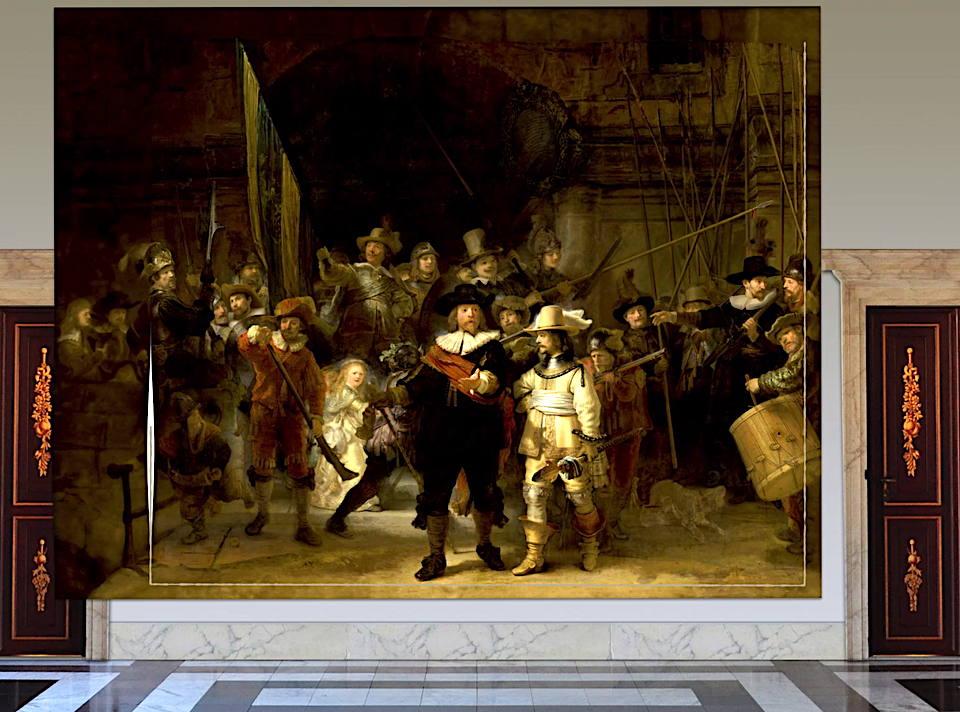
That last sec­tion, no doubt of par­tic­u­lar inter­est to Open Cul­ture read­ers, demon­strates DW’s advan­tage as a long-stand­ing broad­cast­er sit­u­at­ed in the heart of Europe. Where bet­ter to start learn­ing about Goth­ic and Romanesque cathe­drals, top elec­tron­ic dance music DJs, Mar­tin Luther and the Ref­or­ma­tion, or the truth behind the Last Sup­per and the Mona Lisa?

Even more inter­est lies in DW’s explo­rations of less­er-known top­ics like the trea­sures of Turk­menistan, fak­ery in the art world, and Berlin’s Lit­tle Hanoi. There are also pro­files of such Ger­man fig­ures as Peter Lind­bergh, the late fash­ion and adver­tis­ing pho­tog­ra­ph­er count­ed as an inspi­ra­tion by the likes of Wim Wen­ders, and Klaus-Dieter Lehmann, out­go­ing pres­i­dent of the Goethe-Insti­tut, a nat­ur­al sub­ject for DW to cov­er. Found­ed with­in a cou­ple of years of one anoth­er, both DW and the Goethe-Insti­tut take the pro­mo­tion of Ger­man cul­ture abroad as a large part of their mis­sion — and both do so in the knowl­edge that, to get oth­er soci­eties inter­est­ed in your cul­ture, you’ve got to show gen­uine inter­est in all of theirs as well. Explore the com­plete list of DW doc­u­men­taries here. And find more doc­u­men­taries online in our col­lec­tion, 4,000+ Free Movies Online: Great Clas­sics, Indies, Noir, West­erns, Doc­u­men­taries & More.

Relat­ed Con­tent:

Watch 3,000+ Films Free Online from the Nation­al Film Board of Cana­da

Watch Bauhaus World, a Free Doc­u­men­tary That Cel­e­brates the 100th Anniver­sary of Germany’s Leg­endary Art, Archi­tec­ture & Design School

Beat Club, the 1960s TV Show That Brought Rock Music to 70 Mil­lion Kids in Ger­many, Hun­gary, Thai­land, Tan­za­nia & Beyond

285 Free Doc­u­men­taries Online

Based in Seoul, Col­in Mar­shall writes and broad­casts on cities, lan­guage, and cul­ture. His projects include the Sub­stack newslet­ter Books on Cities, the book The State­less City: a Walk through 21st-Cen­tu­ry Los Ange­les and the video series The City in Cin­e­ma. Fol­low him on Twit­ter at @colinmarshall or on Face­book.

The Meaning of Hieronymus Bosch’s The Garden of Earthly Delights Explained

Over the half-mil­len­ni­um since Hierony­mus Bosch paint­ed it, The Gar­den of Earth­ly Delights has pro­duced an ever-widen­ing array of inter­pre­ta­tions. Is it “a paint­ing about sex­u­al free­dom”? A “medieval acid trip”? An “erot­ic fan­ta­sy”? A “hereti­cal attack on the church”? The work of “a mem­ber of an obscure free-love cult”? James Payne, the Lon­don cura­tor behind the Youtube chan­nel Great Art Explained, rejects all these views. In the open­ing of the in-depth video analy­sis above, he describes Bosch’s well-known and much-scru­ti­nized late-15th or ear­ly-16th cen­tu­ry trip­tych as, “pure and sim­ply, hard­core Chris­tian­i­ty.”

Dat­ing from “a time when Euro­pean artists, writ­ers, and the­olo­gians were shap­ing a new, ter­ri­fy­ing vision of Hell and the pun­ish­ment await­ing sin­ners,” Payne argues, The Gar­den of Earth­ly Delights is “an intense­ly moral­is­tic work that should be approached as what it is: reli­gious pro­pa­gan­da.”

Depict­ing the Bib­li­cal cre­ation of the world on its out­er pan­els, the work opens up to reveal elab­o­rate­ly detailed visions of Adam and Eve in the Gar­den of Eden, then human­i­ty indulging in all known earth­ly delights, then the con­se­quent tor­ments of Hell. It is that last pan­el, with its abun­dance of per­verse activ­i­ties and grotesque human, ani­mal, and human-ani­mal fig­ures (recent­ly made into fig­urines and even piñatas) that keeps the strongest hold on our imag­i­na­tion today.

Payne’s expla­na­tion goes into detail on all aspects of the work, high­light­ing and con­tex­tu­al­iz­ing details that even avowed appre­ci­a­tors may not have con­sid­ered before. While iden­ti­fy­ing both the pos­si­ble inspi­ra­tions and the pos­si­ble sym­bol­ic inten­tions of the fig­ures and sym­bols with which Bosch filled the trip­tych, Payne empha­sizes that, as far as the artist was con­cerned, “his images were a real­is­tic por­tray­al of sin and its con­se­quences, so in that sense, it was­n’t sur­re­al­ism, it was real­ism.” This bears repeat­ing, giv­en how dif­fi­cult we mod­erns find it “to look at this paint­ing and not see it as sur­re­al­ism or a prod­uct of the sub­con­scious, not see it as a sex­u­al utopia, a cri­tique of reli­gion, or even a psy­che­del­ic romp.” Just as The Gar­den of Earth­ly Delights tells us a great deal about the world Bosch lived in, so our views of it tell us a great deal about the world we live in.

If you would like to sign up for Open Culture’s free email newslet­ter, please find it here. It’s a great way to see our new posts, all bun­dled in one email, each day.

If you would like to sup­port the mis­sion of Open Cul­ture, con­sid­er mak­ing a dona­tion to our site. It’s hard to rely 100% on ads, and your con­tri­bu­tions will help us con­tin­ue pro­vid­ing the best free cul­tur­al and edu­ca­tion­al mate­ri­als to learn­ers every­where. You can con­tribute through Pay­Pal, Patre­on, and Ven­mo (@openculture). Thanks!

Relat­ed Con­tent:

Take a Vir­tu­al Tour of Hierony­mus Bosch’s Bewil­der­ing Mas­ter­piece The Gar­den of Earth­ly Delights

Hierony­mus Bosch’s Medieval Paint­ing The Gar­den of Earth­ly Delights Comes to Life in a Gigan­tic, Mod­ern Ani­ma­tion

Take a Mul­ti­me­dia Tour of the But­tock Song in Hierony­mus Bosch’s Paint­ing The Gar­den of Earth­ly Delights

The Musi­cal Instru­ments in Hierony­mus Bosch’s The Gar­den of Earth­ly Delights Get Brought to Life, and It Turns Out That They Sound “Painful” and “Hor­ri­ble”

New App Lets You Explore Hierony­mus Bosch’s “The Gar­den of Earth­ly Delights” in Vir­tu­al Real­i­ty

Fig­ures from Hierony­mus Bosch’s The Gar­den of Earth­ly Delights Come to Life as Fine Art Piñatas

Based in Seoul, Col­in Mar­shall writes and broad­casts on cities, lan­guage, and cul­ture. His projects include the Sub­stack newslet­ter Books on Cities, the book The State­less City: a Walk through 21st-Cen­tu­ry Los Ange­les and the video series The City in Cin­e­ma. Fol­low him on Twit­ter at @colinmarshall or on Face­book.

3D Print 18,000 Famous Sculptures, Statues & Artworks: Rodin’s Thinker, Michelangelo’s David & More

To recent news sto­ries about 3D print­ed gunspros­thet­ics, and homes, you can add Scan the World’s push to cre­ate “an ecosys­tem of 3D print­able objects of cul­tur­al sig­nif­i­cance.”

Items that took the ancients untold hours to sculpt from mar­ble and stone can be repro­duced in con­sid­er­ably less time, pro­vid­ed you’ve got the tech­nol­o­gy and the know-how to use it.

Since we last wrote about this free, open source ini­tia­tive in 2017, Scan the World has added Google Arts and Cul­ture to the many cul­tur­al insti­tu­tions with whom it part­ners, expand­ing both its audi­ence and the audi­ence of the muse­ums who allow items in their col­lec­tions to be scanned pri­or to 3D print­ing.


Com­mu­ni­ty con­trib­u­tors have uploaded scan data for over 18,000 sculp­tures and arti­facts onto the plat­form.

Chi­na and India are active­ly court­ing par­tic­i­pants to make some of their trea­sures avail­able.

Although Scan the World is search­able by col­lec­tion, artist, and loca­tion, with so many options, the com­mu­ni­ty blog is a great place to start.

Here you will find help­ful tips for begin­ners hop­ing to pro­duce real­is­tic look­ing skulls and sculp­tures — con­trol your tem­per­a­ture, shake your resin, and learn from your mis­takes.

Got an unreach­able object you’re itch­ing to print? Take a look at the drone pho­togram­me­try tuto­r­i­al to prep your­self for tak­ing a good scan — rotate slow­ly, remem­ber the impor­tance of light, and get up to speed on your drone by test-dri­ving it in an open loca­tion.

Keep an eye peeled for com­pe­ti­tions, like this one, which was won by a pho­to edi­tor and retouch­er with no for­mal 3‑D train­ing.

Art lovers with lit­tle incli­na­tion to crack out the 3D print­er will find inter­est­ing essays on such top­ics as the Gates of Hellscan­ning in the pan­dem­ic, and the his­to­ry of hair­styles in sculp­ture

You can also embark on a vir­tu­al tour of some of the glob­al loca­tions whose splen­dors are being scanned, pro­grammed, and ren­dered in resin.

vir­tu­al trip to Paris takes in some of the Louvre’s great­est 3‑dimensional hits: the Venus de Milo, Winged Vic­to­ry, and Psy­che Revived by Cupid’s Kiss.

(Any one of those ough­ta class up the ol’ bed­sit…)

The vir­tu­al trip to Aus­tria includes Kierling’s mon­u­ment to Franz Kaf­ka, the Beethoven memo­r­i­al in Vienna’s Heili­gen­städter Park, and Klaus Weber’s trib­ute to Hugo Rheinhold’s Dar­win­ian sculp­ture, Mon­key with Skull. (1,868 down­loads and count­ing!)

Google map awaits those who would tour the orig­i­nal fla­vor inspi­ra­tions in per­son.

Begin your explo­rations of Scan the World here, and do let us know in the com­ments if you have plans for print­ing.

Relat­ed Con­tent:

3D Scans of 7,500 Famous Sculp­tures, Stat­ues & Art­works: Down­load & 3D Print Rodin’s Thinker, Michelangelo’s David & More

The Earth Archive Will 3D-Scan the Entire World & Cre­ate an “Open-Source” Record of Our Plan­et

The British Muse­um Cre­ates 3D Mod­els of the Roset­ta Stone & 200+ Oth­er His­toric Arti­facts: Down­load or View in Vir­tu­al Real­i­ty

Ayun Hal­l­i­day is an author, illus­tra­tor, the­ater mak­er, Chief Pri­ma­tol­o­gist of the East Vil­lage Inky zine, and some­times, a French Cana­di­an bear known as L’Ourse.  Fol­low her @AyunHalliday.

Free Software Lets You Create Traditional Japanese Wood Joints & Furniture: Download Tsugite

The Japan­ese art of tsug­ite, or wood join­ery, goes back more than a mil­len­ni­um. As still prac­ticed today, it involves no nails, screws, or adhe­sives at all, yet it can be used to put up whole build­ings — as well as to dis­as­sem­ble them with rel­a­tive ease. The key is its canon of elab­o­rate­ly carved joints engi­neered to slide togeth­er with­out acci­den­tal­ly com­ing apart, the designs of which we’ve pre­vi­ous­ly fea­tured here on Open Cul­ture in ani­mat­ed GIF form. Though it would be nat­ur­al to assume that 21st-cen­tu­ry tech­nol­o­gy has no pur­chase on this domain of ded­i­cat­ed tra­di­tion­al crafts­men, it does great­ly assist the efforts of the rest of us to under­stand just how tsug­ite works.

Now, thanks to researchers at the Uni­ver­si­ty of Tokyo, a new piece of soft­ware makes it pos­si­ble for us to do our own Japan­ese join­ery as well. Called, sim­ply, Tsug­ite, it’s described in the video intro­duc­tion above as  “an inter­ac­tive com­pu­ta­tion­al sys­tem to design wood­en join­ery that can be fab­ri­cat­ed using a three-axis CNC milling machine.” (CNC stands for “com­put­er numer­i­cal con­trol,” the term for a stan­dard auto­mat­ed-machin­ing process.)

In real time, Tsug­ite’s inter­face gives graph­i­cal feed­back on the joint being designed, eval­u­at­ing its over­all “slid­abilty” and high­light­ing prob­lem areas, such as ele­ments “per­pen­dic­u­lar to the grain ori­en­ta­tion” and thus more like­ly to break under pres­sure.

This is the sort of thing that a Japan­ese car­pen­ter, hav­ing under­gone years if not decades of train­ing and appren­tice­ship, will know by instinct. And though the work of a three-axis CNC machine can’t yet match the aes­thet­ic ele­gance of join­ery hand-carved by a such a mas­ter, Tsug­ite could well, in the hands of users from dif­fer­ent cul­tures as well as domains of art and craft, lead to the cre­ation of new and uncon­ven­tion­al kinds of joints as yet unimag­ined. You can down­load the soft­ware on Github, and you’ll also find sup­ple­men­tary doc­u­men­ta­tion here. Even if you don’t have a milling sys­tem handy, work­ing through vir­tu­al tri­al and error con­sti­tutes an edu­ca­tion in tra­di­tion­al Japan­ese wood join­ery by itself.  The cur­rent ver­sion of Tsug­ite only accom­mo­dates sin­gle joints, but its poten­tial for future expan­sion is clear: with prac­tice, who among us would­n’t want to try our hand at, say, build­ing a shrine?

via Spoon & Tam­a­go

Relat­ed Con­tent:

The Art of Tra­di­tion­al Japan­ese Wood Join­ery: A Kyoto Wood­work­er Shows How Japan­ese Car­pen­ters Cre­at­ed Wood Struc­tures With­out Nails or Glue

Mes­mer­iz­ing GIFs Illus­trate the Art of Tra­di­tion­al Japan­ese Wood Join­ery — All Done With­out Screws, Nails, or Glue

See How Tra­di­tion­al Japan­ese Car­pen­ters Can Build a Whole Build­ing Using No Nails or Screws

Watch Japan­ese Wood­work­ing Mas­ters Cre­ate Ele­gant & Elab­o­rate Geo­met­ric Pat­terns with Wood

Nick Offer­man Explains the Psy­cho­log­i­cal Ben­e­fits of Woodworking–and How It Can Help You Achieve Zen in Oth­er Parts of Your Life

Based in Seoul, Col­in Mar­shall writes and broad­casts on cities, lan­guage, and cul­ture. His projects include the Sub­stack newslet­ter Books on Cities, the book The State­less City: a Walk through 21st-Cen­tu­ry Los Ange­les and the video series The City in Cin­e­ma. Fol­low him on Twit­ter at @colinmarshall or on Face­book.

Watch a Master Japanese Printmaker at Work: Two Unintentionally Relaxing ASMR Videos

Today we can appre­ci­ate Japan­ese wood­block prints from siz­able online archives when­ev­er we like, and even down­load them for our­selves. Before the inter­net, how many chances would we have had even to encounter such works of art in the course of life? Very few of us, cer­tain­ly, would ever have beheld a Japan­ese print­mak­er at work, but here in the age of stream­ing video, we all can. In the Smith­son­ian video above, print­mak­er Kei­ji Shi­no­hara demon­strates a suite of tra­di­tion­al tech­niques (and more spe­cial­ized ones in a fol­low-up below) for cre­at­ing ukiyo‑e, the “pic­tures of the float­ing world” whose style orig­i­nal­ly devel­oped to cap­ture Japan­ese life and land­scapes of the 17th, 18th, and 19th cen­turies.

“So uh,” asks one com­menter below this video of Shi­no­hara at work, “any­one else come from unin­ten­tion­al ASMR?” That abbre­vi­a­tion, which stands for “autonomous sen­so­ry merid­i­an response,” labels a genre of Youtube video that explod­ed in pop­u­lar­i­ty in recent years.

Attempts have been made to define the under­ly­ing phe­nom­e­non sci­en­tif­i­cal­ly, but suf­fice it to say that ASMR involves a set of dis­tinc­tive­ly plea­sur­able sounds that hap­pens to coin­cide with those made by the tools of print­mak­ers and oth­er high­ly ana­log crafts­men. When ASMR enthu­si­asts dis­cov­ered Youtube art con­ser­va­tor Julian Baum­gart­ner, pre­vi­ous­ly fea­tured here on Open Cul­ture, he cre­at­ed spe­cial son­i­cal­ly enhanced ver­sions of his videos just for them.

In the case of Shi­no­hara, the Best Unin­ten­tion­al ASMR chan­nel has done it for him. Its ver­sion of his videos great­ly empha­size the sounds of brush­es rubbed against paper, inks spread onto wood, and droplets of water falling into the rins­ing bowl. Of course, the orig­i­nal king of unin­ten­tion­al ASMR in art is uni­ver­sal­ly acknowl­edged to be Bob Ross, host of The Joy of Paint­ing, whose soft-spo­ken indus­tri­ous­ness seems now to inhab­it the per­son of David Bull, an Eng­lish-Cana­di­an ukiyo‑e print­mak­er liv­ing in Tokyo. In a sense, Bull is the West­ern coun­ter­part to the Osa­ka-born Shi­no­hara, who after a decade’s appren­tice­ship in Kyoto crossed the Pacif­ic Ocean in the oth­er direc­tion to make his home in the Unit­ed States. But how­ev­er tra­di­tion­al their art, they both belong, now to the float­ing world of the inter­net. You can lis­ten to non-ASMR ver­sions of the videos above here and here.

Relat­ed Con­tent:

Enter a Dig­i­tal Archive of 213,000+ Beau­ti­ful Japan­ese Wood­block Prints

Down­load 2,500 Beau­ti­ful Wood­block Prints and Draw­ings by Japan­ese Mas­ters (1600–1915)

Watch the Mak­ing of Japan­ese Wood­block Prints, from Start to Fin­ish, by a Long­time Tokyo Print­mak­er

Watch a Japan­ese Crafts­man Lov­ing­ly Bring a Tat­tered Old Book Back to Near Mint Con­di­tion

Watch an Art Con­ser­va­tor Bring Clas­sic Paint­ings Back to Life in Intrigu­ing­ly Nar­rat­ed Videos

Based in Seoul, Col­in Mar­shall writes and broad­casts on cities, lan­guage, and cul­ture. His projects include the Sub­stack newslet­ter Books on Cities, the book The State­less City: a Walk through 21st-Cen­tu­ry Los Ange­les and the video series The City in Cin­e­ma. Fol­low him on Twit­ter at @colinmarshall or on Face­book.

The Letterform Archive Launches a New Online Archive of Graphic Design, Featuring 9,000 Hi-Fi Images

An online design muse­um made by and for design­ers? The con­cept seems obvi­ous, but has tak­en decades in inter­net years for the real­i­ty to ful­ly emerge in the Let­ter­form Archive. Now that it has, we can see why. Good design may look sim­ple, but no one should be fooled into think­ing it’s easy. “After years of devel­op­ment and months of feed­back,” write the cre­ators of the Let­ter­form Archive online design muse­um, “we’re open­ing up the Online Archive to every­one. This project is a labor of love from every­one on our staff, and many gen­er­ous vol­un­teers, and we hope it pro­vides a source of beau­ti­ful dis­trac­tion and inspi­ra­tion to all who love let­ters.”

That’s let­ters as in fonts, not epis­tles, and there are thou­sands of them in the archive. But there are also thou­sands of pho­tographs, lith­o­graphs, silkscreens, etc. rep­re­sent­ing the height of mod­ern sim­plic­i­ty. This and oth­er uni­fy­ing threads run through the col­lec­tion of the Let­ter­form Archive, which offers “unprece­dent­ed access… with near­ly 1,500 objects and 9,000 hi-fi images.”

You’ll find in the Archive the sleek ele­gance of 1960s Olivet­ti cat­a­logs, the icon­ic mil­i­tan­cy of Emory Dou­glas’ designs for The Black Pan­ther news­pa­per, and the eeri­ly stark mil­i­tan­cy of the “SILENCE=DEATH” t‑shirt from the 1980s AIDS cri­sis.

The site was built around the ide­al of “rad­i­cal acces­si­bil­i­ty,” with the aim of cap­tur­ing “a sense of what it’s like to vis­it the Archive” (which lives per­ma­nent­ly in San Fran­cis­co). But the focus is not on the casu­al onlook­er — Let­ter­form Archive online caters specif­i­cal­ly to graph­ic design­ers, which makes its inter­face even sim­pler, more ele­gant, and eas­i­er to use for every­one, coin­ci­den­tal­ly (or not).

The graph­ic design focus also means there are func­tions spe­cif­ic to the dis­ci­pline that design­ers won’t find in oth­er online image libraries: “we encour­age you to use the search fil­ters: click on each cat­e­go­ry to explore dis­ci­plines like let­ter­ing, and for­mats like type spec­i­mens, or com­bine fil­ters like decades and coun­tries to nar­row your view to a spe­cif­ic time and place.”

From the rad­i­cal typog­ra­phy of Dada to the rad­i­cal 60s zine scene to the sleek designs (and Neins) found in a 1987 Apple Logo Stan­dards pam­phlet, the muse­um has some­thing for every­one inter­est­ed in recent graph­ic design his­to­ry and typol­o­gy. But it’s not all sleek sim­plic­i­ty. There are also rare arti­facts of elab­o­rate­ly intri­cate design, like the Per­sian Yusef and Zulaikha man­u­script, below, dat­ing from between 1880 and 1910. You’ll find dozens more such trea­sures in the Let­ter­form Archive here.

Relat­ed Con­tent: 

Where to Find Free Art Images & Books from Great Muse­ums, and Free Books from Uni­ver­si­ty Press­es

The First Muse­um Ded­i­cat­ed Exclu­sive­ly to Poster Art Opens Its Doors in the U.S.: Enter the Poster House

Dis­cov­er Iso­type, the 1920s Attempt to Cre­ate a Uni­ver­sal Lan­guage with Styl­ish Icons & Graph­ic Design

Josh Jones is a writer and musi­cian based in Durham, NC. Fol­low him at @jdmagness

Artist Makes Micro-Miniature Sculptures So Small They Fit on the Head of a Pin

The jury remains out as to the num­ber of angels that can dance on a pin, but self-taught artist Flor Car­va­jal is amass­ing some data regard­ing the num­ber of itty bit­ty sculp­tures that can be installed on the tips of match­sticks, pen­cil points, and — thanks to a rude encounter with a local reporter — in the eye of a nee­dle.

Accord­ing to Tucson’s Mini Time Machine Muse­um of Minia­tures, where her work is on dis­play through June, The Van­guardia Lib­er­al was con­sid­er­ing run­ning an inter­view in con­junc­tion with an exhib­it of her Christ­mas-themed minia­tures. When she wouldn’t go on record as to whether any of the itty-bit­ty nativ­i­ty scenes she’d been craft­ing for over a decade could be described as the world’s small­est, the reporter hung up on her.

Rather than stew, she imme­di­ate­ly start­ed exper­i­ment­ing, switch­ing from Sty­ro­foam to syn­thet­ic resin in the pur­suit of increas­ing­ly minis­cule manger scenes.

By sun­rise, she’d man­aged to place the Holy Fam­i­ly atop a lentil, a grain of rice, the head of a nail, and the head of a pin.

These days, most of her micro-minia­ture sculp­tures require between 2 and 14 days of work, though she has been labor­ing on a mod­el of Apol­lo 11 for over a year, using only a mag­ni­fy­ing glass and a nee­dle, which dou­bles as brush and carv­ing tool.

In a vir­tu­al artist’s chat last month, she empha­sizes that a calm mind, steady hands, and breath con­trol are impor­tant things to bring to her work­bench.

Open win­dows can lead to nat­ur­al dis­as­ter. The odds of recov­er­ing a work-in-progress that’s been knocked to the floor are close to nil, when said piece is ren­dered in 1/4” scale or small­er.

Reli­gious themes pro­vide ongo­ing inspi­ra­tion — a recent achieve­ment is a 26 x 20 mil­lime­ter recre­ation of Leonar­do da Vinci’s Last Sup­per — but she’s also drawn to sub­jects relat­ing to her native Colum­bia, like Goran­chacha, the son the Muis­ca Civ­i­liza­tion’s Sun God, and Juan Valdez, the fic­tion­al rep­re­sen­ta­tive of the nation­al cof­fee grow­ers fed­er­a­tion.

See more of  Flor Carvajal’s micro-minia­tures on her Insta­gram.

Relat­ed Con­tent: 

Cook­ing with Wool: Watch Mouth­wa­ter­ing Tiny Woolen Food Ani­ma­tions

Watch Tee­ny Tiny Japan­ese Meals Get Made in a Minia­ture Kitchen: The Joy of Cook­ing Mini Tem­pu­ra, Sashi­mi, Cur­ry, Okonomiya­ki & More

The Grue­some Doll­house Death Scenes That Rein­vent­ed Mur­der Inves­ti­ga­tions

Ayun Hal­l­i­day is an author, illus­tra­tor, the­ater mak­er and Chief Pri­ma­tol­o­gist of the East Vil­lage Inky zine.  Fol­low her @AyunHalliday.

A 900-Page Pre-Pantone Guide to Color from 1692: A Complete High-Resolution Digital Scan

There’s ahead of its time, then there’s Traité des couleurs ser­vant à la pein­ture à l’eau — or, in its orig­i­nal Dutch title, Klaer Ligh­t­ende Spiegel der Ver­fkon­st, a 900-page book of paint col­ors made before any such things were com­mon tools of the artist’s, scientist’s, and indus­tri­al designer’s trade. Author and artist A. Boogert cre­at­ed one, and only one, copy of his extra­or­di­nary man­u­al on col­or mix­ing in 1692. Appear­ing on the thresh­old of mod­ern col­or the­o­ry, and fea­tur­ing over 700 pages of col­or swatch­es, the book draws on Aristotle’s sys­tem of col­or rather than the new under­stand­ing of the col­or spec­trum, ful­ly elab­o­rat­ed by New­ton in his Opticks over a decade lat­er.

It would be anoth­er hun­dred years before a flood tide of col­or books began to make the the­o­ry more prac­ti­cal: from Goethe’s 1810 The­o­ry of Col­ors and Werner’s 1814 Nomen­cla­ture of Colour to the dream of col­or stan­dard­iza­tion real­ized: the Pan­tone com­pa­ny, launched in 1963.

But if A. Boogert had much influ­ence on the the­o­ry or prac­ti­cal appli­ca­tion of col­or in his day, there doesn’t seem to be much evi­dence for it. Of course most of the Dutch mas­ters had died when the book was com­plet­ed, and it seems unlike­ly that those still work­ing in 1692 would have been famil­iar with its sin­gle copy.

Instead, the book was meant to edu­cate water­col­orists, hence its French title, which refers to “water-based paint.” (A lit­er­al trans­la­tion of the Dutch runs some­thing like “clear­ly light­ing mir­ror of the paint­ing art.”) Medieval his­to­ri­an Erik Kwakkel found the book in a French data­base, “and it turns out to be quite spe­cial,” he writes, “because it pro­vides an unusu­al peek into the work­shop of 17th-cen­tu­ry painters and illus­tra­tors.

In over 700 pages of hand­writ­ten Dutch, the author, who iden­ti­fies him­self as A. Boogert, describes how to make water­colour paints. He explains how to mix the colours and how to change their tone by adding ‘one, two or three por­tions of water.’… In the 17th Cen­tu­ry, an age known as the Gold­en Age of Dutch Paint­ing, this man­u­al would have hit the right spot.”

The book is cur­rent­ly housed at Bib­lio­thèque Méjanes in Aix-en-Provence, where you’ll find full-page, zoomable, hi-res­o­lu­tion scans. “Beyond being infor­ma­tion­al, the images from the book are stun­ning and addic­tive flip through,” notes Refinery29. “They resem­ble page after page of Pan­tone col­or chips, except with­out the house­hold name.” One won­ders if “A. Boogert” would have become a house­hold name had his book been print­ed and dis­trib­uted. But his col­or sys­tem was already pass­ing away in the New­ton­ian age of col­or spec­trums and wheels, until paint chips final­ly came back in style. Vis­it the col­or man­u­al online here.

Relat­ed Con­tent: 

Goethe’s Col­or­ful & Abstract Illus­tra­tions for His 1810 Trea­tise, The­o­ry of Col­ors: Scans of the First Edi­tion

Werner’s Nomen­cla­ture of Colour, the 19th-Cen­tu­ry “Col­or Dic­tio­nary” Used by Charles Dar­win (1814)

The Vibrant Col­or Wheels Designed by Goethe, New­ton & Oth­er The­o­rists of Col­or (1665–1810)

Josh Jones is a writer and musi­cian based in Durham, NC. Fol­low him at @jdmagness

« Go BackMore in this category... »
Quantcast