The World’s Oldest Homework: A Look at Babylonian Math Homework from 4,000 Years Ago

Home­work has late­ly become unfash­ion­able, at least accord­ing to what I’ve heard from teach­ers in cer­tain parts of the Unit­ed States. That may com­pli­cate var­i­ous fair­ly long-stand­ing edu­ca­tion­al prac­tices, but it does­n’t nec­es­sar­i­ly reflect an absolute drop in stan­dards and expec­ta­tions. Those of us who went to school around the turn of the mil­len­ni­um may remem­ber feel­ing entombed in home­work, an inten­si­fied ver­sion of what the gen­er­a­tion that came of age amid the ear­ly Cold War’s pres­sure for “more sci­ence,” would have dealt with. But late baby boomers and ear­ly Gen-Xers in the six­ties and sev­en­ties had a much lighter load, as did the gen­er­a­tion edu­cat­ed under John Dewey’s reforms of the ear­ly twen­ti­eth cen­tu­ry.

We can fol­low this line all the way back to the times of the Baby­lo­ni­ans, 4,000 years ago. In the video above from her chan­nel Tibees, sci­ence YouTu­ber Toby Hendy shows us a few arti­facts of home­work from antiq­ui­ty and explains how to inter­pret them.

Inscribed in a clay tablet, their sim­ple but numer­ous marks reveal them to be exam­ples of math home­work, that most loathed cat­e­go­ry today, and per­haps then as well. (Even when inter­pret­ed in mod­ern lan­guage, the cal­cu­la­tions may seem unfa­mil­iar, per­formed as they are not in our base ten, but base 60 — shades of the “new math” to come much lat­er.) That the Baby­lo­ni­ans had fair­ly advanced math­e­mat­ics, which Hendy demon­strates using some clay of her own, may be as much of a sur­prise as the fact that they did home­work.

Not that they all did it. Uni­ver­sal school­ing itself dates only from the indus­tri­al age, and for the Baby­lo­ni­ans, indus­try was still a long way off. They did, how­ev­er, take the con­sid­er­able step of cre­at­ing civ­i­liza­tion, which they could­n’t have done with­out writ­ing. The ancient assign­ment Hendy shows would’ve been done by a stu­dent at an edu­ba, which she describes as a “scribe school.” Scribe, as we know, means one who writes — which, in Baby­lon, meant one who writes in Sumer­ian. That skill was trans­mit­ted through the net­work of edu­ba, or “house where tablets are passed out,” which were usu­al­ly locat­ed in pri­vate res­i­dences, and which turned out grad­u­ates lit­er­ate and numer­ate enough to keep the empire run­ning, at least until the sixth cen­tu­ry BC or so. From cer­tain destruc­tive forces, it seems, no amount of home­work can pro­tect a civ­i­liza­tion for­ev­er.

Relat­ed con­tent:

An Ancient Egypt­ian Home­work Assign­ment from 1800 Years Ago: Some Things Are Tru­ly Time­less

A 4,000-Year-Old Stu­dent ‘Writ­ing Board’ from Ancient Egypt (with Teacher’s Cor­rec­tions in Red)

3,200-Year-Old Egypt­ian Tablet Records Excus­es for Why Peo­ple Missed Work: “The Scor­pi­on Bit Him,” “Brew­ing Beer” & More

Archae­ol­o­gists Think They’ve Dis­cov­ered the Old­est Greek Copy of Homer’s Odyssey: 13 Vers­es on a Clay Tablet

Behold the Old­est Writ­ten Text in the World: The Kish Tablet, Cir­ca 3500 BC

Hear the Ear­li­est Record­ed Cus­tomer Com­plaint Let­ter: From Ancient Sume­ria 1750 BC

Based in Seoul, Col­in Marshall writes and broad­casts on cities, lan­guage, and cul­ture. His projects include the Sub­stack newslet­ter Books on Cities and the book The State­less City: a Walk through 21st-Cen­tu­ry Los Ange­les. Fol­low him on the social net­work for­mer­ly known as Twit­ter at @colinmarshall.

They Study Authoritarianism. And They’re Leaving the U.S.: Why Three Yale Professors Have Moved to U. Toronto

Three Yale pro­fes­sors—Tim­o­thy Sny­der, Jason Stan­ley and Mar­ci Shore–have spent their careers study­ing fas­cism and author­i­tar­i­an­ism. They know the signs of emerg­ing author­i­tar­i­an­ism when they see it. Now, they’re see­ing those signs here in the Unit­ed States, and they’re not sit­ting by idly. They’ve moved to the Uni­ver­si­ty of Toron­to where they can speak freely, with­out fear­ing per­son­al or insti­tu­tion­al ret­ri­bu­tion. Above, they share their views in the NYTimes Op-Doc. It comes pref­aced with the text below:

Legal res­i­dents of the Unit­ed States sent to for­eign pris­ons with­out due process. Stu­dents detained after voic­ing their opin­ions. Fed­er­al judges threat­ened with impeach­ment for rul­ing against the administration’s pri­or­i­ties.

In this Opin­ion video, Mar­ci Shore, Tim­o­thy Sny­der and Jason Stan­ley, all pro­fes­sors at Yale and experts in author­i­tar­i­an­ism, explain why Amer­i­ca is espe­cial­ly vul­ner­a­ble to a demo­c­ra­t­ic back­slid­ing — and why they are leav­ing the Unit­ed States to take up posi­tions at the Uni­ver­si­ty of Toron­to.

Pro­fes­sor Stan­ley is leav­ing the Unit­ed States as an act of protest against the Trump administration’s attacks on civ­il lib­er­ties. “I want Amer­i­cans to real­ize that this is a demo­c­ra­t­ic emer­gency,” he said.

Pro­fes­sor Shore, who has spent two decades writ­ing about the his­to­ry of author­i­tar­i­an­ism in Cen­tral and East­ern Europe, is leav­ing because of what she sees as the sharp regres­sion of Amer­i­can democ­ra­cy. “We’re like peo­ple on the Titan­ic say­ing our ship can’t sink,” she said. “And what you know as a his­to­ri­an is that there is no such thing as a ship that can’t sink.”

She bor­rows from polit­i­cal and apo­lit­i­cal Slav­ic motifs and expres­sions, argu­ing that the Eng­lish lan­guage does not ful­ly cap­ture the demo­c­ra­t­ic regres­sion in this Amer­i­can moment.

Pro­fes­sor Snyder’s rea­sons are more com­pli­cat­ed. Pri­mar­i­ly, he’s leav­ing to sup­port his wife, Pro­fes­sor Shore, and their chil­dren, and to teach at a large pub­lic uni­ver­si­ty in Toron­to, a place he says can host con­ver­sa­tions about free­dom. At the same time, he shares the con­cerns expressed by his col­leagues and wor­ries that those kinds of con­ver­sa­tions will become ever hard­er to have in the Unit­ed States.

“I did not leave Yale because of Don­ald Trump or because of Colum­bia or because of threats to Yale — but that would be a rea­son­able thing to do, and that is a deci­sion that peo­ple will make,” he wrote in a Yale Dai­ly News arti­cle explain­ing his deci­sion to leave.

Their motives dif­fer but their analy­sis is the same: ignor­ing or down­play­ing attacks on the rule of law, the courts and uni­ver­si­ties spells trou­ble for our democ­ra­cy.

To delve deep­er into their work, see Stan­ley and Sny­der’s respec­tive works: How Fas­cism Works: The Pol­i­tics of Us and Them and On Tyran­ny: Twen­ty Lessons from the Twen­ti­eth Cen­tu­ry.

Relat­ed Con­tent 

Actor John Lith­gow Reads 20 Lessons on Tyran­ny, Penned by His­to­ri­an Tim­o­thy Sny­der

Yale Pro­fes­sor Jason Stan­ley Iden­ti­fies 10 Tac­tics of Fas­cism: The “Cult of the Leader,” Law & Order, Vic­tim­hood and More

Umber­to Eco’s List of the 14 Com­mon Fea­tures of Fas­cism

The Sto­ry of Fas­cism: Rick Steves’ Doc­u­men­tary Helps Us Learn from the Hard Lessons of the 20th Cen­tu­ry

Toni Mor­ri­son Lists the 10 Steps That Lead Coun­tries to Fas­cism (1995)

by | Permalink | Make a Comment ( 3 ) |

A 3D Model Reveals What the Parthenon and Its Interior Looked Like 2,500 Years Ago

Stand­ing atop the Acrop­o­lis in Athens as it has for near­ly 2,500 years now, the Parthenon remains an impres­sive sight indeed. Not that those two and a half mil­len­nia have been kind to the place: one of the most famous ruins of the ancient world is still, after all, a ruin. But it does fire up vis­i­tors’ imag­i­na­tions, fill­ing their heads with visions of how it must have looked back in the fifth cen­tu­ry BC, when it was a func­tion­ing tem­ple and trea­sury. One enthu­si­ast in par­tic­u­lar, an Oxford archae­ol­o­gy pro­fes­sor named Juan de Lara, has spent four years using 3D mod­el­ing tools to cre­ate a 3D dig­i­tal recon­struc­tion of the Parthenon at the height of its glo­ry, of which you can get glimpses in the video above and at the pro­jec­t’s offi­cial site.

Image by Juan de Lara/The Parthenon 3D

The mate­ri­als pro­mot­ing Parthenon 3D, as it’s called, empha­size one ele­ment above all: its almost 40-foot-tall stat­ue of the god­dess Athena Parthenos, bet­ter known mononymi­cal­ly as Athena. The work of the renowned sculp­tor Phidias, who also han­dled the rest of the struc­ture’s sculp­tur­al dec­o­ra­tion, it end­ed up cost­ing twice as much as the build­ing itself.

Though now long lost, the Athena stat­ue was well doc­u­ment­ed enough for de Lara to mod­el its every detail, down to the folds in her gold­en robes and the cracks in her ivory skin. Dur­ing the Pana­thenaic Fes­ti­val, which came around every four years, sun­light would enter the Parthenon at just the right angle to cause a super­nat­ur­al-look­ing illu­mi­na­tion of the god­dess against the sur­round­ing dark­ness.

Image by Juan de Lara/The Parthenon 3D

Of course, that effect was­n’t acci­den­tal. Even if we con­sid­er the cre­ation of the Parthenon to have been divine­ly inspired, we can best under­stand it as a work of man — and a metic­u­lous­ly thought-out work at that. For ancient Greek vis­i­tors, the illu­mi­na­tion of Athena would have been enhanced by the place­ment of roof aper­tures, reflect­ing water pools, and reflec­tive mate­ri­als, whose orig­i­nal incor­po­ra­tion into the space would come as a sur­prise to most mod­ern vis­i­tors. At present, Parthenon 3D offers the clos­est expe­ri­ence we have to a time machine set to the Parthenon as Phidias and archi­tects Ikti­nos and Cal­l­i­crates orig­i­nal­ly intend­ed. But as de Lara’s research notes, the build­ing also con­tained numer­ous incense burn­ers, so per­fect real­ism won’t be achieved until smells can go through the inter­net. Vis­it the Parthenon 3D site here.

Image by Juan de Lara/The Parthenon 3D

Relat­ed con­tent:

How the Parthenon Mar­bles End­ed Up In The British Muse­um

A Vir­tu­al Tour of Ancient Athens: Fly Over Clas­si­cal Greek Civ­i­liza­tion in All Its Glo­ry

Robots Are Carv­ing Repli­cas of the Parthenon Mar­bles: Could They Help the Real Ancient Sculp­tures Return to Greece?

Explore Ancient Athens 3D, a Dig­i­tal Recon­struc­tion of the Greek City-State at the Height of Its Influ­ence

The City of Nashville Built a Full-Scale Repli­ca of the Parthenon in 1897, and It’s Still Stand­ing Today

Artist is Cre­at­ing a Parthenon Made of 100,000 Banned Books: A Mon­u­ment to Democ­ra­cy & Intel­lec­tu­al Free­dom

Based in Seoul, Col­in Marshall writes and broad­casts on cities, lan­guage, and cul­ture. His projects include the Sub­stack newslet­ter Books on Cities and the book The State­less City: a Walk through 21st-Cen­tu­ry Los Ange­les. Fol­low him on the social net­work for­mer­ly known as Twit­ter at @colinmarshall.

The “Dark Relics” of Christianity: Preserved Skulls, Blood & Other Grim Artifacts

Chris­tian­i­ty often man­i­fests in pop­u­lar cul­ture through cel­e­bra­tions like Christ­mas and East­er, or icons like lambs and fish. Less often do you see it asso­ci­at­ed with vials of blood and dis­em­bod­ied heads. Yet as the new Hochela­ga video above reveals, the most famed Chris­t­ian arti­facts do tend toward the grue­some. Take one par­tic­u­lar­ly renowned exam­ple, the Shroud of Turin: hear the name, and you imag­ine a cloth bear­ing the image of Jesus Christ. But think about it a moment, and you remem­ber that it’s the blood­stained wrap­ping of a cru­ci­fied body — that is, if the tales told about it are true in the first place.

As with any reli­gious relics, you have to decide for your­self what to believe about all of these. If you pay a vis­it to the Basil­i­ca of St. Antho­ny in Pad­ua, you’ll see on dis­play the pre­served jaw of that holy fig­ure — which does, at least, look like a real human jaw. In south­east­ern France, at the basil­i­ca of Saint-Max­imin-la-Sainte-Baume, you’ll find a skull pur­port­ed to be that of Mary Mag­da­lene.

And we cer­tain­ly can’t rule out that it real­ly is, spec­u­la­tive though the evi­dence may be. The sit­u­a­tion grows some­what more com­pli­cat­ed with the head of John the Bap­tist — or rather, the heads of John the Bap­tist, four of which have been claimed in dif­fer­ent places so far.

“Dur­ing the Mid­dle Ages, relics were in high demand, and there were always peo­ple will­ing to sup­ply them,” explains Hochela­ga cre­ator Tom­mie Trelawny. “It’s often joked that, if you gath­ered all the alleged frag­ments of the true cross, you’d have enough wood to build a small for­est.” Even the Shroud of Turin has come under unfor­giv­ing scruti­ny. Radio­car­bon dat­ing has placed it in the mid-four­teenth cen­tu­ry, imply­ing a forgery, but more recent X‑ray tests sug­gest that its linen was made in the first cen­tu­ry, between the years 55 and 74: close enough to what we under­stand as the time of Jesus’ bur­ial. Debates over the authen­tic­i­ty of all these arti­facts will con­tin­ue for cen­turies — and quite pos­si­bly mil­len­nia — to come, but their pow­er­ful embod­i­ment of both “the deeply dis­turb­ing and the haunt­ing­ly beau­ti­ful” won’t fade away any time soon.

Relat­ed con­tent:

How Our Depic­tion of Jesus Changed Over 2,000 Years and What He May Have Actu­al­ly Looked Like

The British Muse­um is Full of Loot­ed Arti­facts

Europe’s Old­est Intact Book Was Pre­served and Found in the Cof­fin of a Saint

Did Psy­che­del­ic Mush­rooms Appear in Medieval Chris­t­ian Art?: A Video Essay

The Real Sto­ry of East­er: How We Got from the First East­er in the Bible to Bun­nies, Eggs & Choco­late

Based in Seoul, Col­in Marshall writes and broad­casts on cities, lan­guage, and cul­ture. His projects include the Sub­stack newslet­ter Books on Cities and the book The State­less City: a Walk through 21st-Cen­tu­ry Los Ange­les. Fol­low him on the social net­work for­mer­ly known as Twit­ter at @colinmarshall.

How Led Zeppelin, Pink Floyd & Jethro Tull Financed the Making Monty Python and the Holy Grail

Mon­ty Python and the Holy Grail isn’t a big-bud­get spec­ta­cle, and nobody knew that bet­ter than the Pythons them­selves. Neces­si­ty being the moth­er of inven­tion, they turned the pro­jec­t’s finan­cial con­straints into one of its many sources of humor, fash­ion­ing mem­o­rable gags out of every­thing from coconut shells sub­sti­tut­ing for hors­es to the sud­den shut­down of film­ing that ends the “sto­ry.” But, as explained in the Canned His­to­ry video above, putting togeth­er even the mod­est sum with which they had to work was hard­ly a straight­for­ward endeav­or. Turned down by stu­dios, the Pythons sought out the only financiers like­ly to pos­sess both suf­fi­cient wealth and suf­fi­cient belief in an absur­dist TV com­e­dy troupe mak­ing their first prop­er film: rock stars.

This was the mid-nine­teen-sev­en­ties, recall, when a group with a few hit albums could find them­selves mak­ing, quite lit­er­al­ly, more mon­ey than they knew what to do with. Such was the case with Pink Floyd, for exam­ple, after releas­ing The Dark Side of the Moon in 1973.

Mon­ty Python, for their part, had put out not only three sea­sons of their BBC series Mon­ty Python’s Fly­ing Cir­cus, but also a vari­ety of pur­chasable goods like books and LPs. The lat­ter made them the music-indus­try con­nec­tions that they could use to enlist the likes of not just the Floyd, but also Led Zep­pelin, Jethro Tull, as well as record labels like Island, Charis­ma, and Chrysalis. As Eric Idle tweet­ed much lat­er, Zep­pelin con­tributed £31,500, Pink Floy­d’s com­pa­ny £21,000, and Jethro Tul­l’s Ian Ander­son £6,300: £627,000 in more recent val­ue, or near­ly $850,000 in U.S. dol­lars.

Alto­geth­er, Mon­ty Python and the Holy Grail’s bud­get came to £282,035 in 1974 pounds: by no means a king’s ran­som, but just enough to put togeth­er a com­ic take on Arthuri­an leg­end. No more con­ven­tion­al investors than the Pythons were con­ven­tion­al film­mak­ers, the rock stars and oth­er music-indus­try fig­ures involved made no vis­its to the set, nor offered any “notes” on the work in progress. One sus­pects that they were hap­py just to sup­port a Mon­ty Python project, and even more so to receive the tax break offered for films pro­duced in the U.K. In the event, of course, they all made their mon­ey back many times over, with a cut of the Broad­way musi­cal adap­ta­tion Spa­malot to boot. The film’s imme­di­ate and out­sized suc­cess can’t have been far from the mind of George Har­ri­son — that great ene­my of the tax­man — when Idle called him up a few years lat­er, ask­ing for the mon­ey to make Life of Bri­an.

Relat­ed Con­tent:

Stream Online Mon­ty Python and the Holy Grail Free on Its 50th Anniver­sary

Based in Seoul, Col­in Marshall writes and broad­casts on cities, lan­guage, and cul­ture. His projects include the Sub­stack newslet­ter Books on Cities and the book The State­less City: a Walk through 21st-Cen­tu­ry Los Ange­les. Fol­low him on the social net­work for­mer­ly known as Twit­ter at @colinmarshall.

How the First Rock Concert Ended in Mayhem (Cleveland, 1952)

“Amer­i­ca has only three cities: New York, San Fran­cis­co, and New Orleans. Every­where else is Cleve­land.” That obser­va­tion tends to be attrib­uted to Ten­nessee Williams, though it’s become some­what detached from its source, so deeply does it res­onate with a cer­tain expe­ri­ence of life in the Unit­ed States. But con­sid­er this: can every Amer­i­can city claim to be where rock and roll began — or at least the site of the very first rock and roll con­cert? Cleve­land can, thanks to Alan Freed, a famous radio announc­er of the nine­teen-for­ties and fifties. The Moon­dog Coro­na­tion Ball he orga­nized in 1952 may have end­ed in dis­as­ter, but it began a pop-cul­tur­al era that arguably con­tin­ues to this day.

Hav­ing attained pop­u­lar­i­ty announc­ing in a vari­ety of radio for­mats, includ­ing jazz and clas­si­cal music, Freed was awak­ened to the pos­si­bil­i­ty of what was then known as rhythm and blues by a local record-store own­er, Leo Mintz. It was with Mintz’s spon­sor­ship that Freed launched a pro­gram on Cleve­land’s WJW-AM, for which he cul­ti­vat­ed a hep­cat per­sona called “Moon­dog.” (Some cred­it the name to an album by Rob­by Vee and The Vees, and oth­ers to the avant-garde street musi­cian Moon­dog and his epony­mous “sym­pho­ny.”) Start­ing at mid­night, the show broad­cast hours of so-called “race music” to not just its already-enthu­si­as­tic fan base, but also the young white lis­ten­ers increas­ing­ly intrigued by its cap­ti­vat­ing, propul­sive sounds.

Freed soon com­mand­ed enough of an audi­ence to describe him­self as “King of the Moon­dog­gers.” When he announced the upcom­ing Moon­dog Coro­na­tion Ball, a show at Cleve­land’s hock­ey are­na fea­tur­ing sets from such pop­u­lar acts as Paul Williams and the Huck­le­buck­ers, Tiny Grimes and the Rock­ing High­landers (an all-black group whose sig­na­ture kilts would sure­ly stir up “cul­tur­al appro­pri­a­tion” dis­course today), Varet­ta Dil­lard, and Dan­ny Cobb, the Moon­dog­gers turned out. About 20,000 of them turned out, in fact, twice what the venue could han­dle. A tick­et mis­print was to blame, but the dam­age had been done — or rather, it would be done, when the well-dressed but over-excit­ed crowd stormed the are­na and the author­i­ties were called in to shut the show down by force.

In the event, only the first two acts ever took the stage. The planned coro­na­tion of the two most pop­u­lar teenagers in atten­dance (a holdover from anoth­er cul­tur­al dimen­sion entire­ly) nev­er hap­pened. But the spir­it of rebel­lious­ness wit­nessed at this first-ever rock con­cert was like a genie that could­n’t be put back in its bot­tle. How­ev­er square his image, Freed, who pop­u­lar­ized the term “rock and roll” as applied to music, was nev­er much of a rule-fol­low­er in his pro­fes­sion­al life. His lat­er impli­ca­tion in the pay­ola bribe scan­dals of the late fifties sent his career into a tail­spin, and his ear­ly death fol­lowed a few years lat­er. But to judge by re-tellings like the one in the Drunk His­to­ry video just above, he remains the hero of the sto­ry of the Moon­dog Coro­na­tion Ball — and thus a hero of rock and roll his­to­ry.

Relat­ed con­tent:

The Live Music Archive Lets You Stream/Download More Than 250,000 Con­cert Recordings–for Free

Inti­mate Live Per­for­mances of Radio­head, Son­ic Youth, the White Stripes, PJ Har­vey & More: No Host, No Audi­ence, Just Pure Live Music

How the Grate­ful Dead’s “Wall of Sound” — a Mon­ster, 600-Speak­er Sound Sys­tem — Changed Rock Con­certs & Live Music For­ev­er

The Ori­gin of the Rooftop Con­cert: Before the Bea­t­les Came Jef­fer­son Air­plane, and Before Them, Brazil­ian Singer Rober­to Car­los (1967)

Based in Seoul, Col­in Marshall writes and broad­casts on cities, lan­guage, and cul­ture. His projects include the Sub­stack newslet­ter Books on Cities and the book The State­less City: a Walk through 21st-Cen­tu­ry Los Ange­les. Fol­low him on the social net­work for­mer­ly known as Twit­ter at @colinmarshall.

How Civilizations Built on Top of Each Other: Discover What Lies Beneath Rome, Troy & Other Cities

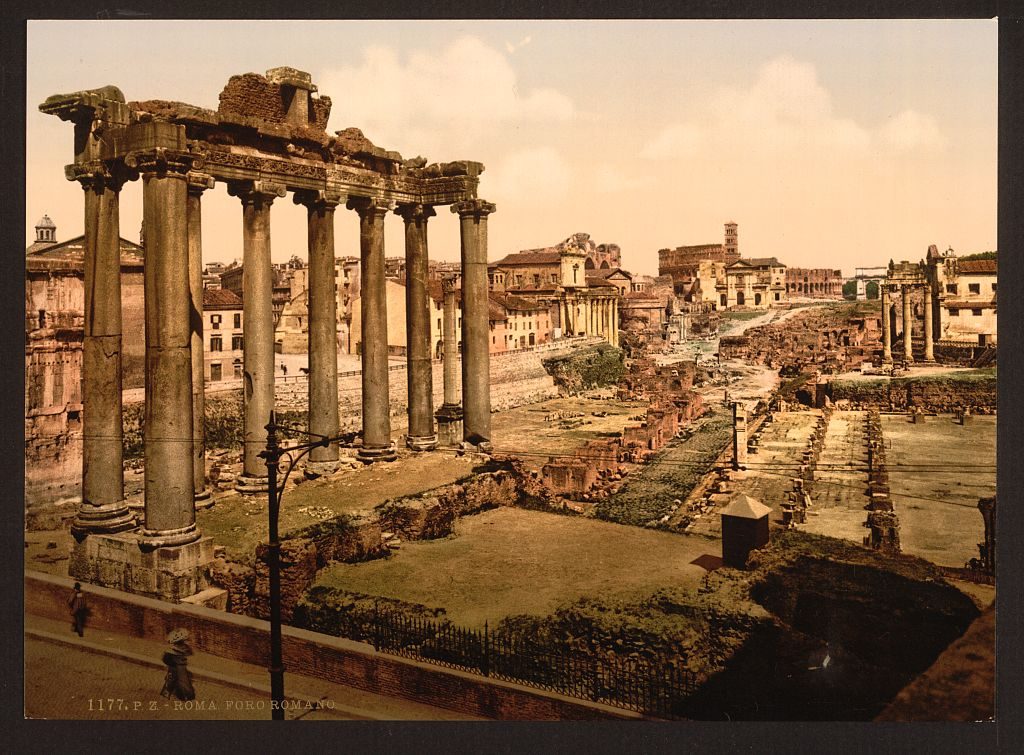
The idea of dis­cov­er­ing a lost ancient city under­ground has long cap­tured the human imag­i­na­tion. But why are the aban­doned built envi­ron­ments of those fan­tasies always buried? The answer, in large part, is that such places do indeed exist under our feet, at least in cer­tain parts of the world. When archae­ol­o­gists start­ed dig­ging under the Roman Forum, says the nar­ra­tion of the new Pri­mal Space video above, “they uncov­ered an entire world of ruins deep under­ground that had­n’t been seen for cen­turies.” The even old­er city of Troy “was rebuilt ten times, form­ing ten dis­tinct lay­ers, all built direct­ly on top of each oth­er.” A geo­log­i­cal dig is always a jour­ney back in time, but there even more so.

Each civ­i­liza­tion has its own rea­sons for this kind of phys­i­cal accre­tion. “After the great fire of Rome in the first cen­tu­ry, most of the city had to be rebuilt. But instead of clear­ing away the rub­ble, it was quick­er and eas­i­er to sim­ply flat­ten it out and build on top.” There­after, peri­od­ic dis­as­ters con­tin­ued to neces­si­tate peri­od­ic rais­ing of the streets, a process that would even­tu­al­ly bury old­er struc­tures com­plete­ly.

In the case of Troy, which began as a set­tle­ment built of mud bricks in 3,000 BC, nine civ­i­liza­tions grew and dis­solved (often lit­er­al­ly) on the very same mound, “going from the Per­sians to Alexan­der the Great, and even­tu­al­ly the Romans.” Some­thing sim­i­lar con­tin­ues to hap­pen in cer­tain parts of the world today: Shang­hai, for instance, which is now sink­ing at a rate of one cen­time­ter per year.

Hav­ing grown up around Seat­tle, I had more than one occa­sion to take its “under­ground tour,” which takes place amid the remains of a late-nine­teenth-cen­tu­ry town­scape pre­served just below the mod­ern streets. “In 1889, a dev­as­tat­ing fire ripped through the new­ly formed city, and just like Rome, almost every­thing had to be rebuilt,” the video explains. The after­math brought an oppor­tu­ni­ty to re-design the flood-prone city with streets ele­vat­ed above a sys­tem of drains. This put under­ground not just the low­er floors of the exist­ing build­ings, but also their sur­round­ing side­walks. At ele­men­tary-school age, one is some­how both fas­ci­nat­ed and not par­tic­u­lar­ly sur­prised by the exis­tence of a lost city beneath one’s home­town. For me and my class­mates, noth­ing was more mem­o­rable than the fact that there are still toi­lets down there.

Relat­ed con­tent:

The Lost Neigh­bor­hood Buried Under New York City’s Cen­tral Park

What’s Under Lon­don? Dis­cov­er London’s For­bid­den Under­world

How the “Lost Cities” of the Ama­zon Were Final­ly Dis­cov­ered

Under­ci­ty: Explor­ing the Under­bel­ly of New York City

Explore the Ruins of Tim­gad, the “African Pom­peii” Exca­vat­ed from the Sands of Alge­ria

Paris Under­ground

Based in Seoul, Col­in Marshall writes and broad­casts on cities, lan­guage, and cul­ture. His projects include the Sub­stack newslet­ter Books on Cities and the book The State­less City: a Walk through 21st-Cen­tu­ry Los Ange­les. Fol­low him on the social net­work for­mer­ly known as Twit­ter at @colinmarshall.

How Frank Lloyd Wright’s Architecture Evolved Over 70 Years and Changed America

In the new Archi­tec­tur­al Digest video above, Michael Wyet­zn­er talks about a fair few build­ings we’ve fea­tured over the years here on Open Cul­ture: the Impe­r­i­al Hotel, the Ennis House, Tal­iesin, Falling­wa­ter. These are all, of course, the work of Frank Lloyd Wright, who still stands as the embod­i­ment of Amer­i­can archi­tec­ture more than 65 years after his death. That’s a fair­ly long stretch by mod­ern stan­dards, but nev­er­the­less a short­er one than Wright’s career, which ran over 70 years. Dur­ing his long life, Wyet­zn­er explains, Wright wit­nessed the intro­duc­tion of indoor plumb­ing, elec­tric­i­ty, the tele­phone, the auto­mo­bile, the air­plane, the radio, tele­vi­sion, and space trav­el — and even giv­en that, his archi­tec­ture shows a dra­mat­ic evo­lu­tion.

Begin­ning with Wright’s appren­tice­ship in Chica­go under Louis Sul­li­van, “the father of mod­ernism,” Wyet­zn­er con­tin­ues on to his devel­op­ment of the hor­i­zon­tal indoor-out­door “Prairie Style” house; his Japan­ese com­mis­sions and sub­se­quent much-pho­tographed Los Ange­les hous­es; the emer­gence of his phi­los­o­phy of “organ­ic archi­tec­ture” meant to uni­fy the build­ing with its site and nat­ur­al envi­ron­ment; his dis­cov­ery of the desert; and his Depres­sion-era con­cep­tion of the “Uson­ian house,” which adapt­ed his refined spa­tial sen­si­bil­i­ty for Amer­i­can-style mass pro­duc­tion. This would be more than enough for even the most dis­tin­guished archi­tec­t’s career. Yet it does­n’t even get around to such projects as the Uni­ty Tem­ple, John­son Wax Head­quar­ters, the R. W. Lind­holm Ser­vice Sta­tion, the Solomon R. Guggen­heim Muse­um, or his first and last dog­house.

No mat­ter which peri­od of Wright’s career you exam­ine, you can find evi­dence for his belief in the inspi­ra­tion of place, in organ­ic aes­thet­ics, in struc­tur­al expres­sive­ness, and even in indi­rect moral instruc­tion. Yet it’s also pos­si­ble to imag­ine that, in some sense, a series of dif­fer­ent Frank Lloyd Wrights exist­ed, repeat­ed­ly destroyed and recre­at­ed by pro­fes­sion­al set­back, per­son­al dis­as­ter, for­eign sojourn, immer­sion in a new land­scape, or even acquain­tance with a new tech­nol­o­gy. Sure­ly no one could remain pro­duc­tive to the end of his 92 years with­out a lit­tle re-inven­tion. Dur­ing that time, he designed more than 1,000 projects, only about half of which were ever built. Young archi­tects who idol­ize Frank Lloyd Wright would do well to remem­ber that he, too, knew full well the sting of nev­er mak­ing it to con­struc­tion.

Relat­ed Con­tent:

How Frank Lloyd Wright Became Frank Lloyd Wright: A Video Intro­duc­tion

Frank Lloyd Wright Cre­ates a List of the 10 Traits Every Aspir­ing Artist Needs

That Far Cor­ner: Frank Lloyd Wright in Los Ange­les – A Free Online Doc­u­men­tary

Frank Lloyd Wright: America’s Great­est Archi­tect? – A Free Stream­ing Doc­u­men­tary

What Frank Lloyd Wright’s Unusu­al Win­dows Tell Us About His Archi­tec­tur­al Genius

What It’s Like to Work in Frank Lloyd Wright’s Icon­ic Office Build­ing

Based in Seoul, Col­in Marshall writes and broad­casts on cities, lan­guage, and cul­ture. His projects include the Sub­stack newslet­ter Books on Cities and the book The State­less City: a Walk through 21st-Cen­tu­ry Los Ange­les. Fol­low him on the social net­work for­mer­ly known as Twit­ter at @colinmarshall.

« Go BackMore in this category... »
Quantcast