When Salvador Dalí Gave a Surrealist Lecture in a Diving Suit … and Almost Suffocated (1936)

Many a for­eign­er has vis­it­ed Eng­land and found it an unex­pect­ed­ly sur­re­al place. Some of that effect has to do with encoun­ter­ing famil­iar icons — Big Ben, dou­ble-deck­er Routemas­ter bus­es, Mar­mite — in cold, damp real­i­ty. More of it may be induced by the coun­try’s simul­ta­ne­ous­ly thor­ough­go­ing cul­tures of nor­mal­i­ty and eccen­tric­i­ty, an end­less source of inspi­ra­tion for Mon­ty Python’s Fly­ing Cir­cus and much oth­er British com­e­dy since. Yet Eng­land came rel­a­tive­ly late to Sur­re­al­ism, or rather, Sur­re­al­ism came late to Eng­land. When the Inter­na­tion­al Sur­re­al­ist Exhi­bi­tion opened at the New Burling­ton Gal­leries behind Lon­don’s Roy­al Acad­e­my in the sum­mer of 1936, the Man­ches­ter Evening News decried it as “a trav­es­ty of every­thing that’s decent.” Nat­u­ral­ly, the show was a smash hit.

On dis­play was work by artists includ­ing Pablo Picas­so, René Magritte, Max Ernst, Alexan­der Calder, Gior­gio de Chiri­co, Mar­cel Duchamp, Alber­to Gia­comet­ti, Paul Klee, Man Ray, and Sal­vador Dalí, who turned up in per­son to deliv­er a lec­ture on “Authen­tic Para­noiac Phan­toms.” In order to “descend to the sub­con­scious” with a prop­er­ly Sur­re­al­ist lit­er­al­ism, he rent­ed a div­ing suit and hel­met from a local out­fit­ter for his appear­ance. (You can see an actu­al image from 1936 here.) “The div­ing suit had extreme­ly heavy lead shoes which I could bare­ly lift,” he writes in his auto­bi­og­ra­phy, as trans­lat­ed by Haakon Cheva­lier. “I there­fore had to walk very slow­ly, lean­ing on friends who helped to move me, as though I were com­plete­ly par­a­lyzed, and thus I appeared before the audi­ence hold­ing two lux­u­ri­ous white Russ­ian wolfhounds on a leash.”

Only after he’d been talk­ing for a few min­utes did Dalí real­ize that “it would be impos­si­ble for me to deliv­er my speech through the glass win­dow of my hel­met. More­over, I had been shut up in this thing for ten min­utes and became heat­ed from the exer­tions I had made in walk­ing across the stage to reach my chair, so that I was drip­ping with per­spi­ra­tion, and felt faint and on the point of suf­fo­cat­ing.” With the tech­ni­cian who’d screwed the hel­met on in the first place nowhere to be found, his wife Gala and friend Edward James worked des­per­ate­ly to free him, even­tu­al­ly tak­ing a ham­mer to the bolts. “At each blow I thought I would faint.” When Dalí final­ly emerged, the audi­ence, hav­ing assumed it had all been an act, “was impressed by my real­ly death­ly pal­lor, which con­sti­tut­ed the accu­rate gauge of that Dalin­ian dra­mat­ic ele­ment which nev­er fails to attend my most triv­ial acts and under­tak­ings.”

As uncom­pro­mis­ing­ly as they made their dec­la­ra­tions to change the world through sheer force of non­sense, the Sur­re­al­ists also under­stood that the show must go on. Dalí moved on to the visu­al por­tion of his lec­ture, pre­sent­ing slides out of order and, for the most part, upside down. This was just one of the attrac­tions with which the Inter­na­tion­al Sur­re­al­ist Exhi­bi­tion drew 30,000 vis­i­tors dur­ing its three-week run, and “had it not been for the gath­er­ing storm clouds of war in Europe,” writes the Guardian’s Joan­na Moor­head, “it might have gone on to achieve far more.” The old Eng­lish intol­er­ance for Gal­lic self-seri­ous­ness would also have made things dif­fi­cult for Sur­re­al­ism as the likes of Dalí, Duchamp, and André Bre­ton con­ceived it. Or per­haps the domes­tic vari­ety was sim­ply enough: as crit­ic and poet Her­bert Read puts it in the exhi­bi­tion’s cat­a­log, a nation that has pro­duced both William Blake and Lewis Car­roll is to the man­ner born.

Relat­ed Con­tent:

When The Sur­re­al­ists Expelled Sal­vador Dalí for “the Glo­ri­fi­ca­tion of Hit­ler­ian Fas­cism” (1934)

When Sal­vador Dali Met Sig­mund Freud, and Changed Freud’s Mind About Sur­re­al­ism (1938)

When Sal­vador Dalí Cre­at­ed a Sur­re­al­ist Fun­house at New York World’s Fair (1939)

When Sal­vador Dalí Dressed — and Angri­ly Demol­ished — a Depart­ment Store Win­dow in New York City (1939)

When Sal­vador Dalí Gave a Lec­ture at the Sor­bonne & Arrived in a Rolls Royce Full of Cau­li­flower (1955)

Sal­vador Dali Gets Sur­re­al with Mike Wal­lace (1958)

Based in Seoul, Col­in Marshall writes and broad­casts on cities, lan­guage, and cul­ture. He’s the author of the newslet­ter Books on Cities as well as the books 한국 요약 금지 (No Sum­ma­riz­ing Korea) and Kore­an Newtro. Fol­low him on the social net­work for­mer­ly known as Twit­ter at @colinmarshall.

Watch Interplanetary Revolution (1924): The Most Bizarre Soviet Animated Propaganda Film You’ll Ever See

In 1924, Zenon Komis­sarenko, Youry Merkulov and Niko­lai Kho­dataev pro­duced Inter­plan­e­tary Rev­o­lu­tion, which might just be one of the strangest Sovi­et pro­pa­gan­da films ever pro­duced.

First, the film is ani­mat­ed using not only tra­di­tion­al cel ani­ma­tion but also col­lage and stop motion, giv­ing the work a queasy, dis­ori­ent­ing feel. A bit like look­ing at a paint­ing by Hen­ry Darg­er.

Then there is the film’s sto­ry. As an inter­ti­tle pro­claims, this is “a tale about Com­rade Con­in­ter­nov, the Red Army War­rior who flew to Mars, and van­quished all the cap­i­tal­ists on the plan­et!!” This already sounds bet­ter than John Carter.

The movie, how­ev­er, is rather hard to fol­low with­out either the appro­pri­ate amount of rev­o­lu­tion­ary fer­vor or, per­haps, hal­lu­cino­gens. Inter­plan­e­tary Rev­o­lu­tion opens with a wild-eyed, ax-wield­ing bull­dog with a top hat – a cap­i­tal­ist, obvi­ous­ly. Oth­er cap­i­tal­ists, with swastikas on their fore­heads, suck the blood from a hap­less mem­ber of the pro­le­tari­at. (By the ear­ly 1920s, Ger­many’s nation­al­ist right had adopt­ed the swasti­ka, and Sovi­et pro­pa­gan­dists quick­ly used it to brand cap­i­tal­ists as fas­cists.) Then the rev­o­lu­tion comes and a pant­less cap­i­tal­ist demon los­es his mind after devour­ing a copy of Prav­da. Next, the cap­i­tal­ists board a giant fly­ing shoe and fly off into space. From there, the film gets kind of weird.

You can watch the whole thing above. It’s also added to our list of Free Ani­mat­ed Films, a sub­set of our col­lec­tion, 4,000+ Free Movies Online: Great Clas­sics, Indies, Noir, West­erns, Doc­u­men­taries & More.

Note: An ear­li­er ver­sion of this post appeared on our site in 2015.

Relat­ed Con­tent:

Watch Dzi­ga Vertov’s Sovi­et Toys: The First Sovi­et Ani­mat­ed Movie Ever (1924)

Watch the Sur­re­al­ist Glass Har­mon­i­ca, the Only Ani­mat­ed Film Ever Banned by Sovi­et Cen­sors (1968)

Watch Dzi­ga Vertov’s A Man with a Movie Cam­era, Named the 8th Best Film Ever Made

“Glo­ry to the Con­querors of the Uni­verse!”: Pro­pa­gan­da Posters from the Sovi­et Space Race (1958–1963)

The Beau­ti­ful, Inno­v­a­tive & Some­times Dark World of Ani­mat­ed Sovi­et Pro­pa­gan­da (1925–1984)

Jonathan Crow is a writer and film­mak­er whose work has appeared in Yahoo!, The Hol­ly­wood Reporter, and oth­er pub­li­ca­tions. 

How Alan Turing and His Fellow Codebreakers Broke the Nazis’ “Unbreakable” Enigma Code

There was a time when you could just go out and buy an Enig­ma machine. In the ear­ly nine­teen-twen­ties, any orga­ni­za­tion with a need to keep its com­mu­ni­ca­tions secret could order a few of those brand-new devices from Ger­many and rest assured that any mes­sages encod­ed using them would be safe from pry­ing eyes. It did­n’t take long for the mil­i­tary to catch on to the Enig­ma’s use­ful­ness. Just a few years after the machine came on the mar­ket, it had been adopt­ed by the Ger­man Navy, Army, and Air Force, and made pos­si­ble the rapid, secret coor­di­na­tion cen­tral to the tech­nique we now call blitzkrieg. When World War II began, Axis forces were con­fi­dent, as any­one in pos­ses­sion of an unbreak­able code might well be.

As his­to­ry played out, of course, that code turned out to be break­able. That this came as a sur­prise to the Nazis makes sense if you watch the new video above from Ver­i­ta­si­um, which opens up an actu­al Enig­ma machine and explains its inner work­ings. Each let­ter typed into its key­board pass­es through a series of inter­change­able rotors wired togeth­er, then comes back through in the oppo­site direc­tion, result­ing in a par­tic­u­lar sub­sti­tute let­ter.

Each char­ac­ter entered advances at least one of the rotors, each of which turns at a dif­fer­ent speed, mean­ing that the already com­plex sub­sti­tu­tion cipher con­stant­ly changes. To make it even trick­i­er, the Nazis made mod­i­fi­ca­tions to their Enig­ma machines, includ­ing a tele­phone-oper­a­tor-style plug­board that expand­ed the pos­si­ble encryp­tion keys to 7 x 10¹⁸: an infi­nite-seem­ing num­ber that fair­ly cried out for the math­e­mat­i­cal ser­vices of Alan Tur­ing.

Already famous for hav­ing come up with the “Tur­ing machine,” which could the­o­ret­i­cal­ly manip­u­late strings of sym­bols in what we’d now call an algo­rith­mic fash­ion, he was recruit­ed by Britain’s wartime code­break­ing head­quar­ters at Bletch­ley Park, where experts were already hard at work reverse-engi­neer­ing the Enig­ma machine. There he con­sid­ered flaws in the design of the device, such as its inabil­i­ty to encrypt any giv­en let­ter as itself, and the ways in which its human oper­a­tors used it, such as mak­ing pre­dictable weath­er reports. Exploit­ing these weak­ness­es required build­ing a non-the­o­ret­i­cal com­pu­ta­tion engine, the Bombe, to grind through all pos­si­bil­i­ties at what would then have seemed an unfath­omable speed. The intel­li­gence the Bombe pro­duced con­tributed to the suc­cess of the sur­prise D‑Day inva­sion and may have tak­en years off the poten­tial rav­ages of World War II. It would­n’t have hap­pened with­out Tur­ing’s for­mi­da­ble intel­li­gence — or his under­stand­ing that you need a machine to out­smart a machine.

Relat­ed Con­tent:

The Enig­ma Machine: How Alan Tur­ing Helped Break the Unbreak­able Nazi Code

How British Code­break­ers Built the First Elec­tron­ic Com­put­er

The LEGO Tur­ing Machine Gives a Quick Primer on How Your Com­put­er Works

A Tur­ing Machine Hand­made Out of Wood

Can You Crack the Uncrack­able Code in Kryp­tos, the CIA’s Work of Pub­lic Art?

The Sto­ry of Elize­beth Fried­man, the Pio­neer­ing Cryp­tol­o­gist Who Thwart­ed the Nazis & Got Burned by J. Edgar Hoover

Based in Seoul, Col­in Marshall writes and broad­casts on cities, lan­guage, and cul­ture. He’s the author of the newslet­ter Books on Cities as well as the books 한국 요약 금지 (No Sum­ma­riz­ing Korea) and Kore­an Newtro. Fol­low him on the social net­work for­mer­ly known as Twit­ter at @colinmarshall.

The Digital Dada Library: Discover the Archive That Preserves the Original Publications of the Experimental Anti-Art Movement Online

Crit­i­cal the­o­rists like Theodor Adorno may have over­reached in claim­ing that all mass cul­ture is mediocre, mech­a­nized pro­pa­gan­da made to jus­ti­fy the sta­tus quo. But that doesn’t mean they were entire­ly wrong. Over and over we see even the most sub­ver­sive art, lit­er­a­ture, film, and music has a way of being tamed and Bowd­ler­ized. Glob­al mega-cor­po­rate indus­tries don’t need to cen­sor what they don’t like; they only need to buy it, rebrand it, or price it out of reach.

So what? Why do we need chal­leng­ing, inde­pen­dent art when we have end­less enter­tain­ment? Is the con­cept a nos­tal­gic, elit­ist, Euro­cen­tric idea? Artists have jus­ti­fied the need for art since antiq­ui­ty, with poet­ic and log­i­cal argu­ments of every kind. But Dada artists of the ear­ly 20th cen­tu­ry broke ranks, build­ing their move­ment on the insight that no defense could pos­si­bly mean any­thing when it came to art’s pur­pose, espe­cial­ly in the face of the tech­no­crat­ic slaugh­ter of World War I.

When the hyper­ra­tional­ism of moder­ni­ty led to mass death and destruc­tion, the only humane response was to declare war on rationalization—to “destroy the hoax­es of rea­son,” as French artist Jean Arp put it. “For the dis­il­lu­sioned artists of the Dada move­ment,” the Muse­um of Mod­ern Art explains, “the war mere­ly con­firmed the degra­da­tion of social struc­tures that led to such vio­lence: cor­rupt and nation­al­ist pol­i­tics, repres­sive social val­ues, and unques­tion­ing con­for­mi­ty of cul­ture and thought.”

Dada took a com­bat­ive stance against, for one thing, the insis­tence that art jus­ti­fy its exis­tence to win estab­lish­ment approval. “All activ­i­ty is vain,” declared poet Tris­tan Tzara in his 1918 “Dada Man­i­festo,” includ­ing the “mon­e­tary sys­tem, phar­ma­ceu­ti­cal prod­uct, or a bare leg adver­tis­ing the ardent ster­ile spring…. The begin­nings of Dada were not the begin­nings of art, but of dis­gust” with the ossi­fied cul­ture of the “nice, nice bour­geois,” who would pre­serve at any cost “the pos­si­bil­i­ty of wal­low­ing in cush­ions and good things to eat.”

“And so Dada,” wrote Tzara, “was born of a need for inde­pen­dence, of a dis­trust toward uni­ty.” Such dec­la­ra­tions aside, the move­ment was decid­ed­ly uni­fied in its aims. “For us, art is not an end in itself,” poet Hugo Ball wrote. “It is an oppor­tu­ni­ty for the true per­cep­tion and crit­i­cism of the times we live in.” This cri­tique required new exper­i­men­tal tech­niques that deformed and repur­posed the tech­nolo­gies of mass cul­ture.

The under­tak­ing would not have been pos­si­ble with­out a Dada pub­lish­ing wing that turned out scores of jour­nals, mag­a­zines, books, leaflets, essays, man­i­festos, etc., writ­ten, designed, edit­ed, illus­trat­ed, pho­tographed, and con­trolled by the artists them­selves. They might find no small amount of irony in the fact that their pro­duc­tions have received the ulti­mate insti­tu­tion­al sanc­tion: housed in “nice, nice bour­geois” muse­ums, libraries, and uni­ver­si­ties around the world.

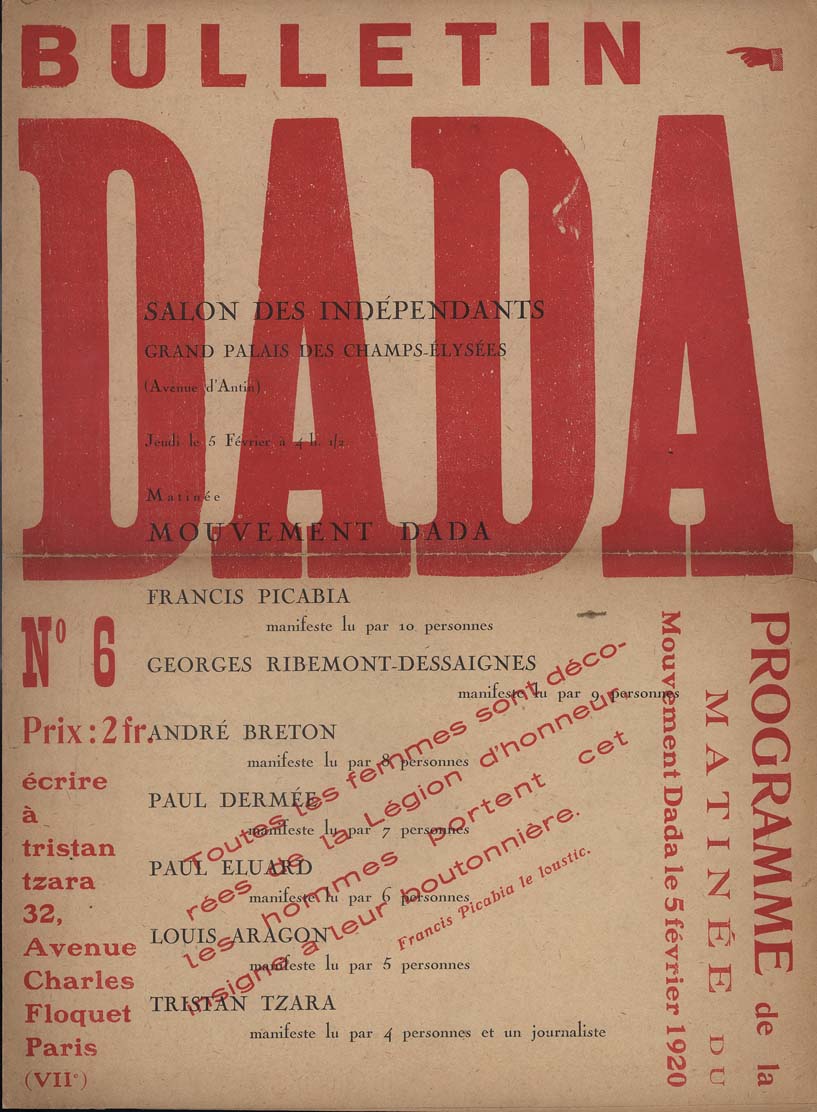
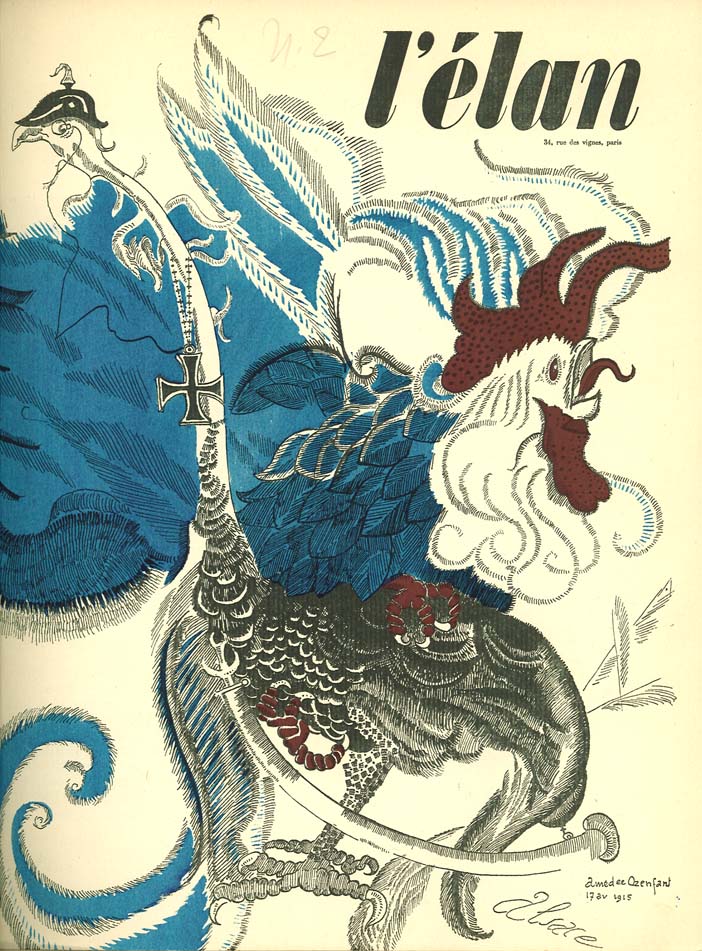
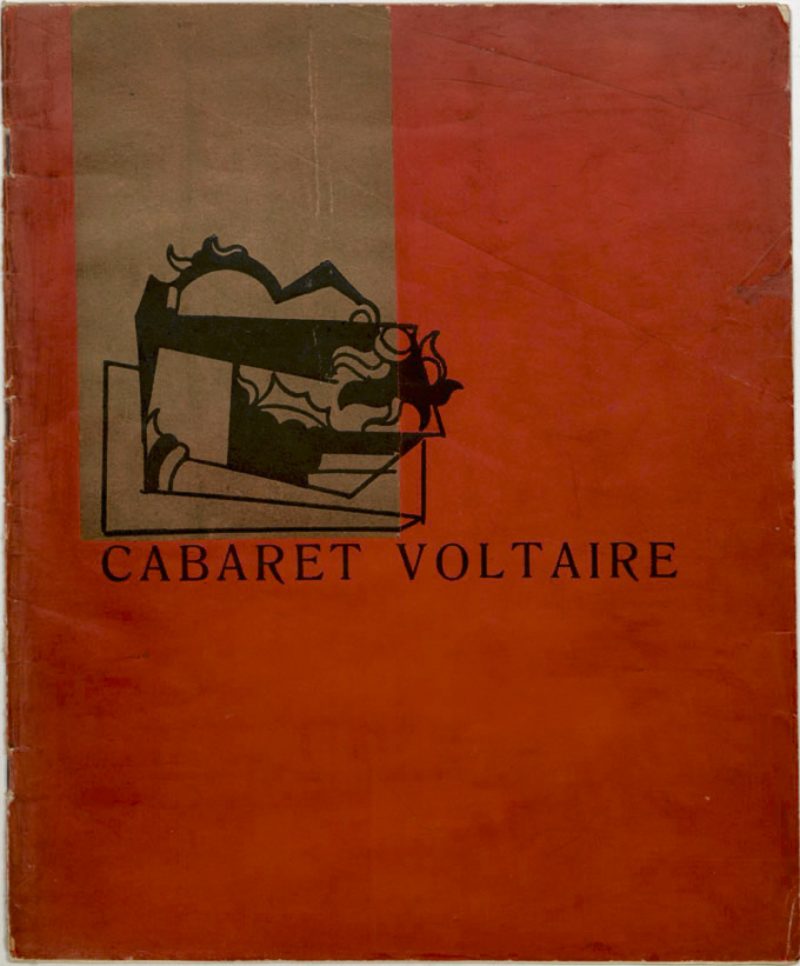
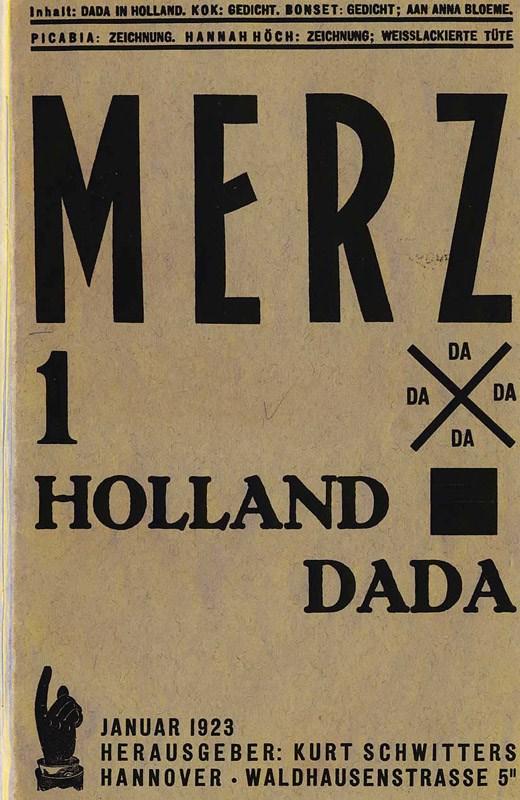
The Uni­ver­si­ty of Iowa’s Inter­na­tion­al Dada Archive has amassed a con­sid­er­able num­ber of Dada pub­li­ca­tions and offers a wealth of high-qual­i­ty scanned images of the orig­i­nals on their site. “The first sec­tion” of their Dig­i­tal Library “includes some of the major peri­od­i­cals of the Dada move­ment from Zurich, Berlin, Paris, and else­where.”

The sec­ond sec­tion of the site “includes books by some of the par­tic­i­pants in the Dada move­ment, as well as some of the more ephemer­al Dada-era pub­li­ca­tions, such as exhi­bi­tion cat­a­logs and broad­sides.” You’ll find writ­ings by all of the artists men­tioned above, as well as oth­er well-known names like Max Ernst, Paul Elu­ard, George Grosz, Man Ray, Fran­cis Picabia, and more.

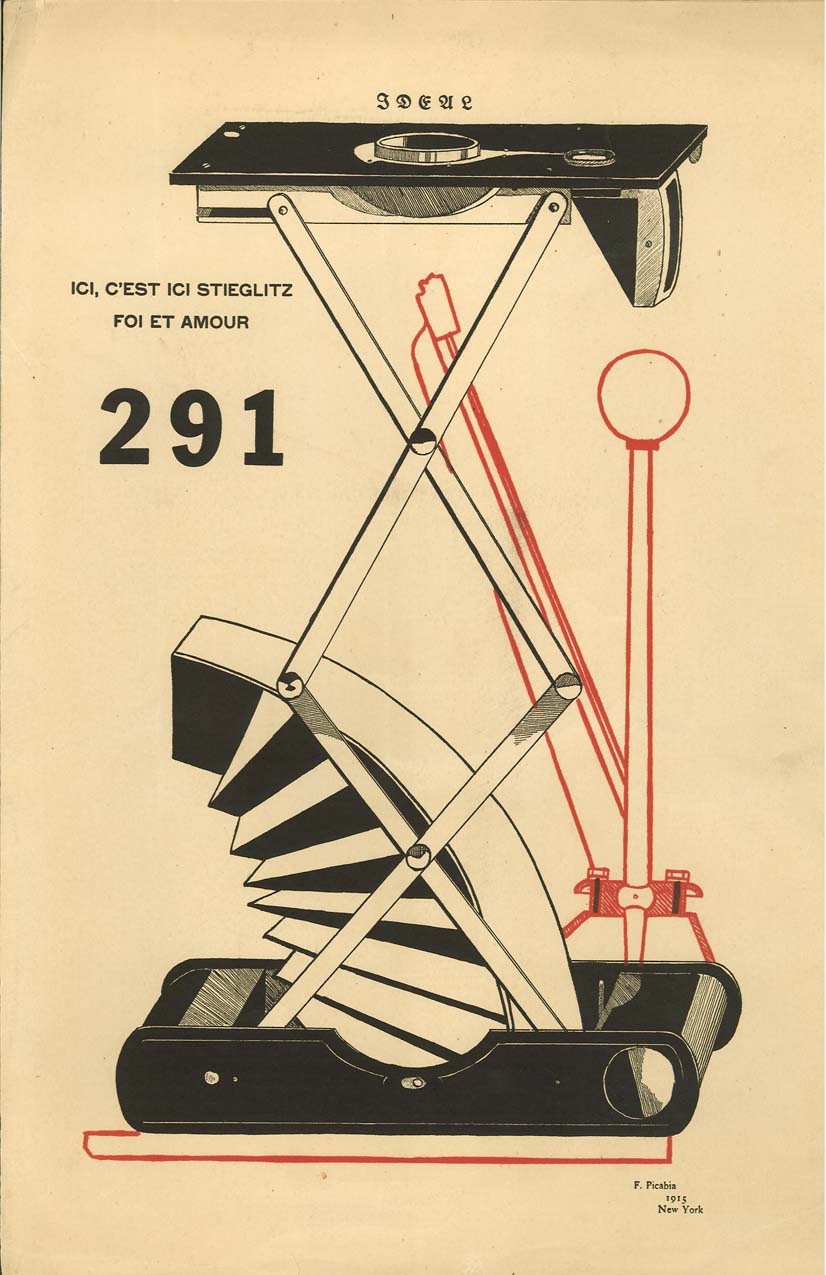
All of these pub­li­ca­tions are, of course, in their orig­i­nal Euro­pean lan­guages, though you can find trans­la­tions of many doc­u­ments online. The most influ­en­tial Dada mag­a­zine in Eng­lish, Alfred Stieglitz’s 291, will give mono­lin­gual read­ers a fla­vor of the larg­er scene. Pub­lished in New York between 1915 and 1916, the short-lived jour­nal includ­ed many of the major Euro­pean names. Its first issue cov­ered exper­i­ments like “simul­tanism,” “sin­cerism,” and “idi­o­tism,” and intro­duced visu­al poet­ry to Amer­i­can read­ers. Issue 5–6 fea­tured on its cov­er one of the weird, non­sen­si­cal machines of Fran­cis Picabia.

Dada splin­tered into oth­er move­ments before its artists were forced out of Europe or hound­ed into obscu­ri­ty by the Nazis. Their uni­fied attempt to frag­ment and dis­rupt the dom­i­nance of mass cul­ture was itself frag­ment­ed and dis­rupt­ed by a hor­rif­ic new war machine. But while their ideas may have been co-opt­ed, their spir­it may yet live on. Inspired by their work, per­haps a new gen­er­a­tion will take up the Sisyphean task of mak­ing rad­i­cal, crit­i­cal, exper­i­men­tal art to sub­vert the homog­e­niz­ing jug­ger­naut of the cul­ture indus­try.

Enter the Uni­ver­si­ty of Iowa’s Dig­i­tal Dada Library here.

Note: An ear­li­er ver­sion of this post appeared on our site in 2019.

Relat­ed Con­tent:

Dada Was Born 100 Years Ago: Cel­e­brate the Avant-Garde Move­ment Launched by Hugo Ball on July 14, 1916

The ABCs of Dada Explains the Anar­chic, Irra­tional “Anti-Art” Move­ment of Dadaism

Read and Hear Tris­tan Tzara’s “Dada Man­i­festo,” the Avant-Garde Doc­u­ment Pub­lished 100 Years Ago (March 23, 1918)

Down­load All 8 Issues of Dada, the Arts Jour­nal That Pub­li­cized the Avant-Garde Move­ment a Cen­tu­ry Ago (1917–21)

Hear the Exper­i­men­tal Music of the Dada Move­ment: Avant-Garde Sounds from a Cen­tu­ry Ago

Josh Jones is a writer and musi­cian based in Durham, NC. 

When Galileo Calculated the Precise Dimensions of Hell in Dante’s Inferno

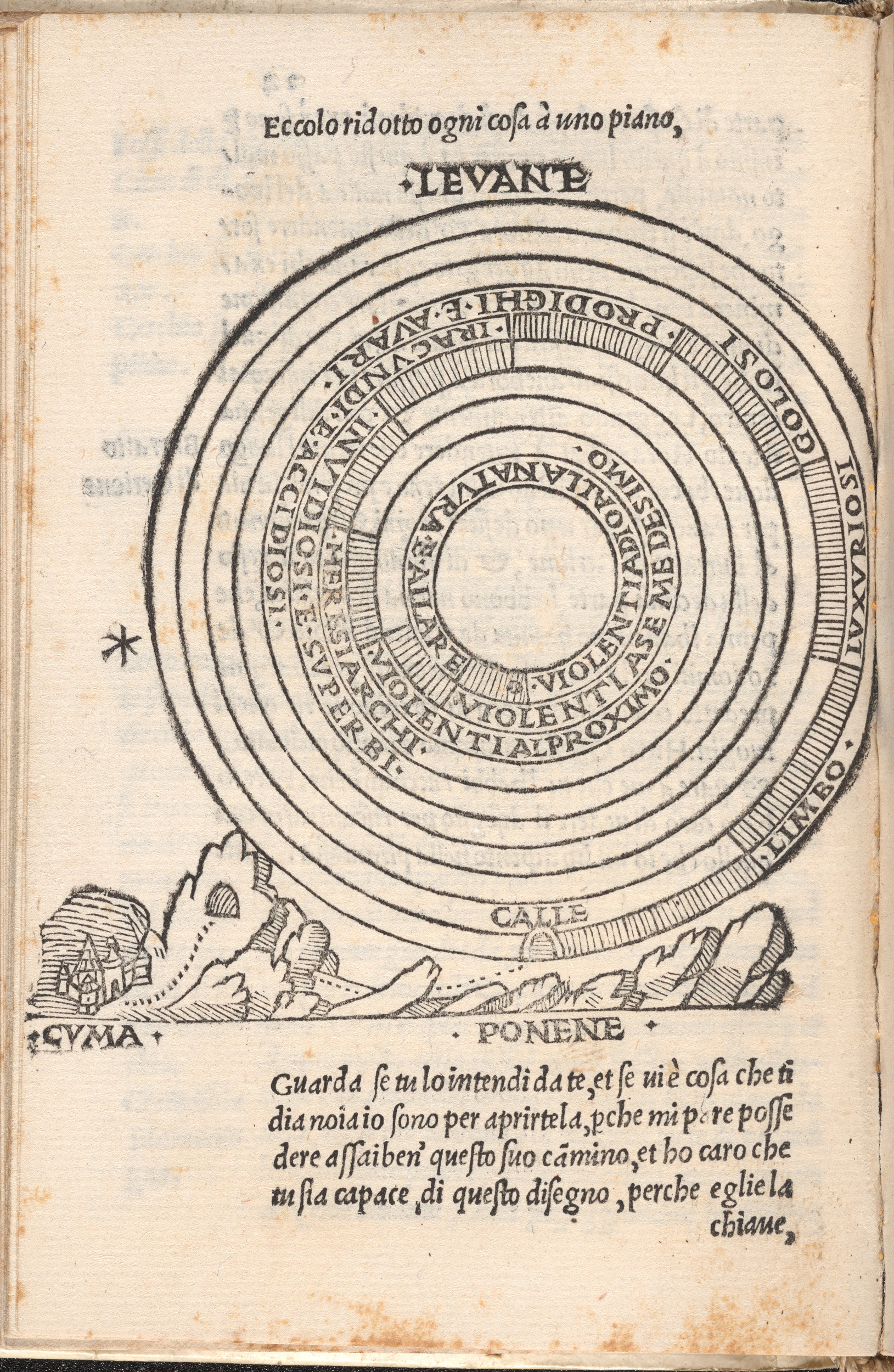
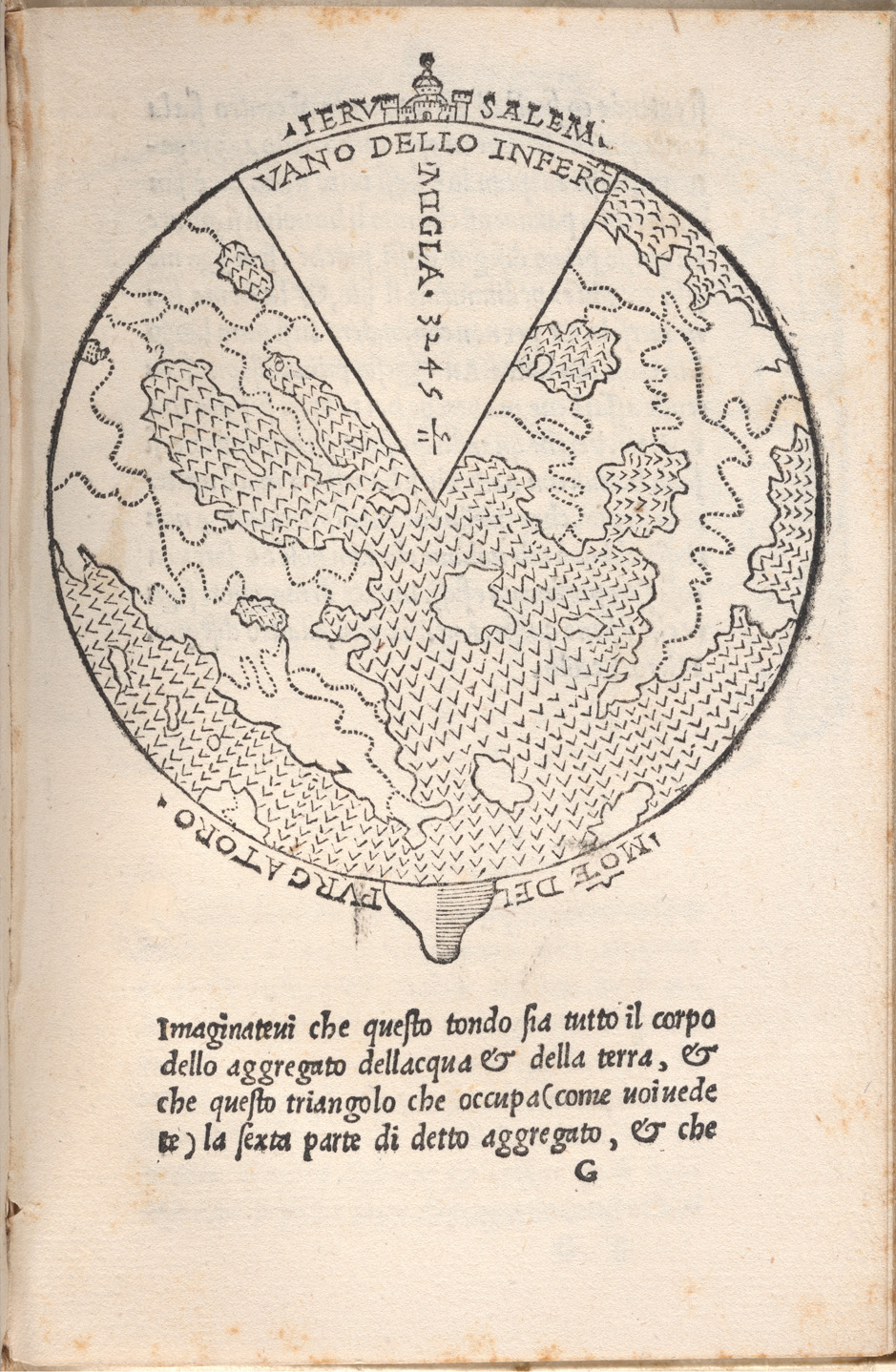
We ven­er­ate Galileo Galilei for dar­ing to speak the sci­en­tif­ic truth in the face of severe insti­tu­tion­al oppo­si­tion. He pub­licly acknowl­edged that the Earth revolves around the Sun in a time when the Church would rather he did­n’t, dis­play­ing a bloody-mind­ed­ness that he seems to have acquired with age. Decades ear­li­er, in the first stage of his career, he found him­self (cir­ca 1588) tasked by the Flo­ren­tine Acad­e­my with cal­cu­lat­ing the pre­cise dimen­sions of hell as described in Dan­te’s Divine Com­e­dy. Duti­ful­ly apply­ing him­self to this now-absurd-sound­ing work, he deter­mined that the under­world’s roof had to be cen­tered in Jerusalem, as wide as the radius of the entire Earth, and no less than 600 kilo­me­ters thick.

Not that any of this was based on friv­o­lous rea­son­ing. As a mod­el for the dimen­sions of hel­l’s roof, for instance, Galileo looked over to Fil­ip­po Brunelleschi’s dome, which had topped the Flo­rence Cathe­dral for a cen­tu­ry and a half at that point. Galileo’s cal­cu­la­tions of hel­l’s dimen­sions con­tra­dict­ed an ear­li­er mod­el pro­posed by the schol­ar Alessan­dro Vel­lutel­lo. Instead, they sup­port­ed a mod­el devel­oped by archi­tect Anto­nio Manet­ti, whose draw­ings appear here.

That Manet­ti was a fel­low Flo­ren­tine, and Vel­lutel­lo was from Flo­rence’s long­time rival Luc­ca could well have count­ed among the moti­vat­ing fac­tors. But we must bear in mind that, in the six­teenth cen­tu­ry, peo­ple real­ly did want to get these facts straight — if “facts” be the prop­er term.

The attempt to rec­on­cile scrip­ture with objec­tiv­i­ty absorbed the lives of many high­ly intel­li­gent peo­ple through­out the Mid­dle Ages and the Renais­sance. How­ev­er hope­less that goal could be, the thought Galileo devot­ed to the prob­lem may have result­ed in a gen­uine break­through. Math­e­mati­cian and sci­ence his­to­ri­an Mark Peter­son, pre­vi­ous­ly fea­tured here on Open Cul­ture, has argued that his cal­cu­la­tions of Dan­te’s non-Euclid­ean, topol­o­gy-curved uni­verse — as we might plau­si­bly describe it today — laid out the basis for what would become math­e­mat­i­cal physics. In any case, the young Galileo’s lec­tures at the Flo­ren­tine Acad­e­my land­ed him a job as a math­e­mat­ics lec­tur­er at the Uni­ver­si­ty of Pisa, as good a rea­son as any for him to keep his pri­vate doubts to him­self. When it comes to sci­ence and reli­gion, as he must have known, you’ve got to pick your bat­tles.

Relat­ed con­tent:

Dante’s Divine Com­e­dy: A Visitor’s Guide to Hell, Pur­ga­to­ry & Par­adise

Physics from Hell: How Dante’s Infer­no Inspired Galileo’s Physics

Beau­ti­ful 19th Cen­tu­ry Maps of Dante’s Divine Com­e­dy: Infer­no, Pur­ga­to­ry, Par­adise & More

Visu­al­iz­ing Dante’s Hell: See Maps & Draw­ings of Dante’s Infer­no from the Renais­sance Through Today

A Dig­i­tal Archive of the Ear­li­est Illus­trat­ed Edi­tions of Dante’s Divine Com­e­dy (1487–1568)

Explore Divine Com­e­dy Dig­i­tal, a New Dig­i­tal Data­base That Col­lects Sev­en Cen­turies of Art Inspired by Dante’s Divine Com­e­dy

Based in Seoul, Col­in Marshall writes and broad­casts on cities, lan­guage, and cul­ture. He’s the author of the newslet­ter Books on Cities as well as the books 한국 요약 금지 (No Sum­ma­riz­ing Korea) and Kore­an Newtro. Fol­low him on the social net­work for­mer­ly known as Twit­ter at @colinmarshall.

Listen to 4+ Hours of Jazz & Classical Music from Haruki Murakami’s Novels

Before he became a nov­el­ist, Haru­ki Muraka­mi ran a jazz bar in Tokyo, and music has filled his nov­els ever since. For your lis­ten­ing plea­sure, NTS Radio has cre­at­ed two playlists of the jazz and clas­si­cal music ref­er­enced in his fic­tion. Togeth­er, they run near­ly five hours and fea­ture every­one from John Coltrane, Bill Evans, and Thelo­nious Monk to Schu­bert, Liszt, and Mozart. Our sug­ges­tion: Pick up a Muraka­mi nov­el, press play, and let the music become the sound­track to your read­ing. Enjoy!

via Kot­tke

Relat­ed Con­tent 

Haru­ki Murakami’s Dai­ly Rou­tine: Up at 4:00 a.m., 5–6 Hours of Writ­ing, Then a 10K Run

Haru­ki Muraka­mi Trans­lates The Great Gats­by, the Nov­el That Influ­enced Him Most

Read 12 Sto­ries By Haru­ki Muraka­mi Free Online

Why Should You Read Haru­ki Muraka­mi? An Ani­mat­ed Video on His “Epic Lit­er­ary Puz­zle” Kaf­ka on the Shore Makes the Case


by | Permalink | Make a Comment ( 1 ) |

Rage Against the Machines: From the Luddites to the AI Data Center Backlash

One often-repeat­ed anec­dote about Mil­ton Fried­man has the famous econ­o­mist vis­it­ing a canal under con­struc­tion in nine­teen-six­ties Chi­na. Notic­ing the sheer num­ber of human labor­ers dig­ging away with shov­els, he asked the offi­cial in charge why they weren’t get­ting the work done faster with exca­va­tors and oth­er mod­ern machines. The bureau­crat explained to him that doing it by hand cre­at­ed more jobs. Fried­man’s reply: “If it’s jobs you want, you should give those men spoons instead.” Whether or not this exchange ever actu­al­ly hap­pened, it illus­trates a con­flict that’s arisen more than once in the his­to­ry of civ­i­liza­tion, pos­si­bly since the dawn of indus­tri­al­iza­tion — and at least since the hey­day of the Lud­dites.

Accord­ing to the Uni­ver­si­ty of Cam­bridge, that hey­day came in 1812, the year of “an assault by some 150 armed labor­ers on a Hud­der­s­field mill, in which sol­diers opened fire on the mob to stop them break­ing into the premis­es, fatal­ly wound­ing two attack­ers.” This was the cul­mi­na­tion of a series of protests across Eng­land, all of them inspired by anger at “new tech­nolo­gies, like auto­mat­ed looms, which were being used in the tex­tile indus­try in place of the skilled work of arti­sans, threat­en­ing their liveli­hoods as a result.” These des­per­ate­ly infu­ri­at­ed pro­test­ers, whose doc­u­ment­ed actions include the mur­der of a York­shire mill own­er, loud­ly expressed alle­giance to one Ned Ludd, a weaver said to have tak­en the bold step of smash­ing a cou­ple of new­fan­gled stock­ing frames some 25 years before.

The sto­ry of Lud­d’s ear­ly stand against mech­a­niza­tion may be even more ques­tion­able than the one about Mil­ton Fried­man and the spoons, but his name sur­vives today nev­er­the­less. In fact, it’s under­gone some­what of a revival thanks to the arti­fi­cial-intel­li­gence boom of recent years, dur­ing which even the mod­ern “knowl­edge work­ers” have come to fear the tram­pling of their liveli­hoods under tech­nol­o­gy’s inex­orable march. Their calls for restric­tions on the devel­op­ment and deploy­ment of AI are, in one side’s fram­ing of the argu­ment, mere­ly the lat­est pub­lic spasm of Lud­dism, a move­ment explained in the video above from The His­to­ry Guy. How many here in the twen­ty-first cen­tu­ry, after all, would argue that the mass pro­duc­tion of socks ulti­mate­ly con­sti­tut­ed a real loss for human­i­ty?

Lud­dism nev­er did count a large pro­por­tion of the Eng­lish labor force as its own. Rather, the move­ment appealed to “a rel­a­tive­ly ‘elite’ group” of legal­ly pro­tect­ed work­ers only allowed into their pro­fes­sions after years of appren­tice­ship, at which point “they tend­ed to feel that they were owed a liv­ing.” Nor did the con­di­tions, hours, and com­pen­sa­tion at the fac­to­ries then spring­ing up seem favor­able com­pared to the way of life enjoyed by their pre­de­ces­sors. Sim­i­lar sen­ti­ments may under­lie the “Lud­dite clubs” form­ing on col­lege cam­pus­es, on which NPR has report­ed, or this year’s social media-free “Sum­mer of Ludd” at the New School, to say noth­ing of ongo­ing protests against data-cen­ter con­struc­tion. It would be fas­ci­nat­ing to hear what gen­uine nine­teenth-cen­tu­ry Lud­dites would make of our sit­u­a­tion. Per­haps, one day, we can use AI to res­ur­rect them.

Relat­ed con­tent:

Hear Alan Watts’s 1960s Pre­dic­tion That Automa­tion Will Neces­si­tate a Uni­ver­sal Basic Income

Experts Pre­dict When Arti­fi­cial Intel­li­gence Will Take Our Jobs: From Writ­ing Essays, Books & Songs, to Per­form­ing Surgery and Dri­ving Trucks

The Inge­nious Engi­neer­ing of Silk: How the 2,000-Year-Old Pat­tern Loom Pow­ered the Silk Road and the Wealth of Ancient Chi­na

How Qatar Built Sta­di­ums with Forced Labor

Based in Seoul, Col­in Marshall writes and broad­casts on cities, lan­guage, and cul­ture. He’s the author of the newslet­ter Books on Cities as well as the books 한국 요약 금지 (No Sum­ma­riz­ing Korea) and Kore­an Newtro. Fol­low him on the social net­work for­mer­ly known as Twit­ter at @colinmarshall.

How Reading Changes the Way Your Brain Works

Read­ing is unnat­ur­al. This will hard­ly come as a sur­prise to any child try­ing to put off his home­work for just one more hour of watch­ing oth­er kids play Minecraft. Yet there real­ly are impli­ca­tions worth con­sid­er­ing if we accept that our cog­ni­tive sys­tems did­n’t evolve to process text in the same way as they evolved to han­dle vision and speech. Speak­ing on an evo­lu­tion­ary his­tor­i­cal scale, “we haven’t had enough time to devel­op a ded­i­cat­ed read­ing brain,” says UCLA neu­ro­sci­en­tist Rebec­ca Gotlieb in the BBC World Ser­vice video above. For the time being, in a kind of cog­ni­tive jer­ry-rig­ging, “we co-opt parts of the brain involved in vision and audi­to­ry pro­cess­ing and lan­guage and atten­tion and affect.”

That was true for read­ers and writ­ers of Sumer­ian cuneiform and Egypt­ian hiero­glyph­ics five mil­len­nia ago. It still is for read­ers and writ­ers of the many scripts in use today, from the Latin alpha­bet to Chi­nese char­ac­ters to the Ara­bic abjad, each of which has its own influ­ence on its users’ neu­ro­log­i­cal archi­tec­ture. One of the biggest dif­fer­ences between then and now is the scale of read­ing: ancient Sume­ria and Egypt seem to have had lit­er­a­cy rates around one per­cent, a num­ber com­pris­ing most­ly scribes, priests, and nobles, while the glob­al aver­age today comes in around 88 per­cent and ris­ing. Anoth­er is the medi­um of read­ing: the shift from papyrus to paper may have seemed remark­able at the time, but the more recent one from paper to elec­tron­ic screens has already changed the way we think about our world.

“When we read on screens, we tend to skim, and when we skim, we’re more sus­cep­ti­ble to mis­in­for­ma­tion,” says Gotlieb. So we’ve been told, many times and many ways, amid the past decade’s ever-more-trou­bled polit­i­cal reportage. In 2018, Maryanne Wolf, author of Come Home: The Read­ing Brain in a Dig­i­tal World, argued in the Guardian that the “sub­tle atro­phy of crit­i­cal analy­sis and empa­thy” appar­ent­ly caused by tech­nol­o­gy-encour­aged skim­ming “affects our abil­i­ty to nav­i­gate a con­stant bom­bard­ment of infor­ma­tion. It incen­tivizes a retreat to the most famil­iar silos of unchecked infor­ma­tion, which require and receive no analy­sis, leav­ing us sus­cep­ti­ble to false infor­ma­tion and dem­a­goguery.”

So much for us adults. What about the chil­dren? In the BBC World Ser­vice video, Wolf blunt­ly sums up the results of stud­ies so far on the effects of ear­ly read­ing expe­ri­ence on lat­er intel­lec­tu­al per­for­mance: “the more dig­i­tal, the worse aca­d­e­m­ic.” If a young brain is “con­stant­ly being dis­tract­ed and hyper­stim­u­lat­ed, you’re going to have them not able to real­ly move from one stim­u­lus to the next with­out a desire for ever-quick­er inter­vals between stim­uli.” For our part, as par­ents, teach­ers, or oth­er vis­i­ble exam­ples of grown-uphood, we can do noth­ing to coun­ter­act that more effec­tive­ly than to mod­el and enjoy a rich “read­ing life” for the next gen­er­a­tion. We must, in oth­er words, pick up books and not put them down, which may strike an Open Cul­ture read­er as an easy task. But ask your­self this: how many times did you click over to some­thing else before get­ting to the end of this post?

Relat­ed con­tent:

How Read­ing Increas­es Your Emo­tion­al Intel­li­gence & Brain Func­tion: The Find­ings of Recent Sci­en­tif­ic Stud­ies

How to Read Books That Chal­lenge Your Mind: Advice from Robert Greene, Author of The 48 Laws of Pow­er

This Is Your Brain on Jane Austen: The Neu­ro­science of Read­ing Great Lit­er­a­ture

How to Read Five Books Per Month & Become a Seri­ous Read­er: Tips from Deep Work Author Cal New­port

Why Amer­i­cans Stopped Read­ing Books

Grow­ing Up Sur­round­ed by Books Has a Last­ing Pos­i­tive Effect on the Brain, Says a New Sci­en­tif­ic Study

Based in Seoul, Col­in Marshall writes and broad­casts on cities, lan­guage, and cul­ture. He’s the author of the newslet­ter Books on Cities as well as the books 한국 요약 금지 (No Sum­ma­riz­ing Korea) and Kore­an Newtro. Fol­low him on the social net­work for­mer­ly known as Twit­ter at @colinmarshall.

An In-Depth, Immersive Journey Through the Bayeux Tapestry

With the Bayeux Tapes­try now on dis­play at the British Muse­um, Deep Down His­to­ry presents a deep dive into the embroi­dery’s full sto­ry:

“The Bayeux Tapes­try is one of the most remark­able sur­vivals of the Mid­dle Ages — a 70 metre embroi­dered account of the events lead­ing to the Nor­man Con­quest of Eng­land in 1066, cul­mi­nat­ing in the Bat­tle of Hast­ings. This video tells the Tapes­try’s sto­ry in full, using Charles Stothard’s ear­ly colour repro­duc­tion, pre­sent­ed here as a seam­less scroll for the first time. We fol­low Harold God­win­son’s fate­ful jour­ney from Edward the Con­fes­sor’s court to Nor­mandy, his lat­er seizure of the Crown, and William the Con­queror’s inva­sion. Beyond its polit­i­cal mes­sag­ing, the Tapes­try is also burst­ing with medieval his­to­ry, includ­ing jokes, fas­ci­nat­ing tech­ni­cal details, and a warn­ing for those who break their promis­es…”

Enjoy!

via Kot­tke

Relat­ed Con­tent

The Sto­ry Told on the Famous Bayeux Tapes­try Explained from Start to Fin­ish

The Bayeux Tapes­try Gets Dig­i­tized: View the Medieval Tapes­try in High Res­o­lu­tion, Down to the Indi­vid­ual Thread

Behold a Cre­ative Ani­ma­tion of the Bayeux Tapes­try

How Eng­land First Became Eng­land: An Ani­mat­ed His­to­ry

The Bayeux Tapes­try Ani­mat­ed

The Entire His­to­ry of the British Isles Ani­mat­ed: 42,000 BCE to Today

Con­struct Your Own Bayeux Tapes­try with This Free Online App

The Genius Logic of the NATO Phonetic Alphabet: How It Was Created & How It Works

Most of us can rat­tle off the first few words-that-stand-for-let­ters of the NATO pho­net­ic alpha­bet. Alfa, Bra­vo, and Char­lie no doubt come right to mind, and depend­ing on how many war movies you’ve seen, so may Delta, Echo, and Fox­trot. But how many of us would rec­og­nize Kilo, Mike, and Sier­ra? For that mat­ter, how much do any of us know about how these par­tic­u­lar words came to be used to spell out oth­er words when com­mu­ni­cat­ing over walkie-talkies or oth­er low-fideli­ty com­mu­ni­ca­tion sys­tems? In the video above for his YouTube chan­nel Rob­Words, YouTu­ber Rob Watts explains the devel­op­ment of and log­ic behind the NATO pho­net­ic alpha­bet, wast­ing no time in clar­i­fy­ing that it isn’t a pho­net­ic alpha­bet, nor was it cre­at­ed by NATO.

What we actu­al­ly have here, Watts says, is a “spelling alpha­bet,” and its sto­ry goes back to the inven­tion of the tele­phone in the eigh­teen-sev­en­ties. “Ear­ly tele­phon­ists found that if ever they need­ed to spell some­thing out, like some­one’s name, one let­ter would get mis­heard as anoth­er.” The idea of express­ing each let­ter with a com­mon word start­ing with that let­ter arose nat­u­ral­ly, though fig­ur­ing out exact­ly which words to use took a lot more tri­al and error.

In the ear­ly nine­teen-tens, West­ern Union pub­lished a spelling alpha­bet con­sist­ing most­ly of the names of peo­ple and places: Adams, Boston, Chica­go, Den­ver, Edward, and so on. By World War I, the British army had also imple­ment­ed a rather more eccen­tric ver­sion, using words like Beer, Mon­key, Nuts, Orange, Pip, and York­er; by World War II, “every armed ser­vice in Britain and the U.S. had devel­oped its own spelling alpha­bet.”

In light of the rapid­ly glob­al­iz­ing nature of human affairs, and not just the mil­i­tary kind, the need for a sin­gle uni­ver­sal spelling alpha­bet became press­ing. It was­n’t until the estab­lish­ment of the Inter­na­tion­al Civ­il Avi­a­tion Orga­ni­za­tion, meant to over­see the skies in peace­time, that earnest work began on a revi­sion of the U.S.-U.K. com­bined forces’ exist­ing spelling alpha­bet, incor­po­rat­ing Eng­lish words eas­i­ly pro­nounce­able by non-Eng­lish speak­ers, while also being min­i­mal­ly con­fus­able for one anoth­er. By 1956, ICAO final­ized its list, which has remained the NATO pho­net­ic alpha­bet (or, offi­cial­ly, the Inter­na­tion­al Radiotele­pho­ny Spelling Alpha­bet) we all know today — or we at least par­tial­ly know. It may well be worth your time to mem­o­rize the rest, since you nev­er know when you’ll have to keep your Papas and Que­becs straight.

Relat­ed Con­tent:

The Alpha­bet Explained: The Ori­gin of Every Let­ter

The Evo­lu­tion of the Alpha­bet: A Col­or­ful Flow­chart, Cov­er­ing 3,800 Years, Takes You From Ancient Egypt to Today

The Enig­ma Machine: How Alan Tur­ing Helped Break the Unbreak­able Nazi Code

What Eng­lish Would Sound Like If It Was Pro­nounced Pho­net­i­cal­ly

Based in Seoul, Col­in Marshall writes and broad­casts on cities, lan­guage, and cul­ture. He’s the author of the newslet­ter Books on Cities as well as the books 한국 요약 금지 (No Sum­ma­riz­ing Korea) and Kore­an Newtro. Fol­low him on the social net­work for­mer­ly known as Twit­ter at @colinmarshall.

Watch Footage from the Psychology Experiment That Shocked the World: Milgram’s Obedience Study (1961)

For decades fol­low­ing World War II,  the world was left won­der­ing how the atroc­i­ties of the Holo­caust could have been per­pe­trat­ed in the midst of—and, most hor­rif­i­cal­ly, by—a mod­ern and civ­i­lized soci­ety. How did peo­ple come to engage in a will­ing and sys­tem­at­ic exter­mi­na­tion of their neigh­bors? Psy­chol­o­gists, whose field had grown into a grudg­ing­ly respect­ed sci­ence by the mid­point of the 20th cen­tu­ry, were eager to tack­le the ques­tion.

In 1961, Yale University’s Stan­ley Mil­gram began a series of infa­mous obe­di­ence exper­i­ments. While Adolf Eichmann’s tri­al was under­way in Jerusalem (result­ing in Han­nah Arendt’s five-piece reportage, which became one of The New York­er magazine’s most dra­mat­ic and con­tro­ver­sial arti­cle series), Mil­gram began to sus­pect that human nature was more straight­for­ward than ear­li­er the­o­rists had imag­ined; he won­dered, as he lat­er wrote, “Could it be that Eich­mann and his mil­lion accom­plices in the Holo­caust were just fol­low­ing orders? Could we call them all accom­plices?”

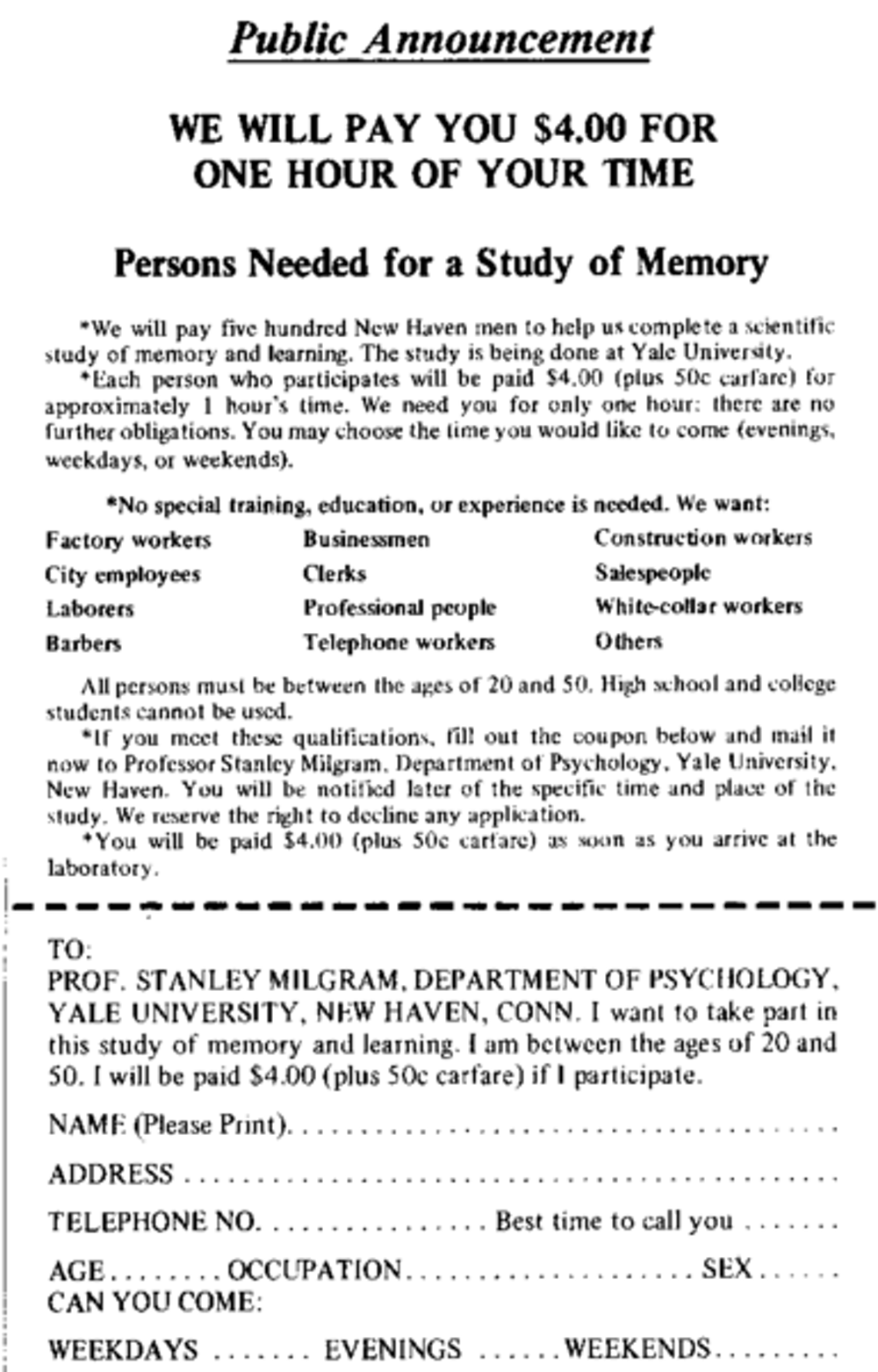
In the most famous of his exper­i­ments, Mil­gram osten­si­bly recruit­ed par­tic­i­pants to take part in a study assess­ing the effects of pain on learn­ing. In real­i­ty, he want­ed to see how far he could push the aver­age Amer­i­can to admin­is­ter painful elec­tric shocks to a fel­low human being.

When par­tic­i­pants arrived at his lab, Milgram’s assis­tant would ask them, as well as a sec­ond man, to draw slips of paper to receive their roles for the exper­i­ment. In fact, the sec­ond man was a con­fed­er­ate; the par­tic­i­pant would always draw the role of “teacher,” and the sec­ond man would invari­ably be made the “learn­er.”


The par­tic­i­pants received instruc­tions to teach pairs of words to the con­fed­er­ate. After they had read the list of words once, the teach­ers were to test the learner’s recall by read­ing one word, and ask­ing the learn­er to name one of the four words asso­ci­at­ed with it. The exper­i­menter told the par­tic­i­pants to pun­ish any learn­er mis­takes by push­ing a but­ton and admin­is­ter­ing an elec­tric shock; while they could not see the learn­er, par­tic­i­pants could hear his screams. The con­fed­er­ate, of course, remained unharmed, and mere­ly act­ed out in pain, with each mis­take cost­ing him an addi­tion­al 15 volts of pun­ish­ment. In case par­tic­i­pants fal­tered in their sci­en­tif­ic resolve, the exper­i­menter was near­by to urge them, using four author­i­ta­tive state­ments:

Please con­tin­ue.

The exper­i­ment requires that you con­tin­ue.

It is absolute­ly essen­tial that you con­tin­ue.

You have no oth­er choice, you must go on.

In a jar­ring set of find­ings, Mil­gram found that 26 of the 40 par­tic­i­pants obeyed instruc­tions, admin­is­ter­ing shocks all the way from “Slight Shock,” to “Dan­ger: Severe Shock.” The final two omi­nous switch­es were sim­ply marked “XXX.” Even when the learn­er would pound on the walls in agony after seem­ing­ly receiv­ing 300 volts, par­tic­i­pants per­sist­ed. Even­tu­al­ly, the learn­er sim­ply stopped respond­ing.

Although they fol­lowed instruc­tions, par­tic­i­pants repeat­ed­ly expressed their desire to stop the exper­i­ment, and showed clear signs of extreme dis­com­fort:

“I observed a mature and ini­tial­ly poised busi­ness­man enter the lab­o­ra­to­ry smil­ing and con­fi­dent. With­in 20 min­utes he was reduced to a twitch­ing, stut­ter­ing wreck, who was rapid­ly approach­ing a point of ner­vous col­lapse… At one point he pushed his fist into his fore­head and mut­tered: “Oh God, let’s stop it.” And yet he con­tin­ued to respond to every word of the exper­i­menter, and obeyed to the end.” 

Milgram’s study set off a pow­der keg whose impact remains felt to this day. Eth­i­cal­ly, many object­ed to the decep­tion and the lack of ade­quate par­tic­i­pant debrief­ing. Oth­ers claimed that Mil­gram overem­pha­sized human nature’s propen­si­ty for blind obe­di­ence, with the exper­i­menter often urg­ing par­tic­i­pants to con­tin­ue many more times than the four stock phras­es allowed.

In the clip above, you can watch orig­i­nal footage from Milgram’s  exper­i­ment, fright­en­ing in its insid­i­ous sim­plic­i­ty. (See a full doc­u­men­tary on the study on YouTube.) The man admin­is­ter­ing the shock grows increas­ing­ly uncom­fort­able with his part in the pro­ceed­ings, and almost walks out, ask­ing “Who’s going to take the respon­si­bil­i­ty for any­thing that hap­pens to that gen­tle­man?” When the exper­i­menter replies, “I’m respon­si­ble,” the man, absolv­ing him­self, con­tin­ues. As the per­son receiv­ing the shocks grows increas­ing­ly pan­icked, com­plain­ing about his heart and ask­ing to be let out, the par­tic­i­pant makes his objec­tions known but appears par­a­lyzed, sheep­ish­ly turn­ing to the exper­i­menter, unable to leave.

Although Milgram’s work has drawn crit­ics, his results endure. While chang­ing the experiment’s pro­ce­dure may alter com­pli­ance (e.g., hav­ing the exper­i­menter speak to par­tic­i­pants over the phone rather than remain in the same room through­out the exper­i­ment decreased obe­di­ence rates), repli­ca­tions have tend­ed to con­firm Milgram’s ini­tial find­ings. Whether one is urged once or a dozen times, peo­ple tend to take on the yoke of author­i­ty as absolute, relin­quish­ing their per­son­al agency in the pain they impart. Human nature, it seems, has no Manichean leanings—merely a pli­ant bent.

Note: An ear­li­er ver­sion of this post appeared on our site in Novem­ber 2013.

Relat­ed Con­tent:

The Lit­tle Albert Exper­i­ment: The Per­verse 1920 Study That Made a Baby Afraid of San­ta Claus & Bun­nies

The Pow­er of Con­for­mi­ty: 1962 Episode of Can­did Cam­era Reveals the Strange Psy­chol­o­gy of Rid­ing Ele­va­tors

Her­mann Rorschach’s Orig­i­nal Rorschach Test: What Do You See? (1921)

Carl Gus­tav Jung Explains His Ground­break­ing The­o­ries About Psy­chol­o­gy in Rare Inter­view (1957)

Free Online Cours­es Psy­chol­o­gy

Writ­ten by Ilia Blin­d­er­man.

by | Permalink | Make a Comment ( 6 ) |


  • Great Lectures

  • About Us

    Open Culture scours the web for the best educational media. We find the free courses and audio books you need, the language lessons & educational videos you want, and plenty of enlightenment in between.


    Advertise With Us

  • Archives

  • Search

  • Quantcast