The Only Footage of Mark Twain: The Original & Digitally Restored Films Shot by Thomas Edison

We know what Mark Twain looked like, and we think we know what he sound­ed like. Just above see what he looked like in motion, strolling around Storm­field, his house in Red­ding, Connecticut—signature white suit draped loose­ly around his frame, sig­na­ture cig­ar puff­ing white smoke between his fin­gers. After Twain’s leisure­ly walk along the house’s façade, we see him with his daugh­ters, Clara and Jean, seat­ed indoors. Below you can see the orig­i­nal murky ver­sion, fea­tured on our site way back in 2010. A dig­i­tal restora­tion (top) does won­ders for the watch­a­bil­i­ty of this price­less silent arti­fact, so vivid­ly cap­tur­ing the writer/contrarian/raconteur’s essence that you’ll find your­self reach­ing to turn the vol­ume up, expect­ing to hear that famil­iar cur­mud­geon­ly drawl.

Shot by Thomas Edi­son in 1909, the short film is most like­ly the only mov­ing image of Twain in exis­tence. We might assume that Edi­son also record­ed Twain’s voice, since we seem to know it so well, from por­tray­als of the great Amer­i­can humorist in pop cul­tur­al touch­stones like Star Trek: The Next Gen­er­a­tion and par­o­dies by Alec Bald­win and Val Kilmer.

Kilmer’s sur­pris­ing­ly fun­ny in the role, but he doesn’t come near the pitch per­fect imper­son­ation Hal Hol­brook had giv­en us for the bet­ter part of six­ty years in his mas­ter­ful Mark Twain Tonight. Holbrook’s vocal man­ner­isms have become a defin­i­tive mod­el for actors play­ing Twain on stage and screen.

Giv­en the num­ber of Twain vocal imper­son­ations out there, and Edis­on’s inter­est in doc­u­ment­ing the author, we might be sur­prised to learn that no orig­i­nal record­ings of his voice exist. Twain, we find out in the short film below, exper­i­ment­ed with audio record­ing tech­nol­o­gy, but aban­doned his efforts. It seems that none of the wax cylin­ders he worked with have survived—perhaps he destroyed them him­self.

As nar­ra­tor Rod Rawlings—himself a Twain imper­son­ator and afi­ciona­do—informs us, what we do have is a record­ing made in 1934 by actor and play­wright William Gillette,  an able mim­ic of Twain, his patron and long­time neigh­bor. Like Hol­brook, Gillette spent a good part of his career trav­el­ing from town to town play­ing Mark Twain. Below, you’ll hear Gillette address a class of stu­dents at Har­vard, first in his own voice, then in the voice of the author, read­ing from “The Cel­e­brat­ed Jump­ing Frog of Calav­eras Coun­ty.” Gillet­te’s per­for­mance is like­ly the clos­est we’ll ever come to hear­ing the voice of the real Twain, whose major works appear in our col­lec­tion of Free Audio Books and Free eBooks.

Relat­ed Con­tent:

Mark Twain Pre­dicts the Inter­net in 1898: Read His Sci-Fi Crime Sto­ry, “From The ‘Lon­don Times’ in 1904”

Mark Twain Wrote the First Book Ever Writ­ten With a Type­writer

Mark Twain’s Vicious­ly Fun­ny Mar­gin­a­lia Took Aim at Some Lit­er­ary Greats

Josh Jones is a writer and musi­cian based in Durham, NC. Fol­low him at @jdmagness.

by | Permalink | Make a Comment ( 2 ) |

Watch Classic Performances by Yellow Magic Orchestra, the Japanese Band That Became One of the Most Innovative Electronic Music Acts of All Time


Music changes when tech­nol­o­gy changes. Few musi­cians have demon­strat­ed as keen an aware­ness of that fact as Haruo­mi Hosono, Yuk­i­hi­ro Taka­hashi, and Ryuichi Sakamo­to, who togeth­er as Yel­low Mag­ic Orches­tra (YMO) burst onto the scene mak­ing sounds that most lis­ten­ers of the late nine­teen-sev­en­ties had nev­er heard before — nev­er heard in a musi­cal con­text, at least. They’d nev­er seen a band employ a com­put­er pro­gram­mer, nor bring onstage a device like Roland’s MC‑8 Micro­com­pos­er, an ear­ly musi­cal sequencer designed strict­ly for stu­dio use. That YMO did­n’t hes­i­tate to make these uncon­ven­tion­al choic­es, and many oth­ers besides, won them years as the most pop­u­lar band in their native Japan.

It would be unimag­in­able for YMO to have emerged in any oth­er place or time. “Japan had long since remade itself as a post­war eco­nom­ic engine, but by the late 1970s it was becom­ing some­thing else: a glob­al emblem of tech­no-utopi­anism and futur­is­tic cool,” writes the New York Times’ Clay Risen. “Sony released the Walk­man in 1979, just as Ken­zo Taka­da and Issey Miyake were tak­ing over Paris fash­ion run­ways with their play­ful, vision­ary designs.”

Japan had become eco­nom­i­cal­ly, tech­no­log­i­cal­ly, and cul­tur­al­ly for­mi­da­ble on a glob­al scale, and YMO were placed to become its ide­al rep­re­sen­ta­tives: they had the askew hip­ness and the cut­ting-edge sounds, but it was their sense of humor, evi­dent in the play­ful­ness of their music, that took the rest of the world by sur­prise.


You’ll find no bet­ter intro­duc­tion to YMO’s work than the hour-long YMO con­cert at the Nip­pon Budokan at the top of the post. It took place in 1983, not long before Hosono, Taka­hashi, and Sakamo­to packed the band up and returned to their already well-estab­lished solo careers. As a unit they’d achieved glob­al star­dom, play­ing for­eign venues like Los Ange­les’ Greek The­atre in 1979 and, unbe­liev­ably, going on Soul Train in 1980. Their ear­ly hit “Behind the Mask” even caught the atten­tion of Michael Jack­son, who record­ed his own ver­sion of the song for Thriller but left it unre­leased until 2010 — by which time YMO had reunit­ed to per­form in Japan, Europe, and Amer­i­ca, play­ing for new gen­er­a­tions of lis­ten­ers who had grown up immersed in their music, direct­ly or indi­rect­ly.


Influ­ences on YMO includ­ed the work of Bri­an Wil­son and Gior­gio Moroder, as well as music from India, Chi­na, the Caribbean, the late-fifties-ear­ly-six­ties “exot­i­ca” fad, and even arcade games. But their own influ­ence has spread out far­ther still, shap­ing not just var­i­ous sub­gen­res of elec­tron­ic music but also cer­tain for­ma­tive works of hip hop. If you lis­ten to YMO’s albums today — near­ly 45 years after their com­mer­cial debut, and just a few weeks after the death of co-founder Taka­hashi — their music still, some­how, sounds thor­ough­ly Japan­ese. Like Isao Tomi­ta (whose assis­tant became their com­put­er pro­gram­mer), YMO under­stood not just that music changes with tech­nol­o­gy, but also that it emerges from a spe­cif­ic cul­ture, and in their discog­ra­phy we hear those prin­ci­ples pushed to their thrilling lim­its.

Relat­ed con­tent:

Infi­nite Esch­er: A High-Tech Trib­ute to M.C. Esch­er, Fea­tur­ing Sean Lennon, Nam June Paik & Ryuichi Sakamo­to (1990)

How Youtube’s Algo­rithm Turned an Obscure 1980s Japan­ese Song Into an Enor­mous­ly Pop­u­lar Hit: Dis­cov­er Mariya Takeuchi’s “Plas­tic Love”

Hear the Great­est Hits of Isao Tomi­ta (RIP), the Father of Japan­ese Elec­tron­ic Music

Pink Lady and Jeff: Japan’s Biggest Pop Musi­cians Star in One of America’s Worst-Reviewed TV Shows (1980)

The Roland TR-808, the Drum Machine That Changed Music For­ev­er, Is Back! And It’s Now Afford­able & Com­pact

Kraftwerk’s First Con­cert: The Begin­ning of the End­less­ly Influ­en­tial Band (1970)

Based in Seoul, Col­in Marshall writes and broad­casts on cities, lan­guage, and cul­ture. His projects include the Sub­stack newslet­ter Books on Cities, the book The State­less City: a Walk through 21st-Cen­tu­ry Los Ange­les and the video series The City in Cin­e­ma. Fol­low him on Twit­ter at @colinmarshall or on Face­book.


The Mystery Finally Solved: Why Has Roman Concrete Been So Durable?

Image by Ben­jaminec, via Wiki­me­dia Com­mons

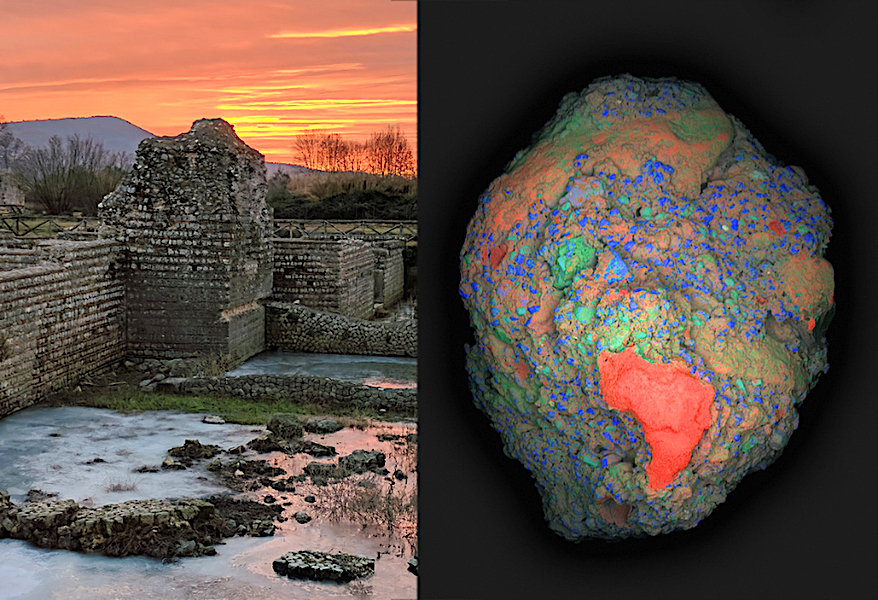
Rome may not have been built in a day, but it was built to last — or at least its con­crete was, giv­en that the pieces of the Roman Empire that have stood to our time, in one form or anoth­er, tend to have been built with it. That mate­r­i­al has proven not just durable but endur­ing­ly fas­ci­nat­ing, hold­ing a great deal of not just his­tor­i­cal inter­est but tech­ni­cal inter­est as well. For ancient Roman con­crete appears to out­last its much more tech­ni­cal­ly advanced mod­ern descen­dants, and the com­plex ques­tion of why is one we’ve fea­tured more than once here on Open Cul­ture. Just this year, researchers at MIT, Har­vard, and lab­o­ra­to­ries in Italy and Switzer­land have found what seems to be the final piece of the puz­zle.

“For many years, researchers have assumed that the key to the ancient concrete’s dura­bil­i­ty was based on one ingre­di­ent: poz­zolan­ic mate­r­i­al such as vol­canic ash from the area of Poz­zuoli, on the Bay of Naples,” writes MIT News’ David L. Chan­dler. “Under clos­er exam­i­na­tion, these ancient sam­ples also con­tain small, dis­tinc­tive, mil­lime­ter-scale bright white min­er­al fea­tures.”

Pre­vi­ous­ly assumed to be noth­ing but imper­fec­tions in the process or the mate­ri­als, these “lime clasts,” in light of this most recent research, con­sti­tute evi­dence of “hot mix­ing,” which involves heat­ing to a high tem­per­a­ture ingre­di­ents includ­ing quick­lime (or cal­ci­um oxide), a pur­er and more reac­tive form of lime.

Under­go­ing hot mix­ing, “the lime clasts devel­op a char­ac­ter­is­ti­cal­ly brit­tle nanopar­tic­u­late archi­tec­ture, cre­at­ing an eas­i­ly frac­tured and reac­tive cal­ci­um source” that “could pro­vide a crit­i­cal self-heal­ing func­tion­al­i­ty.” In prac­tice, this means that “as soon as tiny cracks start to form with­in the con­crete, they can pref­er­en­tial­ly trav­el through the high-sur­face-area lime clasts. This mate­r­i­al can then react with water, cre­at­ing a cal­ci­um-sat­u­rat­ed solu­tion, which can recrys­tal­lize as cal­ci­um car­bon­ate and quick­ly fill the crack, or react with poz­zolan­ic mate­ri­als to fur­ther strength­en the com­pos­ite mate­r­i­al.” Here we have a con­vinc­ing expla­na­tion of the reac­tions that, in ancient Roman con­crete, “auto­mat­i­cal­ly heal the cracks before they spread.”

No such self-heal­ing hap­pens in mod­ern con­crete, the pro­duc­tion of which has not involved quick­lime for a very long time indeed — but per­haps it could once more. Dur­ing their research process, writes Dezeen’s Rima Sabi­na Aouf, the team “pro­duced sam­ples of hot-mixed con­crete using both ancient and mod­ern for­mu­la­tions, cracked them, and ran water through the cracks. With­in two weeks, the cracks had healed and water could no longer flow through, while iden­ti­cal con­crete blocks made with­out quick­lime nev­er healed.” Such find­ings “could help increase the lifes­pan of mod­ern con­crete and there­fore mit­i­gate the noto­ri­ous envi­ron­men­tal impact of the mate­r­i­al,” and the researchers “are now work­ing to com­mer­cial­ize their more durable con­crete for­mu­la.” Even in the twen­ty-first cen­tu­ry, the build­ing indus­try could well ben­e­fit by doing as the Romans did.

via MIT News

Relat­ed Con­tent:

How Did the Romans Make Con­crete That Lasts Longer Than Mod­ern Con­crete? The Mys­tery Final­ly Solved

How to Make Roman Con­crete, One of Human Civilization’s Longest-Last­ing Build­ing Mate­ri­als

How Did Roman Aque­ducts Work?: The Most Impres­sive Achieve­ment of Ancient Rome’s Infra­struc­ture, Explained

How the Ancient Romans Built Their Roads, the Life­lines of Their Vast Empire

The Beau­ty & Inge­nu­ity of the Pan­theon, Ancient Rome’s Best-Pre­served Mon­u­ment: An Intro­duc­tion

Roman Archi­tec­ture: A Free Course from Yale

Based in Seoul, Col­in Marshall writes and broad­casts on cities, lan­guage, and cul­ture. His projects include the Sub­stack newslet­ter Books on Cities, the book The State­less City: a Walk through 21st-Cen­tu­ry Los Ange­les and the video series The City in Cin­e­ma. Fol­low him on Twit­ter at @colinmarshall or on Face­book.

Contribute a Song to WNYC’s Public Song Project & Use Your Creativity to Explore the Public Domain

We rec­og­nize that Open Cul­ture read­ers are a cre­ative bunch.

As proof, we point to your Get­ty Muse­um Chal­lenge entries and the fact that one of your num­ber won Yale Uni­ver­si­ty Press’s Kaf­ka Cap­tion Con­test.

We’ve iden­ti­fied anoth­er oppor­tu­ni­ty to show off your cre­ative streak, com­pli­ments of All Of It with Ali­son Stew­art, a dai­ly live cul­ture pro­gram on WNYC, New York City’s pub­lic radio sta­tion.

You have until Feb­ru­ary 13 to write and record an orig­i­nal song inspired by a work in the pub­lic domain, and sub­mit it to The All Of It Pub­lic Song Project.

Ama­teurs are wel­come to take a crack at it and any genre is crick­et, includ­ing rap, spo­ken word, and instru­men­tals.

Even if you lim­it your­self to the works that entered the pub­lic domain on Jan­u­ary 1 of this year, the pos­si­bil­i­ties are almost end­less.

Should you be inclined toward a faith­ful cov­er, we encour­age you to con­sid­er one of 1927’s deep cuts, like Fats Waller’s “Sooth­in’ Syrup Stomp” or Jel­ly Roll Mor­ton’s “Hye­na Stomp,” though we under­stand the attrac­tion of Irv­ing Berlin’s endur­ing­ly pop­u­lar “Puttin’ on the Ritz”.

Apolo­gies to Emi­ly Joy, the accom­plished young clas­si­cal pianist, above — par­tic­i­pa­tion is lim­it­ed to entrants aged 18 or old­er.

The rest of us are free to invent new lyrics for an exist­ing com­po­si­tion, or a brand new tune for exist­ing lyrics.

You might musi­cal­ize a poem or speech, some dia­logue from a film, or a page from a book.

A blue­grass spin on Fritz Lang’s Metrop­o­lis, per­haps?

A death met­al re-envi­sion­ing of But­ter­cup Days from A.A. Milne’s Now We Are Six?

How about a sis­sy bounce take on these lines from “The Adven­ture of the Mazarin Stone,” the first short sto­ry in Arthur Conan Doyle’s col­lec­tion, The Case-Book of Sher­lock Holmes:

“Bil­ly, you will see a large and ugly gen­tle­man out­side the front door. Ask him to come up.”

“If he won’t come, sir?”

“No vio­lence, Bil­ly. Don’t be rough with him. If you tell him that Count Sylvius wants him he will cer­tain­ly come.”

“What are you going to do now?” asked the Count as Bil­ly dis­ap­peared.

“My friend Wat­son was with me just now. I told him that I had a shark and a gud­geon in my net; now I am draw­ing the net and up they come togeth­er.”

The Count had risen from his chair, and his hand was behind his back. Holmes held some­thing half pro­trud­ing from the pock­et of his dress­ing-gown.

“You won’t die in your bed, Holmes.”

Okay, we’re being sil­ly, but only because we don’t want to put ideas in your head!

You could even con­coct some­thing entire­ly new — per­haps a bal­lad from the POV of To the Light­house’s young James Ram­say, or a dit­ty apol­o­giz­ing to Vir­ginia Woolf for read­ing the Cliffs Notes instead of the actu­al nov­el when it was assigned in your col­lege Women’s Lit­er­a­ture class.

…we’re doing it again, aren’t we?

All right, we’ll leave you to it, with a reminder that any­thing out­side of your pub­lic domain source mate­r­i­al must be whol­ly orig­i­nal — no bor­row­ing a catchy tune from Lennon and McCart­ney, capis­ci?

Win­ners will get a chance to dis­cuss their works on WNYC and all qual­i­fy­ing entries will be post­ed at contest’s end for the public’s lis­ten­ing plea­sure.

Con­test rules and infor­ma­tion on how to sub­mit to The All Of It Pub­lic Song Project can be found here.

Good luck! We can’t wait to hear what you come up with.

Relat­ed Con­tent

What’s Enter­ing the Pub­lic Domain in 2023: Fritz Lang’s Metrop­o­lis, Vir­ginia Woolf’s To the Light­house, Franz Kafka’s Ameri­ka & More

A Search Engine for Find­ing Free, Pub­lic Domain Images from World-Class Muse­ums

400,000+ Sound Record­ings Made Before 1923 Have Entered the Pub­lic Domain

- Ayun Hal­l­i­day is the Chief Pri­ma­tol­o­gist of the East Vil­lage Inky zine and author, most recent­ly, of Cre­ative, Not Famous: The Small Pota­to Man­i­festo and Cre­ative, Not Famous Activ­i­ty Book. Fol­low her @AyunHalliday.

A Virtual Tour of Ancient Athens: Fly Over Classical Greek Civilization in All Its Glory

If we seek to under­stand West­ern civ­i­liza­tion, we must look back not just to Rome, but also to Athens. And today, thanks to com­put­er-gen­er­at­ed imagery informed by his­tor­i­cal research, we can look not just to those cities, but at them — or at least at con­vinc­ing dig­i­tal recon­struc­tions, but from angles their actu­al inhab­i­tants could scarce­ly have imag­ined. A few years ago, we fea­tured here on Open Cul­ture the Youtube chan­nel Ancient Athens 3D for its recon­struc­tions of indi­vid­ual struc­tures like the Tem­ples of Ilis­sos and Hep­haes­tus. Its more recent video above offers a twelve-minute vir­tu­al tour of all clas­si­cal Athens in the fifth cen­tu­ry BC, the height of ancient Greek civ­i­liza­tion.

In that peri­od, accord­ing to the video, Athens “was the cen­ter of the arts, the­ater, phi­los­o­phy, and democ­ra­cy.” In the city “great mon­u­ments of archi­tec­ture were built and were large­ly asso­ci­at­ed with the Athen­ian gen­er­al Per­i­cles.”

It was Per­i­cles who led the city-state dur­ing the first two years of the Pelo­pon­nesian War, the con­flict in which Athens would even­tu­al­ly fall to Spar­ta in 404 BC — a defeat that had almost, but not quite come to the city at the moment Ancient Athens 3D cre­ator Dim­itris Tsalka­nis brings it back to life. He includes every­thing from the Acrop­o­lis and the Ago­ra to the Olympieion and the Sacred Gate, all look­ing as if they’ll stand for­ev­er.

Nor does Tsalka­nis ignore even bet­ter-known clas­si­cal Greek build­ings like the Parthenon, whose detailed recon­struc­tion, inside and out, also appears in its own video just above. Com­mis­sioned by Per­i­cles, built on the Acrop­o­lis, and ded­i­cat­ed to the god­dess Athena, “patroness of the city of Athens,” the build­ing remains “a sym­bol of ancient Greece, democ­ra­cy, and West­ern civ­i­liza­tion” near­ly two and half mil­len­nia after its con­struc­tion, and more than two cen­turies after the Earl of Elgin had its mythol­o­gy-depict­ing mar­bles sent off to Eng­land. You can still see them at the British Muse­um (at least for now), and for that mat­ter you can still vis­it the Parthenon itself in Athens — or at least the ruins there­of, whol­ly untouched by dig­i­tal mag­ic.

Relat­ed con­tent:

Explore Ancient Athens 3D, a Dig­i­tal Recon­struc­tion of the Greek City-State at the Height of Its Influ­ence

What Ancient Greece Real­ly Looked Like: See Recon­struc­tions of the Tem­ple of Hadri­an, Curetes Street & the Foun­tain of Tra­jan

How Ancient Greek Stat­ues Real­ly Looked: Research Reveals Their Bold, Bright Col­ors and Pat­terns

Watch Art on Ancient Greek Vas­es Come to Life with 21st Cen­tu­ry Ani­ma­tion

What Did Ancient Greek Music Sound Like?: Lis­ten to a Recon­struc­tion That’s ‘100% Accu­rate’

An 8‑Minute Ani­mat­ed Flight Over Ancient Rome

Based in Seoul, Col­in Marshall writes and broad­casts on cities, lan­guage, and cul­ture. His projects include the Sub­stack newslet­ter Books on Cities, the book The State­less City: a Walk through 21st-Cen­tu­ry Los Ange­les and the video series The City in Cin­e­ma. Fol­low him on Twit­ter at @colinmarshall or on Face­book.

Stephen King’s 20 Rules for Writers

Image by the USO, via Flickr Com­mons

In one of my favorite Stephen King inter­views, for The Atlantic, he talks at length about the vital impor­tance of a good open­ing line. “There are all sorts of the­o­ries,” he says, “it’s a tricky thing.” “But there’s one thing” he’s sure about: “An open­ing line should invite the read­er to begin the sto­ry. It should say: Lis­ten. Come in here. You want to know about this.” King’s dis­cus­sion of open­ing lines is com­pelling because of his dual focus as an avid read­er and a prodi­gious writer of fiction—he doesn’t lose sight of either per­spec­tive:

We’ve talked so much about the read­er, but you can’t for­get that the open­ing line is impor­tant to the writer, too. To the per­son who’s actu­al­ly boots-on-the-ground. Because it’s not just the reader’s way in, it’s the writer’s way in also, and you’ve got to find a door­way that fits us both.

This is excel­lent advice. As you ori­ent your read­er, so you ori­ent your­self, point­ing your work in the direc­tion it needs to go. Now King admits that he doesn’t think much about the open­ing line as he writes, in a first draft, at least. That per­fect­ly craft­ed and invit­ing open­ing sen­tence is some­thing that emerges in revi­sion, which can be where the bulk of a writer’s work hap­pens.

Revi­sion in the sec­ond draft, “one of them, any­way,” may “neces­si­tate some big changes” says King in his 2000 mem­oir slash writ­ing guide On Writ­ing. And yet, it is an essen­tial process, and one that “hard­ly ever fails.” Below, we bring you King’s top twen­ty rules from On Writ­ing. About half of these relate direct­ly to revi­sion. The oth­er half cov­er the intangibles—attitude, dis­ci­pline, work habits. A num­ber of these sug­ges­tions reli­ably pop up in every writer’s guide. But quite a few of them were born of Stephen King’s many decades of tri­al and error and—writes the Barnes & Noble book blog—“over 350 mil­lion copies” sold, “like them or loathe them.”

1. First write for your­self, and then wor­ry about the audi­ence. “When you write a sto­ry, you’re telling your­self the sto­ry. When you rewrite, your main job is tak­ing out all the things that are not the sto­ry.”

2. Don’t use pas­sive voice. “Timid writ­ers like pas­sive verbs for the same rea­son that timid lovers like pas­sive part­ners. The pas­sive voice is safe.”

3. Avoid adverbs. “The adverb is not your friend.”

4. Avoid adverbs, espe­cial­ly after “he said” and “she said.”

5. But don’t obsess over per­fect gram­mar. “The object of fic­tion isn’t gram­mat­i­cal cor­rect­ness but to make the read­er wel­come and then tell a sto­ry.”

6. The mag­ic is in you. “I’m con­vinced that fear is at the root of most bad writ­ing.”

7. Read, read, read. ”If you don’t have time to read, you don’t have the time (or the tools) to write.”

8. Don’t wor­ry about mak­ing oth­er peo­ple hap­py. “If you intend to write as truth­ful­ly as you can, your days as a mem­ber of polite soci­ety are num­bered, any­way.”

9. Turn off the TV. “TV—while work­ing out or any­where else—really is about the last thing an aspir­ing writer needs.”

10. You have three months. “The first draft of a book—even a long one—should take no more than three months, the length of a sea­son.”

11. There are two secrets to suc­cess. “I stayed phys­i­cal­ly healthy, and I stayed mar­ried.”

12. Write one word at a time. “Whether it’s a vignette of a sin­gle page or an epic tril­o­gy like ‘The Lord of the Rings,’ the work is always accom­plished one word at a time.”

13. Elim­i­nate dis­trac­tion. “There should be no tele­phone in your writ­ing room, cer­tain­ly no TV or videogames for you to fool around with.”

14. Stick to your own style. “One can­not imi­tate a writer’s approach to a par­tic­u­lar genre, no mat­ter how sim­ple what that writer is doing may seem.”

15. Dig. “Sto­ries are relics, part of an undis­cov­ered pre-exist­ing world. The writer’s job is to use the tools in his or her tool­box to get as much of each one out of the ground intact as pos­si­ble.”

16. Take a break. “You’ll find read­ing your book over after a six-week lay­off to be a strange, often exhil­a­rat­ing expe­ri­ence.”

17. Leave out the bor­ing parts and kill your dar­lings. “(kill your dar­lings, kill your dar­lings, even when it breaks your ego­cen­tric lit­tle scribbler’s heart, kill your dar­lings.)”

18. The research shouldn’t over­shad­ow the sto­ry. “Remem­ber that word back. That’s where the research belongs: as far in the back­ground and the back sto­ry as you can get it.”

19. You become a writer sim­ply by read­ing and writ­ing. “You learn best by read­ing a lot and writ­ing a lot, and the most valu­able lessons of all are the ones you teach your­self.”

20. Writ­ing is about get­ting hap­py. “Writ­ing isn’t about mak­ing mon­ey, get­ting famous, get­ting dates, get­ting laid or mak­ing friends. Writ­ing is mag­ic, as much as the water of life as any oth­er cre­ative art. The water is free. So drink.”

See a fuller expo­si­tion of King’s writ­ing wis­dom at Barnes & Noble’s blog.

Note: An ear­li­er ver­sion of this post appeared on our site in 2014.

Relat­ed Con­tent:

The 69 Pages of Writ­ing Advice Denis John­son Col­lect­ed from Flan­nery O’Connor, Jack Ker­ouac, Stephen King, Hunter Thomp­son, Wern­er Her­zog & Many Oth­ers

7 Tips From Ernest Hem­ing­way on How to Write Fic­tion

Kurt Vonnegut’s 8 Tips on How to Write a Good Short Sto­ry

Stephen King’s Top 10 All-Time Favorite Books

Josh Jones is a writer and musi­cian based in Durham, NC. Fol­low him at @jdmagness

by | Permalink | Make a Comment ( 7 ) |

ChatGPT Writes a Song in the Style of Nick Cave–and Nick Cave Calls it “a Grotesque Mockery of What It Is to Be Human”

Pho­to by Bled­dyn Butch­er via Wiki­me­dia Com­mons

Last year, not long before Christ­mas, every­one on the inter­net received a shiny new toy in the form of Chat­G­PT, which by the pow­er of arti­fi­cial intel­li­gence can near-instan­ta­neous­ly gen­er­ate most any text one asks it to. And after a bit of exper­i­men­ta­tion, one is inclined, nat­u­ral­ly, to turn such an impres­sive tech­no­log­i­cal achieve­ment to the most ridicu­lous pos­si­ble uses. Over the past few months, pas­tiche has proven an espe­cial­ly pop­u­lar use of Chat­G­PT: my own inter­est was first piqued, as I recall, by its gen­er­a­tion of instruc­tions for “how to remove a peanut-but­ter sand­wich from a VCR” in the style of the King James Bible.

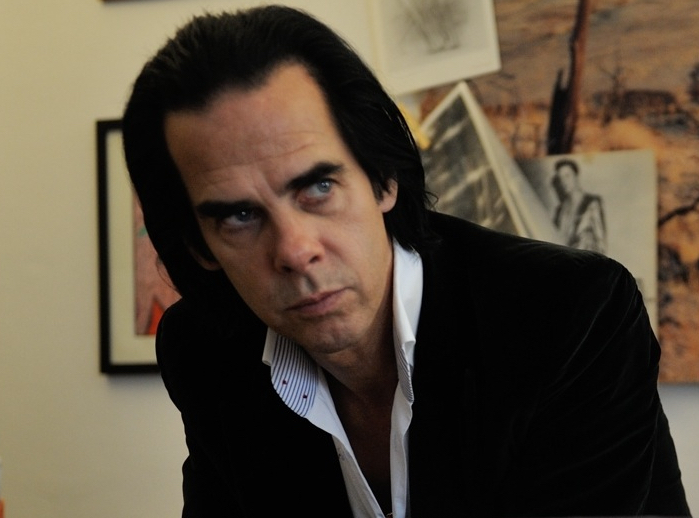
It’s unknow­able what the author or authors of the Bible (depend­ing on how you hap­pen to con­ceive of its author­ship) would think of the results. But we do know just what Nick Cave thinks of Chat­G­P­T’s attempt to write a song in his style. You can read its lyrics at The Red Hand Files, the site of Cave’s ques­tion-and-answer newslet­ter (in which he has opined on these mat­ters before). Con­sist­ing of two vers­es, a cho­rus, and an out­ro filled with lines about “a siren’s song,” “the blood of angels,” and “the fire of hell,” the song was sent in by a fan named Mark in New Zealand, to whom Cave writes a char­ac­ter­is­ti­cal­ly thought­ful reply — or at least he does after deliv­er­ing his ver­dict: “This song sucks.”

“What Chat­G­PT is, in this instance, is repli­ca­tion as trav­es­ty,” Cave writes. “It could per­haps in time cre­ate a song that is, on the sur­face, indis­tin­guish­able from an orig­i­nal, but it will always be a repli­ca­tion, a kind of bur­lesque.” Gen­uine songs, he explains, “arise out of suf­fer­ing, by which I mean they are pred­i­cat­ed upon the com­plex, inter­nal human strug­gle of cre­ation.” But “Chat­G­PT has no inner being, it has been nowhere, it has endured noth­ing, it has not had the audac­i­ty to reach beyond its lim­i­ta­tions, and hence it doesn’t have the capac­i­ty for a shared tran­scen­dent expe­ri­ence, as it has no lim­i­ta­tions from which to tran­scend.”

“What makes a great song great is not its close resem­blance to a rec­og­niz­able work,” he con­tin­ues. “Writ­ing a good song is not mim­ic­ry, or repli­ca­tion, or pas­tiche, it is the oppo­site. It is an act of self-mur­der that destroys all one has strived to pro­duce in the past.” This is the act that Cave him­self has com­mit­ted to over and over again through­out his half-cen­tu­ry-long musi­cal career. But even if that act will lie for­ev­er beyond the grasp of an arti­fi­cial-intel­li­gence sys­tem, no mat­ter how robust, it also lies beyond the grasp of the many human musi­cians con­tent to crank out the same old songs for decades on end. Per­haps it is they, not the Nick Caves of the world, who should wor­ry about the likes of Chat­G­PT putting them out of work.

Relat­ed con­tent:

Nick Cave Answers the Hot­ly Debat­ed Ques­tion: Will Arti­fi­cial Intel­li­gence Ever Be Able to Write a Great Song?

Lis­ten to Nick Cave’s Lec­ture on the Art of Writ­ing Sub­lime Love Songs (1999)

Demys­ti­fy­ing Nick Cave and the Bad Seeds’ “Red Right Hand,” and How It Was Inspired by Milton’s Par­adise Lost

Bene­dict Cum­ber­batch Reads Nick Cave’s Beau­ti­ful Let­ter About Grief

Nick Cave Nar­rates an Ani­mat­ed Film about the Cat Piano, the Twist­ed 18th Cen­tu­ry Musi­cal Instru­ment Designed to Treat Men­tal Ill­ness

Hayao Miyaza­ki Tells Video Game Mak­ers What He Thinks of Their Char­ac­ters Made with Arti­fi­cial Intel­li­gence: “I’m Utter­ly Dis­gust­ed. This Is an Insult to Life Itself”

Based in Seoul, Col­in Marshall writes and broad­casts on cities, lan­guage, and cul­ture. His projects include the Sub­stack newslet­ter Books on Cities, the book The State­less City: a Walk through 21st-Cen­tu­ry Los Ange­les and the video series The City in Cin­e­ma. Fol­low him on Twit­ter at @colinmarshall or on Face­book.

Behold Colorful Geologic Maps of Mars Released by The United States Geological Survey

The USGS Astro­ge­ol­o­gy Sci­ence Cen­ter has recent­ly released a series of col­or­ful and intri­cate­ly-detailed maps of Mars. These col­or­ful maps, notes USGS, “pro­vide high­ly detailed views of the [plantet’s] sur­face and allow sci­en­tists to inves­ti­gate com­plex geo­log­ic rela­tion­ships both on and beneath the sur­face. These types of maps are use­ful for both plan­ning for and then con­duct­ing land­ed mis­sions.”

The map above lets you see Olym­pus Mons, the tallest vol­cano in the solar sys­tem, which stands more than twice the height of Mount Ever­est. The USGS goes on to add: “Map read­ers can visu­al­ize the caldera com­plex more eas­i­ly due to the detail that is avail­able at the 1:200,000 scale and the addi­tion of con­tour lines to the map. The map cov­ers a region that is rough­ly the size of the Dal­las-Ft. Worth met­ro­pol­i­tan area and is a detailed look at the volcano’s sum­mit that we have not seen before. This new view of the Olym­pus Mons caldera com­plex allows sci­en­tists to more eas­i­ly com­pare it to sim­i­lar fea­tures on Earth (known as ter­res­tri­al analogs) such as Hawaii’s Mau­na Loa.”

You can find more Mar­t­ian maps here.

If you would like to sup­port the mis­sion of Open Cul­ture, con­sid­er mak­ing a dona­tion to our site. It’s hard to rely 100% on ads, and your con­tri­bu­tions will help us con­tin­ue pro­vid­ing the best free cul­tur­al and edu­ca­tion­al mate­ri­als to learn­ers every­where. You can con­tribute through Pay­Pal, Patre­on, and Ven­mo (@openculture). Thanks!

via Kot­tke

Relat­ed Con­tent 

The Sur­face of Mars Shown in Stun­ning 4K Res­o­lu­tion

View and Down­load Near­ly 60,000 Maps from the U.S. Geo­log­i­cal Sur­vey (USGS)

Vin­tage Geo­log­i­cal Maps Get Turned Into 3D Topo­graph­i­cal Won­ders

« Go BackMore in this category... »
Quantcast