4 Franz Kafka Animations: Watch Creative Animated Shorts from Poland, Japan, Russia & Canada
Gilles Deleuze and Felix Guattari thought of Kafka as an international writer, in solidarity with minority groups worldwide. Other scholars have characterized his work—and Kafka himself wrote as much—as literature concerned with national identity. Academic debates, however, have no bearing on how ordinary readers, and writers, around the world take in Kafka’s novels and short stories. Writers with both national and international pedigrees such as Borges, Murakami, Marquez, and Nabokov have drawn much inspiration from the Czech-Jewish writer, as have filmmakers and animators. Today we revisit several international animations inspired by Kafka, the first, above by Polish animator Piotr Dumala.
Trained a sculptor, Dumala’s textural brand of “destructive animation” creates chilling, high contrast images that appropriately capture the eerie and unresolved play of light and dark in Kafka’s work. The Polish artist’s Franz Kafka (1992) draws on scenes from the author’s life, as told in his diaries.
Next, watch a very disorienting 2007 Japanese adaptation of Kafka’s “A Country Doctor” by animator Koji Yamamura. The soundtrack and monotone Japanese dialogue (with subtitles) effectively conveys the tone of the story, which John Updike described as “a sensation of anxiety and shame whose center cannot be located and therefore cannot be placated; a sense of an infinite difficulty with things, impeding every step.” Read the original story here.
Russian-American team Alexander Alexeieff and Claire Parker created the 1963 animation above using a “pinscreen” technique, which photographs the three-dimensional movement of hundreds of pins, making images from real light and shadow. We’ve previously written on just “how demanding and painstaking an effort” the animators made to create their work. Their previous efforts got the attention of Orson Welles, who commissioned the above short as a prologue for his Anthony Perkins-starring film version of The Trial. And yes, that voice you hear narrating the parable “Before the Law,” an excerpt from Kafka’s novel, is Welles himself.
Kafka’s most famous story, The Metamorphosis, inspired Canadian animator Caroline Leaf’s 1977 film above. Leaf’s Kafka animation also takes a sculptural approach to the author’s work, this time sculpting in sand, a medium Leaf herself says created “black and white sand images” with “the potential to have a Kafka-esque feel—dark and mysterious.” However we interpret the content of Kafka’s work, the feel of his stories is unmistakable to readers and interpreters across continents. It’s one that consistently inspires artists to use a spare, high contrast style in adapting him.
If you would like to support the mission of Open Culture, consider making a donation to our site. It’s hard to rely 100% on ads, and your contributions will help us continue providing the best free cultural and educational materials to learners everywhere. You can contribute through PayPal, Patreon, and Venmo (@openculture). Thanks!
Related Content:
Vladimir Nabokov (Channelled by Christopher Plummer) Teaches Kafka at Cornell
Hunter S. Thompson and Franz Kafka Inspire Animation for a Bookstore Benefiting Oxfam
Kafka’s Famous Character Gregor Samsa Meets Dr. Seuss in a Great Radio Play
Josh Jones is a writer and musician based in Durham, NC. Follow him at @jdmagness
Read More...André Breton’s Surrealist Manifesto Turns 100 This Year
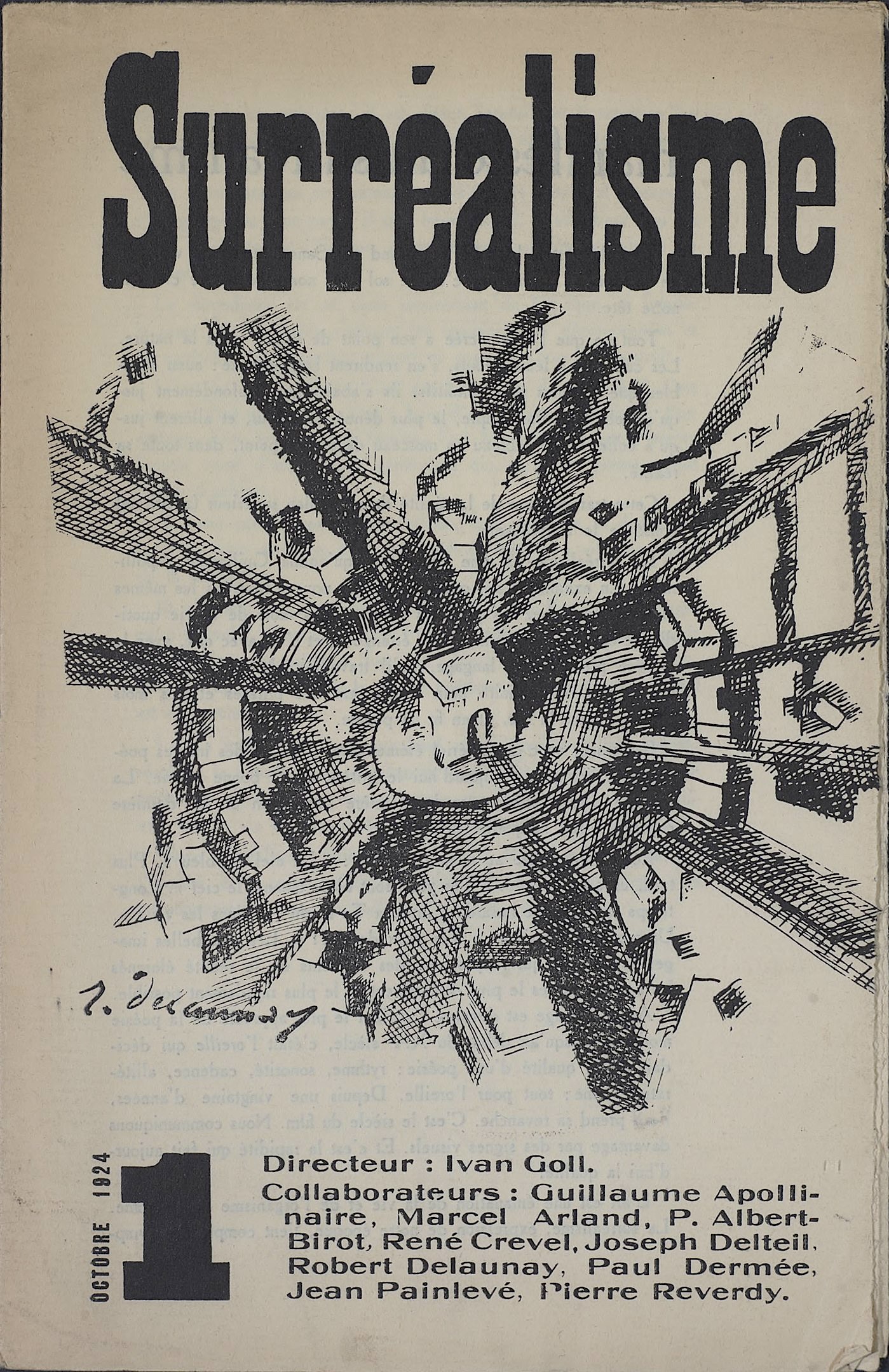
People don’t seem to write a lot of manifestos these days. Or if they do write manifestos, they don’t make the impact that they would have a century ago. In fact, this year marks the hundredth anniversary of the Manifeste du surréalisme, or Surrealist Manifesto, one of the most famous such documents. Or rather, it was two of the most famous such documents, each of them written by a different poet. On October 1, 1924, Yvan Goll published a manifesto in the name of the surrealist artists who looked to him as a leader (including Dada Manifesto author Tristan Tzara). Two weeks later, André Breton published a manifesto — the first of three — representing his own, distinct, group of surrealists with the very same title.
Though Goll may have beaten him to the punch, we can safely say, at a distance of one hundred years, that Breton wrote the more enduring manifesto. You can read it online in the original French as well as in English translation, but before you do, consider watching this short France 24 English documentary on its importance, as well as that of the surrealist art movement that it set off.
“There’s day-to-day reality, and then there’s superior reality,” says its narrator. “That’s what André Breton’s Surrealist Manifesto was aiming for: an artistic and spiritual revolution” driven by the rejection of “reason, logic, and even language, all of which its acolytes believed obscured deeper, more mystical truths.”
“The realistic attitude, inspired by positivism, from Saint Thomas Aquinas to Anatole France, clearly seems to me to be hostile to any intellectual or moral advancement,” the trained doctor Breton declares in the manifesto. “I loathe it, for it is made up of mediocrity, hate, and dull conceit. It is this attitude which today gives birth to these ridiculous books, these insulting plays.” He might well have also seen it as giving rise to events like the First World War, whose grinding senselessness he witnessed working in a neurological ward and carrying stretchers off the battlefield. It was these experiences that directly or indirectly inspired a wave of avant-garde twentieth-century art, more than a few pieces of which startle us even today — which is saying something, given our daily diet of absurdities in twenty-first century life.
Related content:
An Introduction to Surrealism: The Big Aesthetic Ideas Presented in Three Videos
A Brief, Visual Introduction to Surrealism: A Primer by Doctor Who Star Peter Capaldi
The Forgotten Women of Surrealism: A Magical, Short Animated Film
Based in Seoul, Colin Marshall writes and broadcasts on cities, language, and culture. His projects include the Substack newsletter Books on Cities, the book The Stateless City: a Walk through 21st-Century Los Angeles and the video series The City in Cinema. Follow him on Twitter at @colinmarshall or on Facebook.
Read More...1,700 Free Online Courses from Top Universities
Take online courses from the world’s top universities for free. Below, you’ll find 1,700 courses from Yale, MIT, Harvard, Oxford and more. They cover a wide range of disciplines, from the humanities (literature, history, philosophy) to science and technology (computer science, physics, biology).
Archaeology Courses
- Archaeology: from Dig to Lab and Beyond — Massive Open Online Course (MOOC) — University of Reading
- Hannibal — Free Online Course — Patrick Hunt, Stanford
- Introduction to Archaeology: Knowing The Past — Massive Open Online Course (MOOC) — Molly Morgan, Rice
- Introduction to Archaeology: Archaeology as Science — Massive Open Online Course (MOOC) — Molly Morgan, Rice
- Pyramids of Giza: Ancient Egyptian Art and Archaeology — Massive Open Online Course (MOOC) — Peter Der Manuelian, Harvard
Architecture Courses
- Architecture Studio: Building in Landscapes — Free Online Course — Jan Wampler, MIT
- History of Architecture - Free Online Course — Jacqueline Gargus, Ohio State
- Roman Architecture — Free Online Course - Diana E. E. Kleiner, Yale
- Sustainability in Architecture: An Interdisciplinary Introduction — Massive Open Online Course (MOOC) — University Polytechnic Valencia
- The Architectural Imagination — Free Online Video — Multiple instructors, Harvard
- Theory of City Form — Free Online Course — Julian Beinart, MIT
Art & Art History Courses
- Aesthetics & the Philosophy of Art - Free Online Video — James Grant, Oxford University
- Art Through Time: A Global View — Free Online Video — Annenberg Media
- Digital Photography — Free Online Course — Dan Armendariz, Harvard
- European Paintings: From Leonardo to Rembrandt to Goya — Massive Open Online Course (MOOC) — Universidad Carlos III de Madrid
- Fashion as Design — Massive Open Online Course (MOOC) — Museum of Modern Art
- Foundations of American Cyber-Culture — Free Online Video — UC Berkeley
- Intentional Public Disruptions: Art, Responsibility, and Pedagogy — Free Online Video — Stephen Carpenter II and Lawrence Susskind, MIT
- Introduction to Digital Photography — Free Online Course — Marc Levoy, Stanford/Google
- Introduction to Visual Design - Free Online Course — Carnegie Mellon
- Introduction to Visual Thinking — Free Online Video — John McNamara, UC Berkeley
- Islamic Calligraphy: An Introduction to the Art of Handwriting — Massive Open Online Course (MOOC) — University of Malaya
- Italian Renaissance — Free Online Course — Dr. Vida Hull, East Tennessee State University
- Italic Calligraphy & Handwriting — Free Online Course — Lloyd Reynolds, Reed College
- Let This Be a Lesson: Heroes, Heroines & Narrative in Paintings at Yale — Free Online Video — John Walsh, Yale
- Modern Art & Ideas — Massive Open Online Course (MOOC) — Museum of Modern Art
- Photography Lectures from the School of Visual Arts (SVA) — Free Online Lectures
- Seeing Through Photographs — Massive Open Online Course (MOOC) - Museum of Modern Art
- SmARThistory Video Lectures — Free Online Video/Audio — Beth Harris, MoMA & Steven Zucker, Pratt Institute
- Teaching Critical Thinking through Art with the National Gallery of Art — Massive Open Online Course (MOOC)
- The Elements of Drawing — Free Online Course — Stephen Farthing, Oxford University
- What Is Contemporary Art? — Massive Open Online Course (MOOC) — Museum of Modern Art
Classics Courses
- Ancient Greece: City and Society – Free iTunes Audio – Dr Gillian Shepherd, La Trobe University, Australia
- Ancient Greece: Myth, Art & War – Free iTunes Audio – Dr Gillian Shepherd, La Trobe University – Australia
- Ancient Greek History – Free Online Course – Donald Kagan, Yale
- Ancient Israel – Free Online Course – Daniel Fleming, NYU
- Ancient Philosophy – Free Online Audio – David Ebrey, UC Berkeley
- Epics of Rome – Free iTunes Audio – Rhiannon Evans, LaTrobe University-Australia
- Hannibal – Free Online Audio– Patrick Hunt, Stanford
- Roman Architecture – Free Online Course – Diana E. E. Kleiner, Yale
- The Ancient Greek Hero — Massive Open Online Course (MOOC) — Gregory Nagy, Harvard
- The Ancient Greeks — Massive Open Online Course (MOOC) — Wesleyan
- The Philosophy of Tragedy – Free Online Video – Prof. Michael Davis, Sarah Lawrence College
- The Roman World – Free iTunes Audio – Rhiannon Evans, La Trobe University – Australia
- Virgil’s Aeneid: Anatomy of a Classic – Free iTunes Audio – Susanna Braund, Stanford University
Communication Courses
- Argument Diagramming — Free Web Course — Carnegie Mellon
- Becoming the Next Bill Nye: Writing and Hosting the Educational Show — Free Online Course — MIT
- Business Fundamentals: Effective Communication — Massive Open Online Course (MOOC) — Open University
- Communication Skills and Teamwork — Massive Open Online Course (MOOC) — Fullbridge
- Communication Skills for Bridging Divides — Massive Open Online Course (MOOC) — Catalyst
- Effective Business Presentations with Powerpoint — Massive Open Online Course (MOOC) — PricewaterhouseCoopers
- Freedom of Speech and the Press — Free Online Video — William B. Turner, UC Berkeley
- How to Speak — Free Online Video — Patrick Winston, MIT
- Improving Communication Skills — Massive Open Online Course (MOOC) — University of Pennsylvania/Wharton
- Introduction to Public Speaking — Massive Open Online Course (MOOC) — University of Washington
- Overcoming Public Speaking Anxiety — Free iTunes Video — Margaret Swisher and Barbara Myslik , UC Davis
- Rhetoric: The Art of Persuasive Writing and Public Speaking — Massive Open Online Course (MOOC) — Harvard University
- Rhetoric — Free Online Course — Stanley Fish, Cardozo School of Law
- Storytelling — Free Online Course — Pixar/Khan Academy
- The Craft of Writing Effectively — Free Online Video — Larry McEnerney, UChicago
Demography Courses
- Demographic Trends and Problems of the Modern World — Free Online Video — Free iTunes Video — Free iTunes Audio — David Coleman, Oxford
Design Courses
- Cars: Past, Present & Future — Free Online Course — Michael Shanks, Stanford
- Crash Course in Design Thinking — Free Online Course — Stanford
- Design Thinking for Leading and Learning — Massive Open Online Course (MOOC) — MIT/Microsoft
- Design Thinking for Innovation — Massive Open Online Course (MOOC) — University of Virginia
- Digital Design — Massive Open Online Course (MOOC) — The Hong Kong University of Science and Technology
- Everything I Know — Free Online Lectures — Buckminster Fuller
- Fashion as Design — Massive Open Online Course (MOOC) — Museum of Modern Art
- Ideas from the History of Graphic Design — Massive Open Online Course (MOOC)- Cal Arts
- Product Design: The Delft Design Approach — Massive Open Online Course (MOOC) — Delft University of Technology
- Visual Design — Web Course — Carnegie Mellon
Economics & Finance Courses
- Advanced Political Economy - Free Online Video — Steven Keen, University of Western Sydney
- Against All Odds: Inside Statistics — Free Online Course — Pardis Sabeti, Harvard
- American Capitalism: A History — YouTube — Accompanying Book — Louis Hyman & Edward Baptist, Cornell
- American Economic History (Syllabus) — Free Online Video — Free Audio — Martha Olney, UC Berkeley
- American Economic History — Free Online Video — Gerald Friedman, UMass-Amherst
- Austrian Economics: An Introduction — Free Online Audio — Murray N. Rothbard — New York Polytechnic University
- Behavioral Finance — Free Online Video — Steven Keen, University of Western Sydney
- Capitalism: Success, Crisis and Reform — Free iTunes Video — Free iTunes Audio — Free Online Video — Course Materials — Douglas W. Rae, Yale
- Cost and Economics in Pricing Strategy — Massive Open Online Course (MOOC) — University of Virginia
- Cryptocurrency and Blockchain: An Introduction to Digital Currencies — Massive Open Online Course (MOOC) — University of Pennsylvania/Wharton
- Development Economics - Free Online Video — Esther Duflo, MIT
- Development Economics — Free Online Video — Tyler Cowan and Alex Tabarrok, George Mason
- Development Economics: Macroeconomics — Free Online Video — Course Info — Robert Townsend, MIT
- Economic Democracy: The Cooperative Alternative — Massive Open Online Course (MOOC) — University of Edinburgh
- Economics: Consumer Demand — Massive Open Online Course (MOOC) — Babson
- Economic Geography of the Industrial World — Free Online Video — Richard Walker, UC Berkeley.
- Economic History of the Soviet Union — Free Online Video — Guinevere Liberty Nell, Marginal Revolution U.
- Economics of the Media — Free Online Video — Tyler Cowan and Alex Tabarrok, George Mason
- Energy Decisions, Markets and Policies — Free Online Video — Course Info — Richard Schmalensee, MIT
- Everyday Economics — Free Online Video — Tyler Cowan and Alex Tabarrok, George Mason
- Finance Theory 1 - Free Online Video — Free Online Video & Course Info — Andrew Lo, MIT
- Financial Markets — Free Online Course — Robert Shiller, Yale (also Nobel Prize Winner)
- Financial Markets — Massive Open Online Course (MOOC) — Robert Shiller, Yale
- Financial Markets 2011 — Free Online Video — Free iTunes Audio — Course Materials — Robert Shiller, Yale
- Financial Theory — Free Online Course — John Geanakoplos, Yale
- Game Theory — Free Online Course — Ben Polak, Yale
- Game Theory — Massive Open Online Course (MOOC) — Stanford University
- Game Theory and Economics — Free Online Video — Free Video Download — Debarshi Das, IIT Guwahati
- Great Big Ideas — Free Online Video — Steven Pinker, Larry Summers, Michio Kaku, etc, Floating University
- Great Economists: Classical Economics and its Forerunners — Free Online Video — Tyler Cowan & Alex Tabarrok, George Mason
- Historical Foundations of Political Economy — Free Online Video — Anwar M. Shaikh, New School for Social Research
- History of Economic Theory — Free Online Video — Free Video Download — Dr. Shivakumar, IIT Madras
- How to Win at Texas Hold ‘Em — Free Online Video — Will Ma, MIT
- Intermediate Microeconomic Theory — Free Online Video — Maximilian Auffhammer, UC Berkeley
- International Finance — Free Online Video — Tyler Cowan and Alex Tabarrok, George Mason
- International Finance — Free Online Video — Free Video Download — Arun K. Misra, IIT Kharagpur
- International Political Economy — Free iTunes Audio — James Morrison, Middlebury College
- International Trade — Free Online Video — Tyler Cowan and Alex Tabarrok, George Mason
- Introduction to Economics — Free Online Video — Martha Olney, UC Berkeley
- Introduction to Macroeconomics — Free Online Video — Ricardo Cabellero, MIT
- Introduction to Managerial Economics — Massive Open Online Course (MOOC) — IIMB
- Lectures on Human Capital - Free Online Video — Gary Becker, U Chicago
- Marx’s Kapital: Volumes 1 (2007) — Free Online Course — David Harvey, CUNY
- Reading Marx’s Capital Volume 1 (2019) — Free Online Course — David Harvey, CUNY
- Reading Marx’s Capital Volume 2 — Free Online Course — David Harvey, CUNY
- Reading Marx’s Grundrisse - Free Online Course — David Harvey, CUNY
- Marx, Capital, and the Madness of Economic Reason - Free Online Course — David Harvey, CUNY
- Marxian Economics — Free Online Video — Stephen Resnick, UMass — Amherst
- Mastering Econometrics — Free Online Video — Josh Angrist, MIT
- Math for Economists — Free Online Video — Jason Kronewetter, UC Irvine
- Math of Finance — Free Online Video — Donald Saari, UC Irvine
- Mexico’s Economy: Current Prospects and History — Free Online Video — Robin Grier, U. of Oklahoma
- Microeconomics: The Power of Markets — Massive Open Online Course (MOOC) — University of Pennsylvania
- Microeconomics Principles — Massive Open Online Course (MOOC) — University of Illinois-Urbana-Champaign
- Money and Banking — Free Online Video — Thomas Wyrick, Missouri State
- Money Skills — Free Online Video — Tyler Cowan and Alex Tabarrok, George Mason
- Poker Theory and Analytics — Free Online Course — Kevin Desmond, MIT
- Principles of Economics: Microeconomics — Free Online Video — Tyler Cowan and Alex Tabarrok, George Mason/MRUniversity
- Principles of Economics: Macroeconomics — Free Online Video — Tyler Cowan and Alex Tabarrok, George Mason/MRUniversity
- Principles of Macroeconomics (2023) — Free Online Video — Ricardo J. Caballero
- Principles of Microeconomics (2023) - Free Online Video & Course Materials — Jonathan Gruber, MIT
- Principles of Macroeconomics — Free Online Video — Thomas Wyrick, Missouri State
- Psychology and Economics — Free Online Video — Daniel Acland, UC Berkeley
- Public Economics — Free Online Video — Raj Chetty, Harvard
- Public Economics and Finance — Free Video & Course Info — Free Online Video — Nirupama Rao, NYU
- Reading Marx’s Capital: Vol 1 — Free Online Video — David Harvey, City University of New York
- Reading Marx’s Capital: Vol 2 - Free Online Video — David Harvey, City University of New York
- Sports Economics — Free iTunes Audio — Liam Lenten, La Trobe University
- The Age of Sustainable Development — Massive Open Online Course (MOOC) — Columbia University
- The Eurozone Crisis — Free Online Video — Tyler Cowan and Alex Tabarrok, George Mason
- The Federal Reserve and the Financial Crisis - Free Online Video — Ben Bernanke at George Washington University
- The Future of Money — Free Online Video — Nigel Dodd, London School of Economics
- The Austrian School of Economics: An Introduction — Free Online Audio — Friedrich A. Hayek & colleagues — Recorded at University of Colorado
- The Challenge of World Poverty — Free Online Video — Related Materials — Esther Duflo & Abhijit Banerjee, MIT
- The Elements of Economic Analysis — Free Online Video — Glen Weyl, U Chicago
- Understanding Data — Free Online Video — Thomas Stratmann, George Mason
- Wealth and Poverty — Free Online Video — Robert Reich, UC Berkeley
- World Economic History Before the Industrial Revolution — Free Online Video & Syllabus — Free iTunes Video — Gregory Clark, UC Davis
Bookmark our collection of free online courses in Economics. And find free econ textbooks in our Free Textbook collection.
Education Courses
- Foundations of Virtual Instruction — Massive Open Online Course (MOOC) — UC Irvine
- How to Teach Online: The Essentials — Free Online Video — Stanford Online High School
- Learning to Teach Online — Massive Open Online Course (MOOC) — The University of New South Wales
- Teaching Your Class Online — Free Online Video — Stanford Online High School
Film Courses
- An Introduction to Screenwriting — Massive Open Online Course (MOOC) — University of East Anglia
- Existentialism in Literature & Film – Free Online Audio — Hubert Dreyfus, UC Berkeley
- Holocaust in Film and Literature – Free Online Course – Todd Presner, UCLA
- Introduction to Film Studies — Free Online Video — Free Video Download — Aysha Iqbal Viswamohan, IIT Madras
- Philosophy in Film and Other Media – Free Online Video – Related Materials - Irving Singer, MIT
- Scandinavian Film and Television — Massive Open Online Course (MOOC) — University of Copenhagen, Eva Novrup Redvall
- The Film Experience — Free Online Course — David Thorburn, MIT
Food Courses
- Edible Education 101 (Spring 2014) — Free Online Video — Michael Pollan, UC Berkeley
- Edible Education 101 (2015) – Free Online Course – Michael Pollan, UC Berkeley
- Edible Education 103 with Michael Pollan - Free Online Video — Michael Pollan, UC Berkeley
- Exploring Japanese Avant-garde Art Through Butoh Dance — Massive Open Online Course (MOOC) — Keio University
- Nutrition and Wellbeing — Massive Open Online Course (MOOC) — University of Aberdeen
- Science and Cooking: From Haute Cuisine to the Science of Soft Matter — Free Online Course — Course Info — Team taught, Harvard
- Speak Italian with Your Mouth Full — Free Online Course — Dr. Paola Rebusco, MIT
- Story of a Wine: The Importance of Being Prosecco - Massive Open Online Course (MOOC) — University of Padova
- Wine — Free Online Course — Professor Maynard Amerine, UC Davis
Geography Courses
- Economic Geography of the Industrial World - Free Online Course — Richard Walker, UC Berkeley
- Geography of US Presidential Elections — Free iTunes Video — Free Online Video — Martin Lewis, Stanford
- Geography of World Cultures - Free iTunes Audio — Martin Lewis, Stanford University
- Global Geopolitics — Free iTunes Audio — Martin Lewis, Stanford University
- Introduction to Ozark Studies — Free Online Video — Brooks Blevins, Missouri State
- World Regions, Peoples, and States — Free Online Audio — Nathan Sayre, UC Berkeley
Health Courses
- Biohacking Your Brain’s Health — Massive Open Online Course (MOOC) — Emory University
- Causes of Human Disease: Understanding Causes of Disease — Massive Open Online Course (MOOC) — University of Leeds
- COVID-19, SARS-CoV‑2 and the Pandemic — Free Online Video — Multiple faculty, MIT
- Dementia and the Arts: Sharing Practice, Developing Understanding and Enhancing Lives — Massive Open Online Course (MOOC) — University College London
- Engineering Health: Introduction to Yoga and Physiology — Massive Open Online Course (MOOC) — NYU
- Epidemics — Massive Open Online Course (MOOC) — University of Hong Kong
- Epidemiology and Control of Infectious Diseases — Free Online Video — Professor Tomas Aragon, UC Berkeley
- Exploring Play: the Importance of Play in Everyday Life — Massive Open Online Course (MOOC) — The University of Sheffield
- Finding Purpose and Meaning In Life: Living for What Matters Most — Massive Open Online Course (MOOC) — University of Michigan
- Food and Mood: Improving Mental Health Through Diet and Nutrition — Massive Open Online Course (MOOC) — Deakin University
- Foundations of Understanding and Combating Cancer — Free Online Video — Harold Varmus, Cornell Medicine/World Science U.
- Hacking Exercise For Health. The Surprising New Science of Fitness — Massive Open Online Course (MOOC) — McMaster University
- Healing with the Arts — Massive Open Online Course (MOOC) — University of Florida
- Machine Learning for Healthcare — Free Online Video + Course Materials — David Sontag, Peter Szolovits, MIT
- Medical Cannabis: The Health Effects of THC and CBD Specialization — Massive Open Online Course (MOOC) — UC Boulder
- Physics of COVID-19 Transmission — Free Online Video — Video & Course Materials — Prof. Martin Bazant & Dr. Joey Gu, MIT
- Positive Psychiatry and Mental Health — Massive Open Online Course (MOOC) — The University of Sydney
- Science Matters: Let’s Talk About COVID-19/Coronavirus — Massive Open Online Course (MOOC) — Imperial College London
- Traditional Herbal Medicine in Supportive Cancer Care: From Alternative to Integrative — Massive Open Online Course (MOOC) — Technion Israel Institute of Technology
- The Addicted Brain — Massive Open Online Course (MOOC) — Emory University
- The Science of Exercise — Massive Open Online Course (MOOC) — UC Boulder
- Vital Signs: Understanding What the Body Is Telling Us — Massive Open Online Course (MOOC) — University of Pennsylvania
- African American History: Emancipation to the Present — Free Online Course - Jonathan Holloway, Yale
- African-American History: Modern Freedom Struggle — Free Online Course — Clay Carson, Stanford
- America Through Foreign Eyes — Massive Open Online Course (MOOC) — Rice University
- Ancient Greece: City and Society — Free iTunes Audio — Dr Gillian Shepherd, La Trobe University, Australia
- Ancient Greece: Myth, Art & War — Free iTunes Audio - Dr Gillian Shepherd, La Trobe University, Australia
- Ancient Greek History — Free Online Course — Donald Kagan, Yale
- Ancient Israel — Free Online Video + Course Info — Daniel Fleming, NYU
- Asia in the Modern World: Images & Representations — Free Online Video & Course Info — John Dower, MIT
- Australian Aboriginal History — Free iTunes Audio — Richard Broome, La Trobe University
- Big History — Free Online Video — David Christian, Macquarie University
- Church History — Free iTunes Audio — Westminster Theological Seminary
- CIA in the Third World — Free Online Video — Thomas O’Brien, University of Houston
- Colonial and Revolutionary America — Free iTunes Audio — Jack Rakove, Stanford
- Early Imperial Russia — Free Audio iTunes — Adrian Jones, La Trobe University, Australia
- Early Modern England: Politics, Religion & Society under the Tudors and Stuarts — Free Online Video — Course Materials — Keith E. Wrightson, Yale
- Emperors of Rome — Free iTunes Audio — Rhiannon Evans, La Trobe University, Australia
- Epidemics in Western Society Since 1600 — Free Online Course — Frank Snowden, Yale
- European Civilization, 1648–1945 — Free Online Video — Course Materials — John Merriman, Yale
- European Civilization from the Renaissance to the Present - Free Online Video - Thomas Laqueur, UC Berkeley
- European Cultural History, 1500–1815 - Free Online Audio — George Mosse, University of Wisconsin- Madison
- European Cultural History, 1660–1870 - Free Online Audio — George Mosse, University of Wisconsin- Madison
- European Cultural History, 1880–1920 - Free Online Audio — George Mosse, University of Wisconsin- Madison
- European Intellectual History Since Nietzsche — Free Online Video — Marci Shore, Yale
- France Since 1871 — Free Online Video — Course Materials — John Merriman, Yale
- Hannibal — Free Online Audio — Patrick Hunt, Stanford
- Harvey Goldberg Lectures (1975–1983) — Free Online Audio — Harvey Goldberg, University of Wisconsin
- Harvey Goldberg Lectures. Marxism and History: The 1970s Bootleg Student Tapes — Free Audio — Harvey Goldberg, University of Wisconsin
- Historical Jesus — Free iTunes Audio — Thomas Sheehan, Stanford University
- History of Iran to the Safavid Period — Free Audio — Richard Bulliet, Columbia University
- History of the Culture of Tea in China and Japan - Free Online Audio — John Wallace, UC Berkeley
- History of MIT — Web — David Mindell and Merritt Roe Smith, MIT
- History of New York City: A Social History — Free Online Course - Daniel Walkowitz, NYU
- History of the World to 1500 CE — Free Online Video — Richard Bulliet, Columbia University
- History of the World Since 1500 CE — Free Online Video — Richard Bulliet, Columbia University
- Hitler & Stalin Today — Free Online Video — Timothy Snyder, University of Toronto
- Intellectual History of the United States since 1865 - Free Online Audio — Richard Candida Smith, UC Berkeley
- Introduction to Ancient Greek History — Free Online Course — Donald Kagan, Yale
- Introduction to American Studies — Free Online Video — Michael Cohen, UC Berkeley
- Ireland in Rebellion (1782–1916) — Free Online Video — More Info — Trinity College Dublin
- Latin American History through the Novel — Free Online Video — Lois Zamora, University of Houston
- 21 Hours of Lectures by Howard Zinn — Spotify — Boston Universit
- Medieval British History — Free Online Video — David Thornton, Bilkent University (Turkey)
- Modern Civilization: 1750 to Present - Free Online Video — Lynn Hunt, UCLA
- Medieval Europe (500‑1500) - Free Online Video — David E. Thornton, Bilkent University
- Modern Jewish History — Free Online Audio — George Mosse, University of Wisconsin — Madison
- Pirates, Smugglers, and the Modern World — Free Online Video — Thomas O’Brien, University of Houston
- Science, Magic and Religion - Free Online Video — Courtenay Raia, UCLA
- The American Founders and Their World — Free iTunes Audio — Jack Rakove, Gordon Wood, etc. Stanford
- The American Revolution — Free Online Video — Joanne B. Freeman, Yale
- The Americas: Identity, Culture, and Power — Free Online Video — Cesar Seveso, University of Houston
- The Ancient Mediterranean World — Free Online Audio — Isabelle Pafford, UC Berkeley
- The Book of Kells: Exploring an Irish Medieval Masterpiece — Massive Open Online Course (MOOC) — Trinity College Dublin
- The Civil War and Reconstruction Era, 1845–1877 - Free Online Course — David Blight, Yale
- The Crusades — Free Online Video — Sally Vaughn, University of Houston
- The Early Middle Ages, 284‑1000 — Free Online Video — Paul H. Freedman, Yale
- The Great War and Modern Philosophy — Free Online Video — Nicolas de Warren, KU Leuven University
- The Holocaust — An Introduction (I): Nazi Germany: Ideology, The Jews and the World — Massive Open Online Course (MOOC) — Tel Aviv University
- The Holocaust — An Introduction (II): The Final Solution — Massive Open Online Course (MOOC) — Tel Aviv University
- The Flowering of the Middle Ages — Free Online Video — Sally Vaughn, University of Houston
- The Making of Modern Ukraine — Free Online Video — Timothy Snyder, Yale
- The Normans — Free Online Video — Sally Vaughn, University of Houston
- The Peculiar Modernity of Britain, 1848–2000 — Free Online Audio — James Vernon, UC Berkeley
- The Roman World — Free iTunes Audio — Rhiannon Evans, La Trobe University
- The Vietnam War — Free Online Video - Robert Buzzanco, University of Houston
- The Vikings — Free Online Video — Sally Vaughn, University of Houston
- US History: from Civil War to Present — Free Online Audio — Jennifer Burns, UC Berkeley
- 20th Century United States History — Free Online Video — Tyrone Tillery, University of Houston
- The Western Tradition (Video) — Free Online Video — Eugen Weber, UCLA
- War, Globalization, and Terror — Free Online Video — Robert Buzzanco, University of Houston
- World Revolutions — Free Online Video — Thomas O’Brien, University of Houston
- World Civilization to 1500 — Free Online Video — Sally Vaughn, University of Houston
- World Civilization Since 1500 — Free Online Video — Thomas O’Brien, University of Houston
- World Economic History Before the Industrial Revolution — Free Online Video & Syllabus — Free iTunes Video — Gregory Clark, UC Davis
Bookmark our collection of free online courses in History.
Writing & Journalism Courses
Note: This section includes a lot of Massive Open Online Courses (MOOCs). If you want to enroll in a free version of a MOOC, please select the “Full Course, No Certificate” (edX) or “Audit” (Coursera) option. If you opt to take the course for a certificate/credential, you will be charged.
- A Beginner’s Guide to Writing in English for University Study — Massive Open Online Course (MOOC) — University of Reading
- An Introduction to Screenwriting — Massive Open Online Course (MOOC) — University of East Anglia
- Advanced Writing — Massive Open Online Course (MOOC) — UC Irvine
- Business Writing — Massive Open Online Course (MOOC) — UC-Boulder
- Creative Writing: The Craft of Character — Massive Open Online Course (MOOC) — Wesleyan
- Creative Writing: The Craft of Plot — Massive Open Online Course (MOOC) — Wesleyan
- Creative Writing: The Craft of Setting and Description — Massive Open Online Course (MOOC) — Wesleyan
- Creative Writing: The Craft of Style — Massive Open Online Course (MOOC) — Wesleyan
- Discovering Science: Science Writing — Massive Open Online Course (MOOC) — University of Leeds
- English for Journalists, Part 1 — Massive Open Online Course (MOOC) — UC Berkeley
- English for Journalists, Part 2 — Massive Open Online Course (MOOC) — UC Berkeley
- Getting Started with Essay Writing — Massive Open Online Course (MOOC) — UC Irvine
- Grammar and Punctuation — Massive Open Online Course (MOOC) — UC Irvine
- Grammar and Punctuation Advanced — Massive Open Online Course (MOOC) — UC Irvine
- How To Make A Poem — Massive Open Online Course (MOOC) — Manchester Metropolitan University
- How to Write an Essay — Massive Open Online Course (MOOC) — UC Berkeley
- Journalistic Ethics — Free Online Course — Jim Newton, UCLA
- Journalism Under Siege — Free Online Course — Multiple Faculty, Stanford University
- Memoir and Personal Essay: Managing Your Relationship with the Reader — Massive Open Online Course (MOOC) — Wesleyan University
- Press and Society — Free iTunes Audio — Christopher Scanlon, La Trobe University
- Rhetoric: The Art of Persuasive Writing and Public Speaking — Massive Open Online Course (MOOC) — Harvard University
- Script Writing: Write a Pilot Episode for a TV or Web Series — Massive Open Online Course (MOOC) — Michigan State
- Sharpened Visions: A Poetry Workshop — Massive Open Online Course (MOOC) — Cal Arts
- Songwriting: Writing the Lyrics — Massive Open Online Course (MOOC) — Berklee College of Music
- Start Fiction Writing — Massive Open Online Course (MOOC) — Open University
- Start Writing Essays — Free Course - Open University
- Writing in the Sciences — Massive Open Online Course (MOOC) — Stanford University
- Writing Science Fiction & Fantasy — Free Online Videos — BYU, Brandon Sanderson
- Writing Stories About Ourselves — Massive Open Online Course (MOOC) — Wesleyan University
Language Lessons
- Arabic for Beginners 1 — Free Online Video — Darlarna University
- Ancient Greek — Free Online Video — Brandeis/Harvard
- Ancient Greek Introduction — Web Site — UT-Austin
- Ancient Languages (Greek, Latin, Sanskrit, Old English, etc) — Free Web Site — UT-Austin Linguistics Research Center
- Chinese for Beginners – Free Online Video/MOOC — Peking University
- More Chinese for Beginners – Massive Open Online Course (MOOC) — Peking University
- Beginner’s Chinese - Free iTunes Audio — Open University
- Chinese Course — Seton Hall
- Beginning Chinese — Free iTunes Audio — Seton Hall
- Beginning Chinese Reader — Free iTunes Audio — Seton Hall
- Intermediate Chinese — Free iTunes Audio — Seton Hall
- Intermediate Chinese Reader — Free iTunes Audio — Seton Hall
- Advanced Chinese — Free iTunes Audio — Seton Hall
- Advanced Chinese Reader — Free iTunes Audio — Seton Hall
- Chinese: Start Talking with 1.3 Billion People - Massive Open Online Course (MOOC) — Tsinghua University
- Fall in Love With Mandarin — Massive Open Online Course (MOOC) — National Chiao Tung University
- Introduction to Dutch — Massive Open Online Course (MOOC) — University of Groningen
- Basic English 1: Elementary — Massive Open Online Course (MOOC) — King’s College London.
- Basic English 2: Pre-Intermediate — Massive Open Online Course (MOOC) — King’s College London
- Business English: Finance and Economics – Massive Open Online Course (MOOC) — Arizona State
- English for Academic Study — Massive Open Online Course (MOOC) — Coventry University
- English for Business and Entrepreneurship – Massive Open Online Course (MOOC) — University of Pennsylvania
- English for Business Networking — Massive Open Online Course (MOOC) — The University of Washington
- English for Career Development – Massive Open Online Course (MOOC) — University of Pennsylvania
- English for Healthcare — Massive Open Online Course (MOOC) — King’s College London
- English for Journalism – Massive Open Online Course (MOOC) — University of Pennsylvania
- English for Science, Technology, Engineering, and Mathematics – Massive Open Online Course (MOOC) — University of Pennsylvania
- English Pronunciation in a Global World — Massive Open Online Course (MOOC) — Vrije Universiteit Amsterdam
- Write Professional Emails in English — Massive Open Online Course (MOOC) — Georgia Tech
- Speak English Professionally: In Person, Online & On the Phone – MOOC/Online Course — University of Georgia
- French in Action — Free Online Video — Yale University
- Foundations of French for Global Communication — Massive Open Online Course (MOOC) — King’s College London
- Francais interactif – Web Site — UT-Austin
- Introduction to Frisian — Massive Open Online Course (MOOC) — The University of Groningen
- Icelandic Online - Web Site — University of Iceland
- Irish 101: An Introduction to Irish Language and Culture — Massive Open Online Course (MOOC) — Dublin City University
- Italian Language and Culture: Beginner — Massive Open Online Course (MOOC) — Wellesley College
- Italian Language and Culture: Intermediate — Massive Open Online Course (MOOC) — Wellesley College
- Italian Language and Culture: Advanced — Massive Open Online Course (MOOC) — Wellesley College
- Speak Italian with Your Mouth Full — Free Online Video & Course Info — MIT, Dr. Paola Rebusco
- First Step Korean — Massive Open Online Course (MOOC) — Yonsei University
- Introduction to Korean 1— Massive Open Online Course (MOOC) — Hanyang University
- Introduction to Korean: 2 — Massive Open Online Course (MOOC) — Hanyang University
- Introduction to Norwegian — Massive Open Online Course (MOOC) — University of Oslo
- Introduction to Norwegian 2 — Massive Open Online Course (MOOC) — University of Oslo
- Norwegian on the Web — Web Site — Norwegian University of Science and Technology
- Portuguese Podcast Lessons: Língua da Gente — Tunes Free — Web site - UT-Austin
- Basic Spanish 1: Getting Started – Massive Open Online Course (MOOC) — University Polytechnica Valencia
- Basic Spanish 2: One Step Further – Massive Open Online Course (MOOC) — University Polytechnica Valencia
- Basic Spanish 3: Getting there – Massive Open Online Course (MOOC) — University Polytechnica Valencia
- Thai: Let’s Learn Thai Language — Massive Open Online Course (MOOC) — Universiti Malaya
- Tracing the History of the Italian Language: From Dante to the Present Day — Massive Open Online Course (MOOC) — University of Padua
To start learning 40 foreign languages, please see our extensive collection called Learn Languages for Free. You can download or stream free lessons in French, Spanish, English, German, Mandarin, Italian and more.
Law Courses
- A Law Student’s Toolkit — Free Online Video — Ian Ayres, Yale
- Artificial Intelligence and Law — Massive Open Online Course (MOOC) — Lund University
- Capital Punishment: Race, Poverty, & Disadvantage — Free Online Video — More Course Info — Stephen Bright, Yale Law
- Climate Change: Law and Policy — Free Online Video — Multiple faculty, UC Berkeley
- CopyrightX — Free Online Video — Course Info — Prof. William Fisher, Harvard Law School
- Environmental Law and Policy - Free Online Video — Bob Infelise, UC Berkeley
- Environmental Politics and Law - Free Online Video — Free iTunes Video — Free iTunes Audio — Course Materials — John P. Wargo, Yale
- Introduction to Copyright Law — Free Online Video — Keith Winstein, MIT
- Labor Law and Employment Discrimination — Free Online Video — Greggory Groves, Missouri State
- Politics and Media Freedom — Free Online Video — Richard Barbrook, University of Westminster
- Progressive Alternatives: Institutional Reconstruction Today — Free Online Video — Roberto Mangabeira Unger, Harvard
- Race, Gender and Invisibility: Why Intersectionality Matters — Free Online Video — Kimberlé Crenshaw, UCLA/Columbia Law School
- Theories of Law and Society — Free Online Audio — David Lieberman, UC Berkeley
- Video Game Law — Free Online Video — Jon Festinger, University of British Columbia/Centre for Digital Media
Literature Courses
- American Literature I: Beginnings to Civil War - Free Online Video — Cyrus Patell, NYU
- American Passages: A Literary Survey — Free Online Video — Multiple profs, Annenberg Learner
- Approaching Shakespeare — Free iTunes Audio — Free Online Audio — Emma Smith, Oxford
- British and American Poetry: 1900 to the Present — Free Online Audio — Charles Altieri, UC Berkeley
- Chaucer — iTunes Audio — Princeton, John Fleming
- Cervantes’ Don Quixote - Free Online Video + Course Info — Roberto González Echevarría, Yale
- Contemporary American Literature — Free Online Video — Syllabus — John Pistelli, University of Minnesota
- Contemporary Literature — Free Online Video — Free Video Download - Aysha Iqbal Viswamohan, IIT Madras
- Creative Reading — Free Online Audio — William S. Burroughs, Naropa University
- Cultural Studies — Free Online Video — Free Video Download — Liza Das, IIT Guwahati
- Dante’s Divine Comedy — Free Online Video — Teodolinda Barolini, Columbia University
- Dante in Translation — Free Online Course — Giuseppe Mazzotta, Yale
- Darwin and Design — Free Online Video & Course Info — James Paradis, MIT
- D.H. Lawrence — Free Online Video & Audio — Catherine Brown, Oxford
- Dracula (by Bram Stoker) — Free Online Video — Mythgard Academy
- Dune (Novel by Frank Herbert) — Free Online Video/Audio + Lecture Slides — Corey Olson, Mythgard Academy
- Epics of Rome — Free iTunes Audio — Rhiannon Evans, LaTrobe University-Australia
- Existentialism in Literature & Film - Free Online Audio — Hubert Dreyfus, UC Berkeley
- Expansive Poetics — Free Online Audio — Allen Ginsberg, Naropa University
- Faeirie and Fantasy — Free Online Video & Audio — Corey Olsen, Washington College
- Fiction for Young Adults — Free iTunes Audio — David Beagley, La Trobe University — Austrialia
- From Gods and Back - Free Online Audio — Hubert Dreyfus, UC Berkeley
- Genres in Children’s Literature — Free iTunes Audio — David Beagley, La Trobe University — Austrialia
- George Eliot — Free Online Audio — Catherine Brown, Oxford
- Hemingway, Fitzgerald, Faulkner — Free Online Video — Course Materials — Wai Chee Dimock, Yale
- History of Children’s Literature — Free iTunes Audio — David Beagley, La Trobe University — Australia
- Holocaust in Film and Literature — Free Online Video — Todd Presner, UCLA
- History of Poetry — Free Online Audio — Allen Ginsberg, Naropa
- How Stories Seduce Us — Free Online Video — Stanley Fish, NYU
- Introduction to Literature and the Environment — Free Online Video — Ken Hiltner, Princeton
- Introduction to Modern Japanese Literature and Culture — Free Online Audio — John Wallace, UC Berkeley
- Introduction to Pre-Modern Japanese Literature and Culture — Free Online Audio - John Wallace, UC Berkeley
- Introduction to Theory of Literature — Free Online Course — Paul H. Fry, Yale
- Introduction to U.S. Multicultural Literatures — Free Online Video — John Pistelli, University of Minnesota
- Invitation to World Literature — Free Online Video — David Damrosch, Harvard
- Jack Kerouac — Free Online Audio Part 1 and Part 2 — Allen Ginsberg, Naropa University
- Japanese Culture Through Rare Books — Massive Open Online Course (MOOC) — Keio University
- Latin American History through the Novel — Free Online Video — Lois Zamora, University of Houston
- La Préparation du roman, in French (1978–80) — Free Online Audio — Roland Barthes, Collège de France
- Literary History of the Beats — Free Online Audio — Naropa University, Allen Ginsberg
- Literature and Form — Free Online Video & Audio — Free iTunes Video — Free iTunes Audio — Catherine Brown, Oxford
- Literature and Psychoanalysis — Free Online Audio — John Fletcher, University of Warwick
- Lord of the Rings II: The Two Towers — Free Online Video — Corey Olsen, Washington College
- Lord of the Rings III: Return of the King — Free Online Video — Corey Olsen, Washington College
- Milton — Free Online Video - Free iTunes Video — Course Materials — John Rogers, Yale
- Modern Masterpieces of World Literature — Massive Open Online Course (MOOC) — Harvard
- Modern & Contemporary American Poetry — Massive Open Online Course (MOOC) — University of Pennsylvania
- Modern Poetry - Free Online Video — Course Materials — Langdon Hammer, Yale
- Not Shakespeare: Elizabethan and Jacobean Popular Theatre — Free iTunes Audio — Free Online Audio — Multiple profs, Oxford
- Old English in Context - Free Online Audio — Stuart Lee, Oxford University
- Oscar Wilde — Free Online Audio — Sos Eltis, Oxford
- Plagues, Witches, and War: The Worlds of Historical Fiction — Massive Open Online Course (MOOC) — University of Virginia
- Restoration and 18th Century Poetry: From Dryden to Wordsworth — Free Online Audio — William Flesch, Brandeis
- Rhetoric — Free Online Video — Stanley Fish, Cardozo School of Law
- Romanticism — Free iTunes Audio — Timothy Morton, UC Davis
- Science Fiction and Politics — Free iTunes Audio — Courtney Brown, Emory University
- Shakespeare - Free Online Audio — Charles Altieri, UC Berkeley
- Shakespeare After All: The Later Plays — Free Online Video — Marjorie Garber, Harvard
- Shakespeare and Politics — Free Online Video — Paul Cantor, University of Virginia
- Spenser and Milton — Free Online Audio — William Flesch, Brandeis
- Survey of Shakespeare’s Plays - Free Online Audio — William Flesch, Brandeis
- The American Novel Since 1945 — Free Online Course — Amy Hungerford, Yale
- The Bible and English Literature — Free Online Video (+ More Background) — Northrop Frye, U. of Toronto
- The Heroic Quest — Free Online Video — Joseph Hughes, Missouri State
- The Hobbit — Free iTunes Video — Free Online Audio — More — Corey Olsen, Washington College
- The Literature of Crisis — Free iTunes Audio — Marsh McCall & Martin Evans, Stanford
- The Lost Road (Tolkien) — Free Online Video — Mythgard Institute
- The Princess Bride — Free Online Video — Mythgard Institute
- The Shaping of Middle Earth — Free Online Video - Mythgard Institute
- The Silmarillion Seminar — Free Online Video & Audio — Corey Olsen, Washington College
- The Tempest — Free Online Audio — Allen Ginsberg, Naropa University
- The Western Canon: From Homer to Milton — Free Online Audio — William Flesch, Brandeis
- This Craft of Verse: The Charles Eliot Norton Lectures — Free Online Audio — Jorge Luis Borges, Harvard
- Tolkien’s The Book of Lost Tales: Part 1 — Free Online Video — Corey Olsen, Mythgard Academy
- Tolkien’s The Book of Lost Tales: Part 2 — Free Online Video — Corey Olsen, Mythgard Academy
- Tolkien’s Unfinished Tales of Númenor and Middle-earth - Free Online Video — Corey Olsen, Mythgard Academy
- Undergraduate Tolkien Survey — Free Online Audio — Corey Olsen, Washington College
- Virgil’s Aeneid: Anatomy of a Classic — Free iTunes Audio — Susanna Braund, Stanford
- Voices & Visions: The Lives & Works of 13 American Poets — Free Online Video — Annenberg Media
- Watership Down — Free Online Video — Corey Olsen, Mythgard Academy
- Writing Sources — Free Online Audio — William S. Burroughs, Naropa University
Bookmark our collection of free online courses in Literature.
Linguistics Courses
- American English Speech — Free Web Course — Carnegie Mellon
- Old English in Context - Free Online Audio — Stuart Lee, Oxford University
- Introduction to Linguistics — Free Online Video + Course Syllabus — Norvin A. Richards, MIT
- Miracles of Human Language: An Introduction to Linguistics — Massive Open Online Course (MOOC) — University of Leiden
- Structure of English Words - Free iTunes Audio — Will Leben, Stanford
Media Studies Courses
- Animation Basics — Free Online Course — Pixar/Khan Academy
- Being Free in the Digital Age — Free Online Video — James Williams, Oxford
- Becoming the Next Bill Nye: Writing and Hosting the Educational Show — Free Online Course — MIT
- Creating Video Games — Free Online Course, Multiple Instructors, MIT
- Game Design — Free Online Audio & Course Info — Jason Begy, Philip Tan, MIT
- Internet Giants: The Law and Economics of Media Platforms — Massive Open Online Course (MOOC) — University of Chicago
- Media, Education, and the Marketplace — Free Online Video — Shigeru Miyagawa, MIT
- Online Games: Literature, New Media, and Narrative — Massive Open Online Course (MOOC) — Vanderbilt University
- Road to the Free Digital Society — Free Online Audio — Richard Matthew Stallman, Free Software Foundation.
- Storytelling — Free Online Course — Pixar/Khan Academy
- The Rise of Superheroes and Their Impact On Pop Culture — Free Online Video — Smithsonian
Music & Performing Arts Courses
- Anarchy in the UK: A History of Punk from 1976–78 — Massive Open Online Course (MOOC) — University of Reading
- Dave Conservatoire (Music Theory Lessons) — Free Online Video — David Rees, Royal College of Music, London
- Introduction to Pitch Systems in Tonal Music — Free Online Video — John Crooks, UC Irvine
- Introduction to Theatre and Drama Arts — Free Online Video — Missouri State, Robert Bradley
- Introduction to World Music — Free Online Video — Missouri State, John Prescott
- Listening to Music — Free Online Course — Craig Wright, Yale
- Musical Improvisation - Free Video — Mark Harvey & Tony Hall
- Stravinsky’s Rite of Spring: Modernism, Ballet, and Riots — Free Online Video — Thomas Forrest Kelly, Harvard
- The Ethics of Jazz (Lecture Series) — Free Online Lectures — Herbie Hancock, Harvard
- The Language of Music — Free Online Video — Amy Muchnick, Missouri State
- The British Lectures — Free Online Lectures — Karlheinz Stockhausen
- The Unanswered Question: 6 Lectures on Music - Free Online Lectures — Leonard Bernstein, Harvard
Personal Development Courses
- A Life of Happiness and Fulfillment — Massive Open Online Course (MOOC) — Indian School of Business
- Creative Thinking: Techniques and Tools for Success — Massive Open Online Course (MOOC) — Peter Childs, Imperial College London
- De-Mystifying Mindfulness — Massive Open Online Course (MOOC) — Chris Goto-Jones, University of Leiden
- Everyday Parenting: The ABCs of Child Rearing — Massive Open Online Course (MOOC) — Yale University
- Learning How to Learn: Powerful mental tools to help you master tough subjects — Massive Open Online Course (MOOC) — McMaster University and UCSD — Barbara Oakley and Terrence Sejnowski
- Learning How To Learn for Youth — Massive Open Online Course (MOOC) — Arizona State
- Mindful Meditations — Free Online Audio — Diana Winston, UCLA
- Mindshift: Break Through Obstacles to Learning and Discover Your Hidden Potential — Massive Open Online Course (MOOC) — McMaster University
- Nutrition and Wellbeing — Massive Open Online Course (MOOC) — University of Aberdeen
- Positive Psychology — Free Online Video — Tal Ben-Shahar, Harvard University
- Positive Psychology: Resilience Skills — Massive Open Online Course (MOOC) — University of Pennsylvania
- The Arts and Science of Relationships: Understanding Human Needs — Massive Open Online Course (MOOC) — University of Toronto
- The Nature of Genius — Massive Open Online Course (MOOC) — Yale
- The Science of Well-Being — Massive Open Online Course (MOOC) — Laurie Santos, Yale
Philosophy Courses
- A History of Philosophy — Free Online Course — Arthur Holmes, Wheaton College
- A Romp Through Ethics for Complete Beginners — Free Online Course — Marianne Talbot, Oxford University
- A Romp Through the Philosophy of Mind — Free Online Course — Marianne Talbot, Oxford
- Aesthetics & Philosophy of Art — Free iTunes Audio — Free Online Audio — James Grant, Oxford University
- Ancient Philosophy — Free Online Audio — David Ebrey, UC Berkeley
- Ancient Philosophy — Free Online Audio — Richard Dien Winfield, University of Georgia
- Ancient Wisdom and Modern Love — Internet Archive — David O’Connor, Notre Dame
- Argument Diagramming - Free Web Course — Carnegie Mellon
- Aristotle: Rhetoric — Free Online Audio — Leo Strauss, U Chicago
- Authority & the Individual: Six BBC Lectures - Free Online Audio — Bertrand Russell, Cambridge
- Bioethics: An Introduction — Free iTunes Video — Free iTunes Audio — Free Online Audio + Video — Marianne Talbot, Oxford
- Contemporary Issues in Philosophy of Mind & Cognition — Free Online Video — Multiple Profs, IIT Bombay
- Cosmologies of Capitalism — Free Online Video - Alan Macfarlane, Cambridge
- Critical Reasoning for Beginners — Free Online Course — Marianne Talbot, Oxford
- Critical Thinking — Free Online Video — Gregory Sadler, Fayetteville State University
- Dark Matter of the Mind — Web Video — Daniel Everett, Bentley University
- Death — Free Online Course — Shelly Kagan, Yale
- Deleuze: 8 cours de philosophie (in French) — Free Online Audio — Gilles Deleuze, (Université Paris-VII)
- Deleuze: Sur Spinoza (in French) — Free Online Audio — Gilles Deleuze, (Université Paris-VIII)
- David Hume’s Central Principles — Free iTunes Video — Free iTunes Audio — Free Online Video — Free Online Audio + Video — Peter Millican, Oxford
- Discourse and Truth — Free Online Audio — Michel Foucault, UC Berkeley
- Effective Altruism — Massive Open Online Course (MOOC) — Peter Singer, Princeton
- Eight Philosophy Courses by Gilles Deleuze - Free Online Video — Gilles Deleuze, Université Paris-VIII
- Epictetus’ Enchiridion — Ancient Philosophy & Peace of Mind — Web Site, Gregory Stadler
- Epistemology — Free Online Audio — Richard Dien Winfield, University of Georgia
- Ethics — Free Online Video — Gregory Sadler, Marist College
- Existentialism in Literature & Film - Free Online Audio — Hubert Dreyfus, UC Berkeley
- European Intellectual History Since Nietzsche — Free Online Video — Marci Shore, Yale
- Evidence and Ideology — Free Online Video — Nancy Cartwright, University of Durham
- Fear and Trembling in the 21st Century — Web Video — Clare Carlisle, King’s College London
- Foundations of Modern Social Theory — Free Online Course — Iván Szelényi, Yale
- From Gods and Back - Free Online Audio — Hubert Dreyfus, UC Berkeley
- General Philosophy — Free Online Video — Free iTunes Video — Free Online Video + Audio — Peter Millican, Oxford University
- Gödel, Escher, Bach: A Mental Space Odyssey — Free Online Video — Justin Curry & Curran Kelleher, MIT
- Great Big Ideas — Free Online Video — Steven Pinker, Larry Summers, Michio Kaku, etc, Floating University
- Great Minds of the Western Intellectual Tradition — Free Online Video — Multiple Faculty
- Half Hour Hegel: The Complete Phenomenology of Spirit — Free Online Video — Gregory Sadler
- Hegel: The Philosophy of History — Free Online Audio — Leo Strauss, U Chicago
- Hegel’s Phenomenology of Spirit - Free Online Audio - JM Bernstein, New School
- Hegel’s Phenomenology of Spirit — Free Online Audio — Richard Dien Winfield, University of Georgia
- Hegel’s Philosophy of Right — Free Online Audio — Syllabus — Richard Dien Winfield, University of Georgia
- Hegel’s Science of Logic — Free Online Audio — Richard Dien Winfield, University of Georgia
- 20th Century Philosophy: Martin Heidegger — Free Online Video — Gregory Sadler
- Heidegger Meets Van Gogh: Art, Freedom and Technology — Web Video — Simon Glendinning, London School of Economics
- Heidegger’s Being & Time — Free Online Audio — Hubert Dreyfus, UC Berkeley
- Heidegger’s Being and Time, Division II — Free Online Audio — Hubert Dreyfus, UC Berkeley
- History of Ancient Philosophy — Free Online Video — Adam Rosenfeld, University of North Carolina-Greensboro
- History of Christian Philosophy - Free Online Video — Daniel Bonevac, UT Austin
- History of Modern Philosophy - Free Online Video — John DePoe, Marywood University
- History of Modern Philosophy - Free Online Video — Adam Rosenfeld, University of North Carolina-Greensboro
- Hobbes: Leviathan and De Cive (1964) - Free Audio - Leo Strauss, U Chicago
- How to Think About Dubious Claims — Free Online Video — Related Materials — Ray Hyman, University of Oregon
- Ideas of the 20th Century — Free Online Video — Daniel Bonevac, UT-Austin
- Introduction to Indian Philosophy — Free Online Video — Satya Sundar Sethy, IIT Madras
- Introduction to Logic — Free Online Video — Dr. A.V. Ravishankar Sarma, IIT Kanpur
- Introduction to Philosophy — Free Online Video — University of Edinburgh
- Introduction to Philosophy — Free Online Video — Daniel Bonevac, UT-Austin
- Introduction to Philosophy — Free Online Video — Daniel Kaufman, Missouri State
- Introduction to Philosophy — Free Online Video — John Sanders, Rochester Institute of Technology
- Introduction to Philosophy — Free Online Video — Gregory Sadler, Marist College
- Introduction to Philosophy of Science — Free Online Video — John Sanders, Rochester Institute of Technology
- Introduction to Political Philosophy — Free Online Course — Steven B. Smith, Yale
- Introduction to Political Philosophy — Free Online Audio — Leo Strauss, U Chicago
- Introduction to Political Philosophy: Study of Aristotle’s Politics — Free Online Audio — Leo Strauss, U Chicago
- Justice: What’s the Right Thing to Do? - Free Online Course — Michael Sandel, Harvard
- Kant (1958) — Free Online Audio — Leo Strauss, U Chicago
- Kant (1967) — Free Online Audio — Leo Strauss, U Chicago
- Kant’s Critique of Judgment — Free Online Audio- JM Bernstein, New School
- Kant’s Critique of Pure Reason — Free iTunes Video — Free iTunes Audio — Free Online Video + Audio — Dan Robinson, Oxford
- Kant’s Critique of Pure Reason — Free Online Audio — Richard Dien Winfield, University of Georgia
- Kant’s Critique of Pure Reason — Free Online Audio — JM Bernstein, New School
- Later Heidegger — Free Online Audio — Hebert Dreyfus, UC Berkeley
- Lecture Course in Ethical and Political Philosophy — Free Online Audio — Richard Dien Winfield, University of Georgia
- Lecture Course in Plato — Free Online Audio — Richard Dien Winfield, University of Georgia
- Life and Mind in Nature — Free Online Audio — Syllabus — Richard Dien Winfield, University of Georgia
- Kant’s Epistemology — Free iTunes Audio — Susan Stuart, University of Glasgow
- Knowledge and Rationality - Free Online Video - Corine Besson, University of Sussex
- Life, Meaning and Morality — Web video — Christopher Hamilton, King’s College, London
- Logic and Proofs — Free Web Course — Carnegie Mellon
- Machiavelli — Free Web Audio — Allan Bloom, U. Chicago
- Man, God, and Society in Western Literature — Free Online Audio — Hubert Dreyfus, UC Berkeley
- Marx’s Kapital: Volumes 1 and 2 — Free Online Course — David Harvey, CUNY
- Marxism — Free Online Video — Raymond Geuss, Cambridge University
- Marx, Nietzsche and Hegel’s Logic of Essence — Free Online Audio — Richard Dien Winfield, University of Georgia
- Merleau-Ponty’s Phenomenology of Perception — Free Online Audio — Hubert Dreyfus, UC Berkeley
- Minds, Morality and Agency — Web Video — Mark Rowlands, University of Miami
- Modern Political Philosophy - Free Online Audio — John Rawls, Harvard
- Montesquieu’s The Spirit of the Laws 1 (1966) — Free Online Audio — Leo Strauss, U Chicago
- Montesquieu’s The Spirit of the Laws 2 (1966) — Free Online Audio — Leo Strauss, U Chicago
- Natural Right — Free Online Video — Leo Strauss, U. Chicago
- Nietzsche — Free Online Video — Raymond Geuss, Cambridge University
- Nietzsche, Beyond Good and Evil - Free Online Audio — Leo Strauss, U Chicago
- Nietzsche and the Postmodern Condition — Free Online Video — Rick Roderick, Duke
- Nietzsche on Mind and Nature — Free iTunes Audio — Free iTunes Video — Free Online Audio & Video — Multiple Profs — Oxford
- On Romantic Love — Web Video — Berit Brogaard, University of Miami
- Philosophy of Mental Illness — Free Online Audio — Richard Dien Winfield, University of Georgia
- Philosophical Problems — Free iTunes Audio — Jack Reynolds — La Trobe University — Australia
- Philosophy of Religion — Free Online Video — Matt McCormick, Philosophy, at California State University, Sacramento.
- Philosophy and Human Values — Free Online Video — Web Site — Rick Roderick, Duke
- Philosophy and the Science of Human Nature — Free Online Video — Free iTunes Audio — Course Materials — Tamar Gendler, Yale
- Philosophy in Film and Other Media - Free Online Video — Irving Singer, MIT
- Philosophy for Beginners — Free Online Course — Marianne Talbot, Oxford
- Philosophy of Language — Free Online Audio — John Searle, UC Berkeley
- Philosophy of Love in the Western World - Free Online Video — Irving Singer, MIT
- Philosophy of Mind - Free Online Audio — John Searle, UC Berkeley
- Philosophy of Nature (Science) — Free Audio Online — Syllabus — Richard Dien Winfield, University of Georgia
- Philosophy of Religion — Free iTunes Audio — Course Info + Free Online Audio — T. J. Mawson, Oxford
- Philosophy of Society — Free Online Audio — John Searle, UC Berkeley
- Philosophy of Tragedy — Free Online Video — Prof. Michael Davis, Sarah Lawrence College
- Plato — Free Online Audio — Richard Dien Winfield, University of Georgia
- Plato’s Apology of Socrates — Free Online Audio — Allan Bloom, UChicago
- Plato Apology/Crito - Free Online Audio — Leo Strauss, U Chicago
- Plato: Gorgias — Free Online Audio — Leo Strauss, U Chicago.
- Plato: Laws — Free Online Audio — Leo Strauss, U Chicago.
- Plato: Meno - Free Online Audio — Leo Strauss, U Chicago
- Plato, Protagoras — Free Online Audio — Leo Strauss, U Chicago
- Plato’s Republic — Free Online Audio — Laurence Bloom, University of Georgia
- Plato’s Theaetetus — Free Online Audio — Daniel Bloom, University of Georgia
- Political Philosophy: Ideas of the 20th Century (2013) — Free Online Video — Daniel Bonevac, University of Texas — Austin
- Political Philosophy: Marx — Free Online Audio — Leo Strauss, U Chicago
- Political Philosophy: Rousseau - Free Online Audio — Leo Strauss, U Chicago
- Practical Reasoning — Free Online Video — Adam Rosenfeld, University of North Carolina-Greensboro
- Professional Ethics — Free Online Video - John Sanders, Rochester Institute of Technology
- Psychology of Will — Free Online Audio — Richard Dien Winfield, University of Georgia
- Realism in Perspective — Free Online Video — Michela Massimi
- Science and the Modern World — Free Online Video — David Harker, East Tennessee State University
- Science vs. Religion — Web Video — Mark Vernon, Journalist/Philosopher
- Social and Political Philosophy - Free Online Video — John Sanders, Rochester Institute of Technology
- Social and Political Philosophy (Economy) — Free Online Audio — Syllabus — Richard Dien Winfield, University of Georgia
- Social and Political Philosophy (Economy) — Free Online Audio — Syllabus — Richard Dien Winfield, University of Georgia
- Socrates — Free Online Audio — Allan Bloom, U. Chicago
- Soren Kierkegaard — Free Online Video — Jon B. Stewart, University of Copenhagen
- Symbolic Logic — Free Online Video - John Sanders, Rochester Institute of Technology
- The Analytic Tradition — Free Online Video — Daniel Bonevac, UT Austin
- The Black Man in the Cosmos (One lecture) — Free Online Audio — Sun Ra, UC Berkeley
- The Central Philosophy of Tibet - Free Online Audio — Robert Thurman, Columbia University
- The Culture of the Self — Free Online Audio — Michel Foucault, UC Berkeley
- The Great War and Modern Philosophy — Free Online Video — Nicolas de Warren, KU Leuven University
- The Historical Philosophy of W.E.B. Du Bois — Free Online Video — Cornel West, Dartmouth
- The History of Philosophy Without Any Gaps - Free Course in Multiple Formats — Peter Adamson, King’s College London
- The History of Western Social Theory — Free Online Video - Alan MacFarlane, Cambridge University
- The Human Compass — Web Video — Janne Teller
- The Meaning of Life — Web Video — Steve Fuller, University of Warwick
- The Moral Foundations of Politics — Free Online Video — Ian Shapiro, Yale
- The Nature of Causation — Free Online Audio — Marianne Talbot, Oxford
- The Rational Mind — Free Online Audio — Richard Dien Winfield, University of Georgia
- The Origins of Political Science — Free Online Audio — Leo Strauss, UC Chicago
- The Philosophy of David Hume — Free iTunes Audio — Norva Lo, La Trobe University, Australia
- The Philosophy of Descartes — Free iTunes Audio — Andrew Brennan, La Trobe University, Australia
- The Self Under Siege — Free Online Video — Rick Roderick, Duke
- The Universe As We Find It — Free Online Video — John Heil, Washington University in St Louis
- Think Again I: How to Understand Arguments — Massive Open Online Course (MOOC) — Dr. Walter Sinnott-Armstrong and Ram Neta, Duke
- Think Again II: How to Reason Deductively — Massive Open Online Course (MOOC) — Duke
- Think Again III: How to Reason Inductively — Massive Open Online Course (MOOC) ‑Duke
- Thucydides — Free Online Audio - Leo Strauss, U Chicago
- Truth & Subjectivity — Free Online Audio — Michel Foucault, UC Berkeley
- Unveiling Reality — Free Online Video — Bryan Roberts, London School of Economics
- Vico: Seminar in Political Philosophy — Free Online Audio — Leo Strauss, U Chicago
- Walter Kaufmann’s Lectures on Nietzsche, Kierkegaard and Sartre — Free Online Audio
- Why the World Does Not Exist — Web video — Markus Gabriel, Freiburg Institute of Advanced Study.
- Xenophon’s Oeconomicus - Free Online Audio — Leo Strauss, U Chicago
For a full lineup of online courses, please visit our complete collection, 1,700 Free Online Courses from Top Universities
For a full lineup of online courses, please visit our complete collection, 1,700 Free Online Courses from Top Universities
- African American Studies: Intro to African American Political Thought — Free Online Video — Mark Sawyer, UCLA
- American Democracy and Citizenship — Free Online Video — Patrick Scott, Missouri State
- British Government — Free Online Video — Tony Travers, London School of Economics
- Chinese Politics — Free Online Video — Rory Truex, Princeton
- Conceptual Foundations of International Politics — Free Online Video — Lisa Anderson, Columbia University
- Election 2012 - Free Online Video — Rob Reich, David Kennedy, Jim Steyer, Stanford
- Environmental Politics and Law - Free Online Video — Free iTunes Video — Free iTunes Audio — Course Materials — John P. Wargo, Yale
- Faith and Globalization — Free iTunes Video — Tony Blair, Miroslav Volf, Yale
- Geography of US Presidential Elections — Free Online Video — Martin Lewis, Stanford
- International Political Economy — Free iTunes Audio — James Morrison, Middlebury College
- Introduction to German Politics — Free iTunes Audio — Free Online Audio — Andreas Busch, Oxford University
- Introduction to Political Philosophy — Free Online Course — Steven B. Smith, Yale
- Justice: A Journey in Moral Reasoning — Free Online Course — Michael Sandel, Harvard
- Politics and Strategy — Free Online Video — Kathleen Bawn, UCLA
- Power and Politics in Today’s World — Free Online Video — Ian Shapiro, Yale
- Progressive Alternatives — Free Online Video — Roberto Mangabeira Unger, Harvard
- Seminar in Political Philosophy: Marx — Free Online Audio — Leo Strauss, U Chicago
- Seminar in Political Philosophy: Rousseau - Free Online Audio — Leo Strauss, U Chicago
- Sexuality and Power — Free Online Video — Véronique Mottier, University of Lausanne
- Science Fiction and Politics — Free iTunes Audio — Courtney Brown, Emory University
- State of the Union 2014 — Free Online Course — Rob Reich, Jim Steyer, David Kennedy, Stanford
- The European Union in the New Millenium — Free iTunes Audio — Stefan Auer, LaTrobe University, Australia
- The Moral Foundations of Politics — Free Online Video — MOOC version — Ian Shapiro, Yale
- The Origins of Political Science — Free Online Audio — Leo Strauss, U. Chicago
Bookmark our collection of free online courses in Political Science.
Religion Courses
- A Journey through Western Christianity: from Persecuted Faith to Global Religion (200 — 1650) — Massive Open Online Course (MOOC) — Yale University
- Ancient Israel — Free Online Video — Daniel Fleming, NYU
- Buddhism and Cognitive Science — Free Online Video — John Vervaeke, U Toronto
- Buddhism and Modern Psychology — Free Online Video — Robert Wright, formerly Princeton
- Buddhism Through its Scriptures — Free Online Video — Charles Hallisey, Harvard
- Buddhist Psychology — Free Online Audio — Eleanor Rosch, UC Berkeley
- Christianity and Ethics — Free Online Video — Lynn Mitchell, U. of Houston
- Christianity Through Its Scriptures — Free Online Video — Karen L. King, Harvard
- Faith and Globalization — Free iTunes Video — Tony Blair, Miroslav Volf, Yale
- From Israelite to Jew — Free iTunes Audio, Michael Satlow, Brown University
- Hinduism Through Its Scriptures — Massive Open Online Course (MOOC) — Harvard
- Historical Jesus — Free iTunes Audio — Thomas Sheehan, Stanford University
- History of Christian Philosophy - Free Online Video — Daniel Bonevac, UT Austin
- History of Islamic Society — Free Online Video — Richard Bulliet, Columbia University
- History and Nature of Apologetics — Free iTunes Audio — Cornelius VanTil, Westminster Theological Seminary
- Introduction to the Old Testament (Hebrew Bible) — Free Online Course — Christine Hayes, Yale.
- Introduction to the Quran: The Scripture of Islam — Massive Open Online Course (MOOC) — Notre Dame, Gabriel Said Reynolds
- Introduction to New Testament History and Literature — Free Online Course — Dale B. Martin, Yale
- Introduction to Religion — Free Online Video — Lora Hobbs, Missouri State
- Islam Through Its Scriptures — Massive Open Online Course (MOOC) — Harvard
- Judaism Through Its Scriptures — Massive Open Online Course (MOOC) — Harvard
- Medieval Church — Free iTunes Audio — Carl Trueman, Westminster Theological Seminary
- Philosophy of Religion — Free Online Audio — T. J. Mawson, Oxford
- Philosophy, Science and Religion: Science and Philosophy — Massive Open Online Course (MOOC) — University of Edinburgh
- Religious Literacy: Traditions and Scriptures — Massive Open Online Course (MOOC) — Harvard
- Science, Magic and Religion: From Antiquity to Present — Free Online Video — Courtenay Raia, UCLA
- Science & Religion 101 — Massive Open Online Course (MOOC) — University of Alberta
- Science vs. Religion — Web Video — Mark Vernon, Journalist/Philosopher
- The Bible and English Literature — Free Online Video (+ More Background) — Northrop Frye, U. of Toronto
- The Central Philosophy of Tibet - Free Online Audio — Robert Thurman, Columbia University
- The Hebrew Bible — Free Video — Shaye J.D. Cohen, Harvard
- The Hebrew Scriptures in Judaism & Christianity - Free Video — Shaye J.D. Cohen, Harvard
- The Reformation — Free Video - Carl Trueman, Westminster Theological Seminary
- Religion, Conflict and Peace — Massive Open Online Course (MOOC) — Harvard
- The Talmud: A Methodological Introduction — Massive Open Online Course (MOOC) — Northwestern University
- Theology of Hebrews — Free iTunes Audio — R. Gafin, Westminster Theological Seminary
Sociology Courses
- Cosmologies of Capitalism — Free Online Video - Alan MacFarlane, Cambridge University
- Feminism and Social Justice — Massive Open Online Course (MOOC) — Bettina Aptheker, UC Santa Cruz
- Foundations of Modern Social Theory — Free Online Course — Iván Szelényi, Yale
- Introduction to the Science of Nonviolence — Free Online Video — Michael Nagler, UC Berkeley
- Introduction to Sociology — Free Online Video — Harvey Molotch, NYU
- Introduction to Sociology — Free Online Video — Free Video & Course Info — A.K. Sharma, IIT Kanpur
- Paradoxes of War — Massive Open Online Course (MOOC) — Princeton University
- Rethinking Feminism — Web Video — Finn Mackay — Feminist Activist & Researcher
- Sexuality and Power — Web Video — Veronique Mottier, University of Lausanne
- Statistics for the Social Sciences — Free iTunes Video — Brad Fulton, Duke
- The History of Fear — Web Video — Frank Furedi, University of Kent
- The History of Western Social Theory — Free Online Course - Alan MacFarlane, Cambridge University
- The Invention of the Modern World — Free Online Video — Alan MacFarlane, Cambridge University
Urban Studies Courses
- Sensing Place: Photography as Inquiry — Free Video — Anne Whiston Spirn, MIT
Sciences
Aeronautics Courses
- Aircraft Systems Engineering — Free Video & Course Info — Multiple professors, MIT
- Space Flight Mechanics — Free Online Video — Free Video & Course Info — Manoranjan Sinha, IIT Kharagpur
Anthropology Courses
- Introduction to Biological Anthropology — Free Online Video — Sharon Gursky, Texas A&M
- Astrobiology and Space Exploration — Free iTunes Video — Free Online Video — Lynn Rothschild, Stanford
- Exploring Black Holes: General Relativity & Astrophysics — Free Online Video — Course Info — Edmund Bertschinger, MIT
- From Chemistry to Life — Web Video — Dimitar D. Sasselov, World Science U/Harvard
- Frontiers and Controversies in Astrophysics - Free Online Video — Free iTunes Audio — Free iTunes Video — Course Materials — Charles Bailyn, Yale
- Hunting for Life in the Universe — Free Online Video — James Bullock, UC Irvine
- Introduction to Astrophysics — Free Online Audio — Joshua Bloom, UC Berkeley
- Introduction to Cosmology — Free Online Video - James Bullock, UC Irvine
- Introduction to General Astronomy — Free Online Audio — Alex Filippenko, UC Berkeley
- Introduction to General Astronomy — Free Online Audio — Joshua Bloom, UC Berkeley
- Introduction Planetary Science and Astronomy — Free Online Video — Bruce Betts, Planetary Society
- Introduction to Solar System Astronomy - Free iTunes Video — Richard Pogge, Ohio State
- Stars, Galaxies and the Universe — Free iTunes Audio — Richard Pogge, Ohio State
- Life in the Universe — Free Online Audio — Richard Pogge, Ohio State
- Survey of Astronomy — Free Online Video — Becky Baker, Missouri State
- The Accelerating Universe — Free Online Video — Adam Riess, Johns Hopkins/World Science U
- The Planets (Christmas Lectures for Kids) — Free Online Lectures — Carl Sagan, Royal Institution
Biology Courses
- Animal Behavior — Free Online Audio & Course Info — Gerald Schneider, MIT
- Biochemistry — Free Web Course — Carnegie Mellon
- Biodiversity and the Meaning of Human Existence — Free Online Video — E.O. Wilson, Duke
- Biology Beyond Genes — Free Online Video — Denis Noble, Oxford
- Biophotonics — Internet Archive — UC Davis
- Brain and Behavior — Free Online Video — Wendy Suzuki, NYU
- Brain Machine Interfaces — Free Online Video — Miguel Nicolelis, Duke School of Medicine/World Science U
- Computational Molecular Biology — Free Online Course Info & Video — Douglas Brutlag, Stanford
- COVID-19, SARS-CoV‑2 and the Pandemic — Free Online Video — Multiple faculty, MIT
- Darwin’s Legacy — Free Online Video — Free iTunes Video — Team taught — Stanford
- Diet and Nutrition — Free iTunes Audio — La Trobe University — Australia
- Evolution: A Course for Educators — Massive Open Online Course (MOOC) ‑Joel Cracraft, Ph.D., American Museum of Natural History
- Evolution and Medicine — Free Online Video — Stephen C. Stearns, Yale
- Evolution, Ecology and Behavior — Free Online Video — Course Info — Stephen C. Stearns, Yale
- Exploring Our Humanity — Free Online Video — Lee Berger, World Science U
- Foundations of Computational and Systems Biology — Free Online Video — Free Online Video + Course Info — Christopher Burge, David Gifford, Ernest Fraenkel, MIT
- Foundations of Understanding and Combating Cancer — Free Online Video — Harold Varmus, Cornell Medicine/World Science U.
- Frontiers in Biomedical Engineering — Free Online Video — Course Info — W. Mark Saltzman, Yale
- Fundamentals of Biology — Free Online Video — Free Online Video + Course Info — Multiple Instructors, MIT
- General Biochemistry — Free Online Video + Course Materials — Michael Yaffe + Matthew Vander Heiden, MIT
- General Biochemistry and Molecular Biology — Free iTunes Video — Multiple professors, UC Berkeley
- General Human Anatomy/Integrative Biology — Free Online Video — Marian Diamond, UC Berkeley
- Genetic Engineering in Medicine, Agriculture, and Law — Free Online Video — Robert B. Goldberg, UCLA
- Genomes and Diversity — Free Course Info & Video — Mark Siegal, NYU
- Genomics & Computational Biology — Free YouTube — Free Online Course Info & Audio — George Church, MIT
- Genomic Medicine — Free Online Audio — Isaac Kohane, MIT
- Getting Started in Crypto-EM — Free Online Course - Grant Jensen, Caltech
- Getting Up to Speed in Biology — Free Online Course — Free Online Video — Prof. Hazel Sive, MIT
- Global Problems of Population Growth — Free Online Video — Free iTunes Audio — Free iTunes Video — Course Materials - Robert Wyman, Yale
- Growing Up in the Universe — Free Online Video — Richard Dawkins, Oxford
- Human Behavioral Biology — Various formats - Robert Sapolsky, Stanford
- Introduction to Biochemistry — Free Online Video — Kevin Ahern, Oregon State
- Introductory Biology (2018) - Free Online Video & Course Info — Multiple professors, MIT
- Introduction to Biology — Free Web Course — Carnegie Mellon
- Introduction to Genetics and Evolution — Massive Open Online Course (MOOC) — Duke University
- Introduction to Human Nutrition — Free Online Audio — Nancy Amy, UC Berkeley
- Life, Concepts and Issues: Introduction to Life Sciences for Non-Science Majors — Free Online Video — Jay Phelan, UCLA
- Molecular and Cell Biology — Free Audio — UC Berkeley, Multiple Profs
- Principles of Human Nutrition — Free iTunes Audio — Regina Belski, La Trobe University — Australia
- Replaceable You: Stem Cells and Tissue Engineering — Free iTunes Audio — Jill Helms, Stanford
- Straight Talk About Stem Cells — Free iTunes Audio - Christopher Scott, Stanford
- Stem Cells: Policy and Ethics - Free iTunes Audio — Christopher Scott, Stanford
- The Biology of Consciousness — Free Online Video — Christof Koch, Allen Institute for Brain Science/ World Science U
- The Brain: A User’s Guide — Free iTunes Video — Barry Jacobs, Princeton
- The Human Brain — Free Online Video — Professor Nancy Kanwisher, MIT
- The Future of Human Health — Free Online Video — Free iTunes Video — Jennifer Raymond, Stanford
- The Physics of COVID-19 Transmission — Free Online Video + Course Materials — Prof. Martin Bazant and Dr. Joey Gu, MIT
- The Stanford Mini Med School (Fall) — Free Online Video — Multiple Professors
- The Stanford Mini Med School (Winter) — Free Online Video — Multiple Professors
- The Stanford Mini Med School (Spring) - Free Online Video — Multiple Professors
- The Stanford Mini Med School: The Heart — Free iTunes Video — Multiple Professors
Bookmark our collection of free online courses in Biology.
Note: This section includes Massive Open Online Courses (MOOCs). If you want to enroll in a free version of a MOOC, please select the “Full Course, No Certificate” (edX) or “Audit” (Coursera) option. If you opt to take the course for a certificate/credential, you will be charged.
- An Introduction to Consumer Neuroscience & Neuromarketing — Massive Open Online Course (MOOC) — University of Copenhagen
- Advanced Business Strategy — Massive Open Online Course (MOOC) — University of Virginia
- Agile Meets Design Thinking — Massive Open Online Course (MOOC) — University of Virginia
- Becoming a Changemaker: Introduction to Social Innovation — Massive Open Online Course (MOOC) — University of Cape Town
- Blitzscaling — Free Online Video — Reid Hoffman, Stanford
- Blockchain and Money — Free Online Video — Gary Gensler, MIT
- Budgeting and Scheduling Projects — Massive Open Online Course (MOOC) — UC Irvine
- Building a Business — Free Online Audio — Oxford University
- Building a Business: Moving Your Product to the Market — Free Online Audio — Free Tunes Audio — Oxford University
- Building a Data Science Team — Massive Open Online Course (MOOC) — Johns Hopkins
- Building Your Leadership Skills — Massive Open Online Course (MOOC) — HEC
- Business Growth Strategy — Massive Open Online Course (MOOC) — University of Virginia
- Business Strategy from Wharton: Competitive Advantage — Massive Open Online Course (MOOC) — University of Pennsylvania/Wharton
- Business Writing — Massive Open Online Course (MOOC) — UC-Boulder
- Computer Science for Business Professionals — Massive Open Online Course (MOOC) — Harvard
- Computer Science for Lawyers — Massive Open Online Course (MOOC) — Harvard
- Corporate Finance — Free Online Video — Aswath Damodaran, NYU
- Corporate Finance for Healthcare Administrators — Free Online Video — Jack Wheeler, University of Michigan
- Corporate Financial Strategy — Free Online Video — Alternate Source — Burcu Esmer, Bilkent University
- Corporate Lifecyle — Free Online Video — Aswath Damodaran, NYU
- Cost and Economics in Pricing Strategy — Massive Open Online Course (MOOC) — University of Virginia and Boston Consulting Group
- Customer Analytics — Massive Open Online Course (MOOC) — University of Pennsylvania/Wharton
- Design-Led Strategy: Design thinking for business strategy and entrepreneurship — Massive Open Online Course (MOOC) — University of Sydney
- Design Thinking for Innovation — Massive Open Online Course (MOOC) — University of Virginia
- Design Thinking for the Greater Good: Innovation in the Social Sector — Massive Open Online Course (MOOC) — University of Virginia
- Digital Transformation — Massive Open Online Course (MOOC) — University of Virginia + Boston Consulting Group
- Effective Business Presentations with Powerpoint — Massive Open Online Course (MOOC) — PricewaterhouseCoopers
- Entrepreneurship 1: Developing the Opportunity — Massive Open Online Course (MOOC) — University of Pennsylvania/Wharton
- Entrepreneurship 2: Launching your Start-Up — Massive Open Online Course (MOOC) — University of Pennsylvania/Wharton
- Entrepreneurship 3: Growth Strategies — Massive Open Online Course (MOOC) — University of Pennsylvania/Wharton
- Entrepreneurship 4: Financing and Profitability — Massive Open Online Course (MOOC) — University of Pennsylvania/Wharton
- Entrepreneurship through the Lens of Venture Capital — Free Online Video - Multiple staff, Stanford
- Excel Skills for Business: Essentials — Massive Open Online Course (MOOC) — Macquarie University
- Financial Accounting Fundamentals — Massive Open Online Course (MOOC) — University of Virginia
- Firm Level Economics: Consumer and Producer Behavior — Massive Open Online Course (MOOC) — University of Illinois
- Foundations of Business Strategy — Massive Open Online Course (MOOC) — University of Virginia
- Foundations of Everyday Leadership — Massive Open Online Course (MOOC) — University of Illinois
- Fundamentals of Project Planning and Management — Massive Open Online Course (MOOC) — University of Pennsylvania
- Futures and Options (Agriculture) — Free Online Video — Colin Carter, UC Davis
- Global Supply Chain Management — Free Online Video — Free Video Download — N.Viswanadham, IISc Bangalore
- Grow to Greatness: Smart Growth for Private Businesses, Part I — Massive Open Online Course (MOOC) — University of Virginia
- Grow to Greatness: Smart Growth for Private Businesses, Part II — Massive Open Online Course (MOOC) — University of Virginia
- How Software Ate Finance — Massive Open Online Course (MOOC) — R. Martin Chavez, Jeffrey Conn, Stanford University
- High Stakes Leadership: Leading in Times of Crisis — Massive Open Online Course (MOOC) — University of Michigan
- How to Develop Breakthrough Products and Services — Free Online Video — Eric Von Hippel, MIT
- How to Start a Start Up — Free Online Course — YCombinator/Stanford
- How to Succeed at: Interviews — Massive Open Online Course (MOOC) — Sheffield University
- How to Write a Resume — Massive Open Online Course (MOOC) — State University of New York
- Improving Communication Skills — Massive Open Online Course (MOOC) — University of Pennsylvania/Wharton
- Influencing People — Massive Open Online Course (MOOC) — Scott DeRue, University of Michigan
- Initiating and Planning Projects — Massive Open Online Course (MOOC) — UC Irvine
- Inspiring Leadership through Emotional Intelligence — Massive Open Online Course (MOOC) — HEC
- Introduction to Marketing — Massive Open Online Course (MOOC) — University of Pennsylvania/Wharton
- International Finance — Free Online Video — Free Video Download — Arun K. Misra, IIT Kharagpur
- International Taxation II — Free iTunes Video — Jeffrey Kadet, University of Washington
- Introduction to Consumer Behavior — Free Online Video — Free Video Download — Dr. Sangeeta Sahney, IIT Kharagpur
- Introduction to Data Analysis Using Excel — Massive Open Online Course (MOOC) — Rice University
- Introduction to Data Analytics for Business — Massive Open Online Course (MOOC) — UC Boulder
- Introduction to Financial Accounting — Massive Open Online Course (MOOC) — University of Pennsylvania-Wharton
- Introduction to Negotiation: A Strategic Playbook for Becoming a Principled and Persuasive Negotiator — Massive Open Online Course (MOOC) — Barry Nalebuff, Yale
- Leadership in 21st Century Organizations — Massive Open Online Course (MOOC) — University of Copenhagen
- Managing Project Risks and Changes — Massive Open Online Course (MOOC) — UC Irvine
- Marketing Analytics — Massive Open Online Course (MOOC) — Rajkumar Venkatesan, University of Virginia
- Marketing in a Digital World — Massive Open Online Course (MOOC) — University of Illinois
- More Introduction to Financial Accounting — Massive Open Online Course (MOOC) — University of Pennsylvania-Wharton
- Introduction to Managerial Economics — Massive Open Online Course (MOOC) — IIMB
- Introduction to Negotiation: A Strategic Playbook for Becoming a Principled and Persuasive Negotiator — Massive Open Online Course (MOOC) — Yale University
- Introduction to Strategic Management — Free Online Video — R. Srinivasan, IISC Bangalore
- Investment Philosophies — Free Online Video — Aswath Damodaran, NYU
- Leadership Through Social Influence — Massive Open Online Course (MOOC) — Northwestern University
- Legal Tech & Startups — Massive Open Online Course (MOOC) — IE Law School
- Managing Social and Human Capital — Massive Open Online Course (MOOC) — University of Pennsylvania/Wharton
- Marketing in a Digital World — Massive Open Online Course (MOOC) — University of Illinois
- Money and Banking — Free Online Video — Thomas Wyrick, Missouri State
- Money and Banking — Free Online Video — Gerald Epstein, UMass-Amherst
- Organizational Behavior: How to Manage People — Massive Open Online Course (MOOC) — IESE Business School
- Organizational Behavior — Free Online Video — Free Video Download — Susmita Mukhopadhyay, IIT Kharagpur
- People Analytics — Massive Open Online Course (MOOC) — University of Pennsylvania
- Personal Finance — Free Online Video — Roger Wallenberg, Missouri State
- Poker Theory and Analytics — Free Online Course — Kevin Desmond, MIT
- Private Equity and Venture Capital — Massive Open Online Course (MOOC) — Bocconi University
- Project Management: The Basics for Success — Massive Open Online Course (MOOC) — UC Irvine
- Startups — Lecture Notes — Peter Thiel, Stanford
- Startup School — Free Online Course — YCombinator
- Strategic Marketing — Contemporary Issues — Free Online Video — Free Video Download — Jayanta Chatterjee, IIT Kanpur
- Strategic Planning and Execution — Massive Open Online Course (MOOC) — University of Virginia
- Statistics 101 (for Corporate Finance and Investing) — Free Online Video — Related Material — Aswath Damodaran, NYU
- Successful Negotiation: Essential Strategies and Skills — Massive Open Online Course (MOOC) — University of Michigan
- Supply Chain Management & Logistics: An Intro to Principles and Concepts — Free iTunes Video — Richard Wilding, Cranfield University
- Taxation of Trans-Pacific Transactions — Free iTunes Video — Jeffrey Kadet, University of Washington
- Technology Entrepreneurship — Free Online Video — Free Tunes Video — Chuck Eesley, Stanford
- The Fundamentals of Revenue Management: The Cornerstone of Revenue Strategy — Massive Open Online Course (MOOC) — ESSEC Business School
- The Strategy of Content Marketing — Massive Open Online Course (MOOC) — UC Davis
- The Startup Workshop — Free Online Video — Free iTunes Video — Stanford
- Valuation Undergraduate — Free Online Video — Aswath Damodaran, NYU
- Valuation MBA— Free Online Video — Aswath Damodaran, NYU
- Viral Marketing and How to Craft Contagious Content — Massive Open Online Course (MOOC) — University of Pennsylvania/Wharton
- What is Corruption: Anti-Corruption and Compliance — Massive Open Online Course (MOOC) — University of Pennsylvania/Wharton
- Women in Leadership: Inspiring Positive Change — Massive Open Online Course (MOOC) — Case Western Reserve
Chemistry Courses
- Biochemistry 1 — Free Video Download — S. Dasgupta, IIT
- Cosmic Origin of the Chemical Elements — Free Online Video — Anna Frebel, MIT
- Crystallography — Free Online Course — H. K. D. H. Bhadeshia, Cambridge
- Freshman Organic Chemistry — Free Online Video — Free iTunes Video — Course Materials - J. Michael McBride, Yale
- Freshman Organic Chemistry II — Free Online Video — Free iTunes Audio — Course Materials — J. Michael McBride, Yale
- Fundamentals of Chemistry — Free Online Video — Vernon Thielmann, Missouri State
- Introduction to Chemical Engineering — Free Online Video — Free iTunes Video — Channing Robertson, Stanford
- Introduction to Green Chemistry - Free Online Video — Paul Anastas, Yale
- Introduction to Physical Chemistry — Massive Open Online Course (MOOC) — Multiple professors, University of Manchester
- Introduction to Quantum Chemistry — Free Online Video — Prof. K. Mangala Sunder, IIT Madras
- Introductory Quantum Chemistry — Free Online Video — Free Video Download — KL Sebastian, IISc Bangalore
- Introduction to Solid State Chemistry - Free Online Video — Jeffrey C. Grossman, MIT
- Introduction to Solid State Chemistry — Free Online Video — Free Video & Course Info - Donald Sadoway, MIT
- Organic Chemistry — Free Online Video — James Nowick, UC Irvine
- Organic Chemistry — Free Online Video — James S. Nowick, UC Irvine
- Organic Reactions and Pharmaceuticals — Free Online Video — Steven Hardinger, UCLA
- Organic Spectroscopy — Free Online Video — James Nowick, UC Irvine
- Physical Chemistry — Free Online Video — Robert Field, MIT
- Principles of Chemical Science — Free Online Video — Course Materials — MIT, Catherine Drennan and Elizabeth Vogel Taylor
Computer Science Courses
- 36 Lectures on the Future — Free Online Video — Kevin Kelly, founding executive editor of Wired
- Advanced Algorithms — Free Online Video — Jelani Nelson, Harvard
- Advanced Data Structures — Free Online Video — Free Course Info & Video — Erik Demaine, MIT
- Algorithms, Part I — Massive Open Online Course (MOOC) — Robert Sedgewick, Princeton
- Algorithms, Part II — Massive Open Online Course (MOOC) — Robert Sedgewick, Princeton
- Algorithm Design and Analysis — Free iTunes Video — Free Online Video — Dan Gusfield, UC Davis
- Algorithms for Big Data — Free Online Video — Multiple professors, Harvard
- Algorithmic Lower Bounds: Fun with Hardness Proofs — Free Online Video — Free Online Video + Course Info — Erik Demaine, MIT
- AI Essentials — Massive Open Online Course (MOOC) — Google AI experts
- AI for Everyone — Massive Open Online Course (MOOC) — Andrew Ng, Stanford
- Artificial Intelligence — Free Online Course — Patrick Winston, MIT
- Artificial Intelligence — Introduction to Robotics — Free Online Video — Free iTunes Video — Course Materials — Oussama Khatib, Stanford
- Artificial Intelligence: Machine Learning (CS229) - Free Online Video + Course Materials — Andrew Ng, Stanford
- Artificial Intelligence: Machine Learning (CS229 2018 Version) — Free Online Video — Course Materials — Andrew Ng, Stanford
- Artificial Intelligence — Free Online Video — Free Video Download — P.Dasgupta, IIT
- Authentication & Authorization: OAuth — Open Online Course — Udacity
- AutoLayout — Open Online Course — Udacity
- Bitcoin and Cryptocurrency Technologies — Free Online Video — Arvind Narayanan, Princeton
- Bitcoin and Cryptocurrency Technologies - Massive Open Online Course (MOOC) — Arvind Narayanan, Princeton
- Bitcoin and Cryptocurrencies — Massive Open Online Course (MOOC) — UC Berkeley
- Bits: The Computer Science of Digital Information — Free Online Video — Harry Lewis, Harvard
- Browser Rendering Optimization — Open Online Course — Google
- Build Native Mobile Apps with Flutter — Open Online Course — Google
- Building High Conversion Web Forms — Open Online Course — Google
- Calling Bullshit in the Age of Big Data — Free Online Video — Carl Bergstrom and Jevin West, University of Washington
- C Programming: Getting Started — Massive Open Online Course (MOOC) — Dartmouth
- Client-Server Communication — Open Online Course — Google
- Codecademy — Web Site
- Compilers: Theory and Practice — Open Online Course — Georgia Tech
- Computer Architecture — Free Online Video — Free Video Download — Anshul Kumar, IIT Delhi
- Computer Graphics — Free iTunes Video — Kenneth Joy, UC Davis
- Computer Graphics — Free Online Video — Free Video Download — Sukhendu Das, IIT
- Computer Language Engineering - Free Course Materials & Video — Martin Rinard, MIT
- Computer Networking — Open Online Course — Georgia Tech
- Computer Networks — Free Online Video — S.Ghosh, IIT
- Computer Science for Business Professionals — Massive Open Online Course (MOOC) — Harvard
- Computer Science for Lawyers — Massive Open Online Course (MOOC) — Harvard
- Computer Systems Security — Free Online Video — Free Online Video + Course Info — Nickolai Zeldovich, MIT
- Convolutional Neural Networks — Massive Open Online Course (MOOC) — Andrew Ng
- Core ML: Machine Learning for iOS — Open Online Course — Udacity
- Cryptocurrency and Blockchain: An Introduction to Digital Currencies — Massive Open Online Course (MOOC) — University of Pennsylvania/Wharton
- Cyber-Physical Systems Security — Open Online Course — Georgia Tech
- Cybersecurity and Its Ten Domains — Massive Open Online Course (MOOC) — Georgia Tech
- Cybersecurity Fundamentals — Massive Open Online Course (MOOC) — RIT
- Cybersecurity Risk Management — Massive Open Online Course (MOOC) — University of Washington
- Data Science (What is Data Science?) — Massive Open Online Course (MOOC) — IBM
- Data Structures and Algorithms — Free Online Video — Richard Buckland, University of New South Wales
- Data Wrangling with MongoDB — Open Online Course — MongoDB on Udacity
- Data Visualization in Tableau — Open Online Course — Udacity
- Deep Learning — Free Online Video — Vincent Vanhoucke, Google
- Deep Learning — Free Online Video — Nando de Freitas, Oxford
- Design of Computer Programs: Programming Principles — Open Online Course — Udacity
- Designing RESTful APIs — Open Online Course — Udacity
- Design in Computing — Free Online Video — Richard Buckland, University of New South
- Developing Android Apps with Kotlin — Open Online Course — Google
- Developing iOS 10 Apps with Swift - Free iTunes Video — Paul Hegarty, Stanford
- Discrete Mathematical Structures — Free Online Video — Free Video Download — Kamala Krithivasan, IIT
- Discrete Stochastic Processes — Free Online Video — Free Course Materials & Video — Robert Gallager, MIT
- Firebase Analytics: iOS — Open Online Course — Google
- Front End Frameworks — Open Online Course — Google
- Full Stack Foundation — Open Online Course — Udacity/AWS
- Generative AI for Everyone — Massive Open Online Course (MOOC) — Andrew Ng, Stanford
- Generative AI for Teachers and Educators — Massive Open Online Course (MOOC) — MIT & Google
- Google Cloud Platform Fundamentals: Core Infrastructure — Massive Open Online Course (MOOC) — Google
- Grand Central Dispatch (GCD) — Open Online Course — Udacity
- Graphics Architecture — Free iTunes Video — Free Online Video - John Owens, UC Davis
- GT Refresher Advanced OS — Open Online Course — Georgia Tech
- High Performance Computer Architecture — Open Online Course — Georgia Tech
- Higher Computing — Free Online Video — Richard Buckland, University of New South Wales
- HTML5 Canvas — Open Online Course - Udacity
- Human-Computer Interaction — Open Online Course — Georgia Tech
- Human-Computer Interaction Seminar — Free iTunes Video — Multiple Staff, Stanford
- Learn to Program in Java — Massive Open Online Course (MOOC) — Microsoft
- Improving Deep Neural Networks: Hyperparameter tuning, Regularization and Optimization — Massive Open Online Course (MOOC) — Andrew Ng
- Innovative Computing — Free Online Video — Multiple Profs, Harvard
- Interactive 3D Graphics — Open Online Course — Udacity
- Internet of Things: Communication Technologies — Massive Open Online Course (MOOC) — UC-San Diego
- Introduction to Algorithms — Free Online Video — Free Course Materials & Video — Prof. Charles Leiserson & Erik Demaine, MIT
- Introduction to Computational Thinking (2020) — Video & Course Materials — Multiple faculty, MIT
- Harvard’s Introduction to Computer Science (2024) — Free Online Video — Course Info — David Malan, Harvard
- Introduction to Computer Science and Programming in Python — Free Online Video — Eric Grimson, John Guttag, and Ana Bell, MIT
- Introduction to Computational Thinking and Data Science — Free Online Video — Eric Grimson, John Guttag, and Ana Bell, MIT
- Introduction to Computer Science and Programming (Using Python) - Free Online Course — John Guttag, MIT
- Introduction to Computer Science: Programming Methodology — Free Online Video — Free iTunes Video — Course Materials — Mehran Sahami, Stanford
- Introduction to Computer Science: Programming Abstractions - Free Online Video — — Course Materials — Julie Zelenski, Stanford
- Introduction to Computer Science: Programming Paradigms - Free Online Video — Free iTunes Video — Course Materials — Jerry Cain, Stanford
- Introduction to Computer Architecture (2013) — Free Online Video — Course Info — Onur Mutlu, Carnegie Mellon
- Introduction to Computer Architecture (2012) — Free Online Video — Course Info — Onur Mutlu, Carnegie Mellon
- Introduction to Computer Graphics — Free Online Video — Free Video Download — Prem Kalra, IIT
- Introduction to Cybersecurity - Massive Open Online Course (MOOC) — Open University
- Introduction to Cybersecurity — Massive Open Online Course (MOOC) — University of Washington
- Introduction to Cybersecurity Tools & Cyber Attacks — Massive Open Online Course (MOOC) — IBM
- Introduction to Deep Learning — Free Online Video — MIT
- Introduction to Electrical Engineering and Computer Science I — Free Online Video — Free Courses Materials & Video — Multiple Professors, MIT
- Introduction to Embedded Systems - Free Online Video — UNC Charlotte, James Conrad
- Introduction to Graduate Algorithms — Open Online Course — Georgia Tech
- Intro to HTML and CSS — Open Online Course — Udacity
- Intro to Information Security — Open Online Course — Georgia Tech
- Intro to iOS App Development with Swift — Open Online Course — Udacity
- Intro to JavaScript — Open Online Course — Udacity
- Intro to jQuery — Open Online Course — Udacity
- Introduction to Linux — Free Online Video — The Linux Foundation
- Introduction to Machine Learning — Free Online Video — Georgia Tech
- Introduction to Machine Learning — Free Online Video — MIT
- Introduction to Operating Systems — Open Online Course — Georgia Tech
- Introduction to Problem Solving & Programming — Free Online Video — Free Video Download — Deepak Gupta, IIT
- Intro to Progressive Web Apps — Open Online Course — Google
- Introduction to Python Programming — Open Online Course — Udacity
- Intro to Statistics — Open Online Course — Sebastian Thru/Udacity
- Introduction to TensorFlow for Artificial Intelligence, Machine Learning, and Deep Learning — Massive Open Online Course (MOOC) — Laurence Moroney, Google
- Intro to Theoretical Computer Science — Open Online Course — Udacity
- Introduction to Virtual Reality — Open Online Course — Google/Udacity
- iOS Networking with Swift — Open Online Course — Udacity
- iOS Persistence and Core Data — Open Online Course — Udacity
- IT Security: Defense against the Digital Dark Arts — Massive Open Online Course (MOOC) — Google
- JavaScript Design Patterns — Open Online Course — Udacity
- JavaScript Promises — Open Online Course — Google
- Kotlin Bootcamp for Programmers — Open Online Course — Udacity
- Kotlin for Android Developers — Open Online Course — Google
- Linux Command Line Basics: Getting Started with the Shell — Open Online Course — Udacity
- Learn Swift Programming Syntax — Open Online Course — Udacity
- Learning from Data: A Machine Learning Course — Free Online Video — Yaser Abu-Mostafa, Caltech
- Localization Essentials — Open Online Course — Google
- Machine Learning — Massive Open Online Course (MOOC) — Andrew Ng, Stanford
- Machine Learning Crash Course — Free Online Video — Google
- Machine Learning for Healthcare — Free Online Video + Course Materials — David Sontag, Peter Szolovits, MIT
- Machine Learning with Python: A Practical Introduction — Massive Open Online Course (MOOC) — IBM
- Mathematics for Computer Science — Free Online Video — Tom Leighton, MIT
- Microsoft Power Platform — Open Online Course — Microsoft
- Mobile Software Engineering — Free Video — David Malan, Harvard
- Natural Language Processing with Deep Learning — Free Online Video — Chris Manning, Stanford
- Neural Networks and Deep Learning — Massive Open Online Course (MOOC) — Andrew Ng, Stanford
- Neural Networks for Machine Learning — Free Online Video — Geoffrey Hinton, University of Toronto
- Object-Oriented JavaScript — Open Online Course — Udacity
- Object Oriented Programming in Java — Open Online Course — Udacity
- Objective‑C for Swift Developers — Open Online Course — Udacity
- Offline Web Applications — Open Online Course — Google
- Parallel Computing — Free Online Video — Kayvon Fatahalian and Kunle Olukotun, Stanford
- Performance Engineering of Software Systems — Free Online Video — Free Video & Course Info- Multiple Professors, MIT
- Principles of Digital Communications I - Free Online Video — Free Online Video & Course Info — Profs Gallagher and Zheng, MIT
- Principles of Digital Communications II - Free Online Video — Free Online Video & Course Info — MIT
- Probabilistic Systems Analysis and Applied Probability — Free Online Video — Free Video & Course Info — John Tsitsiklis, MIT
- Probability for Computer Scientists — Free Online Video — Chris Piech, Stanford
- Programming for Everybody (Getting Started with Python) — Massive Open Online Course (MOOC) — University of Michigan
- Programming Languages, Part A — Massive Open Online Course (MOOC) — University of Washington
- Programming Languages, Part B — Massive Open Online Course (MOOC) — University of Washington
- Programming for Designers — Free Online Video — UNSW
- Python — Free Online Course - Nick Parlante, Google
- Python — Free Online Course — John Guttag, MIT
- Python for Data Science and AI — Massive Open Online Course (MOOC) — IBM
- Python Data Analysis — Massive Open Online Course (MOOC) — Rice University
- Python Data Representations — Massive Open Online Course (MOOC) — Rice University
- Python Data Visualization — Massive Open Online Course (MOOC) — Rice University
- Python Programming Essentials — Massive Open Online Course (MOOC) — Rice University
- Quantum Computing for the Determined - Free Online Video — Michael Nielsen, The University of Queensland
- Ray Tracing for Global Illumination - Free Online Video — Nelson Max, UC Davis
- Responsive Images — Open Online Course — Google
- Responsive Web Design Fundamentals — Open Online Course — Google
- Scalable Microservices with Kubernetes - Open Online Course — Google
- Search Engines: Technology, Society and Business — Free Online Video — Marti Hearst, UC Berkeley
- Sequence Models — Massive Open Online Course (MOOC) — Andrew Ng, Stanford
- Software Analysis & Testing — Open Online Course — Georgia Tech
- Software Architecture & Design — Open Online Course — Georgia Tech
- Software Development Process — Open Online Course — Georgia Tech
- Software Engineering: Introduction — Massive Open Online Course (MOOC) — University of British Columbia
- Startups — Lecture Notes — Peter Thiel, Stanford
- Statistics — Open Online Course — San Jose State on Udacity
- Structuring Machine Learning Projects — Massive Open Online Course (MOOC) — Andrew Ng, Stanford
- Swift for Beginners — Open Online Course — Udacity
- Technical Support Fundamentals — Massive Open Online Course (MOOC) — Google
- Technology-Enabled Blitzscaling — Free Online Video — Reid Hoffman, Stanford
- The Beauty and Joy of Computing — Free Online Video — Dan Garcia, UC Berkeley
- The Bits and Bytes of Computer Networking — Massive Open Online Course (MOOC) — Google
- The Structure and Interpretation of Computer Programs — Free Online Video — Hal Abelson and Gerald Sussman, MIT
- Theory of Computation — Free Online Video — Other Course Materials — Michael Sipser, MIT
- Theory of Computation — Free Online Video — UC Davis, David Gusfield
- UIKit Fundamentals — Open Online Course — Udacity
- UX Design for Mobile Developers — Open Online Course — Google
- Using Python to Access Web Data - Massive Open Online Course (MOOC) — Charles Severance, University of Michigan
- Virtual Reality — Free Online Video + Course Materials — Steven LaValle, IIT, Madras
- Visual Navigation for Flying Robots — Free Online Video — Juergen Sturm, Technische Universität München
- Web Accessibility - Open Online Course — Google
- Web Tooling & Automation — Open Online Course — Google
- Website Performance Optimization — Open Online Course — Google
- What is Programming? — Open Online Course — Udacity
- Writing READMEs — Open Online Course — Udacity
- Xcode Debugging — Open Online Course — Udacity
Bookmark our collection of free online course in Computer Science. Also find comp sci textbooks in our Free Textbook collection.
Data Science Courses
Note: This section includes a lot of Massive Open Online Courses (MOOCs). If you want to enroll in a free version of a MOOC, please select the “Full Course, No Certificate” (edX) or “Audit” (Coursera) option. If you opt to take the course for a certificate/credential, you will be charged.
Note: This section includes a lot of Massive Open Online Courses (MOOCs). If you want to enroll in a free version of a MOOC, please select the “Full Course, No Certificate” (edX) or “Audit” (Coursera) option. If you opt to take the course for a certificate/credential, you will be charged.
- A Crash Course in Data Science — Massive Open Online Course (MOOC) — Johns Hopkins
- Building a Data Science Team — Massive Open Online Course (MOOC) — Johns Hopkins
- Creating Dashboards and Storytelling with Tableau — Massive Open Online Course (MOOC) — UC Davis
- Data Science (What is Data Science?) — Massive Open Online Course (MOOC) — IBM
- Databases and SQL for Data Science — Massive Open Online Course (MOOC) — IBM
- Data Science Ethics - Massive Open Online Course (MOOC) — University of Michigan
- Data Science: Linear Regression — Massive Open Online Course (MOOC) — Harvard
- Data Science Methodology — Massive Open Online Course (MOOC) — IBM
- Data Science: Productivity Tools — Massive Open Online Course (MOOC) — Harvard
- Data Science Tools — Massive Open Online Course (MOOC) — IBM
- Data Science: Machine Learning — Massive Open Online Course (MOOC) — Harvard
- Data Science Math Skills — Massive Open Online Course (MOOC) — Duke University
- Data Science: Probability — Massive Open Online Course (MOOC) — Harvard
- Data Science: R Basics — Massive Open Online Course (MOOC) — Harvard
- Data Science: Visualization — Massive Open Online Course (MOOC) — Harvard
- Data Science: Wrangling — Massive Open Online Course (MOOC) — Harvard
- Developing Data Products — Massive Open Online Course (MOOC) — Johns Hopkins
- Essential Design Principles for Tableau — Massive Open Online Course (MOOC) — UC Davis
- Exploratory Data Analysis — Massive Open Online Course (MOOC) — Johns Hopkins
- Getting and Cleaning Data — Massive Open Online Course (MOOC) — Johns Hopkins
- Inferential Statistics — Massive Open Online Course (MOOC) — University of Amsterdam
- Introduction to Computational Thinking and Data Science — Massive Open Online Course (MOOC) — Eric Grimson, John Guttag, and Ana Bell, MIT
- Introduction to Data Science in Python — Massive Open Online Course (MOOC) — University of Michigan
- Introduction to Probability — Massive Open Online Course (MOOC) — Harvard
- Linear Regression and Modeling — Massive Open Online Course (MOOC) — Duke University
- Machine Learning — Massive Open Online Course (MOOC) — Andrew Ng, Stanford
- Managing Data Analysis — Massive Open Online Course (MOOC) — Johns Hopkins
- Open Source Tools for Data Science — Massive Open Online Course (MOOC) — IBM
- Practical Machine Learning — Massive Open Online Course (MOOC) — Johns Hopkins
- Probability and Statistics in Data Science using Python — Massive Open Online Course (MOOC) — UCSD
- Python for Data Science and AI — Massive Open Online Course (MOOC) — IBM
- Python Data Structures — Massive Open Online Course (MOOC) — University of Michigan
- R Programming — Massive Open Online Course (MOOC) — Johns Hopkins
- Reproducible Research — Massive Open Online Course (MOOC) — Johns Hopkins
- Statistics and R — Massive Open Online Course (MOOC) — Harvard
- The Data Scientist’s Toolbox — Massive Open Online Course (MOOC) — Johns Hopkins
Engineering (Mechanical, Civil and Electrical) Courses
- Advanced Visualization - Free Online Video — Bernd Hamann, UC Davis
- Atomistic Computer Modeling of Materials — Free Online Video — Gerbrand Ceder & Nicola Marzari, MIT
- Basic Electronics — Free Online Video — Prof T.S. Natarajan, IIT Madras
- Cellular Solids: Structure, Properties and Applications — Free Online Video — Loma Gibson, MIT
- Communications Systems — Free Online Video — Duncan MacFarlane, The University of Texas at Dallas
- Control Systems Engineering — Free Online Video — Benjamin Drew, UWE Bristol
- Convex Optimization I — Free Online Video — Course Materials — Stephen Boyd, Stanford
- Convex Optimization 2 — Free Online Video — Course Materials — Stephen Boyd, Stanford
- Digital Signal Processing — Free Online Video — Prof. E. Ambikairajah
- Direct Solar/Thermal to Electrical Energy Conversion Technologies — Free Online Audio — Gang Chen, MIT
- Dynamics of Machines — Free Online Video — Free Video Download — Amitabha Ghosh, IIT
- Electrical — Digital Signal Processing — Free Online Video — Free Video Download — S.C Dutta Roy, IIT
- Electro Magnetic Fields — Free Online Video — Harishankar Ramachandran, III
- Electronics & Communication Engineering — Signals and Systems — Free Online Video — Free Video Download — K.S. Venktesh, IIT Kanpur
- Electronic Feedback Systems — Free Online Video — Free Video & Course Info — Prof. James Roberge, MIT
- Electronics — High Speed Devices & Circuit — Free Online Video — Free Video Download — K. N. Bhat, IIT Madras
- Engineering Dynamics — Free Online Video — Free Video & Course Info — Kim Vandiver and David Gossard, MIT
- Engineering Ethics — Free Online Audio — Taft Broome, MIT
- Environmental Air Pollution — Free Online Video — Mukesh Sharma, IIT
- Fields and Waves — Free Online Video — Duncan MacFarlane, The University of Texas at Dallas
- Fluid Mechanics — Free Online Video — Free Video Download — T.I.Eldho, IIT
- From Chemistry to Living Materials: Matter & Sound — Free Online Video — Markus Buehler, MIT/World Science U
- Fundamentals of Photovoltaics — Free Online Video — Tonio Buonassisi, MIT
- Greening the Economy: Lessons from Scandinavia — Massive Open Online Course (MOOC) — Lund University
- Green Supply Chain Management — Free Online Video — Free Online Video + Course Video — Multiple Professors, MIT
- Groundwater Hydrology — Free Online Video — Course Materials — Charles Harvey — MIT
- Image Processing — Free Online Video — Free iTunes Video — Owen Carmichael, UC Davis
- Information and Entropy — Free Online Video — Free Online Video & Course Materials — Paul Penfield and Seth Lloyd, MIT
- Information Theory and Coding — Free Online Video — Free Video Download — S.N.Merchant, IIT Bombay
- Introduction to Chemical Engineering — Free Online Video — Free iTunes Video — Channing Robertson, Stanford
- Introduction to Fluid Mechanics — Free Online Video — Roger Rangel, UC Irvine
- Introduction to Lean Six Sigma Methods — Free Online Video — Free Online Video & Course Info — Multiple staff, MIT
- Introduction to Linear Dynamical Systems - Free Course in Multiple formats — Stephen Boyd, Stanford
- Introduction to Modeling and Simulation — Free Online Video & Course Info — Markus Buehler and Jeffrey Grossman, MIT
- Microcontroller Design — Free Online Video — Course Info — Bruce Land, Cornell
- Microcontroller and System-on-Chip Construction Using Verilog and Altera FPGA — Free Online Video — Beuce Land, Cornell
- Nano-to-Macro Transport Processes — Free Online Video — Free Online Video & Course Info — Gang Chen, MIT
- Nonlinear Finite Element Analysis — Free Online Video — Klaus-Jürgen Bathe, MIT
- Nuclear Engineering — Free Online Audio — Eric Norman, UC Berkeley
- The Art of Engineering — Free iTunes Video — David Billington, Princeton
- The Fourier Transform and its Applications — Free Online Video — Free Course in Multiple Formats — Brad Osgood, Stanford
- Technology Entrepreneurship — Free Online Video — Free iTunes Video — Chuck Eesley, Stanford
- Understanding Lasers and Fiberoptics — Free Online Video — Free Course Info & Free Online Video — Prof. Shaoul Ezekiel, MIT
Bookmark our collection of free online courses in Engineering.
Environment & Natural Resources Courses
- Adaptation to Climate Change — Free iTunes Video — Charlie Kennel, Cambridge
- Australian Environmental History — Free iTunes Audio — Richard Broome & Katie Holmes, La Trobe University-Australia
- Blue Planet: Introduction to Oceanography - Free Online Video — Edwin Schauble, UCLA
- Education for Sustainable Living: Environment — Free Online Video — Multiple profs, UCLA
- Environmental Economics & Policy — Free Online Video — David Zetland, UC Berkeley
- Environmental Law and Policy - Free Online Video — Bob Infelise, UC Berkeley, UC Berkeley
- Environmental Politics and Law - Free Online Video — Free iTunes Video — Free iTunes Audio — Free Video & Course Materials — John P. Wargo, Yale
- Food and the Environment — Free Online Audio — Nathan Sayre, UC Berkeley
- Global Warming: Understanding the Forecast - Free Online Videos — David Archer, University of Chicago
- How Climate Works — Free Online Video — Multiple Profs, Princeton
- Introduction to Literature and the Environment — Free Online Video — Ken Hiltner, Princeton
- Mitigating Agriculture’s Impact — Free Online Video — Gordon Geballe, Yale
- Oceans in Peril — Free Online Video — Sylvia Earle, Mission Blue/World Science U
- On Thin Ice: Climate Change and the Cryosphere — Free Online Video + Course Info — Free Online Video — Julie Ferguson, UC Irvine
- Our Earth’s Future — Massive Open Online Course (MOOC) — American Museum of Natural History
- Radar — Free iTunes Video — Kevin Kloesel, University of Oklahoma
- Sustainable Living — Free Online Video — Multiple profs, UCLA
- Synthetic Biology’s Industrial Revolution — Free Online Video — Drew Endy, Stanford/World Science U
- The Atmosphere, the Ocean, and Environmental Change — Free Online Video — Free iTunes Audio — Free Online Video & Course Info — Ronald B. Smith, Yale
- The Habitable Planet: A Systems Approach to Environmental Science — Free Online Video — Harvard/Smithsonian
- Tipping Points: Climate Change and Society — Massive Open Online Course (MOOC) — University of Exeter
- Woods Energy Seminar — Free Online Video — Multiple Professors, Stanford
Math Courses
- A First Course in Linear Algebra — Free Online Video — N J Wildberger, UNSW
- Against All Odds: Inside Statistics — Free Online Video — Pardis Sabeti, Harvard
- Algebraic Topology: A Beginner’s Course — Free Online Video — NJ Wildberger, University of New South Wales
- Applied Linear Algebra — Free Course Materials — University of Waterloo
- Basic Statistics — Massive Open Online Course (MOOC) — University of Amsterdam
- Introduction to Calculus — Massive Open Online Course (MOOC) — The University of Sydney
- Calculus 1 — Free Online Video — Matthew Leingang, NYU
- Calculus Revisited: Single Variable Calculus (1970) — Free Online Video — Herb Gross, MIT
- Calculus Revisited: Multivariable Calculus (1970) — Free Online Video — Herb Gross, MIT
- Calculus Revisited: Complex Variables, Differential Equations, and Linear Algebra (1972) — Free Online Video — Free Course Info & Online Video — Herb Gross, MIT
- Calculus Part 1 — Free Online Video — UC Irvine
- Calculus Part 2 — Free Online Video — UC Irvine
- College Algebra — Free Online Video — Patti Blanton, Missouri State
- Computational Science and Engineering I - Free Online Video — Web Site — Gilbert Strang, MIT
- Core Science Mathematics — Free Online Video — Free Video Download — SK Ray, IIT
- Crash Course: Statistics — Free Online Video
- Data Science Math Skills — Massive Open Online Course (MOOC) — Duke University
- Differential Equations — Free Online Video — Free Online Video & Course Info — MIT — Arthur Mattuck
- Differential & Integral Calculus — Free Online Video — Steve Butler, UCLA
- Geometric Folding Algorithms:Linkages, Origami, Polyhedra - Free Online Video & Course Info — Erik Demaine, MIT
- History of Mathematics — Free Online Video — N J Wildberger, UNSW
- Hyperbolic Geometry — Free Online Video — N J Wildberger, UNSW
- Introductory Probability and Statistics for Business - Free Online Video — Philip Stark, UC Berkeley
- Introduction to Logic — Massive Open Online Course (MOOC) — Stanford University
- Introduction to Mathematical Thinking — Massive Open Online Course (MOOC) — Stanford University
- Intro to Statistics — Open Online Course — Sebastian Thru/Udacity
- Introduction to Statistics and Data Analysis — Free Online Video — Brenda Gunderson, University of Michigan
- Linear Algebra — Free Online Video — Free Course Materials — Gilbert Strang, MIT
- Logic and Proofs — Free Web Course — Carnegie Mellon
- Math for Economists — Free Online Video — Jason Kronewetter, UC Irvine
- Math of Finance — Free Online Video — Donald Saari, UC Irvine
- Mathematics: The Language of Nature — Free Online Video — Edward Frenkel, UC Berkeley/World Science U
- Mathematical Logic — Free Online Video — Free Video Download — Arindama Singh, IIT Madras
- Mathematics in India — From Vedic Period to Modern Times — Free Online Video — Multiple profs, IIT Bombay
- Mathematics for Computer Science — Free Online Course — Albert Meyer & Adam Chlipala, MIT
- Mathematics for Computer Science — Free Online Video — Free Web Video — Tom Leighton, MIT
- Mathematics: Making the Invisible Visible — Free iTunes Video — Free Online Video — Keith Devlin, Stanford
- Multiple View Geometry — Free Online Video — Daniel Cremers, Technische Universität München
- Multivariable Calculus — Free Online Video — Free Video & Course Info - Dennis Auroux, MIT
- Probability for Math Science — Free Online Video — Herbert Enderton, UCLA
- Rational Trigonometry — Free Online Video — N J Wildberger, UNSW
- Real Analysis — Free Online Video — Free Video Download — S.H. Kulkarni, IIT Madras
- Real Analysis — Free Online Video — Francis Su, Harvey Mudd
- Regression Analysis — Free Online Video — Free Video Download — Soumen Maity, IIT Kharagpu
- Sets, Counting, and Probability — Free Online Video — Paul Bamberg, Harvard
- Single Variable Calculus - Free Online Video — Free Online Video & Course Info — David Jerison, MIT
- Statistics — Open Online Course — San Jose State on Udacity
- Statistics for Applications — Free Online Video — Philippe Rigollet, MIT
- Statistics for the Behavioral Sciences — Free Online Video — Elizabeth Bauer, NYU
- Statistics for the Social Sciences — Free iTunes Video — Brad Fulton, Duke
- Statistics: Introduction to Probability — Free Online Video — Joseph Blitzstein, Harvard
- The Calculus Lifesaver — Web Site — Adrian Banner, Princeton
- The Infinite Quest — Web Video — Peter Cameron, Queen Mary University of London
- Theory of Computation — Free Online Video — Other Course Materials — Michael Sipser, MIT
- Topics in Mathematics with Applications in Finance — Free Online Video & Course Materials — Multiple Staff, MIT
- Vector Calculus — Free Online Video — Dr. Chris Tisdell, UNSW Sydney
Bookmark our collection of free online courses in Math. Also find free math textbooks in our Free Textbook collection.
Physics Courses
- 100 Years of Gravitational Waves — Web Video — Rai Weiss, World Science U/MIT
- A Brief Guide to Everything — Web Video — John Ellis, King’s College London, CBE
- A Descriptive Introduction to Physics — Free Online Video — Steven W. Stahler, UC Berkeley
- Accelerate, Collide, Detect — Free Online Video — Barry Barish, Caltech and Nobel Laureate
- Advanced Quantum Mechanics — Free Online Video — Leonard Susskind, Stanford
- Atomic and Optical Physics I — Free Online Video — Free Online Video + Course Info — Wolfgang Ketterle, MIT
- Atomic and Optical Physics II — Free Online Video — Free Online Video + Course Info — Wolfgang Ketterle, MIT
- Black Hole Information Paradox — Free Online — Samir Mathur, Ohio State/World Science U
- Classical Field Theory — Free Online Video — Free Video Download- Suresh Govindarajan, IIT Madras
- Classical Physics - Free Online Video — Free Video Download — V.Balakrishnan, IIT Madras.
- Effective Field Theory — Free Online Video — Free Online Video + Course Info — Iain Stewart
- Einstein’s Astrophysical Messengers — Free Online Video - Gabriela González, Louisiana State/ World Science U
- Endless Universe: Beyond the Big Bang — Free Online Video — Paul J. Steinhardt, Princeton/World Science U
- Exploring Black Holes: General Relativity & Astrophysics — Free Online Video — Course Info & Free Video — Edmund Bertschinger, MIT
- Exploring the Warped Universe — Free Online Video — Nergis Mavalvala, MIT/World Science U
- Fundamental Lessons from String Theory — Free Online Video — Cumrun Vafa, Harvard/World Science
- Fundamentals of Physics — Free Online Video — Free Video & Course Materials — Ramamurti Shankar, Yale
- Fundamentals of Physics II - Free Online Video — Free iTunes Video — Free iTunes Audio — Web Site — Ramamurti Shankar, Yale
- General Relativity — Free Online Video + Course Materials — Prof. Scott Hughes, MIT
- Harmony and Balance — Free Online Video - Frank Wilczek, MIT
- History and Mysteries of the Universe — Free Online Video + Course Info — Max Tegmark, MIT
- How Black Holes Became Real — Free Online Video — Priyamvada Natarajan, Yale/World Science U
- Illuminating Black Holes — Free Online Video — Veronika Hubeny, UC Davis/World Science U
- Inflationary Black Holes - Free Online Video — Alan Guth, MIT/World Science U
- Inflationary Theory — Free Online Video — Alan Guth, MIT/World Science U
- Introduction to Astrophysics — Free Online Audio — Joshua Bloom, UC Berkeley
- Introduction to Cosmology — Free Online Video — James Bullock, UC Irvine
- Introduction to General Astronomy — Free Online Audio — Joshua Bloom, UC Berkeley
- Introduction to Nuclear Engineering and Ionizing Radiation — Free Online Video — Michael Short, MI
- Modern Theoretical Physics: Classical Mechanics — Free iTunes iOS Course — Free Online Video — Video & Materials — Leonard Susskind, Stanford
- Modern Theoretical Physics: Quantum Mechanics (2008) — Free Online Video — Leonard Susskind, Stanford
- Modern Theoretical Physics: Quantum Mechanics (2013) — Free Online Video — Video & Materials — Leonard Susskind, Stanford
- Modern Theoretical Physics: Special Relativity — Free Online Video — Leonard Susskind, Stanford
- Modern Theoretical Physics: Special Relativity (2013) - Free iTunes Video — Free Online Video — Video & Materials — Leonard Susskind, Stanford
- Modern Theoretical Physics: Einstein — Free Online Video — Leonard Susskind, Stanford
- Modern Theoretical Physics: Einstein’s General Theory of Relativity (2012) — Free iTunes Video — Free Online Video — Video & Course Materials - Leonard Susskind, Stanford
- Modern Theoretical Physics: Cosmology (2009) — Free Online Video — Leonard Susskind, Stanford
- Modern Theoretical Physics: Cosmology (2013) - Free iTunes Video — Free Online Video — Video & Course Materials — Leonard Susskind, Stanford
- Modern Theoretical Physics: Statistical Mechanics (2009) — Free Online Video — Leonard Susskind, Stanford
- Modern Theoretical Physics: Statistical Mechanics (2013) — Free iTunes Video — Free Online Video — Video & Course Materials — Leonard Susskind, Stanford
- Nature’s Constituents — Free Online Video — Maria Spiropulu, Caltech/World Science U
- New Adventures in Spacetime — Web Video — Eleanor Knox, King’s College London
- New Ideas About Dark Matter — Web Video — Justin Khoury, Penn/World Science U
- Physics: What We Still Don’t Know — Web Video — David Tong, Cambridge
- Physics of COVID-19 Transmission — Free Online Video — Video & Course Materials — Prof. Martin Bazant & Dr. Joey Gu, MIT
- Quantum Electrodynamics — Free Online Video — Richard Feynman, Presented at University of Auckland
- Quantum Entanglement - Free Online Video - Leonard Susskind, Stanford
- Quantum Field Theory — Free Online Video — David Tong, Cambridge
- Quantum Mechanics — Free iTunes Video — Free Online Audio & Video — Free YouTube Video — JJ Binney, Oxford University
- Quantum Physics 1 — Free Online Video & Course Info — Free Online Video — Allan Adams, MIT
- Quantum Physics 2- Free Online Video — Barton Zweibach, MIT
- Quantum Physics 2 — Free Online Video — Course Info — Barton Zweibach, MIT
- Quantum Physics Made Relatively Simple — Free Online Video — Cornell Site — Hans Bethe, Cornell University
- Quantum Theory — Free Online Video — Free Video Download — Prasanta Tripathy, IIT Madras
- Physics I: Classical Mechanics — Free Online Video — Walter Lewin, MIT
- Physics II: Electricity and Magnetism - Free Online Video — Walter Lewin, MIT
- Physics III: Vibrations and Waves — Free Online Video — Walter Lewin, MIT
- Physics for Future Presidents — Free Online Video — Richard Muller, UC Berkeley
- Physics for the 21st Century — Free Online Video & Course Materials — Matthew H. Schneps — Harvard/Smithsonian
- Relativistic Quantum Field Theory I — Free Online Video — Hong Liu, MIT
- Science and Cooking: From Haute Cuisine to the Science of Soft Matter — Free Online Video — Team taught, Harvard
- Soft X‑Rays and Extreme Ultraviolet Radiation — Free Online Video — David Attwood, UC Berkeley
- Solid State Basics - Free iTunes Video - Free Online Video & Course Info — Steven Simon, Oxford
- Space, Time and Einstein — Free Online Video — Brian Greene, Columbia/World Science U
- Special Relativity — Free Online Video — Brian Greene, Columbia/World Science U
- Special Theory of Relativity — Free Online Video — Free Video Download — Shiva Prasad, IIT Bombay
- Statistical Mechanics I: Statistical Mechanics of Particles — Free Online Video — Free Online Video + Course Materials — Mehran Kardar, MIT
- Statistical Mechanics II: Statistical Physics of Fields — Free Online Video — Course Info — Mehran Kardar, MIT
- Stephen Hawking Lectures on Black Holes — Free Online Video — Stephen Hawking, Cambridge
- String Theory and Holograhic Duality - Free Online Video — Free Online Video + Course Info — Hong Liu, MIT
- String Theory and M Theory — Free Online Video — Free iTunes Video — Leonard Susskind, Stanford
- The Accelerating Universe — Free Online Video — Adam Riess, Johns Hopkins/World Science U
- The Black Hole Information Paradox — Free Online Video — Samir Mathur, Ohio State/ World Science U
- The Challenging Search for Elusive Dark Matter — Free Online Video — Katherine Freese, University of Texas at Austin/ World Science U
- The Character of Physical Law — Free Online Video — Richard Feynman, Cornell
- The Dark Side of the Universe — Free Online Video — Michael Turner, U Chicago/World Science U
- The Early Universe — Free Online Video — Course Info — Alan Guth, MIT
- The Edges of the Universe — Free Online Video — Andrew Strominger, Harvard/World Science U
- The Feynman Lectures on Physics, Vol. 1: Mainly Mechanics, Radiation, and Heat — Text/Web — Richard Feynman, Caltech
- The Mechanical Universe — Free Online Video — CalTech, David Goodstein
- The Monster at the Heart of our Galaxy — Free Online Video — Andrea Ghez, UCLA/ World Science U
- The Past and Future of Unification — Free Online Video — Robbert Dijkgraaf, Institute for Advanced Studies, Princeton
- The Physics of COVID-19 Transmission — Free Online Video + Course Materials — Prof. Martin Bazant and Dr. Joey Gu, MIT
- The World in Eleven Dimensions — Free Online Video - Michael Duff, Imperial College London
- Topics in High Energy Physics — Free Online Video — Edward Witten, Princeton
- Universe or Multiverse — Free Online Video + Course Info — Andrei Linde, Stanford
- Why the World Exists — Free Online Video — John Ellis, Kings College London
Bookmark our collection of free online courses in Physics. Also find free physics textbooks in our Free Textbook collection.
Psychology & Neuroscience Courses
- A Life of Happiness and Fulfillment — Massive Open Online Course (MOOC) — Indian School of Business
- An Introduction to Consumer Neuroscience & Neuromarketing — Massive Open Online Course (MOOC) — University of Copenhagen
- Animal Behavior — Free Online Audio — Gerald Schneider, MIT
- Behavioral Neuroscience Laboratory — Free Online Video — William Grisham, UCLA
- Big Brains, Small Brains — Free Online Video — Vanderbilt University/World Science U
- Brain and Behavior — Free Online Video — Wendy Suzuki, NYU
- Brain Machine Interfaces — Free Online Video — Miguel Nicolelis, Duke School of Medicine/World Science U
- Brains, Minds and Machines — Free Online Video — Tomaso Poggio & Gabriel Kreiman, MIT
- Brain Structure and its Origins — Free Online Audio — YouTube Version- Gerald Schneider, MIT
- Buddhism and Cognitive Science — Free Online Video — John Vervaeke, U Toronto
- Buddhism and Modern Psychology — Free Online Video — Robert Wright, formerly Princeton
- Coding and Vision I — Free Online Video — Christof Koch & R. Clay Reid, Allen Institute for Brain Science
- Communication and Conflict in Families and Couples — Free Online Video — Benjamin Karney, UCLA
- Cultural Psychology — Free Online Video — Herb Agan, U. of Houston
- De-Mystifying Mindfulness — Massive Open Online Course (MOOC) — Chris Goto-Jones, University of Leiden
- Environmental Psychology — Free Online Video — Daniel Stokols, UC Irvine
- Discovering Psychology — Free Online Video — Philip Zimbardo, Stanford
- Everyday Parenting: The ABCs of Child Rearing — Massive Open Online Course (MOOC) — Yale University
- Free Will and Neuroscience — Free Online Video — Alfred Mele, Florida State/World Science U
- Hallucinations — Free Online Video — Richard Bentall, University of Liverpool
- Health Psychology — Free Video Download — Mirnmoyi Kulkarni, IIT
- How to Think About Dubious Claims — Free Online Video — Related Materials — Ray Hyman, University of Oregon
- How to Think Like a Psychologist — Free iTunes Video — Multiple profs — Stanford
- Human Emotion — Free Online Course — June Gruber, Yale
- Industrial/Organizational Psychology — Free Online Video — Lynda Villanueva, University of Houston
- Introduction to Clinical Psychology — Free Online Video — Edward Sheridan, U. of Houston
- Introduction to Cognitive Psychology — Free Online Video — Richard A. Kasschau, University of Houston
- Introduction to Psychology — Massive Open Online Course (MOOC) — Steve Joordens, U. Toronto
- Introduction to Psychology — Free Online Course — Paul Bloom, Yale
- Introduction to Psychology — Free Audio — Course Materials — Jeremy Wolfe, MIT
- Introduction to Psychology — Free Online Video — Course Info — John Gabrieli, MIT
- Introduction to Psychology — Free Web Course — Carnegie Mellon
- Introduction to Psychology — Free Online Video — Richard A. Kasschau, University of Houston
- Know Thyself — The Value and Limits of Self-Knowledge: The Unconscious — Massive Open Online Course (MOOC) — University of Edinburgh
- Learning How to Learn: Powerful mental tools to help you master tough subjects — Massive Open Online Course (MOOC) — McMaster University and UCSD — Barbara Oakley and Terrence Sejnowski
- Maps of Meaning: The Architecture of Belief (2017) — Free Online Video — Jordan Peterson, University of Toronto
- Maps of Meaning (2014) — Free Online Video — Jordan Peterson, University of Toronto
- Maps of Meaning (2016) — Free Online Video — Jordan Peterson, University of Toronto
- Maps of Meaning (1996) — Free Online Video — Jordan Peterson, Harvard
- Medical Neuroscience — Massive Open Online Course (MOOC) — Duke University
- Moralities of Everyday Life — Massive Open Online Course (MOOC) — Yale
- Nine Myths About Schizophrenia — Web Video — Richard Bentall, University of Liverpool
- Neuroscience and Behavior — Free Online Audio & Course Info — Gerald Schneider, MIT
- Neuroscience and Free Will — Free Online Video — Alfred Mele, World Science U/Florida State
- Personality and Its Transformations (2016) — Free Online Video — Jordan Peterson, University of Toronto
- Personality and Its Transformations (2017) — Free Online Video — Jordan Peterson, University of Toronto
- Positive Psychology — Massive Open Online Course (MOOC) — UNC Chapel Hill
- Positive Psychology: Martin E. P. Seligman’s Visionary Science — Massive Open Online Course (MOOC) — University of Pennsylvania
- Positive Psychology: Resilience Skills — Massive Open Online Course (MOOC) — University of Pennsylvania
- Positive Psychiatry and Mental Health — Massive Open Online Course (MOOC) — The University of Sydney
- Positive Psychology — Free Online Video — Tal Ben-Shahar, Harvard University
- Psychological First Aid — Massive Open Online Course (MOOC) — Johns Hopkins
- Psychology Fundamentals — Free Online Video — Mark Steyvers, UC-Irvine
- Psychology of Gender — Free Online Video — Herb Agan, University of Houston
- Psychology and Religion — Free Online Video — Jordan Peterson, University of Toronto
- Psychology of Personality — Free Online Video — Edward Sheridan, University of Houston
- Sensory Systems — Free Online Video — Course Info — Peter Schiller, MIT
- Social Psychology — Massive Open Online Course (MOOC) — Wesleyan
- Social Psychology - Free Online Video — Robb Willer, UC Berkeley
- Synapses, Neurons and Brains — Massive Open Online Course (MOOC) — Hebrew University
- The Arts and Science of Relationships: Understanding Human Needs — Massive Open Online Course (MOOC) — University of Toronto
- The Biology of Consciousness — Free Online Video — Christof Koch, CalTech/World Science U
- The Foundations of Positive Psychology - Massive Open Online Course (MOOC) — Martin Seligman, Angela Duckworth, etc. — University of Pennsylvania
- The Neuronal Basis of Psychology — Free Online Video — Christof Koch, CalTech
- The New Psychology of Depression - Free iTunes Audio — Free Online Audio — Mark Williams and Danny Penman, Oxford
- The Psychology, Biology and Politics of Food — Free Online Video & Course Materials — YouTube playlist of 2024 lectures — Professor Kelly D. Brownell, Yale
- The Science of Psychedelics — Free Online Video — David Nutt
- The Science of Well-Being — Massive Open Online Course (MOOC) — Laurie Santos, Yale
- The World of Abnormal Psychology — Free Online Video — Philip Zimbardo, Stanford
- Understanding the Brain: The Neurobiology of Everyday Life — Massive Open Online Course (MOOC) — University of Chicago
- Understanding Memory: Explaining the Psychology of Memory through Movies — Massive Open Online Course (MOOC) — Wesleyan
Bookmark our collection of free online courses in Psychology.
Bookmark our collection of free online courses in Psychology.
This page has been referenced in The Chronicle of Higher Education, The New York Times, the AARP Bulletin, US News and World Report, and beyond.
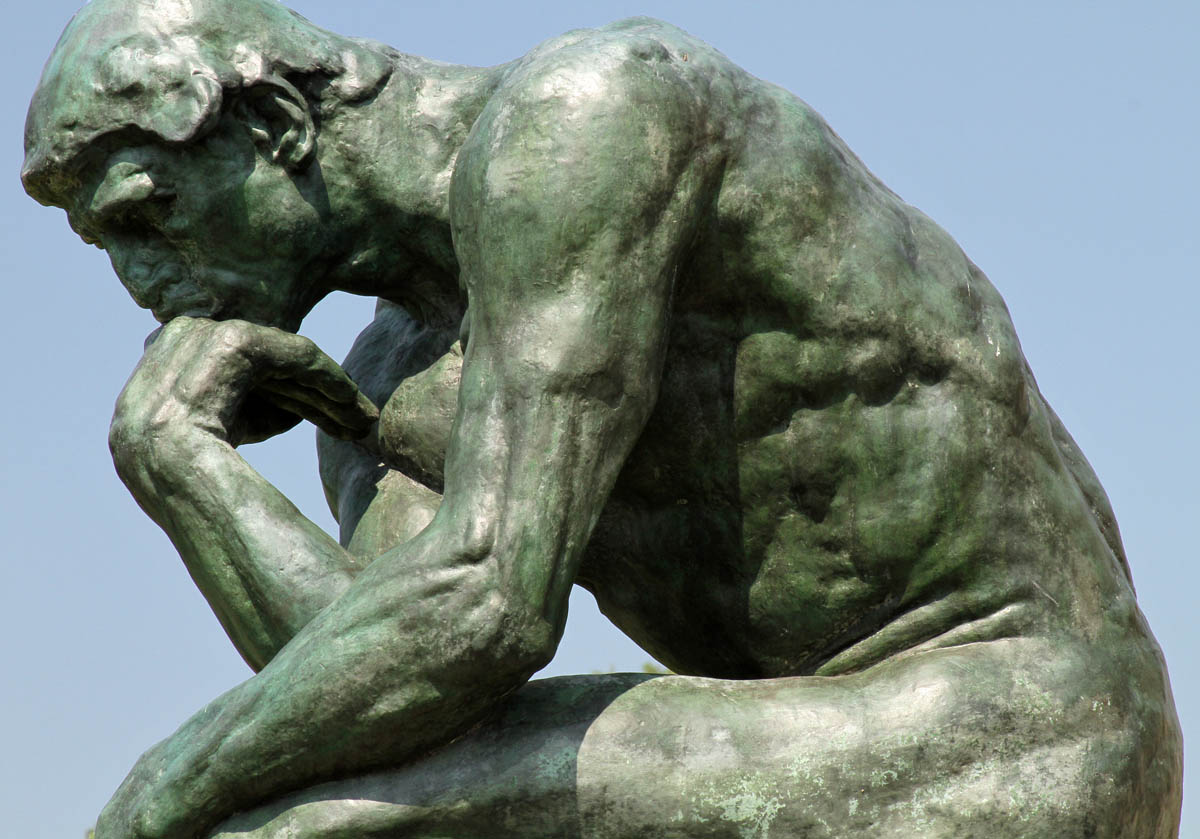
A Day in Tokyo: A 1968 Film Captures a City Reborn 23 Years After Its Destruction
During World War II, Tokyo sustained heavy damage, especially with the bombings conducted by the U.S. military in March 1945. Known as Operation Meetinghouse, US air raids destroyed 16 square miles in central Tokyo, leaving 100,000 civilians dead and one million homeless. Tokyo didn’t recover quickly. It took until the 1950s for reconstruction to really gain momentum. But gain momentum it did. By 1964, Tokyo found itself largely rebuilt, modernized, and ready to host the Olympics. That brings us to the 1968 film above, A Day in Tokyo, created by the Japan National Tourism Organization (JNTO) to promote tourism in the rebuilt city.
The website Japanese Nostalgic Car sets the scene:
The year 1968 was a special time for Japan. It was emerging as a modern country. The Tokyo Olympics had just been held a few years prior. Bullet trains, high-speed expressways, and color television broadcasts were spreading throughout the land. The year before saw the Toyota 2000GT and Mazda Cosmo Sport, Japan’s contemporary sports cars, debut. It must have been incredibly exciting.
In the 23-minute film above, you can revisit this moment of transformation and renewal, when Tokyo—as the film’s narrator put it—combined the best of new and old. Here, in the “constant metabolic cycle of destruction and creation, Tokyo progresses at a dizzying pace.” And it’s a sight to behold. Enjoy.
Related Content
Behold the Unique Beauty of Japan’s Artistic Manhole Covers
Read More...How Humanity Got Hooked on Coffee: An Animated History
Few of us grow up drinking coffee, but once we start drinking it, even fewer of us ever stop. According to legend, the earliest such case was a ninth-century Ethiopian goatherd named Kaldi, who noticed how much energy his ruminant charges seemed to draw from eating particular red berries. After chewing a few of them himself, he experienced the first caffeine buzz in human history. Despite almost certainly never having existed, Kaldi now lends his name to a variety of coffee shops around the world, everywhere from Addis Ababa to Seoul, where I live.
His story also opens the animated TED-Ed video above, “How Humanity Got Hooked on Coffee.” We do know, explains its narrator, that “at some point before the fourteen-hundreds, in what’s now Ethiopia, people began foraging for wild coffee in the forest undergrowth.” Early on, people consumed coffee plants by drinking tea made with their leaves, eating their berries with butter and salt, and — in what proved to be the most enduring method — “drying, roasting, and simmering its cherries into an energizing elixir.” Over the years, demand for this elixir spread throughout the Ottoman Empire, and in the fullness of time made its way outward to both Asia and Europe.
In no European city did coffee catch on as aggressively as it did in London, whose coffee houses proliferated in the mid-seventeenth-century and became “social and intellectual hotbeds.” Later, “Paris’ coffee houses hosted Enlightenment figures like Diderot and Voltaire, who allegedly drank 50 cups of coffee a day.” (In fairness, it was a lot weaker back then.) Producing and transporting the ever-increasing amounts of coffee imbibed in these and other centers of human civilization required world-spanning imperial operations, which were commanded with just the degree of caution and sensitivity one might imagine.
The world’s first commercial espresso machine was showcased in Milan in 1906, a signal moment in the industrialization and mechanization of the coffee experience. By the mid-nineteen-fifties, “about 60 percent of U.S. factories incorporated coffee breaks.” More recent trends have emphasized “specialty coffees with an emphasis on quality beans and brewing methods,” as well as certification for coffee production using “minimum wage and sustainable farming.” Whatever our considerations when buying coffee, many of us have made it an irreplaceable element of our rituals both personal and professional. Not to say what we’re addicted: this is the 3,170th Open Culture post I’ve written, but only the 3,150th or so that I’ve written while drinking coffee.
Related content:
The History of Coffee and How It Transformed Our World
The Birth of Espresso: The Story Behind the Coffee Shots That Fuel Modern Life
The Curious Story of London’s First Coffeehouses (1650–1675)
“The Virtues of Coffee” Explained in 1690 Ad: The Cure for Lethargy, Scurvy, Dropsy, Gout & More
Based in Seoul, Colin Marshall writes and broadcasts on cities, language, and culture. His projects include the Substack newsletter Books on Cities, the book The Stateless City: a Walk through 21st-Century Los Angeles and the video series The City in Cinema. Follow him on Twitter at @colinmarshall or on Facebook.
Read More...A Walking Tour of Los Angeles Architecture: From Art Deco to California Bungalow
When architectural historian Reyner Banham wrote Los Angeles: The Architecture of Four Ecologies (1971), quite possibly the most influential book published about the Southern Californian metropolis, he saw fit to dismiss the center of the city with what he called “a note on downtown.” He concedes that it has its landmarks, like the Cathedral of Santa Vibiana and the much-filmed Bradbury Building, “one of the most magnificent relics of nineteenth-century commercial architecture anywhere in the world.” But he finds the urban scene that surrounds them hopelessly depleted: “Many US cities have had their downtown areas fall into this kind of desuetude,” but “in none of the others does one have quite such a strong feeling that this is where the action cannot possibly be.”
Things have changed since The Architecture of Four Ecologies came out more than half a century ago. After countless aborted attempts at revival, downtown Los Angeles seems finally to have found its way to becoming a true city center once again.
This has to do with a number of factors, including its positioning as the hub of the rail transit that’s been opening in stages since the early nineties, its levels of commercial and residential density at which today’s zoning laws make difficult or impossible to build, and the sheer diversity of its built environment. In the Architectural Digest video above, Los Angeles architect Valéry Augustin provides a walking tour of that diversity, introducing a striking building from each era of the city’s development.
Banham and Agustin agree on the importance of Los Angeles’ City Hall and Union Station. But Augustin also highlights the Art Deco Eastern Columbia Building, the Churrigueresque Million Dollar Theater, and a couple of major structures that Banham didn’t live to see, the Broad Museum and Ramon C. Cortines School Of Visual And Performing Arts. (Notably absent is Frank Gehry’s Walt Disney Concert Hall, whose once-shocking metallic curves have perhaps been overexposed over these past couple of decades.) But whatever the wonders of downtown, it’s long been argued that Los Angeles’ has more of a private architectural heritage than a public one; to understand the city’s architecture, in other words, you can’t ignore its houses.
Hence Architectural Digest’s having also put out a video in which Augustin breaks down the five most common types of Los Angeles home. These include example of the romanticized Mission Revival style, the idyllic California bungalow, the boardwalk beach house (as seen in ocean enclaves like Santa Monica and Venice), and more culturally representative housing forms such as bungalow courts (as seen in Party of Five) and postwar dingbat apartments. With their broad carports, their playfully exotic names, and their boxlike construction fronted, as Banham observes, by a range of styles from “from Tacoburger Aztec to Wavy-Line Moderne, from Cod Cape Cod to un-supported Jaoul vaults, from Gourmet Mansardic to Polynesian Gabled and even — in extremity — Modern Architecture,” they may well be the most Los Angeles buildings of all.
Related content:
The Story of Googie Architecture, the Iconic Architectural Style of Los Angeles
That Far Corner: Frank Lloyd Wright in Los Angeles – A Free Online Documentary
1,300 Photos of Famous Modern American Homes Now Online, Courtesy of USC
Take a Drive Through 1940s, 50s & 60s Los Angeles with Vintage Through-the-Car-Window Films
Watch Randy Newman’s Tour of Los Angeles’ Sunset Boulevard, and You’ll Love L.A. Too
Based in Seoul, Colin Marshall writes and broadcasts on cities, language, and culture. His projects include the Substack newsletter Books on Cities, the book The Stateless City: a Walk through 21st-Century Los Angeles and the video series The City in Cinema. Follow him on Twitter at @colinmarshall or on Facebook.
Read More...Discover the World’s Oldest University, Which Opened in 427 CE, Housed 9 Million Manuscripts, and Then Educated Students for 800 Years
In the Buddhist Asia of a dozen centuries ago, the equivalent of going off to study at an Ivy League school was going off to study at Nalanda. It was founded in the year 427 in what’s now the Indian state of Bihar, making it “the world’s first residential university,” as Sugato Mukherjee writes at BBC travel. As it developed, Nalanda became a “home to nine million books that attracted 10,000 students from across Eastern and Central Asia. They gathered here to learn medicine, logic, mathematics and – above all – Buddhist principles from some of the era’s most revered scholars.”
Alas, despite being much older than the famously venerable universities of Bologna, Oxford, or Cambridge, Nalanda can’t claim to have been in continuous operation since the fifth century. Destroyed by marauders during Turko-Afghan general Bakhtiyar Khilji’s conquest of northern and eastern India in the 1190s, its vast campus lay in obscure ruins until Scottish surveyor Francis Buchanan-Hamilton and British Army engineer Sir Alexander Cunningham rediscovered and identified it, respectively, in the nineteenth century.
In its nearly eight centuries of initial activity, writes Mukherjee, Nalanda attracted proto-international students from all over Asia, and “regularly sent some of its best scholars and professors to places like China, Korea, Japan, Indonesia and Sri Lanka to propagate Buddhist teachings and philosophy.” Its notable faculty members included Aryabhata, “the father of Indian mathematics,” who may have been its head in the sixth century, and Chinese Buddhist monk Xuanzang, who returned to his homeland in 645 with “a wagonload of 657 Buddhist scriptures from Nalanda.” Later “he would translate a portion of these volumes into Chinese to create his life’s treatise.”

Image by Sumitsurai, via Wikimedia Commons
Of the nine million handwritten Buddhist manuscripts in Nalanda’s library at the time of its destruction, “only a handful” survived. Some of them eventually made their way to the Los Angeles County Museum of Art, a fitting enough tribute to the world-spanning outlook of the institution. Not far from its original location, now a UNESCO World Heritage site, Nalanda is making a comeback as an international place of learning for the twenty-first century. You can get a sense of how that project is shaping up from the BBC Reel video above. “I think we are already a university of the future,” says its Vice Chancellor Sunaina Singh, and indeed, a promising vision of the future needs nothing quite so much as a sufficiently deep past.
Related content:
Introduction to Indian Philosophy: A Free Online Course
How 99% of Ancient Literature Was Lost
Based in Seoul, Colin Marshall writes and broadcasts on cities, language, and culture. His projects include the Substack newsletter Books on Cities, the book The Stateless City: a Walk through 21st-Century Los Angeles and the video series The City in Cinema. Follow him on Twitter at @colinmarshall or on Facebook.
Read More...Isaac Asimov Predicts the Future in 1982: Computers Will Be “at the Center of Everything;” Robots Will Take Human Jobs
Four decades ago, our civilization seemed to stand on the brink of a great transformation. The Cold War had stoked around 35 years of every-intensifying developments, including but not limited to the Space Race. The personal computer had been on the market just long enough for most Americans to, if not actually own one, then at least to wonder if they might soon find themselves in need of one. On New Year’s Eve of 1982, The MacNeil-Lehrer News Hour offered its viewers a glimpse of the shape of things to come by inviting a trio of forward-looking guests, Wasn’t the Future Wonderful author Tim Onosko; Omni magazine editor Dick Teresi; and, most distinguished of all, Isaac Asimov.
As the “author of more than 250 books, light and heavy, fiction and non-fiction, some of the most notable being about the future,” Asimov had long been a go-to interviewee for media outlets in need of long-range predictions about technology, society, and the dynamic relationship between the two. (Here on Open Culture, we’ve previously featured his speculations from 1983, 1980, 1978, 1967, and 1964.) Robert MacNeil opens with a natural subject for any science-fiction writer: mankind’s forays into outer space, and whether Asimov sees “anything left out there.” Asimov’s response: “Oh, everything.”
In the early eighties, the man who wrote the Foundation series saw humanity as “still in the Christopher Columbus stage as far as space is concerned,” foreseeing not just space stations but “solar power stations,” “laboratories and factories that can do things in space that are difficult or impossible to do on Earth,” and even “space settlements in which thousands of people can be housed more or less permanently.” In the fullness of time, the goal would be to “build a larger and more elaborate civilization and one which does not depend upon the resources of one world.”
As for “the computer age,” asks Jim Lehrer; “have we crested on that one as well”? Asimov knew full well that the computer would be “at the center of everything.” Just as had happened with television over the previous generation, “computers are going to be necessary in the house to do a great many things, some in the way of entertainment, some in the way of making life a little easier, and everyone will want it.” There were many, even then, who could feel real excitement at the prospect of such a future. But what of robots, which, as even Asimov knew, would come to “replace human beings?”
“It’s not that they kill them, but they kill their jobs,” he explains, and those who lose the old jobs may not be equipped to take on any of the new ones. “We are going to have to accept an important role — society as a whole — in making sure that the transition period from the pre-robotic technology to the post-robotic technology is as painless as possible. We have to make sure that people aren’t treated as though they’re used up dishrags, that they have to be allowed to live and retain their self-respect.” Today, the technology of the moment is artificial intelligence, which the news media haven’t hesitated to pay near-obsessive attention to. (I’m traveling in Japan at the moment, and saw just such a broadcast on my hotel TV this morning.) Would that they still had an Asimov to discuss it with a level-headed, far-sighted perspective.
Related content:
Isaac Asimov Predicts the Future on The David Letterman Show (1980)
Based in Seoul, Colin Marshall writes and broadcasts on cities, language, and culture. His projects include the Substack newsletter Books on Cities, the book The Stateless City: a Walk through 21st-Century Los Angeles and the video series The City in Cinema. Follow him on Twitter at @colinmarshall or on Facebook.
Read More...Punk Dulcimer: Hear The Ramones’ “I Wanna Be Sedated” Played on the Dulcimer
Sam Edelston can rock the duclimer. On his YouTube channel, he writes: “Dulcimers are natural rock instruments. In fact, I even say that dulcimers are among the world’s coolest musical instruments, and they deserve to be known by the general public — the way that everybody knows guitars and ukuleles. Though usually associated with old folk songs and tunes, dulcimers are great for a shocking variety of modern music, too. I do these videos to inspire more people to play and listen to dulcimer music, in diverse, non-traditional styles.” Above, watch him cover the Ramones’ 1978 classic “I Wanna Be Sedated.” Find more covers of Zeppelin, the Stones & Beatles here. And yet more covers–including Bowie’s “Space Oddity” and Sabbath’s “War Pigs”–on the Contemporary Dulcimer YouTube Channel. Enjoy.
If you would like to support the mission of Open Culture, consider making a donation to our site. It’s hard to rely 100% on ads, and your contributions will help us continue providing the best free cultural and educational materials to learners everywhere. You can contribute through PayPal, Patreon, and Venmo (@openculture). Thanks!
Related Content:
Finnish Musicians Play Bluegrass Versions of AC/DC, Iron Maiden & Ronnie James Dio
A Bluegrass Version of Metallica’s Heavy Metal Hit, “Enter Sandman”
Pakistani Musicians Play Amazing Version of Dave Brubeck’s Jazz Classic, “Take Five”
Watch Jimi Hendrix’s ‘Voodoo Chile’ Performed on a Gayageum, a Traditional Korean Instrument
Read More...Black History in Two Minutes: Watch 93 Videos Written & Narrated by Henry Louis Gates Jr.
We’re nearly halfway through February, which the United States of America also knows as Black History Month. Perhaps there are relevant subjects on which you’ve been meaning to catch up, but you haven’t quite got around to it yet. If so, never fear: in the next couple of weeks, you’ll have plenty of time to binge-watch the Youtube series Black History in Two Minutes. Written and narrated by historian Henry Louis Gates Jr., it has so far covered everything from Harriet Tubman and Sojourner Truth to the Civil War and emancipation to the civil rights movement and school integration.
Those of us who went to school in the US — and especially those of us who did so after the institution of Black History Month, in 1970 — will remember those subjects having been discussed in the classroom. But even within the brief confines of two minutes (sometimes sprawling out to three minutes and change), Gates introduces facts most of us will never have heard.
For instance, the very first underground railroad in the eighteenth century ran not from the south of the country to the north, but the other way around, Spanish Florida having then been “a sanctuary for slaves who fled south from English rule” — though the freedom it offered did require conversion to Catholicism.
Also among the nearly 100 videos Black History in Two Minutes has so far produced are a wealth of bite-sized treatments of movements and figures important to not just black culture but the whole of American culture. These include Billie Holiday and Maya Angelou, the 1893 World’s Fair, the births of jazz and hip hop, and Negro league baseball. The show also encompasses episodes of history well within living memory, such as the Los Angeles riots and the election of Barack Obama — as well as the earlier, pioneering presidential run of Jesse Jackson. And in light of Jackson’s campaign T‑shirts’ having made a fashion comeback in Korea, where I live, it now seems to say that the culture that has arisen out of black history isn’t just vital to the culture of America, but of the world.
You can watch the complete playlist of videos at the top, or visit the Black History in Two Minutes website here.
via Kottke
Related content:
Take The Near Impossible Literacy Test Louisiana Used to Suppress the Black Vote (1964)
Watch the Pioneering Films of Oscar Micheaux, America’s First Great African-American Filmmaker
Based in Seoul, Colin Marshall writes and broadcasts on cities, language, and culture. His projects include the Substack newsletter Books on Cities, the book The Stateless City: a Walk through 21st-Century Los Angeles and the video series The City in Cinema. Follow him on Twitter at @colinmarshall or on Facebook.
Read More...Support Us
We're hoping to rely on loyal readers, rather than erratic ads. Please click the Donate button and support Open Culture. You can use Paypal, Venmo, Patreon, even Crypto! We thank you!

About Us

Open Culture scours the web for the best educational media. We find the free courses and audio books you need, the language lessons & educational videos you want, and plenty of enlightenment in between.
Advertise With Us

FREE UPDATES!
GET OUR DAILY EMAIL
Get the best cultural and educational resources on the web curated for you in a daily email. We never spam. Unsubscribe at any time.
FOLLOW ON SOCIAL MEDIA

Open Culture editor Dan Colman scours the web for the best educational media. He finds the free courses and audio books you need, the language lessons & movies you want, and plenty of enlightenment in between.
Advertise With Us


